

How to Take Care of Cotton Clothes | Cotton Care Guide
Cotton is one of the most popular natural fabrics due to its softness, breathability, comfortability, and the ability to be worn year-round. Clothing and home textiles made of this fiber are among the most common goods in the world. Nevertheless, like all other natural materials, cotton requires special care to keep its softness, color, shape, and overall appearance.
Therefore, if you own garments and other textiles made of cotton fibers, you should know essential maintenance tips for preserving their quality and extending their lifespan. The good thing is that caring for cotton is not a challenging task. Following a set of simple instructions, including the selection of the right temperature of water, detergent, and the conditions of storage, you will be able to maintain your favorite clothes and other cotton products.
This article provides helpful information on the topic and describes the essential guidelines and recommendations on cotton care that will help you keep your beloved t-shirts, dresses, and other garments made of this natural fiber soft, comfortable, and perfect in every detail.
1. Know the Nature of Cotton Fabric
Firstly, you need to understand the nature of this material. Indeed, one should be aware of the properties of cotton to know how to wash and care for cotton clothes.
A cotton fabric is a comfortable fabric that is warm and not irritating to the skin because of the softness of the fibers. Moreover, this natural fiber is hardy and highly absorbent. That is why clothes, towels, and other home textiles are usually made of cotton.
Nevertheless, there are some features that should be taken into account when washing and drying this fabric. For instance, high temperatures may cause shrinkage of cotton clothes. Besides, harsh detergents and rough rubbing may damage the fibers and ruin the appearance of this fabric.

2. Always Check the Care Label First
Amongst the easiest care instructions for cotton is the critical step of reading the garment’s care label before washing.
Cotton garments tend to have a variety of finishes, blends, colors, and construction methods – meaning that not all cotton clothing items can be washed the same way. By looking at the care tag, the washer can decide if the garment is suitable for machine washing, determine the proper temperature of the water, identify any drying instructions, and learn if the garment can be ironed or bleached.
In case any of the instructions on the care label conflict with the suggested cotton-care techniques, the washer should follow the care tag guidelines instead.
3. Sort Cotton Clothes before Washing
It is essential to sort your laundry to avoid damaging clothes with different colors.
Separate your cotton clothing into several groups:
-
White and light-colored garments;
-
Dark-colored clothing;
-
Bright and gray items;
-
Heavily soiled garments;
-
Delicate cotton clothing.
Washing new garments made of cotton separately several times helps to remove excess dye. In addition, it is necessary to turn cotton clothes inside out to minimize friction that damages the fibers and removes prints, patterns, and embroidery.
4. Choose the Right Water Temperature
Water temperature is one of the most important factors when learning how to wash cotton.
Cold, or even warm, water is a perfect choice to prevent shrinking and fading in most cases. Besides, it is better for the environment and your electricity bill as compared to warm or hot water.
Warm water could potentially be suitable for some cotton garments, depending on the care label. On the other hand, very hot water should only be used for items that explicitly mention that they could withstand such a procedure.

5. Use A Mild Detergent
While cotton is generally simple to wash, using too much detergent or one that is especially harsh can leave the garment with residues or start to break down the fabric fibers.
A suitable laundry detergent should be chosen and the recommended amount used. The more detergent, the better it will not necessarily be. Extra amounts may only complicate the washing process and make the fabric feel stiff.
To wash cotton garments on a regular basis it is best to use an easy detergent that will not be too harsh on the fabric.
6. Avoid Overloading the Washing Machine
A washing machine needs enough space in order for the laundry to properly move around in the water.
A full drum can cause excessive friction between cotton clothing, thus wearing fibers down. An overly full machine can also keep detergent from properly circulating through the laundry.
Leave enough room so that the clothes can comfortably move around during the wash cycle.

7. Tackling Stains
Acting quickly can often help remove a stain. If the garment is made of a natural fiber such as cotton, the stain does not rub so as not to force the liquid deeper into the fibers or damage the surface of the garment.
For food or drink spills, the following steps should be taken:
-
Remove any excess liquid or solids.
-
Rinse the stain in accordance with the care label
-
Apply appropriate treatment if necessary.
-
Wash the garment as instructed on the care label
-
Before drying the garment, make sure the stain has been completely removed.
-
Do not apply excessive heat when drying a stained garment.
8. Dry Cotton Clothes Right Ways
Drying your garments correctly also plays an important function in caring for your cotton clothing. One of the simplest methods of drying is to air dry the garments.
To air dry, hang or lay the garment in a well-ventilated region according to the care label. You can also dry your cotton items in a tumble dryer at the right temperature as mentioned on the care sticker.
Always remove your cotton garments from the dryer as soon as the cycle completes to avoid deep creases. This will save you from the hassles of ironing the wrinkled clothes.
9. Protect Cotton From Excessive Heat
One of the simplest answers to the question of how to care for clothes made of cotton fibers is to keep them away from unnecessary heat.
High heat can permanently shrink some cotton garments if they are not pre-shrunk.
It can also damage the fabric’s appearance and feel, especially with prolonged exposure.
Avoid exposing cotton clothing to elevated temperatures during washing, drying, ironing and storing in direct sunlight. A gentler approach usually lasts longer.

10. Iron Cotton Carefully
As cotton tends to wrinkle, it may need to be ironed occasionally. Always check the garment's care tag for the recommended ironing temperature, and be sure to take any special instructions into consideration when attempting to remove wrinkles.
It may be beneficial to iron printed or decorated clothing on the reverse side if possible, and avoid applying the iron on one area for too long, as this could damage the fabric or special effects used on some garments.
Clothing made from cotton that is worn on a day-to-day basis should not require too much maintenance, and a little care when removing unwanted creases should be sufficient to keep it looking its best.
11. Storing of Cotton Clothes
Make sure to wash and dry cotton clothes before storing.
Avoid storing cotton garments when they are damp, as the moisture trapped in the folds of the clothing can lead to unpleasant smells and mildew.
To store cotton clothes for a long time, it is advisable to fold the clean clothes and keep them in a cool and dry place.
Also, avoid keeping them in highly humid places or where they are exposed to sunlight for long periods of time. You should also give enough space between the cotton garments instead of piling them on top of each other.
Proper storage is especially important for cotton clothes that are out of season and that you intend to wear months later.
12. Give Your Cotton Clothes a Break
You can minimize the damage when you rotate your cotton clothes rather than constantly wearing the same t-shirts, pajamas, shirts, dresses, etc. This is beneficial to frequently worn items that are made of cotton and don't need to be worn every day.
In addition to clothes, you can do the same with your cotton home staples. By rotating your towels, other textiles, bedding, and table linens, you can ensure that the wear and tear is spread out amongst them.
13. Avoid the Use of Bleach or Other Harsh Chemicals
Bleach and other harsh chemicals are not recommended for all cotton garments.
While cotton is a tough material, frequent exposure to bleach or other strong mixtures may damage the garment. Always refer to the care label prior to using chemical solvents. Wherever possible, a quality detergent and washing cycle are much better options than harsh chemicals.
14. Take extra care of colored cotton.
If you have clothes made of colored cotton, you should take extra care in cleaning them so they will not lose their color.
To keep your colored clothes colorful, try doing this:
-
Always wash different colors together.
-
Cold water should also be used when washing cotton.
-
Don't use too much detergent.
-
Always turn clothes inside out when washing.
-
Don't use too much heat.
-
Don't leave clothes that are still wet outside in the sun.
By just simply doing these things you can make your clothes last longer.
15. Cotton Care Goes Beyond Clothing
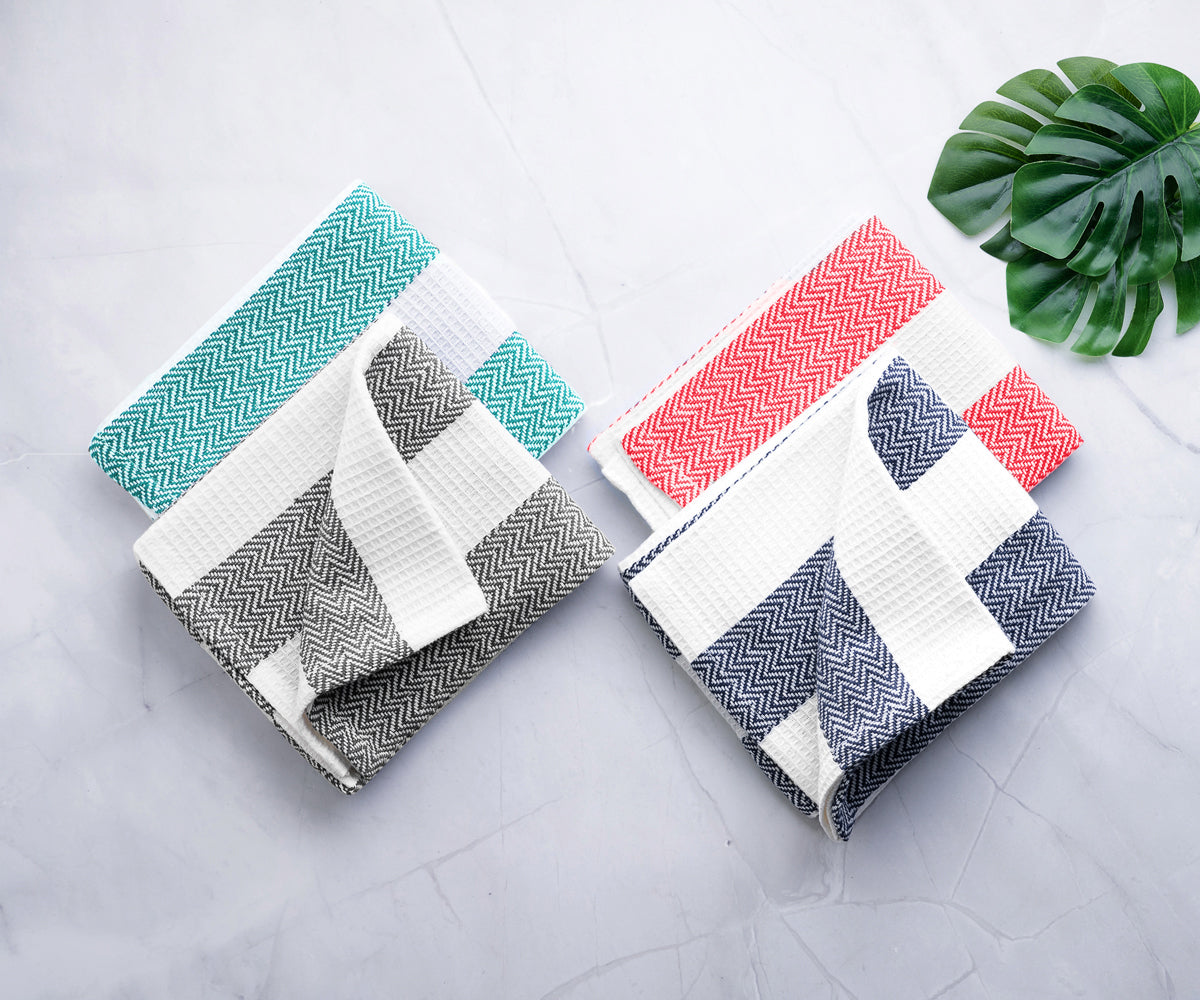
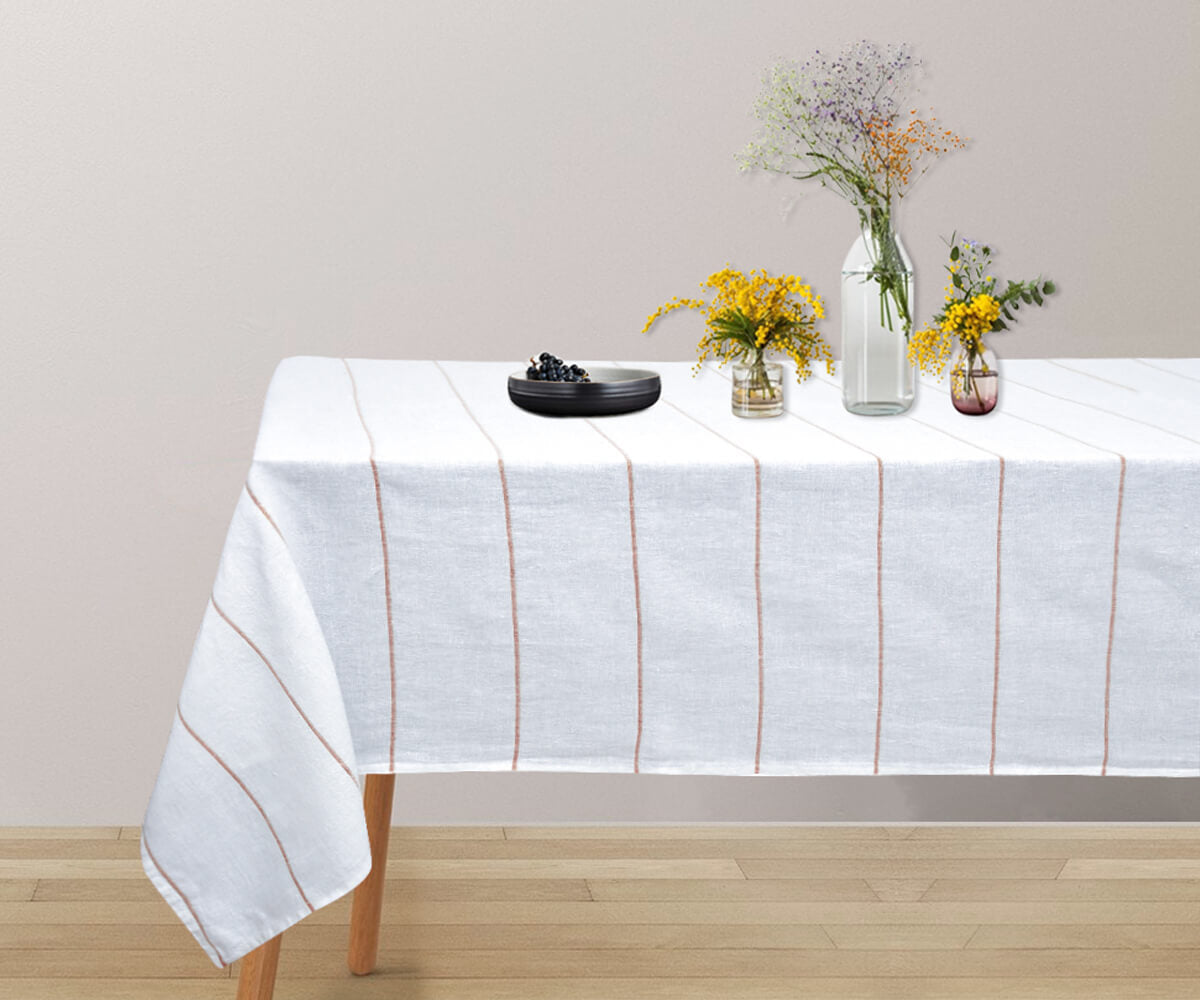
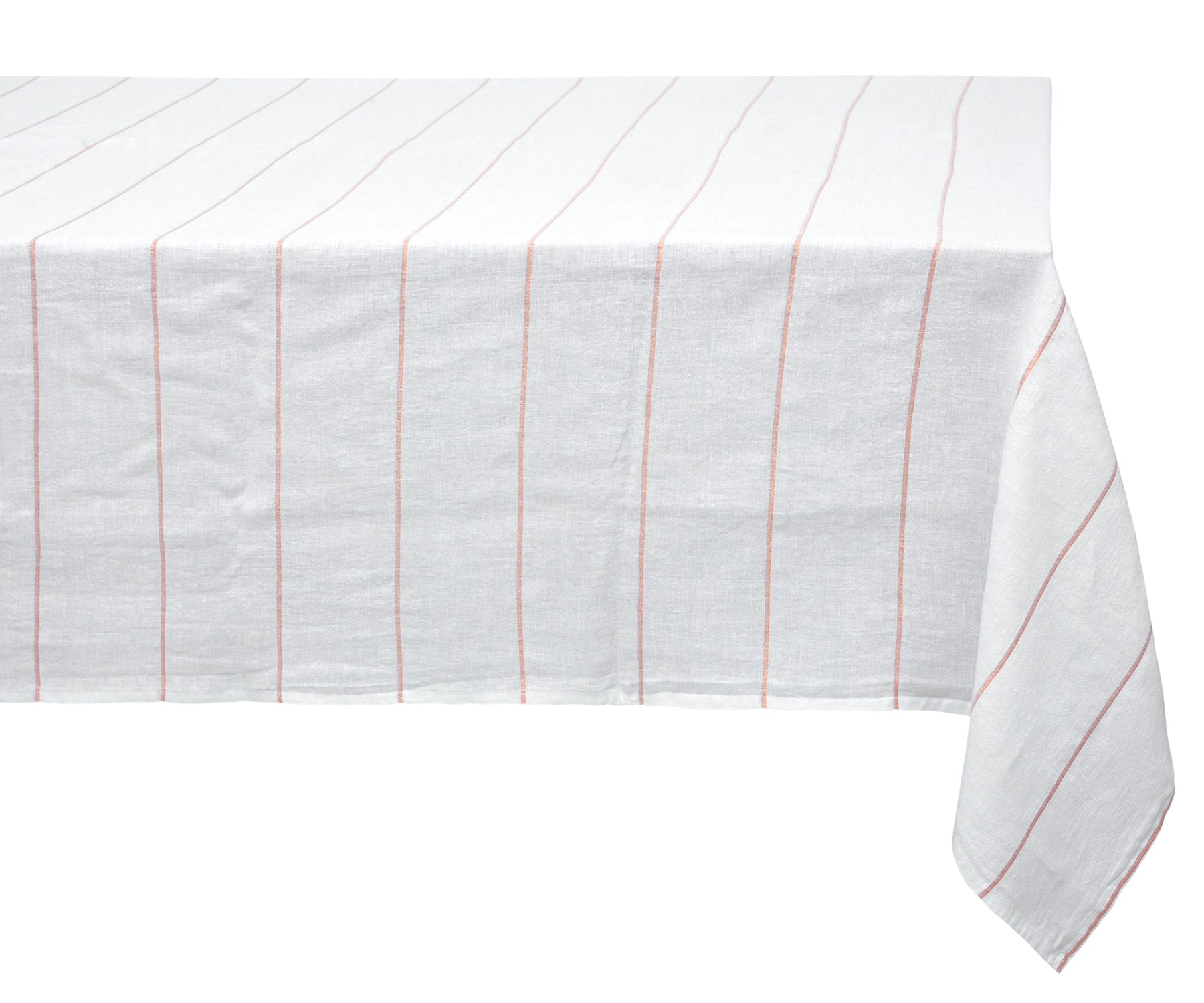
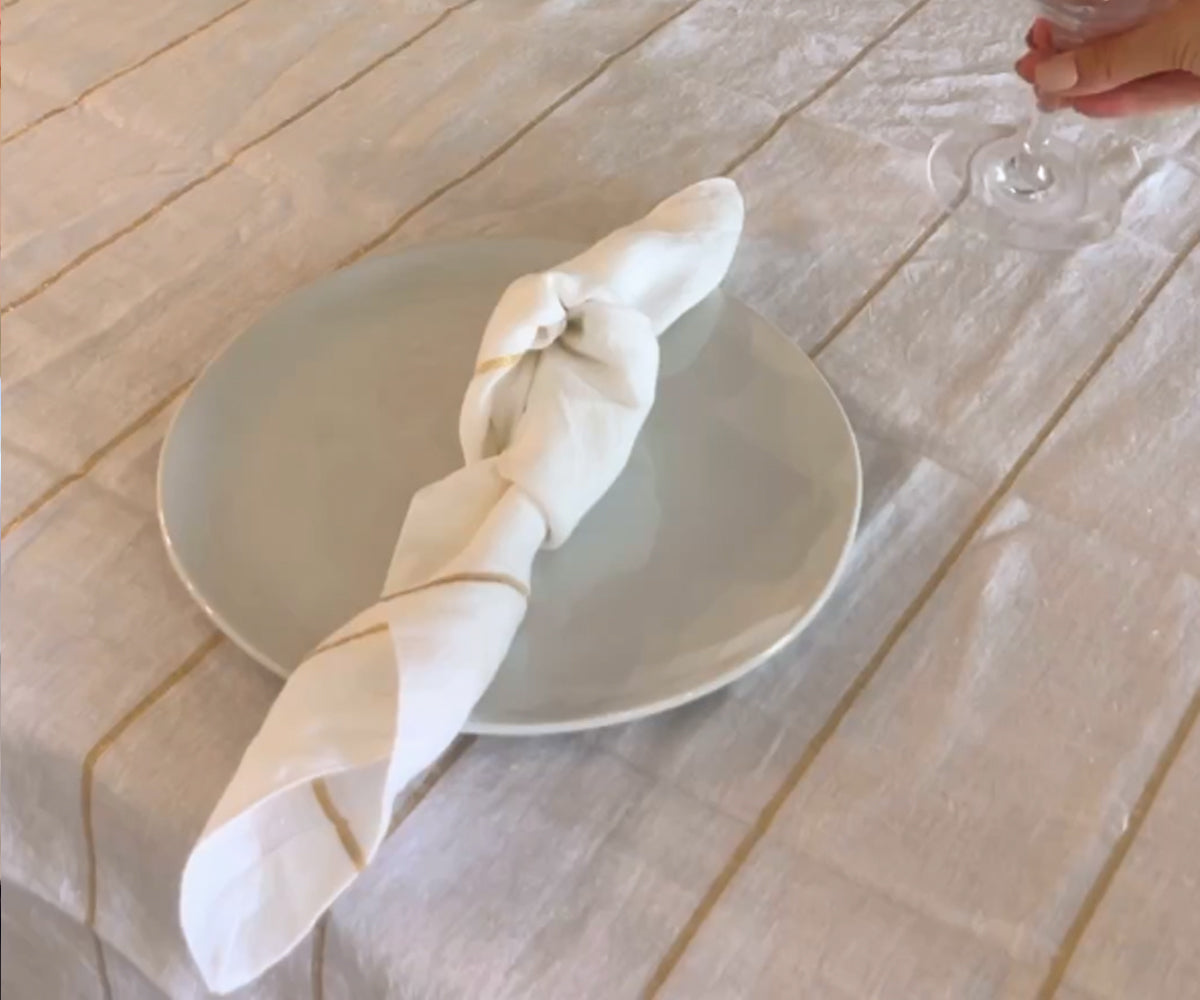
Cotton is not just about your clothing; the same principles can be applied to clothing made of this fabric. However, there are also several cotton essentials around the house that will need washing, drying, stain removal, and proper storage.
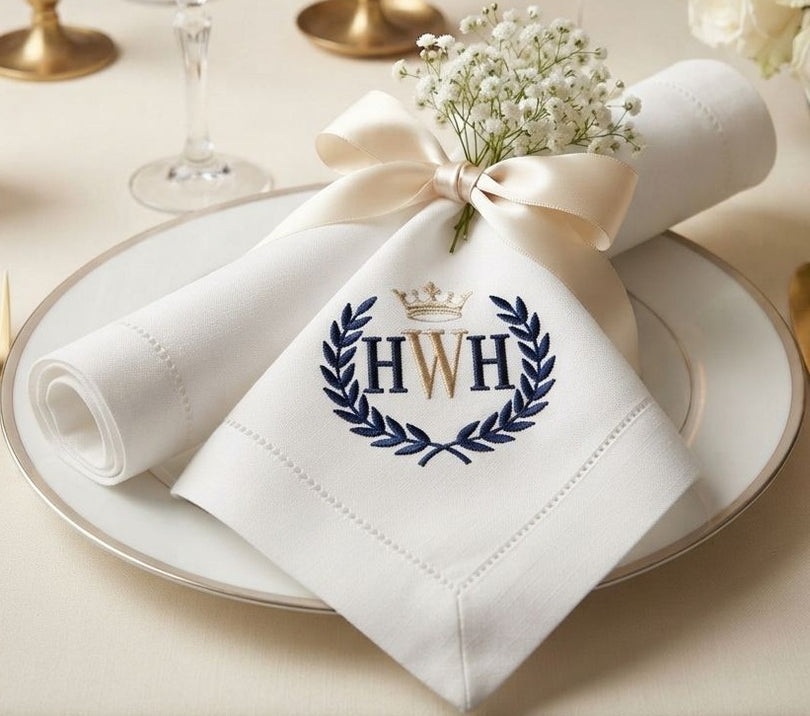
Such cotton goods as tablecloths, dinner napkins, placemats, towels, bedding, and many others require special care and attention.
For example, towels may need to be washed more often due to moisture and food remnants, while table linens will require special stain removal after dinner. At the same time, sheets and other bedding accessories should be washed according to specific instructions. High-quality cotton products will keep you comfortable for many seasons.

16. Simple Cotton Care Routine
A general set of specific care instructions that can be included in a simple cotton care routine is as follows:
Pre-washing:
Read the washing instructions, separate the laundry, and treat the stains.
Washing:
Use the indicated temperature setting, apply the suitable washing solution, and do not overfill the washing machine.
Drying:
Air dry the laundry or use the lowest allowable drying setting.
Post-washing:
Take the garments out of the washing machine, remove wrinkles, and do not iron unless necessary.
Storage:
Make sure that the fabric is thoroughly dried and stored away in a dry place.
Keep Your Cotton Essentials Looking Their Best
To learn how to care for your cotton clothes, all you have to do is take it easy on this natural fiber. From tossing it in the washing machine to folding it in the closet.
By using the right temperature setting, removing any unwanted stains, avoiding high heat, drying your cotton goods in the right conditions, and storing it in a cool and dry place, you can prolong the lifespan of your favorite cotton t-shirt.
When it comes to cotton essentials for your home, you can get your table linens, kitchen towels, bedding, and other cotton products looking newer with the same simple care.
Related Readings:
How to care for your Linen Tablecloth: Shopping and Styling Tips
What are some Easy and Cheap DIY Decor Ideas that only require Items around your house?