


Curtain vs Blinds: What's the Difference?
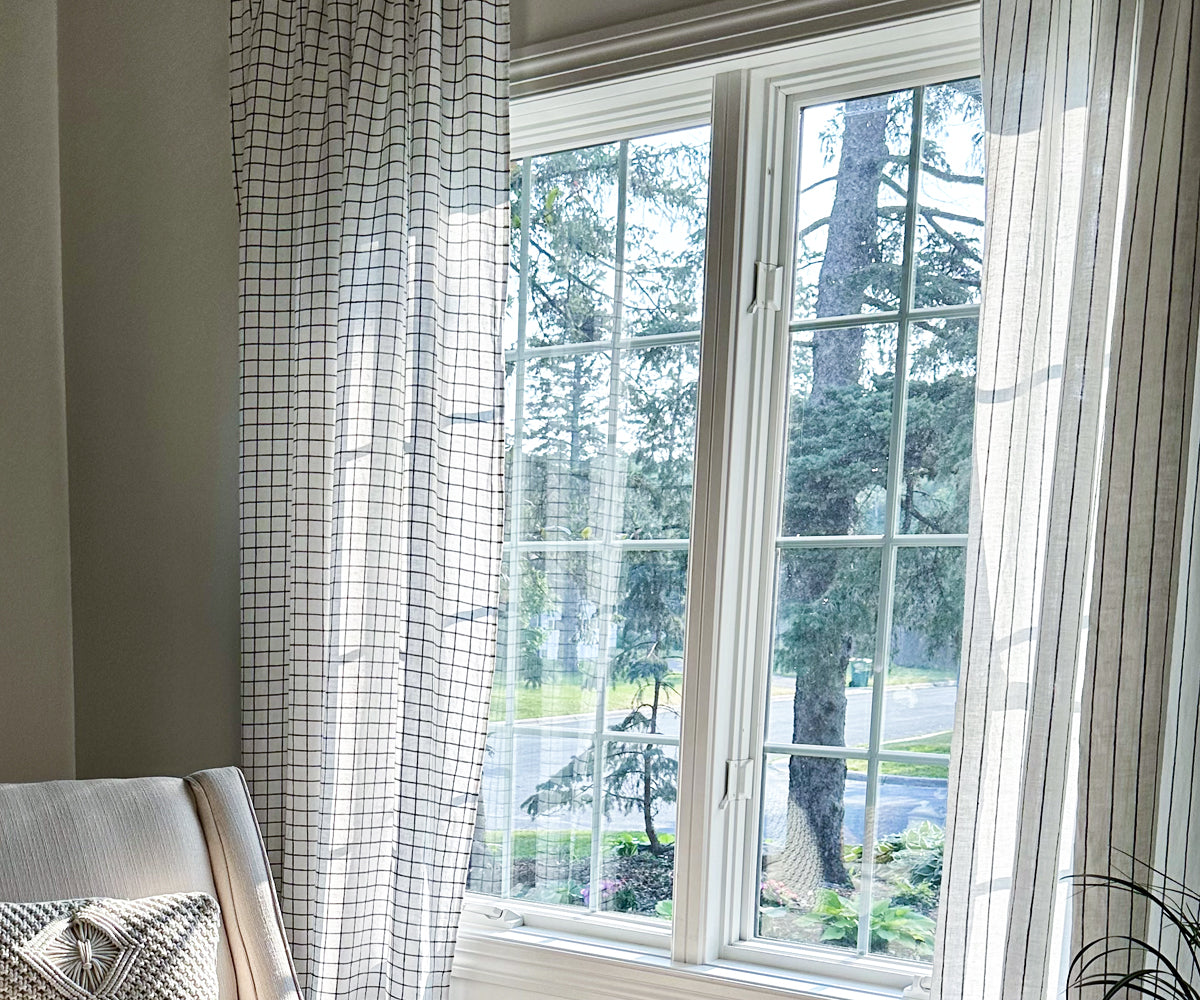
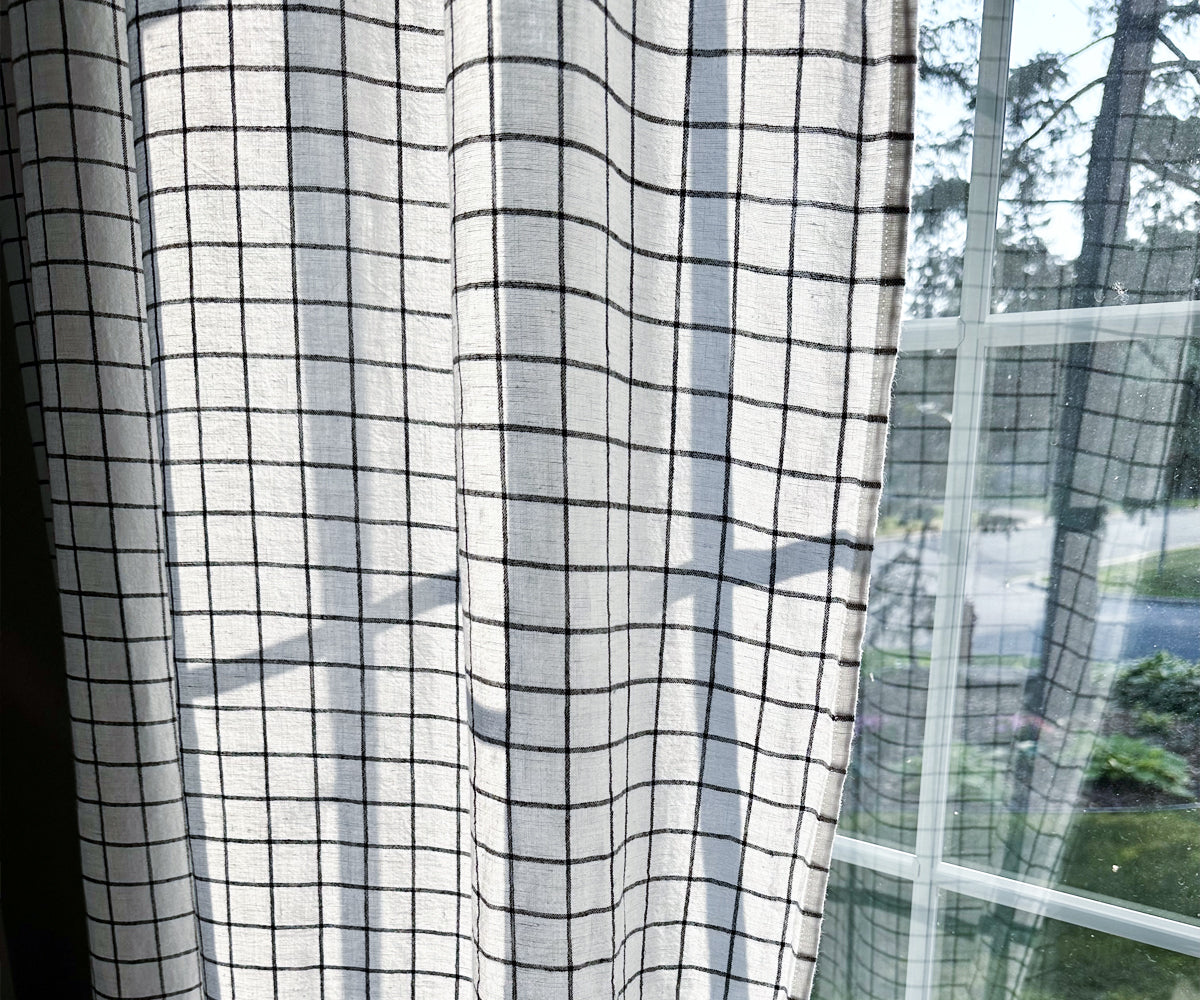
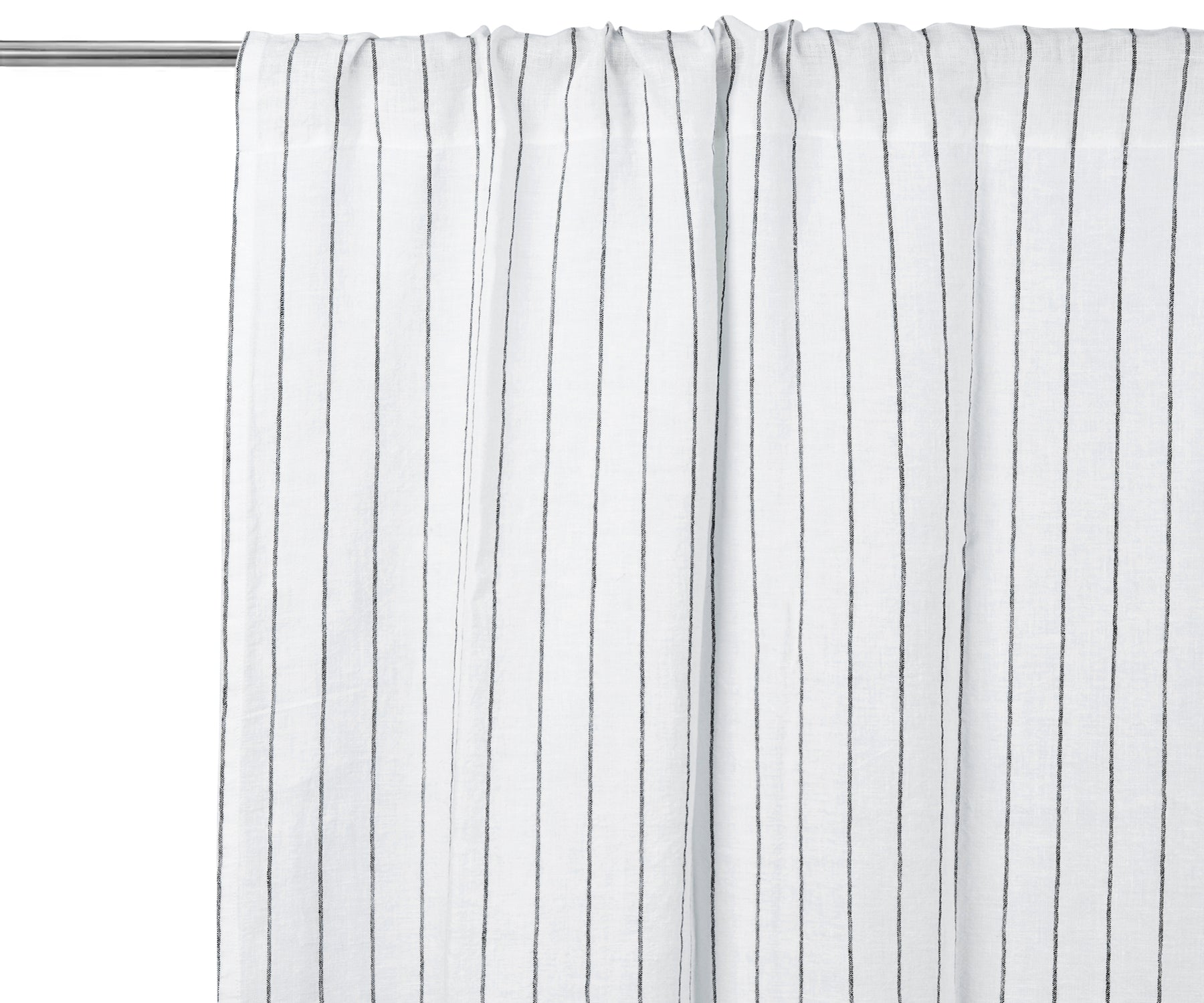
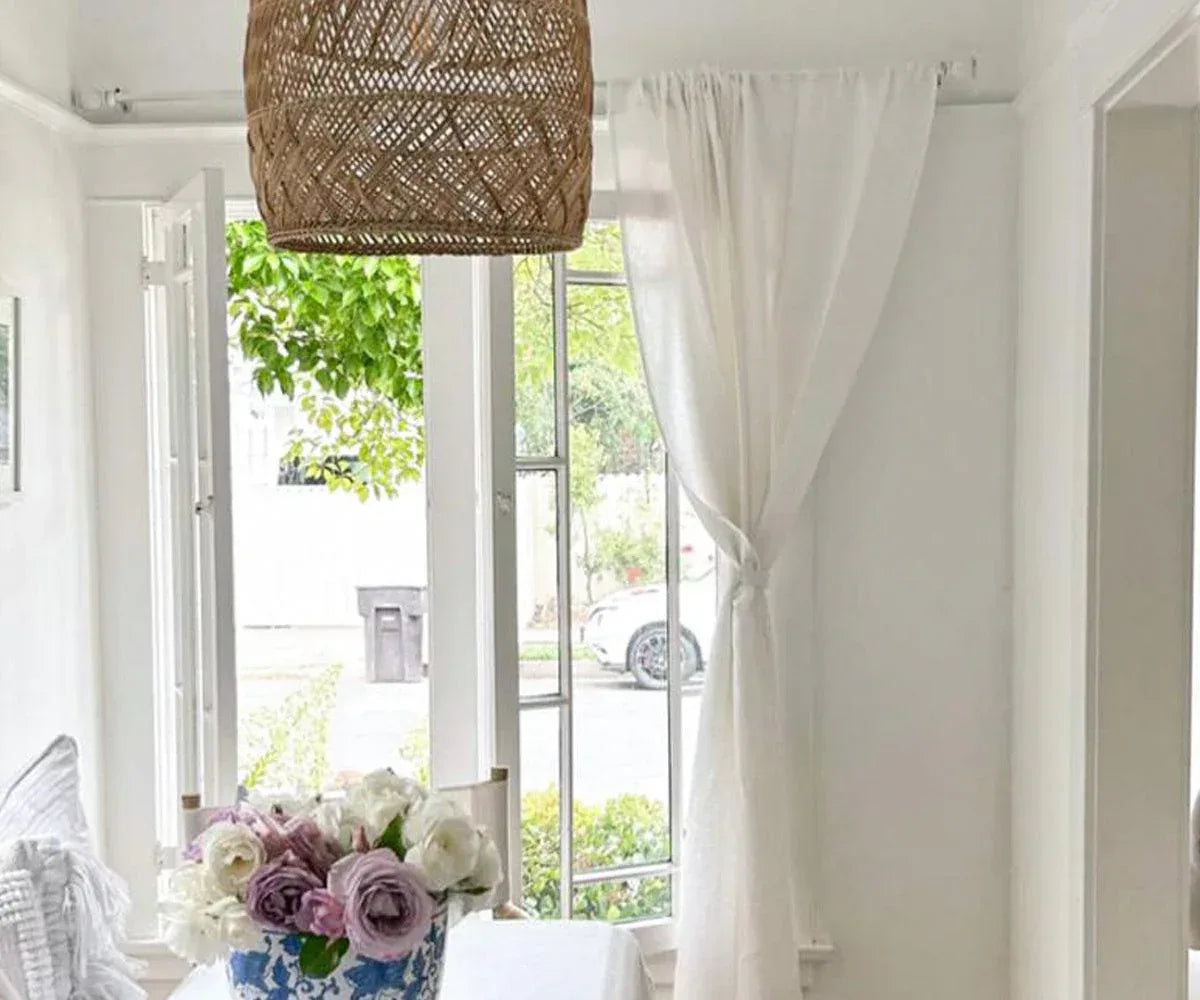
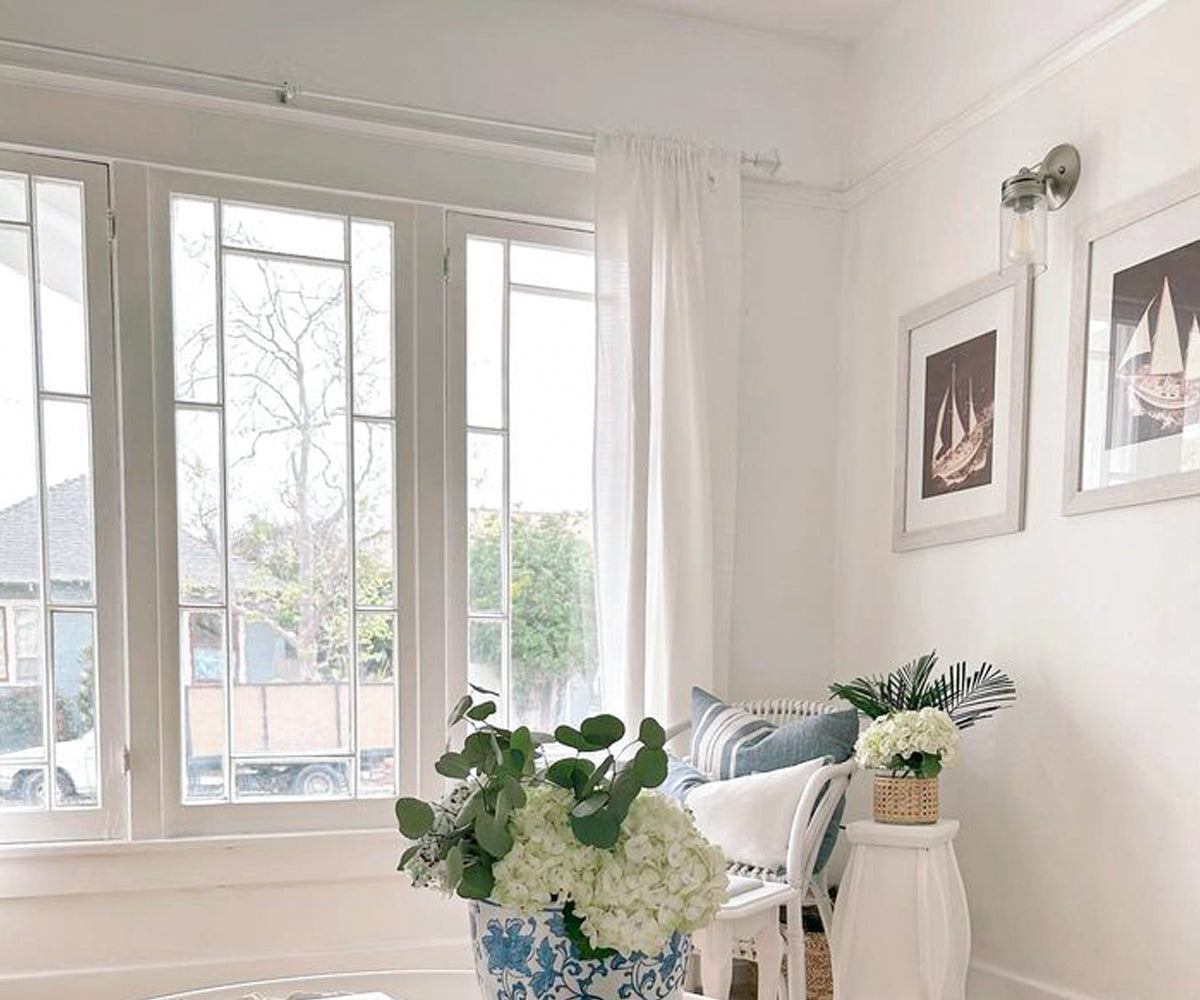
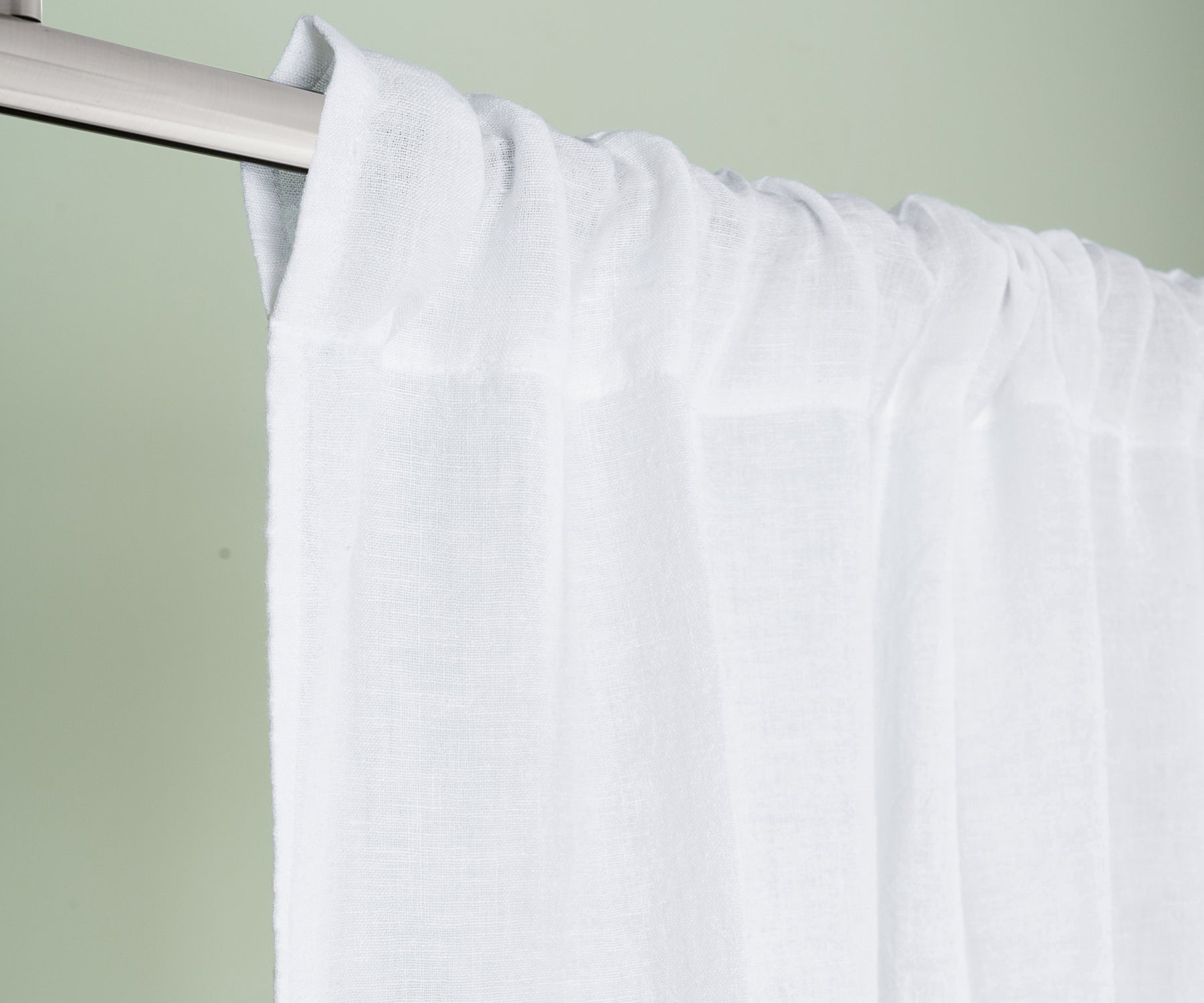
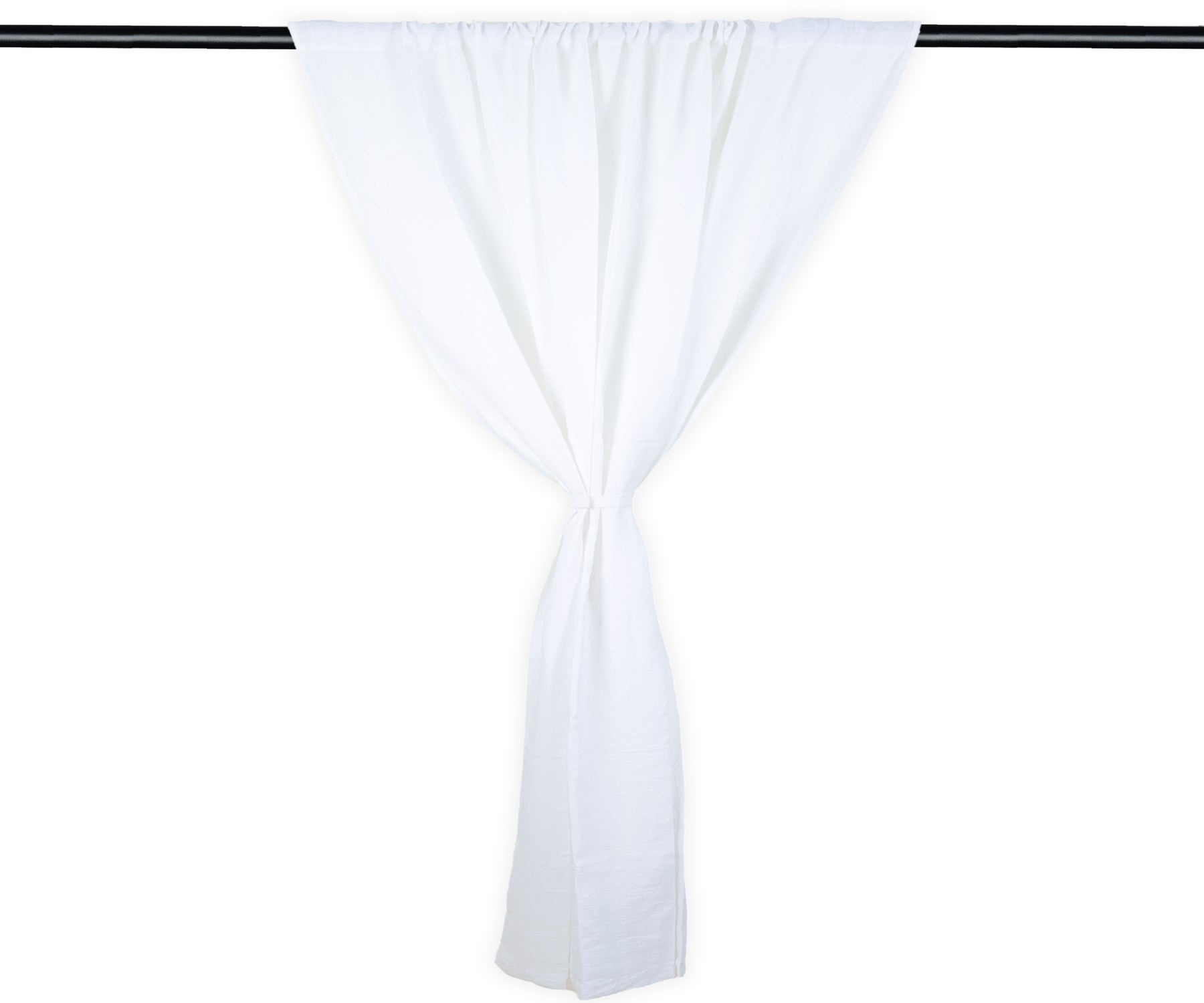
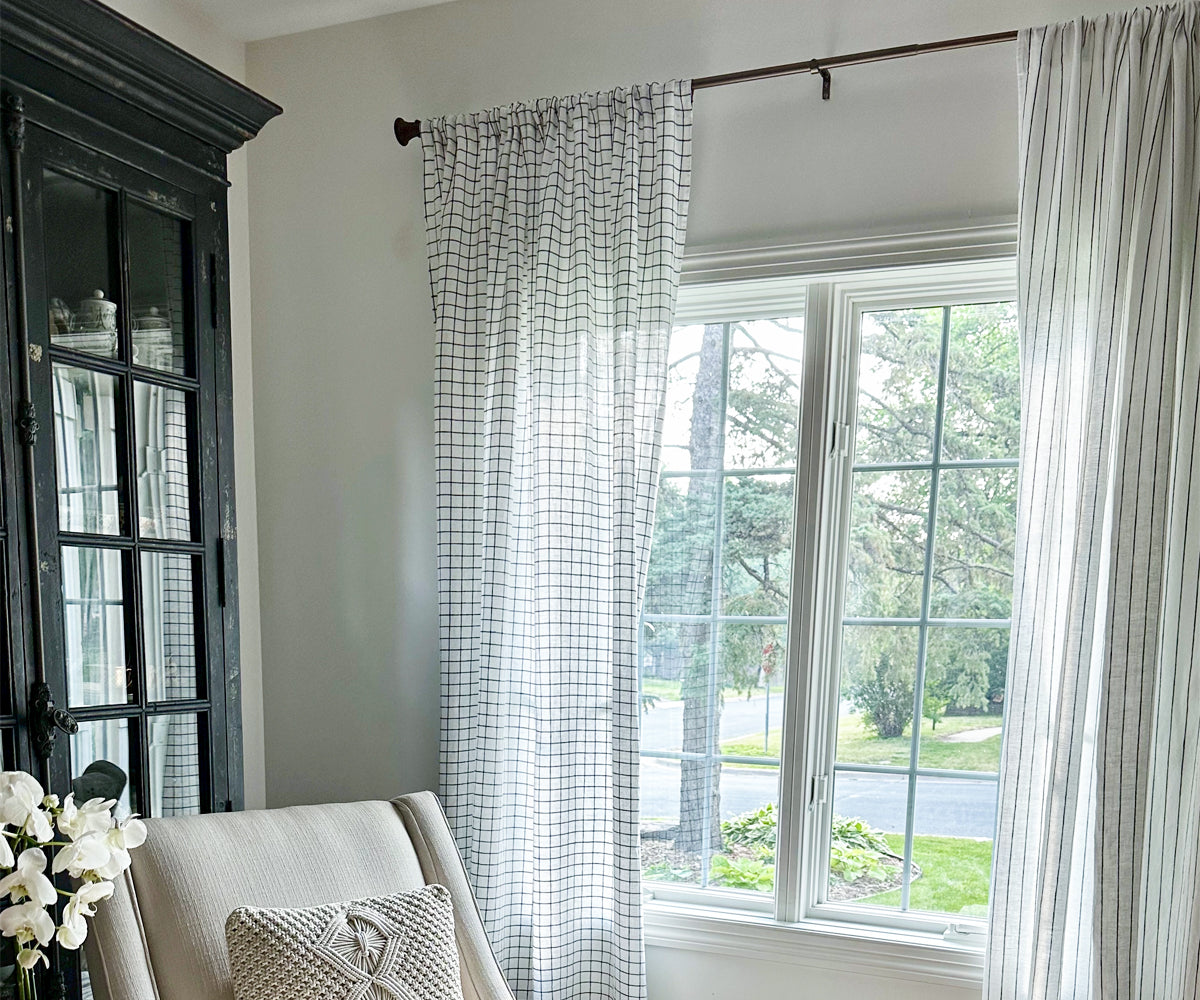
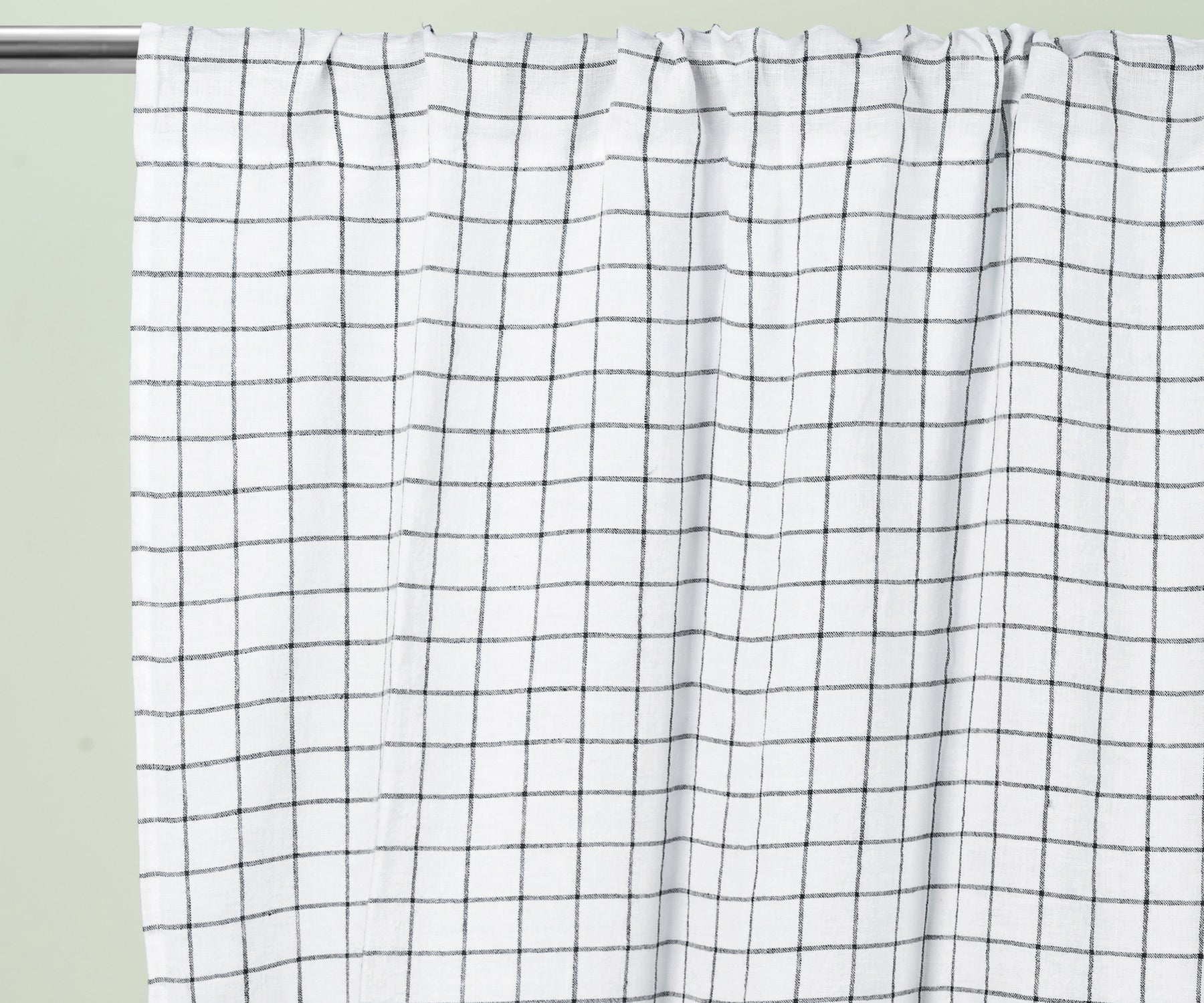
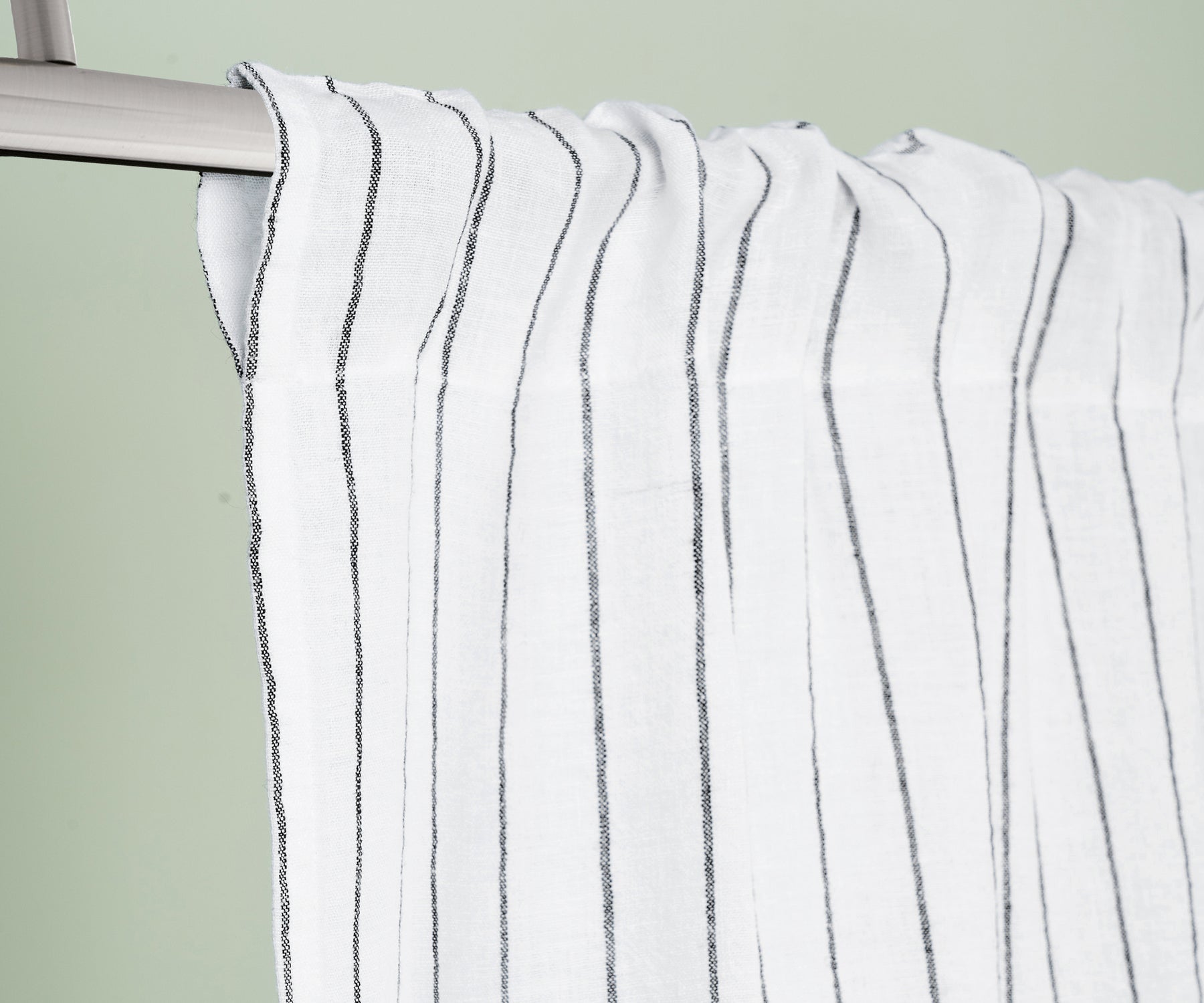
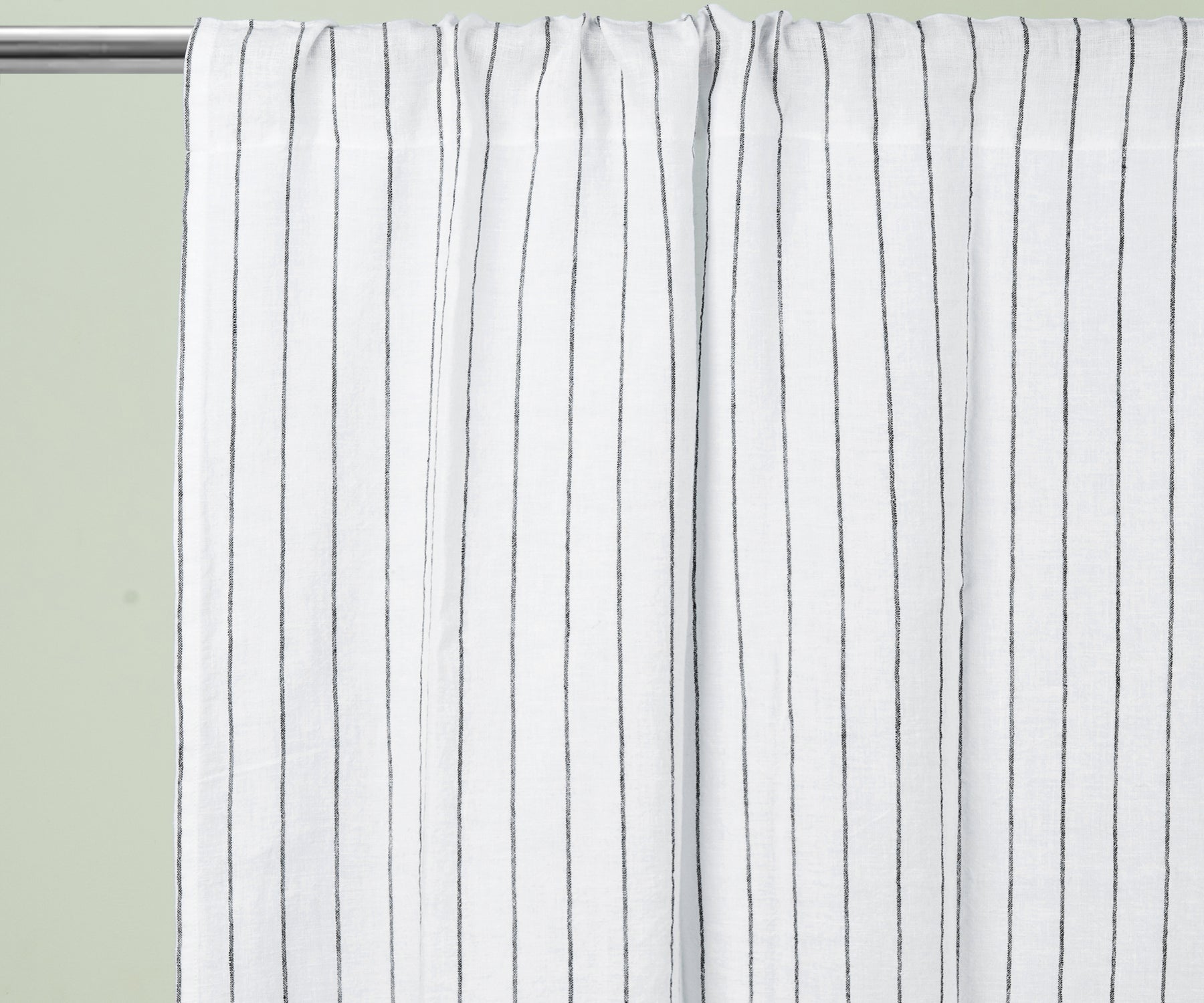
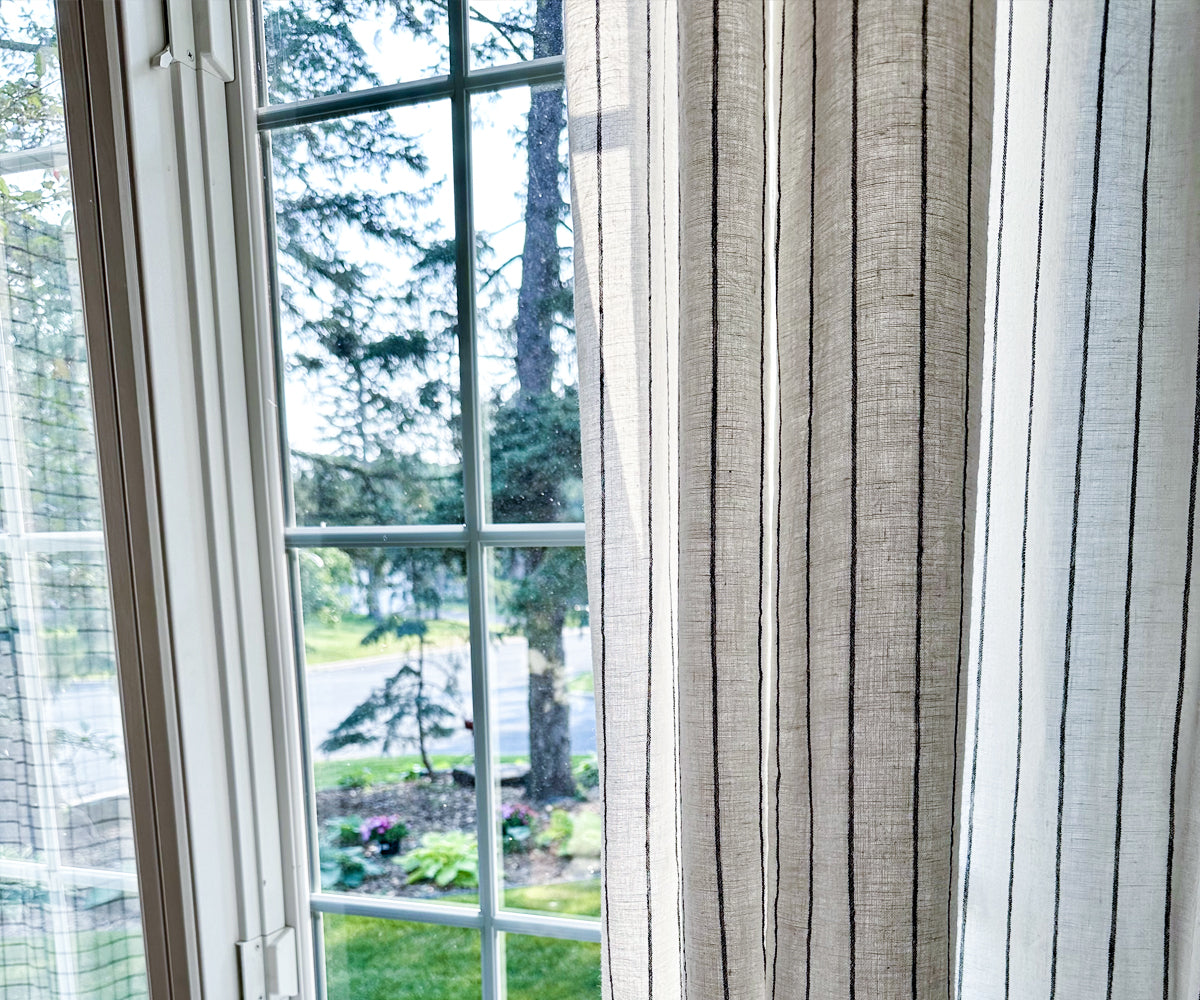
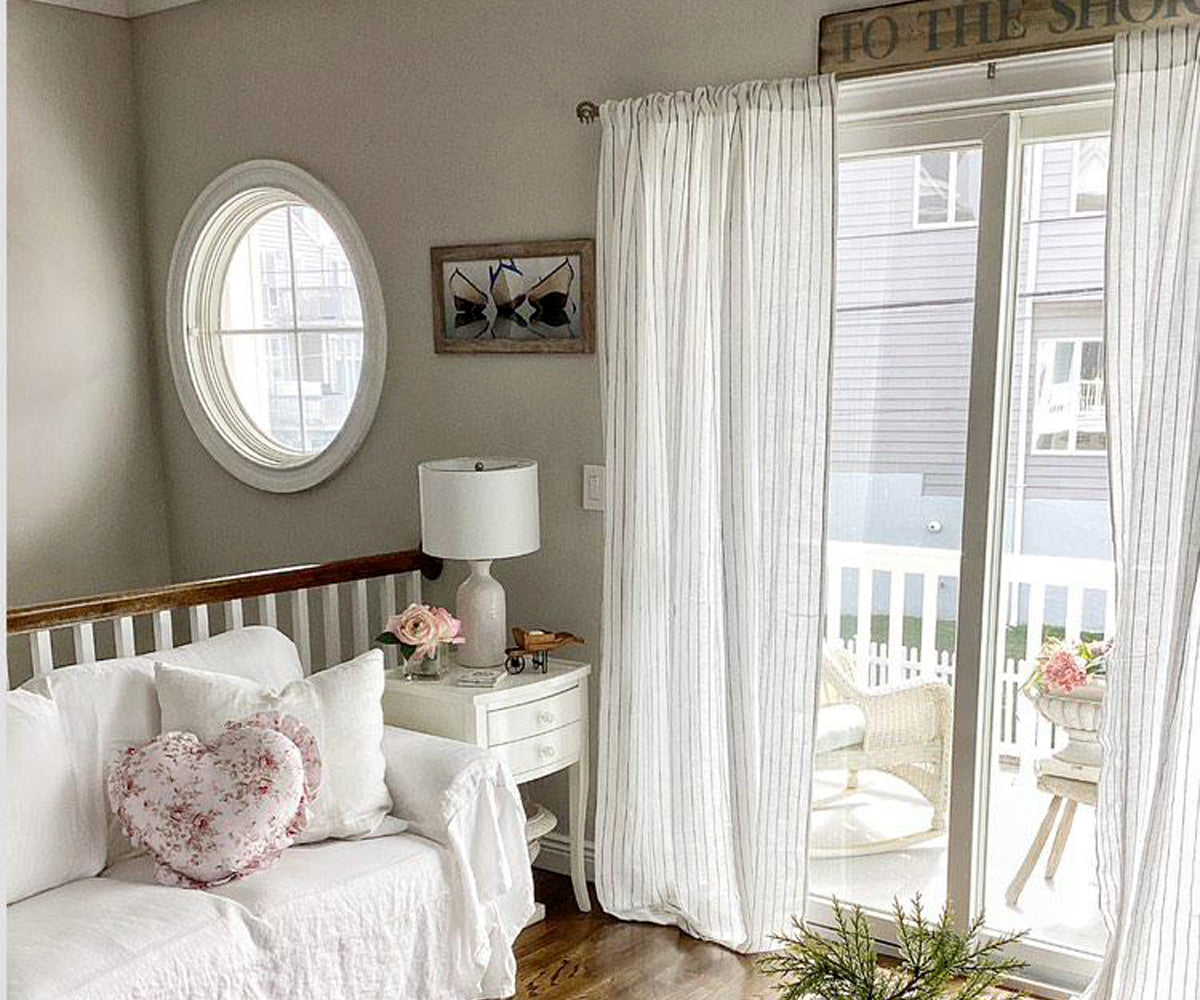
Curtains are fabric panels that hang from a rod covering the whole window, and the amount of glass seen through them can be adjusted by tying a ribbon or string at the back. Blinds are rigid or semi-rigid slats, either horizontal or vertical, or in pockets like egg cartons, that can be tilted or raised to allow just the right amount of light into the room.

That difference in construction causes all the rest of the differences listed below. The drape of the material makes curtains a good choice if you want to add softness to the room, plus they layer nicely with other textures. The construction of the slats or cells in blinds allows for far more control over the amount of light entering the room and at what angle.
There's no one size fits all, so it's all about the requirements of your windows.
Are Blinds or Curtains Better for Insulation?
This is where most comparisons get lazy, so here's the actual breakdown.
Standard blinds venetian, vertical, or basic slat styles are poor insulators. The slats don't create a seal against the window frame, so air moves freely around and through them. Any insulation benefit is minimal, regardless of the material the slats are made from.
Cellular (honeycomb) shades are a different story entirely. Their honeycomb structure traps air in sealed pockets, which is what actually creates insulation trapped air, not the material itself. A well-installed cellular shade can cut heat loss through a window by roughly 40% during winter and block a significant share of solar heat gain in summer, according to U.S. Department of Energy research on window treatments. That performance rivals or beats most curtains. But it's important to note: cellular shades are a specific product category, not what most people picture when they hear "blinds." A basic aluminum venetian blind does not perform anywhere close to this.

Curtains fall in the middle, with real variation by type. Closing ordinary curtains at night can reduce heat loss by close to 17%, and curtains with a proper thermal lining can push that figure closer to 25%, per the same Department of Energy guidance. Heavier, tightly woven fabrics like lined linen or velvet trap more air between the fabric and the glass, which is the same principle cellular shades use, just less precisely engineered.
Here's the context that puts all of this in perspective: a single-pane window has an R-value (a measure of resistance to heat flow) of roughly 0.9. A double-pane window sits around 1.8 to 3.0. Windows account for as much as 30% of a home's total heat loss, so anything you add on top of the glass is working against a fairly large baseline problem.
The honest verdict on insulation: if you're comparing a standard curtain to a standard slat blind, curtains win, and it isn't close the fabric alone, even without a thermal lining, does more to slow air movement than open slats ever will. If you're comparing thermal-lined curtains to cellular shades specifically, it's closer, and cellular shades may edge ahead in very cold climates. But "blinds" as most people shop for them venetian, vertical, faux wood are not a meaningful insulation upgrade over bare glass.
Also Read: What Are The Different Curtain Styles [2025 Edition]
Light Control and Privacy
I think blinds are more versatile. You can angle them so that it lets in some light while preventing a direct view into the room, whereas with fabric you can't do that without compromising on light. I think this is especially useful in a home office or kitchen where you want day-light but don't want anyone to be able to see in.

Curtains, however, provide another type of versatility in that you can have a sheer material for days when you want some light, while having a heavier material to prevent any light from coming through at night, which is why many people recommend black-out curtains for bedrooms. It really depends on what you need the curtains for. I don't think one is necessarily better than the other, just more useful in certain situations.
Style and Room Compatibility
Curtains suit traditional, cozy, and layered interiors. Floor-length panels visually stretch a room and add texture that hard surfaces can't. Blinds suit clean-lined, modern spaces, and they're a better fit for small rooms since they don't add visual bulk or take up floor space when open.
A practical rule that holds up in most homes: use curtains where you want softness and warmth (living rooms, bedrooms), and use blinds where function needs to lead (kitchens, bathrooms, home offices).
Maintenance and Durability
Blinds need regular cleaning because of the accumulation of dust on the slats, while others may need occasional deep cleaning if they are in the kitchen where grease is present. Most blinds are easy to maintain and do not require special care. On the other hand, curtains may need washing or dry cleaning depending on their material. Although dry cleaning is not as good as washing, washing removes dust, pet dander, and odors, unlike blinds. Therefore, curtains made of cotton or linen that can be machine washed are easier to maintain than blinds.
You May Also Like: Why Linen Curtains Are Your Must-Have Investment for 2025?
Cost
Basic blinds made of PVC or aluminum are usually the cheapest option, while those made of wood or cellular tend to be more expensive and motorized ones add to the cost. As for curtains, they can vary greatly in price from being really cheap and simple cotton panels to lined linen or even custom-lengthed ones, but heavy curtains usually require special care that prolongs their lifespan, thus affecting the overall price.
Curtains or Blinds, Room by Room
-
Bedroom: Blackout curtains for genuine darkness, or a blackout curtain layered over a blind for both privacy and complete light block.
-
Living Room: Curtains for warmth and texture, or a mix blinds for daytime light control, curtains layered on top for evening softness.
-
Kitchen: Blinds, since they resist moisture and grease better and don't drag near stovetops.
-
Bathroom: Moisture-resistant blinds or a faux-wood option, since fabric curtains near humidity are prone to mold.
-
Home Office: Blinds, for the precise light control that reduces screen glare without blacking out the room entirely.
So, Are Curtains or Blinds Better?
If you had to pick one answer for a whole house, curtains generally offer more day-to-day value: better real-world insulation than standard blinds, more flexibility through layering, and a softer look that suits most living spaces. Blinds win specifically in small rooms, high-moisture areas, and anywhere you need adjustable light without giving up the whole window.
The setup that actually performs best in most homes isn't either one alone; it's blinds for function paired with curtains for warmth and extra insulation, especially in bedrooms and living rooms where both privacy and temperature control matter.
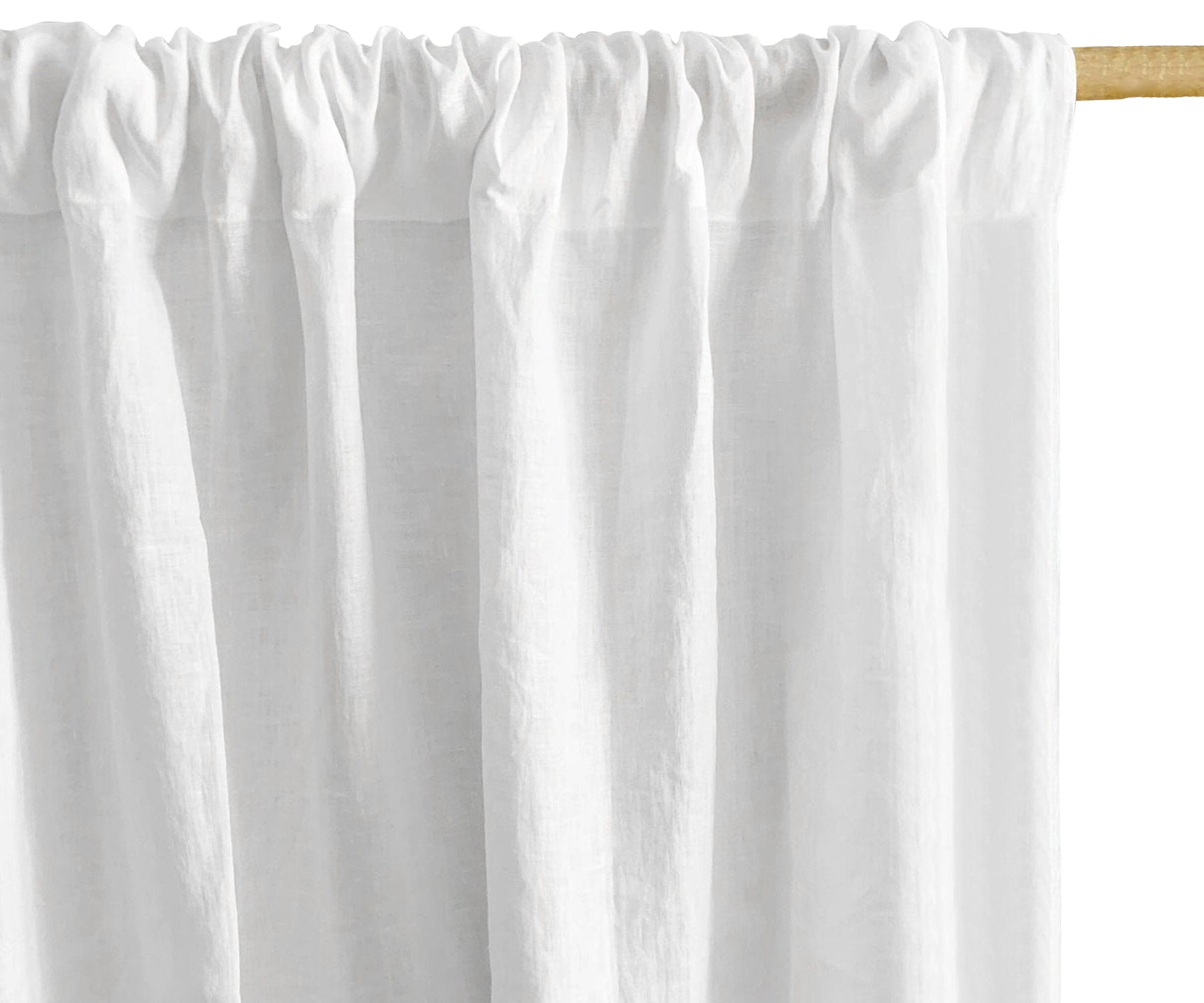
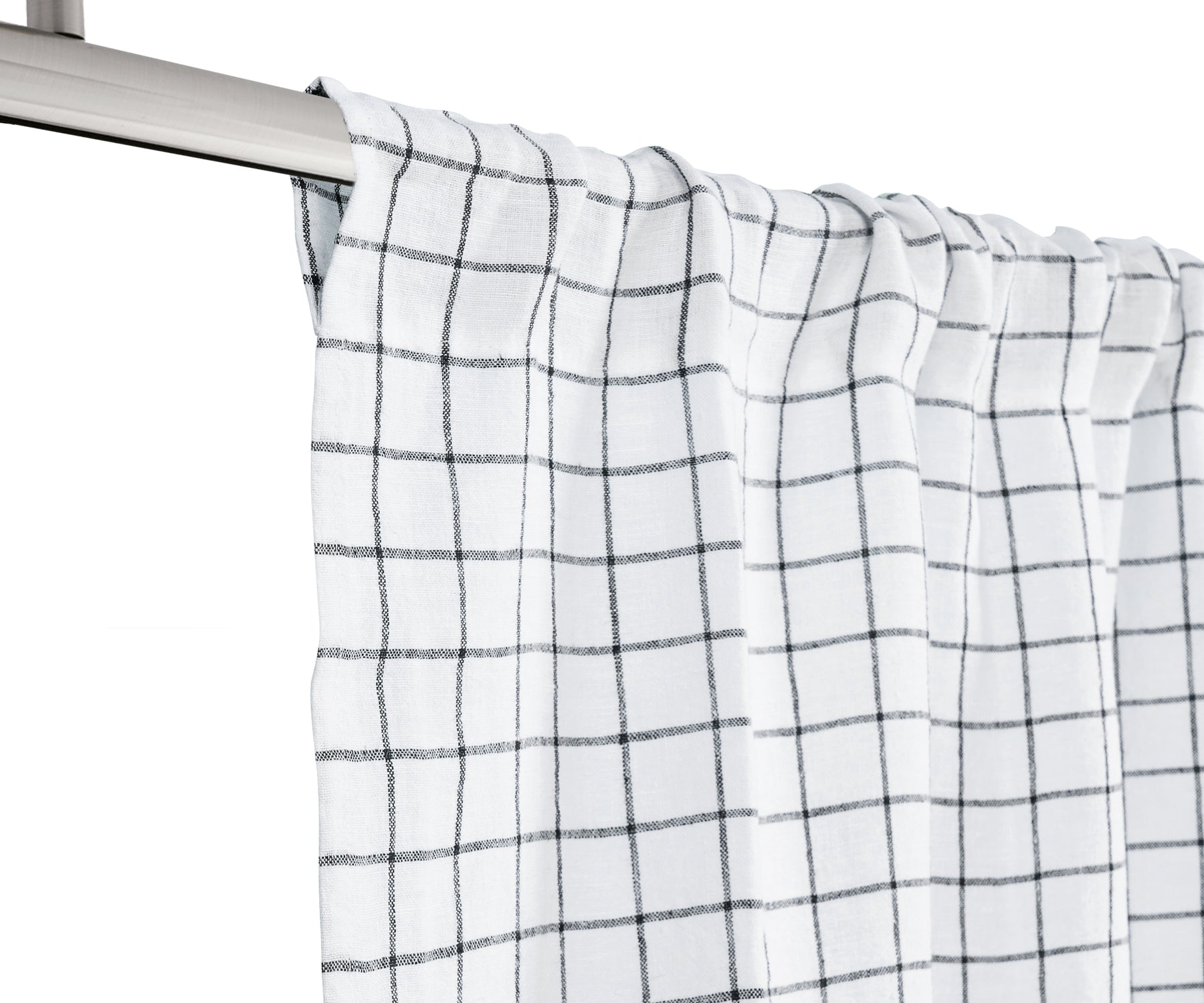
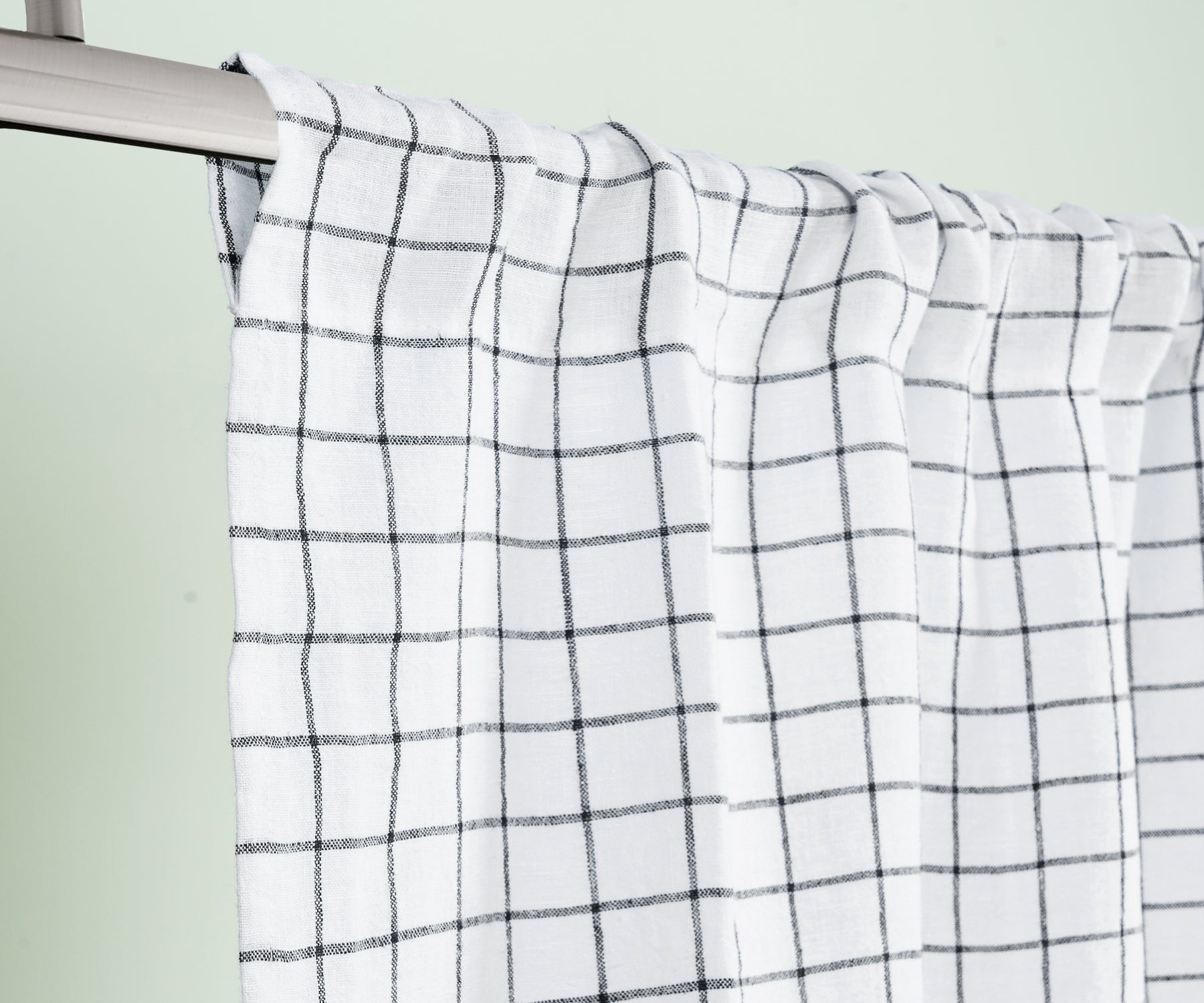
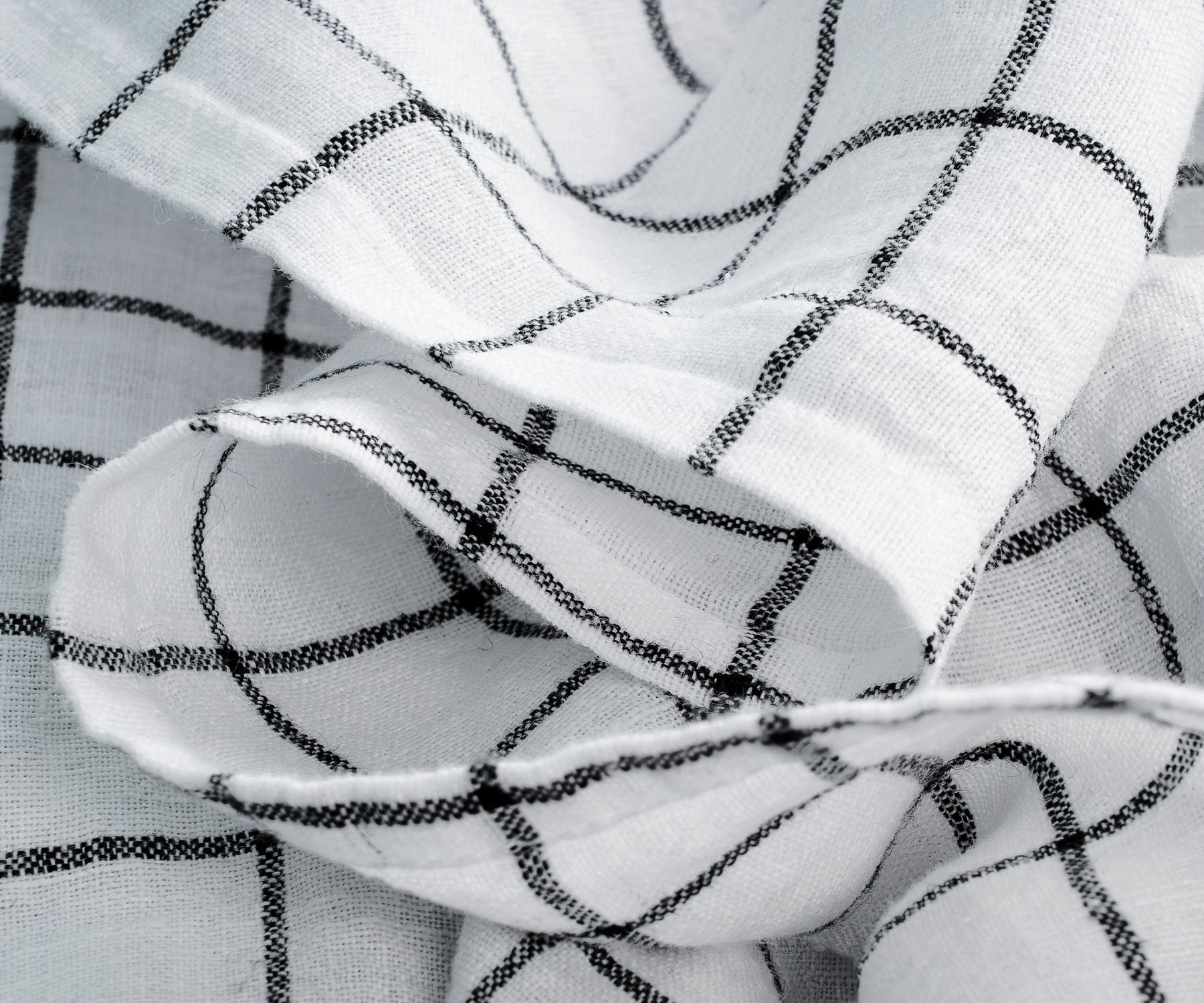
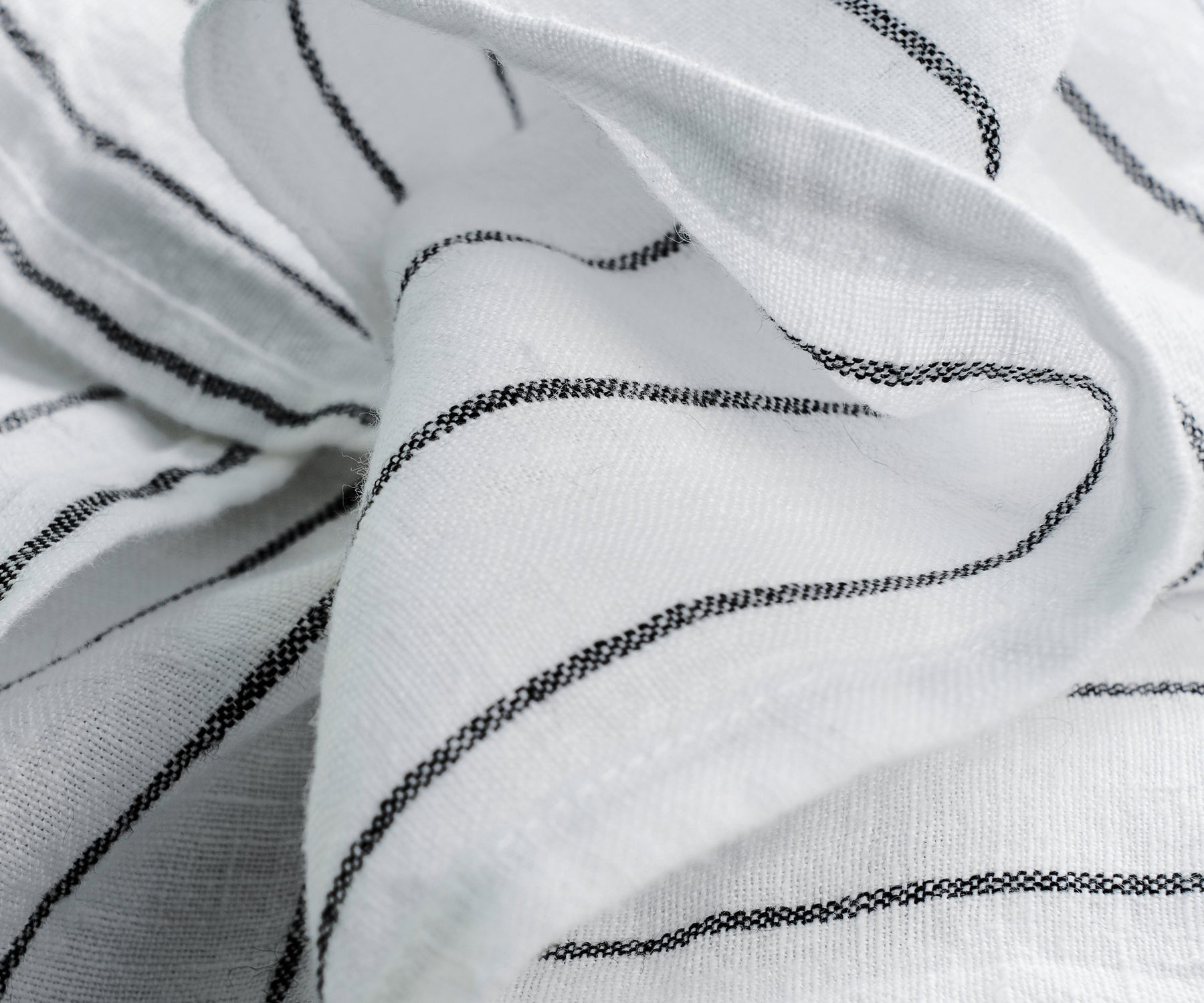
If curtains are the direction you're leaning, fabric choice affects performance as much as style. All Cotton and Linen offers 100% linen curtains and blackout curtains in natural, breathable fabric that holds up to regular washing a practical advantage over curtains that need dry cleaning to stay looking sharp.