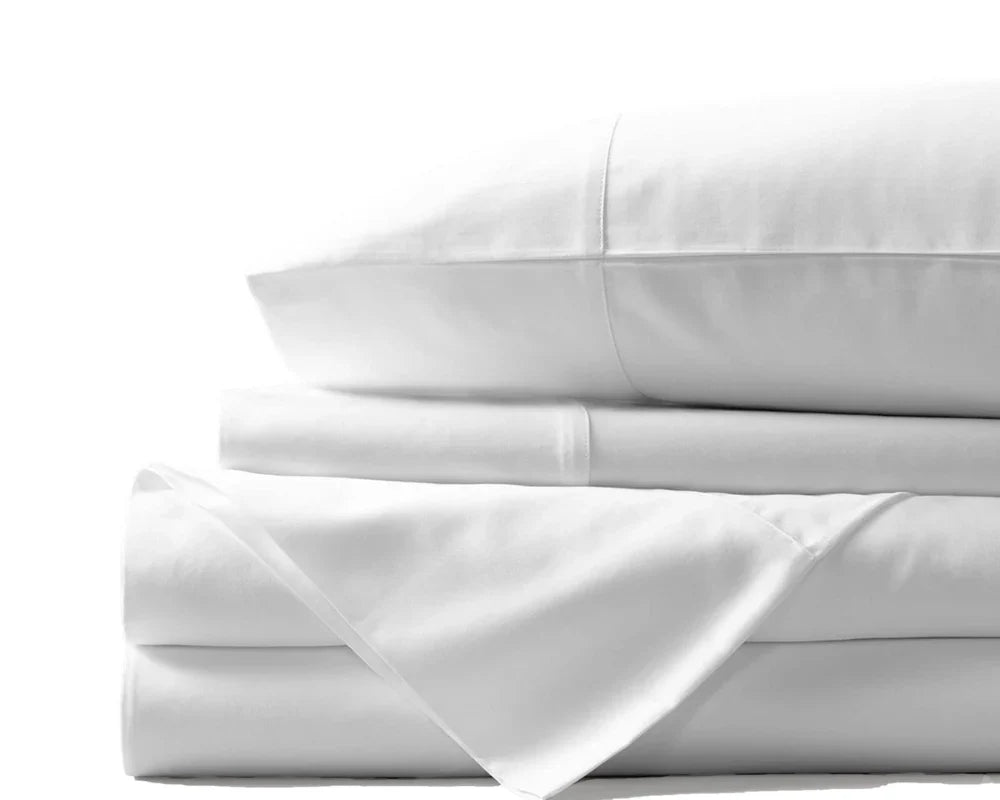


With so many fabrics, thread counts, weaves, and sizes available, choosing the best bed sheets can feel confusing. This buyer's guide explains everything in simple terms. You will learn how to choose bed sheets based on fabric, thread count, weave, size, and care requirements. Whether you are shopping for everyday comfort or looking to upgrade your bedding, this guide will help you find bed sheets that suit your needs and budget.
What Are Good Bed Sheets Made From?
The material of your bed sheets has the biggest impact on how they feel, how long they last, and how well you sleep. While thread count and weave matter, choosing the right fabric should always come first.
Cotton is one of the best fabrics for everyday bed sheets. It is naturally soft, breathable, and becomes even more comfortable after repeated washing. Cotton helps regulate temperature, making it suitable for every season, and it is easy to care for. If you're wondering what are good bed sheets for daily use, cotton remains a trusted choice for most households.
Organic cotton bed sheets offer the same comfort with added benefits. Made without synthetic pesticides or harsh chemicals, they are a great option for people with sensitive skin, allergies, or young children. Many organic cotton sheets are certified by GOTS and OEKO-TEX, giving you confidence that the fabric meets strict environmental and safety standards.
Linen bed sheets, made from flax fibers, are another excellent option. They are naturally breathable and absorb moisture quickly, helping you stay cool throughout the night. Linen has a slightly textured feel at first, but it softens with every wash while maintaining its strength. For warm climates and hot sleepers, linen is one of the best long-term investments.

Microfiber sheets are soft and affordable, making them suitable for guest rooms or occasional use. However, because they are made from synthetic fibers, they tend to retain more heat than natural fabrics and may not be the best choice for those who sleep hot.
Cotton blend sheets combine cotton with synthetic fibers to improve wrinkle resistance and durability. They are practical for busy households, although they generally offer less breathability than 100% cotton or linen sheets.
Cotton vs. Linen Sheets: Which One Is Right for You?
One of the most common questions in any bedsheet buying guide is the cotton vs. linen sheets debate. Both are natural, breathable, and comfortable. The right choice comes down to how you sleep and what you value most.
|
Feature |
Cotton Sheets |
Linen Bed Sheets |
|
Softness |
Soft from day one |
Softens gradually over washes |
|
Breathability |
Good |
Excellent |
|
Moisture wicking |
Moderate |
Superior |
|
Best for |
All sleepers, all seasons |
Hot sleepers, warm climates |
|
Durability |
3 to 5 years typically |
10 to 20 years with care |
|
Price range |
Budget to mid-range |
Mid-range to premium |
|
Care |
Machine wash, tumble dry |
Machine wash; air dry preferred |
|
Wrinkles |
Moderate |
Natural wrinkled look |
If you sleep hot, wake up sweaty, or live in a warm climate, linen is the clear winner. If you want maximum softness from the start and a simpler wash routine, cotton is the better fit. For a deeper look at the differences, the cotton vs linen sheets comparison at All Cotton and Linen covers every angle in detail.

Best Budget Bed Sheets That Feel Comfortable
You don't have to spend a lot to enjoy a comfortable night's sleep. Many budget bed sheets under $50 are made from breathable cotton or cotton blends that provide everyday comfort and lasting value. They are soft, easy to wash, and durable enough for regular use, making them a smart choice for guest rooms, college dorms, first apartments, or anyone shopping on a budget.
When choosing affordable bed sheets, focus on the fabric, construction, and customer reviews instead of the price alone. Well-made sheets with natural fibers often outperform cheaper synthetic options, giving you better comfort and longer-lasting performance without stretching your budget.
Does Thread Count Really Matter When Buying Bed Sheets?
Thread count refers to the number of horizontal and vertical threads woven into one square inch of fabric. While it is often used as a measure of quality, it is only one part of what makes a sheet comfortable.
A higher thread count doesn't always mean softer or better bed sheets. Some manufacturers increase the number by using multi-ply yarns, which can make the fabric feel thicker and reduce airflow instead of improving comfort.
The type of fiber matters far more than the thread count. Long-staple cotton varieties, such as Egyptian cotton and Pima cotton, produce smoother, stronger, and more durable sheets. A well-made 300-thread-count sheet crafted from premium cotton will usually feel softer and last longer than an 800-thread-count sheet made from lower-grade fibers.
When comparing bed sheets, prioritize the fabric, fiber quality, weave, and trusted certifications. Once you've found a quality material, thread count becomes a helpful detail rather than the deciding factor.
Percale vs. Sateen Sheets: Which Weave Is Right for You?
After choosing the fabric, the next step is selecting the weave. The weave affects how your bed sheets feel, how they regulate temperature, and how they perform over time.
|
Weave Type |
Feel |
Best For |
Breathability |
|
Percale |
Crisp, cool, matte finish |
Hot sleepers, summer use |
Excellent |
|
Sateen |
Smooth, silky, subtle sheen |
Cooler sleepers, year-round comfort |
Good |
|
Jersey |
Soft, stretchy, T-shirt-like feel |
Casual bedding, colder weather |
Moderate |
|
Flannel |
Brushed, warm, cozy |
Winter and cold climates |
Low |
Percale Sheets
Percale features a simple one-over, one-under weave that creates a crisp, lightweight fabric with excellent airflow. It delivers the cool, fresh feel often found in hotel bedding and is a great choice for hot sleepers or anyone living in a warm climate. Percale sheets stay breathable throughout the night and become softer with regular washing while maintaining their crisp finish.
Sateen Sheets
Sateen uses a four-over, one-under weave that gives the fabric a smooth texture and a soft, lustrous finish. The weave creates a slightly warmer feel than percale, making it a good option for year-round use, especially for those who prefer a softer sleeping surface. Sateen sheets drape beautifully over the bed and provide a cozy, luxurious feel without sacrificing everyday comfort.
For most people shopping for the best sheets for hot sleepers, percale cotton or linen is the go-to recommendation. The full breakdown is available in the guide to cooling bedding for hot sleepers on the All Cotton and Linen blog.
Bed Sheet Sizes Guide
Getting the right size is non-negotiable. Sheets that are too small will pop off the corners. Sheets that are too large will bunch up underneath you.

|
Sheet Size |
Mattress Dimensions |
Best For |
|
Twin |
38 x 75 inches |
Single sleepers, kids' beds |
|
Twin XL |
38 x 80 inches |
College dorm beds, taller sleepers |
|
Full |
54 x 75 inches |
Single adults, smaller guest beds |
|
Queen |
60 x 80 inches |
Most couples, standard adult beds |
|
King |
76 x 80 inches |
Couples who want extra space |
|
California King |
72 x 84 inches |
Taller individuals, longer beds |
Best Sheets for Hot Sleepers
If you regularly wake up feeling too warm, your sheets are likely part of the problem. The best sheets for hot sleepers share a few key qualities: natural fibers, a light weave, and strong moisture-wicking ability.

Best Bed Sheet Fabrics for Hot Sleepers
If you often wake up feeling hot or sweaty, choosing the right bed sheet fabric can make a noticeable difference. Breathable natural fibers improve airflow, wick away moisture, and help regulate body temperature for a cooler, more comfortable night's sleep.
Top Fabrics for Cooling Comfort
Linen is one of the best fabrics for hot sleepers. Made from flax fibers, it has a naturally breathable weave that allows air to circulate freely while drawing moisture away from the skin. Linen sheets stay cool even on warm nights and become softer with every wash.
Cotton percale is another excellent option. Its crisp, lightweight weave promotes airflow and dries quickly, helping reduce heat buildup throughout the night. It's an ideal choice for people who prefer cool, hotel-style bedding.
Organic cotton percale offers the same cooling benefits with the added advantage of being made without harsh chemicals or synthetic pesticides. This makes it a great choice for hot sleepers with sensitive skin or allergies.
Fabrics to Avoid if You Sleep Hot
Some materials tend to trap heat instead of releasing it. Microfiber, polyester blends, and sateen sheets can retain body warmth, making them less comfortable in warm climates. Flannel sheets are designed to provide insulation and are best reserved for colder months.
Best Bed Sheets for Sensitive Skin
If you have sensitive skin, eczema, or allergies, the fabric you sleep on matters just as much as your mattress or pillow. Gentle, breathable materials can reduce irritation and create a healthier sleeping environment.
Look for bed sheets with these features:
- Certified organic cotton that is produced without synthetic pesticides or harsh chemical treatments.
- OEKO-TEX certified fabrics, which are tested to ensure they are free from harmful substances.
- Natural fibers like cotton and linen that allow air to circulate and help reduce moisture buildup.
- Light or natural-colored sheets, which typically require fewer dyes and chemical treatments than darker fabrics.
Choosing soft, breathable, certified bedding can help minimize skin irritation while providing a cleaner and more comfortable place to sleep every night.
Read On: Why Making Your Bed Every Day Is Important? 8 Simple Tips
Best Affordable Bed Sheets That Offer Great Value
You don't have to spend hundreds of dollars to enjoy comfortable, long-lasting bed sheets. Many affordable bed sheets in the $30 to $60 range are made from natural fabrics that provide excellent softness, breathability, and durability for everyday use.
Instead of focusing on luxury labels or inflated thread counts, pay attention to the quality of the fabric. A well-made 100% cotton sheet with a 200–400 thread count will often feel more comfortable and last longer than a higher-priced sheet made with synthetic blends or lower-grade fibers.
When shopping for budget-friendly bed sheets, look for these features:
- 100% natural fibers, such as cotton or linen, for better breathability and comfort.
- A thread count between 200 and 400 for cotton sheets, which offers a balance of softness and durability.
- OEKO-TEX or GOTS certifications to ensure the fabric has been tested for safety and responsible production.
- A flexible return policy, allowing you to try the sheets at home and make sure they meet your comfort expectations.
Choosing the right material and trusted certifications will help you find affordable bed sheets that deliver lasting comfort without exceeding your budget.
Many shoppers are surprised to find that bedding sheet sets made from genuine cotton are available at accessible price points without sacrificing breathability or durability.
How to Wash Bed Sheets for Long-Lasting Comfort
Proper care helps your bed sheets stay soft, fresh, and durable for years. Washing them the right way removes dirt, sweat, and allergens while protecting the fabric from unnecessary wear.

Follow these simple care tips for most cotton and linen bed sheets:
- Wash in warm or cool water with a mild detergent to remove dirt without damaging the fibers.
- Avoid hot water, as it can weaken natural fibers, cause shrinkage, and fade colors over time.
- Skip fabric softeners, which leave a residue that reduces the fabric's natural breathability and absorbency.
- Occasionally, add white vinegar to the rinse cycle to naturally soften sheets, remove detergent buildup, and keep fabrics feeling fresh.
- Wash sheets separately from towels or heavy garments to reduce friction and prevent excess lint.
- Tumble dry on low heat or line dry when possible to preserve softness and extend the life of the fabric.
With regular washing and proper care, quality cotton and linen bed sheets become softer over time while maintaining their comfort, breathability, and durability
How to Wash Bed Sheets for Long-Lasting Comfort
Proper care helps your bed sheets stay soft, fresh, and durable for years. Washing them the right way removes dirt, sweat, and allergens while protecting the fabric from unnecessary wear.
Follow these simple care tips for most cotton and linen bed sheets:
- Wash in warm or cool water with a mild detergent to remove dirt without damaging the fibers.
- Avoid hot water, as it can weaken natural fibers, cause shrinkage, and fade colors over time.
- Skip fabric softeners, which leave a residue that reduces the fabric's natural breathability and absorbency.
- Occasionally, add white vinegar to the rinse cycle to naturally soften sheets, remove detergent buildup, and keep fabrics feeling fresh.
- Wash sheets separately from towels or heavy garments to reduce friction and prevent excess lint.
- Tumble dry on low heat or line dry when possible to preserve softness and extend the life of the fabric.
With regular washing and proper care, quality cotton and linen bed sheets become softer over time while maintaining their comfort, breathability, and durability.
Best Ways to Dry Bed Sheets
Drying your bedsheets correctly is just as important as washing them. Excessive heat can weaken natural fibers, reduce softness, and lead to shrinkage over time.
-
Tumble dry on a low heat setting to protect the fabric and reduce wear.
-
Air dry whenever possible to help preserve the fibers and extend the life of your sheets.
-
Remove sheets promptly once they are dry to minimize wrinkles and make folding easier.
Bed Sheet Care Guide by Fabric Type
|
Fabric |
Washing Method |
Drying Method |
Care Tips |
|
Cotton |
Machine wash in warm water |
Tumble dry on low |
Easy to maintain and suitable for everyday use. |
|
Linen |
Gentle cycle with cool water |
Air dry for best results |
Softens naturally with every wash while remaining durable. |
|
Organic Cotton |
Machine wash in warm water |
Tumble dry on low |
Avoid bleach and harsh chemicals to protect the natural fibers. |
For more detailed care instructions, including stain removal, proper storage, and long-term maintenance, read our complete guide on how to take care of bed sheets. It covers everything you need to keep your bedding looking and feeling its best
What Is the Best Material for Sheets?
There's no single "best" material for every sleeper; the right choice depends on how you sleep, your climate, and what you prefer. Here's how the top options compare:
-
Cotton (especially percale or sateen weave): The most popular choice for good reason, it's breathable, durable, and available at every price point. Percale is crisp and cool, ideal for hot sleepers; sateen has a smoother, slightly silkier feel with a subtle sheen.
-
Linen: Naturally breathable and temperature-regulating, making it excellent for hot sleepers and warm climates. Linen also gets softer with every wash and has a relaxed, textured look that many people love.
-
Tencel Lyocell: Made from sustainably sourced wood pulp, Tencel is highly moisture-wicking and silky-smooth, a strong option for hot sleepers or anyone with sensitive skin.
-
Bamboo viscose: Soft, breathable, and naturally moisture-wicking, with a silky drape similar to Tencel, though production processes and quality vary more between brands.
-
Silk: Luxuriously soft and temperature-regulating, but higher maintenance (often requiring hand washing or delicate care) and priced at a premium.
-
Microfiber/polyester blends: Budget-friendly and wrinkle-resistant, but less breathable than natural fibers, which can trap heat for warm sleepers.
For most sleepers, high-quality cotton or linen offers the best overall balance of breathability, durability, and value, while Tencel is worth the upgrade for anyone specifically prioritizing a cool, silky feel.
How to Choose Good Sheets
Beyond fabric type, a few key factors separate genuinely good sheets from ones that look nice on a label but disappoint after a few washes:
-
Check the weave, not just the thread count. A high thread count doesn't automatically mean better quality; the weave type (percale for crisp and cool, sateen for smooth and silky) matters more for how the sheet actually feels and performs.
-
Look for long-staple cotton. Longer cotton fibers create stronger, smoother, less pill-prone sheets than short-staple cotton, regardless of thread count.
-
Confirm the fiber content. "100% cotton" or "100% linen" on the label ensures you're getting the breathability benefits of natural fiber, rather than a blend that compromises comfort for durability.
-
Match the fabric to your sleep temperature. Hot sleepers do best with percale cotton, linen, or Tencel; those who run cold may prefer sateen or a flannel option in winter.
-
Check the pocket depth for your mattress. Fitted sheets sized for standard mattresses won't stay in place on deeper or pillow-top mattresses. Confirm the pocket depth matches your mattress height before buying.
-
Look for pre-shrunk or pre-washed fabric. This reduces the amount of shrinkage you'll see after the first wash, so the fit stays accurate over time.
-
Read return and trial policies. Since sheets can only really be evaluated after a few nights' use, a brand offering a trial period or easy returns is a good sign of confidence in their product.
Taking these factors into account, rather than shopping by thread count alone, makes it much easier to land on sheets that actually perform the way they're marketed.
How Often Should You Wash Bed Sheets?
Wash bed sheets every one to two weeks under normal conditions. This removes sweat, dead skin cells, and allergens that build up during sleep.
• If you sleep hot and sweat more than average, washing weekly is a better routine.
• If you have allergies or pets that share the bed, weekly washing reduces allergen load significantly.
• Pillowcases collect oils and residue from hair and skin faster than flat or fitted sheets. Washing pillowcases every three to five days is worth the extra step.
• Having two to three complete sets of sheets per bed makes the rotation easier.
How to Fold Bed Sheets Neatly
Folding fitted sheets is the part most people dread, but it is straightforward once you know the method.

Step-by-step fitted sheet folding:
1. Hold the sheet lengthways with your hands inside two adjacent corners.
2. Fold one corner over the other so they are nested together.
3. Do the same with the other two corners.
4. Bring the two sets of corners together so all four are nested.
5. Lay the sheet flat on a surface and straighten the edges.
6. Fold into thirds lengthwise, then fold into a compact rectangle.
Storing a complete sheet set inside one of its own pillowcases keeps everything together. More folding techniques are covered in the fitted sheet folding guide on the All Cotton and Linen blog.
Learn About: What Is Percale? A Complete Guide to Crisp, Cool, and Winter-Ready Bedding
Seasonal Sheet Guide
Your sheet genuinely needs to change across the year. What works well in January can make summer nights uncomfortable.
|
Season |
Best Fabric |
Best Weave |
Notes |
|
Spring / Summer |
Linen or Cotton |
Percale |
Lightweight, breathable, dries quickly |
|
Autumn |
Cotton |
Sateen |
Slightly warmer feel for cooler nights |
|
Winter |
Cotton or Flannel |
Flannel/Sateen |
Pair with a duvet for maximum warmth. |
Keeping two sets per season means you always have the right sheets ready without scrambling through the linen cupboard.
Where to Buy Cotton Bed Sheets
Specialist bedding brands that focus exclusively on natural fibers tend to produce more consistent quality than general homeware retailers. All Cotton and Linen offer a full range of 100% cotton and bed sheets made from natural fibers, with options across price points from accessible everyday sets to premium European flax linen.
For organic options specifically, look for brands that display GOTS or OEKO-TEX certification prominently. These certifications mean the bedding has been independently verified, not just labeled organic as a marketing term.
Reading customer reviews on specific products, rather than just brand-level ratings, gives the clearest sense of how a sheet actually feels and holds up over time.