


What Makes a Bedroom Decorating Idea Effective
A bedroom often feels in need of an update, and most people would assume that this means emptying the bank account in favor of a total renovation. However, more often than not, the rooms that feel cohesive and composed share a few easily incorporated details. Bedrooms tend to be the sites of color clashes, poor lighting choices, and furnishing mismatches, but these can usually be remedied through a combination of fabric-forward strategies, the introduction of certain colors, and a more considered approach to lighting.
Colors to consider for the bedroom are those that appear warm and restful, such as whites, creams, and muted earth tones; however, more saturated shades can be used sparingly if balanced by other neutral surfaces and textures.
Fabrics, too, play an important role, as the tactile comfort of one’s bedding can make or break a restful night’s sleep. Natural fibers like cotton and linen provide the best temperature regulation and visual appeal, although more synthetic options can prove to be just as useful for their softness or cooling properties.
Lastly, while it may seem obvious, the amount of light that filters into the bedroom often makes all the difference in a person’s ability to unwind. An appropriately treated window that allows varying degrees of sunlight depending on the time of day is often far more beneficial than sheer curtains with little functionality.
Bedroom Decorating Ideas for Your Bedding (The Foundation)
If one change was to be made to the bedroom that would infinitely improve its appeal, it would be the bedding. Pillowcases, flat sheets, and a well-fitted bottom sheet can transform an otherwise average room from the second one walks in.

1. Try cotton sheets as your everyday option.
Cotton is a breathable, adaptable, and long-lasting natural fiber that retains softness after every wash. It is best in warm weather, or for hot sleepers, in percale weave, whereas sateen has a subtle sheen and luxurious hand that is perfect for colder months.
2. Incorporate linen into your bedroom decor.
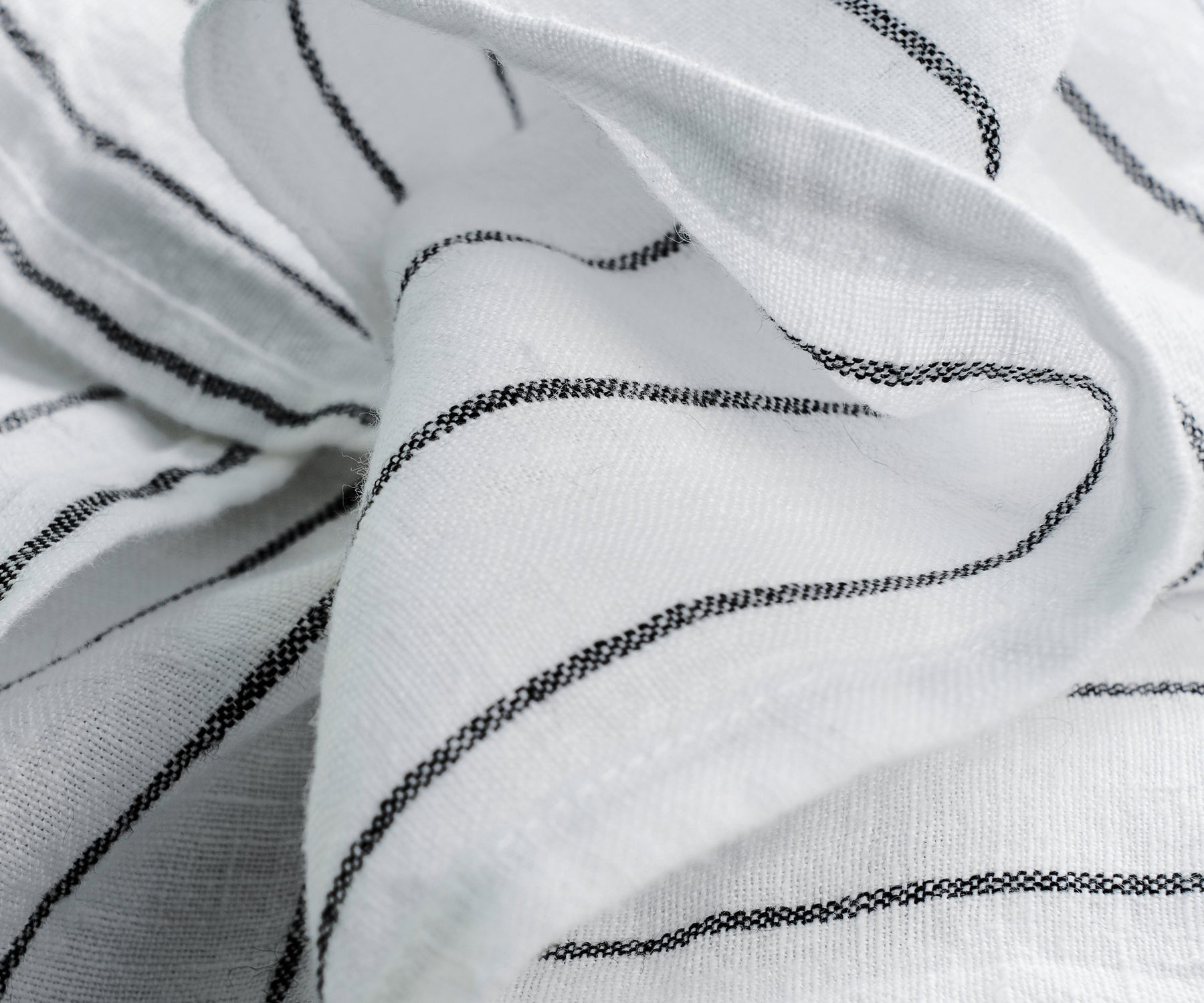
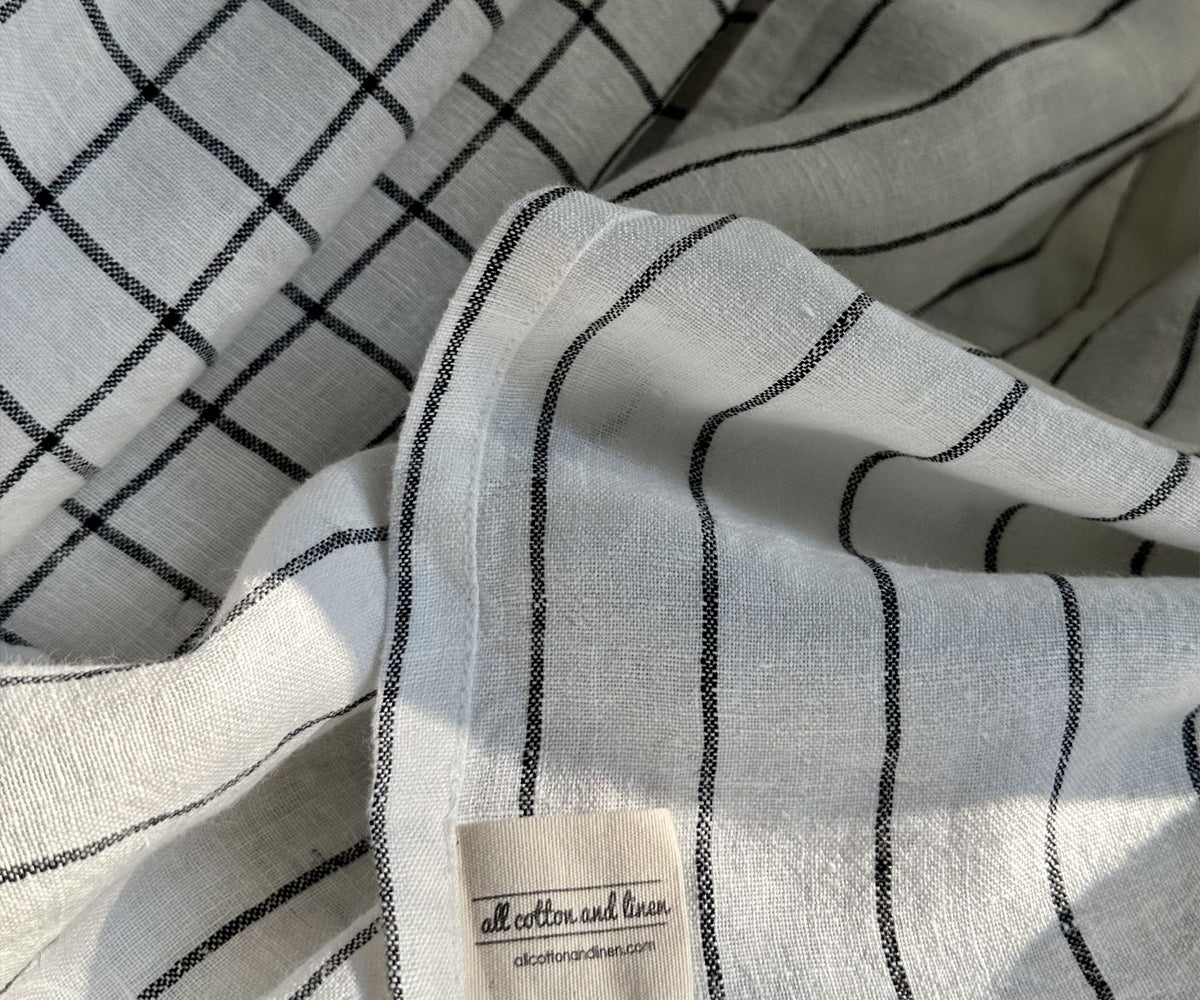
Another natural fiber, linen bedding, is made from the flax plant and is exceptionally moisture-wicking and regulating, perfect for a good night’s sleep. Linen sheets, particularly pillowcases, get softer with every wear and therefore offer an unrivaled level of comfort that lasts over time. The aesthetic appeal is similarly rewarding, as linen bedding has an undeniably lived-in quality that enhances the cozy appeal of the bedroom.
3. Use a mix of fibers in your bedding to avoid a matchy-matchy look.
As mentioned above, linen is perfect for temperatures in the colder months, whereas cotton is great for year-round use. Pillowcases in linen layered with cotton sheets make for a well-rounded, balanced look that is anything but boring. The 2026 bedding trends point towards exactly this: a mix of fibers in differing pieces rather than an entire set in one material.
4. Layer your bedding for extra comfort over quantity.
While the maximalist approach to decorative pillows and throw blankets might have worked in past years, 2026 welcomes a minimalist aesthetic that suggests going for length and width over height and bulk. A long lumbar pillow in front of the sleeping pillows, plus a folded throw at the foot of the bed, make for excellent additions that enhance the room without overwhelming it.
How to layer bedding for a pulled-together look:
|
Layer |
What to Use |
Why It Works |
|
Base (fitted sheet) |
Cotton fitted sheet |
Smooth, stays in place, breathable |
|
Middle (flat sheet) |
Matching cotton or linen flat sheet |
Adds warmth and visual structure |
|
Top (duvet or quilt) |
Linen duvet or cotton throw |
Texture and weight without trapping heat |
|
Pillow stack |
2 sleeping pillows + 1 long lumbar |
Depth without clutter |
|
Accent |
Folded throw at the foot |
Easy seasonal color or texture swap |
Bedroom Color Ideas for 2026
Color decisions feel permanent, which is exactly why they cause the most hesitation. The good news: you don't need to repaint to change the color story in a room. Bedding, curtains, and cushions carry most of it.

5. Warm neutrals. Cream, oat, and warm white remain the most forgiving starting points. They work with almost any wood tone and make a room feel larger. Layer in soft terracotta or rust cushion covers for depth.
6. Earthy, grounded tones. Cocoa brown, clay, and deep sage are the defining colors of 2026 bedroom design. Interior designers are calling this look "earthy," "cocooning," and tonal, warm palettes that feel calming rather than cold. A sage green fitted sheet under an oat linen duvet is one of the easiest combinations to get right.
7. Color drenching. Instead of a single accent wall, 2026 is leaning toward painting the entire room walls, trim, and sometimes the ceiling in one saturated hue: clay pink, dusty plum, or deep sage. It reads as more intentional than a lone accent wall, and it works particularly well in smaller bedrooms because it removes visual breaks that make a room feel choppy.
8. Monochrome white and cream. An all-white or all-cream bedroom sounds simple but is genuinely harder to pull off than it looks. The trick is varying texture so the room doesn't go flat: white cotton sheets, a cream linen throw, and ivory cushion covers create a layered, tone-on-tone look with real depth.
9. Deep and dramatic. Charcoal, navy, and deep forest green work best in bedrooms that get strong natural light. If your walls go dark, keep the bedding light. A charcoal wall with crisp white cotton sheets and natural linen curtains creates contrast that looks considered rather than heavy.
10. Reflective accents, used sparingly. Aged brass, antique mirror, and other soft-metallic details are showing up as small touches in 2026 bedrooms a mirrored tray, a brass lamp base rather than as a dominant finish. A little goes a long way in a room meant for winding down.
Bedroom Decorating Ideas for Curtains and Light
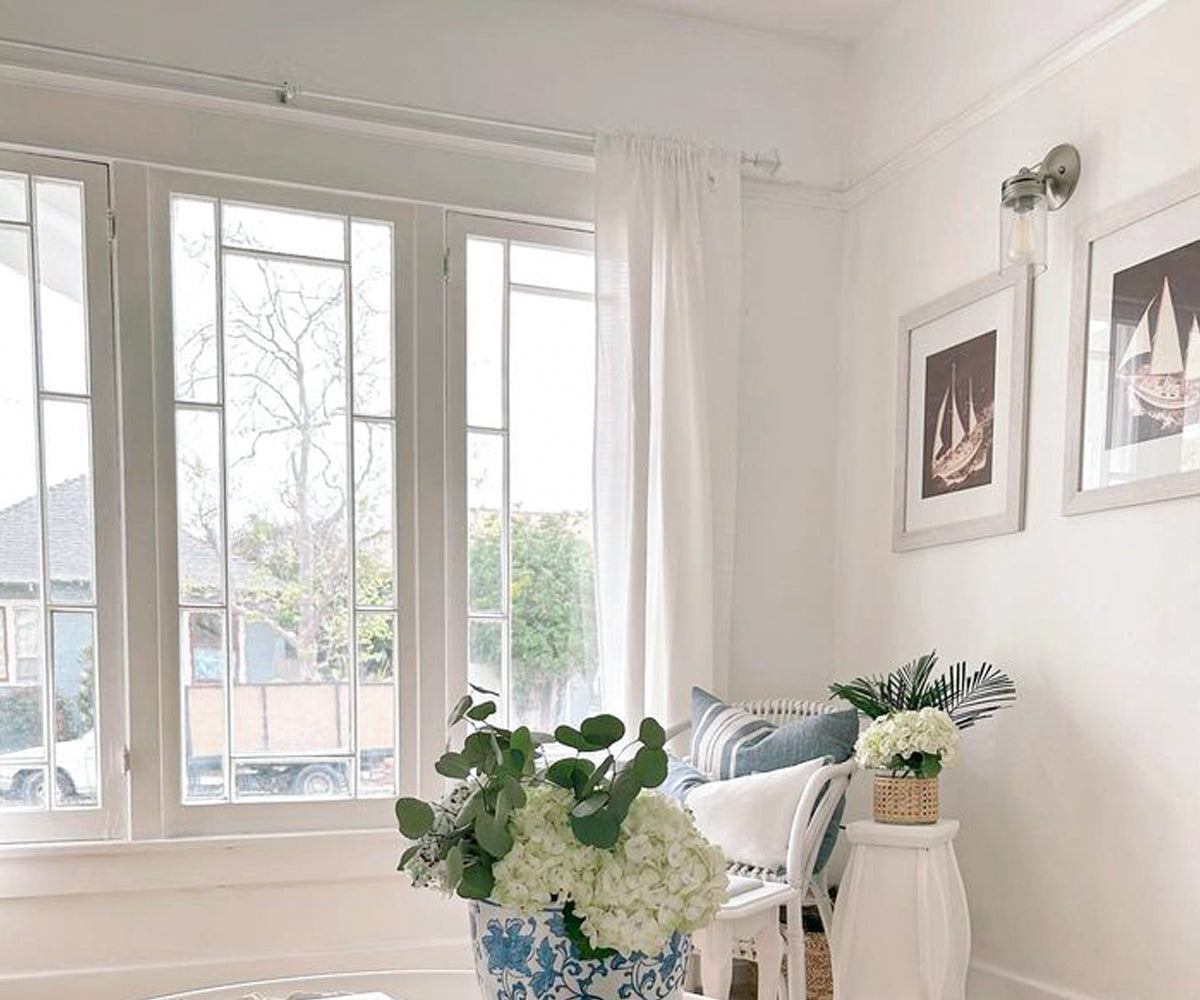
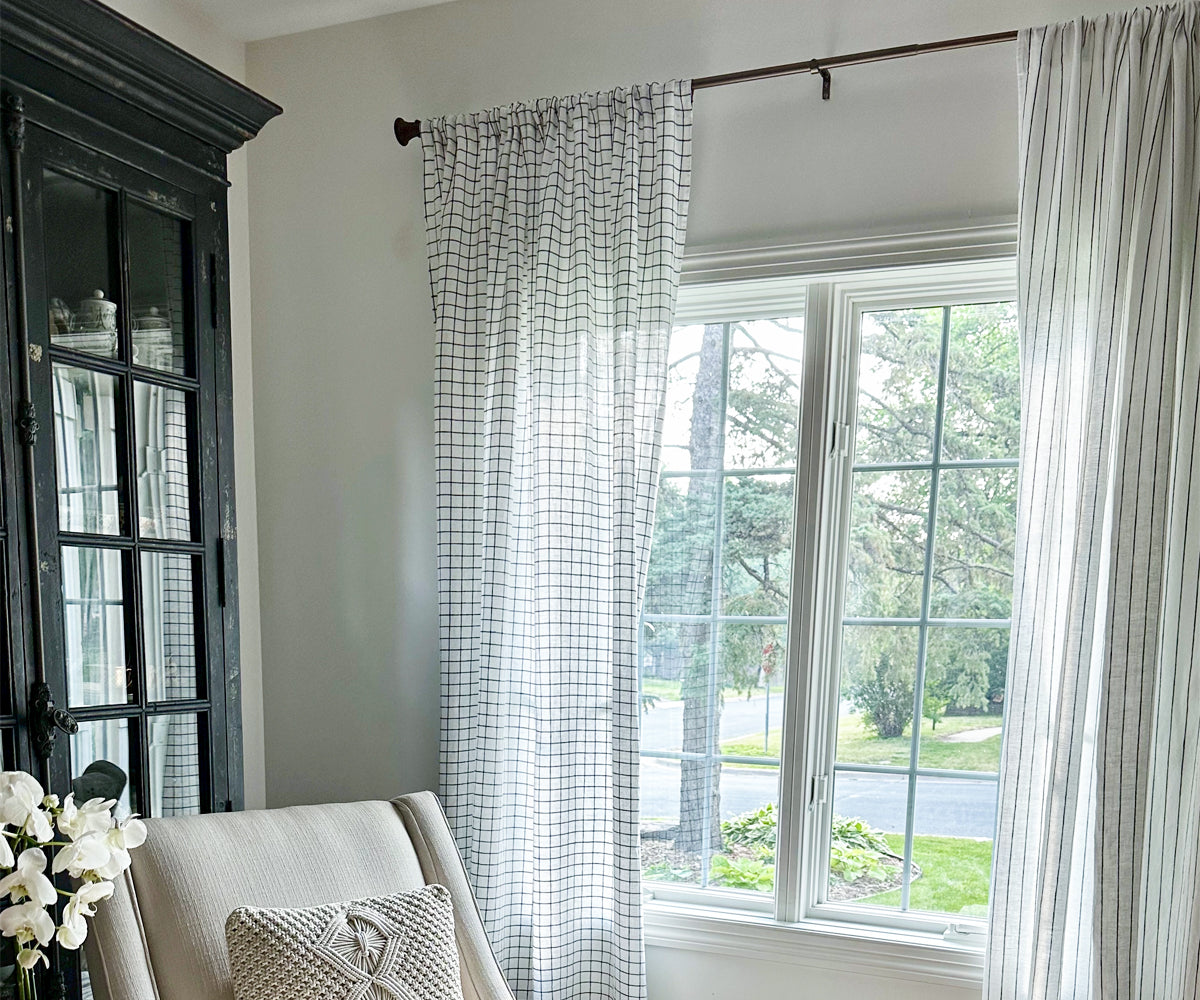
Curtains do more work in a bedroom than in any other room in the house. They control light for sleeping, add privacy, bring in color and texture, and affect how tall the room feels.
11. Hang curtains high and wide. The most common mistake is hanging curtains too low and too narrow. Mounting the rod close to the ceiling and extending it past the window frame on both sides makes windows look larger and the room feel taller at no cost beyond moving a bracket.
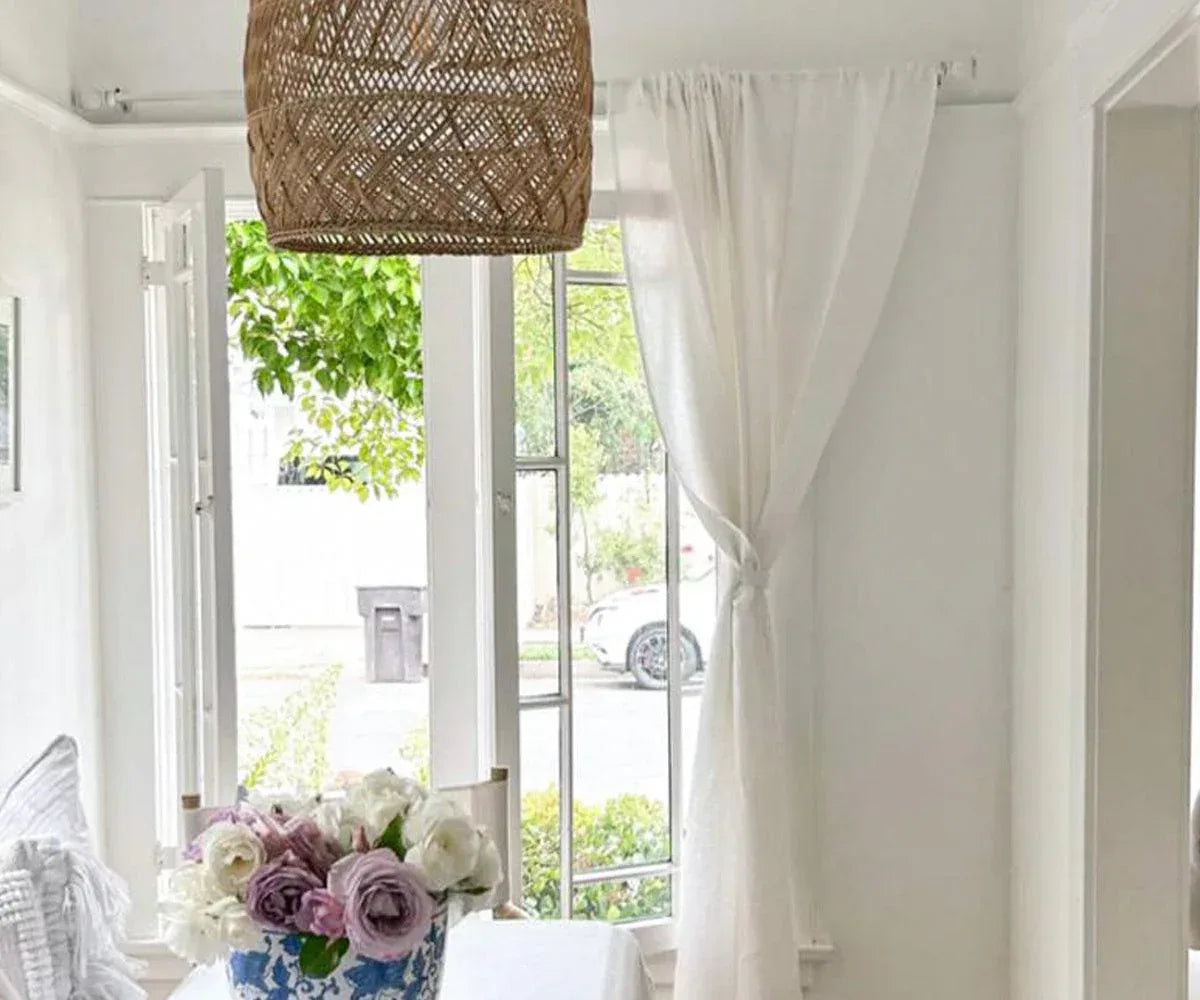
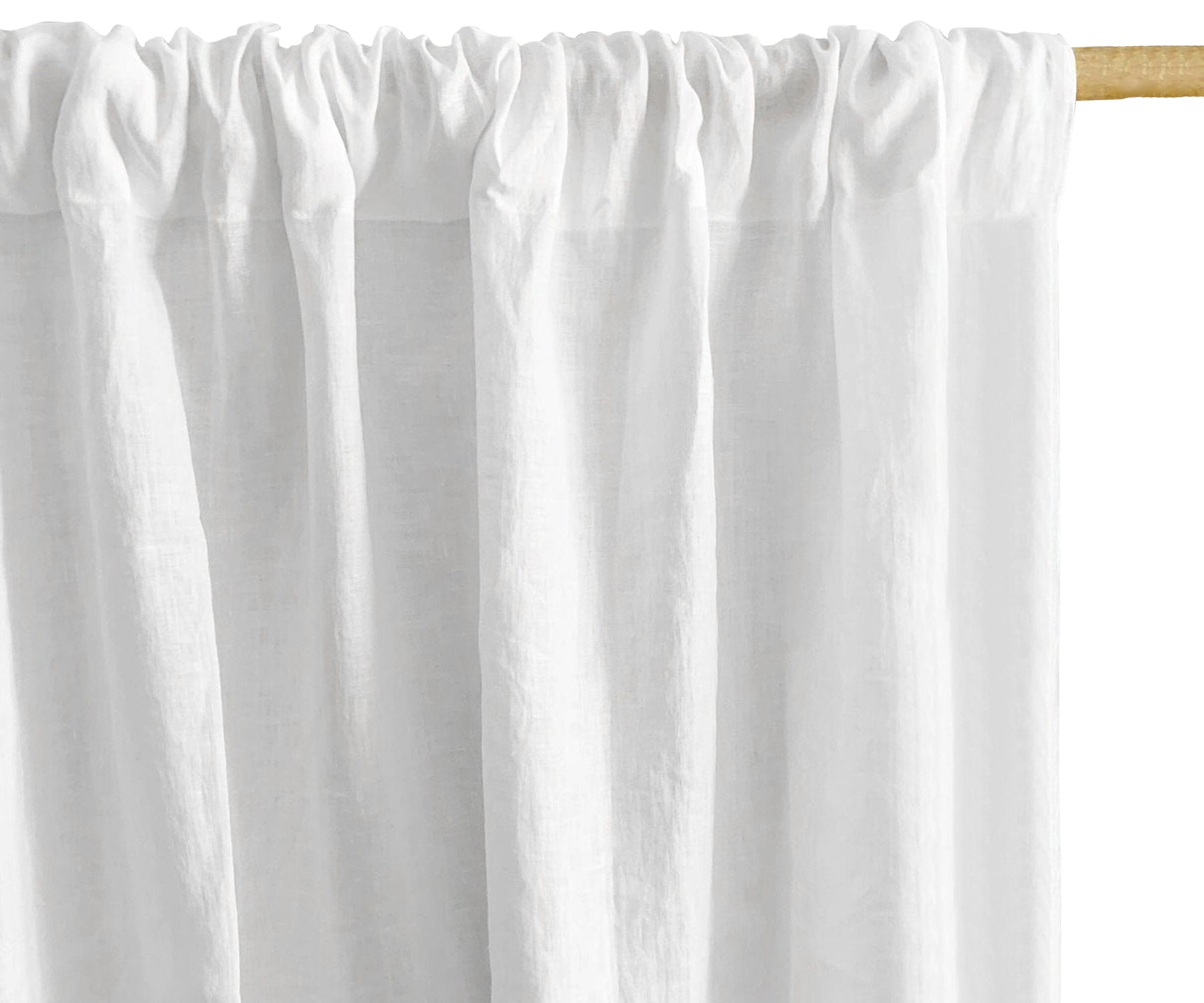
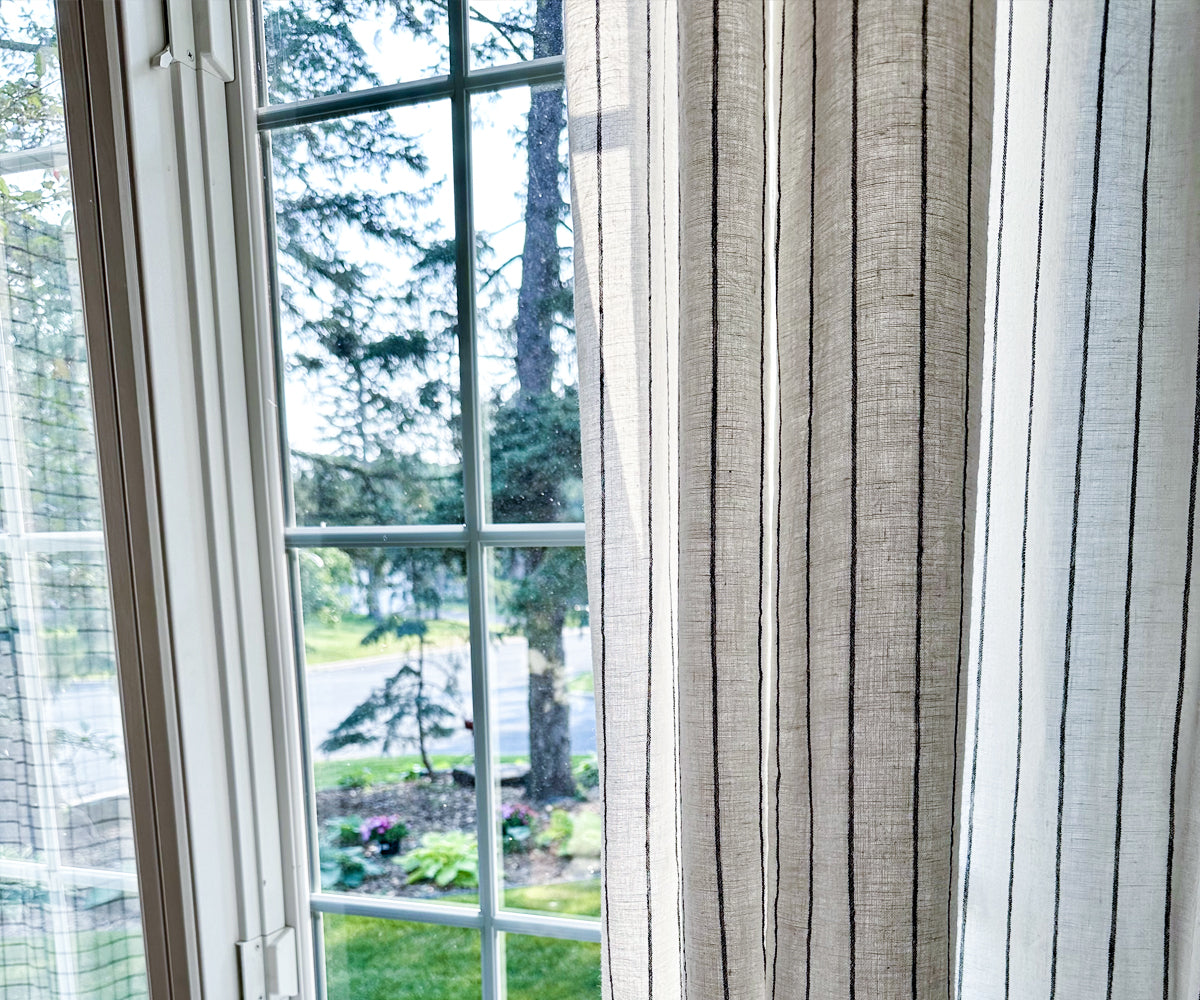
12. Choose linen for softly filtered daylight. Linen curtains filter light rather than blocking it, so daytime light comes through warm and diffused instead of harsh. For bedrooms that need full darkness, pair linen panels with a blackout blind behind them you get the look of natural fabric and complete light control.
13. Use blackout curtains for east-facing rooms or light sleepers. Blackout curtains reduce noise as well as light, which makes a real difference in urban bedrooms or for anyone who wakes at the first hint of sunrise.
Curtain styling by bedroom type:
|
Curtain Type |
Best For |
Pairs Well With |
|
Sheer linen panels |
South- or west-facing rooms |
Layered with a blackout blind |
|
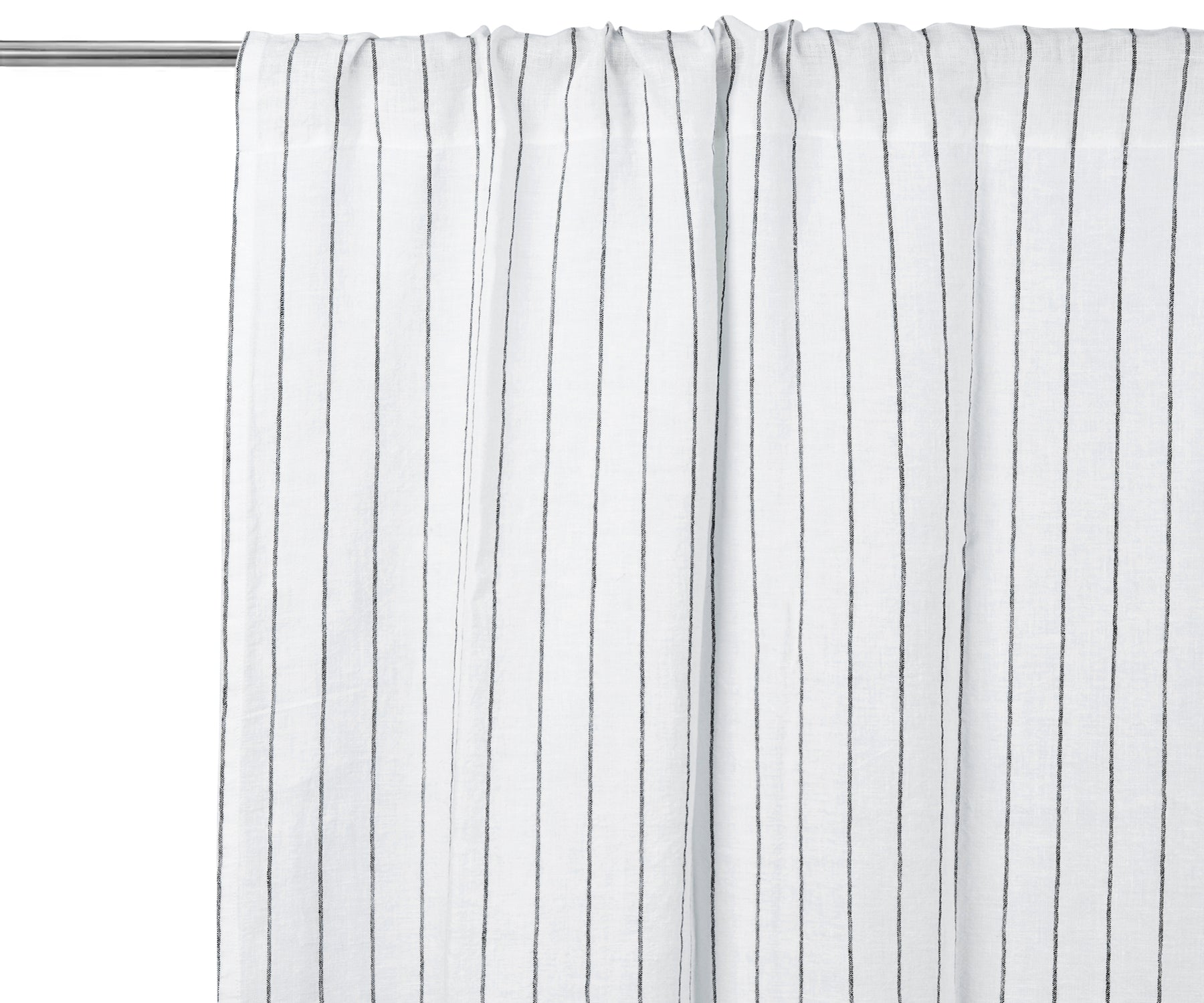
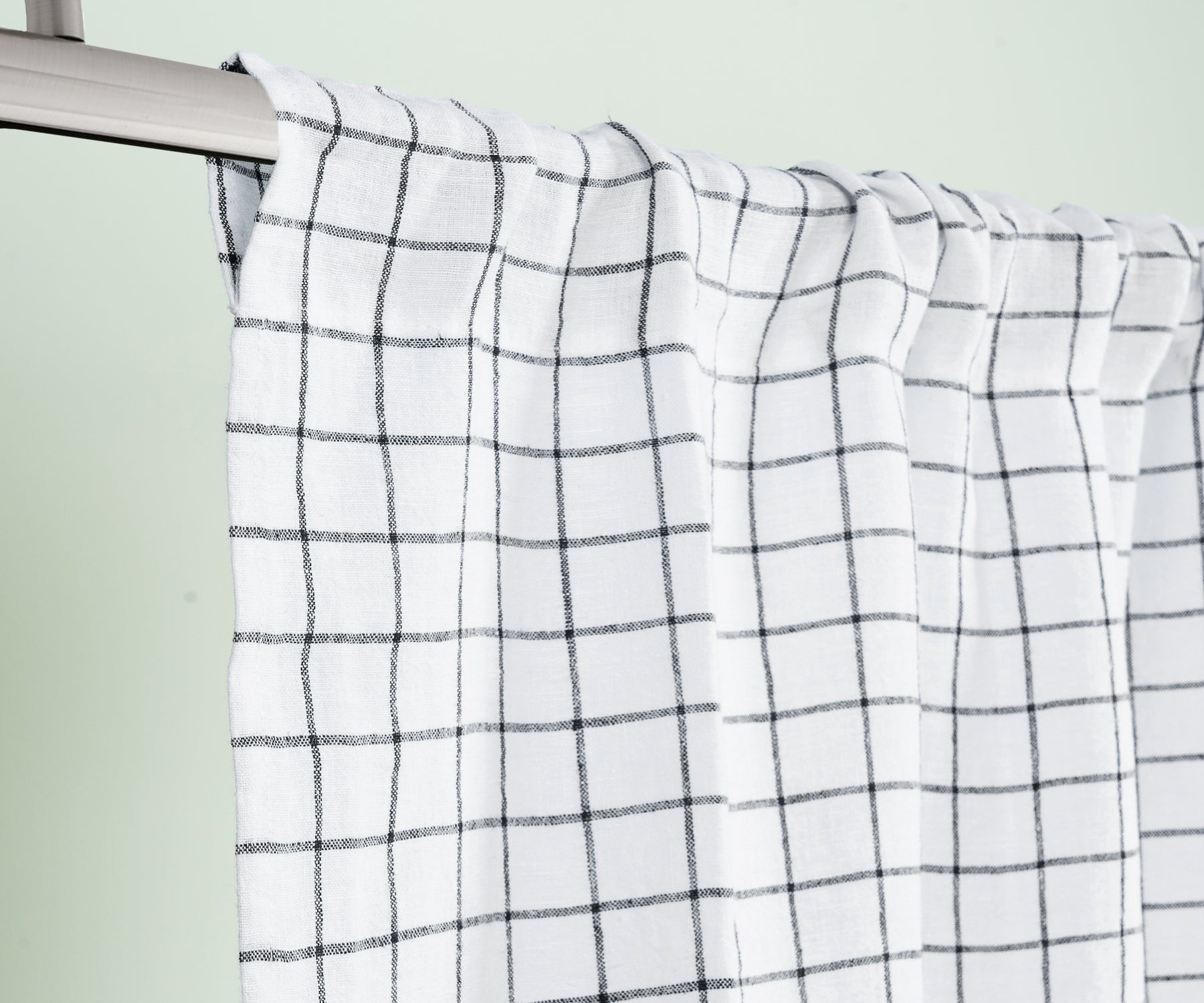
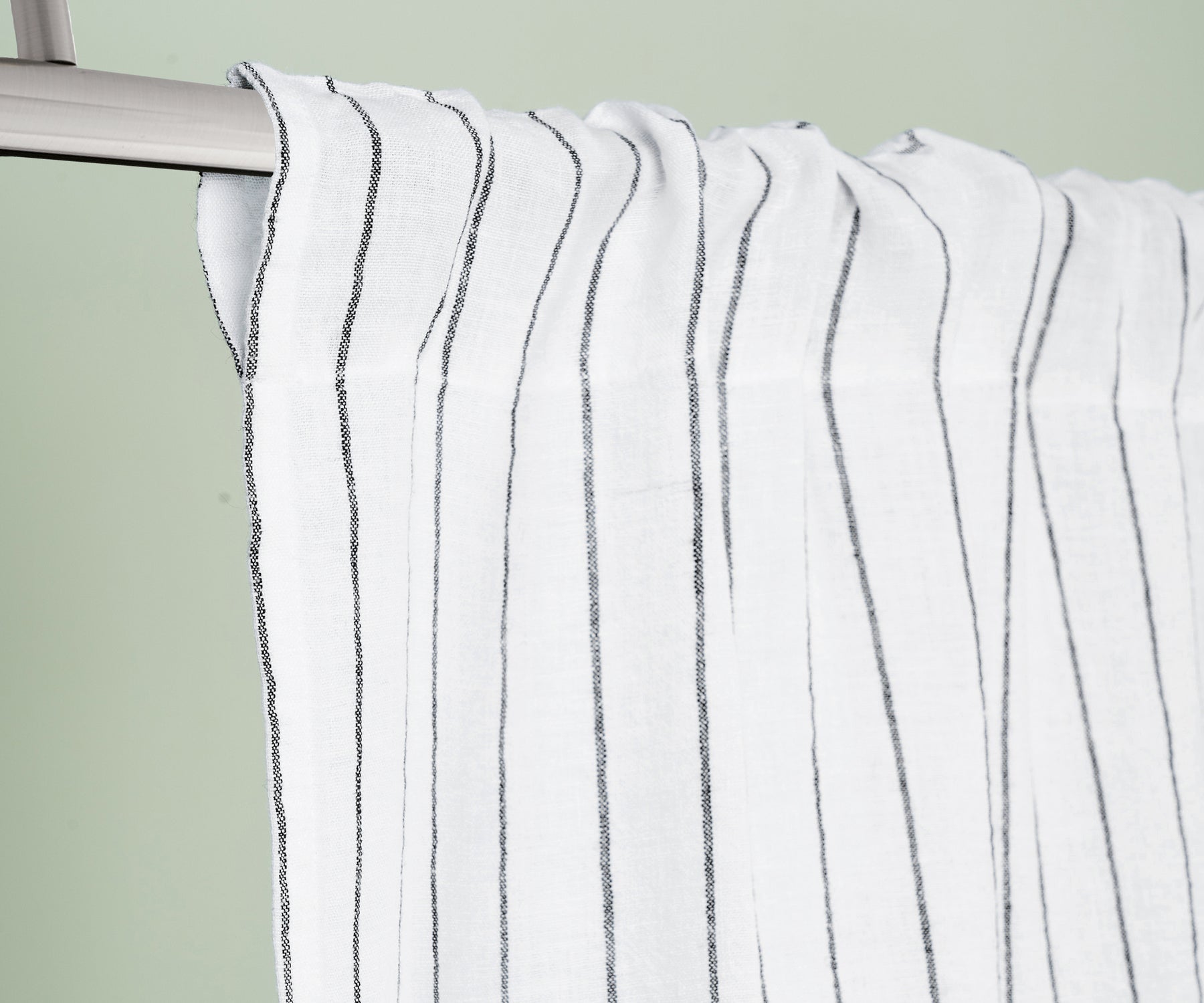
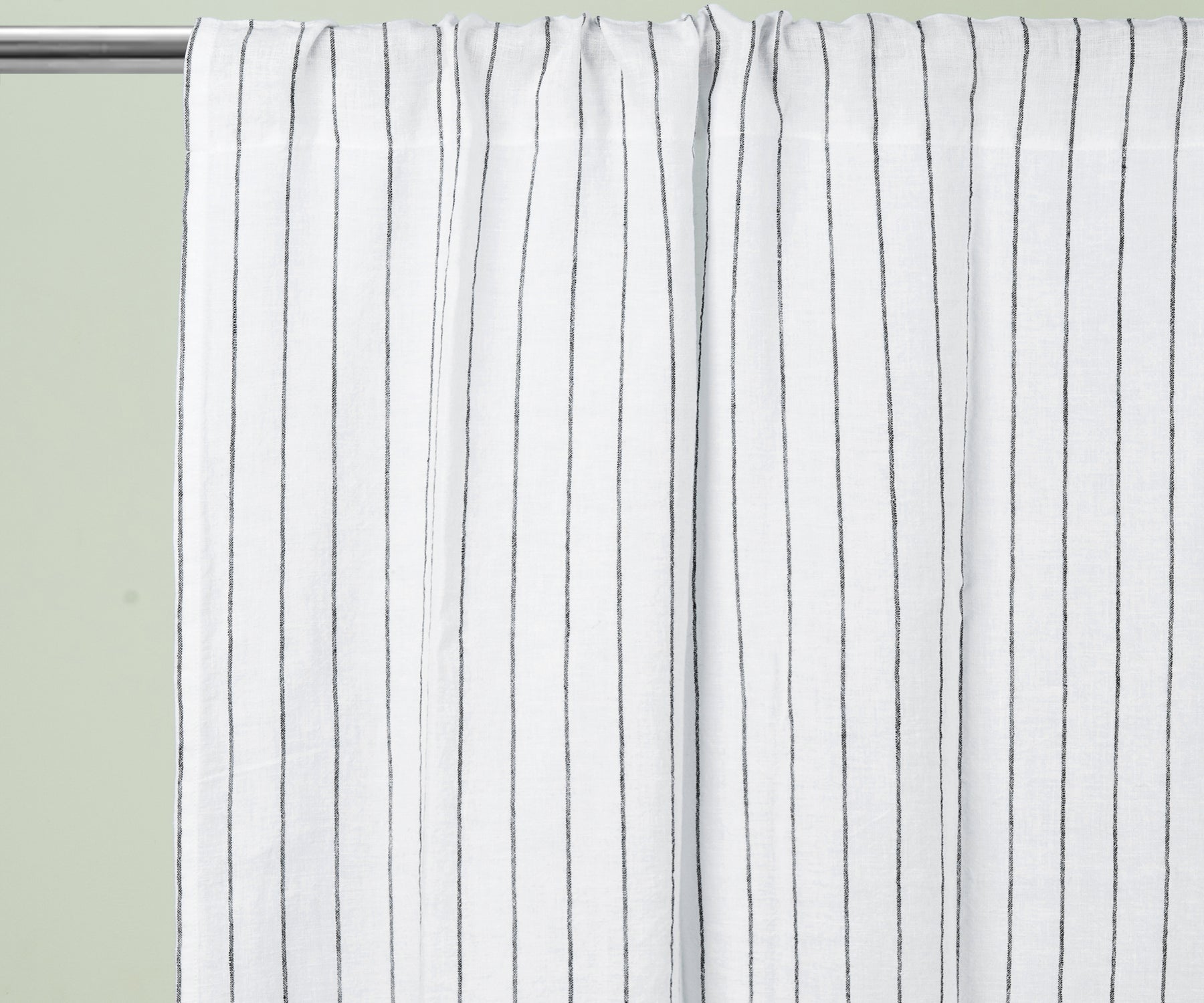
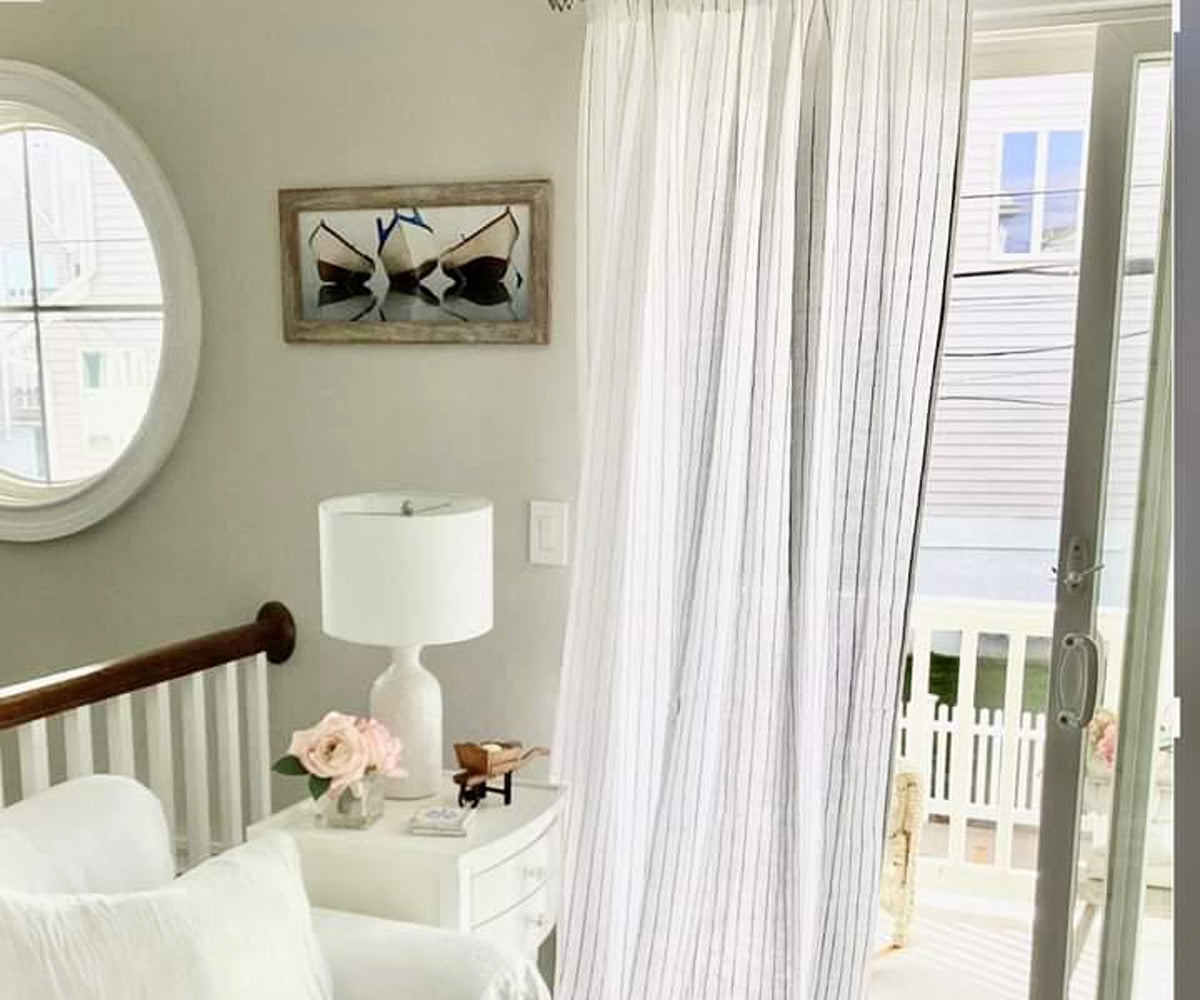
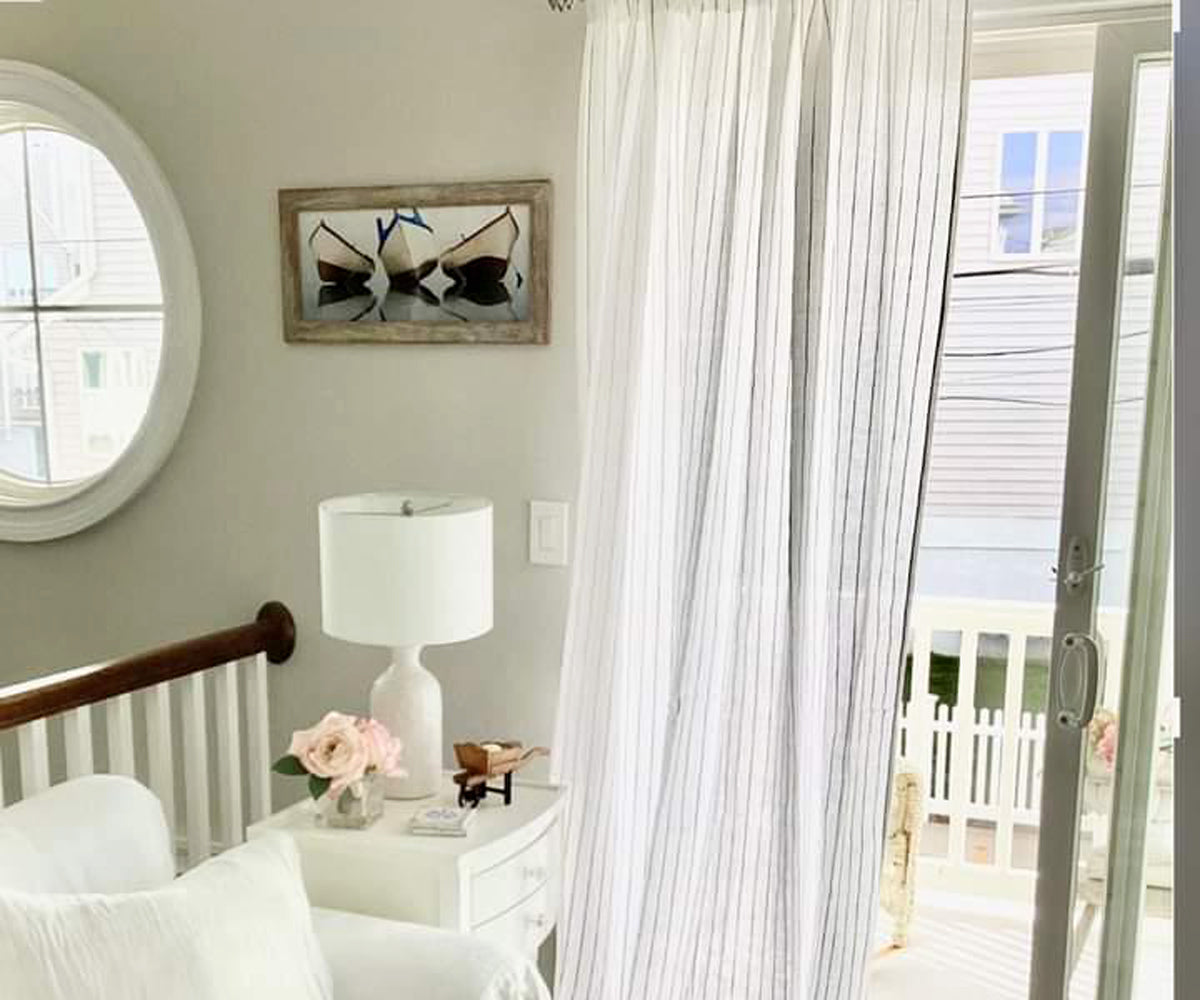
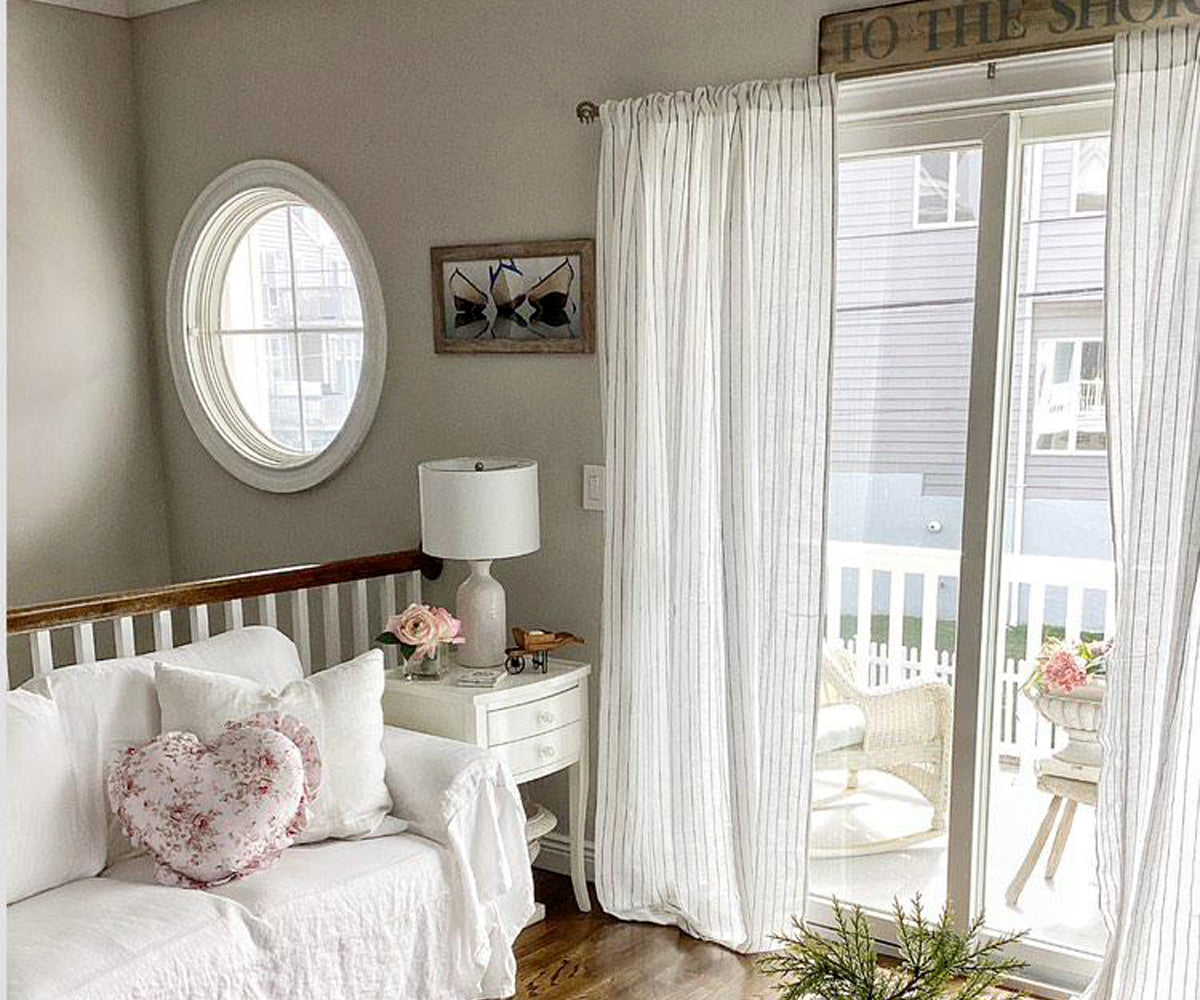
Striped linen curtains |
Coastal or relaxed bedrooms |
Natural wood tones, rattan accents |
|
Plain blackout curtains |
East-facing or light-sensitive sleepers |
Bold wall colors, minimal décor |
|
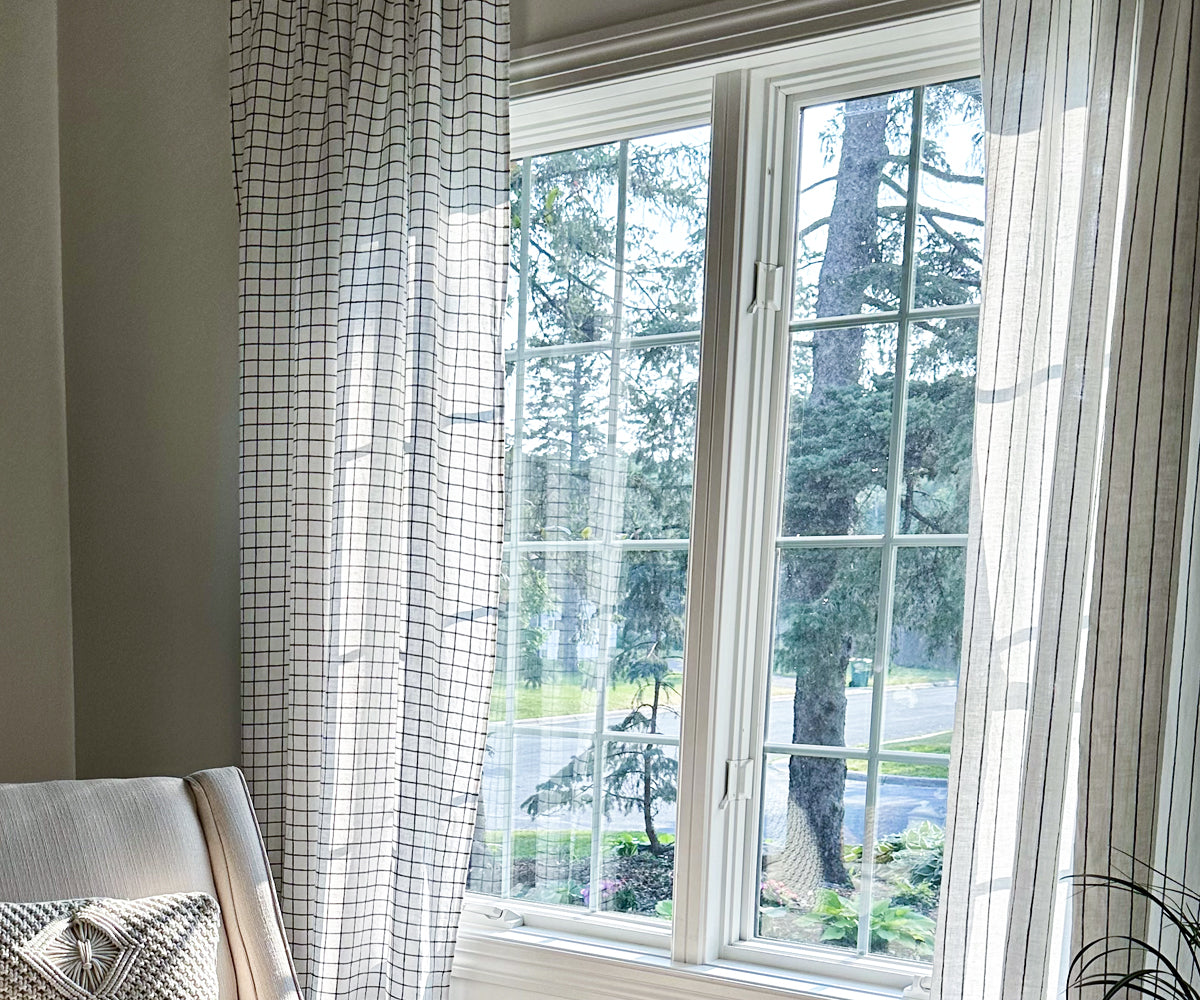
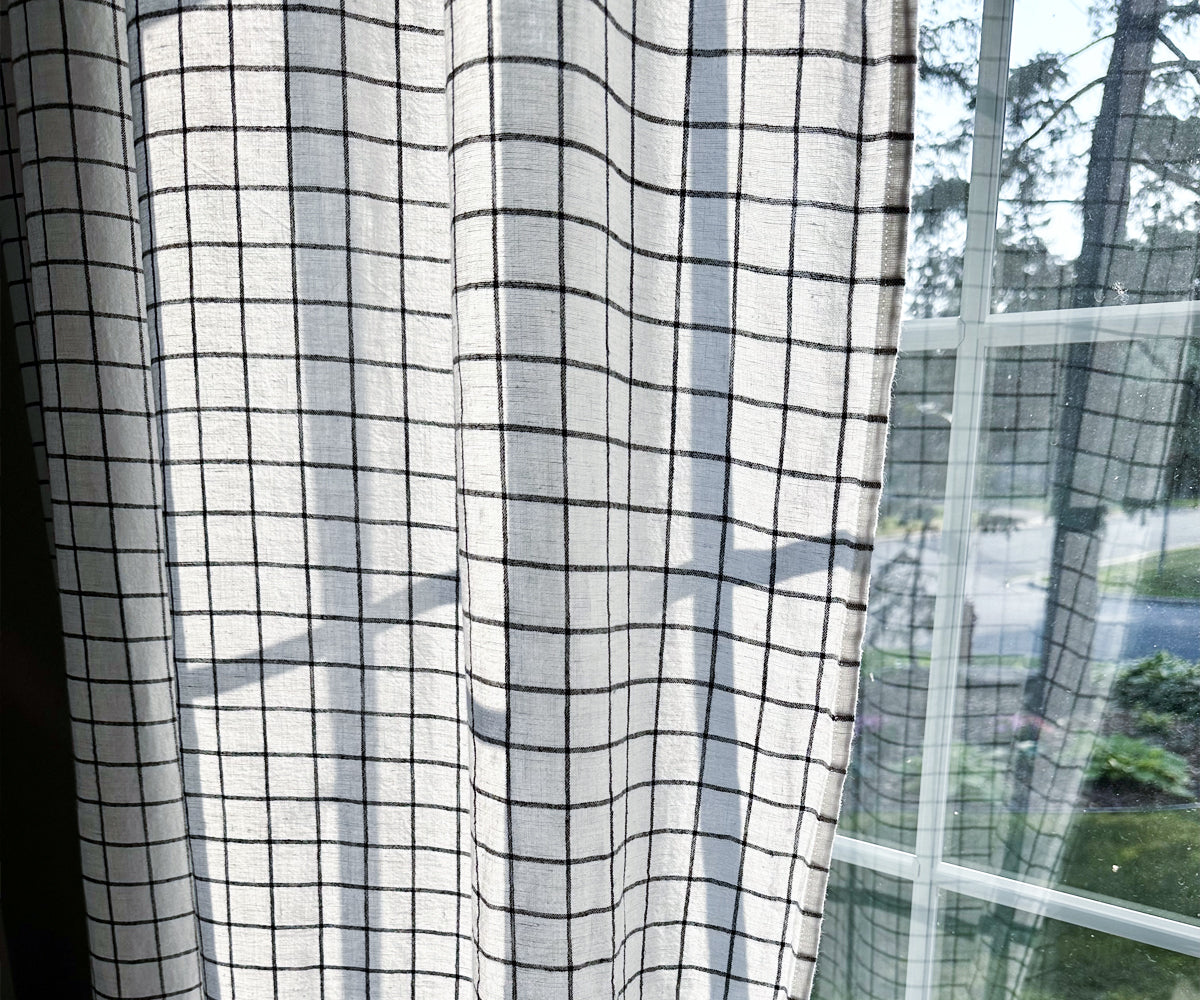
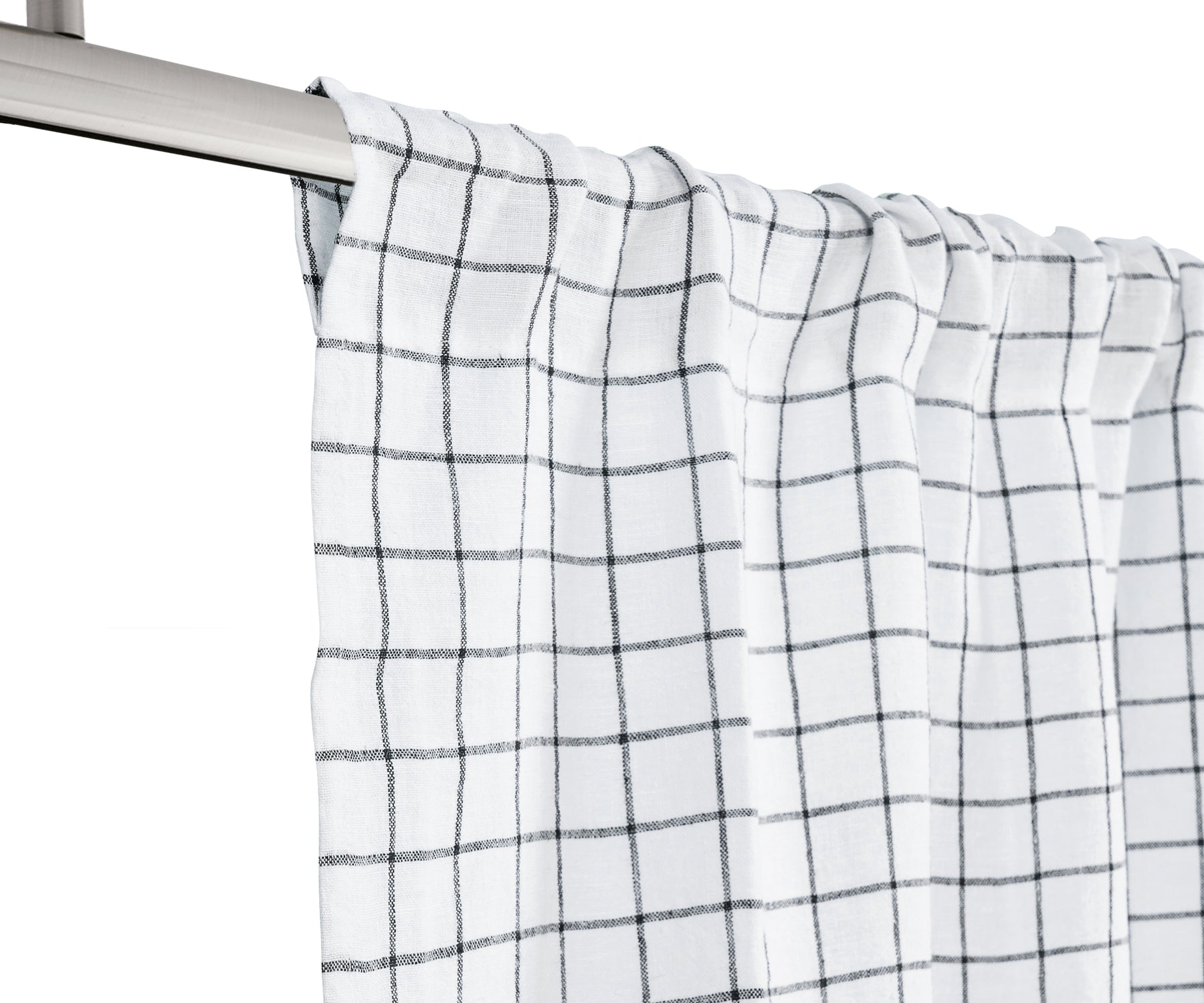
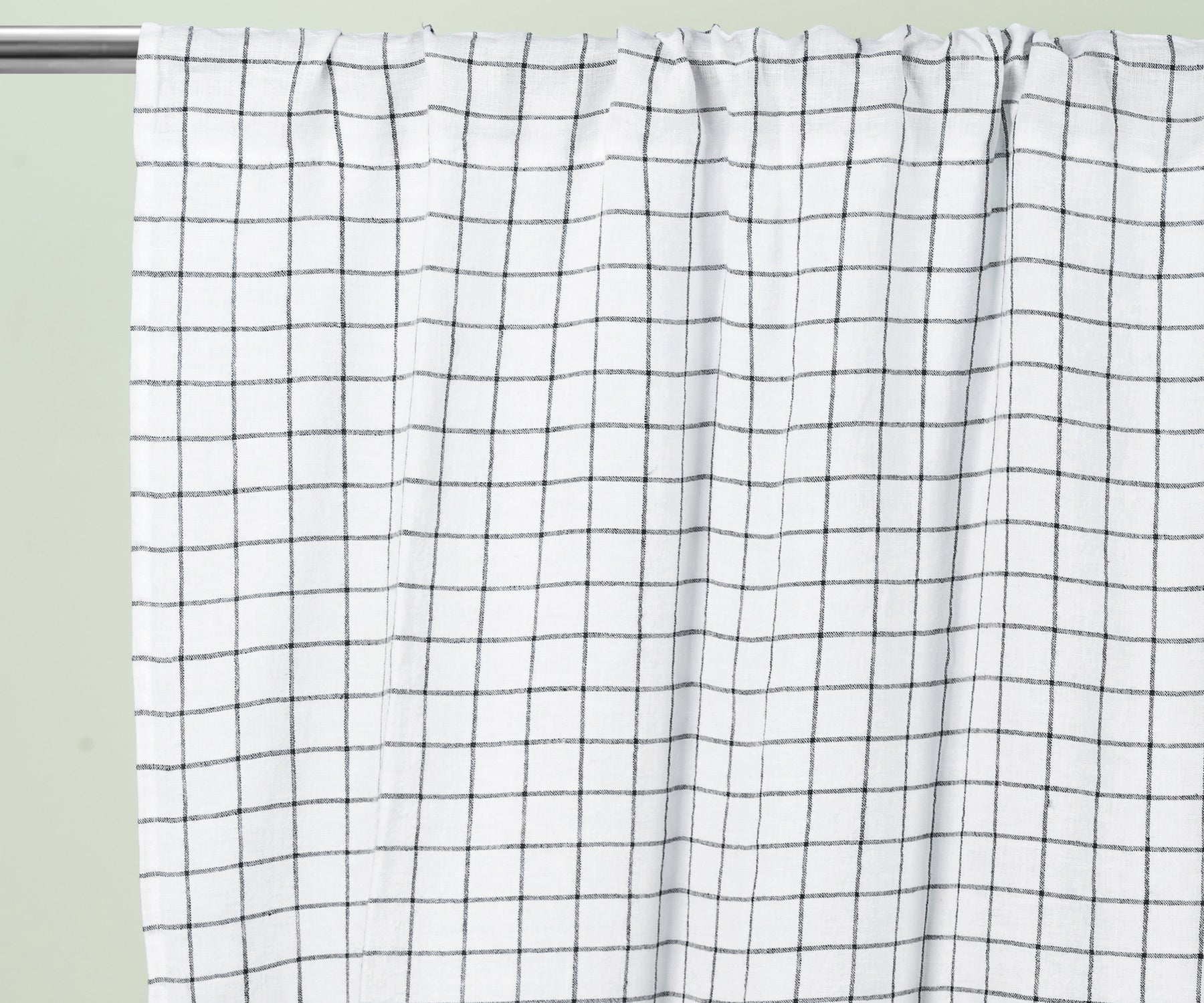
Checkered cotton curtains |
Farmhouse or casual bedrooms |
Plaid or patterned bedding in the same palette |
|
Scalloped curtains |
Romantic or cottage bedrooms |
Embroidered cushions, soft palette |
14. Associate your curtains with your bedding, rather than matching. Hang linen curtains in a dusty blue next to cream walls and oat bedding for cohesion.
To Learn: Linen Bedding Sets for a Natural Night’s Sleep
Small Bedroom Decorating Ideas
A small bedroom needs different decorating rules from a bigger one mainly, what to avoid.

15. Avoid using an accent wall paint the whole room in one warm shade instead.
As a small room can feel even tinier when divided, painting an ‘accent wall’ in one bold color can create two unevenly balanced spaces. Paint the whole room a warm, muted tonal shade instead.
16. Get a low bed frame to avoid a chunky headboard.
A chunky headboard can make a small space feel even smaller; go for something simpler to avoid a focal point stealing the eye.
17. Add a mirror facing the window to reflect the natural light.
A hanging mirror is a cheap and easy way to reflect the window light and make the space feel bigger.
18. Hang curtains vertically to add height.
The classic rule ‘hang them high and wide’ is one of the best tricks you can use in a small bedroom – and is needed even more when there is very little headroom.
19. Add just one flatweave rug on the ground.
Flatweave rugs may be popular for layering, but adding more than one small rug can make the whole space look cluttered – especially in a tight space.
20. Limit the number of colours to two, maybe three.
A small bedroom will start to feel cluttered when using more than three contrasting shades, so keep the walls a warm white, and one item of soft bedding or decor in another warm shade.
Bedroom Decorating Ideas on a Budget
If you want to change things up without spending a fortune, these are the easy updates which make the most difference.
21. Wash your bedding
Wrinkled, worn-looking sheets can completely ruin the look of new or improved bedroom decor. Wash and re-iron your bedding for a fresh new feel – with virtually no cost.
22. Buy two new cushion covers
Two plain, contrasting covers can give your old cushions a brand new look – for under £10, maybe even less.
23. Raise the height of your curtains
One of the most effective and cheapest ways to update a bedroom is to re-hang the existing curtains higher – this can easily be done in five minutes with a set of curtain brackets and a drill.
24. Change the bulb in one lamp
To brighten up a space instantly, simply change one lamp’s bulb with a warmer, dimmer one. You’ll notice a surprising change in atmosphere.
25. Clear off the nightstand
To create a space in your bedroom, simply leave only one item on your nightstand – a lamp, a small tray, and a book, for example. Anything else will detract from the more carefully chosen decor in the room.
26. Put a folded throw on the foot of the bed
While many people have multiple smaller decorative throws at the foot of their beds, one simple, larger 30-50cm throw in cotton or linen looks much better.
Bedroom Decorating Ideas by Zone
Breaking a bedroom down into its separate areas makes it much simpler to decorate – the bed space, the windows, the floor, and the ‘seating’ area if there is one.
The Bed Zone
As the bed is usually the focal point of the bedroom, this should be the space you begin to decorate from. Invest in good-quality sheets, then add a linen duvet cover or cotton throw, and stack your pillows rather than lay them all flat.
The Window Zone
Once the bed linen has been chosen, this can lead you on to your choice of curtains, as they can provide colour and pattern, and draw the eye out and upwards.
The Floor Zone
A rug on the bed will give the space more ‘warmth’ and definition, especially if your bedding is very textural. If you have minimal or ‘clean’ linen or cotton bedding, you may want to choose something a little chunkier.
The Seating Zone
If there is space in your bedroom, even just a corner, add a small chair or bench as a textiles feature – perhaps with a cotton throw over the back, or a couple of linen cushions on the seat.
Master Bedroom Ideas for More Square Footage
If you have a large bedroom, or a master bedroom, you can afford to be a bit more generous in your decorating choices.
27. Add two rugs – a plain base and a textured layer.
This may sound odd, but in a bigger space you can get away with adding extra layers to a rug – perhaps a woven or patterned piece, placed over a bigger flatweave. In a larger space, this is a great way to define a seating or dining area.
28. Add a reading nook in the corner.
In a bigger space, you can afford to dedicate a little more area to a sitting and reading corner – perhaps in a spare corner, with a small side table and a floor lamp.
29. Add a bench at the end of the bed.
This anchors the bed, and gives a bigger ‘statement’ for a bigger space. It is also useful for seating, and a good place to put a folded throw or extra pillows at night.
30. Add something with the ceiling
Wallpapering the ceiling, or just a simple color, is one of the new trends for 2026 – and is particularly seen in bigger master bedrooms with higher ceilings.
Cozy Bedroom Ideas for Fall and Winter
31. Add weight in the bed.
While a lighter bed may seem more 'airy,' a heavier duvet and blanket will add more comfort and cosiness immediately.
32. Add warm, saturated tones in the textiles and bedding.
Deep warm reds and oranges and burnt orange and taupe are all great options when you want to add color without repainting the whole room – especially when added with neutral textiles.
33. Use the texture of the linen to warm the feel of your room.
Especially in the colder months, rougher linen is perfect for adding warmth – as it holds the natural light in the room.
34. Add a rug pad to your rug to add warmth and comfort.
Instead of spending more money on a thicker or different rug, simply add a rug pad underneath your existing one for a similar effect.
Summer Bedroom Ideas for Staying Cool
35. Use linen sheets to keep cool in warm months.
Linen bedding has a looser weave than cotton or other materials, so it is better for hot summer nights.
A Simple Bedroom Decorating Checklist
Use this as a starting point, not a rulebook. The goal is a room that feels right to you, not one that matches a template exactly.
|
What to Check |
Current State |
Suggested Update |
|
Fitted sheet |
Pilling or worn? |
Replace with a cotton fitted sheet in a neutral tone |
|
Pillowcases |
Mismatched or tired? |
Try linen pillowcases in white or oat. |
|
Duvet or top layer |
Too heavy for the season? |
Add a linen throw for a lighter, textured layer. |
|
Curtains |
Too short or too narrow? |
Rehang higher and wider; consider linen panels. |
|
Cushions |
Flat or color-clashing? |
Add two covers in a tone pulled from your wall color |
|
Lighting |
Only one overhead light? |
Add a bedside lamp with a warm-toned bulb. |
|
Color cohesion |
Too many competing shades? |
Edit down to two or three tones across all textiles. |
Read More: Best Bedding for Cold Winter Nights + Layering Guide
Bedroom decorating isn't a one-time project. The rooms that feel best to spend time in are usually adjusted gradually, season by season, as your taste and needs shift. Natural fabrics like cotton and linen make that kind of gradual improvement easy, since they work across nearly every style and don't date the way trend-driven furniture can.
Start with the layer closest to you: your bedding. Get that right, and the rest of the room tends to follow. From there, curtains, color, and small textile details do the finishing work.
Explore the full All Cotton and Linen collection for bedroom textiles, including linen pillowcases, cotton pillow cases, cushion covers, and blackout curtains.