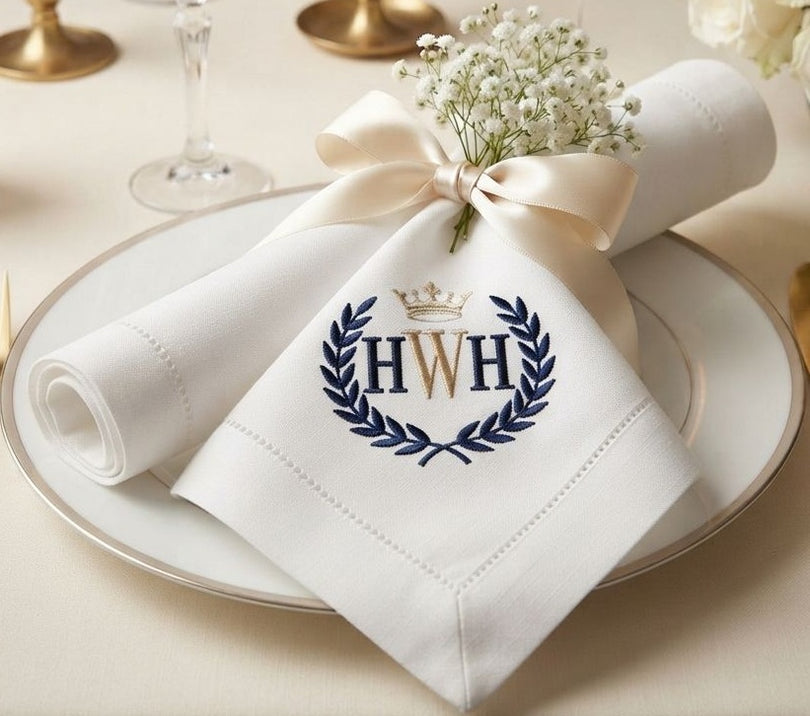

Thanksgiving Napkin Folding Ideas
Below are the main reasons hosts incorporate napkin folding into their Thanksgiving tablescape, along with practical examples you can try this fall season.
Visual impact. A fan fold or standing fan adds height that draws the eye upward, breaking up a flat tabletop. Tall folds create rhythm when repeated at every place setting, much like a row of candles. A leaf fold or rose fold introduces sculptural shape near the centerpiece. Even a simple pyramid fold in cream or gold linen napkins brings quiet elegance to a minimalist table.
Personalization. Tucking a place card or name tag into a fold makes each guest feel considered. A pocket fold can hold a handwritten note, a menu card, or a small seasonal accent like a rosemary sprig. For a family gathering, slipping a photo or a gratitude card into the napkin pocket turns a seat assignment into a keepsake. This small touch signals that you planned the evening with specific people in mind.
Practicality. Folds do double duty as holders. A silverware pocket or cutlery pouch keeps flatware neat and frees up space on the charger plate. An envelope fold can conceal a small gift, a cinnamon stick, or a chocolate at each setting. On a crowded table, a napkin pocket tidies utensils so dinnerware and glassware have room to breathe. Guests simply lift the napkin and everything stays organized.
The gratitude connection. Thanksgiving centers on appreciation, and a hand-folded napkin is a quiet gesture of care for the people at your table. Whether you choose rustic burlap, elegant lace napkin, or simple cotton, the fold reflects thoughtfulness. It reminds everyone gathered that the meal was prepared with attention, not just efficiency.
Choosing the Right Napkins
With over 60% of Thanksgiving hosts opting for cloth napkins, selecting the right material and size is the foundation of any successful fold. The napkin is often the first thing a guest touches at their place setting, so it sets the tone for your entire tablescape.
Before you attempt a single crease, take a moment to think about what your fabric or paper can actually do. A stiff, well-pressed square holds a standing fan or bishop's hat beautifully, while a soft, floppy one collapses into a sad pile.
This section covers the two main choices, fabric versus paper, and then walks through sizing and color so your dinner napkins match the rest of your holiday table setting.
Fabric vs. Paper Options
While paper napkins cost around $0.10 each and are disposable, linen napkins at $5-$15 each can be reused for years. Here's how to decide between the two for your Thanksgiving gathering.
|
Feature |
Fabric (Linen, Cotton) |
Paper (Recycled, Printed) |
|
Cost |
Linen $8-$20 each, cotton $5-$15 each |
$2-$5 for a pack of 20 |
|
Durability |
Reusable for years with proper care |
Single use, then discarded |
|
Foldability |
Holds crisp creases, supports advanced folds |
Limited folds, best for simple fans |
|
Eco-Impact |
Low over time, washable and long-lasting |
Higher waste unless recycled |
|
Best For |
Formal settings, intricate techniques |
Casual gatherings, large crowds |
Linen napkins are the gold standard for napkin folding because it holds a crisp crease better than almost any other material. If your linen feels limp, lightly starch and iron it before folding to lock in sharp edges.
Cotton napkins are softer and more absorbent, which makes it comfortable for guests but slightly harder to press into precise shapes. Paper napkins work fine for basic fans and envelope folds, but skip them if you plan a rose fold or pumpkin pocket.
Sizing and Color Considerations
For most folds, a 20x20-inch square napkin is ideal, but oversized 22x22-inch linens work best for the Cornucopia and Pumpkin Pocket. Smaller 16x16-inch squares suit simple folds like the basic pyramid or silverware pocket.
Rectangular napkins can work for roll and tuck styles, but square napkins give you far more flexibility across beginner and advanced techniques. When in doubt, size up: extra fabric is easier to tuck and pleat than fabric that runs short.
For color, lean into earth tones that echo the fall season. Orange, rust, gold, brown, burgundy, and cream all pair naturally with a harvest-inspired tablescape and autumn centerpiece.
A simple color wheel approach helps you coordinate:
-
Analogous colors (gold, orange, rust) create a subtle, harmonious look
-
Complementary colors (burgundy with gold, or rust with cream) add bold contrast
-
Neutrals (cream, brown, tan) keep the focus on your dinnerware and flatware
One reliable tip: start with a solid base color for your cloth napkins, then add interest through patterned napkin rings, ribbon, twine, or seasonal accents like a cinnamon stick or rosemary sprig. This keeps your holiday table setting elegant without feeling busy.
Essential Folds for Beginners
If you are new to napkin folding, start with these beginner techniques. Each one is quick, requires no special tools, and works well for a large family gathering. You can complete every fold in one or two minutes, which makes them easy to prepare ahead of time.
These folds suit both cloth napkins and paper napkins, so you can use whatever you already have on hand. They also pair nicely with a simple Thanksgiving tablescape, letting your dinnerware, flatware, and glassware take center stage.
Practice each fold once before the holiday arrives. A little rehearsal builds confidence, and by the time your guests sit down for the turkey dinner, you will be able to set the whole table without stress.
Master these two folds in under 5 minutes each, no ironing required. Below you will find step-by-step instructions for the rectangle, the square, and the fan, along with tips to keep each crease sharp.
The Classic Rectangle and Square Napkin Folds
The rectangle fold, simply fold the napkin in half lengthwise, takes about 10 seconds and works for any napkin size. It creates a clean, narrow band that sits neatly beside a place setting and looks tidy on a casual or formal table.

Follow these steps for the rectangle:
-
Lay the napkin flat on a clean surface.
-
Fold it in half lengthwise so the two short edges meet.
-
Fold it in half again to form a compact square.
For the square fold, use this sequence:
-
Lay the napkin flat with the seams facing down.
-
Fold it in half diagonally to form a triangle.
-
Fold the triangle in half once more.
Each fold takes roughly 30 seconds. For crisp edges, press the fabric with a warm iron before folding, or use a bit of spray starch on linen napkins. These simple shapes are ideal for casual settings and work with autumn earth tones like rust, gold, and brown.
The Simple Fan Folding Napkin
The fan fold adds height and elegance. Start with a square napkin and accordion-fold from one corner to the opposite. The pleats create a standing shape that draws the eye and gives your holiday table setting a festive lift.

Follow these steps:
-
Lay the napkin flat on your work surface.
-
Accordion-fold from the bottom to the top in 1-inch pleats.
-
Fold the pleated strip in half.
-
Tuck the bottom into a napkin ring, or stand it upright against a plate.
While you pleat, press down on each crease with a heavy object such as a book to hold the folds in place. This small trick keeps the pleats even and prevents the fabric from springing open before you finish.
This fold works best with stiff fabric or lightly starched linen napkins. Softer cloth may flop, so save it for a more relaxed look. A fan standing tall beside your dinnerware adds a touch of drama to any gratitude-filled family gathering.
Intermediate Folds for a Festive Touch
Once you have mastered the basic napkin folding techniques, it is time to move on to designs that bring a stronger seasonal theme to your holiday table setting. These two folds, the Pumpkin Pocket and Turkey Tail Fan, add a seasonal wow factor and take 5-7 minutes each.
They require a bit more practice than beginner folds, but most hosts can pick them up after one or two tries. The key is to work with well-pressed cloth napkins and a flat surface, which makes every crease and tuck hold its shape.
Both designs incorporate Thanksgiving themes and can be customized with seasonal accents like cinnamon sticks, rosemary sprigs, or small place cards. They suit linen napkins, fabric napkins, or sturdy paper napkins, so you can match them to any tablescape.
Set aside a quiet moment before your family gathering to practice, and you will find that these intermediate techniques become second nature in no time.
The Pumpkin Pocket Napkin Fold
Create a pumpkin-shaped pocket by folding a 20x20-inch napkin into a triangle, then rolling the corners inward to form a pouch. This fold works beautifully with oversized napkins and brings a warm autumn touch to any place setting.

-
Fold the napkin in half diagonally to form a triangle, with the long edge facing you.
-
Roll the two acute corners toward the center, pressing each roll firmly as you go.
-
Flip the napkin over and fold the bottom point up to create a pocket.
-
Tuck a small pumpkin-shaped place card or a piece of candy inside the pocket.
Tip: Use orange or rust napkins for the best effect, since these earth tones echo the look of a real pumpkin. A cream or gold napkin also works well for a more elegant, formal table.
This fold can hold a name tag, a menu card, or a small gift, making it a practical choice for a dinner party or family gathering. Pair it with pumpkin-themed table decor, such as a gourd or cornucopia centerpiece, to tie the whole harvest look together.
The Turkey Tail Fan Napkin Folding
The Turkey Tail Fan mimics a turkey's plumage by pleating a napkin and fanning it out in a half-circle. It is a creative, eye-catching design that suits both rustic and traditional Thanksgiving tables.

-
Lay the napkin flat on a clean surface and smooth out any wrinkles.
-
Accordion-fold from one corner to the opposite in 1-inch pleats, pressing each crease as you go.
-
Hold the center firmly and fan out the top into a half-circle shape.
-
Secure the base with a napkin ring or a length of twine.
Tip: Choose a patterned napkin to resemble feathers, or use burgundy, brown, or gold fabric napkins for a richer fall season look. A rosemary sprig or cinnamon stick tucked into the base adds a festive accent.
This fold works well as a centerpiece when placed on a charger plate, or at each place setting beside your dinnerware and flatware. For a casual dinner party, swap the napkin ring for jute or burlap ribbon to keep the feel relaxed and farmhouse-inspired.
Advanced Showpiece Folds
Once you have mastered the beginner and intermediate techniques, advanced napkin folding opens the door to genuine table artistry. These designs transform a simple square of fabric into a sculptural element that guests notice the moment they sit down. They suit hosts who want the Thanksgiving tablescape to feel unforgettable.
Advanced folds demand more than a casual attempt. Precise creasing matters, and heavy starching gives linen napkins the structure they need to hold their shape through a long turkey dinner. A hot iron and a spray bottle of starch become your best tools here. Expect each design to take 10 to 15 minutes and a few practice runs before it looks polished.
The good news is that timing works in your favor. You can complete these showpieces a day ahead, store them flat on a tray, and place them just before guests arrive. That keeps the festive meal calm instead of chaotic. Just avoid stacking them under heavy dinnerware, since compression can flatten the crisp edges you worked to create.
The Leaf and Acorn Fold
The Leaf and Acorn fold combines a leaf-shaped base with a small acorn-shaped knot on top, using a 22x22-inch starched napkin. The design draws directly from autumn nature walks, when fallen oak and maple leaves scatter across the path. That seasonal reference makes it a natural fit for a harvest celebration.
-
Fold the napkin in half diagonally to form a large triangle.
-
Pleat from the long edge toward the center, pressing each crease firmly.
-
Fold the top point down to shape the leaf.
-
Take a small corner and roll it into a ball for the acorn.
-
Tuck the acorn into the base of the leaf.
For a secure finish, use a dab of water to hold the acorn shape in place. A light mist helps the fabric fibers grip without leaving a visible mark. Place the finished fold on a charger plate, and it reads as both table decor and a small piece of seasonal art.
This design rewards patience. If the pleats look uneven, unfold and start again while the starch is still fresh. Practice once or twice before the big day, and the technique becomes second nature.
The Cornucopia Napkin Fold
The Cornucopia, or horn of plenty, is a three-dimensional fold that can hold small treats like chocolates or dried fruit. It echoes the harvest symbolism at the heart of the holiday, making it a fitting centerpiece for each place setting. Guests often react with delight when they realize the napkin doubles as a tiny basket.
-
Lay the napkin flat on a clean surface.
-
Roll it into a cone shape, keeping the layers tight.
-
Tuck the pointed end into the open end to secure the form.
-
Fill the opening with small items such as candies, nuts, or a rosemary sprig.
Use a stiff napkin or starch heavily to hold the cone upright. A limp fabric will collapse under the weight of any filling, so structure is essential. Once shaped, this fold becomes a genuine conversation starter, and it sits beautifully at the center of each plate.
Consider coordinating the filling with your color palette. Earth tones like rust, gold, and burgundy pair well with wrapped chocolates or dried orange slices. The cornucopia works for both a rustic farmhouse table and a more formal, elegant arrangement.
Styling and Placement Tips
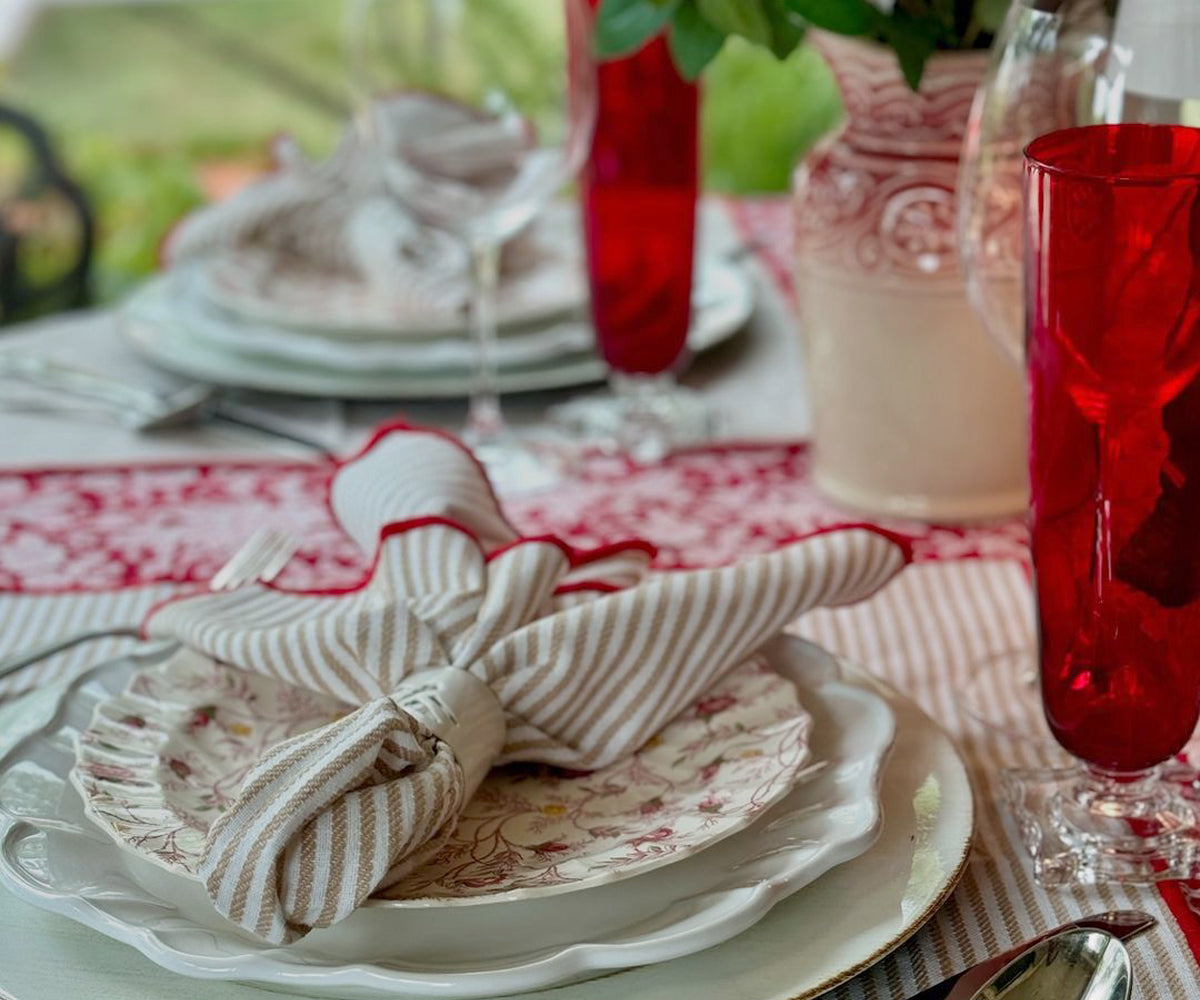
Place folded napkins on charger plates for a formal look, or in a basket for a casual buffet, here's how to style them. The fold itself is only half the work. Where you put it and what surrounds it shapes how the whole holiday table setting reads.
Five guidelines carry most of the weight. Use a charger plate as a base for formal settings. Mix textures, such as a linen napkin against a burlap runner. Tuck a place card into the fold so guests find their seats without asking. For buffets, stack folded napkins in a basket near the plates. Finish with napkin rings that match your flatware.
-
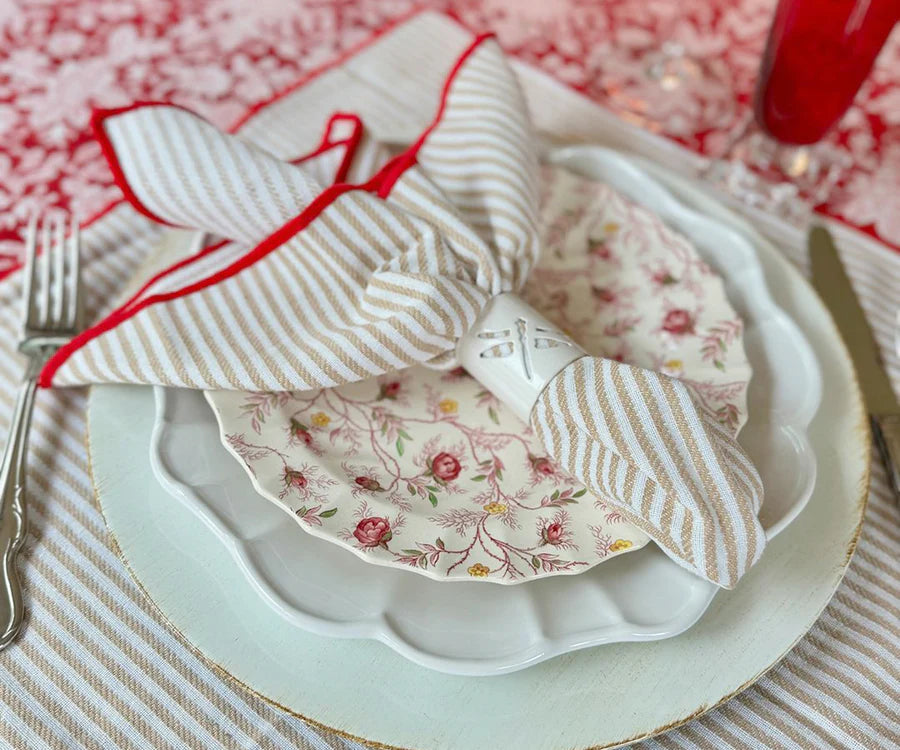
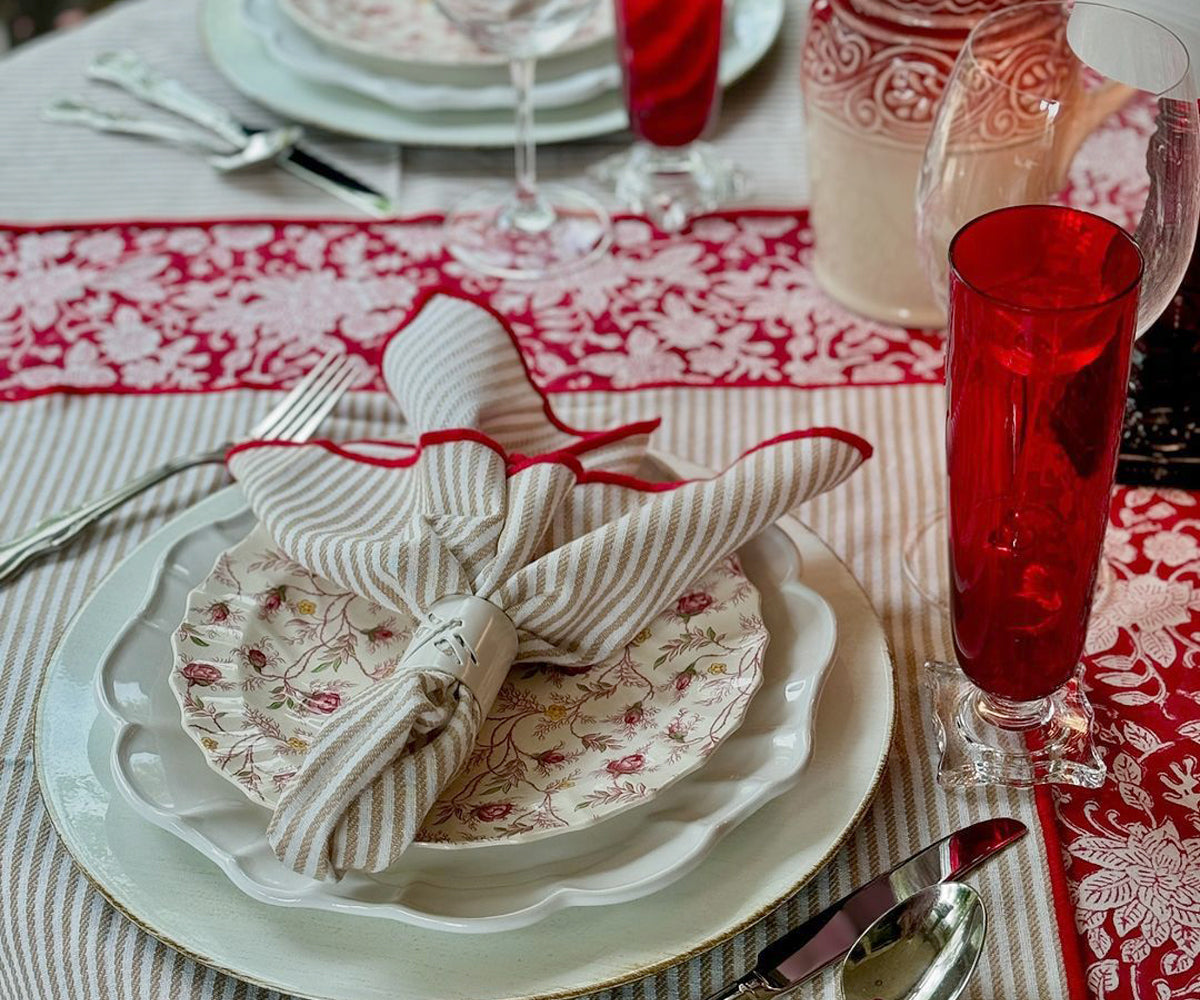
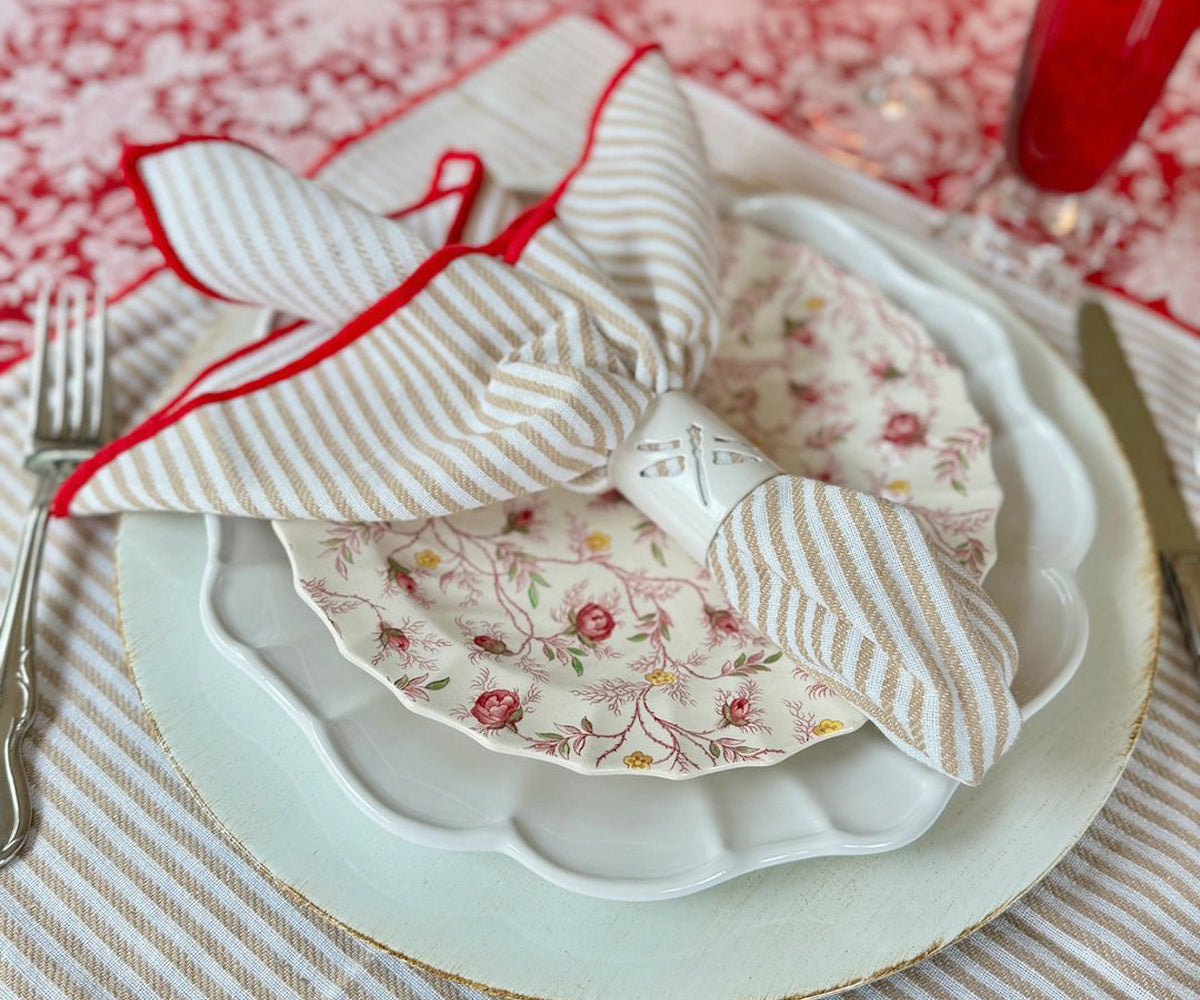
Charger plate base: A gold or copper charger gives a folded dinner napkin a defined stage, especially for a formal or traditional tablescape.
-
Mixed textures: Pair smooth linen napkins with a rougher burlap runner, or set crisp cotton against lace for contrast that reads as intentional.
-
Place card in the fold: Slip a name tag or menu card into a pocket, envelope, or pyramid fold so the card stands upright on its own.
-
Buffet basket: Keep a stack of folded cloth napkins or paper napkins beside the dinnerware so guests can serve themselves without hunting.
-
Matching napkin rings: Choose rings in the same finish as your flatware, gold with gold, matte black with matte black, for a pulled-together place setting.
For a photo-worthy example, imagine a pumpkin fold sitting on a gold charger, with a rosemary sprig tucked into the top. The orange and rust tones of the pumpkin echo the autumn palette, while the green herb adds a fresh accent against cream dinnerware. A single cinnamon stick or small pinecone beside the plate repeats the harvest theme without crowding the glassware.
Balance matters more than abundance. If your centerpiece is tall, keep napkin styling low and simple. If the table runner is busy, let the fold carry the detail. A minimalist place setting with one well-chosen seasonal accent often looks more elegant than a plate piled with ribbon, twine, and leaves. Test the arrangement before the festive meal so you can adjust spacing and height while the turkey dinner is still in the oven.
Quick Troubleshooting and Finishing Touches
If your folds won't hold, a light starch spray and a hot iron can save the day. Here's how to fix common issues. Even experienced hosts run into small snags when preparing cloth napkins for a Thanksgiving table, and most problems have quick fixes. Work through each issue before you set the table so your holiday table setting looks polished from the start.
Below are four frequent problems and their solutions:
-
Folds won't stay: Give the fabric napkins a light mist of starch and press with a hot iron. The added body helps every crease hold its shape through the turkey dinner.
-
Napkin too soft: Choose linen napkins or cotton over thin paper napkins. Natural fibers keep a crisp fold, while flimsy paper tends to collapse under a napkin ring.
-
Frayed edges: Trim loose threads with pinking shears, or apply a small amount of fray check along the edge. This keeps the border neat for an elegant or rustic look.
-
Wrinkles: Iron on low heat using a pressing cloth between the iron and the fabric. This smooths the surface without scorching delicate linen or leaving shiny marks.
Once the napkins are crisp, add a simple finishing touch. Tuck a cinnamon stick or a rosemary sprig into the fold, or slide it under the napkin ring, ribbon, or twine. The warm scent fits the fall season and brings a gentle harvest feel to each place setting.
These small accents pair well with seasonal details like a pinecone, acorn, or maple leaf resting on a charger plate. A place card or name tag slipped into the fold can double as a seating marker. Keep the tablescape balanced by matching accents to your dinnerware, flatware, and glassware in earth tones such as orange, rust, gold, brown, burgundy, or cream.
After folding, store the dinner napkins flat until serving. Stack them gently in a cool, dry spot rather than piling heavy items on top. This prevents new creases and keeps edges straight. Set them out shortly before the family gathering begins so the DIY work you put into each fold still looks fresh when guests sit down.
Related Readings:
What are the 12 Popular Thanksgiving Dishes?
What Meats Were Served at the First Thanksgiving Celebration?
How to Decorate Your Table for Thanksgiving: Tablescape you can DIY