

1. Spill Cover-Up
A cloth napkin draped loosely over an open lunchbox section catches leaks from juice boxes, yoghurt pouches, and wobbly containers before they reach everything else.
Paper napkins collapse the moment they touch liquid. Cotton absorbs and holds.
2. Snack Wrap
Grapes, cherry tomatoes, crackers, anything that rolls around loose can be bundled into a napkin like a little parcel. Fold the corners up, tuck them under, done.
Kids actually enjoy the "unwrapping" moment. It turns a handful of grapes into something a bit more exciting.
Read On: The Dirty Truth About Paper Napkins: Eco-Friendly Alternatives
3. Mini Placemat

Unfold the napkin flat on the lunch table for an instant clean surface. Especially useful for kids who don't love their food touching a communal table or for outdoor lunches on school trips.
One napkin. Two jobs before it even gets used to wipe a hand.
4. Hot and Cold Wrap
Wrap a warm thermos or a cold container in a folded cloth napkin. It won't replace an insulated bag, but it adds just enough buffer to keep soup warmer or yoghurt cooler through a morning at school.
Bonus: it protects little hands from hot containers when they're opening their lunch.
5. Emergency Utensil
Forgot the fork? A slightly damp cloth napkin handles saucy pasta, rice, and anything messy far better than bare hands, and it doesn't fall apart the second it gets wet, the way paper always does.
6. Sticky Hands Fix
Before you pack the lunchbox, dampen one corner of the napkin and seal it in a small zip bag. Your child has an instant wet-wipe alternative that actually works on jam, fruit juice, and yoghurt without the chemicals in disposable wipes.
To Know: 5 Ways Cotton Napkins Elevate Your Daily Dining Routine
7. Post-Lunch Art Canvas

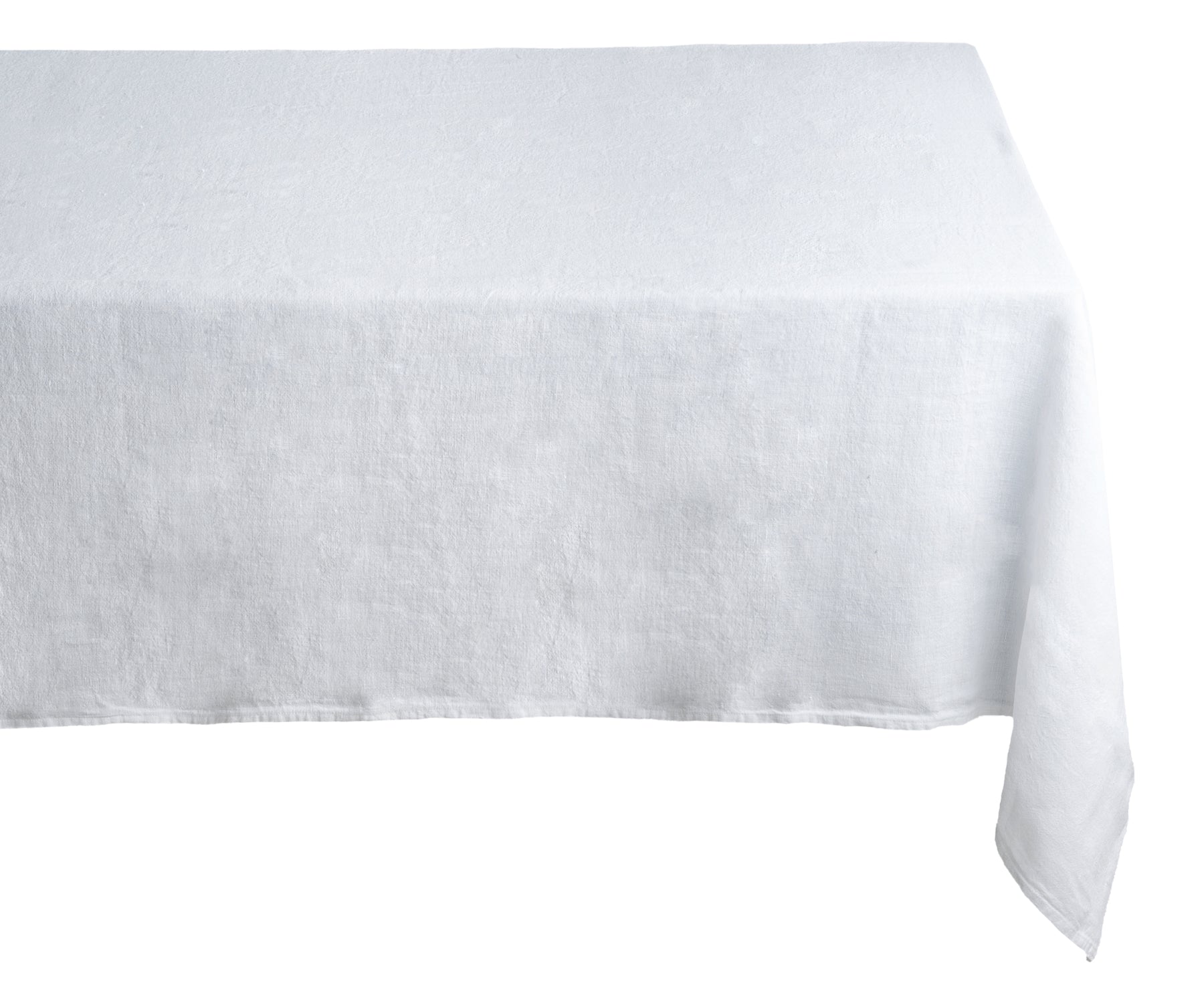
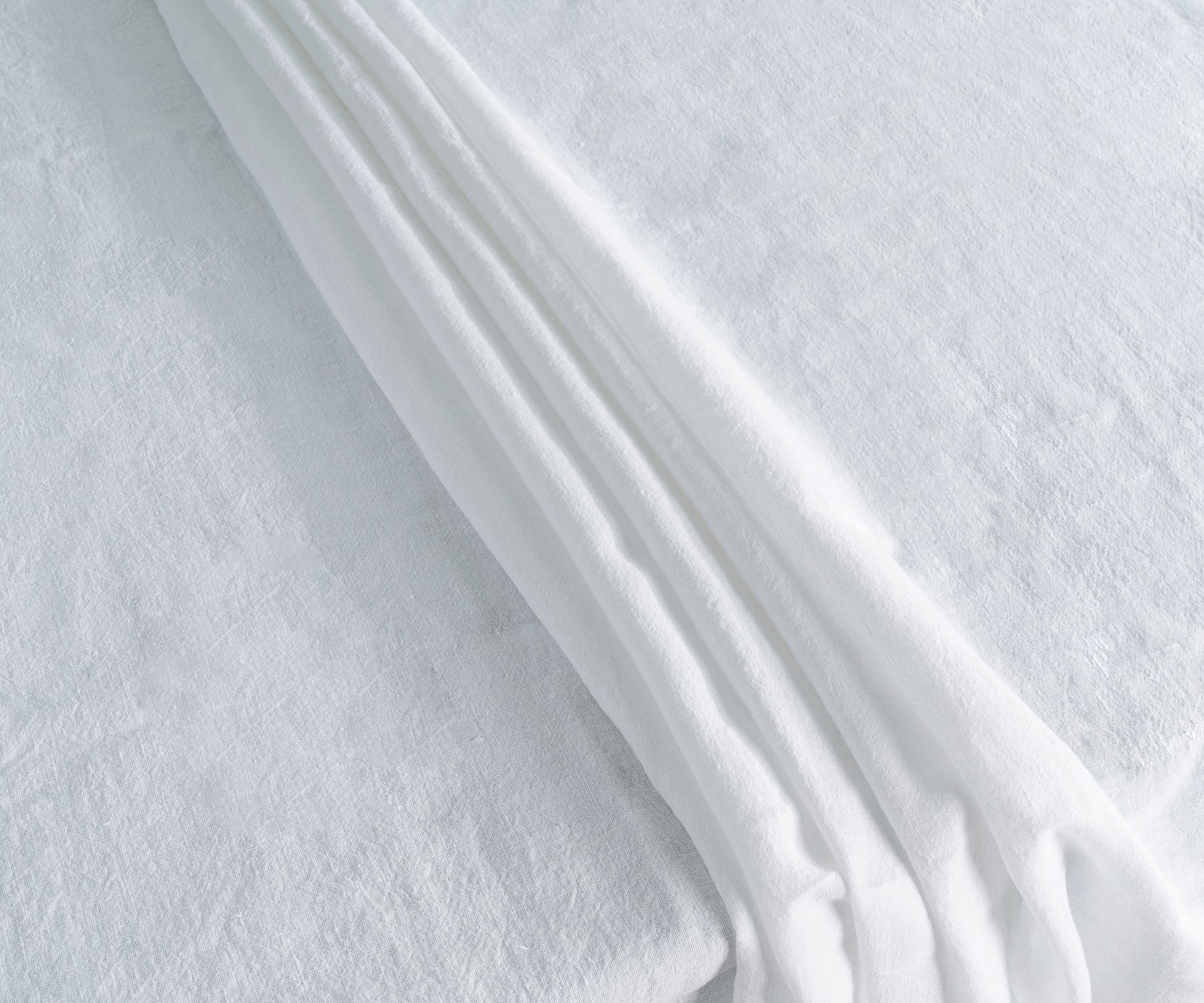
Pack a plain white cotton napkin with a couple of washable markers. After lunch, your child has a five-minute creative activity waiting for them.
Washable marker on cotton rinses out in cold water. If you want to keep the artwork, let it dry and stick it on the fridge. Kids love this more than you'd expect.
8. The Colour-Pick Habit
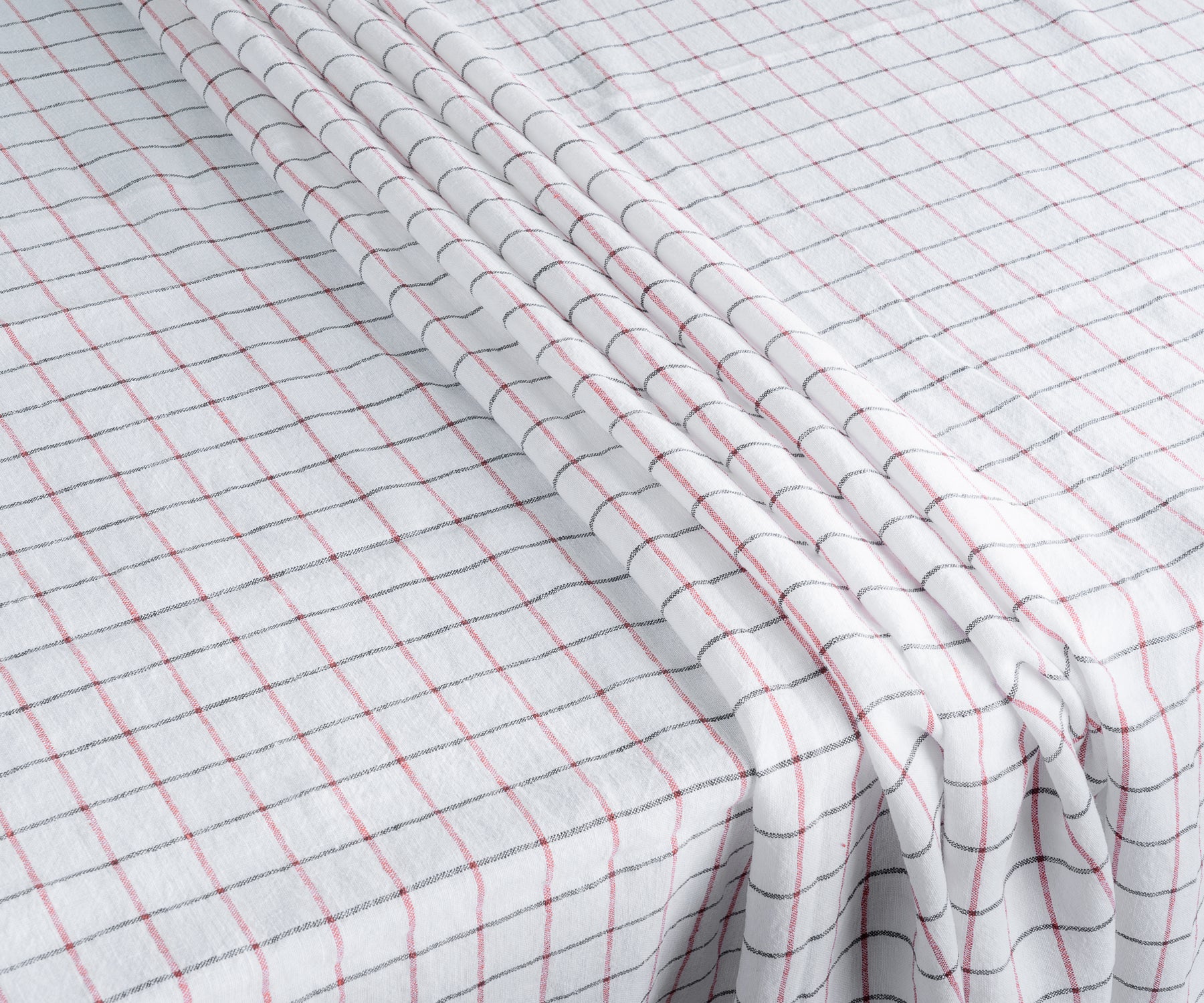
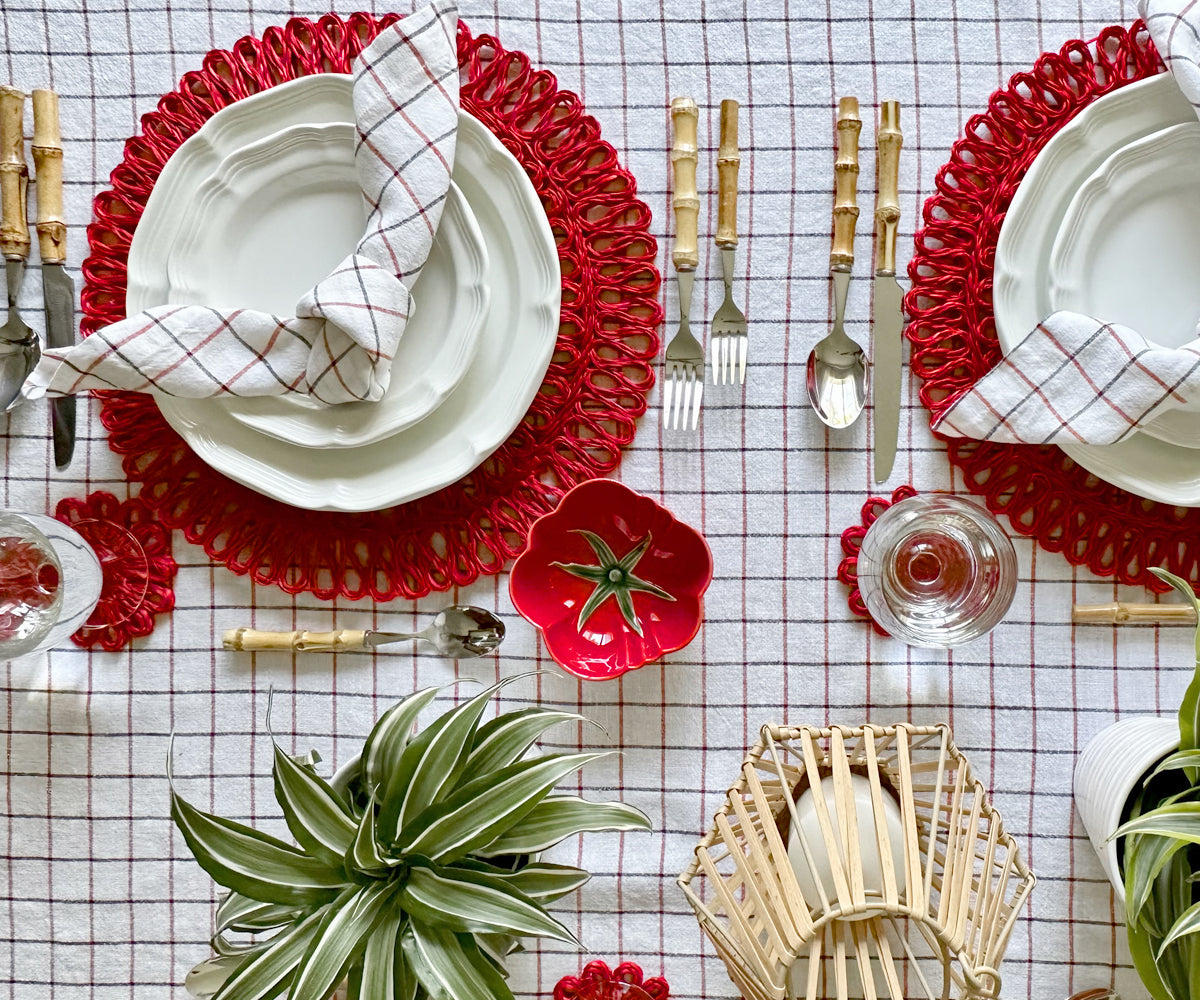
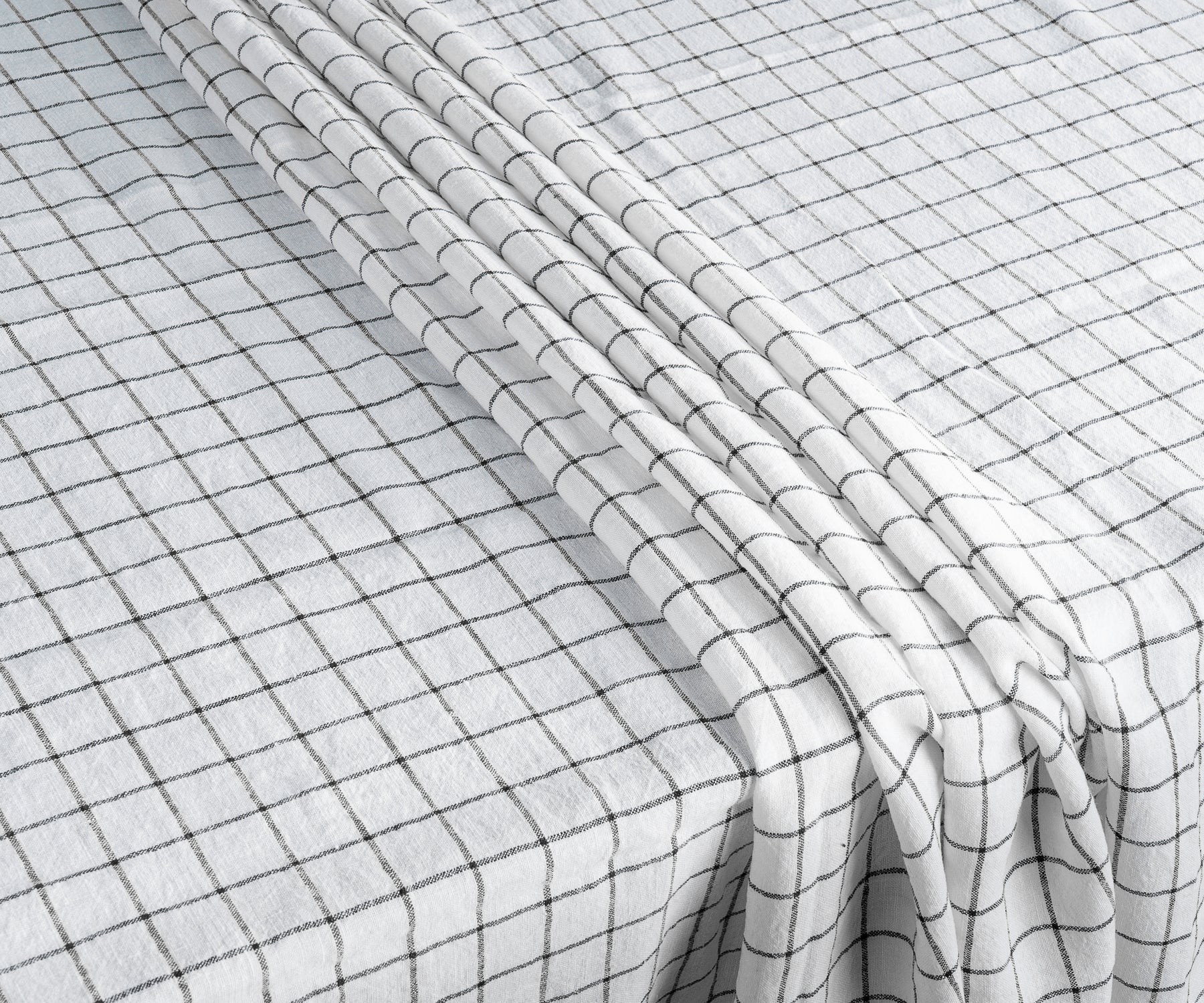
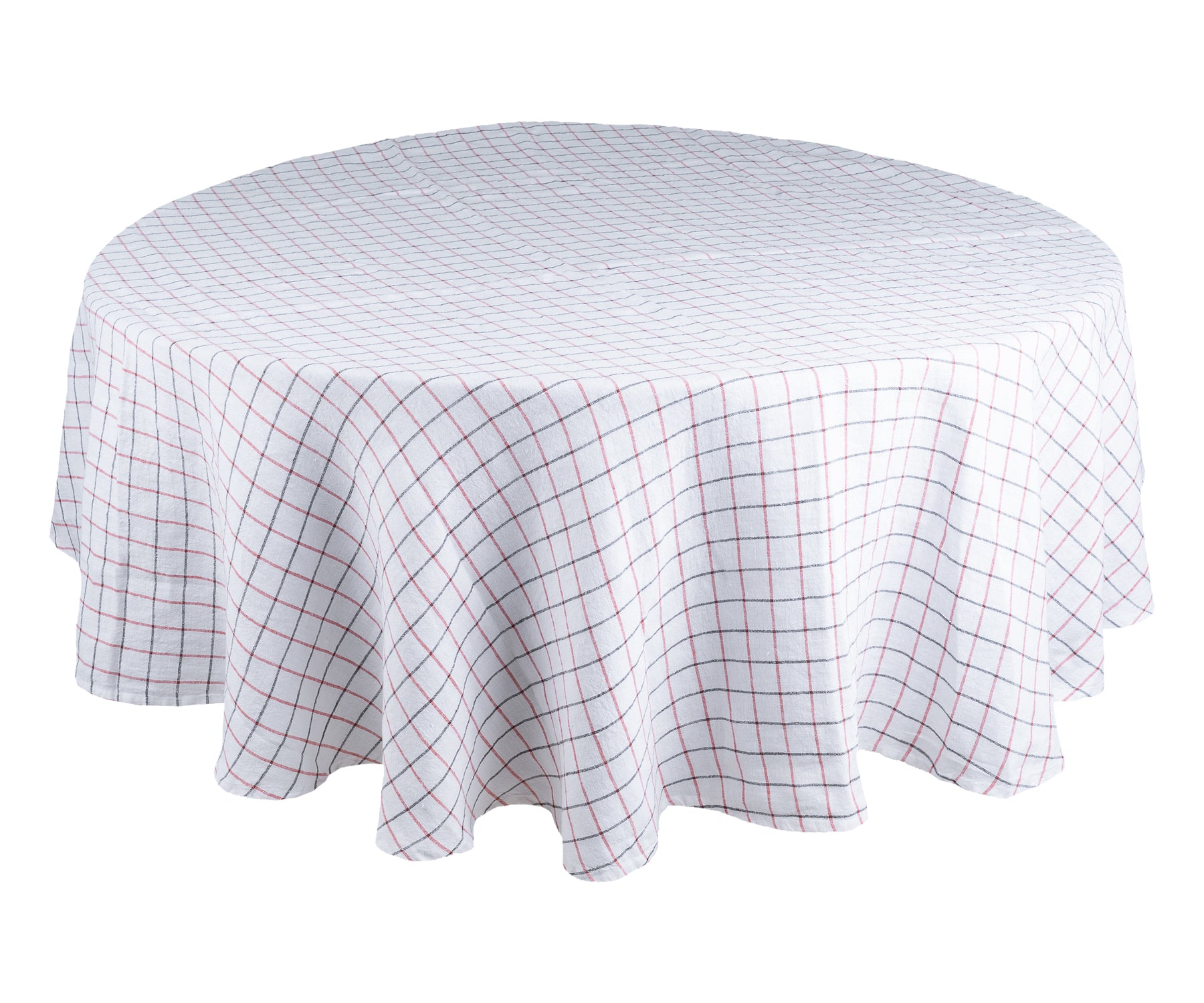
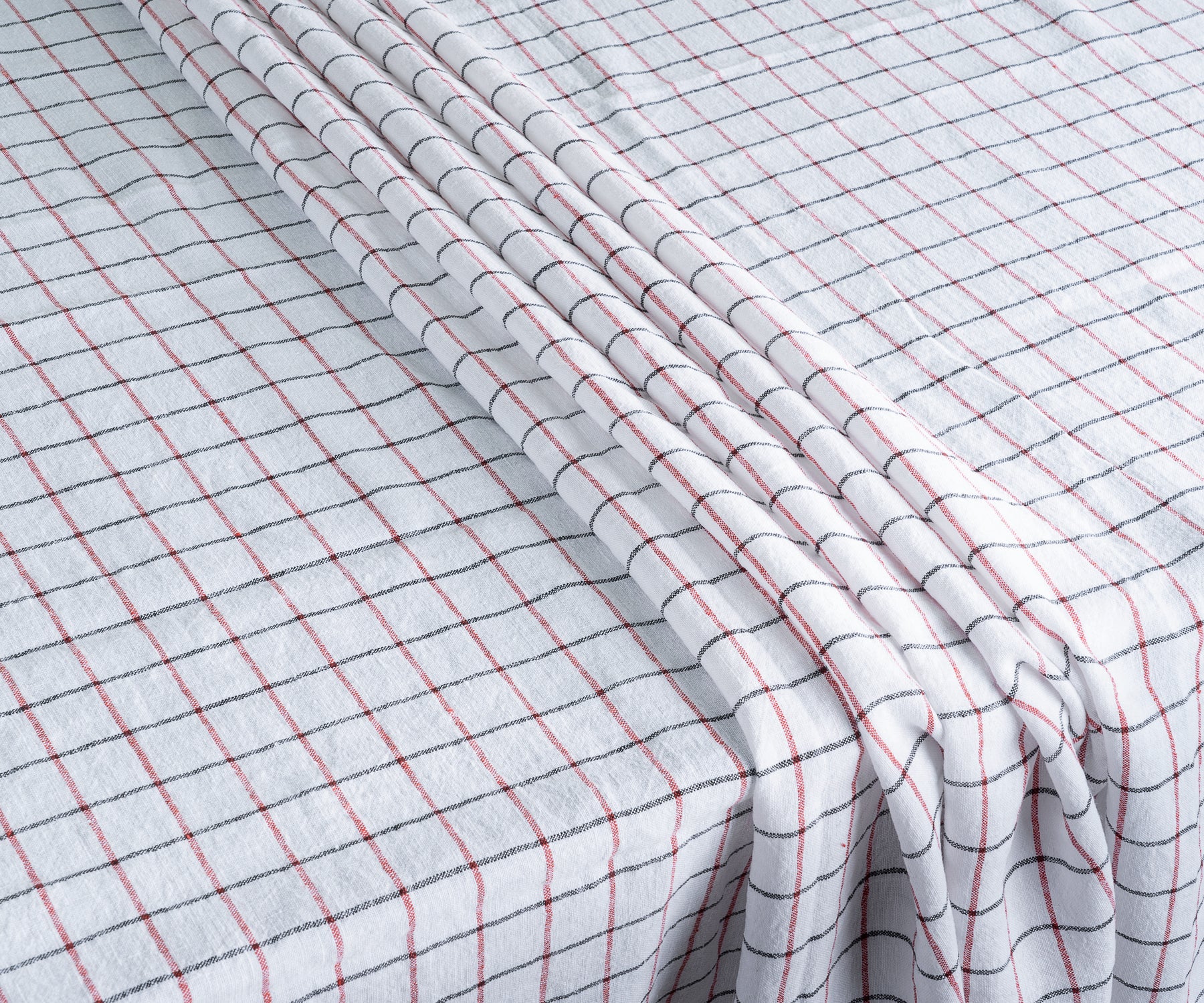
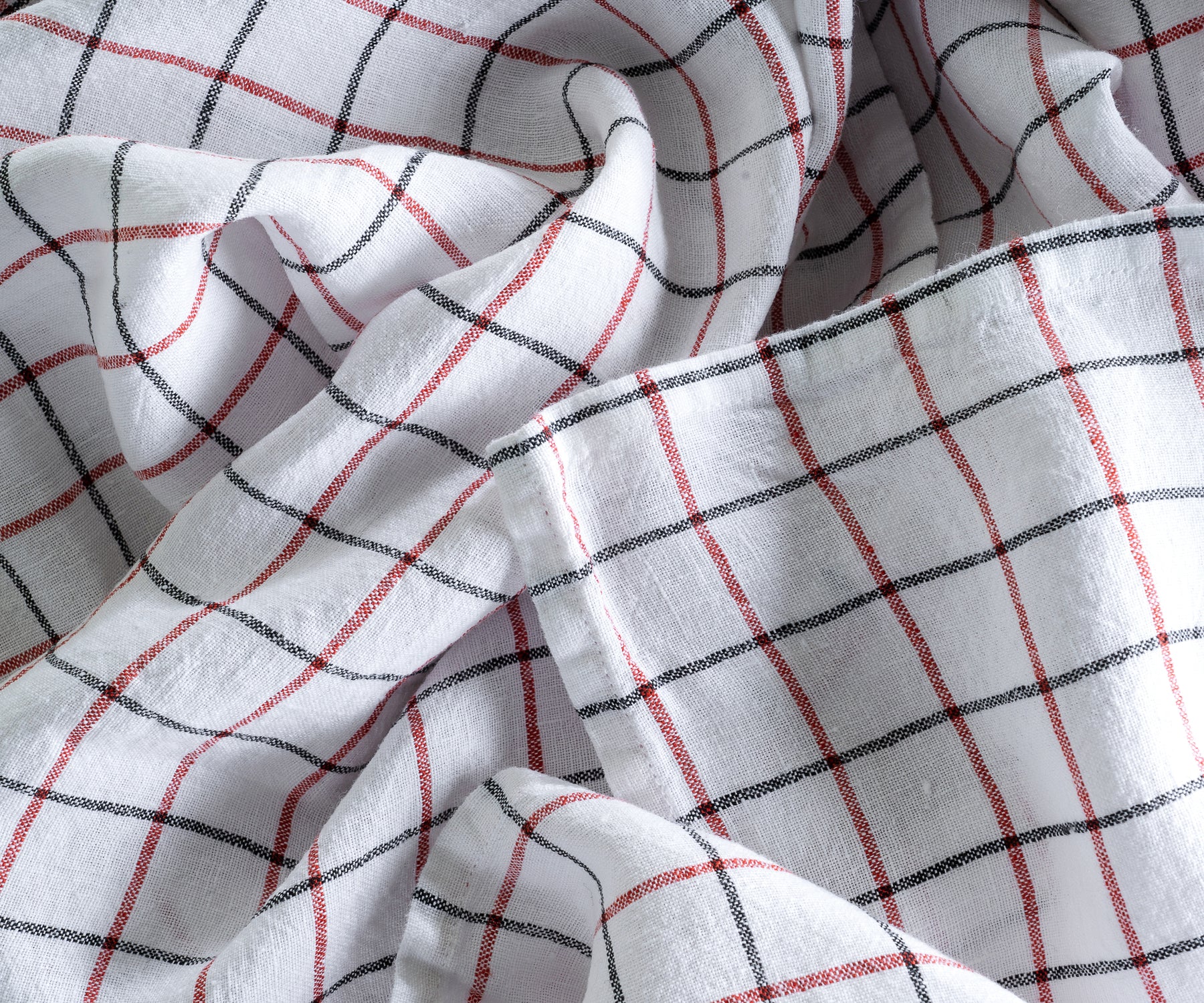
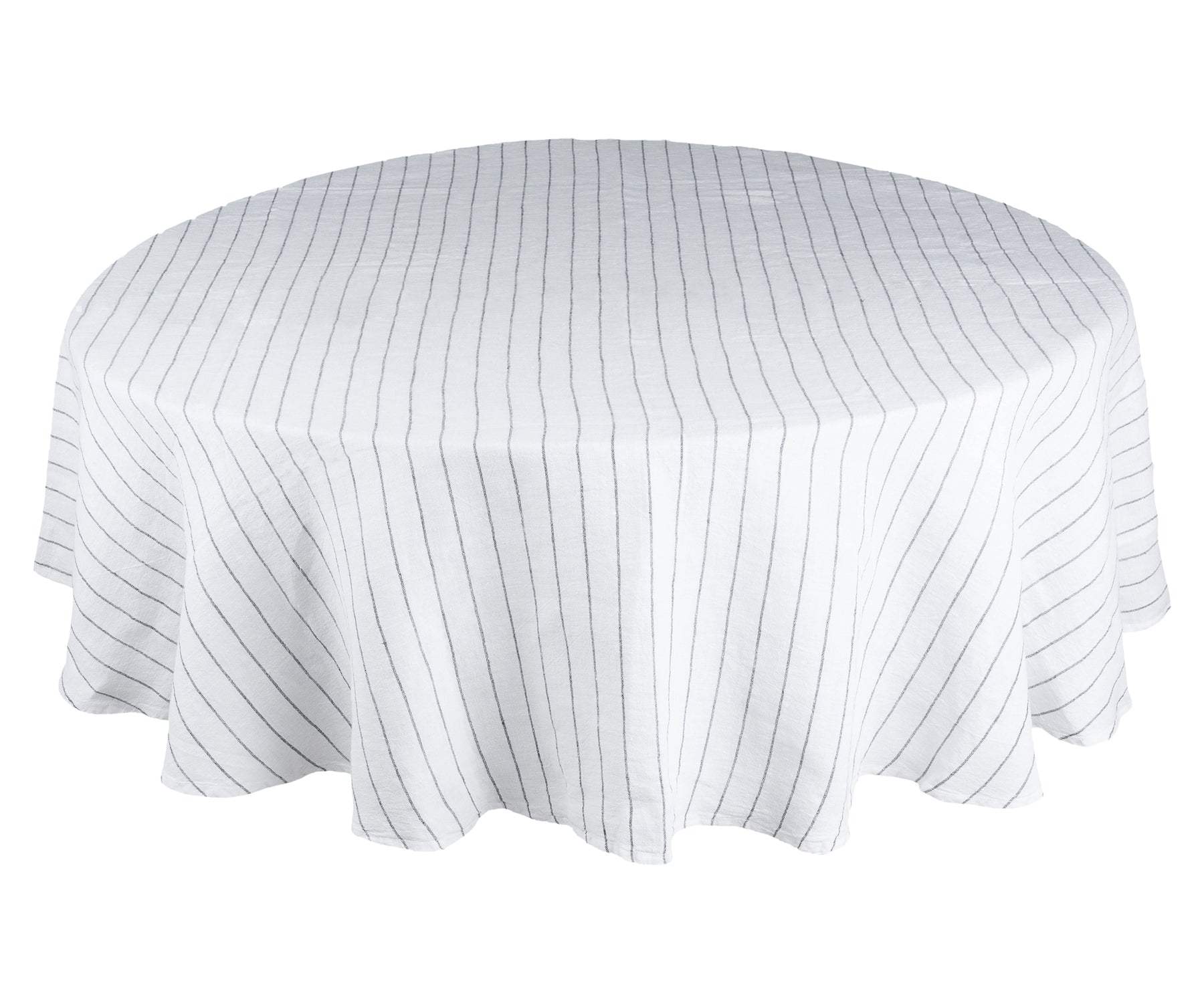
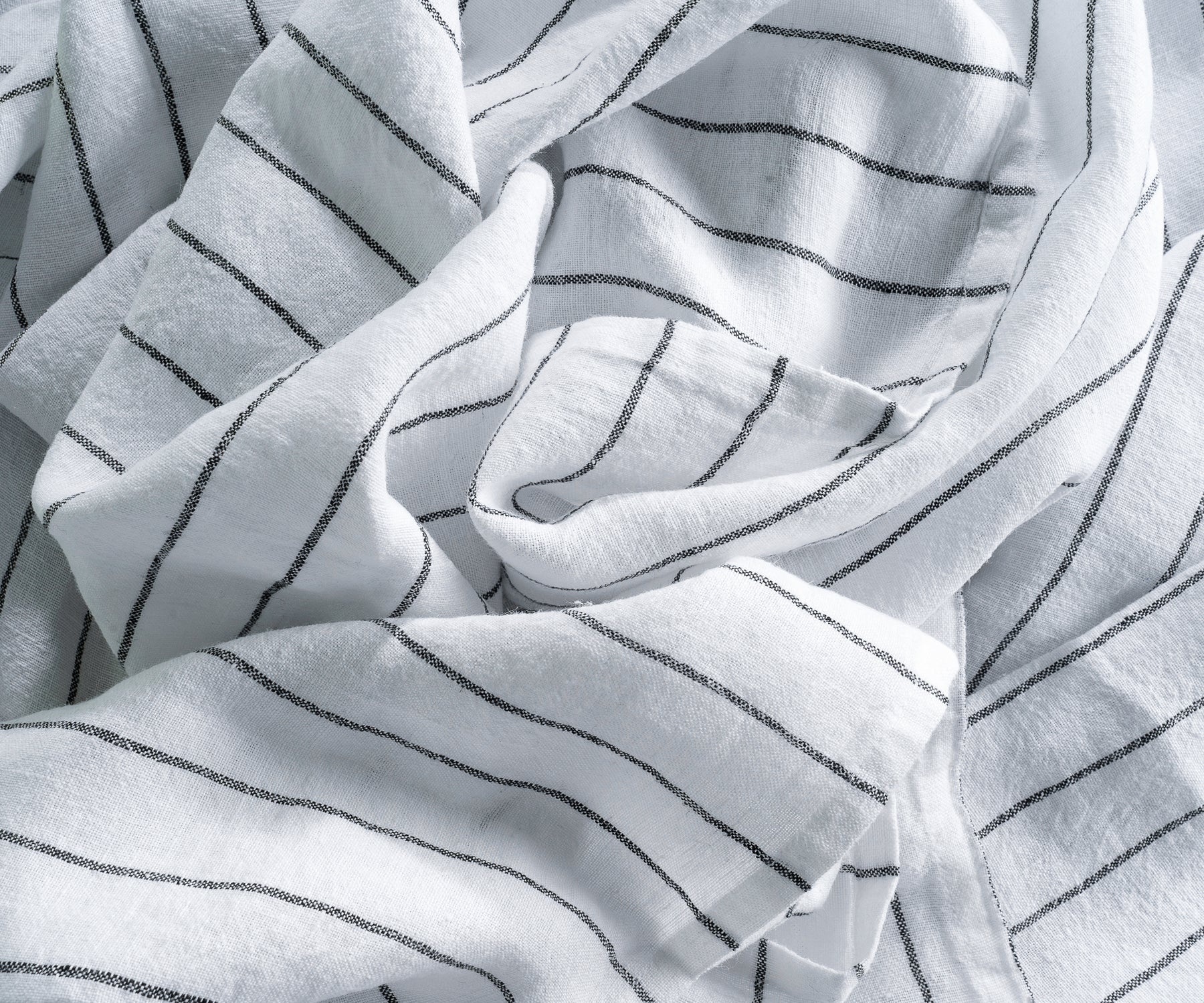
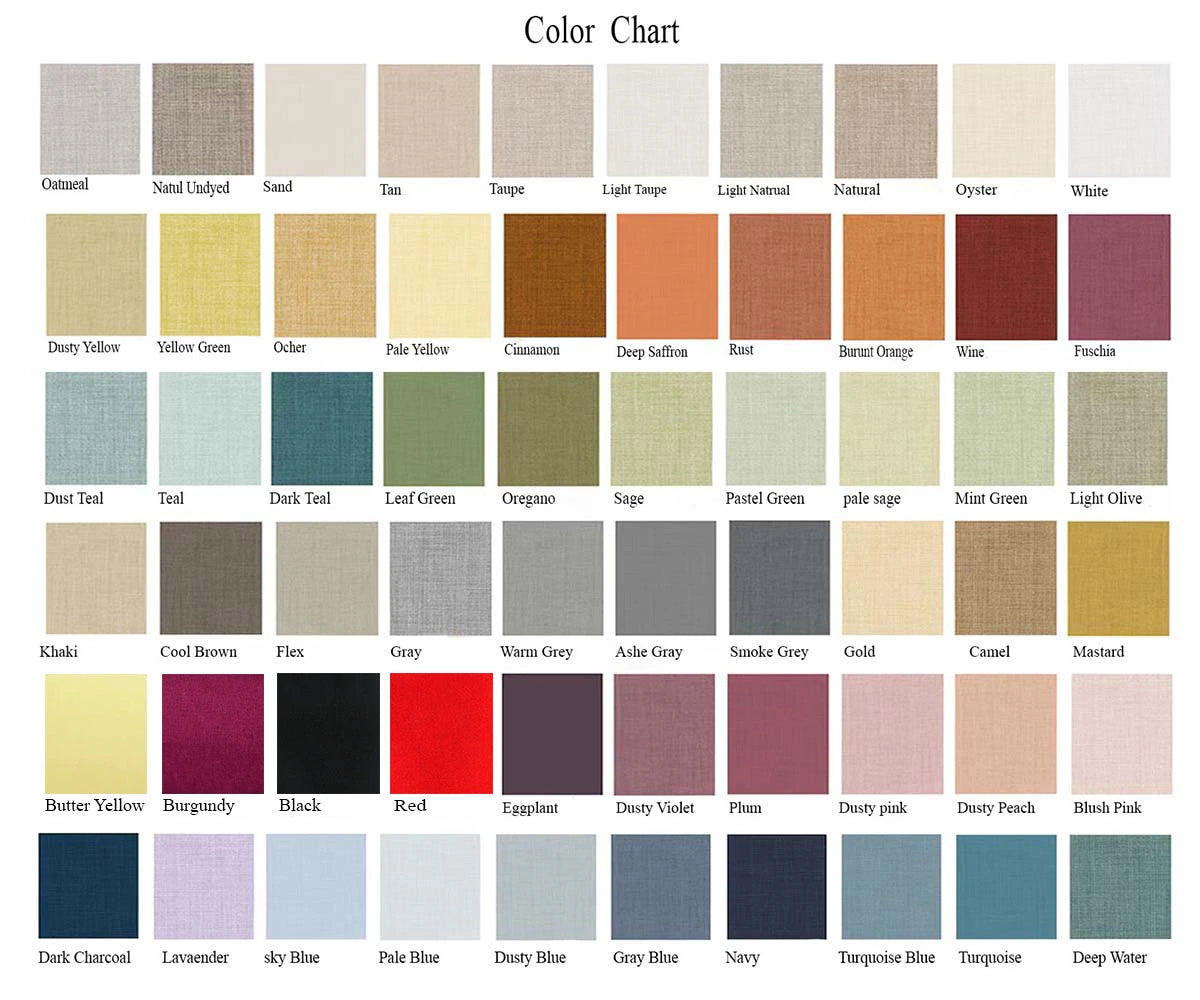
Keep a small stack of cloth napkins in different colours and patterns by the lunchbox station. Every morning, your child picks one.
This sounds small. But parents consistently say it's one of those tiny rituals kids hold onto a moment of choice in a morning that's otherwise all routine. It also makes them far more likely to actually use the napkin.
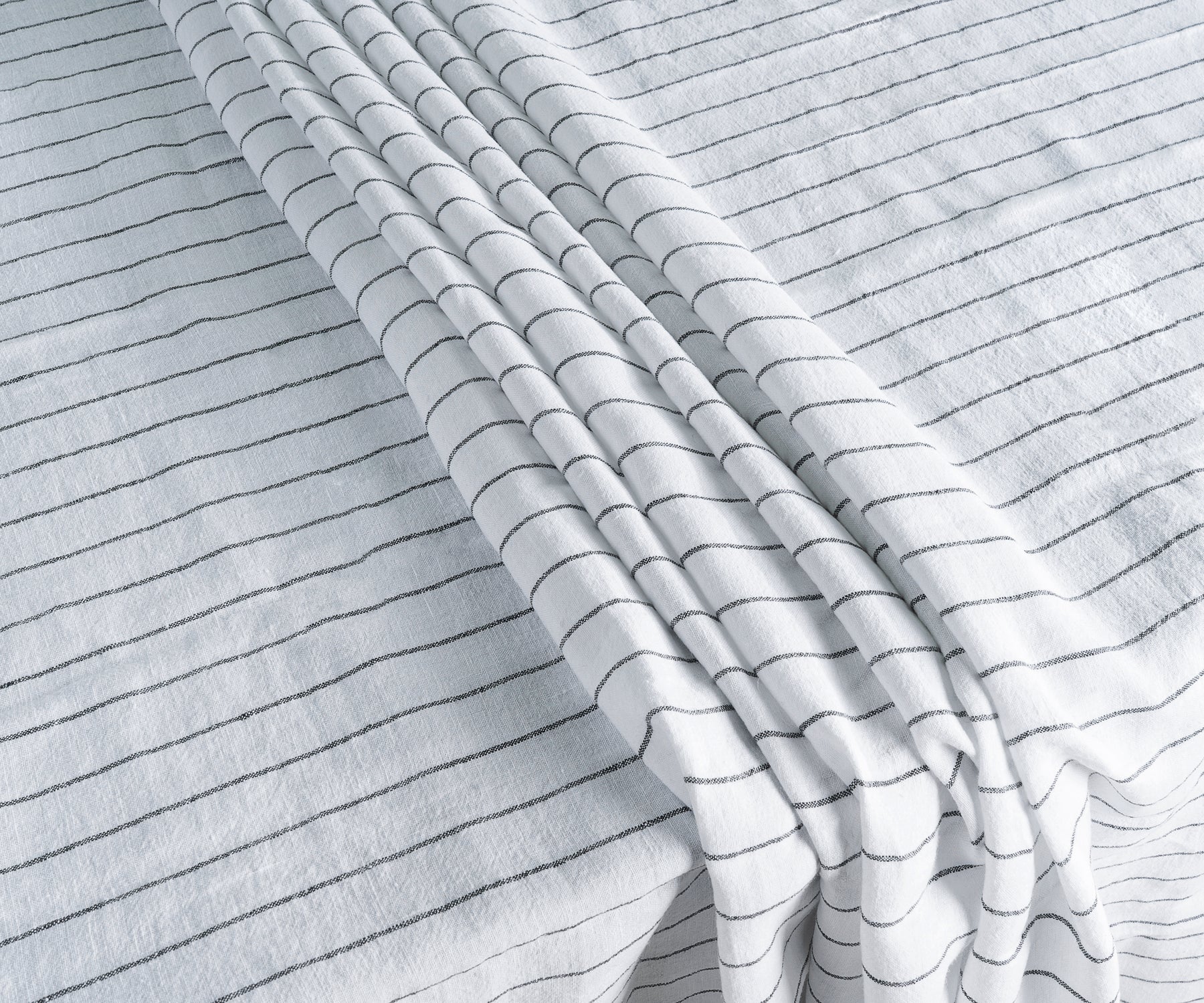
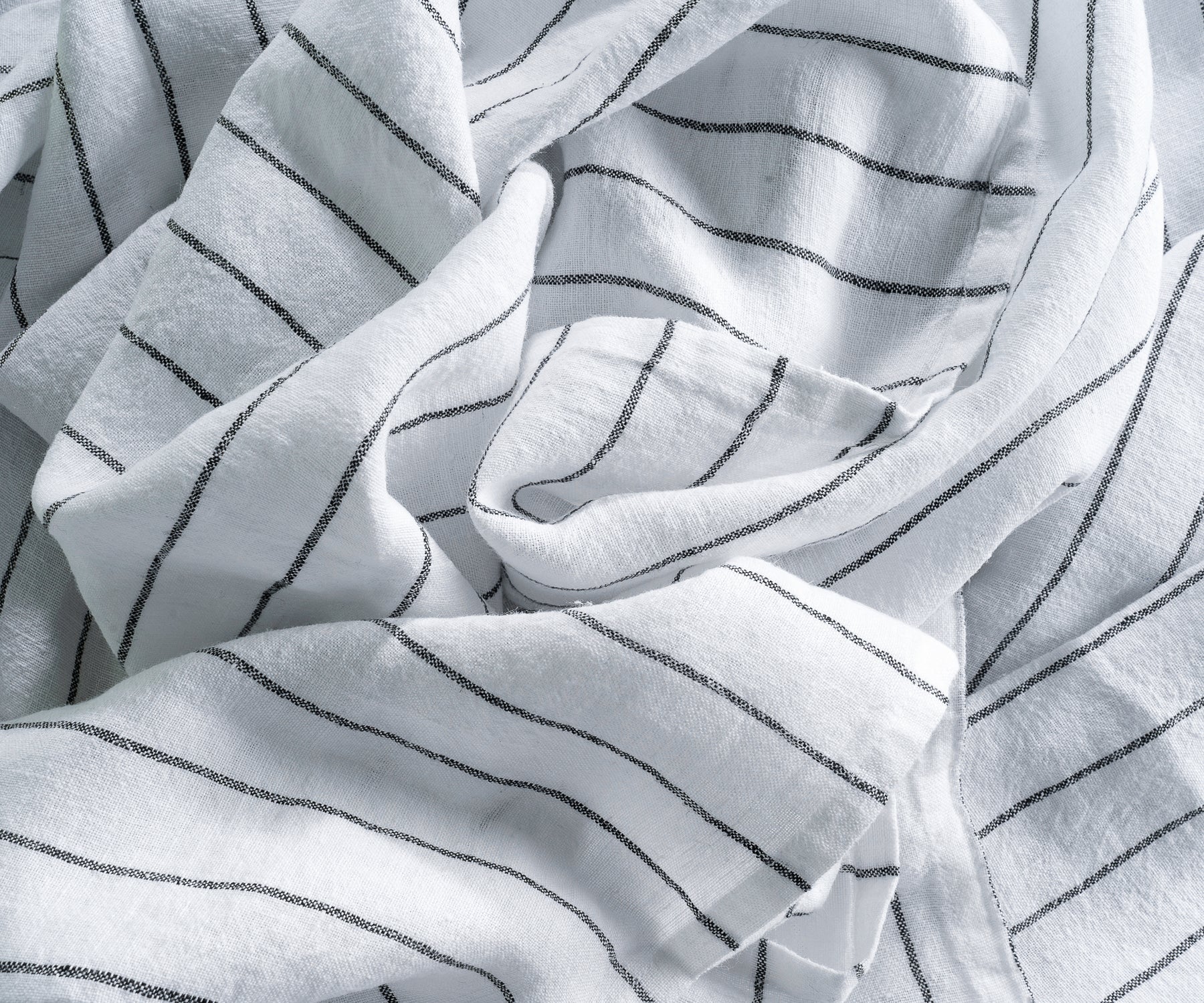
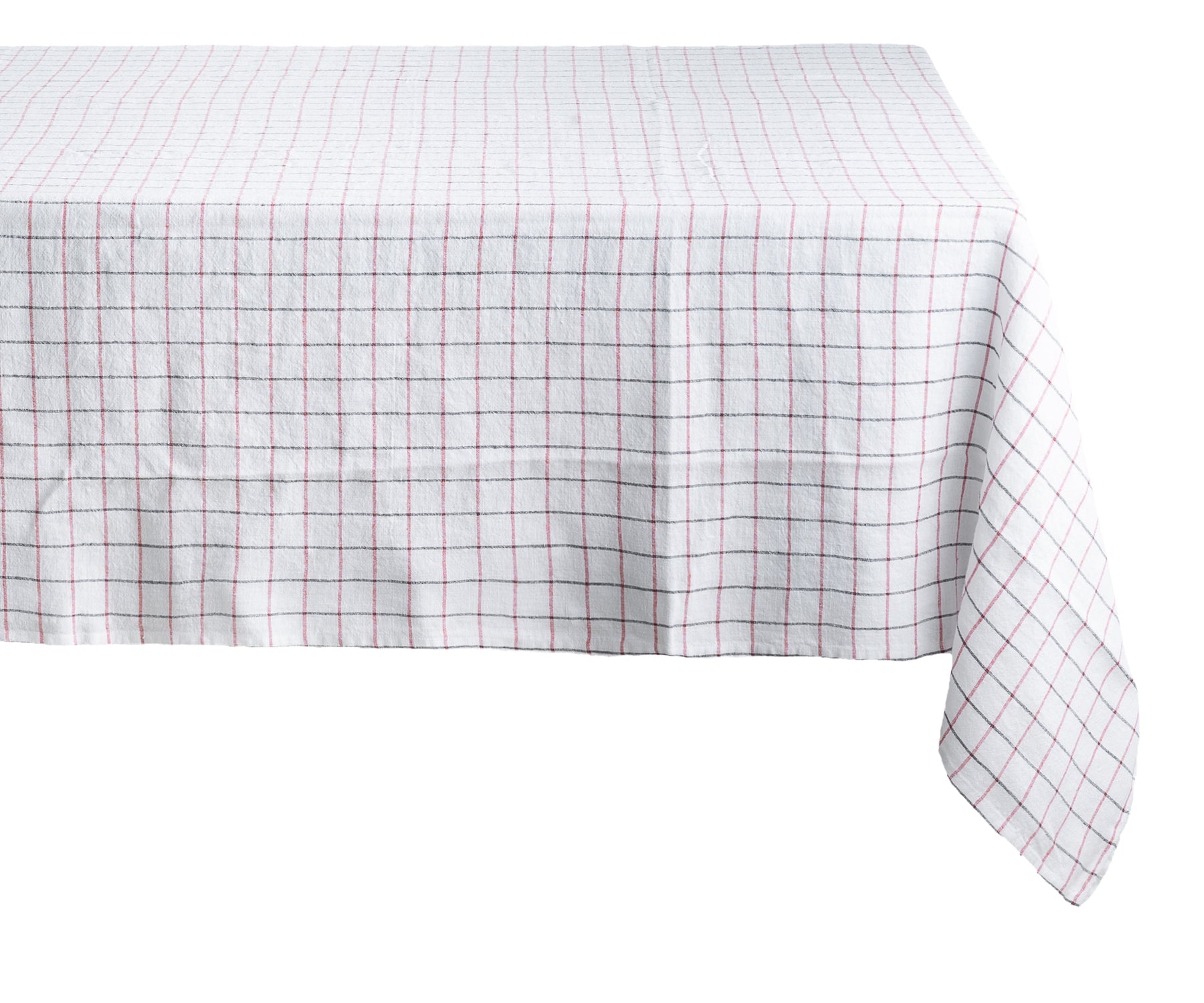
At All Cotton and Linen, our cotton napkins come in a wide range of colours and stripes bright enough to be genuinely fun, not just "fine."
See the full range of cotton napkins →
9. Gentle Face Wipe
Standard paper napkins can feel rough, especially for kids with sensitive skin or eczema. A soft cotton napkin is noticeably different and more effective. It cleans around the mouth without the friction or the scratchiness.
For younger kids, especially, this matters more than most parents realise until they make the switch.
10. The Lunchbox Note Carrier
Tuck a small handwritten note inside a folded cloth napkin before packing. Your child unfolds it at lunch and finds a message from you.
Takes 30 seconds to write. Costs nothing extra. The kind of thing kids remember years later.
Which Cloth Napkins Work Best for Lunchboxes?

Not all napkins are equally lunchbox-friendly. Here's what actually matters:
Size: A 12"×12" cocktail napkin or a small 14"×14" dinner napkin sits in a lunchbox without taking up half the space. Full dinner napkins are too large for most kids' bags.
Fabric: 100% cotton is the best choice for kids. Soft, absorbent, machine washable, and durable enough for the treatment a school lunchbox gets. Linen blends are better for kids and adults; stick with cotton.
Colour: Go for patterns and bright colours. They hide stains between washes and, more practically, kids are more likely to use a napkin they actually like the look of.
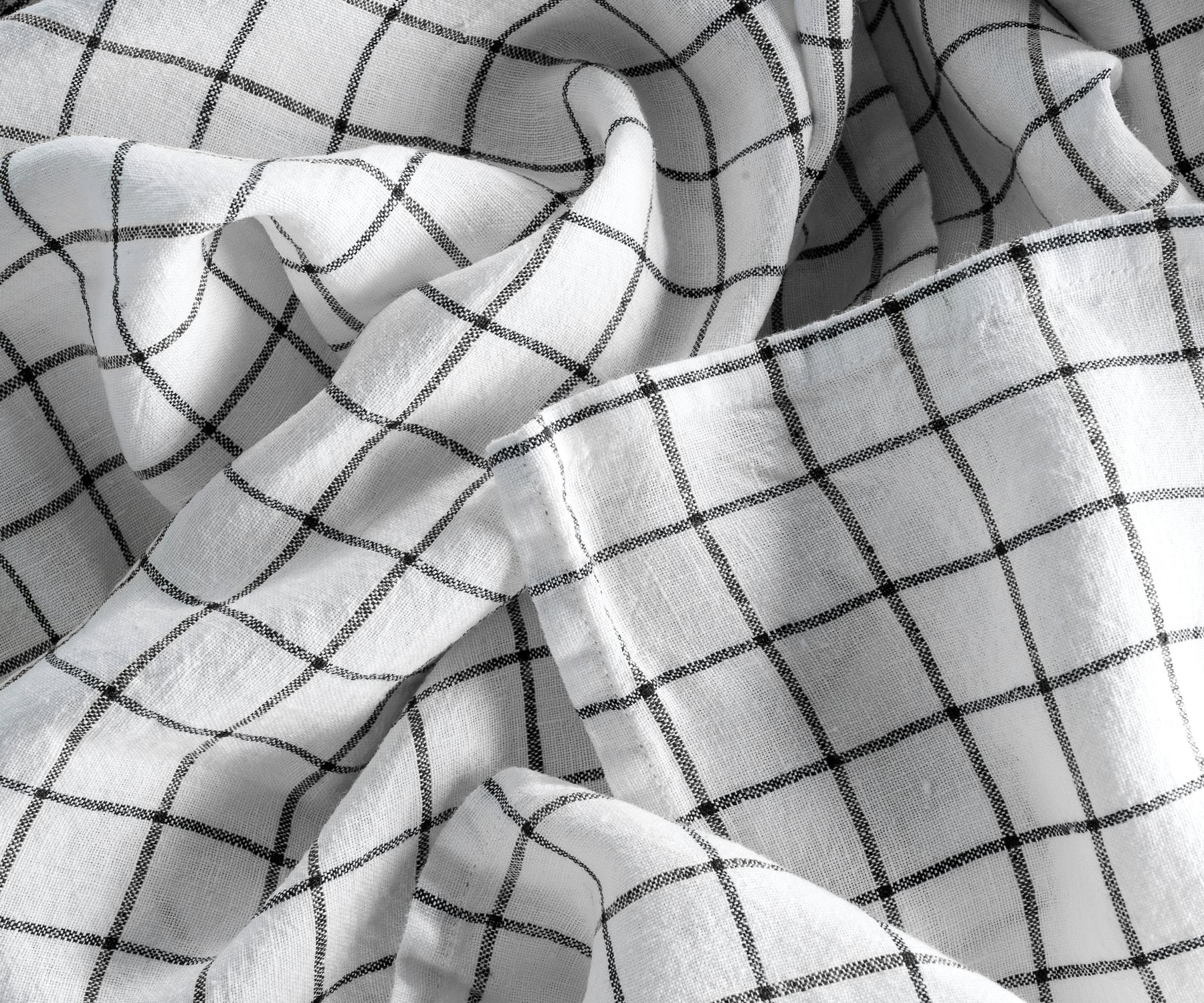
Hem quality: Look for tight, flat stitching with no loose threads. Loose hems catch on lunchbox zips and get worse with every wash.
The Simplest Routine That Actually Works
The biggest barrier to using cloth napkins is forgetting them. Here's a system that takes about 10 seconds per day:
-
Keep 6 napkins folded in a small basket where you pack lunch
-
When your child comes home, the used napkin goes straight into the washing bin
-
Wash weekly with the rest of the laundry, no special treatment needed
-
Refold and put back in the basket
Six napkins cover a full school week. One set, washed on the weekend, is ready every Monday.
Washing & Stains (The Practical Part)

-
Machine wash on a normal or gentle cycle
-
Cold water for colours prevents fading
-
Food stains: Rinse in cold water immediately; hot water sets stains permanently
-
Stubborn stains: A small amount of white vinegar before washing works well on most food marks
-
Skip the fabric softener; it reduces absorbency, which defeats the whole point
-
Air dry or tumble dry low; high heat shrinks cotton over time
With basic care, a set of cotton napkins holds up for 3–5 years of daily lunchbox use.
Also Read: How to Choose the Right Napkins for Your Occasion
Is It Actually Worth Switching?
The numbers are simple. One school child packing a paper napkin every day goes through roughly 180 napkins per school year. A set of 6 cotton napkins costs less than a couple of packs of paper napkins and lasts for years.
The environmental case is easy. The financial case is easy. And once kids have a cloth napkin they actually like choosing in the morning, the habit sticks.