


Quick Glance at Sleeping in the Fetal Position
|
Question |
Quick Answer |
|---|---|
|
Is fetal position good for sleep? |
Yes, when the curl is loose and your head, knees, and hips are supported. |
|
Best version |
A soft C shape on your left or right side with a pillow between your knees. |
|
Main benefits |
Less lower back pressure, calmer reflux on the left side, easier breathing for some snorers, comfort in pregnancy. |
|
Main risks |
Restricted deep breathing, neck and hip stiffness, morning soreness. |
|
Who should take extra care |
People with arthritis, chronic back pain, or breathing problems. |
|
Best pillow setup |
A firm head pillow that fills the gap at your neck, plus a small pillow between the knees. |
|
Healthiest positions overall |
Back and side. |
|
Worst position |
Stomach. |
|
Bedding tip |
Breathable cotton bedding or linen bedding keeps you comfortable all night. |
What is the fetal position in sleep?
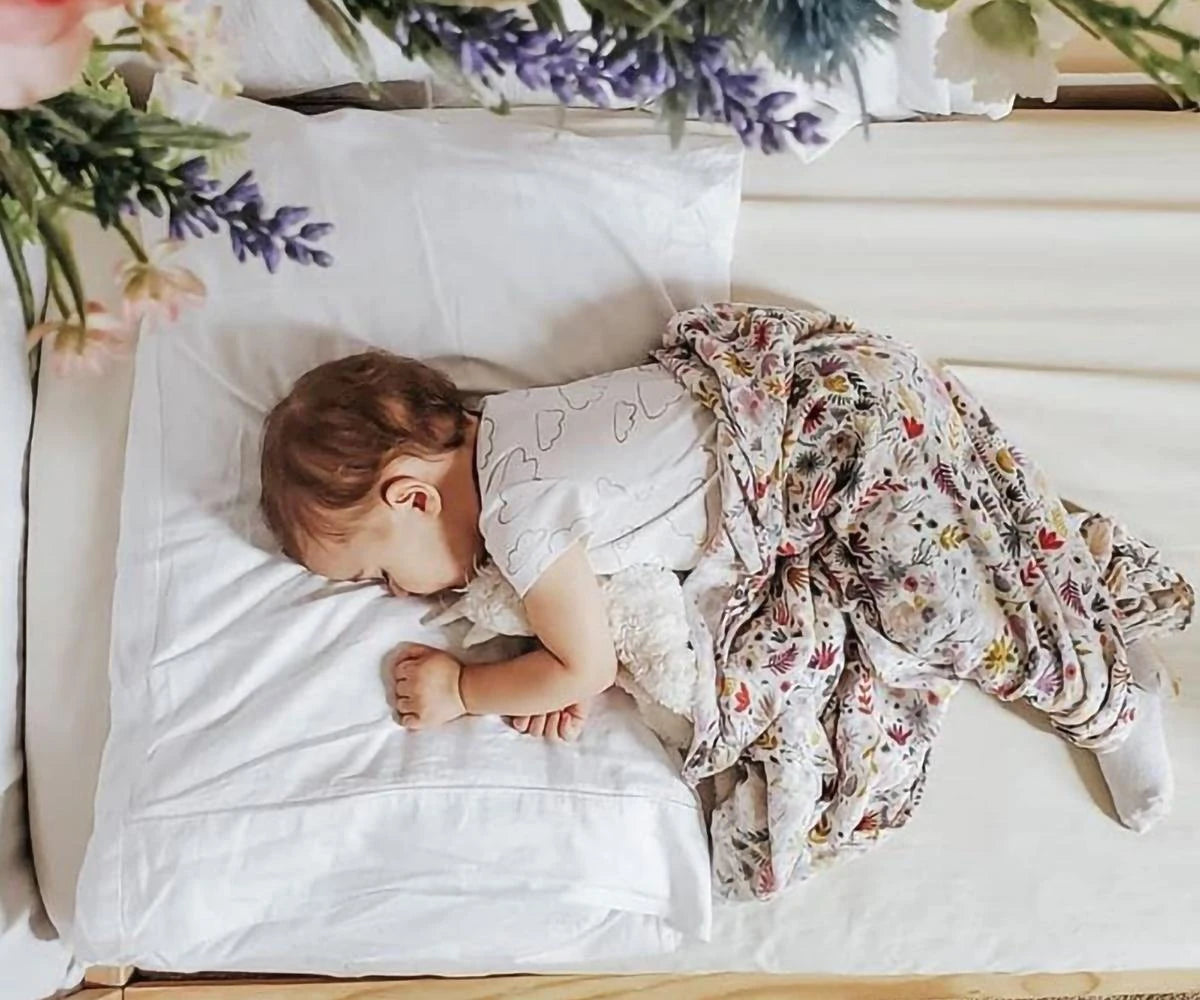
The fetal position in sleep is a curled posture where you lie on your side with your knees bent and drawn up toward your chest, your spine gently rounded, and your head slightly bowed. Your arms bend and rest in front of your torso, so your body forms a soft C shape, much like a baby in the womb. It is the most common sleeping position among adults. Many people like it because it feels cozy, takes pressure off the lower back, and can calm acid reflux when you lie on your left side.

The shape works best when the curl stays loose. Pulling your knees tight to your chest can squeeze your rib cage and strain your neck, hips, and spine. A firm head pillow and a small pillow between your knees keep the position comfortable and aligned all night.
Fetal Position Benefits
Is the fetal position good for sleep? In most cases, yes. A gentle side curl is one of the most natural ways to rest. It takes pressure off your spine and keeps your airway more open than lying flat on your back. Here is what it can do for you.

-
Eases lower back pressure. A moderate bend in the knees lets your lower back relax. That can reduce strain on the spine overnight. Some people with a herniated disc find this position the most comfortable.
-
Calms acid reflux. When you sleep on your left side, your stomach sits below your esophagus. That makes it harder for acid to creep up. Many sleep experts suggest the left side for heartburn.
-
May reduce snoring. Side sleeping keeps your tongue and throat tissue from sliding backward. Your airway stays more open than it does on your back.
-
Supports pregnancy comfort. Doctors often advise side sleeping in later pregnancy because it supports healthy circulation. A pillow between the knees and one under the belly adds comfort. Read more about safe sleep guidance at Sleep Foundation.
-
Feels safe and cozy. Many people say the curled shape feels calming. It also helps you hold on to body heat in a cool room.
-
May help your brain clear waste. Early animal research suggests that side sleeping helps the brain flush out waste products. Human studies are still limited, so treat this as a possible bonus, not a promise.
Watch out for the tight curl. Strongly rounding your upper body can close your rib cage and make deep breaths harder. Holding your knees tight to your chest all night can also strain your neck, shoulders, spine, and hips. That is why you wake up stiff. If you live with arthritis or chronic back pain, loosen the curl even more and add extra support.
How to Sleep in Fetal Position
The best way to sleep in the fetal position is a loose curl with support at your head, knees, and hips. Think of a soft C shape, not a tight ball. Follow these steps to set it up right.

-
Lie on your side. Choose your left side if you deal with reflux or you are pregnant. Either side works if you do not.
-
Pick the right head pillow. Use a firm pillow that fills the space between your ear and the mattress. Your neck should stay level with your spine. A smooth cotton pillowcase keeps the pillow fresh and breathable.
-
Bend your knees gently. Draw them up only a little. Keep them well below your chest so your rib cage can expand.
-
Place a small pillow between your knees. This keeps your hips stacked and stops your spine from twisting. It is the single easiest fix for morning hip pain.
-
Keep your chin neutral. Do not tuck it hard into your chest. Your head should sit as it does when you stand tall.
-
Rest your arms in front of you. Hug a pillow or lay your arms loosely. Never trap an arm under your head or body, since that can cause numbness.
-
Relax your shoulders. Let them drop. Do not hunch them forward.
-
Switch sides during the week. Alternating sides spreads pressure across your shoulders and hips.
-
Set up a cool, soft bed. Breathable fitted sheets or linen bedding helps you stay comfortable. Add a light waffle blanket if you run cold, and blackout curtains to keep the room dark.
How long should you give a new setup? Give your body about one to two weeks. Sleep habits are strong. A new pillow height or knee position can feel odd at first. Change one thing at a time so you know what helps. Write down how you feel each morning. Short notes on neck, back, and hip comfort will show you the pattern fast.
Why Do I Sleep in the Fetal Position?
You likely sleep in the fetal position because it feels comfortable and safe. Your body picks the shape that eases pressure. A curled posture can relieve back strain, settle reflux, and keep you warm. It also feels secure, which helps many people drift off. Habit plays a role too. A well-known UK survey of about 1,000 people found that around 41 percent slept in the fetal position, making it the most common choice. If you wake up sore, your body is not asking for a new position. It is asking for a looser curl and better support.
Fetal Position Sleep Risks
Is the fetal position bad for you? Not by itself. The risks come from curling too tightly or sleeping without support. Most of them cause morning stiffness or discomfort, not lasting harm. Here is what to watch for.
-
Restricted breathing. A tight curl compresses your chest and diaphragm, so deep breaths feel harder.
-
Neck and shoulder strain. Tucking your chin hard and hunching your shoulders can leave your neck sore by morning.
-
Back and hip stiffness. Pulling your knees high rounds your spine and can twist your pelvis. You may wake up tight in your lower back and hips.
-
Joint pain flare-ups. If you have arthritis, holding your knees and hips bent for hours can make joints stiff and achy.
-
Numbness or tingling. Trapping an arm under your head or body can press on nerves and leave your hand numb.
-
Worse reflux on the right side. Sleeping on your right side can bring heartburn back. The left side is usually the better choice.
-
Not ideal with some conditions. If you have ongoing back pain, breathing problems, or joint disease, ask your doctor which position suits you.
Common mistakes to avoid. To lower these risks, loosen the curl, keep your knees below your chest, and place a pillow between your knees. A firm pillow and smooth, breathable cotton pillowcases also help keep your neck level all night.
Safe Sleeping Positions
Which sleeping positions are safe? Side and back sleeping are the safest for most adults. Both keep your spine in a neutral line and your airway clear. Stomach sleeping puts the most strain on your neck and back. The table below compares the main positions so you can see the trade-offs at a glance.

|
Position |
How It Looks |
Best For |
Watch Out For |
|---|---|---|---|
|
Fetal (loose) |
Side, knees bent |
Reflux, snoring, pregnancy, back relief |
A tight curl strains neck and hips |
|
Log |
Side, legs straight, arms down |
Even spine support |
Shoulder pressure |
|
Yearner |
Side, arms stretched forward |
Open chest, easy side sleeping |
Shoulder tingling |
|
Soldier |
Back, arms by your sides |
Neck and spine alignment |
Snoring, sleep apnea |
|
Starfish |
Back, arms raised |
Even weight spread |
Shoulder strain, snoring |
|
Freefall |
Stomach, head turned |
Some people who snore |
Neck and spine strain |
What Is the Best Sleeping Position?
The best sleeping position is the one that keeps your spine neutral and lets you sleep without pain. For most adults, that means your back or your side. Side sleeping suits people with reflux, snoring, or pregnancy. Back sleeping suits people who want easy neck and spine alignment. Add a supportive pillow and soft pillowcases so your head and neck stay comfortable all night.

What Is the Healthiest Sleeping Position?
The healthiest sleeping position for most people is on the back or the side. Both keep your head, neck, and spine in line. Back sleeping spreads your weight evenly. Side sleeping keeps the airway open and helps with reflux when you lie on your left. Stomach sleeping ranks lowest. If you are pregnant or have a health condition, ask your doctor which position fits you.

What Is the T-Rex Sleeping Position?
The T-Rex sleeping position is a nickname, not a medical term. It describes lying with your arms bent and tucked close to your chest, with your hands curled like the short arms of a T. rex. People often do it on the back or side. Holding your elbows bent for hours can leave your hands numb or tingly. Try resting your arms loosely at your sides, or hug a pillow instead.
What Your Sleeping Position Says About You
Your sleeping position mostly reflects comfort, habit, and what your body needs. It does not reveal your personality, whatever pop psychology says. The popular idea is that fetal sleepers look tough on the outside and feel sensitive on the inside. That makes a fun story, but strong science does not back it up. Treat it as a conversation starter, not a diagnosis.
What Is the Worst Sleeping Position?
The worst sleeping position for most people is on the stomach. It twists your neck for hours and flattens the natural curve of your lower back. That can lead to neck pain, back pain, and numbness. If you cannot switch, use a very thin pillow or none under your head. Slide a pillow under your hips to ease the pull on your spine.

What Sleeping Position Is Best for Your Back?
For back pain, sleep on your back with a pillow under your knees, or on your side with a pillow between your knees. Both keep your spine aligned and take pressure off your lower back. A loose fetal position works well for many people, and some with a herniated disc find it especially comfortable. Pair it with a supportive mattress and smooth, breathable bedding sheet sets that do not bunch up under your hips.
What Sleeping Position Is Best for Your Heart?
No single position is proven best for every heart. Healthy people can sleep in any comfortable position. Some small studies of people with heart failure found that certain people breathe easier on the right side or with the head raised, and some feel worse on the left. The research is mixed, so do not guess. If you have a heart condition, ask your cardiologist which position is safe for you.
Key Takeaways
-
The fetal position is good for sleep when the curl is loose and supported.
-
A tight curl can restrict breathing and cause neck, shoulder, and hip stiffness.
-
Sleep on your left side if you have reflux. Left side sleeping is also commonly advised in pregnancy.
-
Put a small pillow between your knees to keep your hips and spine aligned.
-
Use a firm head pillow that fills the gap between your ear and the mattress.
-
Back and side sleeping are the healthiest positions for most adults. Stomach sleeping is the hardest on your body.
-
Your sleep position does not define your personality. It reflects comfort and habit.
-
Breathable cotton bedding and linen bedding help you stay comfortable in any position.
-
If pain, breathing trouble, or heart concerns come up, talk with your doctor.
This article is for general information and is not medical advice. Talk with your doctor about pain, breathing problems, or heart concerns.
Related Reading
Best Cooling Bedding for Hot Sleepers: Sleep Cooler All Night