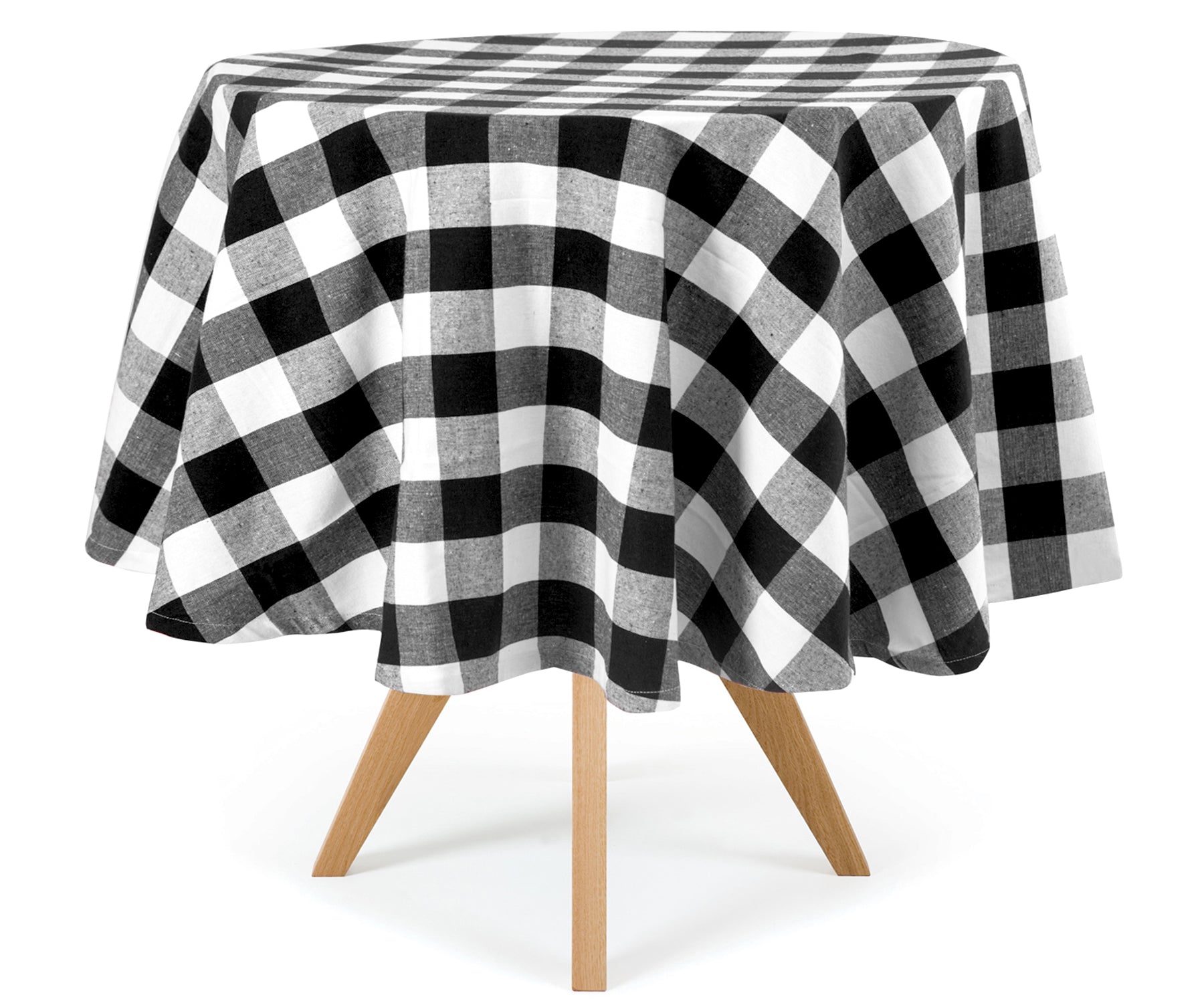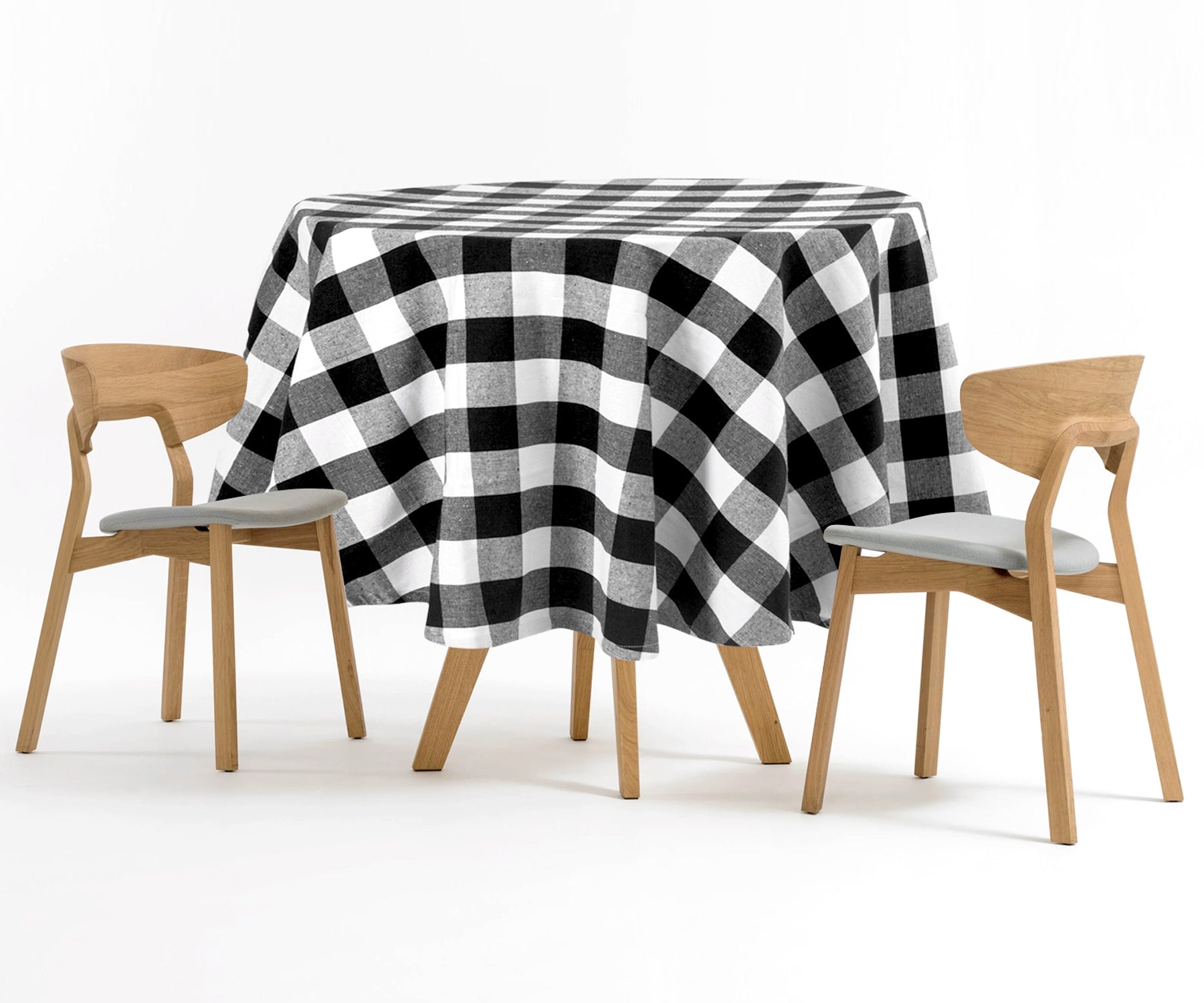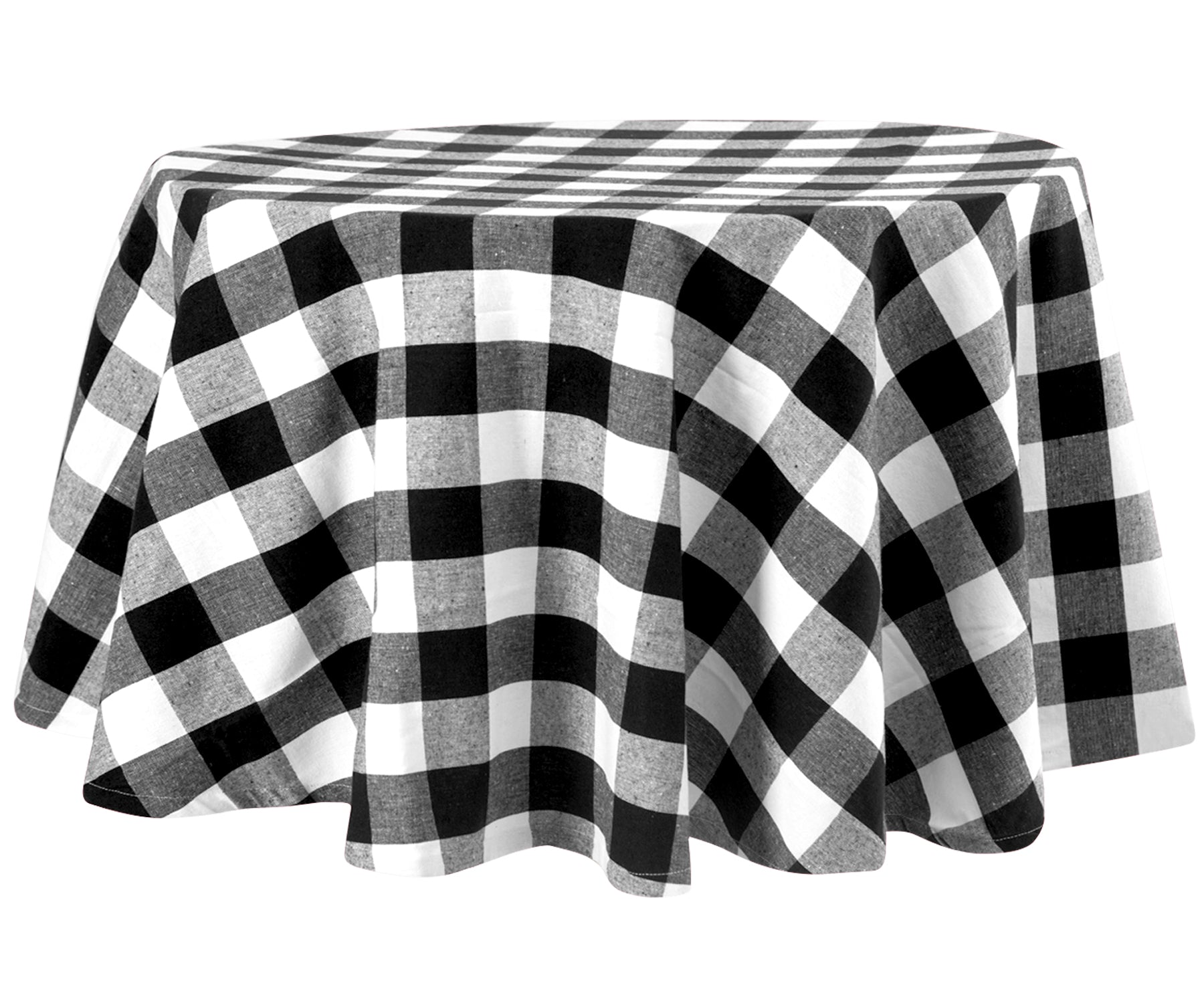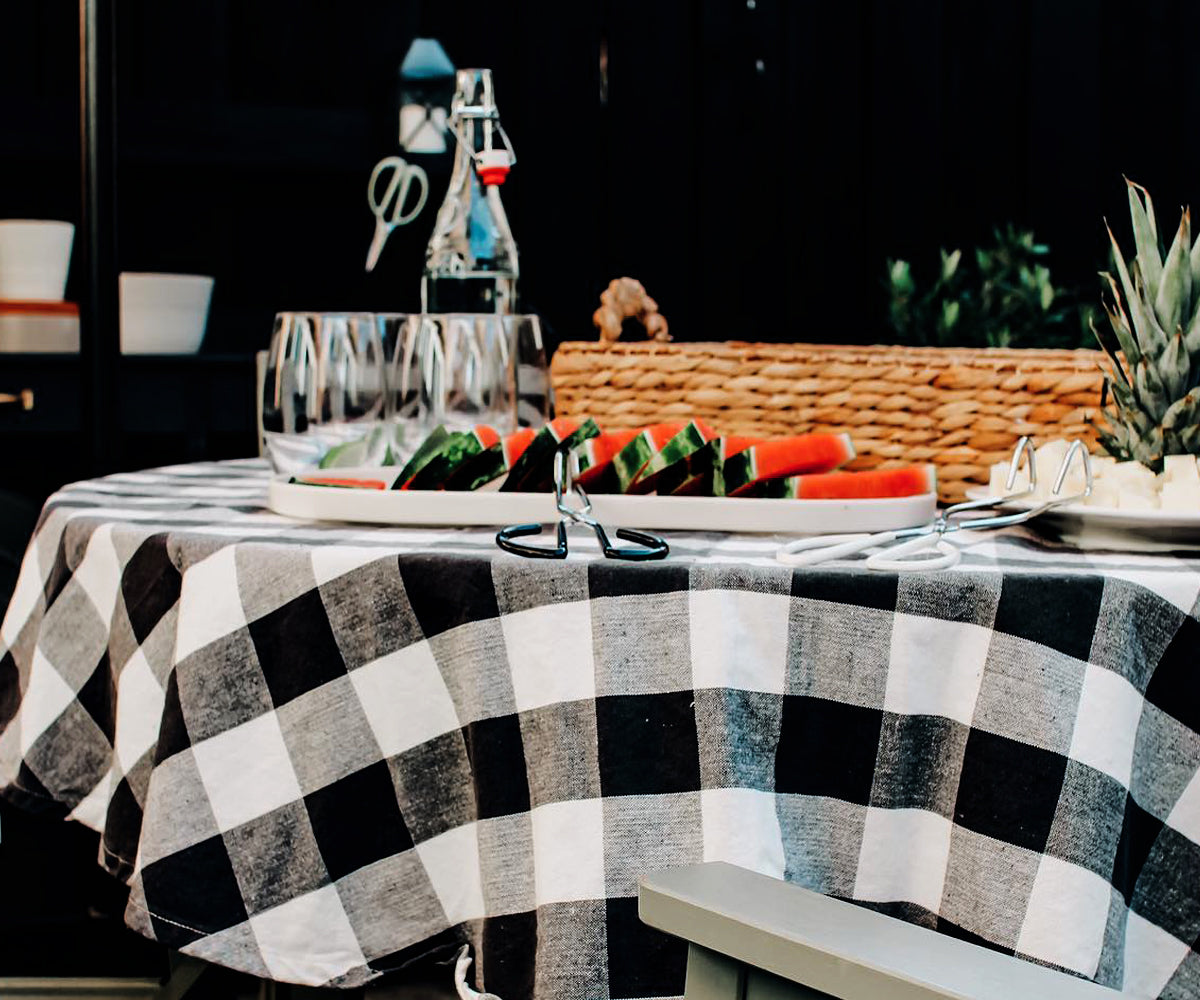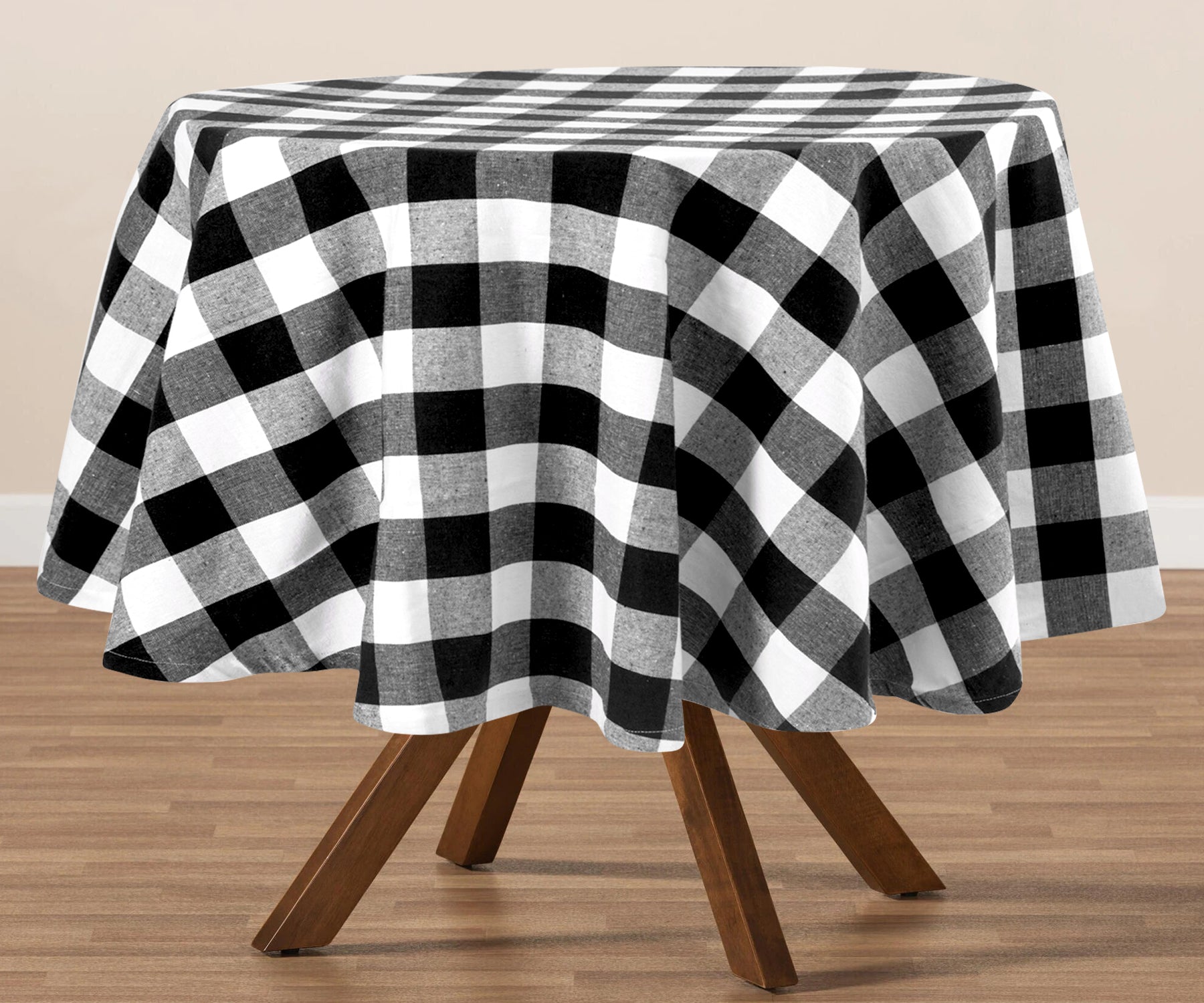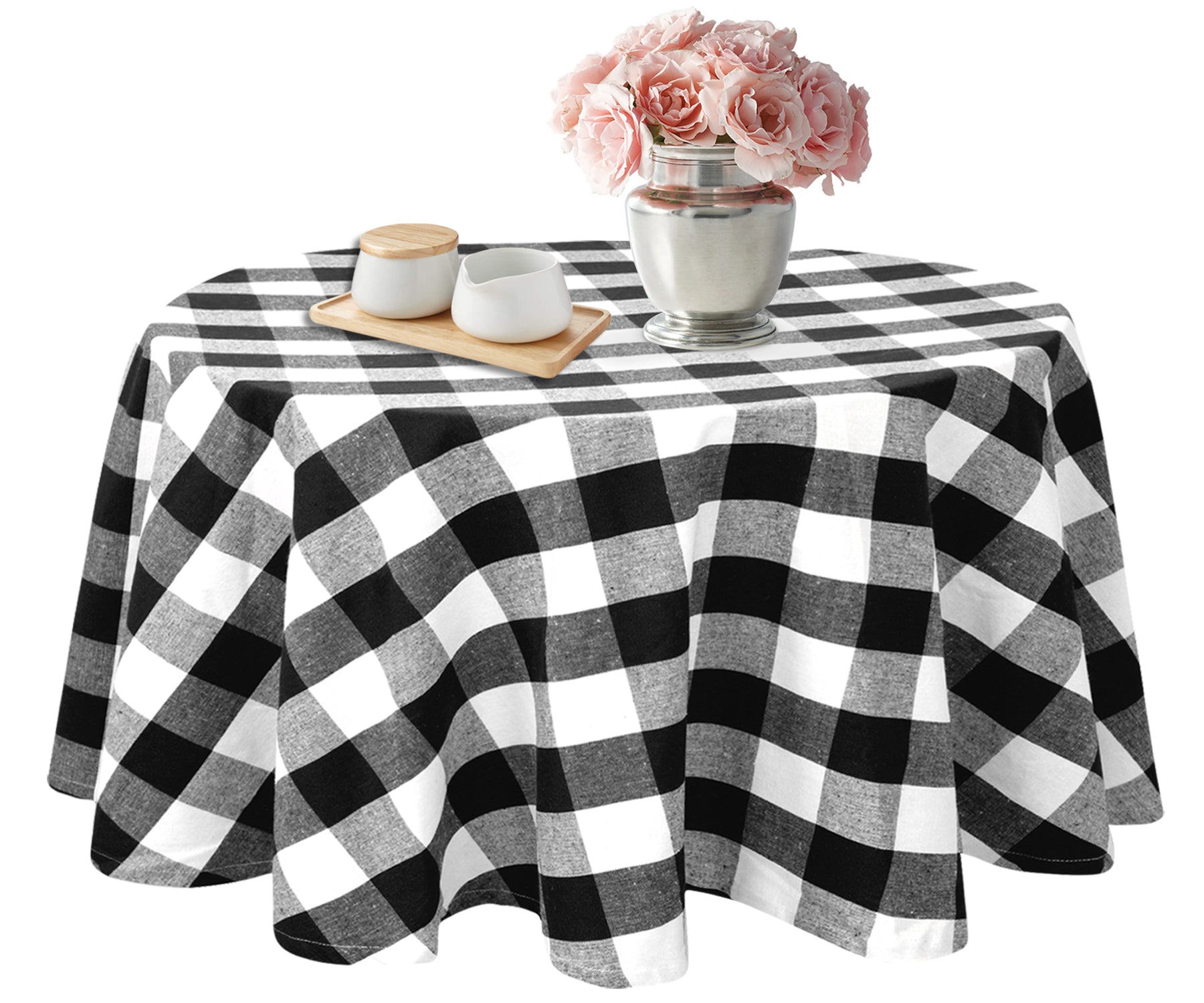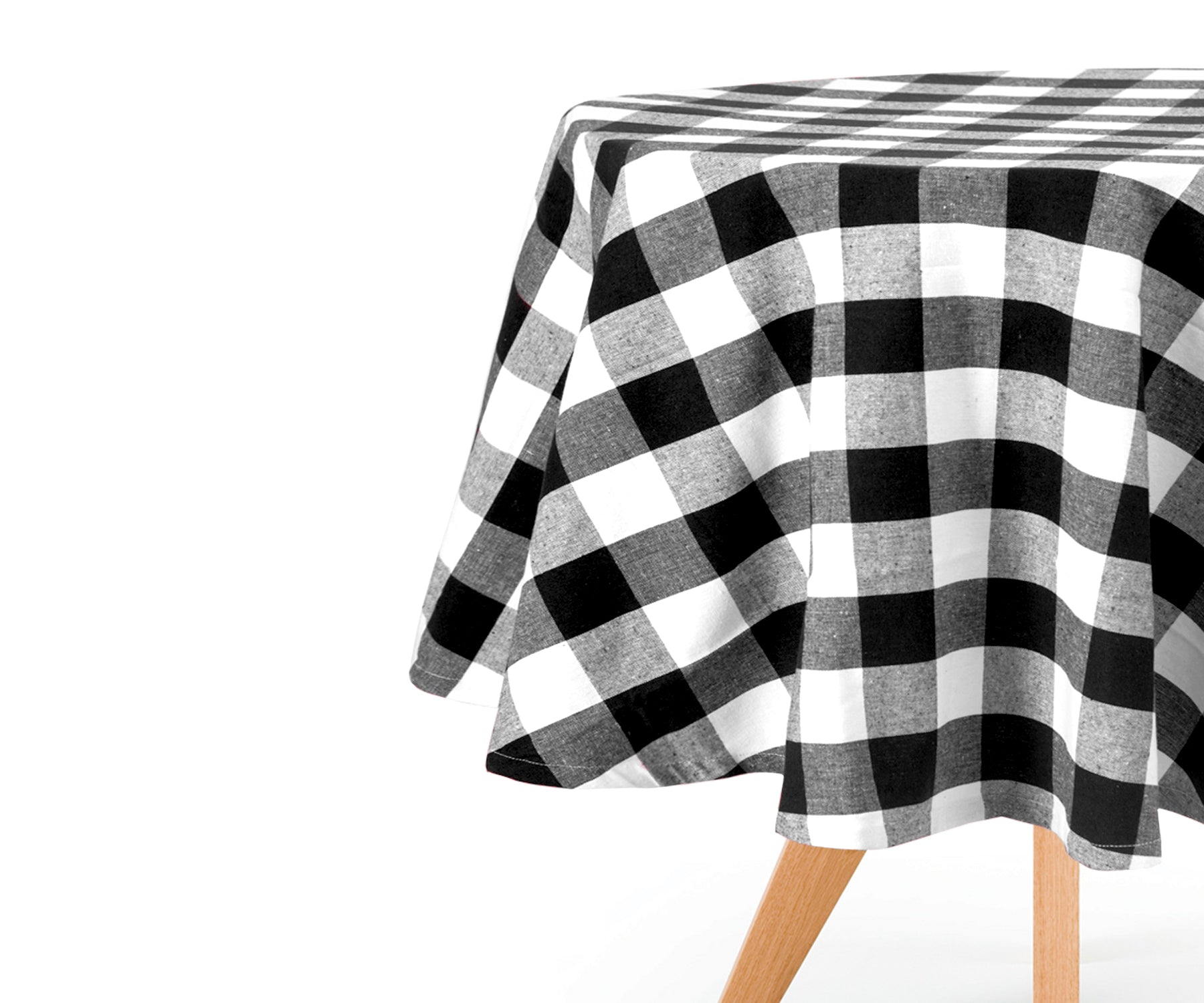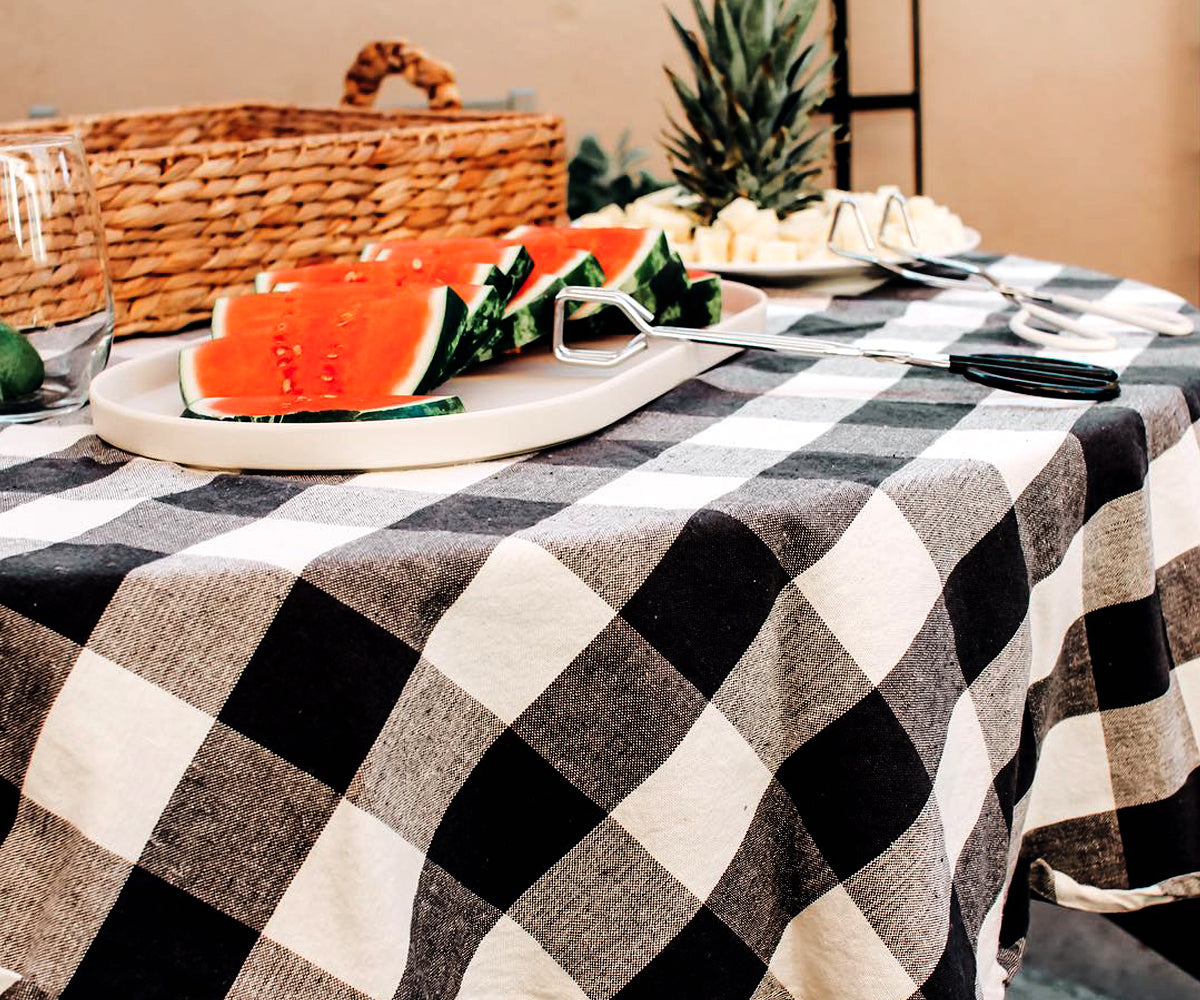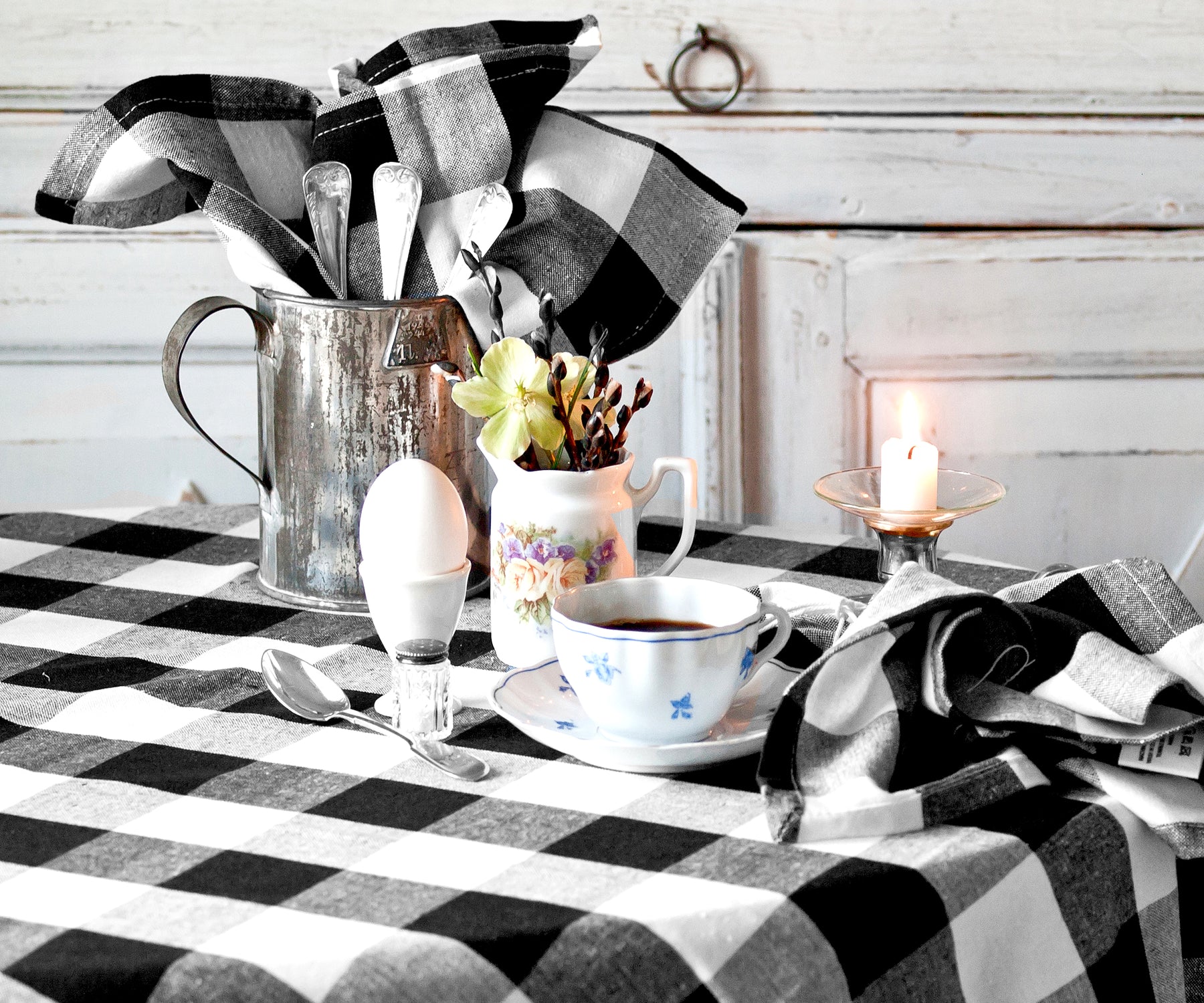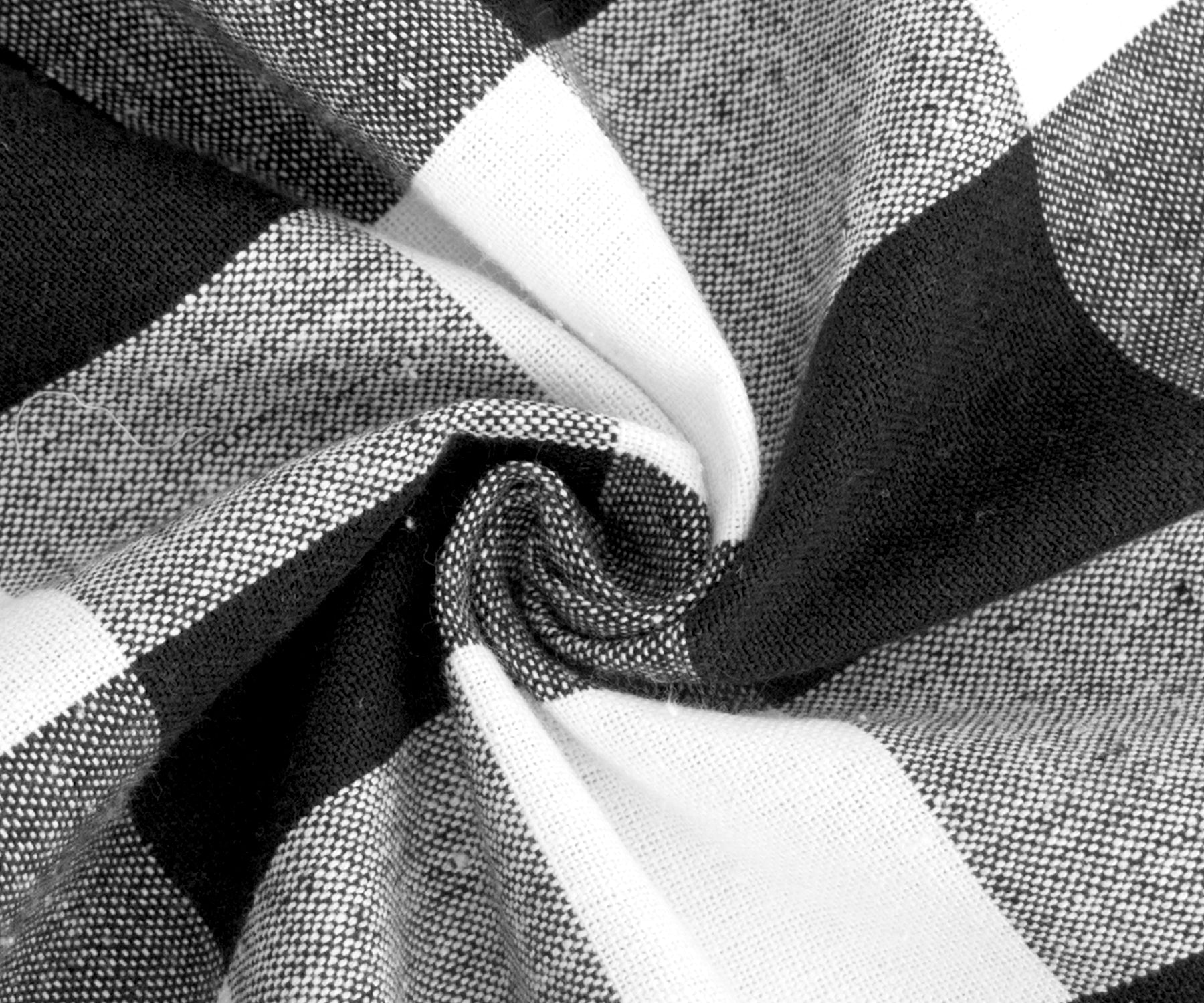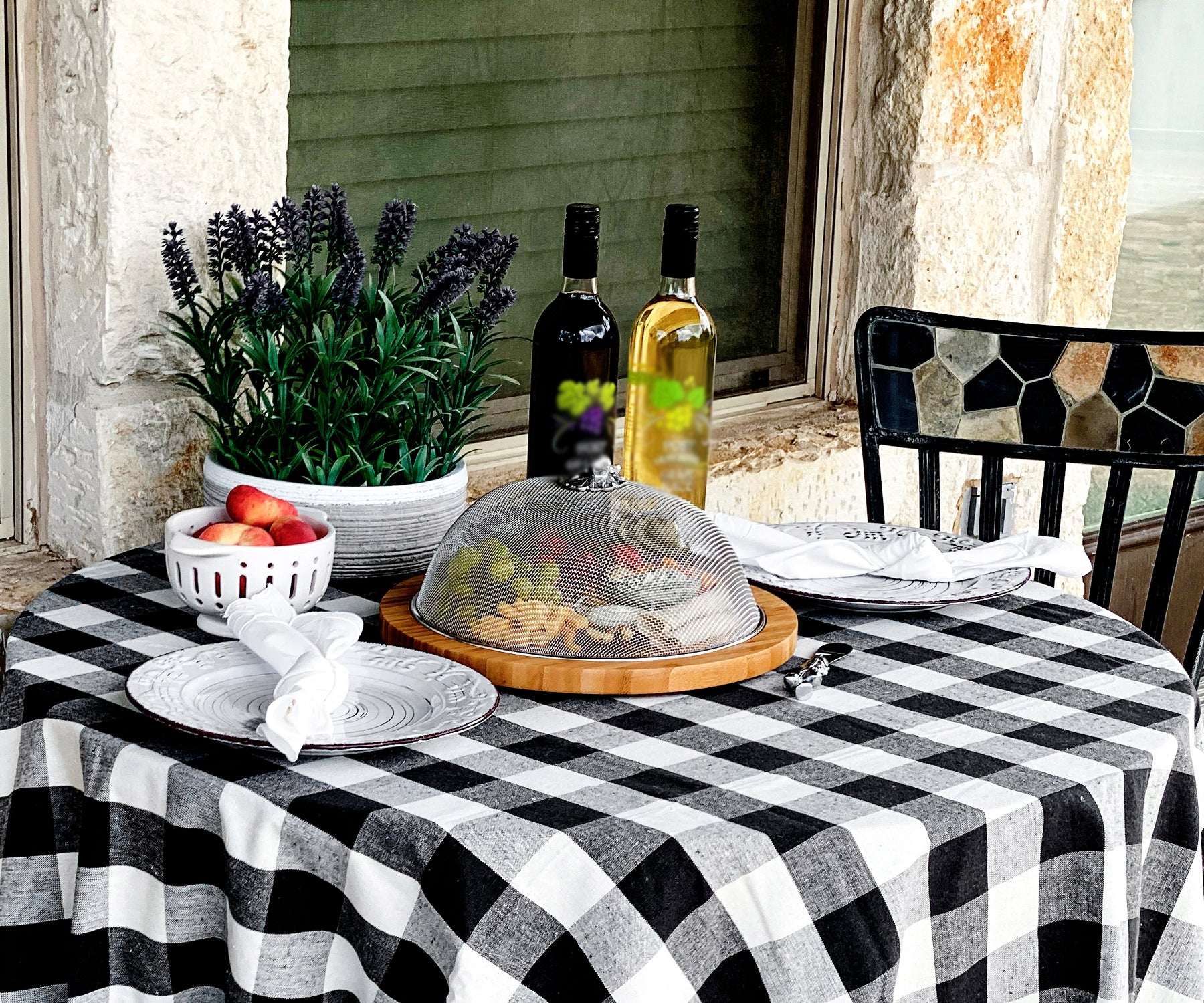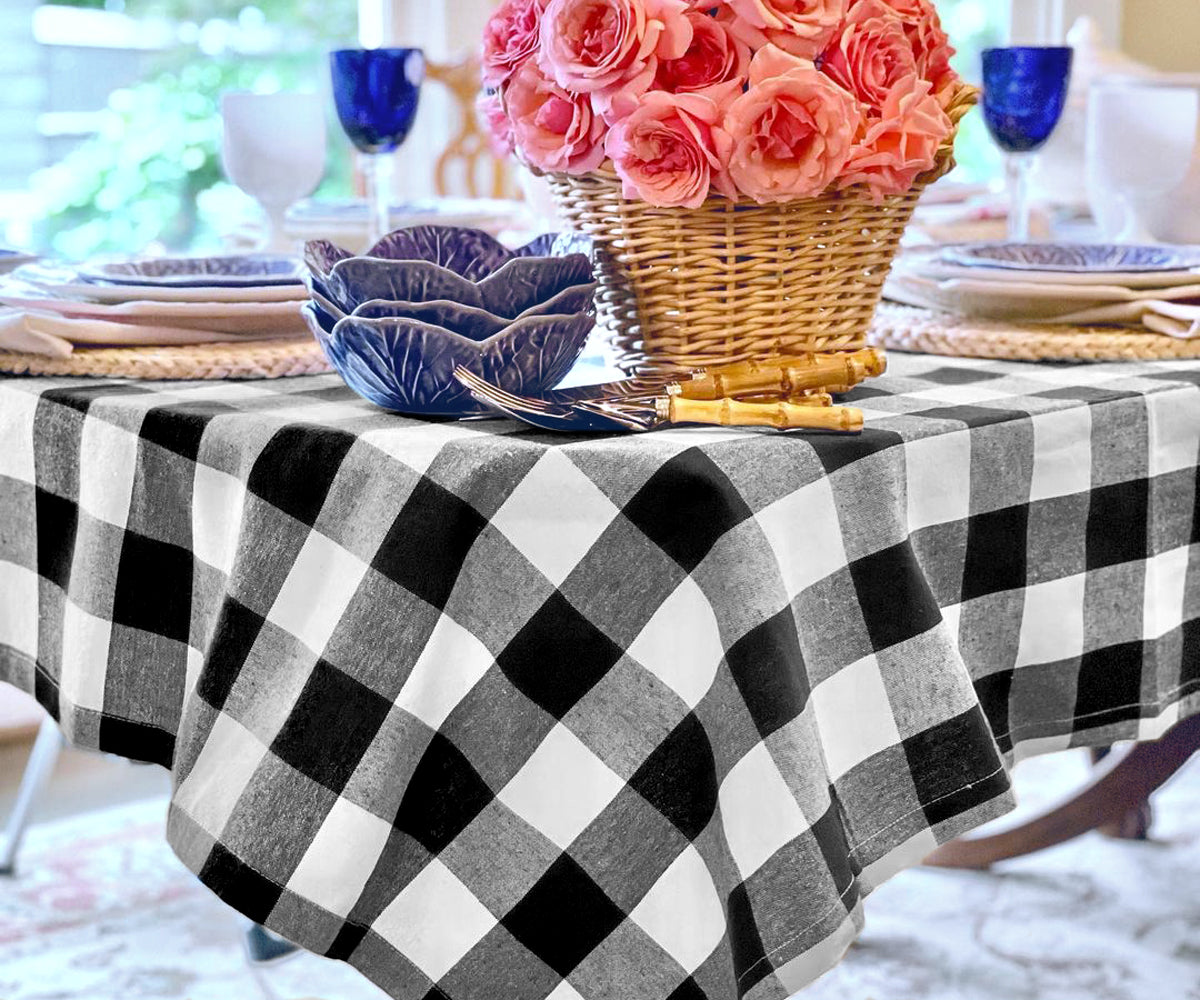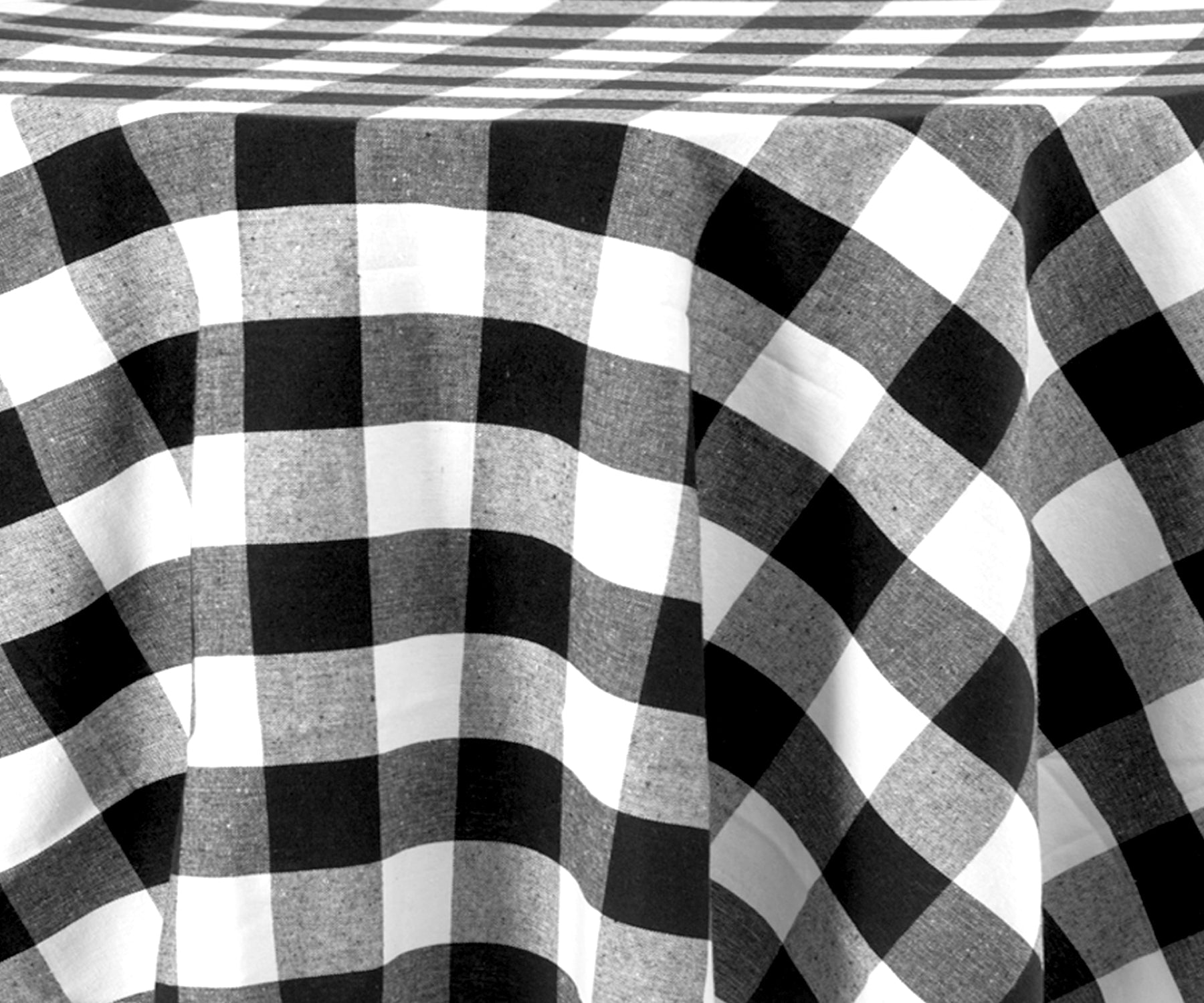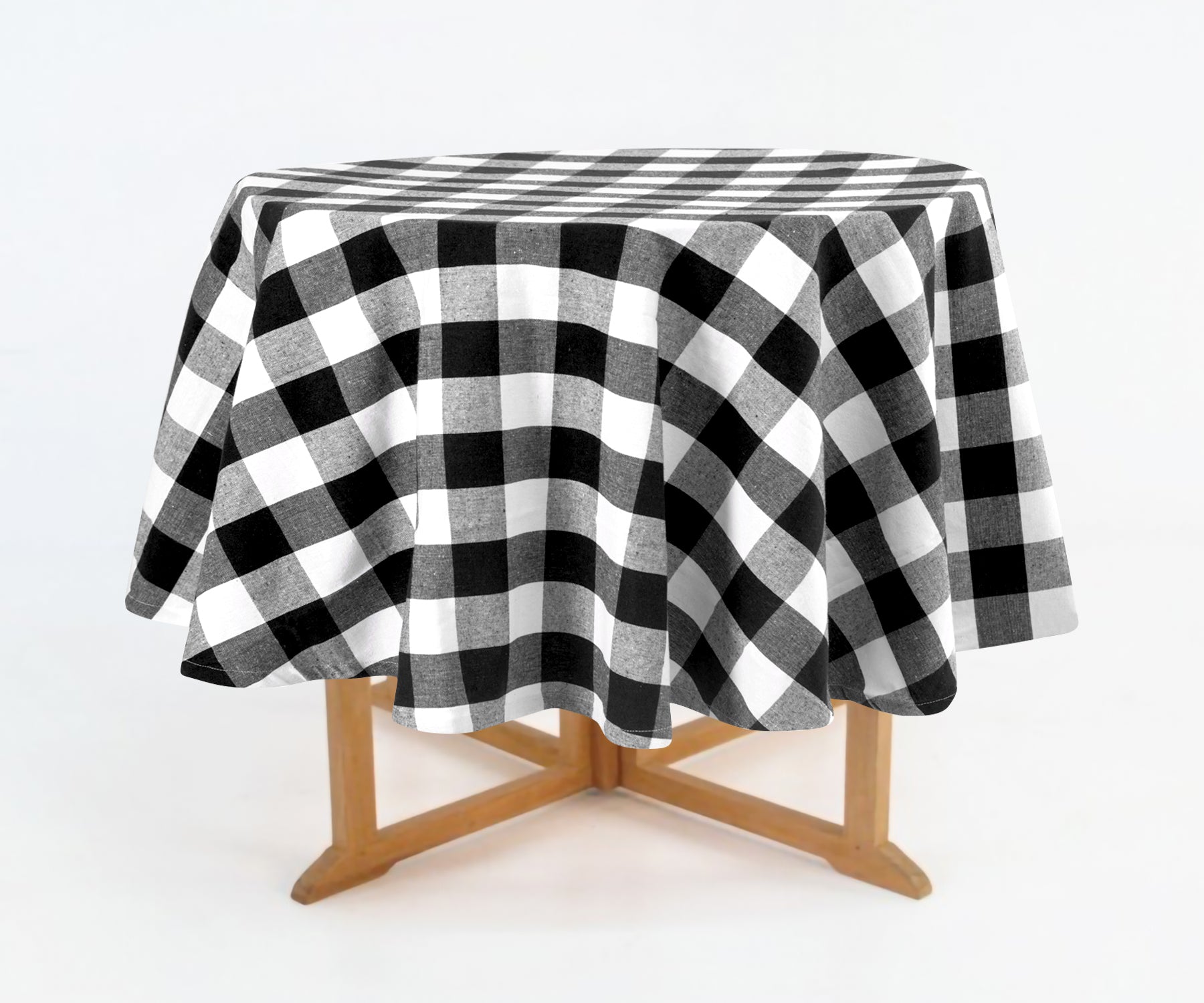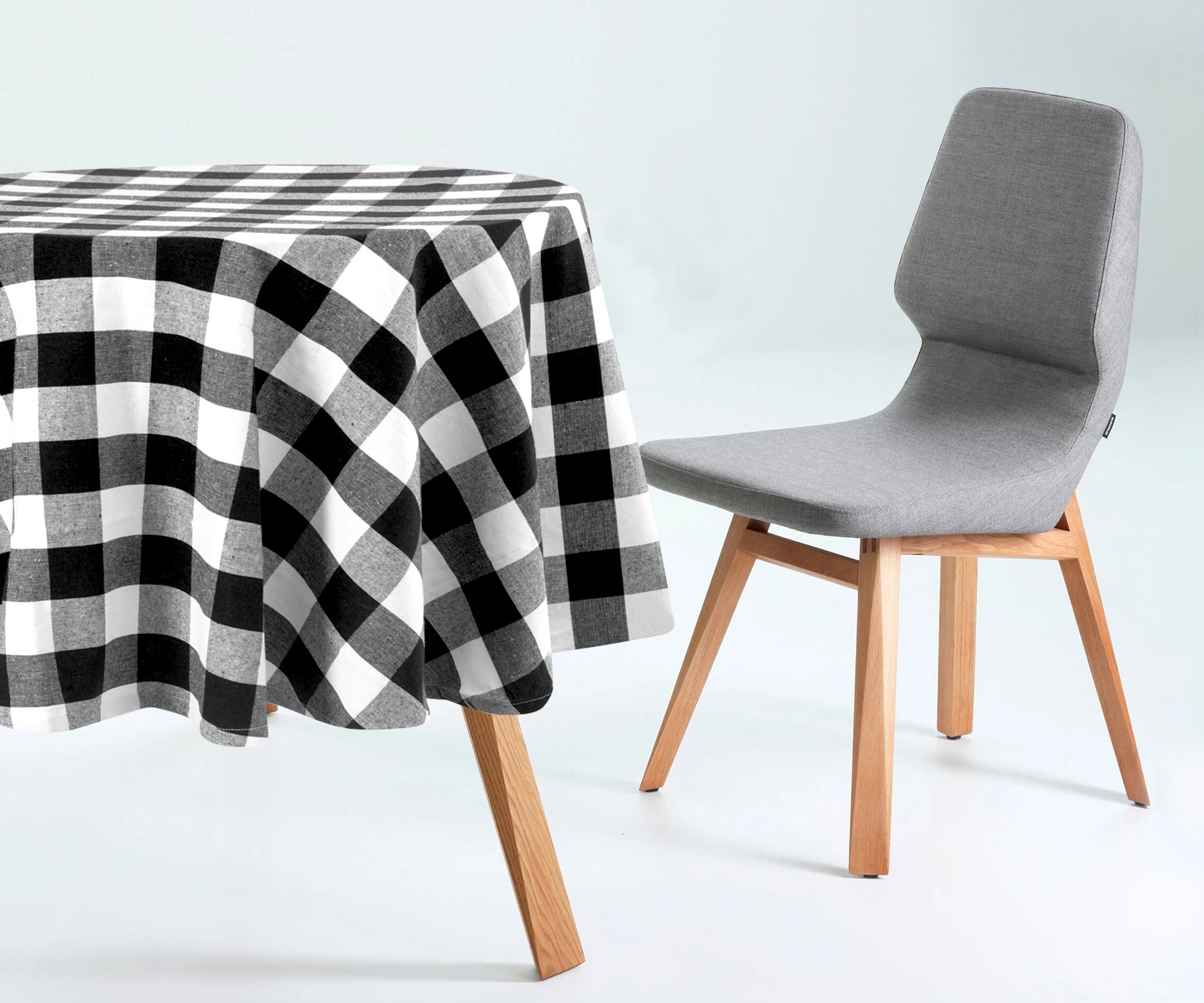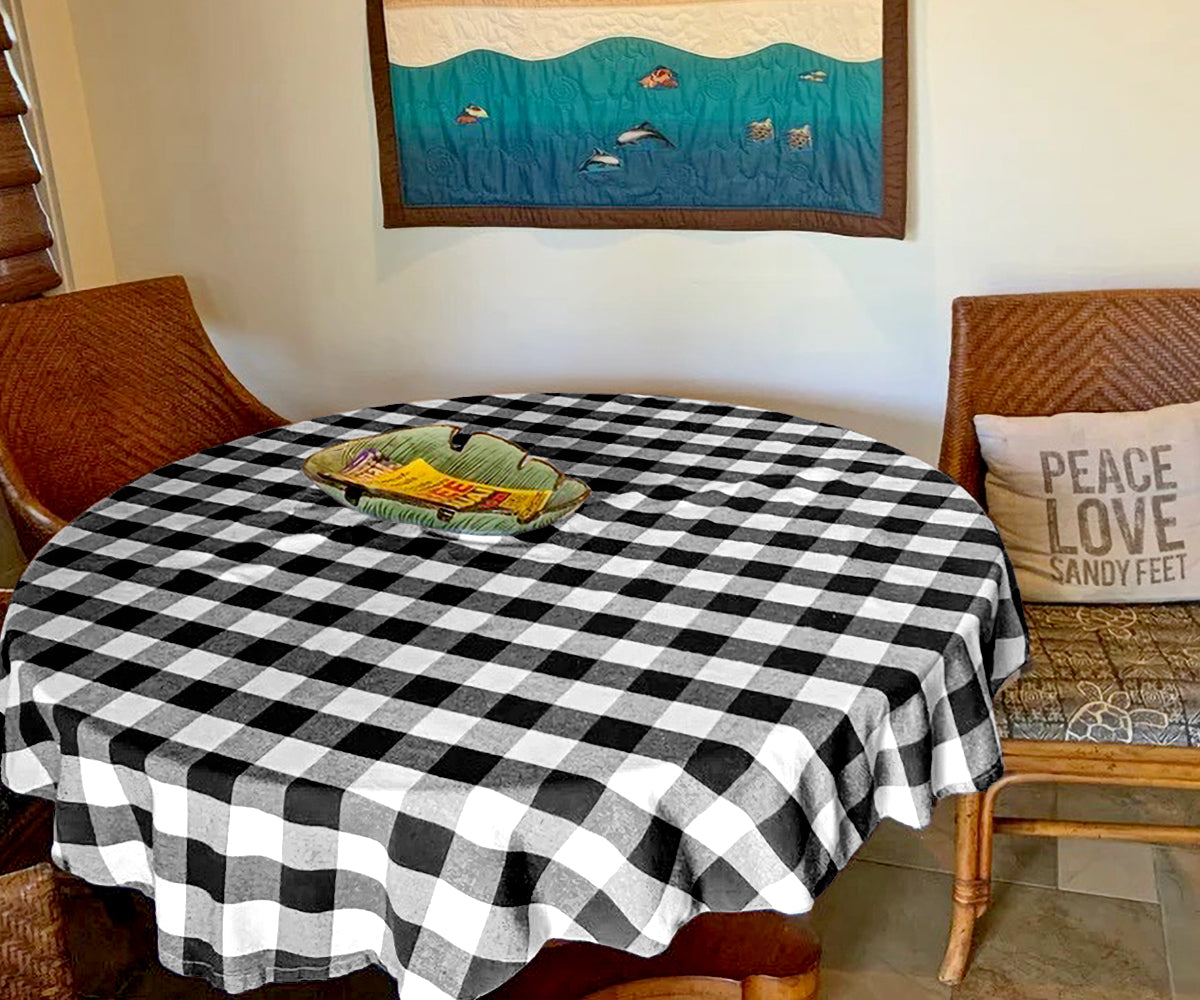


A tablecloth can protect the surface from spills and scratches while also giving you a simple base for the rest of your table setting. For everyday meals, a washable cotton tablecloth can be practical. For a special dinner, a linen tablecloth can give the table a more finished look.
So, when should you use a tablecloth? Here’s how to decide based on the occasion, fabric, table size, and the look you want.
When Should You Use a Tablecloth?
You can use a tablecloth whenever you want to protect your table, cover an imperfect surface, or create a more coordinated setting.
Common occasions include:
-
Everyday family meals
-
Dinner parties
-
Holiday dinners
-
Birthday celebrations
-
Formal dinners
-
Brunches
-
Outdoor meals
-
Weddings and other events
-
Buffet-style gatherings
You do not have to wait for a special occasion. If you like the look of a covered table and do not mind washing the fabric regularly, a tablecloth can easily become part of your everyday dining routine.

Do You Need a Tablecloth for Everyday Dining?
No, a tablecloth is not required for everyday meals. A bare wooden or glass table can look perfectly good on its own. Placemats can also provide a little protection under each place setting without covering the entire surface.
A tablecloth makes more sense when you want:
-
Extra protection from spills
-
A softer surface for dinnerware
-
A quick way to change the look of the table
-
A more defined dining area
-
Protection from scratches and everyday wear
For families with children, a washable cotton tablecloth can be especially useful because it can be removed and cleaned after messy meals.
When to Use a Tablecloth for a Dinner Party
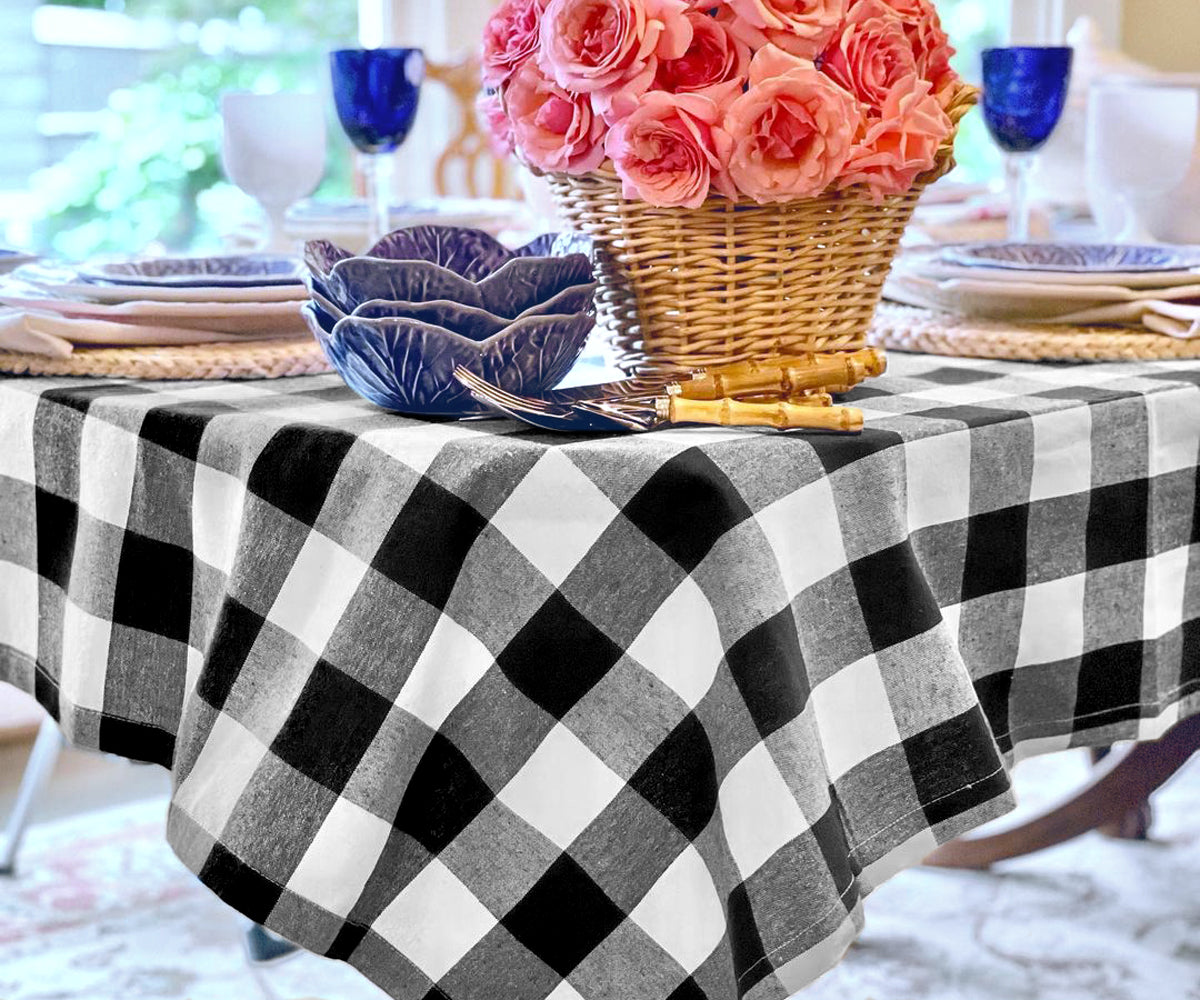
A dinner party is one of the easiest occasions for using a tablecloth. A tablecloth gives you a clean base for your plates, napkins, glassware, and centerpiece. You can keep the rest of the table simple and let the tablecloth provide most of the color or texture. For a relaxed dinner party, cotton works well. For a more formal meal, linen can provide a softer, more refined look.
Keep the rest of the setting balanced. If the tablecloth has a bold pattern, use simpler napkins and dinnerware. If the tablecloth is plain, you have more freedom to add patterned napkins, colorful plates, or a decorative centerpiece.

When to Use a Tablecloth for a Formal Dinner
A tablecloth is a natural choice for a formal dinner, especially when you want the table to feel more traditional and carefully prepared.
For a formal setting, consider:
-
A neutral or understated tablecloth
-
Linen or another suitable fabric
-
Coordinating cloth napkins
-
Polished dinnerware
-
Matching or complementary glassware
-
A low centerpiece
White, ivory, natural, and other neutral shades are easy to pair with different table settings. You do not need a heavily decorated table. A clean tablecloth, well-placed dinnerware, and a few thoughtful details can be enough.
Should You Use a Tablecloth for Holidays?
Holiday meals are a good time to bring out a tablecloth you may not use every day. Thanksgiving, Christmas, Easter, New Year's Eve, and other celebrations give you an opportunity to use seasonal colors or patterns.

For example:
-
Thanksgiving: Warm neutrals, rust, brown, cream, or muted green
-
Christmas: Red, green, white, or natural tones
-
Easter: Soft colors, florals, or light neutrals
-
New Year's Eve: Black, white, metallic accents, or deeper shades
You do not need a holiday-specific tablecloth. A neutral cotton or linen tablecloth can work throughout the year, with napkins, runners, and centerpieces changed for different occasions.
Also Known: Christmas Table Setting with Red Tablecloth: A Festive Guide
Is a Tablecloth Necessary for Outdoor Dining?
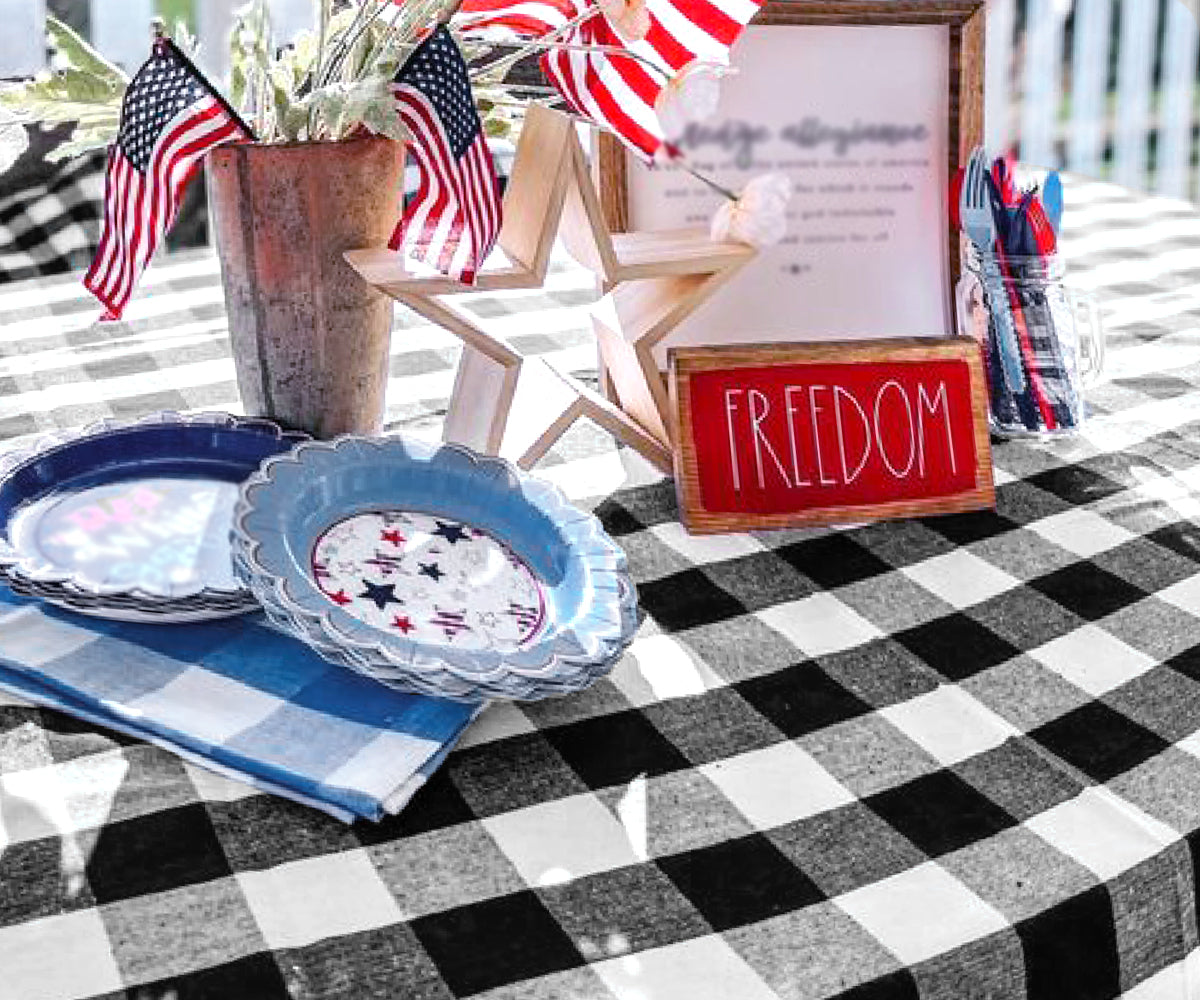
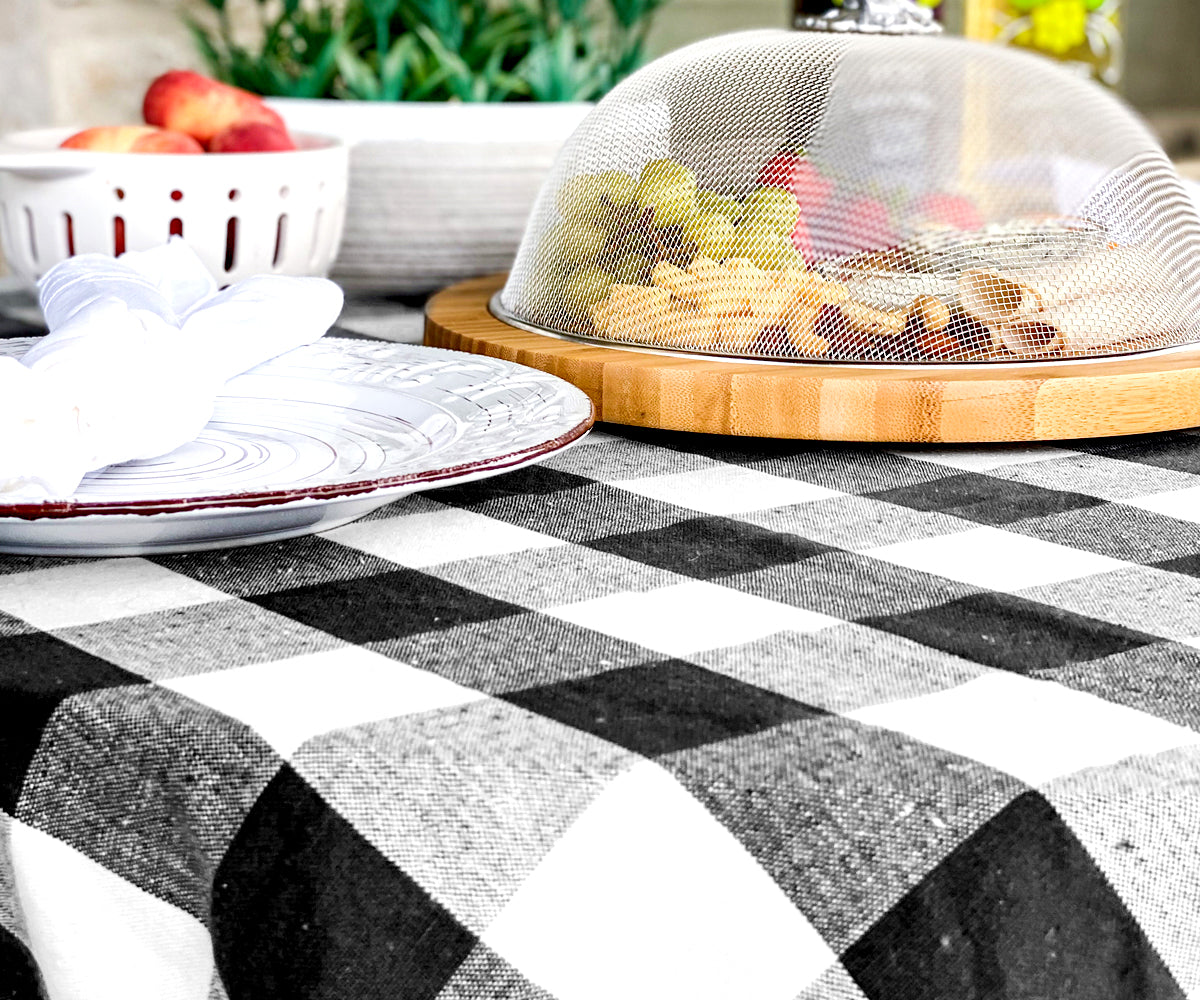
Not necessarily, but it can be useful. A tablecloth can make a patio table, picnic table, or outdoor dining setup feel more organized. It can also cover a scratched or weathered surface. For outdoor meals, consider how easy the fabric will be to clean. Cotton can work well for casual outdoor dining, particularly when you are able to bring it inside after the meal and wash it. If wind is an issue, choose a tablecloth that sits securely on the table or use tablecloth weights designed for outdoor dining.
For a backyard barbecue, picnic, or casual lunch, there is no need to make the table overly formal. A simple tablecloth with washable napkins and a small centerpiece can be enough.
When to Use a Tablecloth for Everyday Meals
If you enjoy having a dressed table every day, there is no reason to save your favorite tablecloth for special occasions.
A simple cotton tablecloth can work well for:
-
Breakfast
-
Family lunches
-
Weeknight dinners
-
Weekend brunch
-
Coffee with guests
-
Casual meals
For regular use, choose a fabric that fits your washing routine. Cotton is a practical option because it is comfortable, washable, and available in many colors and patterns. If you prefer a more relaxed table, choose a tablecloth with a natural texture or simple pattern rather than something heavily decorated.
Tablecloth vs. Placemats: Which Should You Use?
Both have a place at the dining table.
A tablecloth covers the entire table, while placemats create an individual surface for each guest.
Choose a Tablecloth When:
-
You want to cover the entire tabletop.
-
You are hosting a dinner party.
-
You want to change the look of the table quickly.
-
You need additional protection from spills.
-
You are setting the table for a holiday or formal meal.
Choose Placemats When:
-
You prefer to show the table surface.
-
You want a casual setting.
-
You only need protection under individual place settings.
-
You have a smaller table.
-
You want to make cleaning up between meals easier.
You can also use both, but make sure the layers do not make the table feel crowded.
Know About: Organic cotton and Linen : What's the difference?
How to Choose the Right Tablecloth Size
The tablecloth should be large enough to cover the tabletop while leaving the amount of drop you want around the edges.
Start by measuring your table's:
-
Length
-
Width
-
Diameter, if it is round
Then decide how much drop you want on each side.
For example, if your rectangular table measures 60 × 36 inches and you want a 10-inch drop, you would add 20 inches to both measurements:
60 + 20 = 80 inches
36 + 20 = 56 inches
So, an approximately 80 × 56-inch tablecloth would provide a 10-inch drop on each side.
For everyday dining, a shorter drop often works well. For formal dinners, you may prefer a longer drop.
What Is the Right Tablecloth Drop?
The tablecloth drop is the amount of fabric hanging over the edge of the table.
A useful starting point is:
-
6–10 inches: Everyday dining
-
10–15 inches: Dinner parties and holidays
-
15 inches or more: More formal settings
-
Floor length: Weddings, buffets, and formal events
These are guidelines rather than strict rules. Your table height, chair placement, and personal preference also matter.
Avoid choosing a drop so long that it gets caught on guests' knees or makes it difficult to sit comfortably.
Can You Use a Tablecloth on a Wooden Table?
Yes. A tablecloth can help protect a wooden table from spills, scratches, and heat. If you want to show off the wood, use placemats or a table runner instead.
Should a Tablecloth Touch the Floor?
A floor-length tablecloth works well for formal occasions such as:
- Weddings
- Formal receptions
- Buffet tables
- Large celebrations
For everyday dining, a shorter drop is usually easier to manage and more comfortable for guests.
Can You Use a Tablecloth on a Round Table?
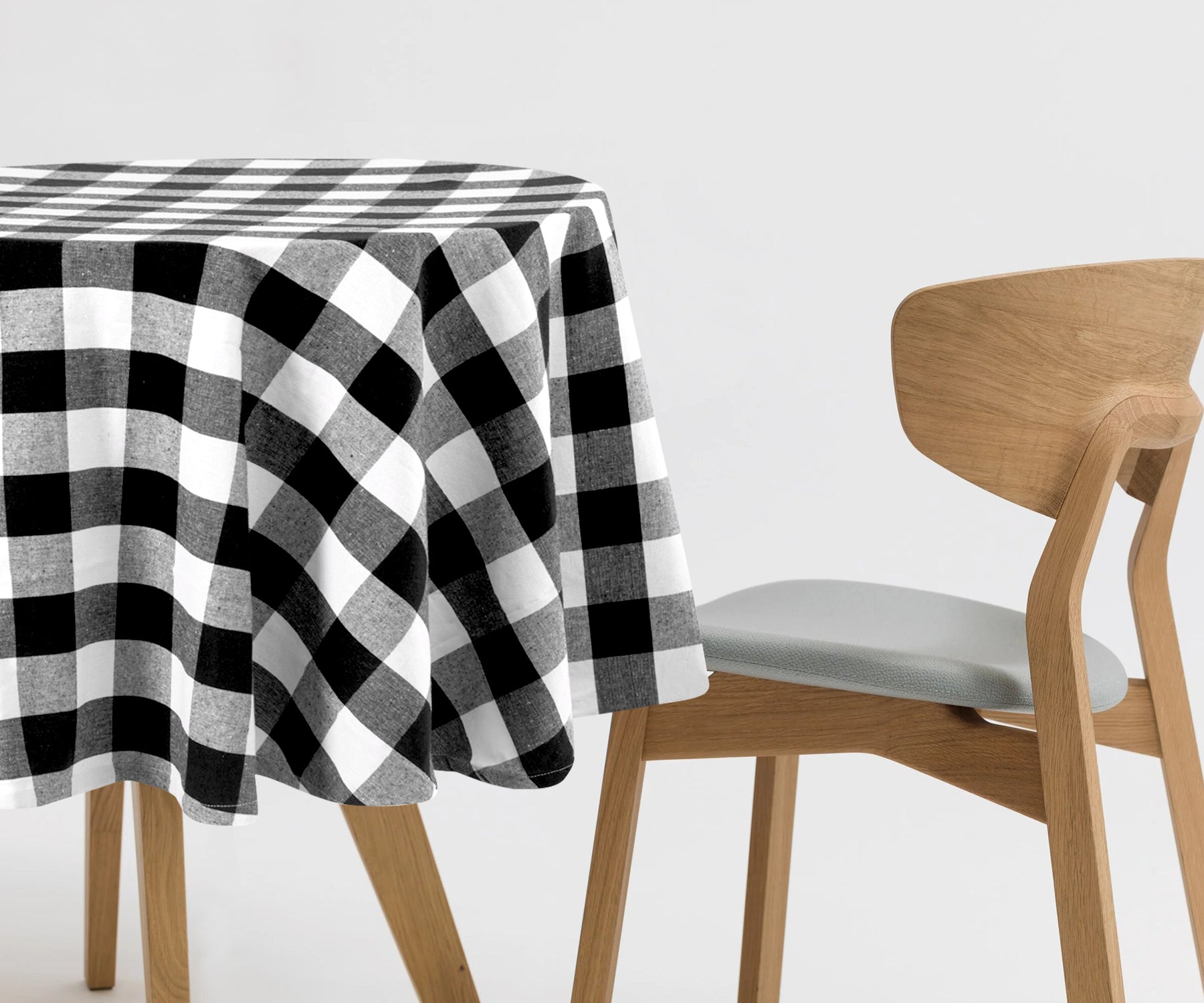
Yes. Choose a round tablecloth that matches the shape of your table. Measure the table diameter and add twice the desired drop.
For example, a 60-inch round table with a 10-inch drop needs an 80-inch round tablecloth.
Should You Iron a Tablecloth?
Ironing can help remove wrinkles and give your tablecloth a neater appearance. Check the care label first and use the recommended heat setting for the fabric. For linen, you can iron it while slightly damp for easier wrinkle removal.

How to Keep a Tablecloth Looking Neat
A clean tablecloth can still look untidy if it is heavily wrinkled or poorly fitted.
A few simple habits help:
-
Choose the correct size for your table.
-
Smooth the tablecloth after placing it.
-
Remove it from the dryer promptly.
-
Follow the fabric's care instructions.
-
Iron or steam it when you want a crisper appearance.
-
Treat spills before they become difficult stains.
-
Fold or roll it neatly before storage.
Cotton and linen may wrinkle, so a perfectly smooth tablecloth is not always necessary. Decide how formal you want the table to look and care for the fabric accordingly.
Overview
A tablecloth does not have to be reserved for holidays or formal dinners. It can work just as well for everyday meals. Choose one when you want to protect your tabletop, add a finished look, or bring some color to your dining space. If you prefer to keep the table visible, placemats or a table runner are simple alternatives. For daily use, a washable cotton tablecloth is an easy choice. For dinner parties and special occasions, linen adds natural texture and a more polished look.
The best tablecloth is one that fits your table properly, suits the occasion, and is easy to live with.
Ready to refresh your dining table? Shop All Cotton and Linen's collection of cotton and linen tablecloths, table runners, napkins, and placemats for everyday meals and special gatherings.