

Why Packaging-Free Snacks Matter
The scale of snack packaging waste is significant. A family of four that packs two snacks each per day generates over two thousand pieces of single-use packaging per year from snacks alone, zip-lock bags, foil wrappers, plastic pouches, and cling film. The vast majority of these materials are not recyclable through curbside programs.
Plastic packaging affects food freshness and quality. Many packaged snacks contain preservatives specifically because their plastic packaging doesn't breathe the sealed environment requires chemical stabilizers to extend shelf life. Snacks packed in breathable cotton bags and natural wraps don't need these additives. Fresh fruit, nuts, crackers, and homemade snacks stored in muslin or cotton bags stay fresh naturally through the same airflow that keeps produce fresh in the crisper drawer.
The cost savings compound quickly. A roll of zip-lock bags costs several dollars and lasts a household a few weeks. A set of reusable muslin bags costs $10–20 and lasts years. The same math applies across every disposable snack container replaced by a reusable alternative.
Children build habits through what they see. Packing a child's lunchbox with muslin bags instead of plastic bags is one of the most visible and consistent ways to model sustainable habits. The habit is established through repetition and the child who grows up packing snacks in cotton bags carries that pattern into adulthood.
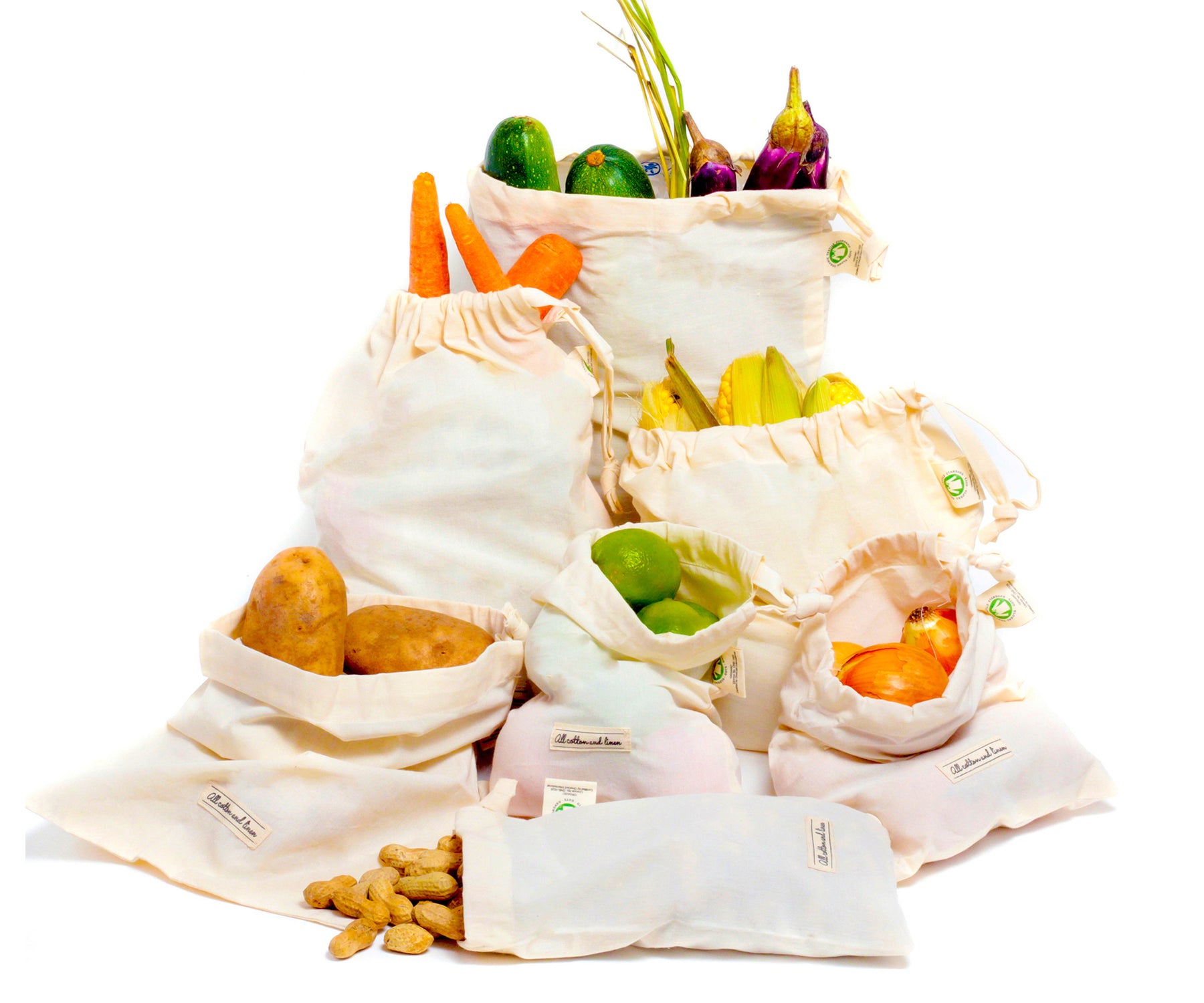
The Best Reusable Containers for Packaging-Free Snacks

Muslin Drawstring Bags
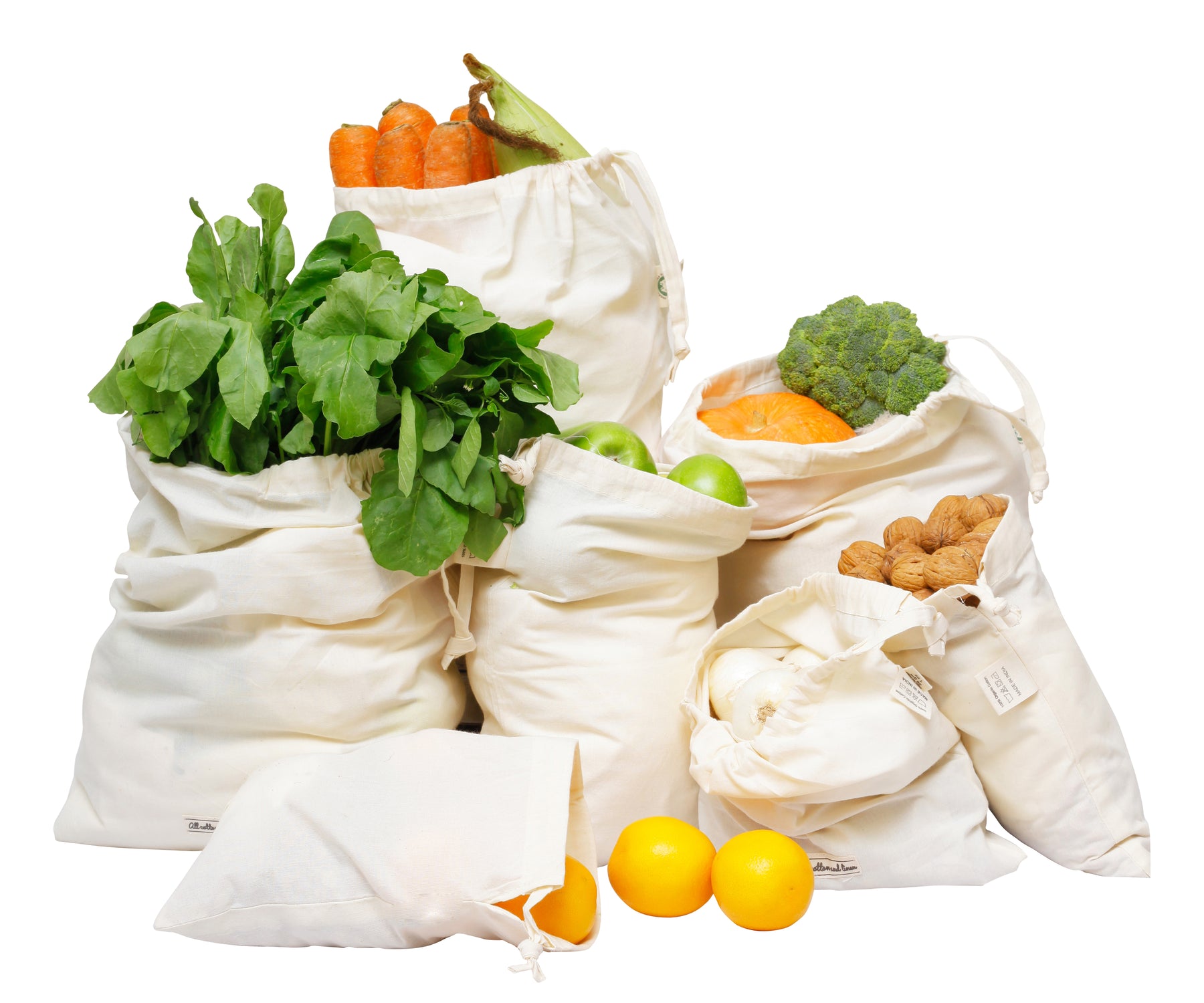
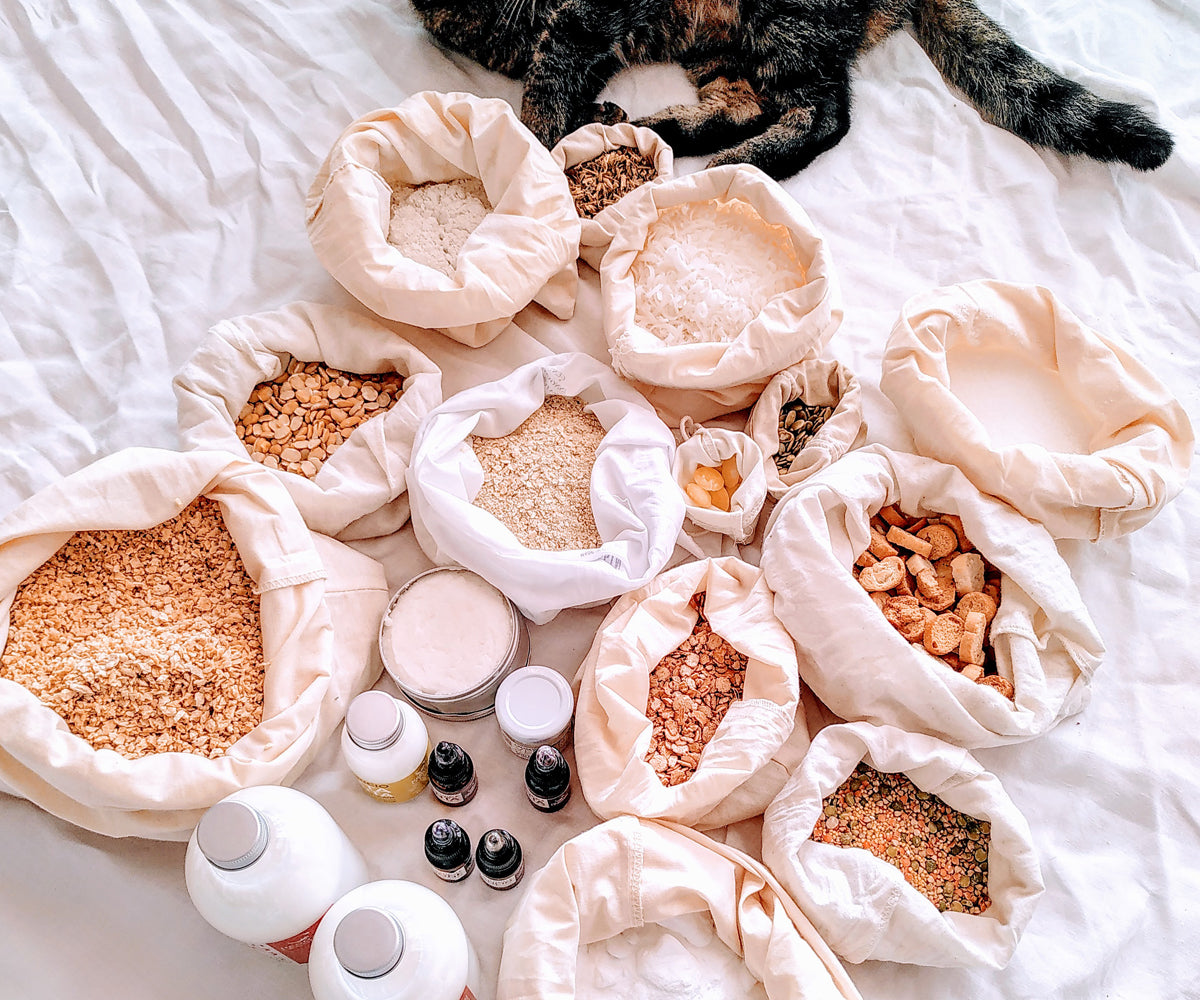
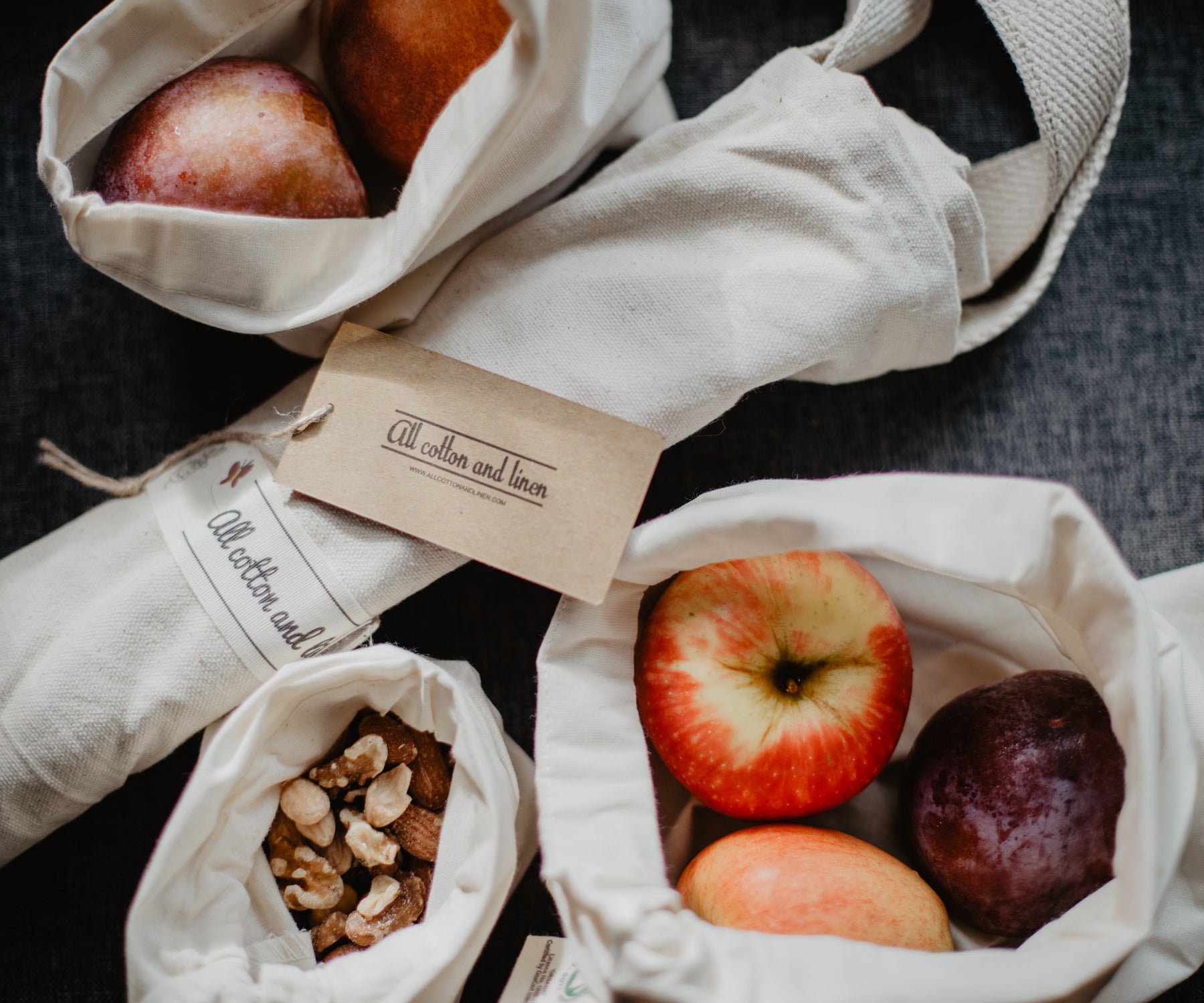
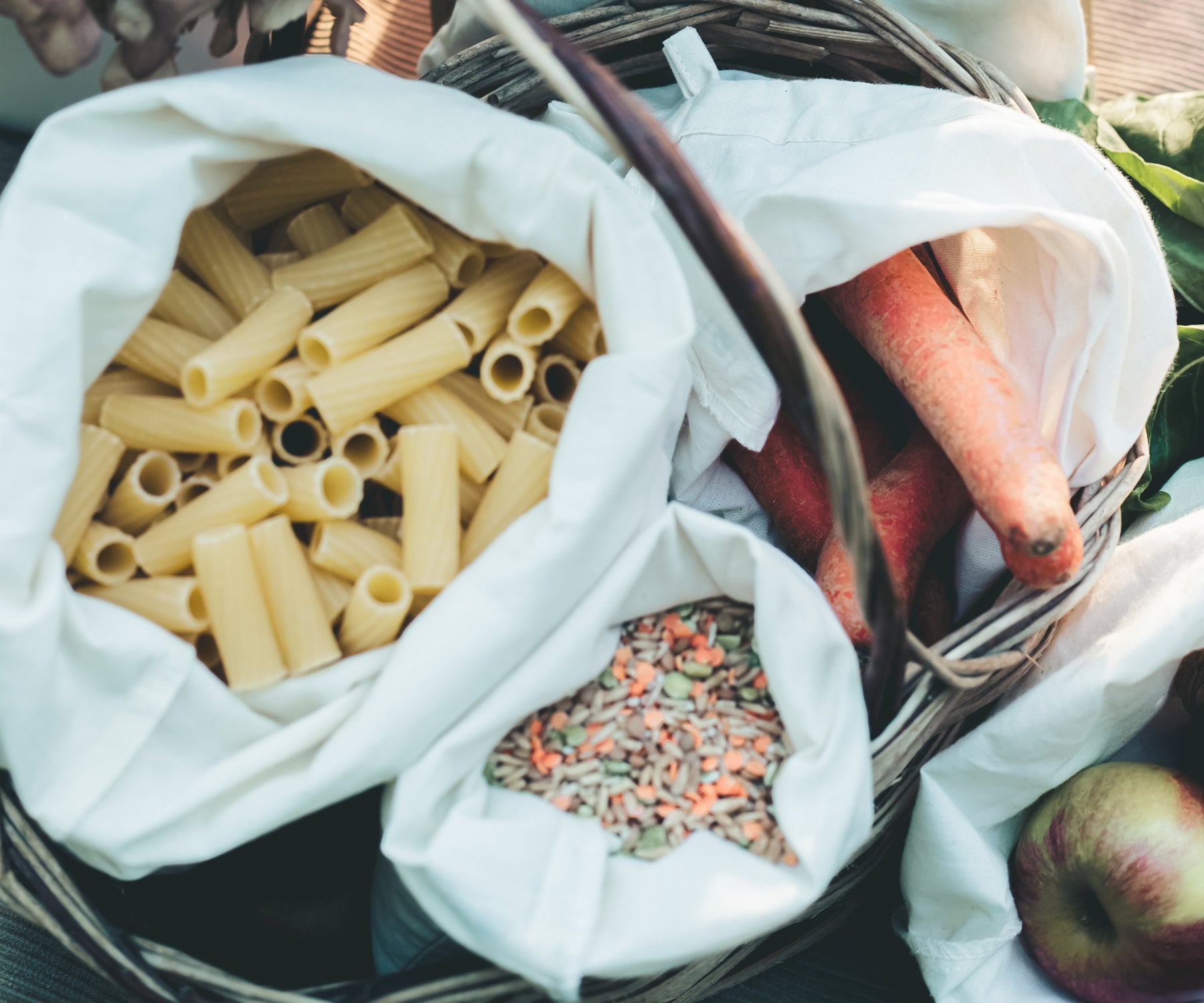
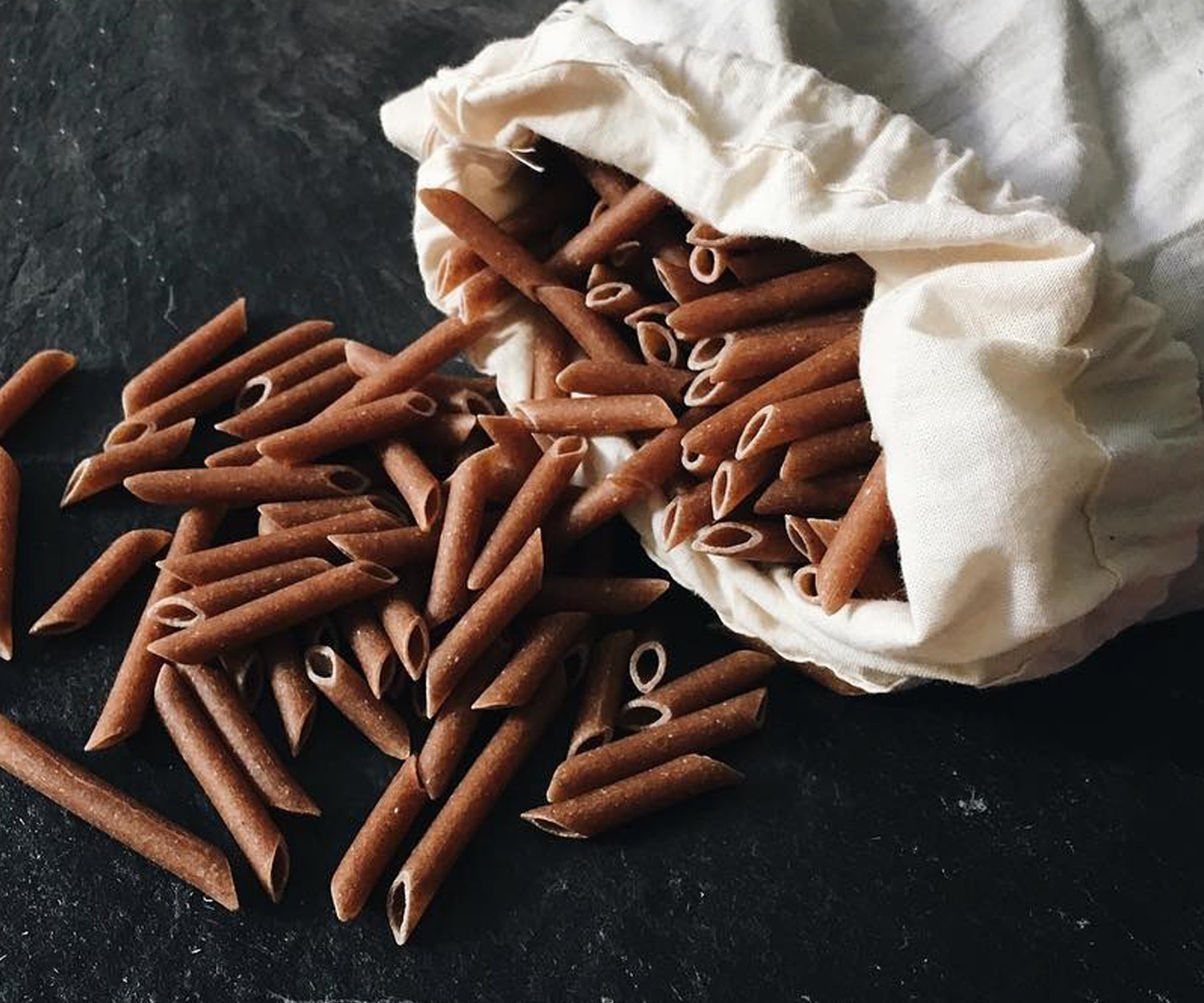
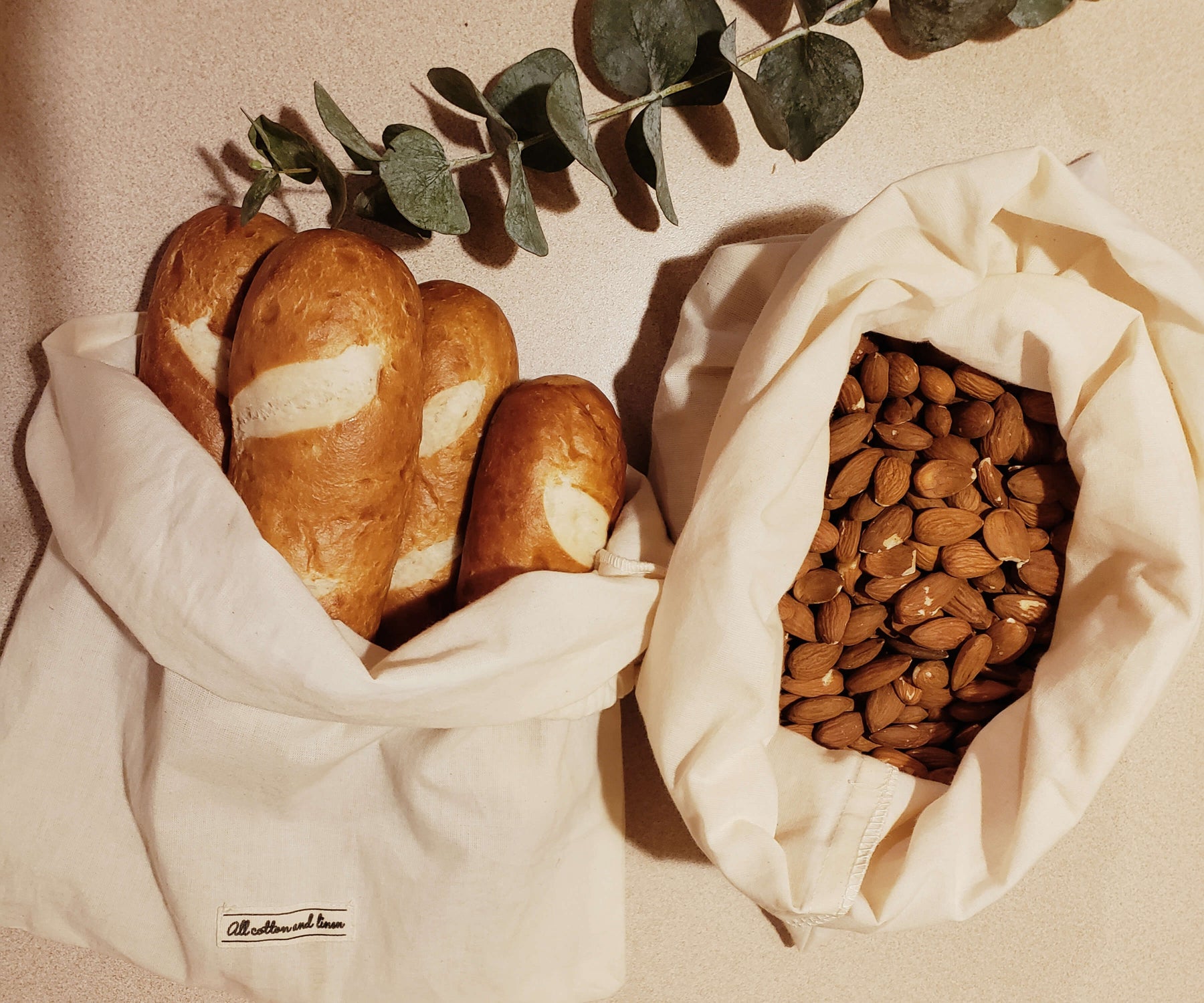
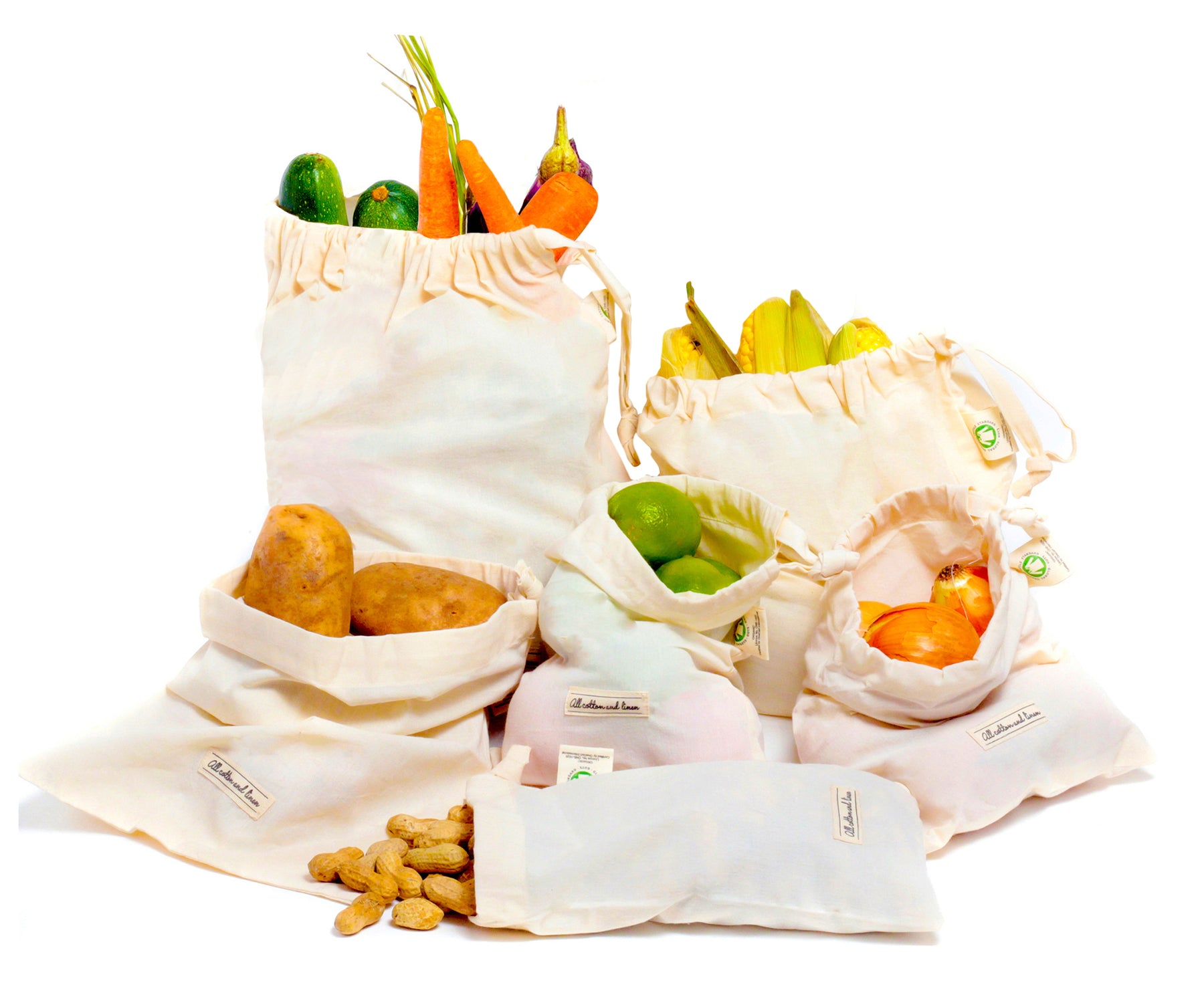
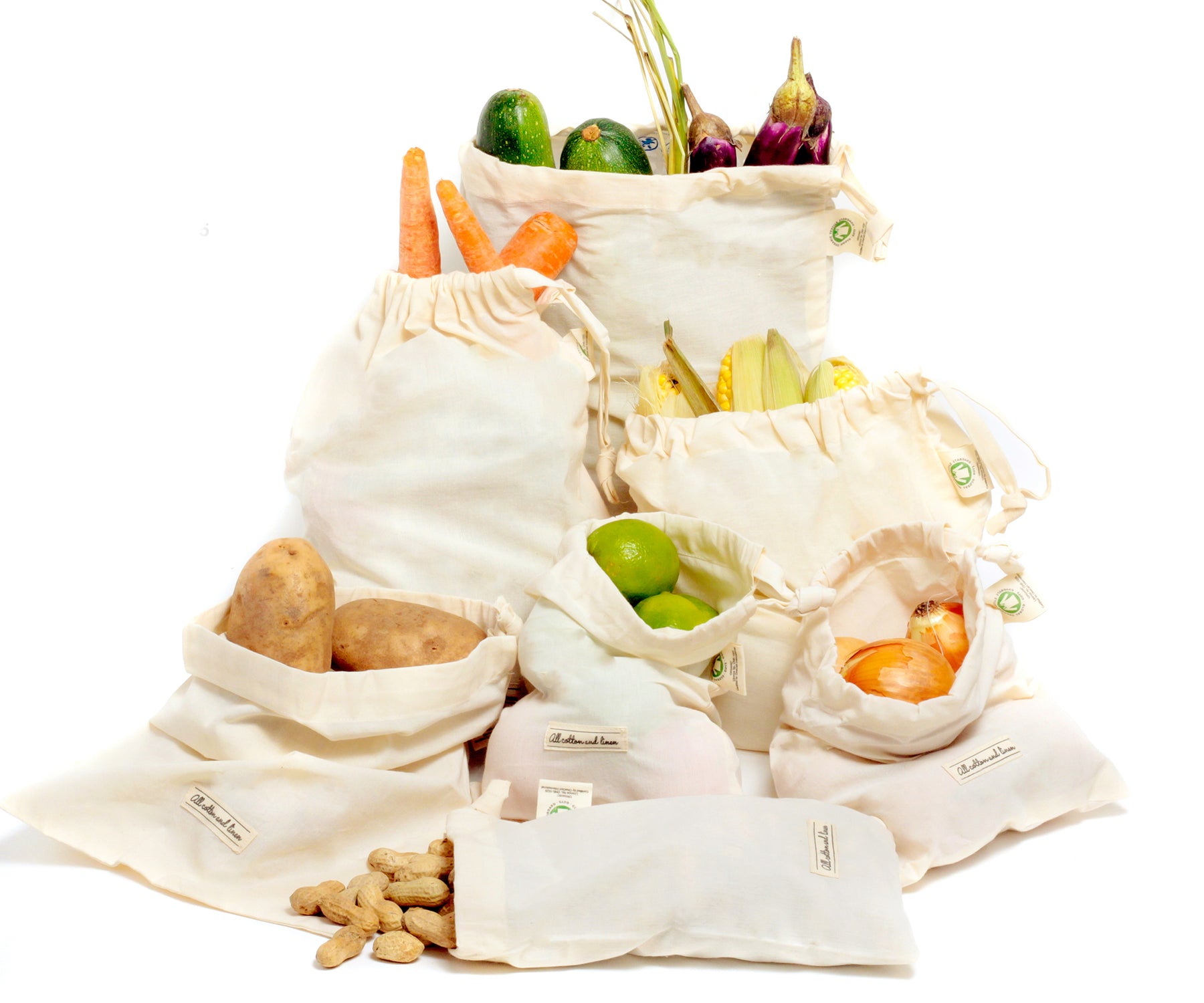
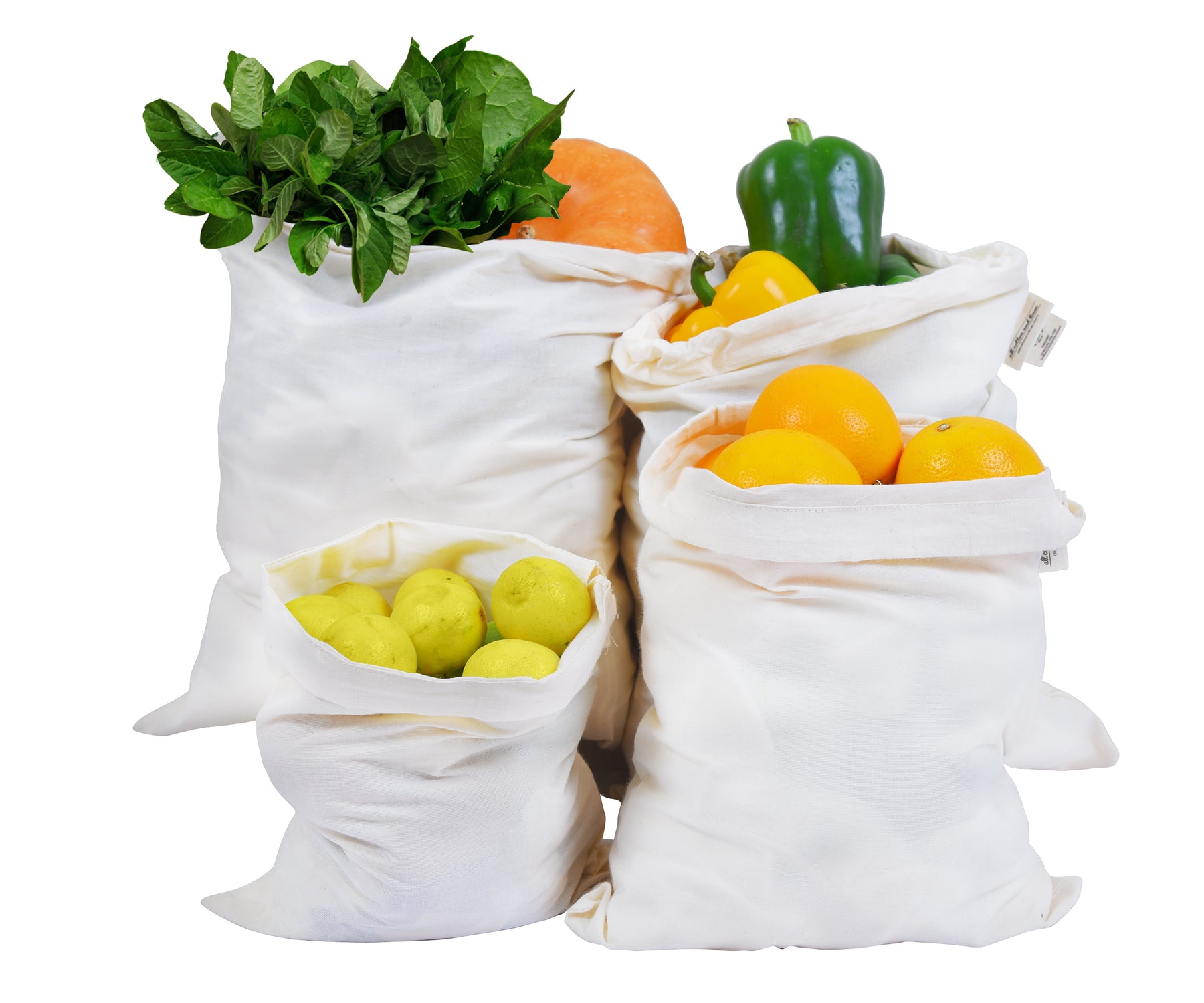
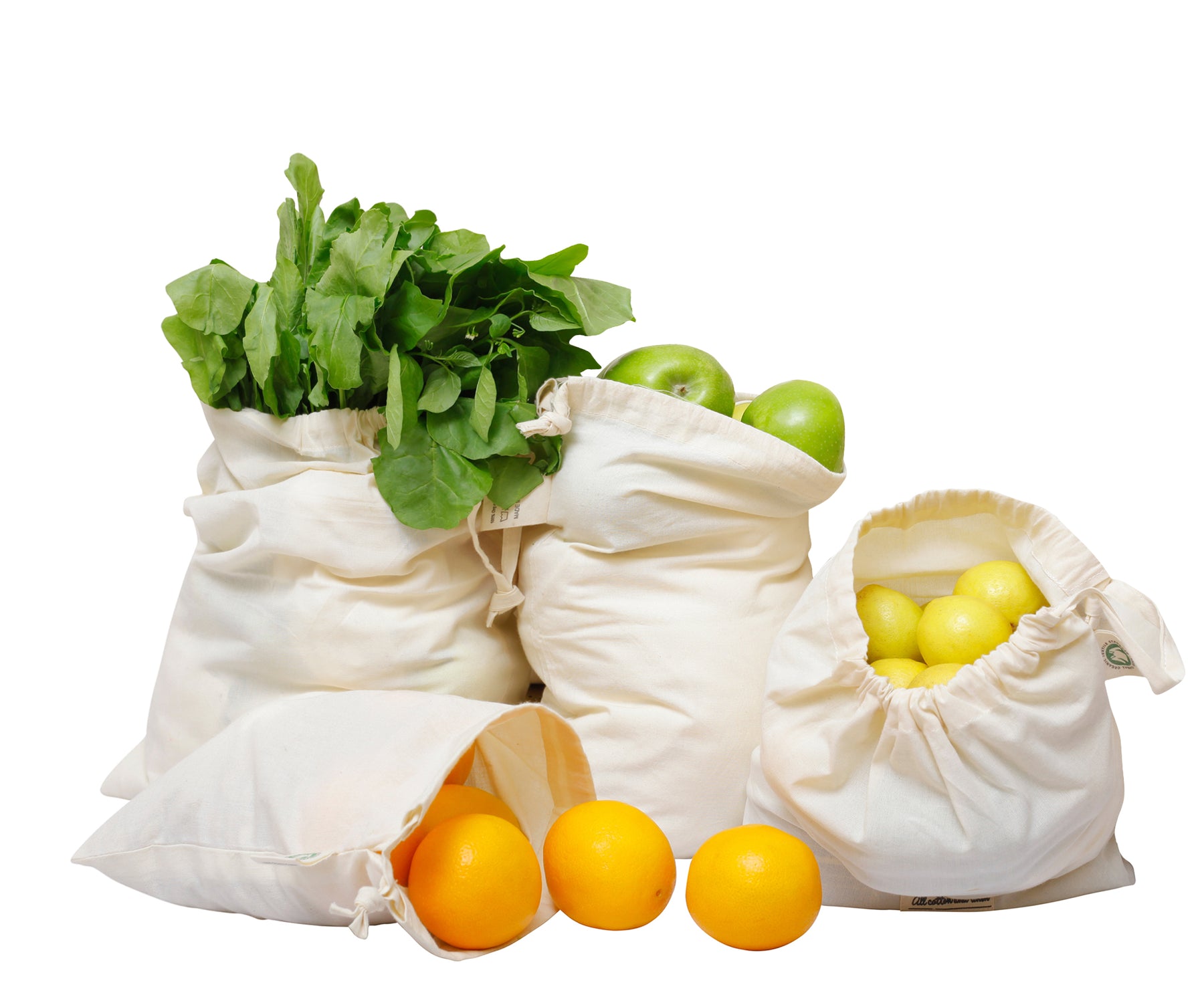
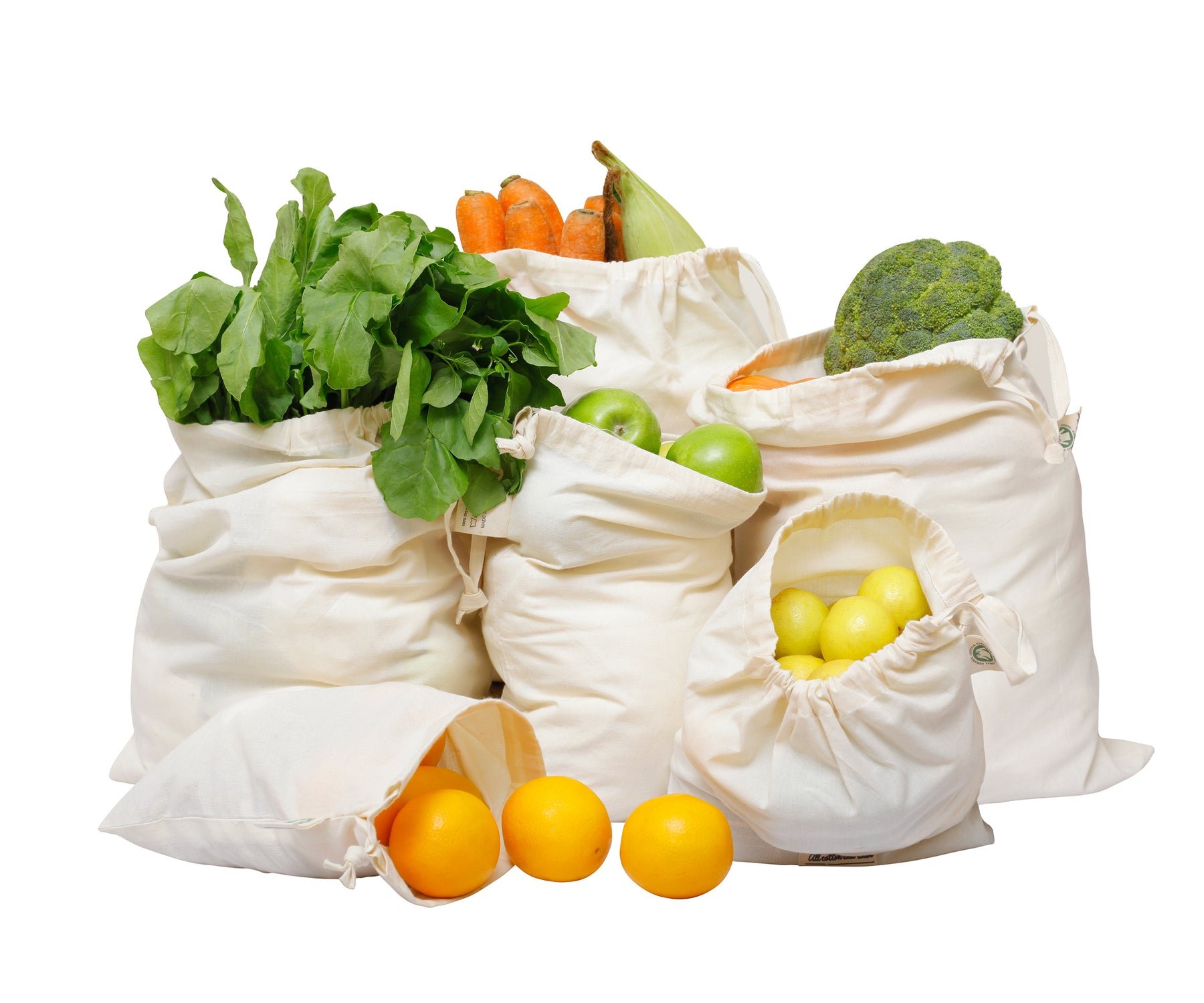
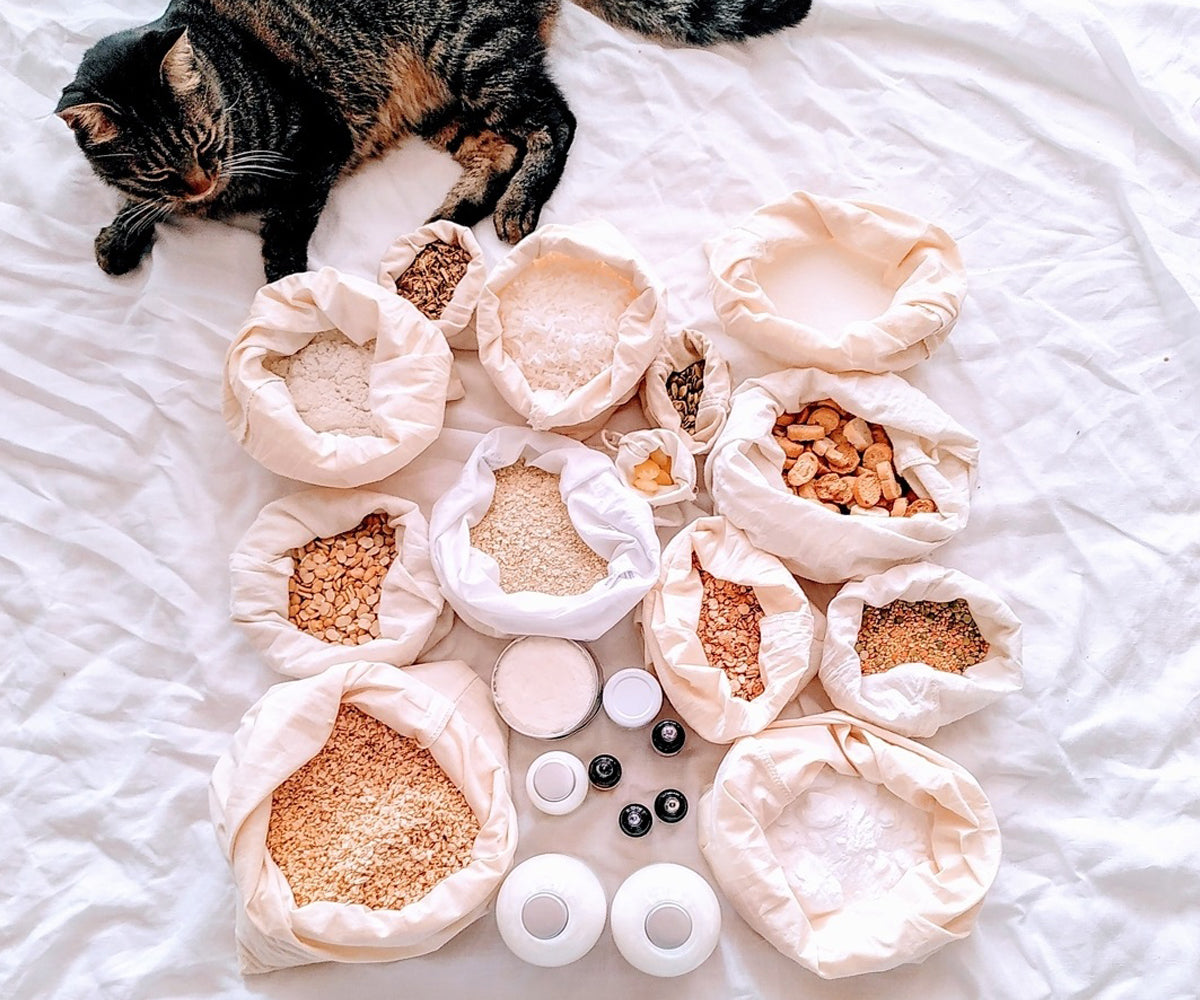
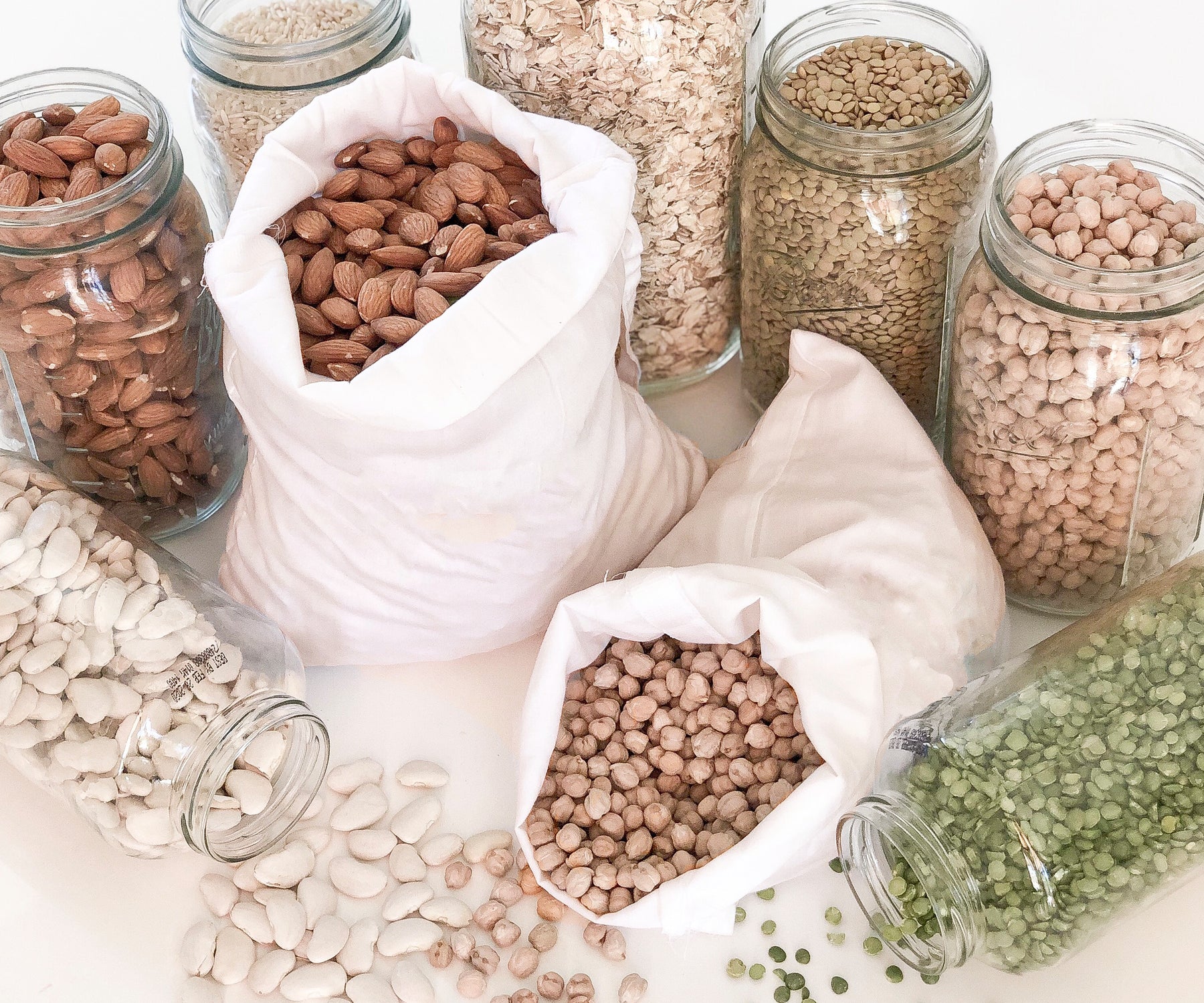
The most versatile packaging-free snack container for dry and semi-dry snacks. Muslin's tightly woven cotton structure contains small items (nuts, seeds, granola, crackers, dried fruit) that would fall through a mesh weave, while still being breathable enough to prevent staleness.
Best for: Nuts and trail mix, crackers and pretzels, dried fruit, granola, popcorn, seeds, small cookies and biscuits, cheese cubes, and any snack that needs containment but benefits from breathability.
Sizes: Small muslin bags (approximately 6 × 9 inches) are ideal for a single serving. Medium bags (8 × 10 inches) work for shared snacks or larger portions.
Care: Machine wash cold, gentle cycle. Air dry. Rinse immediately after use with oily or aromatic snacks (trail mix with chocolate, flavored nuts) to prevent the oil from setting in the weave.
Mesh Produce Bags
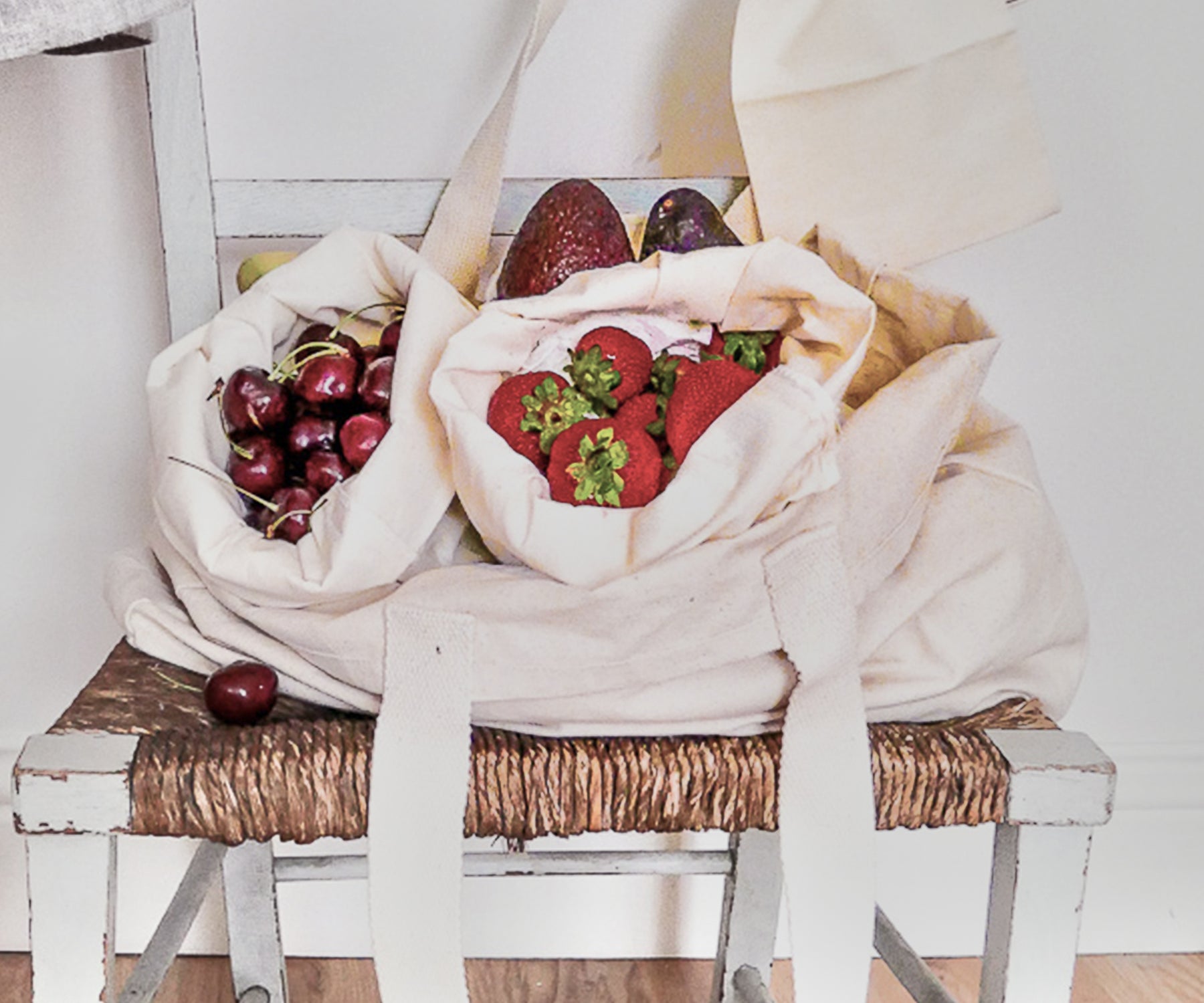
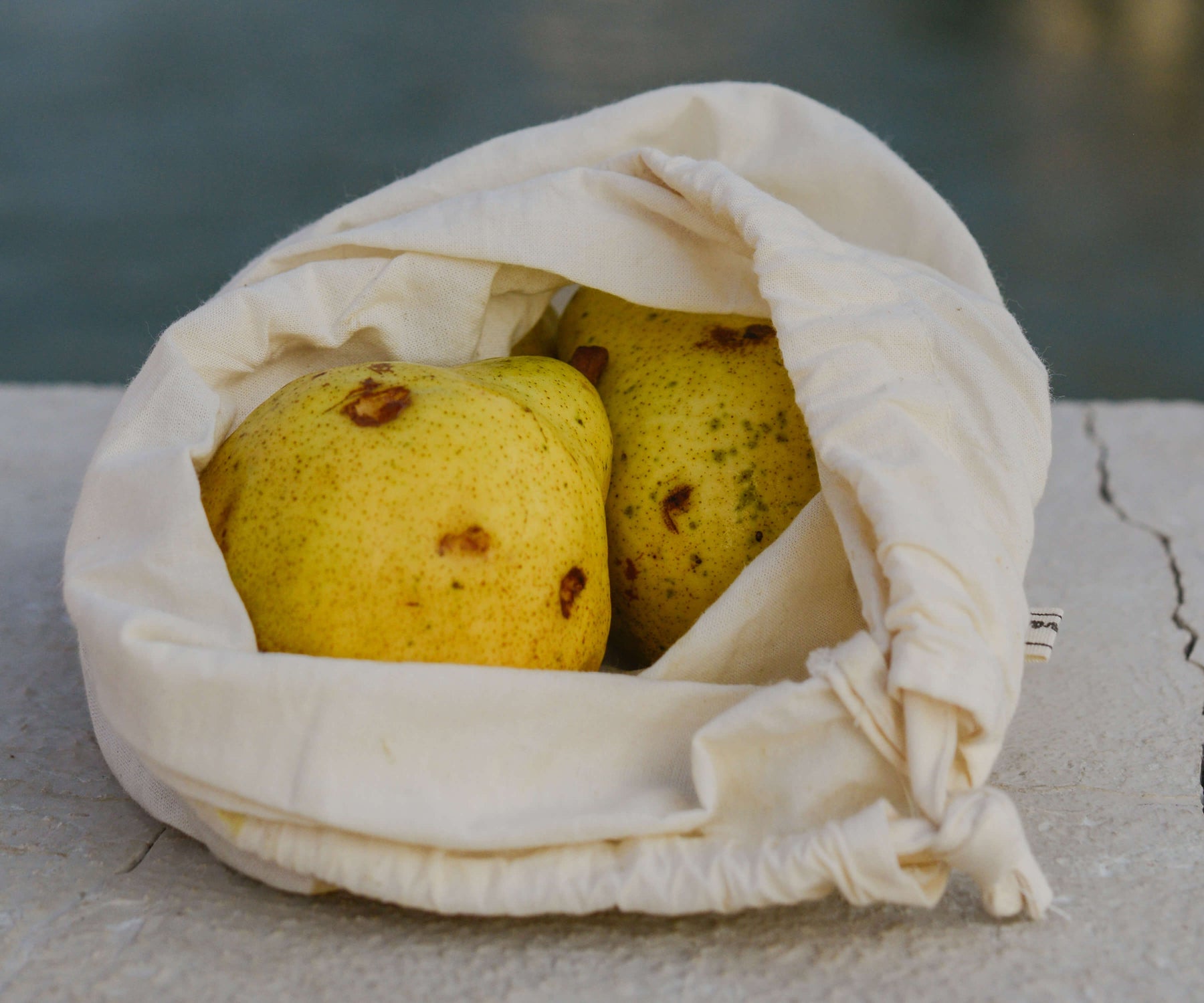
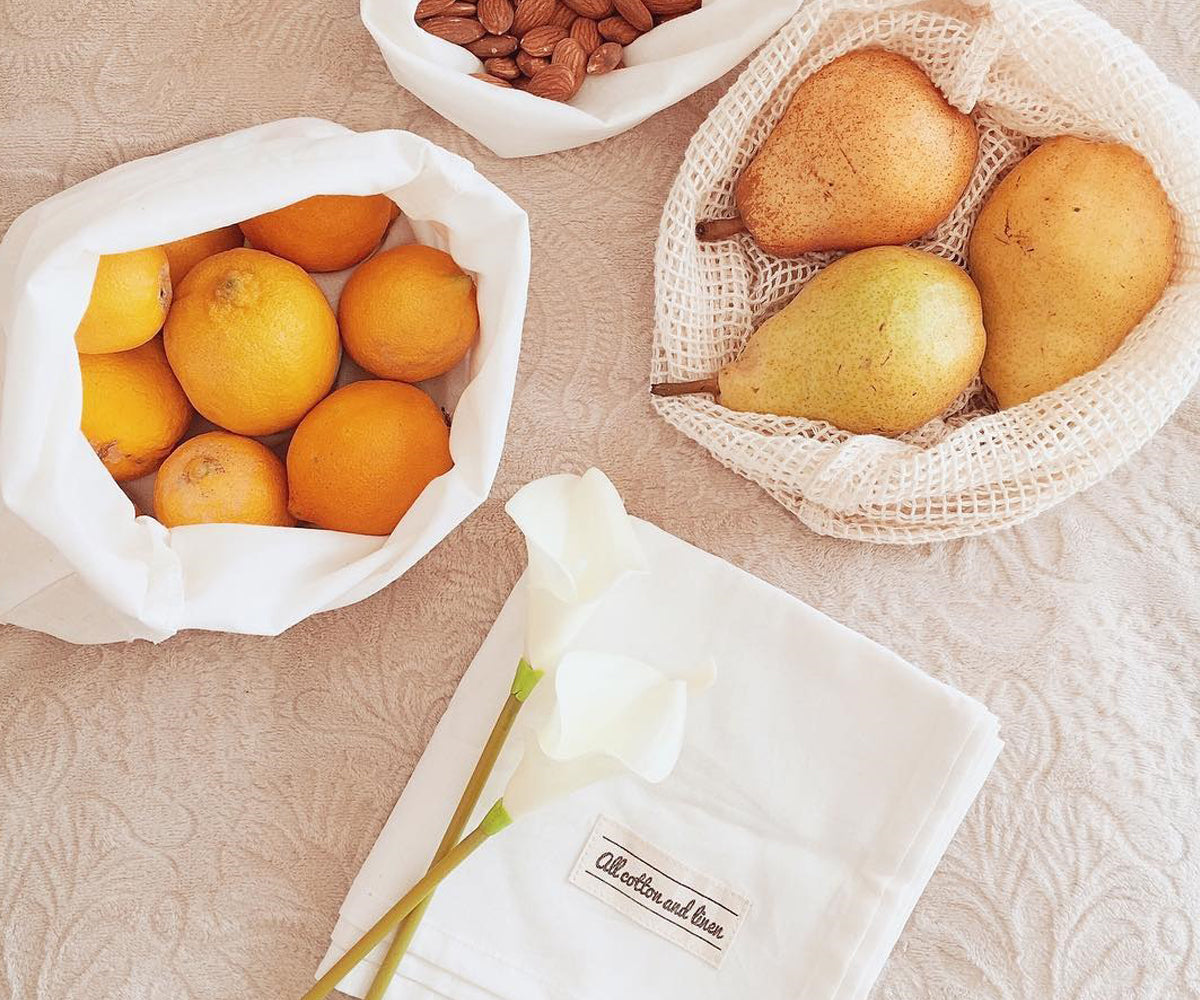
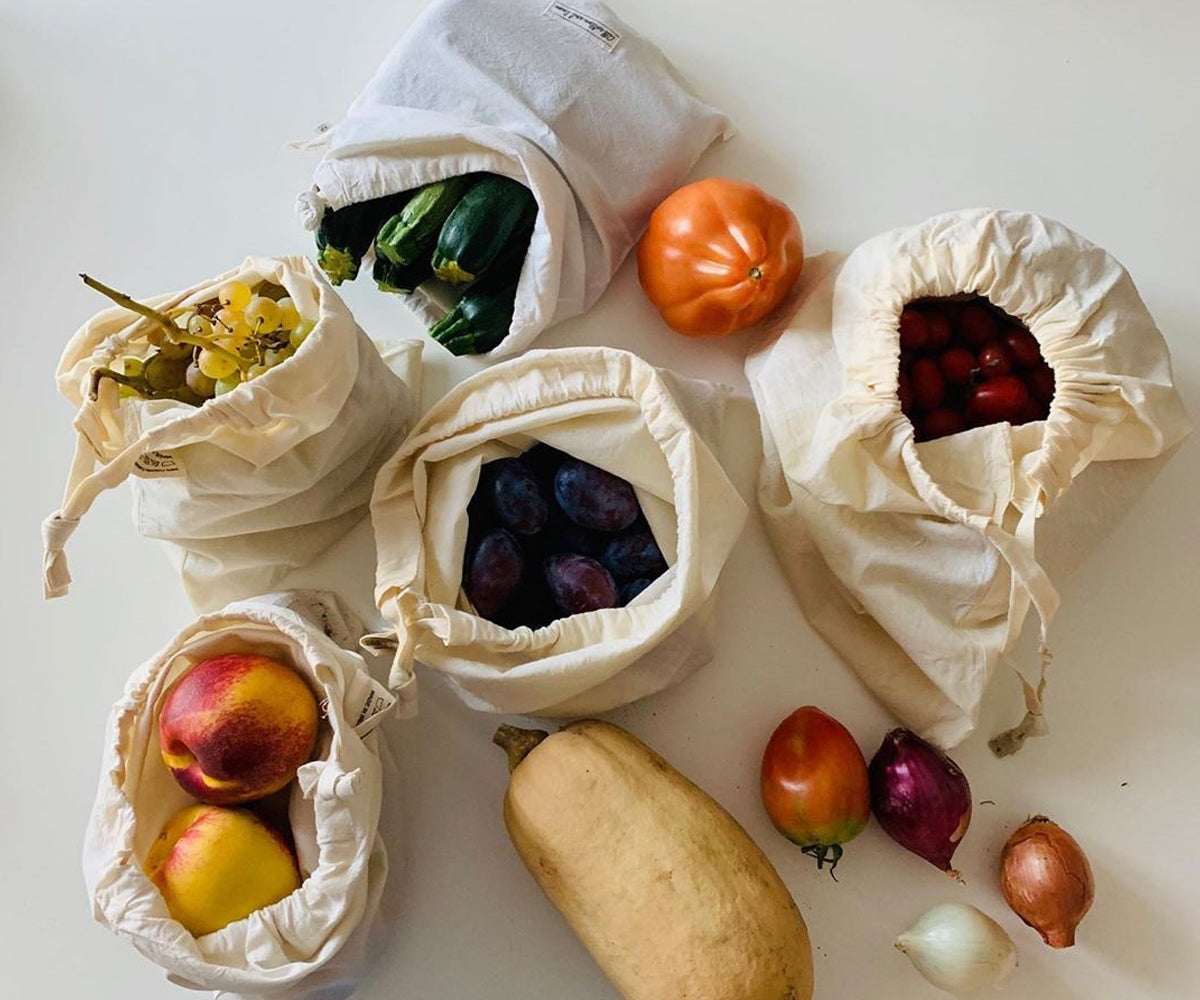
Mesh bags are open-weave cotton nets better suited to snacks where visibility and maximum breathability matter more than containment of fine particles.
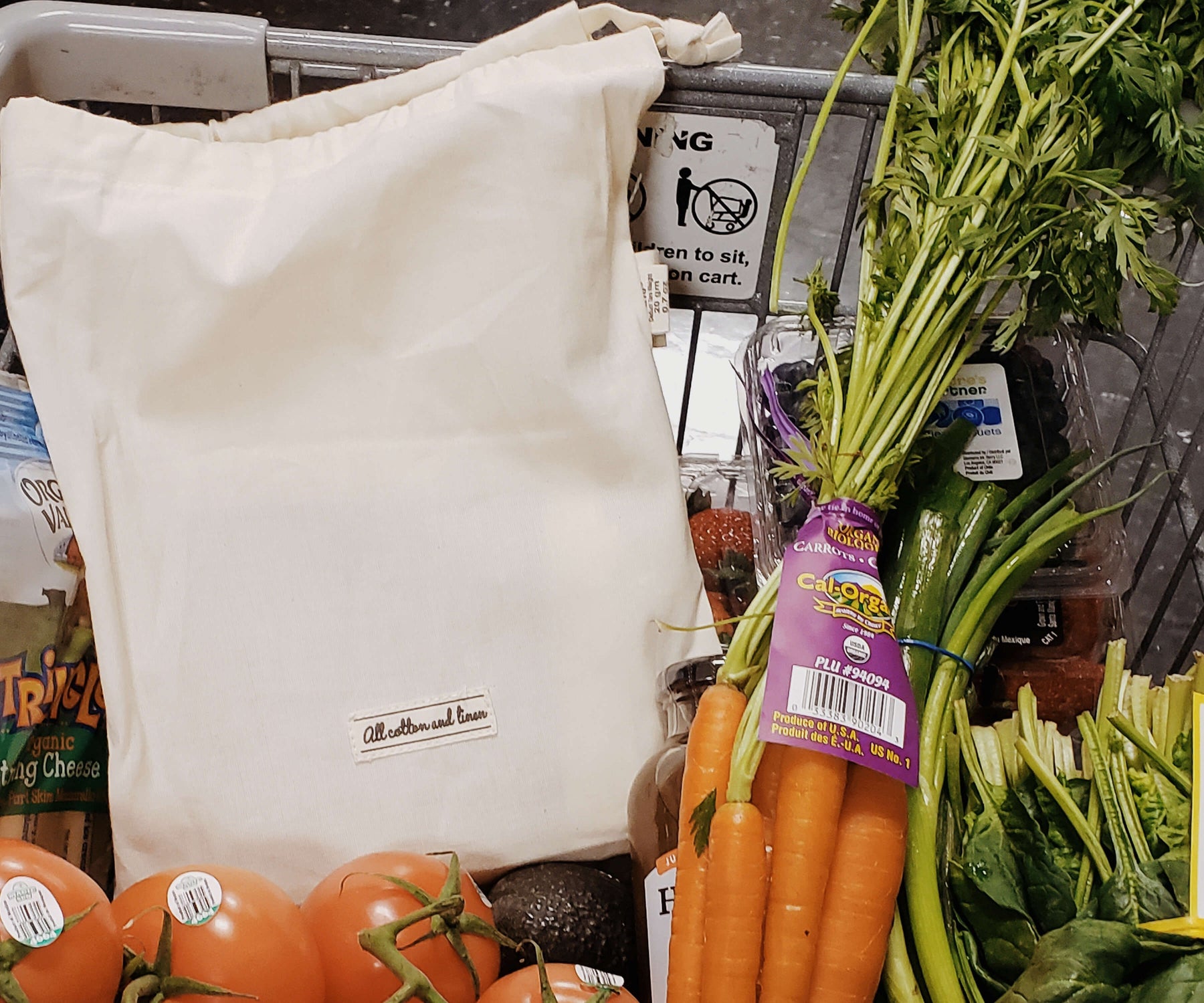
Best for: Whole fruit (apples, oranges, bananas, grapes), cherry tomatoes, raw vegetables (carrot sticks, sugar snap peas, celery), and any snack that is large enough not to fall through the mesh.
Advantage over muslin: You can see exactly what's in the bag without opening it useful in a lunchbox where the child (or adult) is sorting through their food.
Care: Machine wash cold. Air dries very quickly, usually within an hour or two.
Beeswax Wraps and Cotton Wraps
For sandwiches, sliced fruit, cheese, and anything that needs a moldable surface wrap rather than a bag, beeswax-coated cotton wraps are the reusable alternative to plastic cling film. They mold to the shape of the food when warmed by hand, seal closed by pressing the edges together, and hold securely in a lunchbox.
Best for: Sandwiches, halved avocado, sliced cheese, apple halves, cut vegetables, wraps, and tortillas.
Care: Wash in cold water only; hot water melts the beeswax coating. Air dry flat. Do not use in the microwave.
Alternative: Uncoated cotton cloth squares can also be used to wrap sandwiches and baked goods, secured with a rubber band or a piece of twine. Less water-resistant than beeswax wraps, but completely washable in the machine.
Reusable Silicone or Glass Containers
For wet or semi-liquid snacks, yogurt, hummus, dips, apple sauce, pudding, a small reusable glass jar or silicone container is the packaging-free solution. These aren't cotton bags, but they complete the packaging-free snack system for snacks that need a sealed, liquid-safe container.
Pair a small glass jar (a repurposed jam jar works perfectly) with a muslin bag of crackers or cut vegetables for a complete, zero-waste snack combination.
Cotton Bread Bags
For sliced bread, homemade muffins, scones, and baked goods, a cotton bread bag is the packaging-free alternative to a plastic bread bag. The breathable cotton prevents the crust from going soft (which happens in plastic) while keeping the interior from drying out. Bread stored in a cotton bag on the counter stays fresh for two to three days with a proper crust intact.
For individual portions in a lunchbox, wrap a slice or muffin in a cotton wrap or tuck it into a medium muslin bag.
Packaging-Free Snack Ideas by Category

Fresh Fruit and Vegetables
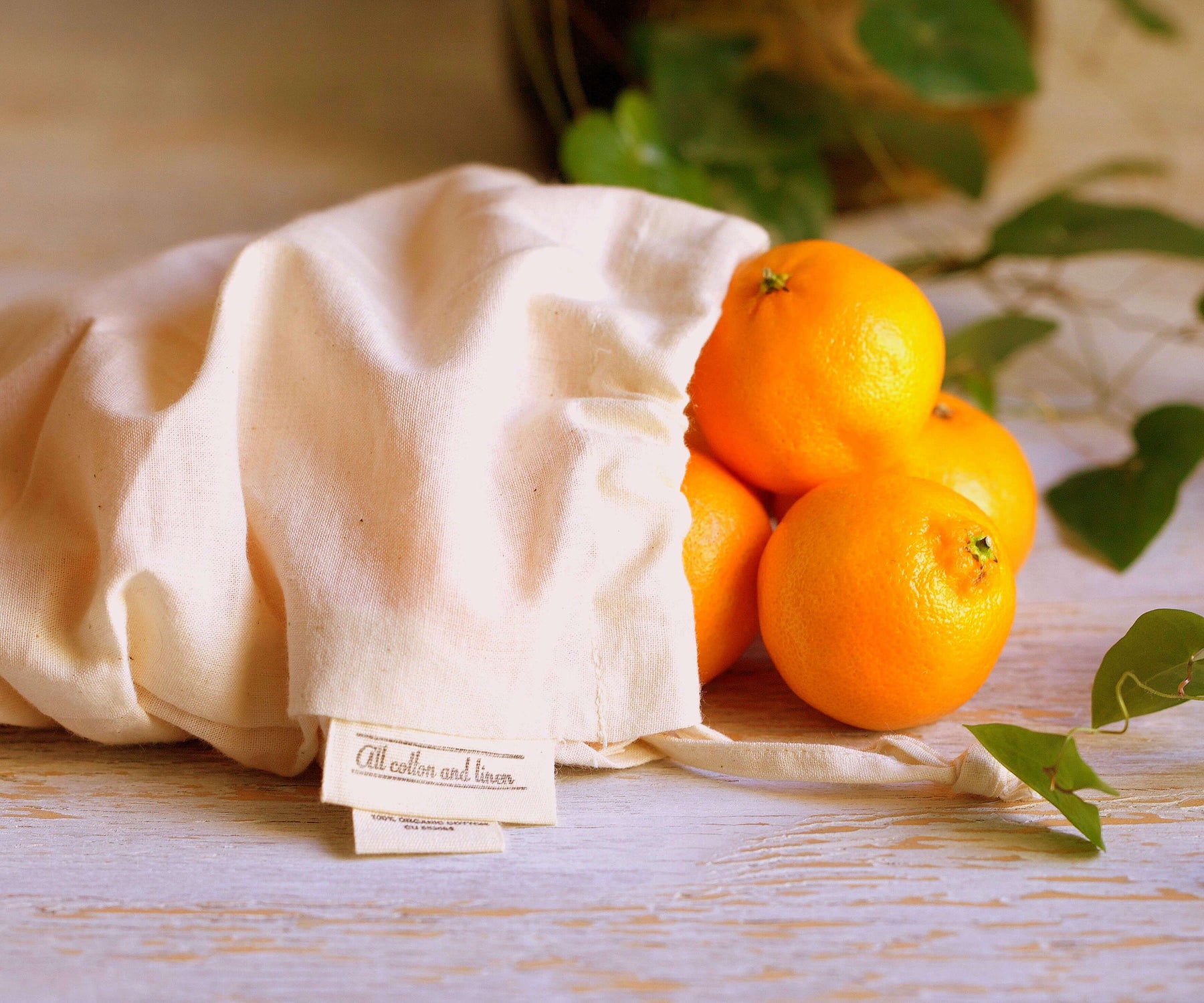
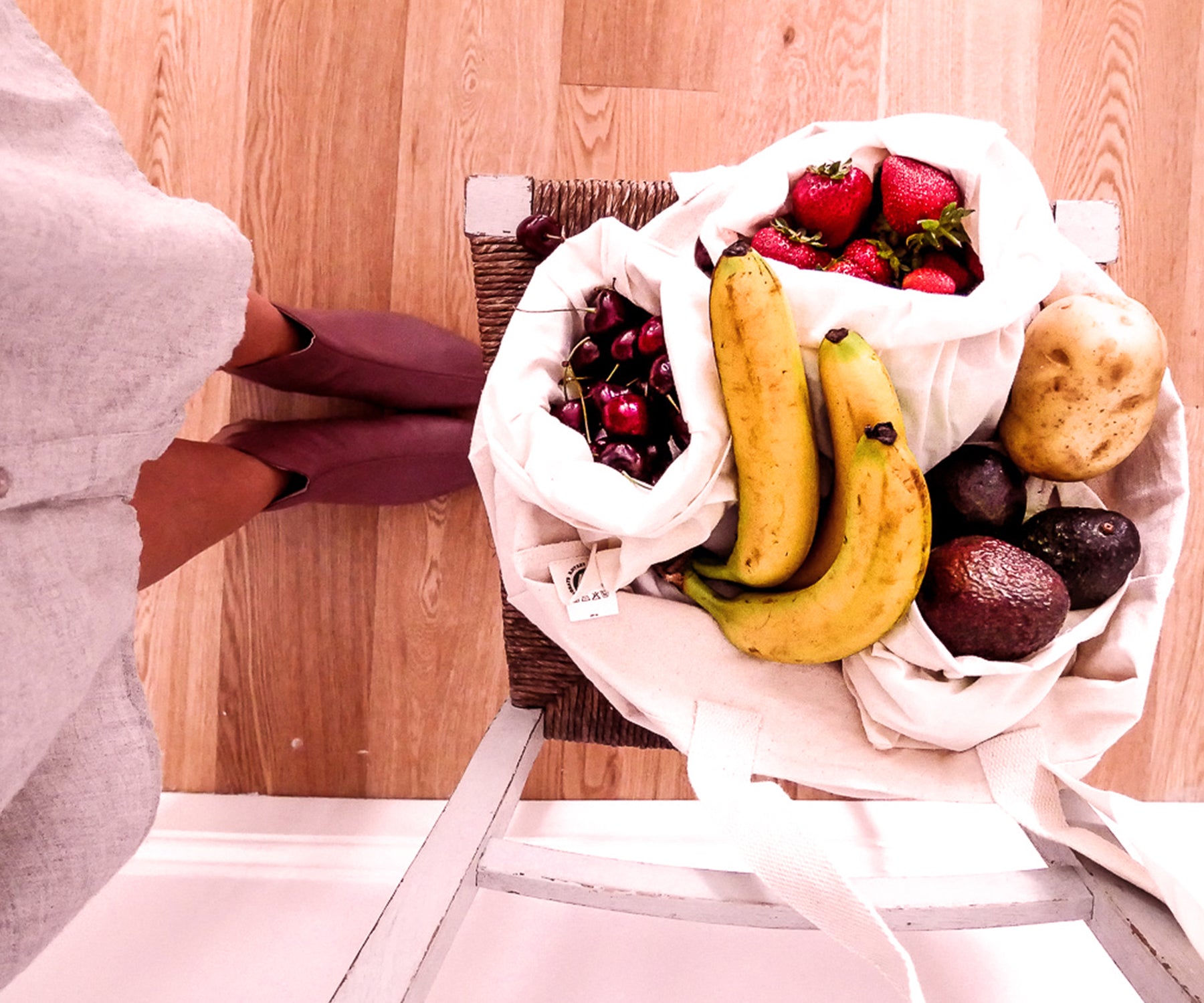
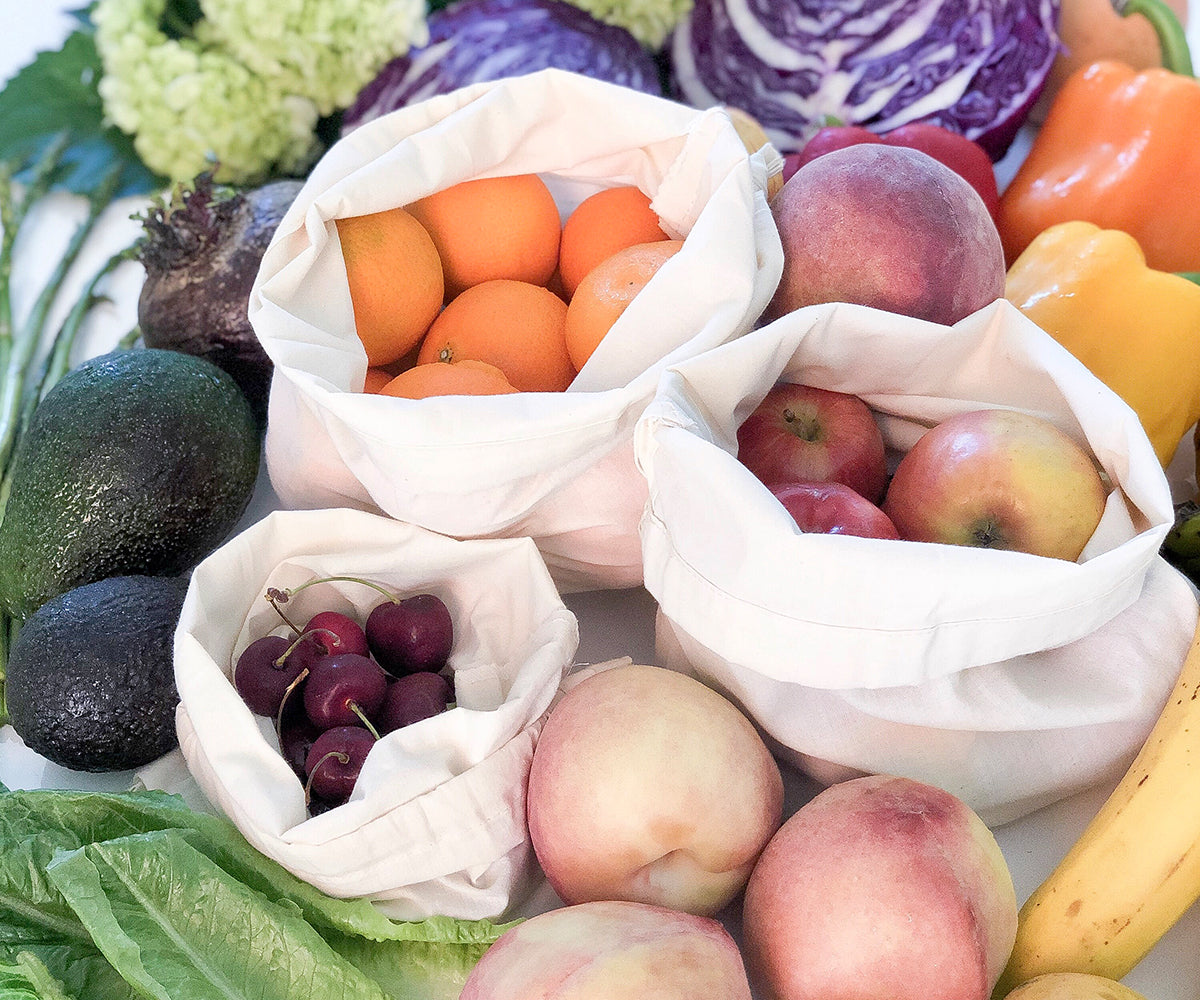
The simplest and most natural packaging-free snacks. Whole fruit requires no packaging an apple or banana goes straight into the bag or lunchbox. For cut fruit and vegetables, a muslin bag or beeswax wrap keeps portions contained and fresh.
Ideas:
-
Apple slices in a muslin bag (toss with a little lemon juice to prevent browning)
-
Whole grapes or cherry tomatoes in a mesh bag
-
Carrot sticks, cucumber rounds, and celery in a muslin bag
-
Orange or clementine segments in a small muslin bag
-
Banana, whole (no packaging needed at all)
Nuts, Seeds, and Trail Mix
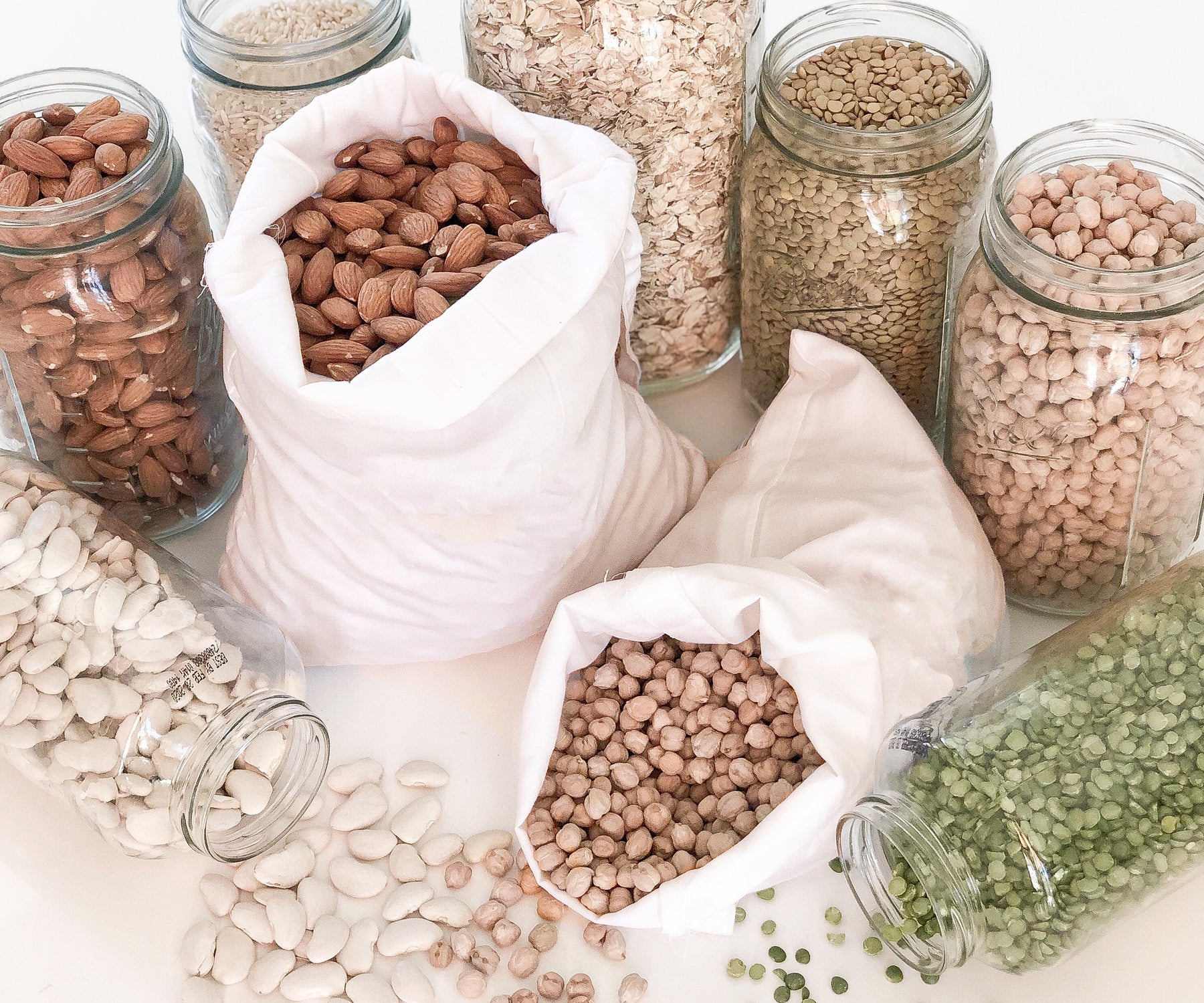
Ideal for muslin bags the cotton contains small items securely while allowing natural moisture exchange that keeps nuts from going rancid as quickly as sealed plastic.
Ideas:
-
Mixed nuts (almonds, cashews, walnuts, pecans)
-
Trail mix with nuts, seeds, and dried fruit
-
Sunflower or pumpkin seeds
-
Roasted chickpeas or edamame
-
A custom blend of whatever nuts, seeds, and dried fruit you have on hand
Build trail mix in bulk and portion into small muslin bags at the start of the week for ready-to-grab snacks throughout.
Crackers and Dry Snacks
Crackers, pretzels, popcorn, rice cakes, and similar dry snacks pack well in muslin bags. The breathable cotton keeps them from going stale faster than sealed plastic — which is counterintuitive but consistent with how breathable storage preserves dry goods.
Ideas:
-
Whole grain crackers or crispbreads in a muslin bag
-
Popcorn (air-popped, cooled before packing) in a medium muslin bag
-
Pretzels or pretzel sticks in a small muslin bag
-
Rice cakes or corn cakes
-
Homemade granola bars or energy balls, wrapped individually in cotton cloth
Cheese and Protein Snacks
Cheese cubes and slices travel well in muslin bags for short trips. For longer outings or warmer weather, pair with an ice pack.
Ideas:
-
Cheese cubes in a small muslin bag
-
Hard-boiled eggs (cooled) in a muslin bag
-
Rolled deli meat slices in a beeswax wrap
-
Hummus in a small glass jar with vegetable sticks in a muslin bag alongside
Baked Goods and Homemade Snacks
Homemade snacks are the most packaging-free option of all you control the ingredients, the portion size, and the container.
Ideas:
-
Homemade muffins or banana bread slices in a cotton bread bag or muslin bag
-
Oat energy balls in a medium muslin bag
-
Shortbread or oat cookies in a muslin bag
-
Homemade granola bars wrapped in cotton cloth or beeswax wrap
-
Scones or savory muffins in a muslin bag
Making a batch of snacks once or twice a week and portioning into labeled muslin bags at the start of the week is one of the most efficient packaging-free snack systems for busy households.
Building a Packaging-Free Snack System That Sticks
Set up a snack station. Designate a drawer, basket, or shelf section as the snack prep area. Keep clean muslin bags folded and ready here alongside any dry snack ingredients (nuts, crackers, dried fruit). When snack prep time comes, everything is in one place.
Prep in batches. Portion nuts, trail mix, crackers, and dried fruit into individual muslin bags at the start of the week and store them ready to grab. This removes the friction of having to portion snacks each morning.
Wash bags immediately after use. The habit that makes reusable bags last and stay fresh is rinsing them immediately after emptying before any food residue dries in the weave. A quick rinse under cold water takes ten seconds. Machine wash once or twice a week with regular laundry.
Label bags for children. For kids' lunchboxes, labeling each muslin bag with a small fabric tag or masking tape label "apple slices," "crackers," "trail mix" removes the mystery and makes the system feel organized rather than improvised.
Keep a set in the car and one at work. Snack emergencies happen away from home. A small muslin bag of trail mix in the glove compartment and a couple of bags at the office removes the need for packaged snacks bought at convenience stores or vending machines.
Packaging-Free Snacks for Specific Occasions
School Lunchboxes
Replace every plastic zip-lock bag in the lunchbox with a muslin bag. Use small bags for dry snacks (crackers, nuts, dried fruit), medium bags for cut fruit and vegetables, and a beeswax wrap for sandwiches. A glass or stainless steel container handles wet items like yogurt or hummus.
Hiking and Outdoor Activities
Muslin bags are ideal for hiking snacks, lightweight, packable, and completely edible-item-safe with no chemical leaching. Trail mix, nuts, dried fruit, energy balls, and crackers all travel well in muslin bags. After the hike, shake the bags clean of crumbs and wash normally.
Office and Desk Snacks
A small muslin bag of nuts or a medium bag of trail mix in a desk drawer is a direct replacement for a packet of chips or a plastic-wrapped snack bar. Prepare at home on Sunday evening and grab it each morning with the rest of your work bag.
Road Trips and Travel
Muslin bags of snacks packed before departure replace gas station snack purchases and the accumulated plastic waste of a long trip. Portion trail mix, crackers, dried fruit, and homemade snacks into bags sized for the expected consumption window. For a day trip, one bag per person per snack time is the right scale.
Read More: How Organic Cotton Produce Bags Help Organize Daily Life
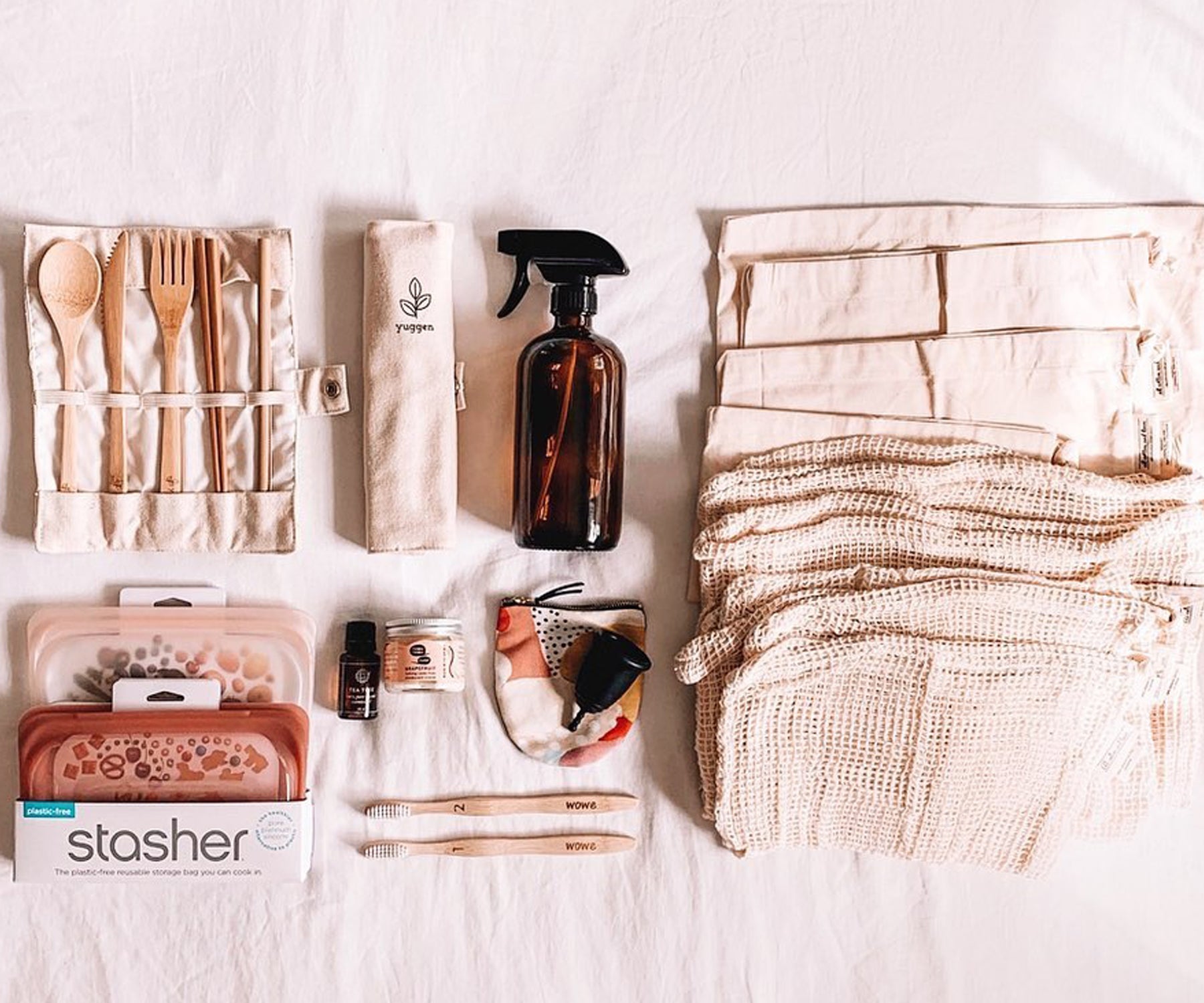
Packaging-free snacking replaces disposable plastic bags and wrappers with a small set of reusable cotton tools muslin bags for dry snacks, mesh bags for fresh fruit and vegetables, beeswax wraps for sandwiches and sliced food, and glass jars for wet items. The system works for school lunchboxes, office snacks, hiking, travel, and everyday home use.
The key to making it work long-term is accessibility: clean bags ready to use, snacks pre-portioned at the start of the week, and a wash routine that keeps the bags clean and fresh. Once established, the system requires no more effort than reaching for a plastic bag with none of the waste.