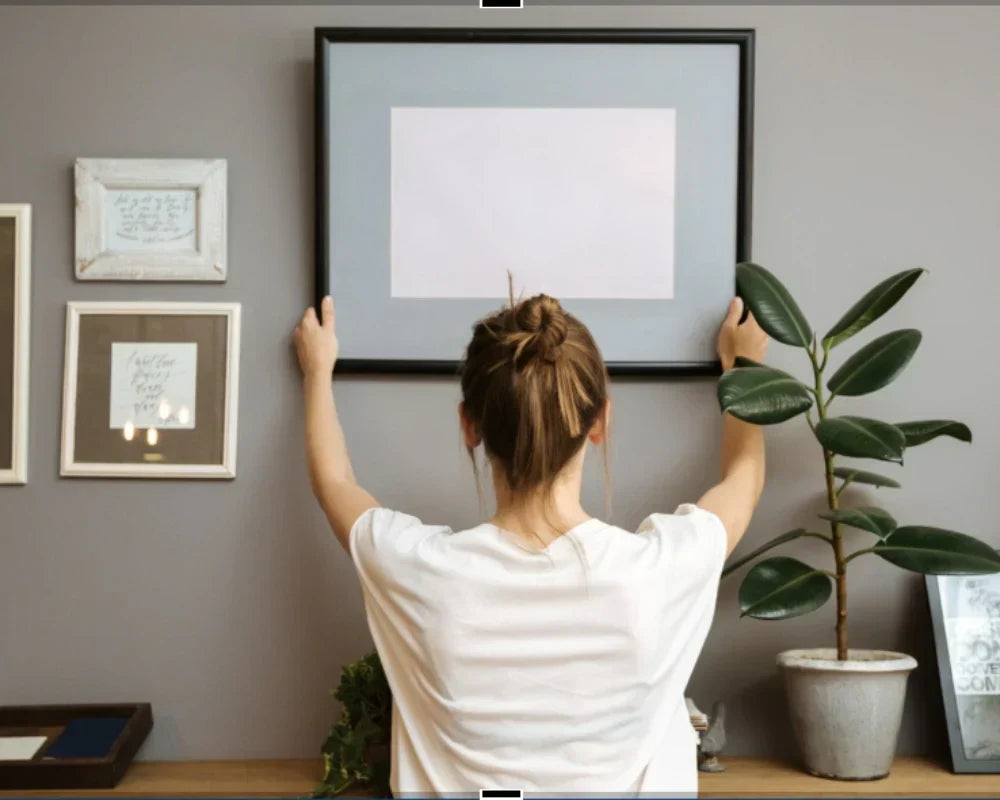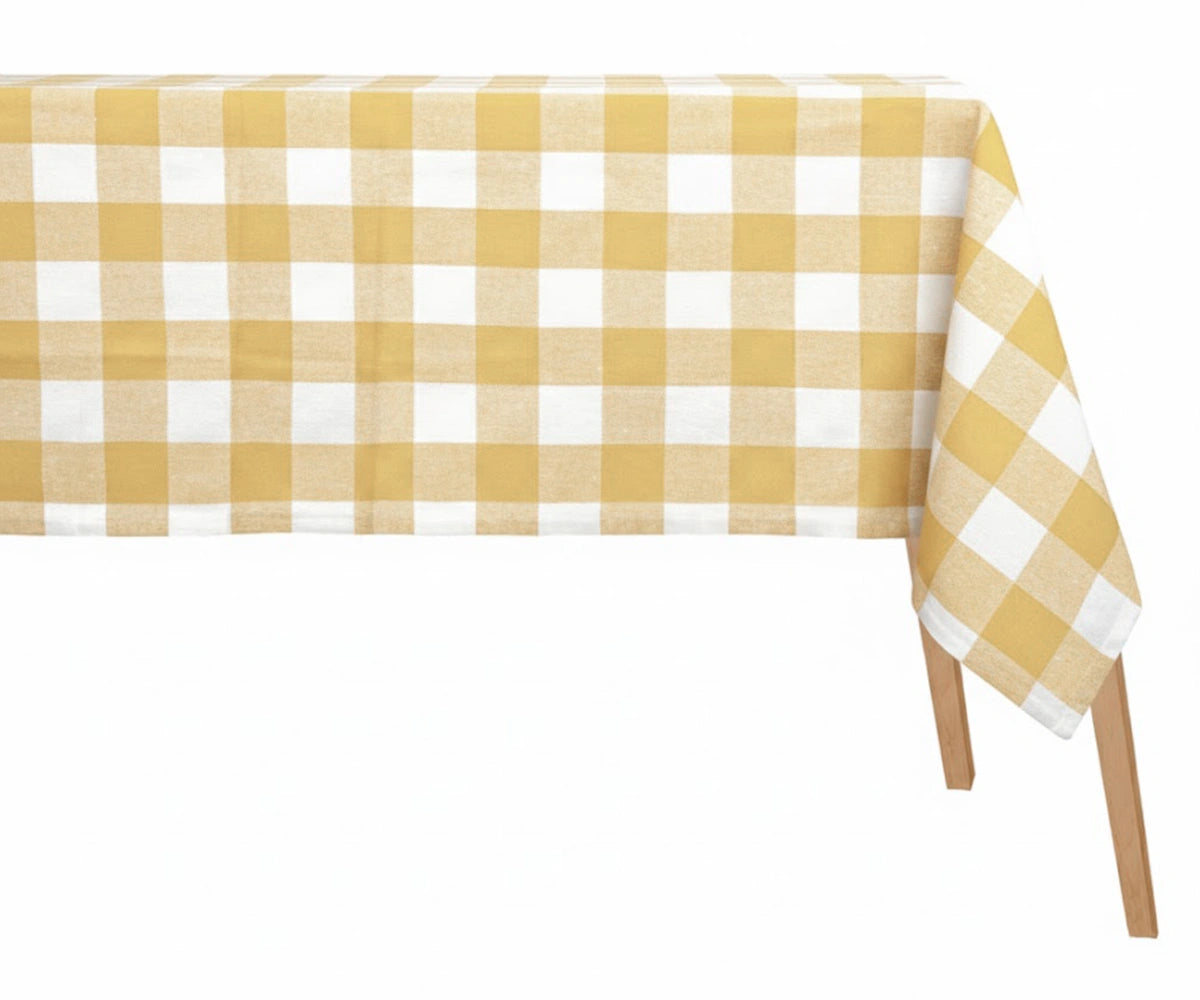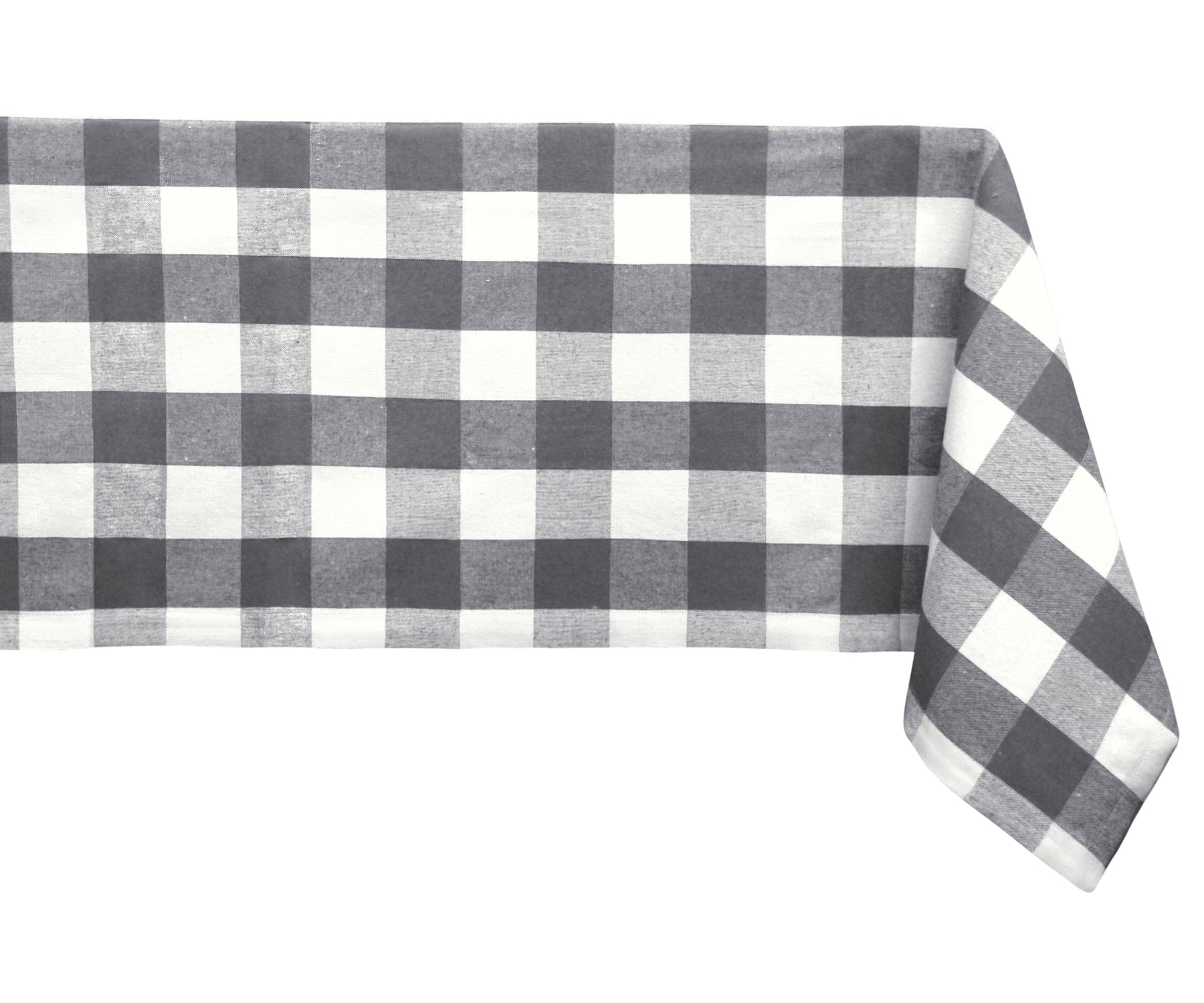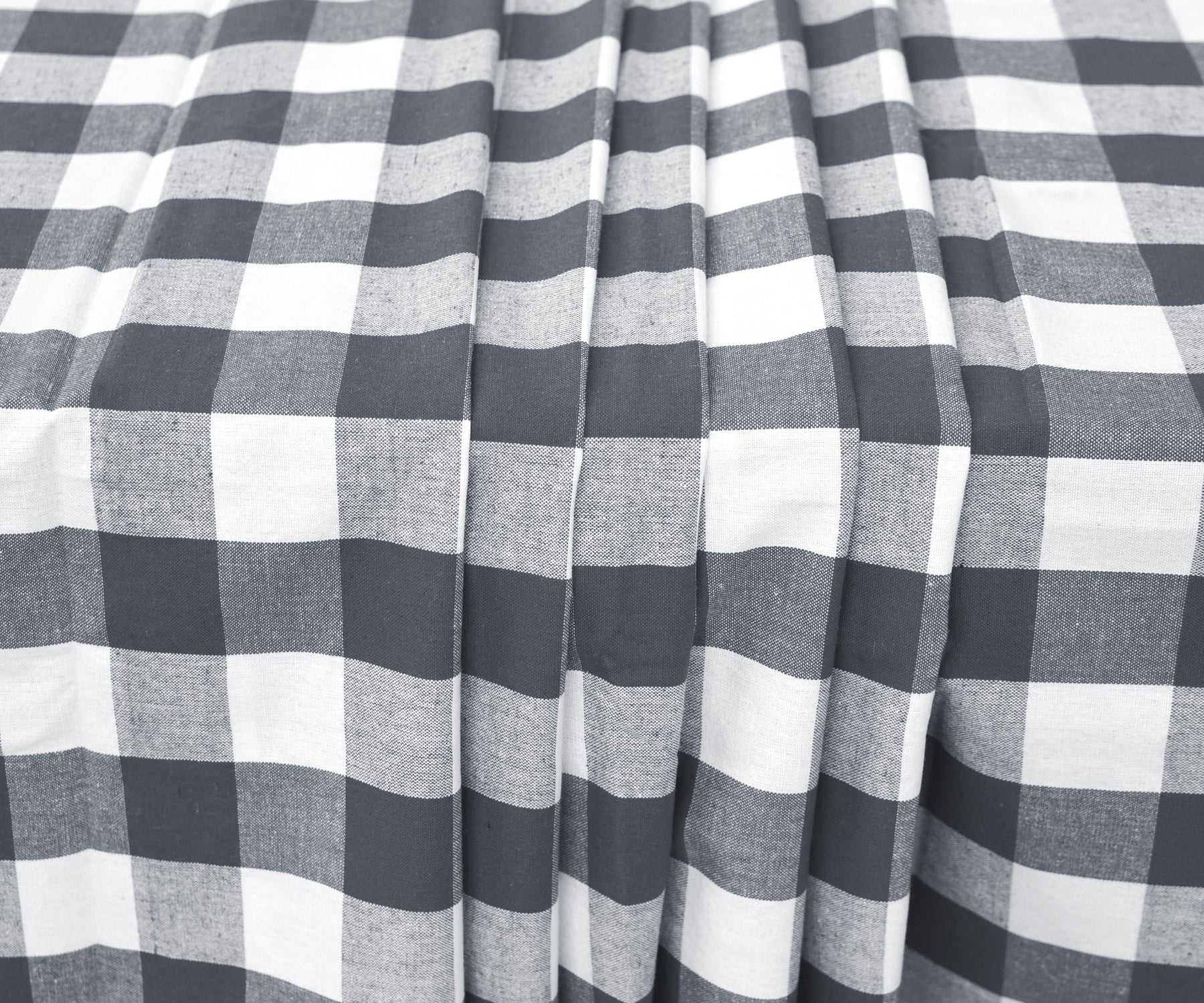



Natural fabrics, cotton, linen, and their blends, are the most practical and beautiful choice for New York interiors. They breathe, they soften over time, they wash easily, and they carry a quality of material that no synthetic can replicate at close range. This guide covers how to use them throughout a New York home, room by room.
Why Natural Fabrics Work Especially Well in NYC Apartments
New York apartments present specific decorating challenges that natural textiles are particularly well-suited to address.
Limited space. In a small space, every surface and textile is visible from multiple angles. The quality and texture of your fabrics are more apparent in a studio than in a large suburban house. A low-quality synthetic tablecloth or a limp polyester curtain reads as exactly what it is when there's nowhere to hide it. Natural cotton and linen have an inherent visual weight and texture that reads as intentional even in a simple, unadorned form.
High foot traffic and daily use. NYC apartments are lived in intensely. The dining table is also the desk; the kitchen towels get used constantly; the bedding is the first and last thing you see each day. Natural cotton and linen are built for this; they get softer with repeated washing, they handle daily use without degrading, and they don't pill or thin the way synthetic blends do.
Temperature variation. New York buildings run hot in winter (steam heat) and cool in summer (central air). Natural fibers regulate better than synthetics. Cotton and linen breathe in summer, trap warmth gently in winter, and don't feel clammy or synthetic against skin in either season.
Sustainability in a dense city. New Yorkers are increasingly intentional about what they bring into their homes. Natural, organic textiles made without synthetic pesticides and biodegradable at end of life align with the values of a city that has been at the forefront of sustainable living movements.
The Dining Area: Where Natural Textiles Do the Most Work
In most New York apartments, the dining table is the most multi-functional surface in the home. It's where meals are eaten, work gets done, guests gather, and packages get opened. A well-dressed dining table elevates all of those functions, and natural textiles are what make that happen.
Linen Tablecloths for NYC Apartments

A linen tablecloth is the single most transformative textile investment for a New York dining space. It protects the table surface from daily use, adds texture and warmth to the room, and creates an instant visual distinction between "working mode" and "dining mode," which matters enormously when the table serves both functions.
Linen's natural texture suits New York interiors particularly well. It has a relaxed refinement, neither stiff nor fussy, that works in downtown lofts, Upper West Side dining rooms, and Brooklyn brownstones equally. Neutral linen tones (natural, cream, warm grey, slate blue) coordinate with most paint colors and furniture without competing.
For small tables, a tablecloth that drops six to eight inches on each side is sufficient to cover the edge cleanly without pooling on the floor in a tight space.
Cotton and Linen Napkins

Cloth napkins are one of the easiest upgrades available in a New York dining space. They feel significantly better at the table than paper, look better folded at each place setting, and eliminate an ongoing source of paper waste. In an apartment where the dining table is also highly visible, the quality of the small details, including the napkin, contributes meaningfully to the overall impression.
Hemstitched linen napkins in a neutral or coordinating color work for both everyday use and when guests come for dinner. Cotton napkins in a stripe or simple pattern add personality to a casual setting. Either choice replaces paper napkins permanently and machine washes easily.
Checkered and Striped Placemats
For apartments where a full tablecloth feels like too much commitment daily, a set of cotton placemats defines each place setting clearly without covering the full table. Checkered cotton placemats, blue and cream, red and white, black and natural, bring warmth and visual structure to the table with a single piece.
In New York's eclectic interiors, the checkered pattern is versatile enough to work across styles: it reads as farmhouse in a Brooklyn brownstone, nautical in a West Village apartment, and graphic in a modern downtown space.
The Kitchen: High-Function, High-Visibility
New York apartment kitchens are almost always visible from the main living area, either open-plan or separated by a short pass-through. What's on the counter, what's hanging on the oven handle, and what's folded on the shelf contribute to the visual impression of the entire space.
Cotton Kitchen Towels

A set of quality cotton kitchen towels hanging on the oven handle or folded on a counter edge is one of the lowest-effort, highest-impact home improvements available. They signal care and intention. They also do their job absorbing spills, drying dishes, and handling hot surfaces far better than paper towels, which disintegrate immediately and add to the trash.
Organic cotton kitchen towels in a stripe, check, or plain weave in a color that coordinates with the kitchen's tile, cabinetry, or countertop material create a coherent look. For white or grey kitchens, warm neutrals and earth tones, oatmeal, taupe, sage, and terracotta bring warmth. For darker kitchens, crisp white or cream towels add lightness.
Replace paper towels by keeping three or four clean cotton towels in accessible rotation: one on the oven handle, one folded on the counter, and one or two in a drawer for backup. Wash with regular laundry.
Linen Kitchen Towels
For glassware drying and tasks where lint matters, wine glasses, polished surfaces, linen kitchen towels have an advantage over cotton. Linen is naturally lint-free, which means glasses and surfaces come away clean rather than covered in fine cotton fibers. Linen towels also dry faster between uses and stay fresh longer in the confined, often-warm environment of a New York kitchen.
Also Read: 4 Best Placemats of 2026 to Create a Welcoming Tablescape
The Living Room: Texture Without Clutter
In a small New York apartment, the living room is often also the bedroom (studio), the office (WFH), and the entertainment space. Textiles in this room need to work across all those functions without making the space feel cluttered or visually noisy.
Linen Curtains

Linen curtains are the most impactful textile upgrade available for a New York apartment living room. They filter light softly, creating the warm, diffused quality that makes a room feel calm rather than harsh while providing privacy without blackout. In apartments that face other buildings, street level, or busy crossings, this balance of light and privacy is particularly valuable.
Natural linen curtains in an unlined construction hang with a relaxed, effortless drape that defines contemporary natural interiors. They look appropriate from first-floor studios to penthouse lofts. And because linen is naturally slightly sheer, they bring the quality of outdoor light into the room without the room feeling exposed.
For small rooms: hanging curtains from ceiling height to floor length makes the room appear taller and larger than it is one of the most reliable interior design tricks for compact spaces.
Throw Blankets and Accent Textiles

A cotton or linen throw draped over a sofa or armchair adds texture and warmth to a living space without occupying floor space or requiring furniture changes. In a studio apartment where the sofa may also serve as a guest bed, a quality throw does double duty as decorative during the day, functional at night.
Choose throws in tones that relate to the room's existing palette. A warm oatmeal cotton throw on a dark sofa, or a stripe linen throw on a light linen sofa, creates contrast without conflict.
The Bedroom: Sleep Better, Look Better
New York apartments are not quiet. Traffic, neighbors, heating systems, and the general density of the city make the bedroom the most important refuge in the apartment and the quality of the textiles in it has a real effect on sleep quality, not just appearance.
Organic Cotton Bedding

100% organic cotton bedding sheets, pillowcases, and duvet covers is the most significant textile investment available for a New York bedroom. Organic cotton breathes better than synthetic blends, regulates body temperature through the contrasting demands of New York winters (overheated steam buildings) and summers (air-conditioned rooms), and gets softer with every wash rather than pilling and roughening.
For steam-heated New York apartments, where winter indoor temperatures can reach 25°C (77°F) or higher, a lightweight organic cotton duvet cover over a medium-weight insert handles temperature changes without overheating. Layer a cotton throw at the foot of the bed for additional warmth when needed.
Neutral bedding white, cream, warm grey, natural linen makes the bedroom feel larger and calmer. It coordinates with almost any wall color and provides a visual reset from the visual density of city life outside the window.
Linen Bedding

Linen bedding is increasingly the choice of New York apartment dwellers who want a step up from cotton in terms of longevity and texture. Linen sheets are cooler in summer than cotton, warmer in winter, and last considerably longer with proper care. They wrinkle naturally, a quality that looks intentional and relaxed rather than unkempt in a bedroom setting.
New York Home Decor by Apartment Type
Studio Apartments
In a studio, every textile choice is visible from every point in the room. Prioritize quality over quantity: one good linen tablecloth, a set of quality cotton kitchen towels, linen curtains from ceiling to floor, and organic cotton bedding. Keep colors within a single palette two or three tones maximum to create visual continuity across the open-plan space.
One and Two-Bedroom Apartments
With more defined rooms, you have more flexibility. The dining area can carry a fuller table linen setup, tablecloth, napkins, and placemats. The bedroom can have dedicated bedding that differs in tone from the living area. The kitchen can carry matching cotton towels that coordinate with the dining linens. The goal is a cohesive thread, the same fabric family, related tones that link the rooms visually.
Loft Apartments
Loft spaces tolerate and benefit from bolder textiles. Larger tablecloths, longer curtain drops, heavier throws, and more pronounced patterns all work in a high-ceilinged open space. Checkered and striped patterns that might feel strong in a small studio read as exactly the right scale in a Tribeca or Bushwick loft.
Read More: How Decluttering Your Dining Table Improves Daily Meals
New York home decor is about making limited space feel considered, calm, and genuinely livable. Natural textiles linen tablecloths, organic cotton bedding, cotton kitchen towels, linen curtains, and cloth napkins are the materials that do this most effectively. They bring texture, quality, and a physical warmth that no synthetic can replicate, and they handle the intensity of New York daily life the constant use, the washing, the temperature swings better over time than alternatives.
The approach is simple: choose natural fibers, keep the color palette cohesive, invest in quality over quantity, and dress each functional space dining table, kitchen, bedroom with the textile that serves it best. In a New York apartment, where every square foot is visible and every material is felt, those choices matter more than they would anywhere else.