


Why Decluttering the Dining Area Matters
The dining table is one of the hardest-working surfaces in most homes. It collects mail, bags, homework, chargers, and everything else that doesn't have a defined home. As a result, it rarely looks the way anyone wants it to, and meals eaten there feel rushed and functional rather than comfortable and enjoyable.
Research in environmental psychology consistently links cluttered environments with elevated stress and reduced focus. The dining table is no exception. Eating in a visually calm space, one where the table is clear and set with care, changes how a meal feels, even if the food is identical.
Decluttering your dining area is not a one-time project. It's a daily practice of returning items to their proper places so the table is ready to be set properly at any time.
Step 1: Clear the Table Completely
Start with a full clear. Remove everything from the table surface, every item, without exception. Sort what you find into four categories:
Belongs elsewhere in the house — relocate it immediately. Mail goes to a desk or inbox. Bags go to their hook or shelf. The Chargers go to a charging station.
Belongs on the table — placemats, a centerpiece, a candle, a fruit bowl. These go back once the table has been wiped clean.
Doesn't belong anywhere — expired coupons, broken items, things you've been meaning to deal with for months. These get discarded.
Needs a decision — items with no defined home. These reveal where your organizational system has a gap. Give them a home, or let them go.
Once the table is clear and clean, you have a blank surface. Now the styling begins.
Find Out: How to Choose the Best Baby Girl Dress
Step 2: Define What Belongs on the Table
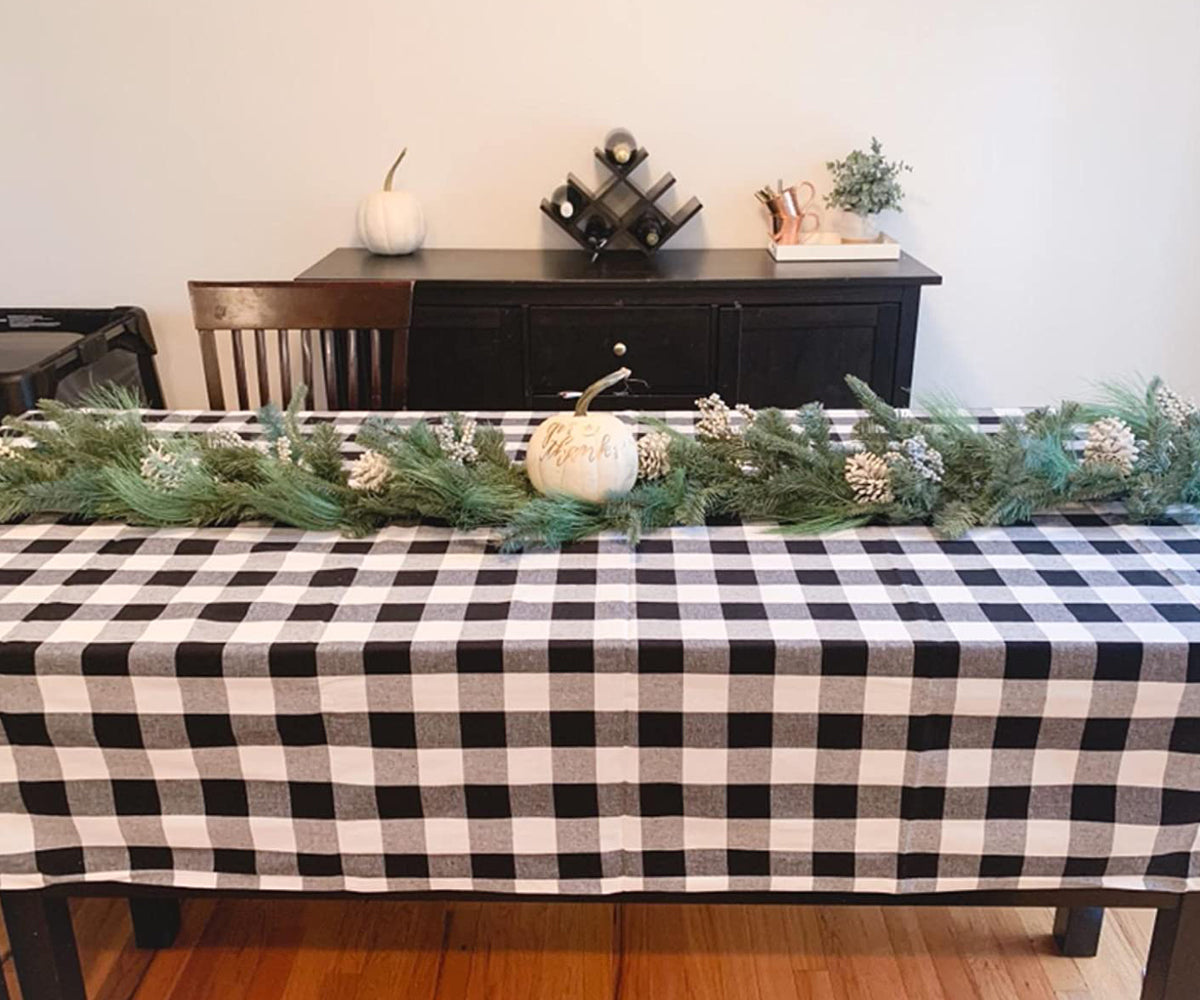
The goal is a table that's always ready to be set for a meal with minimal effort. That means keeping only one or two permanent items in the center, a centerpiece, a candle, or a small plant, and nothing else as a standing fixture.
What works as a permanent centerpiece:
-
A simple vase with seasonal stems or dried flowers
-
A candle or pair of candles in neutral holders
-
A small potted herb plant (practical and decorative)
-
A wooden or ceramic fruit bowl with a few pieces of fruit
What doesn't belong as a permanent feature:
-
Mail, paper, and documents
-
Electronics and chargers
-
Items waiting to be returned or dealt with
-
Anything decorative that's become invisible through familiarity and needs to be refreshed
Keep the center minimal. Two or three items maximum. The table linens you set at mealtimes do the decorative heavy lifting; the permanent centerpiece is just an anchor.
Step 3: Dress the Table with Checkered Linens
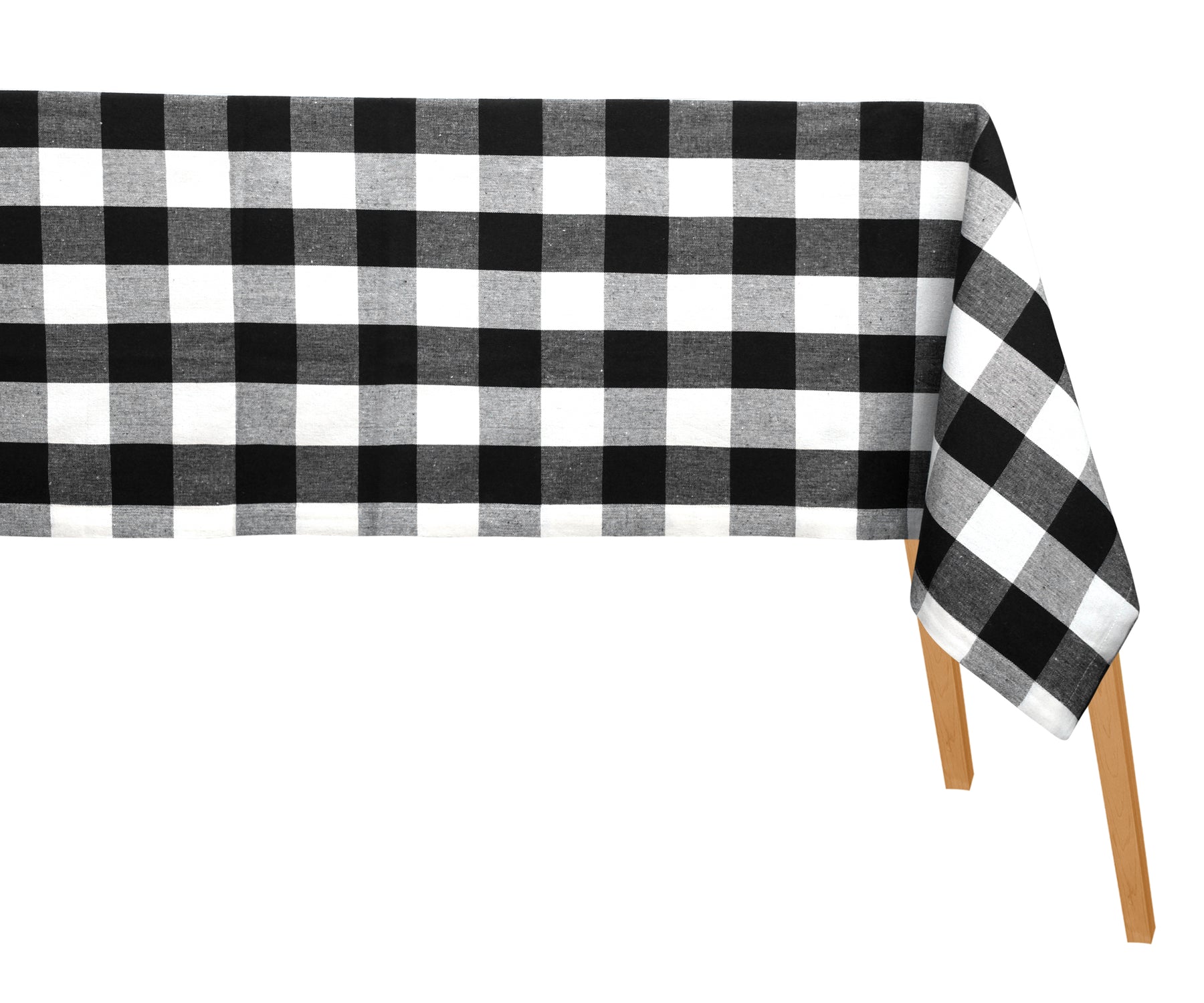
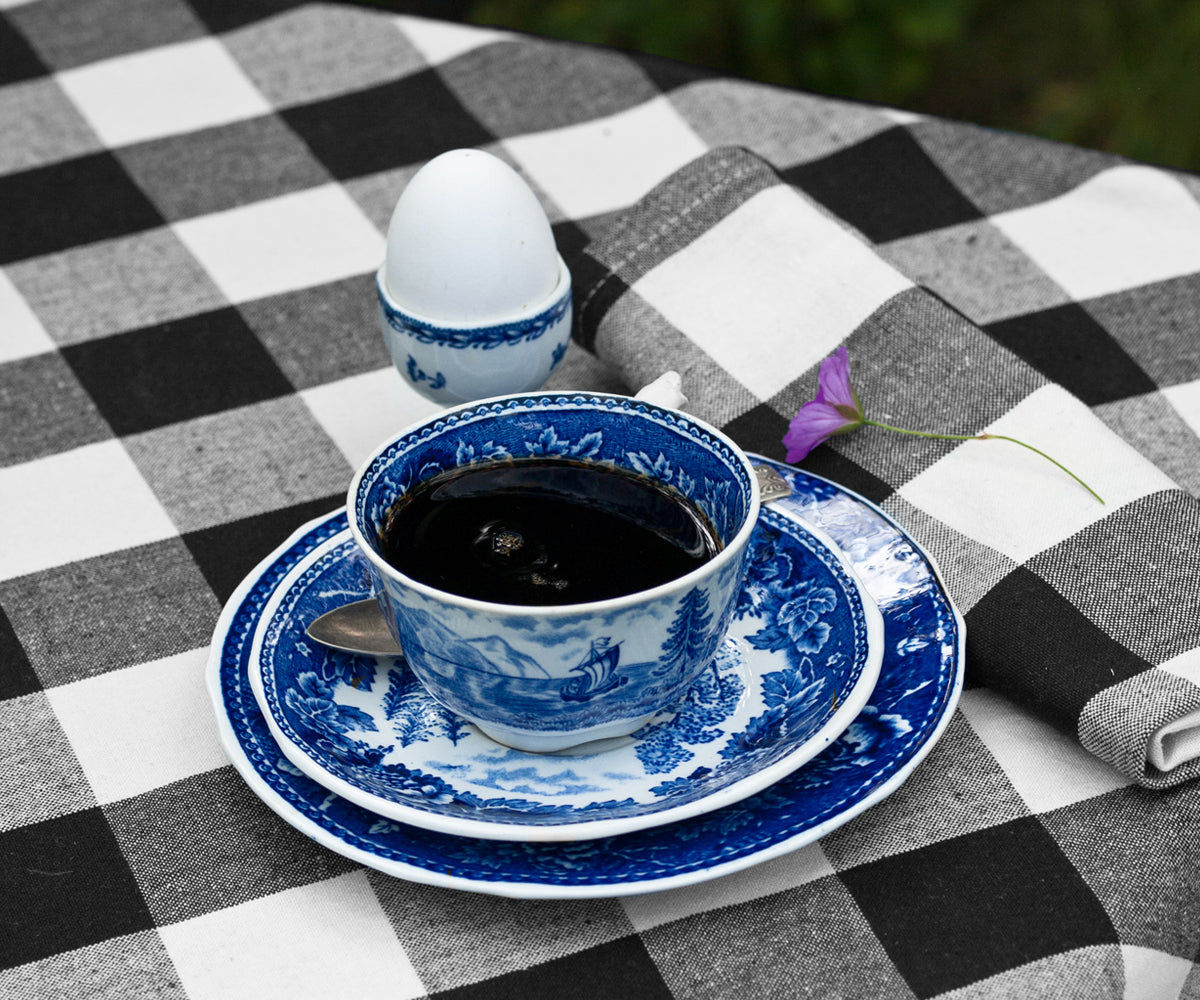
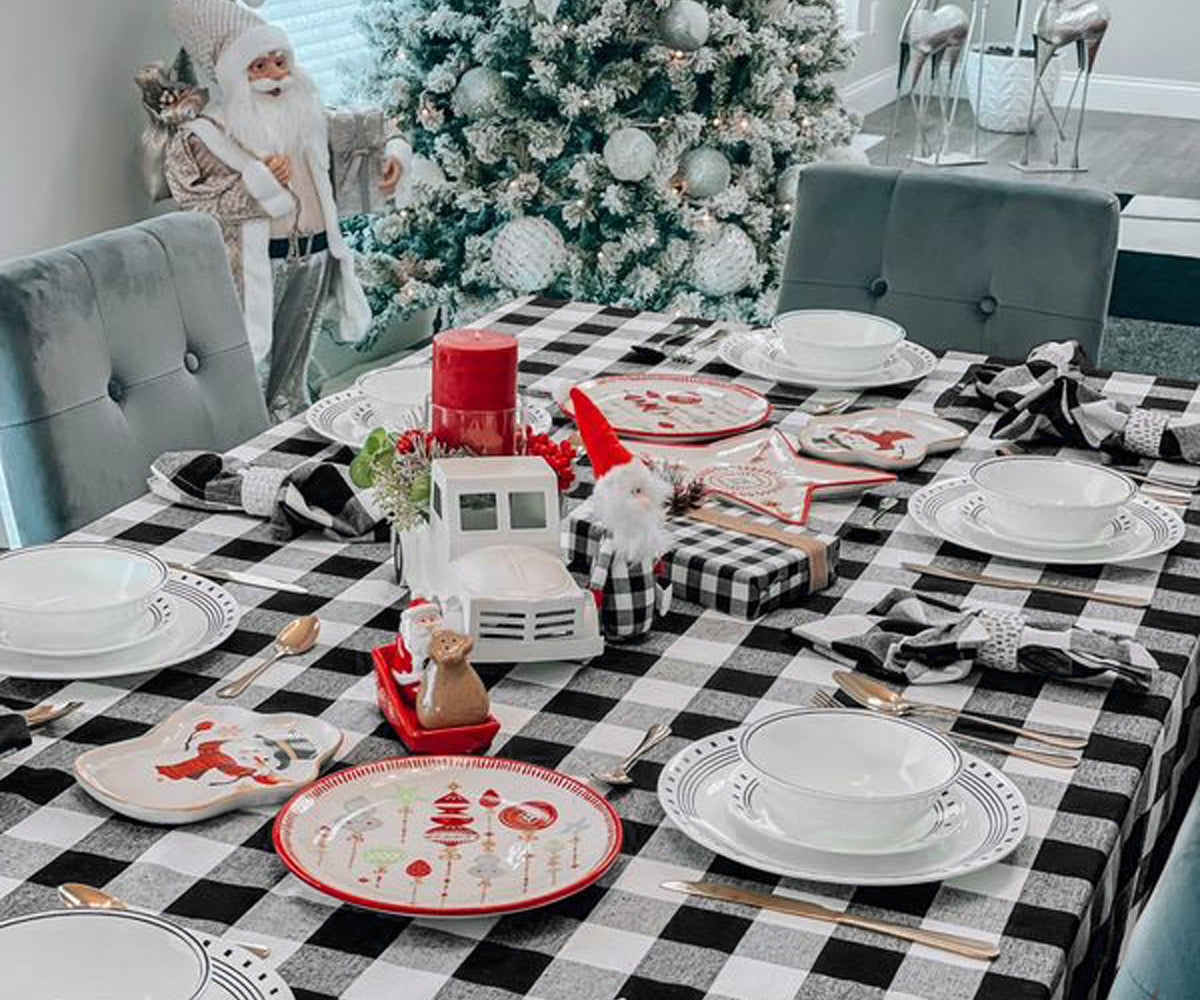
Once the surface is clear and the centerpiece is in place, table linens transform the space. Checkered placemats, tablecloths, napkins, and kitchen towels are among the most versatile choices available. They read as casual or elevated depending on the context, and they coordinate naturally with almost every dining room color scheme.

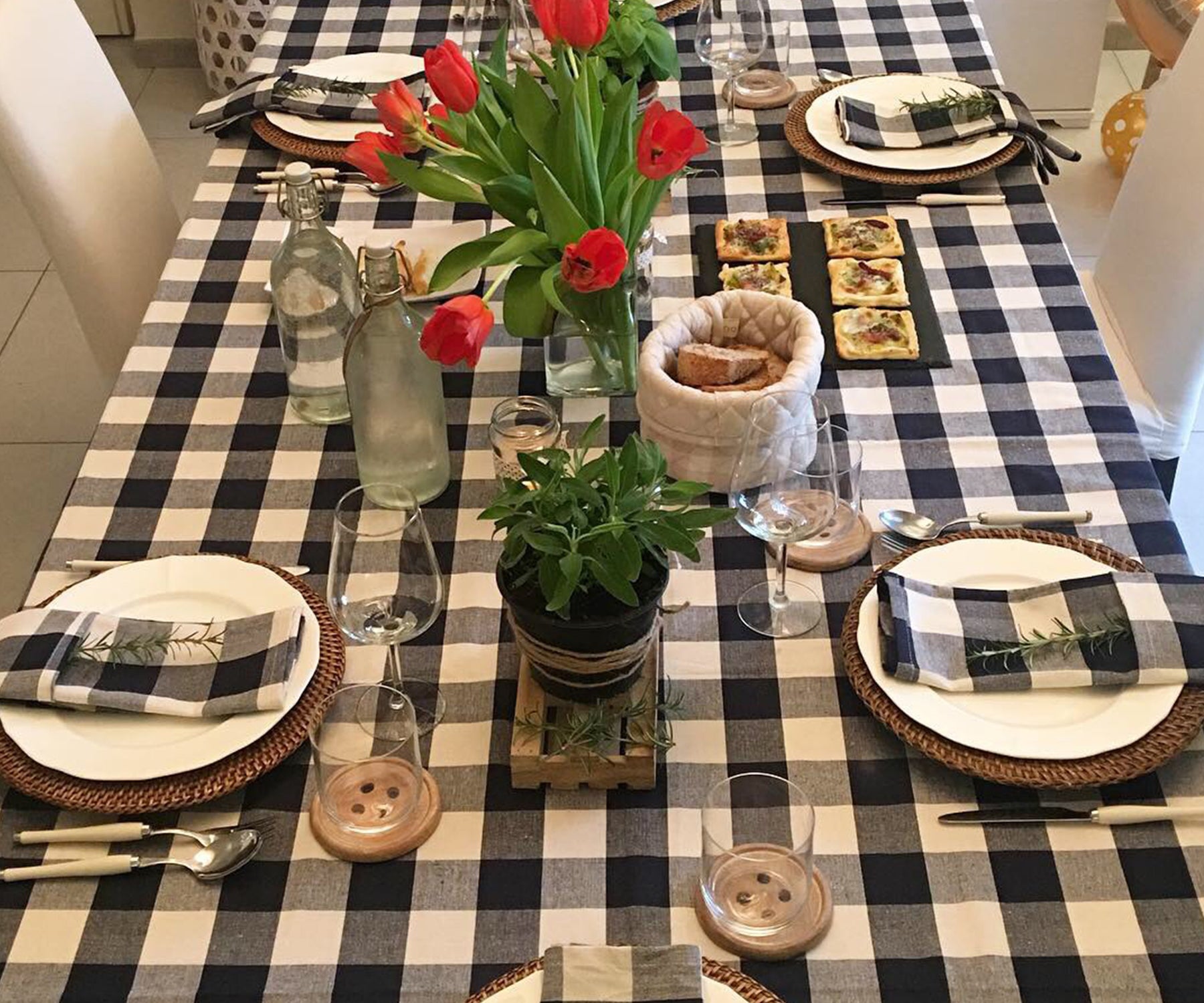
Blue and cream checkered placemats define each place setting clearly and add visual structure to the table without requiring a full tablecloth. They sit neatly beneath each plate, protect the table surface, and give the table a finished, styled look that a bare surface never achieves.
The checkered pattern has a timeless quality associated with farmhouse, country, and coastal interiors, but flexible enough to work in modern and eclectic settings too. A set of four to six in matching or coordinating colors handles everyday and entertaining use without needing to be swapped out.
Styling tip: On a natural wood table, blue and cream checks add color contrast and warmth without competing with the wood grain. On a painted or lacquered table, the pattern softens the surface and adds texture.
Checkered Tablecloth
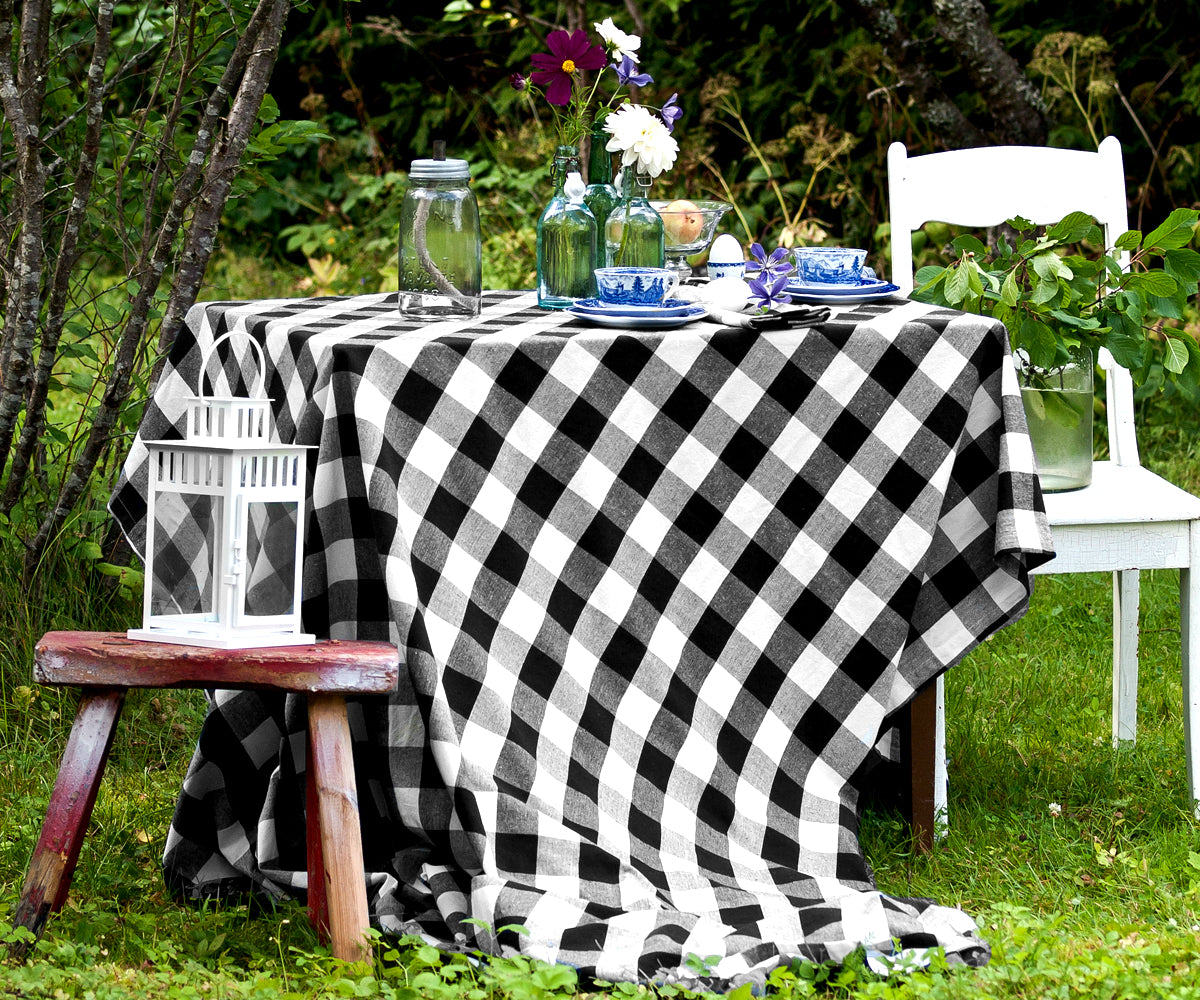
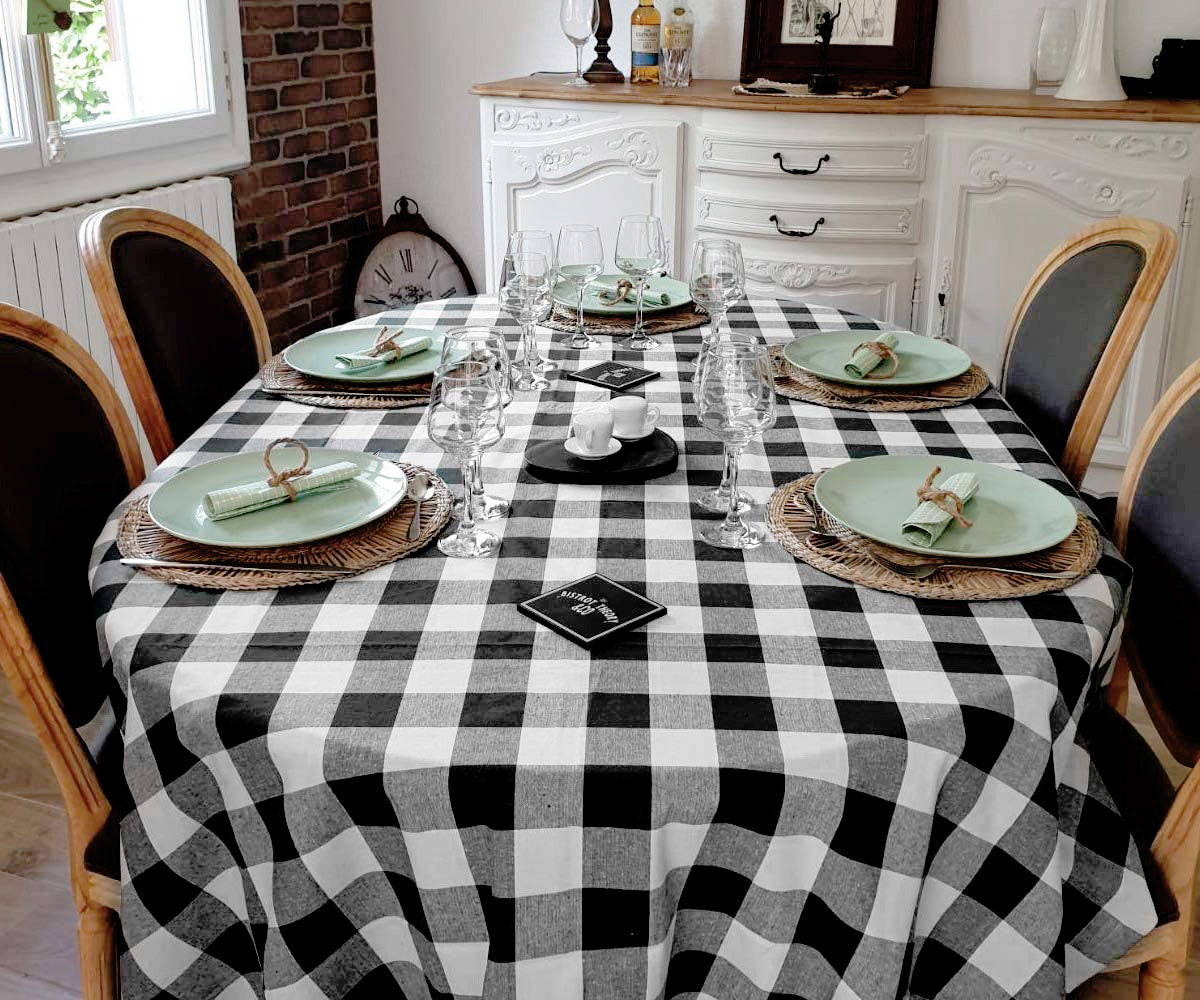
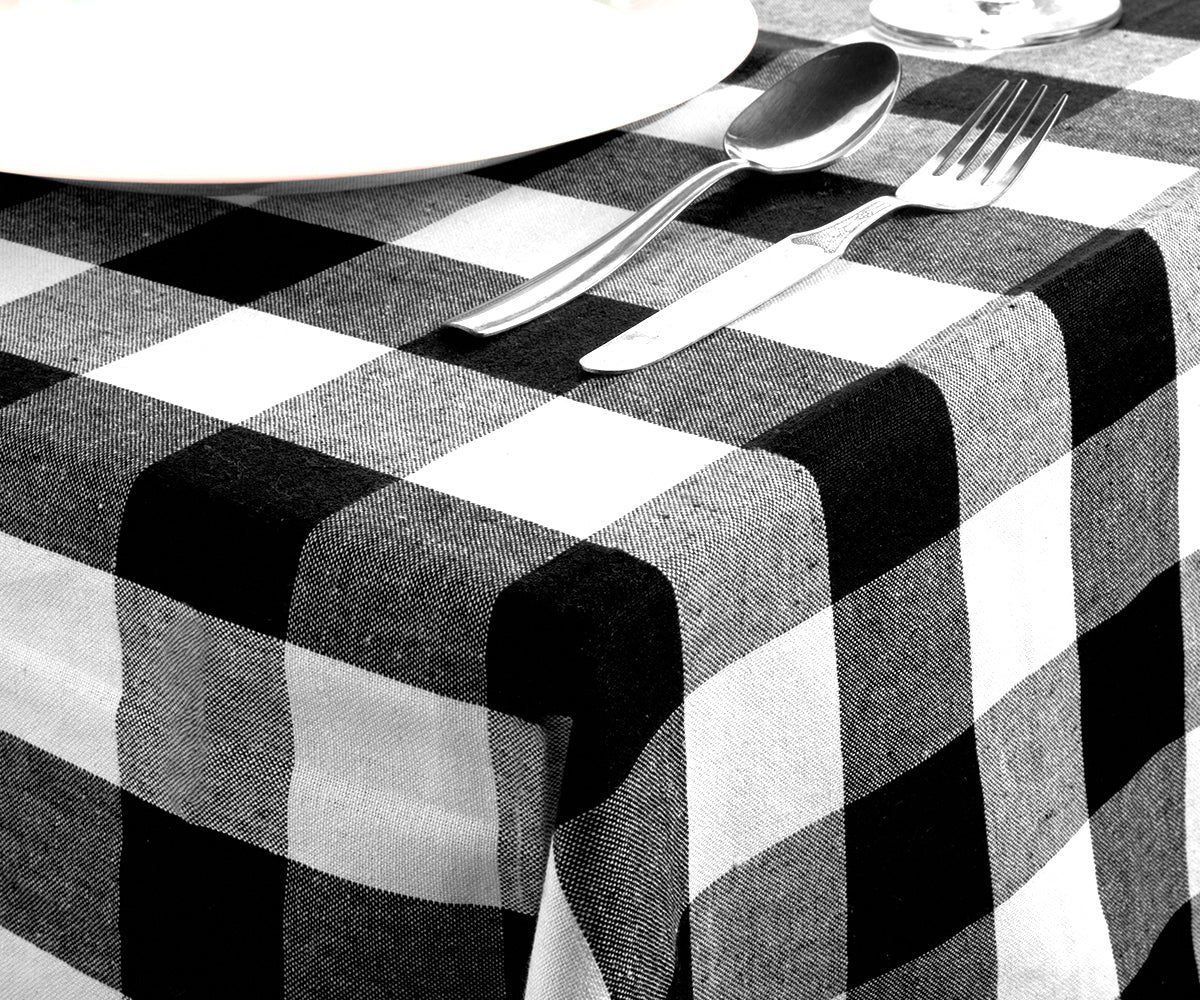
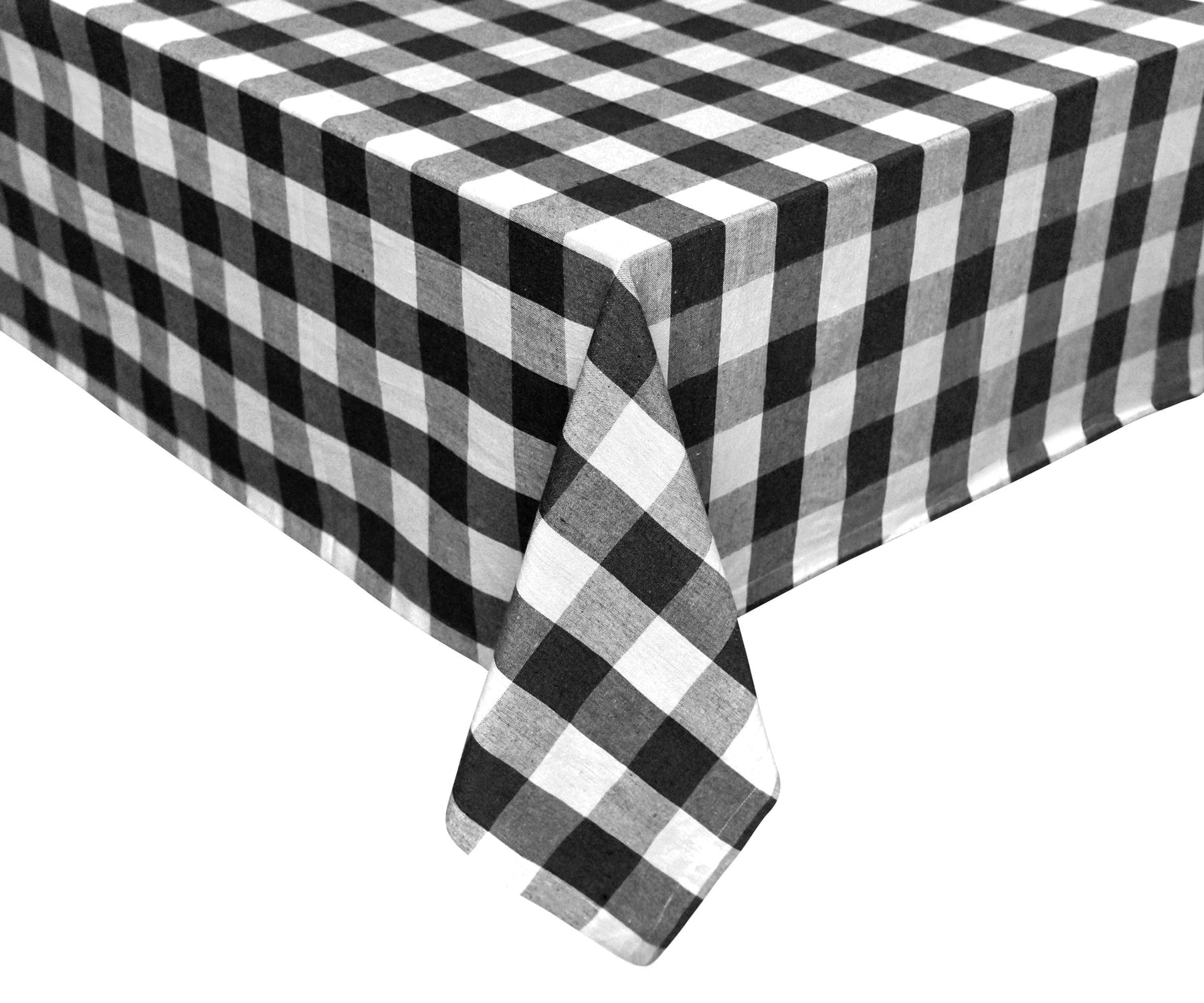
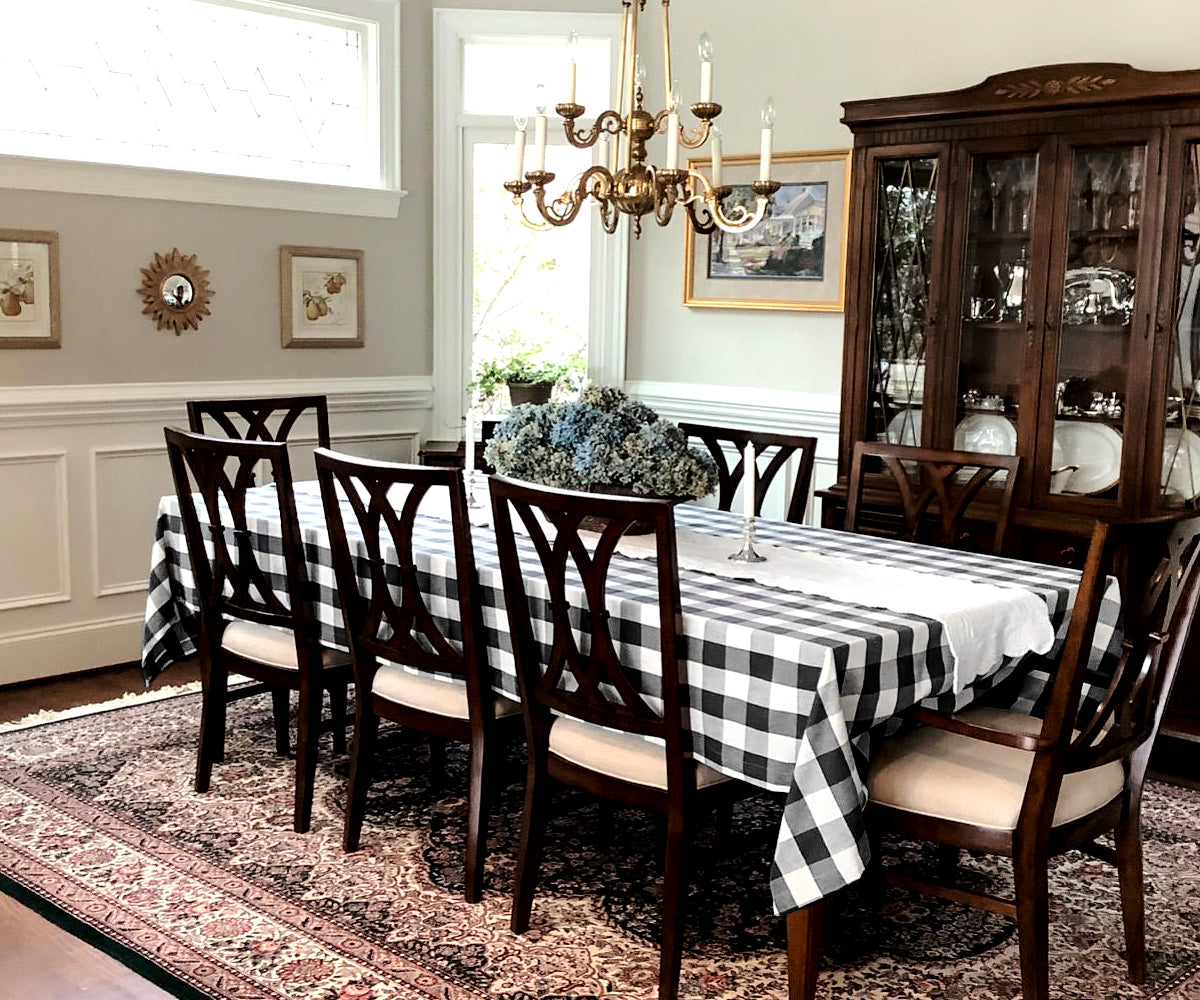
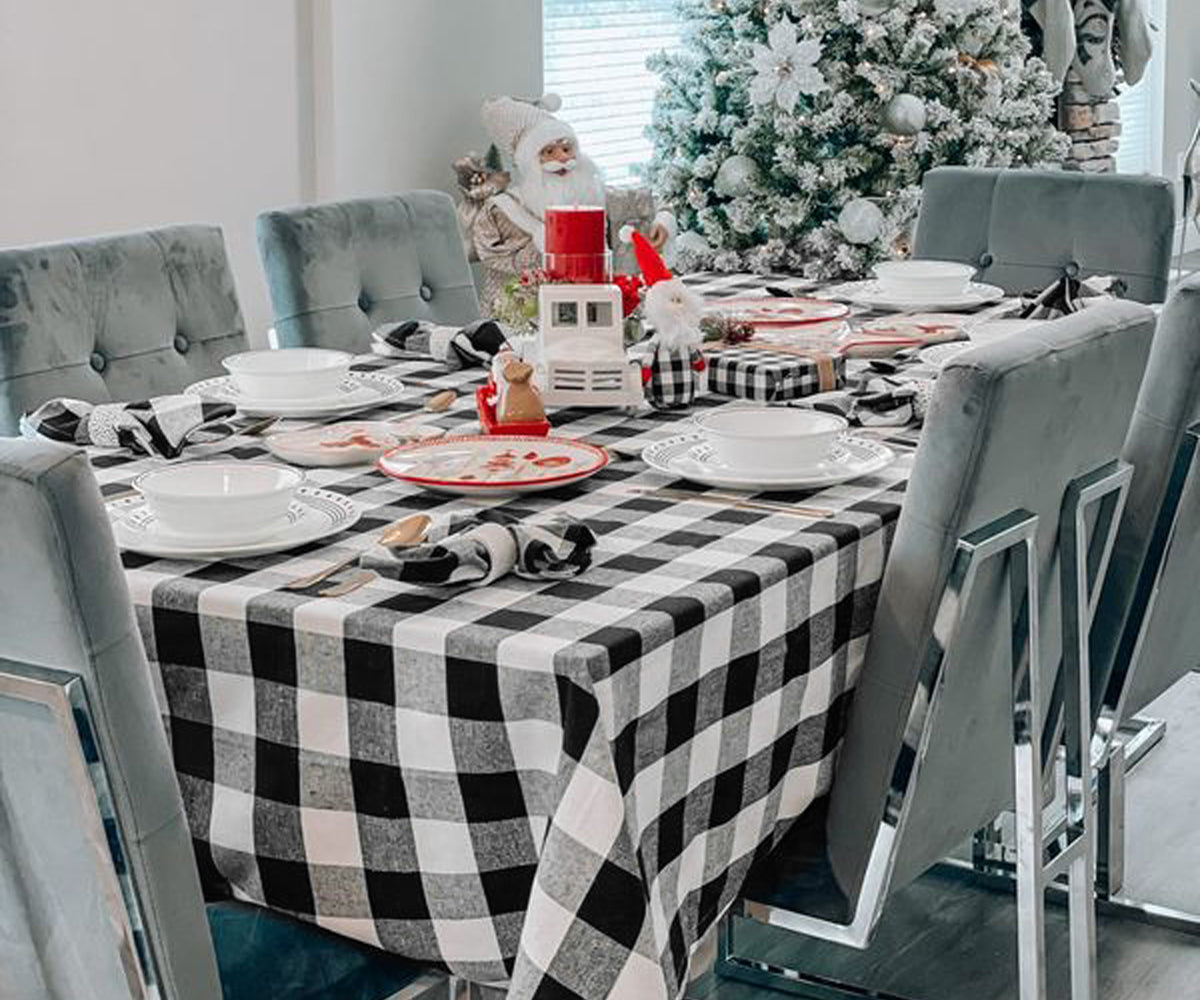
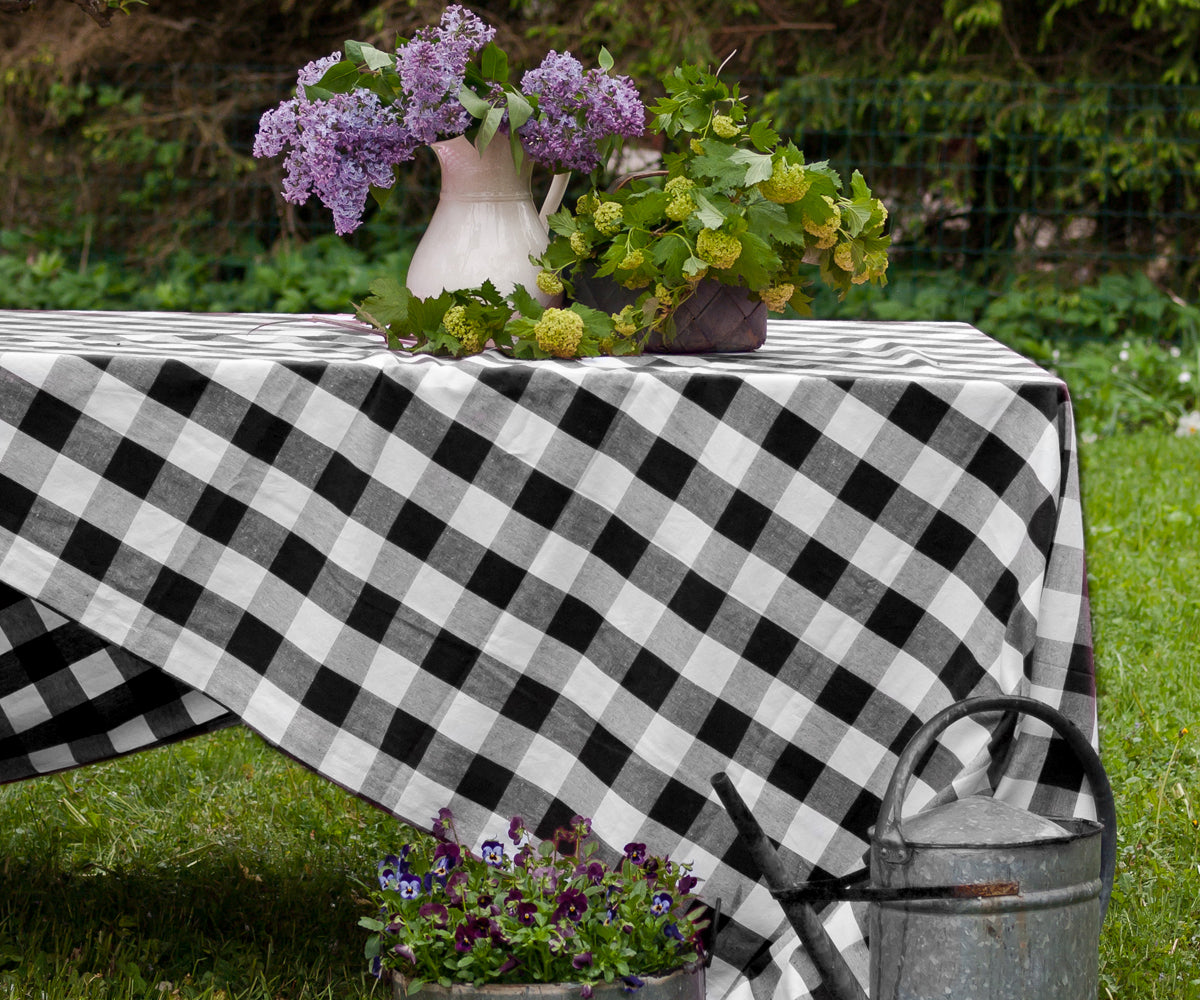
For more formal meals, gatherings, or when you want the table to make a stronger visual statement, a checkered tablecloth covers the entire surface and creates a unified backdrop for everything placed on top. It also protects the table from heat and spills across the full surface, practical for extended meals or family gatherings.
A tablecloth paired with matching or complementary placemats builds layered depth, with the cloth as the base layer, the mats defining individual settings on top.
Know About: What Is the 5th Year Anniversary Gift | Top Gift Ideas
Cloth Napkins
Switching from paper napkins to cloth napkins is one of the simplest upgrades available for a dining table. A checkered cloth napkin in cotton matched or coordinated with the placemats feels better in the hand, looks significantly better on the table, and eliminates ongoing paper waste.

Fold the napkin simply and place it to the left of the plate, or tuck it loosely inside a glass for a slightly more intentional presentation. No elaborate folds are required a clean, simple fold is always the right choice for everyday dining.
Care: Machine wash cold, tumble dry low. Cotton napkins soften with every wash and improve in feel over time.
Buffalo Check Kitchen Towels
Coordinating your kitchen towels with your dining linens creates a seamless visual flow between the kitchen and dining areas, particularly noticeable in open-plan layouts where both spaces are visible from the same vantage point.
Buffalo check kitchen towels in matching colors serve double duty: functional for drying dishes and wiping surfaces, decorative when hung or folded neatly on an oven handle or counter edge. High-quality cotton towels are durable, absorbent, and hold their color and pattern through repeated washing.
Building a Cohesive Table Setting
A cohesive table setting doesn't mean everything matches perfectly. It means everything belongs to the same visual conversation, similar tones, related patterns, and complementary textures.
For a checkered dining scheme, consider these combinations:
Classic farmhouse:
Blue and cream checkered placemats, natural linen napkins, white ceramic plates, simple glass tumblers, and a small wooden centerpiece. Clean, warm, and instantly recognizable.
Coastal casual:
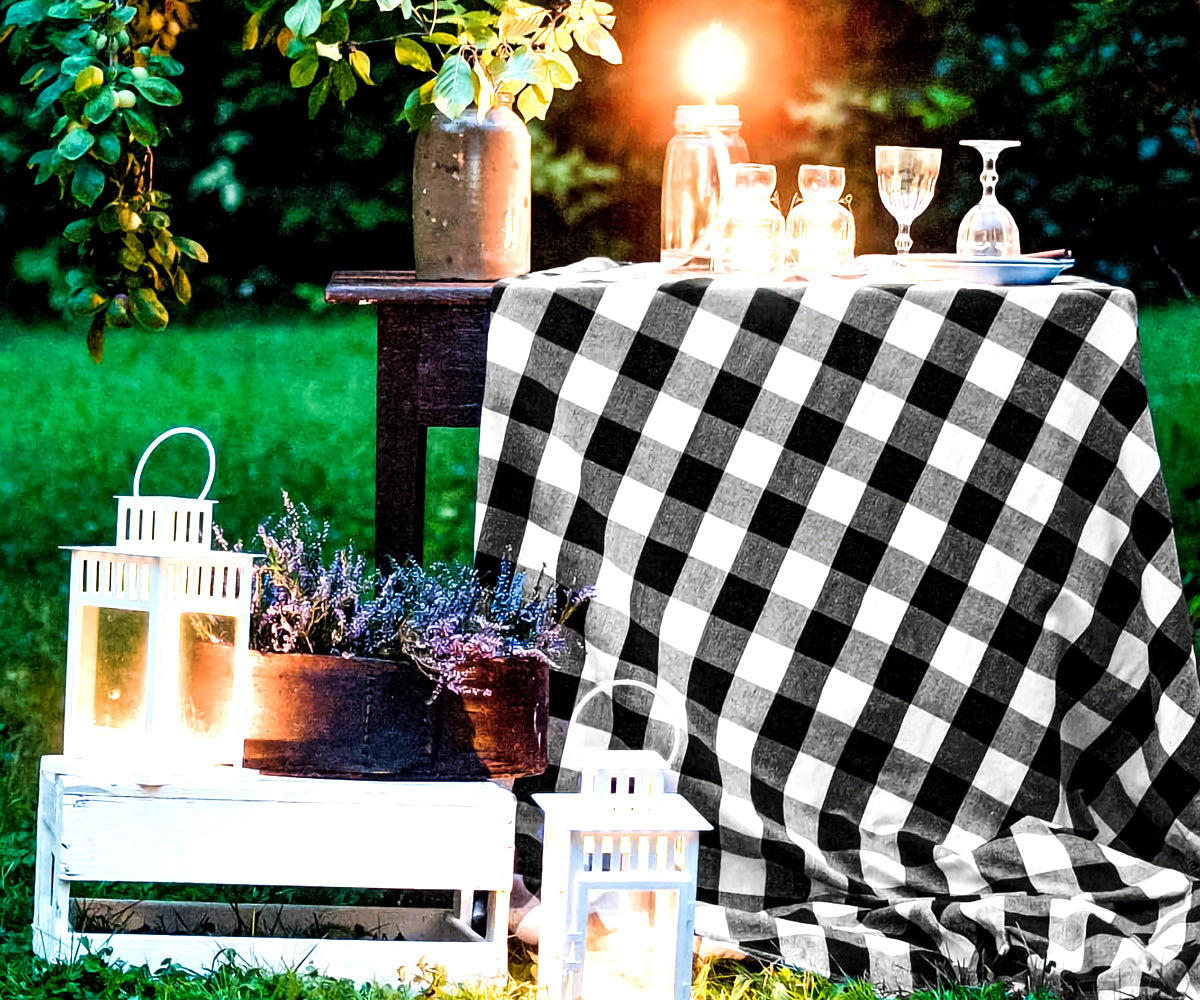
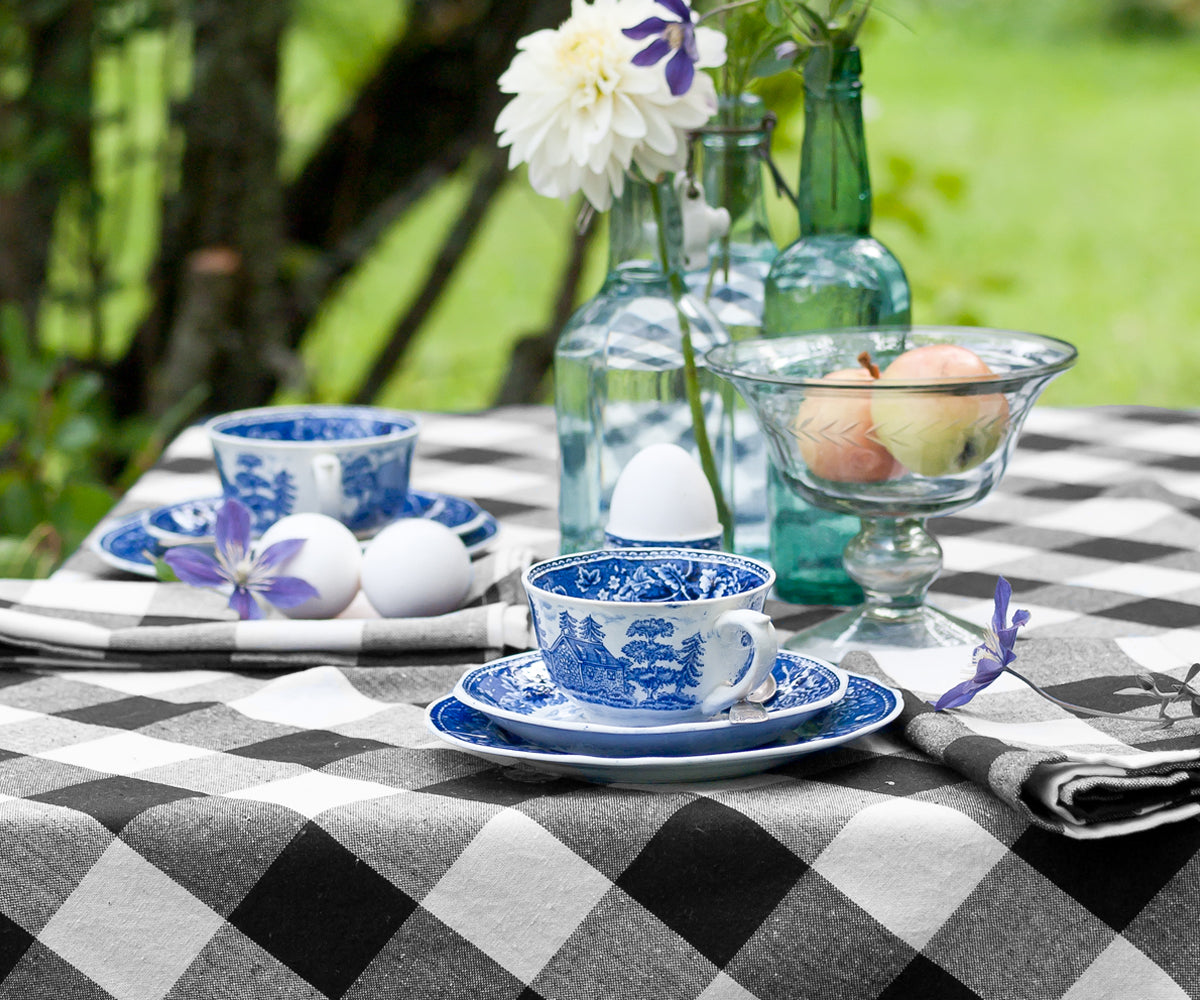
Blue and white checkered tablecloth, white or cream napkins, simple white or blue plates, a small arrangement of dried stems, or a single candle. Light and airy.
Modern country:
Cream-and-charcoal checkered placemats, terracotta or warm grey napkins, matte ceramic plates in a complementary earth tone. Structured but comfortable.
In each case, the checkered linen sets the palette. Everything else follows its lead.
Maintaining a Decluttered Dining Space
Decluttering is easy. Staying decluttered requires a simple system.
The one-touch rule:
Every item that lands on the dining table gets moved to its proper home immediately, not later, not after dinner: one touch, one decision, one action.

End-of-day reset:
A two-minute reset at the end of each day returns the table to its baseline state. Clear the surface, wipe it down, and confirm the centerpiece is in order. Two minutes is enough.
Designate a landing zone elsewhere:
Most dining table clutter accumulates because there's no alternative surface nearby for mail, bags, and everyday items. A small basket, a console table near the door, or a dedicated shelf gives those items a home that isn't the dining table.
Set the table in advance:
On days when you want the table to look its best for family dinners, when guests are coming, or simply because you want to eat well, set it before the meal rather than at the last moment. Placemats, napkins, glasses, and a centerpiece take three minutes to arrange and change how the entire room feels.
Find Out: What to Make for Mother's Day Dinner: 10 Easy Ideas She’ll Love
Overview
A beautiful dining space starts with a clear surface and ends with intentional styling. Decluttering the table, removing everything that doesn't belong, and giving every item a proper home creates the blank canvas that allows well-chosen linens to do their work. Checkered placemats, tablecloths, cloth napkins, and coordinating kitchen towels in cotton bring order, warmth, and a cohesive visual rhythm to the dining area without requiring significant investment or effort.
The system is simple: clear the table, keep the centerpiece minimal, set the linens, and reset daily. Done consistently, it transforms the dining area from a catch-all surface into the welcoming, well-dressed space every meal deserves.