


The Benefits of a Daily Bed-Making Habit
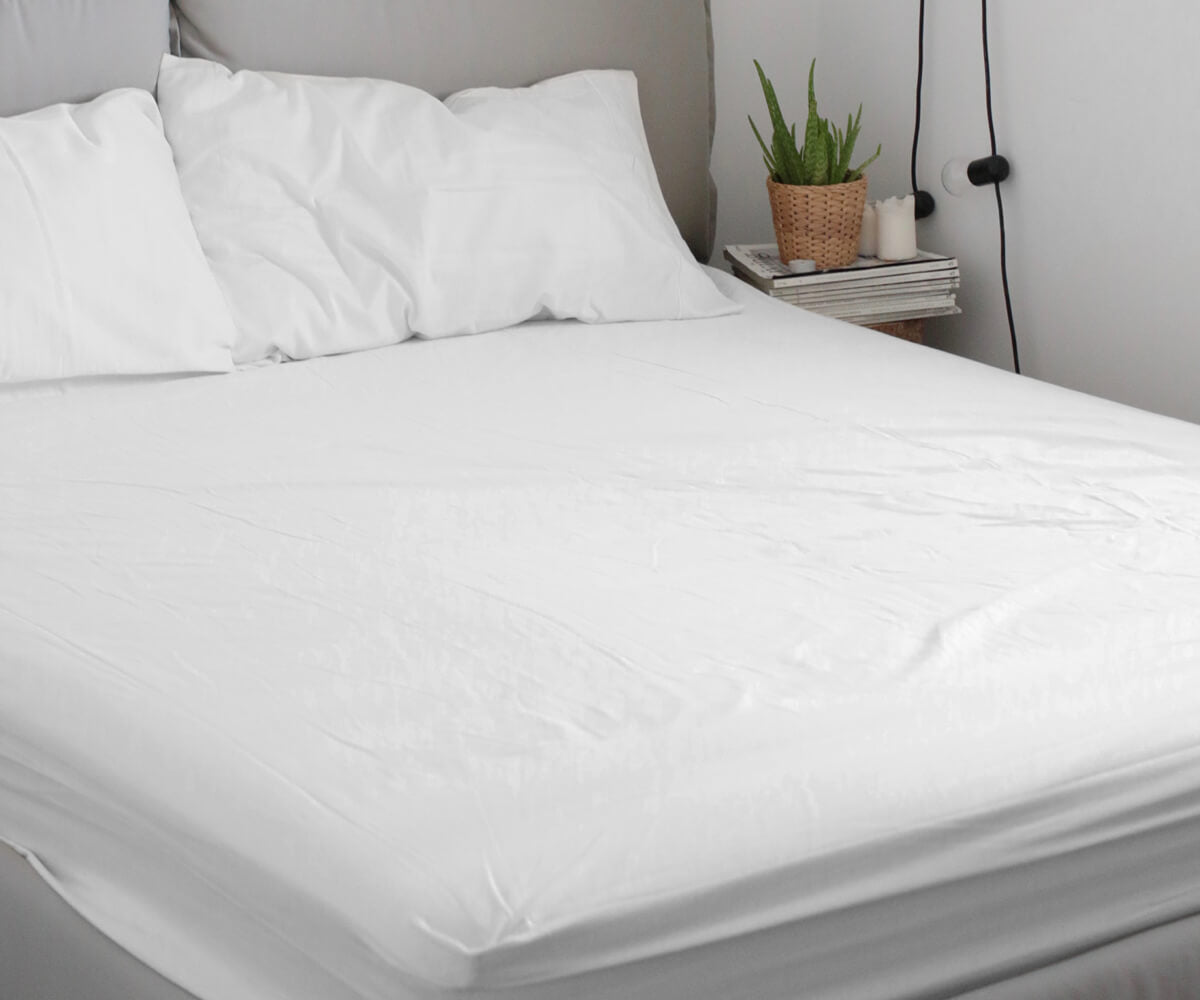
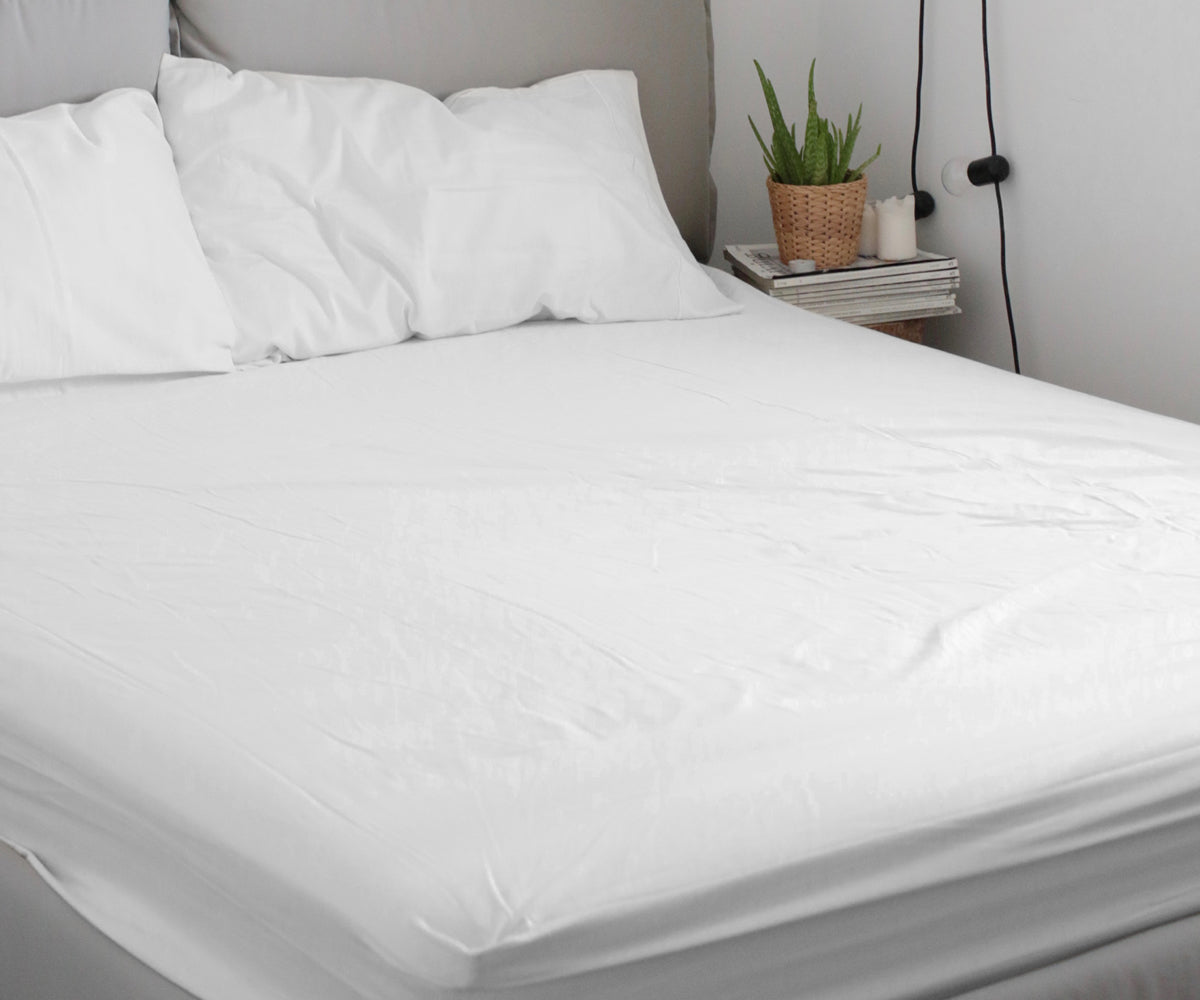
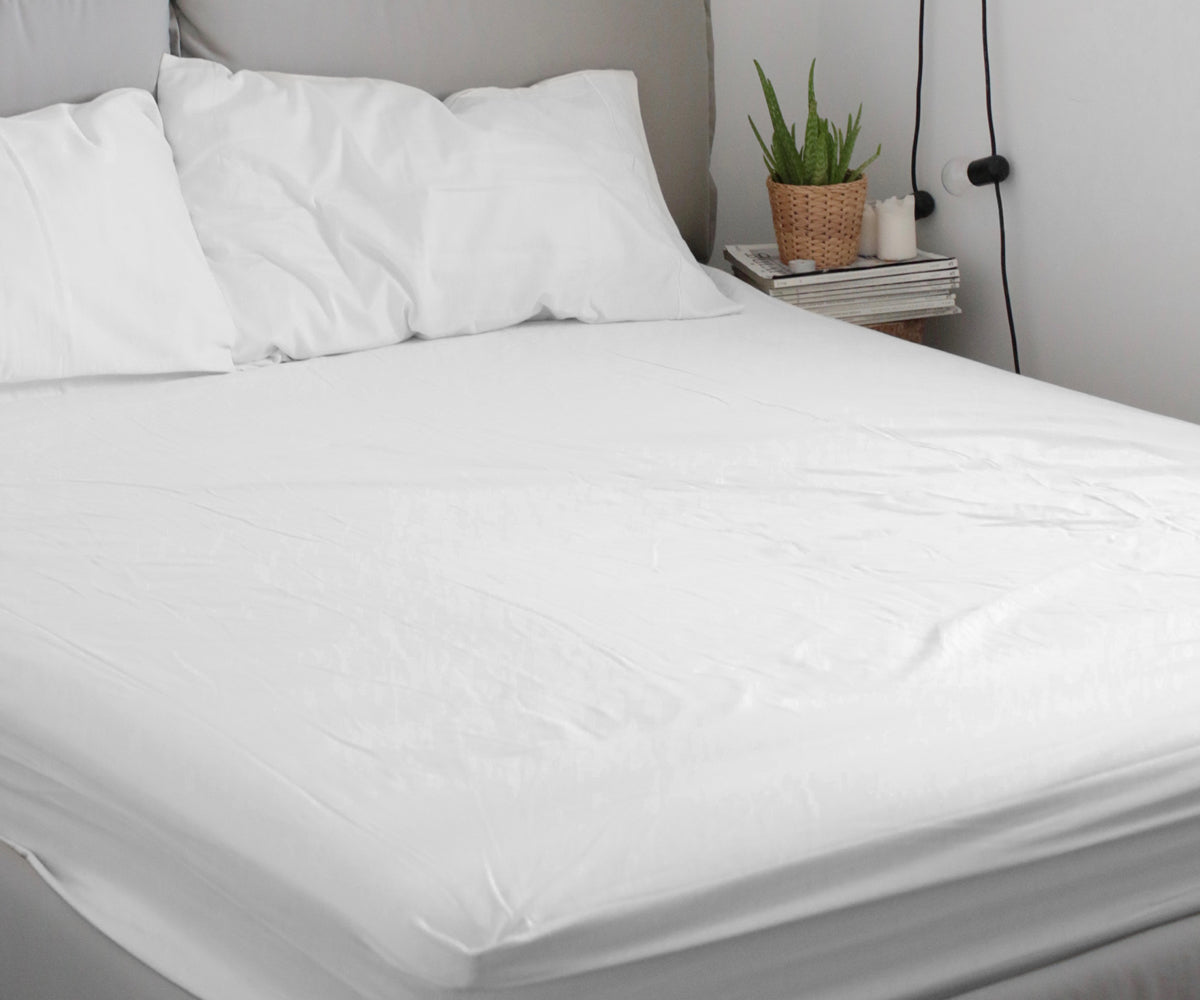
Making your bed each morning is a small habit that can have a positive impact on the rest of your day. It takes only a few minutes, but it helps create a cleaner space, builds a consistent routine, and gives you a simple task to accomplish first thing in the morning. Over time, this daily practice can support better organization, improve your mood, and make your bedroom feel more inviting. Here are some of the key benefits of making your bed every day.
1. Boosts Productivity
Starting your day with a made-up bed can give you a sense of momentum and motivation, helping you tackle your daily tasks with ease. A cluttered and unmade bed, on the other hand, can lead to feelings of disorganization and chaos, making it harder to tackle your tasks. By making your bed, you'll be more likely to feel focused and motivated, setting yourself up for a productive day.
2. Improves Mental Health
Making your bed every day can have a profound impact on your mental health. A study by the National Sleep Foundation found that people who made their beds every day reported better sleep quality, reduced stress levels, and improved mood. By creating a sense of routine and order, making your bed can help you feel more in control and prepared to face the day.
3. Increases Discipline and Routine
Making your bed every day requires discipline and routine, which can translate to other areas of your life. By incorporating this habit into your daily routine, you'll be more likely to stick to other routines, such as exercise, meditation, or reading. This increased discipline can have a significant impact on your overall well-being and productivity.

4. Creates a Sense of Accomplishment
Making your bed every day can give you a sense of accomplishment and pride in your work. This feeling can carry over to other areas of your life, boosting your confidence and motivation. By completing a simple task like making your bed, you'll be more likely to tackle more complex tasks and challenges.
Practical Tips for Making Your Bed Every Day
Now that we've explored the benefits of making your bed every day, let's discuss how to make it a habit. Here are some practical tips to get you started:
1. Create a Morning Routine
Incorporate making your bed into your morning routine, ideally as part of your daily schedule. This could be as simple as making your bed as soon as you get up or as part of a more extensive morning routine.

2. Use a Bed-Making Checklist
Create a checklist of tasks to complete when making your bed, such as changing the sheets, pillowcases, and comforter. This can help you stay focused and ensure that your bed is made to your liking.
Read More: Ramadan 2026: When Does the Celebration Start & End
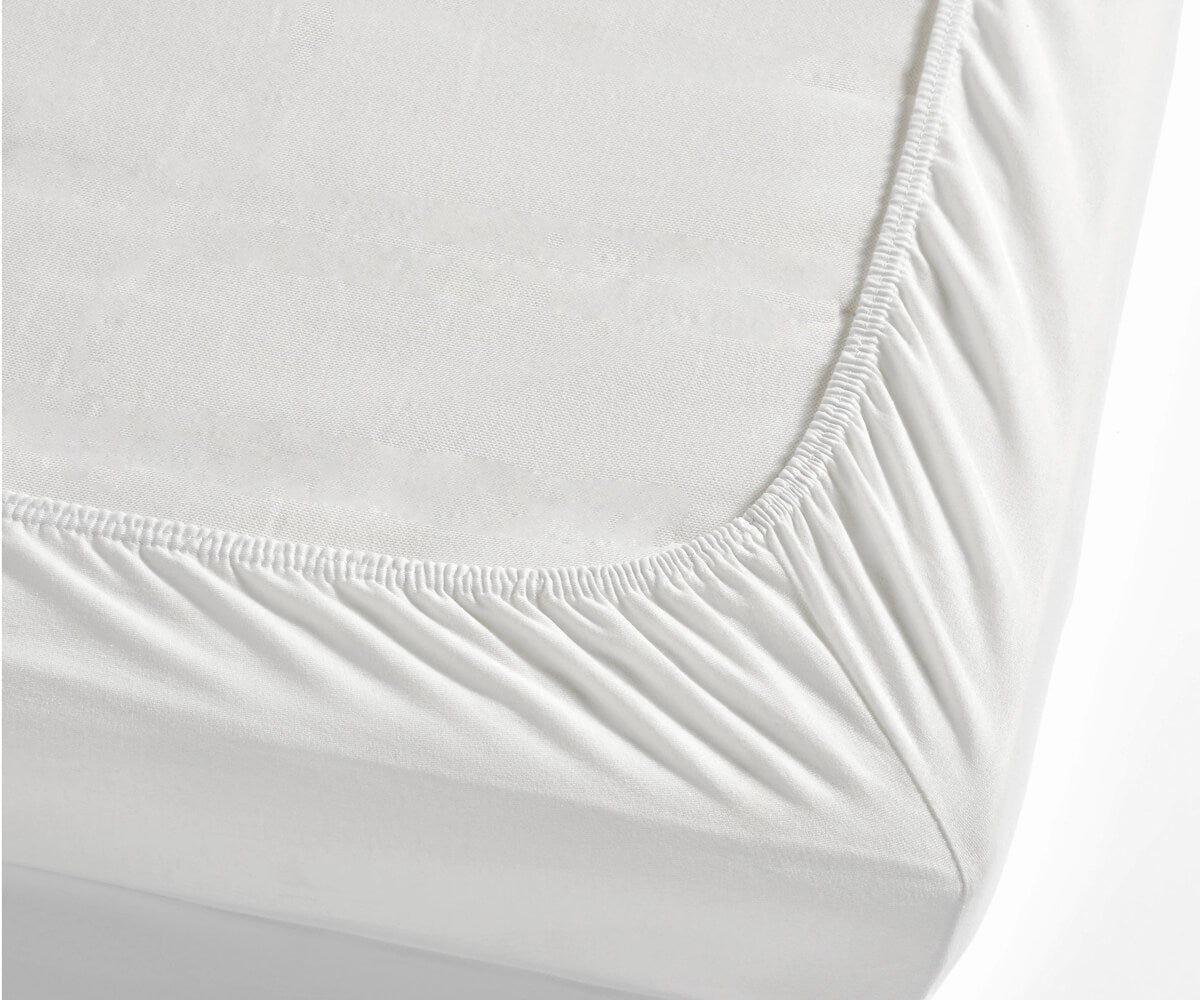
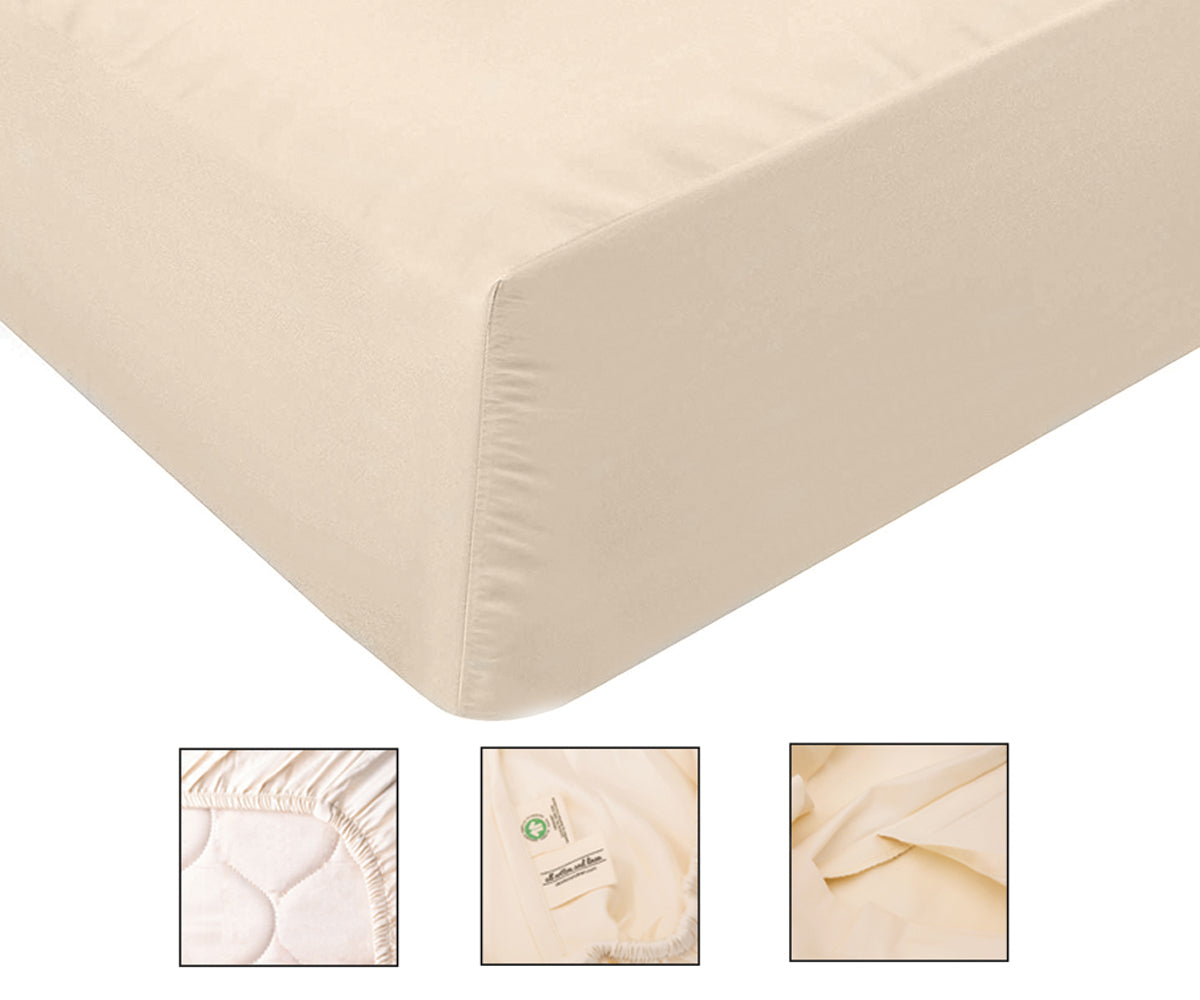
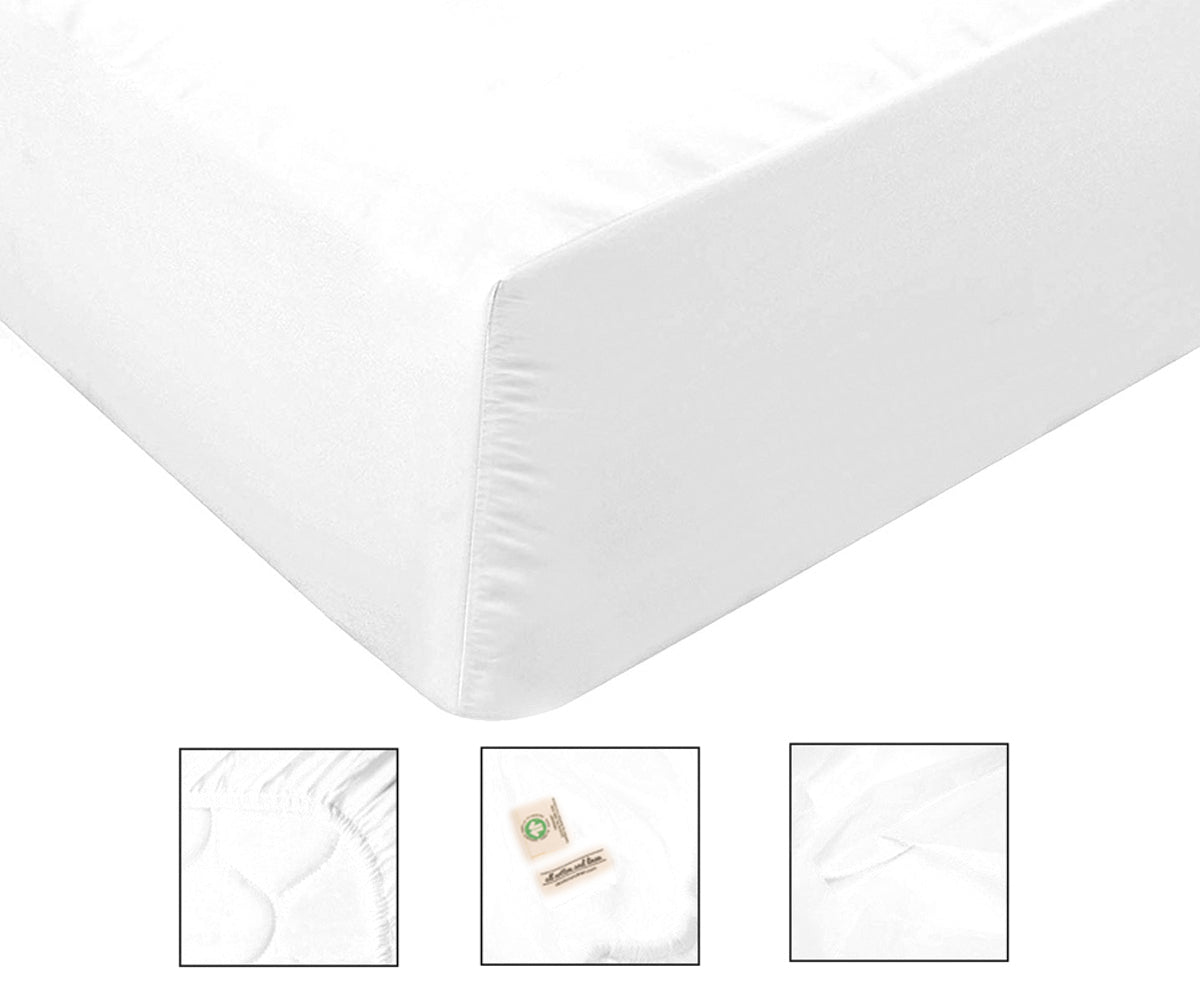
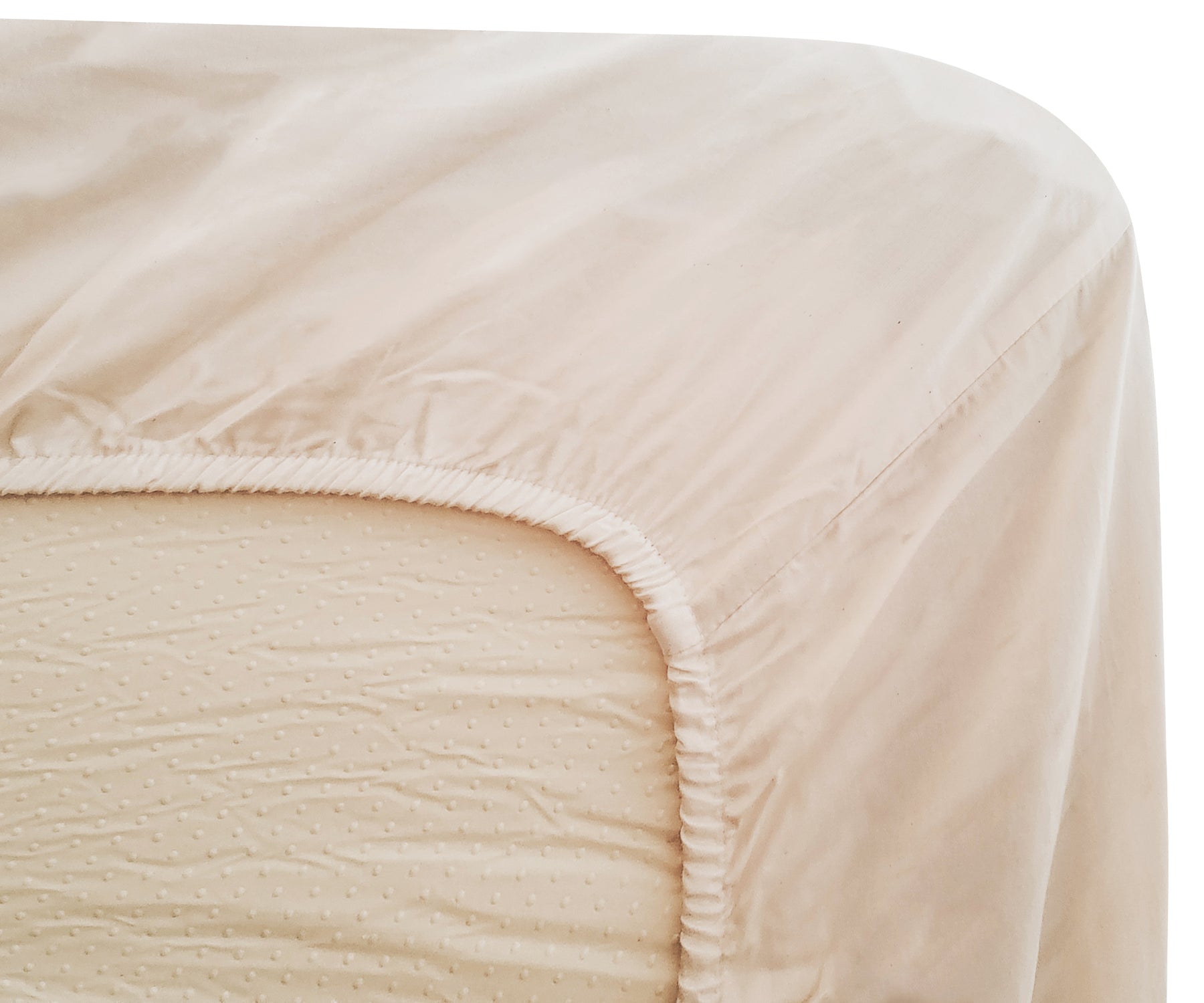
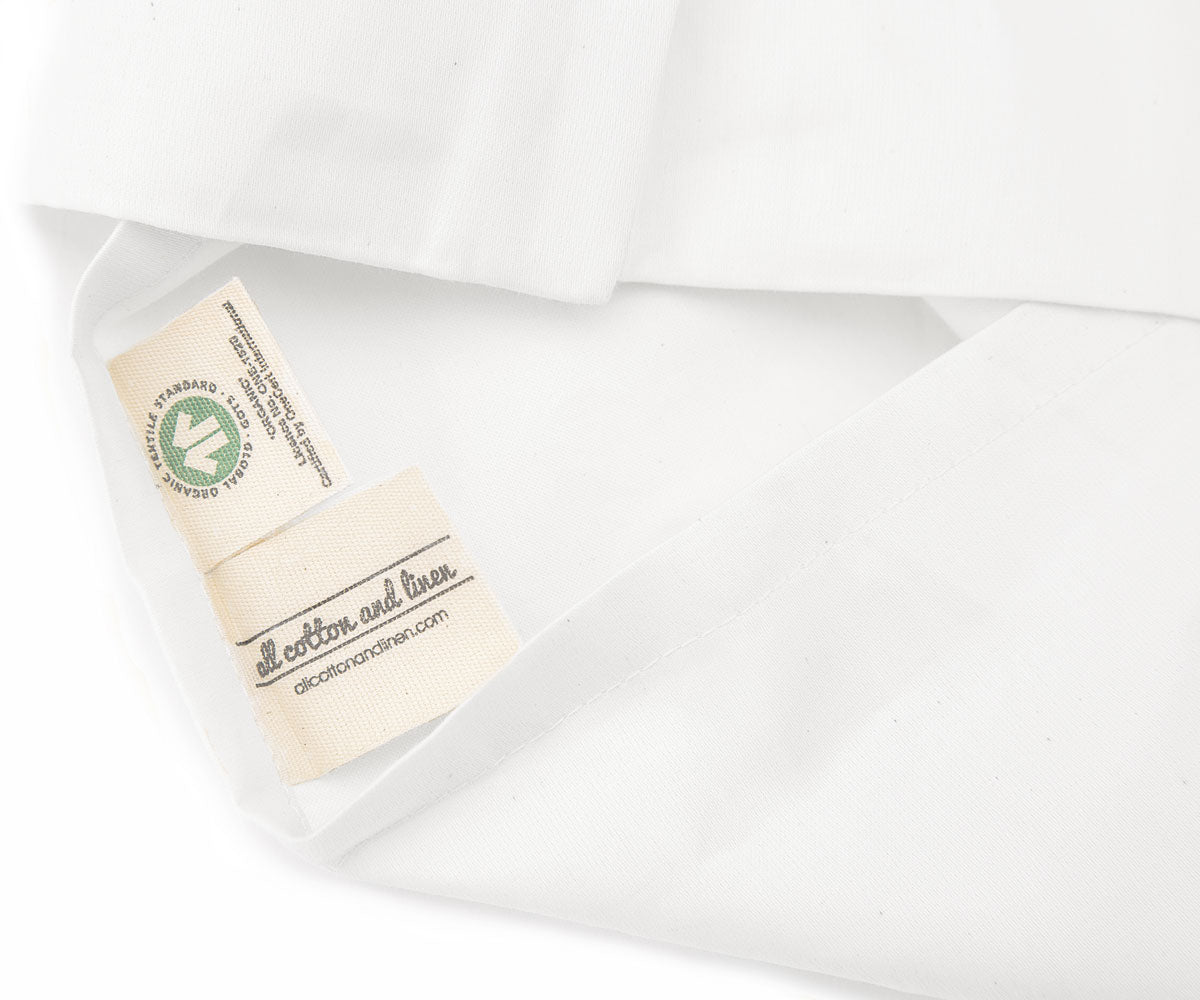
3. Invest in Quality Bedding
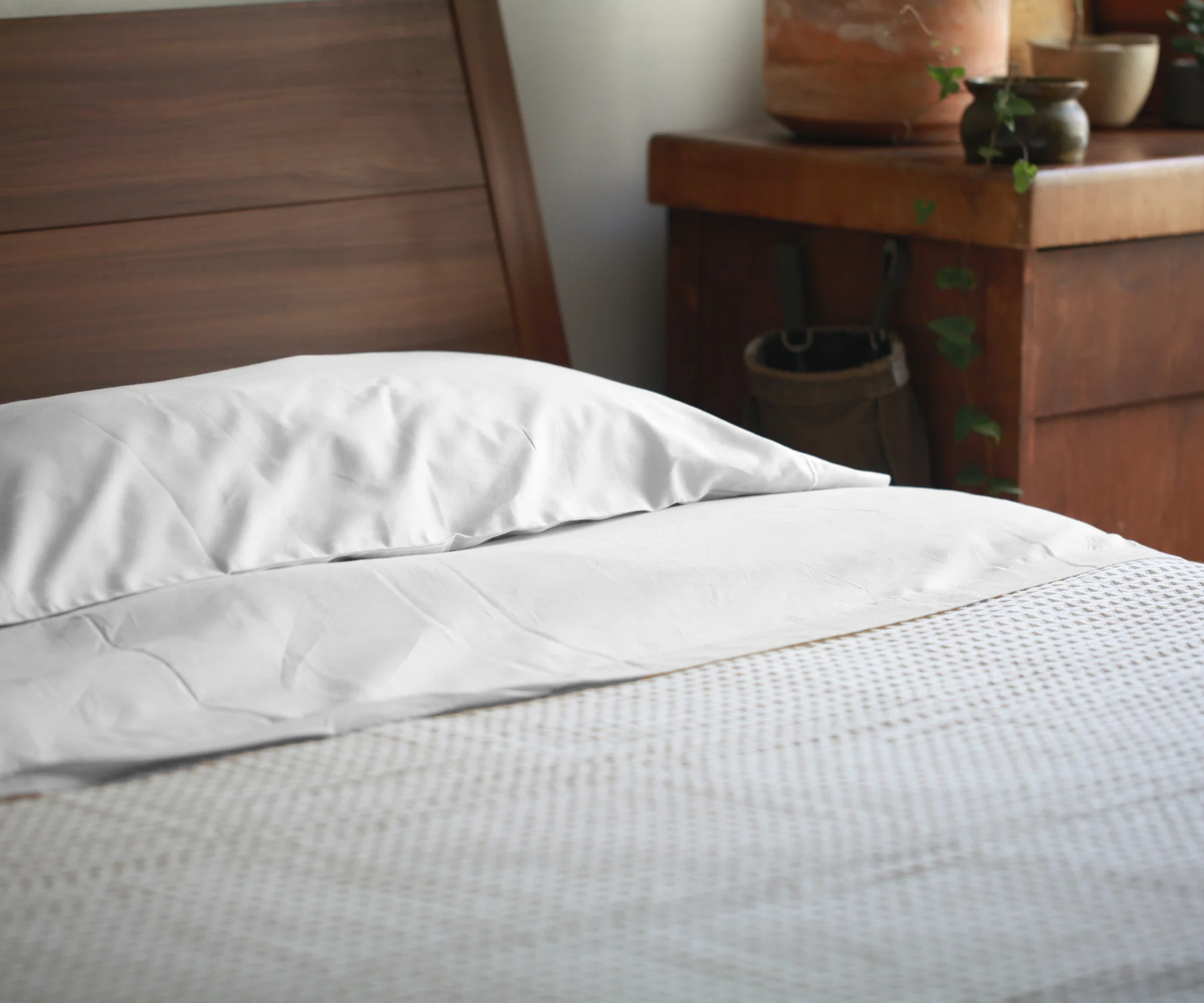
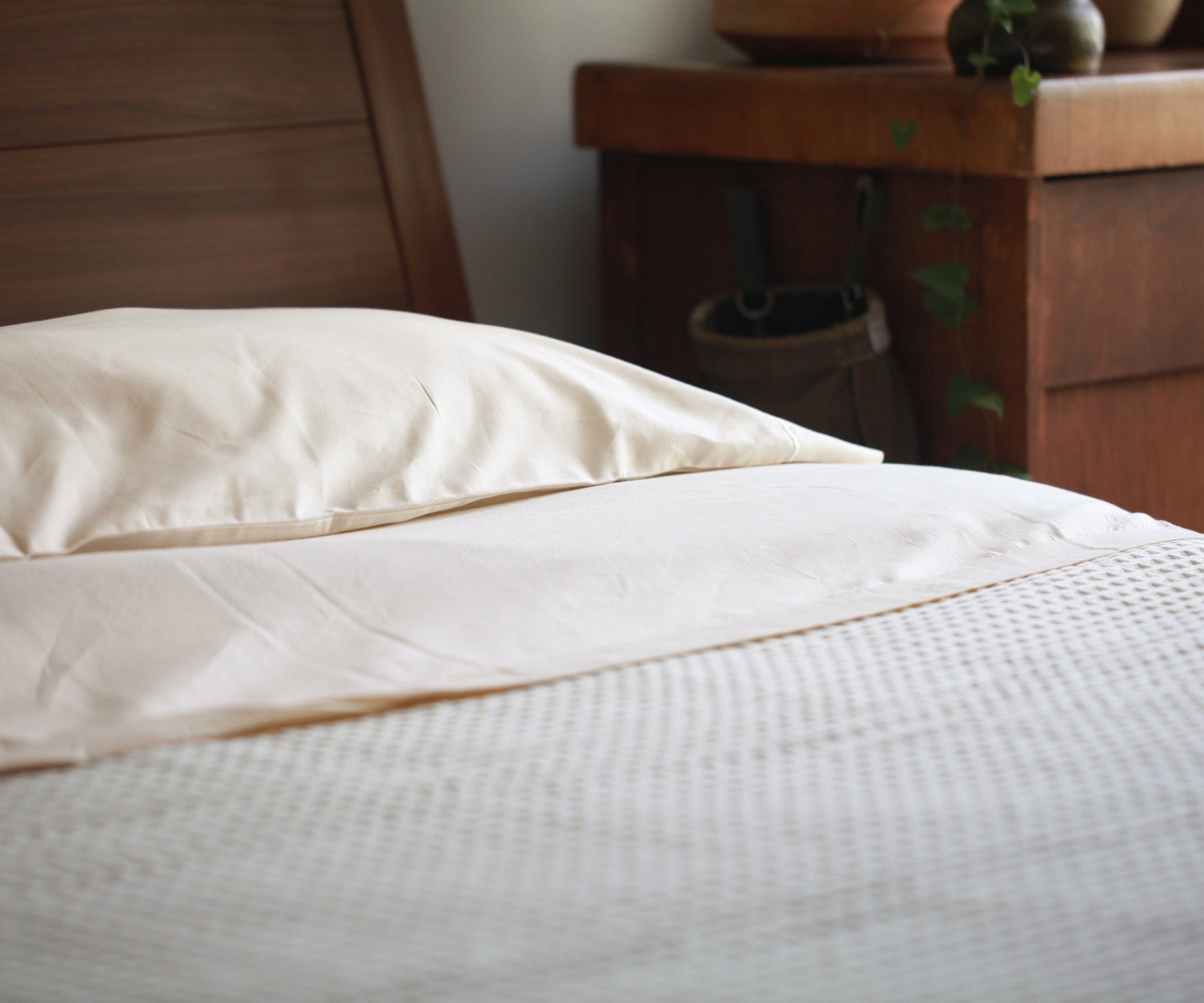
Choose a high-quality bedding set that's comfortable, breathable, and easy to maintain. This can make a significant difference in how you feel about making your bed every day.
4. Make It a Family Affair
Involving your family members in making your bed can make it a fun and collaborative activity. Assign each person a task, such as changing the sheets or pillowcases, to make it a team effort.
5. Use a Bed-Making Tool
Consider using a bed-making tool, such as a bed-making board or a sheet-straightening tool, to make the process easier and more efficient.
To Know: What Is a Bedspread? & Why Linen Bedding Is Better
The Physical Health Benefits of Making Your Bed Every Day
In addition to the benefits mentioned earlier, making your bed every day can have a significant impact on your physical health. Here are some additional benefits to consider:
1. Improves Sleep Quality
A made bed can improve sleep quality by creating a sense of calm and relaxation. This can lead to better rest and recovery, which is essential for physical health.
2. Reduces Stress and Anxiety
Making your bed every day can help reduce stress and anxiety by creating a sense of routine and order. This can lead to a more peaceful and calming environment, perfect for relaxation and rejuvenation.

3. Increases Energy and Vitality
Starting your day with a made-up bed can give you a sense of energy and vitality. This can lead to a more productive and fulfilling day, as you'll be more focused and motivated.
4. Improves Respiratory Health
A made bed can improve respiratory health by reducing the accumulation of dust mites, allergens, and other particles that can exacerbate respiratory issues.
The Long-Term Effects of Making Your Bed Every Day
While making your bed every day may seem like a small task, it can have a significant impact on your mental and physical health in the long term. By incorporating this habit into your daily routine, you can:
1. Improve Your Mental Health
Regularly making your bed can lead to improved mental health by reducing stress and anxiety, improving mood, and increasing feelings of control and preparedness.
Read Related: How to Choose Curtain Color: My Experience Guide
2. Enhance Your Physical Health
Making your bed every day can improve your physical health by improving sleep quality, reducing stress and anxiety, and increasing energy and vitality.
3. Increase Your Productivity
By starting your day with a made bed, you'll be more likely to feel focused and motivated, setting yourself up for a productive day.
Overcoming Common Obstacles to Making Your Bed Every Day
While making your bed every day can have numerous benefits, some people may face obstacles that prevent them from incorporating this habit into their daily routine. Here are some common obstacles and how to overcome them:
1. Lack of Time
If you're short on time in the morning, try to incorporate making your bed into your daily schedule. Even a few minutes a day can make a significant difference.
2. Disorganization
Create a checklist or routine to help you stay organized and focused when making your bed.
3. Lack of Motivation
Make making your bed a fun and collaborative activity by involving your family members or using a bed-making tool.

The Benefits of Making Your Bed Every Day for Different Age Groups
While making your bed every day can have numerous benefits for people of all ages, it can be particularly beneficial for different age groups. Here are some benefits for different age groups:
1. Children
Making your bed every day can help children develop a sense of routine and responsibility, which can translate to other areas of their life.
2. Teenagers
Making your bed every day can help teenagers develop discipline and routine, which can improve their mental and physical health.
3. Adults
Making your bed every day can help adults reduce stress and anxiety, improve their sleep quality, and increase their productivity.
Overview
Making your bed every day is a simple yet effective habit that can have a significant impact on your mental and physical well-being. By incorporating this habit into your daily routine, you'll be more likely to feel productive, focused, and motivated.