

Organic bedding sheets, pillowcases, duvet covers, and mattress protectors made from certified organic cotton or natural linen are the most health-conscious and performance-oriented bedding choices available.
This guide explains what makes organic bedding different, what each component does, how to build a complete organic bedding set, and what to look for when buying.
What Is Organic Bedding?
Organic bedding is bedding made from fibers grown and processed without synthetic pesticides, chemical fertilizers, or harmful manufacturing inputs. The most common organic bedding materials are:

Organic cotton
Cotton grown to certified organic standards, without synthetic pesticides, herbicides, or chemical fertilizers. Processed and finished without formaldehyde-based treatments, optical brighteners, or synthetic dyes that leave chemical residues in the finished fabric.
Natural linen
Made from flax fiber, which requires minimal pesticide treatment in farming and produces an exceptionally durable, breathable textile. GOTS-certified linen bedding guarantees clean processing as well as clean farming.
Certification matters: The term "organic" on a bedding label is only meaningful if it's backed by a recognized certification. The Global Organic Textile Standard (GOTS) is the most rigorous, covering the entire supply chain from farming through manufacturing. OEKO-TEX Standard 100 tests for harmful substances in the finished product. Look for one of these certifications before trusting an "organic" claim.
Why Organic Bedding Improves Sleep Quality
Temperature Regulation
Organic cotton and natural linen breathe more effectively than conventional cotton treated with chemical finishes, and far more effectively than synthetic bedding materials like polyester or microfiber. Breathing fabric means:
-
Body heat escapes rather than building up under the covers
-
Moisture from perspiration is absorbed and released rather than trapped
-
Sleep temperature stays stable through the night rather than oscillating between hot and cold
Temperature dysregulation is one of the most common causes of nighttime waking and shallow sleep. Bedding that breathes reduces the frequency of temperature-driven sleep disruption, a direct, measurable contribution to sleep quality.
Reduced Skin Irritation
Conventional bedding fabrics often contain residues from the synthetic pesticides used in cotton farming and the chemical finishing treatments applied during manufacturing, including formaldehyde-based wrinkle-resistant finishes, synthetic dyes, and optical brighteners. These residues can cause:

-
Skin irritation and contact dermatitis in sensitive individuals
-
Exacerbation of eczema and atopic dermatitis
-
Persistent mild irritation that disrupts sleep without being obviously attributable to bedding
GOTS-certified organic bedding contains none of these residues. For people with sensitive skin, eczema, or unexplained skin reactions, switching to certified organic bedding is frequently one of the most effective interventions available, requiring no medication or special skincare, just a change in what the skin is in contact with overnight. This approach aligns perfectly with the philosophy of brands like Forever Skincare, which emphasize that healthy skin starts with the choices you make every day including the fabrics you sleep in.
Hypoallergenic Properties
Organic cotton and linen have natural hypoallergenic properties that synthetic materials don't. They don't shed microfibers (microplastics) that accumulate on sleep surfaces. They don't support the growth of bacteria and mold as readily as synthetic materials in the moist, warm environment of a bed. And because they're processed without harsh chemicals, they don't introduce synthetic allergens into the sleeping environment.
For allergy sufferers, particularly those with dust mite sensitivity or airborne allergies that worsen during sleep, organic cotton bedding paired with regular washing (weekly at 60°C / 140°F to eliminate dust mites) is the most effective bedding strategy available.
Know About: 10 Cute Easter Tote Bag Ideas for Kids and Adults
Psychological Comfort
This is less quantifiable but genuinely relevant: sleeping in bedding you know is clean, free from pesticide residues, made from natural fibers, and certified through a rigorous third-party process removes a low-level background concern that many people carry. The quality of sleep is affected by how safe and comfortable a person feels in their sleeping environment. Organic bedding contributes to that sense of security.
The Components of a Complete Organic Bedding Set
Organic Cotton Sheets
The fitted sheet, flat sheet, and pillowcases are the bedding components with the most direct and prolonged skin contact. They are the highest priority for organic materials in any bedroom.
Fitted sheet:
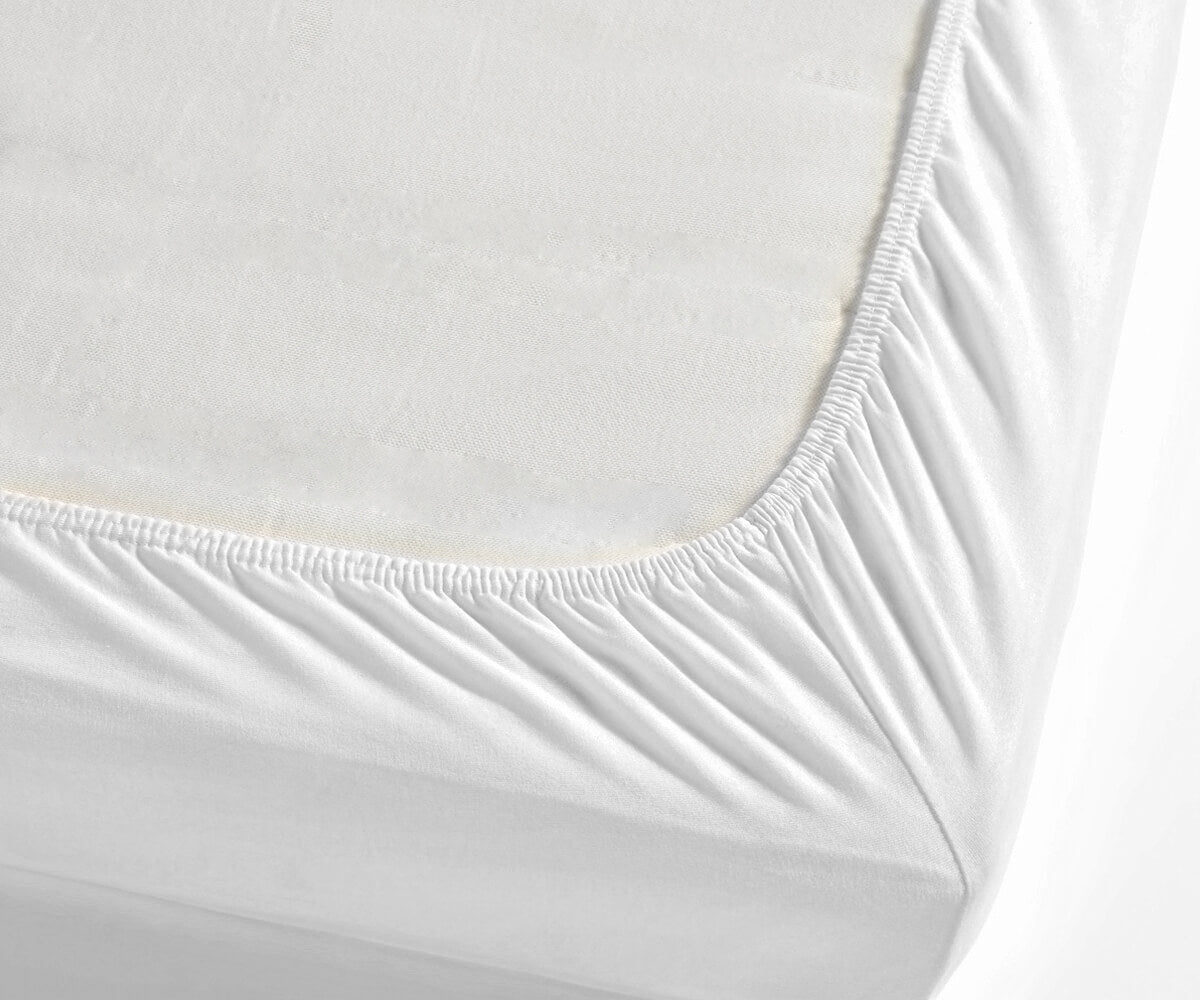
Covers the mattress and is in contact with the sleeper's legs, back, and arms throughout the night. Fitted sheets in organic cotton percale (crisp, cool, breathable) or sateen (smooth, slightly warmer, silkier) are the two primary choices.

Flat sheet:
Used as a layer between the fitted sheet and the duvet or blanket. Some sleepers use a flat sheet consistently; others prefer to sleep directly under the duvet. Either approach is valid; the flat sheet is optional, but it adds a washable layer that extends how frequently the duvet cover needs washing.
Pillowcases:
Perhaps the most important individual bedding component for skin health, as the face rests directly on it for hours each night. Organic cotton pillowcases benefit anyone with facial skin sensitivity, eczema-prone skin, or acne. Synthetic fabrics and chemical finishes on conventional cotton can worsen all three conditions.
What to look for in organic sheets:
-
GOTS certification (not just "organic cotton" labeling without certification)
-
Long-staple or extra-long-staple organic cotton for the softest, most durable feel
-
Percale weave (200–300 thread count) for cool, crisp sleeping is best for warm climates and hot sleepers
-
Sateen weave (300–400 thread count) for a smooth, warm feel is best for cooler climates
Organic Cotton Duvet Cover
The duvet cover encloses the duvet insert and is the most visually prominent bedding component. A GOTS-certified organic cotton duvet cover in percale or sateen provides a breathable outer layer that washes easily and coordinates with the sheet set.
Key considerations:
-
Choose the same weave as your sheets (percale with percale, sateen with sateen) for a consistent feel and appearance across the bed
-
Look for a full-length zipper or button closure that stays secure through the night a duvet that shifts inside its cover disturbs sleep
-
Standard sizing: twin, full/queen, king. Confirm sizing against your duvet insert before purchasing
Organic Cotton Pillowcases
Available in standard, queen, and king sizes. Pillowcases should be washed weekly, as they accumulate sweat, skin oils, and shed skin cells faster than any other bedding component. Organic cotton pillowcases withstand frequent washing without degrading in the way synthetic or chemically finished alternatives do.

For skin health: A silk or satin pillowcase is sometimes recommended for hair and facial skin, reducing friction and mechanical stress during sleep. For those prioritizing material cleanliness and breathability over low-friction, organic cotton remains the better overall choice. The two goals are different: organic cotton for health and breathability; silk/satin for reduced friction on hair and skin.
Organic Cotton Mattress Protector
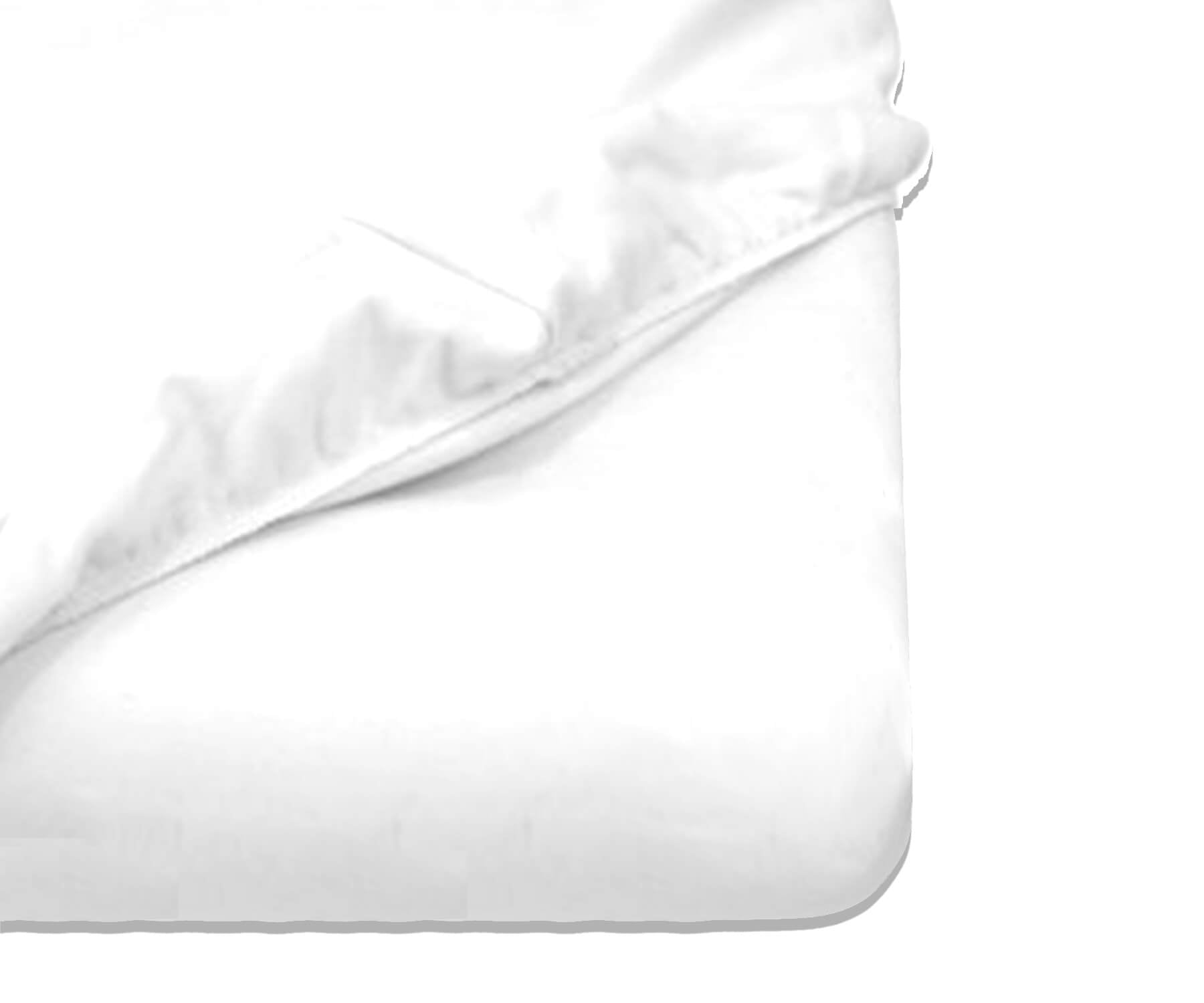
Often overlooked, the mattress protector is the component most people don't think about, but it's directly beneath the fitted sheet and covers the entire sleeping surface. Conventional mattress protectors frequently use polyurethane waterproof layers laminated to synthetic fabric materials that off-gas, reduce breathability, and contain plasticizers.
An organic cotton mattress protector with a natural or certified waterproof layer (some use wool as a natural moisture barrier) provides full mattress protection without compromising the breathable, chemical-free sleep environment created by the rest of the organic bedding set.
Organic Duvet Insert and Pillows
The duvet insert and pillows are less likely to require organic certification than the outer bedding components (they don't directly contact skin in the way sheets and pillowcases do), but they contribute to the overall sleep environment.
Organic cotton fill duvets and pillows breathe well, regulate temperature effectively, and avoid the synthetic fiber shedding (microplastic release) that occurs with polyester-fill products over time.
Wool fill is a natural, highly regulated temperature alternative cool in summer, warm in winter, naturally resistant to dust mites, and biodegradable. Look for GOTS-certified wool for the same supply chain transparency as organic cotton.
Down fill is the most traditional choice for luxury duvets, lightweight, highly insulating, and long-lasting. Certified Responsible Down Standard (RDS) or organic-certified down ensures ethical sourcing. Not suitable for those with down allergies.
To Read: 5 Easter Decor Ideas Using Table Linens
Organic Cotton vs. Other Bedding Materials
|
Material |
Breathability |
Chemical Risk |
Skin Feel |
Durability |
Sustainability |
|
GOTS organic cotton |
Excellent |
Very low |
Soft, natural |
High |
Very high |
|
Conventional cotton |
Good |
Low to moderate |
Soft (initially) |
Good |
Moderate |
|
Linen |
Excellent |
Very low |
Textured → soft |
Very high |
Very high |
|
Polyester/microfiber |
Poor |
Moderate |
Smooth (new) |
Moderate |
Low |
|
Bamboo viscose |
Good |
Variable |
Very soft |
Moderate |
Variable |
|
Tencel / Lyocell |
Good |
Low |
Soft |
Good |
Moderate-high |
Building a Complete Organic Bedding Set: Step by Step
Start with sheets and pillowcases. These have the most direct, prolonged skin contact. A GOTS-certified organic cotton fitted sheet, flat sheet, and two pillowcases is the foundation of a healthy sleep environment. This is where the organic premium pays off most directly.
Add the duvet cover.
Choose the same weave as your sheets for a cohesive look and feel. A quality organic cotton duvet cover lasts as long as the sheets and washes easily.
Replace the mattress protector.
If your current mattress protector is synthetic, replacing it with an organic cotton alternative completes the chemical-free sleep surface beneath the sheets.
Consider the duvet insert and pillows.
If existing duvets and pillows are older than three to four years, or made from synthetic materials that have started to clump or flatten, replacing them with organic cotton or wool fill is the final step in a complete organic bedding transition.
Add a throw blanket.
An organic cotton or wool throw at the foot of the bed adds a layer for cooler nights without requiring a heavier duvet year-round.
Caring for Organic Bedding
Washing sheets and pillowcases: Machine wash weekly at 40–60°C (104–140°F). Cold or warm water is fine for general maintenance; 60°C eliminates dust mites and bacteria more effectively. Use a mild, fragrance-free detergent. Avoid bleach, as it weakens cotton fibers and causes yellowing over time.

Washing duvet covers: Every two to four weeks, or immediately after visible soiling. Machine wash at 40°C on a gentle cycle. Air dry or tumble dry on low heat.
Drying: Tumble dry on low heat or air dry on a line or drying rack. High heat accelerates fiber breakdown and causes shrinkage. Remove from the dryer while slightly damp and smooth out before folding to reduce wrinkling.
Washing pillows: Every three to six months for most pillow types. Most organic cotton-fill pillows are machine washable on a gentle cycle confirm the care label. Tumble dry thoroughly with dryer balls to restore loft.
Washing duvets: Once or twice per year. Many organic cotton and wool duvets are machine washable in a large capacity machine; check the care label. Professional laundering is available for oversized or delicate items.
Storage: Between seasons or when rotating sets, store organic bedding folded in a breathable cotton storage bag or on a linen shelf. Avoid sealed plastic, which traps moisture and causes yellowing.
Learn More: Linen Bedding Sets for a Natural Night’s Sleep
What to Look for When Buying Organic Bedding
Certification: GOTS (Global Organic Textile Standard) is the gold standard covering farming, processing, and manufacturing. OEKO-TEX Standard 100 certifies that the finished product is free from harmful substances. Both are meaningful; GOTS is more comprehensive. Be skeptical of "organic cotton" claims without visible certification.

Fiber type: Long-staple organic cotton (Pima, Supima) and extra-long-staple cotton (Egyptian) produce finer, stronger, softer yarns. They're worth the premium over short-staple organic cotton for sheets and pillowcases.
Weave: Percale for crisp, cool, breathable sleeping. Sateen for smooth, soft, slightly warmer sleeping. Both are available in organic cotton; the choice is personal preference and climate.
Thread count: For percale, 200–300 is ideal. For sateen, 300–400. Higher numbers don't improve quality meaningfully; they often indicate multiple construction that uses thinner threads to inflate the count without improving performance.
Supply chain transparency: Brands that disclose where their cotton is grown and how it's processed are more trustworthy than those offering no supply chain information. GOTS certification requires full traceability, which is one of its primary values.
Set contents: Confirm what's included. A standard sheet set typically includes one fitted sheet, one flat sheet, and two pillowcases. Duvet covers are usually sold separately. Know what you're buying before comparing prices.
Overview
Choosing the right bedding is an investment in better sleep and everyday comfort. Organic bedding made from natural cotton or linen offers excellent breathability, long-lasting durability, and a cleaner sleep surface free from harsh chemical treatments. It helps regulate temperature throughout the night, feels gentle against the skin, and supports a healthier home environment.
If you are ready to upgrade your bedroom, explore the organic bedding collection at All Cotton and Linen. From soft sheet sets and duvet covers to comfortable pillowcases, each piece is designed to help you create a relaxing sleep space that feels fresh, comfortable, and inviting night after night.