
What a napkin actually does at the table
A napkin has four jobs, and a good one does all of them quietly:
Protects clothing. Unfolded on your lap, it catches drips and crumbs before they reach your clothes.
Keeps hands and mouth clean. Dabbing between bites keeps grease off glassware and cutlery, and keeps lipstick off the rim of a wine glass.
Supports table manners. Where the napkin sits tells your host or server when you have stepped away and when you have finished.
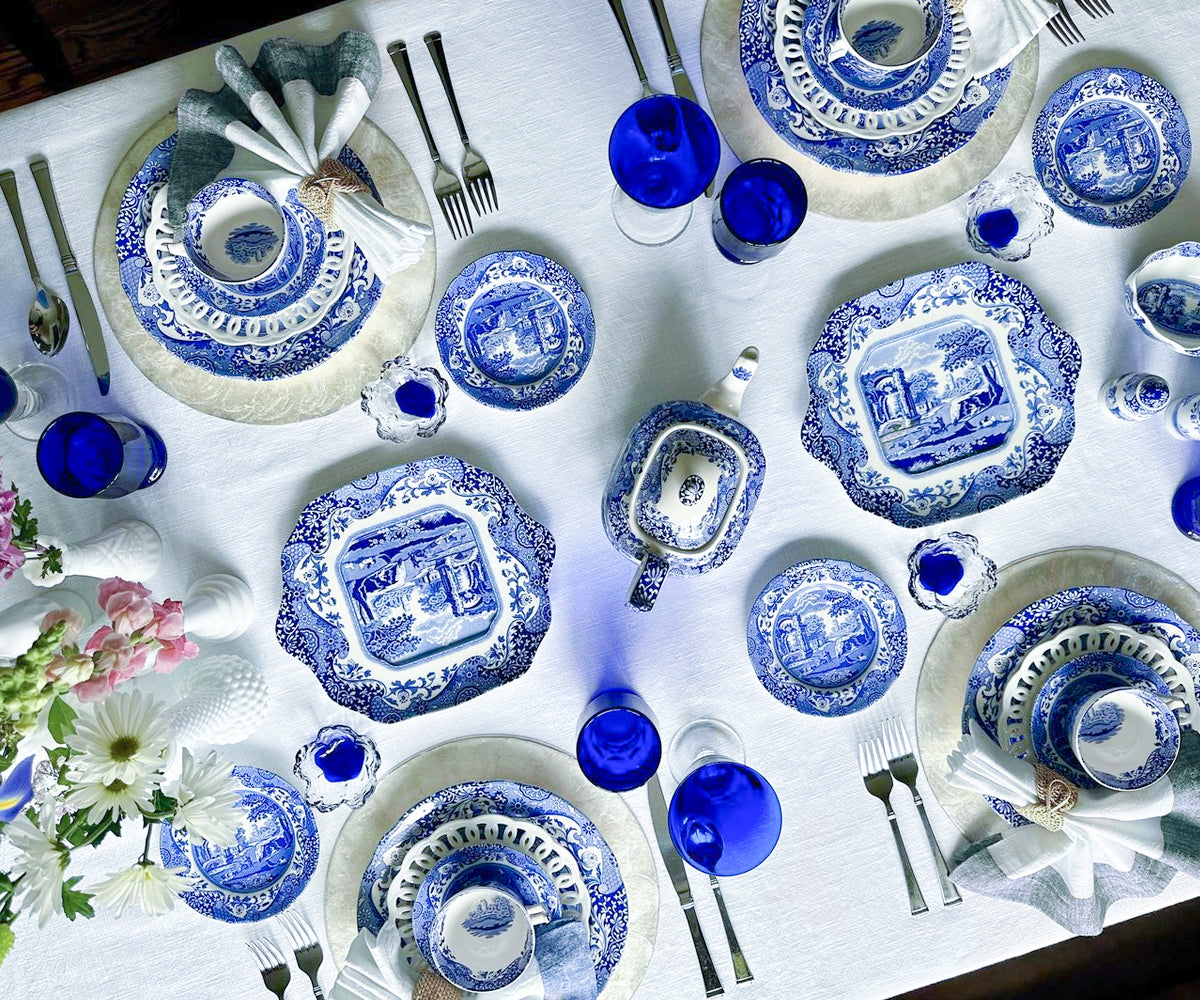
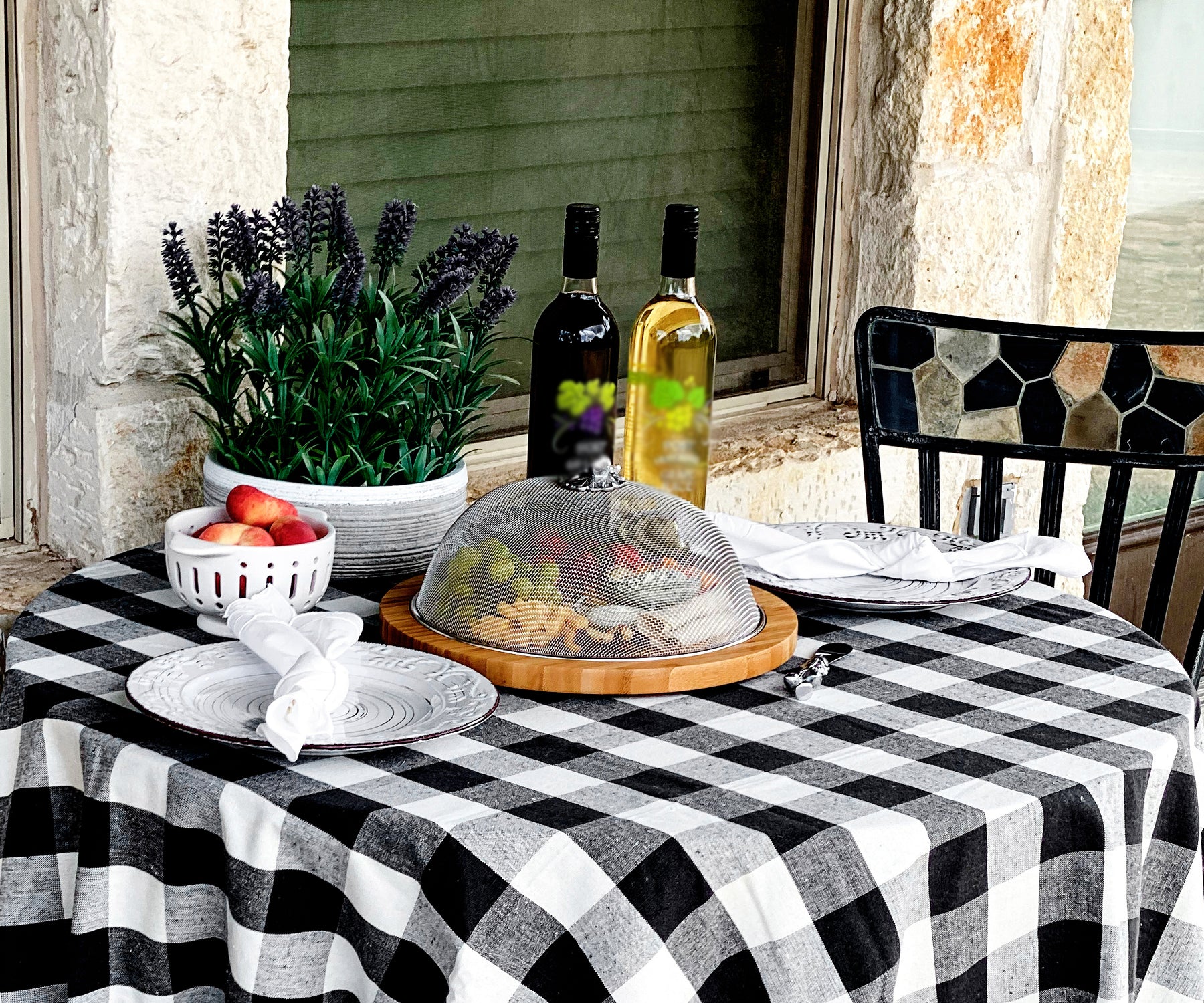
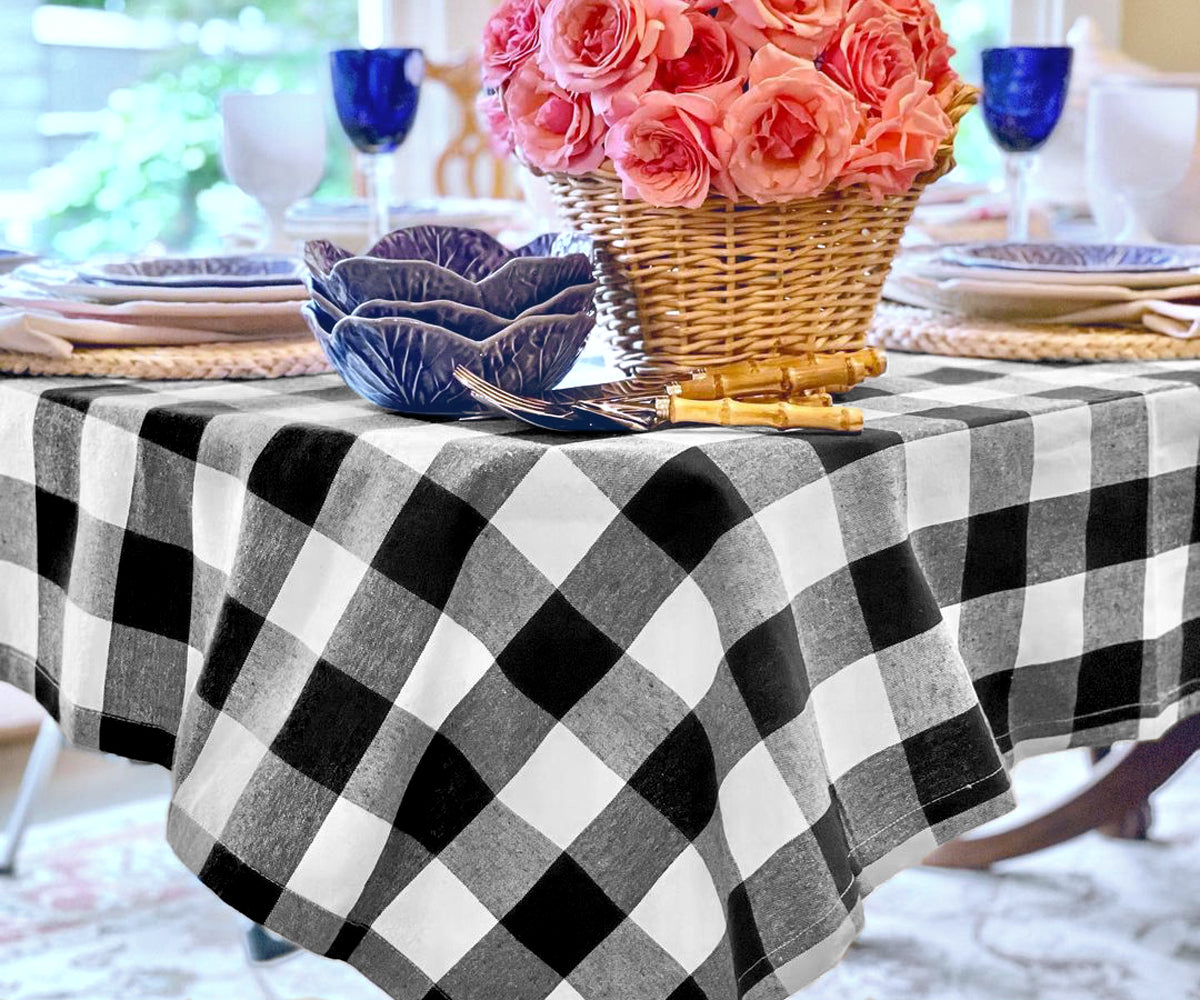
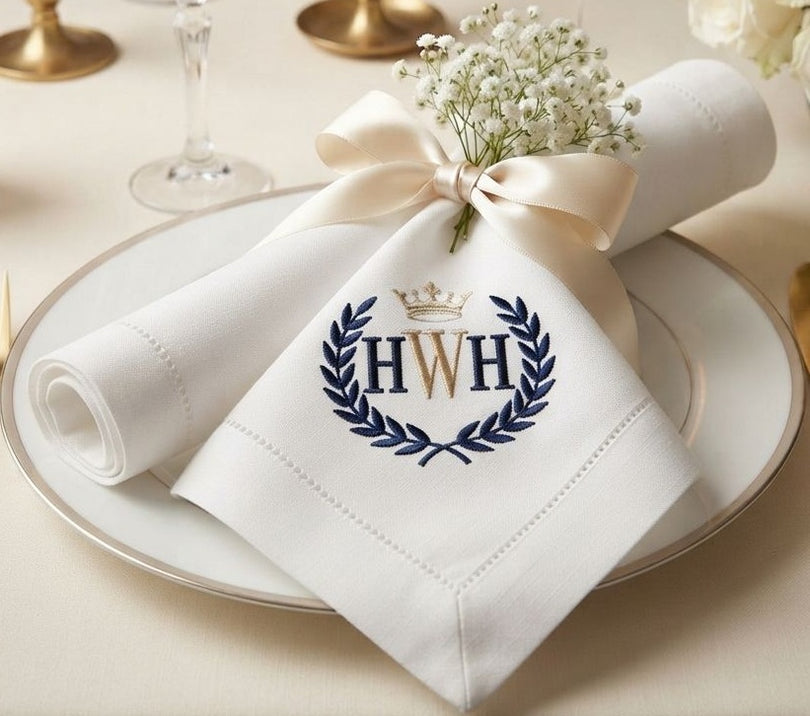
Completes the setting. A folded napkin gives each place a defined, cared-for look, even on a bare wooden table.
A flimsy napkin fails at the first two jobs. That is why napkin quality matters more than it seems.
The benefits of cloth napkins
Comfort and absorbency
Cotton and linen absorb spills instead of smearing them. They are large enough to cover a lap and soft enough to use all meal without shredding. A standard 18–20 inch dinner napkin also covers far more than a typical paper one.
Less household waste
A cloth napkin replaces hundreds of disposable ones over its life. It is washed and reused instead of being thrown out after one meal. The full environmental picture depends on how you wash and dry it, which we cover in paper vs. cloth napkins.
Lower cost per use
Cloth napkins cost more upfront. But a set used daily for years works out to a small cost per meal, and you stop restocking paper.
The table looks finished
A folded cloth napkin makes even a weeknight dinner feel intentional. For guests, it is one of the clearest signs that the table was set for them.

Napkin etiquette in five rules
Wait for the host. Place the napkin on your lap once the host does, or as soon as you sit at a restaurant.
Unfold it on your lap. Leave a large dinner napkin folded in half, with the fold toward your waist. Unfold a smaller luncheon napkin completely.
Dab, don't wipe. Blot your mouth gently, and never use a napkin as a handkerchief.
Leaving mid-meal? Set the napkin loosely on your chair seat, or as your host does, so the table stays clean.
Finished? Place it loosely folded to the left of your plate. Don't refold it neatly or leave it crumpled on the plate.
When setting the table, place the napkin to the left of the forks or centered on the plate. For placement by formality, see how to choose and style cloth napkins.
Cloth vs. paper: when each makes sense
Neither is right for every situation.
| Situation | Better choice | Why |
|---|---|---|
| Daily family meals | Cloth | Reused for years; more absorbent |
| Dinner parties and holidays | Cloth | Looks finished; holds a fold |
| Weddings and formal events | Cloth | Expected at formal settings |
| Picnics, kids' parties, buffets for 50+ | Paper (recycled, unbleached) | No laundry; easy cleanup |
| Travel and takeout | Either | A cloth napkin packs easily if you remember it |
The environmental comparison is more nuanced than "paper bad, cloth good". It is covered in detail in our paper vs. cloth napkin guide.

Choosing napkins for how you actually eat
Everyday meals
Choose cotton or a cotton-linen blend in a mid-tone color or a small pattern, which hides wear better than white. Plain or hemstitched edges look neat without fuss. Browse cotton napkins or plain napkins.
Entertaining and formal dinners
Linen drapes and folds more crisply, and subtle details such as a hemstitched border or embroidered edge look refined next to fine china. Consider hemstitch napkins, linen napkins or embroidered designs.
Rustic and seasonal tables
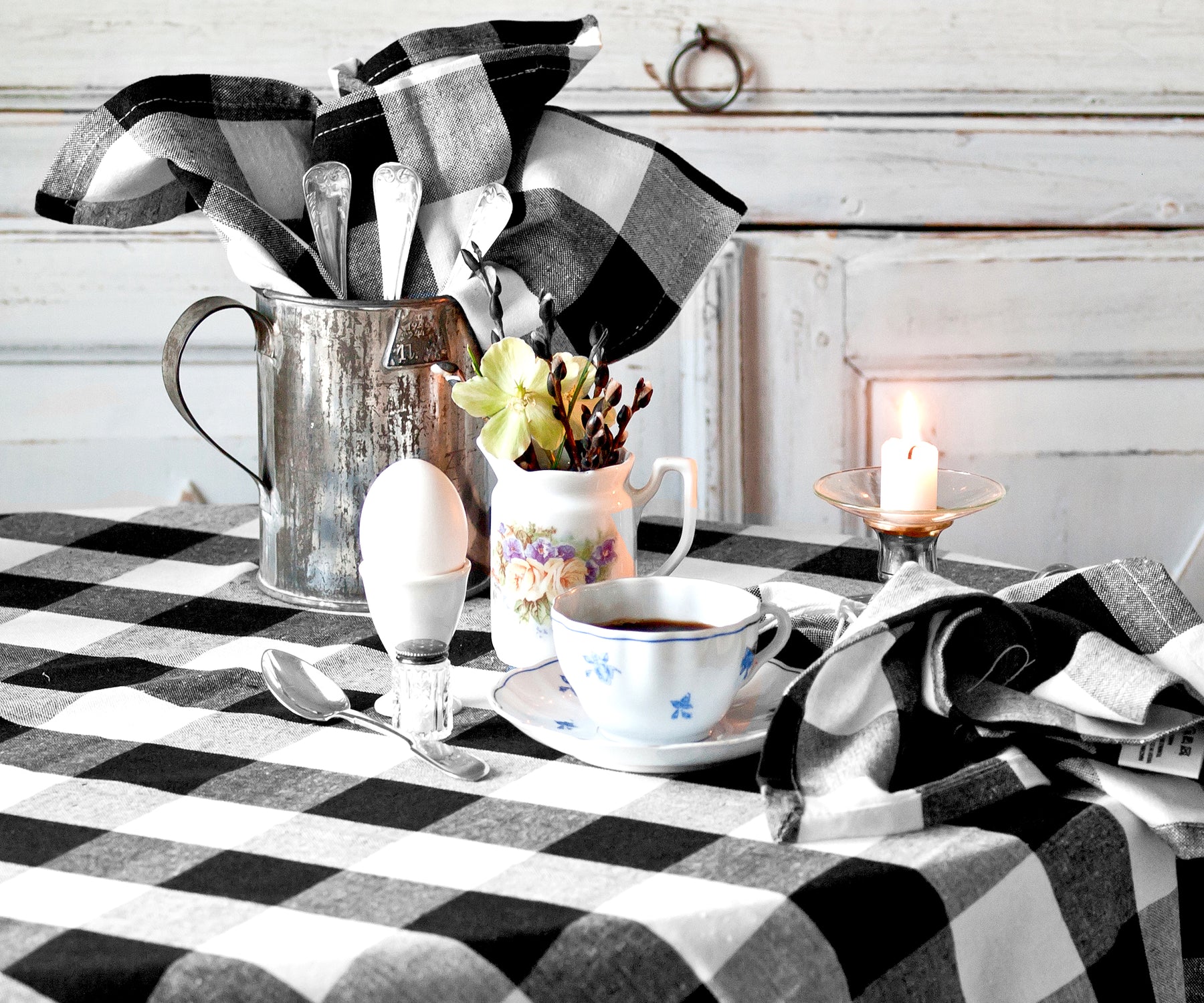
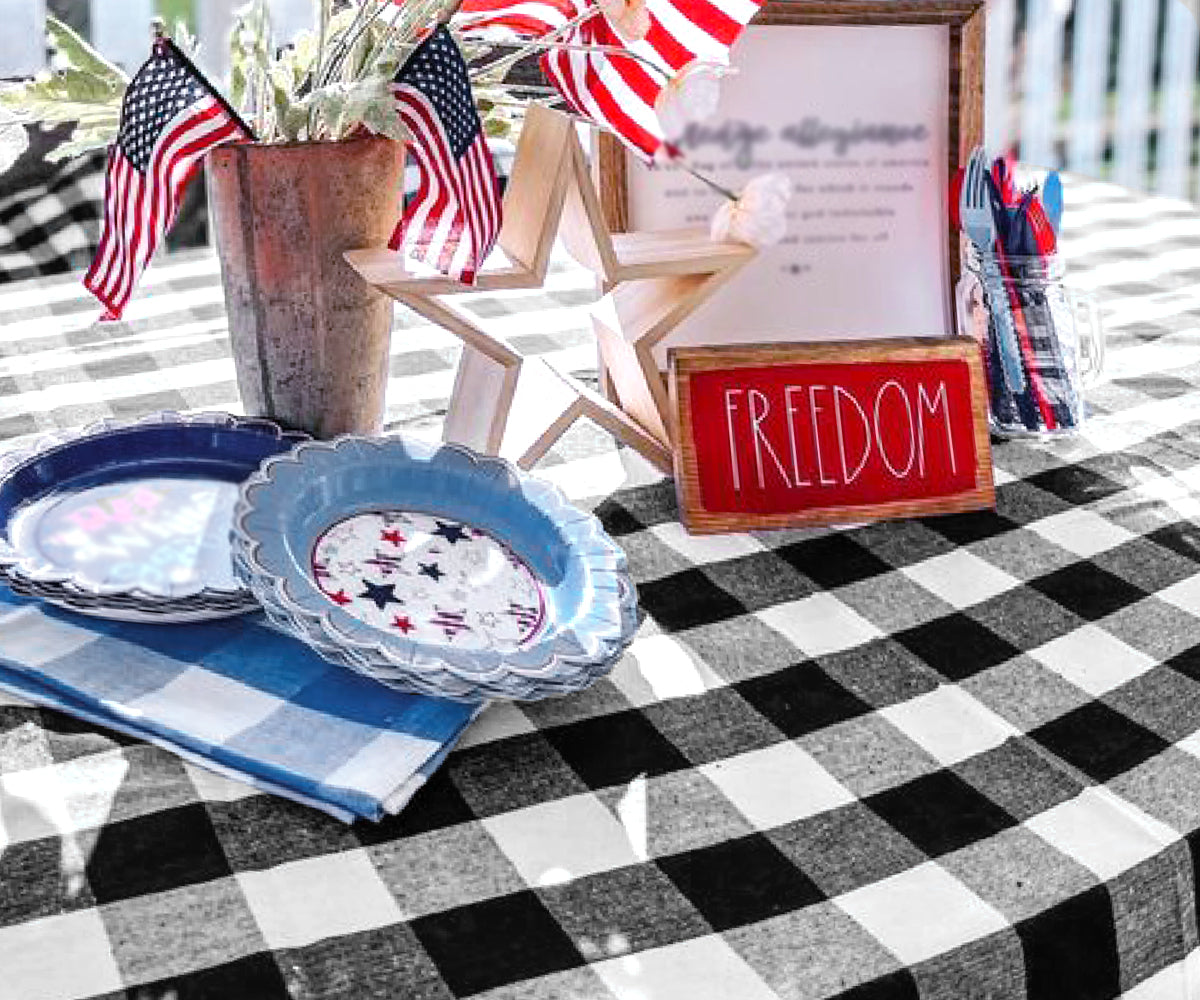
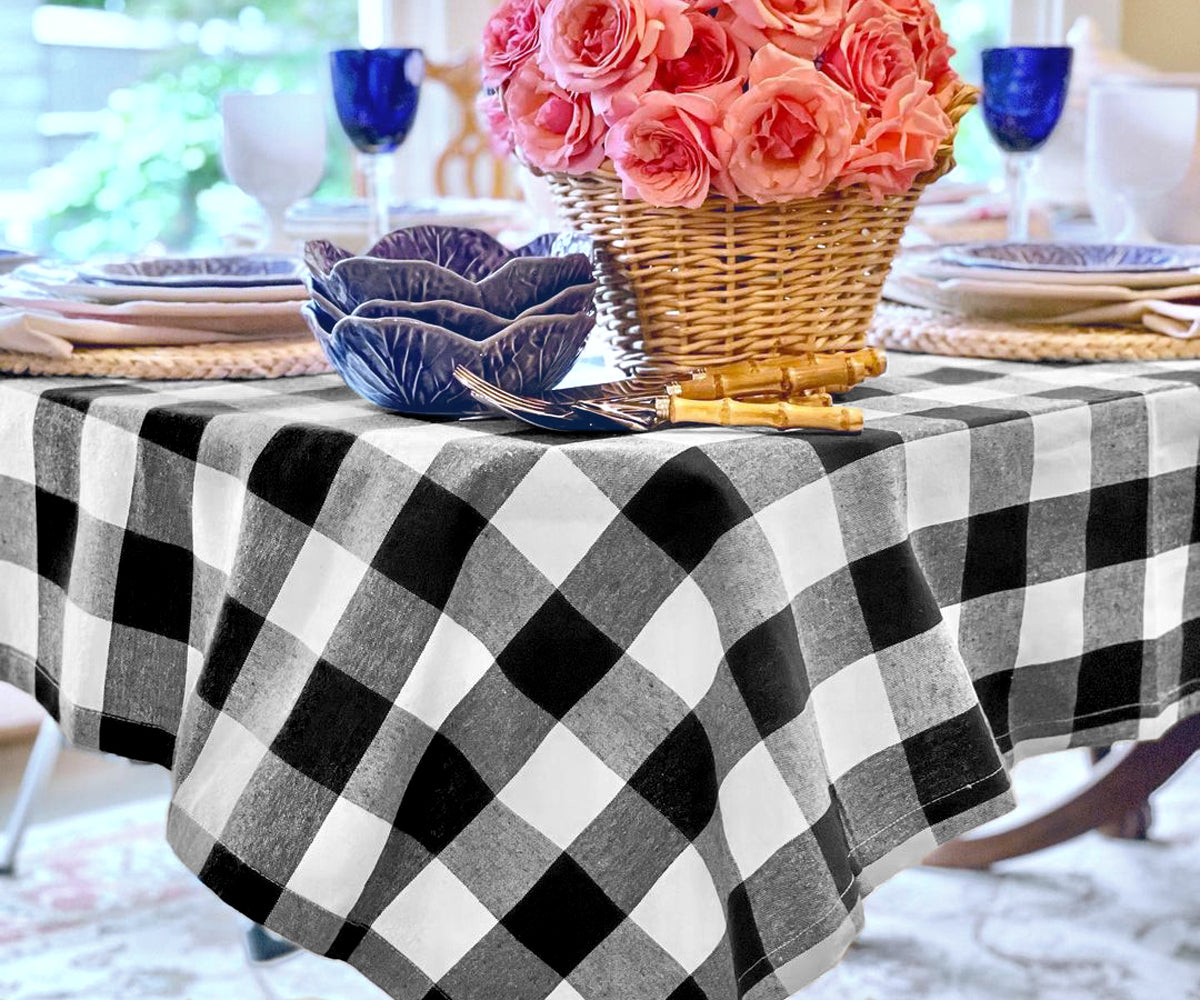
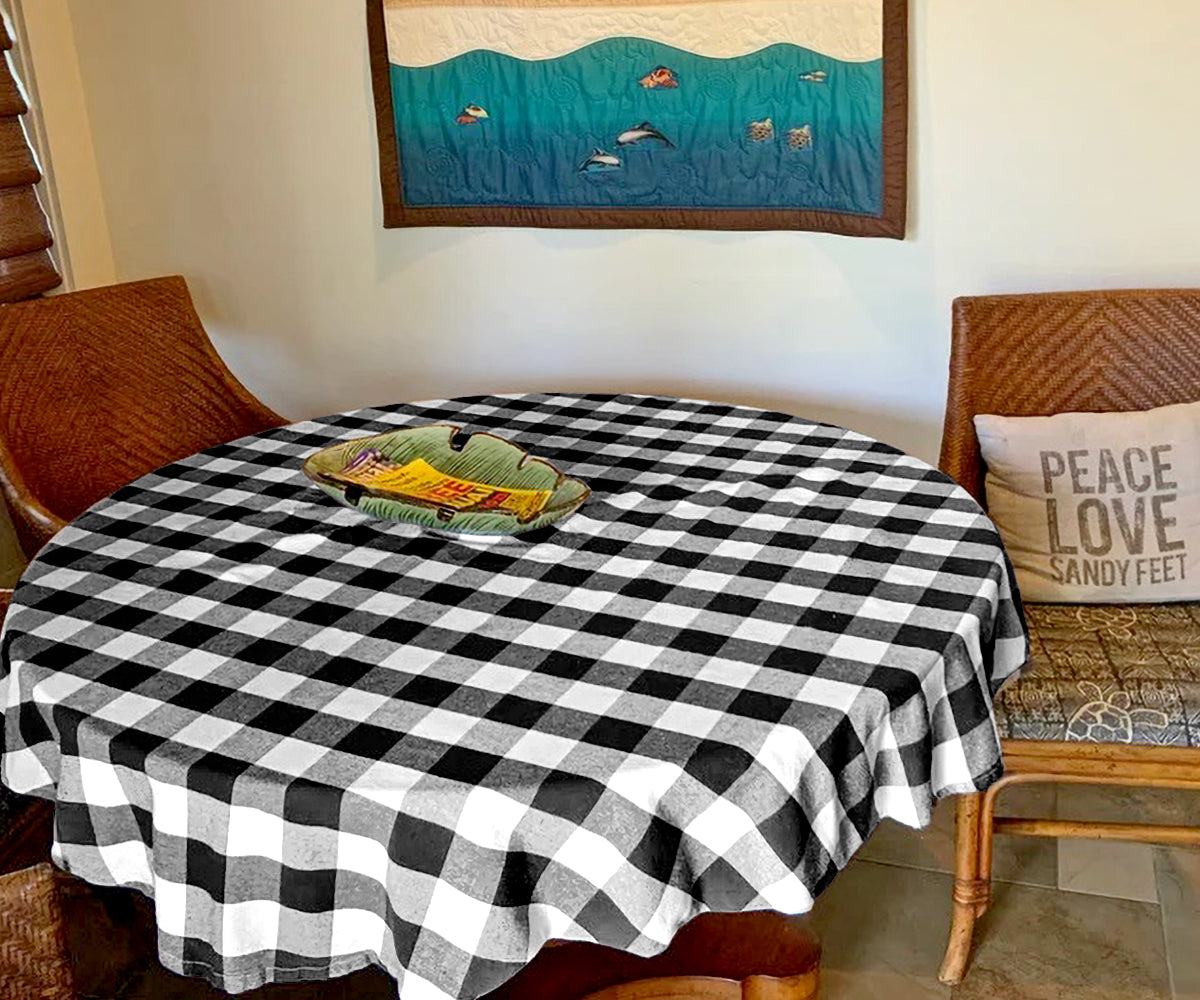
Natural linen texture pairs well with wood tables, stoneware and simple greenery. Checks and stripes suit farmhouse and holiday tables. See plaid napkins and striped napkins.
How many cloth napkins you need
A practical rule is two napkins per household member per laundry cycle, plus enough for your largest regular gathering.
| Household | Everyday set | Add for entertaining |
|---|---|---|
| 1–2 people | 8 | 4–8 dinner napkins |
| 3–4 people | 12 | 8–12 |
| 5+ people | 16–24 | 12 or more |
Many households keep an everyday set in a forgiving color and a separate white or linen set for guests.
Making cloth napkins easy to live with
- Keep a small basket by the table and drop used napkins into the regular wash rather than doing a separate load.
- Give each family member a napkin ring so lightly used napkins can be reused for a meal or two.
- Wash cotton warm and linen cool. Skip fabric softener, which reduces absorbency.
- Treat food stains soon after the meal. For whites, see how to care for white cloth napkins.
The bottom line
A napkin is a small thing that does a lot of work: protecting clothes, keeping hands clean, signaling manners and finishing the table. Cloth napkins do those jobs better and replace a steady stream of disposables. Start with one everyday set in cotton, add a linen set for guests, and the habit takes care of itself.