

At a Glance: Cheesecloth Substitutes
|
Substitute |
Best For |
Notes |
|
Flour sack towels |
Ricotta, yogurt, nut milk, bouquet garni |
Closest match to cheesecloth, strong and reusable |
|
Cloth napkins |
Broths, infused oils, fruit juices |
Use unbleached or lightly dyed to avoid color transfer |
|
Muslin bags |
Cold brew, tea, stocks, homemade cheese |
Bag shape means no folding or tying needed |
|
Mesh/nut milk bags |
Almond milk, oat milk, fruit pulp |
Fine mesh catches small particles, drains fast |
|
Cotton t-shirt scraps |
Soft cheeses, yogurt, cold brew |
Use 100% cotton, no prints or synthetic blends |
|
Coffee or tea filters |
Clear broths, infused oils, clarifying |
Slow, but catches the finest particles |
|
Fine mesh wire sieve |
Stocks, soups, sauces |
Line with a filter or towel for extra-fine straining |
What Is Cheesecloth?
Cheesecloth is a loosely woven cotton fabric. It was originally used to drain and press curds when making cheese, hence the name. The weave is open enough to let liquid pass through but tight enough to catch solids.
Today, people use it for way more than just cheese. It shows up in cooking, baking, straining stocks, making nut milk, wrapping herbs into a bouquet garni, and even steaming foods. It comes in different grades, from very loose to tightly woven, depending on what you're straining. The looser the weave, the faster liquid passes through. A tighter weave catches finer particles.

Cheesecloth is inexpensive and sold at most grocery stores and kitchen supply shops. But it's also single-use in many kitchens, and people forget to buy it until they need it most. That's why knowing a good substitute is so useful.
Also Read: Top-rated Cotton Napkins for Special Occasions
Cheesecloth Substitute
A cheesecloth substitute is any porous material that can do the same job, let liquid through while holding back solids. The best substitutes are made of natural fibers or food-safe synthetic mesh. They should be clean, lint-free, and strong enough to hold up when wet.
Not every substitute works for every task. A coffee filter works great for straining infused liquids but won't hold up when you're pressing ricotta. A wire sieve is perfect for chunky stocks but won't catch fine particles from almond milk. Knowing the job helps you pick the right stand-in. Most options are reusable, which actually makes them better than disposable cheesecloth in the long run.

Alternative to Cheesecloth
There are more alternatives to cheesecloth than most people realize. The options range from items already in your kitchen drawers to purpose-built tools designed for straining and filtering. Cotton fabrics are the most popular go-to because they behave similarly to cheesecloth, porous, flexible, and gentle on delicate foods.
Some alternatives work better for wet tasks like straining broth. Others are better for dry uses like wrapping spice bundles or covering food. The right pick depends on what you're making. Below, you'll find the most reliable options broken down by category.
What Can I Use Instead of Cheesecloth?
The simplest answer: look around your kitchen. You likely have something that works right now. Cloth napkins, a flour sack towel, a fine mesh strainer, any of these can get the job done. The key is making sure whatever you grab is clean, has no heavy dye that could leach, and is thin enough to let liquid pass through without too much resistance.
Here's a closer look at the best options.
Cotton Fabrics
Cotton is the closest thing to cheesecloth in terms of texture and function. It absorbs liquid slowly enough to allow proper straining, holds its shape when wet, and doesn't add any flavor to food. Most cotton kitchen linens are also machine washable, which makes cleanup simple.
The options within this category vary quite a bit. Some are tightly woven and better for catching fine particles. Others are looser and faster-draining. Below are the most common cotton fabric substitutes and when to use each.

Cloth Napkins
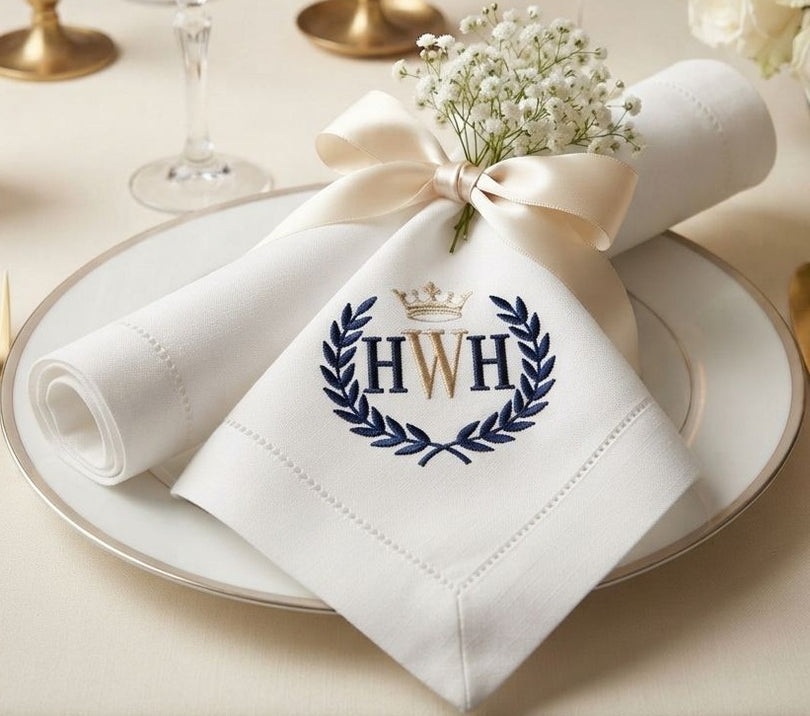
Cloth napkins are one of the easiest substitutes. Most households have them, and they're usually made from plain cotton or linen, both of which work well for straining. Lay one over a bowl, pour your liquid through, and let gravity do the work.
They're best for straining broths, infused oils, and fruit juices. They can also be twisted and squeezed to press out extra liquid from soft cheeses or cooked greens. Just make sure you're using unbleached or lightly dyed napkins. Heavily dyed fabric could transfer color to your food, especially with acidic liquids. After use, rinse them out and toss them in the wash.

Flour Sack Towels
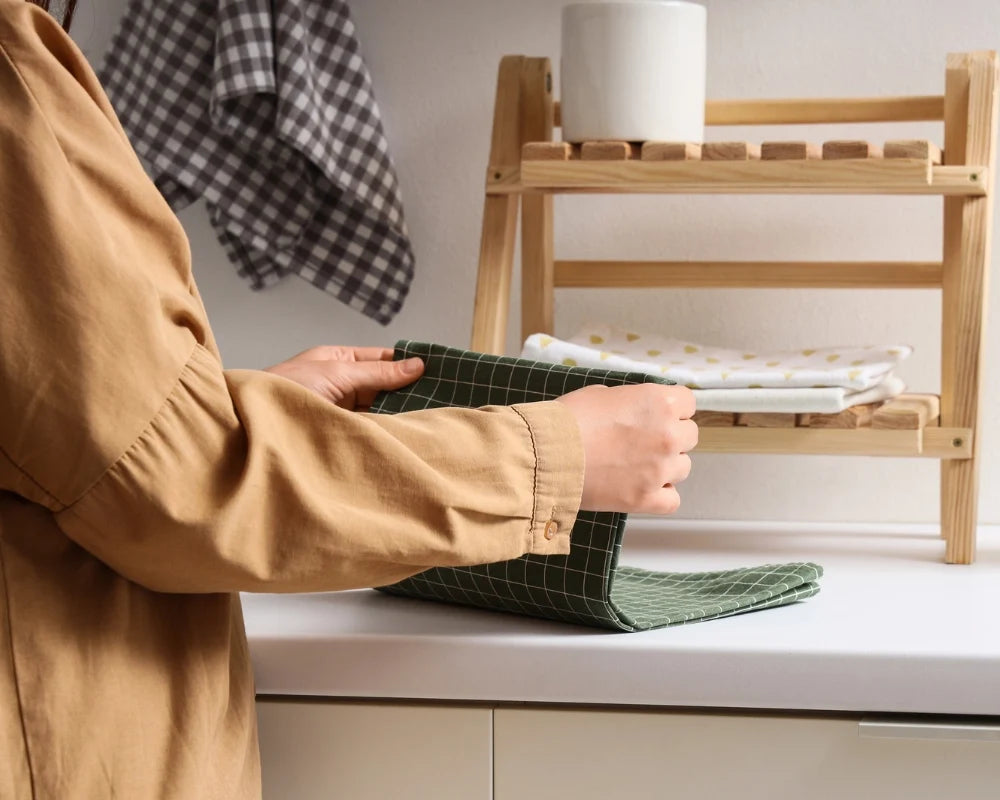
Flour sack towels are probably the single best cheesecloth substitute for kitchen tasks. They're made from thin, tightly woven cotton with a slight texture that's perfect for straining. They're strong, lint-free, and large enough to handle big batches.
Use them for making ricotta, straining yogurt, filtering nut milk, or wrapping a bouquet garni. They hold up under pressure when you twist and squeeze, and they rinse clean easily. You can find them cheaply at most grocery stores or kitchen stores. Many home cooks actually prefer flour sack towels over cheesecloth because they're reusable and more durable.

Cotton Table Runners
A plain cotton table runner might not be the first thing you think of, but it can work in a pinch. If it's unbleached and made from thin cotton, it functions much like a large piece of cheesecloth, especially for draping over colanders or large bowls.
Table runners are particularly handy when you need a large surface area, like covering a rack of cooling jelly jars or lining a wide strainer. Just make sure the runner hasn't been treated with any stiffening spray or stain repellent. Wash it thoroughly before using it with food. It's not the most practical everyday solution, but when you're stuck, it works.

Scrap of T-Shirts
An old cotton T-shirt cut into pieces is a surprisingly solid substitute. The fabric is soft, flexible, and porous enough for most straining tasks. Cut off any seams and use the flat body of the shirt for the cleanest surface area.
It works well for straining soft cheeses, draining yogurt, or filtering cold brew coffee. Avoid shirts with synthetic blends, 100% cotton is what you want. Also skip anything with screen printing or heavy graphic designs, since those areas have additional chemicals bonded to the fabric. A plain white or light-colored cotton tee is your best option.
Leggings or Pantyhose
This one sounds odd, but it genuinely works. Clean, unused nylon pantyhose or cotton leggings have a fine mesh structure that's actually very good at filtering liquids. The material stretches, which makes it easy to tie around a bowl or pull over a container.
It's especially useful for straining nut milks, fruit juices, or any liquid where you want a smooth, particle-free result. The weave is tight enough to catch even small particles. If you're using pantyhose for food straining, always use a brand-new pair and wash before use. Keep a dedicated pair just for kitchen use, don't repurpose ones you actually wear.
Muslin Bags
Muslin bags are woven cotton bags sold specifically for food use. They're a close relative of cheesecloth and behave almost identically. They come in various sizes, from small spice bags to large bags used for brewing or making nut milk.
The advantage over flat cheesecloth is the bag shape, you can fill it and hang it to drain without needing to fold or tie anything. Use muslin bags for making cold brew, steeping loose-leaf tea in large batches, straining stocks, or making your own cheese. They're reusable, easy to clean, and hold their shape well. You can find them online or at brewing supply stores.

Find Out: How to Reuse Drawstring Bags effectively?
Reusable Bread Bags
Reusable bread bags made from thin cotton or linen work surprisingly well as a cheesecloth stand-in. They're designed to be breathable, which is exactly what you need for straining. The fabric allows airflow and moisture to pass through without letting solids escape.
These bags are usually large enough to hold a good amount of liquid. Pour your broth or juice in, tie the top, and let it hang over a bowl. You can also squeeze them gently to speed up the process. Since they're made for food contact, there's no worry about dyes or chemicals. After straining, wash them as usual and they're ready to go again.

Mesh Bags
Mesh bags, the kind used for produce, laundry, or nut milk, are excellent cheesecloth substitutes. Nut milk bags in particular are designed specifically for straining, making them one of the most efficient options on this list.
The nylon or fine nylon mesh catches very small particles while letting liquid flow through cleanly and quickly. They're great for almond milk, oat milk, cold brew, straining fruit pulp, and even making broth. Most come with a drawstring, which makes it easy to tie and hang. They're durable, washable, and built to last through hundreds of uses. If you make plant-based milks regularly, a mesh bag is worth having on hand.

You May Also Like to Know: Where do you hang your pretty kitchen towels?
Coffee or Tea Filter
A coffee filter or paper tea filter is one of the easiest substitutes when you need fine straining. The paper is designed to catch the smallest particles while allowing liquid to pass through slowly. It works best for clear, thin liquids.
Use coffee filters for straining infused oils, yogurt whey, teas, or clarifying stocks. Keep in mind that paper filters are slow, the liquid has to work through the paper fiber by fiber. Don't try to rush it or the filter will tear. For large volumes, you may need to work in smaller batches. Reusable cloth coffee filters are also an option if you want something more sustainable. These cloth versions handle repeated use and strain faster than paper.
Wire Sieve
A fine mesh wire sieve, also called a fine mesh strainer, is one of the most useful kitchen tools for cheesecloth-style tasks. It's rigid, easy to clean, and doesn't require any setup beyond placing it over a bowl.
It's best for straining stocks, soups, sauces, and anything with larger solids. It won't catch the finest particles the way tightly woven fabric will, but for most everyday cooking it's more than good enough. For extra fine straining, line your wire sieve with a dampened paper towel or coffee filter to tighten the mesh. This combination handles most tasks that cheesecloth is used for, including clarifying sauces and removing herb bits from infused oils.
Best Alternative to Cheesecloth for Straining
For straining specifically, the best alternatives depend on what you're straining and how fine you need the result to be.
For coarse straining, like removing vegetable chunks from stock or separating fruit seeds from juice, a fine mesh sieve or colander lined with a flour sack towel is all you need. Both are easy to set up, easy to clean, and handle large volumes without issue.
For fine straining, like making nut milk, clarifying butter, or straining yogurt whey, a nut milk bag, muslin bag, or tightly woven flour sack towel works best. These materials catch the tiny particles that sieves miss. If you need the clearest possible result, layer two materials, a sieve to catch the bulk, then a cloth to catch the fine particles.
For very fine filtration, like making seed-free fruit coulis or ultra-clear broth, use a dampened coffee filter lined inside a sieve. It's slow, but the results are clean. Overall, a flour sack towel is the most versatile straining substitute. It handles coarse and medium-fine tasks, it's easy to clean, and most kitchens already have one.
Cheesecloth Fabric
Cheesecloth fabric is a plain-woven cotton textile with an open, gauze-like weave. It's lightweight, breathable, and has very little structure, it drapes easily and conforms to whatever shape it's placed over. This flexibility is part of what makes it so useful in the kitchen.
The fabric is graded by how tightly it's woven. Grade 10 is the loosest and most open. Grade 90 is the tightest and most like fine fabric. Most grocery store cheesecloth falls in the middle range. Looser grades drain faster but catch less. Tighter grades catch more but drain slowly.
Outside the kitchen, cheesecloth fabric is also used in craft projects, costumes, and as a drop cloth for art. It takes dye well and can be layered for different effects. For cooking, the food-safe unbleached versions are what you want. Bleached cheesecloth is treated with chemicals that you don't want near food, even if it looks cleaner. When shopping, look for labels that say "unbleached" or "food grade" to make sure you're getting the right kind.
Key Takeaways
-
Cheesecloth substitutes just need to be porous, clean, lint-free, and sturdy when wet.
-
Flour sack towels are the most versatile option and handle most straining jobs cheesecloth would.
-
Muslin and mesh bags work best when you want to hang and drain, like for cold brew or nut milk.
-
Coffee filters and dampened paper towels give the finest straining results, though they work slowly.
-
A fine mesh sieve handles coarse straining on its own and gets even finer when lined with cloth or a filter.
-
Most substitutes are reusable, which makes them a better long-term option than single-use cheesecloth.