
Movies starring icons like Grace Kelly, Marilyn Monroe, Audrey Hepburn, and Elizabeth Taylor inspired millions of women across America. Fashion magazines showcased the latest Paris designs, while department stores offered affordable versions for everyday shoppers.

Let's step inside one of the most stylish decades in history.
The Beginning of a New Fashion Era
The 1950s arrived after years of wartime clothing restrictions. During World War II, fabric shortages limited fashion choices. Once peace returned, women welcomed fuller skirts, luxurious fabrics, and beautifully tailored dresses.
One designer changed everything.
In 1947, Christian Dior introduced what became known as the New Look. Although it debuted before the 1950s officially began, the style dominated the entire decade. It featured rounded shoulders, tiny waists, soft hips, and dramatically full skirts.
Women quickly adopted the look because it felt fresh, glamorous, and optimistic after years of simple wartime clothing.
Movies like Father of the Bride (1950) and An American in Paris (1951) reflected this polished style, making these graceful silhouettes even more desirable.

What Did Women Wear In The 1950s
The New Look became the defining image of 1950s women's fashion.
Every detail worked together to create an hourglass figure.
Women wore:
-
Structured bodices
-
Cinched waists
-
Full skirts reaching mid-calf
-
Layers of nylon petticoats
-
Soft shoulder lines

The petticoat played an important role. It added volume underneath dresses, allowing skirts to swing beautifully while walking or dancing.
Many dresses also featured fitted sleeves, decorative buttons, small collars, and carefully placed pleats.
This silhouette appeared everywhere, from family gatherings to church services and afternoon shopping trips.
Love mini dresses? Check out our guide on what to wear under a mini dress for practical styling tips that work with modern silhouettes.
Fit-and-Flare Dresses Became Everyday Favorites
Among all 1950s dresses, the fit-and-flare design remains one of the most loved today.
The style combined comfort with a flattering shape.
A fitted bodice highlighted the waist while the skirt opened into a graceful circle. Cotton versions became popular during the day, while satin and silk transformed the same silhouette into elegant evening wear.
Floral prints, gingham, polka dots, and plaid patterns made these dresses cheerful without appearing overly formal.
Many modern vintage-inspired dresses still borrow heavily from this classic design.
Pencil Dresses Offered a Sleek Alternative
Not every woman preferred a full skirt.
The 1950s also introduced beautifully tailored sheath and pencil dresses.
Unlike the dramatic New Look, these dresses followed the body's natural shape.
They featured:
-
Straight skirts
-
Slim silhouettes
-
Defined waistlines
-
Simple necklines
-
Clean tailoring
Hollywood stars frequently wore pencil dresses on screen.
Marilyn Monroe made this style unforgettable in films like The Seven Year Itch (1955), proving that simple tailoring could make just as much of a statement as a full skirt.
These dresses became popular office wear because they looked polished without excessive volume.
Curious about how women's style has changed over the decades? Read what clothing do young women like to wear the most in 2026 to see how today's fashion compares with 1950s trends.
Everyday Fashion Looked Practical Yet Stylish
Many women spent most of their week managing households, running errands, or working outside the home.
Daily clothing balanced comfort with neat presentation.
Popular combinations included:
-
Cardigans over blouses
-
Sweaters paired with circle skirts
-
Button-up shirts tucked neatly into high-waisted skirts
-
Lightweight jackets
Even casual outfits maintained clean lines and coordinated colors.
Women rarely appeared without belts, neatly pressed clothing, or polished shoes.
Television shows and family sitcoms often reflected these carefully styled everyday wardrobes.
Skirts Came in Many Different Styles
Skirts were the foundation of most wardrobes.
The most popular options included:
Circle Skirts: These created dramatic movement while walking or dancing.
Pleated Skirts: Perfect for school, work, and everyday wear.
A-Line Skirts: Slightly less dramatic than circle skirts but equally flattering.
Pencil Skirts: Ideal for offices and dressier occasions.
Many skirts featured pockets, decorative stitching, or colorful waistbands that added personality without overwhelming the outfit.
Fashion has always reflected personal confidence and cultural influences. Learn more in why do women wear revealing clothing, which explores how women's clothing choices have evolved over time.
Women Started Wearing Pants More Often
Although dresses remained the standard, the 1950s marked an important shift toward casual pants.
Women increasingly wore:
-
Capri pants
-
Cropped trousers
-
Jeans
-
Pedal pushers
These appeared during vacations, backyard gatherings, picnics, and weekend outings.
Capri pants became especially fashionable after stars like Audrey Hepburn wore them in films and public appearances.
Movies such as Funny Face (1957) introduced audiences to her simple yet sophisticated casual wardrobe, inspiring women to experiment with relaxed clothing.
Jeans were still considered informal, but younger women embraced them as symbols of youthful confidence.
For beach and pool days, the separates-based approach of the 1950s continued to be followed in swimwear, with high-waisted, often boned one-pieces with sweetheart necklines providing a similar cinched-waist look to their day-wear counterparts.
Sack Dresses Added Comfort
Toward the late 1950s, fashion slowly began changing.
One noticeable trend involved the sack dress.
Unlike fitted styles, sack dresses hung loosely without emphasizing the waist.
Some women appreciated the comfort, while others preferred the traditional hourglass silhouette.
Although opinions varied, the sack dress hinted at the dramatic fashion changes that would arrive during the 1960s.
Poodle Skirts and the Rise of Teen Style
While grown women wore the New Look, a different kind of fashion was emerging that would soon rival it: the style of the teenager. Poodle skirts were the staple garment of the preppy teen, who wore her petticoat in a circle of fluffy felt, usually with an appliquéd poodle at center. Poodles and polos (as the teen-sized sweaters were called) went nicely with ankle socks and saddle shoes, which created an entirely different aesthetic than the tailored suits preferred for church and by working women.
Bobby socks and saddle shoes were the uniform of the school and sock hop, an outgrowth of the baby boom and a rising consciousness that teenagers were a distinct market, different from children or adults.

Popular Fabrics in 1950s Fashion
Fabric choices depended largely on the occasion.
For everyday clothing, women commonly wore:
-
Cotton
-
Wool
-
Tweed
-
Rayon
Evening fashion featured richer materials like:
-
Satin
-
Silk
-
Velvet
The decade also experienced major advances in synthetic fibers.
Nylon, polyester, and acrylic became increasingly common because they required less maintenance than natural fabrics.
These newer materials also made fashionable clothing more affordable for many families.

Prints Added Personality
The 1950s loved cheerful prints.
Instead of plain fabrics, women often selected clothing decorated with colorful patterns.
Some favorites included:
-
Polka dots
-
Gingham
-
Plaid
-
Checks
-
Large floral prints
-
Small floral prints
-
Stripes
These patterns appeared on dresses, blouses, skirts, scarves, and even handbags.
The bright prints reflected the optimistic mood of post-war America.
Accessories Completed Every Outfit
One defining feature of 1950s women's fashion involved matching accessories.
No outfit felt complete without thoughtful finishing touches.

Popular accessories included:
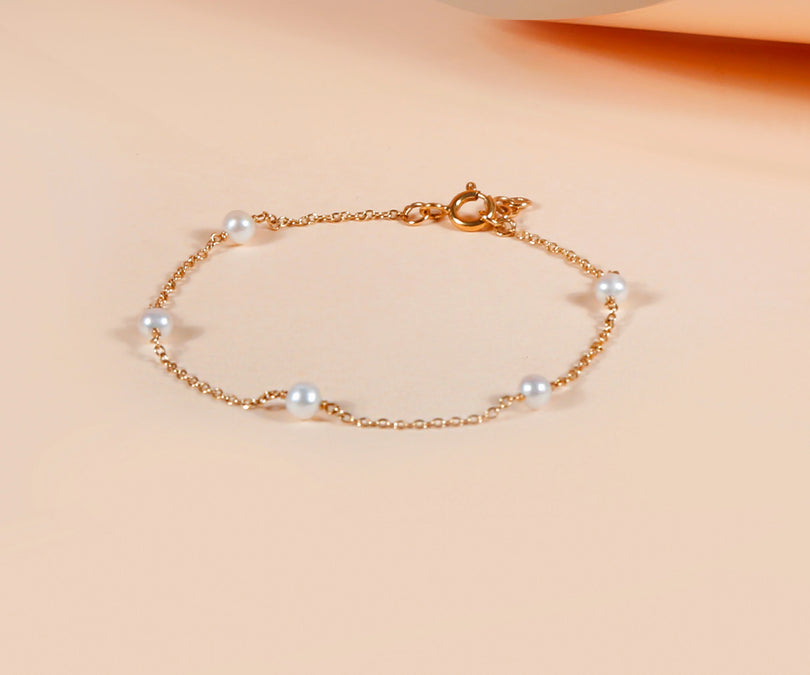
Pearl Jewelry
Single-strand pearl necklaces became wardrobe staples.
Matching pearl earrings completed the look.
Gloves
White, cream, and pastel gloves appeared regularly during church services, shopping trips, and social events.
Silk Scarves
Scarves added color while protecting carefully styled hair.
Women tied them around their necks, handbags, or hairstyles.
Pillbox Hats
Small structured hats became fashionable throughout the decade.
Cat-Eye Sunglasses
These playful frames added personality while complementing feminine outfits.
Structured Handbags
Frame handbags maintained neat shapes and coordinated beautifully with shoes.
Pointed-Toe Heels
Low heels and pumps balanced style with practicality for everyday wear.
Hairstyles Were Always Well Styled
Hair played an equally important role.
Women spent considerable time creating polished hairstyles.
Popular looks included:
-
Soft curls
-
Pin curls
-
Short gamine cuts
-
Rolled bangs
-
Shoulder-length waves
Audrey Hepburn's short haircut became one of the decade's most copied styles after Roman Holiday (1953).
Meanwhile, Elizabeth Taylor inspired glamorous curled hairstyles that suited evening wear perfectly.
Hair appointments became regular monthly routines for many women.
Makeup Focused on Classic Beauty
The makeup trends of the 1950s remain popular even today.
Women emphasized:
-
Winged eyeliner
-
Defined eyebrows
-
Long lashes
-
Soft foundation
-
Rosy cheeks
-
Bright red lipstick
Marilyn Monroe's signature red lips became one of the most recognizable beauty trends in fashion history.
The overall goal involved looking polished throughout the day.
Evening Fashion Sparkled
Formal occasions allowed women to wear luxurious gowns.
Evening dresses often featured:
-
Satin fabrics
-
Silk finishes
-
Strapless necklines
-
Full skirts
-
Decorative embroidery
-
Beading
-
Gloves reaching the elbow
Hollywood films showcased breathtaking evening wardrobes that influenced countless special occasion dresses sold across America.
Movies like High Society (1956) highlighted glamorous gowns that became fashion inspiration for weddings, galas, and formal dinners.
Hollywood Shaped Women's Fashion
Fashion magazines introduced trends, but Hollywood made them unforgettable.
Several stars became lasting style icons.
Audrey Hepburn
Known for simple tailoring, cropped pants, fitted dresses, ballet flats, and graceful accessories.
Marilyn Monroe
Celebrated for figure-hugging dresses, pencil skirts, fitted sweaters, and glamorous evening gowns.
Grace Kelly
Inspired women with refined dresses, gloves, structured handbags, and sophisticated hairstyles.
Elizabeth Taylor
Favored luxurious fabrics, dramatic jewelry, and beautifully tailored evening wear.
Their wardrobes continue inspiring designers decades later.
Why 1950s Fashion Still Inspires Women Today
Vintage fashion continues enjoying enormous popularity because these designs flatter many body types while offering endless styling possibilities.
Modern wardrobes frequently include:
-
Fit-and-flare dresses
-
Circle skirts
-
Cardigans
-
High-waisted pants
-
Cat-eye sunglasses
-
Pearl necklaces
-
Red lipstick
Today's designers regularly reinterpret classic 1950s fashion using updated fabrics and contemporary colors.
Vintage-inspired clothing also appears at weddings, themed parties, retro photo shoots, and everyday fashion.
Overview
Looking back at 1950s fashion what did women wear, it's easy to understand why the decade continues to influence modern style. Every outfit reflected careful tailoring, coordinated accessories, and polished presentation. Full skirts, pencil dresses, capri pants, pearls, gloves, and beautifully styled hair became lasting symbols of the era.
Hollywood stars and memorable films helped spread these trends across America, turning everyday fashion into something people still admire decades later. While today's wardrobes offer greater flexibility, many favorite styles still trace their roots to the remarkable fashion choices of the 1950s.
Frequently Asked Questions
What did women wear in the 1950s?
Women commonly wore fit-and-flare dresses, circle skirts, pencil dresses, cardigans, blouses, gloves, pearl jewelry, pointed-toe heels, and structured handbags. Casual fashion included capri pants, jeans, and sweaters paired with full skirts.
Why was the New Look so popular?
The New Look introduced a dramatic hourglass silhouette with fitted waists and full skirts after years of wartime clothing restrictions. Its feminine appearance quickly became the defining fashion trend of the decade.
Did women wear pants during the 1950s?
Yes. Capri pants, jeans, and pedal pushers became popular during casual outings, vacations, and weekends, although dresses remained the preferred choice for many daily activities.
What accessories were popular in the 1950s?
Pearl necklaces, gloves, silk scarves, cat-eye sunglasses, pillbox hats, pointed-toe heels, and structured handbags completed many outfits.
Which fabrics were popular during the 1950s?
Cotton, wool, tweed, satin, silk, nylon, polyester, and acrylic were commonly used. Cotton dominated everyday clothing, while satin and silk appeared in evening wear.