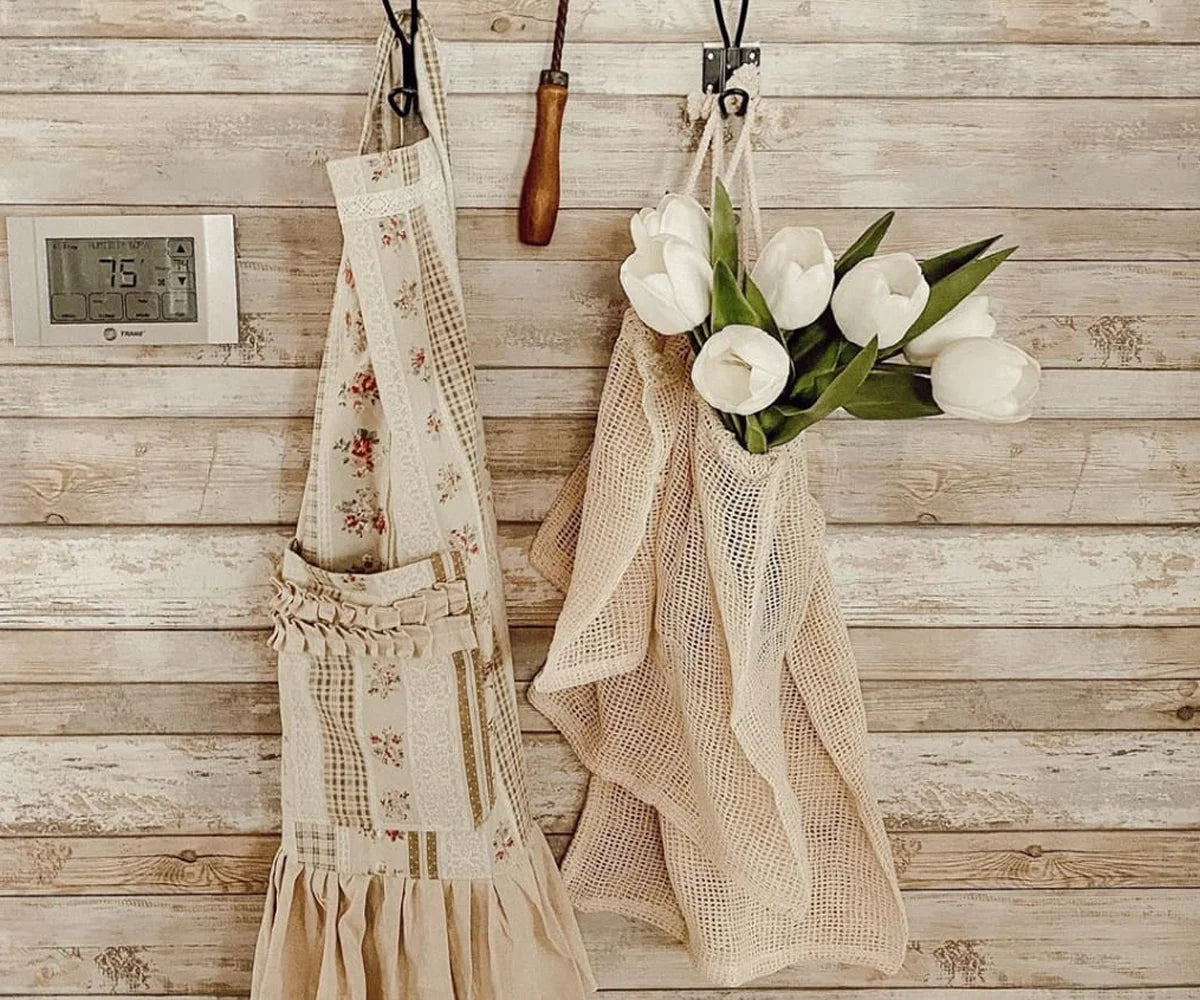


You are cooking dinner, baking fresh bread, or working on a weekend craft project, and somehow your clothes stay clean through all of it. That is the job of a good apron.
An apron may seem simple, but it is one of the most useful items in any kitchen, workshop, garden, or studio. It protects your clothes from spills, heat, dust, and stains while giving you quick access to tools, towels, or recipe cards. Today, aprons are used by home cooks, bakers, baristas, artists, gardeners, servers, and even event hosts who want both comfort and function while they work.
In 2026, aprons come in many styles, fabrics, and fits. From lightweight cotton aprons for daily cooking to durable linen and canvas designs for heavy-duty tasks, choosing the right one depends on how and where you use it. This guide covers everything you need to know, including apron types, common uses, fabric choices, styling ideas, cleaning tips, and how to pick an apron that feels comfortable and lasts for years.
What Is an Apron?
An apron is a protective garment tied at the waist or neck that covers the front of the body while leaving the back open. It allows full freedom of movement while shielding clothing from whatever the task demands, cooking oil, paint, soil, coffee, flour, or craft materials.
Originally a simple utilitarian item, the apron has evolved into a thoughtfully designed accessory that balances protection with personal expression. Today's aprons come in structured styles, natural fabrics, custom prints, and professional cuts that suit everyone from a home baker to a Michelin-starred chef.
What makes something an apron:
-
Worn over regular clothing as a protective layer
-
Fastened with ties, straps, or buckles at the neck and/or waist
-
Covers the front torso, sometimes full-length, sometimes waist-only
-
Includes pockets in most practical designs for tools, towels, or phones
-
Available in cotton, linen, canvas, denim, leather, and blended fabrics

Uses of Aprons Kitchen, Professional & Beyond
Aprons are far more versatile than most people give them credit for. Here's where they genuinely earn their place:
In the Kitchen and While Cooking
The most common use of an apron is cooking and baking. Hot oil splatters, tomato sauce, cake batter, and stray spices are no match for a good apron. Pockets keep kitchen towels and utensils close, and the full front coverage means you can cook confidently without worrying about staining your clothes.
In Professional Workspaces
Chefs, pastry bakers, baristas, servers, butchers, and bartenders all rely on aprons daily. In professional kitchens, an apron isn't optional; it's part of the uniform. Durability, ease of cleaning, and long-wear comfort matter most in these environments.
In Creative and DIY Settings
Painting, pottery, woodworking, crafting, and home improvement are all messy by nature. An apron keeps the damage contained. Many artists and crafters prefer heavier canvas or linen styles that hold up to repeated use.
In the Garden
Gardening aprons often feature large front pockets that double as carry pouches for seeds, small tools, or cuttings. They protect against soil, moisture, and garden debris without restricting movement.
For Gifting and Events
Custom aprons have become a popular gift choice for housewarmings, weddings, Father's Day, and Mother's Day. Personalized designs, monogrammed or logo-printed, add meaning to something genuinely useful every day.
Types of Aprons (With Comparison Table)
Not all aprons are built the same. The style you choose determines how well it protects you, how comfortable it feels, and whether it fits your work or lifestyle.
Bib Apron
The most recognizable style. It covers the full front of the body from chest to knees, with a strap around the neck and ties at the waist.
-
Best for: Cooking, baking, grilling, professional kitchens
-
Coverage: Full front — chest, torso, and lap
-
Key feature: Maximum protection for messy tasks
Waist Apron (Half Apron)
Covers from the waist down. Lighter and less restrictive than a full bib.
-
Best for: Servers, bartenders, baristas, light kitchen work
-
Coverage: Waist to thigh or knee
-
Key feature: Freedom of upper body movement
Cross-Back Apron
A modern take on the bib apron that replaces the neck strap with crossing back straps. Eliminates neck strain during long wear.
-
Best for: Long cooking sessions, professional use, gifting
-
Coverage: Full front
-
Key feature: Ergonomic design, no pressure on the neck
Cobbler Apron
Covers both the front and the back of the body, worn more like a vest. Common in retail, childcare, and craft settings.
-
Best for: Crafting, childcare, retail environments
-
Coverage: Front and back
-
Key feature: 360-degree coverage without full sleeves
Pinafore Apron
A sleeveless dress-style apron that slips over the head. Popular in both home and creative settings.
-
Best for: Arts and crafts, casual home use, gifting
-
Coverage: Full front, sometimes full body
-
Key feature: Stylish silhouette, no ties needed
Butcher Apron
A heavy-duty, full-length apron built for durability. Standard in meat processing, woodworking, and serious kitchen environments.
-
Best for: Heavy-duty kitchen tasks, butchery, workshops
-
Coverage: Full length
-
Key feature: Thick, reinforced material; maximum durability

Apron Types — Quick Comparison Table
|
Apron Type |
Coverage |
Best Use |
Strap Style |
Formality |
|
Bib Apron |
Full front |
Cooking, grilling, baking |
Neck + waist |
Everyday to Pro |
|
Waist/Half Apron |
Waist down |
Serving, bartending |
Waist only |
Casual to Pro |
|
Cross-Back Apron |
Full front |
Long sessions, gifting |
Cross straps |
Casual to Pro |
|
Cobbler Apron |
Front + Back |
Retail, crafts, childcare |
Shoulder + waist |
Casual |
|
Pinafore Apron |
Full front |
Arts, home use |
Over-the-head |
Casual |
|
Butcher Apron |
Full length |
Heavy-duty, workshop |
Neck + waist |
Professional |
To Learn: Wedding Gift Ideas for an Older Couple Who Have Everything
Aprons for Women Style and Fit Guide
Aprons for women are designed to combine functionality with thoughtful fit. Adjustable straps, flattering cuts, and a wider range of colors and patterns make women's aprons genuinely enjoyable to wear, not just practical.
Key features to look for:
-
Adjustable neck and waist straps for a comfortable, customized fit
-
Cross-back designs that distribute weight evenly and eliminate neck strain
-
Lightweight fabrics like cotton or linen for comfortable extended wear
-
Functional pockets that hold phones, towels, or recipe cards
-
Stylish color options and prints that suit different kitchen aesthetics
Women's aprons span from relaxed everyday styles to elegant linen options perfect for hosting or gifting. A well-designed women's apron should feel effortless to put on, stay in place during work, and look put-together even mid-task.
Best occasions for women's aprons:
-
Daily cooking and meal prep
-
Hosting dinner parties and brunches
-
Baking with family or for events
-
Crafting, painting, or gardening
-
As a personalized gift for any occasion
Aprons for Men: Durability and Design
Men's aprons are built with durability and structure at the forefront. Whether for weekend grilling, professional kitchen work, or a woodworking project, a well-made men's apron needs to hold up to heavy use without feeling restrictive.

Key features to look for:
-
Heavier fabrics — canvas, thick cotton, or linen — for better protection
-
Reinforced stitching and stress points that handle daily wear
-
Full-length coverage that protects from chest to knee
-
Deep, spacious pockets for tools, thermometers, or utensils
-
Neutral tones and clean designs that work across settings
Men's aprons lean toward functional simplicity. The best ones are easy to put on, easy to clean, and durable enough to outlast years of regular use.
Best occasions for men's aprons:
-
Grilling and outdoor cooking
-
Professional kitchen environments
-
Woodworking and workshop tasks
-
Home brewing or bartending
-
As a practical, long-lasting gift
Custom Aprons For Gifting, Branding & Events
A custom apron turns a practical item into something personal and memorable. Whether monogrammed with a name, embroidered with a logo, or printed with a design for a special occasion, custom aprons work across many different contexts.
Where custom aprons are most popular:
-
Restaurants and cafes want a unified, branded look
-
Wedding gifts and bridal party favors
-
Housewarming gifts for new homeowners
-
Corporate gifting and hospitality events
-
Holiday gifting, especially for cooking enthusiasts
Custom aprons are one of the few gift options that are genuinely useful every day. They add personal value to something the recipient will actually reach for, not store in a drawer.
Cotton vs. Linen Aprons: Which Is Right for You?
The fabric of your apron determines how it feels, how long it lasts, and how easy it is to maintain. Cotton and linen are the two most popular natural fabric choices, and each has its strengths.
|
Feature |
Cotton Apron |
Linen Apron |
|
Feel |
Soft, gentle on skin |
Slightly textured, softens with use |
|
Breathability |
Good |
Excellent |
|
Durability |
Good |
Very High |
|
Weight |
Light |
Light to medium |
|
Care |
Easy — machine washable |
Machine washable, improves with washing |
|
Appearance |
Casual to refined |
Naturally elegant, textured |
|
Best For |
Everyday cooking, gifting, casual use |
Long-term use, sustainability-focused buyers |
|
Price Range |
Affordable to mid-range |
Mid-range to premium |
Cotton aprons
They are soft, easy to care for, and ideal for daily use in home kitchens. They're comfortable for long periods of wear and wash without fuss.

Linen aprons
They are naturally breathable and temperature-regulating, making them comfortable in warm kitchen environments. They're more durable than cotton and develop a beautiful texture and character with age. For those who value sustainability, linen is an excellent long-term investment.
Cotton-linen blends
offer a middle ground, the softness of cotton with some of the structure and breathability of linen. A strong option for anyone who wants the best of both materials.
Explore More: Best Retirement Gifts of 2026: Thoughtful and Unique Ideas for Every Personality
How to Choose the Right Apron
Before buying an apron, run through this simple checklist:
Define the purpose
-
Is it for cooking, crafting, professional use, or gifting?
-
Will it be used daily or only occasionally?
Consider the coverage needed
-
Full bib for heavy cooking and grilling
-
Waist apron for light tasks or serving
-
Cross-back for long-wearing sessions
Choose the right fabric
-
Cotton for softness and easy care
-
Linen for breathability and durability
-
Canvas or denim for heavy-duty tasks
Check the fit
-
Look for adjustable straps to accommodate different heights and body types
-
Cross-back designs are a comfortable alternative for long wear
Evaluate the pockets
-
A good apron has at least one deep pocket
-
Professional styles often feature divided pockets for organization
Think about care requirements
-
Machine-washable options are more practical for daily use
-
Check whether the fabric requires special washing or air-drying
How to Care for Your Apron Properly
Proper care extends the lifespan of your apron and keeps it looking clean and well-maintained.
Washing Cotton Aprons
-
Machine wash in cold or warm water on a regular or gentle cycle
-
Use a mild detergent to protect the fabric fibers
-
Avoid bleach on colored cotton aprons, as it fades the dye over time
-
Tumble dry on low or air dry to prevent shrinkage
Washing Linen Aprons
-
Machine wash on a gentle cycle in cold water
-
Linen softens and improves with each wash; there's no need to be precious about it
-
Air dry where possible to maintain the fabric's natural texture
-
Iron on medium heat while slightly damp if a crisp finish is desired
Caring for Embellished or Printed Aprons
-
Turn inside out before washing to protect prints and embroidery
-
Use cold water and a gentle cycle only
-
Avoid high heat in the dryer, air-dry to preserve detailing
Storing Your Apron
-
Hang on a hook to keep straps in good shape and prevent deep creasing
-
Fold neatly if stored in a drawer, with the strings tucked in
-
Avoid bunching or stuffing into tight spaces, as it weakens the fabric over time
General Maintenance Tips
-
Treat stains immediately, the sooner the better, especially for oil or tomato-based stains
-
Pre-soak heavily stained aprons in warm water with a small amount of dish soap before washing
-
Inspect ties and straps periodically for fraying, and trim loose threads before they worsen
Overview
An apron is one of those everyday essentials that earns its place quietly. Wear it regularly, and you'll wonder how you managed without it.
From a well-fitted linen apron in a home kitchen to a durable cross-back style in a professional setting, the right apron makes every task easier, cleaner, and a little more enjoyable. Whether you're buying for yourself, shopping for a practical gift, or outfitting a restaurant team, the details matter. Fabric, fit, coverage, and care all play a role in how well an apron serves you over time.
Choose one that fits your life, and it will last for years.
Ready to find the right apron? Browse our collection of cotton and linen aprons crafted from natural fabrics, designed to last, and made for real daily use.