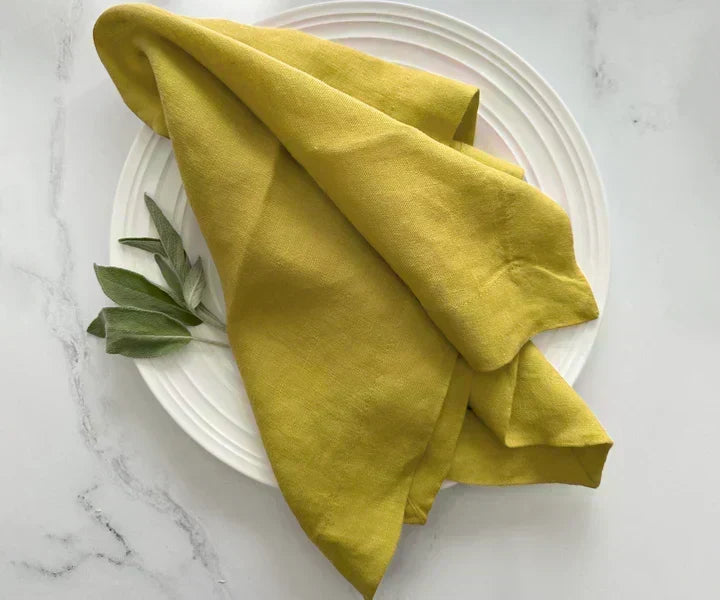



The good news: the fix is largely about what's on your bed, not what's in the room. The right bedding materials, layers, and habits can transform your sleep quality in summer without an expensive new mattress, without blackout curtains, and without cranking the AC all night.
This guide gives you 10 practical, science-backed tips for cooling down your bedding and sleeping better this summer, from the most impactful fabric swap you can make to the small finishing details that push comfort from good to genuinely great. Each tip includes specific product recommendations from All Cotton and Linen so you can make the changes easily.
Why Your Bedding Matters More Than the Room Temperature
Before we get into the tips, a quick piece of science that changes how you think about summer sleep.
Your body needs to drop its core temperature by about 1–2°F to fall asleep and stay in deep, restorative sleep. Your bedding either helps or hinders this process. Fabrics that trap heat, such as synthetic materials, high-thread-count percale, and heavy polyester blends, create a warm, humid microenvironment around your body that keeps your core temperature elevated. Fabrics that allow airflow, cotton, linen, bamboo wick moisture, allow heat to escape, and support your body's natural cooling mechanism.
This is why switching fabrics can sometimes improve summer sleep quality more dramatically than lowering the thermostat. You're working with your body's biology rather than trying to override it with mechanical cooling.
Now, the tips.
1: Switch to Breathable Natural Fabric Sheets
The highest-impact change you can make.

The single most effective thing you can do for summer sleep is replace synthetic or heavy sheets with sheets made from a breathable natural fiber. Here's how the main options compare:
The Summer Fabric Comparison
|
Fabric |
Breathability |
Moisture-Wicking |
Softness |
Best For |
|
Organic Cotton (Percale) |
⭐⭐⭐⭐⭐ |
⭐⭐⭐⭐ |
⭐⭐⭐⭐ |
Hot sleepers, sensitive skin |
|
Linen |
⭐⭐⭐⭐⭐ |
⭐⭐⭐⭐⭐ |
⭐⭐⭐ |
Very hot climates, night sweats |
|
Cotton Muslin |
⭐⭐⭐⭐ |
⭐⭐⭐ |
⭐⭐⭐⭐⭐ |
Light sleepers, dry heat |
|
Bamboo |
⭐⭐⭐⭐ |
⭐⭐⭐⭐⭐ |
⭐⭐⭐⭐⭐ |
Humid climates, night sweats |
|
Polyester / Microfiber |
⭐ |
⭐ |
⭐⭐⭐ |
Avoid in summer |
|
Flannel / Fleece |
⭐ |
⭐ |
⭐⭐⭐⭐ |
Winter only |
The ACL recommendation: For most hot sleepers, organic cotton percale sheets are the ideal starting point. They're crisp, cool, and get softer with every wash. Linen sheets are the most breathable option available and are worth trying if you tend to overheat even with cotton.
Shop: Organic Cotton Sheet Sets | Cotton Pillowcases
2: Understand Thread Count and Stop Chasing High Numbers
This one surprises most people: higher thread count does NOT mean cooler sheets in summer.
Thread count refers to the number of threads woven per square inch. Very high thread counts (600+) create a denser, heavier weave that actually traps more heat. For summer, the sweet spot is:
-
200–400 thread count for breathable, lightweight sheets
-
Percale weave (one-over, one-under weave) for the crispest, coolest feel
-
Sateen weave for a softer feel, slightly warmer than percale, but still breathable
The rule of thumb: For summer, choose a lower thread count in a percale weave. Save the high-thread-count luxury sheets for winter when warmth is welcome.
3: Choose a Lightweight Summer Duvet or Quilt

Heavy winter duvets are the main culprit for overheated summer nights. If you're still sleeping under a thick duvet in July, this is the change that will have the most immediate impact on your comfort.
What to swap to:
Lightweight cotton quilt: A thin cotton quilt provides just enough coverage to feel secure without trapping heat. The open weave allows constant airflow.
Waffle blanket: The waffle texture creates thousands of tiny air pockets that insulate lightly without holding heat. Cool enough for summer, cozy enough for air-conditioned rooms.
A single flat sheet: In the hottest months, many people find a single breathable flat sheet is all they need, just enough fabric for comfort without any warmth.
ACL picks:
-
Waffle Cotton Blanket - lightweight, textured, and breathable year-round
-
Cotton Throw - for cooler evenings when you need a little more warmth
Pro tip: Keep your winter duvet stored in a cotton storage bag. Over the summer, cotton allows the duvet to breathe in storage, preventing mustiness and preserving the fill.
Read About: Beat the Summer Heat with Refreshing Drinks
4: Switch to Breathable Cotton or Linen Pillowcases
Your head is one of the main places your body releases heat during sleep. An unbreathable pillowcase traps that heat against your face and neck, creating a warm pocket around your head that keeps your core temperature elevated.
The swap: Replace synthetic pillowcases with 100% cotton or linen pillowcases. Cotton percale pillowcases stay cool to the touch longer than most other materials. Linen pillowcases are the most breathable option. They feel slightly textured initially but soften significantly with washing.
The "cool side of the pillow" trick: This works because the side you haven't been sleeping on hasn't absorbed body heat yet. Breathable cotton pillowcases extend how long each side stays cool, so you're flipping less and sleeping more.
5: Layer Smartly Less Is More in Summer
Counterintuitive but true: the way you layer bedding matters as much as what each layer is made of. Here's the summer layering system that works:
The 3-Layer Summer Bed Formula:
Layer 1 - Foundation (fitted sheet): 100% organic cotton or linen fitted sheet directly on the mattress. This is your skin's main contact point, prioritize breathability here above everything.
Layer 2 - Coverage (flat sheet or lightweight quilt): A single cotton flat sheet or waffle quilt as your main cover. Light enough for warm nights, substantial enough when the AC kicks in.
Layer 3 - Flex layer (lightweight throw at the foot of the bed): A thin cotton throw folded at the foot of the bed. Pull it up when the temperature drops without disturbing the whole bed. This is your temperature control knob, available in seconds without fully remaking the bed.
What to remove: Decorative pillows, heavy bolsters, thick throws piled on top of the duvet. These all trap heat and add thermal mass to the bed. In summer, the bed should look and feel lighter and simpler.
6: Try the "Egyptian Cotton" Hack: Pre-Chill Your Sheets
 One of the most effective quick-fix tips for immediate relief on a hot night and it requires nothing new.
How to do it:
-
Fold your fitted and flat sheets neatly and place them in a sealed plastic bag.
-
Put the bag in the freezer for 30–60 minutes before bedtime.
-
Make your bed just before you're ready to sleep.
The sheets warm up within minutes, but those first few minutes of cool contact are often enough to lower your skin temperature enough to fall asleep comfortably. Once you're asleep, your breathable cotton sheets take over and do the rest.
Important: This works best with natural fiber sheets (cotton, linen) that absorb and release temperature effectively. Synthetic sheets won't hold the chill as well and will feel clammy rather than cool.
Read On: Outdoor Summer Decor Ideas to Impress Your Guests
7: Choose Light, Cool Colors for Summer Bedding
This is simple physics: dark colors absorb heat; light colors reflect it.
Dark navy, charcoal, and deep burgundy bedding absorbs more solar radiation throughout the day, even in a bedroom and retains more warmth into the evening. Switching to whites, soft creams, pale blues, sage greens, and soft pastels for summer reduces heat absorption and creates a visually cooler sleep environment.
The bonus: Light-colored bedding also makes bedrooms feel larger, more airy, and more resort-like, which has a genuine psychological effect on how relaxed you feel getting into bed.
ACL summer color palette picks:
-
Crisp white cotton sheet sets - timeless, clean, and maximally reflective
-
Soft sage or pale blue pillowcases - calm, cool, and coordinated
-
Natural or ivory waffle blankets - warm-toned but lightweight
Shop: Bedding Collection at All Cotton and Linen
8: Don't Overlook Your Mattress Add a Breathable Topper

Your mattress may be working against you without you realizing it.
Memory foam and dense innerspring mattresses can trap significant heat, especially memory foam, which contours closely to your body and creates very little airflow beneath you. If you wake up with a warm, slightly damp feeling on your back and legs, your mattress may be a bigger contributor to overheating than your sheets.
The solution without buying a new mattress:
A breathable mattress topper made from cotton, natural latex, or bamboo creates a new surface layer that promotes airflow between your body and the heat-retaining mattress beneath. It's a fraction of the cost of a new mattress and can dramatically improve airflow at the sleep surface.
What to look for: Natural fiber toppers (cotton, wool for temperature regulation, natural latex) rather than additional memory foam, which adds more heat-trapping material.
9: Maintain Your Bedding Wash Regularly in Summer
In summer, you sweat more during sleep. This sweat accumulates in your sheets, pillowcases, and duvet cover creating a layer of moisture-laden fabric that holds warmth against your body and can become a breeding ground for dust mites and bacteria.
Summer washing schedule:
-
Sheets and pillowcases: Wash every 5–7 days (vs every 1–2 weeks in winter)
-
Duvet cover: Every 2 weeks
-
Pillows: Every 3–4 months or more frequently if you sweat heavily at night
-
Mattress protector: Monthly
Washing tips for cotton and linen bedding:
-
Wash in cool or warm water; hot water accelerates wear
-
Use a gentle, fragrance-free detergent to preserve fibers
-
Air dry when possible; line drying preserves the natural texture and freshness of cotton and linen better than tumble drying
-
Avoid fabric softener on linen it reduces the fabric's natural moisture-wicking properties over time
All Cotton and Linen's organic cotton bedding is designed for regular, frequent washing. The fabric holds its quality and actually becomes softer with each wash cycle.
10: Create a Complete Summer Bedroom Environment
Your bedding doesn't work in isolation it works as part of a broader sleep environment. Here are the finishing touches that complete a cool summer bedroom:
Optimize airflow: A box fan placed facing outward in the window at night pulls hot air out of the room rather than just circulating it. Combine with a second fan drawing cool air from a darker, cooler room for a cross-breeze effect.
Block daytime heat: Keep curtains or blinds closed during the hottest part of the day (11 am–4 pm in most climates). Light, breathable curtains in white or cream allow some daylight while blocking direct solar radiation.
Lower your sleep surface: Hot air rises. If overheating is severe, sleeping lower (a mattress directly on the floor, or a lower bed frame) can make a measurable difference in perceived temperature.
Shower before bed: A lukewarm (not cold) shower before bed is scientifically proven to improve sleep in hot weather. The slight drop in skin temperature after stepping out triggers the body's sleep onset mechanism.
Remove electronics: Phones, laptops, and TVs all generate low-level heat and emit blue light that delays melatonin production. Keep them out of the bedroom in summer, especially.
Know More: Top 10 No-Cook Summer Meals to Beat the Heat
How Do We Sleep While Our Beds Are Burning?
It's a fair question on the hottest nights of the year, and thankfully, the answer isn't complicated. The goal is to remove every layer of trapped heat between you and a good night's sleep, one at a time:
-
Start with the sheet itself. A breathable weave (percale cotton or linen) is doing more work than any gadget or cooling spray.
-
Strip back the layers. A single lightweight sheet and a thin throw beat a full duvet setup every time in summer.
-
Manage the room, not just the bed. Airflow, a fan, or a cooler, and ambient temperature all reduce how hard your bedding has to work.
-
Cool yourself before you cool the bed. A lukewarm shower before bedtime lowers your core body temperature and makes any bedding feel cooler by comparison.
Taken together, these changes are usually enough to turn a "beds are burning" night into an actually restful one no need to suffer through summer sleeplessness.
Summer Bedding Swap Quick-Reference Guide
|
What to Remove |
What to Replace It With |
|
High thread count (600+) polyester sheets |
200–400 TC organic cotton percale sheets |
|
Synthetic or microfiber pillowcases |
100% cotton or linen pillowcases |
|
Heavy winter duvet (10+ tog) |
Lightweight waffle blanket or thin cotton quilt |
|
Dark-colored bedding |
White, cream, pale blue, or sage bedding |
|
Memory foam topper |
Natural cotton or latex mattress topper |
|
Decorative heavy throws on the bed |
Single lightweight cotton throw at the foot of the bed |
|
Fabric softener on linen sheets |
Fragrance-free, gentle detergent, air dry |
Cotton vs Linen for Summer: Which Is Better?
This is the most common question we get about summer bedding at All Cotton and Linen, and the answer depends on your specific sleep profile.
|
What Matters |
Organic Cotton |
Linen |
|
Breathability |
Excellent |
Outstanding |
|
Moisture-wicking |
Very good |
Exceptional |
|
Initial feel |
Soft, smooth |
Slightly textured |
|
Gets softer with washing? |
Yes |
Yes — dramatically |
|
Best for |
Most sleepers |
Very hot climates, night sweats |
|
Durability |
3–5 years |
10–20+ years |
|
Price point |
Accessible |
Slightly higher |
|
Verdict |
Best all-rounder |
Best for extreme heat |
If you run hot but don't sweat heavily, organic cotton percale is the better starting point; it's softer initially and has a more accessible price. If you sweat at night, wake up damp, or live in a hot, humid climate, linen is worth the investment.
How to Get Out of Bed When It's Cold
Once summer fades, the challenge often flips entirely; instead of struggling to stay cool, you're fighting the urge to stay buried under the covers. A few things make those cold mornings easier:
-
Set a warm layer within reach. Keep a robe or sweater draped at the end of the bed so the first move out from under the covers isn't the coldest part of your morning.
-
Warm the room before the alarm, if possible. A programmable thermostat that nudges the temperature up 15–20 minutes before wake-up makes the transition far less jarring.
-
Let in the light immediately. Natural light helps regulate your circadian rhythm and signals your body that it's time to be alert, which makes the whole process feel less forced.
-
Keep breathable bedding on through the seasons. Ironically, the same high-quality cotton and linen bedding that keeps you cool in summer also regulates temperature well in winter; it's the layering (a heavier duvet, an extra blanket) that should change with the season, not necessarily your base sheets.
-
Give yourself a small, immediate reward. A warm drink waiting nearby or a few minutes of a favorite podcast can turn "getting up" from a battle into a small ritual you actually look forward to.
Tips for Hot Sleepers
If you're someone who runs warm no matter the season, a few extra habits go a long way beyond just swapping your sheets:
-
Layer for removal, not warmth. Use a top sheet and a light blanket instead of one heavy duvet, so you can shed layers mid-sleep without fully waking up.
-
Choose light colors for your bedding. Darker linens can absorb more ambient heat from sunlight during the day, which matters if your bedroom gets warm before bedtime.
-
Keep a small fan at bed height. Airflow directly across the mattress surface does more for perceived coolness than lowering the thermostat by a degree or two.
-
Rotate to the "cool side" of the pillow. It sounds small, but a pillowcase in breathable, moisture-wicking fabric keeps this trick actually effective through the night instead of warming up again in minutes.
-
Avoid eating or exercising too close to bedtime. Both raise your core body temperature right when you're trying to bring it down.
-
Consider your sleepwear. Lightweight, breathable pajamas made from natural fibers like cotton or linen make a bigger difference than most hot sleepers expect.
Beyond the Bedding: Creating a Cooler Sleep Environment
-
Bedroom temperature is key. Aim for a cool bedroom, ideally between 60 and 67°F (15.5 and 19.4°C). Use air conditioning, ceiling fans, or open windows (weather permitting), and a programmable thermostat helps balance comfort with energy efficiency.
-
Adjust your nighttime routine. Avoid vigorous exercise or heavy meals close to bedtime, and consider a refreshing shower beforehand to lower your core temperature.
-
Sleepwear matters. Lightweight, breathable pajamas in natural fibers keep you from undoing all the work your cooling sheets are doing.