


What Is a Cotton Throw (And How Is It Different from a Blanket)?
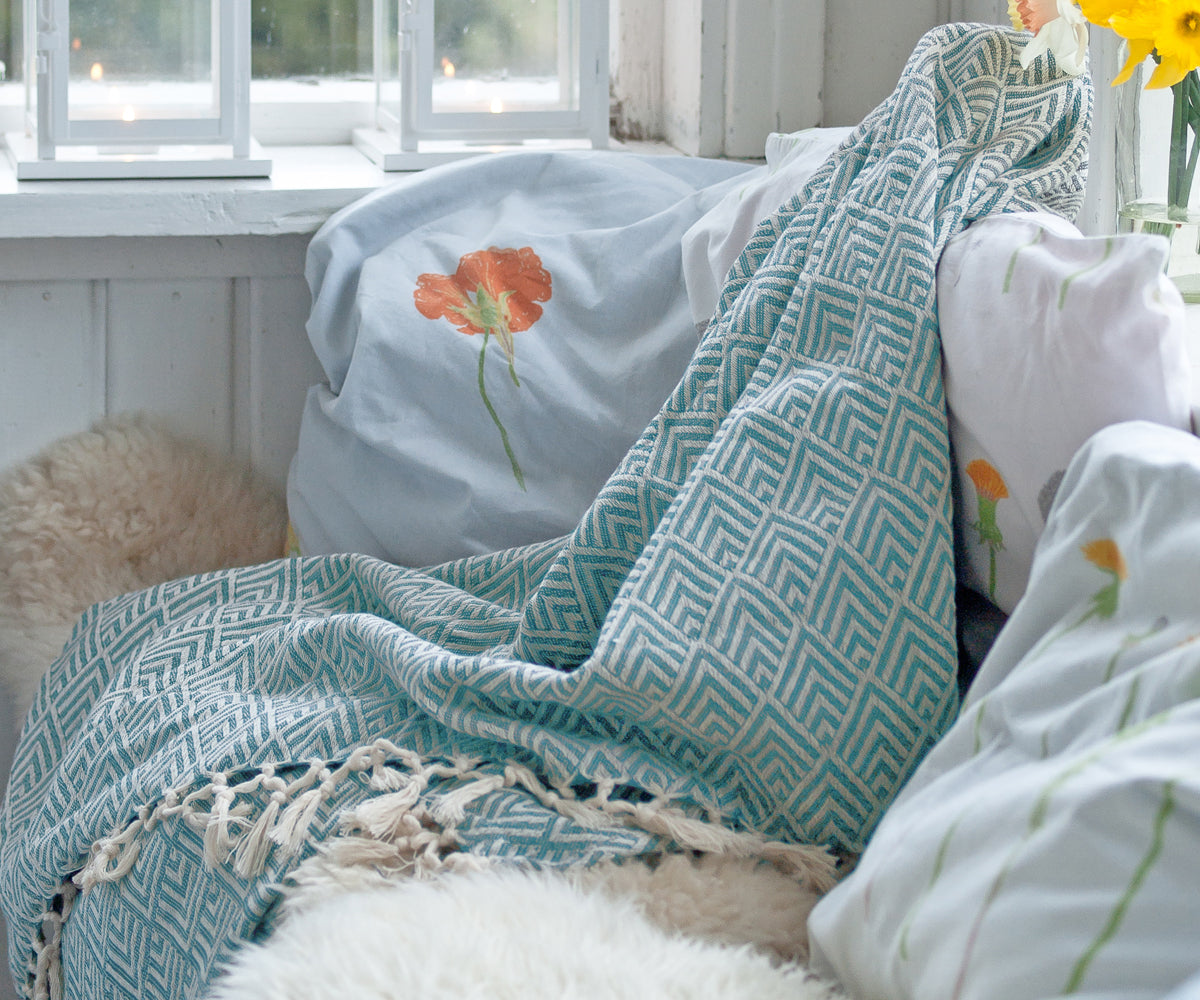
Let’s clear up the confusion first. A throw is a smaller, decorative piece of fabric, typically around 50 by 60 inches, designed to be draped over furniture or used for light warmth. A blanket, on the other hand, is larger and meant to cover a bed or a person fully. So what is the difference between a throw and a blanket? Size and purpose, mainly. Throws are the stylish, versatile accessory; blankets are the functional, full-coverage workhorses. That said, the lines blur. Many people use a blanket and a throw-sized blanket interchangeably.
So what is a cotton throw?
It’s simply a throw made from cotton, often woven or knitted, prized for its breathability, softness, and easy care. Cotton throws are lightweight enough for summer evenings yet can be layered for extra warmth in winter. They’re the Goldilocks of home textiles: not too hot, not too cold.
What Are Throw Blankets Made Of?

What are throw blankets made of depends on the brand, but common materials include cotton, acrylic, polyester, wool, and blends. At All Cotton and Linen, we specialise in natural fibres, particularly cotton and linen. Cotton is a brilliant choice because it’s breathable, hypoallergenic, and gets softer with every wash. Unlike synthetic materials, it doesn’t trap heat or cause static. And it’s durable enough to withstand regular use.
What Are Throw Blankets For? (And How Do You Use a Throw Blanket?)
What are throw blankets for? Oh, so many things. They’re for adding warmth without committing to a full duvet. They’re for draping over the arm of a sofa to inject colour and texture. They’re for picnics, road trips, reading nooks, and chilly cinema nights. How do you use a throw blanket? However you like! Fold it neatly at the foot of your bed for a hotel-style finish. Drape it over a chair for a cosy, lived-in look. Wrap yourself up on the patio on a cool summer evening. There are no rules, just comfort.
Find Out: What Is the Difference Between Napkin and Serviette?
Do You Use Throw Blankets in Summer?
Absolutely, and this is where cotton truly shines. Do you use throw blankets in summer? Yes, but you need the right one. Heavy wool or synthetic throws will leave you sweltering. Cotton, however, is naturally breathable and moisture-wicking. It keeps you warm without overheating, making it ideal for those balmy nights when the temperature dips just enough to need a little something. What are the best summer blankets and throws? Look for lightweight cotton, cotton-linen blends, or open-weave designs. They provide just enough warmth while letting air circulate.
Is a Cotton Throw Better Than an Acrylic Throw Blanket?

This is a common question, and the answer is a resounding yes for most people. Is a cotton throw better than an acrylic throw blanket? Let’s compare. Acrylic is a synthetic fibre made from petrochemicals. It’s cheap, but it pills, traps heat, generates static, and can feel scratchy. Cotton, by contrast, is natural, breathable, and soft. It regulates temperature, doesn’t cause static, and is kinder to sensitive skin. Acrylic throws might look fluffy at first, but they quickly lose their charm. Cotton throws, if cared for properly, last for years and feel better with age. So yes for comfort, health, and longevity, cotton wins.
How to Choose a Throw Blanket: A Quick Guide
Material: Cotton for breathability and year-round use; linen for a rustic, textured look; wool for deep winter warmth.
Size: Standard throws are around 130 x 170 cm. If you want to share, go larger.
Weave: Waffle, herringbone, ribbed, or plain weave each gives a different look and feel.
Colour and pattern: Neutral tones blend seamlessly; bold colours make a statement.
Purpose: For decoration, choose something visually striking. For snuggling, prioritise softness and warmth.
Think about where it will live. A throw for the bedroom might be softer and more neutral; one for the living room can be bolder and more textured.
Where Can I Get Cotton Throws?
You’re in luck. At All Cotton and Linen, we offer a beautiful range of cotton blankets and throws designed to bring warmth, style, and natural comfort to your home. Our throws are made from premium cotton, woven with care, and built to last. Whether you want a light summer throw or a cosy layer for winter, we’ve got you covered. Plus, buying from a specialist means you get honest advice and quality you can trust.
To Know: What Is a Bedspread? & Why Linen Bedding Is Better
The Takeaway
A cotton throw is one of those small investments that pays you back daily in comfort and joy. It’s versatile, breathable, and beautiful. It’s the perfect finishing touch for a cosy living room or a restful bedroom. So whether you’re curling up with a book, adding texture to your sofa, or seeking a summer-friendly layer, cotton blankets and throws are the answer.
Ready to find your perfect throw? Explore the All Cotton and Linen collection today and discover why natural fibres make all the difference. Your cosiest nights await.