
Quick Facts: Kitchen Color Trends 2026
| Category | Recommendation |
|---|---|
| Overall direction | Warmer, earthier, more personal |
| Fading out | Cool gray, stark all-white, very glossy finishes |
| Safest choice | Warm white, cream or mushroom |
| Most popular color | Green (sage to deep forest) |
| Boldest choices | Deep blue, burgundy, terracotta, burnt orange |
| Best for small kitchens | Warm neutrals, soft green, deep blue used all over ("color drenching") |
| Best two-tone idea | Light upper cabinets + deeper island or lower cabinets |
| Best finish | Matte or satin for cabinets; wipeable satin for walls |
| Best low-cost test | Kitchen towels, napkins and runners in the new color |
| Best time to judge a paint color | Morning, midday and evening light, on a sample board |
Kitchen color trends 2026 at a glance
| Trend | Typical Shades | Best Used On | Pairs Well With | Watch-Out |
|---|---|---|---|---|
| Warm whites & mushroom | Cream, warm white, greige, soft taupe | Cabinets, walls, backsplash | Oak, brass, stone counters | Can look flat in north-facing light |
| Greens | Sage, olive, forest, smoky jade | Islands, lower cabinets, full runs | Cream, wood, brass | Gray-green can turn cold next to cool LEDs |
| Muted & inky blues | Dusty blue, slate, indigo, blue-green | Islands, lower cabinets, pantry doors | Warm white, wood, brass | Very saturated blue shrinks a small room |
| Terracotta & clay | Terracotta, rust, clay, red-brown | Accents, backsplash, textiles | Cream, beige, wood | Strong on walls in low light |
| Natural wood | Oak, walnut, caramel | Cabinets, shelves, butcher block | Almost every palette | Match undertones across pieces |
| Soft black & charcoal | Warm black, blackened green | Island, range wall, hardware | Warm white, light wood | Shows fingerprints on matte finishes |
| Two-tone | Light uppers + deeper lowers | Cabinet run | See recipes below | Limit to two main colors |
| Jewel tones | Deep green, burgundy, teal | Butler's pantry, bar, inside cabinets | Warm neutrals | Best in closed or small zones |
1. Warm White, Cream, and Mushroom
Warm white, cream, and mushroom create a soft, welcoming, and timeless kitchen that feels easy to live with. Warm white keeps the space bright, cream adds a gentle warmth, while mushroom brings a little more depth without becoming too dark. These shades give you a versatile foundation for bringing in wood, stone, brass, or colourful décor, making it easy for the kitchen to evolve with your home.
- Best for: Homeowners who want a bright, warm, and timeless kitchen
- Pairs well with: Natural wood, warm-veined marble or quartz, brass, beige, and earthy tones
- Think about: How the shade works with your flooring, countertop, walls, and natural light
- Practical tip: Check a cabinet sample in both daylight and evening lighting before making your final decision
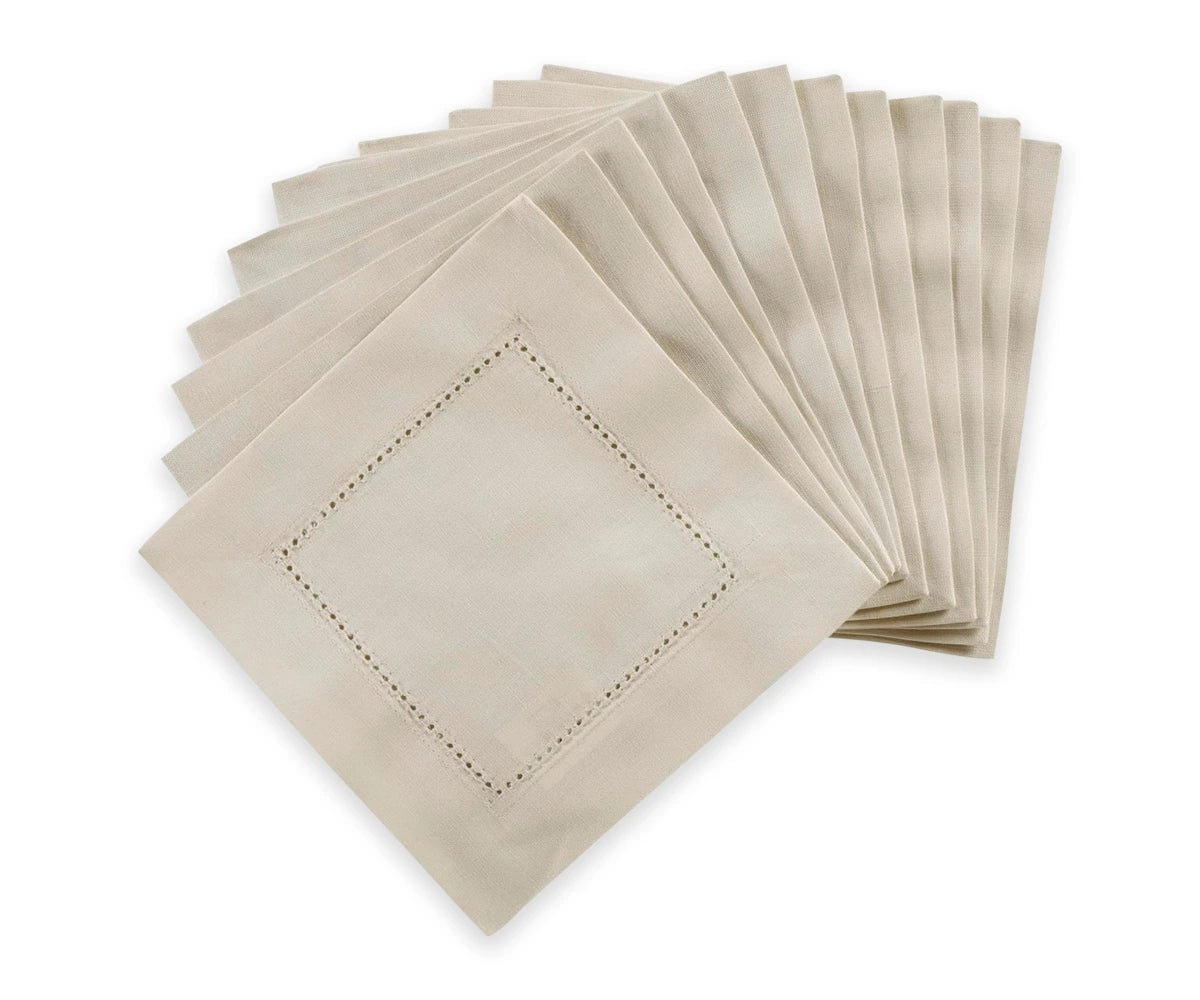
Neutral kitchens are also the easiest backdrop for colorful kitchen towels, cloth napkins, and runners.

2. Sage, Olive, and Forest Green
Green can bring a natural, calming character to the kitchen, with each shade creating its own atmosphere. Sage feels soft and relaxed, olive adds an earthy warmth, while forest green creates more depth and drama. These colours work beautifully when you want a kitchen that feels connected to nature while still having personality. Use lighter sage for an airy feel, olive for warmth, or forest green as a stronger statement on an island or lower cabinets.
- Best for: Kitchens where you want a natural, relaxed, and characterful feel
- Pairs well with: Warm white, cream, natural wood, stone, terracotta, and brass
- Think about: The amount of natural light and how deep you want the green to feel
- Practical tip: View your chosen green on a cabinet sample at different times of the day before finalising it.
Pairs with: warm white, cream, natural wood, beige, brass. To try green without paint, start with green kitchen textiles.
3. Forest and Deep Green
Forest and deep green bring depth, warmth, and a sense of luxury to the kitchen. They can make cabinetry feel rich and grounded, especially when used on an island or lower cabinets against lighter walls or upper units. The colour works beautifully with natural materials and warm lighting, creating a kitchen that feels elegant but still comfortable and lived-in. If you love a kitchen with character rather than a completely neutral look, deep green can become a beautiful feature without taking over the entire space.
- Best for: Homeowners who want a rich, elegant kitchen with character
- Pairs well with: Warm white, cream, natural wood, marble, warm-veined quartz, and brass
- Think about: Natural light and how much of the kitchen you want in a darker shade
- Practical tip: Try the colour on a cabinet or island sample first, as deep green can look considerably different in daylight and evening lighting.

4. Muted Blue and Blue Green
Muted blue and blue-green bring a quiet, refreshing feel to the kitchen without making the colour feel too strong. Muted blue can create a softer, airy atmosphere, while blue-green adds a little more richness and connection to natural tones. They work especially well when you want cabinetry to have personality while keeping the overall kitchen relaxed and easy on the eyes.
- Best for: Kitchens that need a calming colour without losing a sense of freshness
- Pairs well with: Warm white, cream, light oak, natural stone, brushed brass, and soft beige
- Think about: The direction of natural light, as blue can appear cooler in north-facing or low-light spaces
-
Practical tip: Compare your sample beside the countertop and flooring before choosing, as surrounding colours can noticeably change how blue appears.
Read On: Stunning Dusty Blue Color Combinations Guide
5. Terracotta, Clay, Rust, and Burnt Orange
Terracotta, clay, rust, and burnt orange bring a warm, earthy energy to the kitchen, making the space feel inviting and full of personality. Terracotta and clay create a softer, grounded look, while rust and burnt orange add more richness and warmth. These shades are especially beautiful when you want the kitchen to feel less clinical and more connected to natural materials, sunlight, and traditional craftsmanship.
- Best for: Kitchens that need warmth, character, and a more expressive colour palette
- Pairs well with: Cream, warm white, natural wood, beige stone, olive green, and aged brass
- Think about: The existing warm tones in your flooring, backsplash, and countertops before adding another strong earthy shade
- Practical tip: For a balanced look, use deeper rust or burnt orange as an island or accent colour and keep the surrounding cabinetry lighter.

6. Butter Yellow
Butter yellow brings a soft, cheerful warmth to the kitchen without the intensity of brighter yellows. It can make the space feel sunny and welcoming, almost like the gentle warmth of morning light, while still keeping the overall look refined. It works particularly well when you want a kitchen that feels happy and lived-in rather than overly formal, and it can add colour without making the room feel visually heavy.
- Best for: Kitchens that need a gentle lift of colour and a warm, cheerful atmosphere
- Pairs well with: Warm white, cream, natural wood, soft green, marble, and aged brass
- Think about: The amount of natural light, as strong sunlight can make yellow appear brighter and more intense
- Practical tip: If full yellow cabinetry feels too bold, use butter yellow on an island, selected cabinets, or as an accent against neutral cabinetry.
7. Burgundy, Deep Red, and Mahogany
10. Two-Tone Kitchen Color Combinations
Using two main colors can add contrast while keeping the kitchen visually balanced. A common approach is to use one lighter color on upper cabinets and a deeper shade on lower cabinets or the island.
| Main Color | Pairing | Result |
|---|---|---|
| Warm white | Sage green | Light, natural |
| Cream | Forest green | Classic, grounded |
| Beige | Navy or blue-green | Stronger contrast |
| Warm white | Walnut or oak | Soft, warm |
| Mushroom | Terracotta | Earthy, welcoming |
| Cream | Burgundy | Rich, traditional |
| Warm white | Deep blue island | Fresh, coastal |
When using two colors, consider the countertop, flooring, backsplash, and hardware before adding another accent shade.
11. Monochrome and Color-Drenched Kitchens
A monochrome kitchen does not have to mean plain. Using different tones of the same colour across cabinets, walls, worktops, and accessories can create a calm, cohesive, and beautifully considered space. For those who want something more expressive, colour-drenching takes the idea further by carrying one strong shade across several surfaces, creating an immersive look where the colour becomes part of the kitchen’s identity.
- Best for: Kitchens where you want a strong sense of continuity and a distinctive overall look
- Pairs well with: One main colour in varied tones, natural textures, simple hardware, and contrasting stone
- Think about: How the chosen colour will look across large surfaces and under both natural and artificial lighting
- Practical tip: Use changes in texture and finish such as matte cabinetry, textured walls, or natural stone to add depth without breaking the colour story.
12. Jewel tones in pantries and bars
Closed or semi-closed spaces such as a butler's pantry, bar, or scullery are the safest place for bold shades like deep green, burgundy, or teal, because they do not have to work with the whole room.
What's fading in kitchen colors?
Cool grays and stark, all-white kitchens are losing ground to warmer alternatives. This does not make white "wrong"; it means warm whites and off-whites are replacing the bluish or icy versions.
How to Choose Colors for Your Kitchen
- Start with the mood: Decide whether you want the kitchen to feel calm, warm, fresh, dramatic, or cheerful.
- Look at natural light: A colour can appear very different in bright sunlight, low light, and artificial lighting.
- Consider the kitchen size: Lighter shades can help smaller kitchens feel more open, while deeper colours can add character and depth.
- Check your fixed elements: Choose a cabinet colour that works with your flooring, countertop, backsplash, windows, and existing finishes.
- Think about everyday life: Consider how easily the colour will show fingerprints, dust, stains, and cooking marks.
- Choose where to use colour: You do not have to colour the entire kitchen. An island, lower cabinets, or tall units can create a beautiful focal point.
- Balance warm and cool tones: Make sure your cabinet colour works with the undertones of your stone, wood, walls, and hardware.
- Test before deciding: Always view a physical sample in your actual kitchen at different times of the day.
- Think beyond trends: Choose a colour you will enjoy seeing every day, not just one that looks good in a current design trend.
- Let your personality show: Your kitchen should feel like part of your home, so choose a colour that reflects how you want the space to feel.
Kitchen color palette recipes (60-30-10)
| Style | 60% Base | 30% Secondary | 10% Accent (Textiles) |
|---|---|---|---|
| Soft natural | Warm white | Sage green | Terracotta towels, natural napkins |
| Classic grounded | Cream | Forest green | Rust or beige runner |
| Coastal calm | Warm white | Dusty blue | Natural linen, sand napkins |
| Earthy warm | Mushroom | Oak | Clay towels, olive placemats |
| Modern contrast | Warm white | Soft black | Green or blue towels |
How to Add Color Without Remodeling
Easy Ways to Add Color to Your Kitchen with Accessories
You can introduce a new kitchen color without repainting your cabinets or replacing permanent fixtures. Smaller home textiles and accessories make it easier to test a color before making a larger commitment.
Kitchen Towels
Use kitchen towels to introduce an accent shade that complements your cabinets, walls, or countertops.
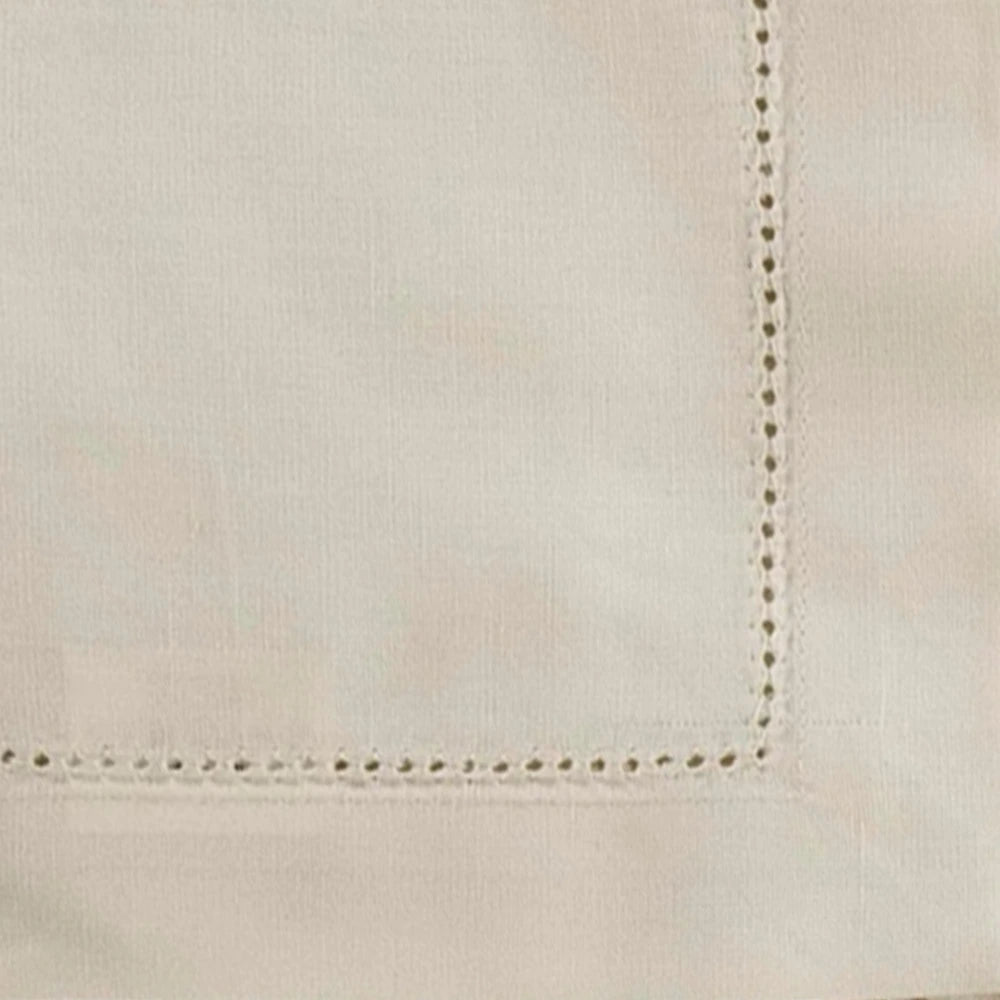
Cloth Napkins
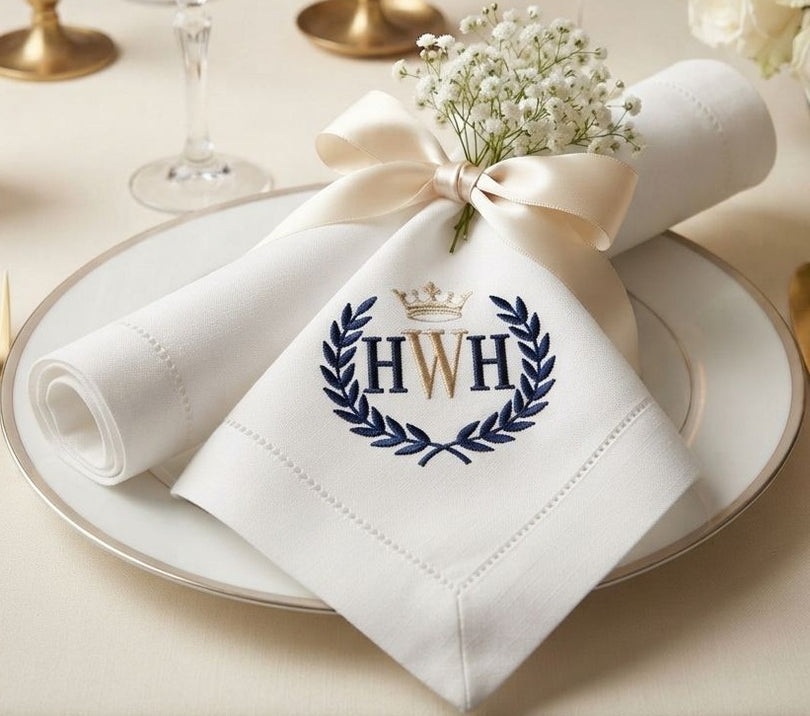
If your kitchen opens into a dining area, cloth napkins can carry the same accent color into the adjoining space.
Placemats
Placemats can add color around the dining table without changing the main kitchen finishes.
Table Runners
A table runner is another simple way to introduce a stronger shade, especially for seasonal decorating or entertaining.
Small Accessories
Containers, trays, vases, and other decorative pieces can introduce small touches of color without making the kitchen feel too busy. They are also easy to change when you want to update the color scheme.
Kitchen Color Mistakes to Avoid
- Choosing from a screen photo without a physical sample
- Ignoring the undertone of counters and floors
- Using too many strong colors at once (limit to one bold plus neutrals)
- Skipping the finish check (glossy shows every imperfection)
- Painting the whole kitchen before testing the island first
Key Takeaways
Kitchen color trends for 2026 favor warmer neutrals, earthy greens, muted blues, terracotta, natural wood, and carefully balanced two-tone combinations. The best palette should work with your kitchen's size, natural light, countertops, flooring, cabinetry, and hardware.
You do not need to remodel your kitchen to try a new color. Kitchen towels, cloth napkins, placemats, and table runners offer simple ways to introduce an accent shade and see how it works with the rest of your space before making a larger change.
FAQ
What are the most popular kitchen colors for 2026?
Warm neutrals, earthy greens, muted blues, natural wood tones, and two-tone color combinations are popular choices for 2026 kitchens. The best color palette depends on your kitchen's lighting, existing finishes, and overall style.
What colors can make a small kitchen feel larger?
Warm white, cream, soft sage, and pale blue keep a small kitchen bright and open. Deep colors can also work if used on every surface ("color drenching") because the room reads as one calm space. Always check the color in your own daylight and evening light before committing.
Are two-tone kitchens still popular?
Yes. Cabinet makers list two-tone among the top trends heading into 2026, usually a lighter upper cabinet with a deeper lower cabinet or island. It is a lower-risk way to try a bold color while keeping the rest of the room neutral.
How can I add color to my kitchen without painting?
Use kitchen towels, cloth napkins, placemats, table runners, containers, vases, and other small accessories to introduce color. These pieces are easy to replace when you want to change the look for a new season or occasion.
What kitchen colors work well with natural wood?
Cream, warm white, beige, sage, olive, terracotta, muted blue, and deep green all complement wood. Match the wood's undertone (red, yellow, or gray) to the surrounding colors. If you have several wood tones, keep the rest of the palette simple.
Which kitchen colors are less likely to feel dated?
Warm white, cream, beige, and mushroom provide versatile neutral foundations that can work with different styles. Natural wood, sage, and soft blue can also add color without making the entire kitchen feel trend-driven. For bolder shades, consider using them through textiles and accessories that can be changed easily.