


There’s a particular calm that runs through homes influenced by the Northwest. It isn’t flashy or overly styled. It feels considered, tactile, and quietly confident.
Natural light is treated like a design element. Materials are honest. Colors sit comfortably next to one another without shouting for attention. And textiles, especially cotton and linen,do much of the heavy lifting.
When staging a home through this lens, fabric choices become central. Sheets on a bed, a tablecloth draped just so, napkins folded without precision,all of it contributes to a sense of lived-in elegance. Cotton and linen aren’t decorative afterthoughts here. They define the mood.
Why Cotton and Linen Anchor Northwest-Inspired Staging

Cotton and linen share qualities that align perfectly with Northwest design values: breathability, texture, restraint, and longevity. They don’t rely on sheen or pattern to impress. Instead, they reward touch and time.
Linen wrinkles. Cotton softens. Both age gracefully. In staging, that matters. A space should feel approachable, not sealed behind glass. Crisp hotel-perfect bedding can feel impersonal. Slightly rumpled linen sheets suggest mornings with windows cracked open and evenings that unwind slowly.
These fabrics also interact beautifully with light. Northwest interiors often lean into overcast brightness rather than fighting it. Linen diffuses light, softening shadows, while a round tablecloth reflects it gently, keeping rooms from feeling heavy.
Bed Styling: Creating a Quiet Focal Point
In a bedroom, the bed is the visual anchor. Northwest-inspired staging keeps the palette grounded and the layers intentional.

Start with cotton sheets in warm white, soft sand, or pale stone. Avoid stark optical white,it reads too sharp in natural light. Look for a matte finish rather than sateen. Texture matters more than shine.
Layer linen on top. A linen duvet cover or top sheet adds visual depth without adding bulk. The key is restraint. One or two layers, not five. Let the fabric drape naturally rather than tucking everything tight. A loosely folded corner or a slightly uneven edge signals comfort, not neglect.
Pillows should feel generous but uncomplicated. Mix cotton pillowcases with linen shams in the same tonal family. Keep patterns subtle or nonexistent. The goal is cohesion, not contrast.
This approach photographs well and feels believable,an important balance in home staging.
Tablescapes That Feel Collected, Not Styled

Northwest tables rarely look “set.” They look ready. Linen tablecloths play a central role here, especially in dining areas that connect to kitchens or outdoor spaces.
Choose mid-weight linen in neutral or earth-adjacent tones: oatmeal, clay, soft moss, muted blue-grey. Let it hang naturally, with uneven folds and visible texture. Ironing out every crease works against the aesthetic.
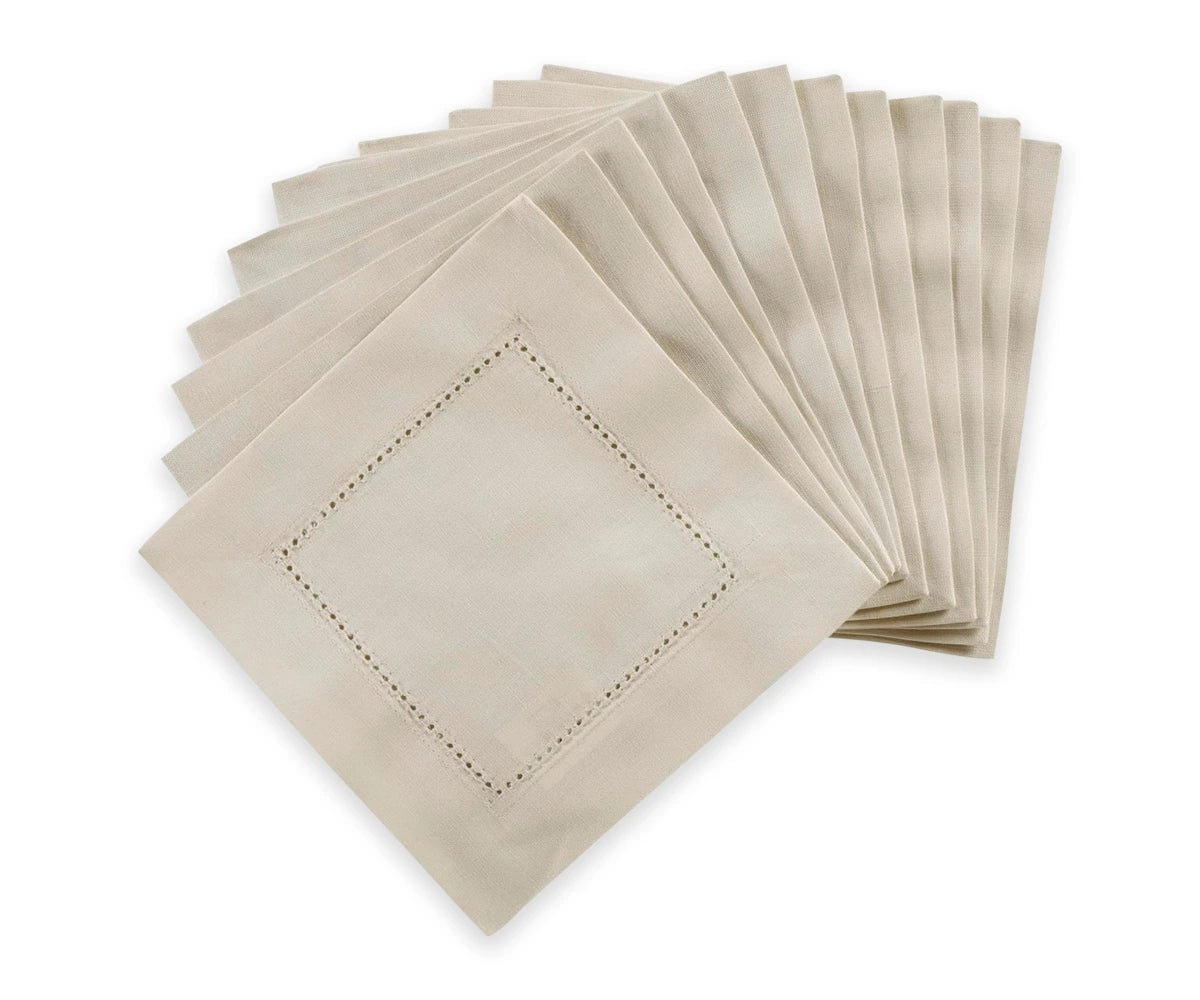
Cotton napkins add structure when linen feels too relaxed. Fold them simply,rectangle or loose square,and place them beside or beneath plates rather than on top. This keeps the table from feeling overly formal.
For staging, resist the urge to overload the table. One ceramic bowl, a low arrangement of greenery, or a wooden board is enough. The fabric should remain the hero.
Napkins, Runners, and the Power of Small Details
Smaller textile elements often make the biggest difference. Linen napkins, cotton runners, and even folded tea towels contribute to a sense of cohesion throughout the home.
In open-plan spaces, repeating materials helps guide the eye. A linen runner on a dining table might echo linen cushions on a bench. Cotton napkins in the kitchen can mirror cotton bedding in an adjacent bedroom. These connections are subtle, but they register.
For staging, place these items where they feel useful, not decorative. Napkins near a place setting. A runner protecting a wooden surface. A folded cloth near a sink. Purpose gives the space credibility.
Color Stories Rooted in Landscape
Northwest-inspired palettes often pull directly from the surrounding environment. Think weathered wood, fog, stone, water, and foliage.
Cotton and linen carry these colors exceptionally well. Unlike synthetics, they absorb dye with softness, avoiding harsh saturation.
When staging, work within a narrow color range. Choose two or three tones and repeat them across different textiles. For example:
-
Soft grey cotton sheets
-
Natural linen duvet cover
-
Linen tablecloth in a slightly warmer taupe
The variation comes from texture, not color shifts. This keeps rooms calm and visually spacious.
Seasonal Flexibility Without Redecorating
One reason cotton and linen work so well in staging is their adaptability. The same pieces can shift mood with minor adjustments.
In warmer months, lean into lighter linens, fewer layers, and exposed surfaces. In cooler seasons, introduce heavier cotton weaves, darker neutrals, and additional throws,still natural, still restrained.
This flexibility is especially valuable for staged homes that may be photographed or shown across seasons. The foundation stays the same; the emphasis shifts slightly.
Bedrooms Beyond the Primary Suite

Guest rooms and secondary bedrooms often get overlooked, but they matter. Northwest-inspired staging treats these spaces with the same material respect, just simplified.
Cotton sheets , linen pillowcases, and one carefully chosen accent,perhaps a folded blanket at the foot of the bed,are enough. Avoid decorative overload. These rooms should feel adaptable, not themed.
Neutral textiles also help potential buyers or guests project themselves into the space. Personal style recedes, comfort steps forward.
Bathrooms and Soft Utility
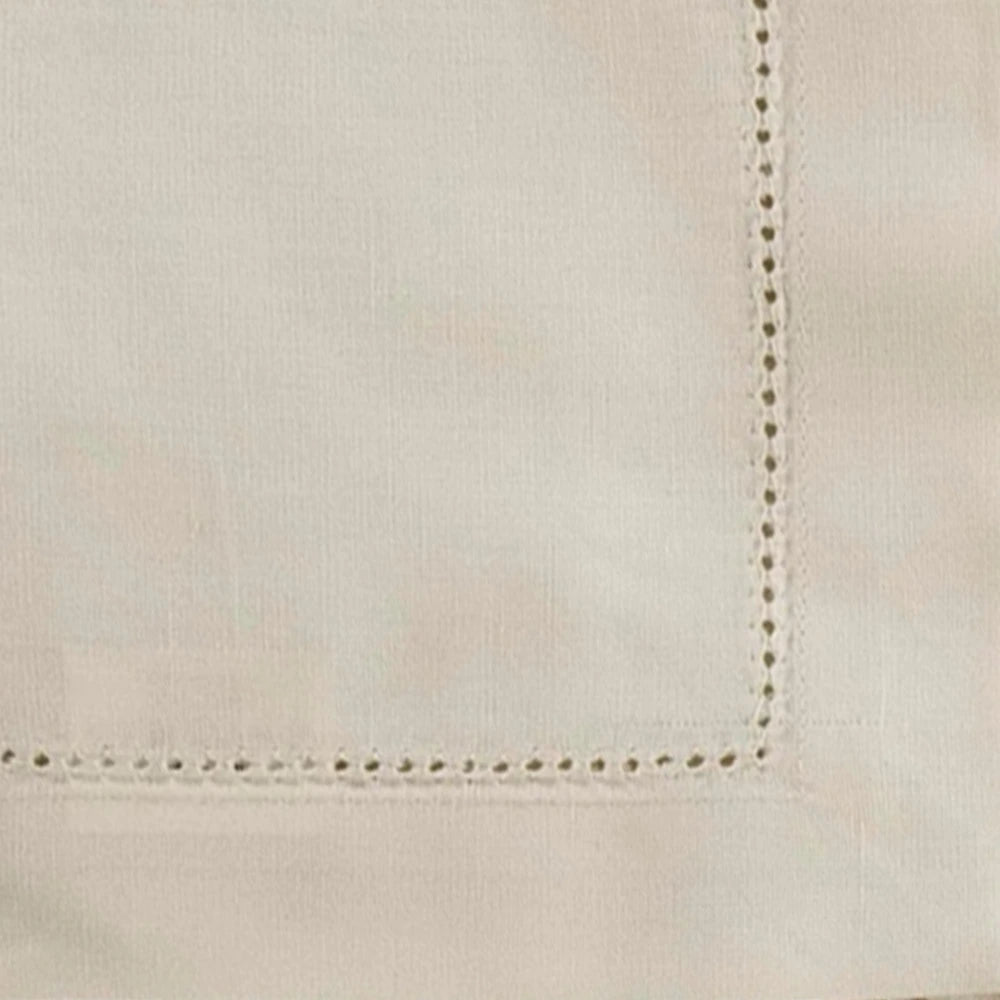
Cotton and linen belong in bathrooms too, though in quieter ways. Think cotton towels with a visible weave, linen hand towels folded loosely, neutral bath mats that echo the rest of the home’s palette.
Avoid high-contrast stripes or plush hotel textures. Northwest bathrooms feel practical, airy, and grounded. Textiles should support that, not compete with it.
The Emotional Impact of Natural Fabric
Beyond aesthetics, cotton and linen carry emotional weight. They signal care without excess. They suggest quality without luxury posturing.
In staging, this matters more than trends. A home styled with natural textiles feels trustworthy. It promises comfort, durability, and a slower pace, values mathat ny people actively seek.
Northwest-inspired design doesn’t chase perfection. It embraces materials that respond to use and time. Wrinkles soften. Fibers relax. The space breathes.
Bringing It All Together
Staging a home with cotton and linen isn’t about filling rooms with fabric. It’s about choosing fewer pieces and letting them do more work.
Beds feel inviting without being overdone. Tables look ready for real meals. Small details repeat thoughtfully from room to room. Thoughtful staging can also make a meaningful difference when it’s time to sell a house fast Denver. Buyers often respond quickly to spaces that feel warm, intentional, and move-in ready. And for homeowners who prefer a faster, more streamlined sale, working with experienced cash buyers can simplify the process while still benefiting from a well-presented home.
That’s the essence of a design-focused Northwest lifestyle,and cotton and linen are its most reliable translators.