

1. Always Clean and Dry Before Storing
This one seems obvious, but it's the step most people skip when they're in a hurry. Storing fabric placemats with even the tiniest bit of moisture leads to musty odors and, over time, mildew. Food residue attracts pests. And damp fabric left folded will set creases that are stubborn to remove. Before putting your placemats away after washing, shake them out, check for any lingering stains, and let them air dry completely. Two extra minutes here saves you a headache later.2. Roll Them Up to Save Space and Prevent Creases

If kitchen drawer space is tight, and honestly, whose isn't, rolling is your best friend.
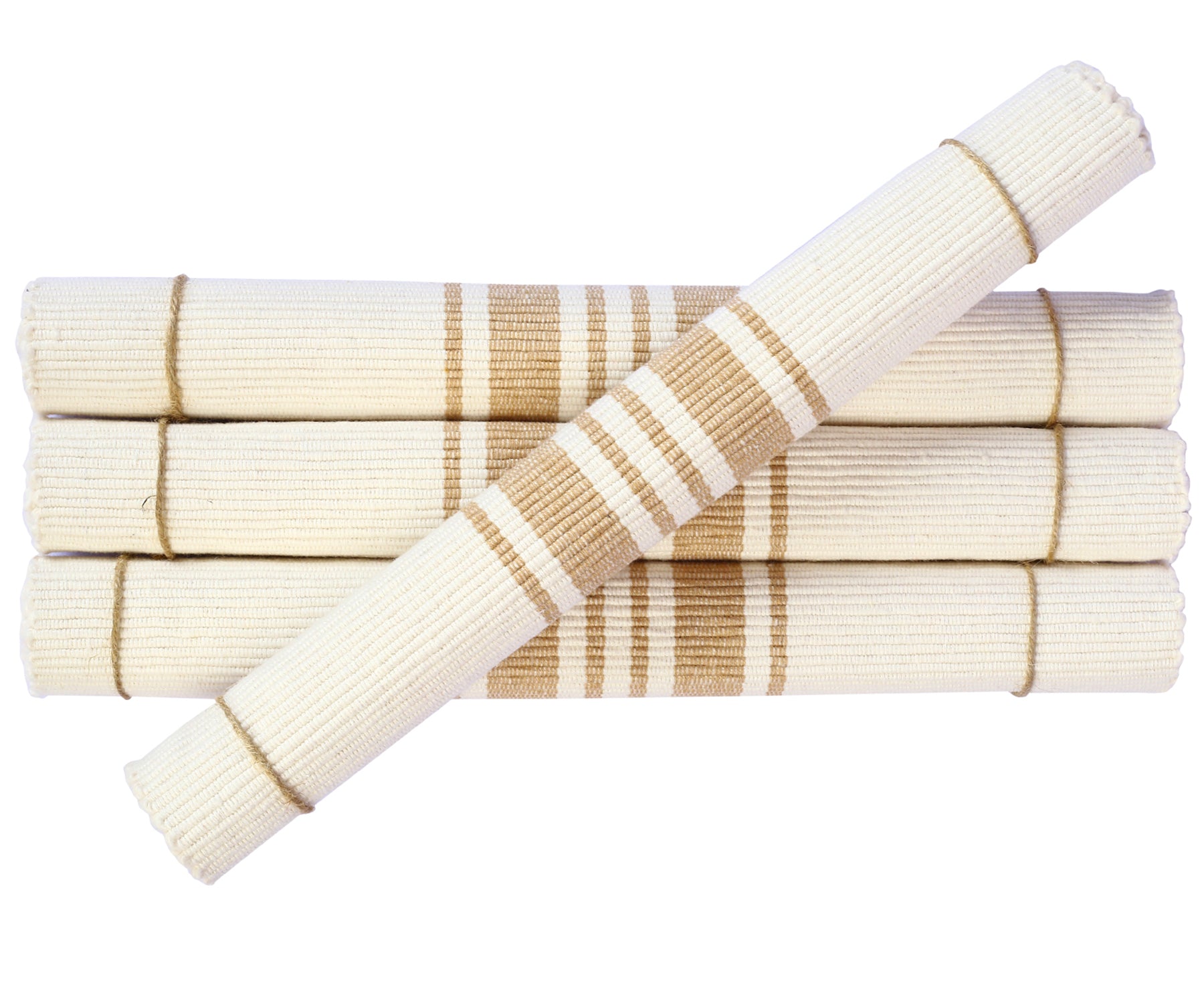
Instead of folding your cotton or linen placemats into stiff rectangles that crease along the fold lines, roll them loosely from one end to the other. Secure each roll with a ribbon, a thin strip of twine, or a rubber band. Stand the rolls upright in a deep drawer or a tall basket on your counter.
The benefit beyond space-saving? Rolled placemats don't develop those stubborn center creases that folded ones do. They come out smooth and table-ready.
3. Fold and Stack Neatly in a Dedicated Spot
For households with more storage room, a clean fold-and-stack system is hard to beat for speed and access.
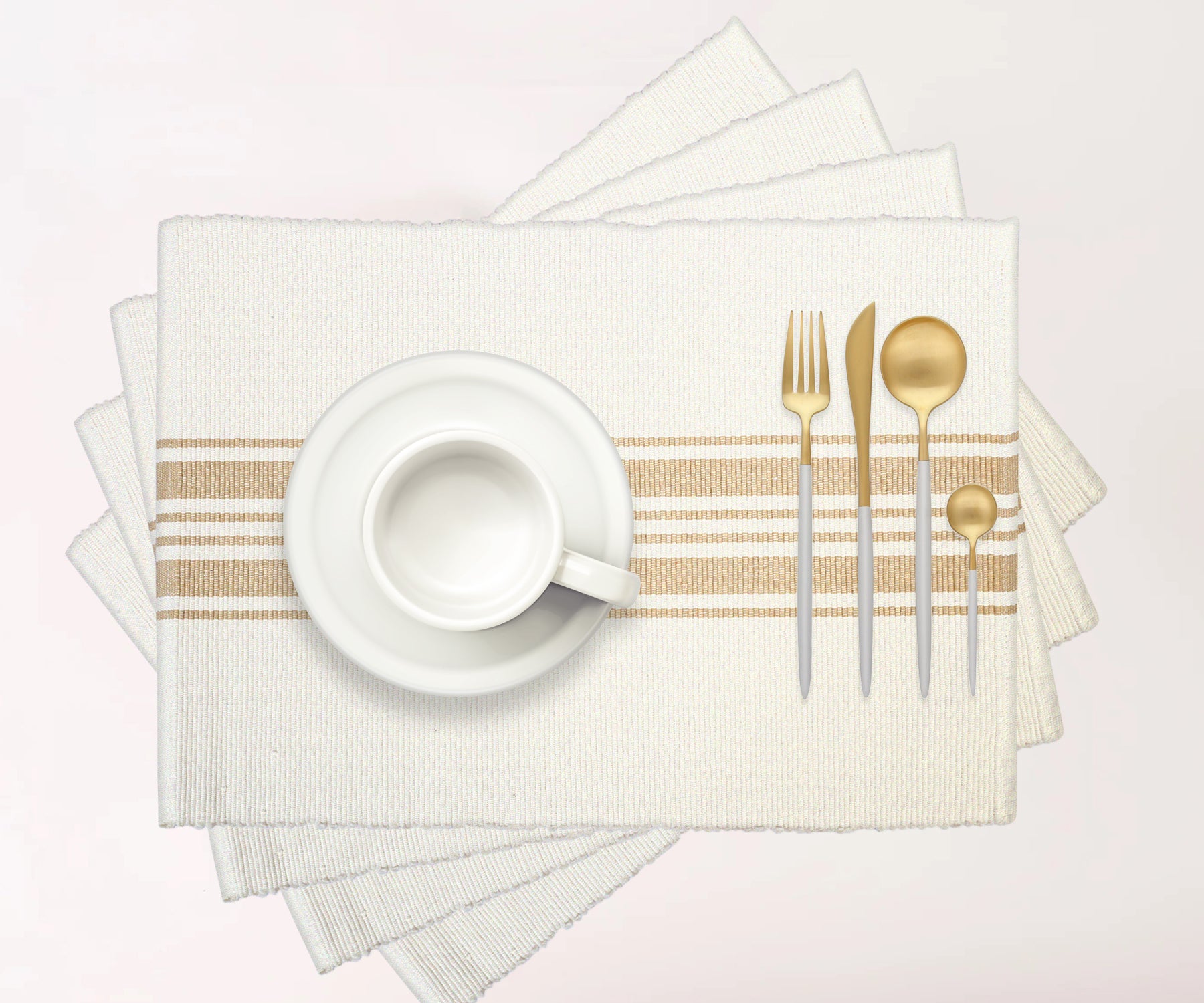
Lay each striped placemat or embroidered placemat flat, fold in half lengthwise, then fold once more. Stack them in a consistent direction in a dedicated shelf section or drawer. The key is consistency when every placemat is folded the same way and stacked neatly, the pile stays tidy, and you can see how many you have at a glance.
Group them by style or color if you own multiple sets. It makes grabbing the right ones for a specific occasion genuinely effortless.
Also Read: How to Clean Fabric Placemats?
4. Use Drawer Dividers to Keep Sets Separated

A junk drawer situation where all your placemats tangle and pile on top of each other is the fastest way to end up with wrinkled, misplaced sets.
Drawer dividers solve this completely. Place them in a dedicated kitchen or dining room drawer and assign a section to each placemat set. Your checkered placemats live in one slot, your everyday neutrals in another, your holiday sets in a third. Everything stays sorted, separate, and easy to locate without pulling the whole drawer apart.
This is especially useful if you rotate sets seasonally or have multiple sizes like round placemats alongside rectangular ones.
5. Hang Them for a Decorative and Practical Touch
Not everything needs to be hidden away. If you have beautiful placemats with interesting textures, bold colors, or detailed embroidery, consider displaying them.
Install a row of simple hooks or pegs inside a cupboard door, on an open kitchen wall, or inside a pantry. Hang your embroidered or scalloped placemats by their edges. They stay flat, wrinkle-free, and completely visible, which means you'll actually remember to use them instead of forgetting they exist.
It also adds a genuinely charming, lived-in look to a kitchen or dining space.
6. Use Protective Covers for Special Occasion Sets
If you own placemats you only bring out for holidays, dinner parties, or weddings, they need a bit more protection during the months they spend in storage.
Slide your special occasion or wedding placemats into breathable fabric pouches or large resealable bags. This shields them from dust, sunlight fading, and accidental spills from nearby items. Avoid plastic bags that trap moisture opt for cotton muslin bags or purpose-made linen storage pouches for best results.
Label the cover with what's inside, so you're not opening five bags searching for your Christmas set in December.
7. Rotate Between Sets to Wear Them Evenly
Here's a tip most people don't think about: if you have multiple placemat sets, rotate them regularly.
Using the same set every single day causes uneven fading, wear, and fraying while your other sets sit unused at the back of a shelf. By alternating between your everyday cotton placemats and seasonal or patterned alternatives, you extend the life of every set and keep your table looking fresh throughout the year.
It's also a low-effort way to change up your table's whole mood. A different placemat set genuinely transforms the feel of a dining space.
8. Label or Color-Code for Fast Grabbing
If you have a large collection across colors, patterns, and sizes, a simple labeling system can save real time, especially on busy weeknights when you just need to set the table fast.
Use a small sticky label on the drawer divider section, a tag tied around the rolled set, or color-coded ribbons to identify each group. Your blue placemats, beige sets, holiday prints, and oval placemats each get their own clearly marked spot. Grab and go, no hunting required.
You May Also Like: Different Types of Placemats with a Tablecloth
Good placemats aren't just functional; they're part of what makes a table feel welcoming, styled, and cared for. Whether you use them every day or only for occasions, how you store them directly affects how long they last and how good they look each time you put them out.
A small system makes all the difference: clean before storing, choose a method that works for your space, and give your placemats the same care you give the rest of your table linens.