

Why Do We Celebrate Easter With Eggs?
Eggs have long symbolized new life and renewal, which is why they became connected to Easter celebrations. Historically, many cultures saw eggs as a representation of rebirth and the arrival of spring.

During Easter, the egg became a powerful symbol because the holiday celebrates renewal and hope. Over time, decorating eggs turned into a joyful tradition that families could enjoy together.
Some historical traditions include:
-
In ancient cultures, eggs symbolized fertility and new life.
-
Early Christians used eggs to represent the resurrection and renewal.
-
Spring festivals often included egg decorating as a sign of seasonal change.
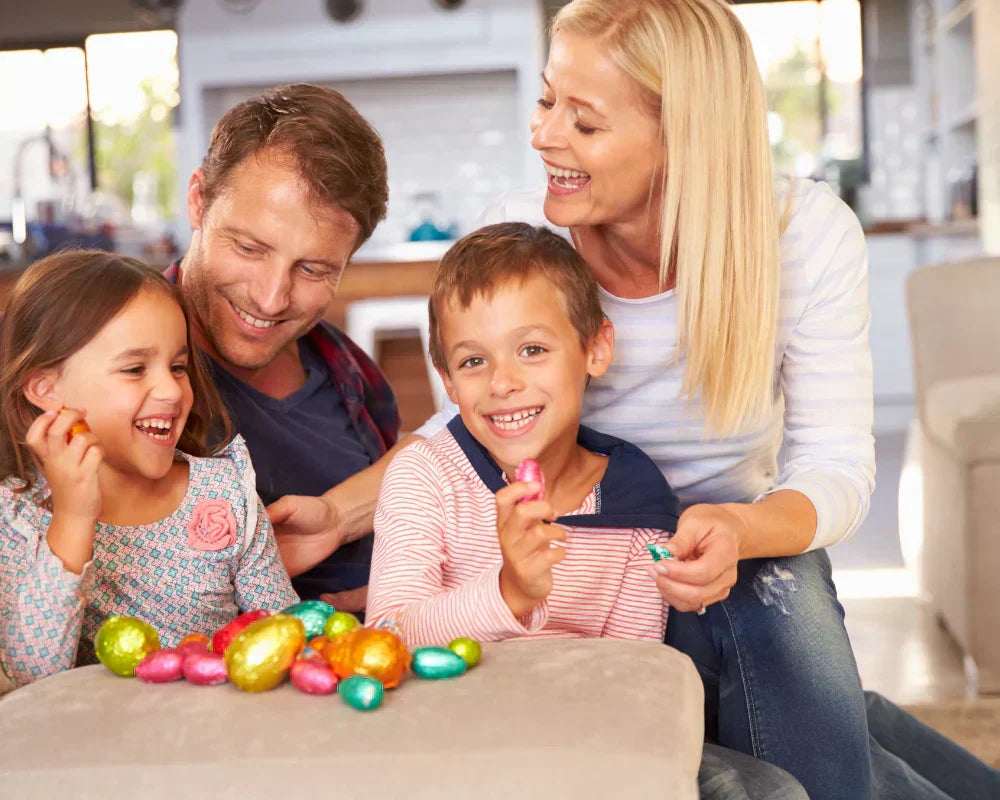
Today, Easter eggs remain a meaningful and cheerful symbol of the holiday. They also create moments for families to gather, decorate, and celebrate together.
Why Do We Dye Easter Eggs?
Coloring eggs became popular centuries ago as a way to celebrate the season. Decorating them allowed people to add creativity and beauty to the holiday.

There are several reasons why this tradition continues today:
Celebration of Spring
Bright colors reflect the lively energy of spring. They represent flowers blooming and the return of warmer days.
Cultural Traditions
Different countries have their own unique egg decorating styles. Some cultures create detailed patterns, while others focus on vibrant colors.
Family Activities
Dyeing eggs has become a fun activity for children and adults alike. It encourages creativity and brings families together.
Festive Decorations
Decorated eggs often appear in Easter baskets, table centerpieces, and home decorations.
Because of these traditions, dyeing Easter eggs remains one of the most enjoyable parts of the holiday.
What Is the Color of Easter?
Easter is often associated with soft and joyful colors that reflect the beauty of spring. While there is no single official color, certain shades appear frequently in decorations and celebrations.

Popular Easter colors include:
-
Pastel Pink – Represents warmth and happiness
-
Soft Yellow – Symbolizes sunshine and new beginnings
-
Light Blue – Often linked to calm spring skies
-
Lavender – A gentle color connected to seasonal flowers
-
Mint Green – Reflects fresh growth and renewal
These colors appear in Easter eggs, table decorations, baskets, and seasonal clothing.
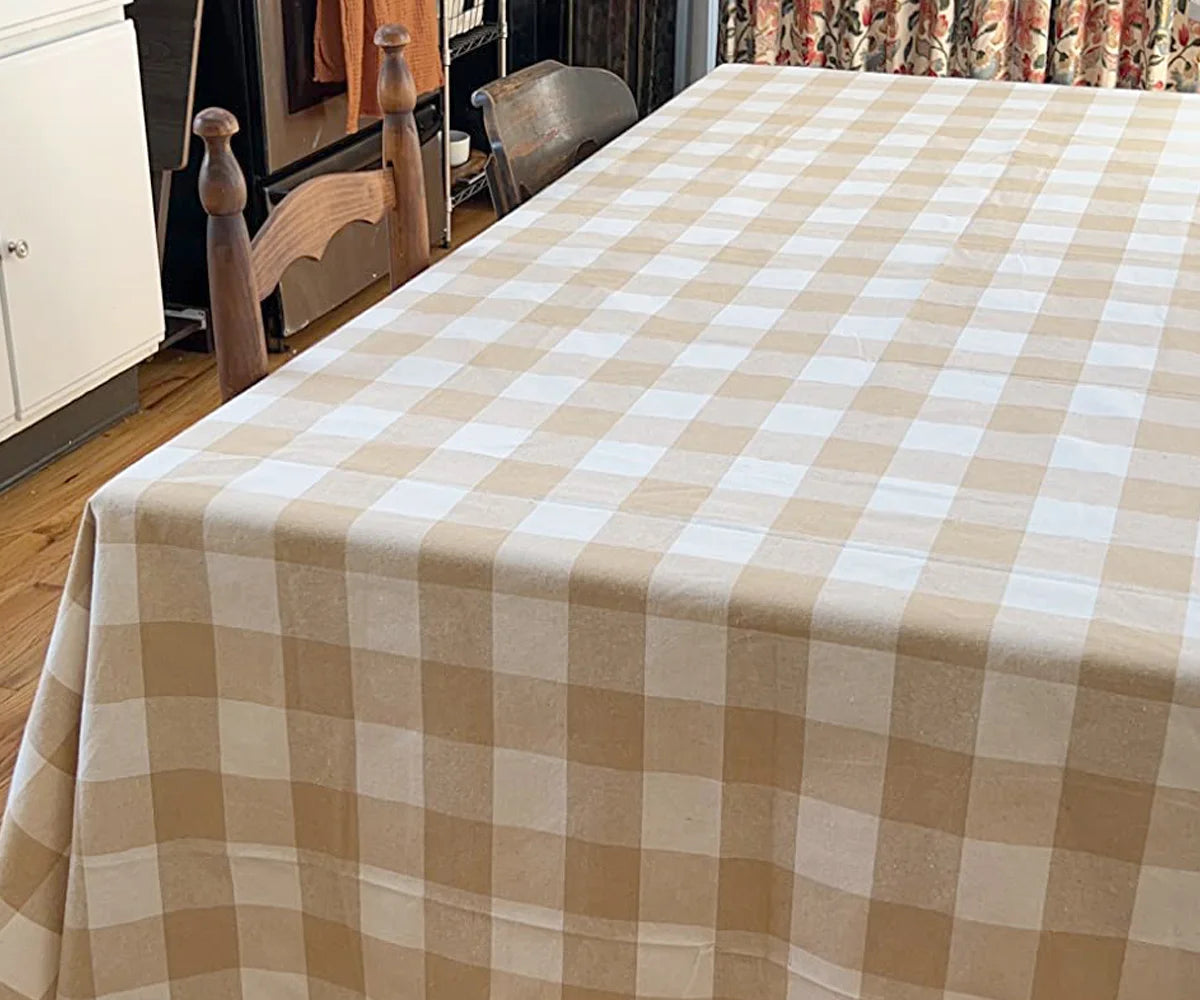
For Easter gatherings, many hosts decorate tables with soft linens, fresh flowers, and pastel accents. Simple touches like linen napkins or natural table runners can help create a warm and welcoming spring atmosphere.
Read On: Girls Easter Dress: Fresh Spring Styles for a Beautiful Holiday Look
How to Dye Easter Eggs
Learning how to dye Easter eggs is simple and enjoyable. You can create beautiful colors using basic kitchen ingredients and a few easy steps.
Basic Egg Dyeing Method
-
Start with hard-boiled eggs and allow them to cool.
-
Prepare small bowls for each color.
-
Add warm water and food coloring to each bowl.
-
Place the eggs gently in the dye.
-
Let them sit for a few minutes until the color develops.
-
Remove the eggs and allow them to dry.
You can repeat the process to create deeper shades or layered colors.
How to Dye Easter Eggs With Food Coloring
Food coloring is one of the easiest ways to decorate eggs. Most families already have it at home, making it a simple solution for quick egg decorating.

What You Need
-
Hard-boiled eggs
-
Food coloring
-
White vinegar
-
Warm water
-
Cups or bowls
Steps
-
Fill a cup with warm water.
-
Add a few drops of food coloring.
-
Mix in a small amount of vinegar to help the color stick.
-
Place the egg into the mixture.
-
Wait until the egg reaches your desired shade.
You can experiment with different colors or combine them to create unique designs.
Can You Use Apple Cider Vinegar to Dye Easter Eggs?
Yes, apple cider vinegar can be used when dyeing eggs. Vinegar helps the color bond to the eggshell and makes the shade appear brighter.
While white vinegar is most common, apple cider vinegar works in a similar way. It may produce slightly softer tones, which can create a natural or vintage look.
To use it:
-
Add one teaspoon of apple cider vinegar to your dye mixture.
-
Stir it with warm water and food coloring.
-
Place the egg into the solution and wait for the color to develop.
Many people enjoy experimenting with different vinegars to create unique color effects.
You May Also Like: 5 Easter Decor Ideas Using Table Linens
Can You Dye Brown Eggs for Easter?
Yes, brown eggs can absolutely be dyed for Easter. While white eggs show brighter colors, brown eggs create deeper and richer tones.
For example:
-
Blue dye may appear teal on brown eggs.
-
Yellow dye may turn into a warm golden shade.
-
Red dye can create earthy or rust-like colors.
These natural tones often give Easter eggs a rustic and artistic appearance.
Many people enjoy mixing white and brown eggs to create a more varied and creative collection.
Creative Easter Egg Decorating Ideas
Beyond simple dyeing, there are many ways to make Easter eggs more unique.

Marble Effect
Drizzle small drops of oil into the dye solution to create marble patterns on the eggs.
Speckled Eggs
Sprinkle tiny dots of paint or dye to create a speckled look inspired by bird eggs.
Natural Dyeing
Some people prefer natural ingredients such as:
-
Beet juice for pink tones
-
Turmeric for yellow shades
-
Red cabbage for blue colors
These options produce gentle, earthy tones that feel perfect for spring.
Styling Easter Eggs for Your Holiday Table
Decorated eggs are not only for baskets or hunts. They also make beautiful table decorations.
You can style them in several ways:
Easter Centerpieces
Place dyed eggs in bowls with fresh flowers or greenery.
Table Settings
Add one decorated egg to each plate for a charming detail.
Rustic Displays
Use wooden trays, linen table runners, and natural textures to create a soft spring look.
At All Cotton and Linen, we love combining simple table linens with seasonal elements like Easter eggs and fresh flowers. Natural fabrics help create a calm, welcoming setting that highlights the beauty of the holiday.
Learn About: Is Easter Monday a Federal Holiday?
The Joy of Easter Egg Traditions
Easter egg traditions continue to bring families together each year. Whether you are dyeing eggs, planning a hunt, or decorating your table, these small activities create lasting memories.
The simple act of coloring eggs encourages creativity, laughter, and shared moments. It reminds us that holidays are about connection, celebration, and enjoying the arrival of a new season.
With a few eggs, some bright colors, and a little imagination, you can create your own Easter traditions that friends and family will remember for years.