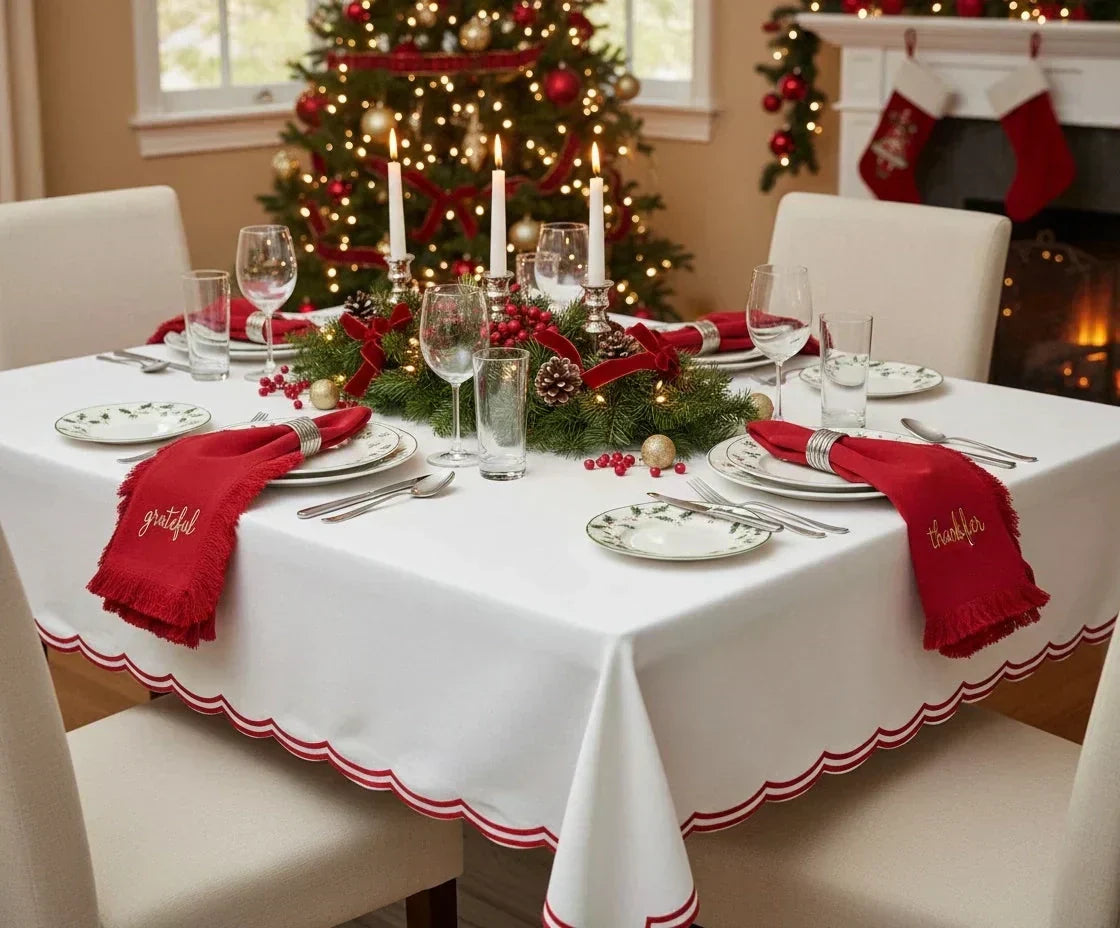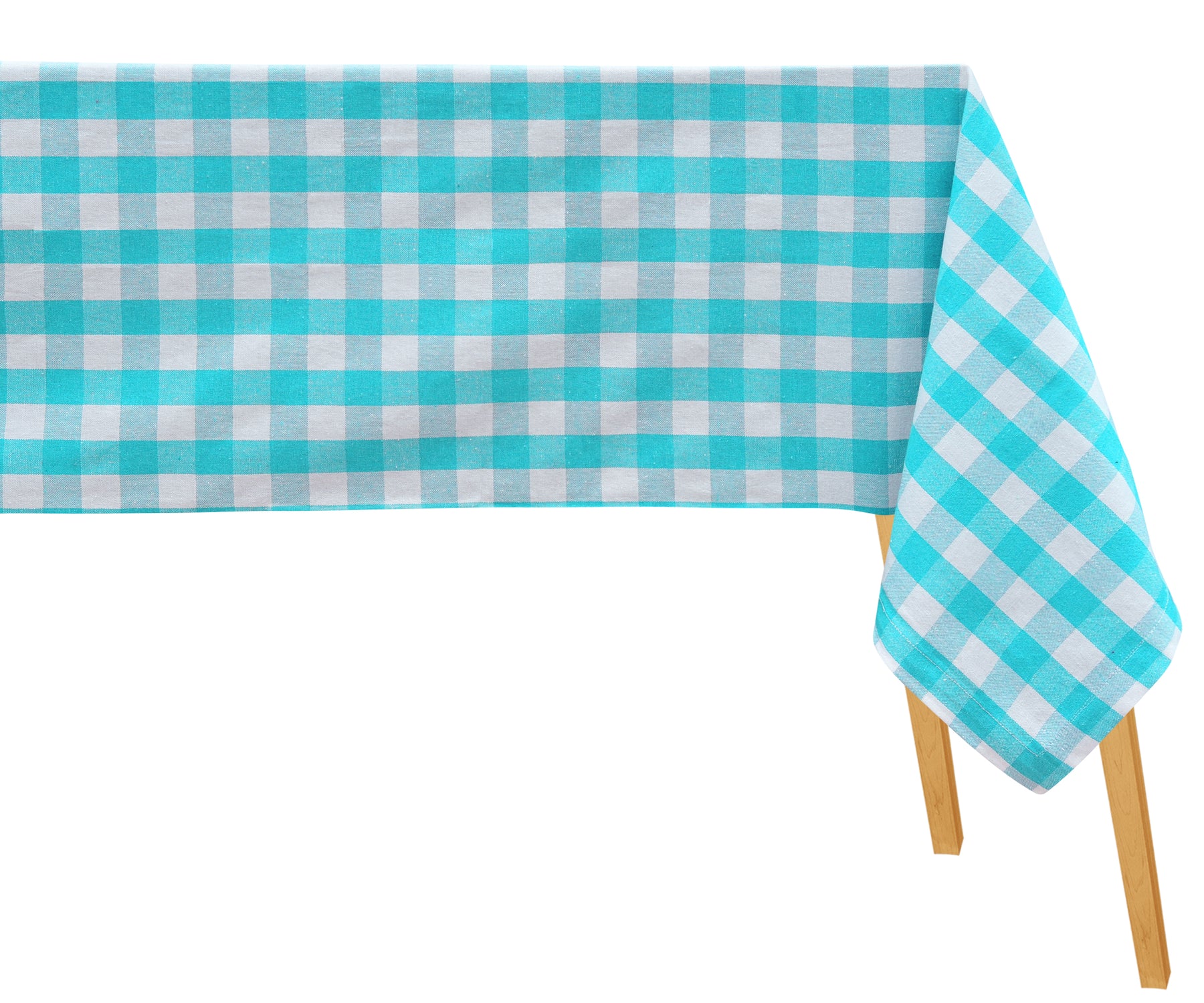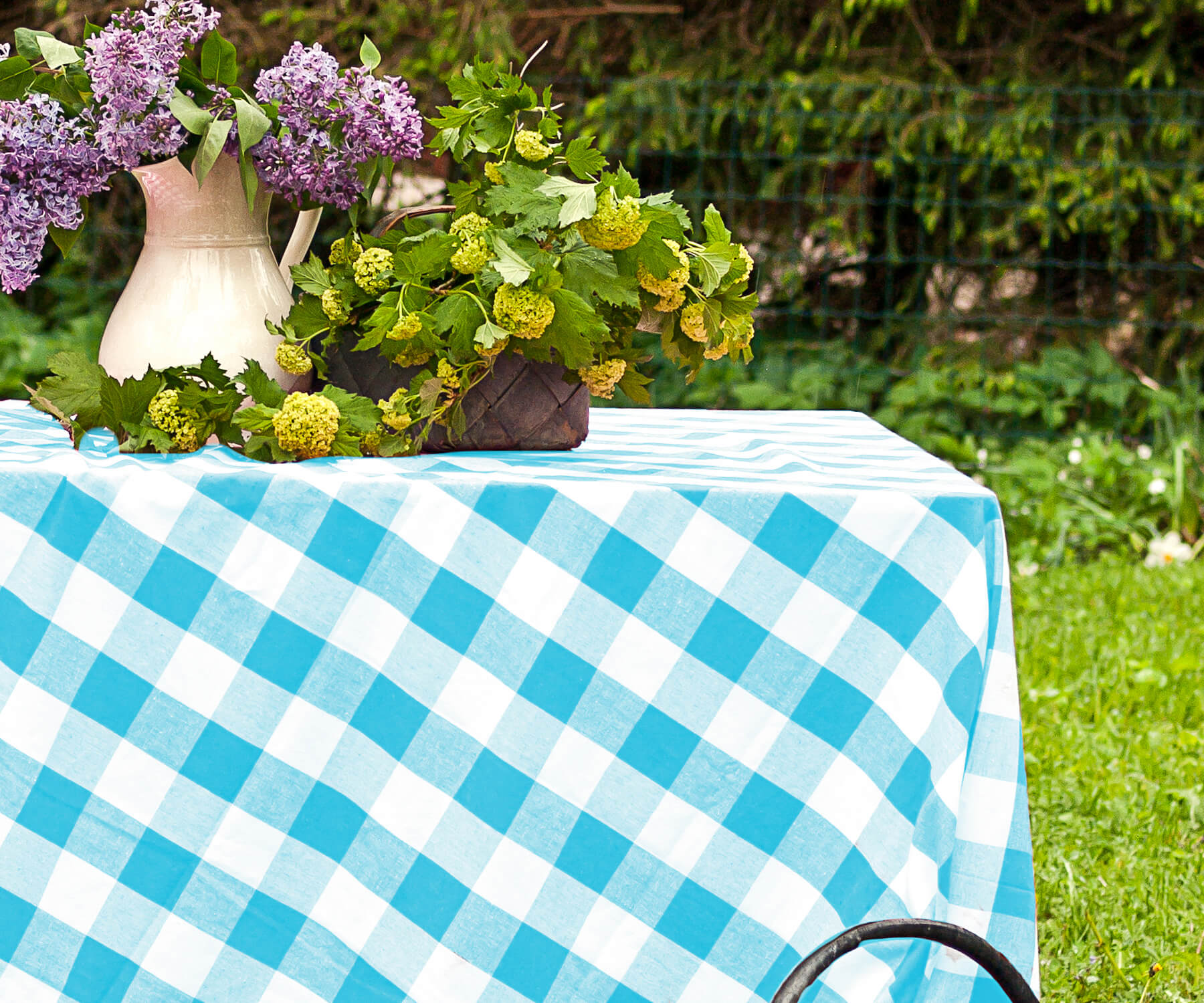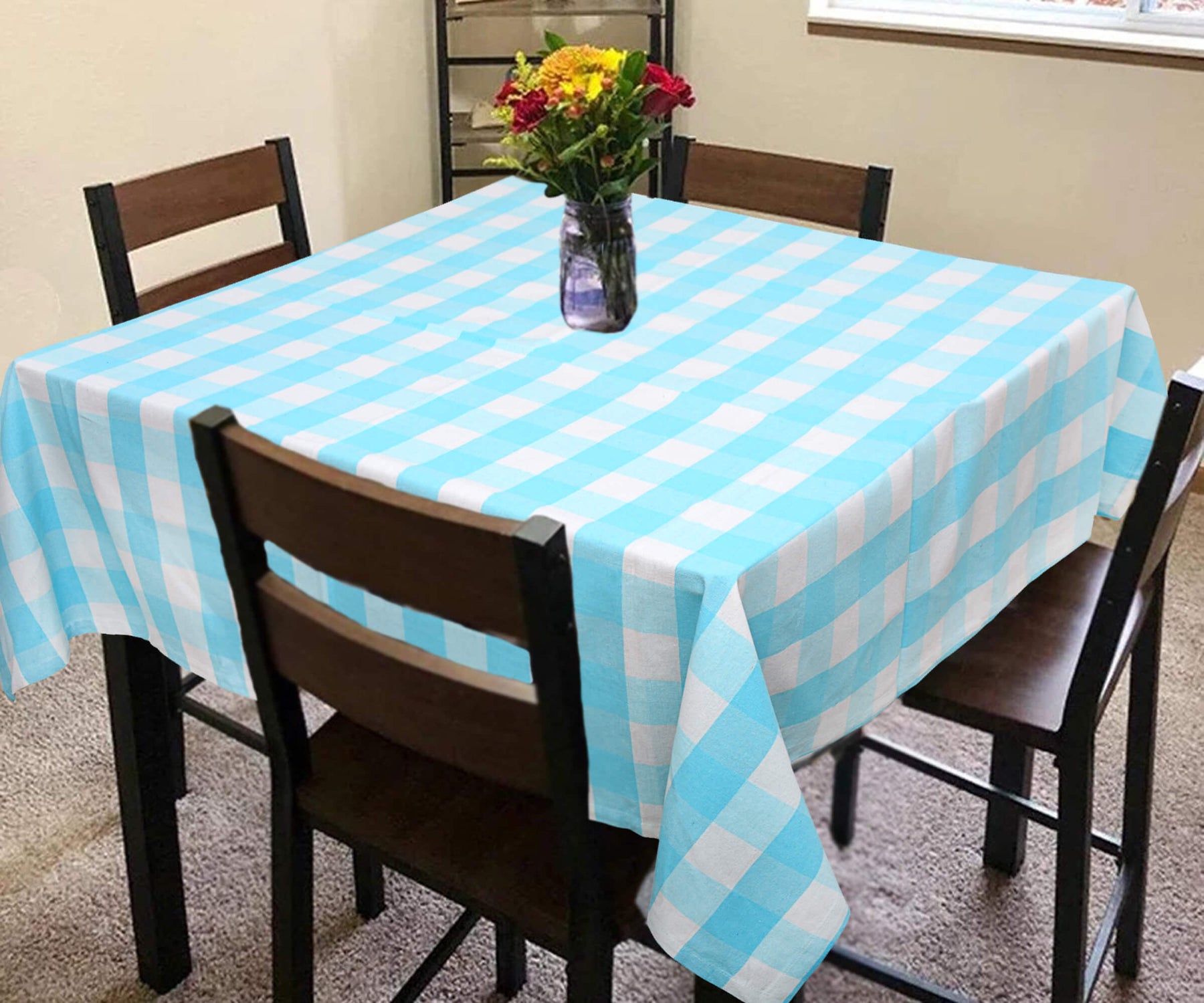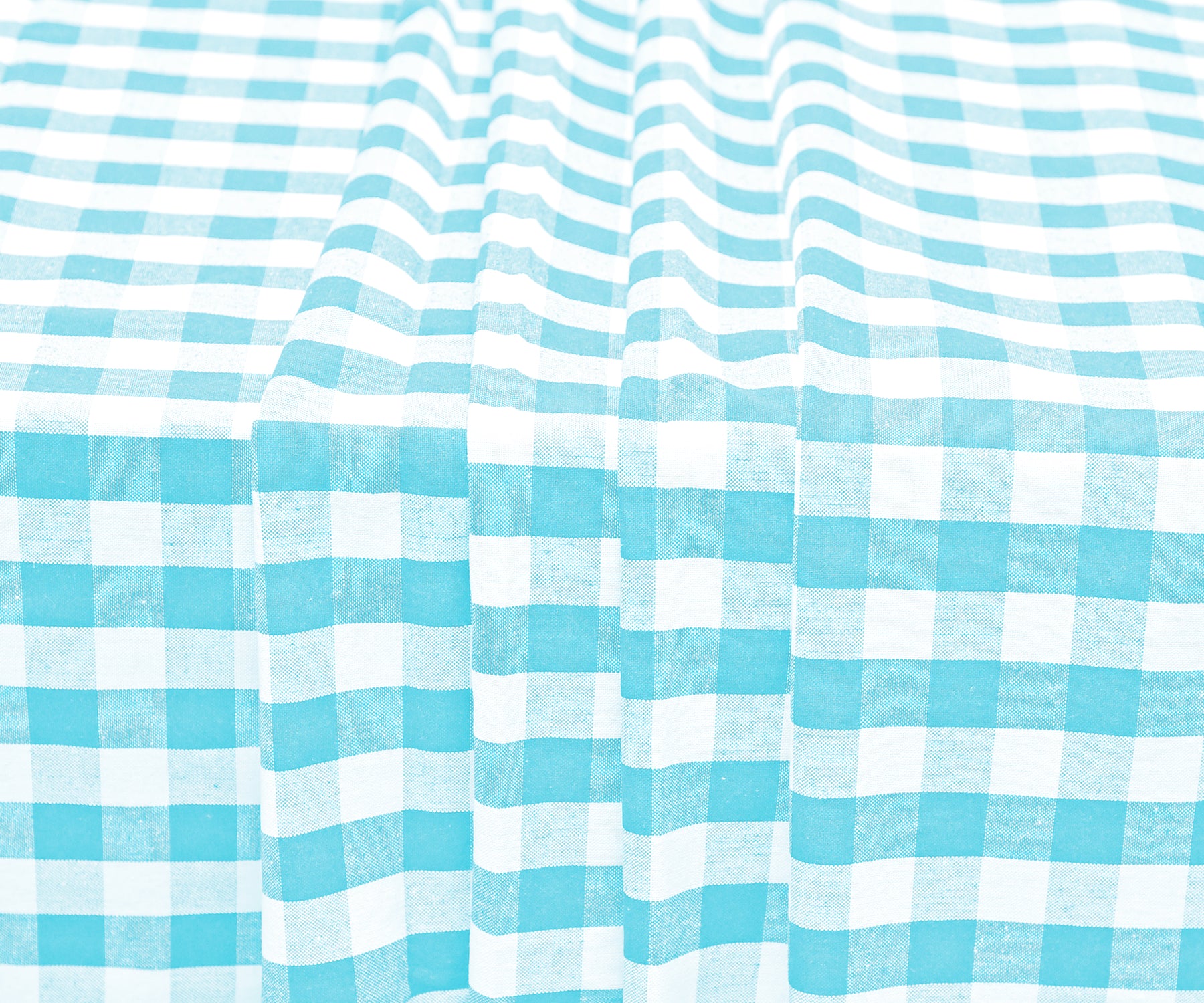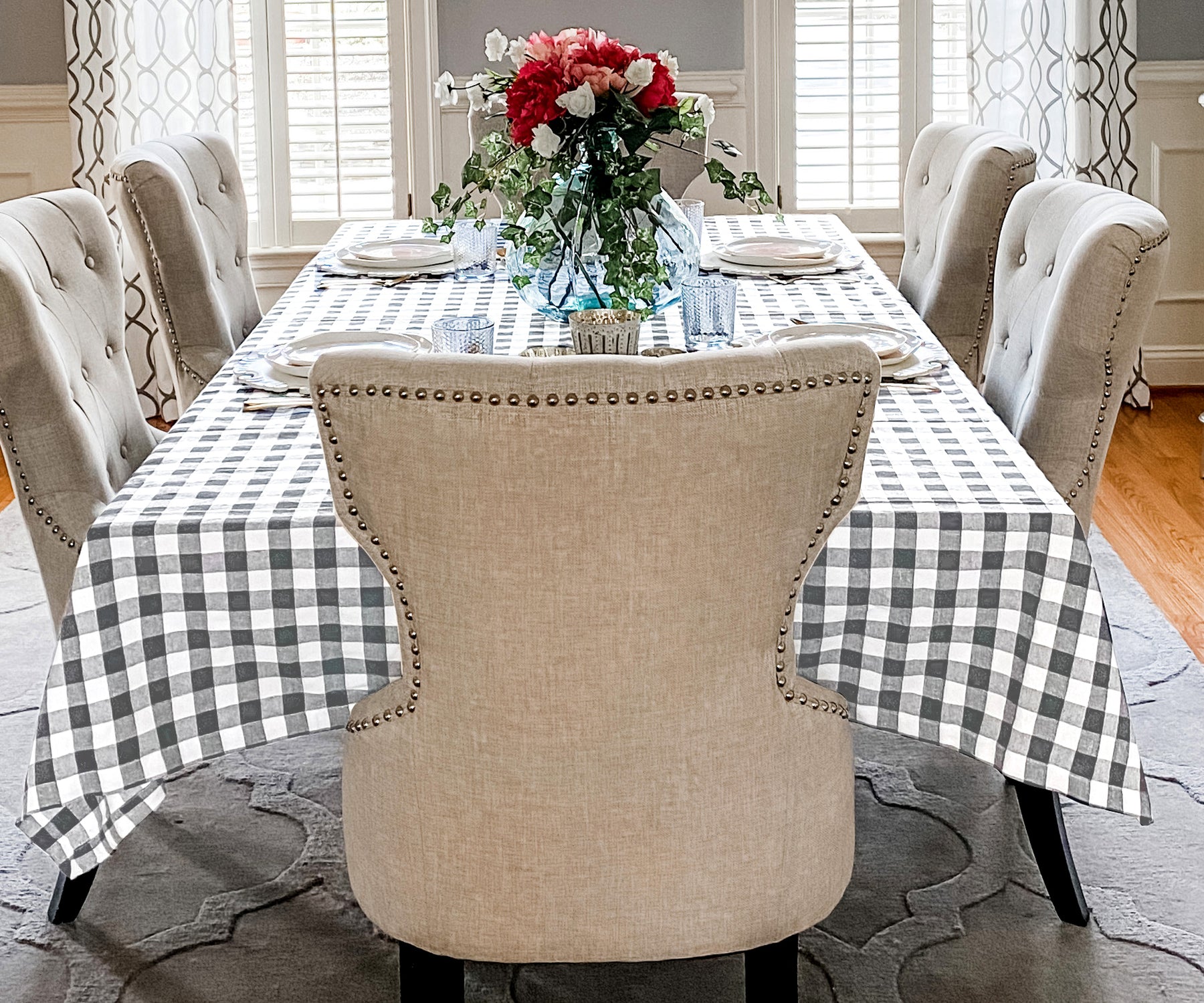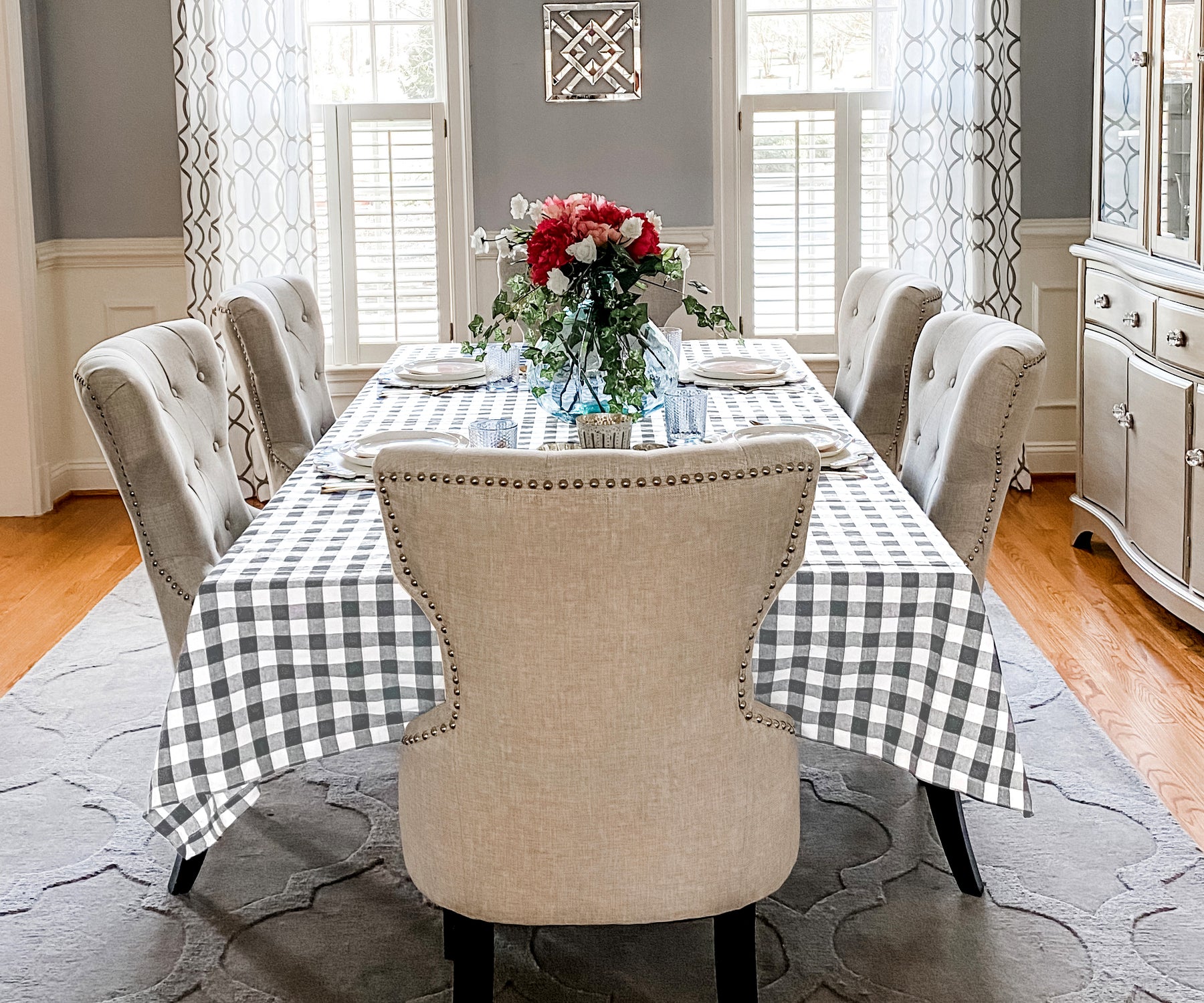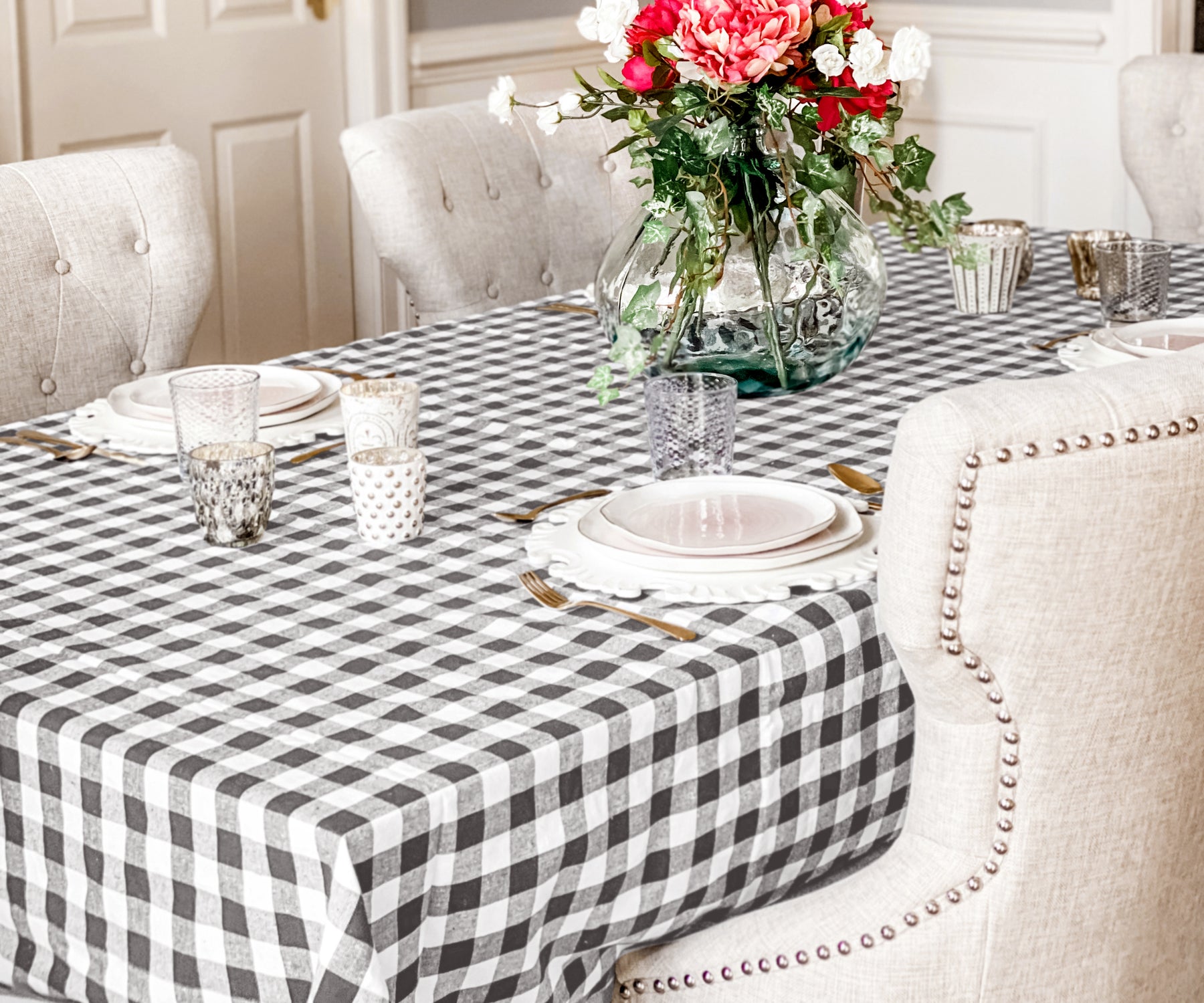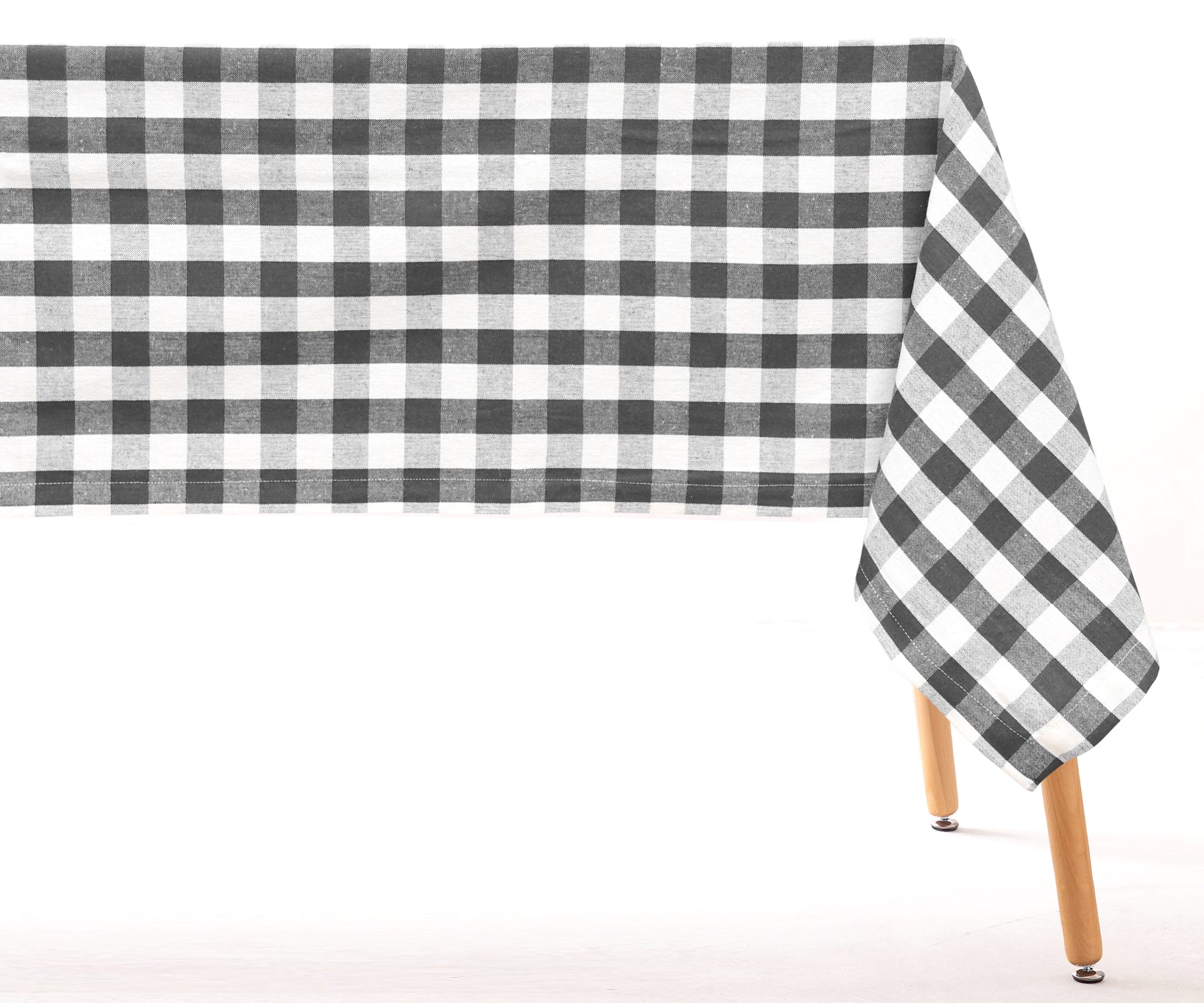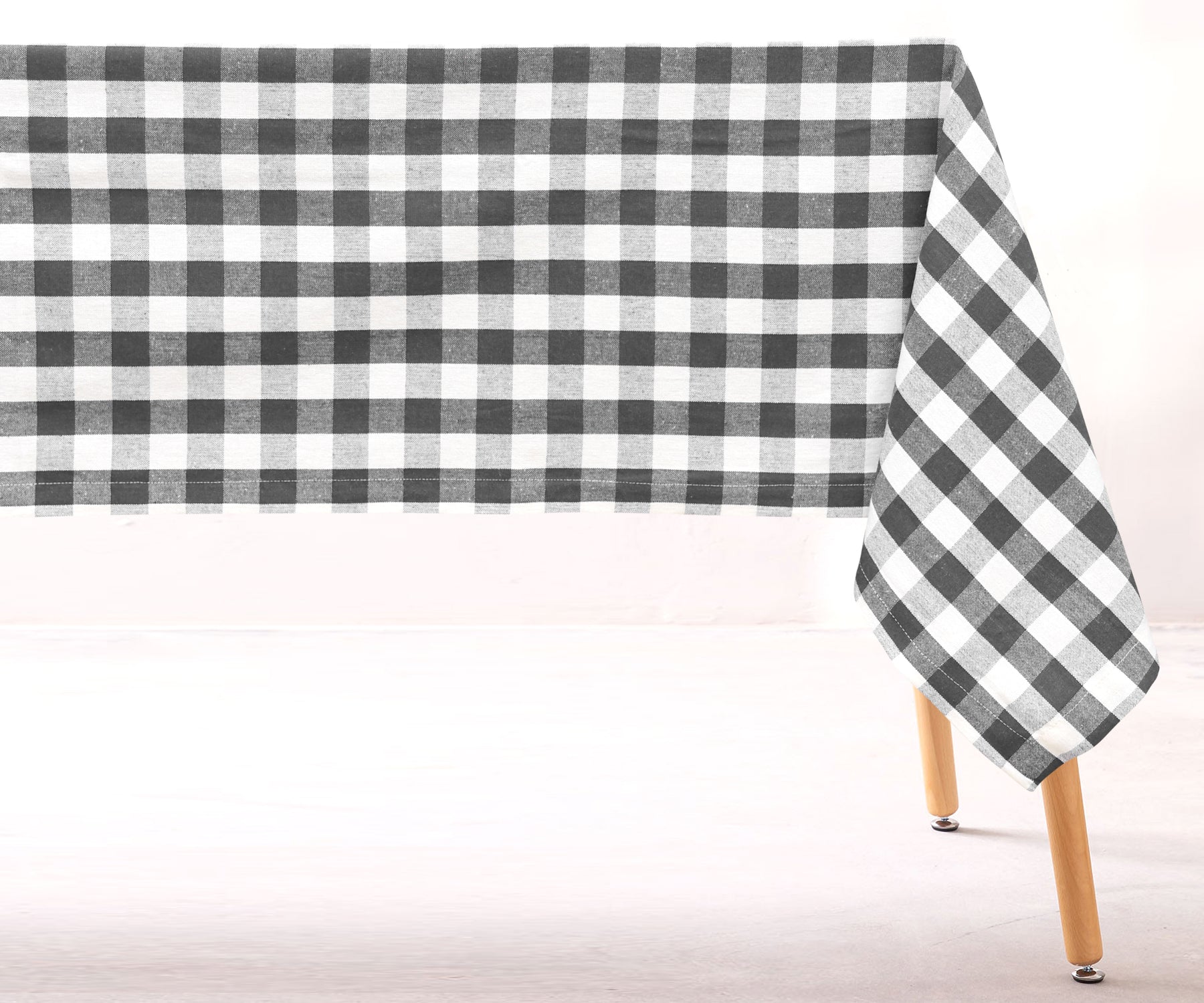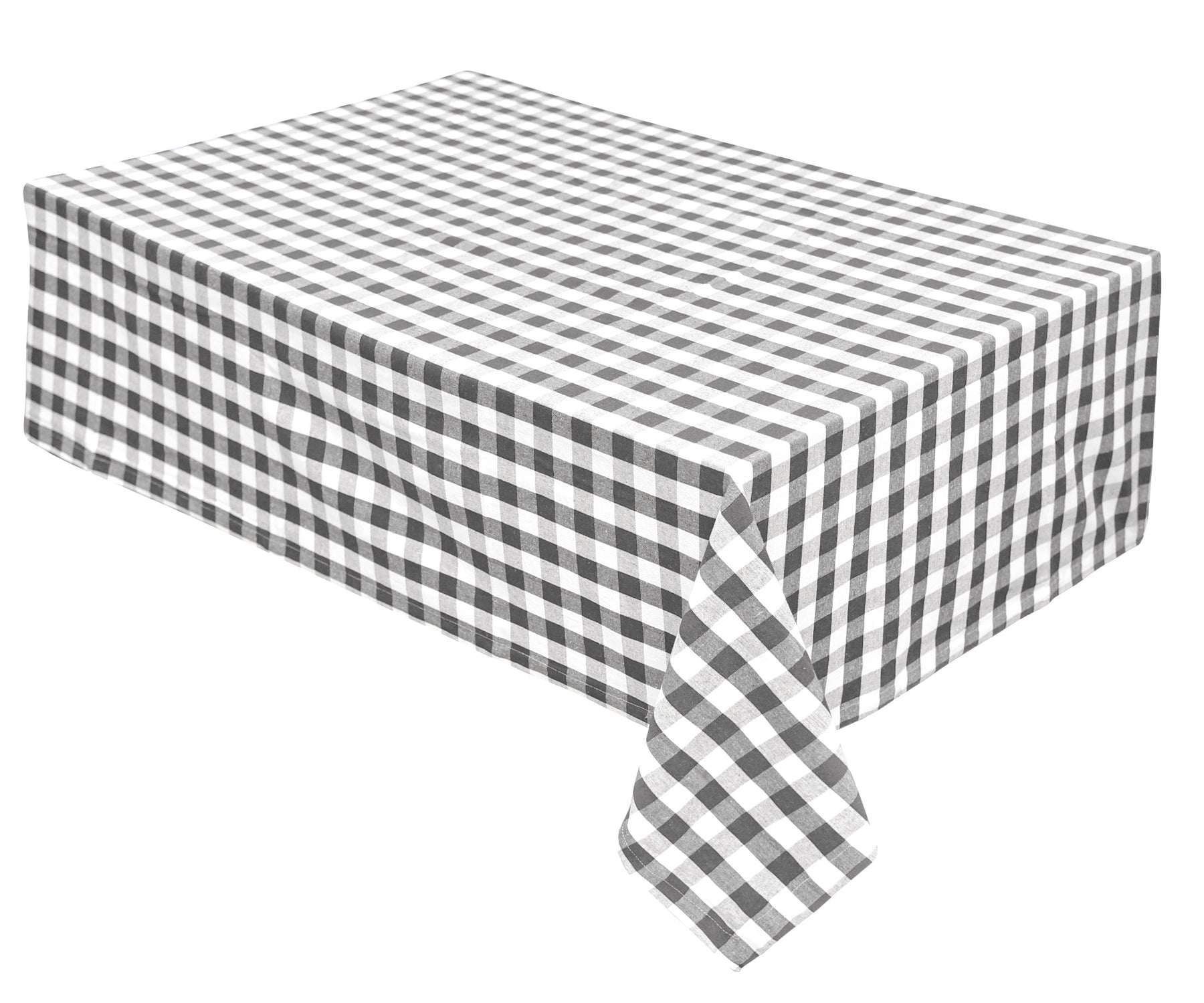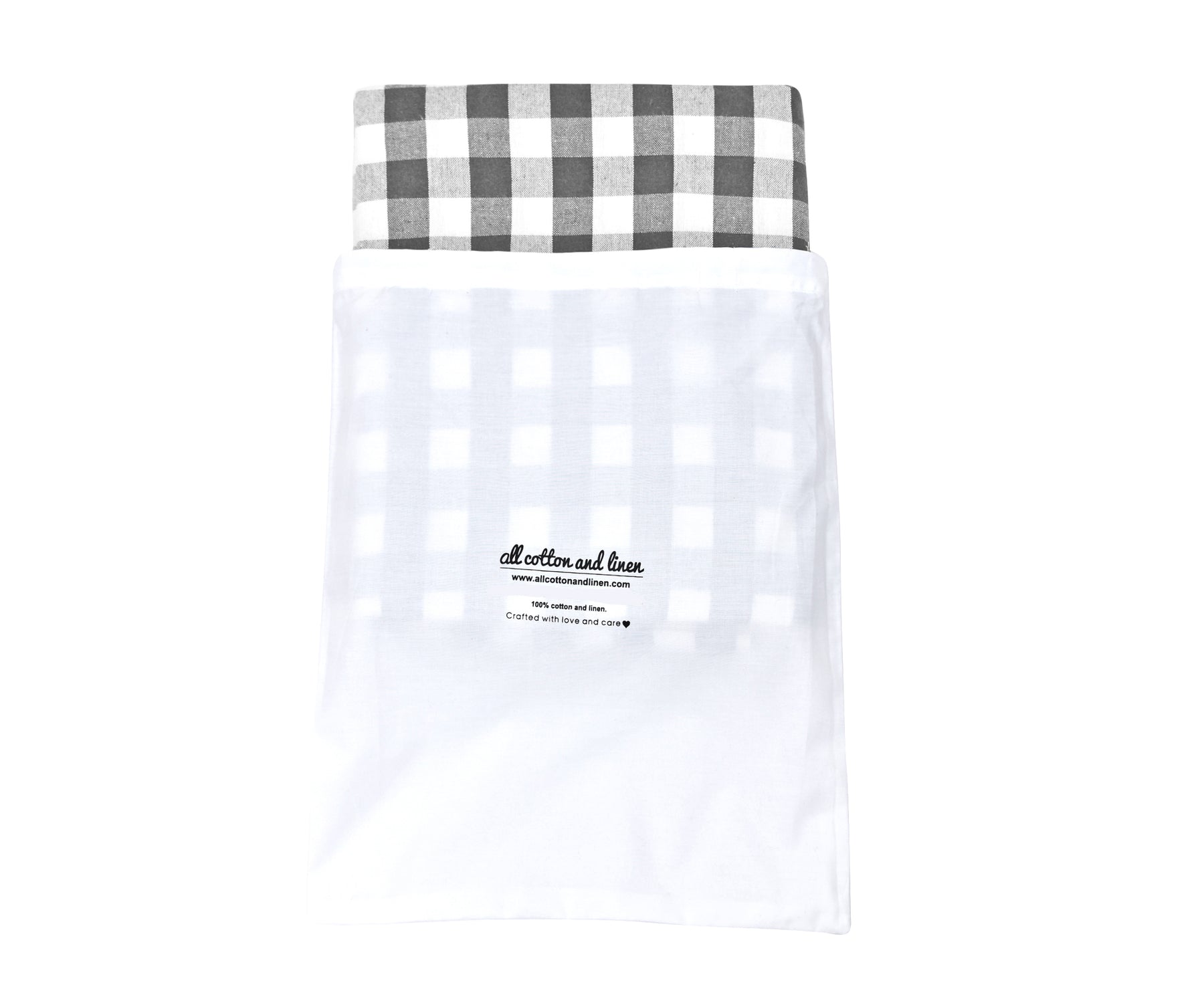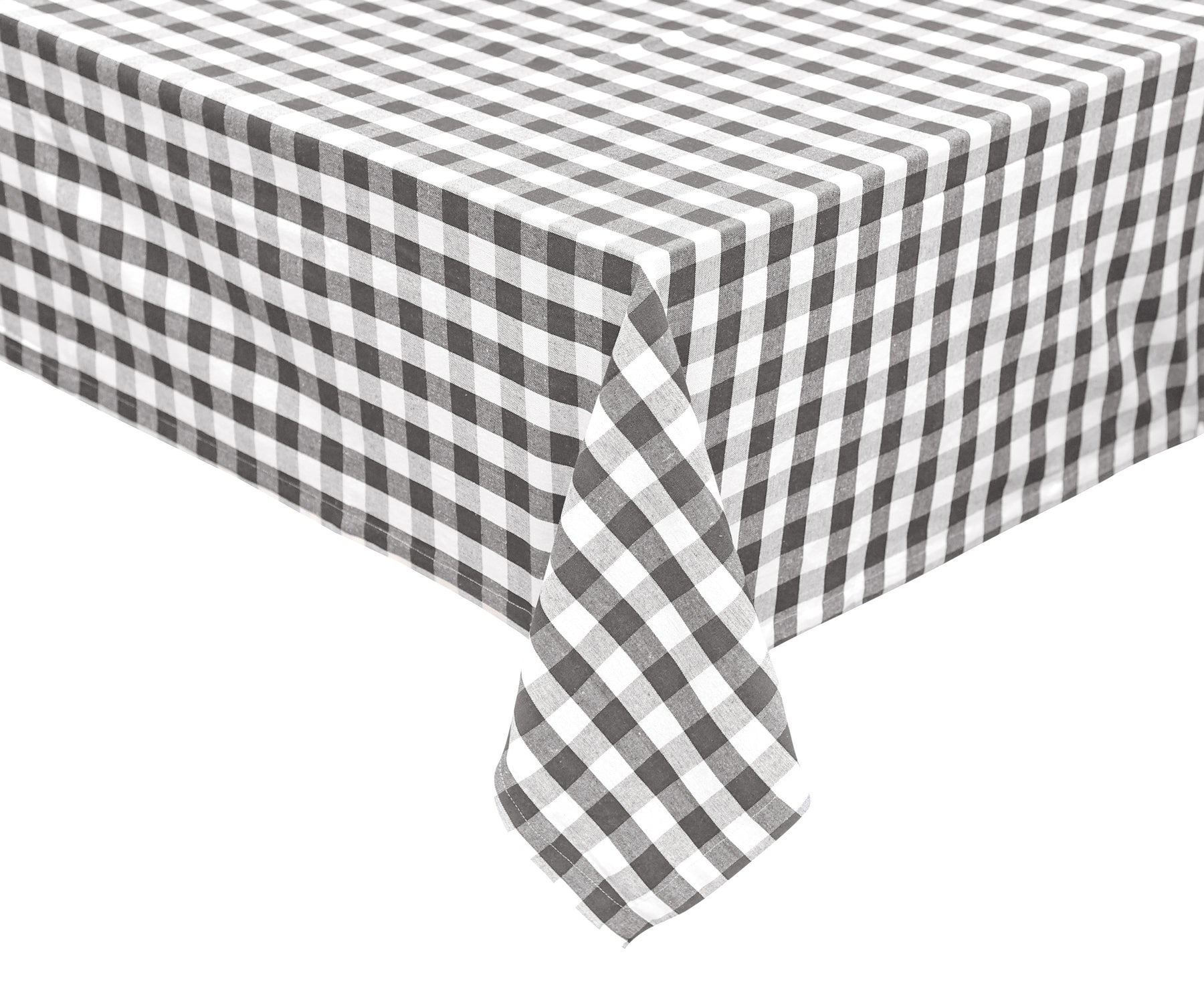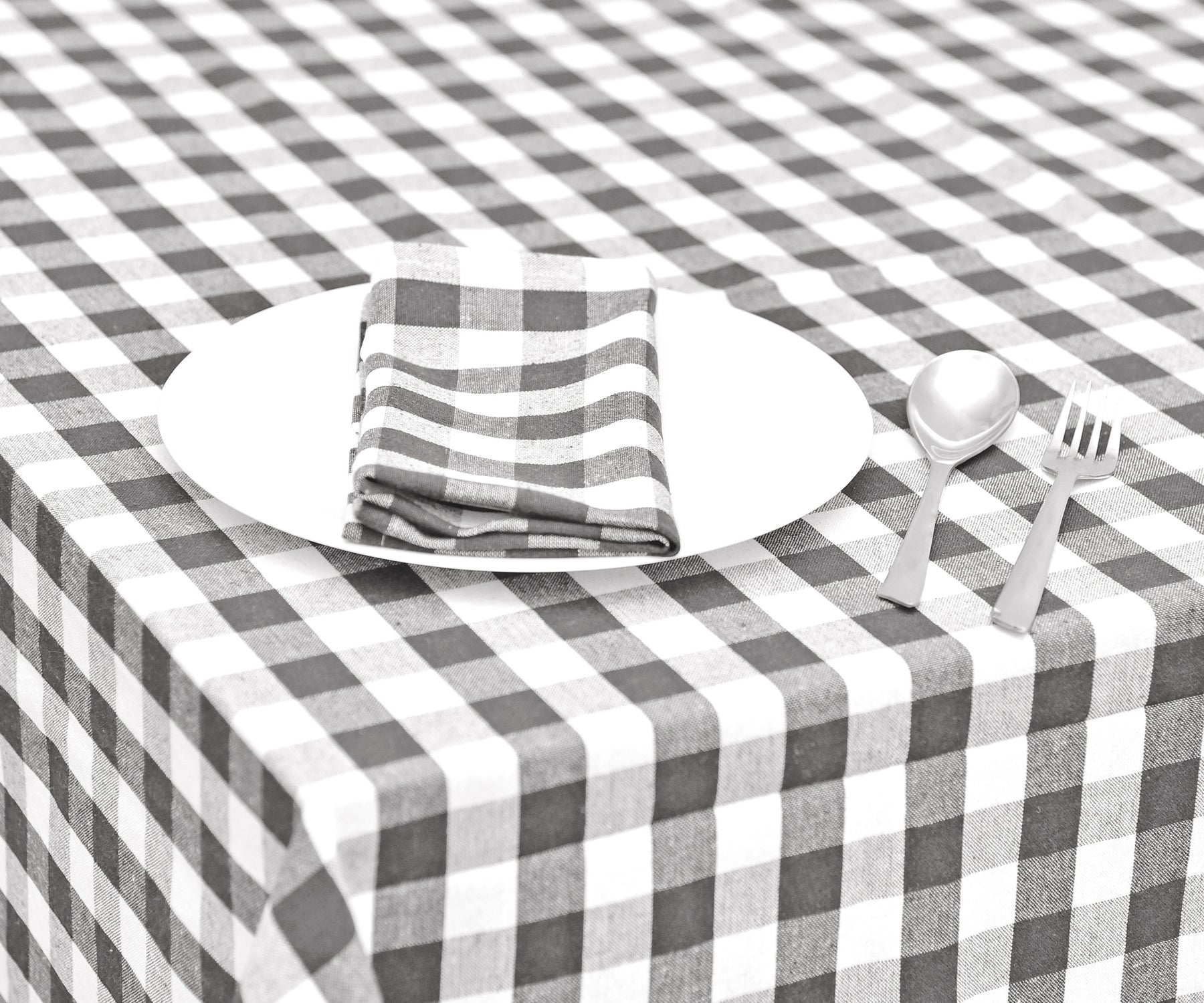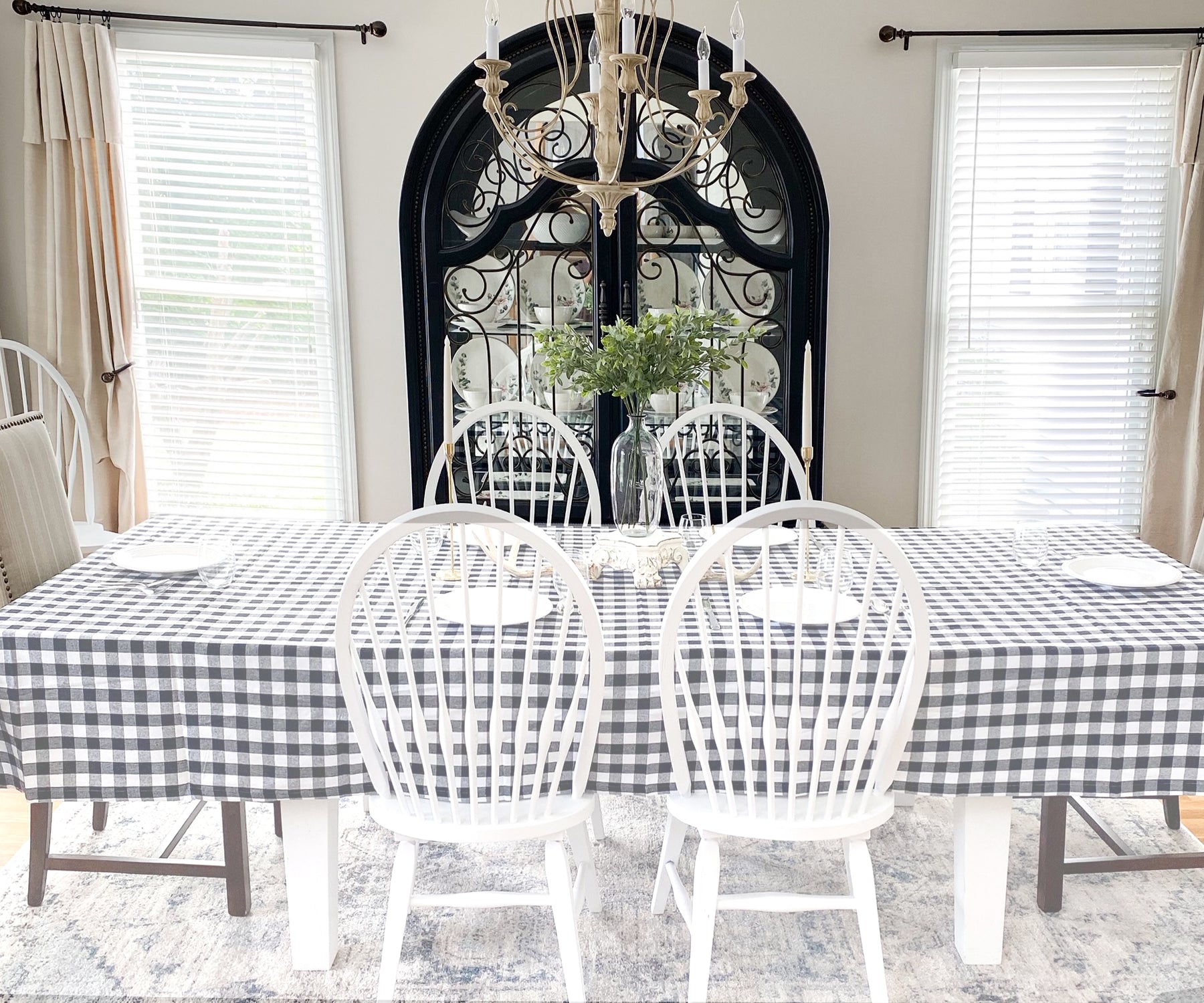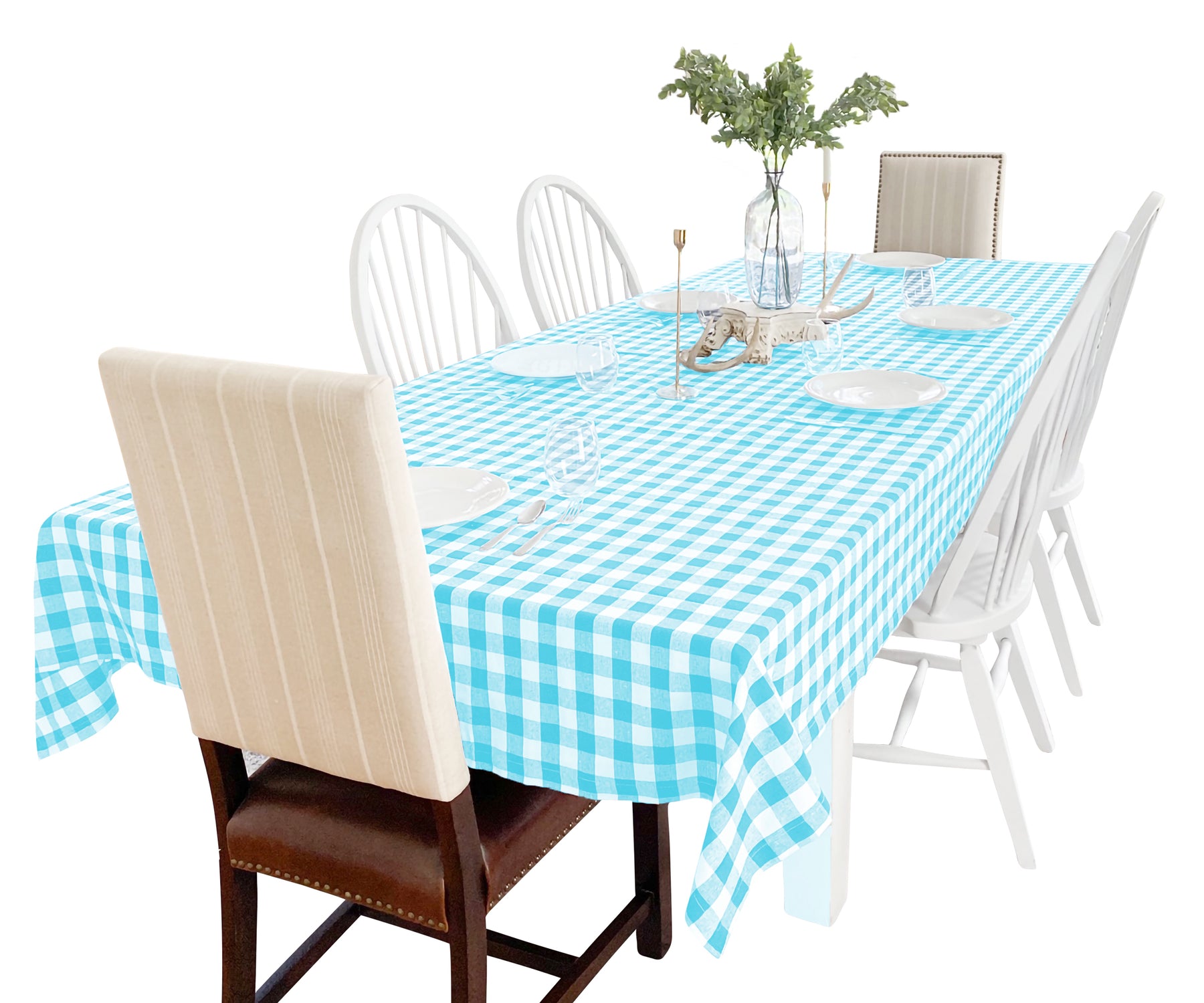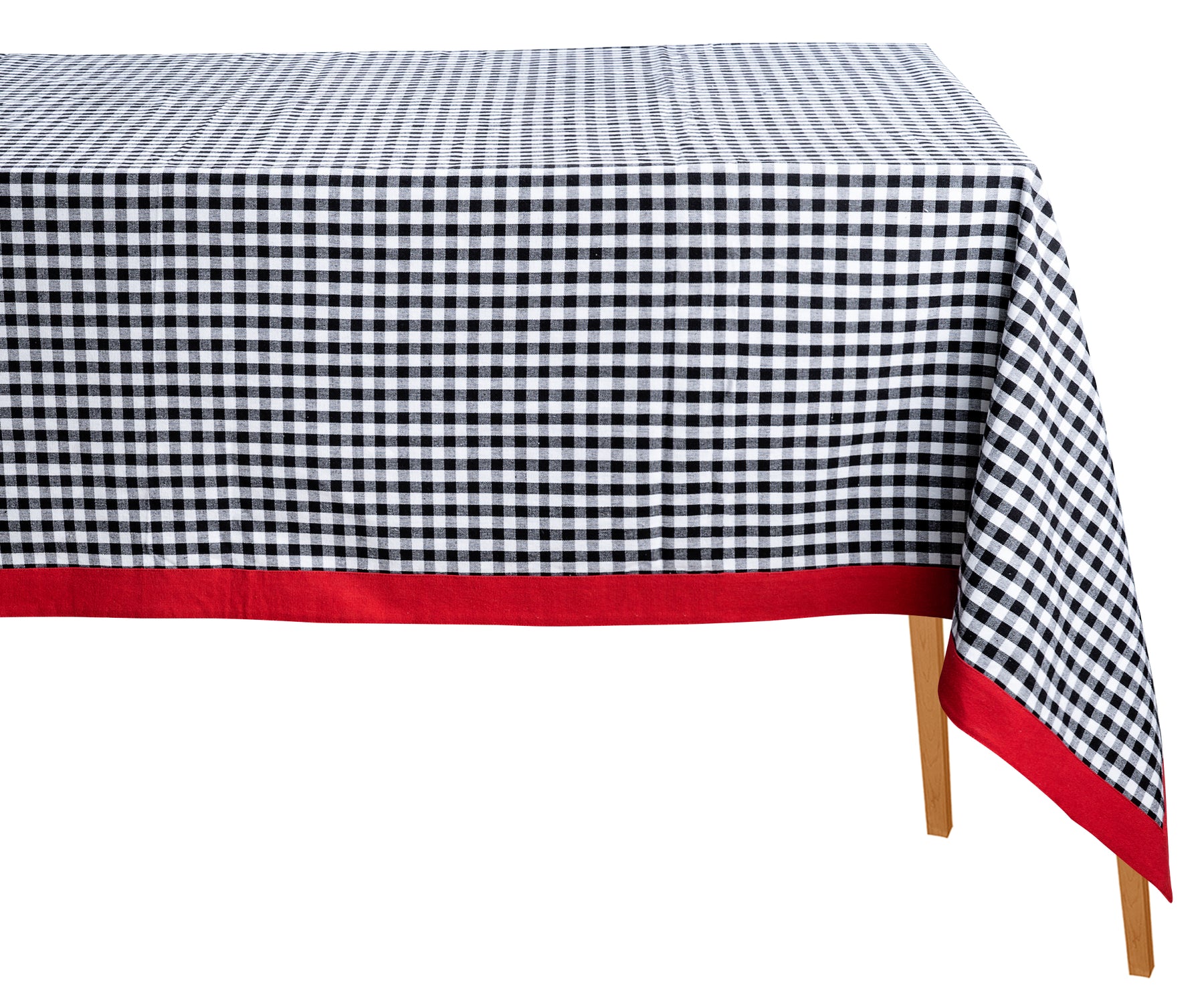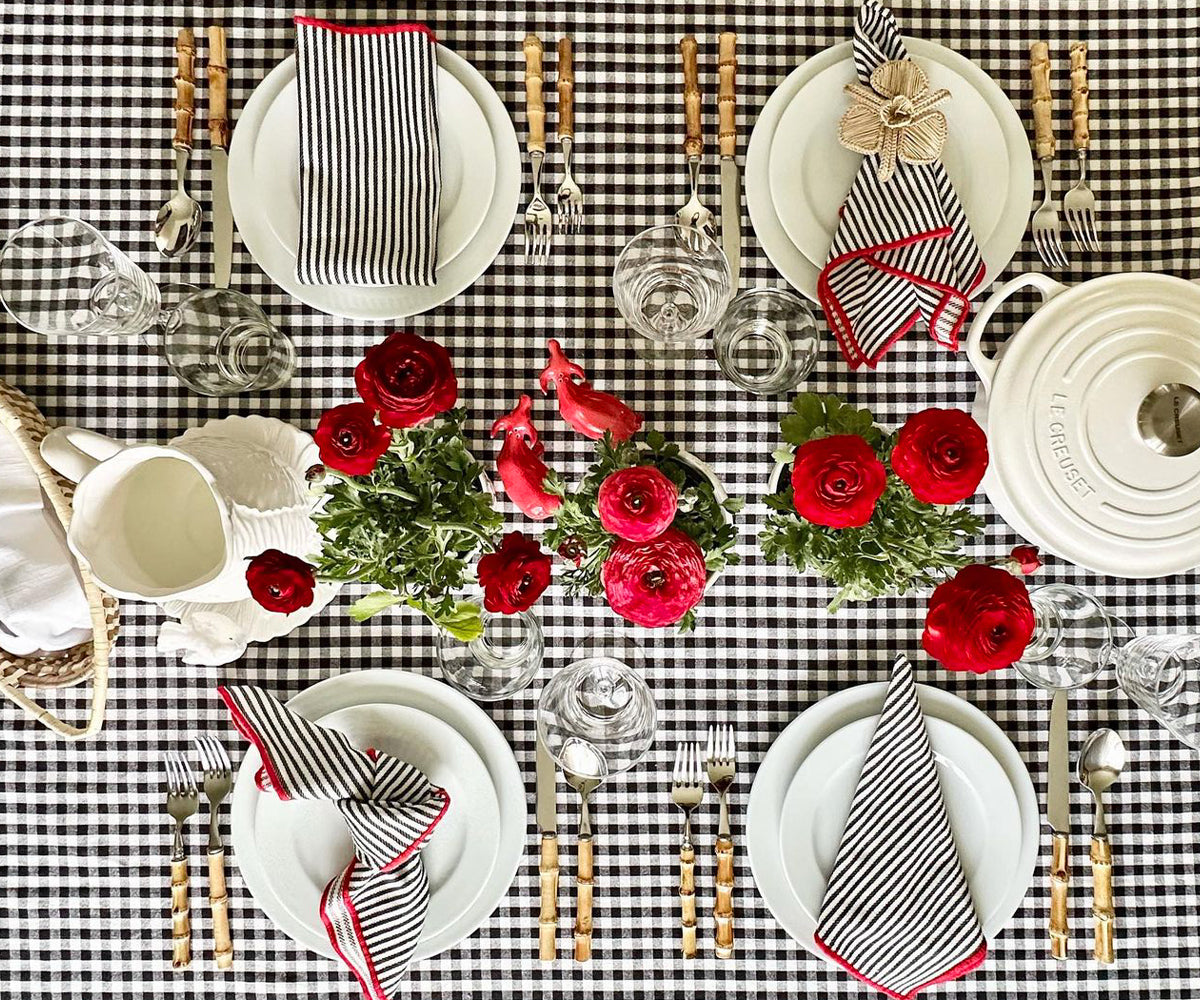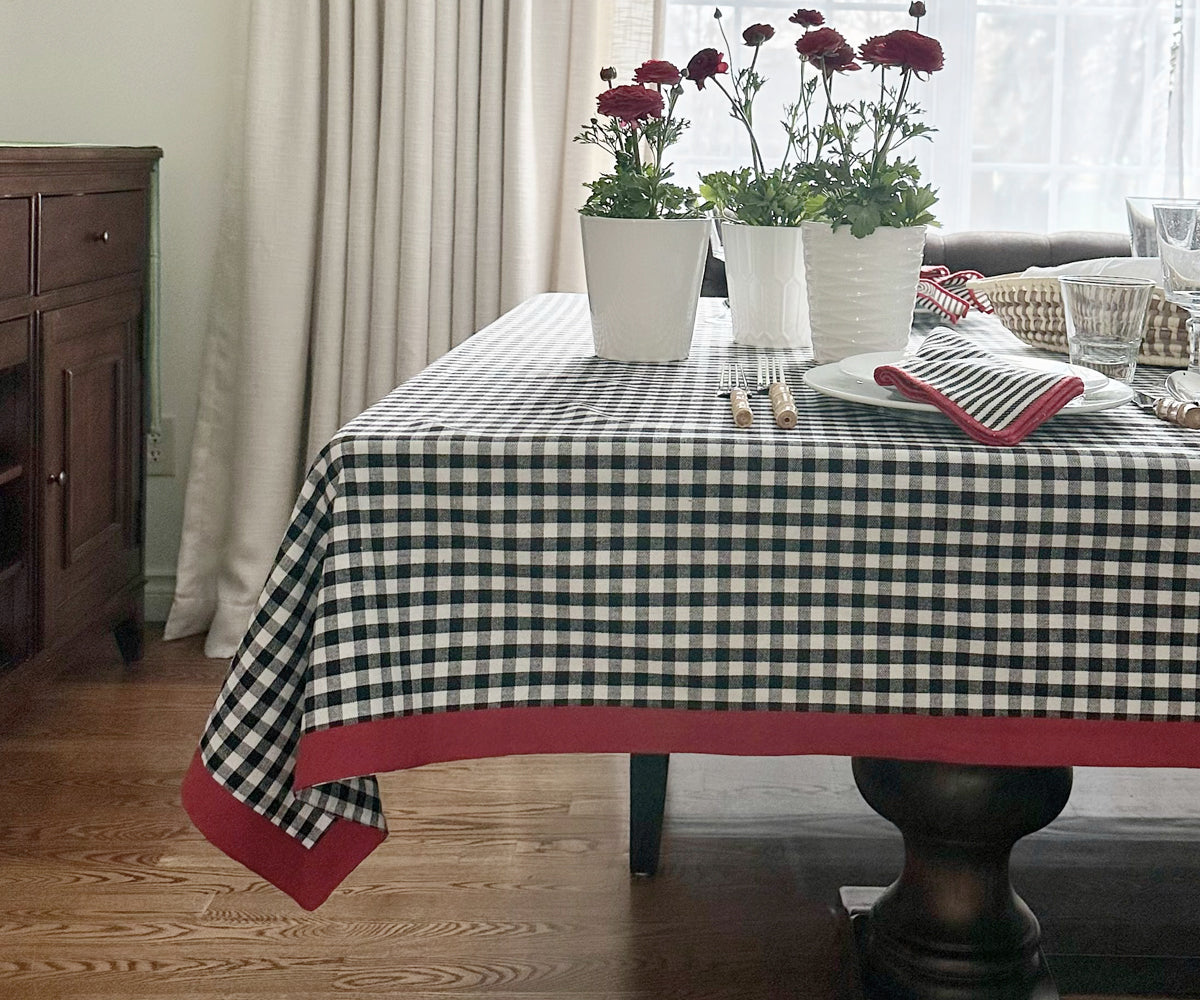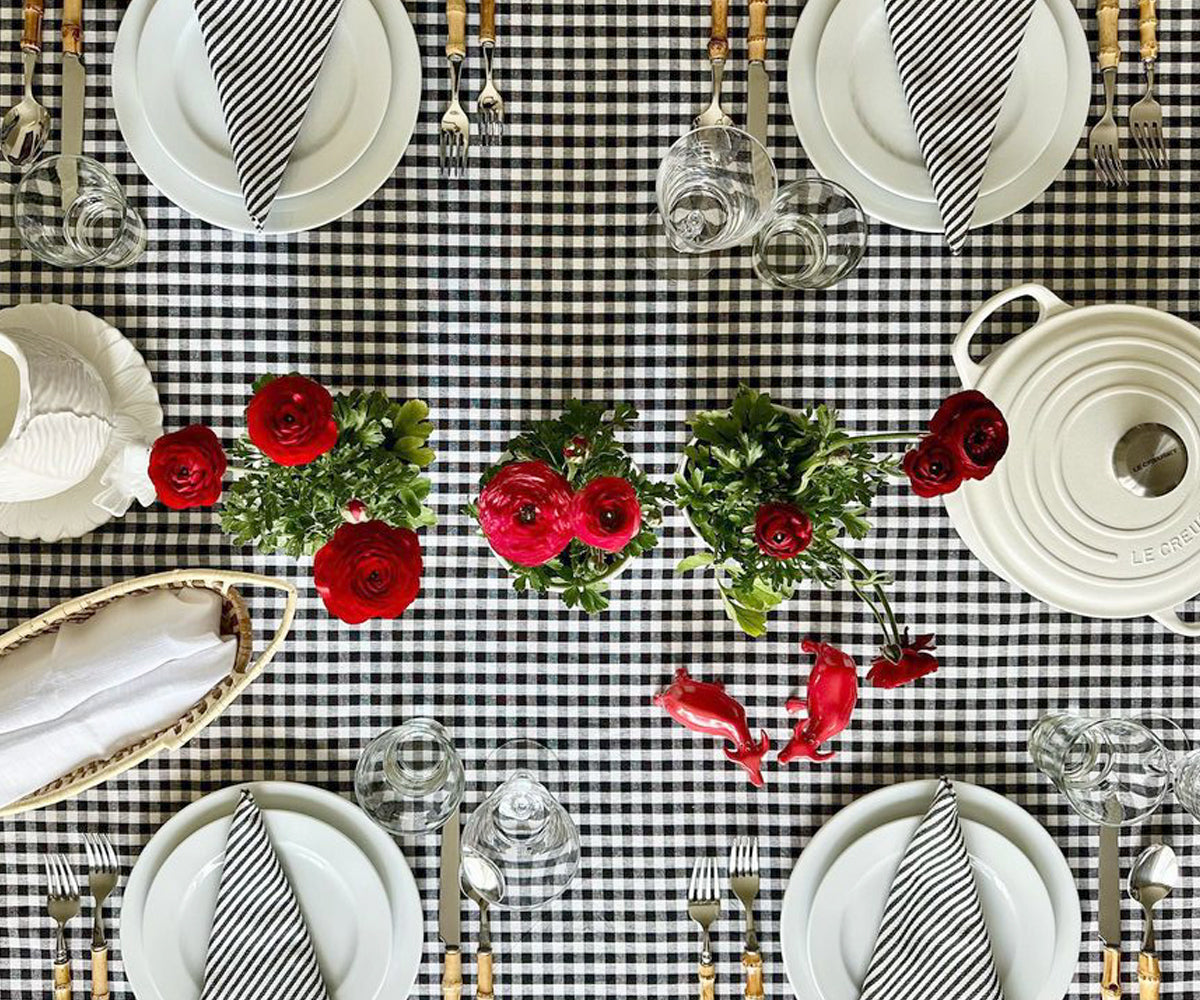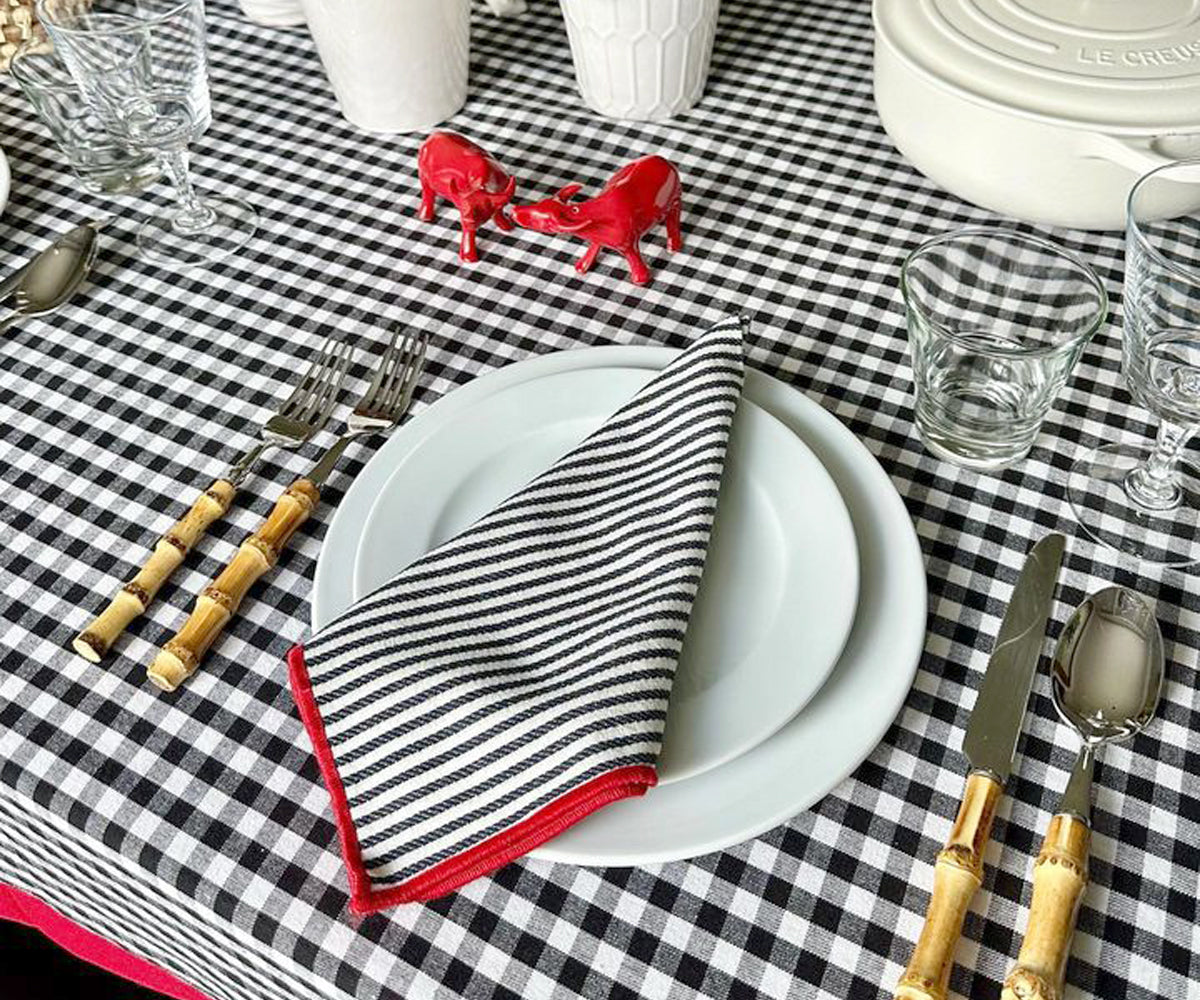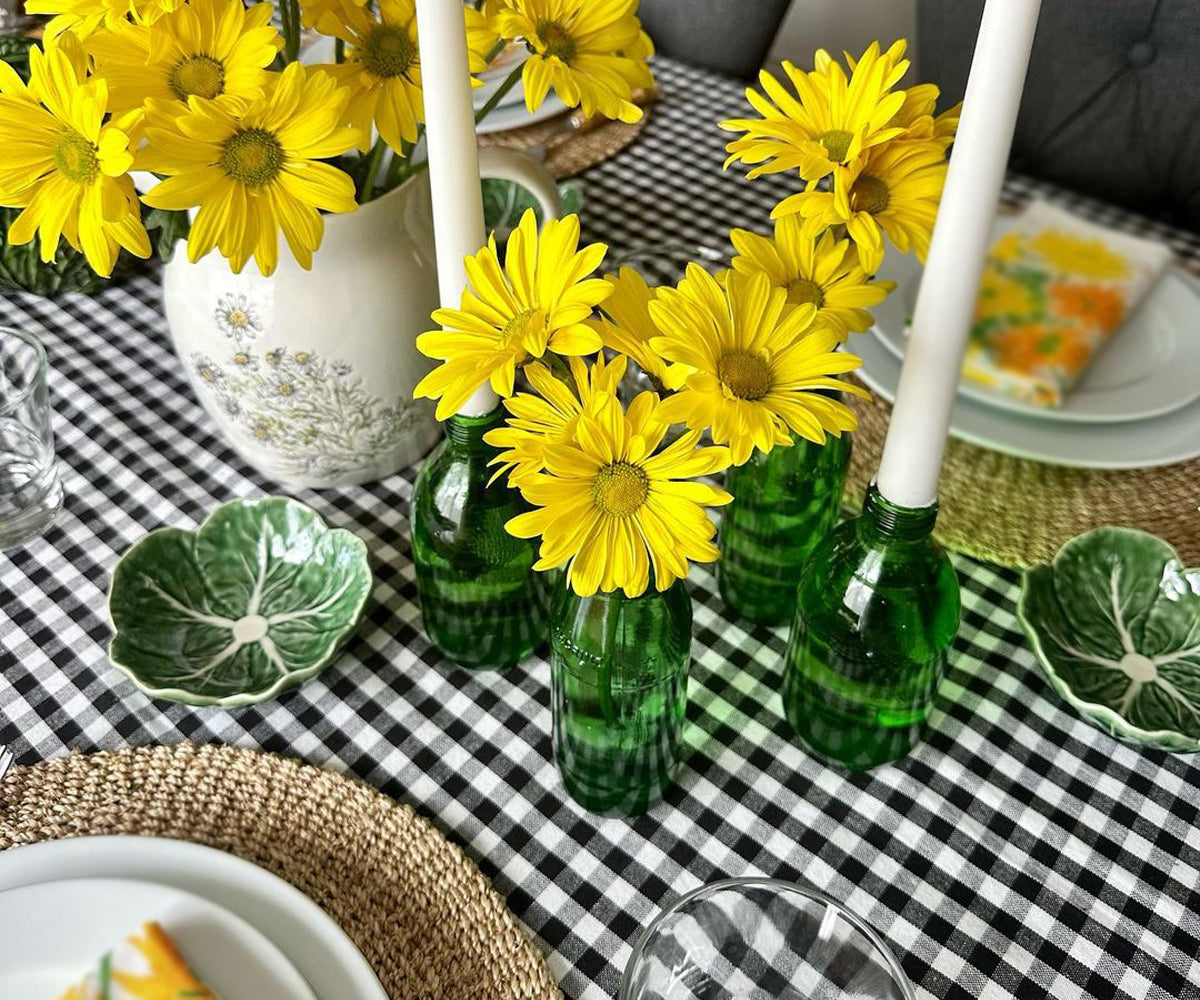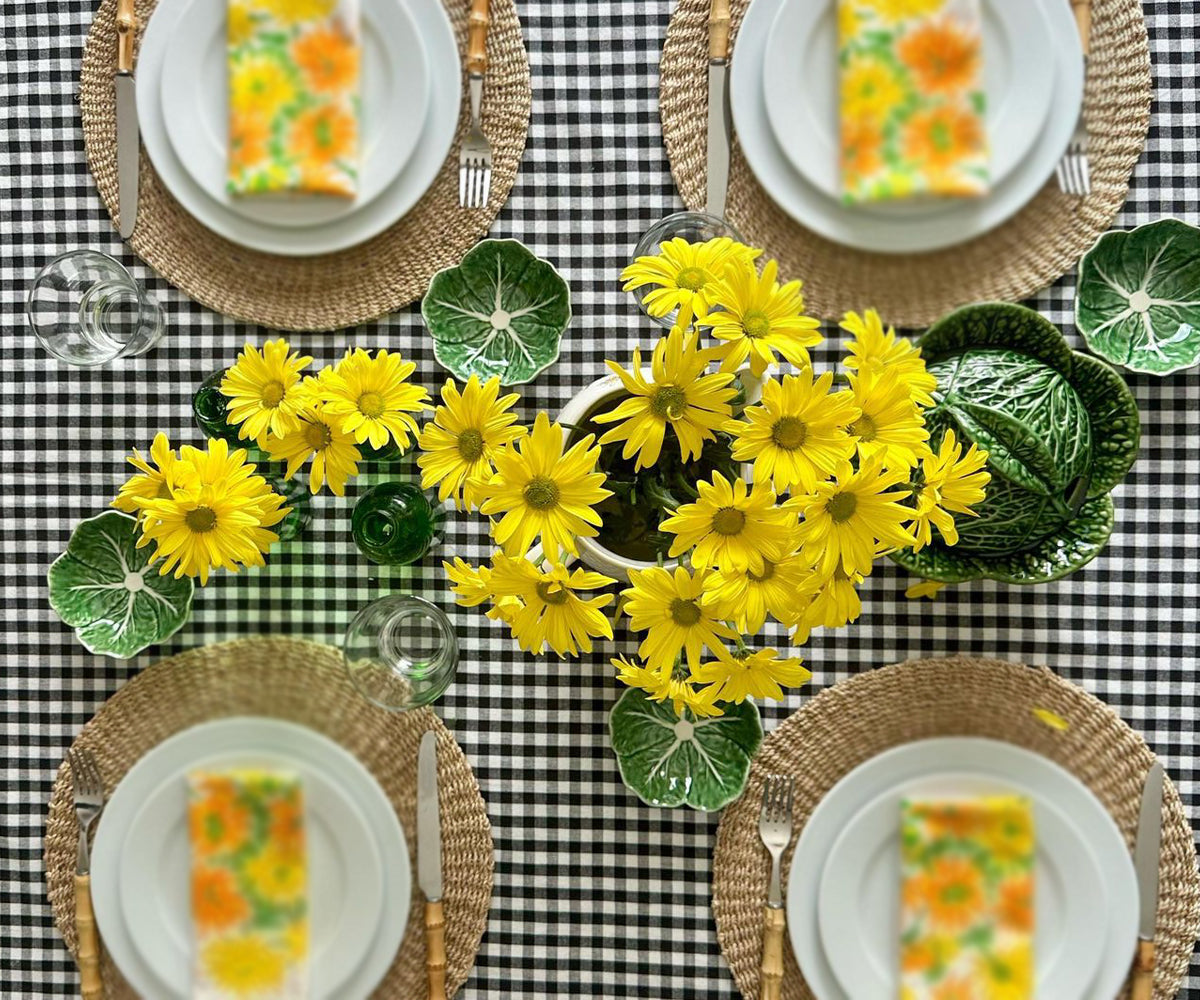

A well-ironed tablecloth instantly transforms the look of any table setting. A wrinkled cloth, even an expensive one, makes the table look unprepared. A crisp, smooth cloth signals care and attention before a single plate is placed. This guide covers exactly how to iron every tablecloth fabric type, how to handle large tablecloths efficiently, and how to store them properly once ironed so the work lasts.
Why Getting the Ironing Right Matters
Ironing is not just about appearance. Pressing a tablecloth correctly:
-
Removes deep fold lines that would be visible on the table even under plates and glasses
-
Prevents permanent crease lines from forming where the fabric has been stored folded for a long time
-
Extends the life of the fabric. Repeated ironing at too-high a temperature weakens fibers over time, so using the right setting matters
-
Makes the tablecloth easier to fold and store neatly after use
-
Produces a table setting that photographs well and looks polished from every angle
The difference between ironing well and ironing incorrectly is mostly a matter of temperature, moisture, and technique, not effort or time.
Step 1: Know Your Fabric Before You Start
The most important step in ironing any tablecloth is identifying the fabric first. Every fabric has a different heat tolerance, and using the wrong temperature is the most common cause of damaged tablecloths, scorched cotton, melted polyester, or flattened embroidery.

Heat and steam guide by fabric type:
|
Fabric |
Iron Setting |
Steam |
Iron Damp or Dry? |
Special Notes |
|
Linen |
High (cotton/linen setting) |
Yes generous |
Damp |
Iron on the reverse side for best results |
|
Cotton |
Medium-high |
Yes |
Slightly damp or dry |
Straightforward, very forgiving fabric |
|
Polyester |
Low |
Light only |
Dry |
Always use a pressing cloth between the iron and the fabric |
|
Cotton-linen blend |
Medium-high |
Yes |
Slightly damp |
Follow linen rules if in doubt |
|
Satin or silk |
Very low |
Minimal |
Dry |
Always use a pressing cloth, never direct contact |
|
Embroidered tablecloth |
Low-medium |
Light |
Damp |
Iron face down on a thick towel to protect the embroidery |
|
Printed tablecloth |
Low-medium |
Minimal |
Dry |
Iron on the reverse side; only heat can crack or fade prints |
|
Tassel or fringe tablecloth |
Low-medium |
Light |
Dry |
Iron the main fabric body, only keep the iron away from the tassels |
|
Scalloped tablecloth |
Low-medium |
Light |
Damp |
Use the tip of the iron around each scallop curve |
If the tablecloth has no label or the label is unclear, always start with a lower heat setting and test on a small, hidden corner of the fabric before ironing the full cloth.
Related Articles: Best Flour Sack Towels: Your Buyer's Guide
Step 2: Gather the Right Equipment
Having the correct tools makes the process significantly faster and produces better results. Poor equipment is the second most common reason tablecloths come out of ironing looking worse rather than better.

What you need:
-
A steam iron with variable temperature control and consistent steam output
-
An ironing board for smaller tablecloths, or a flat, padded surface (see Step 3) for larger ones
-
A spray bottle filled with clean water for dampening the fabric before ironing
-
A pressing cloth, a thin cotton cloth, or a clean tea towel, placed between the iron and the tablecloth fabric, is essential for polyester, satin, embroidered, and printed tablecloths
-
A thick terry towel to place under embroidered areas so the stitching does not get flattened
-
A clean, flat surface to lay the finished tablecloth on while it cools before folding or placing it on the table
What to look for in an iron for tablecloths:
-
High steam output means more steam penetrates thick linen and cotton weaves more effectively than dry heat alone
-
A stainless steel or ceramic soleplate glides smoothly without snagging fabric
-
Variable temperature settings essential when switching between linen and polyester in the same session
-
A large water reservoir, so it does not need refilling mid-task on a large tablecloth
-
A vertical steam function useful for a final touch-up once the tablecloth is already on the table
Step 3: Set Up the Right Ironing Surface
For small tablecloths, a standard padded ironing board works well. Ensure the cover is clean and smooth so it does not leave texture marks on the fabric.
For large tablecloths, ironing directly on the dining table is the most practical method:
-
Lay a firm fabric layer flat on the table first to protect the table surface from heat
-
Place a clean cotton sheet over this
-
Top with a thick terry towel for cushioning
-
This creates an effective padded surface that allows you to work on large sections of a tablecloth without folding and refolding
Dampening before you start:
-
Lightly mist the tablecloth with a spray bottle before ironing, particularly important for linen and cotton
-
Alternatively, iron the tablecloth while it is still slightly damp from washing. This is the most efficient approach and produces the crispest results
-
Do not iron a tablecloth that is soaking wet. Excess moisture can cause watermarks and uneven pressing
Step 4: How to Iron a Tablecloth Step by Step
The correct ironing sequence:
-
Start with the hems and edges, these areas fold and crease more than the main body of the cloth and need the most attention; iron along the hem with the tip of the iron, pressing the edge flat and crisp
-
Move to the decorative border if the tablecloth has one hemstitched border, embroidered edges, and scalloped hems, all of which need careful ironing with the tip of the iron rather than the full soleplate
-
Work across the main body of the cloth in long, smooth, parallel strokes. Always work from one end to the other rather than back and forth across the same area repeatedly
-
Iron in sections, divide large tablecloths into manageable sections, and complete each section fully before moving to the next; this prevents re-wrinkling areas you have already pressed
-
Using the steam function on the iron is the most effective tool for releasing stubborn creases. Hovering the iron slightly above the fabric and applying burst steam can release deep wrinkles without direct contact, which is particularly useful for delicate fabrics
-
Let each section cool before moving. If you fold or bunch the ironed fabric before it has cooled, the fabric will re-crease. Lay the ironed sections flat on a clean surface until the full tablecloth is finished
What to avoid:
-
Circular ironing motions can stretch the weave of natural fabrics over time; always use linear, parallel strokes
-
Ironing directly over embroidery, lace trim, or tassel borders, these details should be worked around with the tip of the iron or pressed from the reverse side
-
Letting the iron sit stationary on any fabric, particularly dangerous on polyester and satin, which can scorch or melt within seconds
-
Ironing a completely dry thick linen tablecloth reintroduces some moisture with a spray bottle first; dry ironing thick linen requires much more effort and produces a less crisp result
How to Iron a Linen Tablecloth
Linen is the most rewarding fabric to iron because it responds to heat and steam better than almost any other natural fabric, emerging from ironing crisp, smooth, and refined. It is also the most forgiving: unlike polyester, you cannot easily damage linen by ironing it correctly.
Step-by-step for linen:
-
Iron while the linen is still slightly damp from washing, or mist with a spray bottle before starting
-
Set the iron to its highest cotton or linen setting
-
Use generous steam throughout
-
Iron on the reverse side of the fabric, this preserves the natural texture and slight sheen of linen on the right side
-
Press firmly with long, straight strokes, working from one end of the tablecloth to the other
-
For stubborn creases, apply a burst of steam and press firmly. Linen releases creases fully under heat and moisture in a way that many fabrics do not
-
Allow to cool flat before folding or placing on the table
Linen actually softens and improves with every wash and iron cycle. The more it is used, washed, and pressed, the more beautiful it becomes.
How to Iron a Cotton Tablecloth
Cotton is the most forgiving tablecloth fabric to iron. It tolerates a wide range of heat settings, responds well to steam, and is very unlikely to be damaged by correct ironing technique.
Step-by-step for cotton:
-
A cotton tablecloth can be ironed; damp or slightly damp produces a crisper result
-
Set the iron to medium-high, and the cotton setting on most irons
-
Use steam generously, particularly on heavily creased sections
-
Iron in long, straight strokes from edge to center
-
For embroidered or printed cotton tablecloths, iron on the reverse side to protect the design
-
Cotton cools quickly after ironing it can be folded or placed on the table sooner than linen
How to Iron a Polyester Tablecloth
Polyester requires the most caution of all tablecloth fabrics. Its synthetic fibers are heat-sensitive and can melt, scorch, or leave permanent marks under a too-hot iron; the damage is irreversible.
Step-by-step for polyester:
-
Always use a low heat setting; never exceed the polyester or synthetic setting on the iron's dial
-
Place a thin pressing cloth between the iron and the tablecloth at all times. This is non-negotiable for polyester
-
Use light steam only; heavy steam at close range can watermark polyester
-
Keep the iron moving constantly; never allow it to sit still on the fabric
-
Consider using a fabric steamer instead of a traditional iron. A handheld steamer is safer for polyester and produces acceptable results without the risk of direct heat damage
-
Work in small sections and check regularly that no scorch marks or shine is developing on the fabric
You May Also Like How to Cut a T-Shirt into a Tank Top for Women
Ironing a Large Tablecloth on the Dining Table
For tablecloths that are too large for a standard ironing board, particularly rectangular banquet cloths or large oval tablecloths, the dining table method is the most practical and efficient approach.
How to set it up:
-
Protect the table surface with a firm base layer. A folded blanket or thick tablecloth works well
-
Add a clean cotton sheet over the base layer
-
Top with a thick terry towel for cushioning and heat absorption
-
Lay the tablecloth flat over this surface and smooth out the major folds by hand before ironing
-
Work around the table section by section, ironing each area flat before moving to the next
-
Once the full tablecloth is ironed, leave it on the table surface to cool completely. This allows the fabric to set in its pressed state rather than re-creasing as it cools, folded
This method is particularly effective for event preparation, where multiple tablecloths need to be pressed to the same standard and stored flat until use.
How to Store a Tablecloth After Ironing
All the effort of ironing is wasted if the tablecloth is stored incorrectly. The two storage methods that preserve a pressed tablecloth best are rolling and flat storage.
Rolling:
-
Roll the tablecloth around a cardboard tube or foam roller, the same technique used for storing fabric in textile shops
-
Rolling eliminates fold lines and keeps the tablecloth crease-free for longer than any folding method
-
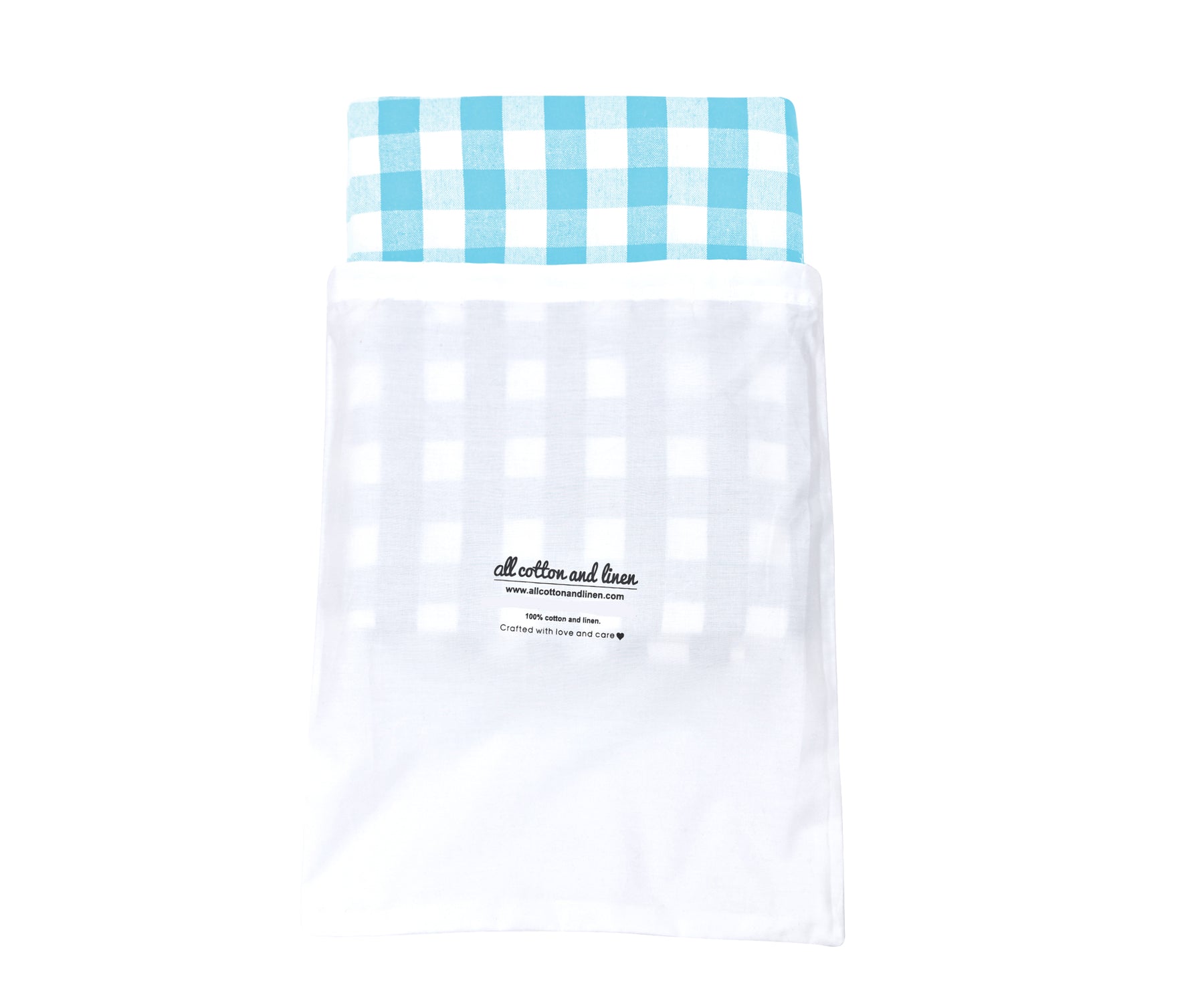
Cover the rolled cloth with a breathable fabric bag or pillowcase to protect from dust
Flat storage:
-
If space allows, store the tablecloth fully flat or with minimal folding
-
If folding is necessary, fold along existing seam lines where possible; these are reinforced and crease more predictably than the open fabric
-
Layer tissue paper between folds to cushion the fabric and reduce the depth of crease lines
General storage tips:
-
Store in a cool, dry place away from direct sunlight. Prolonged light exposure can yellow white and natural fabrics over time
-
Avoid plastic bags for long-term storage. Natural cotton and linen need to breathe; a cotton or linen storage bag is preferable
-
Ensure the tablecloth is completely dry before storing, as any residual moisture can cause mildew, which is very difficult to remove from white or natural-colored fabrics
Final Overview
Ironing a tablecloth well comes down to three things: the right temperature for the fabric, sufficient moisture to release the creases, and a systematic technique that works from the edges inward across the full cloth. Linen rewards high heat and generous steam. Cotton tolerates a wide range of settings and is the easiest fabric to press. Polyester demands low heat, a pressing cloth, and constant iron movement. Embroidered, printed, and decorative tablecloths need to be ironed on the reverse side to protect their detail. For large tablecloths, the dining table method is faster and more effective than any ironing board approach. Store rolled rather than folded to preserve the result. Applied consistently, these habits mean a tablecloth comes out of storage looking as crisp as it did when it was first ironed.
All Cotton and Linen's tablecloth collection is made from natural cotton and linen, both fabrics that iron beautifully, improve with washing, and last for years under regular use. The range covers plain, hemstitched, embroidered, striped, checkered, tassel, and scalloped styles in rectangular, round, square, and oval sizes for every table and every occasion. Shop the full tablecloth collection at All Cotton and Linen and find the right fabric, size, and style for your table.