


Type of Artwork and Lighting Needs
The kind of artwork matters a lot when selecting Alexa Hampton picture lights at Visual Comfort or those from another brand. Paintings, prints, photographs, and textured art all kind of ask for different lighting setups and brightness.
For example, softer lights often work better for delicate watercolors so that the colors don’t look washed out, while oil paintings might need stronger lights to really make all the details pop.
Also, some materials can be sensitive to heat or UV light, so it’s good to pick lights that don’t give off too much of those so you don’t accidentally damage the art over time.
Read More: Rockefeller Center Christmas Tree Lighting
Light Quality and Color Temperature
How good the light itself is makes a big difference in how the art shows up on your walls. Color temperature is a big part of this: it’s the warmth or coolness of the light, measured in kelvin.
Usually, something around 3000K gives a nice, warm light that looks natural and flatters most pieces. If the light is too cool, the colors might seem harsh or dull, and nobody wants that. Another thing to watch is the color rendering index, or CRI, which tells you how well the light shows colors like they really are.
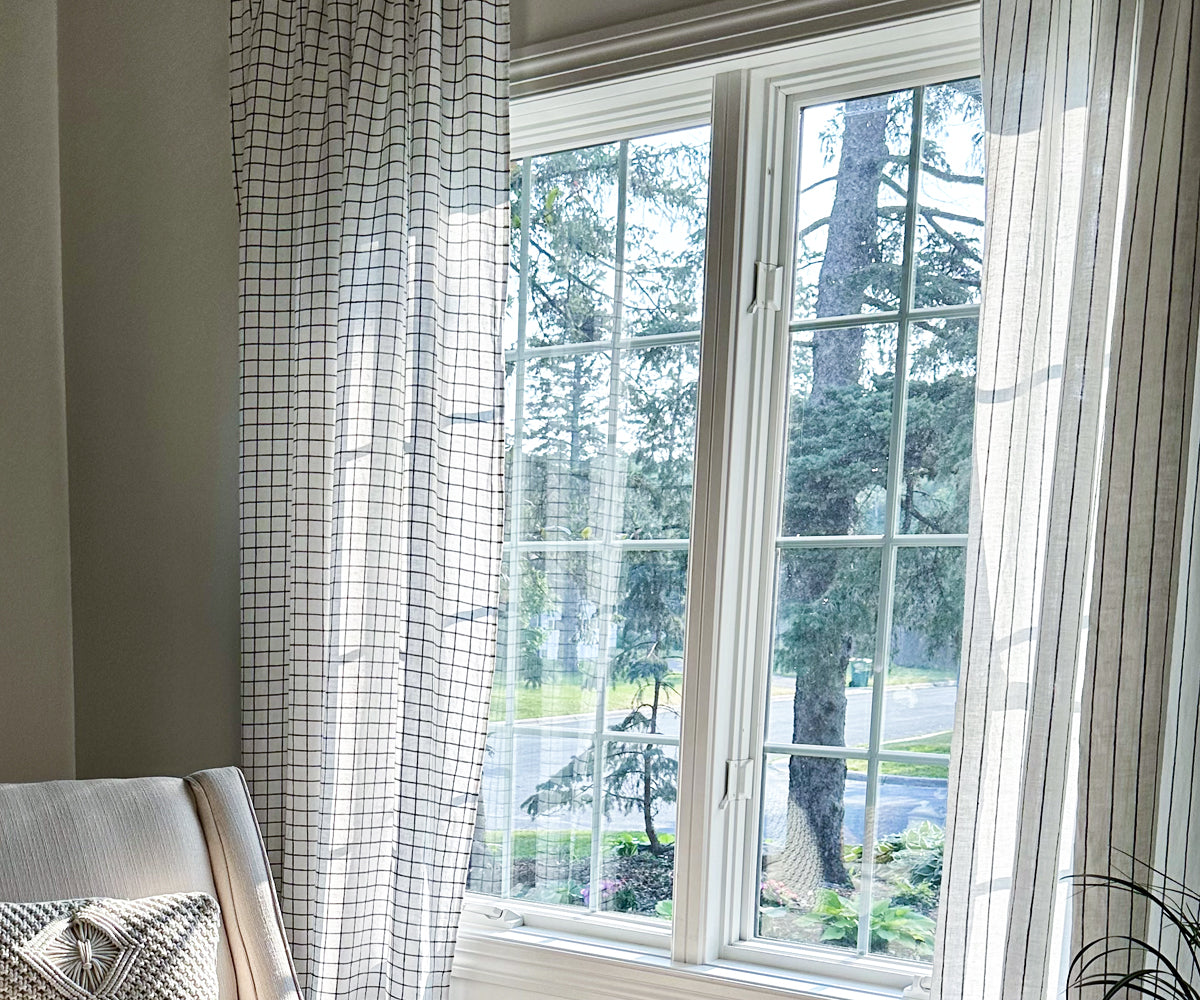
While picture lights play a big role in showcasing artwork beautifully, the overall lighting ambiance of a room also depends on the curtains you choose. The right curtain fabric can either soften or sharpen the glow coming from your lights.
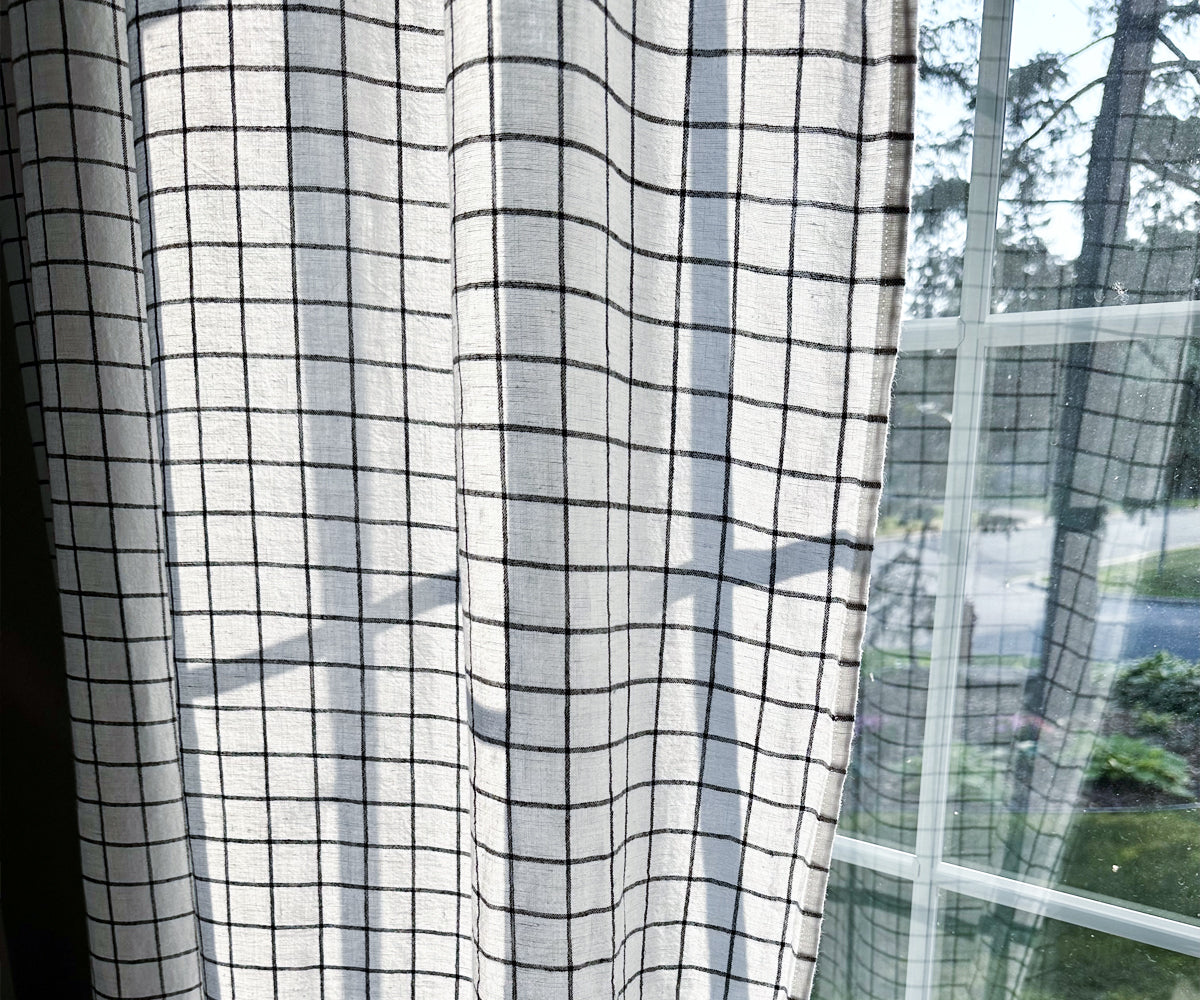
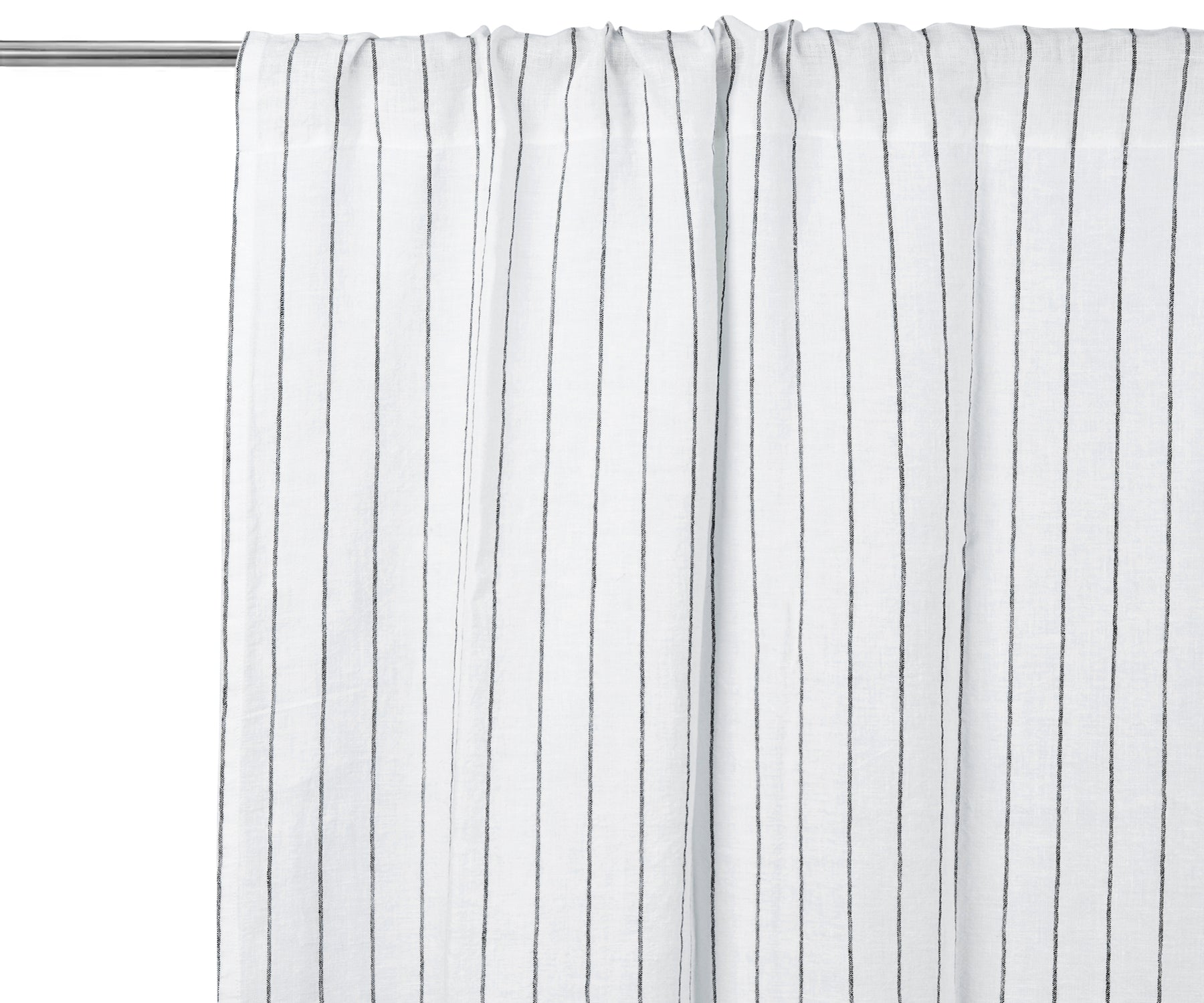
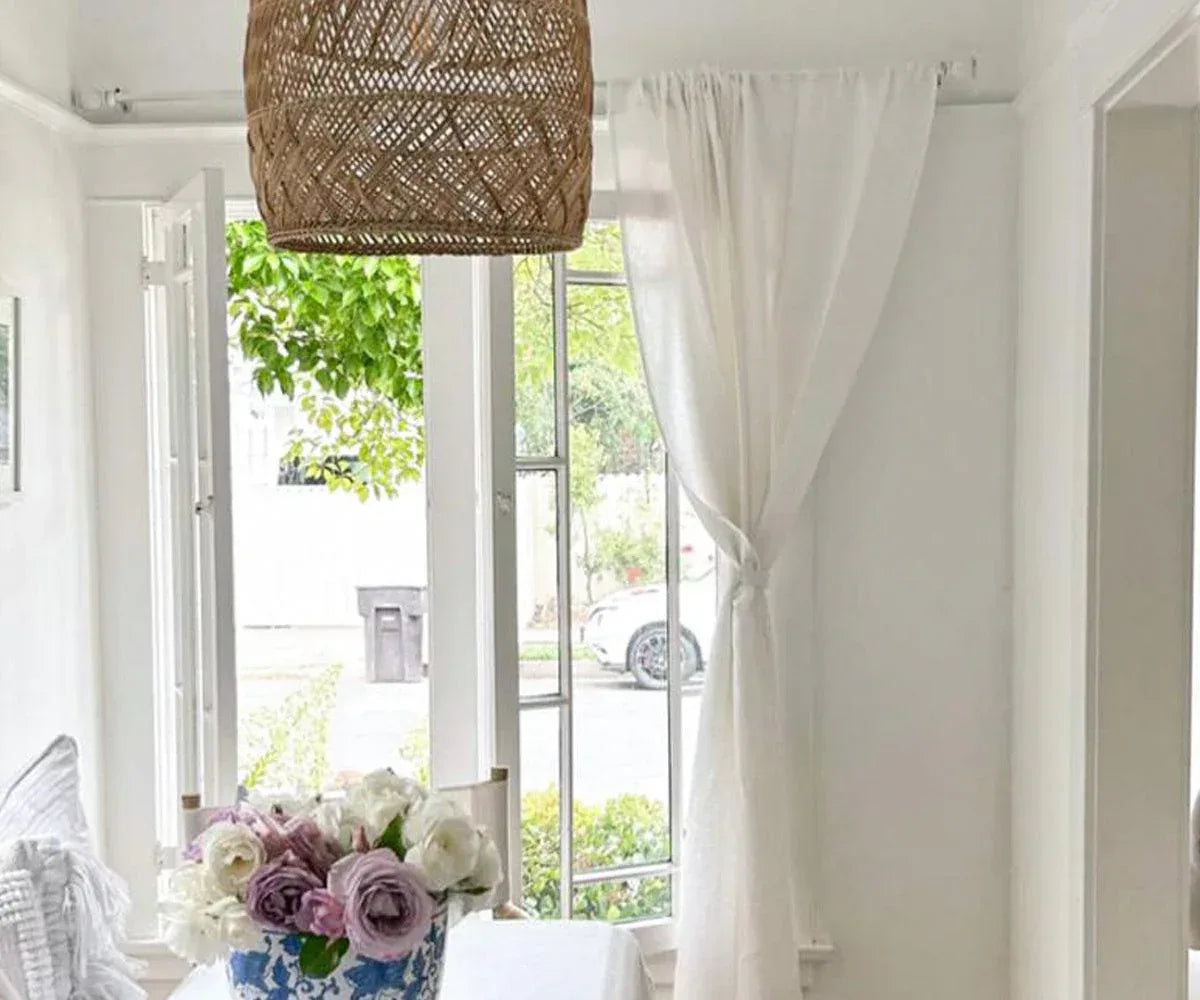
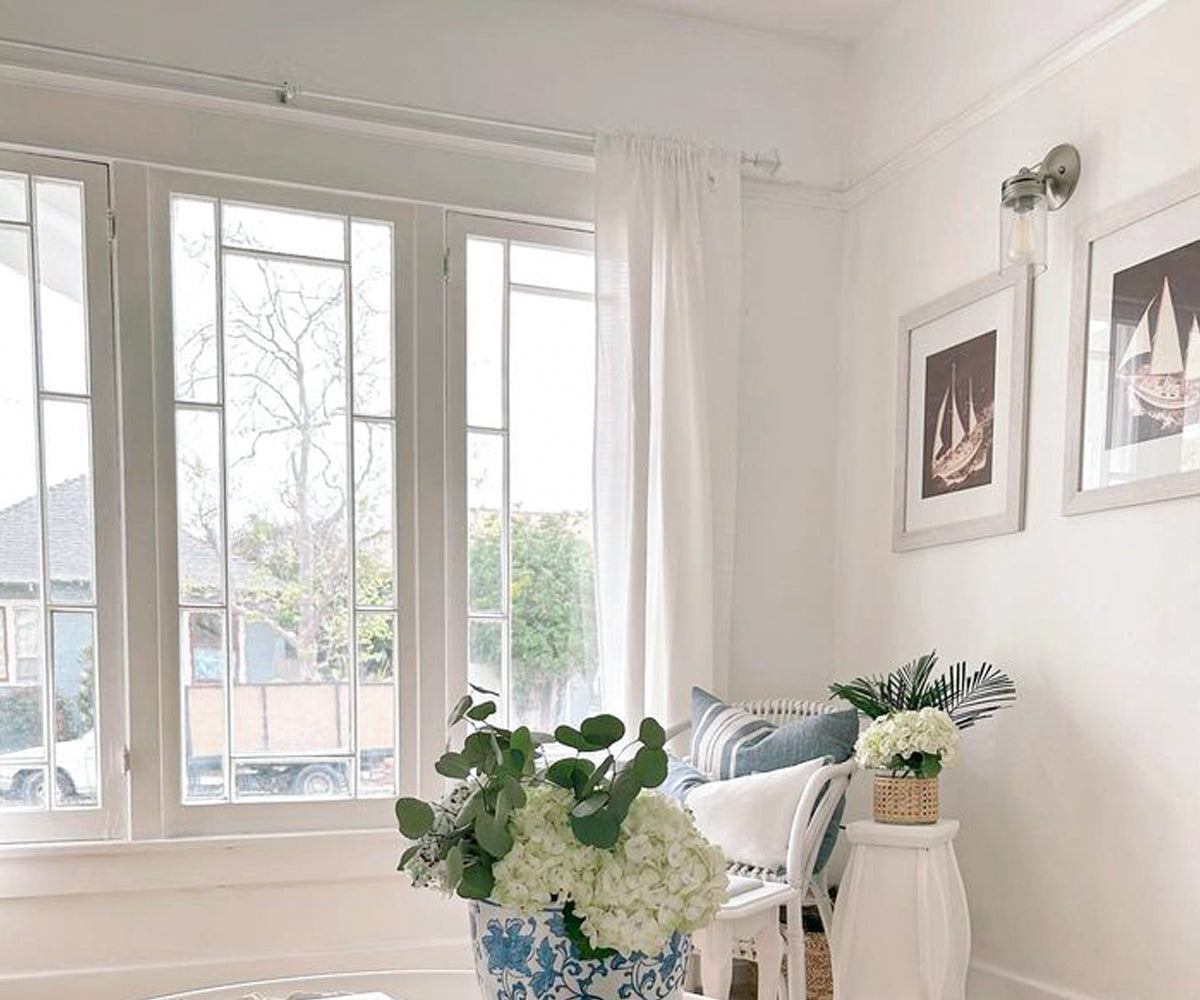
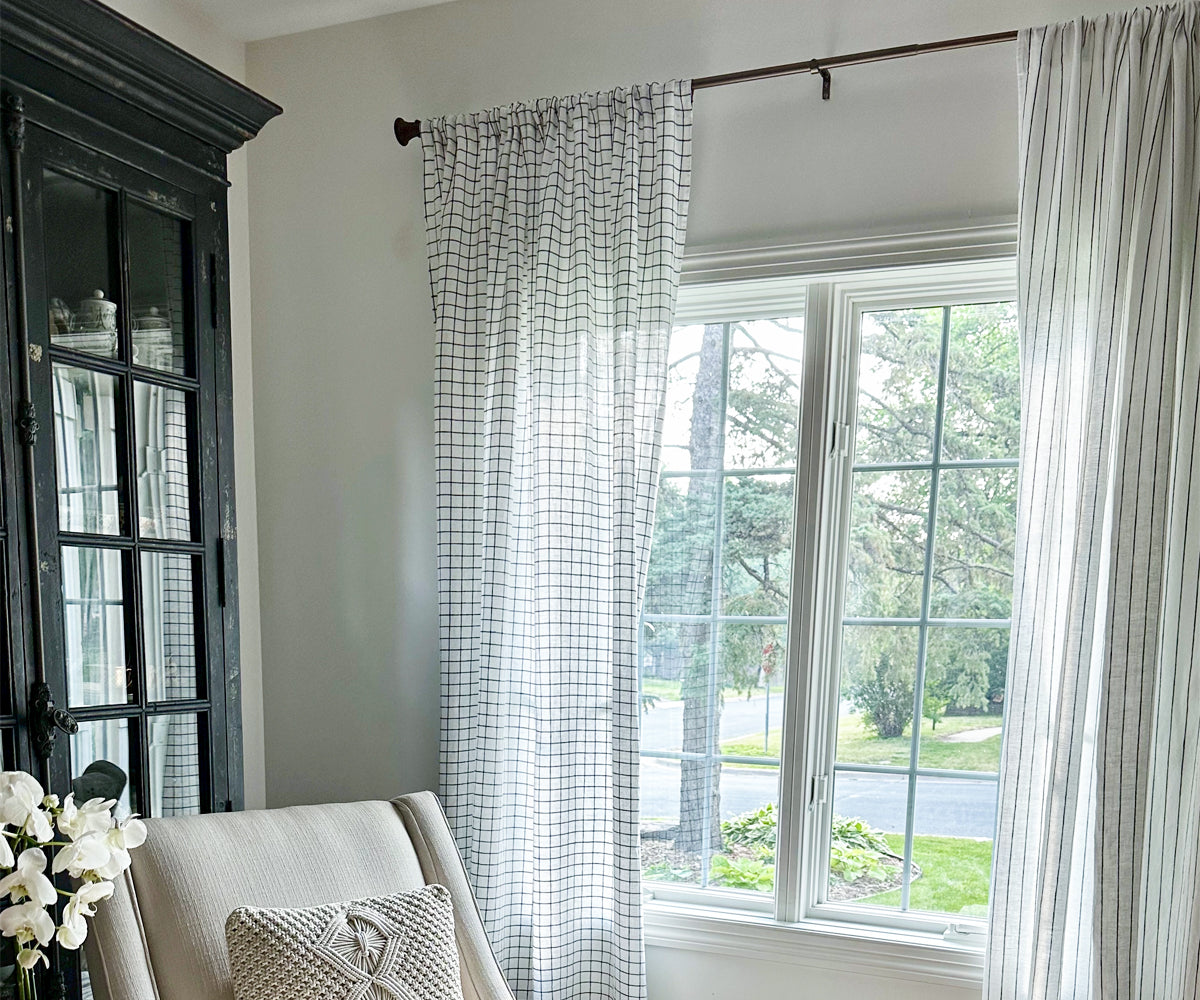
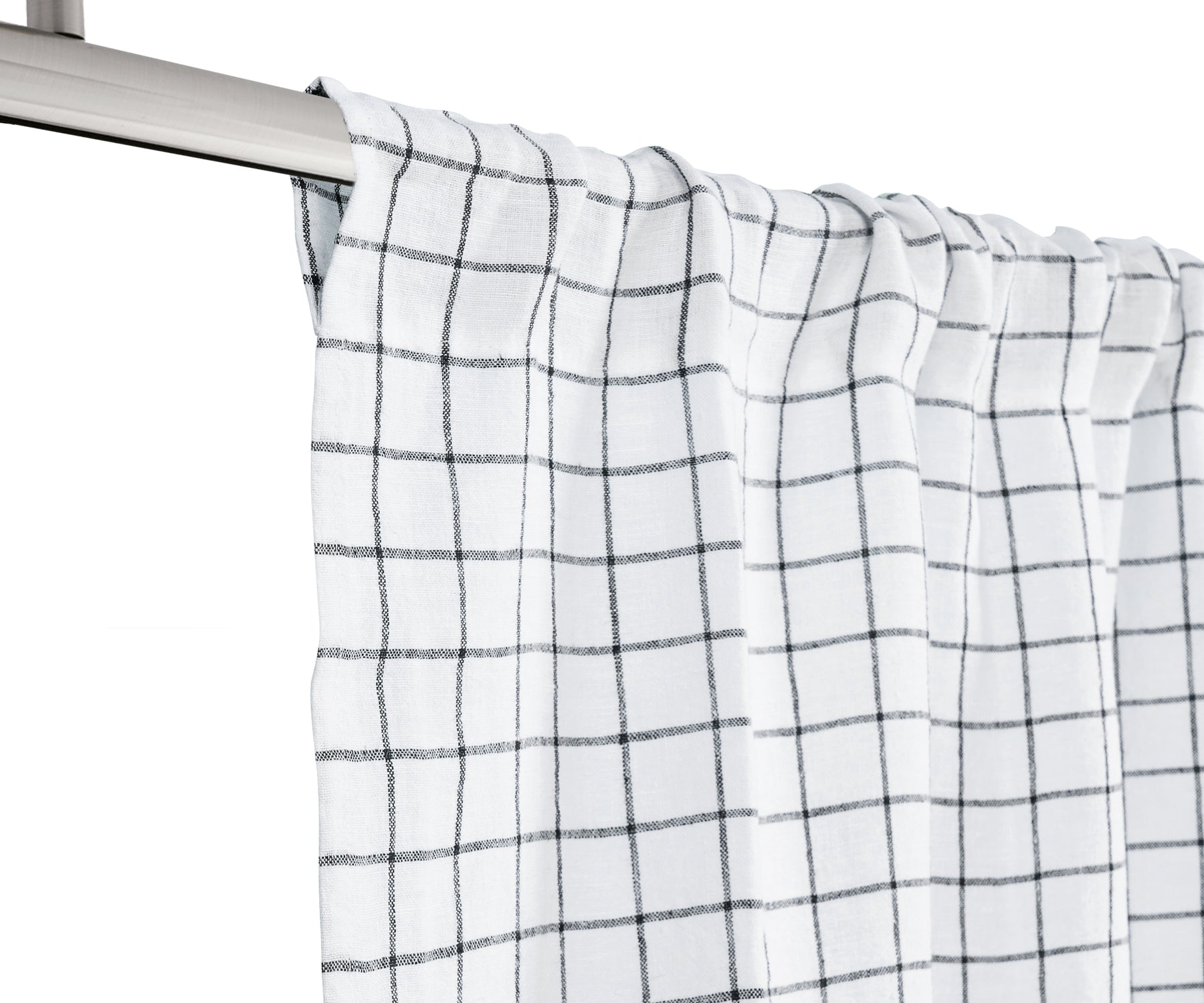
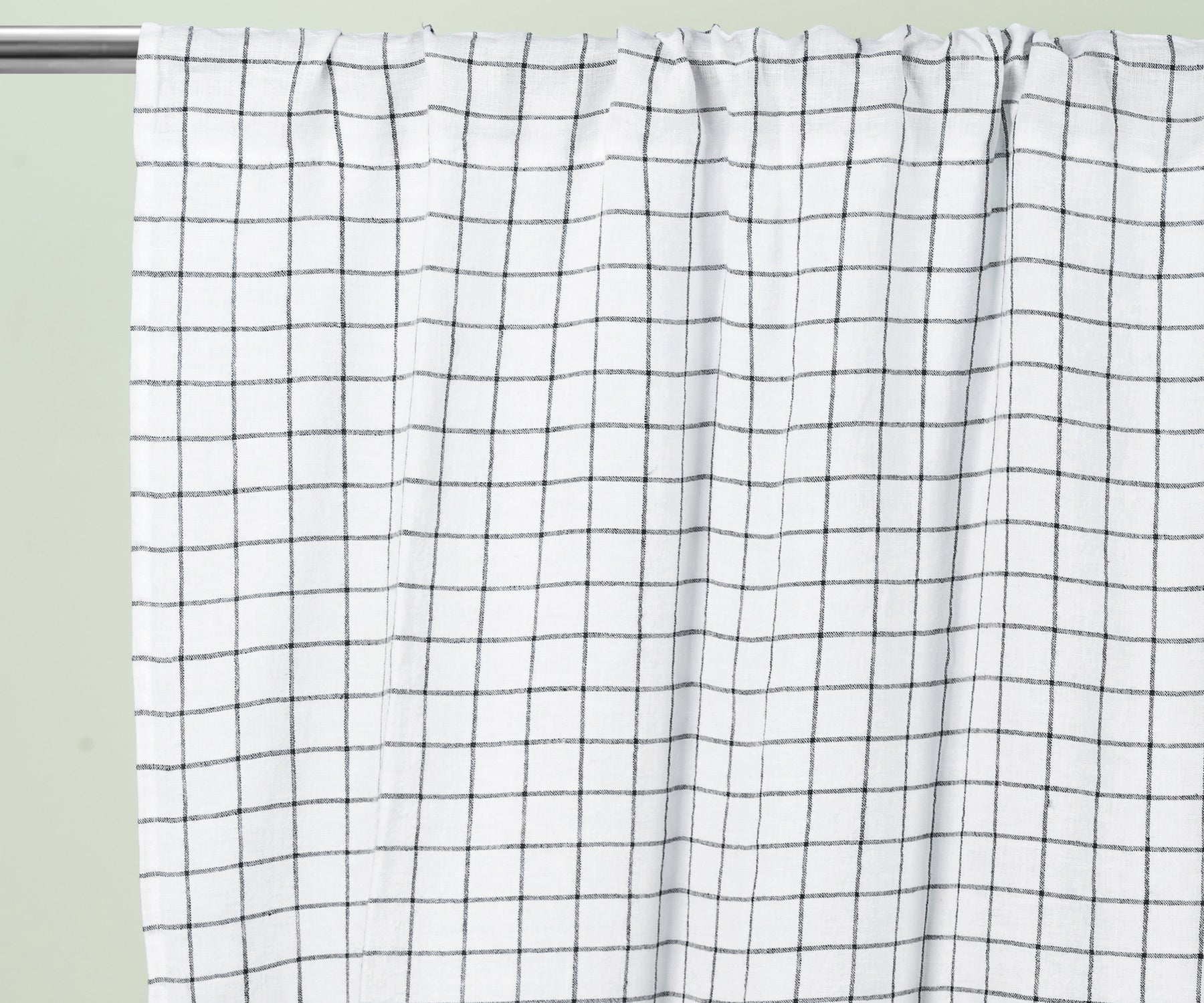
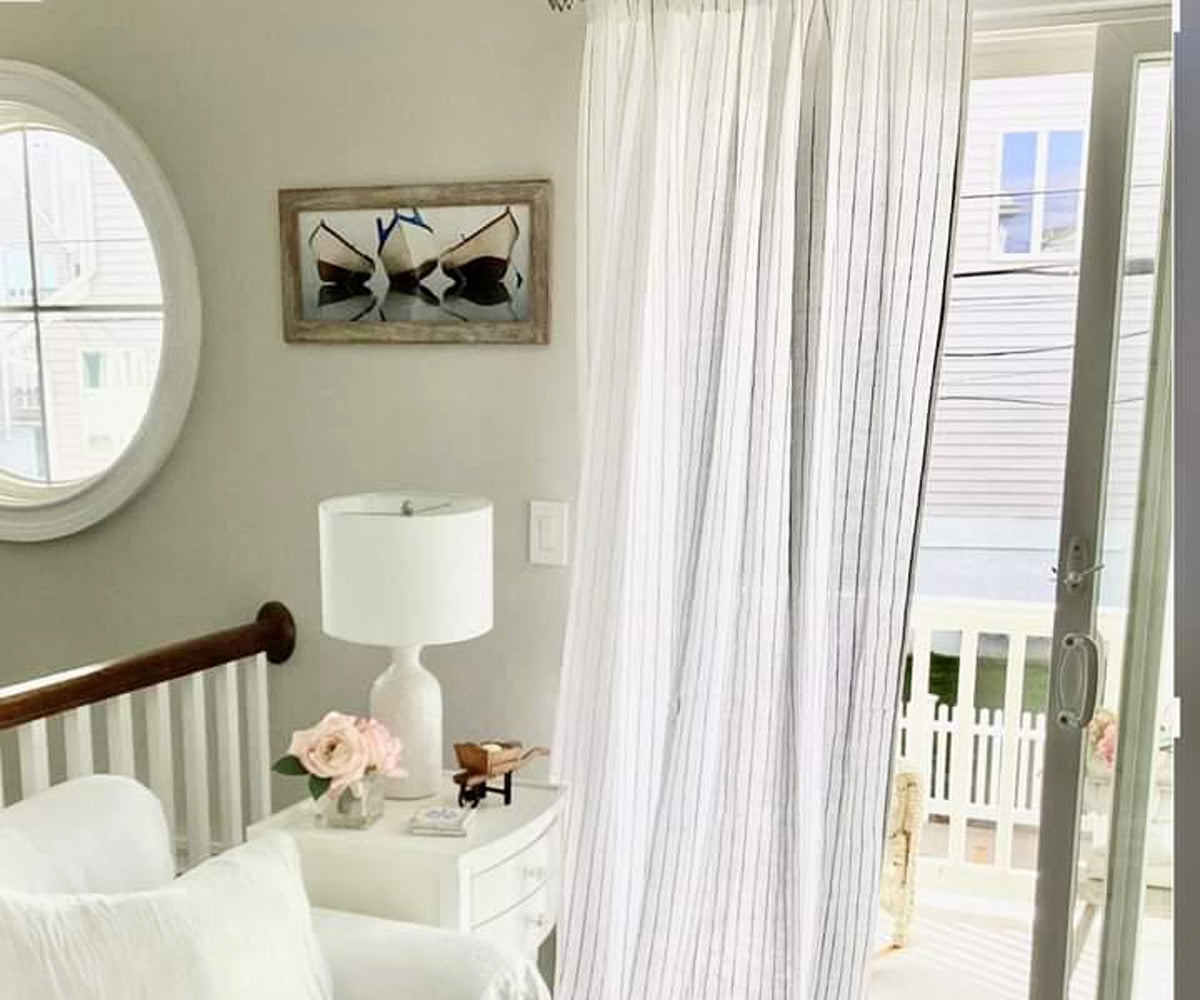
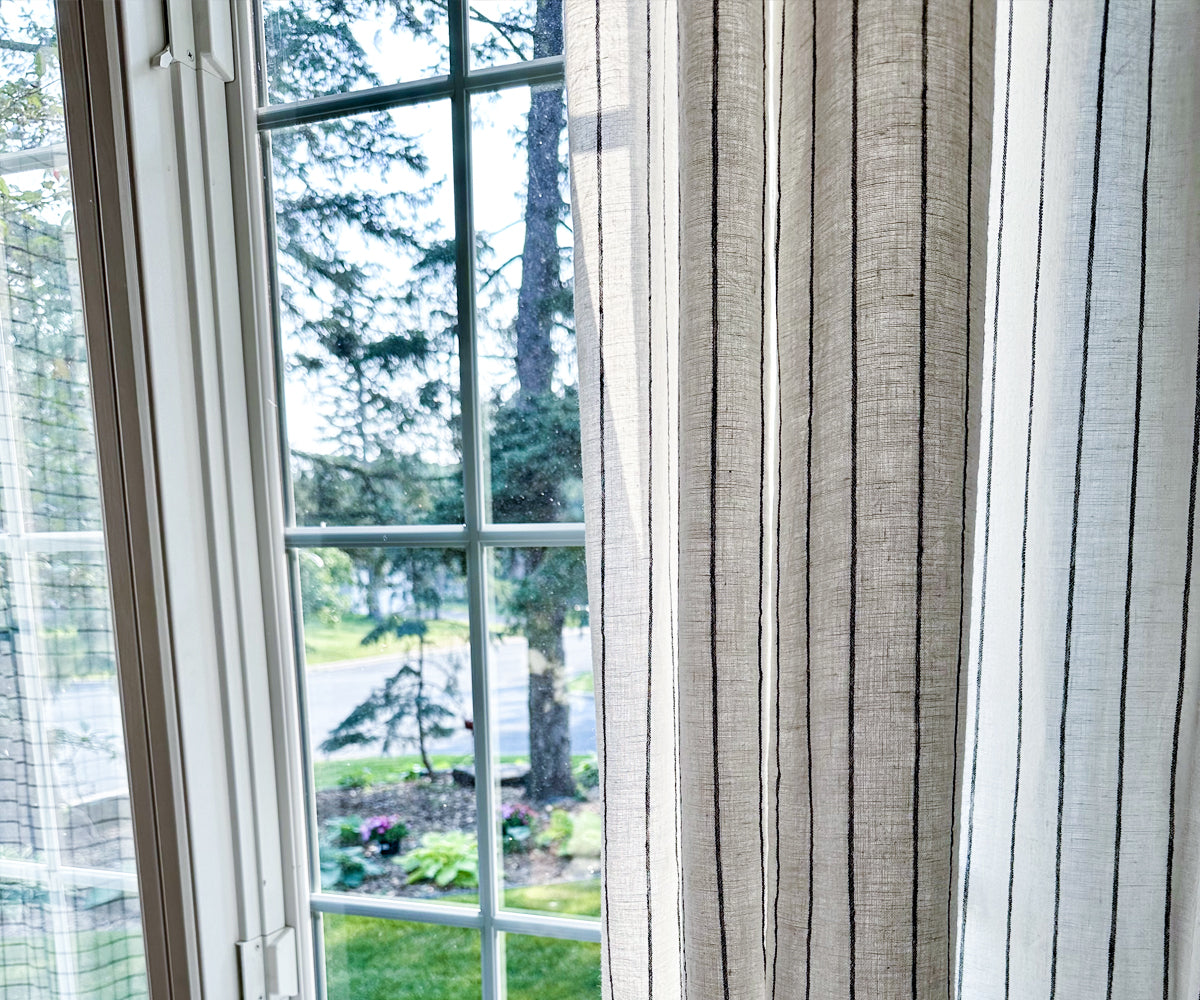
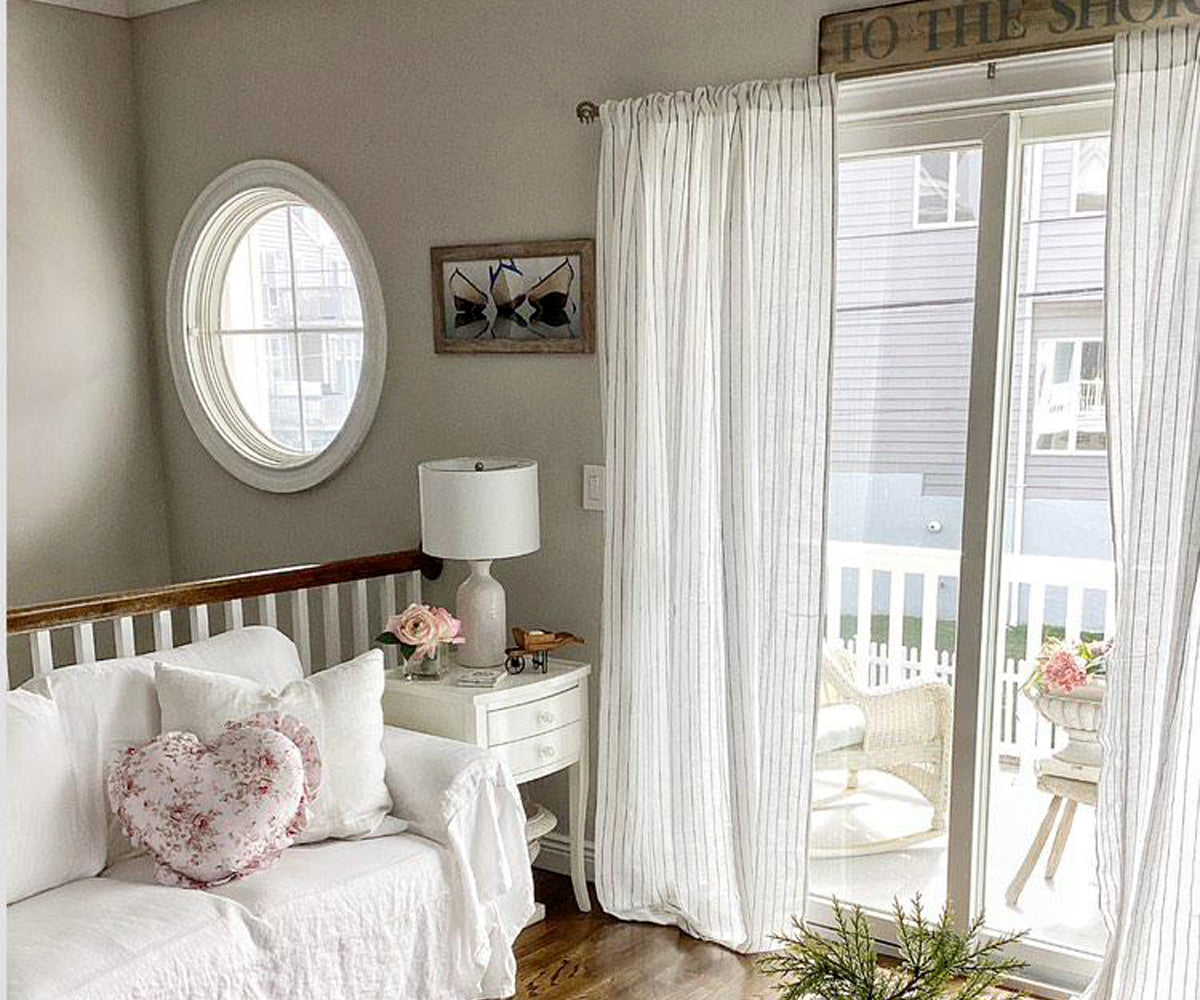
Blackout curtains help control outside light, making picture lights stand out more clearly, especially during the day. On the other hand, linen curtains in colors that complement your décor allow gentle natural light to filter in, creating a warm and balanced backdrop for both your art and interiors.
Pairing quality lighting with thoughtful curtain choices helps create a space that feels cohesive, stylish and gallery-ready.
Fixture Design and Aesthetic Compatibility
Picture lights come in all kinds of styles and finishes, so it’s worth thinking about how the fixture itself looks against your artwork and the room’s design. If your art has a classic vibe, something more traditional or even vintage might work best. Modern pieces usually go well with sleek, minimal designs.
The size of the fixture matters too: it needs to be the right scale compared to the artwork and the wall so it doesn’t steal the show from the art but still adds something to the setup. The idea is to pick a fixture that feels like it belongs and boosts the whole look without being a distraction.
Find Out: How to Upgrade Kitchen Cabinets
Adjustable Features and Directional Control
Having a light that can be adjusted makes things a lot easier and more flexible. Lots of picture lights come with arms or heads you can move around so you can shine the light exactly where you want. This works especially well for art with textures or layers that catch light in different ways.
Being able to tilt or swivel the light helps avoid glare or shadows that can mess with the way you see the piece. If you change up your art or move it around, you don’t have to fiddle too much, you can just adjust the light and keep it looking great.
Size and Scale of the Picture Light
Matching the size of the light to the size of your artwork is actually pretty important. Too small and the light might not cover the whole piece, leaving parts in shadow. Too big, and it overwhelms everything. A rule of thumb is that the width of the light should be about two-thirds of the width of the art.
That usually means the light will shine evenly across the whole piece without being too much. Also, think about how much space you have on the wall above the artwork so the light isn’t crammed in or hanging awkwardly.
Installation Requirements and Placement
Picture lights have different ways they’re installed. Some need to be wired into your home’s electricity, and others just plug in like regular lamps. Depending on your wall type, available outlets, and how high up the art hangs, one of these might be easier or better for you.
Where you put the light on the wall really matters too. You want it to shine directly on the artwork without making reflections on the glass or causing glare that messes with the colors. The right height and distance from the wall help create a soft, even light that shows off the art without harsh spots.
When it comes to picking gallery-quality picture lights from Alexa Hampton picture lights at Visual Comfort or other brands that excel in them, a bunch of factors play a role.
The type of artwork, the quality of the light, the design of the fixture, how adjustable the light is, the size you choose, how it gets installed, and how energy-efficient it is all matter. Take the time to think about these things as that can make a big difference in how your art looks and feels in the space.
Good picture lighting can help colors shine, details stand out, and the overall mood of the room feels right.