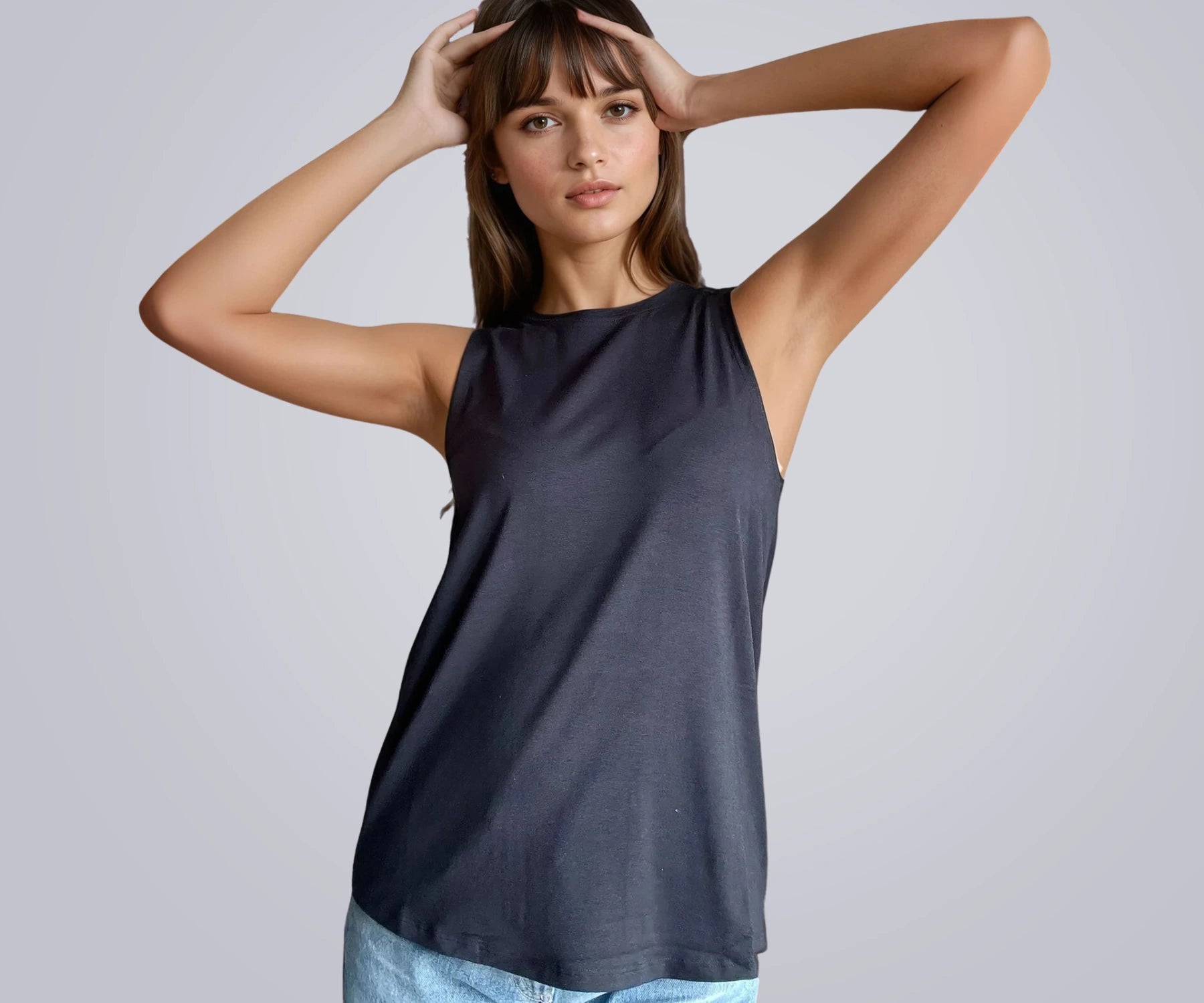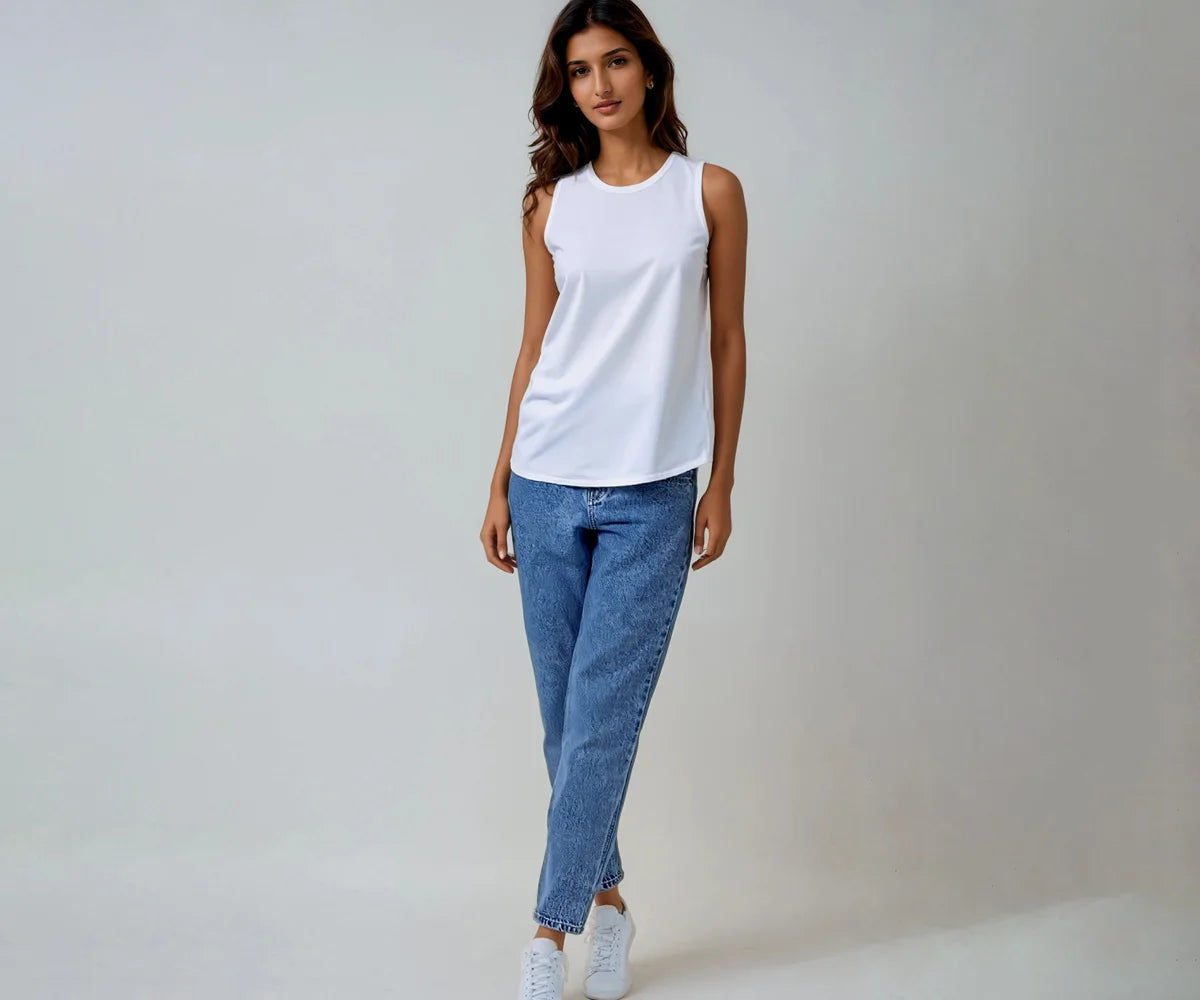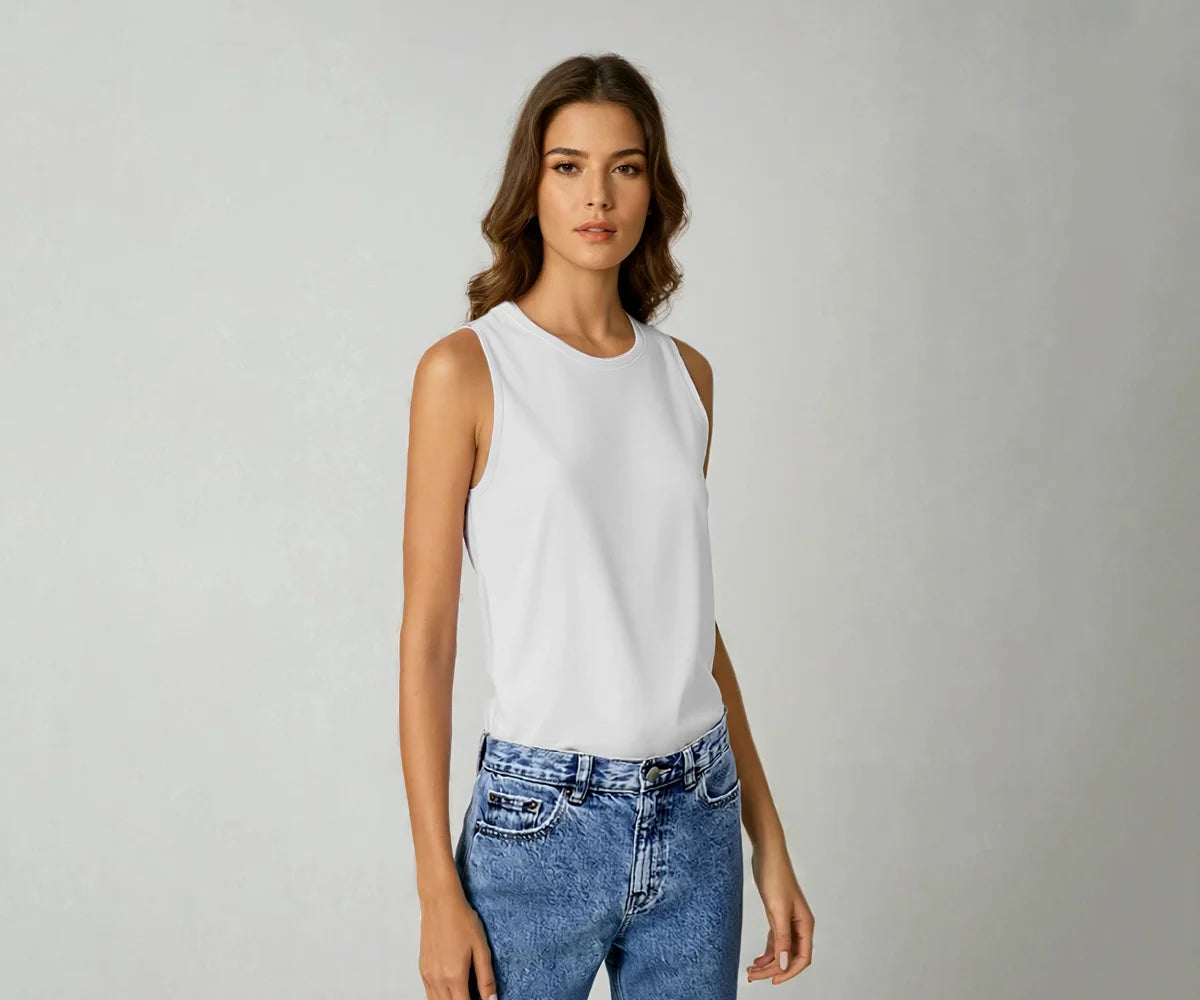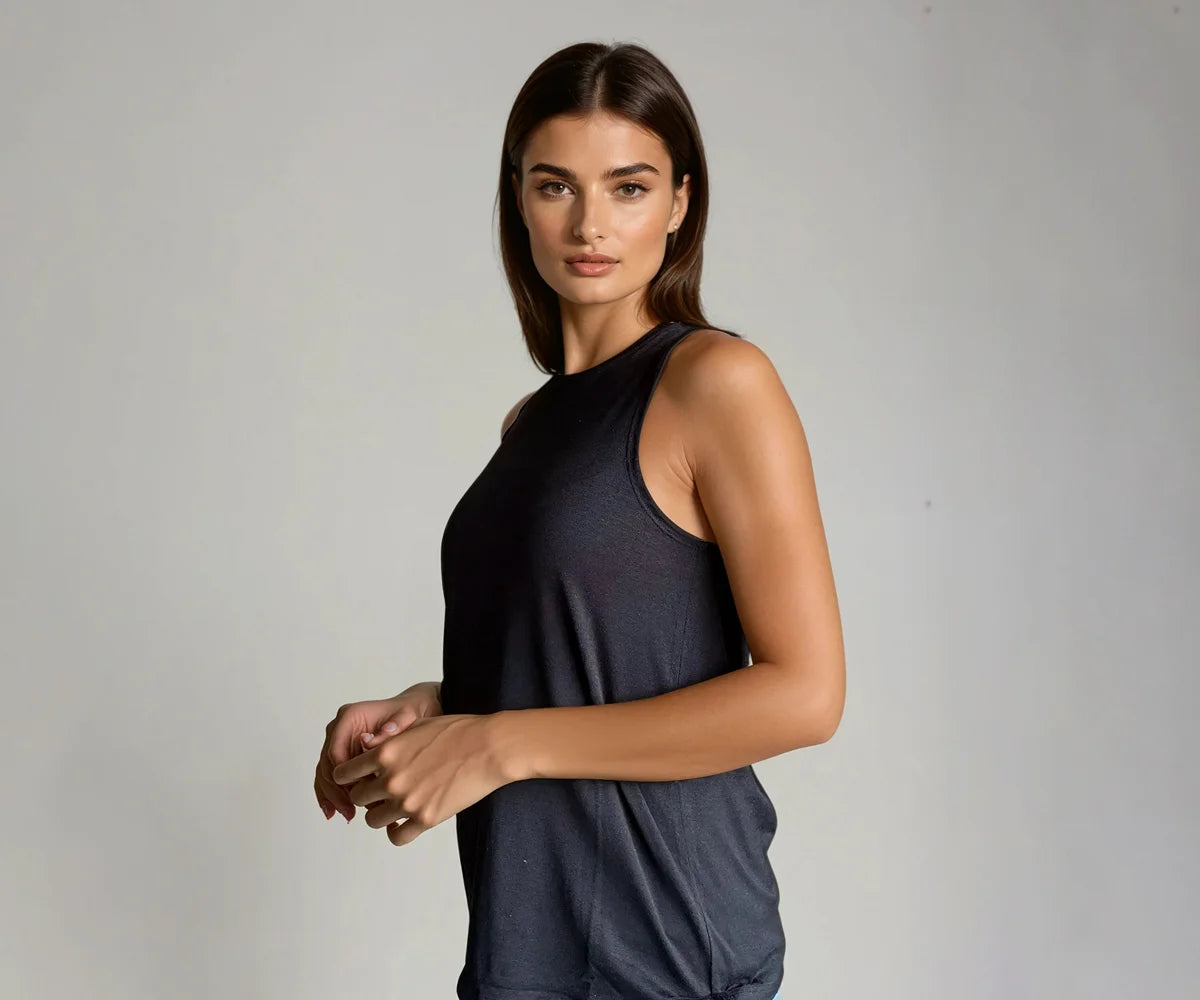


What Defines Minimalist Fashion in 2026
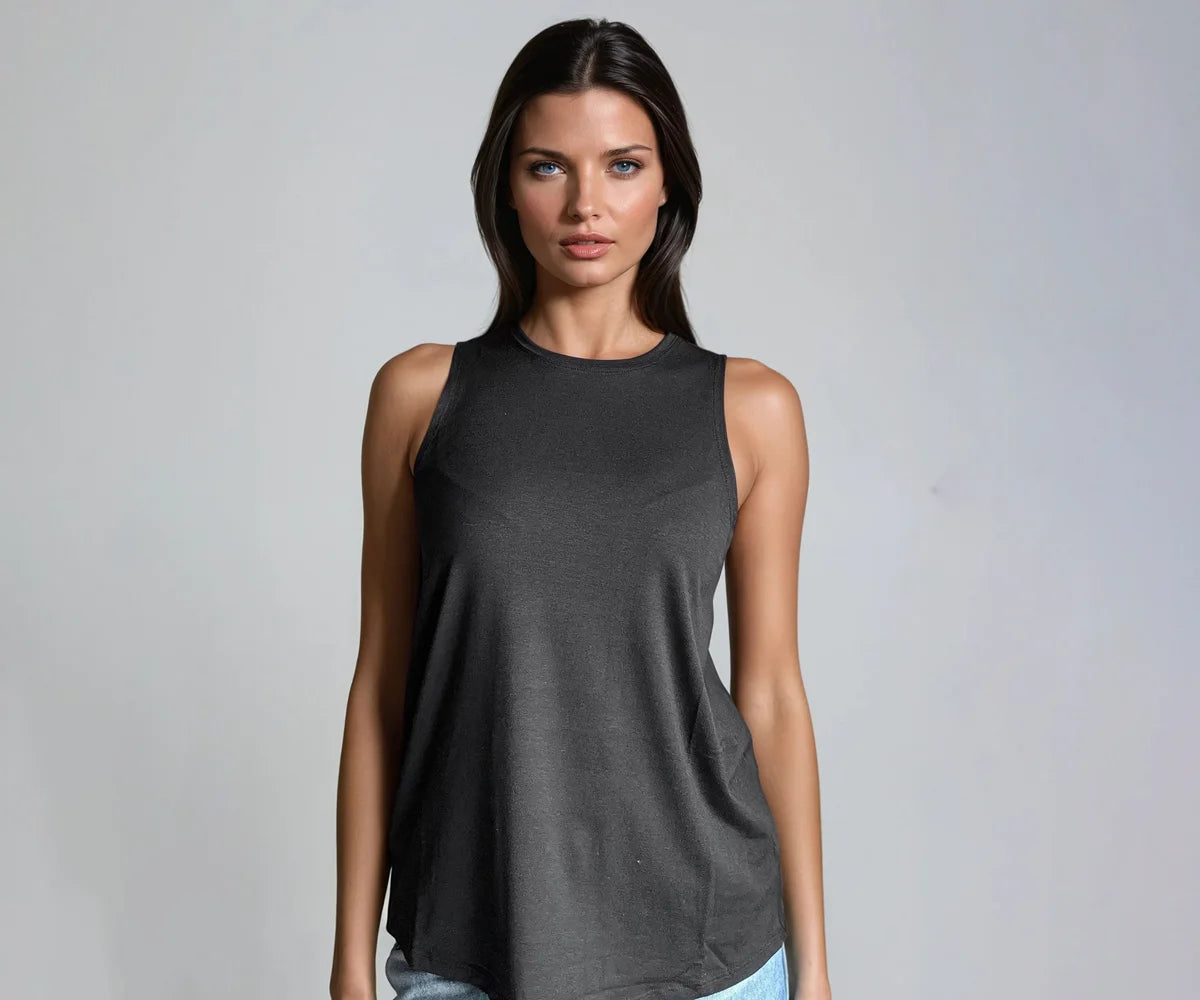
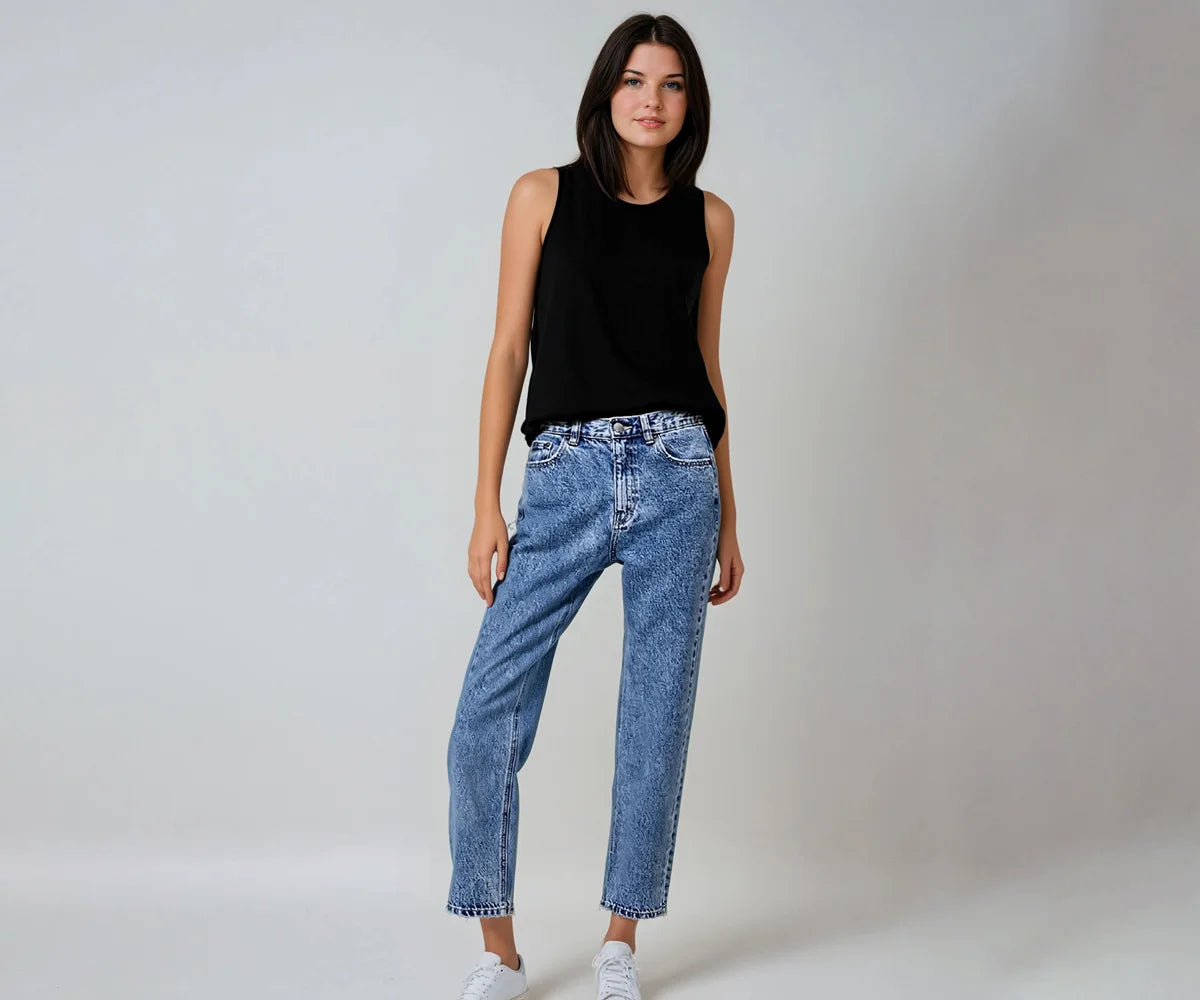
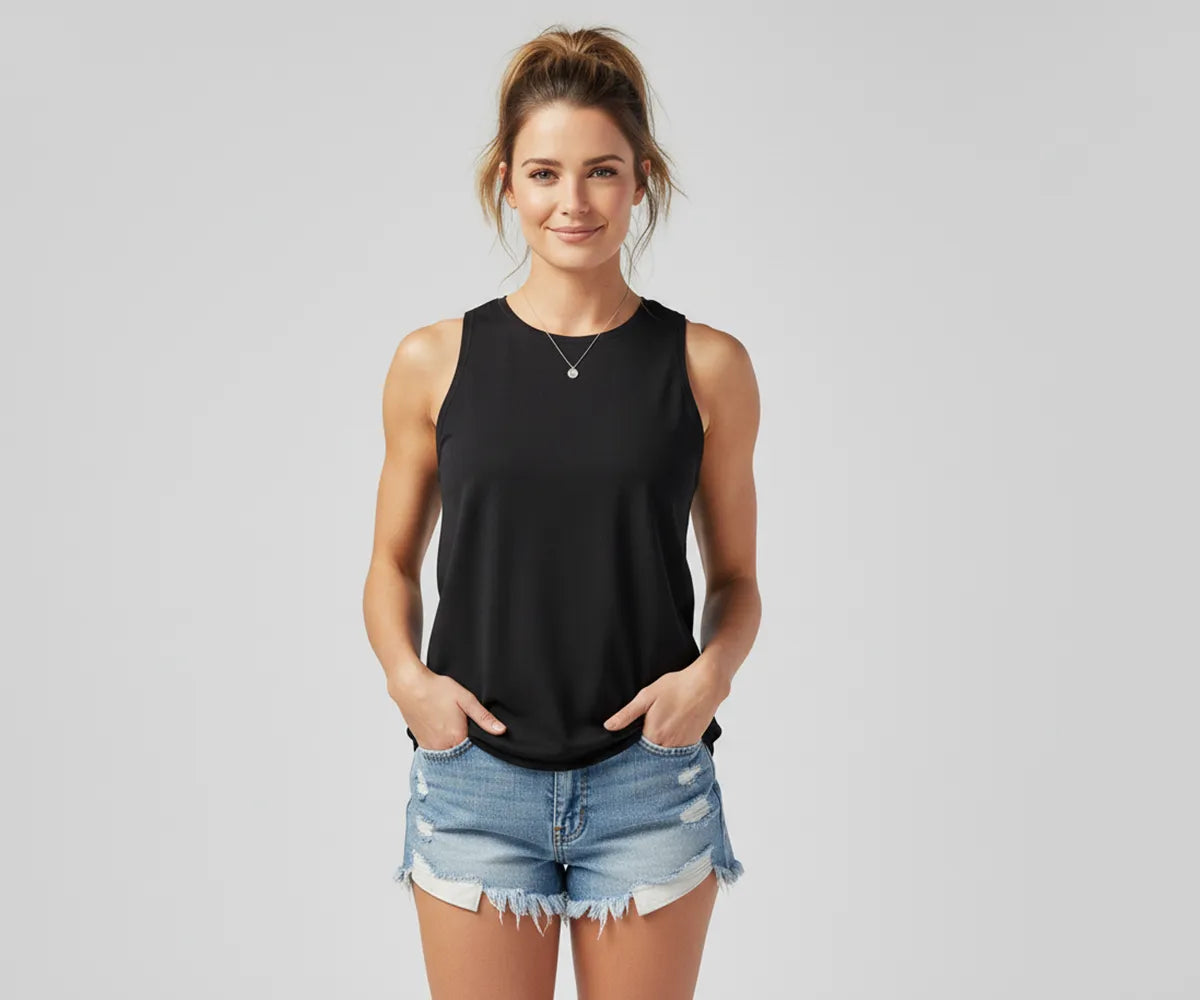
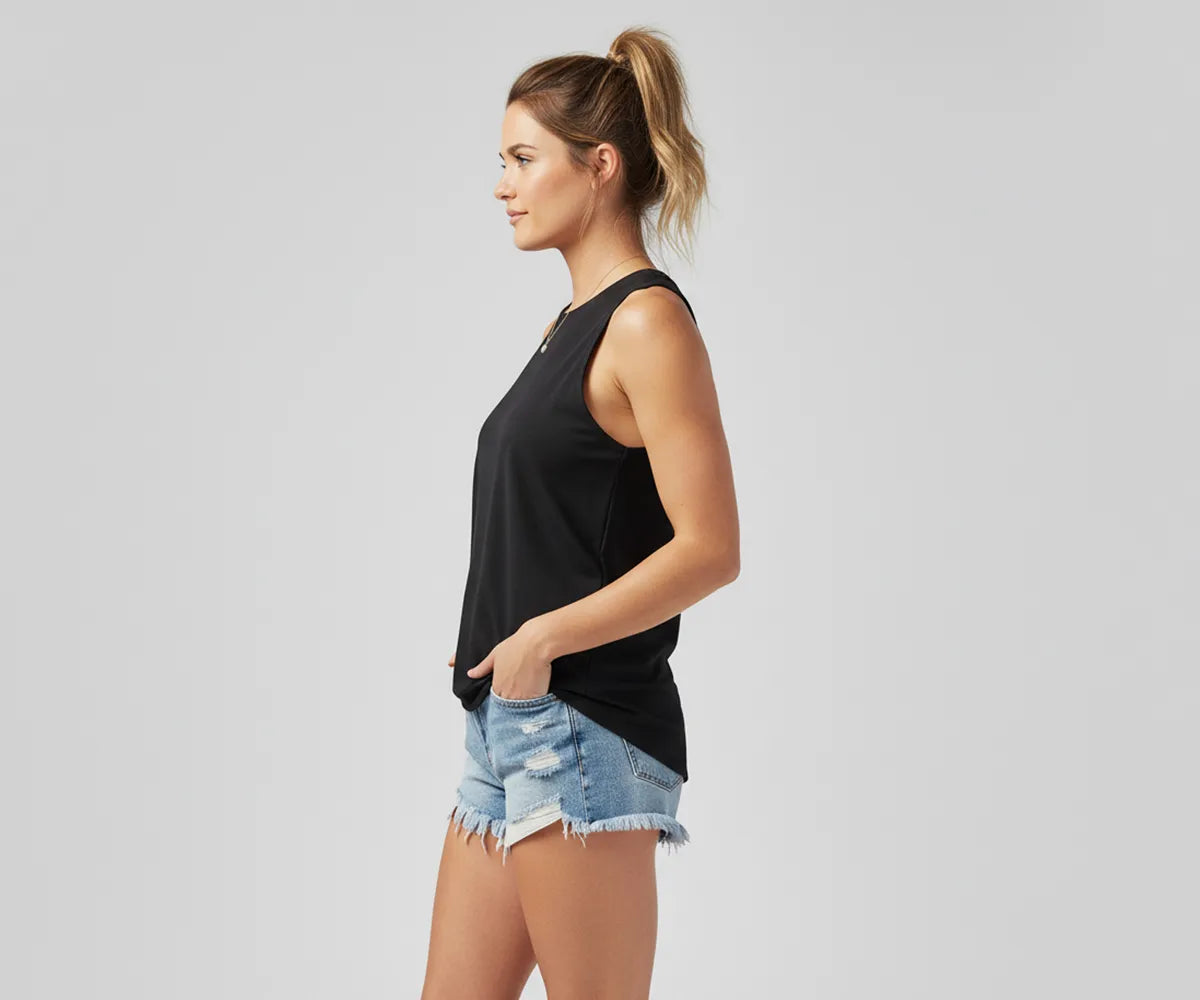
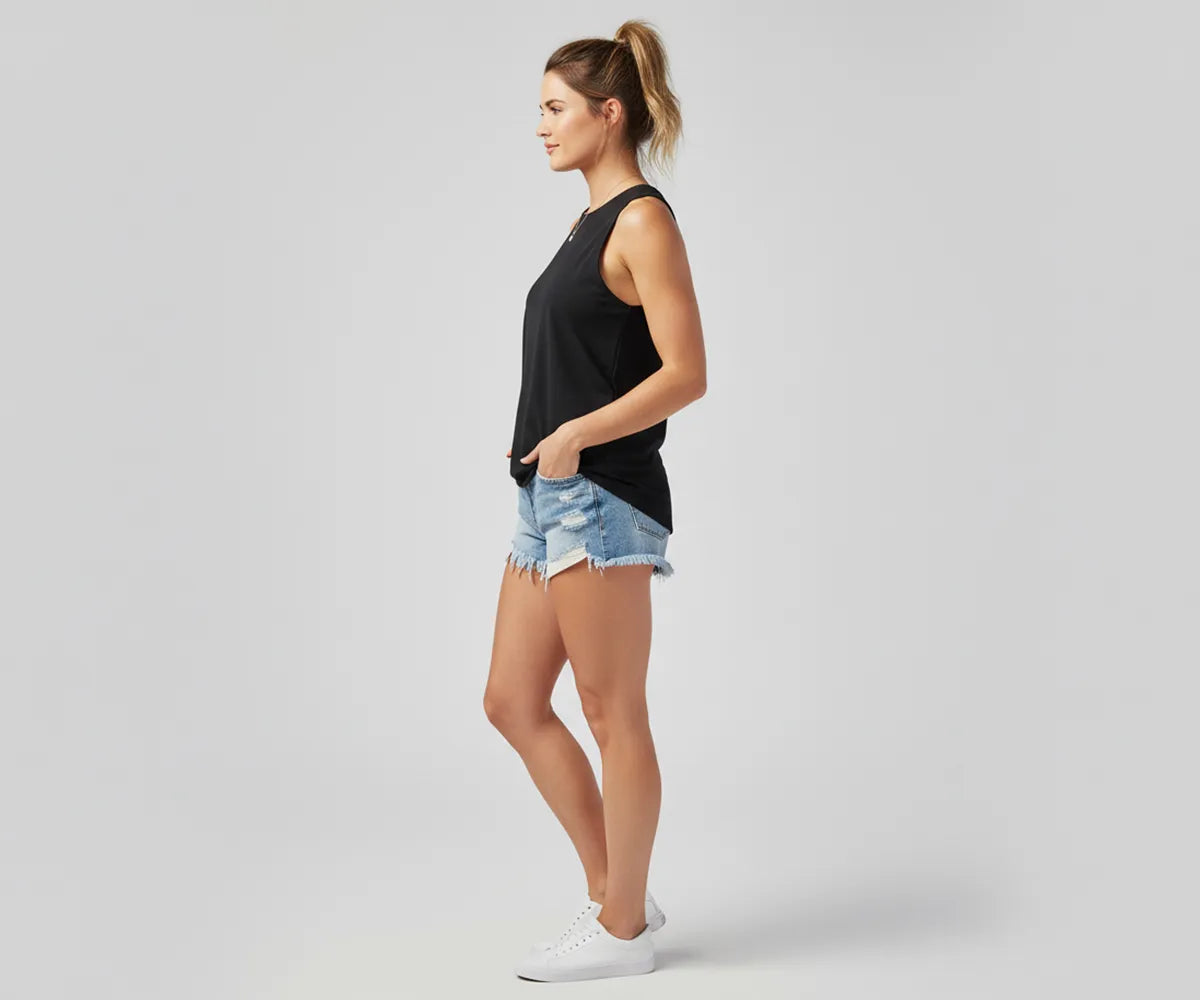
Minimalism in 2026 is soft, relaxed, and intentional. The look has shifted away from rigid structure and stark contrast. Clean lines, natural textures, and a consistent color palette now define the aesthetic.
The key elements shaping the trend include:
-
Loose, comfortable silhouettes that prioritize ease of movement
-
Natural fabrics with strong, breathable properties
-
Neutral and earthy tones as the wardrobe foundation
-
Versatile pieces that perform across multiple settings
-
Conscious buying habits that reduce wardrobe clutter over time
People are no longer buying for sheer variety. They are buying for real value. A well-made linen shirt that can be worn to a beach lunch, a casual dinner, and a relaxed work meeting carries far more practical weight than five fast-fashion tops that fade after a season.
Why Cotton and Linen Lead Minimalist Fashion

Cotton and linen have held their position in minimalist fashion for decades, and 2026 has only reinforced it. Both fabrics deliver on every point that thoughtful consumers care about: breathability, durability, sustainability, and ease of daily care.
Cotton is soft and gentle on the skin. It holds neutral dyes beautifully, giving shades like oatmeal, dusty sage, and sand a richness and depth that synthetic fabrics cannot replicate. It moves naturally with the body, which is what loose, relaxed silhouettes need to drape and fall correctly.
Linen brings a different quality to the wardrobe. It is more breathable than cotton in warm conditions, develops a distinctive natural texture over time, and carries a relaxed structure that fits the minimalist aesthetic precisely. The natural texture and slight wrinkling that linen develops with wear is now considered part of its appeal rather than a flaw to correct.
Both fabrics are genuinely sustainable. They biodegrade naturally, require fewer chemical treatments than synthetic alternatives, and last for years with proper care.
You May Also Like: Embrace the Drawstring Trend: Guide to Fashionable Bags
Cotton vs Linen at a Glance
|
Feature |
Cotton |
Linen |
|
Breathability |
Very Good |
Excellent |
|
Softness |
Naturally Soft |
Softens Over Time |
|
Best Season |
All Year |
Spring and Summer |
|
Durability |
Good |
Very Good |
|
Care |
Machine Washable |
Gentle Wash Recommended |
|
Environmental Impact |
Low (Organic Options Available) |
Very Low |
|
Typical Price |
Affordable |
Mid to Premium |
|
Texture |
Smooth |
Natural, Slight Texture |
Neutral Color Palettes That Rule 2026
Color is where minimalist fashion makes its clearest visual statement. In 2026, the palette has shifted toward warmth and softness. Cool, stark whites have given way to liveable, layerable tones that work together naturally.
The shades leading the trend this year include:
-
Off-white and warm cream
-
Soft beige and sandy brown
-
Muted sage and olive green
-
Dusty blush and terracotta
-
Warm grey and natural stone
Because cotton and linen absorb dye differently from synthetic fabrics, every shade carries a richness that blended materials simply cannot achieve. A beige linen pair of trousers has a warmth and natural texture that a polyester equivalent lacks entirely.
Keeping the wardrobe within a consistent color palette also simplifies the daily routine of getting dressed. When every piece works alongside every other piece, there is no decision fatigue in the morning and no wasted combinations.
Read About: Valentine's Day Outfits for Women – Stylish & Trendy Looks for 2026
Cotton Staples Every Minimalist Wardrobe Needs in 2026
Cotton basics are the backbone of the minimalist wardrobe. These are the pieces reached for without hesitation because they consistently deliver.
The cotton pieces most worn in 2026 include:
-
Relaxed cotton shirts in white, cream, or soft blue
-
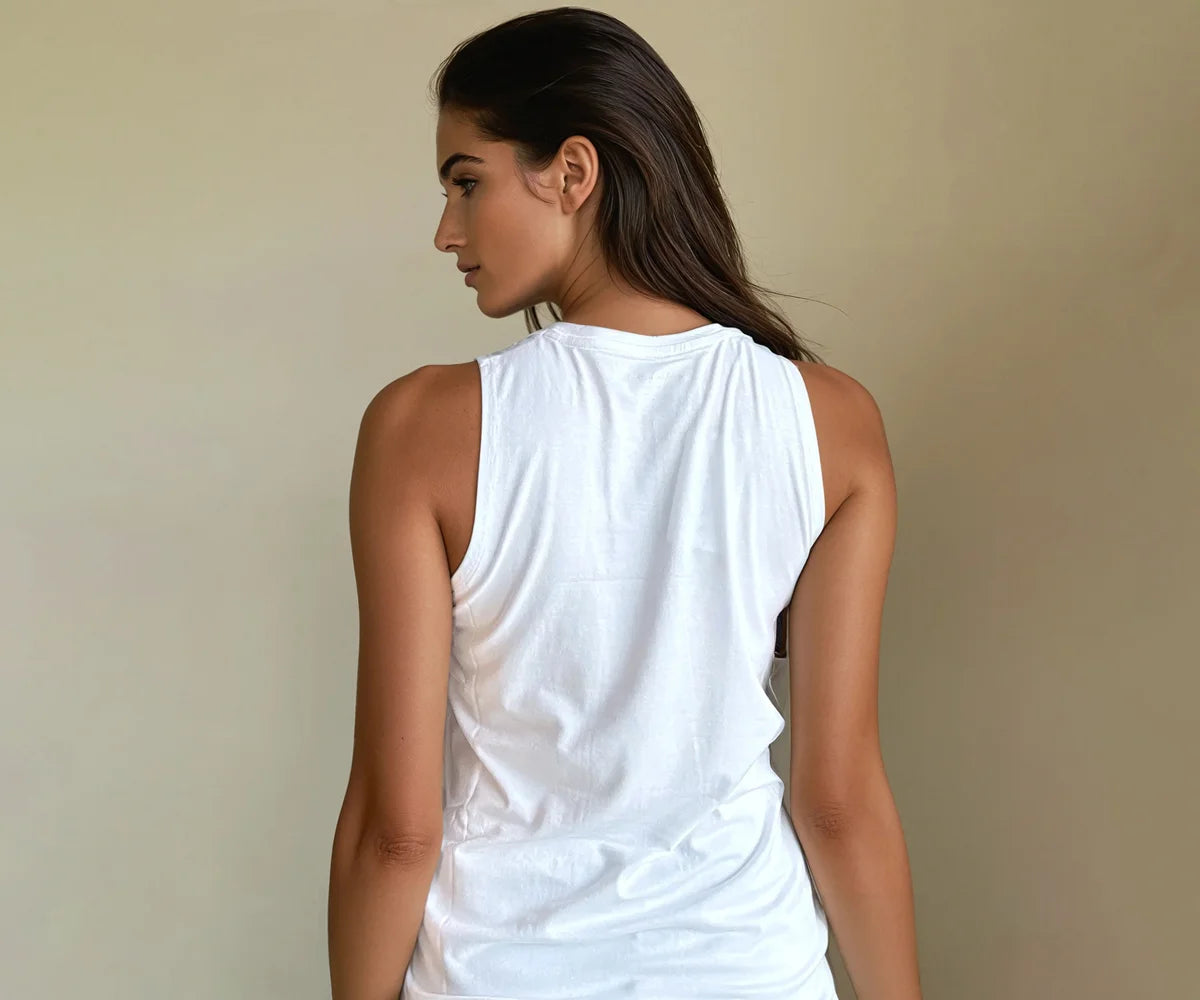
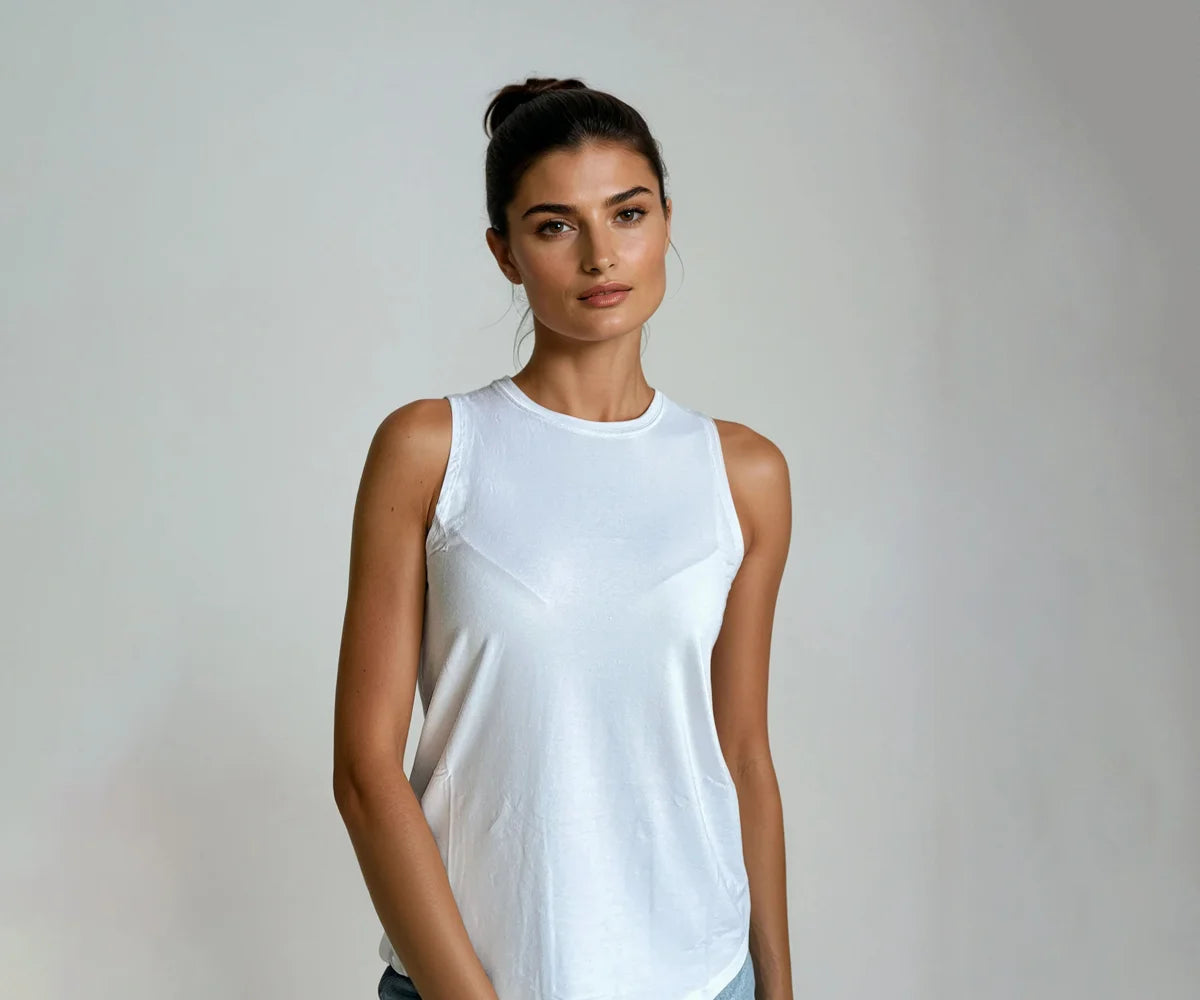
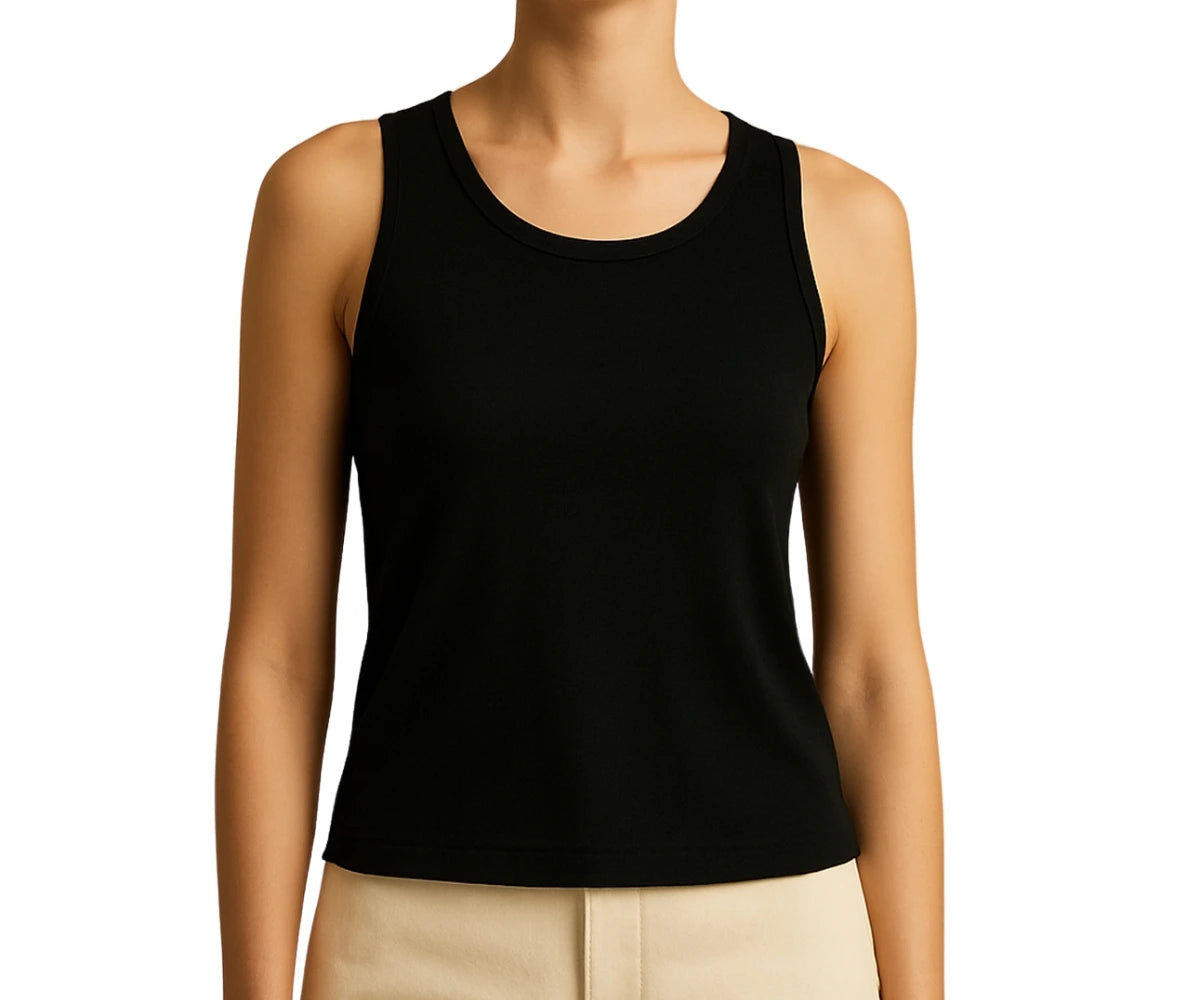
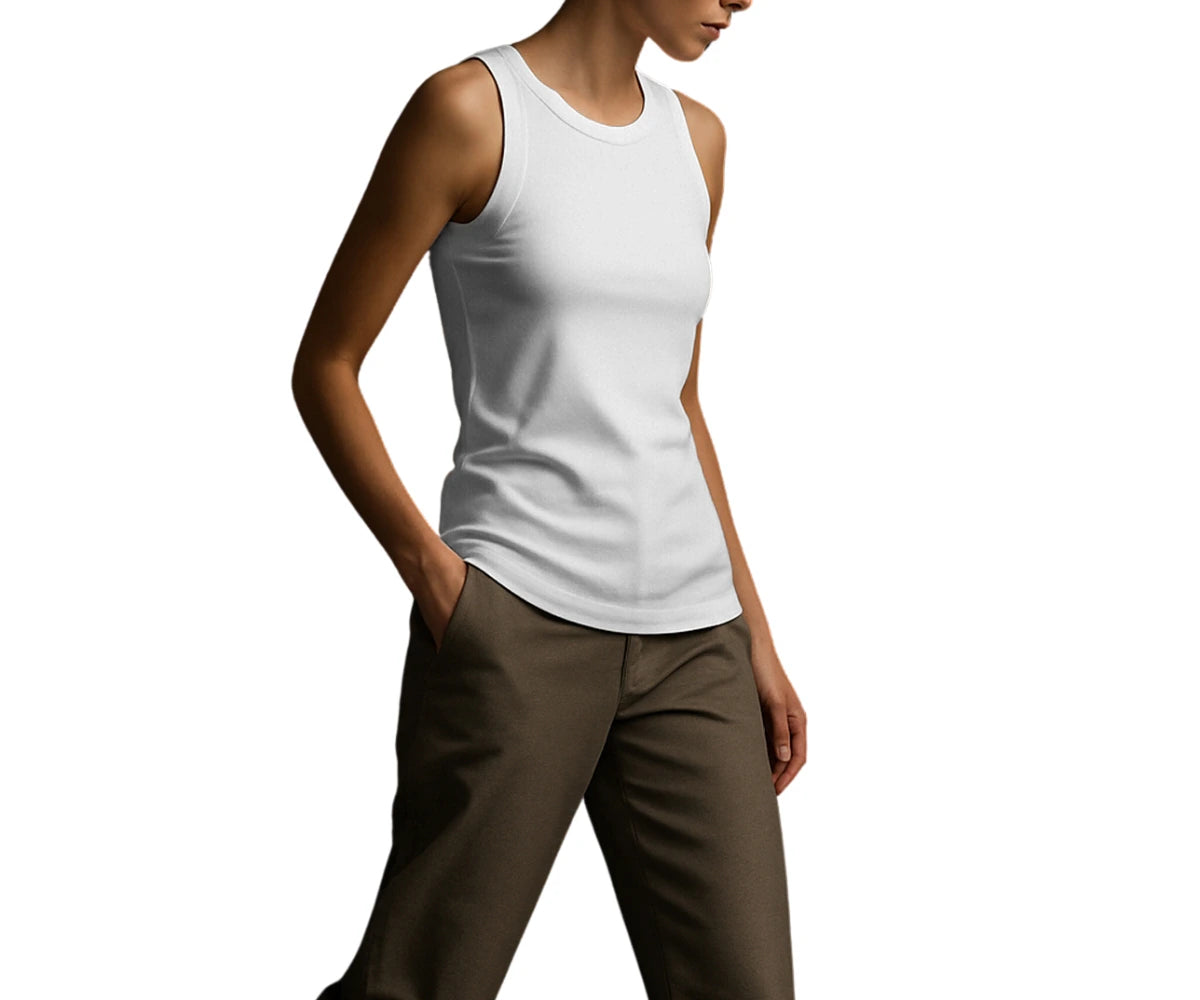
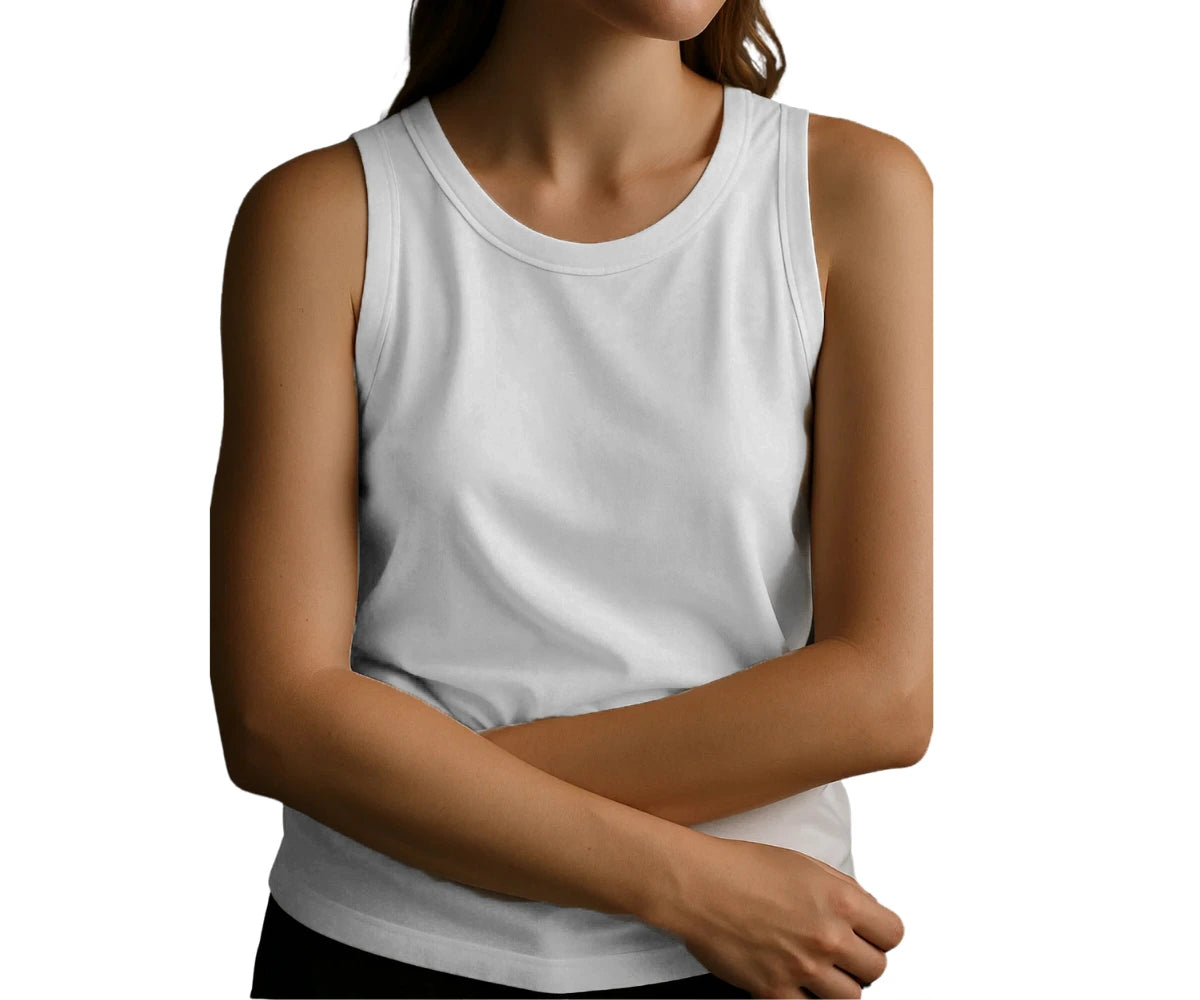
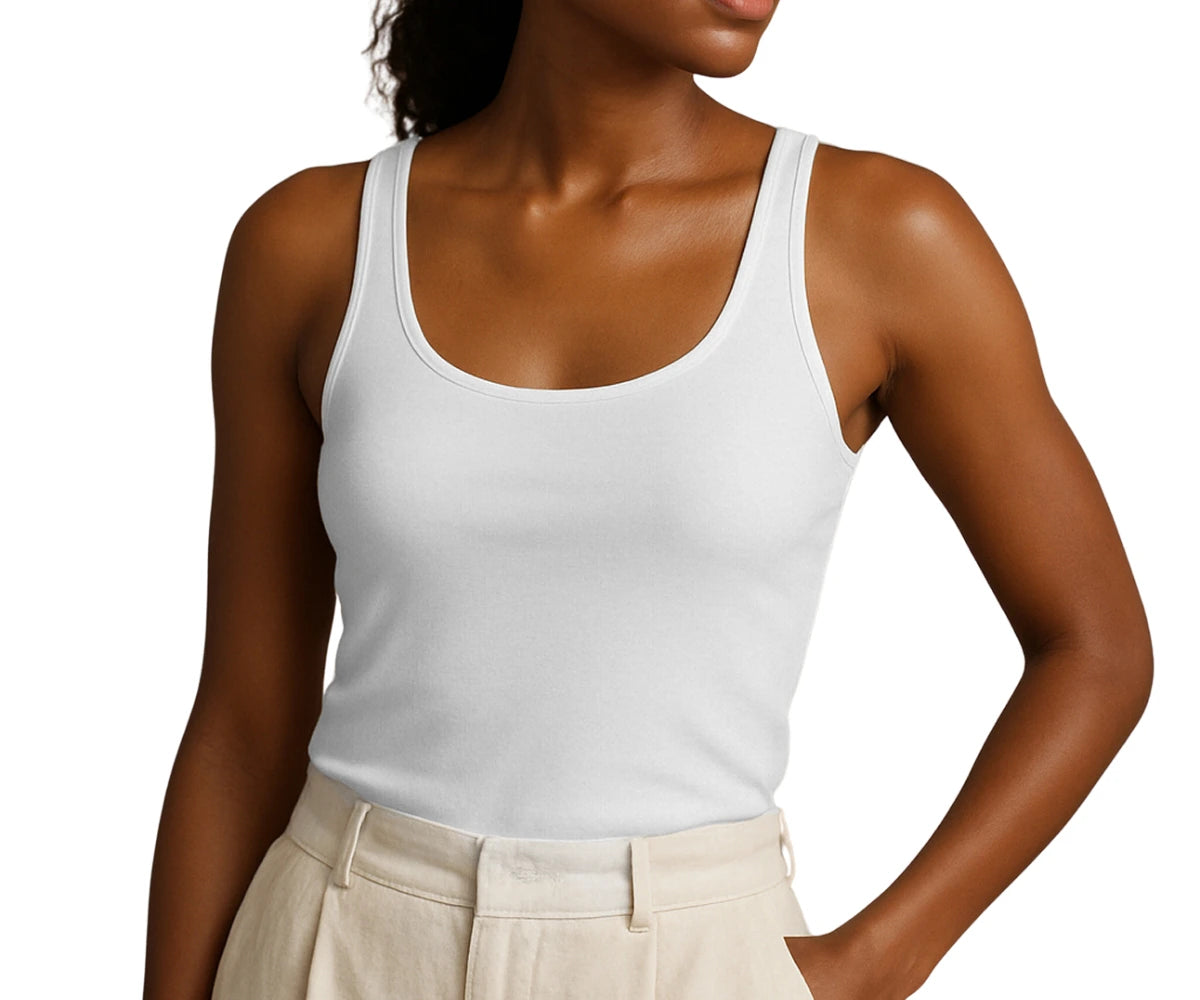
Crisp white cotton tees that perform across settings
-
Cotton coordinated sets in neutral, earthy tones
-
Minimal cotton dresses with clean, unfussy lines
-
Breathable cotton trousers with a soft, natural drape
A white cotton tee is arguably the most versatile single piece in any minimalist wardrobe. Tucked into wide-leg trousers, it looks polished. Layered under an open linen shirt, it suits a relaxed weekend. Worn alone with tailored shorts, it works perfectly for summer.
The reason it earns a permanent place in the wardrobe is that it delivers in every setting without needing extra effort.
Know About: How to Choose the Perfect Women's Short Sleeve Tees
Linen Staples That Define Effortless Style
Linen has moved well past resort and holiday wear. In 2026, it is worn confidently in offices, at social events, and in everyday casual settings without apology.
The most popular linen staples this year include:
-
Linen shirts in neutral and earthy tones
-
Linen trousers with soft, relaxed tailoring
-
Oversized linen dresses with clean, simple silhouettes
-
Linen sets are designed to be worn as a complete outfit
-
Linen loungewear for comfortable at-home days
A linen shirt bought today will look better in two years than it does right now. Each wash softens the hand feel while the structure remains intact. Each wear adds a little more character to the fabric. That trajectory is the exact opposite of how fast fashion operates, and for minimalist dressing, it matters.
Minimalist Fashion for Every Season
One of the most practical arguments for a cotton and linen wardrobe is how well both fabrics adapt across seasons. There is no need to rebuild or rotate an entire wardrobe twice a year when the core pieces genuinely function throughout the year.
|
Season |
Cotton Styling Ideas |
Linen Styling Ideas |
|
Spring |
Light cotton tees with wide-leg trousers |
Linen shirt worn open over a cotton base |
|
Summer |
Breathable cotton dresses and coordinated sets |
Linen shorts, oversized linen shirts, linen dresses |
|
Autumn |
Cotton layering pieces worn under jackets |
Linen blends layered with knitwear |
|
Winter |
Cotton inner layers for natural warmth |
Heavier linen blends paired with structured coats |
The approach that works best across all seasons is layering. A cotton base layer beneath a heavier coat in winter keeps warmth without adding bulk. A linen shirt worn over a cotton tee in spring gives dimension without effort.
Sustainable Fashion Takes Center Stage
Sustainability in 2026 is a mainstream expectation. Consumers across all demographics are increasingly aware of the environmental cost of cheap, disposable clothing, and they are making different choices as a result.
Cotton and linen are among the most responsibly produced natural fabrics available today. When sourced consciously, they:
-
Biodegrade naturally at the end of their useful life
-
Require fewer chemical treatments than synthetic alternatives
-
Support farming communities when produced through ethical supply chains
-
Reduce the need for frequent replacement through their natural durability
Choosing fewer, better-made pieces is not a limitation. It is a genuinely practical decision that saves money over a longer period, reduces the daily effort involved in getting dressed, and carries a measurably smaller environmental footprint.
How to Build a Minimalist Wardrobe with Cotton and Linen
Building a minimalist wardrobe should happen gradually and with intention. The goal is thoughtful decisions rather than a fast, total rebuild.
Step 1: Start with neutral basics. Choose five to eight foundation pieces in neutral tones. A white tee, a beige linen shirt, two pairs of well-fitting trousers, and a clean dress cover most occasions without overlap or waste.
Step 2: Prioritize fit above all else. A relaxed cotton shirt that fits correctly looks intentional and considered. The same shirt in the wrong proportions looks careless. Fit matters far more than the total number of pieces owned.
Step 3: Choose every piece for real use. Before adding any new piece, ask how often it will actually be worn and in how many ways it can be styled. If the honest answer is fewer than three occasions, it is worth reconsidering.
Step 4: Add slowly and deliberately. Adding one or two pieces at a time allows the wardrobe to develop with intention rather than speed.
Step 5: Maintain what you already own. Cotton and linen last for years when cared for properly. Following care labels, washing gently, and storing correctly extends the life of every piece and reduces the cost per wear significantly.
Minimalist Accessories to Complete the Look

Minimalist fashion is not about skipping accessories entirely. It is about choosing each piece with the same level of intention applied to clothing.
The accessories that work most naturally with cotton and linen outfits in 2026 include:
-
Simple leather sandals or clean, unbranded sneakers
-
Neutral canvas or natural fabric tote bags
-
Understated jewelry in gold tones, warm silver, or earthy finishes
-
Light scarves in breathable natural fabrics
Explore More: 10 Kid-Friendly Valentine’s Day Table Décor Ideas for Family
The guiding principle is addition without competition. One carefully chosen piece adds something meaningful to an outfit. Several pieces worn simultaneously for volume tend to dilute the overall look rather than strengthen it.