


We have all been there. You spill a cup of coffee on the counter, and your instinct is to grab the roll of paper towels. You rip off three or four sheets, wipe up the mess, and toss the soggy ball into the trash. It takes five seconds, and the problem is gone. But when you look at the bigger picture, that momentary convenience comes with a massive price tag for both your wallet and the planet.
We live in a culture that prioritizes speed above almost anything else. We constantly look for shortcuts to manage our busy lives. A stressed university student might wonder if DoMyEssay can write my essay to save time during finals week. Similarly, we reach for disposables in the kitchen because washing a cloth feels like just one more chore on an endless to-do list. However, unlike delegating a difficult task, relying on paper towels is a habit that offers diminishing returns. The "convenience" creates a cycle of waste that is surprisingly difficult to break.
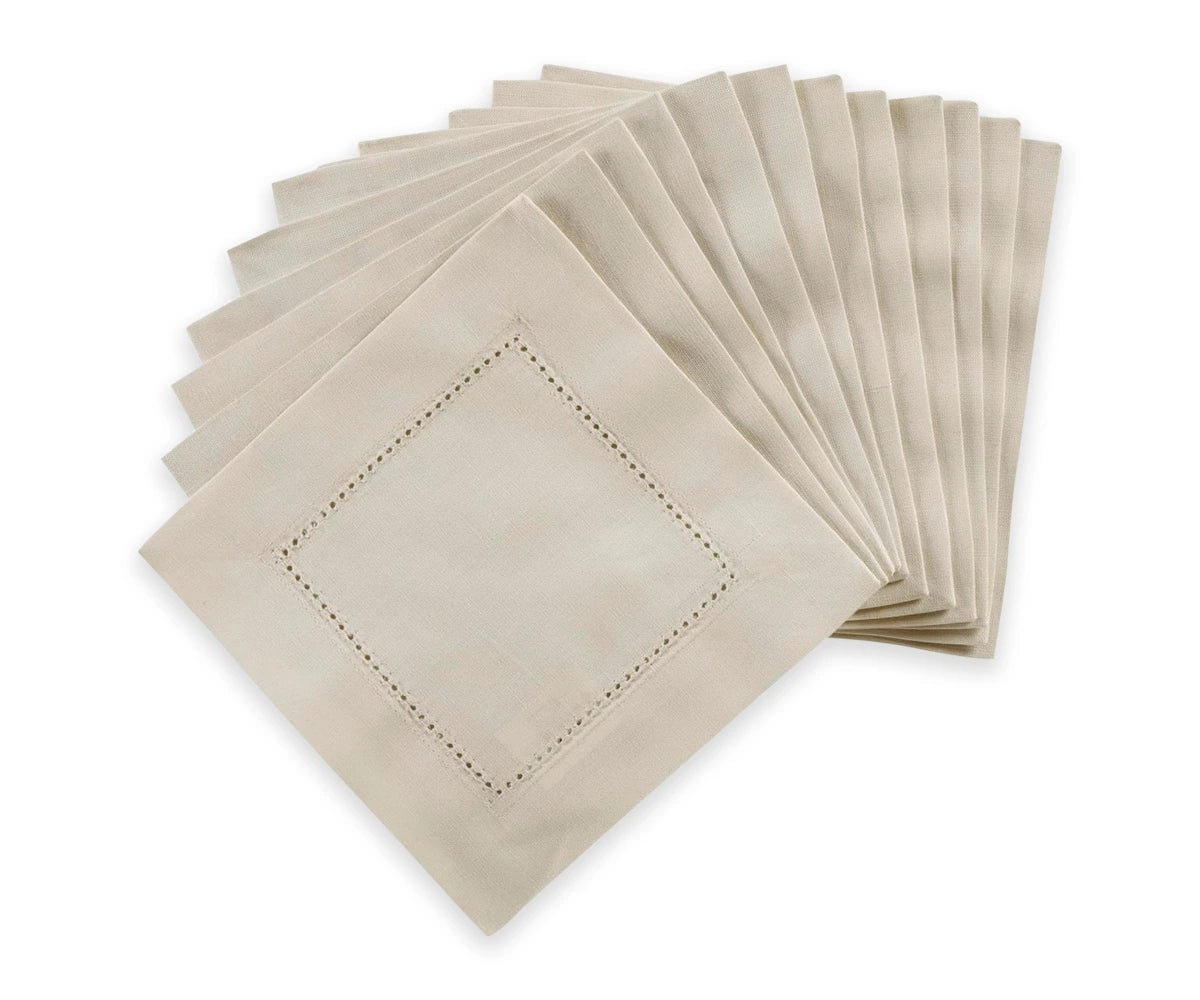
This is where cotton kitchen towels make a difference. They handle everyday spills just as quickly, can be washed and reused countless times, and reduce the constant cycle of waste. What feels like a small switch at the counter adds up to a more sustainable kitchen over time.
The Environmental Impact
The statistics surrounding paper products are staggering. To meet the global demand for paper towels, millions of trees are harvested every year. This is not just about deforestation. It is about the resources required to process that wood into pulp. The manufacturing process consumes massive amounts of water and energy, all to create a product that is used for ten seconds and then sent to a landfill.

Once in the landfill, paper towels do not break down as cleanly as people assume. Because they are often contaminated with grease, cleaning fluids, or food waste, they generate methane as they decompose a potent greenhouse gas. By switching to reusables like linen kitchen towels and cotton dish towels, you are not just saving trees. You are reducing the entire carbon footprint associated with manufacturing, shipping, and disposing of single-use items.
The Cost Analysis
The financial argument is often the tipping point for skeptics. A single roll of paper towels seems cheap, costing only a dollar or two. However, the cumulative cost is deceptive. Most households go through one to two rolls a week. Over a decade, that is thousands of dollars literally thrown in the trash.
- Paper Towels: Regular use adds up quickly over time, leading to significant long-term waste and repeated purchases.
- Reusable Towels: A single set of high-quality cotton or linen towels can last for years with proper care.
- The Verdict: Even when you consider the water used for washing, reusable towels quickly pay for themselves. After that, the savings continue while waste is reduced.
But Are They Hygienic?
The biggest hesitation people have is the "ick" factor. There is a misconception that paper towels are cleaner because they are sterile out of the wrapper. While true, a reusable towel is perfectly hygienic as long as you treat it properly. The key is to treat kitchen textiles like tools rather than permanent fixtures.

The solution is simple: Do not leave a damp towel bunched up in the sink. Use a towel once or twice, then toss it in a dedicated "kitchen laundry" bin. This ensures you always have a fresh, dry cloth ready for the next spill.
How to Make the Switch Without Losing Your Mind
Transitioning to a zero-waste kitchen does not have to be an all-or-nothing ordeal. You do not need to throw out every paper product in your house today. It is about allocating your resources smartly. Think of it like a budget. A student might decide to pay to do my homework on a difficult subject so they can focus their energy on their major. Similarly, you might keep a single roll of paper towels for "gross" messes (like pet accidents or grease) while using cloth for the other 95% of tasks.
Here are the steps to a successful transition:
- Buy in Bulk: You need more towels than you think. If you buy a pack of three, you will run out in a day and revert to paper. Aim for a stash of 20 to 30 towels so you only have to do laundry once a week.
- Create a System: Set up two bins under your sink or in a drawer. Label one "Clean" and one "Dirty." If the clean towels are hard to reach, you will not use them.
- Choose the Right Fabric: Not all cloths are created equal. You need materials that absorb liquid quickly rather than just pushing it around the counter.
How to Choose the Best Material
If you decide to ditch paper, the material you choose matters. You want natural fibers that are biodegradable and absorbent. Synthetic microfibers are popular, but they shed plastic micro-particles into the water system when washed, which defeats the purpose of going eco-friendly.

Top natural choices for your kitchen:
- Cotton Huck Towels: These are the towels often used in hospitals (surgical towels). They are incredibly durable, lint-free, and absorb water instantly.
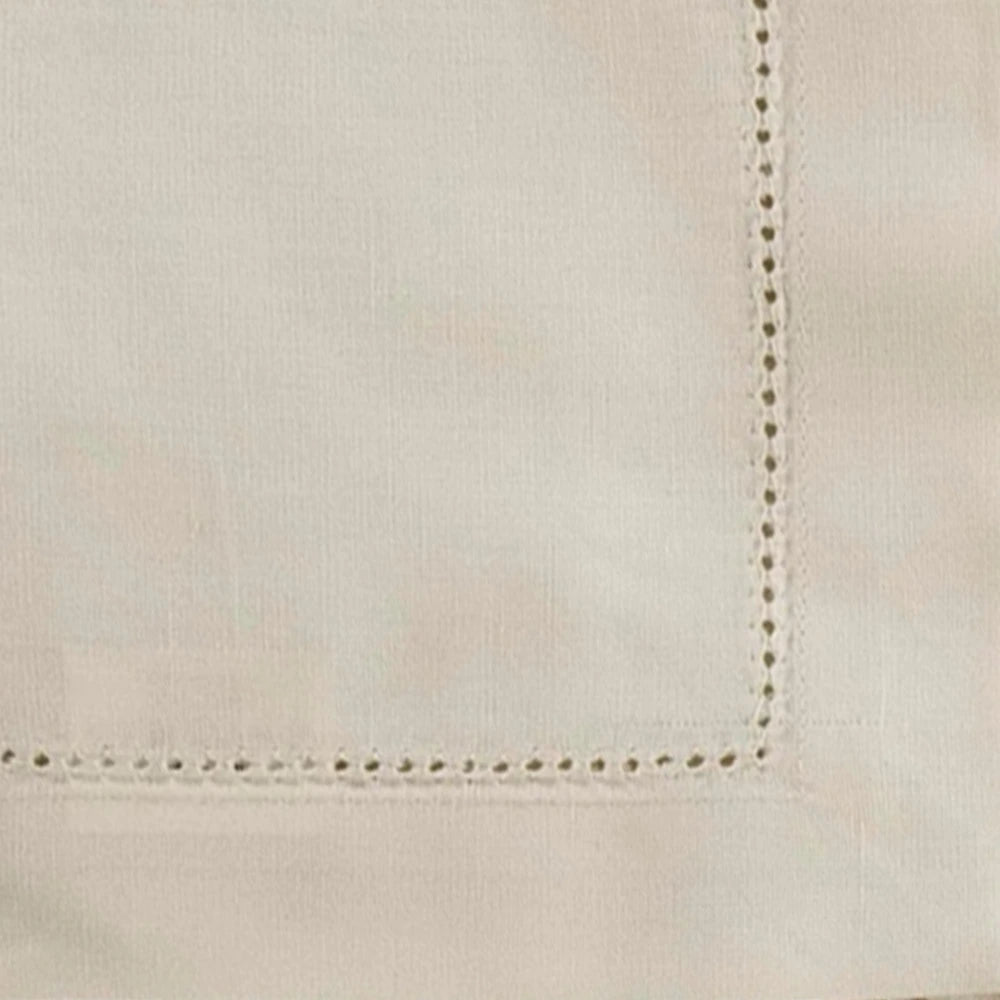
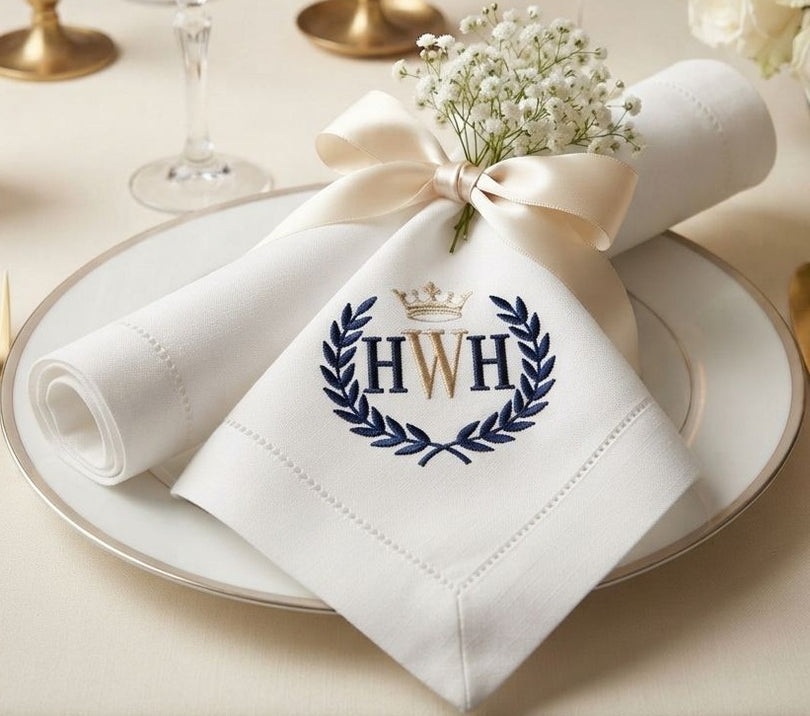
- Linen: Linen is naturally antibacterial and dries much faster than cotton. This makes it an excellent choice for drying dishes or hands, as it is less likely to develop that musty smell.
- Flour Sack Kitchen Towels: These are thin, oversized cotton sheets, often known as flour sack kitchen towels. They are perfect for polishing glass or covering dough as it rises because they are lightweight and leave zero lint behind.
Overview
Are reusable kitchen towels really better? Yes. They clean better, save you a significant amount of money, and drastically reduce your household waste. The only downside is a slight increase in laundry, but the tradeoff is worth it. By making this simple switch, you turn a mindless wasteful habit into an intentional sustainable choice.