

Why a Good Kitchen Towel Actually Matters
You reach for a kitchen towel more than almost any other item in your kitchen. Some households use one 20 or more times a day. That number adds up fast, and a bad towel makes every single one of those uses more frustrating than it needs to be.
A poor quality towel pushes water around. It leaves streaks on glassware. It stays damp for hours, which creates the exact conditions bacteria need to grow. A great towel absorbs water in seconds, dries quickly between uses, handles hot pots without thinning out after a few washes, and still looks decent hanging from your oven handle.
There is also the paper towel angle. The average American household uses nearly 80 billion paper towels every year, most of them for tasks that a reusable cotton kitchen towel handles just as well. Switching to reusable cotton or linen towels is one of the lowest-effort, highest-impact changes you can make in your kitchen, both for your budget and for reducing waste.
The Best Material for Kitchen Towels: Cotton vs Linen vs Everything Else

This is the question most people get wrong because they assume all kitchen towels work the same way. They do not. Material and weave structure determine almost everything about how a towel performs.
100% Cotton Kitchen Towels
Cotton is the most absorbent natural material available for kitchen towels. A quality 100% cotton towel absorbs up to 2.5 cups of water before feeling saturated. The fiber structure of cotton pulls moisture away from surfaces quickly rather than just moving it around.
One thing most people do not know: new cotton towels should be washed once before their first use. Manufacturing finishes applied during production temporarily coat the fibers and reduce absorbency by up to 30%. A single wash removes this coating and activates full absorption.
- Cotton comes in several weaves, and the weave affects performance significantly:
- Flat weave produces a smooth, lightweight towel that dries fast but absorbs less total water. Best for wiping countertops, drying hands, and light cleaning tasks.
- Terry weave features looped fibers on both sides, similar to a bath towel. It absorbs the most water of any kitchen towel weave and works well for drying large loads of dishes or soaking up big spills.
- Waffle weave sits between flat and terry. It absorbs well, dries faster than terry, and has a texture that grabs dirt and food residue from surfaces without scratching them.
Linen Kitchen Towels
Linen is made from flax plant fibers. It absorbs less total water than cotton but dries approximately twice as fast after use. This fast drying is important because a damp towel sitting folded on your counter is a breeding ground for bacteria.
Linen is naturally lint-free, which makes it the go-to choice for polishing wine glasses, crystal, and any glassware where cotton fibers left behind would be visible. It gets softer with every wash and lasts longer than cotton with proper care.
The main drawback is price. Linen kitchen towels cost more upfront, and they are not the right tool for drying a full load of dishes quickly. They are better suited for display, light hand drying, and glassware tasks.
The Full Comparison
|
Feature |
Cotton |
Linen |
Microfiber |
Flour Sack |
|
Absorbency |
Very High |
Medium |
Very High |
High |
|
Dry Time After Use |
Medium |
Fast |
Fast |
Fast |
|
Lint-Free |
No |
Yes |
Yes |
Yes |
|
Best Use |
Dish drying, spills, hot pots |
Glassware, display, hand drying |
Surface cleaning, streak-free wipe |
Baking, produce, delicate items |
|
Durability |
3 to 5 years |
5 to 10 years |
1 to 3 years |
2 to 4 years |
|
Eco-Friendly |
Yes (natural fiber) |
Yes (most sustainable crop) |
No (synthetic, sheds microplastics) |
Yes (natural fiber) |
|
Machine Washable |
Yes |
Yes |
Yes |
Yes |
|
Price Range |
Budget to mid |
Mid to premium |
Budget to mid |
Budget |
Types of Kitchen Towels and What Each One Is Actually For

Not every kitchen towel does the same job. Using the wrong type for a task is why so many people end up frustrated with towels that seem fine on the shelf but disappoint in real use.
Dish Towels
The everyday workhorse. A standard dish towel is made from cotton in a flat or waffle weave, sized around 18x28 inches. This size gives you enough coverage to dry large pots, baking sheets, and serving bowls without the towel getting too wet too fast. These are the towels you want stacked near the sink in a set of at least five, so you always have a dry one ready.
Tea Towels
Tea towels are lighter than dish towels, often made from linen or a cotton-linen blend. They have a thinner construction that makes them excellent for drying delicate glassware, polishing surfaces, and serving. Linen kitchen towels particularly excel here because they leave no lint on crystal or stemware.

Flour Sack Towels
Flour sack towels are thin, tightly woven, and highly absorbent for their weight. Originally used in commercial baking, they have become popular in home kitchens for covering rising dough, straining stocks and juices, drying washed produce, and wrapping bread to keep it fresh. They are also excellent for polishing because their lint-free surface does not scratch.
Checked and Striped Kitchen Towels
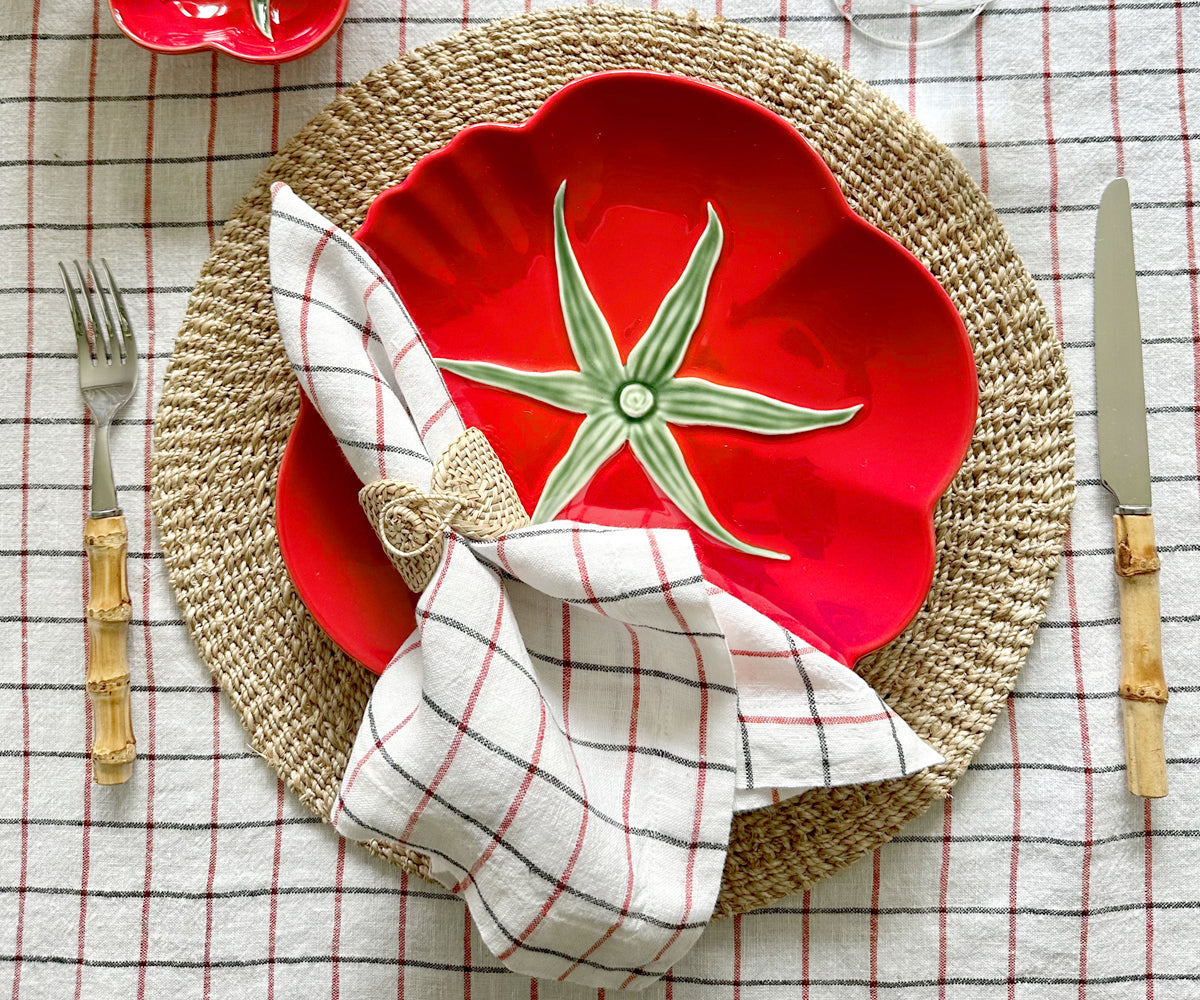
Checked kitchen towels and striped kitchen towels are not just decorative choices. The pattern structure of these towels serves a practical purpose: the alternating colors hide stains and discoloration better than solid white towels, which means they look presentable for longer, even with regular heavy use. Cotton checked and striped towels perform identically to plain cotton in terms of absorbency.
Bar Mop Towels
Bar mops are thick, small, and extremely absorbent. Originally a bartender's tool for drying glassware fast, they work in home kitchens for soaking up large spills quickly. Their compact size makes them easy to use in tight spaces and quick to wring out.
Hand Towels
Hand towels near the sink need to be soft and quick-drying since they get used by multiple people throughout the day. Cotton hand towels in a lightweight flat or terry weave work well here. Keep a separate set designated specifically for hands rather than dishes to avoid cross-contamination.
 What to Look for When Buying Kitchen Towels
Size matters more than most people expect. An 18x28-inch towel is the practical standard. Anything smaller makes drying large items awkward. Anything significantly larger becomes unwieldy and takes longer to dry between uses.
Weave determines absorbency. Terry absorbs most. Waffles absorb well and dry faster. Flat weave dries fastest but holds the least. Match the weave to your primary task.
Reinforced edges extend life significantly. Towels with hemmed edges resist fraying through hundreds of wash cycles. Look for double-stitched hems on any towel you expect to last more than a year.
Hanging loops are underrated. A towel with a fabric hanging loop stays accessible and dries faster between uses because it gets airflow on all sides rather than sitting folded and damp.
GSM rating tells you about density. A 400 GSM cotton towel is denser and more absorbent than a 200 GSM version. For dish drying, 380 to 430 GSM is a strong target range.
Read More: Explore All Cotton and Linen’s Kitchen Towel Collection
How to Care for Cotton and Linen Kitchen Towels
Cotton kitchen towels are easy to care for, but a few simple habits can help them stay absorbent for years. Wash cotton towels in hot water with a mild detergent to remove grease, food particles, and everyday buildup.
Avoid using fabric softener. While it may make towels feel softer, it leaves a coating on the fibers that reduces their ability to absorb moisture. This buildup is one of the main reasons kitchen towels lose their effectiveness over time.
Dry cotton towels on medium heat or allow them to air dry completely before storing them.
For linen kitchen towels, use cold or warm water on a gentle cycle. Linen can shrink when exposed to high temperatures, so air drying is the safest option. If using a dryer, choose a low-heat setting.
Before using new cotton or linen towels for the first time, wash them once to remove manufacturing residues and improve absorbency.
How Can You Remove Musty Odors from Kitchen Towels?
Kitchen towels can develop unpleasant smells when moisture, detergent residue, and food particles become trapped in the fabric.
To refresh towels naturally, add half a cup of white vinegar to the rinse cycle. Vinegar helps break down residue and neutralize odors without affecting absorbency. It is a simple alternative to fabric softeners and harsh chemicals.
After washing, make sure towels are completely dry before folding or storing them. Even slightly damp towels can develop mildew odors within a day or two.
How Long Do Kitchen Towels Last?
With regular use, most kitchen towels last between one and two years. Their lifespan depends on fabric quality, washing habits, and how often they are used.
Common signs that it is time for replacement include:
- Reduced absorbency after washing
- Thin or worn fabric
- Frayed edges and loose stitching
- Persistent odors that remain after cleaning
- Visible stains or discoloration
White kitchen towels often show wear sooner because stains and yellowing are easier to see. Patterned and darker-colored towels may maintain their appearance longer while providing the same performance.
How Many Kitchen Towels Do You Need?
Most households benefit from keeping five to eight kitchen towels in rotation. This provides enough clean towels for daily tasks while allowing used towels to be washed and dried properly between uses.
The Environmental Benefits of Cotton and Linen Kitchen Towels
Reusable kitchen towels offer a practical way to reduce household waste. Many families rely heavily on paper towels for cleaning spills, drying hands, and wiping surfaces. Replacing some of those disposable products with reusable cotton or linen towels can significantly reduce waste over time.
Organic cotton kitchen towels offer additional benefits. Organic cotton is grown without synthetic pesticides and fertilizers, making it a preferred option for households seeking more natural materials in food preparation areas.
Linen is also recognized as one of the most sustainable textile fibers. Made from flax plants, linen typically requires less water to grow than conventional cotton and can thrive with minimal agricultural inputs. The result is a durable fabric that supports long-term use while reducing environmental impact.
Choosing the Best Kitchen Towel Set
For everyday use, many households find that a combination of cotton and linen towels works best.
Cotton dish towels are ideal for:
- Drying dishes
- Cleaning spills
- Wiping countertops
- General kitchen tasks
Linen or cotton-linen tea towels are well-suited for:
- Drying glassware
- Covering baked goods
- Light kitchen tasks
- Decorative display
Seasonal kitchen towel sets can also add personality to your space throughout the year. Holiday-themed designs, farmhouse patterns, and classic stripes bring a fresh look while remaining useful for daily chores.
Kitchen towel sets also make thoughtful gifts for housewarmings, weddings, and new homeowners. A collection that includes both absorbent cotton dish towels and versatile linen tea towels provides a practical addition to any kitchen.
Overview
Cotton and linen kitchen towels are among the most useful items in a well-organized kitchen. They help reduce waste, simplify everyday cleaning, and offer long-lasting value when cared for properly.
Whether you need a durable towel for drying dishes, a soft cloth for handling glassware, or a reusable alternative to paper towels, choosing the right kitchen towels can make daily kitchen tasks easier and more efficient.
Whether you are refreshing your own kitchen or searching for a thoughtful housewarming gift, discover reusable kitchen towels made for lasting performance and everyday use. Shop All Cotton and Linen's kitchen towel collection and bring comfort, function, and sustainability into your home.