





Start With Contrast or Harmony: Pick One on Purpose
The biggest styling mistake isn't a wrong color choice; it's an accidental one. Before you set the table, decide: are you matching your placemat to the table or contrasting against it?
Contrast creates definition. A pale wood table gets visual anchoring from a deep terracotta or navy placemat. A white marble table comes alive under a woven jute mat. Contrast works when you want the placemat to be a focal point.

Harmony creates calm. A natural linen placemat on a natural wood table, or a white placemat on a white or pale tablecloth, lets the dinnerware and centerpiece do the talking. Harmony works for dinner parties where the food and flowers should be the star.
Neither is more "correct," but going in without a plan is how tables end up looking cluttered instead of curated.
Layer for Depth, Not Just Protection
A placemat sitting alone under a plate does its job. A placemat working as part of a layered setting does more.

-
Charger + placemat: Slide a charger plate between the placemat and dinnerware. The extra layer reads as more formal and adds a visible border of color or texture around each setting, useful for holidays or dinner parties where you want the table to feel like an occasion.
-
Placemat + runner: Running a table runner down the center over a set of placemats (rather than choosing one or the other) gives you both individual place definition and a shared visual line down the table. This works especially well for long tables and family-style meals.
-
Textural layering: Pair a smooth cotton placemat with a nubby linen napkin, or a woven jute mat with a crisp hemstitched napkin. Mixing textures (not just colors) is what makes a table look designed rather than matched from a set.
Know About: Best Reusable Produce Bags for Everyday Grocery Shopping
Pair Placemats and Napkins Without Making It Matchy
The easiest way to look coordinated: keep placemats and napkins in the same material family, not necessarily the same color.

-
Cotton placemat and cotton napkin in a different shade: cohesive without being matchy
-
Linen placemat + linen napkin in the same tone: quiet, elevated, ideal for formal settings
-
Patterned placemat (plaid, stripe) + solid napkin in one of the pattern's colors keeps a busy print from competing with itself
Avoid pairing two different patterns unless they share a color story. Two conflicting prints is the fastest way to make a table feel chaotic instead of layered.
Style by Table Shape
Placemat shape isn't just about fitting the table; it changes the feel of the setting.
-
Round tables pair naturally with round or oval placemats for an unbroken, flowing line around the table. Rectangular placemats on a round table can work too, for a more structured, modern look; just make sure the spacing between settings stays even.
-
Rectangular and square tables are the default home for rectangular placemats, but round placemats add a softening contrast if the table itself feels boxy or formal.
-
Long farmhouse-style tables look best with a mix: placemats at each seat plus a runner down the center, so the table doesn't read as a row of disconnected islands.
Rotate Placemats With the Seasons
Because placemats are inexpensive to swap compared to a full tablecloth, they're the easiest way to give your table a seasonal refresh without redoing the whole room.

-
Spring/Summer: Lighter fabrics, brighter or pastel tones, and scalloped or woven textures. Linen and jute both suit warm-weather entertaining and outdoor meals.
-
Fall: Deeper tones terracotta, olive, mustard, rust in cotton or a cotton-linen blend. Plaid placemats also lean naturally into this season.
-
Winter/Holidays: Metallics, deep jewel tones, or embroidered details for a dressier table. This is also when charger-plus-placemat layering earns its keep.
-
Everyday, year-round: Keep one neutral set natural, white, or beige in heavy rotation for weeknight meals, and save the seasonal sets for when you're entertaining.
A simple system that works for most households: one everyday neutral set, one warm-weather set, and one holiday/occasion set. Three sets covers the whole year without turning placemat storage into a project.
Styling for Different Occasions

Weeknight dinner: Keep it simple one placemat, one napkin, no charger. The goal is quick setup and easy cleanup, not a full tablescape.
Casual entertaining (brunch, weekend gathering): Add a runner or a small centerpiece, but skip the charger. Plaid, striped, or scalloped placemats fit the relaxed tone.
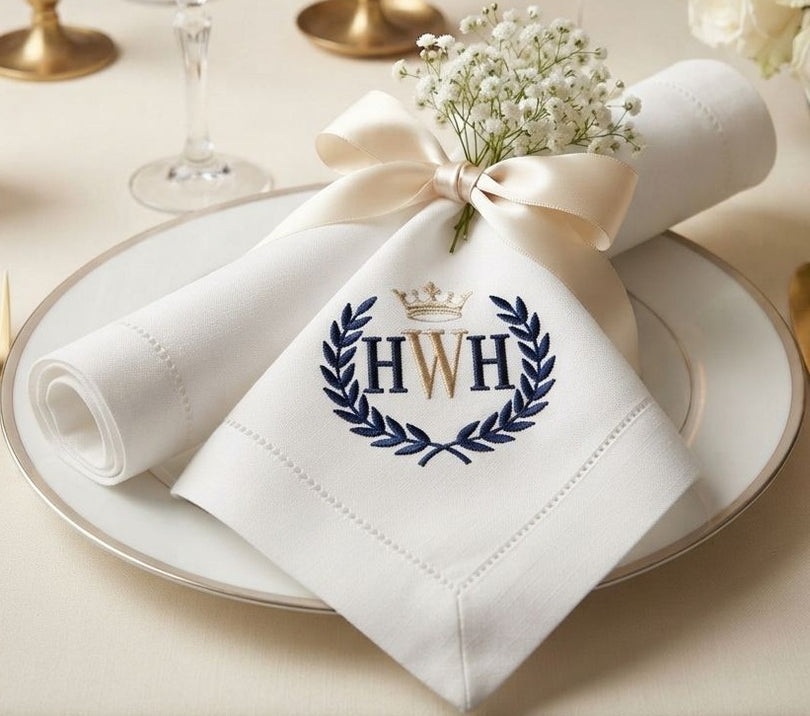
Formal dinner party: Bring in the charger, coordinate placemat and napkin material, and consider a hemstitched or embroidered placemat for a detail guests will notice.
Holidays and special occasions: This is where you can layer the most charger, placemat, napkin, and a seasonal runner without it feeling like too much, because the occasion supports it.
Also Read: What Are Some Easy and Cheap DIY Decor Ideas That Only Require Items Around Your House?
A Few Styling Mistakes to Avoid
-
Placemats too small for the table setting. If the plate, glass, and cutlery don't all fit comfortably within the mat's edges, size up.
-
Mismatched formality. A casual plaid placemat under fine china can feel like a styling accident rather than an intentional contrast; save playful patterns for everyday dinnerware.
-
Skipping the "why." Every layer you add charger, runner, extra napkin fold should serve the occasion. More isn't automatically better; an overstyled weeknight table can feel like it's trying too hard.
Ready to Restyle Your Table?
The right placemat does more than protect your table; styled well, it sets the tone before anyone even sits down. Explore All Cotton and Linen's placemat collection to find pieces that fit the season, the occasion, and the table you already have.