

What Does the Color Olo Look Like?
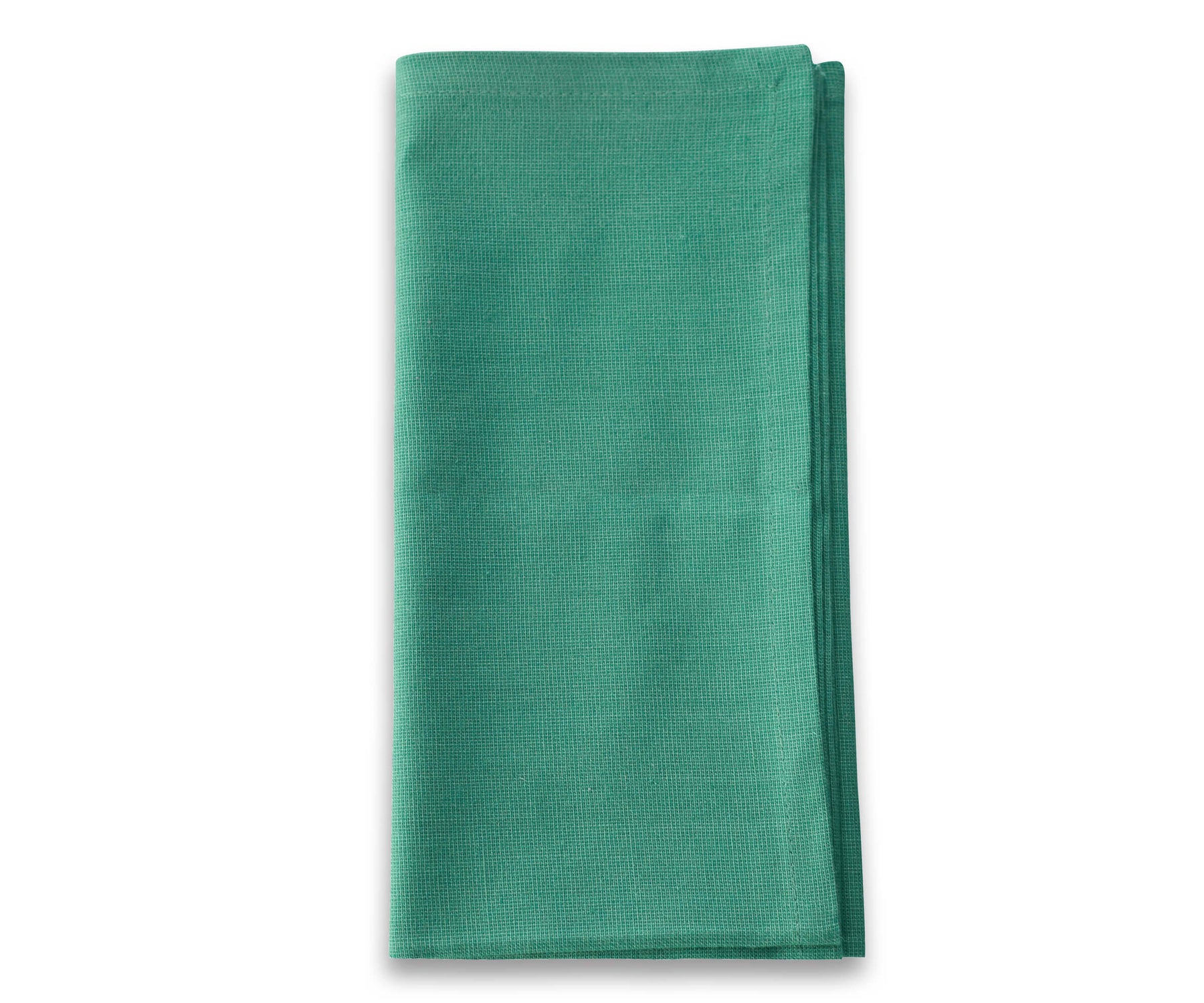
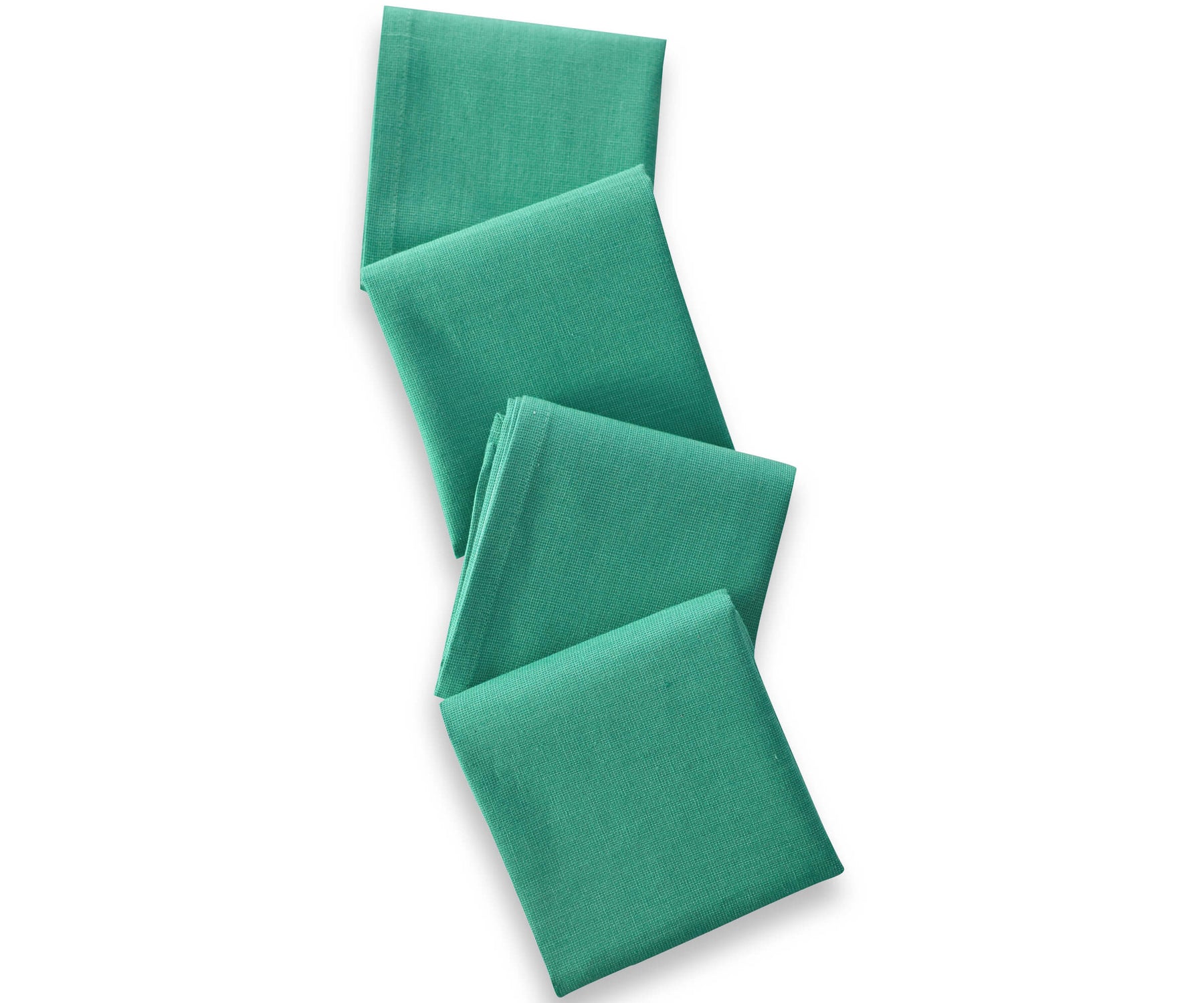
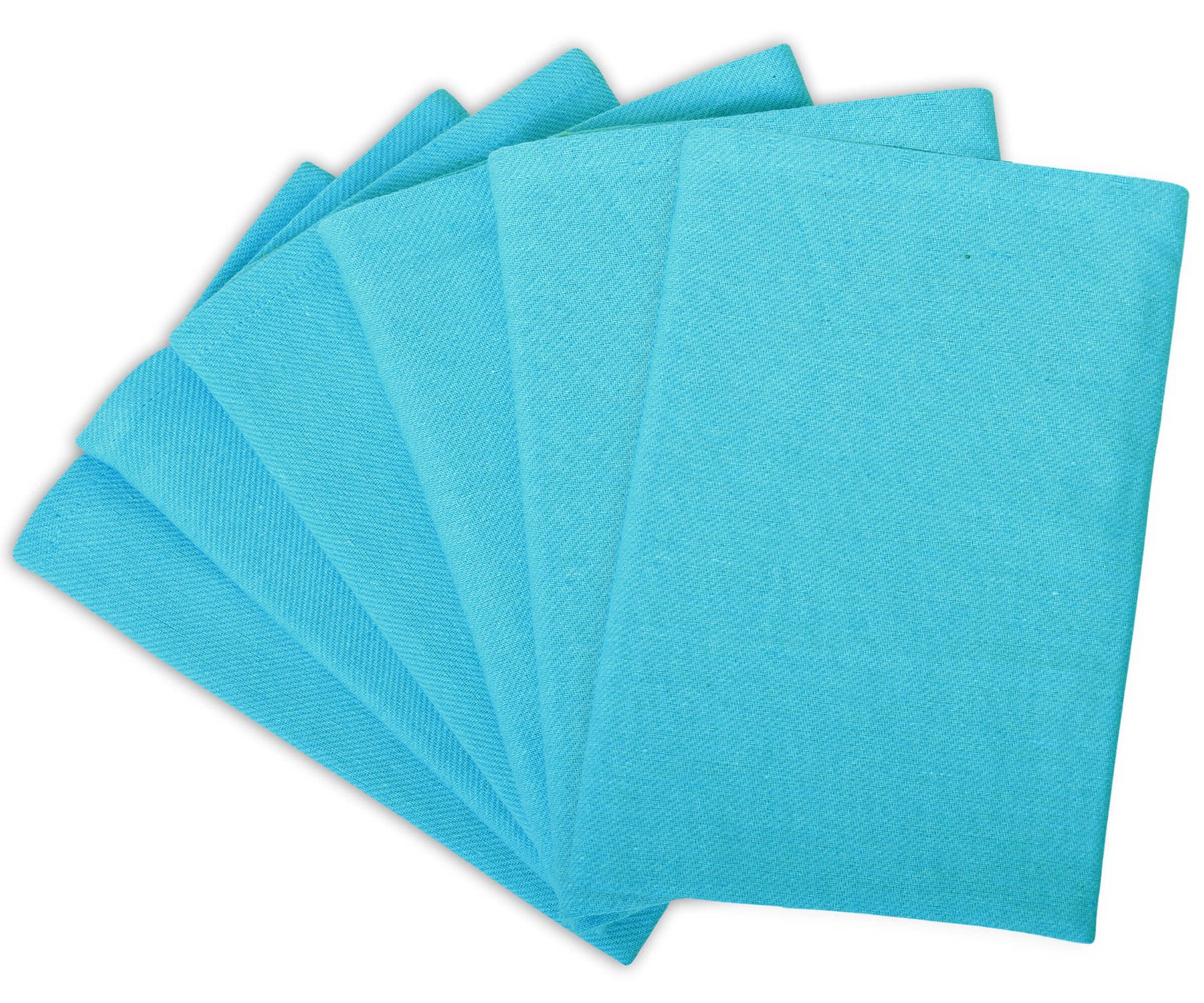
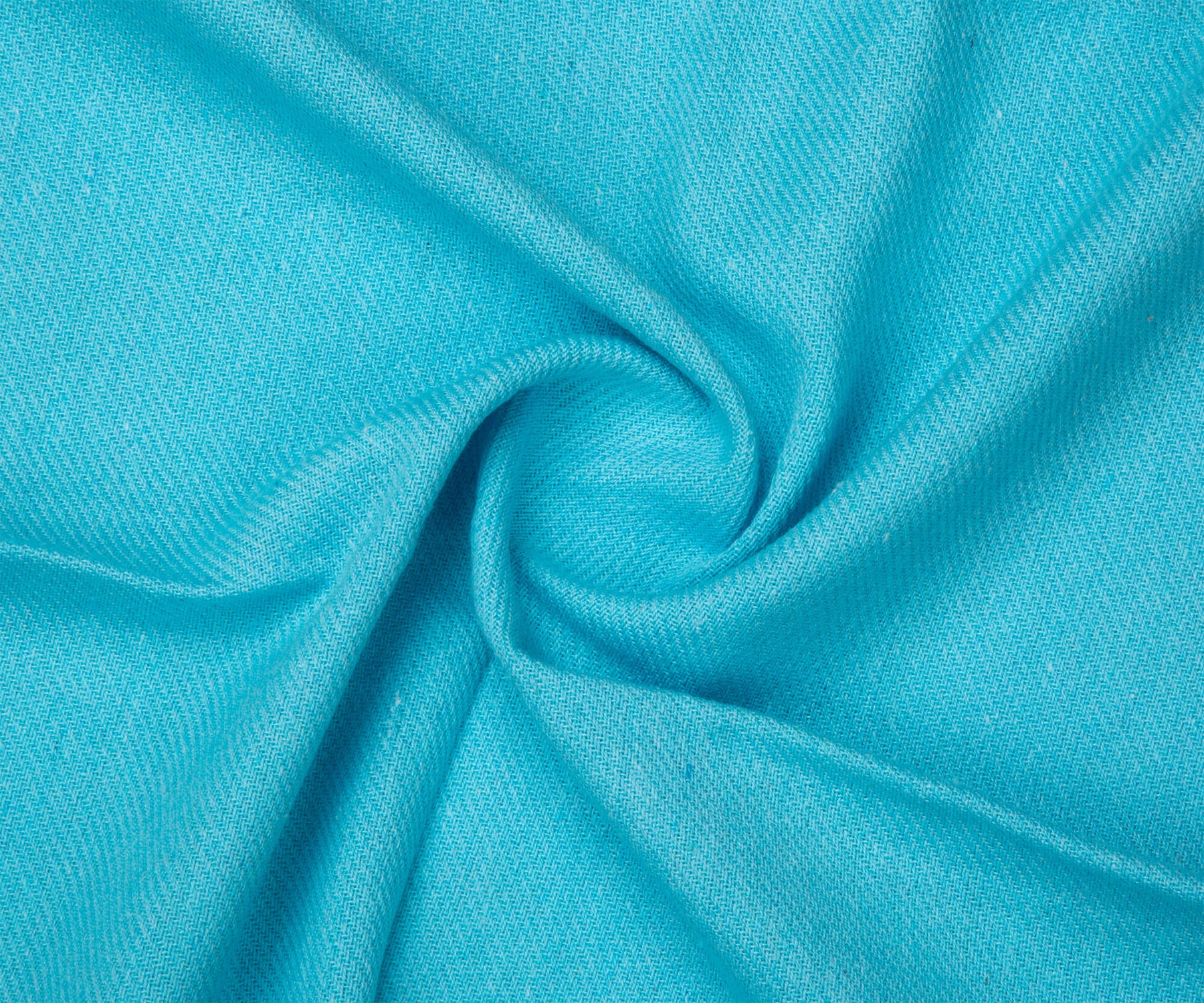
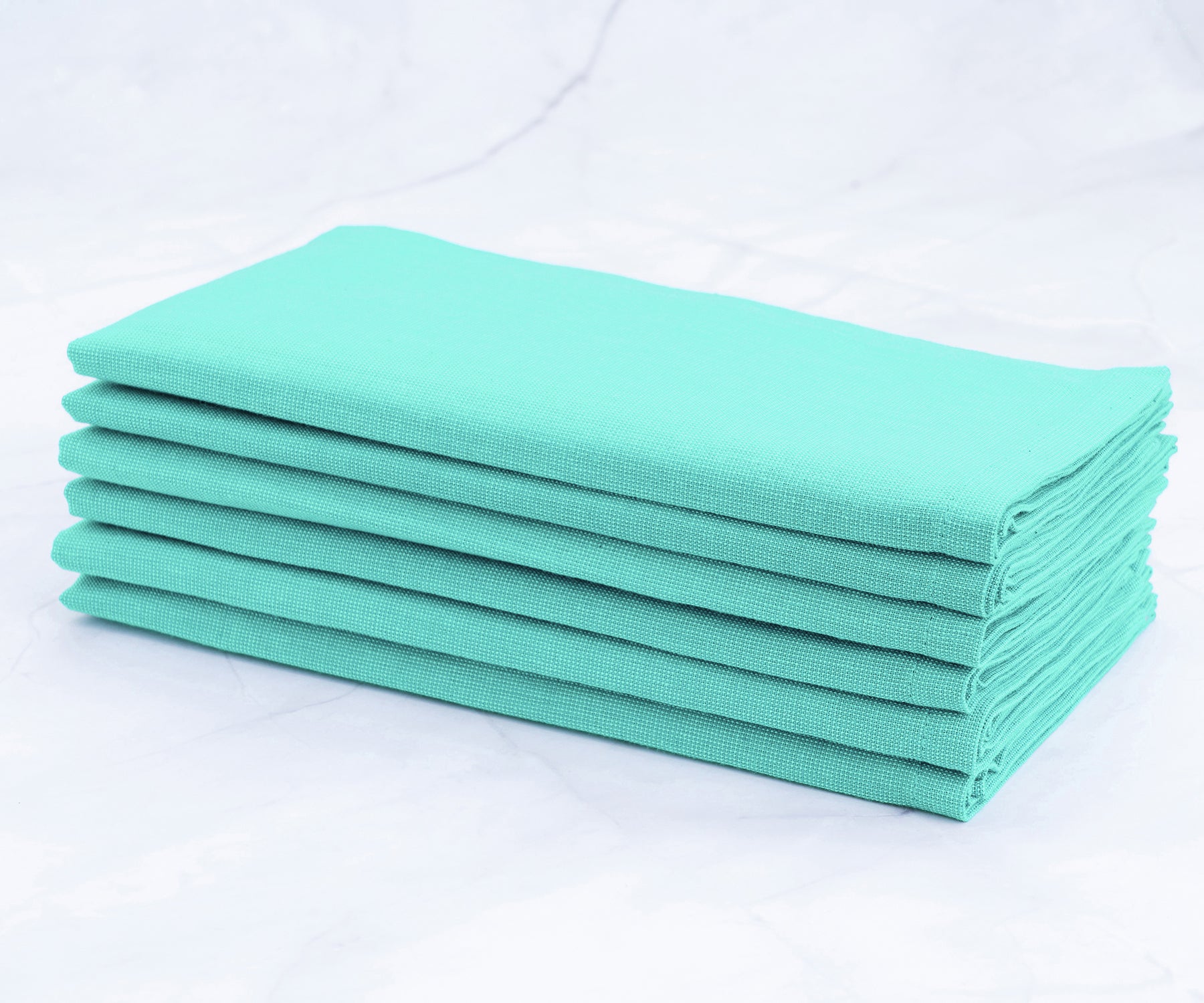
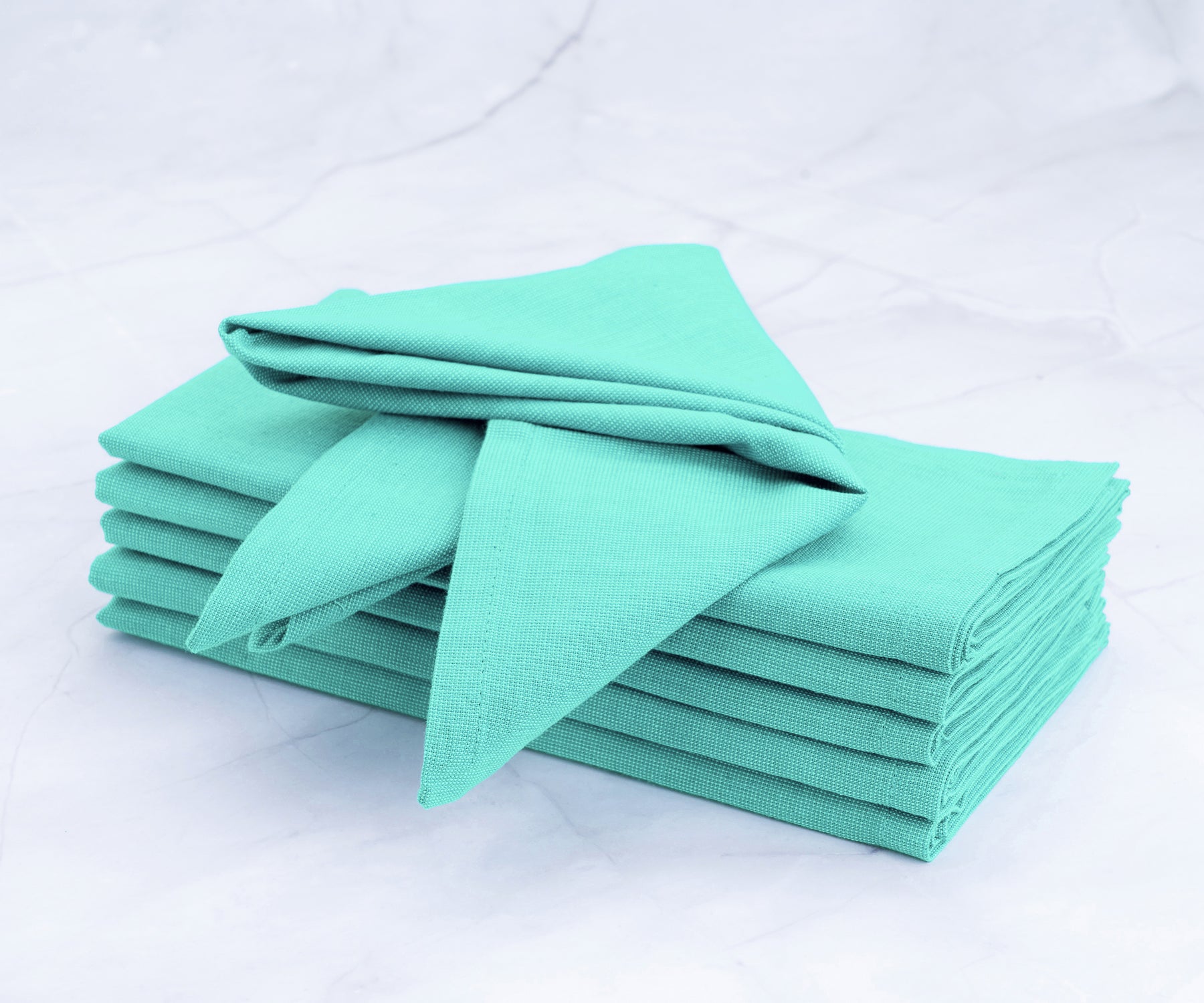
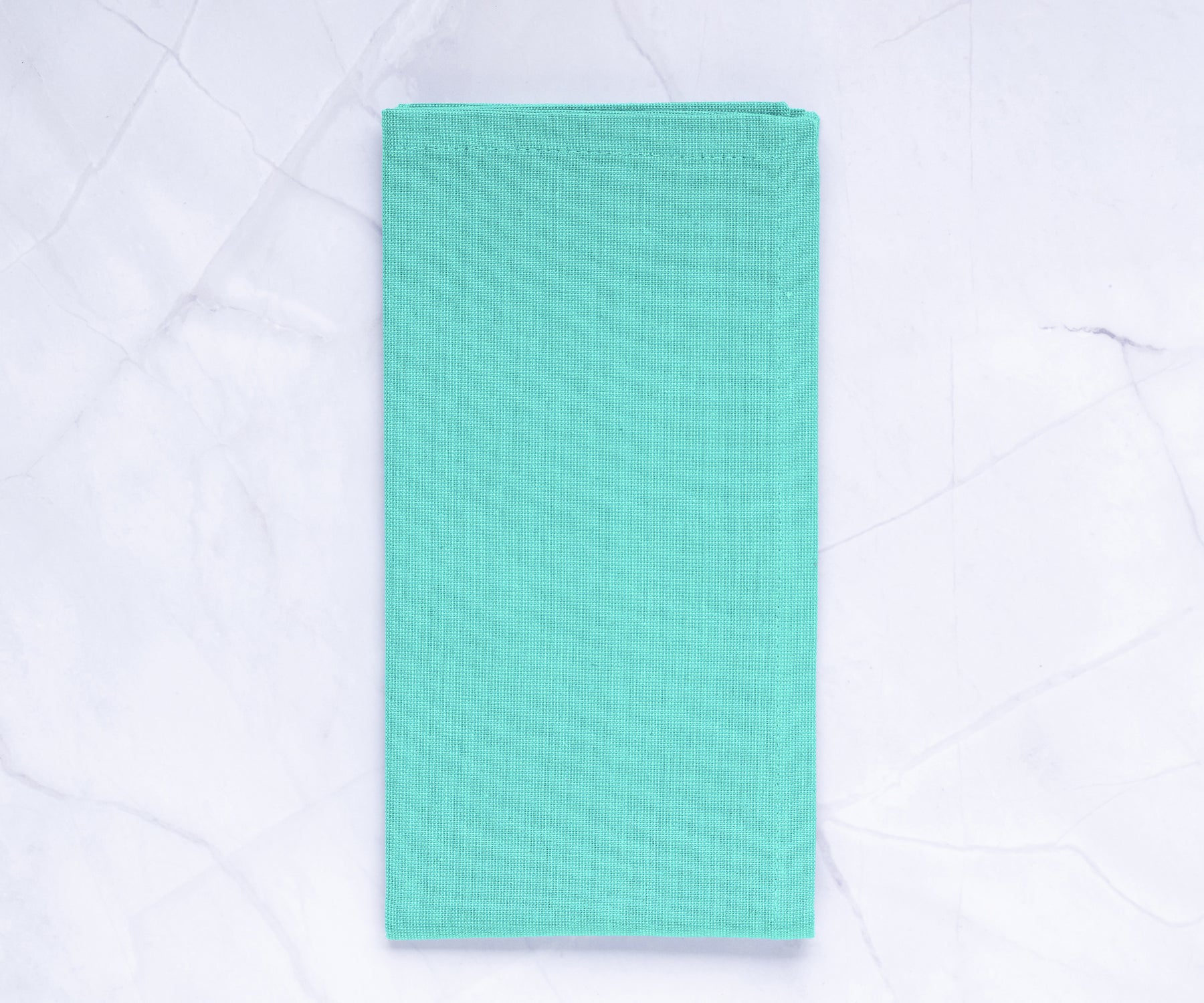
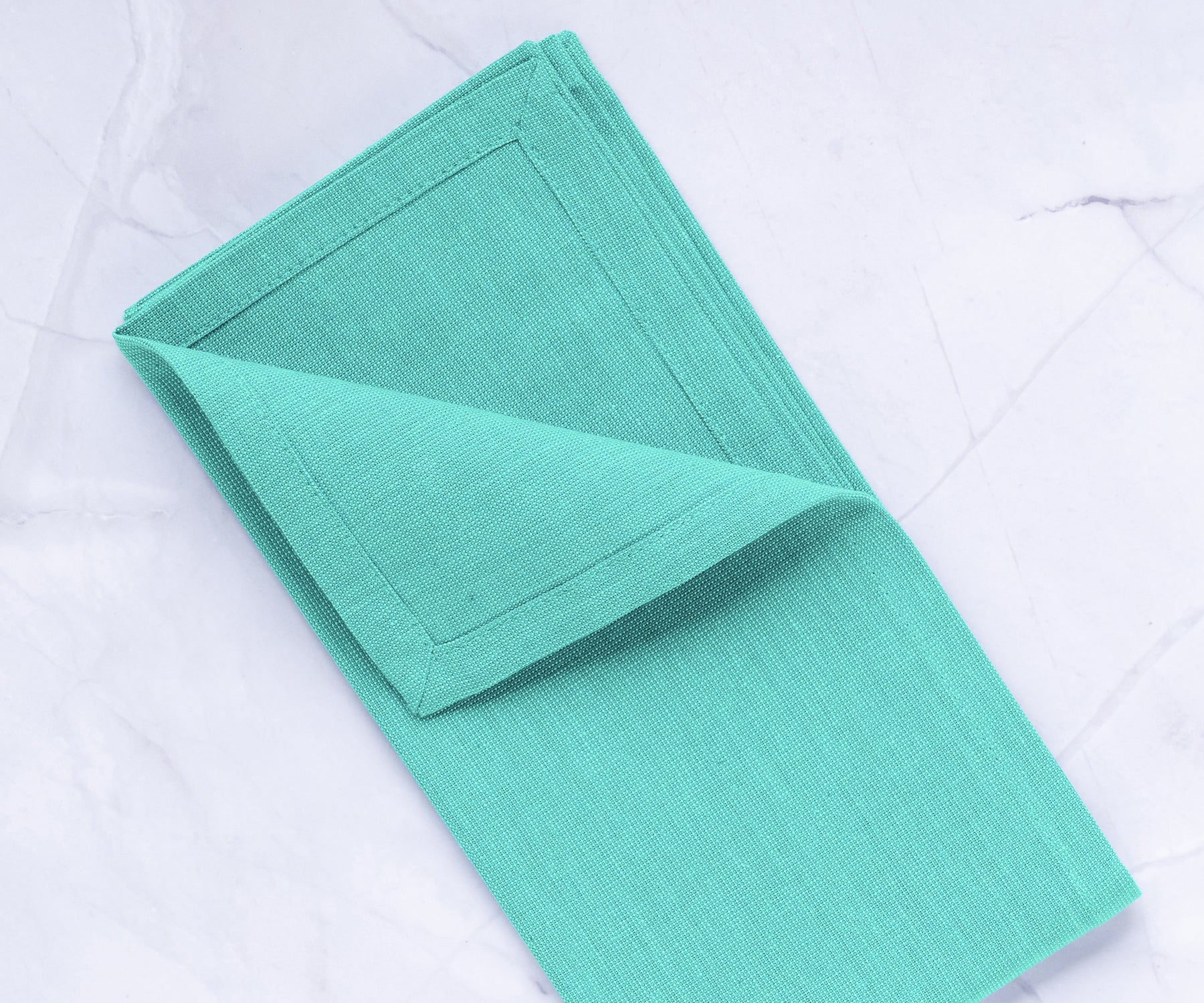
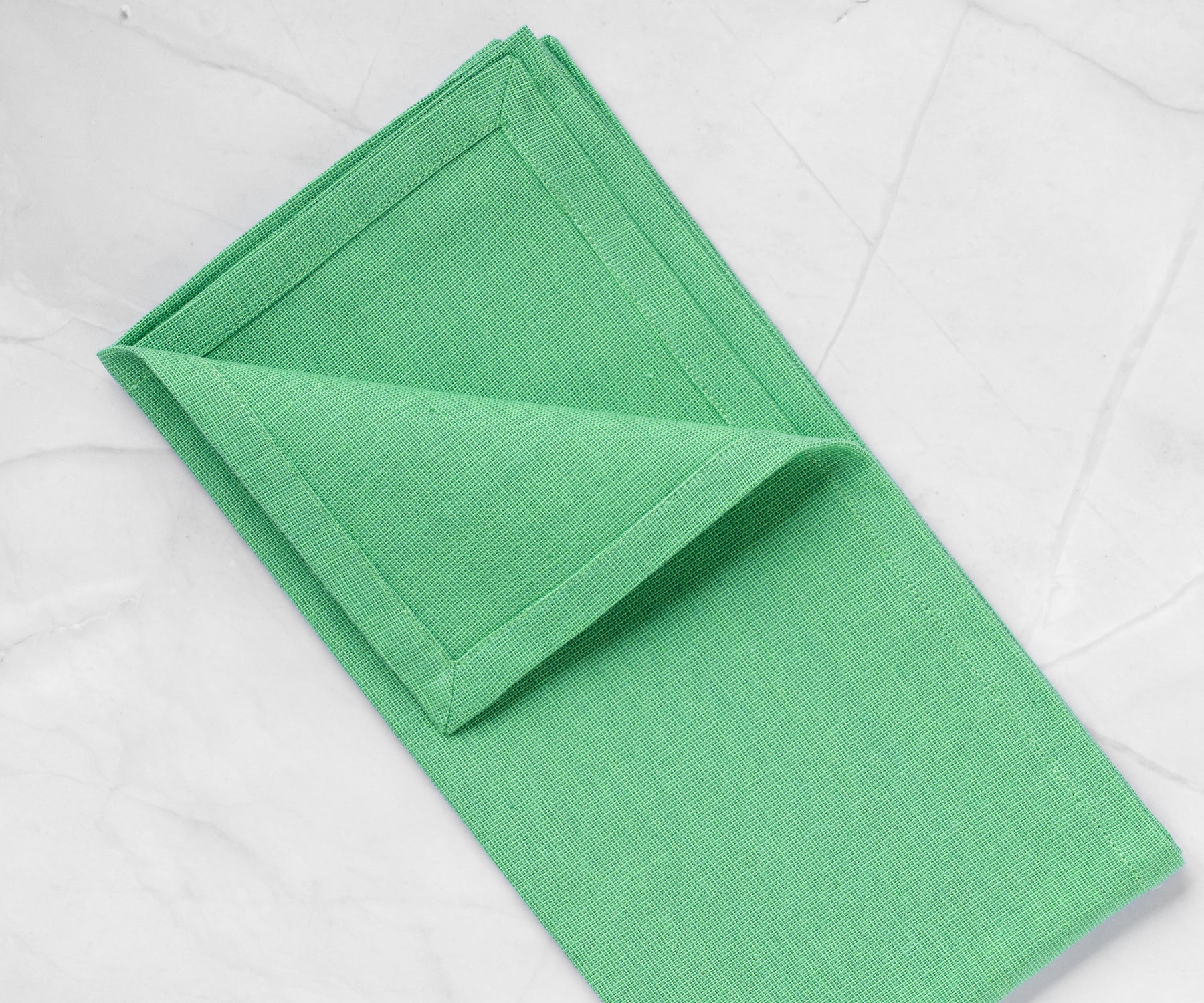
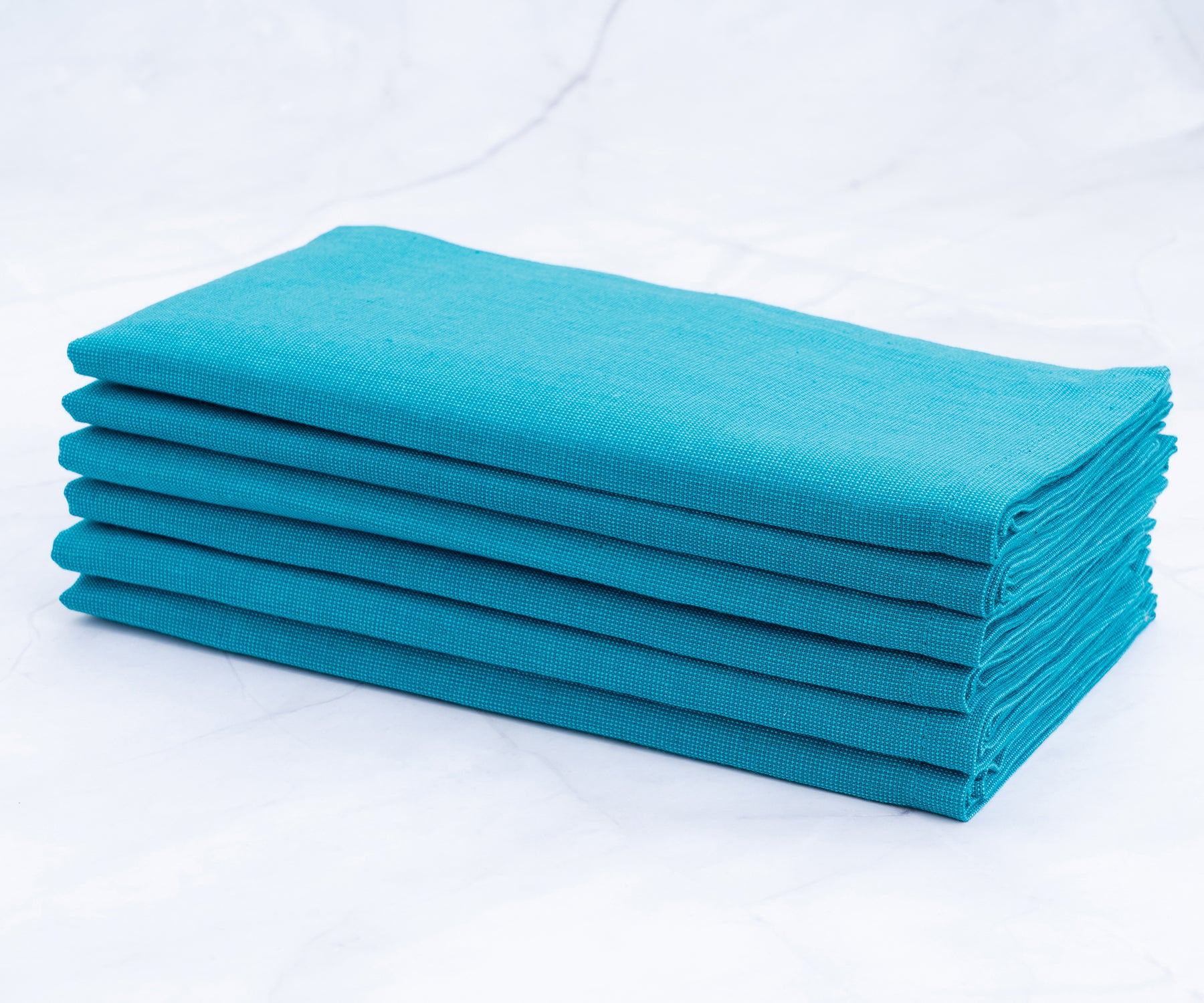
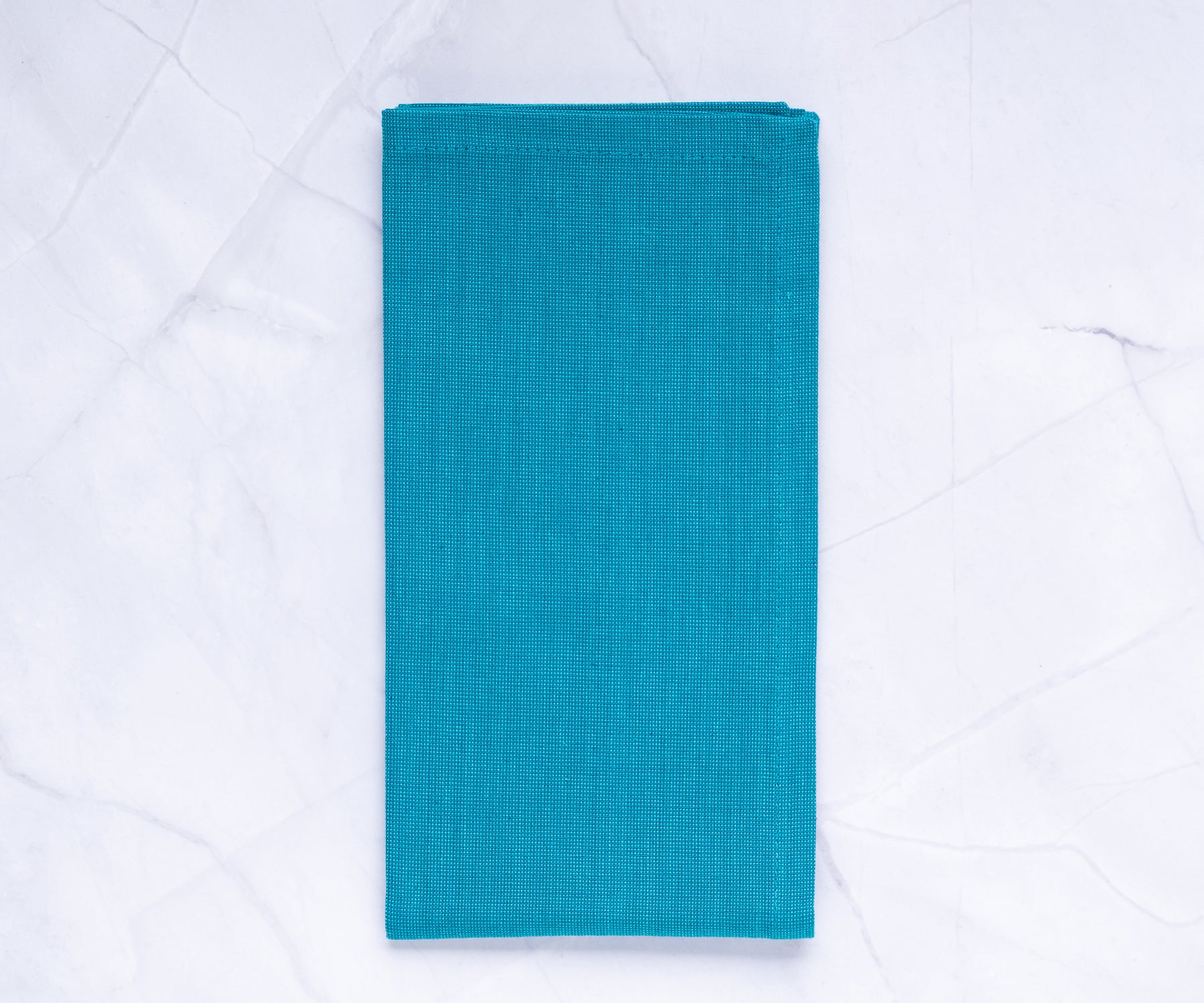
When people ask, what does the color olo look like, the answer is simple but fascinating. Olo appears as a teal or blue-green color, but much richer and brighter than normal teal.
Those lucky enough to experience it say it's like cranking up the color settings on your screen way beyond the usual limits. It feels almost unrea, like a color your brain has never processed before. Scientists from UC Berkeley even call it a "blue-green color of unparalleled saturation."
In short, if teal had a “superpower version,” it would probably look like Olo. And while you can’t see the real olo without the right tech, you can bring that vibe home with our olo kitchen towels that channel that same electric, saturated energy.

How to See Olo Color
Now, how to see olo color? You can’t just find it in nature or buy paint in the shade of Olo.
Olo is visible only with the help of a special laser device called "Oz." Scientists use Oz to stimulate very specific cells in the human eye. This tricks the brain into seeing a new kind of color, one that’s normally locked away because of how our eyes and brains work together.
Without this laser setup, the color Olo stays hidden from our regular vision. Want to bring that mystery to your decor? Go for Olo placemats or Olo napkins in deep teal shades. They might not be the real thing, but they capture the mood.
Read On: What’s the Best Cloth Material to Use for Cleaning Your Eyewear?

New Olo Color: What’s Special About It?
The new olo color is not like discovering a new rainbow color. It’s more about unlocking something that was always there but unreachable.
Olo is not tied to a new light wavelength like red, green, or blue. Instead, it's a brand-new way of creating a color experience by directly activating certain photoreceptors in the eye. That's what makes the olo color new color so groundbreaking.
It’s like having a secret room in your house you never knew existed, until someone gave you a special key. And while you can’t wear “laser tech” just yet, fashion is jumping on this color trend. Accessories like the Olo colorstone necklace and Olo colorstone earrings bring a modern twist to this new hue.

Olo Color Chart: Where Does It Fit?
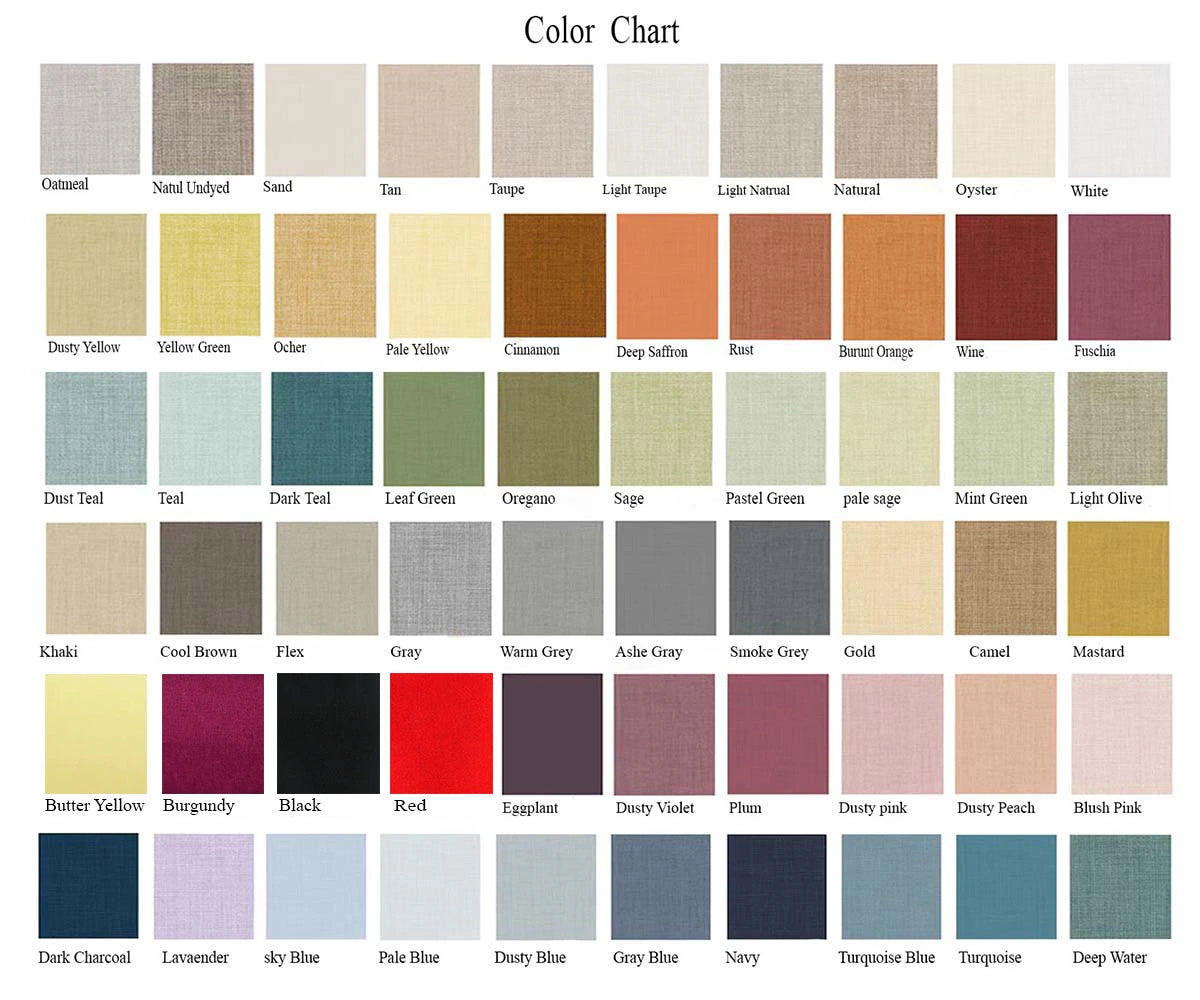
Is there an olo color chart? Not really, at least not yet.
Since Olo is not a normal color you can print or mix with paint, it doesn’t have a spot on the standard color charts. It exists in a whole new zone, separate from our traditional color wheels.
Maybe in the future, with more technology, we’ll see a chart that includes Olo and other hidden colors yet to be discovered.
Know About: What is a Wedding Planner Checklist?
Olo Color Definition
Here’s a quick and simple olo color definition:
Olo is a deeply saturated teal or blue-green color that can only be seen with laser stimulation of the eye’s photoreceptors. It’s not a naturally visible wavelength but a new visual experience created by technology.
Think of it as a color that your eyes could theoretically see but needed a little "push" to recognize.
Find Out: What To Gift On Mother's Day – Thoughtful & Unique
OLO Color Details (Quick Overview)
|
Feature |
Description |
|
Color Type |
Neutral |
|
Shade |
Light |
|
Undertone |
Warm (slightly beige) |
|
Similar Colors |
Ivory, Beige, Off-white |
|
Usage |
Fashion, fabrics, and interior design |
Colors Similar to OLO
OLO is often confused with other neutral shades. Here’s how it compares:
|
Color |
Difference from OLO |
|
Beige |
Slightly darker and warmer |
|
Ivory |
More creamy and slightly yellow |
|
Off-white |
Closer to white with fewer warm tones |
These subtle differences make OLO a balanced and versatile neutral.
Olo Color Eyes: What Happens When You See It?
Talking about olo color eyes, when people see Olo, their eyes are being stimulated in a very precise way.
Scientists fire laser pulses at particular photoreceptors. Normally, these cells blend their signals to produce familiar colors. But with Olo, the brain receives a special combination it has never processed before, creating a brand-new color sensation.
It’s completely safe, by the way! The lasers are finely controlled and only used for scientific studies.
You May Also Like: Gifts for Mother in Law - 10 Easy Picks for Her
Olo Color Wavelength: Is It a New Light?
You might wonder about the olo color wavelength. Here’s the truth: Olo does not come from a new wavelength of light.
Instead, it’s created by how light is presented to the eye. The Oz laser device stimulates photoreceptors differently, without needing new types of light. So Olo is a perceptual experience, not a physical one.
It’s pretty wild when you think about it. A whole new world of color, just waiting for us beyond our usual senses!
Olo shows us how much we still don’t know about human vision. Even though it feels like we’ve seen every color there is, technology proves otherwise.
This discovery could lead to new ways of seeing the world, in art, design, and even in virtual reality. Imagine colors you can't even describe!
Right now, Olo is like a secret for those few scientists and participants who’ve glimpsed it. But who knows? Maybe one day, we’ll all get to see Olo for ourselves without lasers.