

Handkerchiefs have been used for over 2,000 years, from ancient Greece to royal European courts, and remain relevant today both as a practical personal accessory and as a sustainable alternative to disposable tissues.
This guide covers the main types of handkerchiefs, how to use and style them, the difference between a handkerchief and a pocket square, and care tips for cotton and linen fabrics.
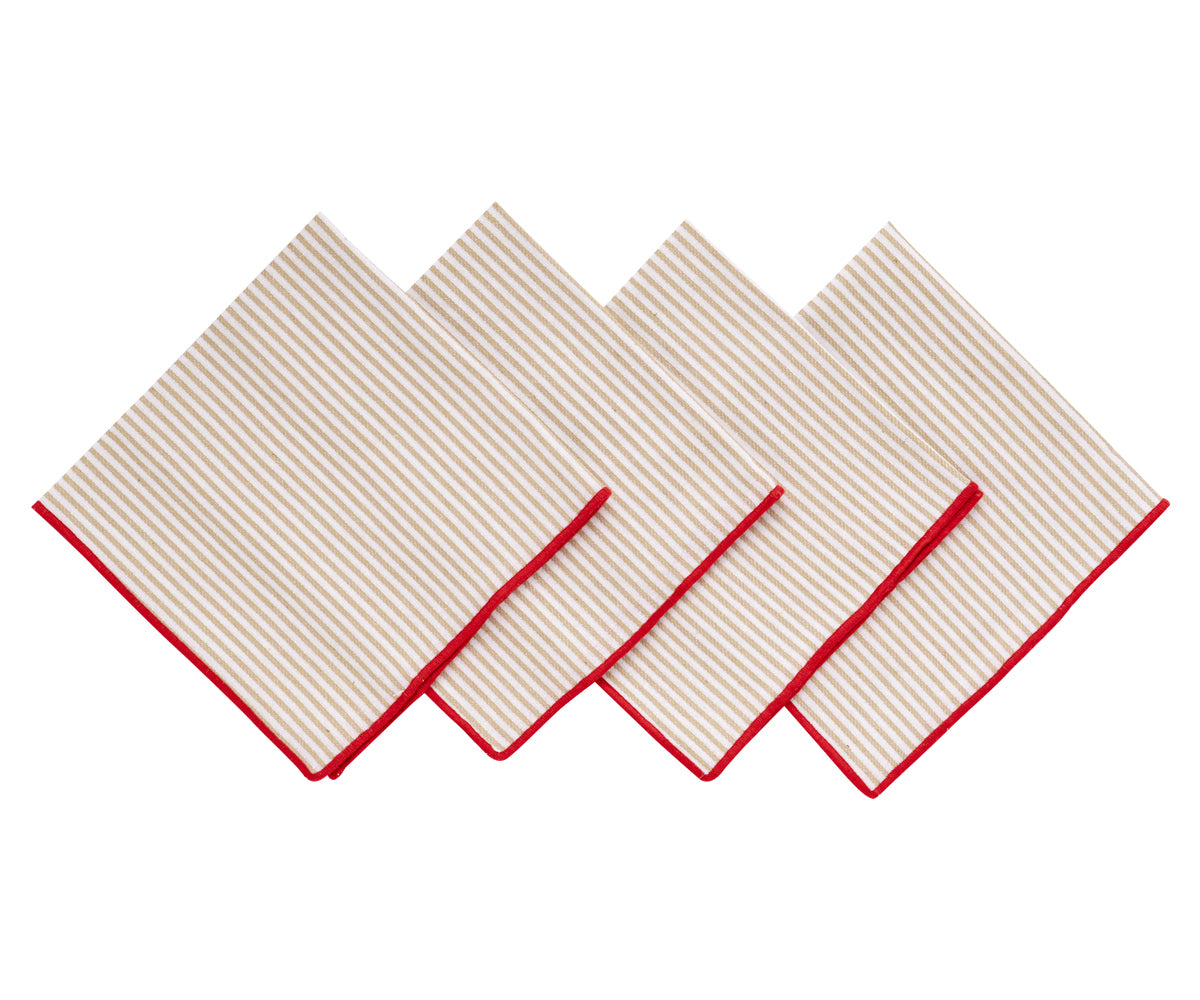
A handkerchief is a small square piece of fabric, typically cotton, linen, or silk, used for personal hygiene, fashion, or gifting. Standard sizes range from 9" x 9" to 12" x 12". Cotton handkerchiefs are best for everyday use, linen suits formal occasions, and silk versions are worn as decorative pocket squares.

Handkerchiefs have been used for over 2,000 years and remain a practical, stylish, and eco-friendly accessory today. This guide covers everything: types, uses, styling tips, and care instructions.
A Brief History of the Handkerchief
The handkerchief dates back to ancient Greece, where soft linen squares were used for personal cleaning. Through the Middle Ages, embroidered handkerchiefs became markers of wealth and social status carried by nobility and presented as tokens of affection.
By the 19th century, no formal outfit was complete without one. Men tucked them into breast pockets as pocket squares; women carried delicate lace or embroidered versions in their handbags. Today, the handkerchief sits at the intersection of personal care and classic style, and it's making a quiet comeback as a sustainable alternative to single-use tissues.
Types of Handkerchiefs
Cotton Handkerchief
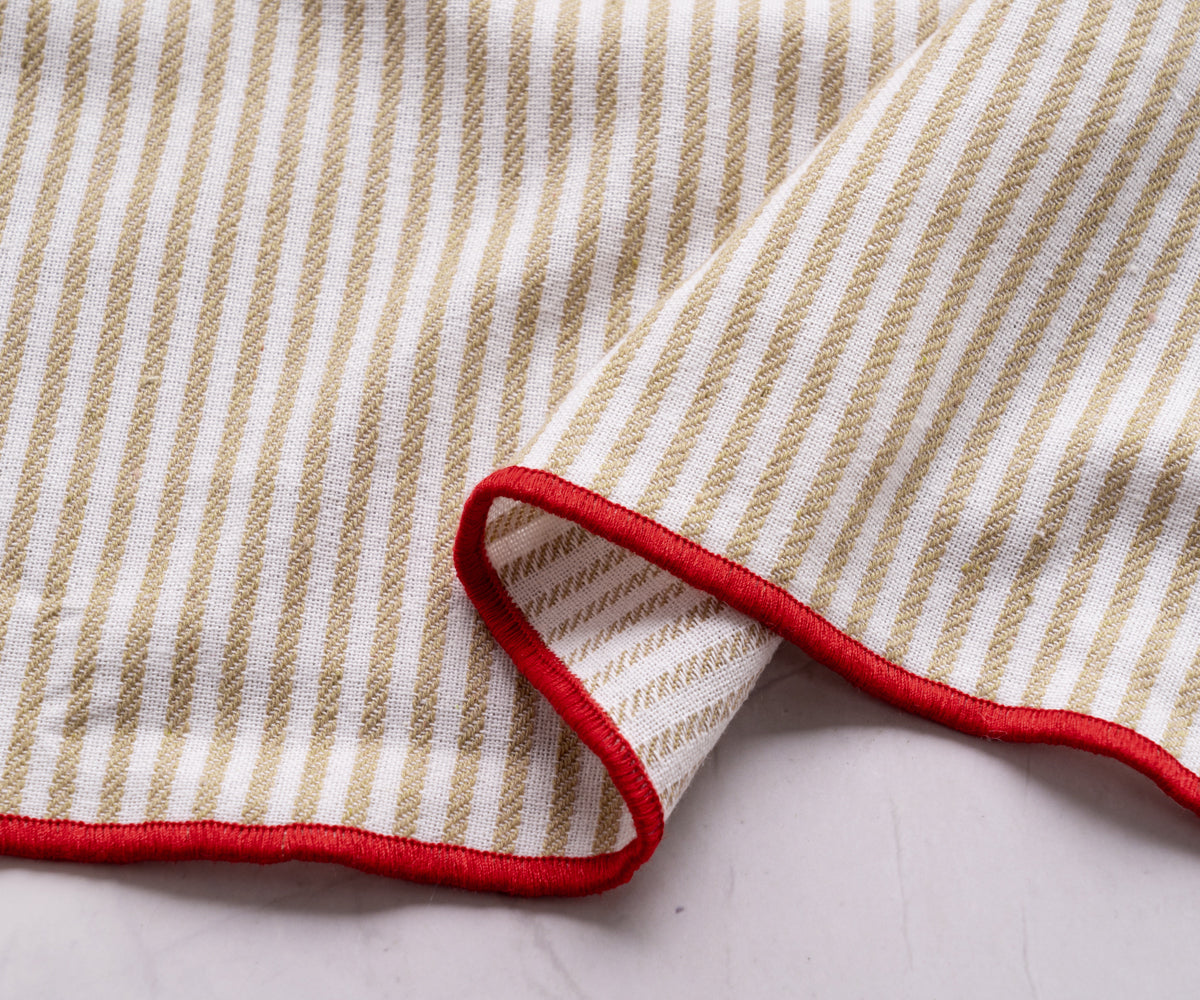
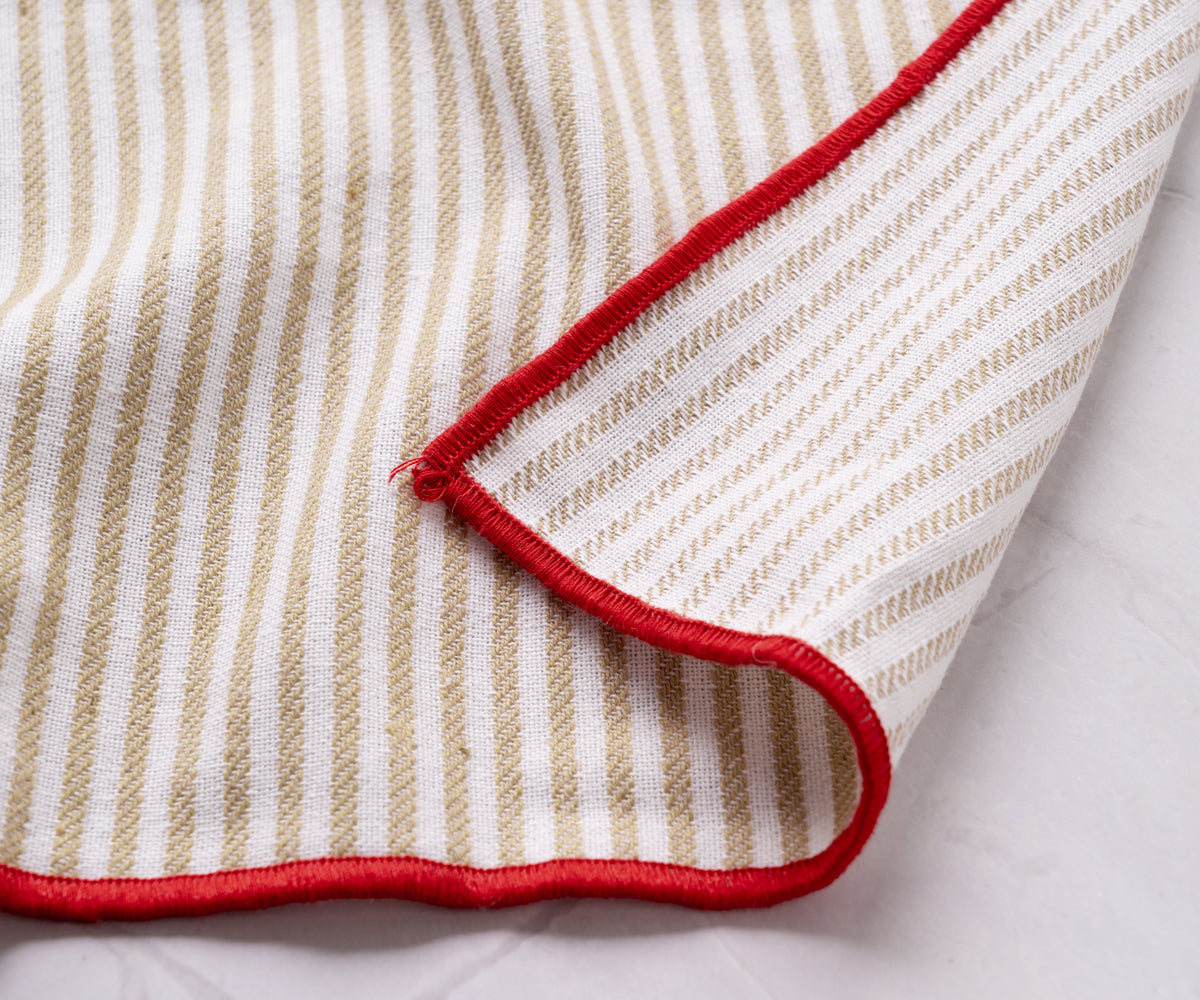
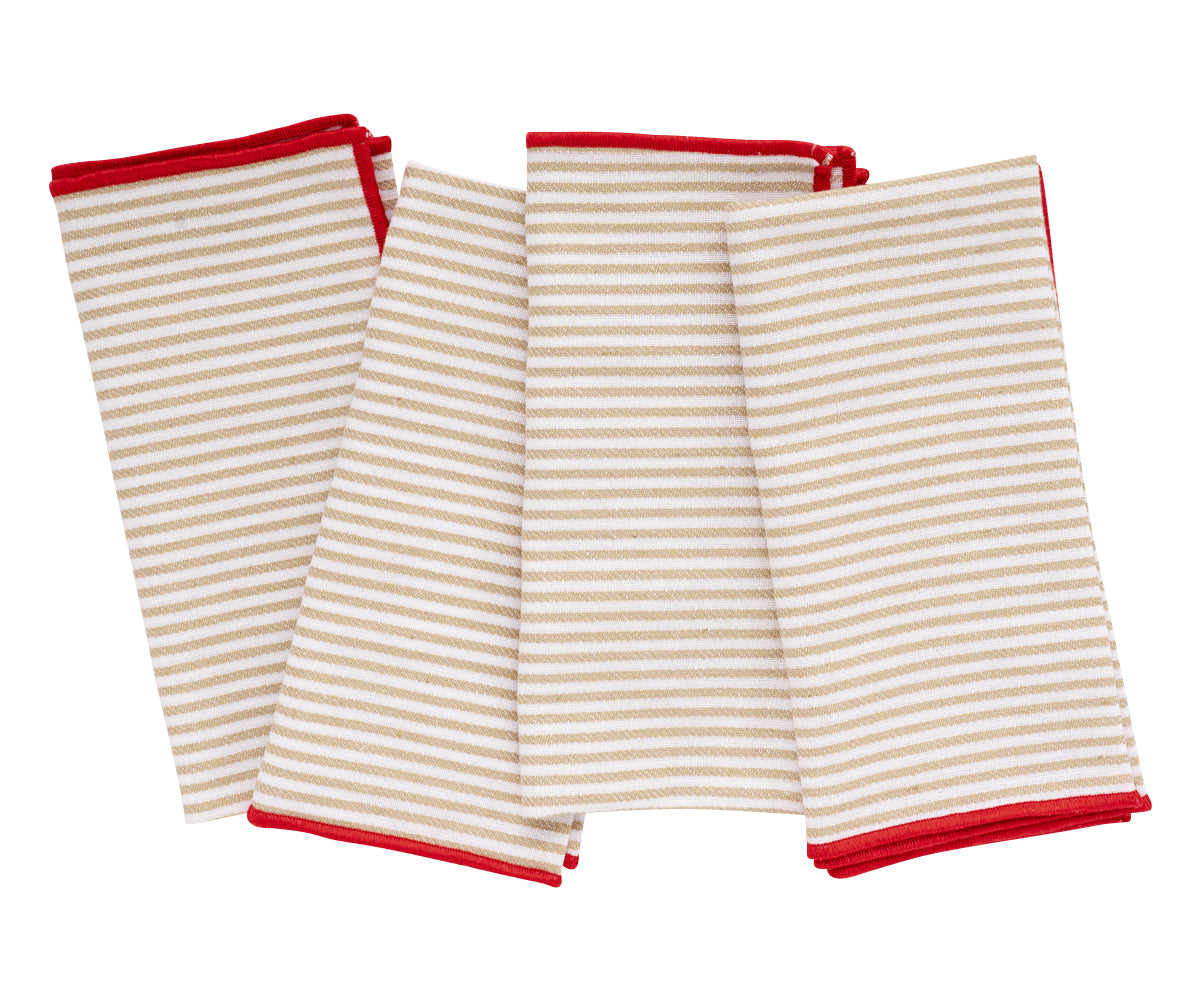
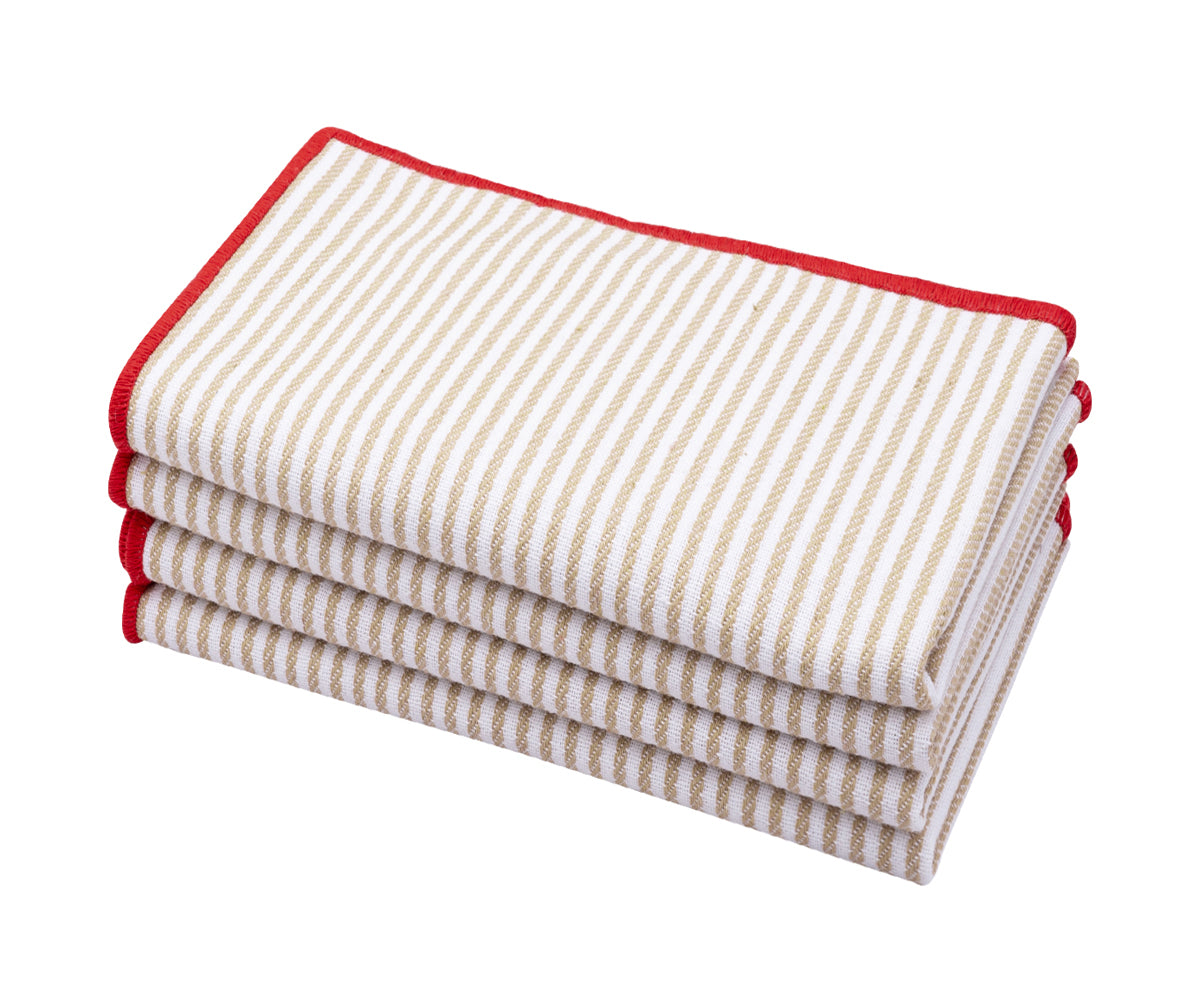
The most practical everyday option. Cotton is soft, absorbent, machine washable, and widely available. Ideal for daily carry in a pocket or bag. All Cotton and Linen's cotton napkins are made from the same quality fabric, soft, durable, and easy to care for.

Linen Handkerchief
Lightweight, breathable, and naturally smooth against the skin. Linen handkerchiefs have a slightly crisper feel than cotton and hold an ironed edge beautifully, which makes them ideal for formal wear or as a monogrammed gift. They soften with every wash without losing their shape.
Silk Handkerchief
Luxurious and delicate, silk handkerchiefs are worn purely for style. As a breast pocket square, a silk handkerchief adds instant formality to a suit or blazer. Not recommended for practical hygiene use, the fabric is too delicate for regular washing.
Decorative Pocket Squares

Technically distinct from handkerchiefs, pocket squares are folded fabric accessories worn in the outer breast pocket of a suit jacket. They come in silk, satin, and linen and serve no practical function, only a visual.
Read On: What Are The Different Summer Color Palettes
Handkerchief vs Pocket Square: What's the Difference?
|
Feature |
Handkerchief |
Pocket Square |
|
Purpose |
Personal hygiene, practical use |
Decorative only |
|
Fabric |
Cotton, linen, soft fabrics |
Silk, satin, linen |
|
Placement |
Inside pocket or handbag |
Visible in the suit jacket pocket |
|
Washability |
Regular machine or hand wash |
Gently clean to maintain shape |
|
Size |
9"–12" square |
10"–17" square |
What Are Handkerchiefs Used For?
-
Personal hygiene — wiping hands, face, sweat, or sneeze
-
Fashion accessory — folded as a pocket square in a suit jacket
-
Gifting — monogrammed linen handkerchiefs are a classic, personal gift
-
Eco-friendly alternative — reusable cotton replaces disposable tissues
-
Symbolic gesture — historically given as tokens of affection or remembrance
How to Style a Handkerchief
For everyday carry: Choose cotton. Keep one folded flat in a trouser pocket or bag. Wash after each use.
As a pocket square: Choose linen or silk. The Presidential Fold (flat and square across the pocket) is the most versatile. The Puff Fold works for more relaxed settings.
Color coordination: Don't match your pocket square exactly to your tie; pick a complementary tone instead. A white linen handkerchief works with virtually every suit.
By season: Linen in spring and summer for breathability. Cotton year-round. Silk for evening or formal occasions.
Best Fabric for a Handkerchief: Quick Guide

|
Use Case |
Best Fabric |
Why |
|
Daily use |
Cotton |
Soft, absorbent, machine washable |
|
Formal occasions |
Linen |
Crisp, elegant, holds shape |
|
Pocket square/styling |
Silk |
Luxurious drape and sheen |
|
Gift giving |
Linen (monogrammed) |
Refined, personal, lasting |
|
Eco-friendly swap |
Cotton |
Replaces disposable tissues |
Also Read: Celebrate Labor Day Weekend with Cozy Deals on Natural Fabrics
How to Care for Linen and Cotton Handkerchiefs
Cotton handkerchiefs:
-
Machine wash on a normal or gentle cycle in warm water
-
Tumble dry on low or line dry
-
Iron on medium heat for a crisp finish
-
Store flat or folded, no special storage needed
Linen handkerchiefs:
-
Hand wash or gentle machine cycle in cool water
-
Air dry flat to preserve shape
-
Iron while slightly damp on medium-high heat; linen responds beautifully to ironing
-
Store flat, away from direct sunlight to prevent fading
Final Thoughts
A handkerchief is a small accessory, but the right one chosen with the right fabric for the right purpose makes a genuine difference in how it looks, feels, and lasts. Cotton delivers on practicality every day without demanding anything in return. Linen brings a quiet refinement to formal occasions and makes gifting feel considered rather than casual. Silk adds the kind of polish to a suit that no other fabric quite replicates. Understanding which fabric serves which purpose, and knowing how to care for each one properly, is what separates a well-chosen handkerchief from a forgotten one at the back of a drawer. In an era of fast, disposable everything, a quality cotton or linen handkerchief is one of the more understated investments you can make in a wardrobe that lasts.