

So, What Exactly Is a Window Treatment?
Let's start simple. A window treatment is any decorative or functional covering applied to a window. That's the textbook answer, but in real life, it's so much more than that.
Walk into any beautifully designed room, and you'll notice the windows. Not because the glass is spectacular, but because of what frames it. Window treatments are the quiet workhorses of interior design: they manage the morning light flooding your bedroom, protect your sofa from UV fading, keep your living room from feeling like a glass box at night, and, when chosen well make an ordinary room feel considered and complete.
Window treatments include:
-
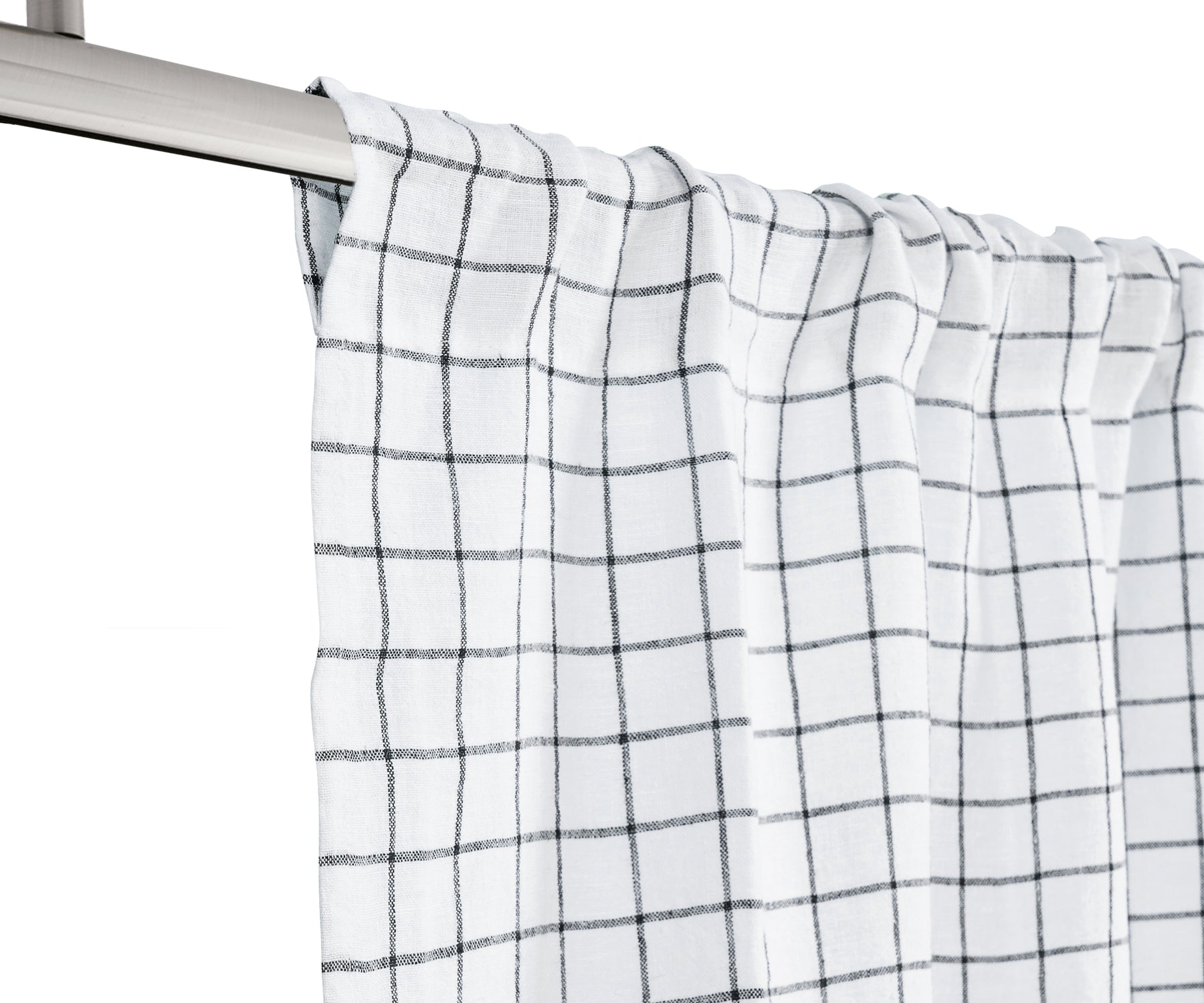
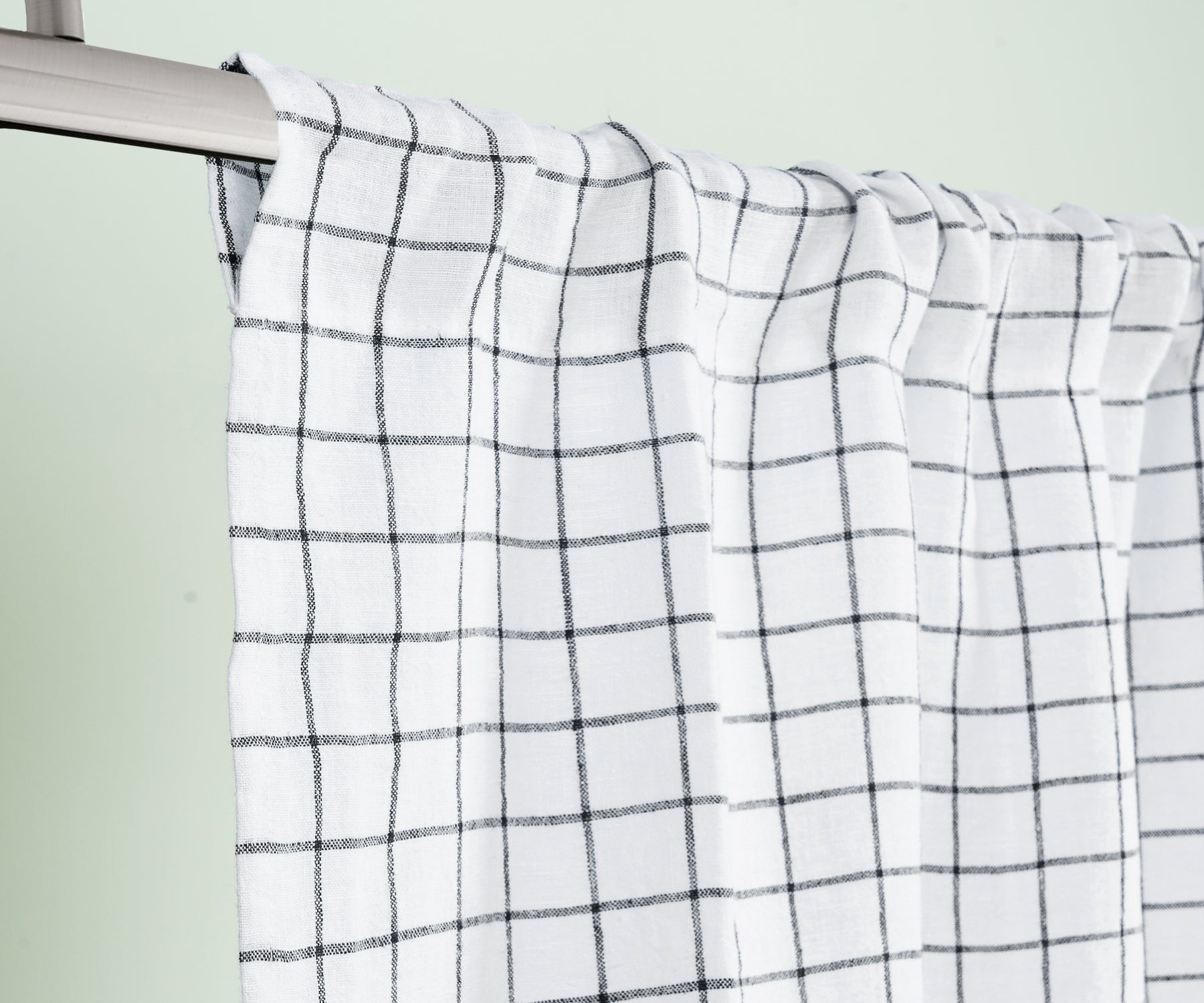
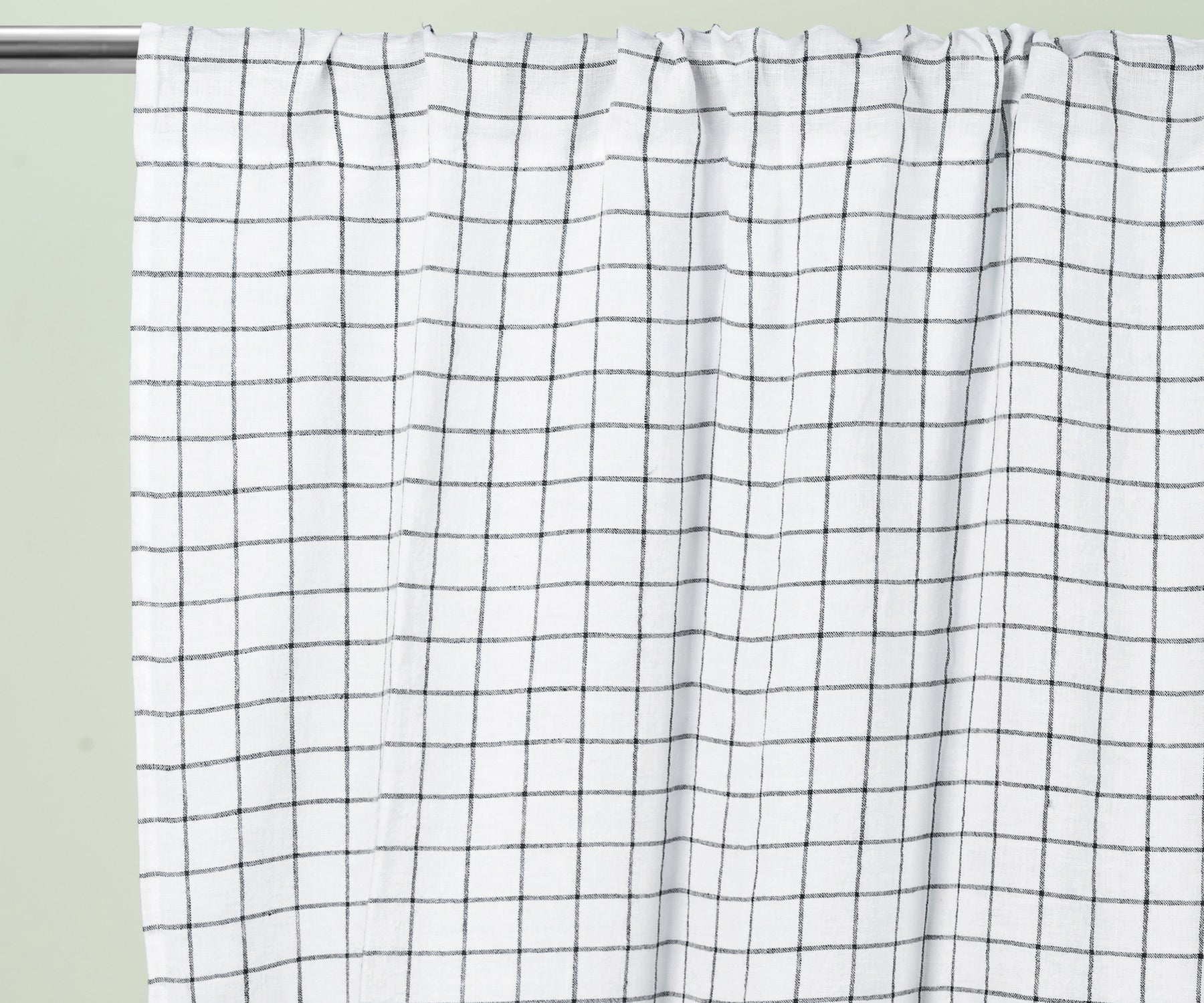
Curtains and drapes – fabric panels that hang from a rod
-
Blinds – slatted coverings in wood, faux wood, or aluminum
-
Shades – soft fabric or cellular structures that roll or fold
-
Shutters – solid panels, usually wood or composite
-
Valances and cornices – decorative top treatments that frame the window
-
Sheers – lightweight, translucent fabrics for soft light filtering
Curtains and Drapes
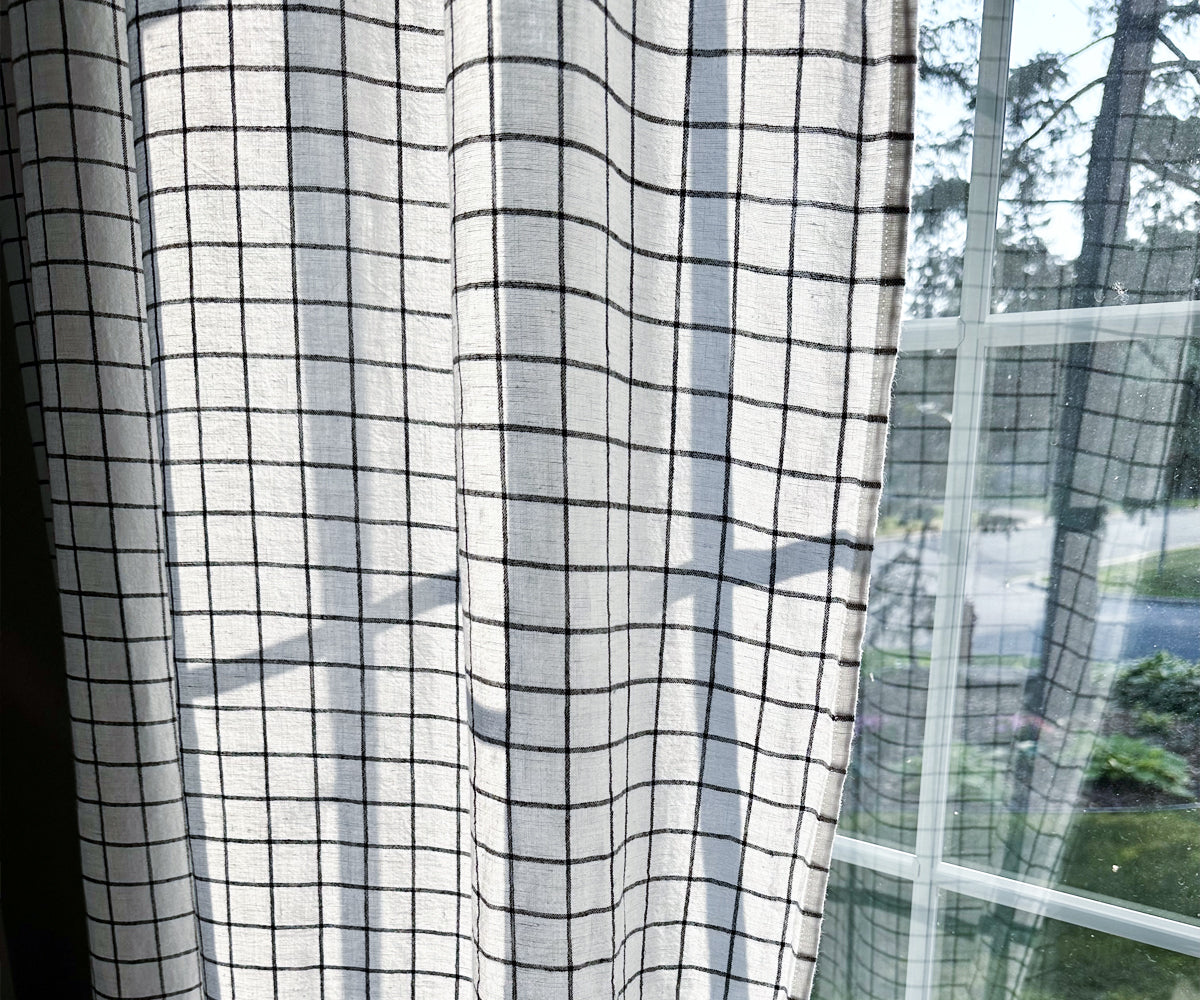
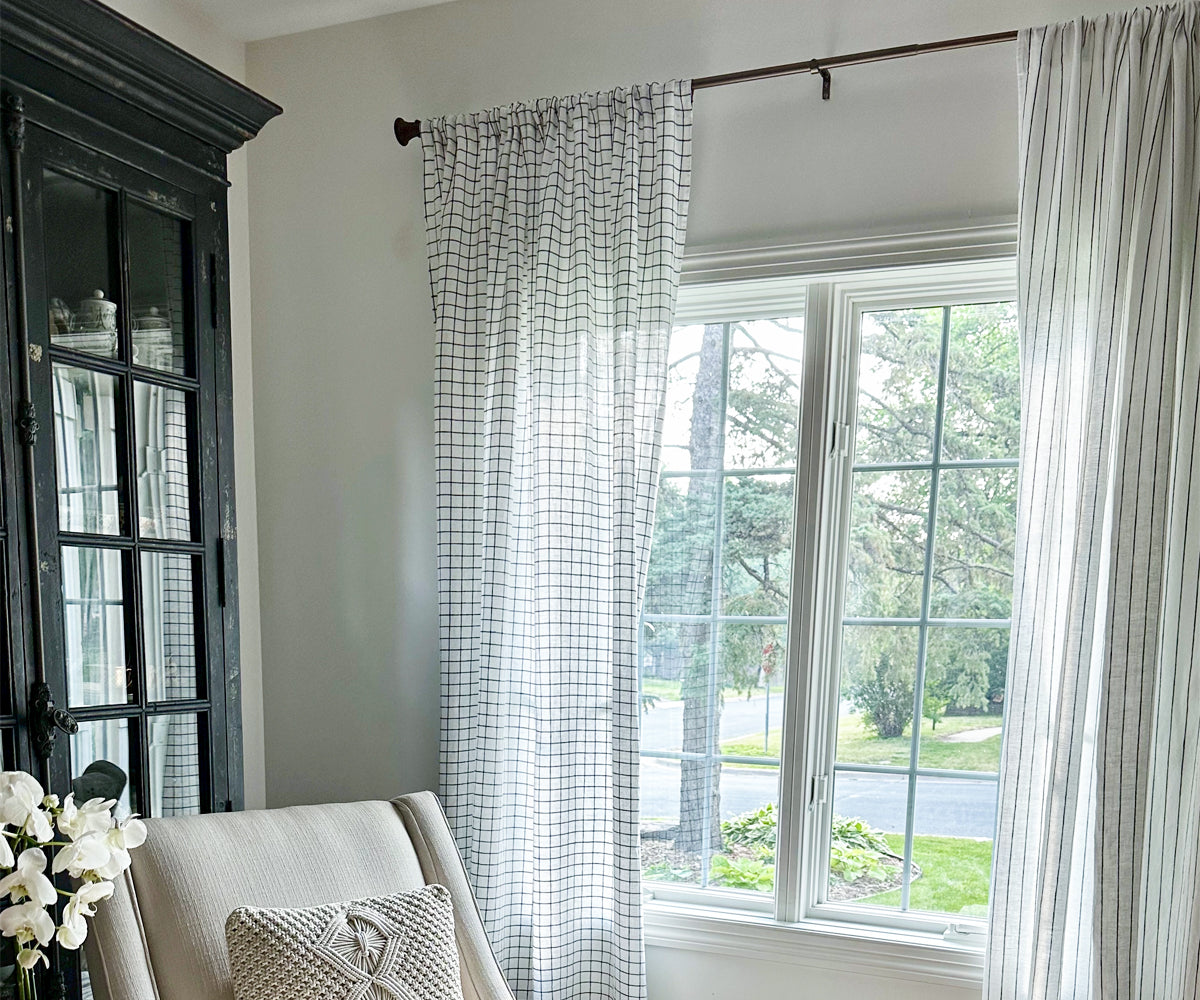
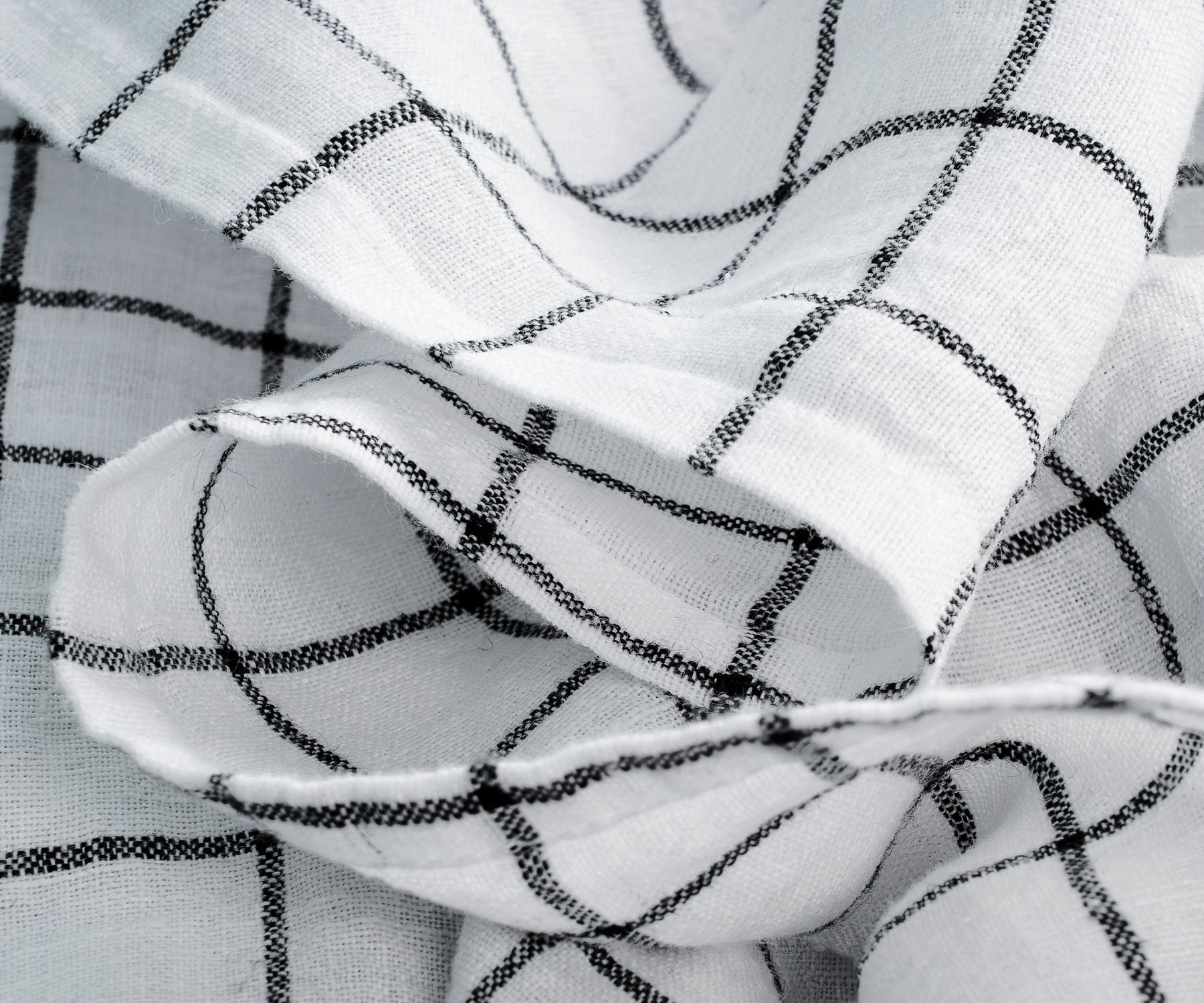
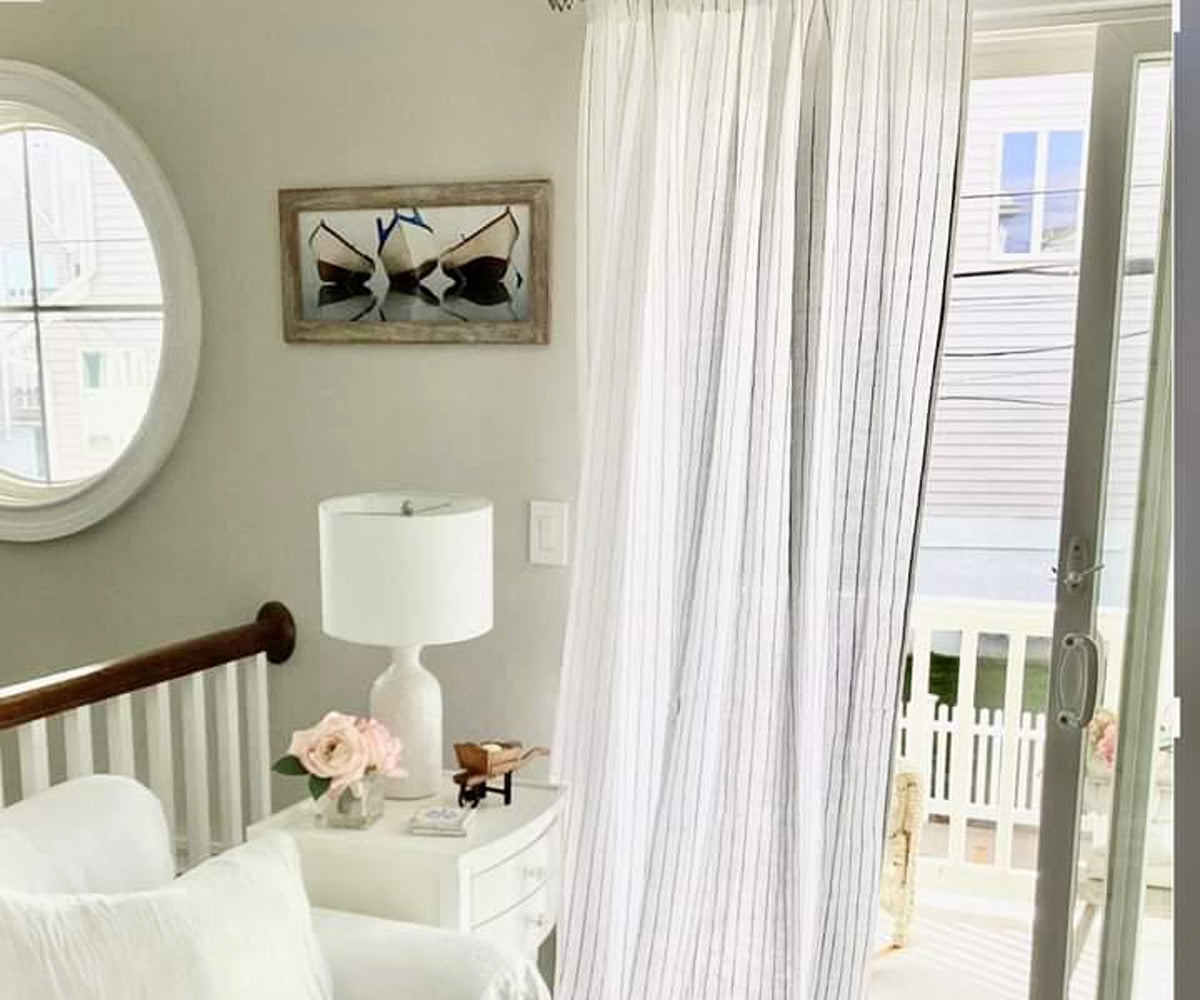
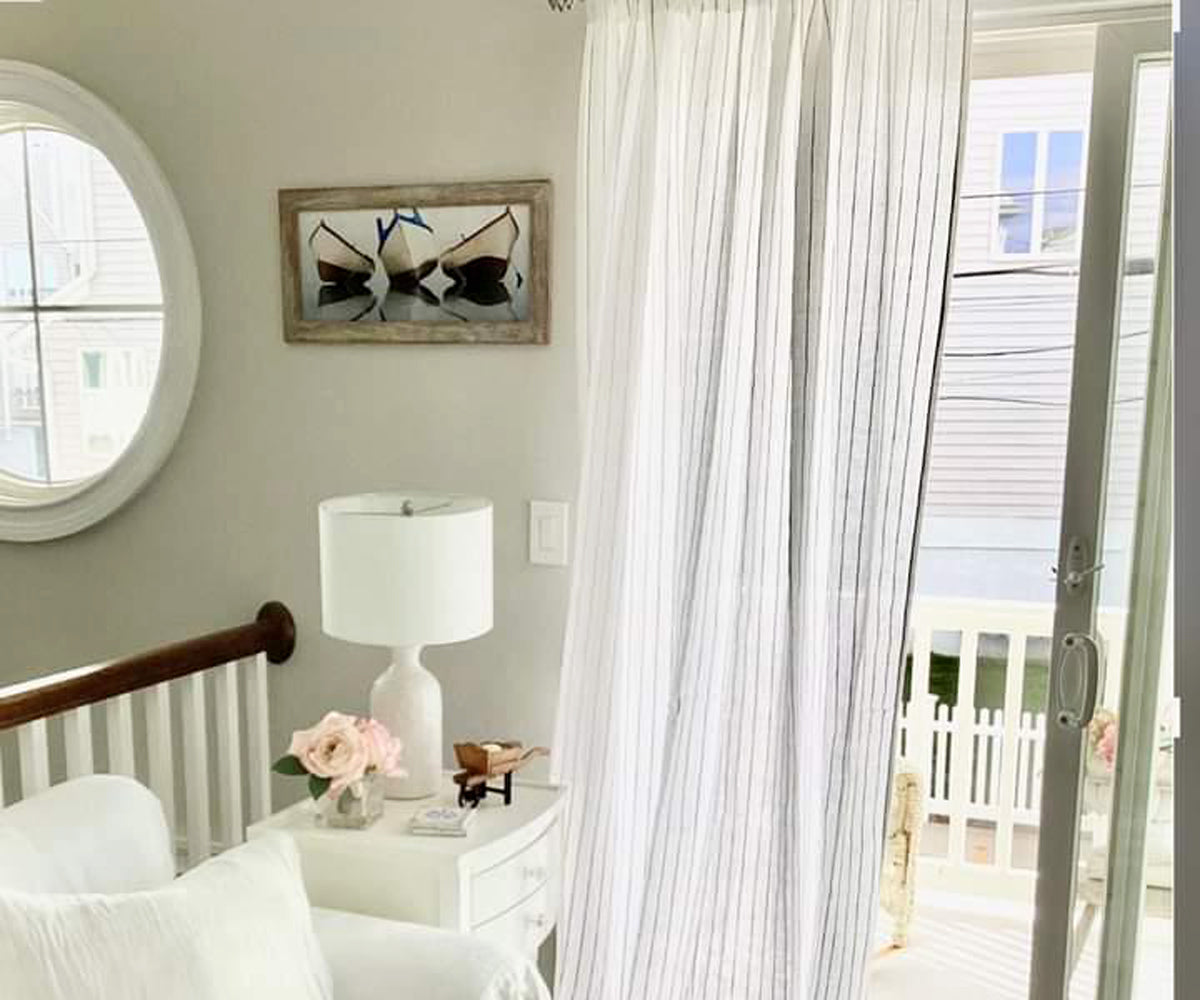
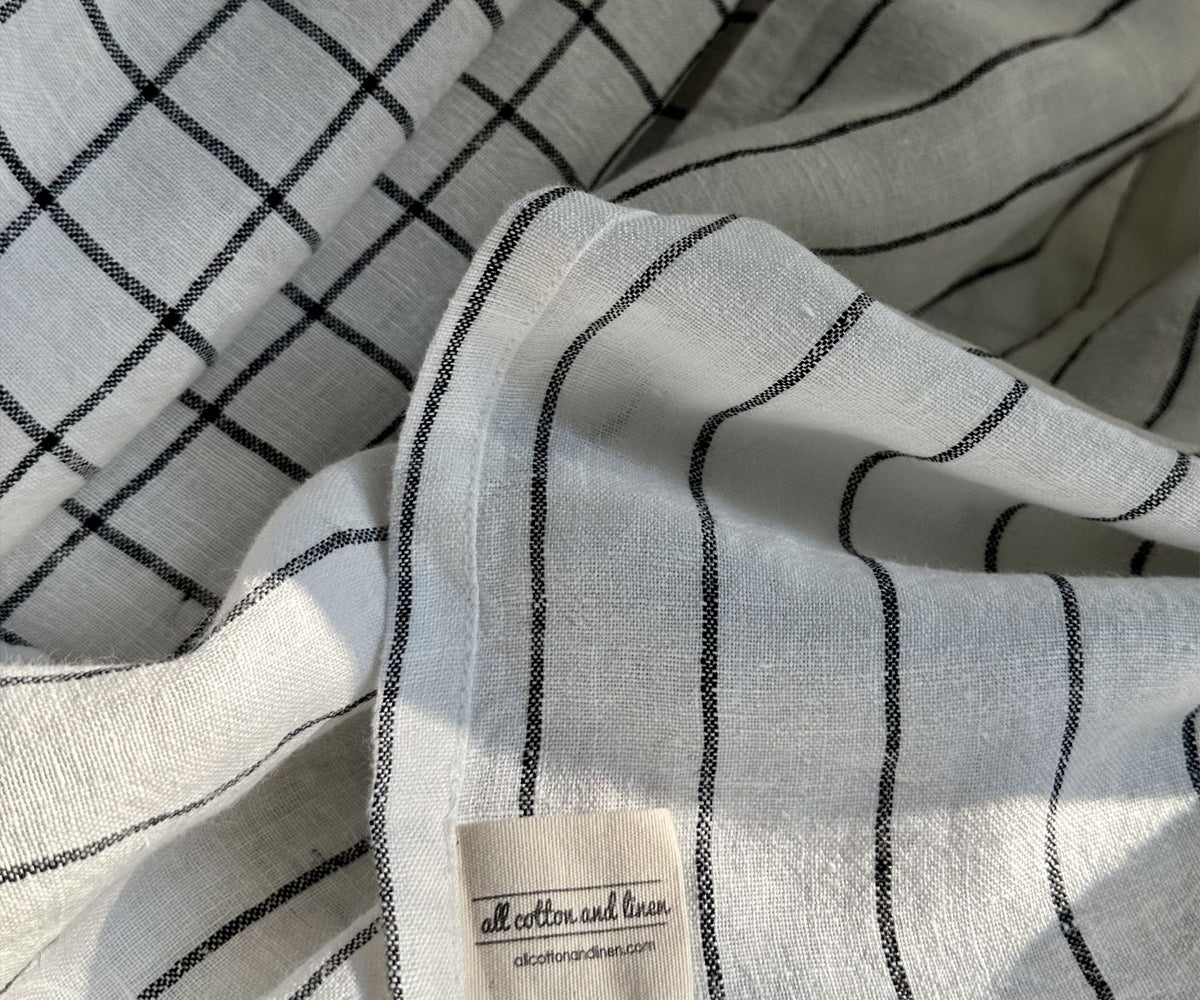
Curtains and drapes are the most classic window treatment you'll find in American homes. They hang from a rod mounted above the window and come in countless fabrics, colors, and lengths. Drapes tend to be heavier and more formal, think lined panels that pool slightly on the floor. Curtains are lighter and more casual. Both can be layered with sheers for daytime privacy and full coverage at night. They're ideal for living rooms and bedrooms where you want to add softness, color, or a sense of height to a space.
Blinds
Blinds are one of the most practical and widely used window treatments out there. They feature horizontal or vertical slats that tilt open and closed to control light and privacy, and they stack up neatly when raised. You'll find them in three main materials:
-
Real wood blinds – warm, natural, and beautiful, but can warp in humid spaces like bathrooms and kitchens
-
Faux wood blinds – made to mimic the look of real wood with nature-inspired grain patterns and coloring, but unlike real wood, faux wood won't warp or crack in moisture-heavy environments.
-
Aluminum blinds – lightweight, budget-friendly, and great for utilitarian spaces
Faux wood, in particular, has become incredibly popular because it delivers the aesthetic of real wood at a lower price point and with better durability in kitchens, bathrooms, and laundry rooms.
Shades
Shades are a broad category that covers everything from sleek roller shades to soft roman shades to highly functional cellular shades. Here's a quick breakdown:
-
Roller shades – clean, minimal, and easy to use; great for modern spaces
-
Roman shades – fabric shades that fold into soft horizontal pleats when raised, giving a tailored, elegant look [3]
-
Cellular (honeycomb) shades – constructed with air pockets that act as insulation, making them one of the most energy-efficient window coverings available; fabric cellular shades enhance thermal insulation and help reduce energy costs [5]
-
Woven wood shades – made from natural materials like bamboo and reeds for an organic, textured feel
Motorized shades have surged in popularity, with custom-fitted and motorized variants offering superior light control and sealing.
Shutters
Shutters are a more permanent, architectural window treatment. Plantation shutters, the most popular style in the US, feature wide louvers mounted inside the window frame on hinged panels. They open and close like a door and tilt to adjust light. [3]
Shutters are typically made from:
-
Real wood – beautiful and paintable, but pricier
-
Composite or faux wood – moisture-resistant and more affordable, making them a smart choice for bathrooms and kitchens
Shutters add serious curb appeal and resale value. They're a long-term investment that rarely goes out of style.
Valances and Cornices
Valances and cornices sit at the top of the window and are primarily decorative, though they also hide hardware and add a finished, polished look.
-
Valances – soft fabric treatments, often pleated or gathered, that hang from a rod across the top of the window
-
Cornices – structured, box-like frames (usually wood) upholstered in fabric or painted; they give a room a more formal, architectural feel
Both work beautifully paired with blinds or shades underneath. A cornice, in particular, adds height and drama to a room without heavy drapery. They're having a real design moment in 2026, showing up in high-end living rooms and primary bedrooms.
Sheers
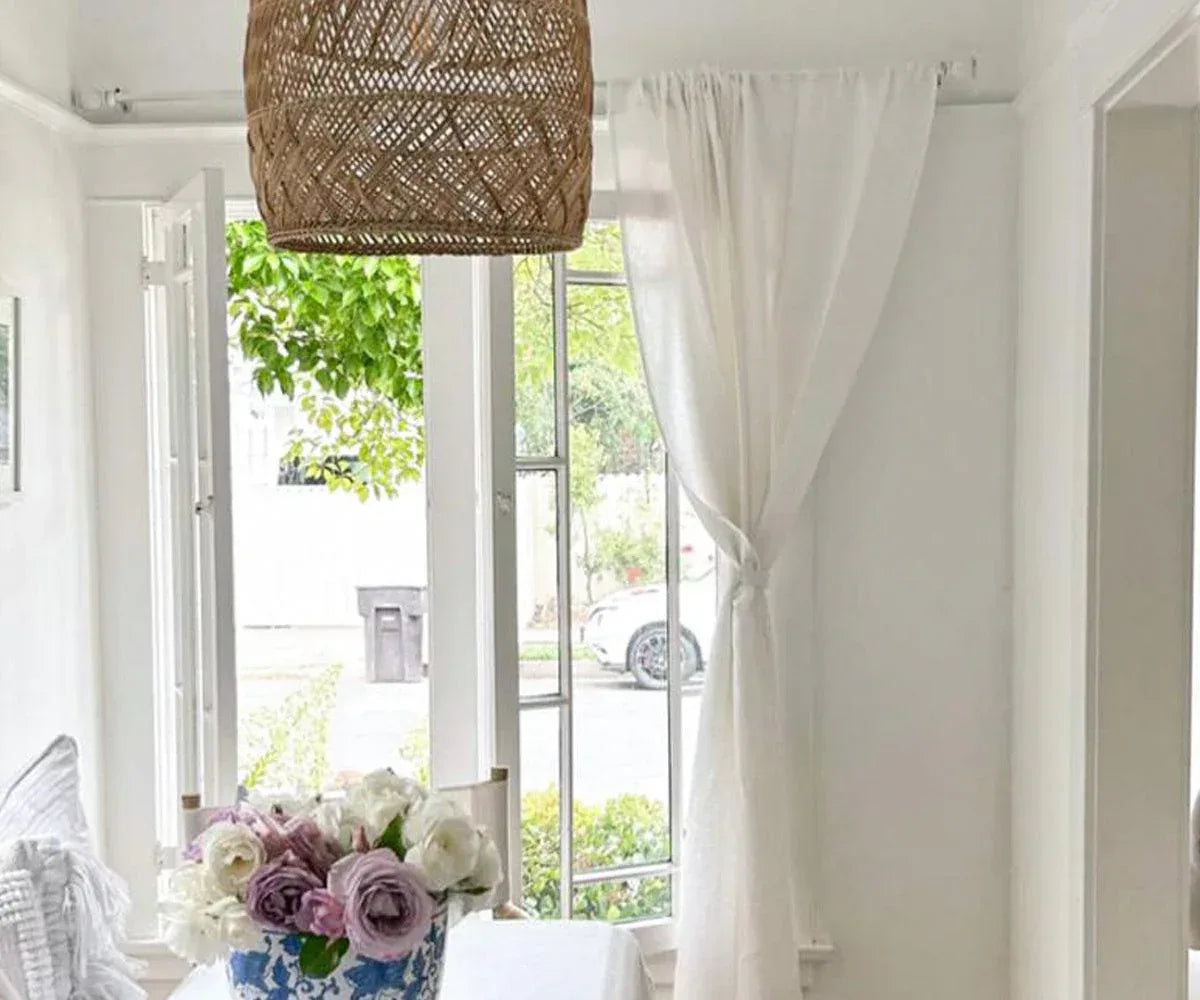
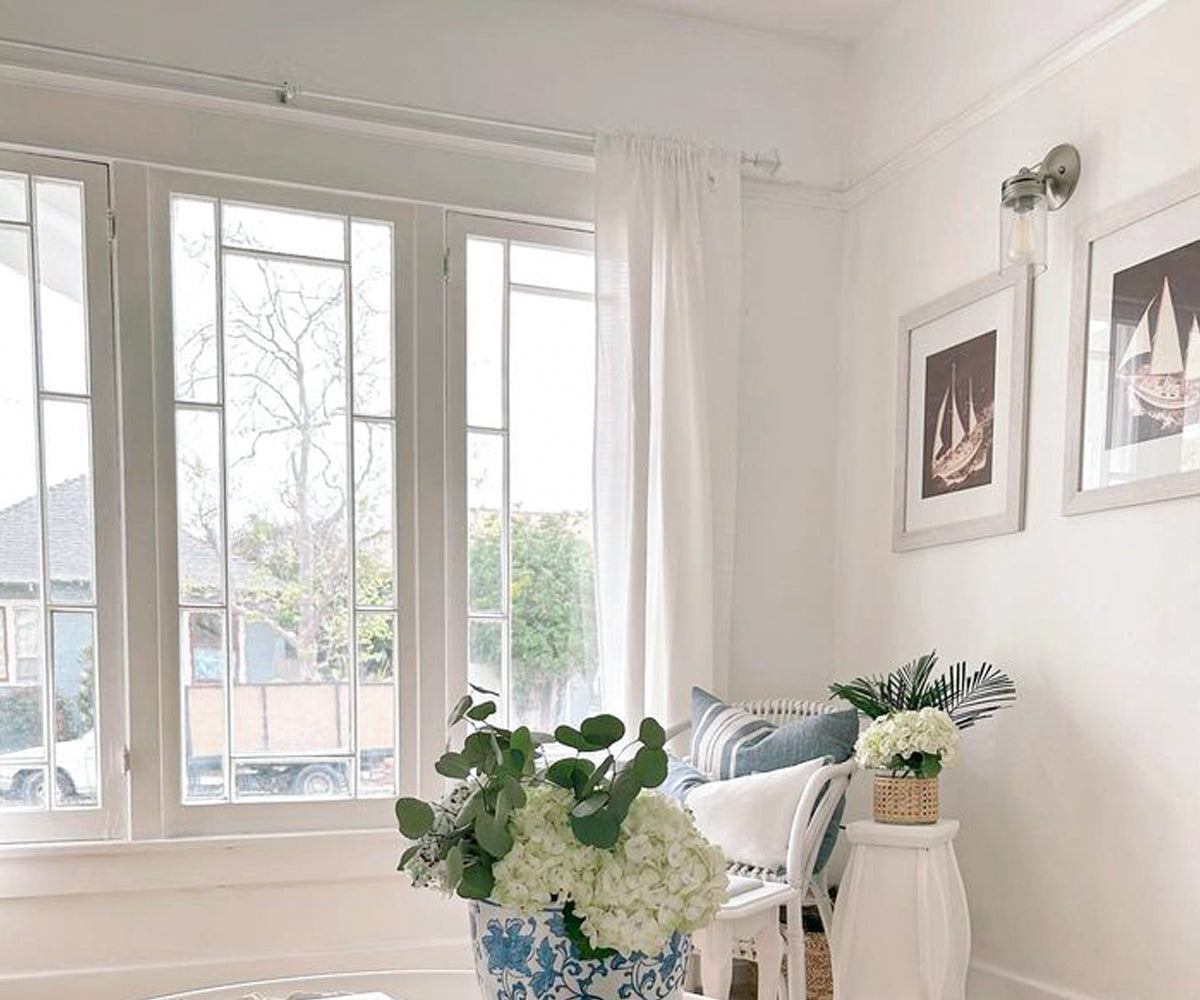
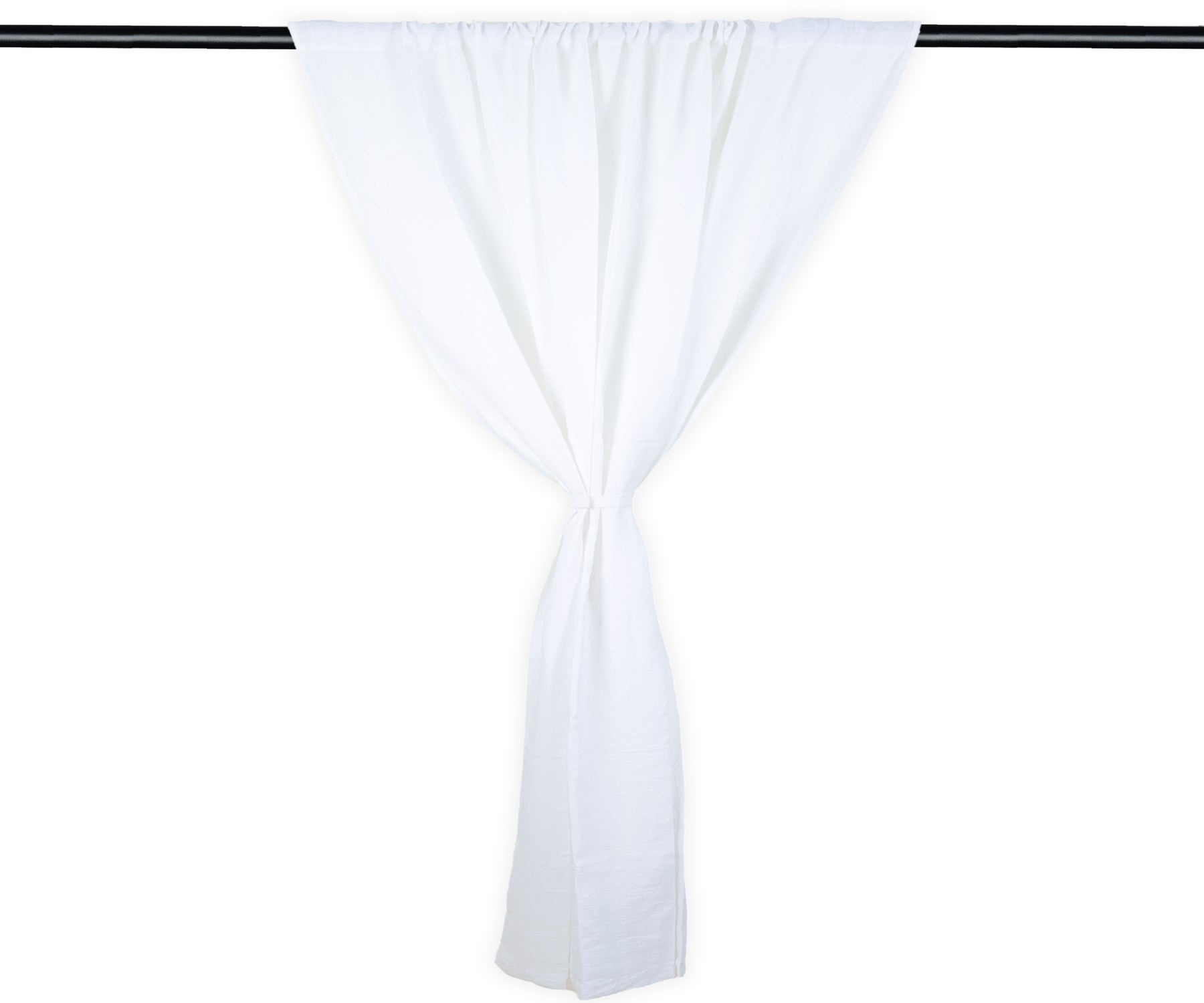
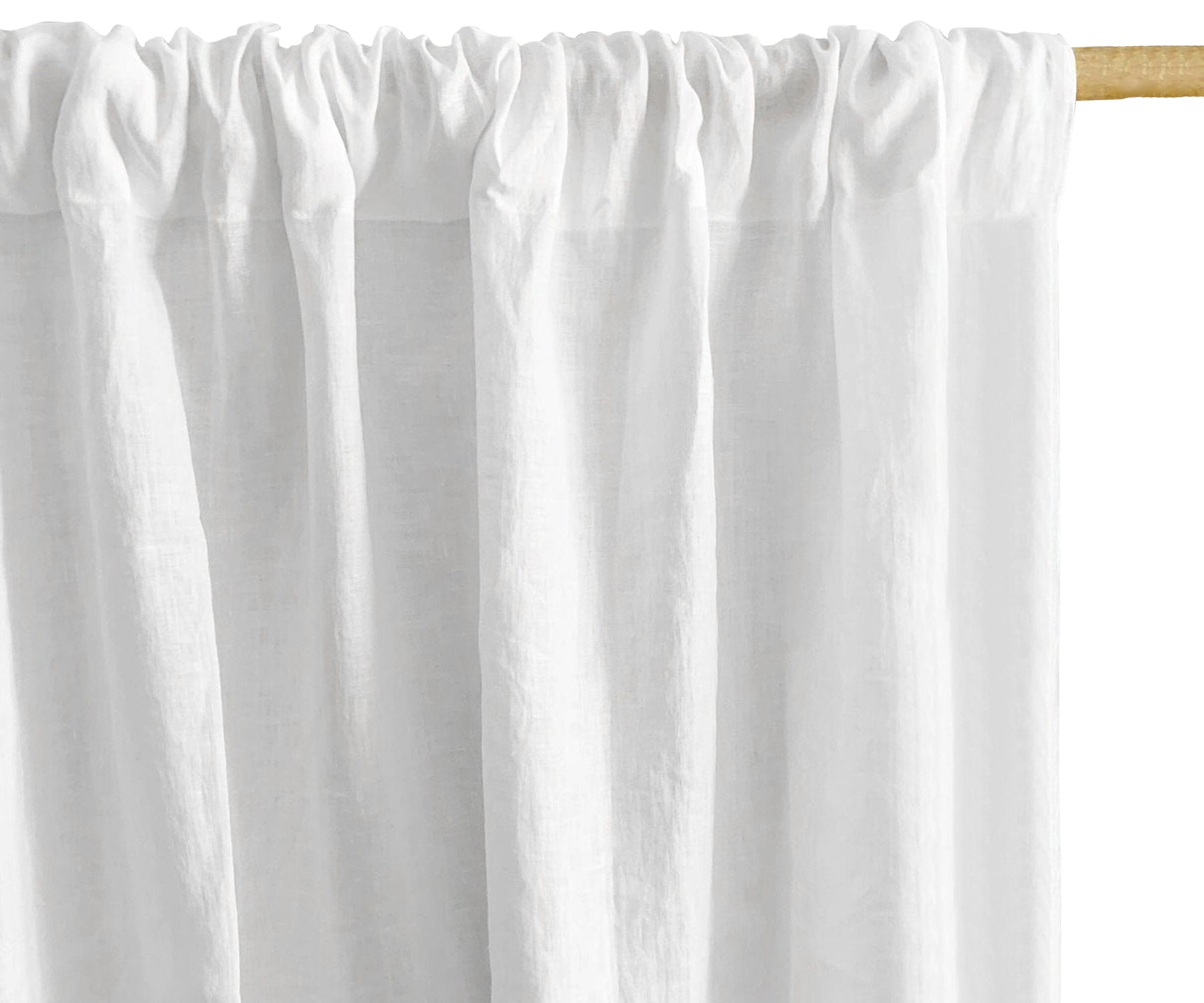
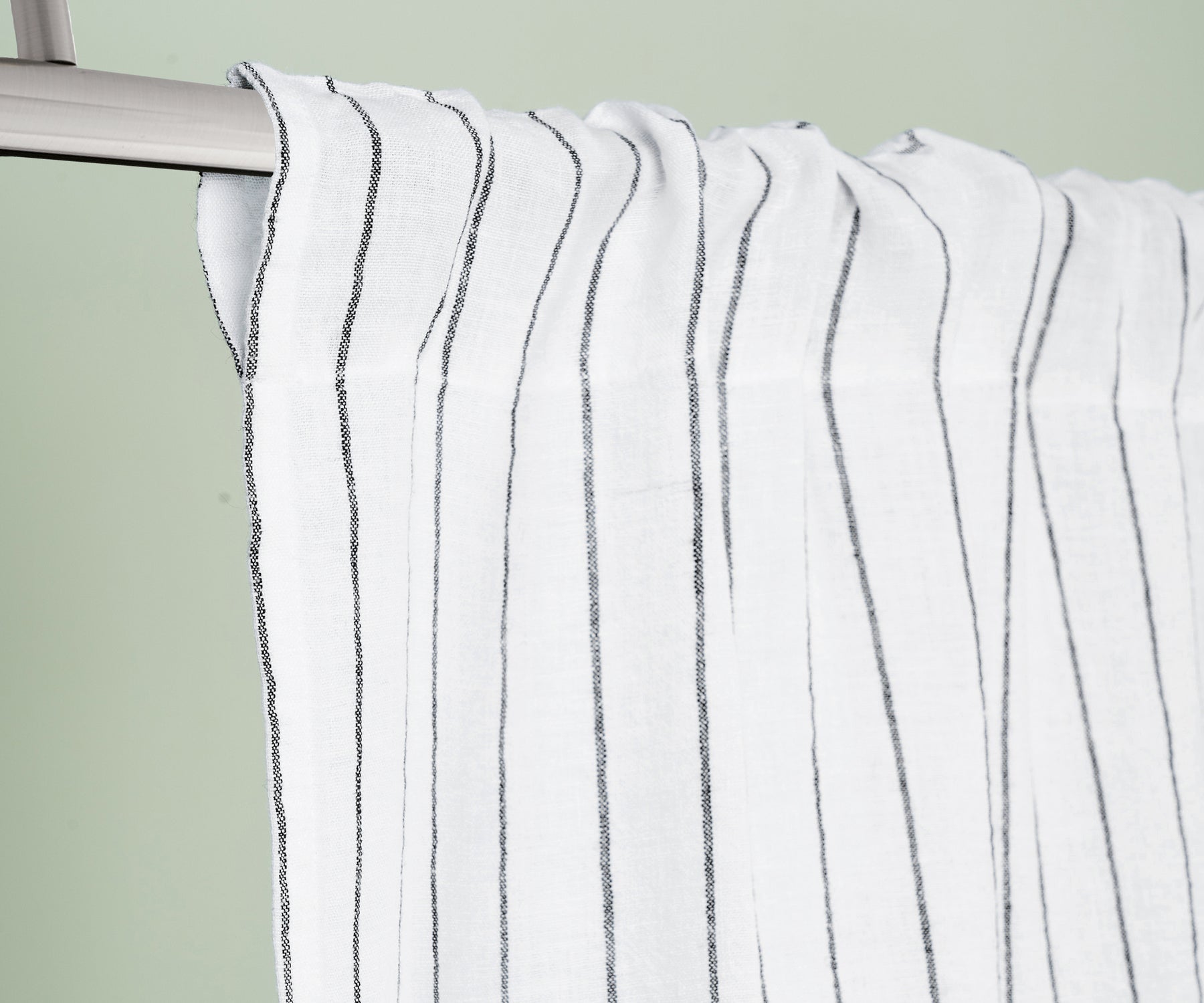
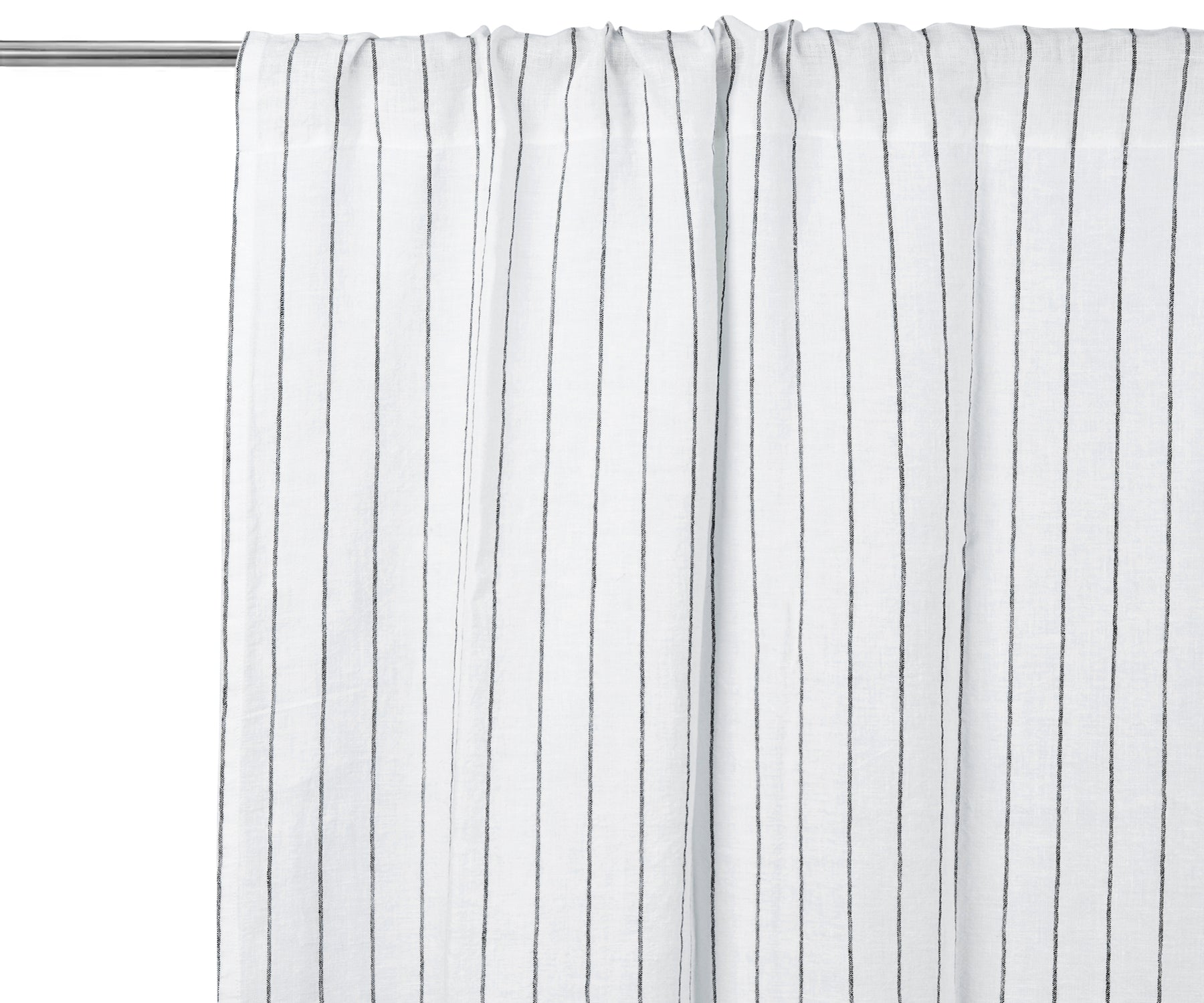
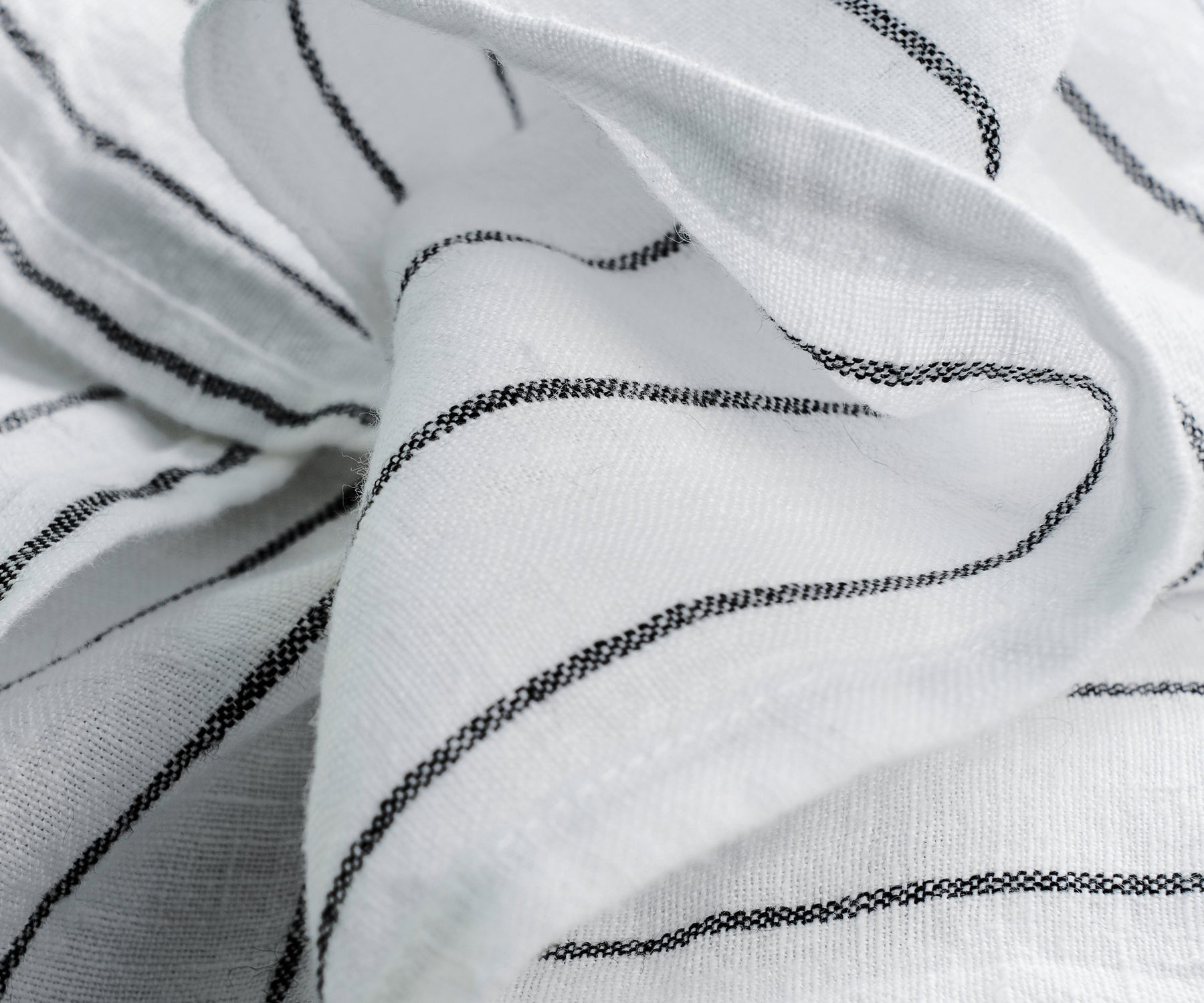
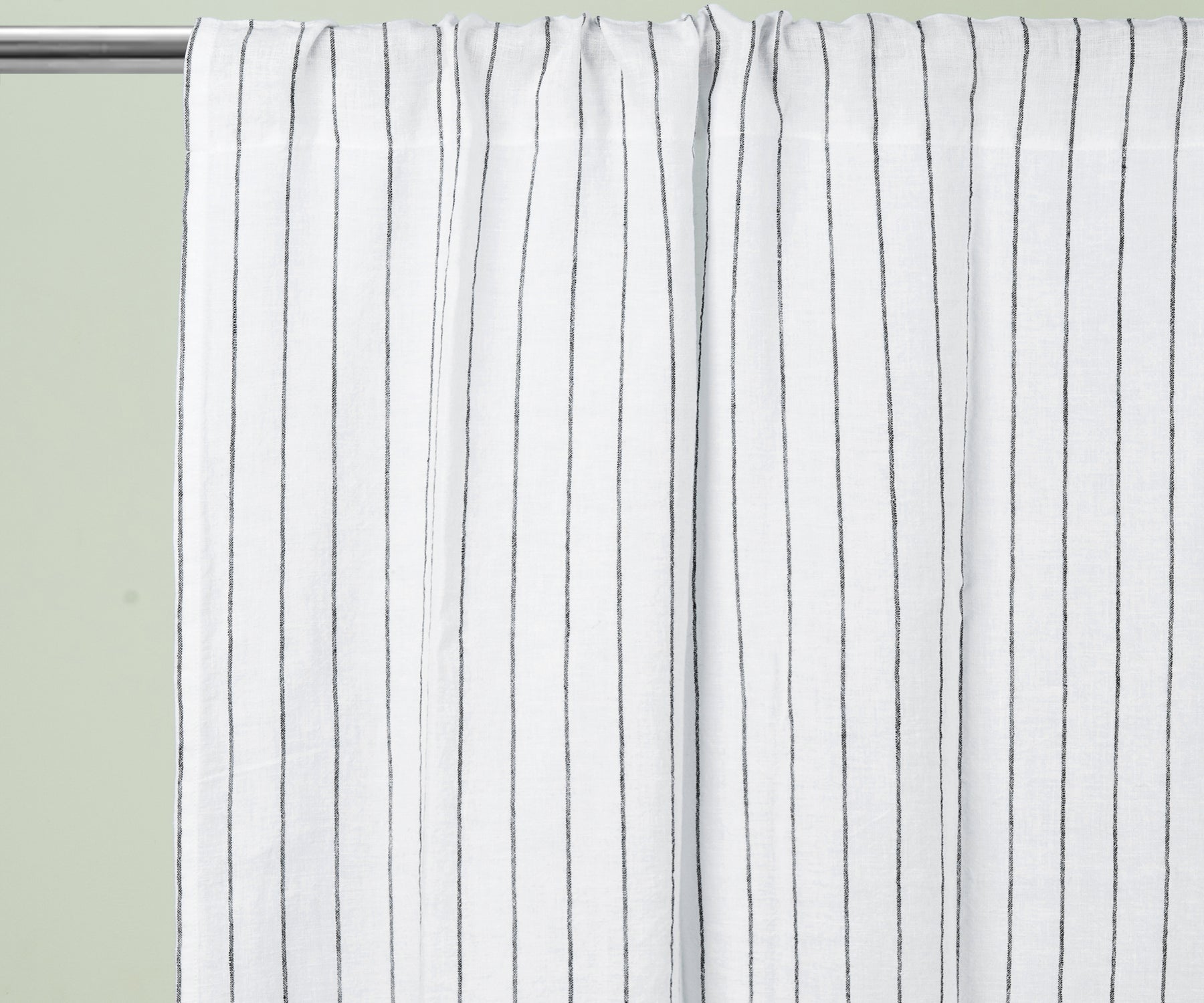
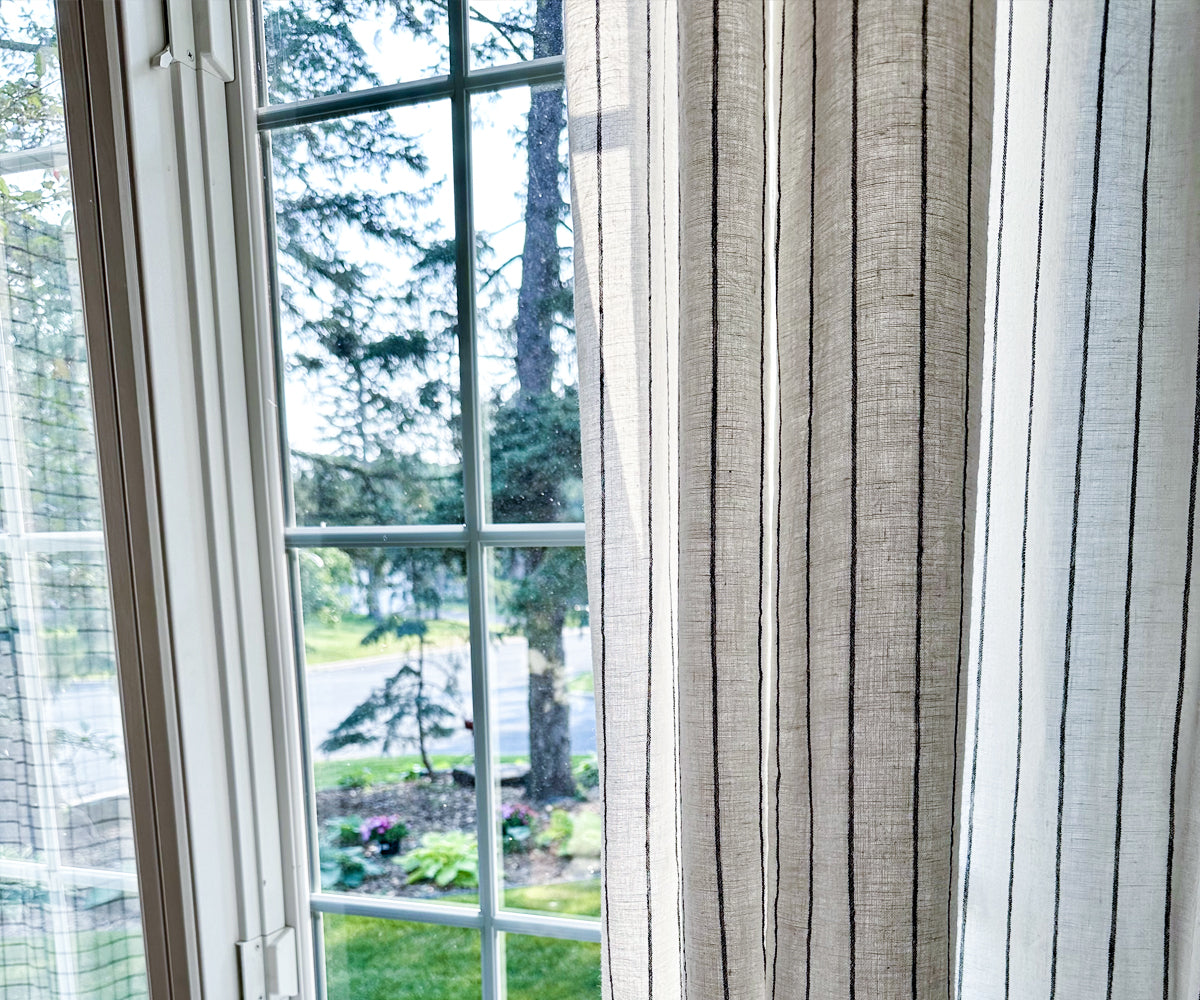
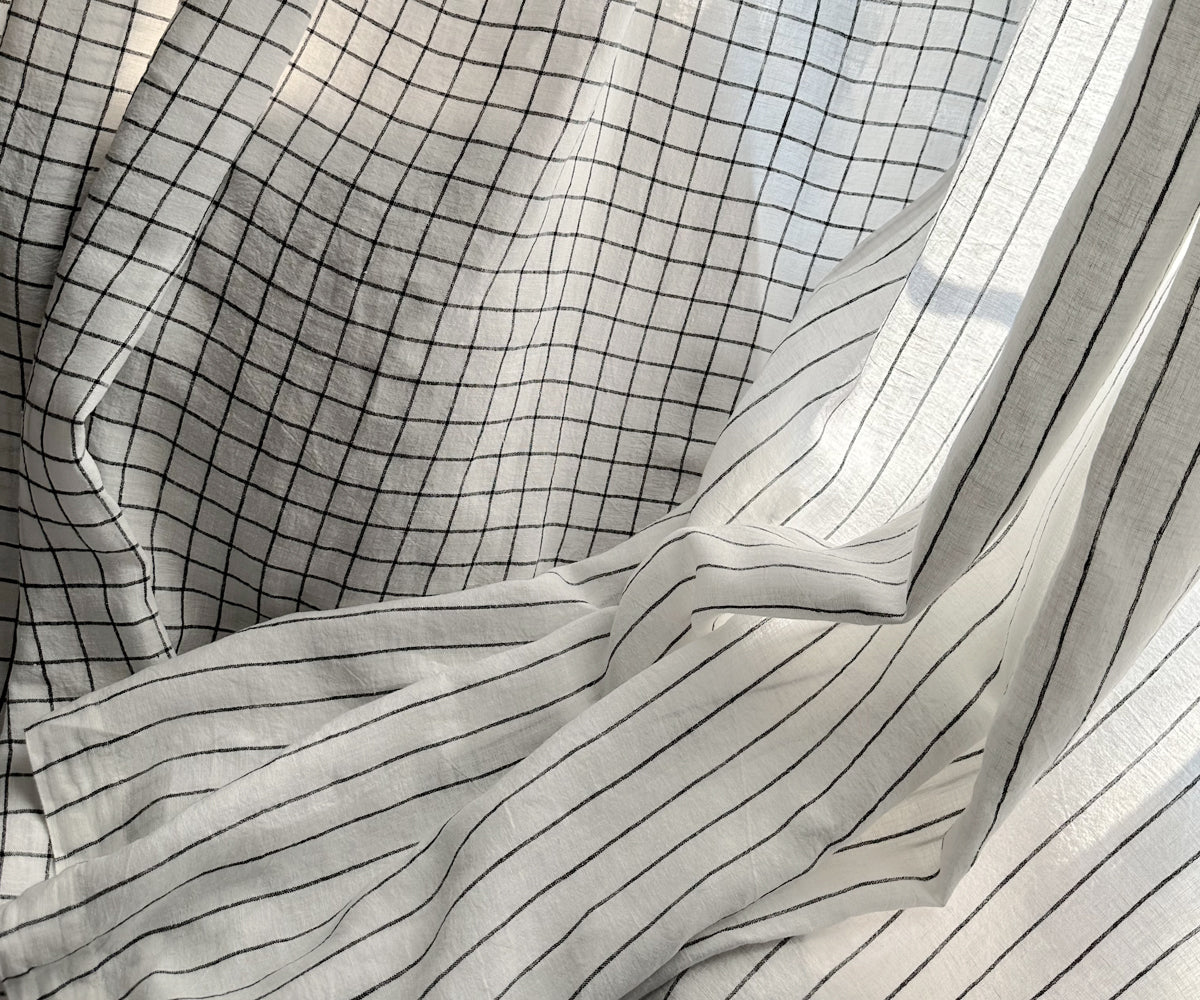
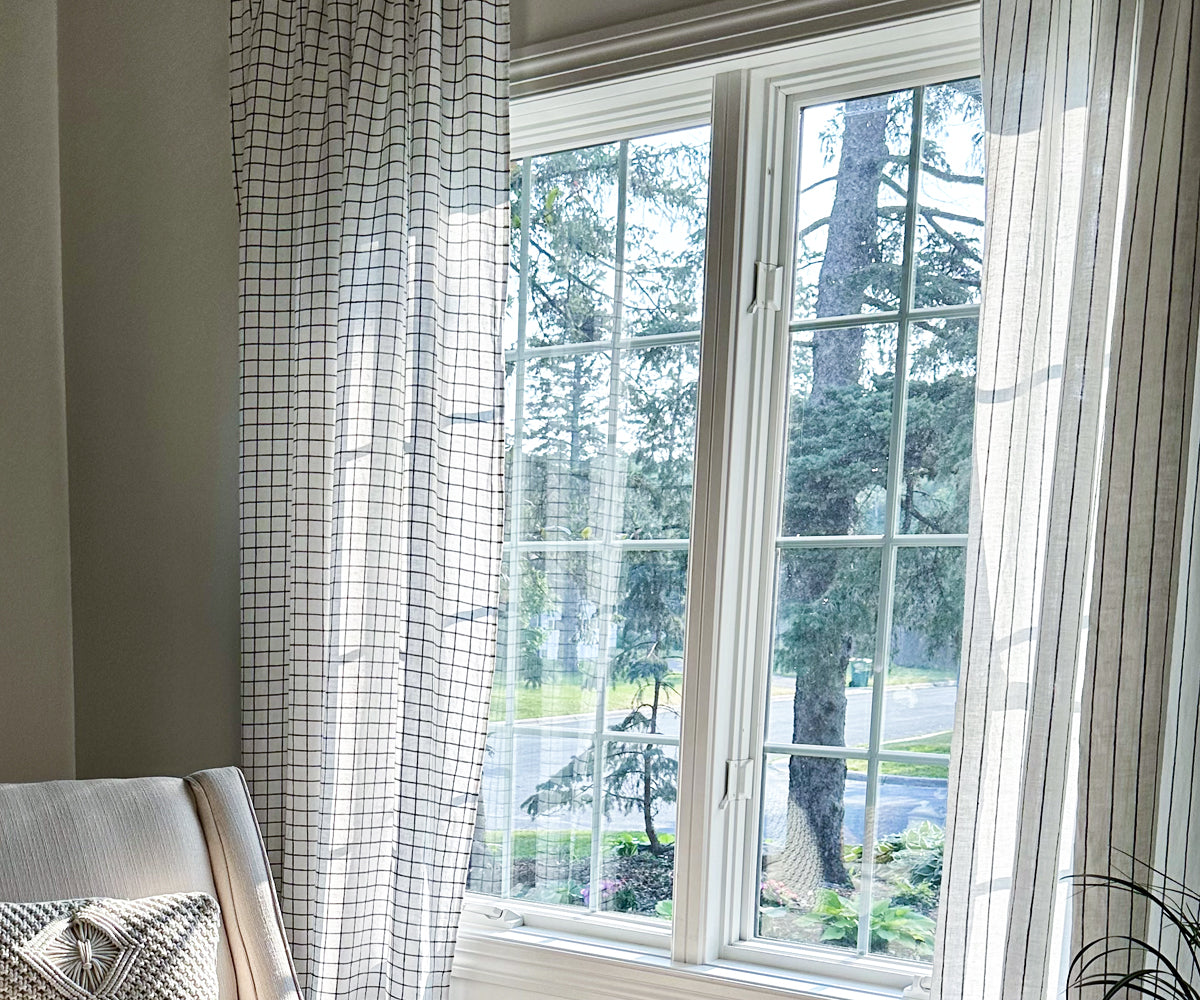
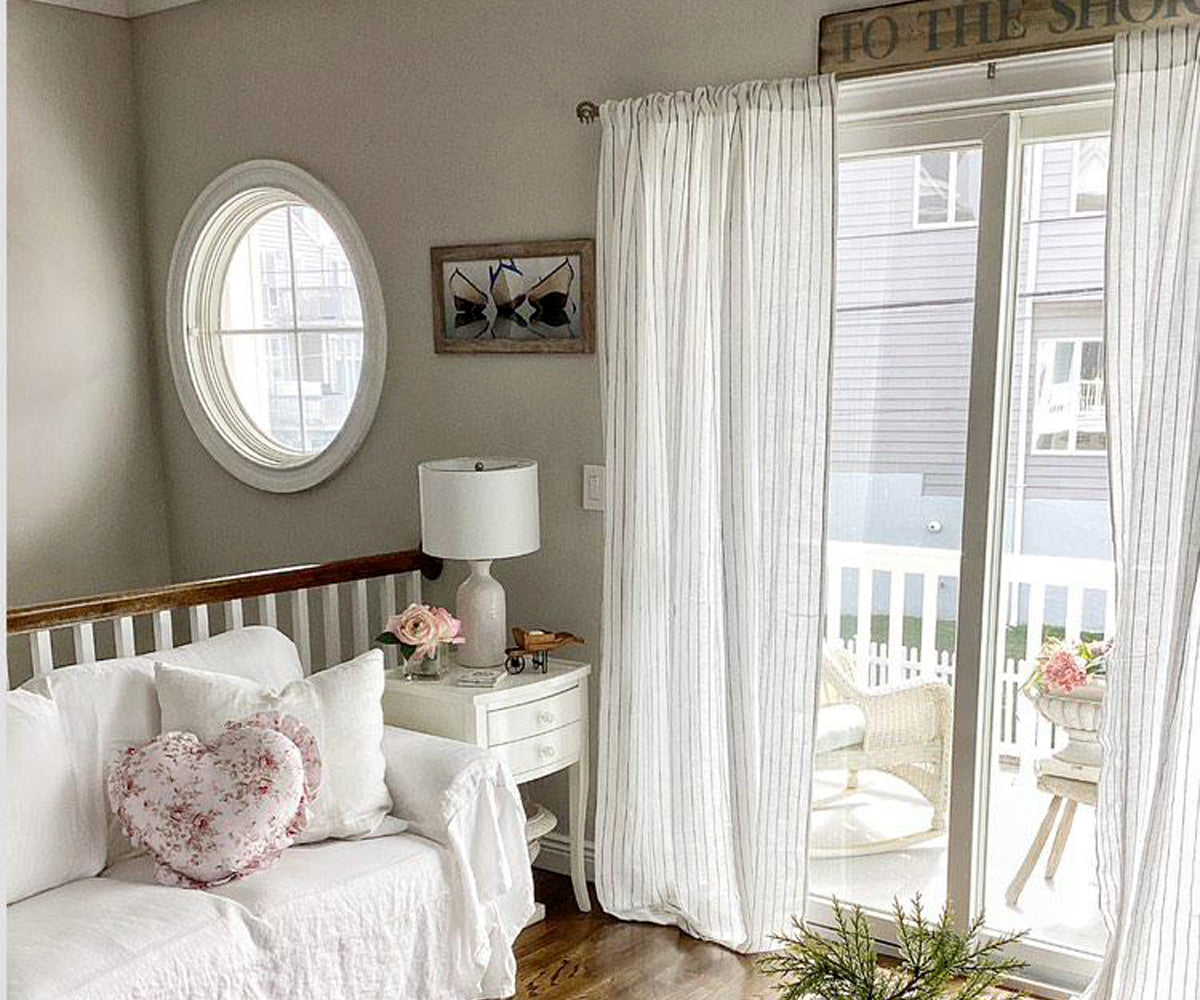
Sheers are the unsung heroes of window treatments. These lightweight, translucent fabric panels let natural light pour in while softening glare and providing a gentle level of daytime privacy. They won't block the view or make a room feel closed off, instead, they add an airy, romantic quality to any space.
Sheers work best when layered with heavier drapes or blinds. [1] During the day, keep the sheers closed and the drapes open for soft, diffused light. At night, close the drapes for full privacy. This layered approach is one of the most popular styling techniques designers use in living rooms and bedrooms.
|
Window Treatment Type |
Common Materials |
Best For |
|
Curtains and Drapes |
Cotton, linen, velvet, polyester |
Privacy, insulation, style |
|
Blinds |
Wood, faux wood, aluminum, vinyl |
Light control and privacy [3] |
|
Shades |
Fabric, woven materials, cellular fabric |
Soft lighting and energy efficiency [6] |
|
Shutters |
Wood, composite, vinyl |
Classic look and durability |
|
Valances and Cornices |
Fabric, wood, upholstered materials |
Enhancing window style |
|
Sheers |
Voile, chiffon, lace |
Soft light filtering and airy feel |
They serve real purposes too: controlling natural light, improving energy efficiency, adding privacy, and yes, making your space look amazing.
Know About: How to Host a Networking Event – Expert Tips
How to Choose a Window Treatment
Choosing the right window treatment isn't just about picking something pretty. Here's a practical way to think through it:
1. Start with function. Ask yourself: Do I need blackout coverage for sleep? Am I trying to reduce heat? Do I want privacy without blocking light? Your answers will immediately narrow down your options. Blackout roller shades or lined drapes work great for bedrooms. Light-filtering shades or sheers are perfect for living spaces where you want that soft, airy glow.
2. Think about your room's style. A farmhouse kitchen calls for something different than a minimalist home office. Roman shades in a linen fabric feel timeless and casual. Sleek panel track blinds feel modern and clean. Match the treatment to the vibe of the room, not just the window.
3. Consider your window size and shape. Tall windows? Long drapes hung close to the ceiling will make them look even more dramatic. Short windows? Hang your curtain rod high and wide to create the illusion of a bigger window. For arched or specialty-shaped windows, a custom window treatment is often your best bet.
4. Don't forget your budget. Ready-made options from big-box retailers are budget-friendly and surprisingly stylish these days. But if you have unique window sizes or specific design goals, investing in a window treatment consultation with a professional designer can save you from costly mistakes.
Find Out: Gifts for Dad Who Wants Nothing (But Will Totally Love)
What Is the Most Popular Window Treatment Today?
Right now, roller shades and roman shades are ruling the market, and for good reason. They're clean, versatile, and come in hundreds of fabrics, colors, and opacities. Motorized versions have made them even more popular, letting you control light with your phone or a voice command.
Layered window treatments are also having a major moment. Think a neutral roller shade paired with linen drapes, you get the function of the shade and the warmth of the drapery. It's the combo designers keep coming back to.
Other consistently popular choices include:
-
Cellular (honeycomb) shades for energy efficiency
-
Woven wood shades for a natural, textured look
-
Plantation shutters for a classic, clean aesthetic
Best Window Treatment for Sliding Glass Doors
Sliding glass doors are tricky. They're wide, they need to open and close smoothly, and they're often the focal point of a room. The best window treatments for sliding glass doors need to work with the door's function, not against it.
Top picks include:
-
Vertical blinds – the classic choice; affordable and practical
-
Panel track blinds – a more modern alternative to verticals with cleaner lines
-
Bypass or bi-pass drapes – floor-length panels that slide along a track
-
Roller shades – a sleek, minimal option when you want something simple
Avoid heavy, stacked drapes here unless you have extra wall space on the sides. You need room for the door to actually open!
Window Treatment Ideas Room by Room
The right window treatment can completely transform a room, but what works in a sunlit living room won't always work in a steamy kitchen or a sleep-focused bedroom. Choosing room by room is the smartest approach.
Living Room Window Treatment Ideas
The living room is where you can go a little bolder. Layering is your friend here. Try linen curtains underneath heavier drapes to give yourself flexibility throughout the day. Modern window treatment ideas for living rooms often feature floor-to-ceiling drapes in neutral tones, cream, greige, soft white, with subtle texture.
For a more casual feel, woven wood shades or bamboo blinds bring warmth without being too heavy.
Bedroom Window Treatment Ideas
In the bedroom, darkness matters. Blackout curtains or blackout roller shades are practically non-negotiable if you're a light sleeper. But that doesn't mean sacrificing style. Linen blackout drapes in soft, muted colors can look incredibly chic while keeping the room cave-dark when you need it.
Consider a double rod setup, sheer curtains on the inside, blackout panels on the outside, so you can adjust based on time of day.
Kitchen Window Treatment Ideas
Kitchens need practical window treatments. You want something that's easy to clean, moisture-resistant, and won't hang near a hot stove. Roller shades in a wipe-clean fabric are ideal. Cafe curtains (panels that cover only the bottom half of the window) are another popular choice, they let light in at the top while giving you privacy below.
You May Also Like: 6 Easy Napkin Folds for Kids: Step-by-Step Guide
Window Treatment Trends 2026
Here's what's hot right now in the world of window treatments:
-
Motorized and smart shades – automation isn't going anywhere; motorized shades continue to be one of the top upgrades homeowners request
-
Organic textures – woven woods, rattan, and natural fibers are everywhere
-
Earthy, warm tones – terracotta, warm whites, sage greens, and sandy neutrals dominate fabric choices
-
Minimal hardware – sleek, hidden brackets and thin rods for a barely-there look
-
Cornice window treatments – structured, upholstered top treatments are making a serious comeback in formal living rooms and primary bedrooms
-
Quiet luxury aesthetic – understated, high-quality fabrics and neutral palettes over flashy patterns
The cornice window treatment deserves a special mention here. It's a structured, box-like frame installed above the window that conceals the hardware and adds an architectural element. Upholstered in a beautiful fabric, it instantly elevates any room.
Should You Get a Custom Window Treatment?
If your windows are standard sizes, you can absolutely find beautiful ready-made options. But if you've got a bay window, arched windows, oversized windows, or just a very specific design vision, custom window treatments are worth the investment.
A window treatment consultation with a professional designer or a specialty retailer gives you access to thousands of fabric options, expert measuring, and professional installation. Many people are surprised to find that custom doesn't always mean outrageously expensive, especially when you factor in the perfect fit and the fact that they'll likely last much longer.
Overview
Window treatments are one of those details that might seem minor but make a huge difference in how your home looks and feels. They control light, add warmth, provide privacy, and, when done well, make every room look intentional and polished.
Take your time, measure twice, and don't be afraid to ask for help. A good window treatment is one of the easiest ways to transform a space, and it's worth getting right.