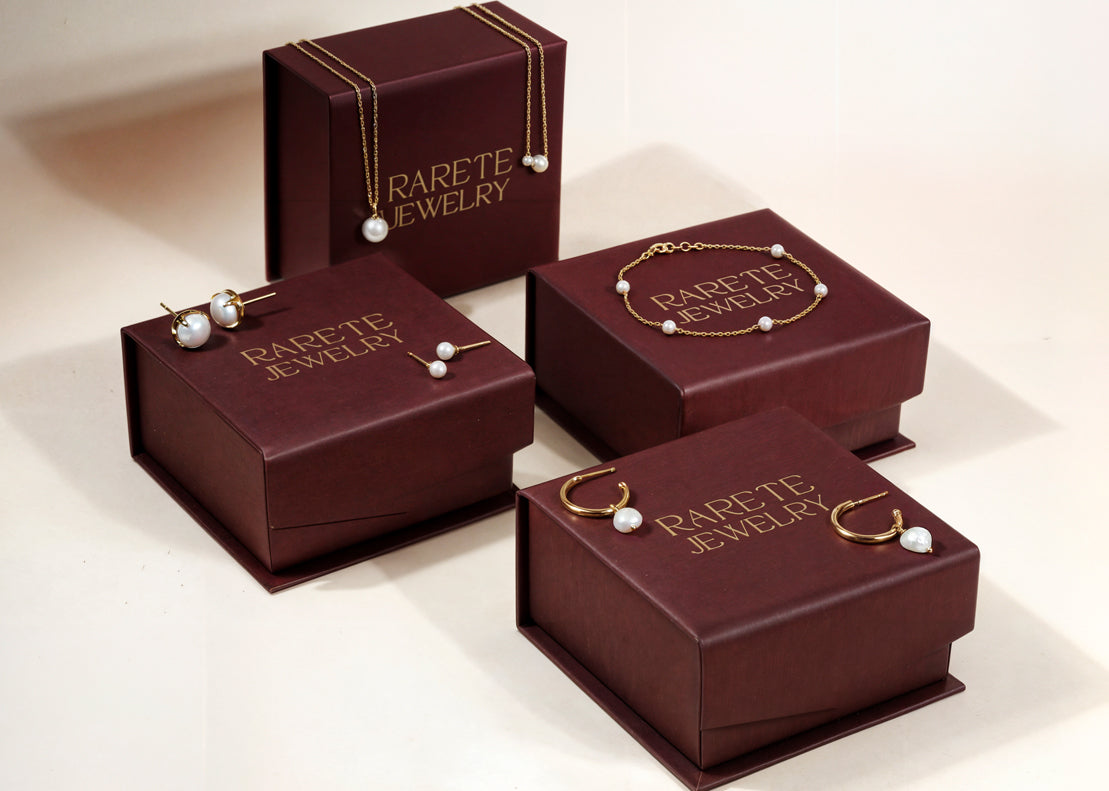


Why does June have three birthstones?
Most months have one birthstone. June has three, and the story of why is as interesting as the stones themselves.
The modern birthstone list was formalised by the American National Retail Jewelers Association in 1912, assigning specific gemstones to each month based on a combination of historical tradition, religious significance, and practical availability. June's three birthstones, pearl, alexandrite, and moonstone, were not assigned arbitrarily. Each represents a different era of the birthstone tradition and a different facet of what June means across cultures.
Pearl is the ancient choice worn by royalty for millennia, beloved across civilisations from ancient China to the Roman Empire, and the traditional June birthstone by centuries of consensus. Moonstone came through the medieval and Renaissance tradition of associating stones with celestial bodies. The moonstone's luminous glow made it the obvious representative of the moon's energy. Alexandrite is the modern addition discovered only in 1834 in Russia's Ural Mountains, officially added to the June birthstone list in 1952 by the Jewelers of America when the modern list was updated to give consumers more options.
Together, they give June a wider range of colour, price point, meaning, and aesthetic than any other birth month.
The three June birthstones at a glance
June birthstone overview table
|
Birthstone |
Traditional or modern |
Colour |
Mohs hardness |
Price range |
Best for |
|
Pearl |
Traditional oldest |
White, cream, pink, gold, black |
2.5–4.5 |
£50–£5,000+ |
Classic elegance, everyday wear |
|
Moonstone |
Traditional modern |
White, peach, grey, rainbow |
6–6.5 |
£30–£500+ |
Mystical, spiritual, creative wearers |
|
Alexandrite |
Modern (added 1952) |
Green (daylight) / red-purple (artificial light) |
8.5 |
£500–£70,000+ per carat |
Rare gem collectors, unique statement pieces |
Pearl the traditional June birthstone
The history of the pearl
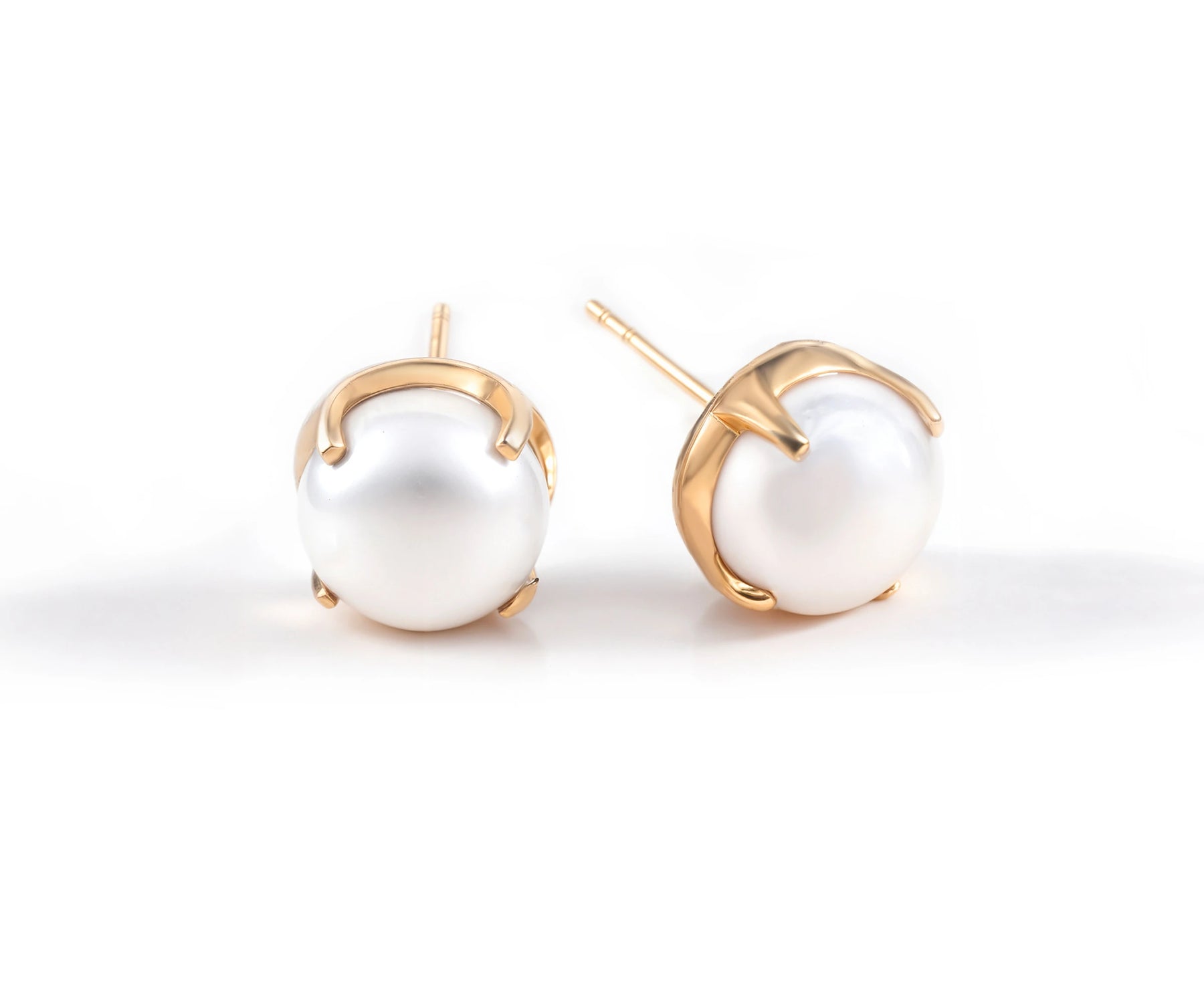
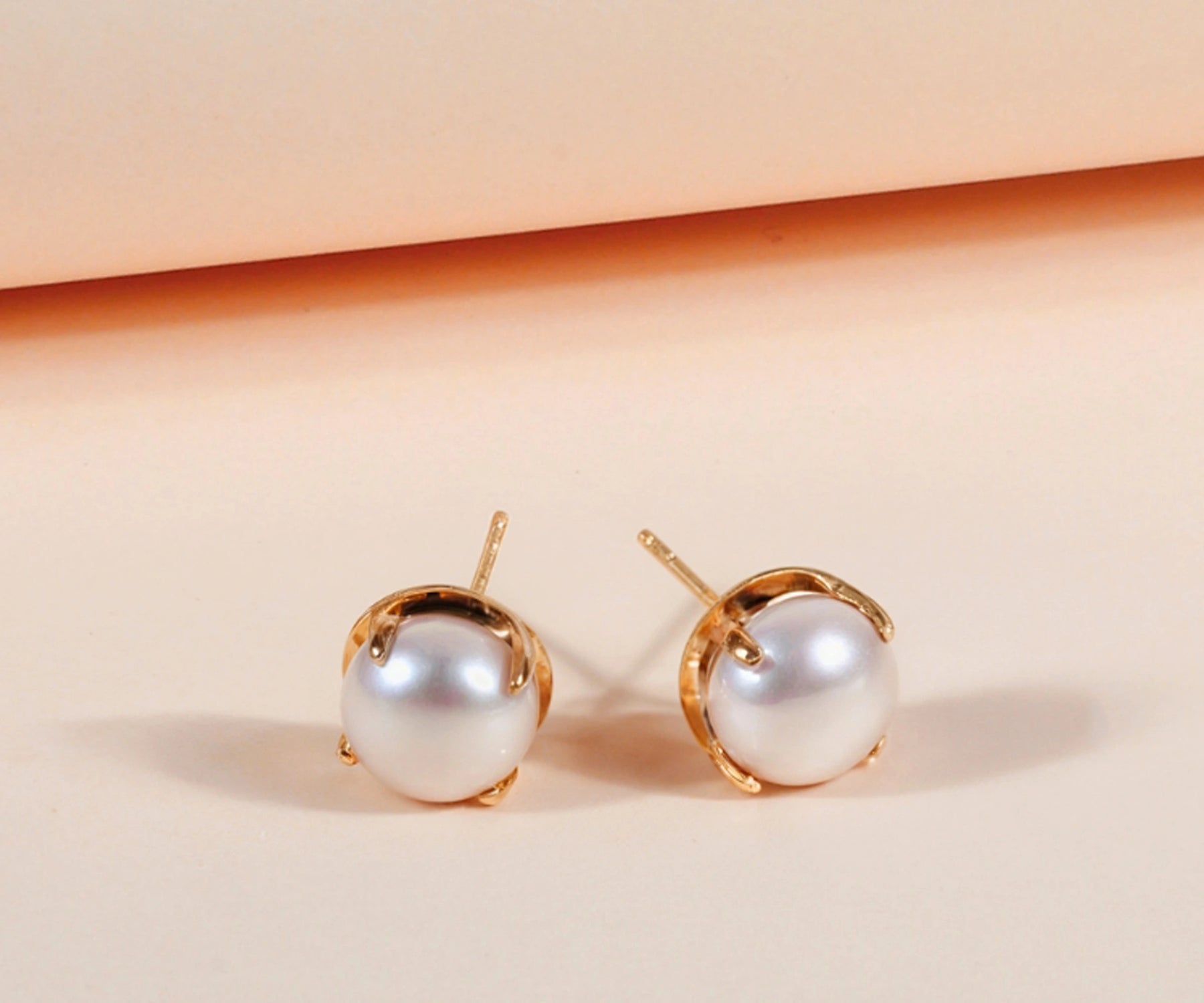
Pearl is the world's oldest known gemstone and the only gem created by a living creature. The oldest known pearl jewellery dates to 520 BCE, discovered in the sarcophagus of a Persian princess. Ancient Greeks believed pearls were teardrops fallen from heaven. Chinese folklore claimed they came from dragons' brains. Arab physicians in the 19th century used pearl powder medicinally to improve eyesight and calm nervous conditions. During the Byzantine Empire, only emperors were permitted to wear pearls.

For most of recorded human history, natural pearls were among the most valuable objects in the world, rarer and more expensive than diamonds or rubies. Today, the vast majority of pearls on the market are cultured pearls grown with human assistance on pearl farms, making this once-exclusive gem genuinely accessible.
Pearl properties
|
Property |
Detail |
|
Formation |
Created inside molluscs — oysters, mussels, and clams coat an irritant with layers of nacre |
|
Colours |
White, cream, pink, gold, grey, black — natural colour variation is extensive |
|
Lustre |
Pearls are measured by lustre — the depth and brilliance of the glow from within |
|
Mohs hardness |
2.5–4.5 — the softest of the three June birthstones; requires careful handling |
|
Types |
Natural (extremely rare), cultured (farm-grown), freshwater, Akoya, South Sea, Tahitian |
|
Most valuable |
Natural, untreated pearls — particularly South Sea and Tahitian varieties |
Pearl symbolism and meaning
-
Purity — pearls have been associated with purity across virtually every culture that has encountered them
-
Wisdom — in many traditions, pearls represent wisdom acquired through experience rather than intellect
-
Serenity — pearl is believed to bring calmness and emotional balance to the wearer
-
Protection — in ancient traditions, pearls were worn as protective talismans against negative energy
-
Prosperity — in Vedic tradition, pearls were believed to bestow long life and prosperity
Pearl jewellery ideas
Best pearl jewellery for June birthdays:

-
Classic strand necklace — the most traditional and versatile pearl jewellery piece
-
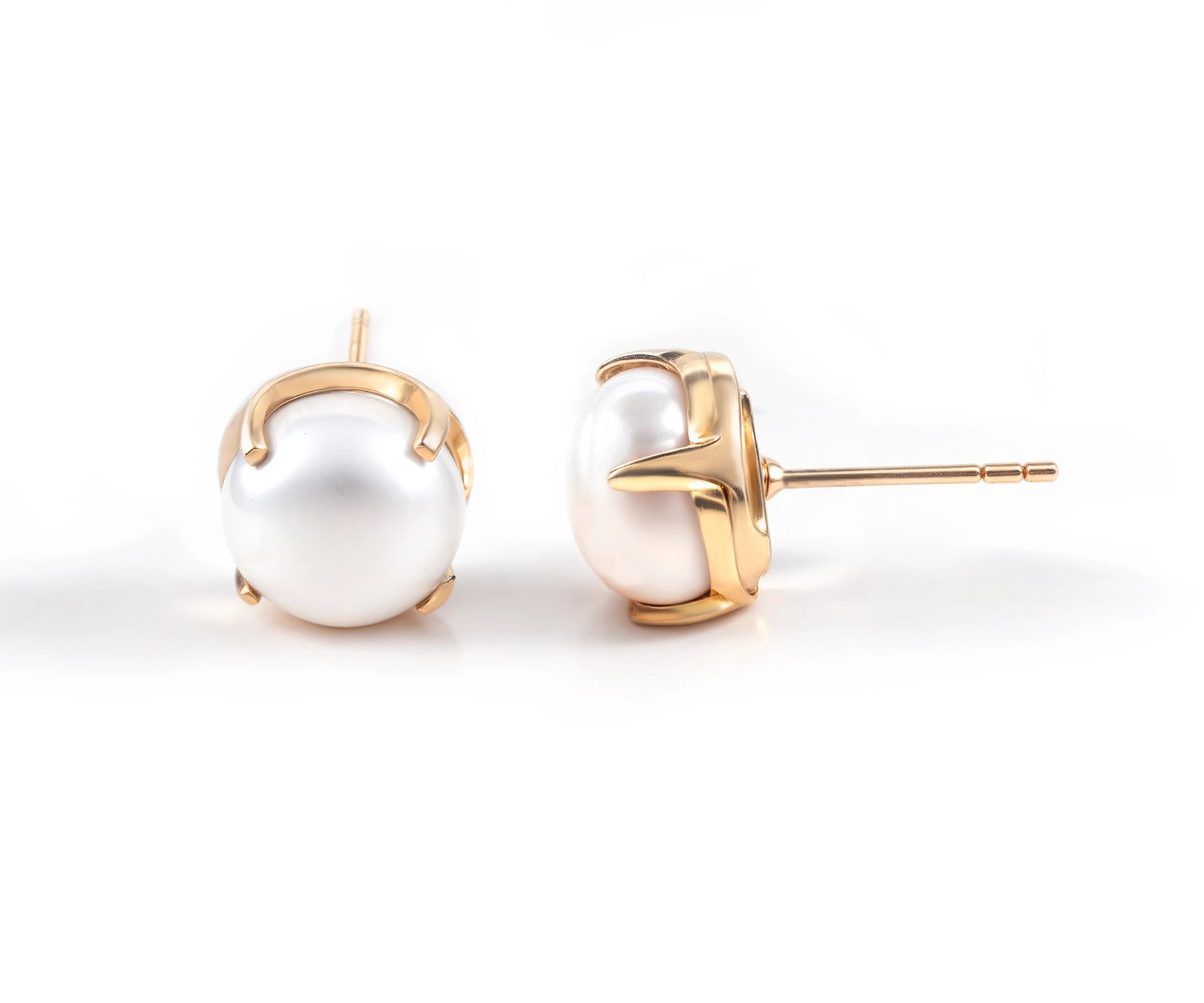
Pearl stud earrings — wearable every day, suits all age groups
-
Pearl pendant on a fine chain — more contemporary than a strand, suits modern styling
-
Pearl ring set in gold — works as an engagement ring alternative or occasion piece
-
Pearl bracelet with gold or silver accents — elegant layering piece
How to care for pearl jewellery
-
Always put pearl jewellery on last after applying perfume, hairspray, and cosmetics. Chemicals in these products degrade nacre over time
-
Wipe gently with a soft, damp cloth after wearing to remove skin oils and perspiration
-
Never use ultrasonic cleaners, steam cleaners, or harsh chemicals on pearls
-
Store separately from other jewellery in a soft cloth pouch. Pearls scratch very easily against harder stones
-
Wear pearls regularly, the natural oils from skin keep the nacre lustrous
Read More: What Is May Birthstone? Meaning, Color, and Jewelry Guide
Alexandrite, the rarest June birthstone
The history of alexandrite
Alexandrite was discovered in 1834 in Russia's Ural Mountains, and its discovery was immediately remarkable. The stone's vivid green colour in daylight and dramatic shift to red under incandescent light mirrored the national military colours of Imperial Russia green and red. The stone was named after the young Tsar Alexander II (1818–1881), who was heir to the Russian throne at the time of its discovery.

Alexandrite captured the world's attention not only for its political symbolism but for its extraordinary optical properties, a colour change so dramatic that it remains unique among major gemstones. Russian alexandrite from the original Ural Mountain deposits is now essentially exhausted, and fine specimens command extraordinary prices at auction. Today, alexandrite is found primarily in Brazil, Sri Lanka, and East Africa, but high-quality colour-changing stones remain vanishingly rare.
Alexandrite was officially added to the June birthstone list in 1952, making it the newest of the three June gems.
Alexandrite properties
|
Property |
Detail |
|
Mineral family |
Chrysoberyl — a variety of beryllium aluminium oxide |
|
Colour in daylight |
Vivid green to bluish-green |
|
Colour in artificial light |
Intense red to purplish-red |
|
The colour change mechanism |
Chromium traces in the crystal structure absorb different wavelengths of light depending on the light source |
|
Mohs hardness |
8.5 — the most durable of the three June birthstones, suitable for daily wear |
|
Rarity |
Extremely rare — fine natural alexandrite with strong colour change is rarer than diamond |
|
Price range |
£500–£70,000+ per carat for natural specimens — lab-grown versions are significantly more affordable |
|
Cat's-eye effect |
Some alexandrite stones also show chatoyancy — a cat's-eye optical effect when cut correctly |
Alexandrite symbolism and meaning
-
Transformation — the colour change from green to red is a powerful symbol of duality and the ability to adapt
-
Creativity — Alexandrite is associated with stimulating creative thought and artistic expression
-
Balance — the co-existence of two opposing colours in one stone represents the balance between opposing forces
-
Luck — in Russian tradition, alexandrite is considered one of the luckiest gemstones
-
Intuition — Alexandrite is believed to enhance the wearer's ability to trust their instincts
Natural vs lab-grown alexandrite
One of the most important practical considerations for buyers of alexandrite is the choice between natural and laboratory-grown stones:
|
Factor |
Natural alexandrite |
Lab-grown alexandrite |
|
Chemical composition |
Identical |
Identical |
|
Colour change |
Strong — vivid and dramatic |
Good — similar to natural |
|
Price |
Very high — £500 to £70,000+ per carat |
Significantly lower — £20–£200 per carat |
|
Availability |
Extremely limited |
Widely available |
|
Value appreciation |
High — particularly Russian origin |
Limited resale value |
|
Best for |
Collectors, investment, special occasions |
Everyday wear, budget-conscious buyers |
Lab-grown alexandrite has the same chemical and optical properties as natural alexandrite; the colour change is genuine. For most buyers, lab-grown offers the same visual beauty and symbolic meaning at a fraction of the cost.
Moonstone, the mystical June birthstone
The history of moonstone
Moonstone has been associated with celestial and lunar power across virtually every ancient culture. In Hindu mythology, moonstone was believed to be made of solidified moonbeams, a sacred gem of deep spiritual significance. In ancient Rome and Greece, moonstone was associated with the lunar goddesses Diana and Selene, and Greek sailors reportedly used moonstones as navigation companions, believing the stone could guide them by moonlight.
During the Art Nouveau period (1890s–1910s), moonstone experienced an extraordinary fashion revival. The French jeweller René Lalique and his contemporaries incorporated moonstone into spectacular pieces, drawn to its otherworldly glow and its alignment with the period's celebration of natural, organic beauty.
Today, moonstone is found primarily in India and Sri Lanka, though sources also include Brazil, Madagascar, Myanmar, and the United States. The finest moonstones displaying a vivid blue sheen against a colourless background come from Sri Lanka, though these deposits are now largely exhausted, making fine-quality moonstones increasingly rare and valuable.
Moonstone properties
|
Property |
Detail |
|
Mineral family |
Feldspar group specifically orthoclase and albite feldspar layers |
|
Optical phenomenon |
Adularescence a soft, billowing light that appears to float within the stone |
|
Colour |
White, peach, grey, green, yellow, and rainbow (spectral) varieties |
|
Best quality |
Blue sheen on a colourless background ,Sri Lankan origin |
|
Mohs hardness |
6–6.5 — moderate hardness; requires careful handling and storage |
|
Sources |
Sri Lanka (finest quality), India, Brazil, Madagascar, Myanmar, USA |
|
Price range |
£30–£500+ depending on quality, size, and adularescence strength |
What is adolescence?
The moonstone's characteristic glow is caused by light scattering between microscopic layers of feldspar within the stone. As light enters the stone and reflects off these internal layers, it creates the appearance of a soft, floating light moving within, like moonlight trapped in the stone. Thinner feldspar layers produce a blue sheen; thicker layers produce a white glow.
Moonstone symbolism and meaning
-
Intuition — moonstone is closely associated with strengthening intuitive abilities and inner knowing
-
New beginnings — in many traditions, moonstone is called "the stone of new beginnings" — a stone for times of change and transition
-
Emotional balance — moonstone is believed to soothe emotional instability and bring calm to the wearer
-
Feminine energy — moonstone has been associated with the divine feminine, the moon, and the cycles of nature across virtually every culture that has known it
-
Love and passion — in Roman tradition, moonstone was believed to arouse tender feelings and bring lovers together
-
Travellers' protection — moonstone was traditionally carried by travellers as a protective talisman, particularly for those journeying at night or by water
How to care for moonstone jewellery
-
Clean with warm water, mild soap, and a soft brush — rinse thoroughly and pat dry
-
Never use ultrasonic or steam cleaners on moonstone — the stone may crack when exposed to high heat
-
Store in a soft pouch separately from harder stones — moonstone scratches at 6–6.5 on the Mohs scale
-
Avoid sharp impacts — the layered feldspar structure makes moonstone susceptible to cleaving along internal planes
-
Remove moonstone jewellery before physical activity, gardening, or household cleaning

Zodiac connection, which June birthstone suits your star sign
June spans two zodiac signs, and each of the three June birthstones aligns differently with each sign:
June birthstone by zodiac sign
|
Zodiac sign |
Dates |
Personality traits |
Best birthstone |
Why |
|
Gemini |
May 21 – June 20 |
Curious, adaptable, communicative, dual-natured |
Alexandrite |
The colour-changing stone mirrors Gemini's dual nature and adaptability |
|
Gemini |
May 21 – June 20 |
Social, fast-moving, sometimes scattered |
Pearl |
Pearl's calming energy steadies Gemini's racing mind |
|
Cancer |
June 21 – July 22 |
Emotionally, intuitively, nurturing, deeply feeling |
Moonstone |
Moonstone's intuitive and emotional properties align perfectly with Cancer |
|
Cancer |
June 21 – July 22 |
Home-loving, protective, connected to cycles |
Pearl |
Pearl's associations with the moon connect naturally to Cancer's lunar ruler |
How to choose the right June birthstone
Quick-pick guide by personality and preference
|
If you... |
Choose |
|
Love classic, timeless elegance |
Pearl |
|
Want something wearable every day |
Pearl or alexandrite |
|
Are drawn to spiritual and mystical energy |
Moonstone |
|
Want the rarest and most unique June gem |
Alexandrite |
|
Have a limited budget |
Freshwater pearl or moonstone |
|
Want the most durable option |
Alexandrite (Mohs 8.5) |
|
Are you buying a gift for a bride |
Pearl — timeless bridal tradition |
|
Want a dramatic colour statement |
Alexandrite |
|
Love the natural, organic aesthetic |
Pearl or moonstone |
|
Are eco-conscious |
Cultured pearl or lab-grown alexandrite |
June birthstone price comparison
|
Birthstone |
Entry-level price |
Mid-range |
Fine / collector quality |
|
Freshwater pearl |
£20–£80 per strand |
£100–£500 |
£500–£5,000+ |
|
Akoya pearl |
£100–£500 |
£500–£2,000 |
£2,000–£10,000+ |
|
South Sea / Tahitian pearl |
£200–£1,000 |
£1,000–£5,000 |
£5,000–£50,000+ |
|
Moonstone |
£20–£100 |
£100–£300 |
£300–£1,000+ |
|
Lab-grown alexandrite |
£30–£200 |
£200–£500 |
£500–£2,000 |
|
Natural alexandrite |
£500–£2,000 per carat |
£2,000–£15,000 per carat |
£15,000–£70,000+ per carat |
June birthstone gift ideas

Gift ideas by occasion
|
Occasion |
Best June birthstone gift |
Why |
|---|---|---|
|
June birthday |
Pearl stud earrings or a moonstone pendant |
Wearable, personal, meaningful |
|
Wedding anniversary |
Pearl strand necklace or alexandrite ring |
Traditional and deeply romantic |
|
Graduation |
Moonstone ring or pearl bracelet |
Marks a new beginning — both stones carry this meaning |
|
Baby shower (June baby) |
Small pearl charm or moonstone keepsake |
Gentle, sentimental, lasting |
|
Mother's Day (June mum) |
Pearl jewellery — any piece |
Pearl is the traditional gift of love and wisdom for mothers |
|
Wedding gift (June wedding) |
Pearl table linen set or pearl-toned napkins |
Unique, practical, beautifully themed |
|
Self-purchase |
The stone that resonates most — trust your instinct |
Birthstone jewellery chosen for yourself carries its own meaning |
How to authenticate your June birthstone
Authenticity tests by stone
|
Birthstone |
Test |
Genuine result |
Fake result |
|
Pearl |
Rub lightly against your teeth |
Slightly gritty texture |
Smooth and plastic-feeling |
|
Pearl |
Observe the surface magnified |
Slight surface irregularities — organic |
Perfectly uniform — manufactured |
|
Moonstone |
Move the stone in the light |
Adularescence moves with the light — fluid glow |
Static, flat shimmer — glass imitation |
|
Alexandrite |
View in daylight and artificial light |
Clear, dramatic colour change |
No or minimal colour change |
|
All three |
Source certificate |
Certificate of authenticity from a recognised gemologist |
No certificate — proceed with caution |
For alexandrite specifically: Always buy from a reputable jeweller who provides a gemological certificate. Many stones sold as alexandrite are actually colour-change garnets or synthetic spinels. Genuine colour-changing chrysoberyl alexandrite should be certified by a recognised gemological laboratory such as GIA, AGL, or Gübelin.
You May Also Like: Is Pearl a Birthstone? Meaning, Significance & Birth Month
June birthstone and home celebrations, the All Cotton and Linen connection
A June birthday deserves more than a card and a gift. It deserves a properly dressed table, a celebration space that feels as considered and personal as the occasion itself.
Whether you are wrapping a pearl necklace, hosting a June birthday dinner, or celebrating a June wedding anniversary, the table and the gift presentation are part of the celebration. A pearl-toned ivory linen tablecloth. White cotton napkins with a hemstitch border. A natural linen runner that mirrors the organic warmth of pearl and moonstone.
At All Cotton and Linen, our cotton and linen table linens, tablecloths, napkins, runners, and placemats come in the colours that June birthstones inspire. Soft ivory and warm pearl white. Natural linen in its undyed, organic tone. The subtle warmth of blush and the quiet elegance of champagne.
Dress the table as carefully as you wrap the gift. Both are part of the celebration.

Final thoughts
June is one of the most generous birth months in the gemstone calendar, with three official birthstones, each completely different in colour, character, origin, and meaning. Pearl for those who love timeless elegance and the beauty of something natural and ancient. Alexandrite for those drawn to rarity, drama, and the magic of a stone that cannot be fully defined by a single colour. Moonstone for those who feel the pull of the mystical, the luminous, intuitive, quietly powerful stone that has been sacred across cultures for thousands of years.
Whichever stone resonates or whichever combination, June's birthstones are among the most beautiful and symbolically rich in the calendar. They are worth knowing, worth wearing, and worth celebrating.