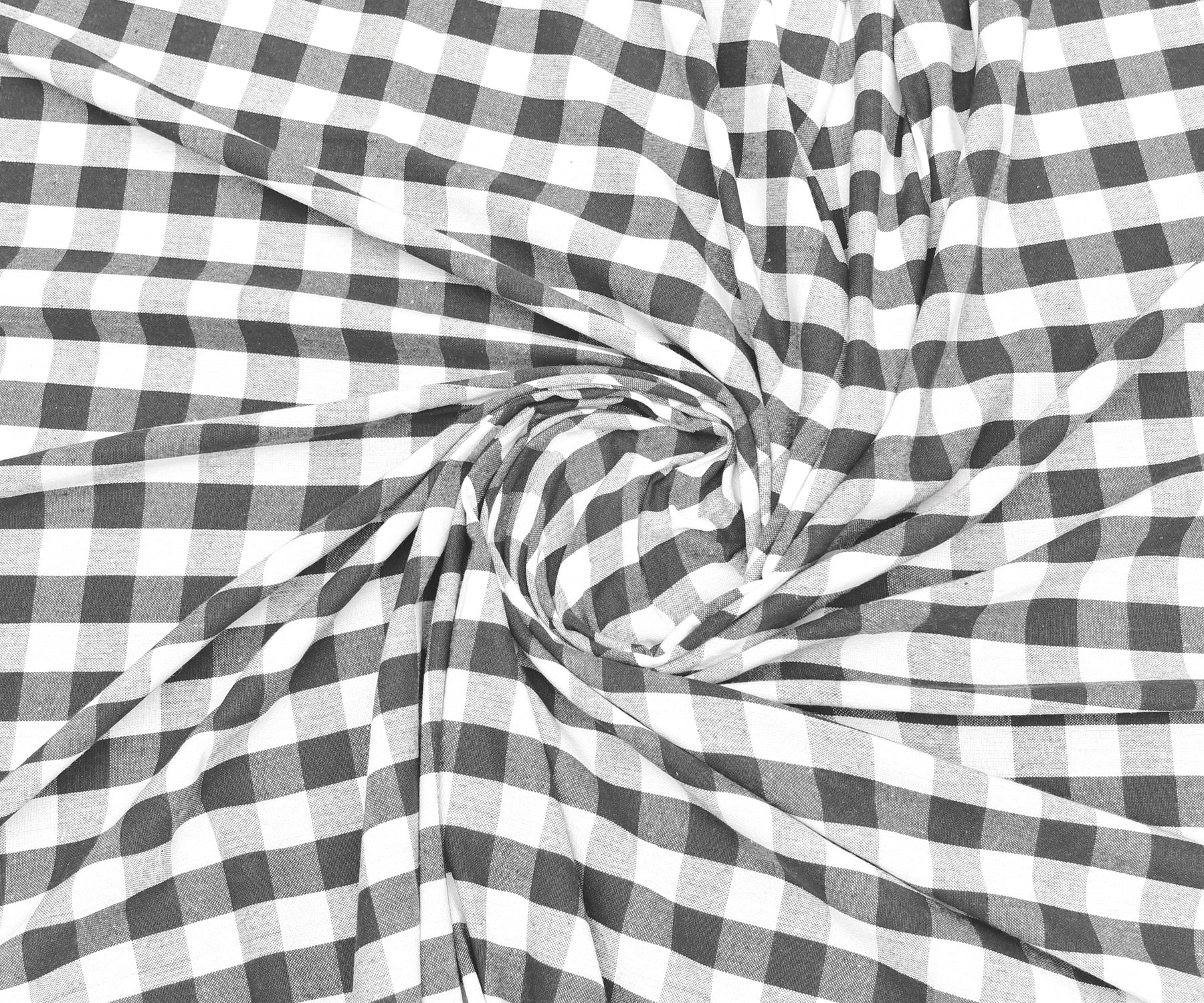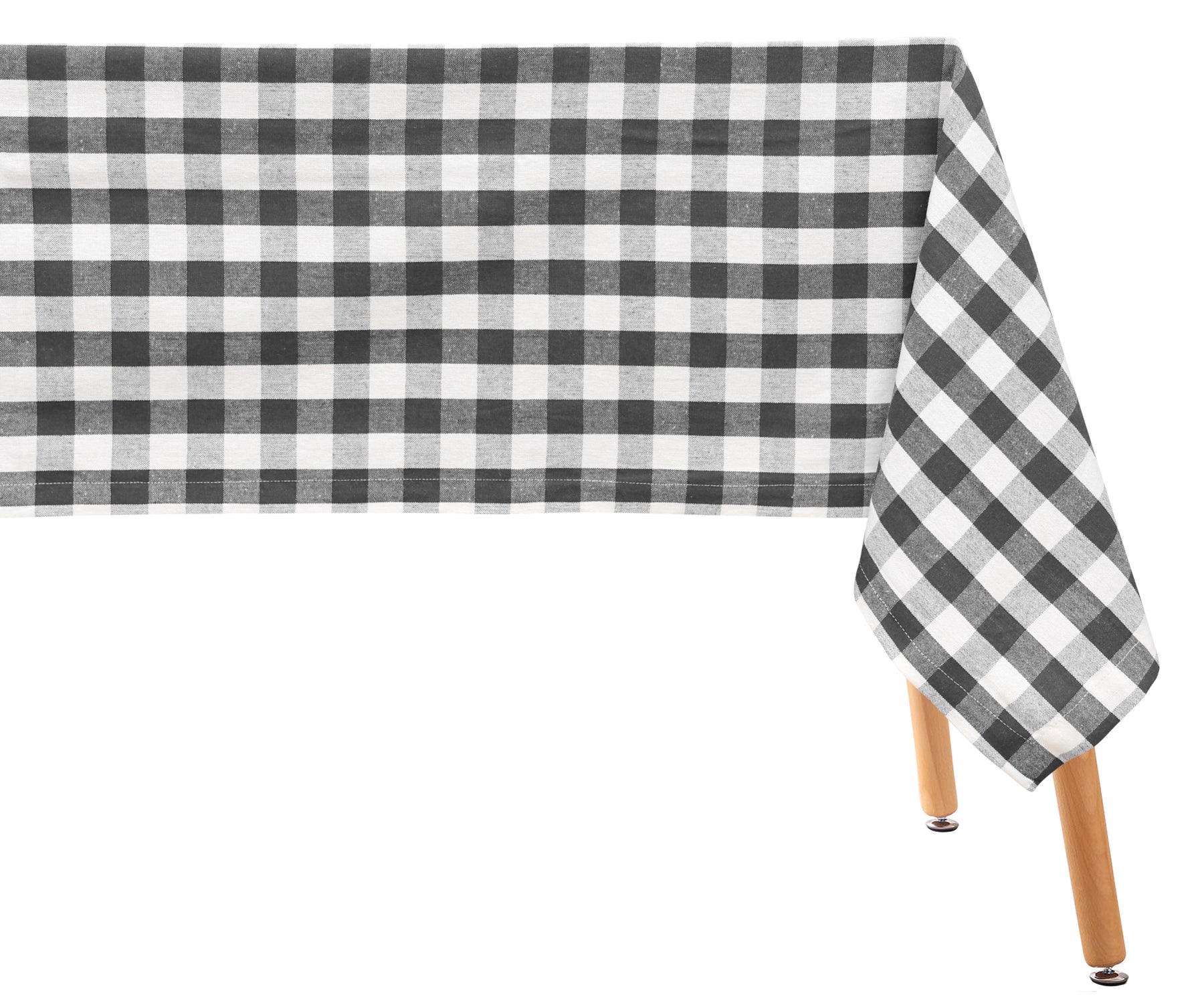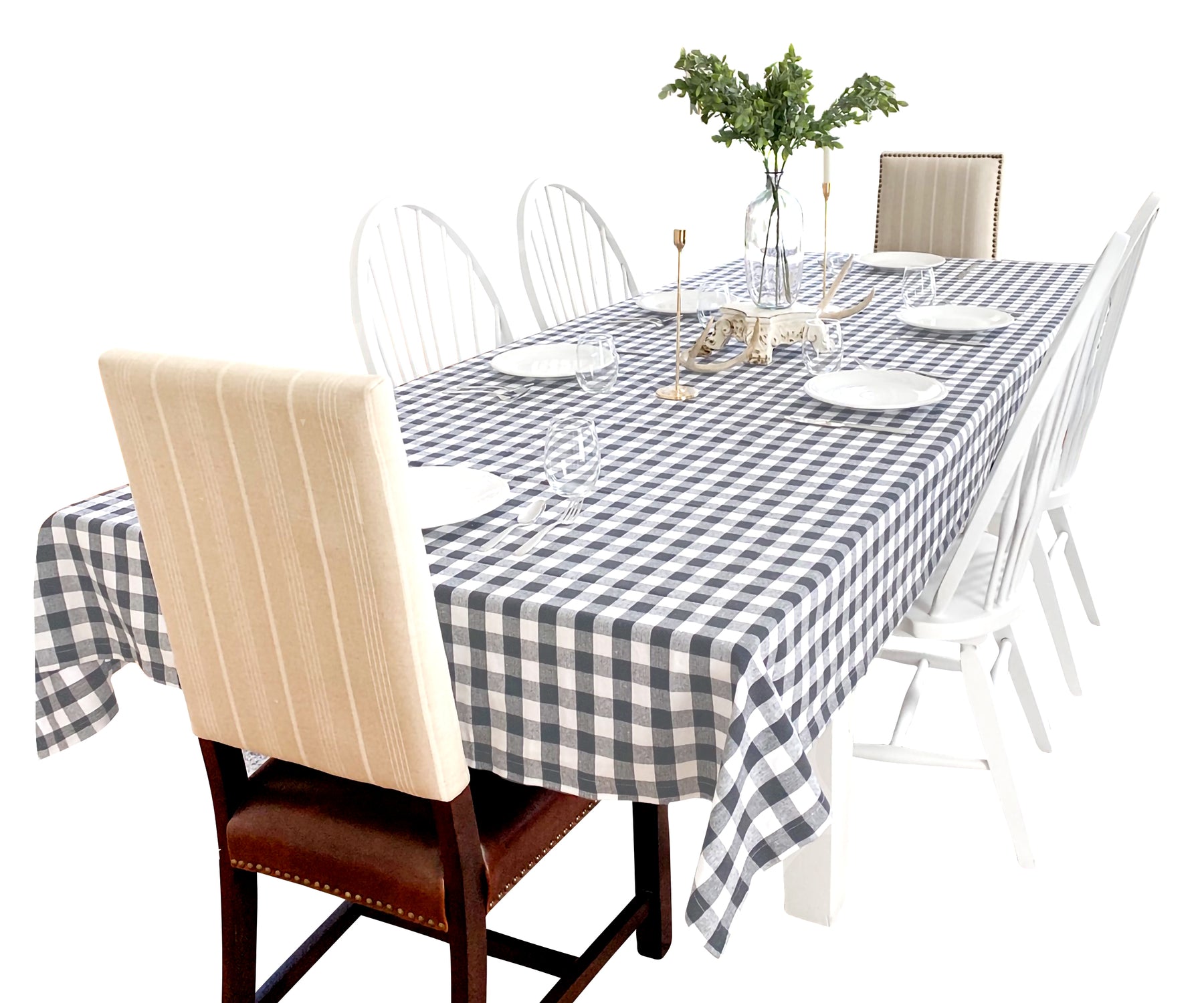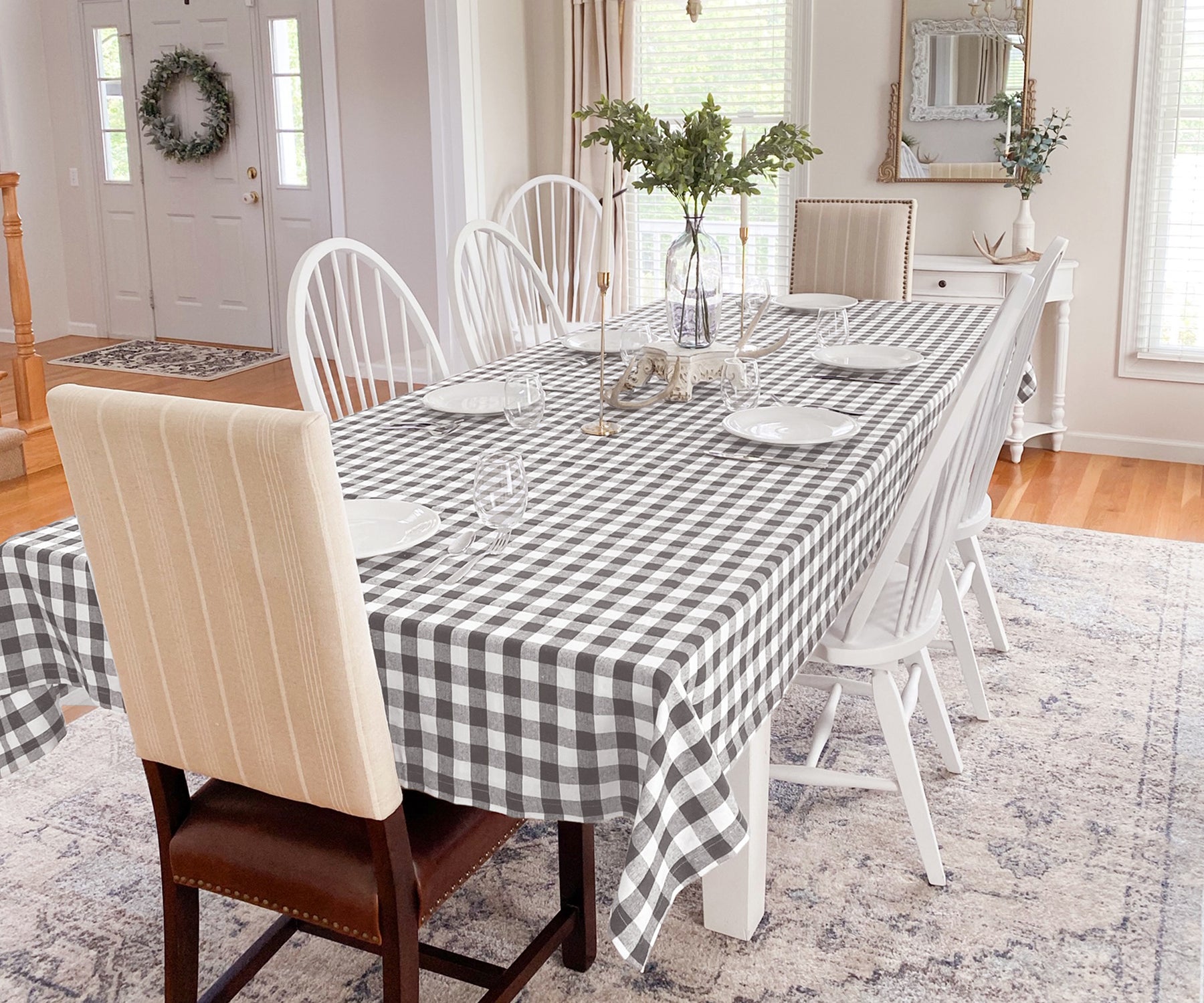


What Is Polyester?
Polyester is a synthetic fabric made from petroleum-based compounds. Unlike cotton or wool, it does not come from plants or animals. Instead, it’s engineered to be strong, lightweight, and resistant to wear and tear.

The biggest reason polyester is so common is its versatility. It can feel soft or structured, thick or breathable, depending on how it’s woven or blended with other fibers.
What Is Polyester Made Of?
One of the most common questions shoppers ask is what polyester is made of.
Polyester is created using:
-
Petroleum byproducts
-
Ethylene (derived from crude oil)
-
Chemical polymers
These components are chemically processed to form long, strong fibers. Once spun into threads, they’re woven or knitted into fabric.
Because it’s chemically engineered, polyester can be designed to resist wrinkles, hold color well, and last longer than many natural fabrics.
How Is Polyester Made?

Understanding how polyester is made helps explain why it’s so durable.
Here’s a simple breakdown:
-
Petroleum-based chemicals are melted down
-
The liquid is forced through tiny holes (called spinnerets)
-
Fibers cool and harden into long strands
-
These strands are stretched and twisted
-
Threads are woven into fabric
This process allows manufacturers to control thickness, texture, and strength, making polyester suitable for everything from soft bedding to performance wear.
Is Polyester Stretchy?
A common concern is whether it is stretchy.
Pure polyester has very little natural stretch. However, when blended with fibers like spandex or elastane, it becomes highly flexible. That’s why athletic wear often uses polyester blends; it holds shape while allowing movement.
So yes, polyester can stretch, but usually only when mixed with other fibers.
To Learn: Spring Recipes: 12 Fresh and Easy Foods to Try in 2026
Does Polyester Shrink?

People often worry: Does polyester shrink after washing?
The good news polyester is highly shrink-resistant. Unlike cotton or wool, it doesn’t easily change size when washed or dried under normal conditions.
That said, extremely high heat can cause polyester fibers to tighten. This leads many people to search for how to shrink polyester intentionally.
Can You Iron Polyester?
Yes, can you iron polyester? Absolutely, but with caution.
Polyester is heat-sensitive. Too much heat can melt or permanently damage the fabric.
Safe ironing tips:
-
Use a low heat setting
-
Turn the garment inside out
-
Place a thin cotton cloth between the iron and the fabric
-
Avoid steam directly on delicate polyester
When in doubt, steaming is a safer alternative.
Is Polyester Bad for You?

Polyester is generally considered safe to wear, but it has a few downsides:
-
Less breathable than natural fibers
-
Can trap heat and moisture
-
May cause discomfort for sensitive skin
However, modern manufacturing has improved polyester significantly. Moisture-wicking and breathable polyester fabrics are now widely available, especially for sportswear and bedding.
For everyday use, polyester is safe, just not always the best option in extremely hot climates.
Why Polyester Is So Popular
Despite debates around comfort, polyester remains one of the most used fabrics worldwide.
Here’s why:
-
Affordable
-
Long-lasting
-
Wrinkle-resistant
-
Quick-drying
-
Easy to maintain
It’s especially popular in blended fabrics, where it adds strength and durability without sacrificing softness.
Polyester vs Natural Fabrics
Compared to cotton or linen:
-
Polyester lasts longer
-
Cotton breathes better
-
Linen feels cooler
-
Polyester resists stains and fading
That’s why many home textiles and clothing items combine polyester with natural fibers to get the best of both worlds.
How to Care for Polyester Fabric
Caring for polyester is simple:
-
Machine wash in cold or warm water
-
Use mild detergent
-
Avoid bleach
-
Tumble dry low
Thanks to its low-maintenance nature, polyester is ideal for busy households.
Know More: What Is Satin Fabric? Uses, Care Tips, and Satin vs Silk Explained
Polyester has earned its place as an everyday fabric because it’s practical, durable, and easy to maintain.
Whether it’s used in clothing, home furnishings, or accessories, it fits well into busy modern lifestyles where convenience matters.
Understanding how it’s made and how it reacts to heat, washing, and wear helps you use it better and make it last longer.
Like any fabric, it has its strengths and limitations, but when chosen and cared for wisely, polyester remains a reliable option for comfort, longevity, and everyday use.