

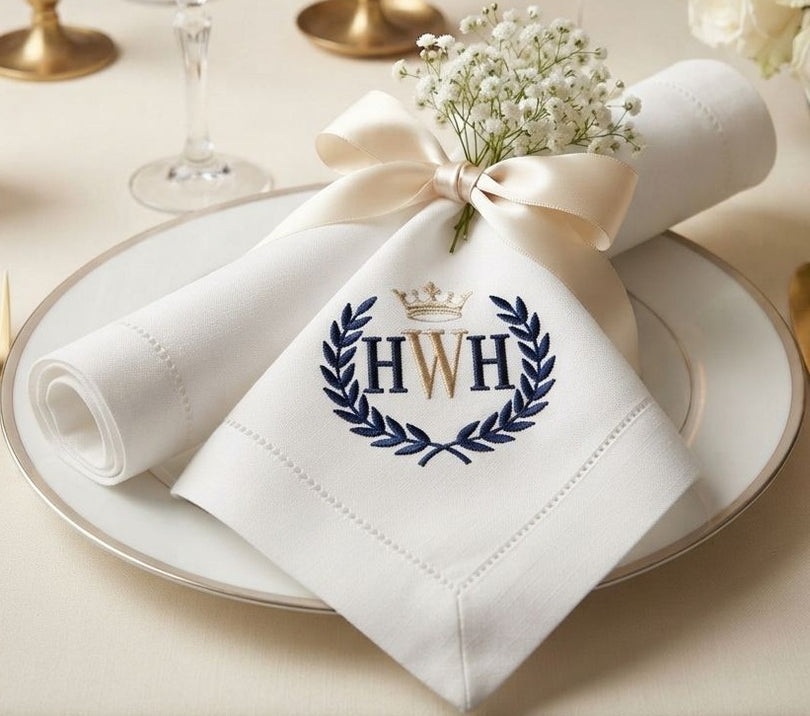

The answer depends on a few factors—how often you plan to use them, how they'll be cleaned, and the kind of look you want at your table. This guide walks through the most popular napkin fabrics, their pros and cons, and how to pick the right one for your home or event.
Why Fabric Choice Matters More Than You Think
A napkin's fabric affects three things: how well it performs, how long it lasts, and how it feels in your hand. A fabric that looks beautiful but frays after a few washes isn't practical for daily use. On the other hand, a napkin that's tough and easy to clean but rough to the touch won't feel right at a dinner party.
Before choosing a fabric, it helps to think about three qualities:
- Absorbency—how well the fabric handles spills and wipes hands or mouths cleanly
- Durability – how the fabric holds up to repeated washing and daily wear
- Texture and drape – how the napkin looks folded on a table and feels against the skin
With those in mind, here's how the most common napkin fabrics compare.

Linen: The Classic Choice for Elegant Tables
Linen is made from the fibers of the flax plant and is widely considered one of the finest materials for napkins, especially in upscale or formal settings. It has been used for table linens for centuries, and it's easy to see why; the fabric has a natural strength that comes from the way flax fibers are structured, giving linen napkins excellent durability over time.
Linen also has a subtle, natural sheen and a slightly textured feel that gives any table setting an elevated look without trying too hard. It's highly absorbent, which makes it genuinely useful at the table, not just decorative. Many people also find that linen actually improves with age; it tends to soften with repeated washing rather than wearing out.
The trade-off is that linen wrinkles easily and often needs ironing or steaming to look crisp. It also tends to sit at a higher price point than cotton. For special occasions, holiday dinners, or a permanent upgrade to your everyday table setting, though, linen is hard to beat.

Cotton: The Everyday Favorite
If linen is the elegant choice, cotton is the practical one. Cotton napkins are soft, breathable, and highly absorbent, making them a reliable choice for daily meals as well as casual gatherings. They're also generally more affordable than linen and come in a huge range of colors, patterns, and weaves.
Cotton is fairly easy to care for; most cotton napkins can be machine washed and dried without special handling. The main downside is that cotton wrinkles fairly easily too, though usually less noticeably than linen, especially in tighter weaves. For households that use cloth napkins every day, cotton is often the most sensible choice because it balances comfort, cost, and easy upkeep.
Organic cotton is worth a mention here as well. It offers the same softness and performance as regular cotton but is grown without synthetic pesticides or fertilizers, making it a better option for anyone prioritizing sustainability.
To Know: Cotton vs Linen Tablecloth: Which Is Better for Your Table?
Cotton-Linen Blend Napkins: A Balance of Comfort and Durability
Cotton-linen blend napkins combine the strengths of both natural fibers. Cotton adds softness and makes the fabric easier to care for, while linen contributes durability, texture, and a beautiful drape. The result is a napkin that looks refined without requiring as much upkeep as pure linen.
These blends wrinkle less than 100% linen, are generally easy to wash, and work well for both everyday meals and special gatherings. They are a practical choice for anyone who wants the natural look of linen with simpler maintenance.
Best for:
-
Everyday dining
-
Family gatherings
-
Casual entertaining
-
Homes that prefer low-maintenance table linens

Polyester and Poly-Blend Napkins: Easy to Maintain
Polyester and poly-blend napkins are designed for durability and convenience. They resist wrinkles, hold their shape after repeated washing, and dry quickly, making them a practical option for frequent use.
Although they are less absorbent than natural fabrics like cotton or linen, their easy-care qualities make them a popular choice for commercial settings and large events.
Best for:
-
Restaurants and cafés
-
Catering services
-
Weddings and banquets
-
Outdoor events
-
Budget-conscious buyers
How to Choose the Right Napkin Fabric for Your Needs
Here's a simple way to think about it based on how you'll use your napkins:
-
Everyday family meals → Cotton or a cotton-linen blend for easy care and comfort
-
Formal dinners and special occasions → Linen or satin for an elevated look
-
Weddings and events → Linen, cotton-linen blends, or satin depending on the formality
-
Restaurants and high-traffic settings → Polyester or cotton-polyester blends for durability and low maintenance
-
Eco-conscious households → Organic cotton or linen, both of which are natural, biodegradable fibers
Find Out: How to Care for Blackout Curtains and Keep Them Clean, Dust-Free, and Fresh
Common Mistakes to Avoid When Buying Napkins
-
Choosing based on looks alone – A beautiful fabric that isn't absorbent or durable will frustrate you in daily use.
-
Ignoring maintenance requirements – Linen and satin often need more careful washing and ironing than cotton or polyester.
-
Buying the wrong weight – Napkins that are too thin can feel flimsy, while overly thick ones can feel bulky on the lap.
-
Not matching fabric to occasion – Casual cotton napkins may look out of place at a formal dinner, just as satin can feel excessive for a weekday breakfast.

Caring for Your Cloth Napkins
-
Wash promptly to prevent stains from setting, especially with cotton and linen.
-
Avoid high heat when drying delicate fabrics like linen or satin, as it can weaken fibers over time.
-
Iron or steam linen and cotton napkins while slightly damp for a crisper finish.
-
Store folded, not balled up, in a cool, dry place to prevent creasing and mildew.
-
Follow care labels closely, especially for blends and specialty fabrics like satin.
Overview
There's no single "best" fabric for napkins; the right choice depends on how and where you'll use them. Linen and cotton-linen blends remain the top picks for anyone who wants a balance of elegance and durability, while pure cotton is ideal for everyday practicality. Polyester works well for high-use settings that prioritize easy care, and satin has its place for special, formal occasions.
Whatever you choose, investing in quality cloth napkins is a simple way to bring a more intentional, elevated feel to your table one meal at a time.