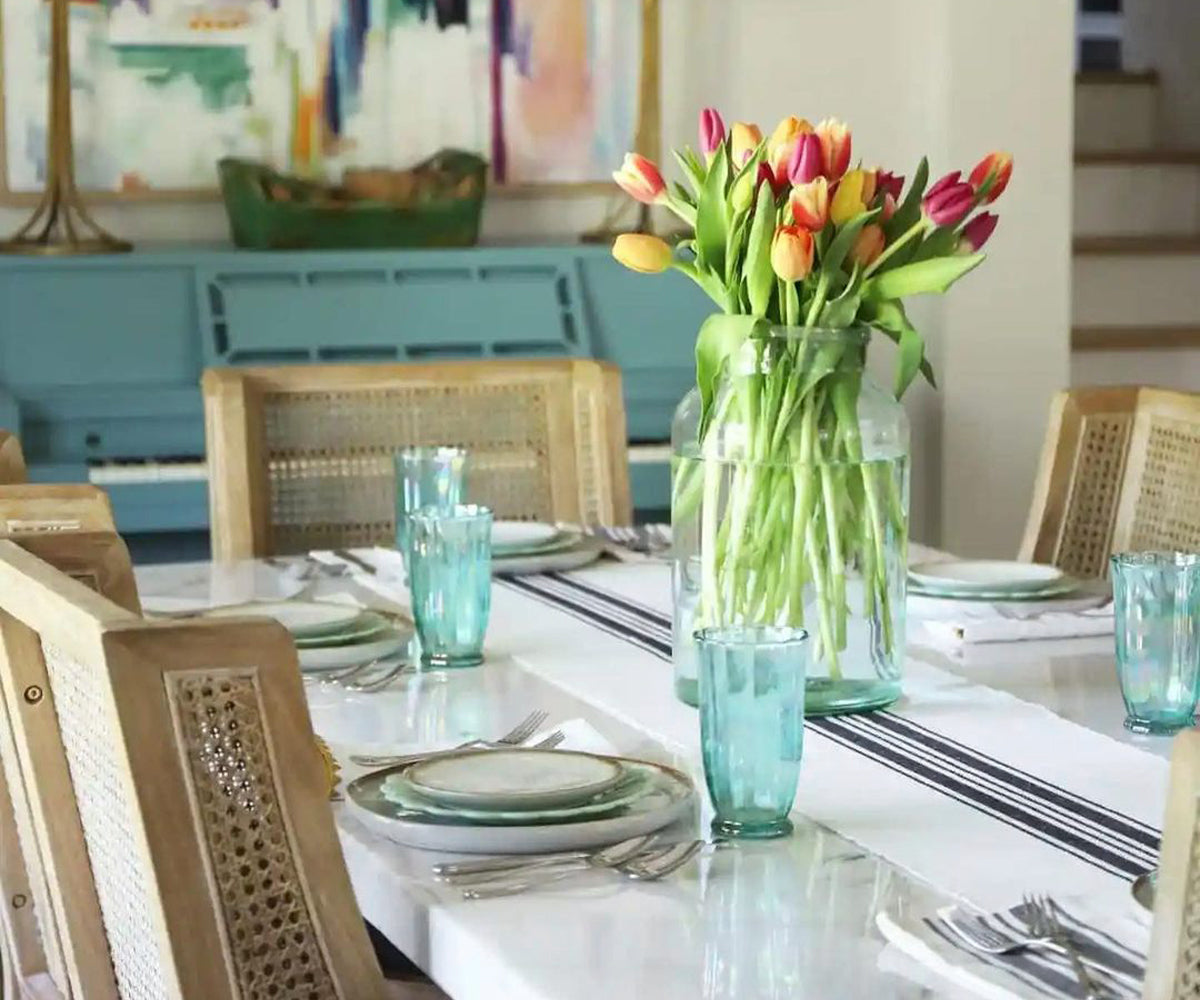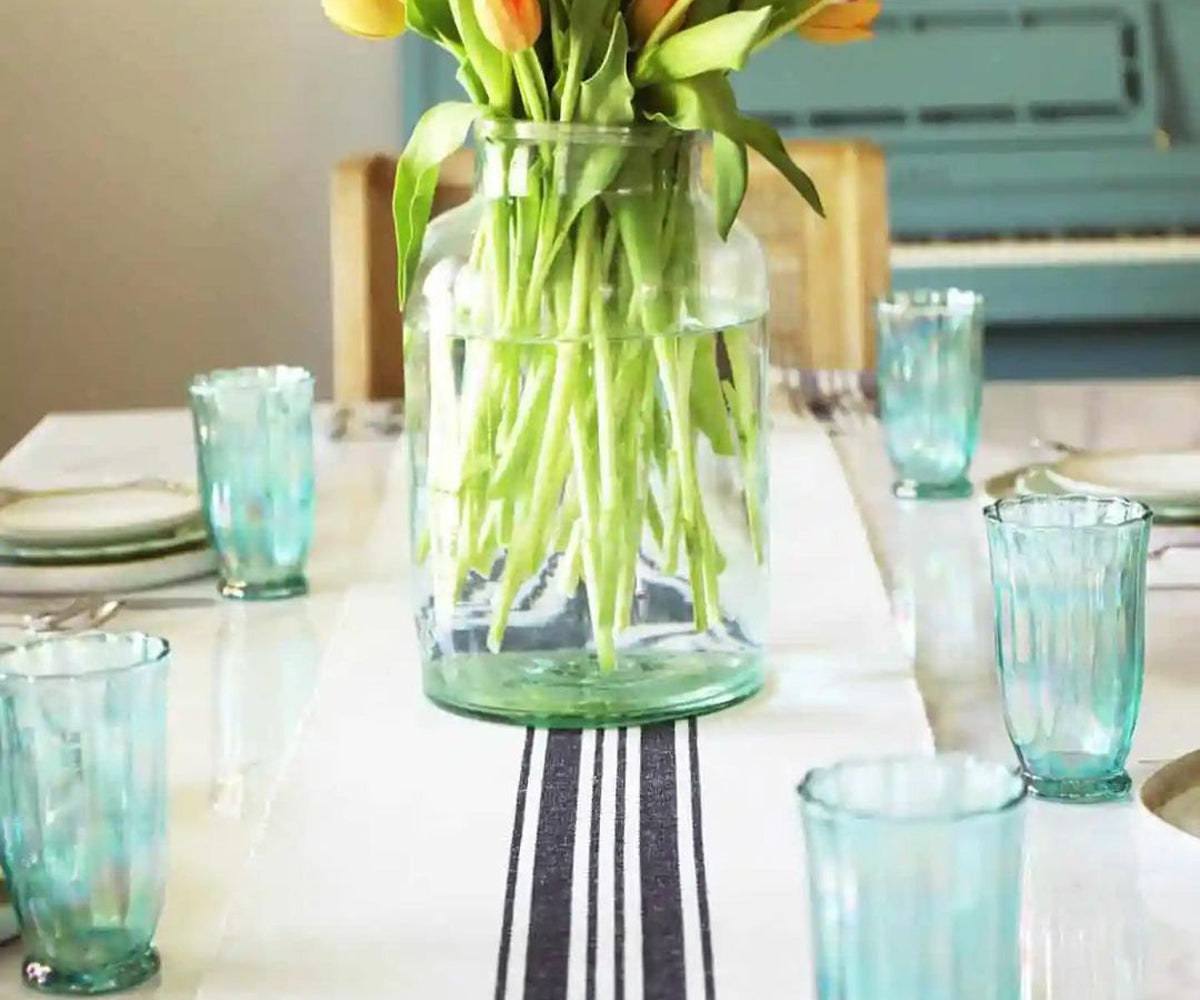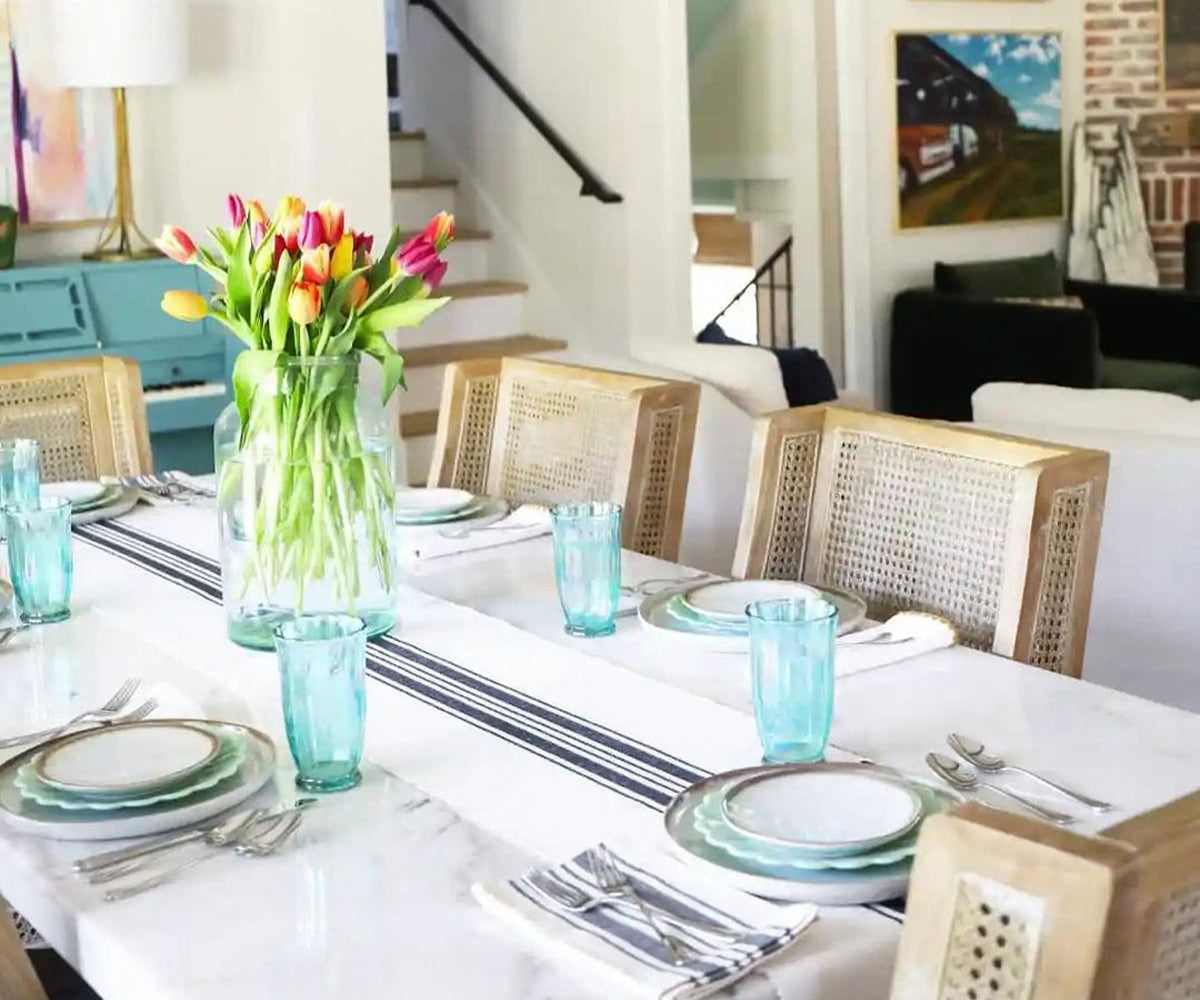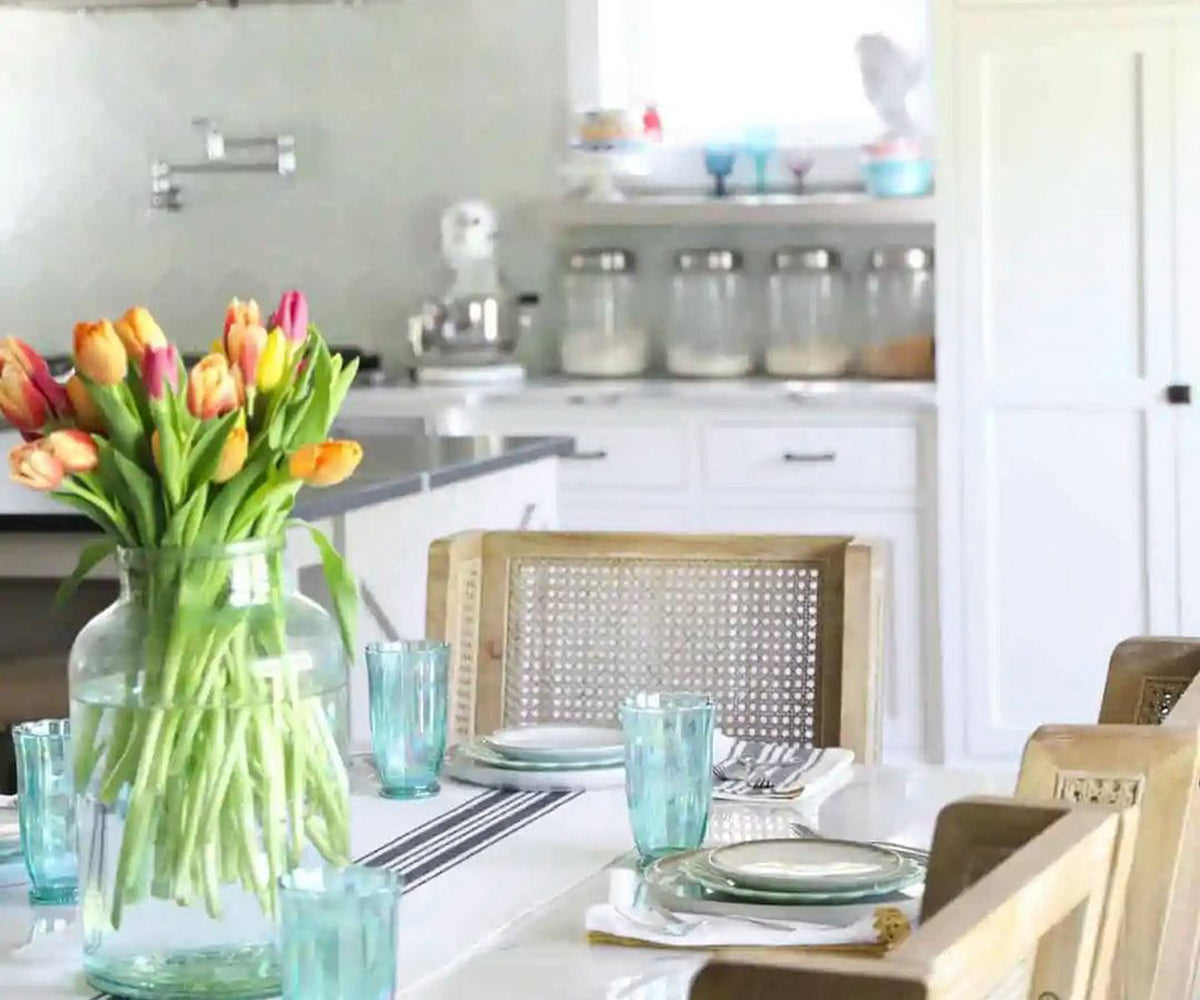


Wedding table linens are not a background detail. They are the surface on which everything else in your reception is displayed: the flowers, the glassware, the dinnerware, the candles, the name cards, the centrepieces. Before a single guest sits down, the table linens have already set the tone for the entire evening.
Choose them well, and the room feels cohesive, considered, and genuinely beautiful. Choose them poorly or not at all, and even the most expensive flowers and the most thoughtfully arranged centrepieces will look slightly incomplete, as though the whole design was built on an afterthought.
The good news is that choosing wedding table linens is not complicated once you know what to look for. This guide covers every factor that matters: fabric, color, sizing, texture, layering, napkins, quality checks, and the questions every couple should ask before buying or renting. Whether you are planning an intimate garden ceremony or a formal ballroom reception, this is everything you need to get it right.

Start with the fabric, which determines everything else
Fabric is the first and most consequential decision in wedding table linen selection. It determines how the tablecloth drapes, how it photographs, how it feels to guests who touch it, how it handles the inevitable spills of a long reception, and how it holds up through an entire evening of service.
Every fabric has a set of strengths that suit specific wedding settings. Understanding those strengths before making any other decision makes every subsequent choice significantly easier.
Linen for natural elegance and timeless texture
Linen is the most refined and distinctive natural tablecloth fabric, and it has become one of the most sought-after choices for modern weddings precisely because it occupies a rare middle ground; it looks elevated and intentional without looking stiff or formal. The characteristic texture of linen, the subtle slubs and natural variations in the flax weave, give a reception table a warmth and organic beauty that synthetic fabrics cannot replicate.
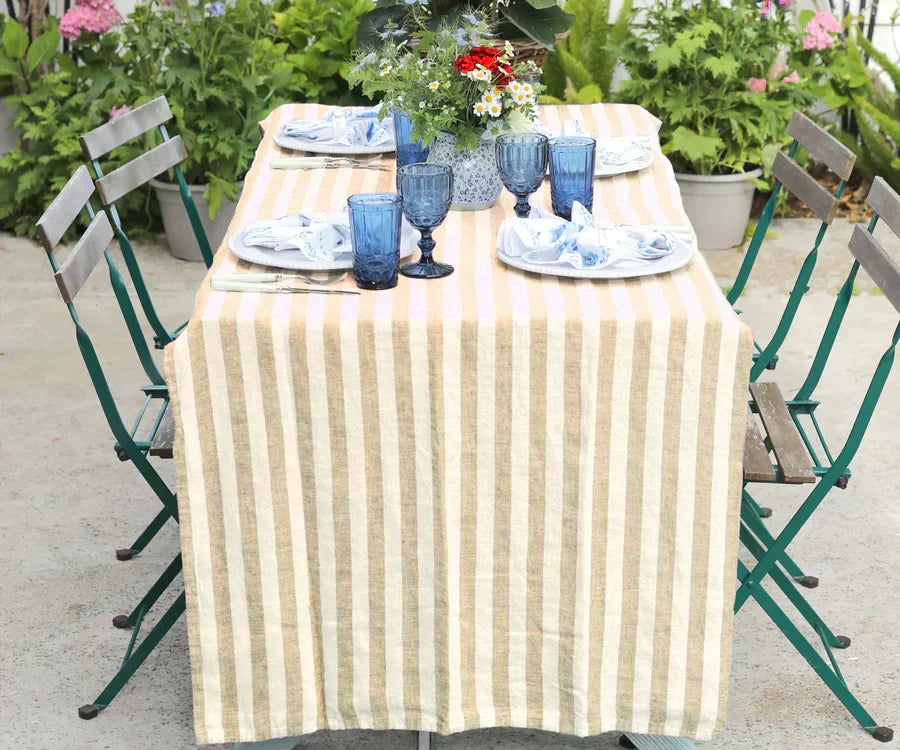
Linen tablecloths and napkins drape beautifully on round and rectangular reception tables. They absorb light rather than reflecting it, which means they photograph warmly and naturally without the cold sheen that synthetic fabrics produce under event lighting. They are the preferred choice for garden weddings, barn receptions, coastal ceremonies, vineyard settings, and any wedding where the aesthetic leans toward natural, organic, or romantically understated.
The honest consideration with linen is its tendency to wrinkle, which creates significant creases and requires steaming or pressing before use. For events managed by an experienced caterer or rental company, this is handled as standard. For DIY or self-managed receptions, it is worth factoring into your preparation timeline.
Best for: Garden, outdoor, coastal, vineyard, barn, rustic-elegant, and minimalist modern weddings. Daytime receptions and warm-weather events. Couples who want natural fiber quality with long-term reuse potential after the wedding.
Cotton for soft everyday elegance
Cotton tablecloths and napkins are the most versatile and widely available natural fiber choice for weddings. They are softer than linen, highly absorbent, available in the widest range of colors and sizes, and machine washable, which matters both for pre-event preparation and for any post-event care.
Cotton hemstitch napkins, in particular, are one of the most popular choices for wedding tables. The hemstitch border adds a quiet refinement that elevates a simple cotton napkin into something genuinely considered and elegant. They fold crisply, hold their shape through a full service, and look beautiful in every napkin fold, from a simple rectangle to an elaborate fan.
Best for: Daytime receptions, garden parties, casual-elegant and semi-formal weddings, budget-conscious couples who do not want to compromise on natural fiber quality.
Find Out: What Is the Best Size for Cloth Napkins?
Polyester for practicality and large events
Polyester is the workhorse of the event and wedding industry, and with good reason. It is wrinkle-resistant, stain-resistant, colorfast, available in an enormous range of colors, and affordable enough to buy or rent in the quantities that a large wedding reception requires. Modern woven polyester, particularly polyester twill or matte polyester, has improved considerably from older synthetic fabrics. It lies flat, drapes well, and photographs cleanly under event lighting.
For large formal receptions where managing dozens of linen tablecloths is logistically complex, for evening events with dramatic lighting where the fabric's natural texture is less visible, and for couples working within tight linen budgets, polyester is an entirely appropriate choice.
The trade-off is that it lacks the organic warmth and natural texture of cotton or linen — something that is most noticeable in close-up photography and when guests touch the fabric directly.
Best for: Large formal receptions, evening events, budget-conscious couples, events managed by caterers with large rental inventories.
Cotton-linen blend the practical middle ground
A cotton-linen blend offers the natural texture and organic warmth of linen with the softness and slightly easier care of cotton. For couples who want the visual quality of linen without the full maintenance demands of pure linen, a blend is the ideal solution. Blends wrinkle less than pure linen, soften with washing, and carry enough natural fiber character to read as elevated and considered on a reception table.
Best for: Couples who want the linen aesthetic with slightly more practical care. Indoor and outdoor weddings across all seasons.
Color building your wedding linen palette
Color is where the wedding table linens connect to the broader design vision of the day. The linens do not need to match every element in the room; they need to work in harmony with the flowers, the venue, the dinnerware, and the wedding palette as a whole.
Start with a neutral base
The most reliable and widely successful approach to wedding table linen color is to anchor the tablecloth in a neutral tone and introduce the wedding palette through the napkins, runner, and accent elements. White, ivory, cream, champagne, and natural linen are the most widely used wedding tablecloth base colors, each with a slightly different temperature and character.
White is the cleanest and most formal, most effective in rooms with dark or dramatic architectural features where a bright, high-contrast surface creates visual impact. Ivory and cream are warmer and slightly more relaxed; they suit candlelit receptions and venues with warm wood tones beautifully. Natural linen has the most organic, textured quality of all it belongs in garden settings, barn venues, and any wedding where the aesthetic values authenticity over formality.

Introduce your wedding palette through napkins and runners
Once the tablecloth base is established, the wedding palette enters through the napkins and table runner. This is where sage green, dusty rose, blush, deep burgundy, navy, terracotta, or whatever specific combination defines your wedding makes its most visible appearance.
A white linen tablecloth with dusty rose napkins and a sage green runner is one of the most popular and enduringly beautiful wedding table color combinations. A natural linen tablecloth with ivory hemstitch napkins and a warm gold runner creates a quietly luxurious, timeless look. A crisp white tablecloth with deep navy napkins and a champagne runner creates a bold, formal combination suited to evening receptions.
The principle is consistent: let the tablecloth set the tone, let the napkins carry the color, and let the runner define the center.
2025 and 2026 wedding linen color trends
Sage green remains one of the most sought-after wedding linen colors. Its soft, muted quality suits both outdoor and indoor receptions and pairs beautifully with natural wood elements, white florals, and gold accents. Warm terracotta and burnt orange are strongly trending for rustic, outdoor, and autumn weddings. Dusty blue and slate continue to be popular for coastal and vineyard settings. Deep jewel tones, emerald, sapphire, and deep plum are growing in use for dramatic evening receptions. For couples who want a statement, cobalt blue and deep fuchsia tablecloths are emerging as a bold alternative to the traditional neutral base.
Read Related: Can You Use a Square Tablecloth on a Round Table?
Sizing, getting the drop right
The drop length, the amount of fabric that hangs over the table edge on each side, is the most important sizing variable for wedding table linens. Get it right, and the table looks polished and intentional. Get it wrong, and even the most beautiful fabric looks amateur.
Formal reception with a full skirt:
28–30 inches. This brings the tablecloth to the floor, covering the table legs entirely and creating the clean, professional look that is standard for formal wedding receptions and event tables. Most standard reception tables are 28–30 inches tall, so a 30-inch drop achieves floor length on each side.
Semi-formal or everyday elegant:
12–15 inches. A generous drop that looks polished and considered without full floor-length coverage. Suited to more relaxed reception styles, daytime events, and tables where the chair legs and table base are intentionally visible as part of the aesthetic.
Sizing formulas by table shape:
For rectangular tables: tablecloth length = table length + (2 × drop). Tablecloth width = table width + (2 × drop). For a 60" × 30" table with a 30-inch floor-length drop: 60 + 60 = 120" length, 30 + 60 = 90" width.
For round tables: tablecloth diameter = table diameter + (2 × drop). A 60-inch round table with a 30-inch floor-length drop needs a 120-inch round tablecloth.

Most commonly used wedding tablecloth sizes:
120-inch round is the event industry standard for 60-inch round tables with floor-length coverage. The most widely rented and purchased wedding tablecloth size. 132-inch round for 72-inch round tables with floor-length coverage. 70" × 120" rectangular for 6-foot rectangular tables with a formal drop. 70" × 144" rectangular for 8-foot rectangular tables with a formal drop.
Texture and layering create depth and visual interest
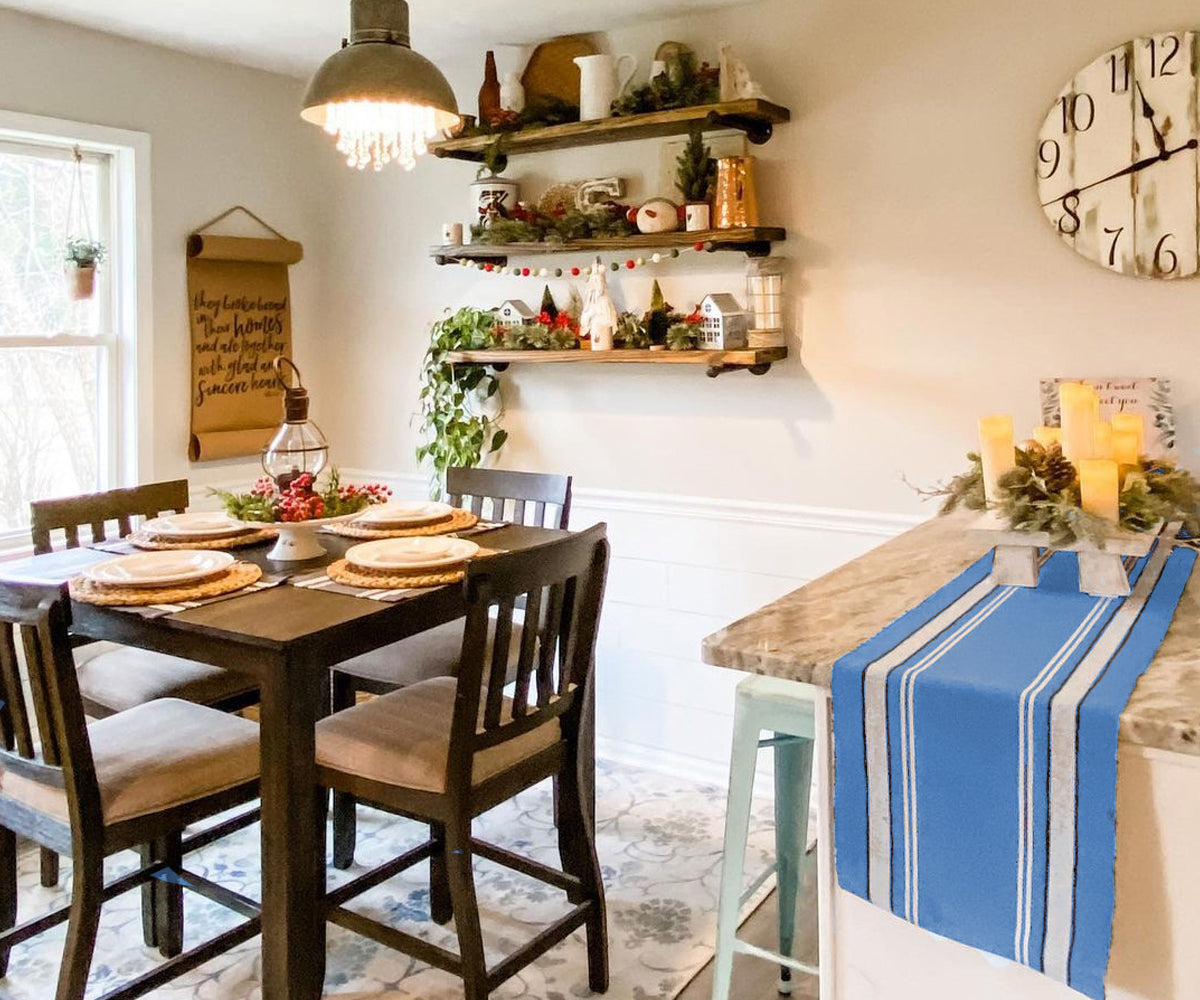
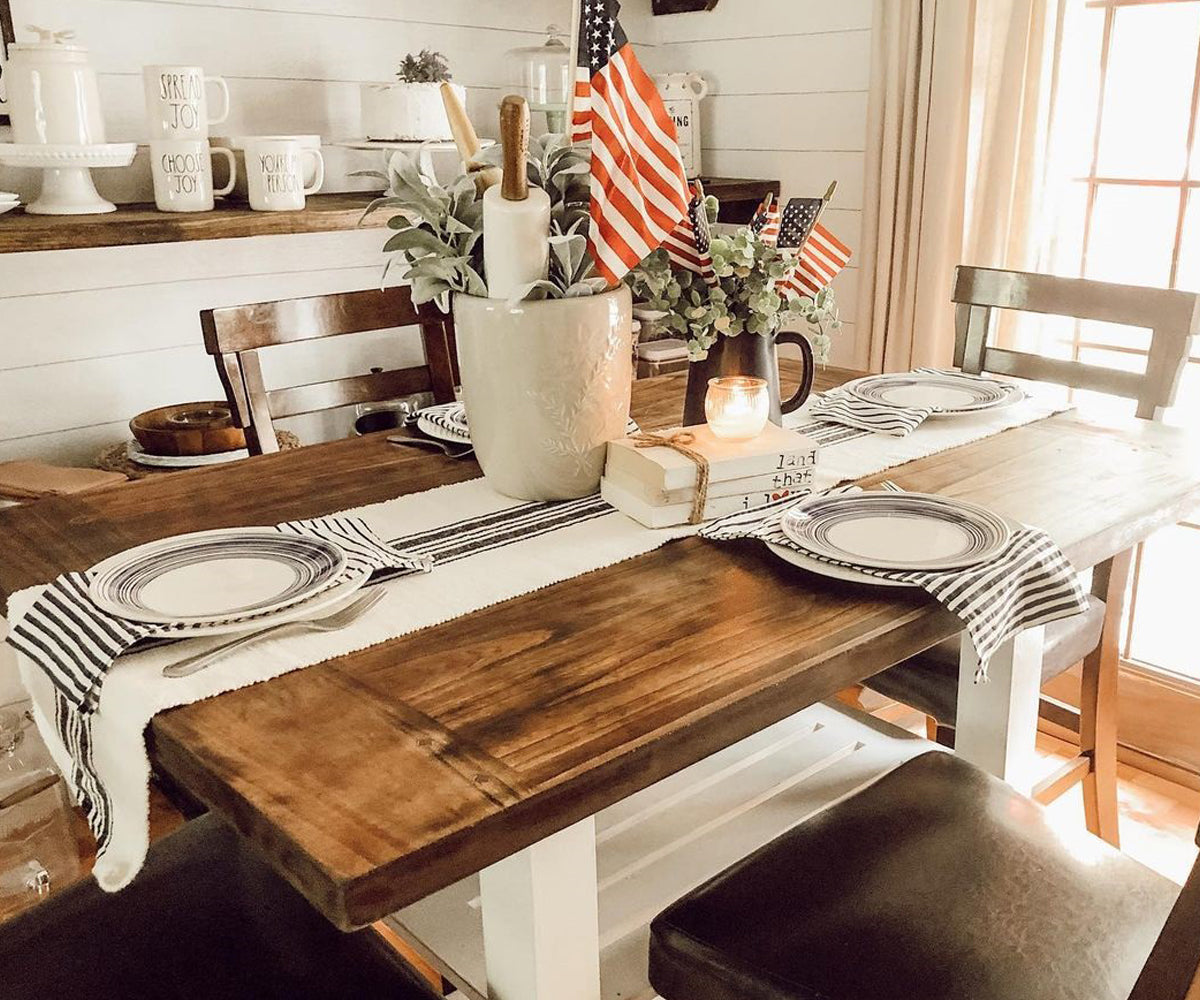
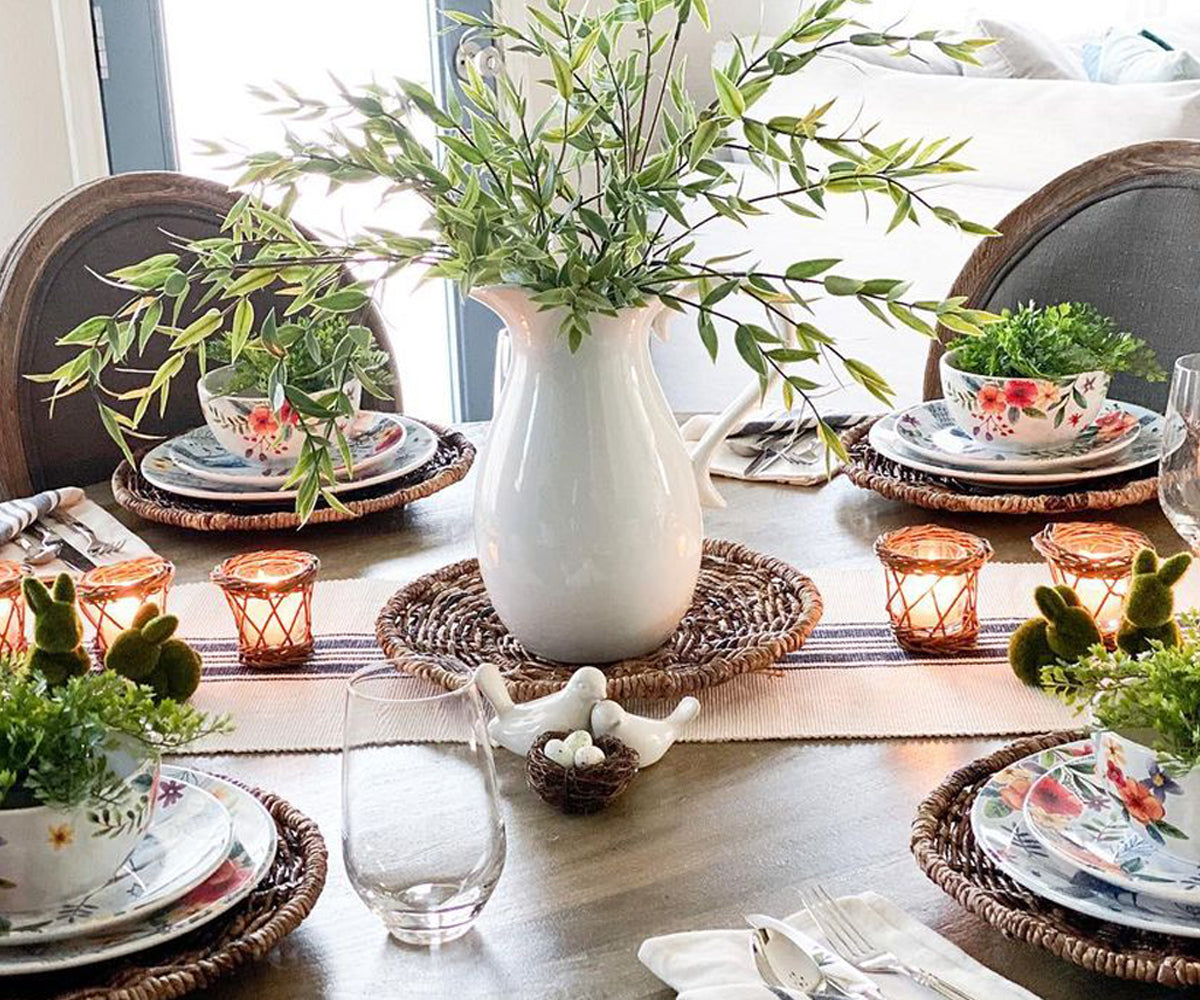
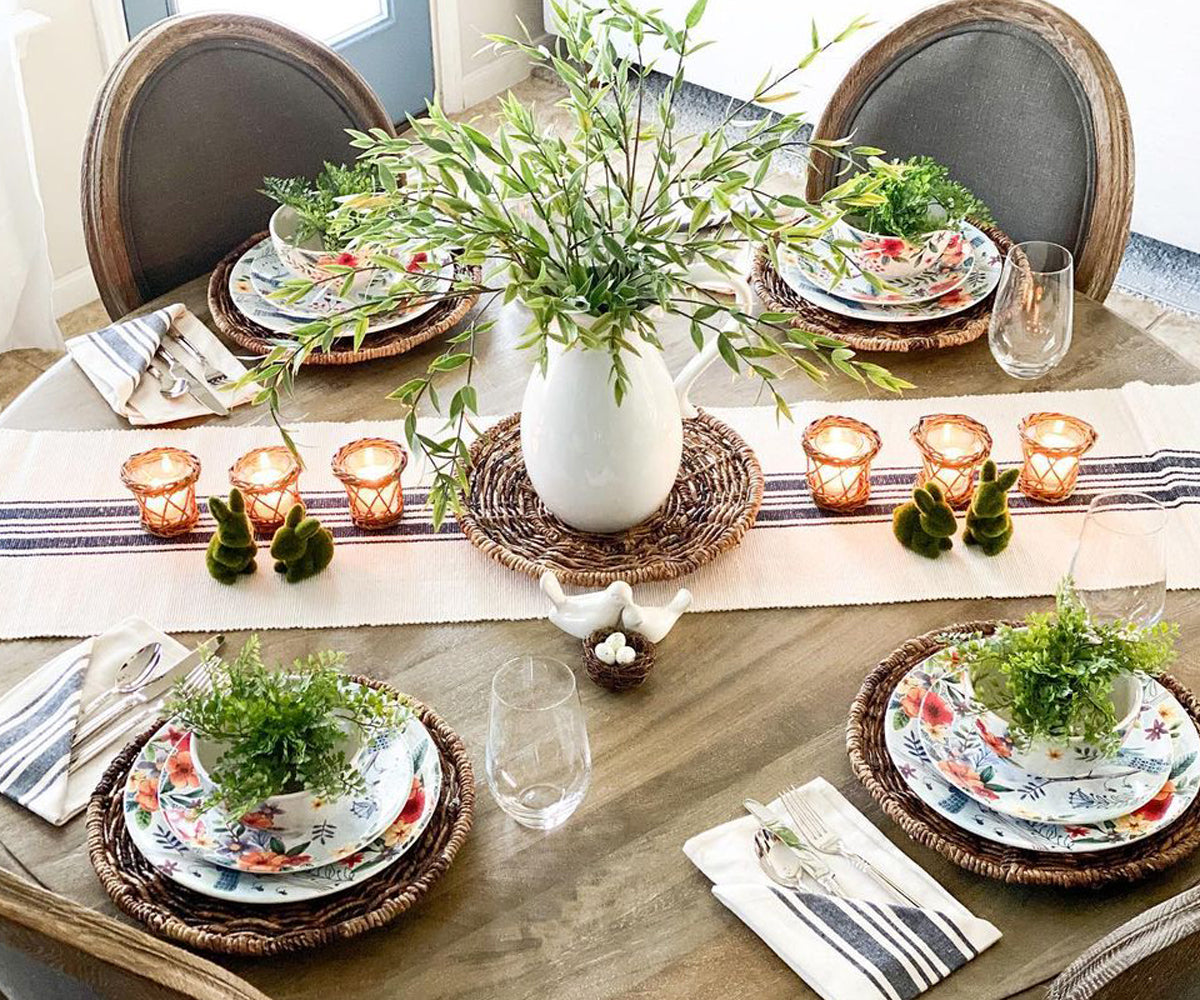
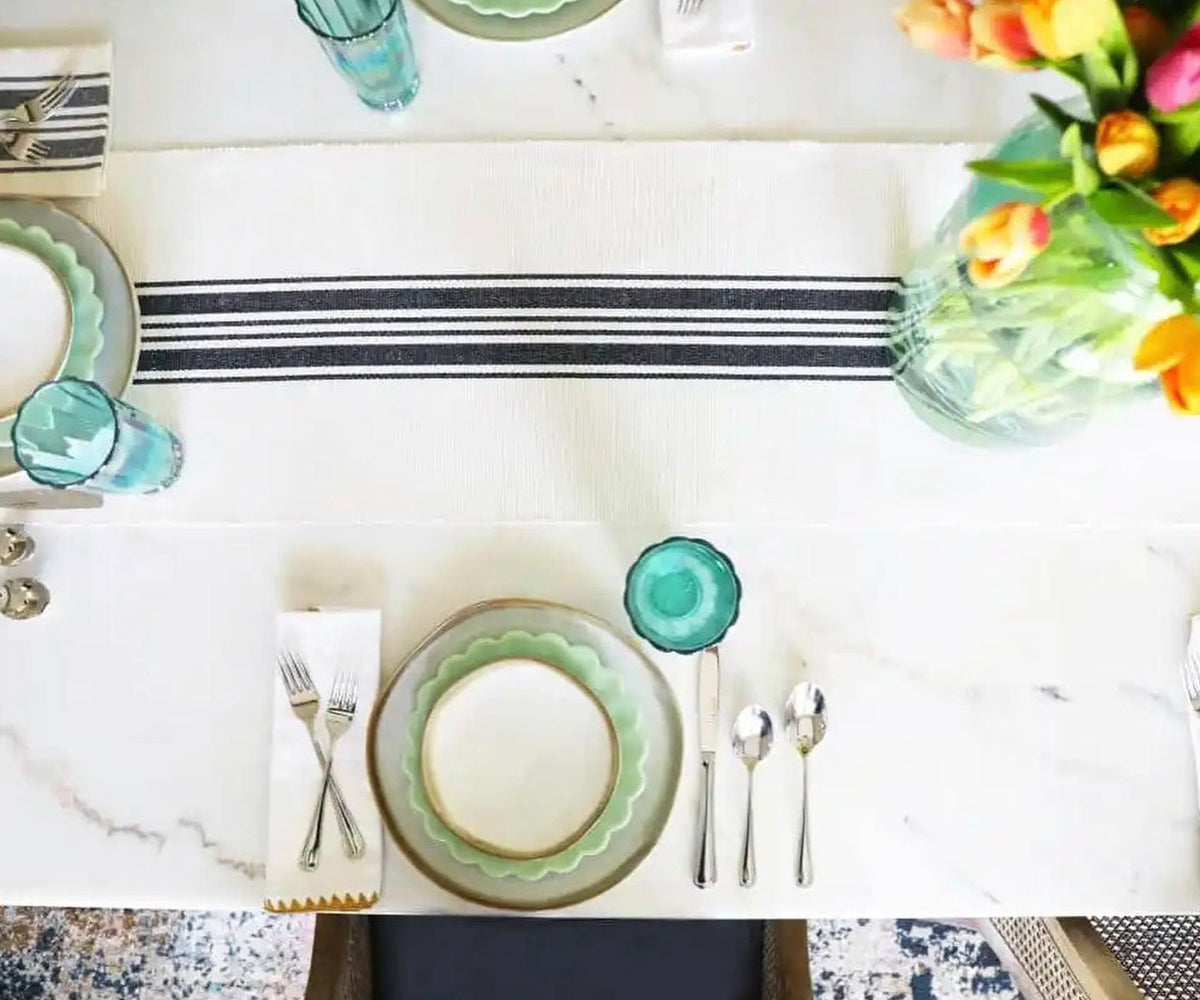
A single-layer tablecloth, no matter how beautiful the fabric, is the starting point, not the finished look. Wedding table settings that truly stand out always involve layering: a base tablecloth, a table runner, and carefully chosen napkins, all in a relationship of color and texture contrast that gives the table visual depth.
The base tablecloth sets the foundation; its color and fabric establish the tone.
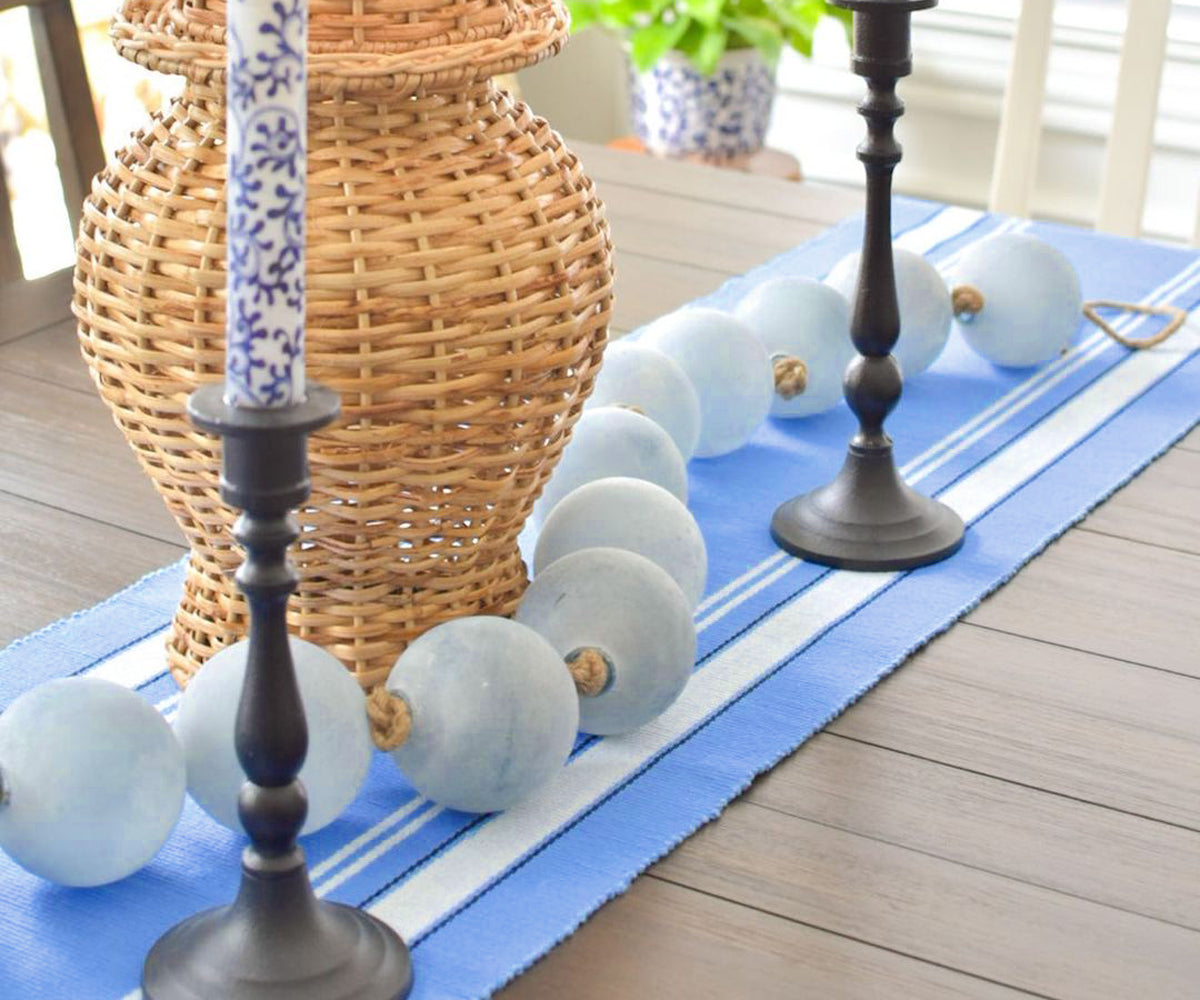
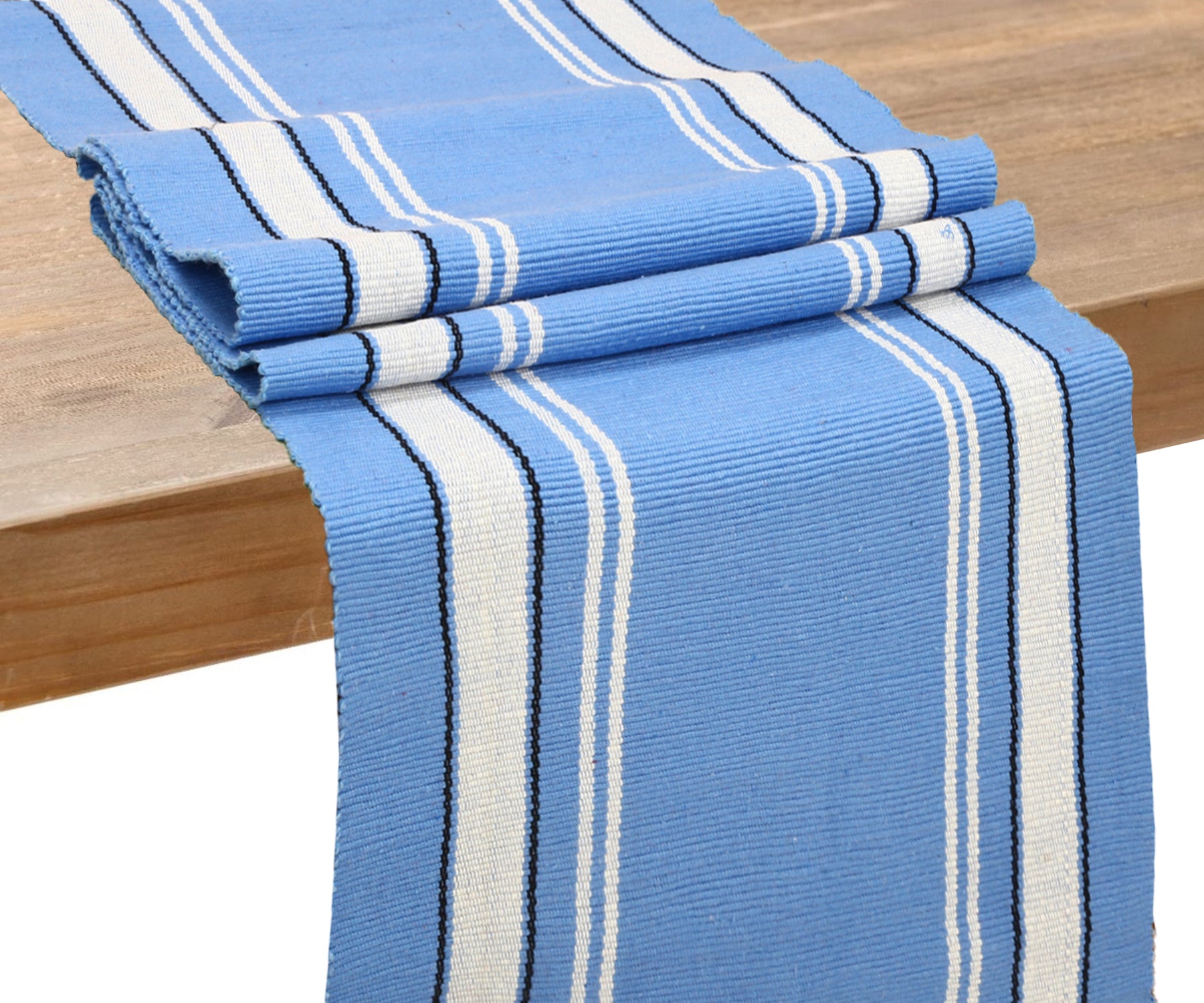
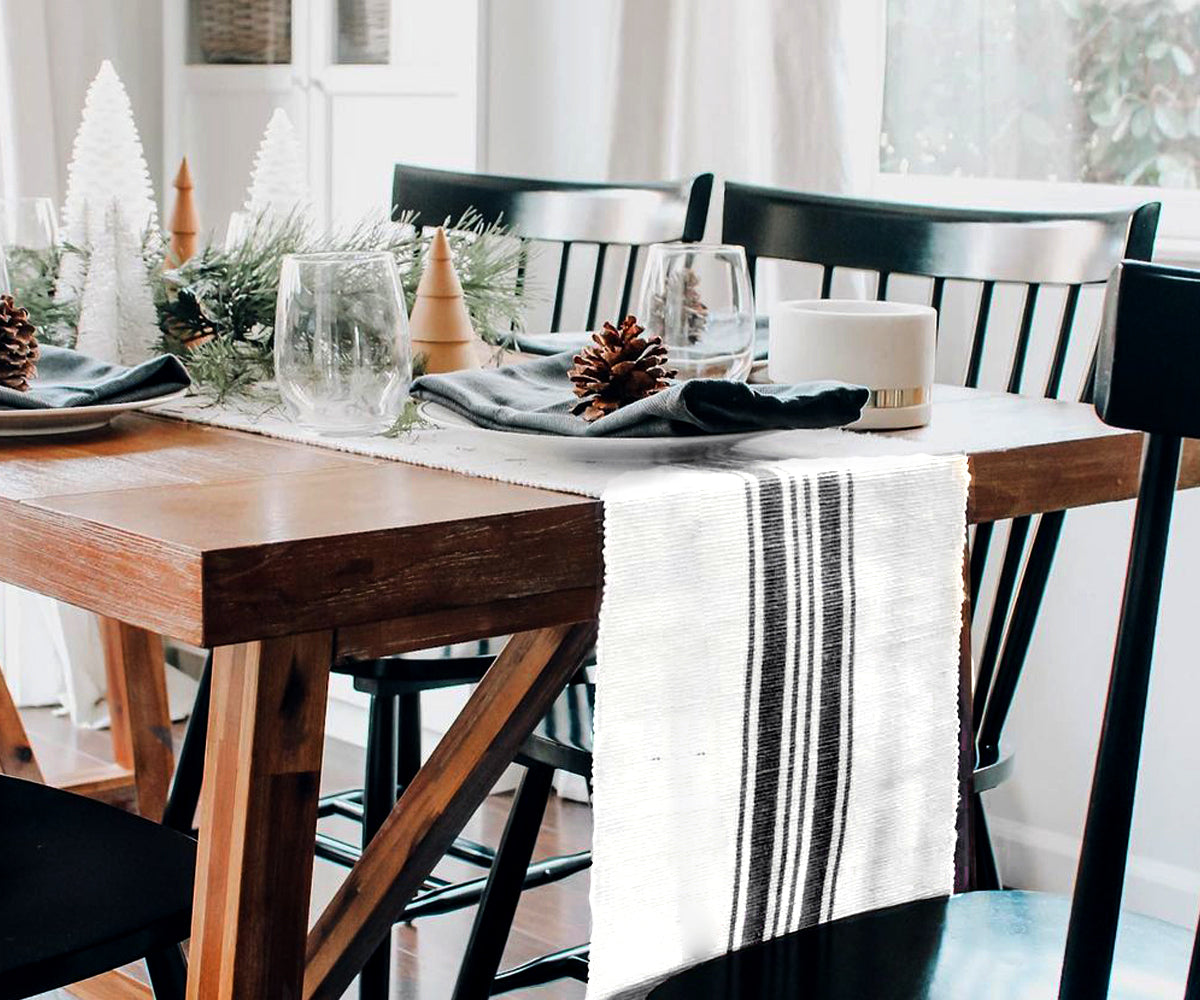
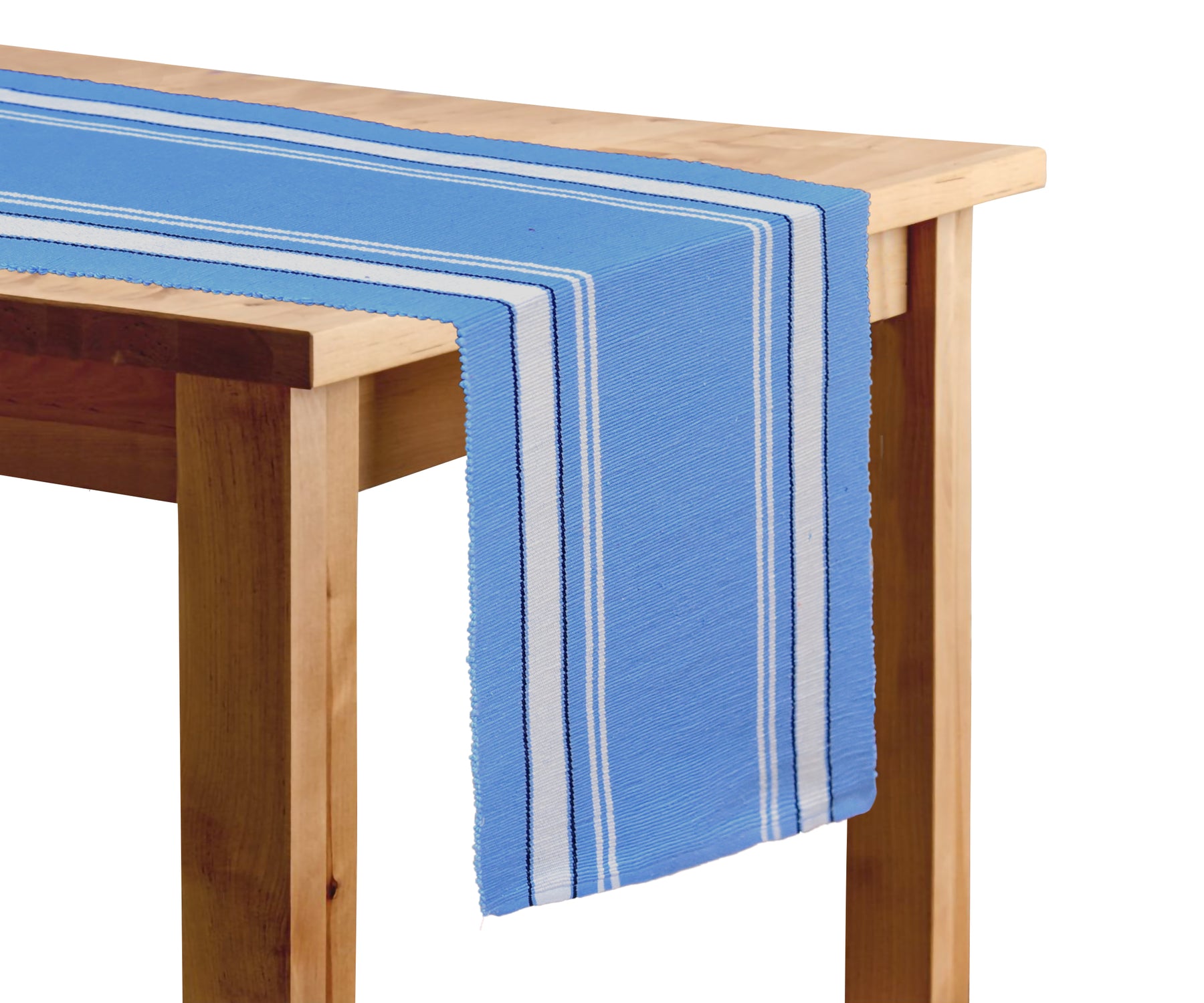
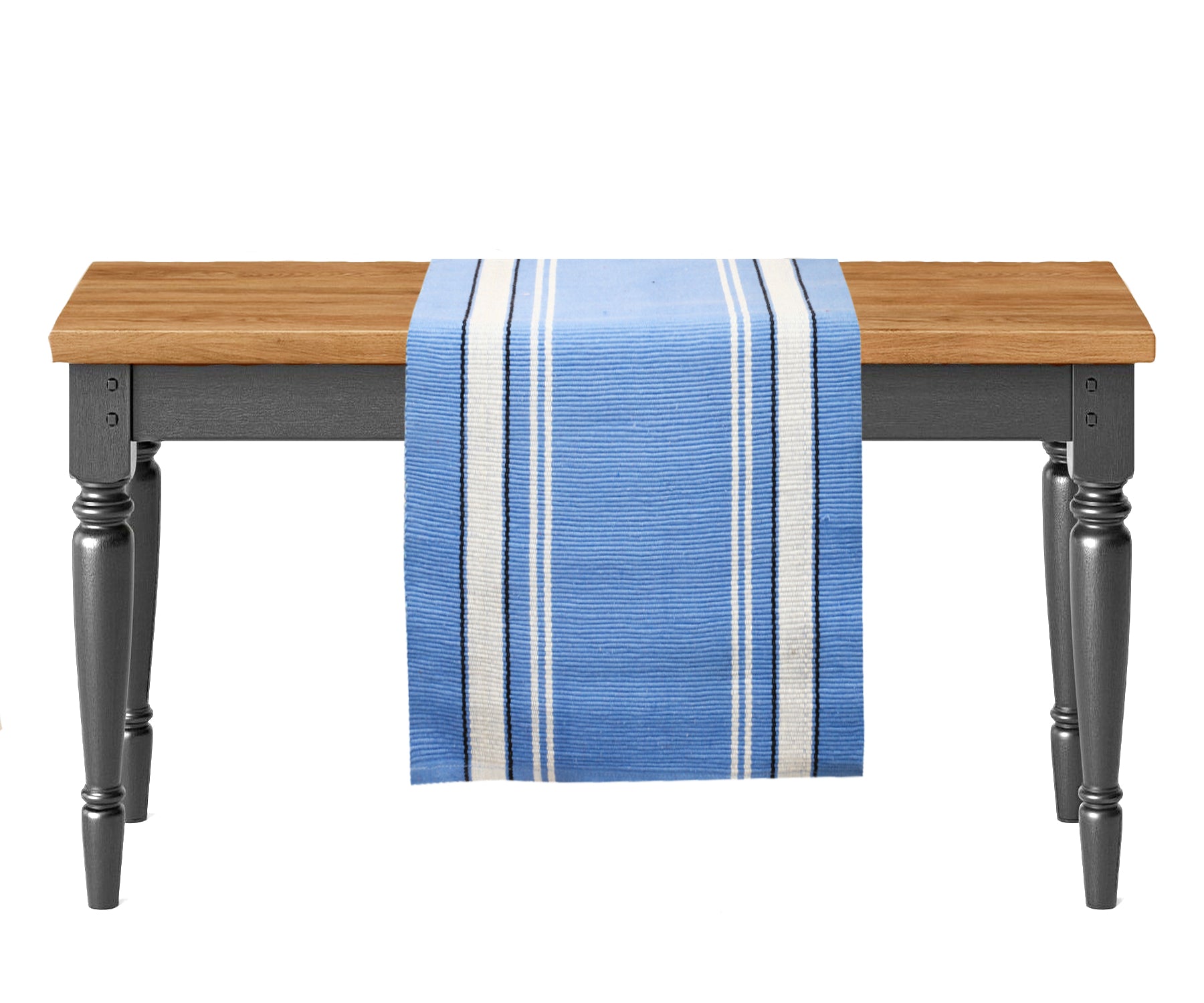
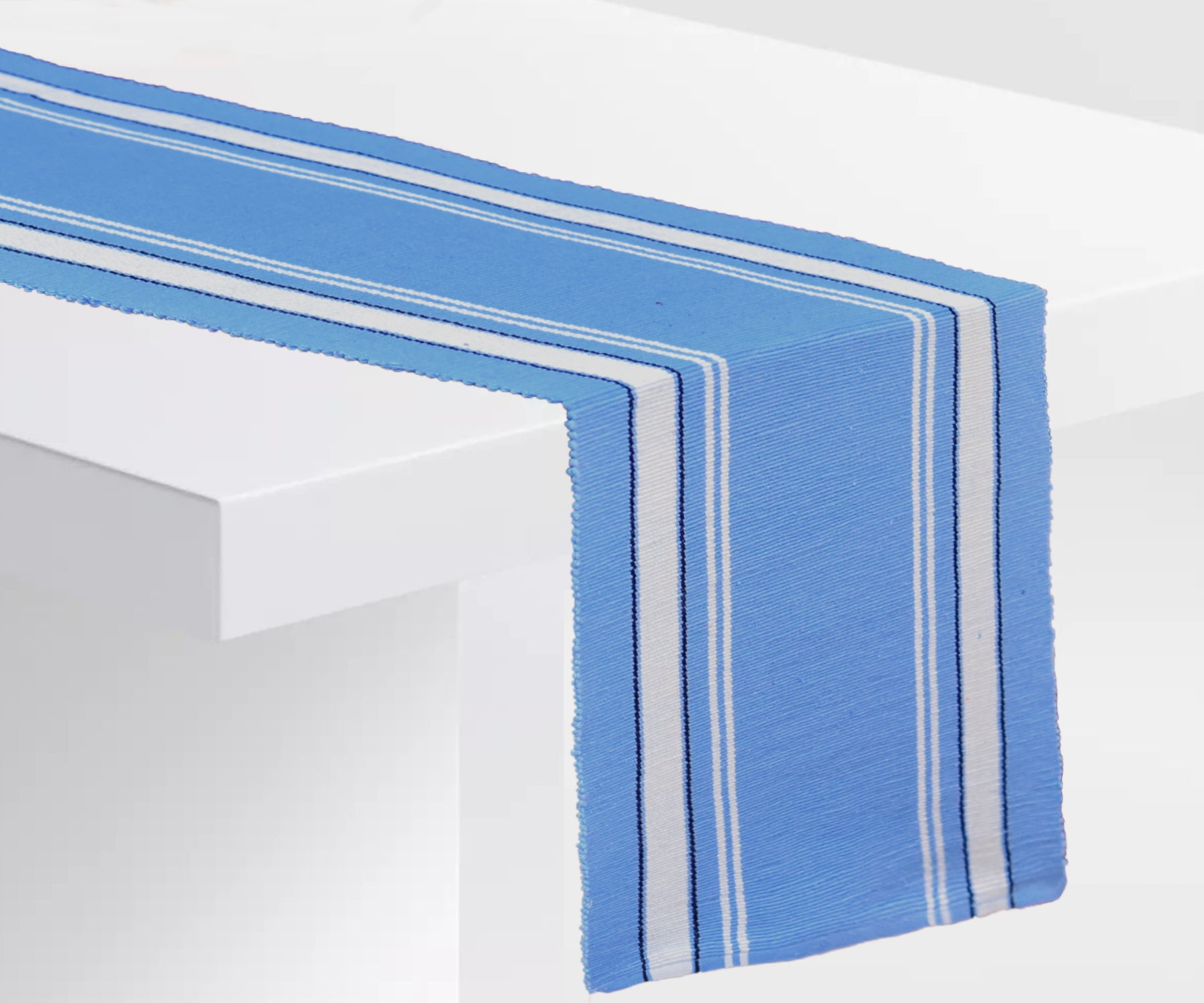
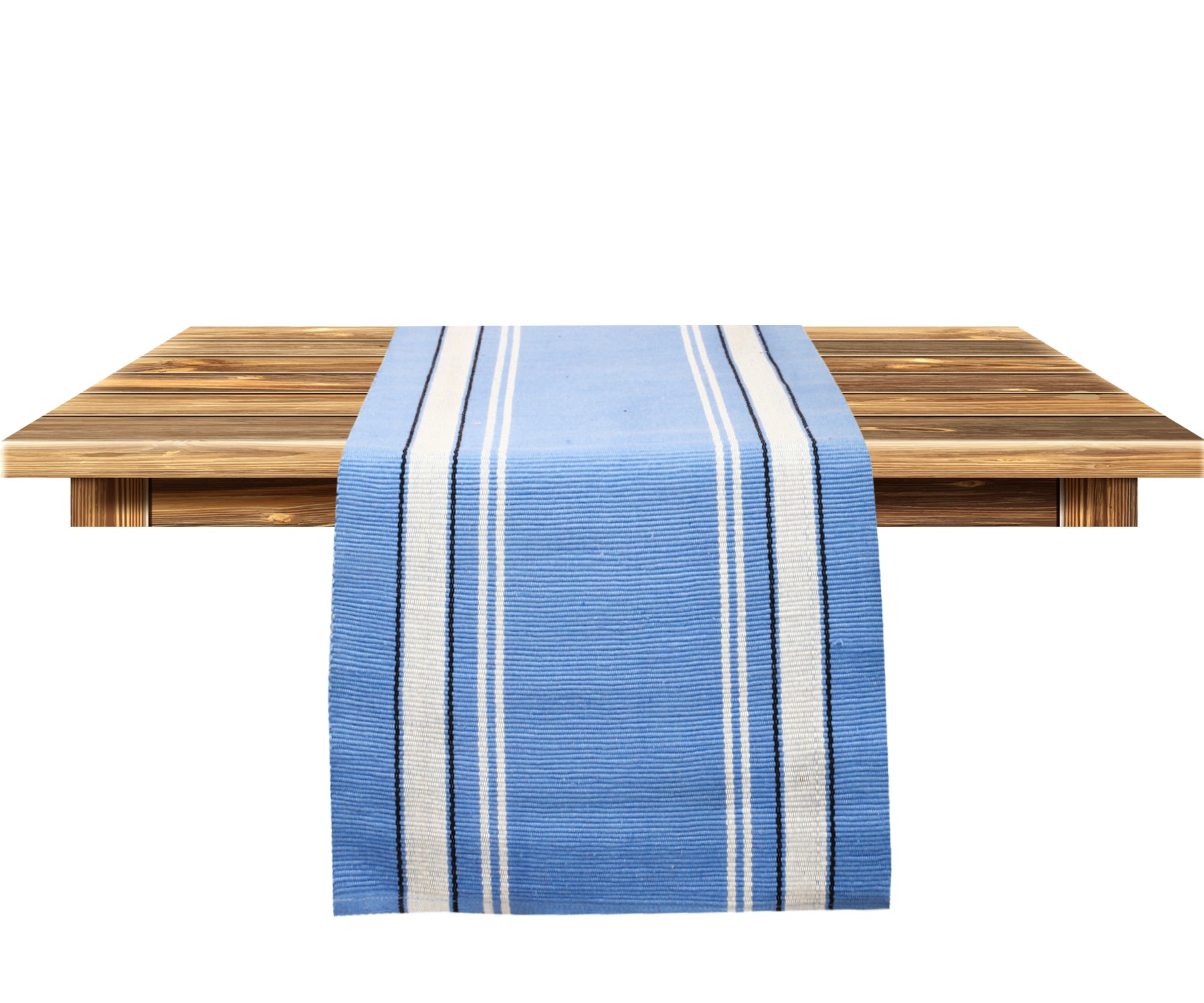
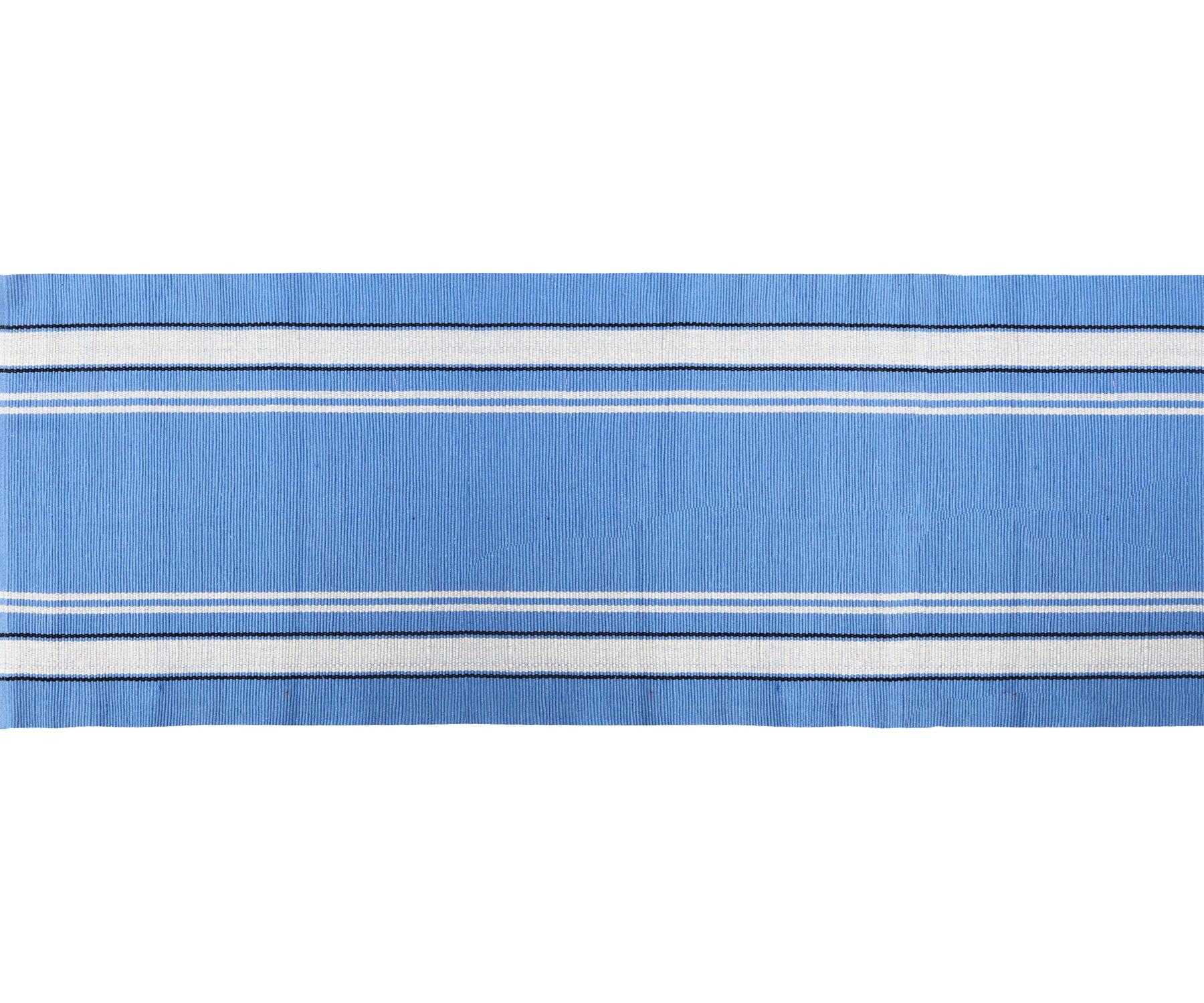
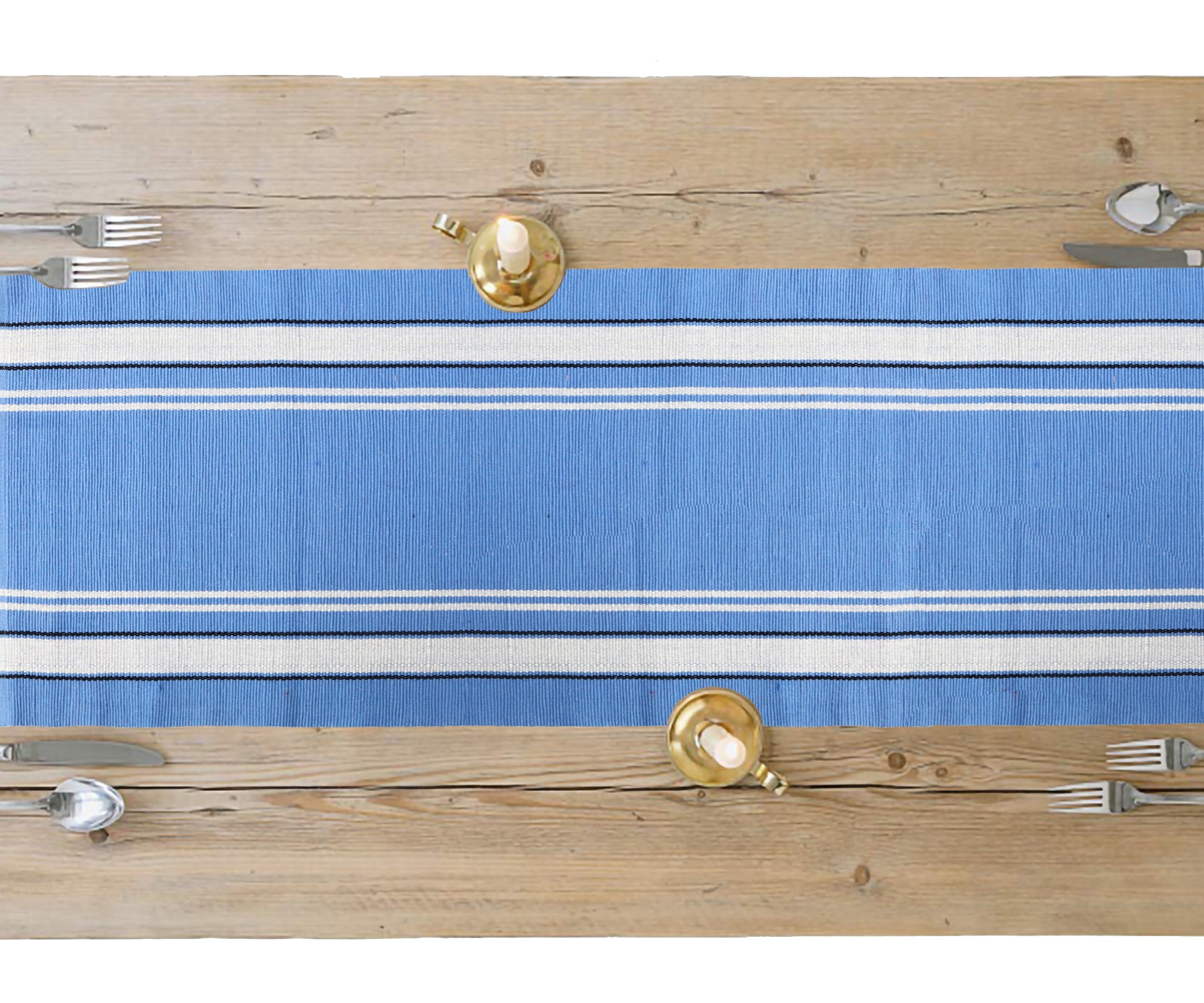
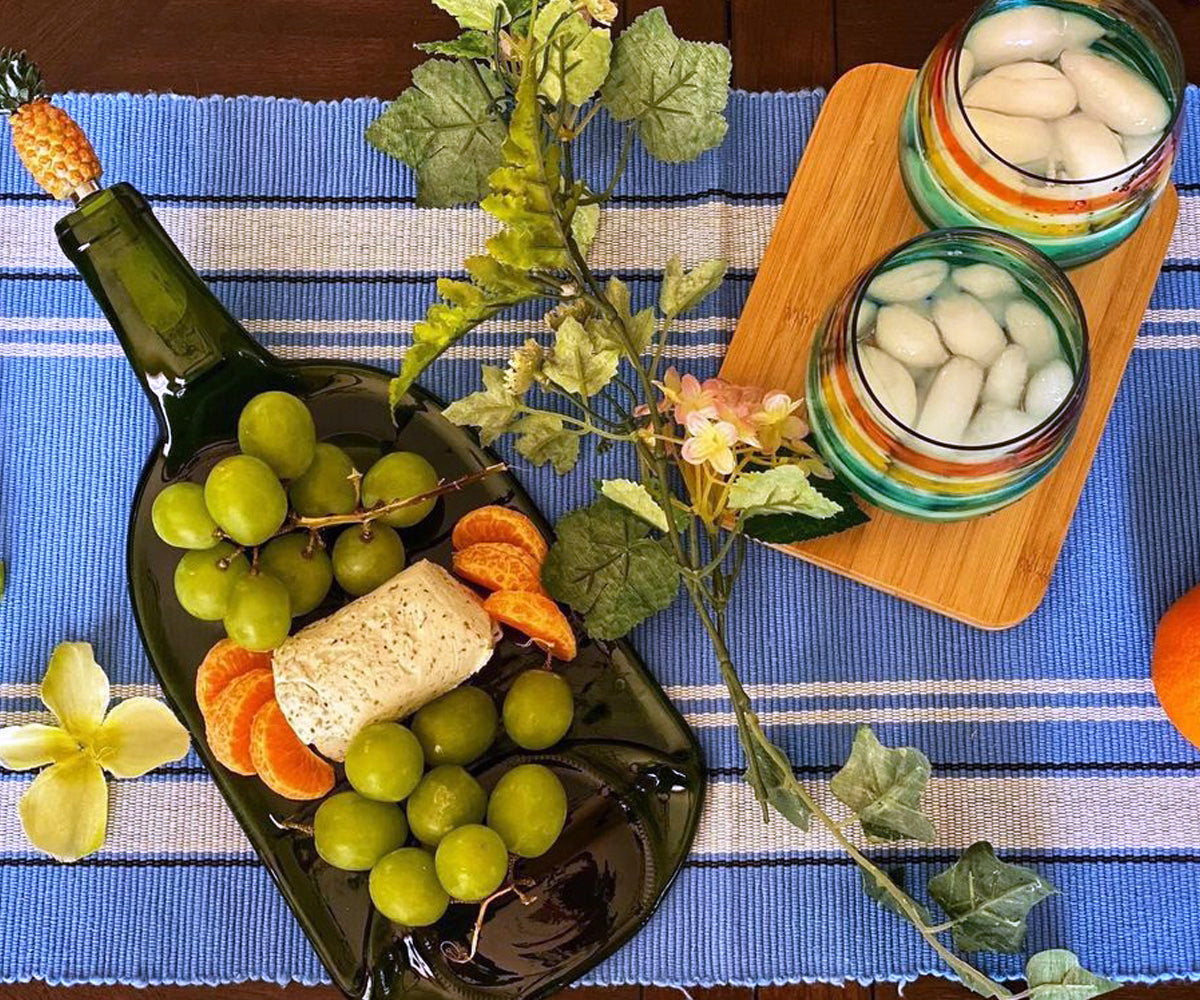
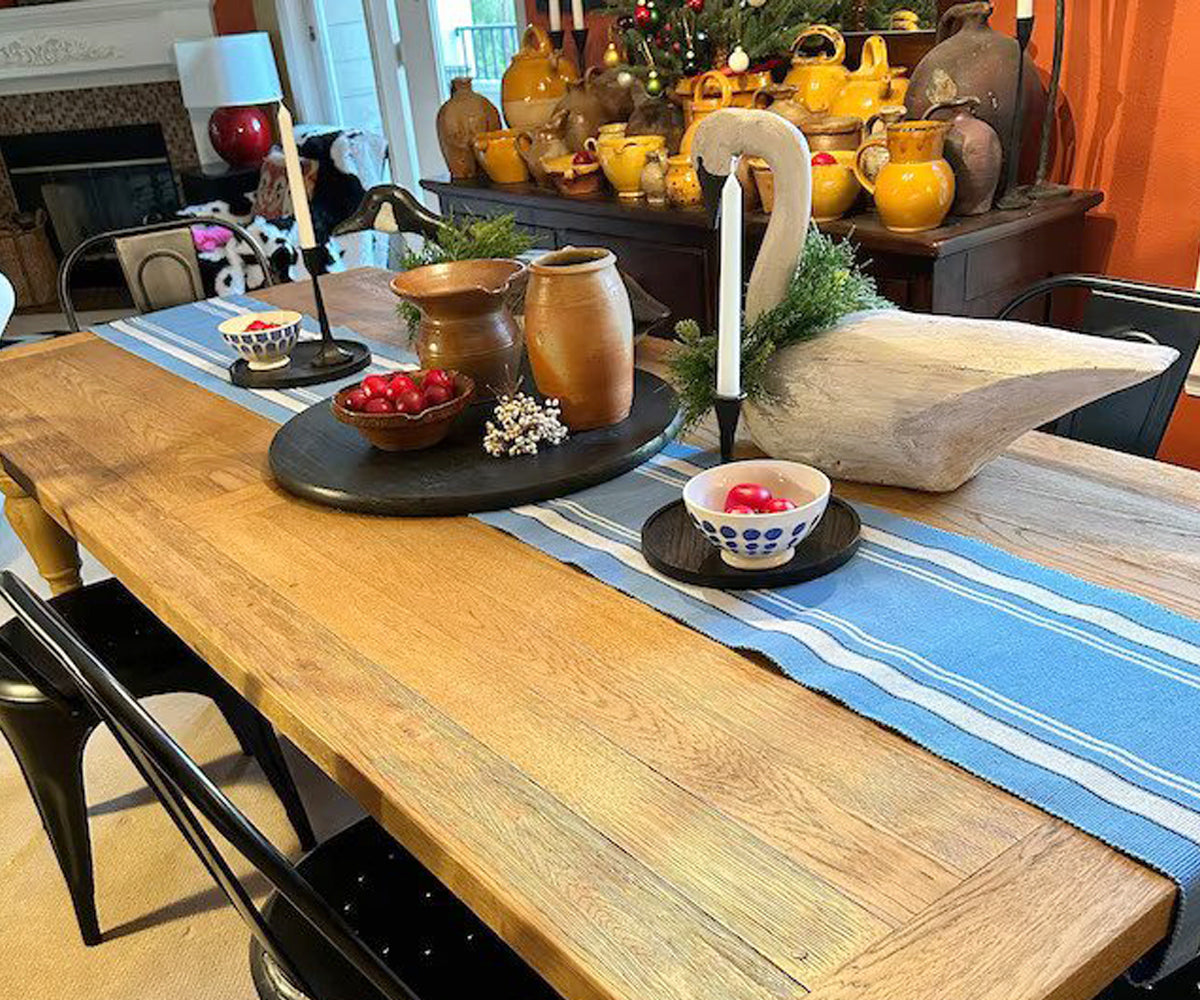
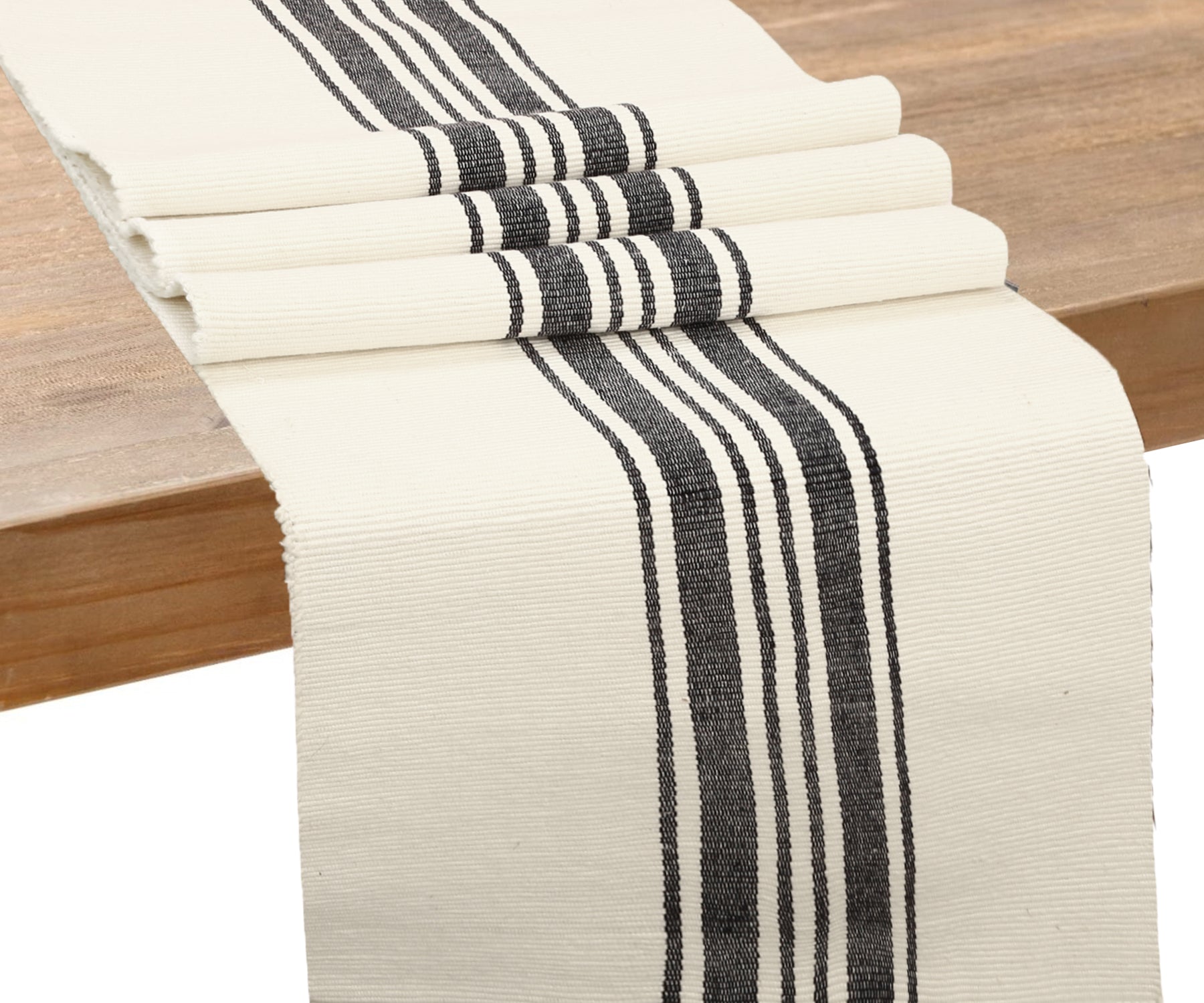
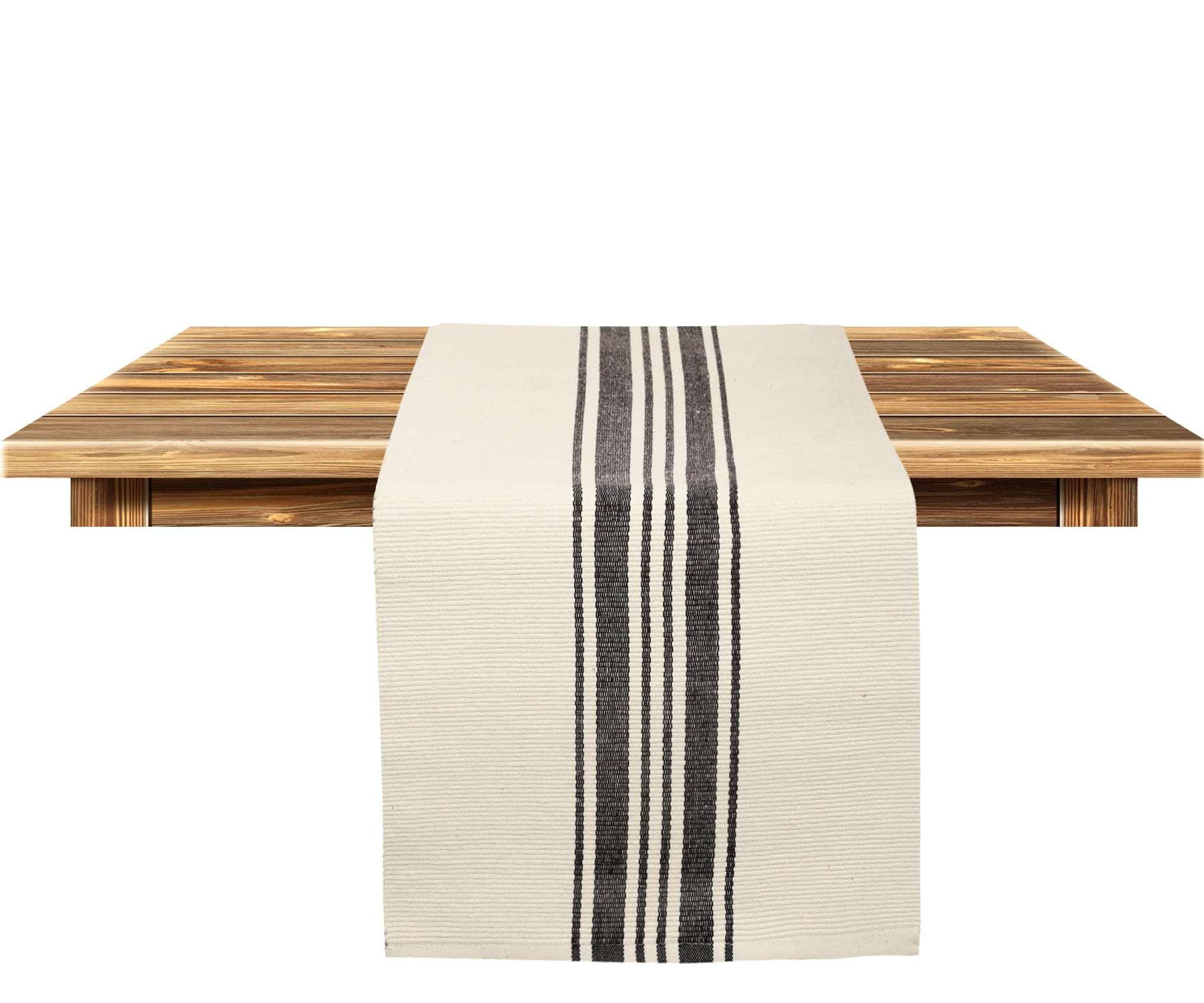
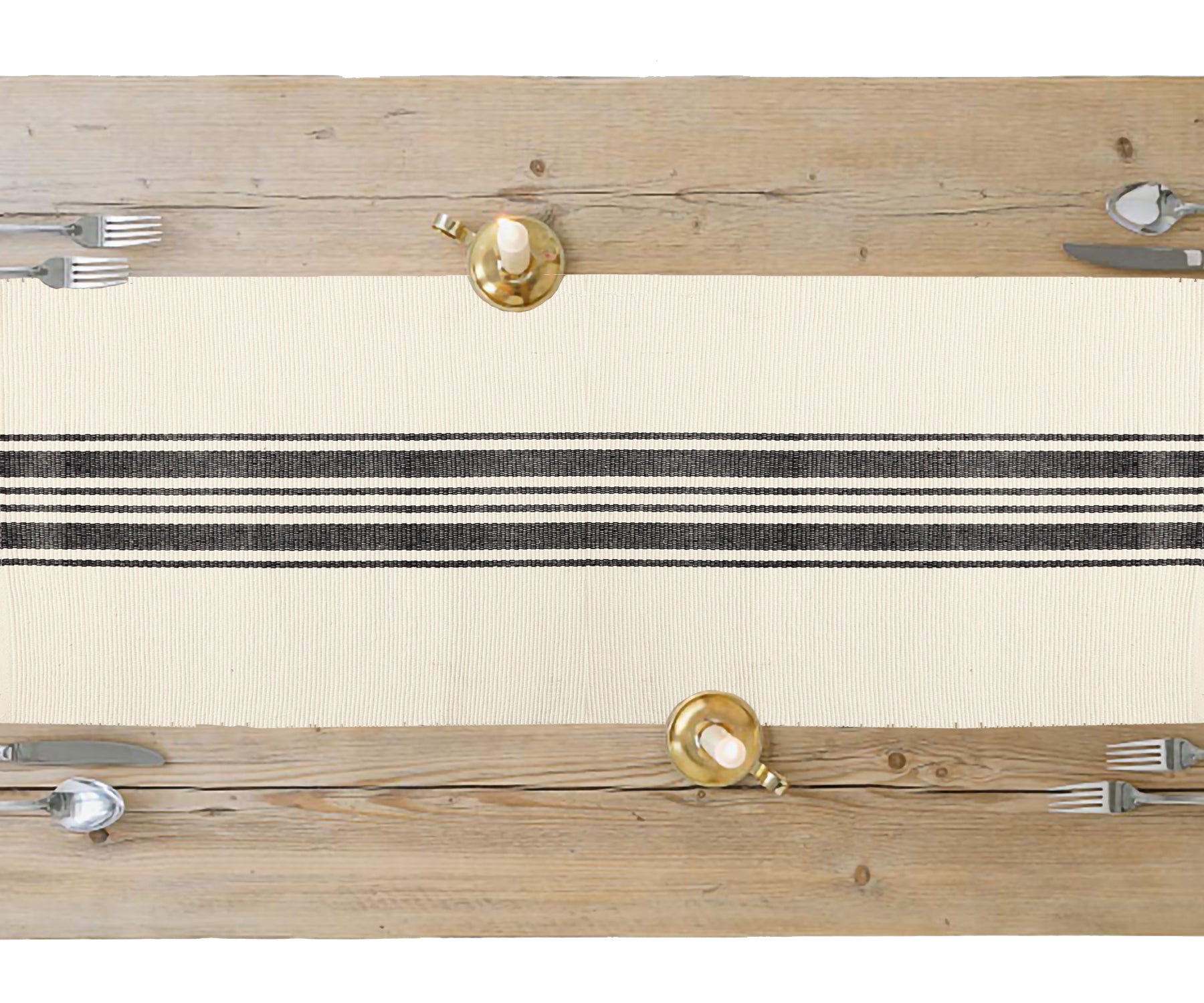
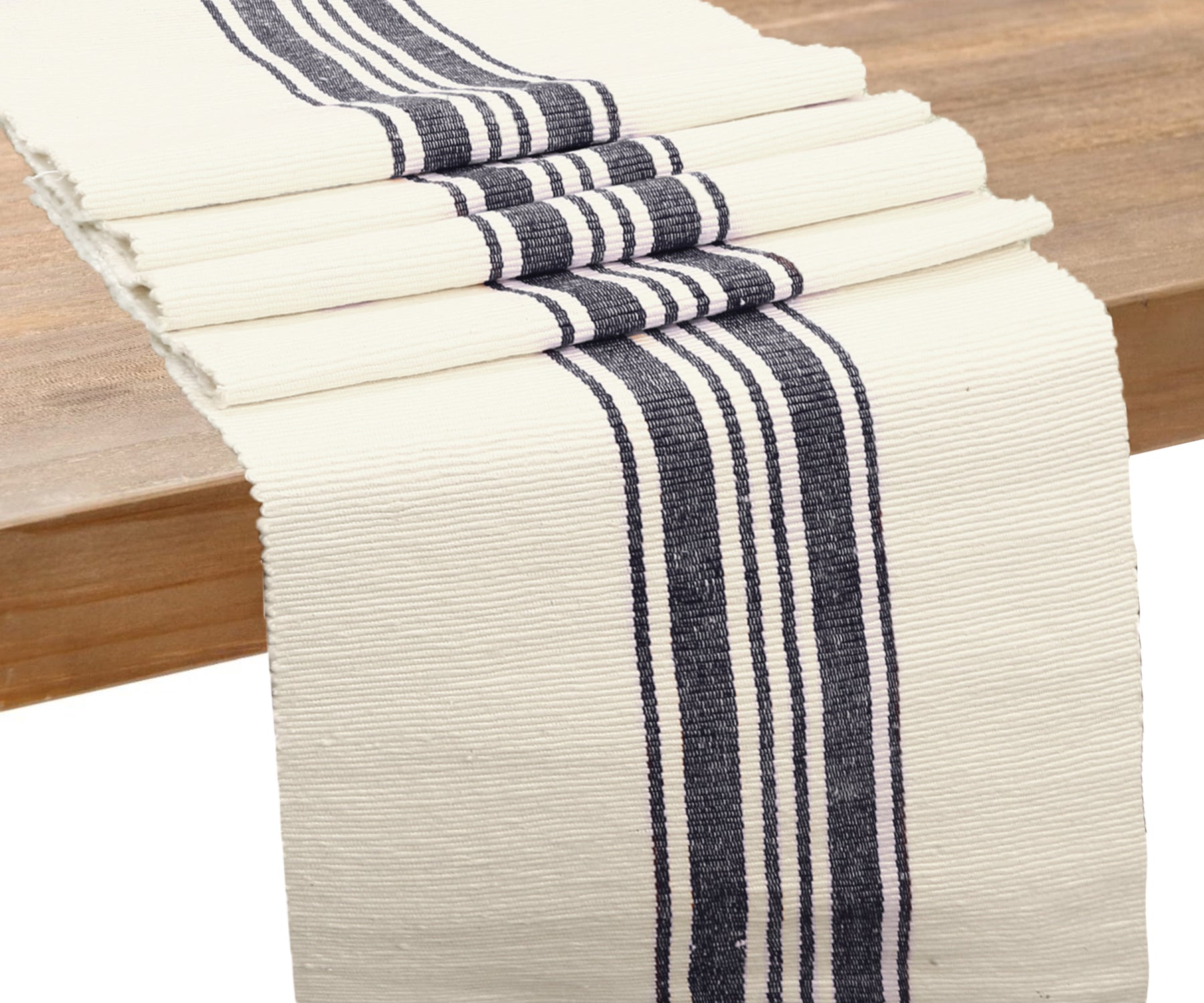
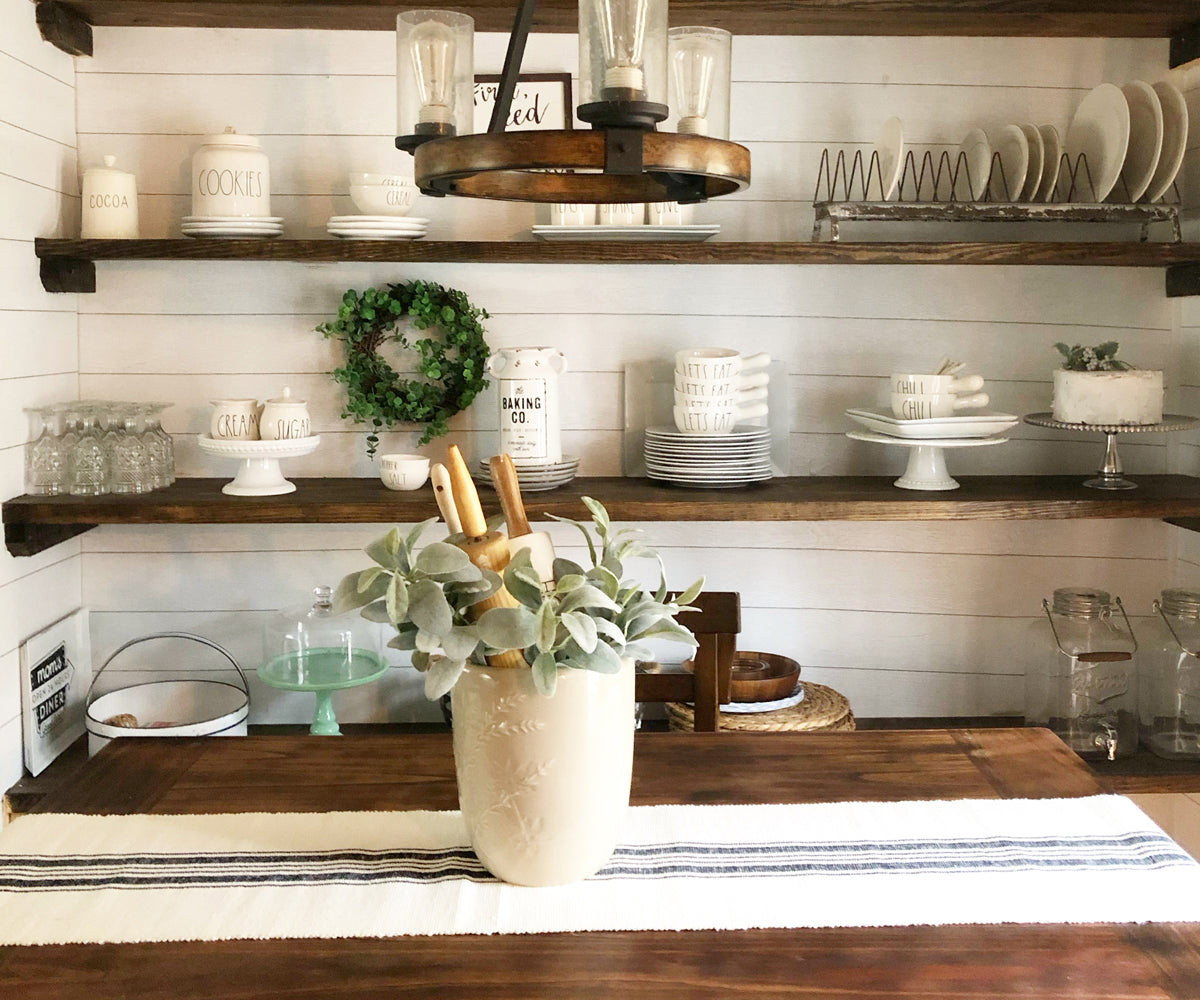
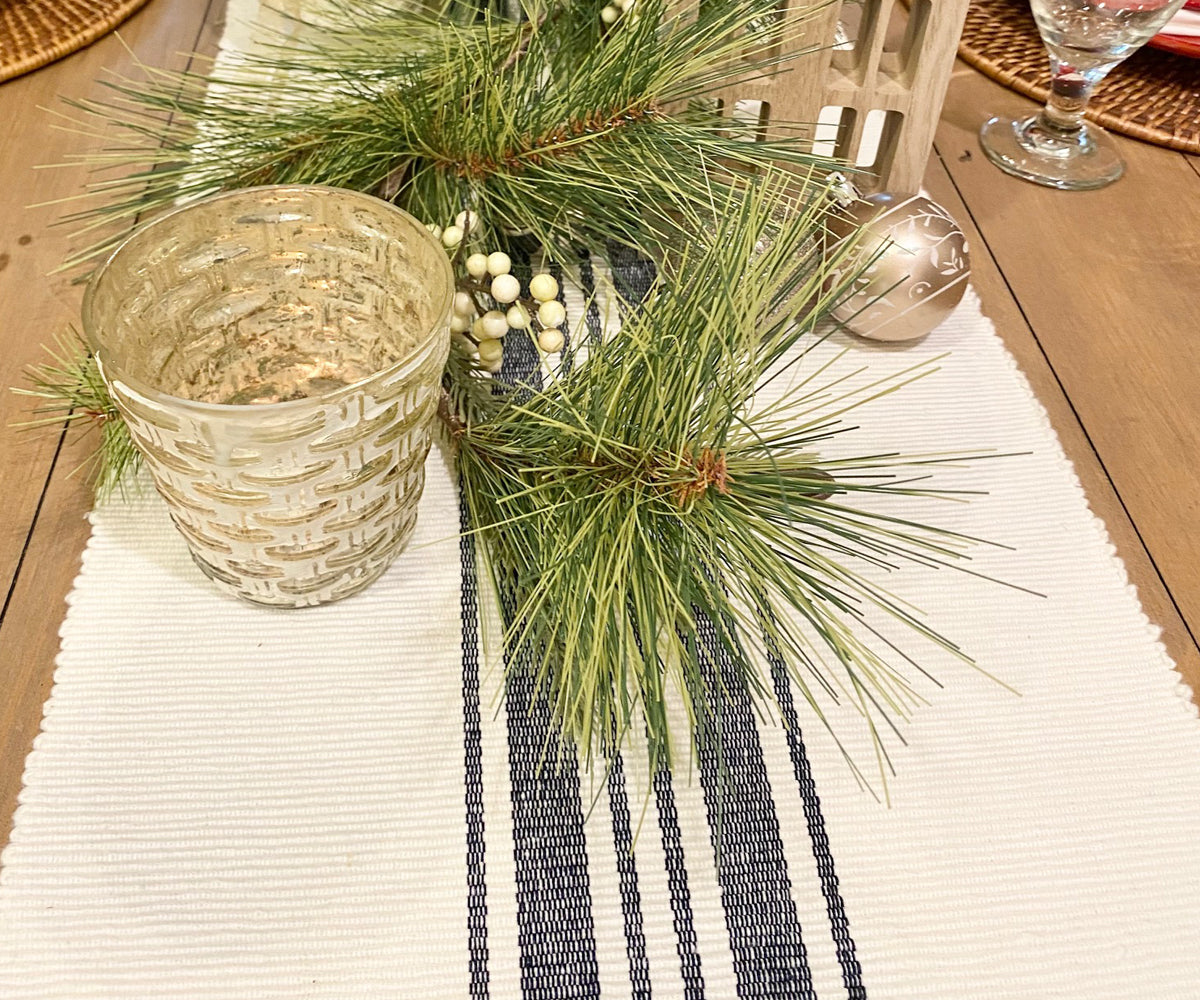
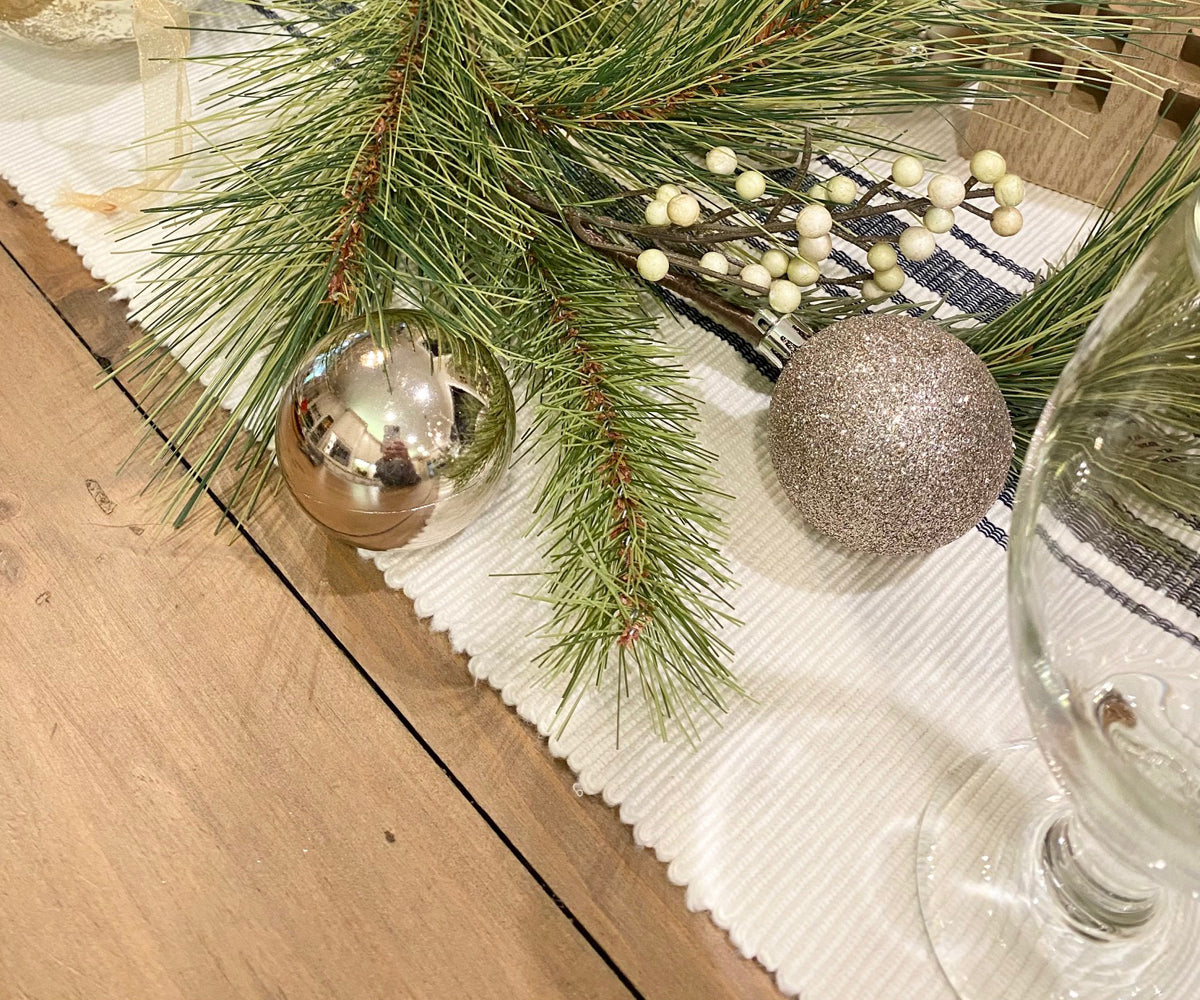
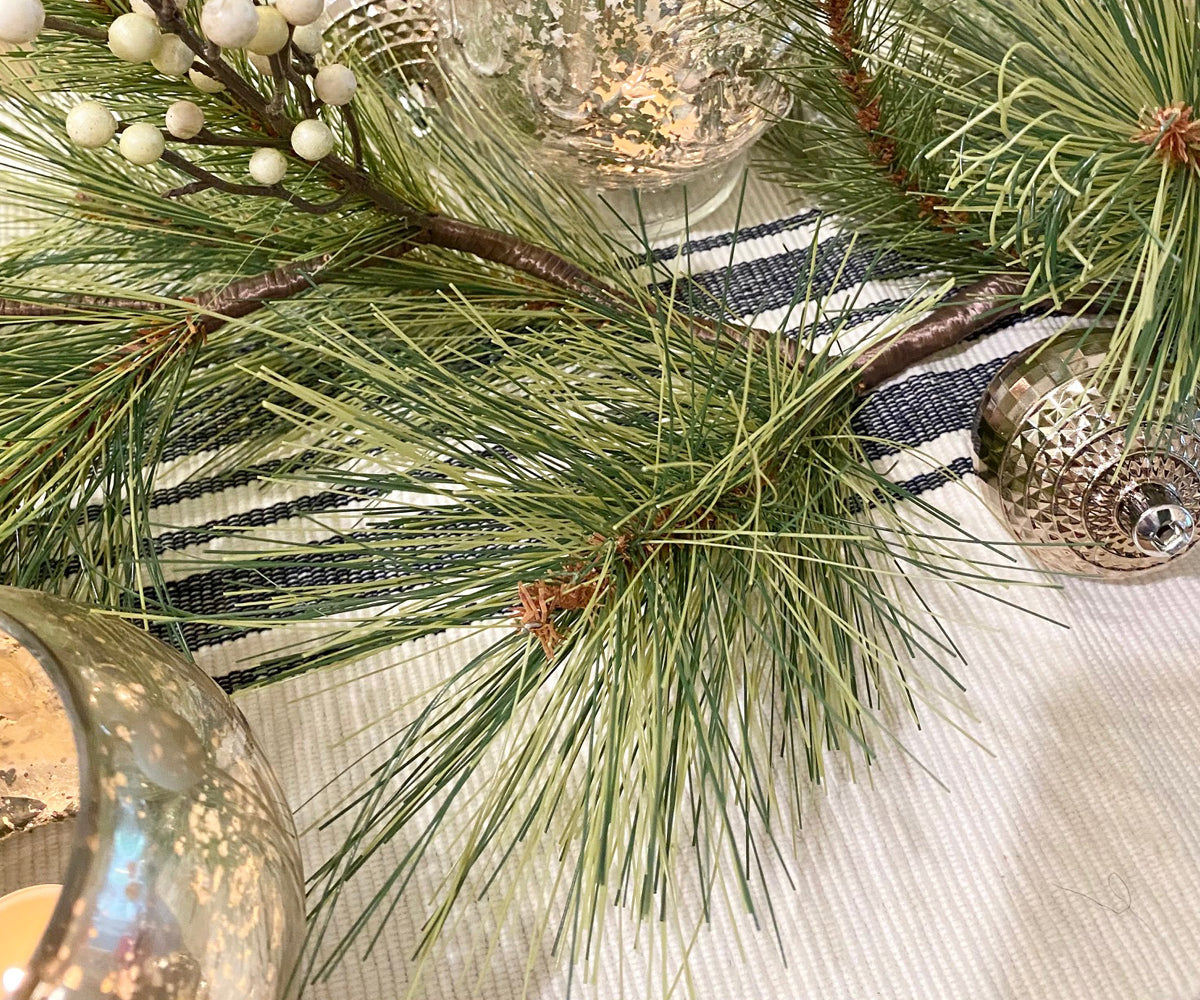
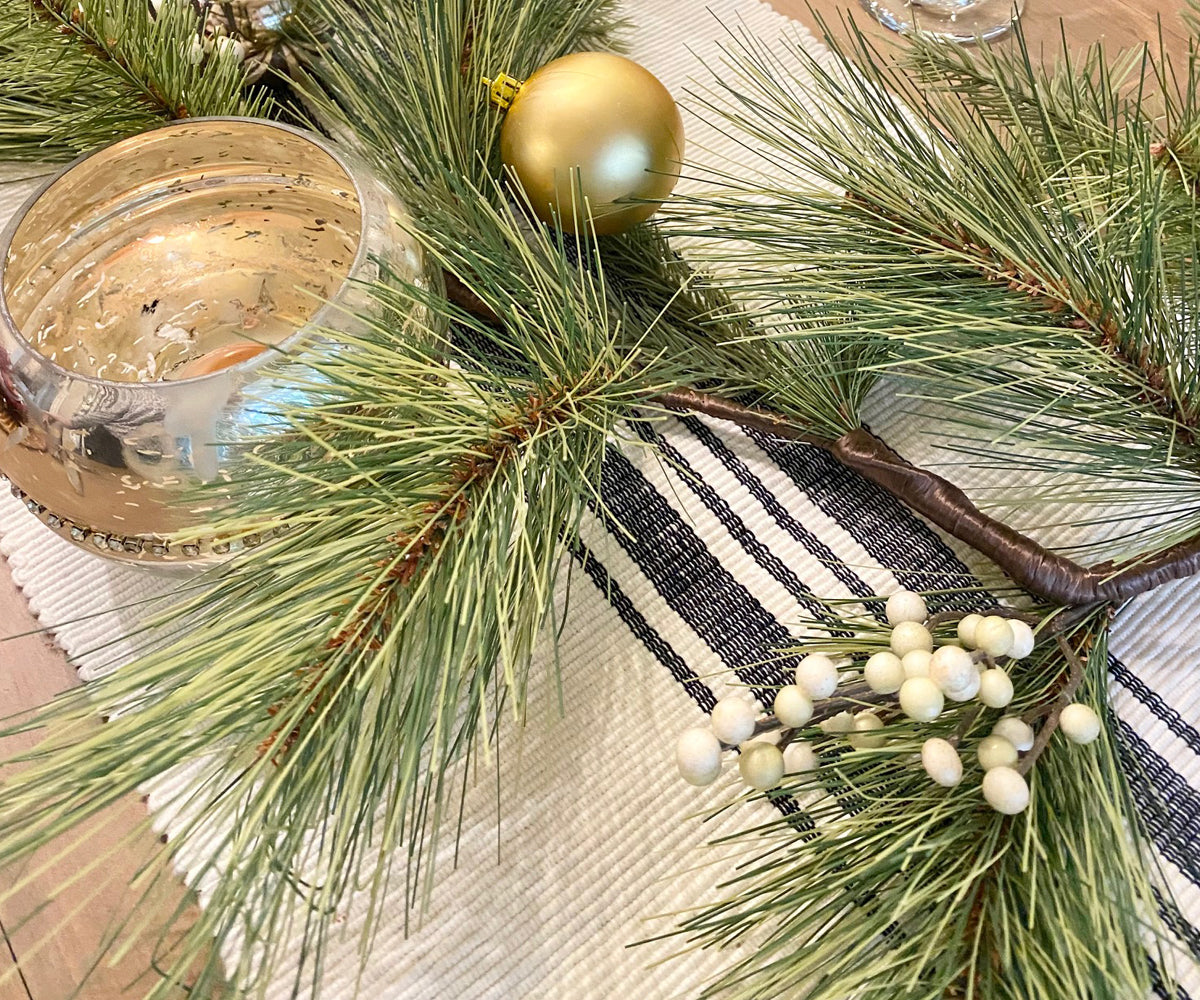
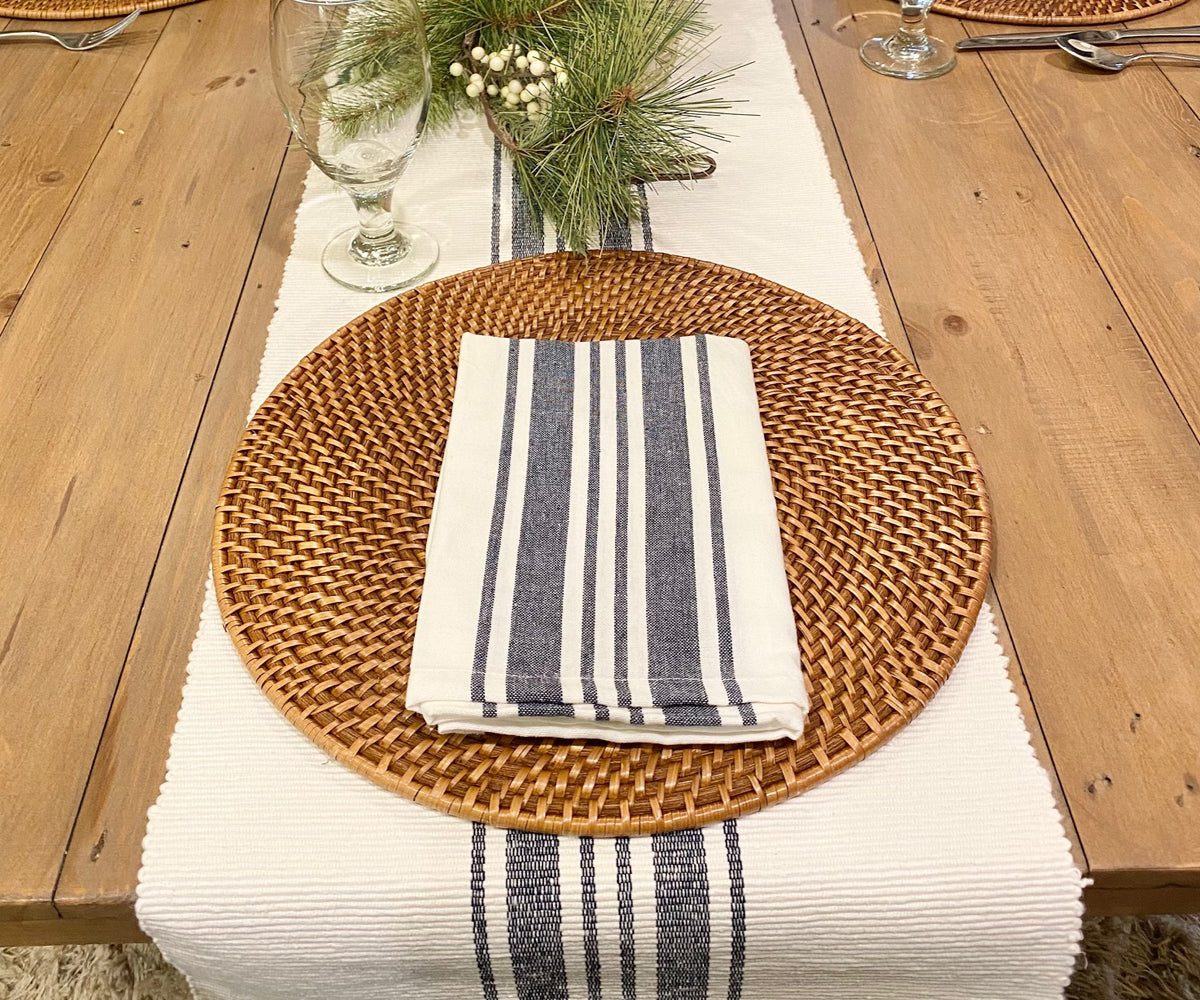
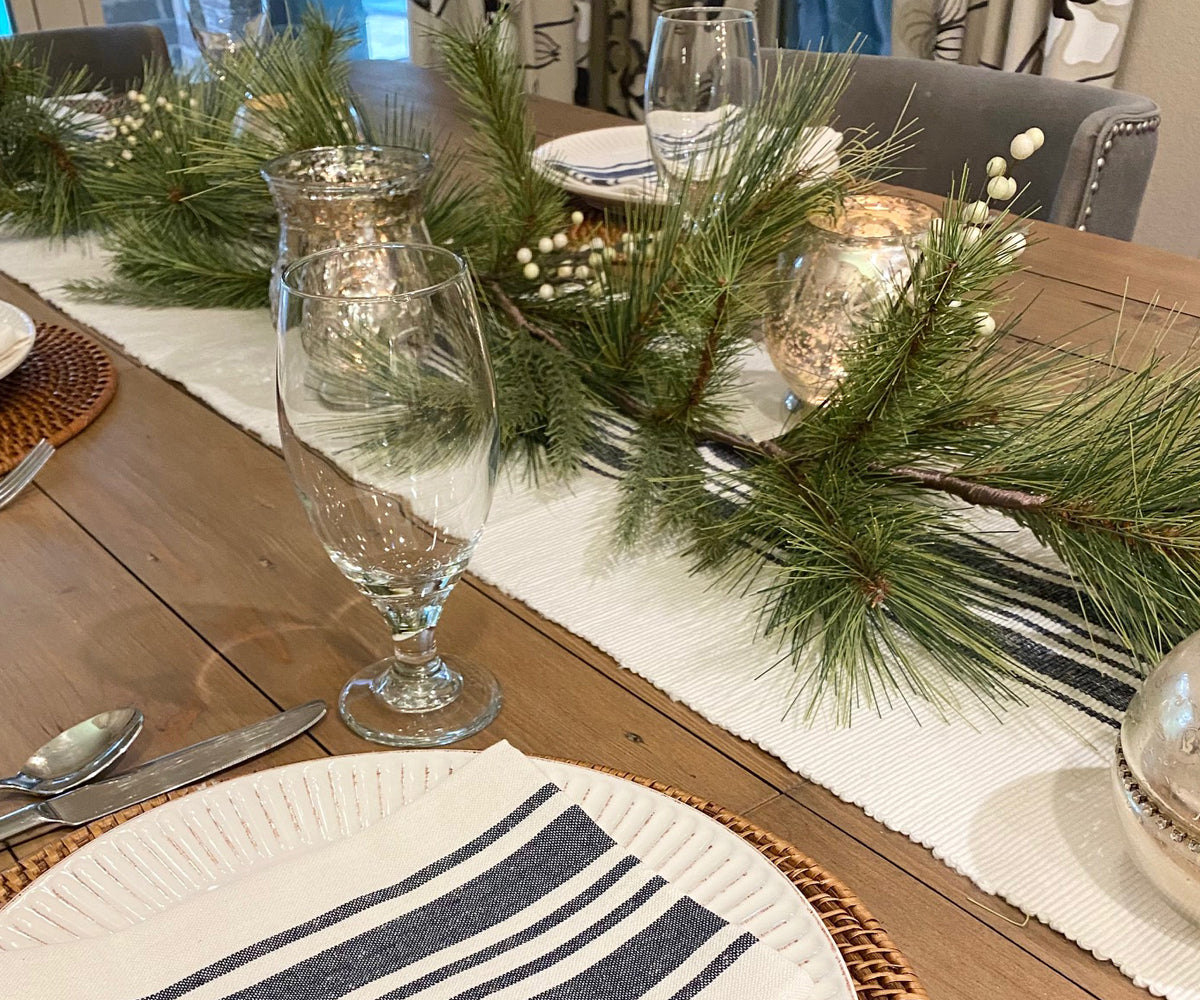
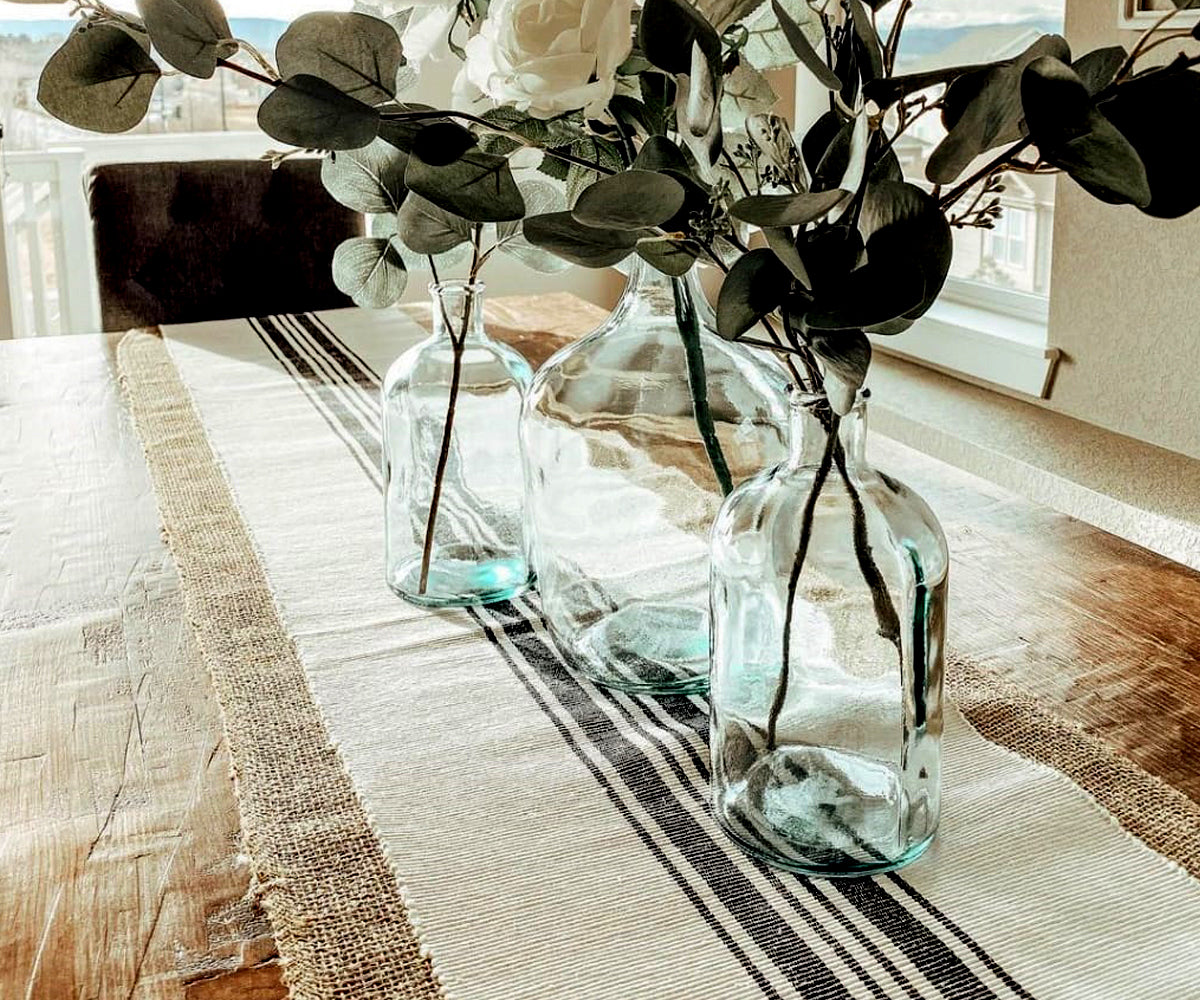
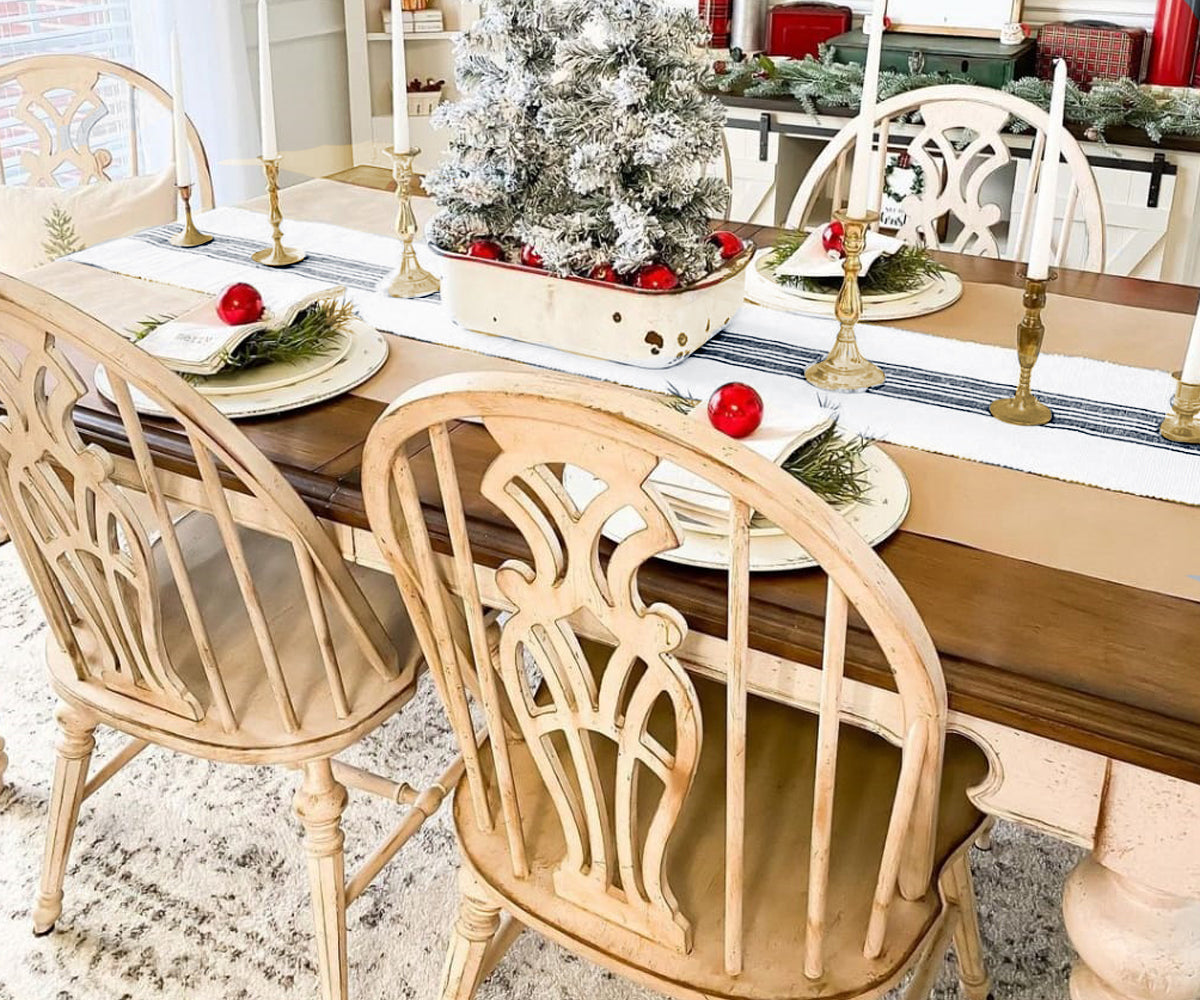
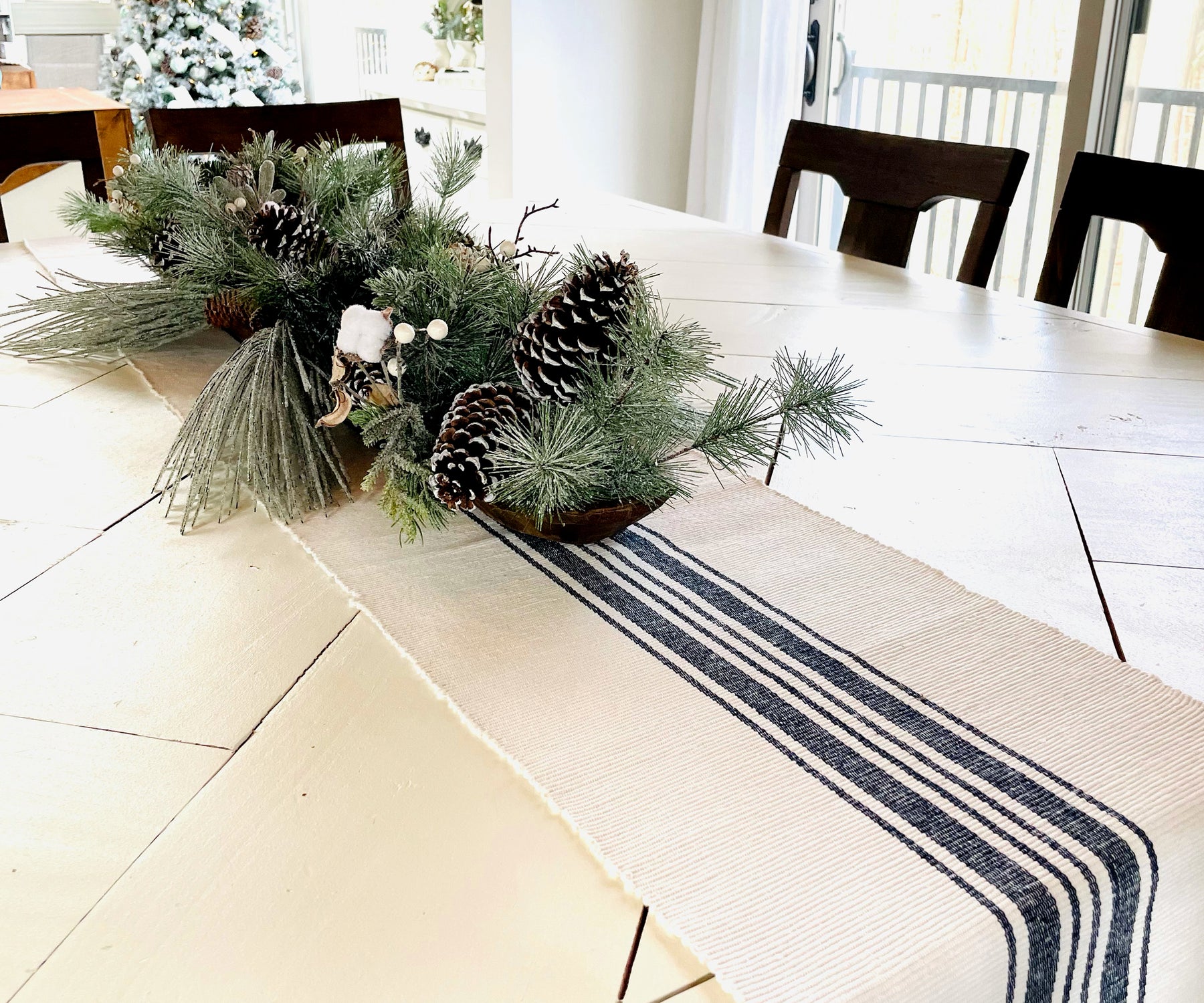
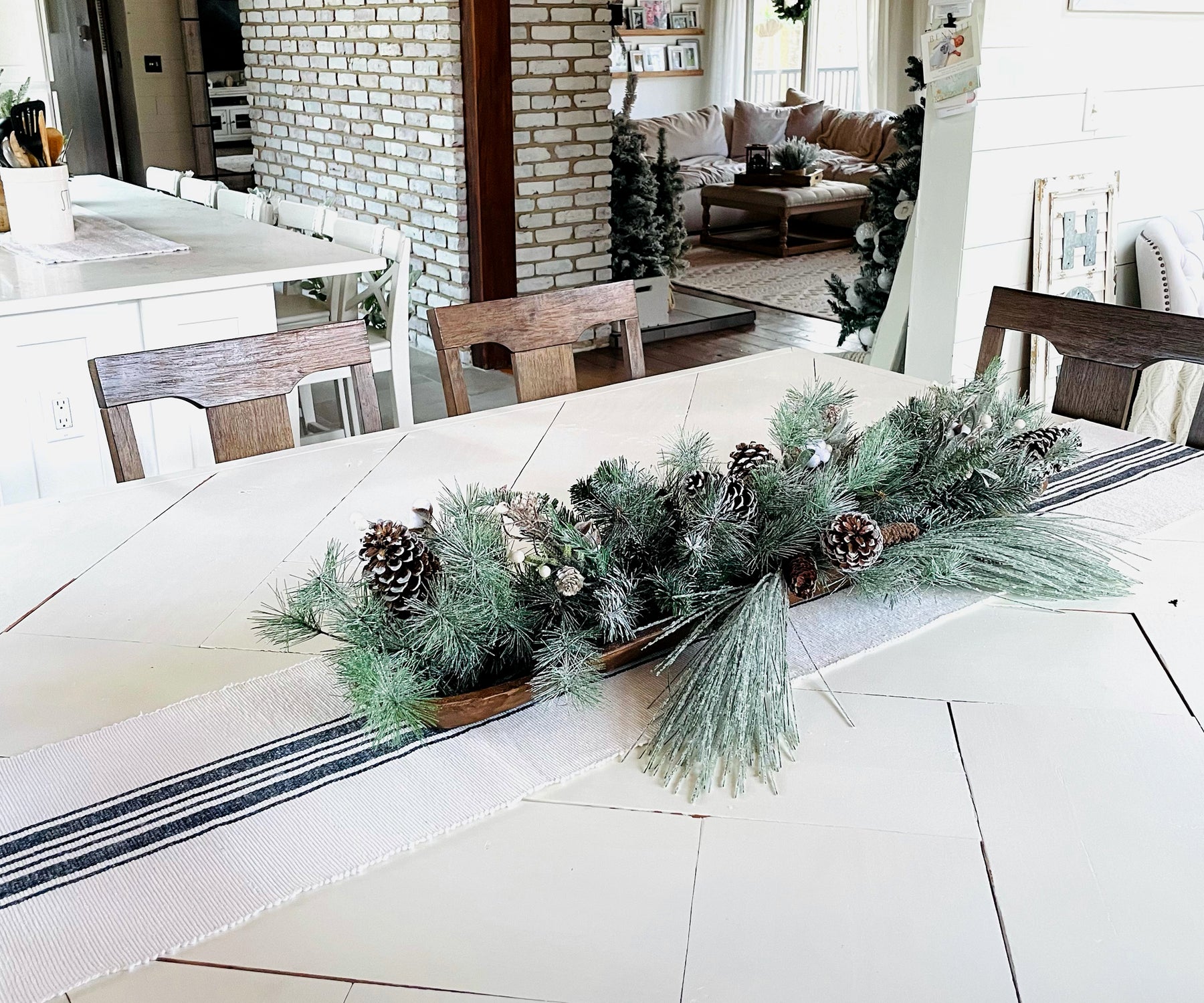
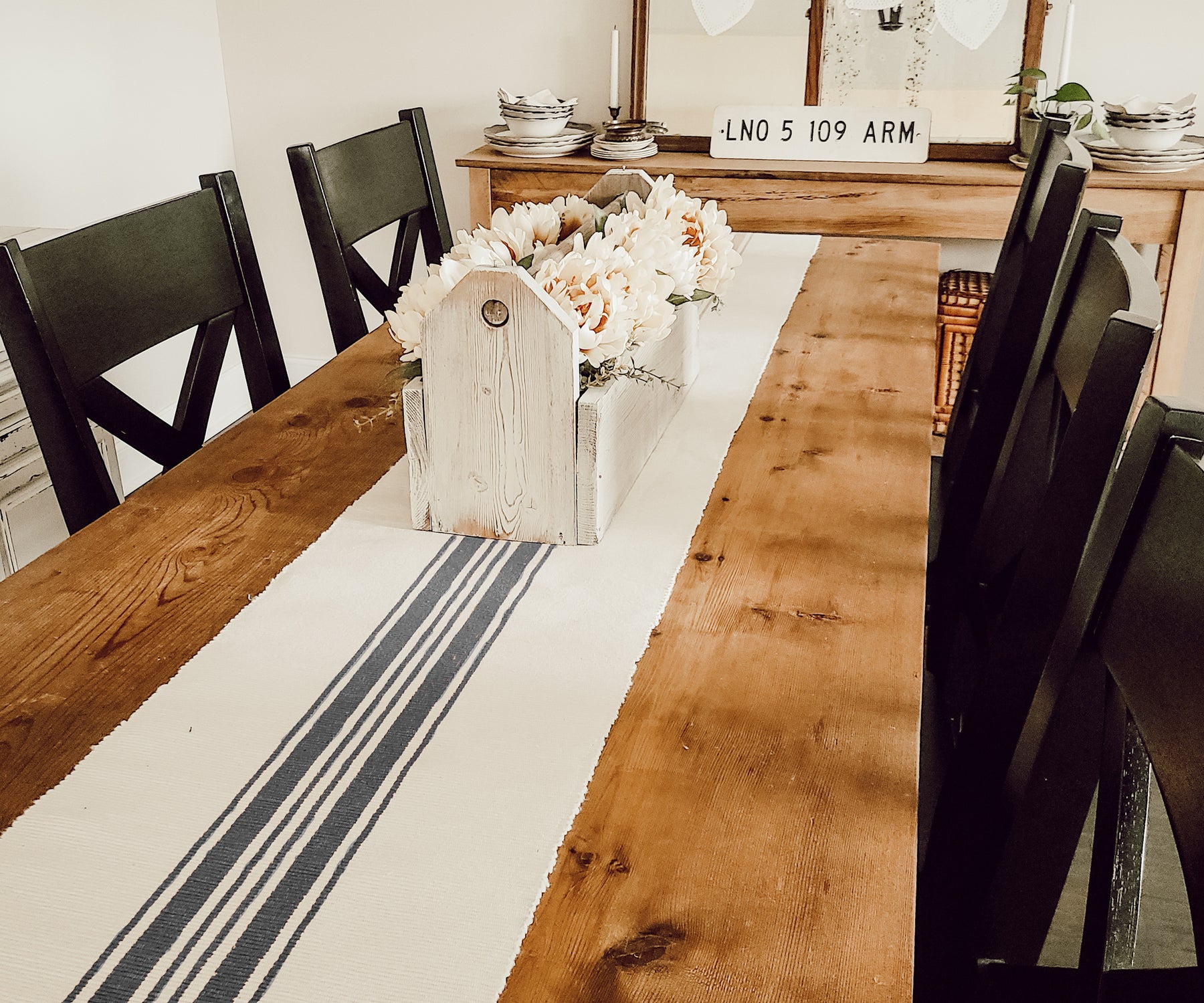
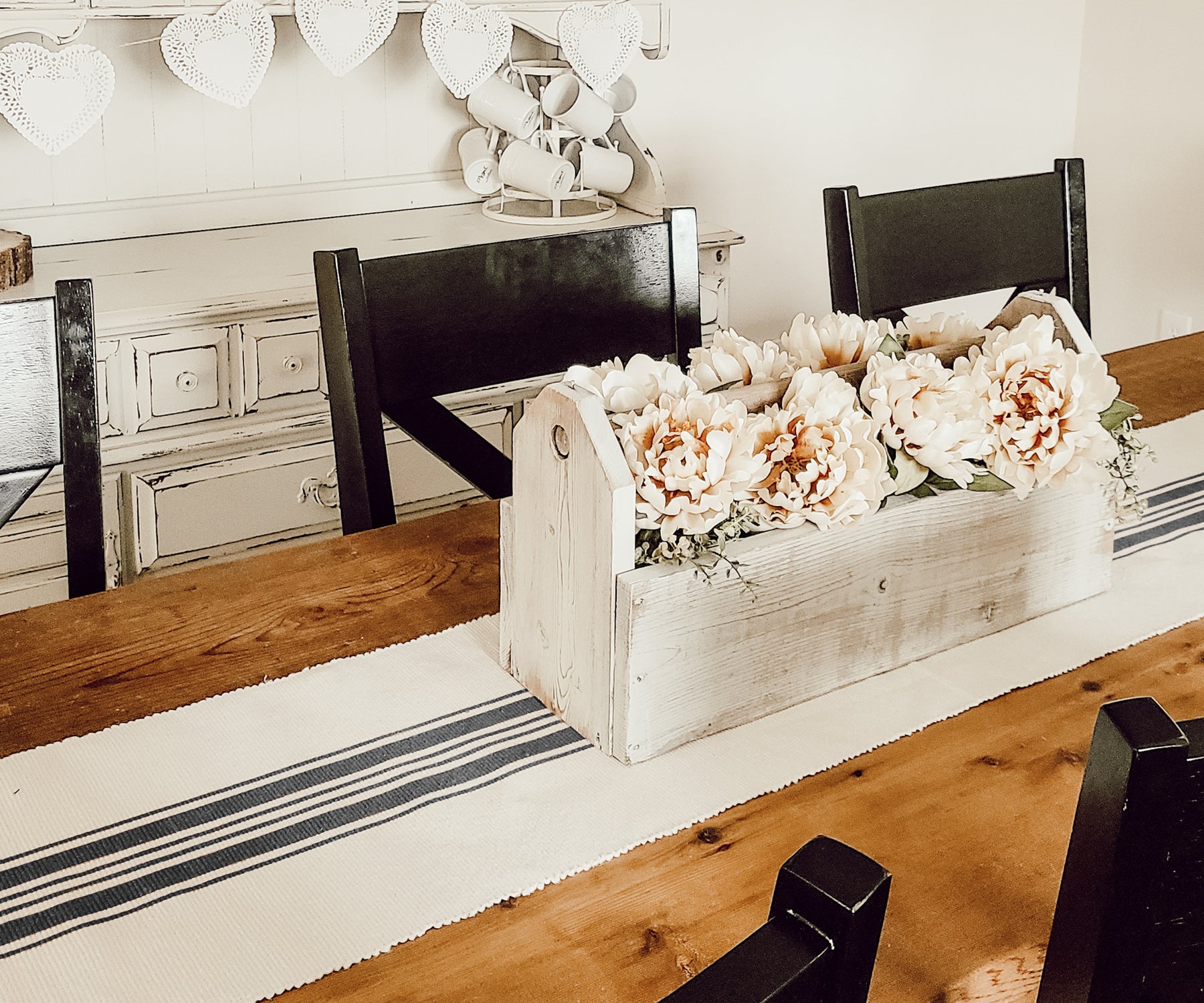
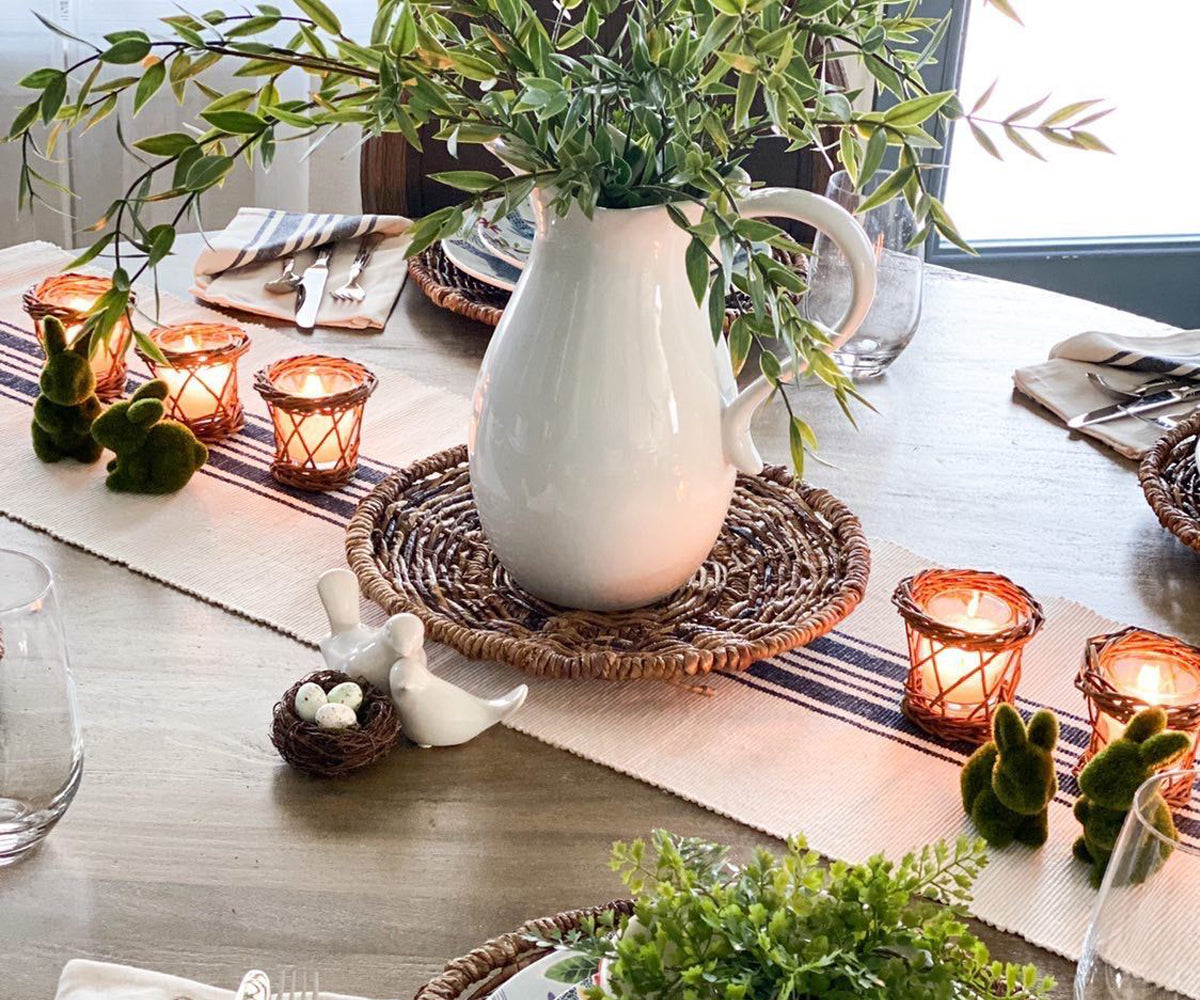
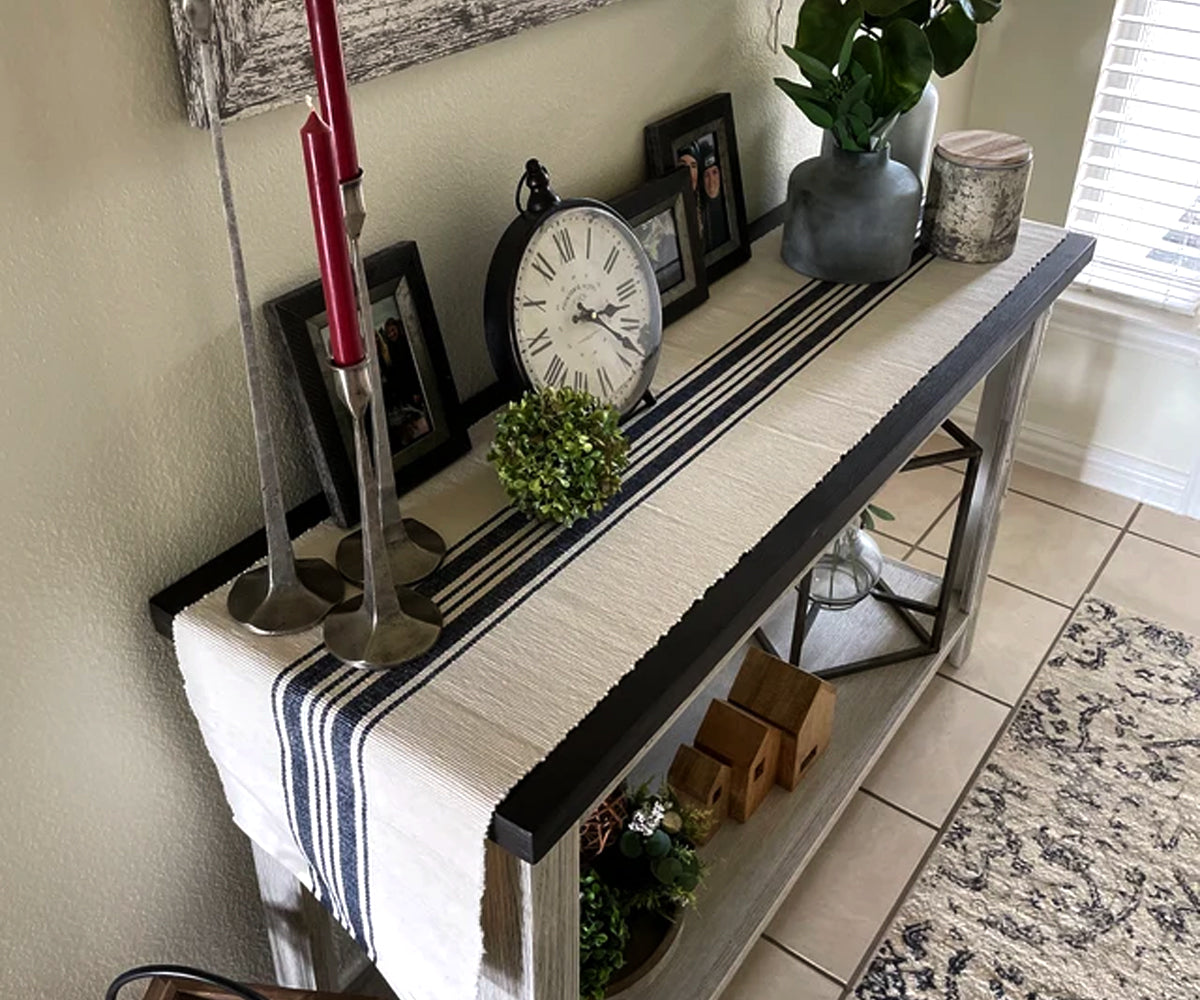
The table runner defines the center line and provides the primary accent color or textural contrast. For weddings, runners in linen, hemstitched cotton, embroidered fabric, or natural woven materials create the most beautiful and photograph-friendly results. A 14-inch-wide runner is the most versatile width for most reception tables. Allow 6–10 inches of overhang at each end beyond the tablecloth edge for the most polished layered look.
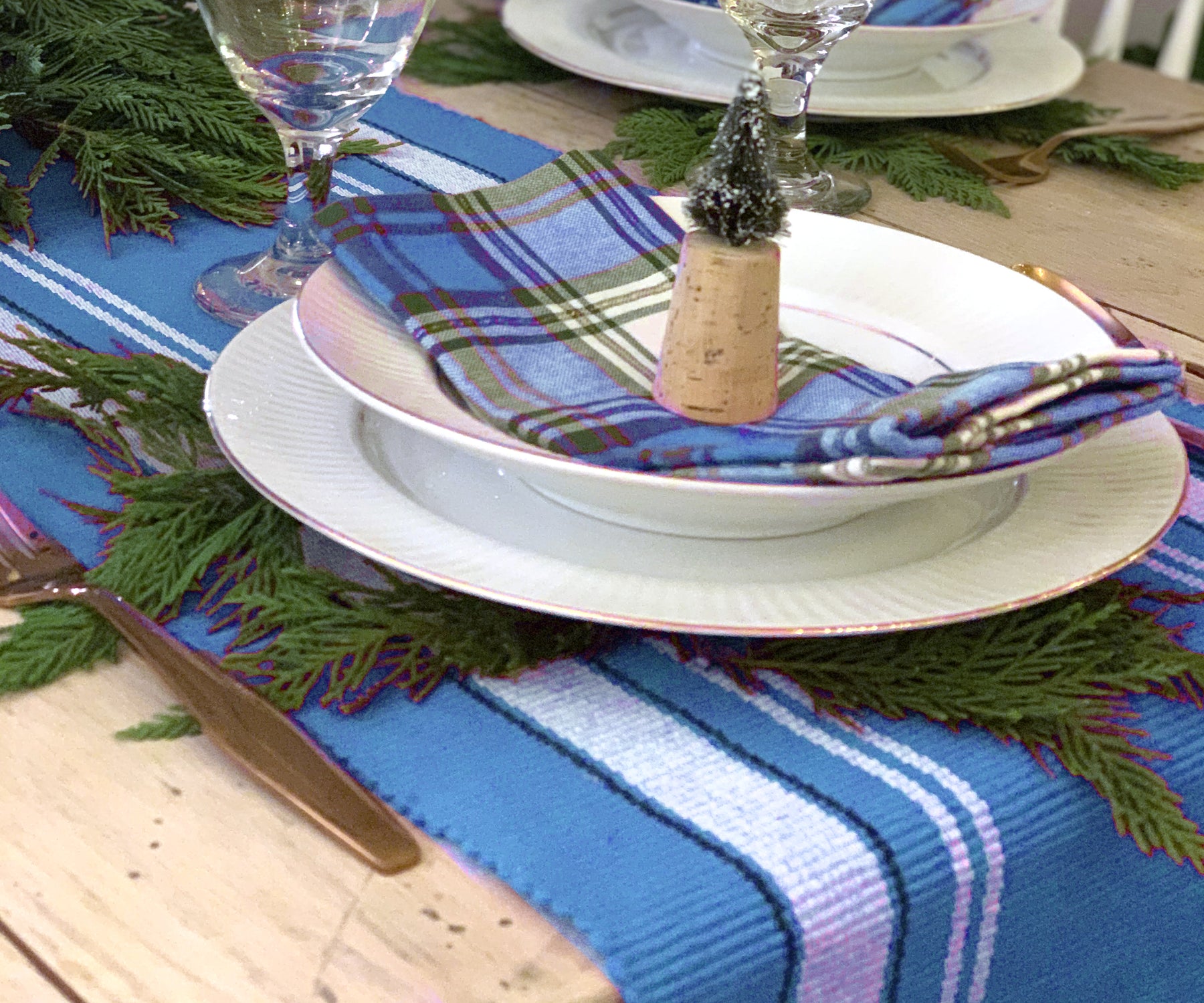
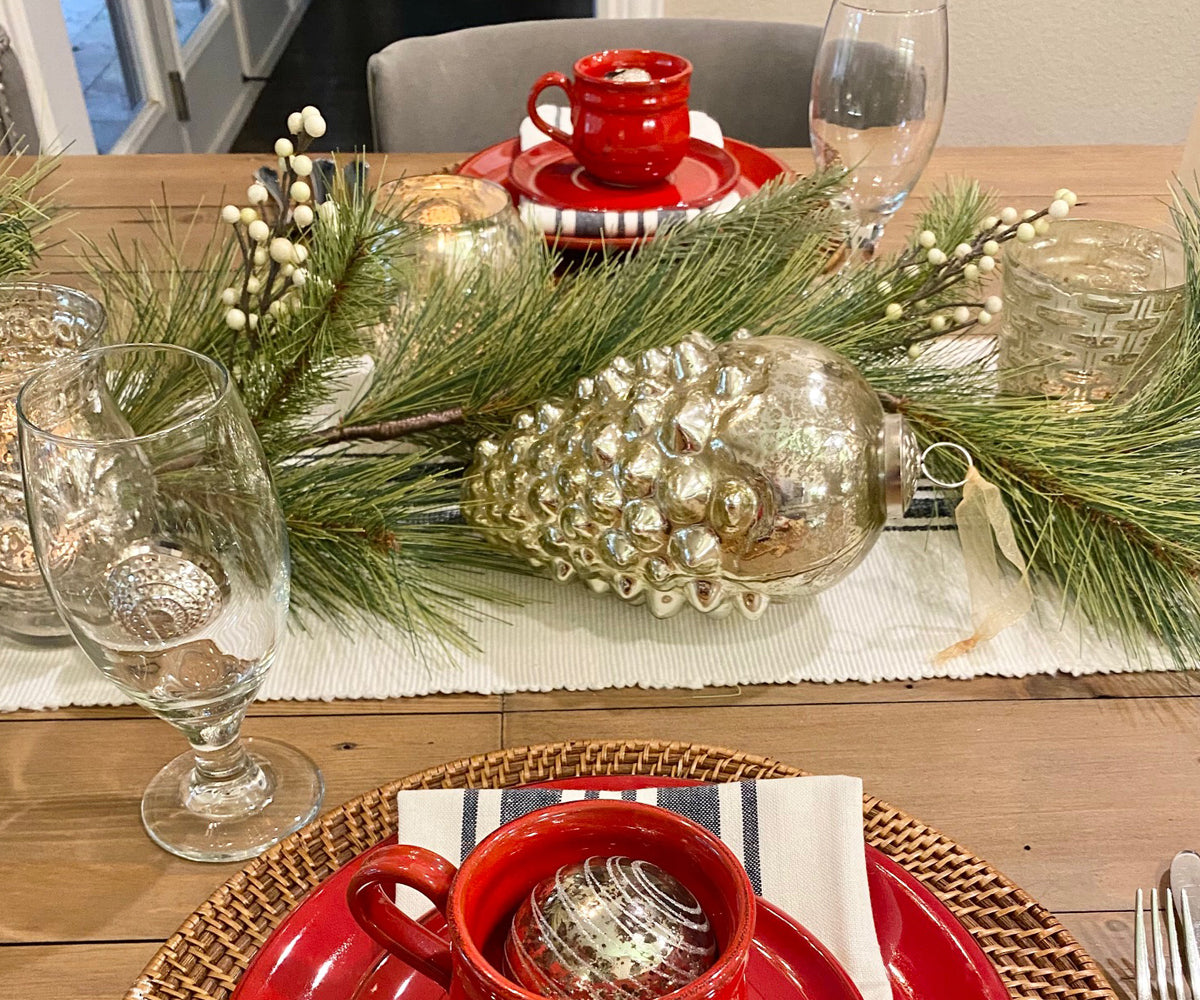
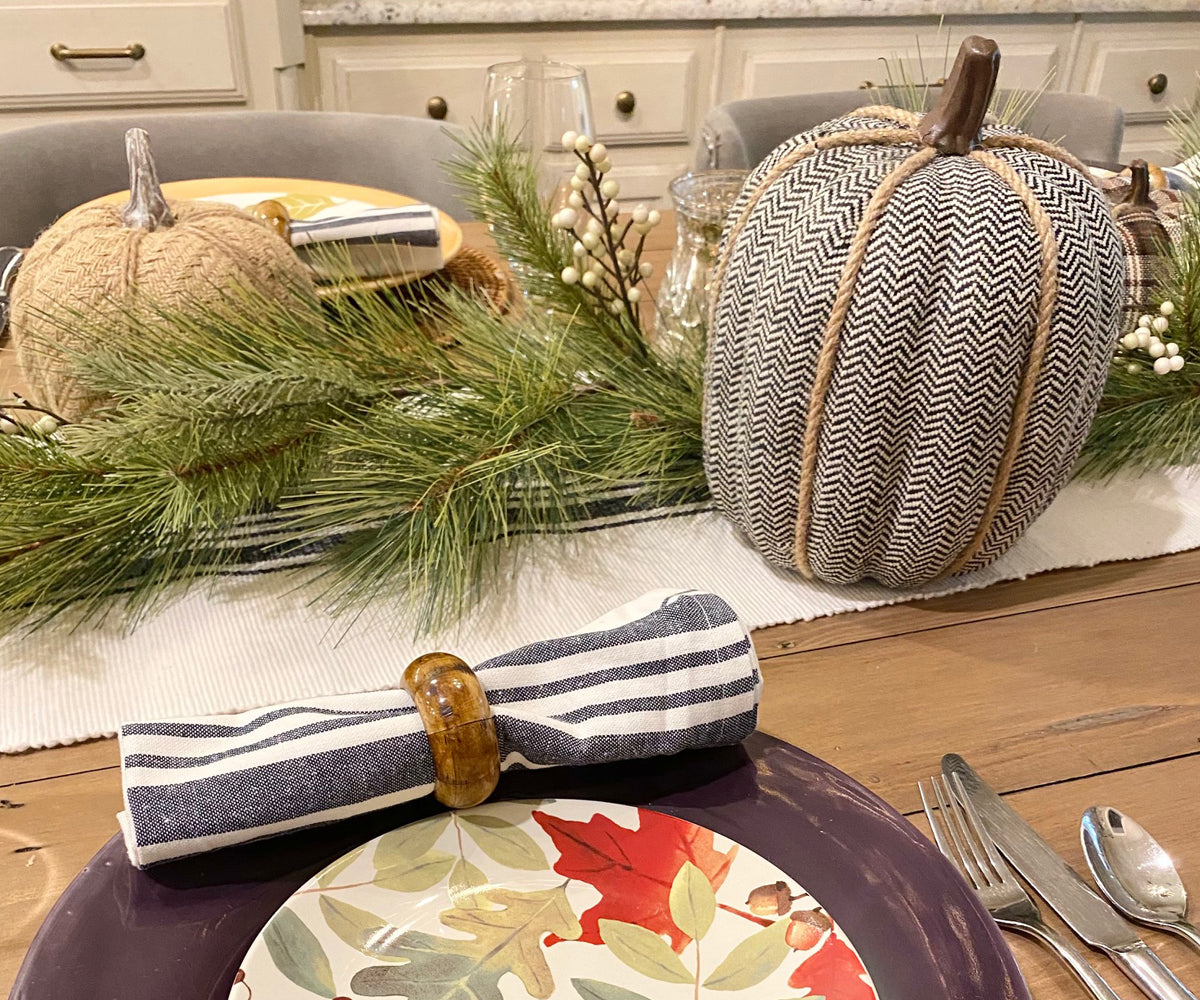
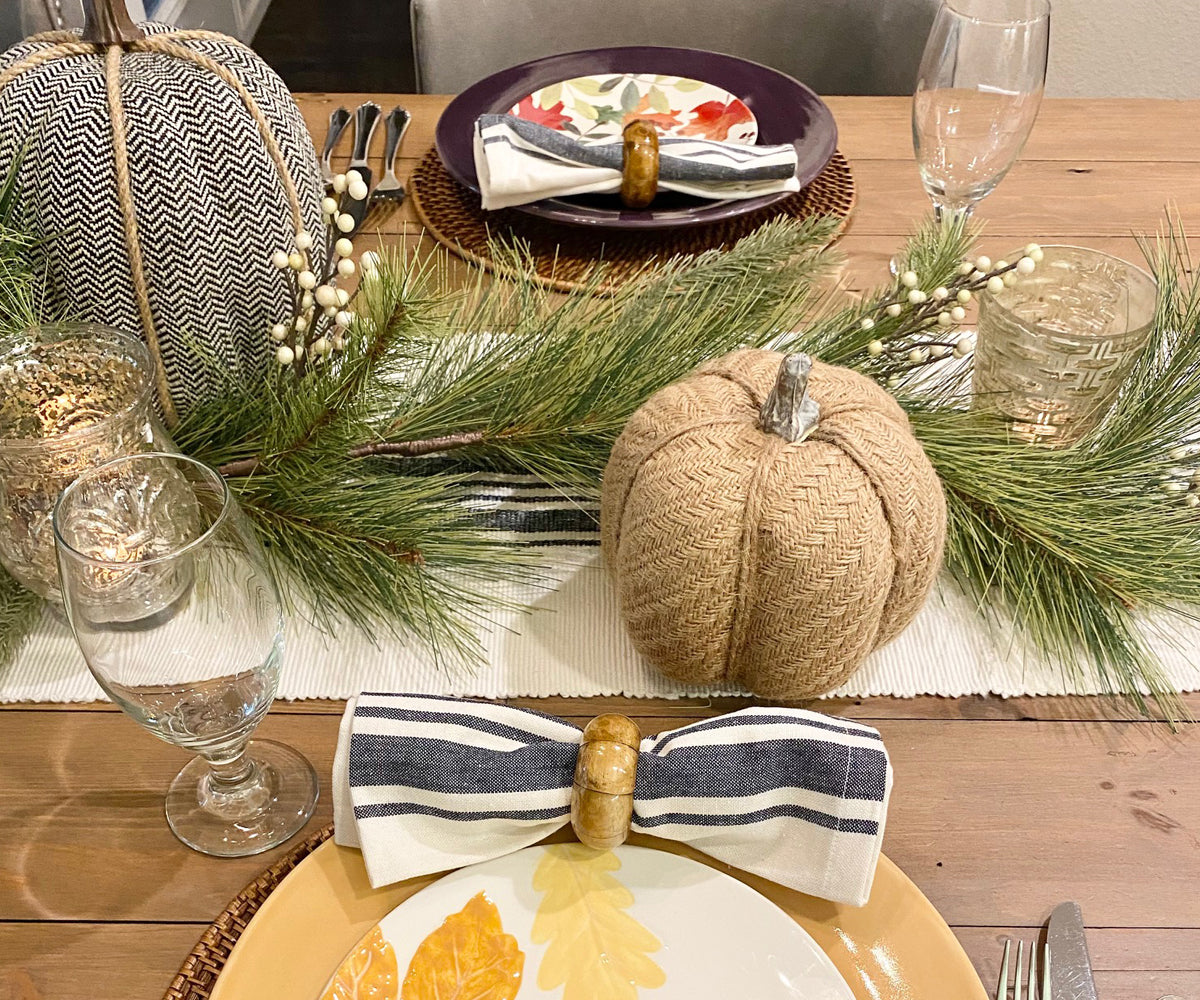
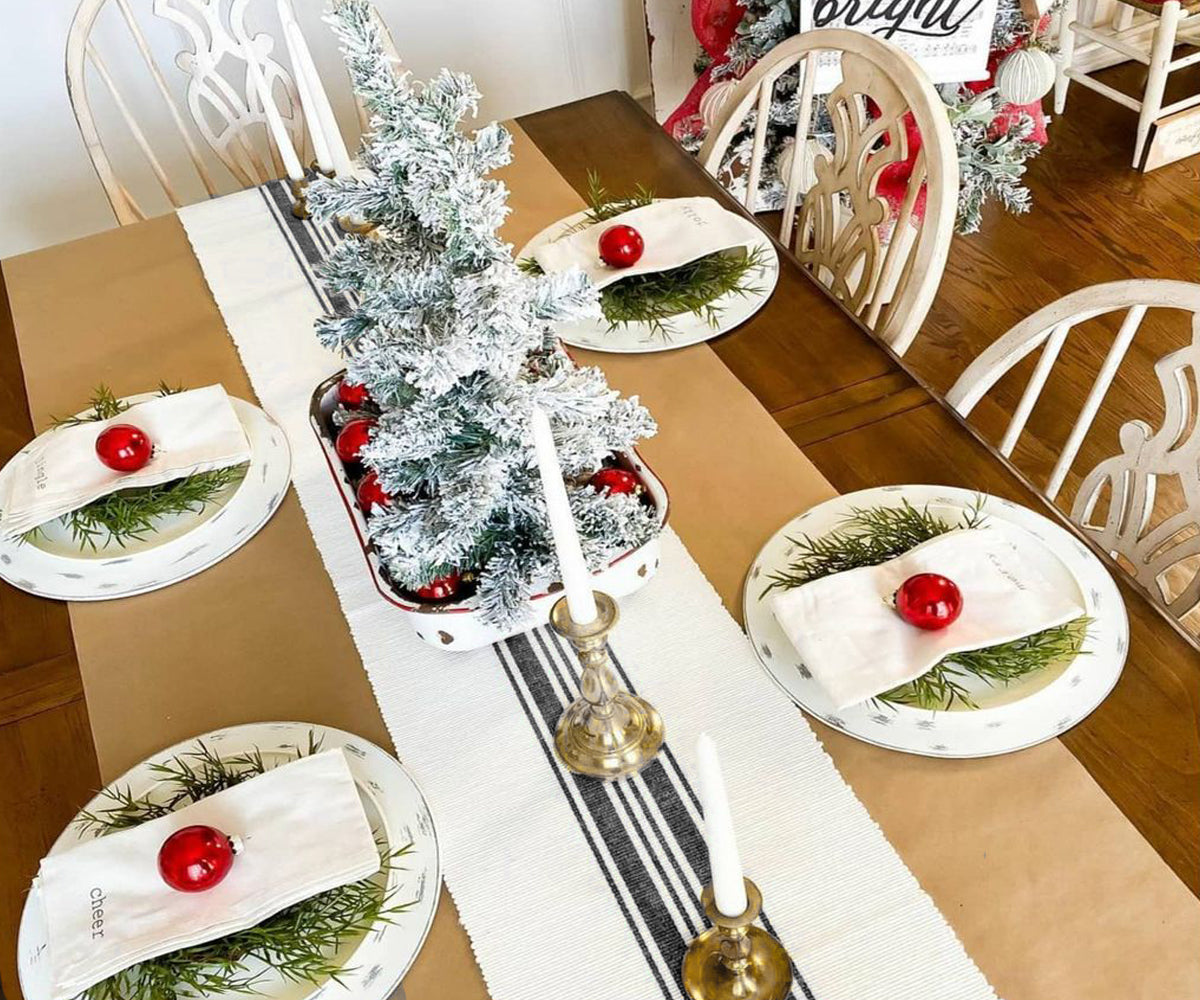
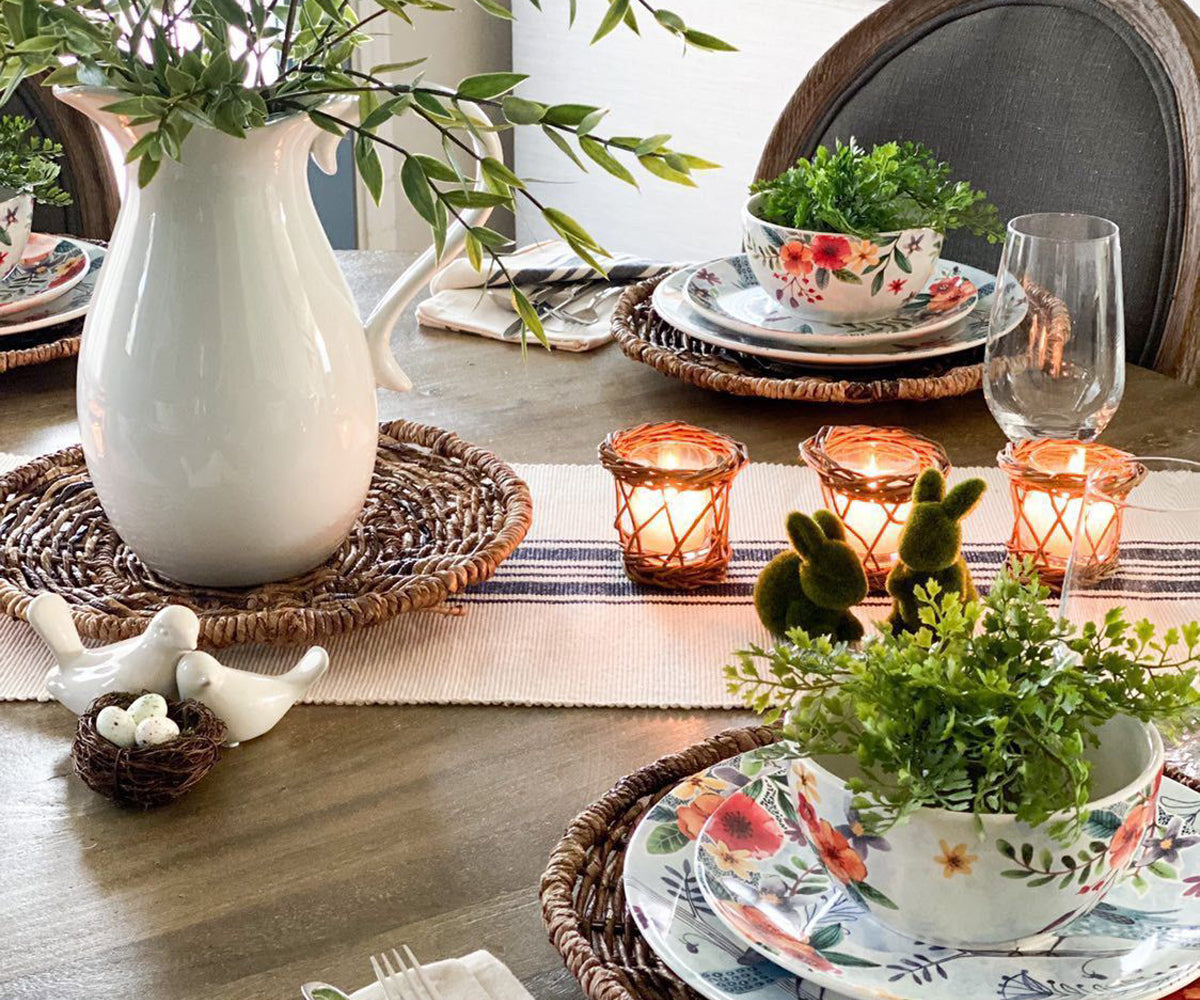
The napkins are the most personal and most photographed linen element at a wedding table. They appear in every close-up place setting photograph and in every guest's hands throughout the meal. Choose cloth napkins; paper has no place at a wedding reception table. Linen or cotton napkins in your wedding's accent color, folded with intention and placed across the plate or in the glass, complete the table setting in a way that nothing else can.

Layering combinations that work beautifully for weddings:
Natural linen tablecloth + ivory hemstitch linen runner + dusty rose cotton napkins for a romantic, organic, garden-wedding look.
White tablecloth + sage green linen runner + ivory hemstitch napkins for a clean, contemporary, nature-inspired look.
Ivory tablecloth + champagne or warm gold runner + white napkins with hemstitch border for a quietly luxurious, timeless formal look.
White tablecloth + deep navy runner + crisp white napkins for a bold, graphic, formal evening reception look.
Natural linen tablecloth + terracotta cotton runner + warm white napkins for a warm, rustic-elegant autumn or outdoor wedding look.
Quality checks: what to look for before buying or renting
The quality of wedding table linens is not always obvious from a photograph or a product listing. These are the physical checks that matter most when evaluating any linen before committing.
Hem quality:
Turn the tablecloth over and examine the hem. A well-made tablecloth has clean, even hem stitching with no loose threads, no puckering, and mitered corners that lie flat. A poorly finished
hem will fray and pull within a single service.
Fabric weight:
Hold the tablecloth up and let it hang freely. Quality fabric hangs with consistent weight and drapes smoothly. Thin, light fabric bunches and ripples rather than hanging cleanly.
Color consistency:
Check for any variation in color across the full length and width of the piece. Inconsistent dyeing is a quality indicator worth noting, particularly for large tablecloths where any variation will be visible across the table surface.
Stain treatment:
Ask specifically whether the fabric has been treated with a stain-resistant finish. This matters significantly for a dinner reception where red wine, sauce, and food are likely. Treatment does not make fabric invincible, but it gives the serving team time to address spills before they set.
Napkin finishing:
Examine the hemstitch or border detail on wedding napkins. The stitching should be even, consistent, and pulled tight enough to create a clean decorative line without distorting the fabric. Loose or uneven hemstitching is a sign of lower-quality manufacturing.
Also Read: How to fold Linen Napkins
The wedding table linen checklist
Use this as your complete linen checklist for planning and purchasing:
Tablecloths
Measure every tableguest tables, head table, sweetheart table, cake table, gift table, welcome table Confirm table shape and dimensions (round, rectangular, square, oval) Calculate drop length based on reception formality (12–15" elegant, 28–30" formal/floor-length) Add 10–15% extra quantity as contingency for last-minute additions or replacements Confirm fabric, color, and hem quality
Table runners:
Choose width (12–16 inches) and length based on table dimensions. Confirm color in a complementary or contrasting relationship to the tablecloth. Allow 6–10 inches overhang at each end beyond the tablecloth edge
Napkins:
Calculate quantity: At minimum, one per guest, ideally 1.5× per guest to allow for replacements. Choose cloth napkins, linen or cotton, never paper, for a wedding reception. Confirm color coordinates with the tablecloth and runner. Decide on folding style: simple rectangle, fan, bishop's hat, pocket fold, or other

Placemats (if using), one per place setting. Color should complement but contrast with the tablecloth. Natural fiber (cotton, linen, jute) suits most wedding aesthetics
Extras to consider:
Chair sashes or covers if chairs are part of the linen design, Overlays if layering multiple tablecloth layers, Napkin rings if using ring presentation rather than a fold, Custom monogrammed napkins for the sweetheart or head table
Buying versus renting wedding table linens
The choice between buying and renting wedding table linens depends primarily on quantity, reuse potential, and budget.
Renting makes sense for very large receptions where buying in the required quantities would be prohibitively expensive, for venues that include linen rental as part of the catering package, and for couples who do not foresee a use for reception-quantity tablecloths after the wedding.
Buying makes sense for smaller guest lists where per-unit costs are more manageable, for couples who want linen tablecloths and napkins that they will genuinely use at home after the wedding, and for any couple who wants quality natural fiber linens that a rental inventory rarely provides. A set of quality linen or cotton napkins purchased for a wedding becomes a lasting part of the household's table linen collection, used at dinner parties, holiday tables, and family meals for years afterward.
At All Cotton and Linen, our wedding clients frequently find that buying quality cotton and linen napkins in their wedding quantity is comparable in cost to renting lower-quality synthetic alternatives and comes with the added value of linens that belong to them permanently. The investment in quality natural fiber wedding linens is one of the few wedding expenses that continues to pay dividends long after the day itself.
Final thoughts
Wedding table linens are one of the few reception details that guests experience physically; they touch the napkins, rest their arms on the tablecloth, and feel the weight of the fabric when they unfold a napkin at the beginning of the meal. That physical experience is part of what makes the difference between a table that looks beautiful in photographs and a table that feels beautiful to sit at.
The choices that make the greatest difference are not the most expensive ones. They are the most considered ones: the right fabric for the setting, the right color in the right relationship to the wedding palette, the right drop for the formality of the occasion, the right napkin that completes each place setting with a quiet, confident detail.
At All Cotton and Linen, our wedding linen collection is made from quality natural cotton and linen in the colors, sizes, and finishes that make every wedding table feel genuinely considered. From hemstitch napkins in over twenty colors to linen tablecloths in every standard wedding table size, we have everything you need to dress your reception tables beautifully and to keep using them beautifully long after the wedding day itself.
Shop our wedding table linen collection — tablecloths, napkins, runners, and placemats