
Quick Glance at Eco-Friendly Home Decor Trends
|
Trend |
What It Looks Like |
Best Materials |
Easy First Step |
|---|---|---|---|
|
Natural textiles |
Soft, textured napkins, curtains, and bedding |
Linen, cotton |
Swap paper napkins for linen napkins |
|
Organic modern palettes |
Sage, olive, oat, and clay tones |
Cotton, linen, wool |
Add a sage green table piece |
|
Plastic-free accents |
Cloth kitchen and shopping items |
Cotton, muslin, jute |
Trade paper towels for cotton kitchen towels |
|
Low-impact furniture |
Secondhand, reclaimed, or FSC wood pieces |
Wood, cork, rattan |
Refresh a sofa with a couch cover |
|
Eco wall finishes |
Limewash, clay plaster, low-VOC paint |
Mineral paints, plaster |
Check paint labels for low or zero VOC |
|
Custom, made to last |
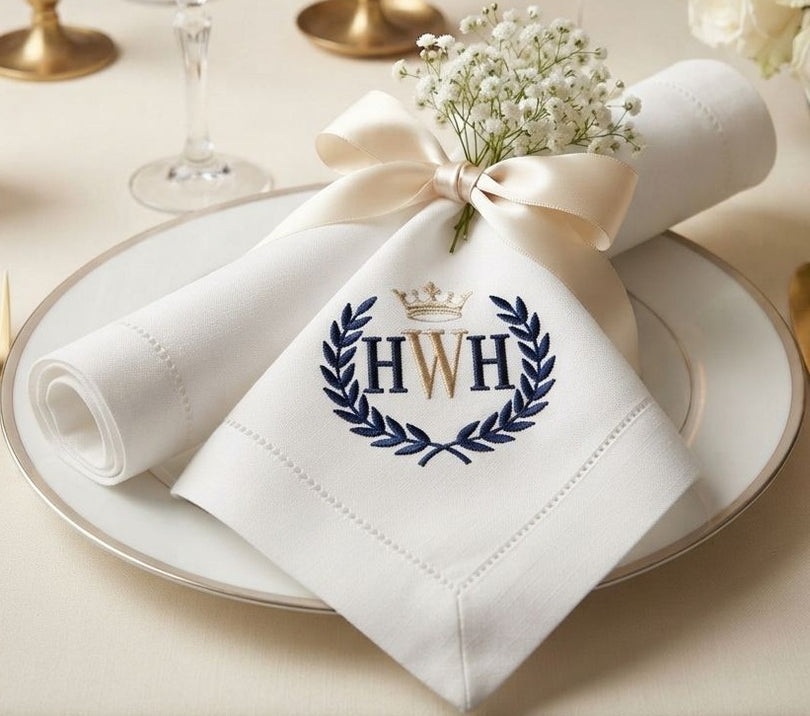
Monogrammed and embroidered pieces |
Cotton, linen |
Order custom napkins |
|
Eco-friendly outdoor decor |
Washable linens, reusable planters |
Cotton, linen, reclaimed wood |
Set the patio with a cloth tablecloth |
What Is Eco-Friendly Home Decor?
Eco-friendly home decor is decor made, used, and thrown away with less harm to the planet. It uses renewable or recycled materials, avoids plastic, lasts for years, and breaks down safely at the end of its life. You may also see it called eco-conscious decor, sustainable decor, or environmentally friendly decor. The idea is simple. A cotton napkin you use for six years beats a pack of paper napkins you toss every week. That one swap shows the whole idea in action. Three things matter most: what the piece is made of, how long you will use it, and what happens when you are done with it.
Why Is Eco-Conscious Decor Growing?
Eco-conscious decor is growing because people want calmer homes, better quality, and less waste. Many shoppers are tired of throwaway items that fall apart in a year. They also want pieces that feel good to touch and that support the way they gather. A table set with soft cloth napkins invites people to stay and talk. That is the real pull behind this trend. It is about comfort, connection, and buying with care, not about perfection.
What Are the Top Eco-Friendly Home Decor Trends for 2026?
The top eco-friendly home decor trends for 2026 focus on natural fibers, earthy color, and pieces built to last. Here are the seven I see shaping homes right now, and how to try each one without overspending.
1. Natural Linen and Cotton Textiles
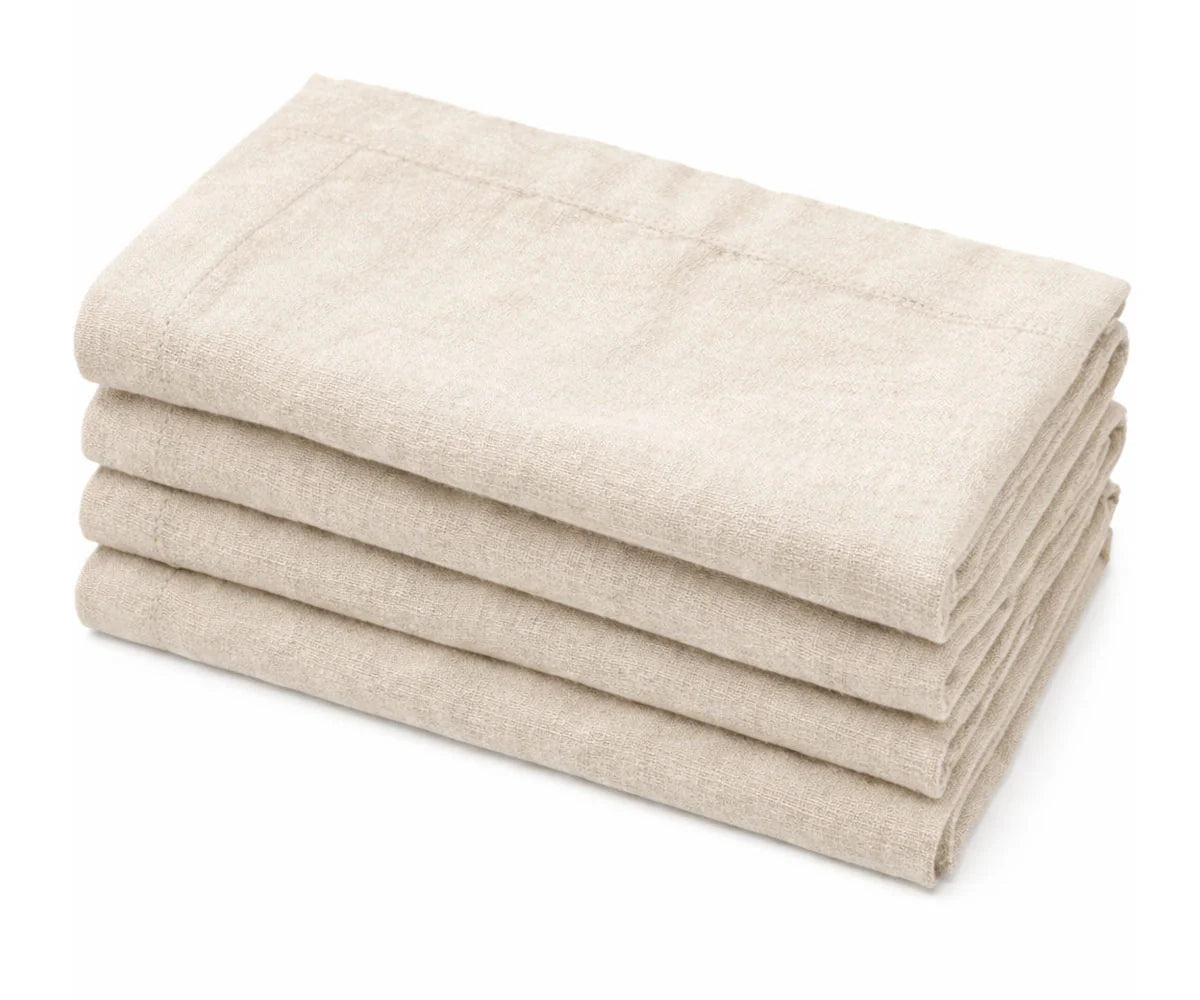
Linen and cotton lead the eco-friendly textile trend for 2026. Both are renewable and biodegradable. Neither sheds microplastics in the wash, because neither is a synthetic fiber. Linen also generally needs less water to grow than many other fibers. The newest linen napkin looks are hemstitched edges, scalloped borders, soft embroidery, and plain natural tones. Start with linen napkins, then add linen curtains or cotton bedding. Choose pieces that are 100 percent natural fiber, not blends with polyester.
2. Organic Modern Rooms
Organic modern is a style that pairs clean lines with earthy color and natural texture. Think oat, soft white, sage, olive, and clay. Olive and sage green are especially popular for room decor right now. They calm a space and hide everyday wear. Try a natural-toned tablecloth or sage green linens to set the mood. For furniture, a washable linen slipcover helps you keep a good sofa longer. Browse couch covers before you replace anything.
3. Plastic-Free and Biodegradable Accents
Biodegradable home decor uses materials that break down safely, such as cotton, linen, jute, hemp, wood, and beeswax. This trend is moving into small, everyday items. Look at reusable muslin bags, string bags, and tote bags for shopping and storage. Cloth replaces plastic wrap, paper napkins, and disposable covers. These are small changes. They add up fast because you use them daily.
4. Reclaimed and Low-Impact Furniture
Eco-conscious furniture favors secondhand pieces, reclaimed wood, FSC-certified wood, cork, and rattan. FSC stands for the Forest Stewardship Council, a group that certifies responsibly managed forests. The greenest chair is often one that already exists. Shop vintage and resale first. Then refresh what you own with new cushion covers or a cozy throw instead of buying new furniture.
5. Eco-Friendly Wall Trends
Eco-friendly wall trends center on low-VOC paint, limewash, clay plaster, and natural textile art. VOCs are chemicals in some paints that release fumes into your air. Low and zero-VOC paints keep the air in your home fresher. Limewash and clay plaster add soft, matte texture. For a no-paint option, hang a woven piece or a linen panel. Always read the label, since "eco" alone does not guarantee a safe product.
6. Custom, Handmade, and Made-to-Last Pieces
Custom decor is a quiet sustainability trend, because people keep what has meaning. A monogrammed napkin or an embroidered tablecloth rarely ends up in the donation bin. It becomes a family piece. Explore custom napkins, embroidered tablecloths, and printed linens. With regular washing, cotton and linen napkins can last five to seven years or more.
7. Eco-Friendly Outdoor Decor
Eco-friendly outdoor decor uses washable natural textiles, reusable planters, and secondhand or FSC-certified wood. Skip plastic tablecloths and single-use party covers. A cotton or linen cloth handles patio dinners and can go straight into the wash. Pick a cotton tablecloth in a solid earthy color. It works for backyard meals, holiday gatherings, and quiet weeknight dinners alike.
Best Eco-Friendly Materials for Home Decor in 2026
The best eco-friendly materials for home decor are linen, organic cotton, jute, hemp, reclaimed or FSC-certified wood, and cork. Each one is renewable or reused, and most break down safely. Use this table to match the material to the job.
|
Material |
Why It Works |
Best For |
Watch Out For |
|---|---|---|---|
|
Linen |
Renewable, biodegradable, dries fast |
Napkins, curtains, bedding |
Blends with polyester |
|
Cotton (GOTS certified) |
Soft, washable, biodegradable |
Towels, tablecloths, sheets |
Conventional cotton uses more pesticides |
|
Jute and hemp |
Strong plant fibers, low input crops |
Rugs, baskets, planters |
Rough texture on bare skin |
|
FSC or reclaimed wood |
Responsible sourcing or second life |
Tables, shelves, frames |
Vague "eco wood" claims |
|
Cork |
Harvested from bark without cutting the tree |
Trays, coasters, boards |
Glued composites |
What Are the Best Eco-Friendly Home Products to Switch To?
The best eco-friendly home products to switch to are the ones you use every day. Start where you throw things away most. These five swaps give you the biggest return.
-
Cloth napkins. A set of 12 reusable cotton napkins can replace about 4,380 paper napkins over three years, based on four paper napkins a day. Shop cotton napkins.
-
Kitchen towels. Cotton and linen kitchen towels replace a steady stream of paper towels.
-
Reusable grocery bags. Cotton shopping bags cut single-use plastic at the store.
-
Placemats and tablecloths. Washable placemats replace paper ones.
-
Bath towels. Natural-fiber towels are a top trend. Look at Turkish cotton towels and waffle towels. Both dry fast and feel soft.
How Do You Spot Truly Eco-Friendly Home Decor?
You spot truly eco-friendly decor by checking the fabric content, the certifications, and how long the piece will last. The word "eco" on a tag means nothing without proof. Here is what I check before I buy.
-
Read the fabric label. Look for 100 percent cotton, linen, hemp, or jute. Recycled polyester still sheds microfibers.
-
Look for GOTS. The Global Organic Textile Standard covers organic fibers and how they are processed.
-
Look for OEKO-TEX. This label means the textile was tested for harmful substances.
-
Look for FSC on wood. It shows the wood came from a responsibly managed forest.
-
Check care and durability. A piece that survives years of washing is the greener choice.
-
Be wary of vague words. "Green," "natural look," and "eco-inspired" are not claims you can verify.
Is Eco-Friendly Home Decor Worth the Price?
Eco-friendly decor is often worth the price because the cost per use drops over the years. A cloth napkin used three times a week for five years serves about 780 meals. A paper napkin serves one. If budget is tight, I get it. Start with one swap, not a full makeover. Buy secondhand when you can. Skip trend pieces you will tire of in a season. And if you already own what you need, the most sustainable choice is to use it longer. Then, when something wears out, replace it with a natural piece built to last. Care helps too. Wash cold or warm, use a gentle fragrance-free detergent, and air dry or tumble on low. See our linen care guide for easy steps.
Which US Retailers Sell Eco-Conscious Home Decor?
The best US retailers for eco-conscious home decor are the ones that list fabric content, certifications, and care details clearly. Local makers, vintage shops, and farmers markets are great places to look too. All Cotton and Linen sells napkins, tablecloths, placemats, towels, bedding, and curtains made of natural cotton and linen, with select GOTS certified options and free shipping and returns within the US. Browse the full napkin collection or the linen bedding collection to see the range.
Eco-Friendly Home Decor Ideas by Room
You can go eco-friendly in any room with one or two simple swaps. Here is where I would start.
-
Living room: a washable linen throw, natural cushion covers, and a slipcover for an older sofa.
-
Dining room: a cotton or linen tablecloth, cloth napkins, and table runners.
-
Kitchen: cotton towels, a muslin bread bag, and reusable produce bags.
-
Bedroom: breathable cotton sheets and linen pillowcases.
-
Bathroom: Turkish or waffle towels and a cotton bath mat.
Key Takeaways
-
The top eco-friendly home decor trends for 2026 are natural textiles, organic modern color, plastic-free accents, low-impact furniture, eco wall finishes, custom pieces, and sustainable outdoor decor.
-
Linen and cotton are renewable, biodegradable, and do not shed microplastics in the wash.
-
Look for 100 percent natural fibers and certifications such as GOTS, OEKO-TEX, and FSC.
-
Start with daily swaps like cloth napkins, kitchen towels, and reusable bags.
-
Cost per use makes durable eco-friendly pieces a smart buy. A napkin used three times a week for five years serves about 780 meals.
-
Buy secondhand first, and use what you already own for as long as you can.
-
Avoid vague claims. Read the fabric label and check the proof.
Related Reading
-
Linen vs Cotton: Which Is Better for Your Home?
-
How to Care for Linen Napkins and Tablecloths?
-
Sustainable Table Setting Ideas for Everyday Meals
About the Author
Amelia Claire is a Senior Writer who studied English Literature and Interior Design at the Design Institute of San Diego. She spent over six years in event management, planning weddings, celebrations, and corporate gatherings, before moving into writing. Based in San Ramon, California, she writes about home interiors, table styling, and lifestyle, and loves local markets, design fairs, and quiet evenings at home with her cat.