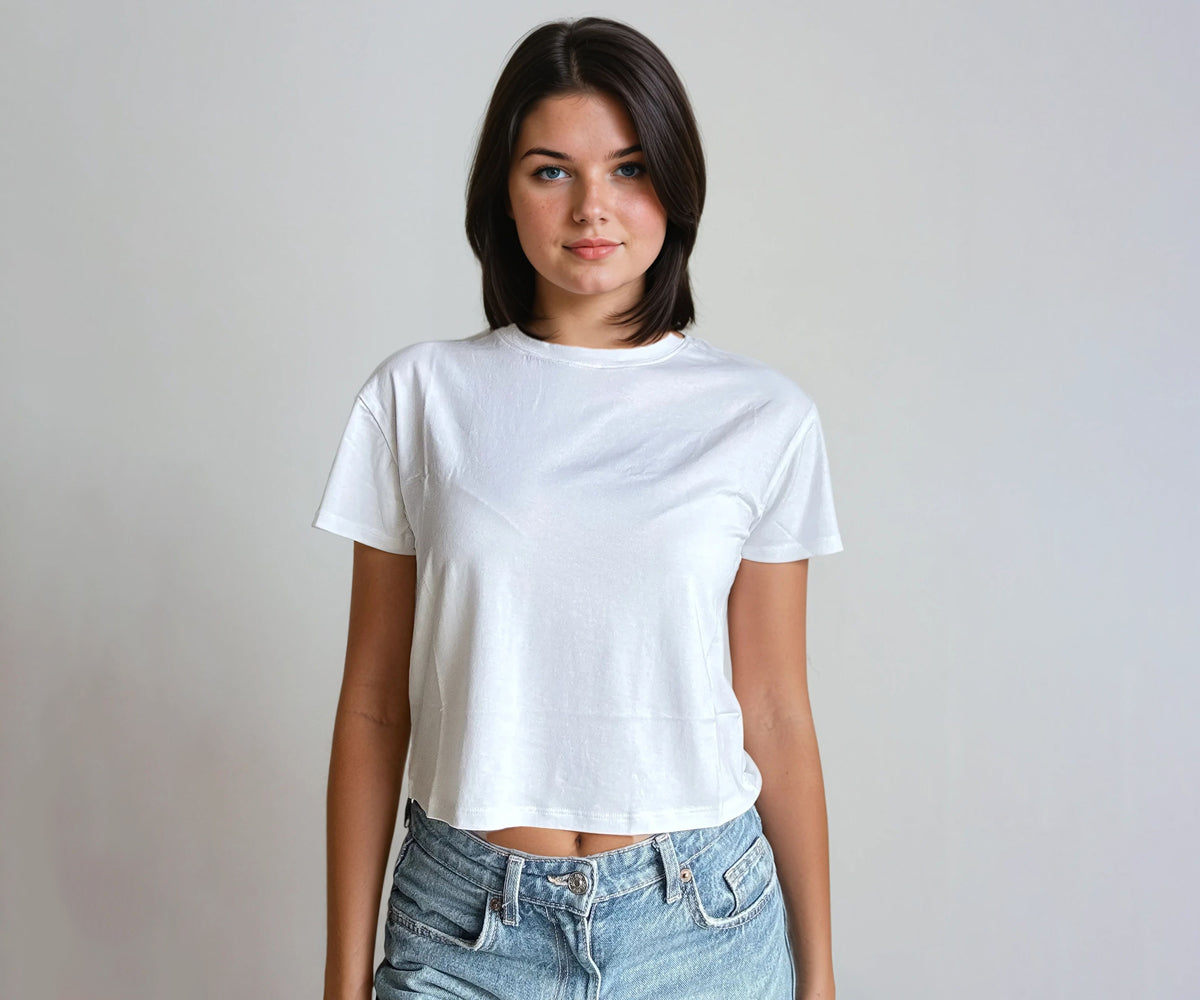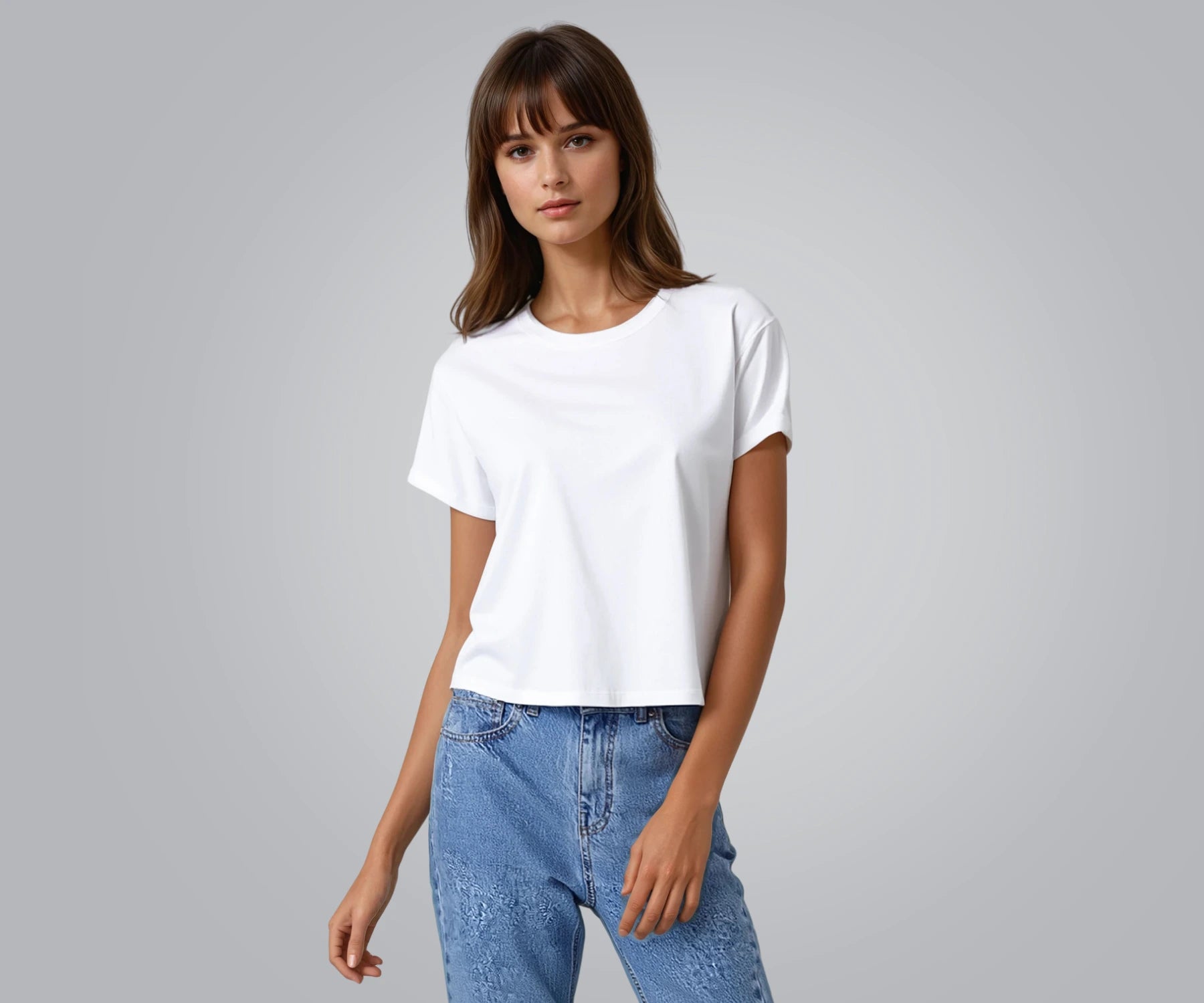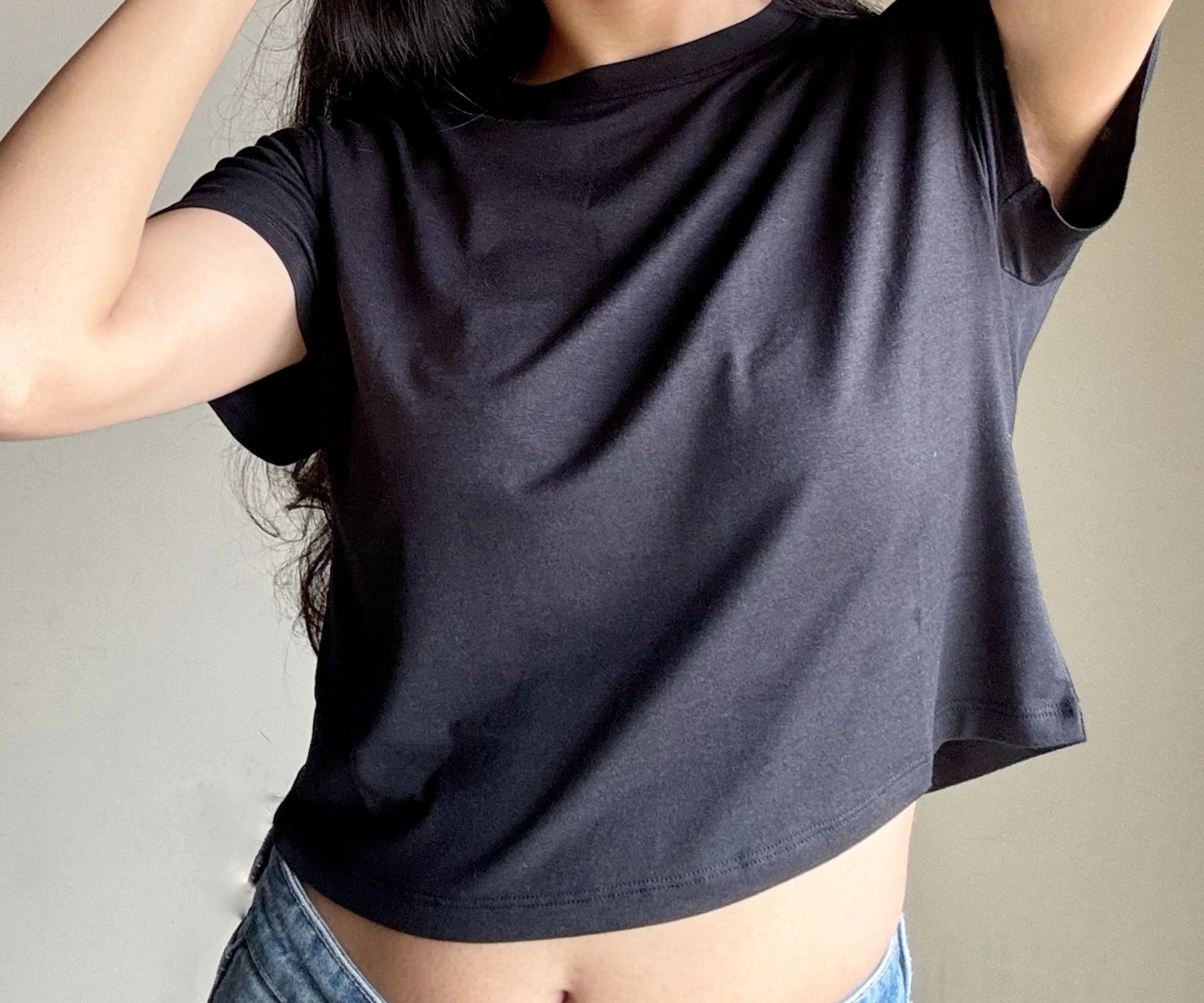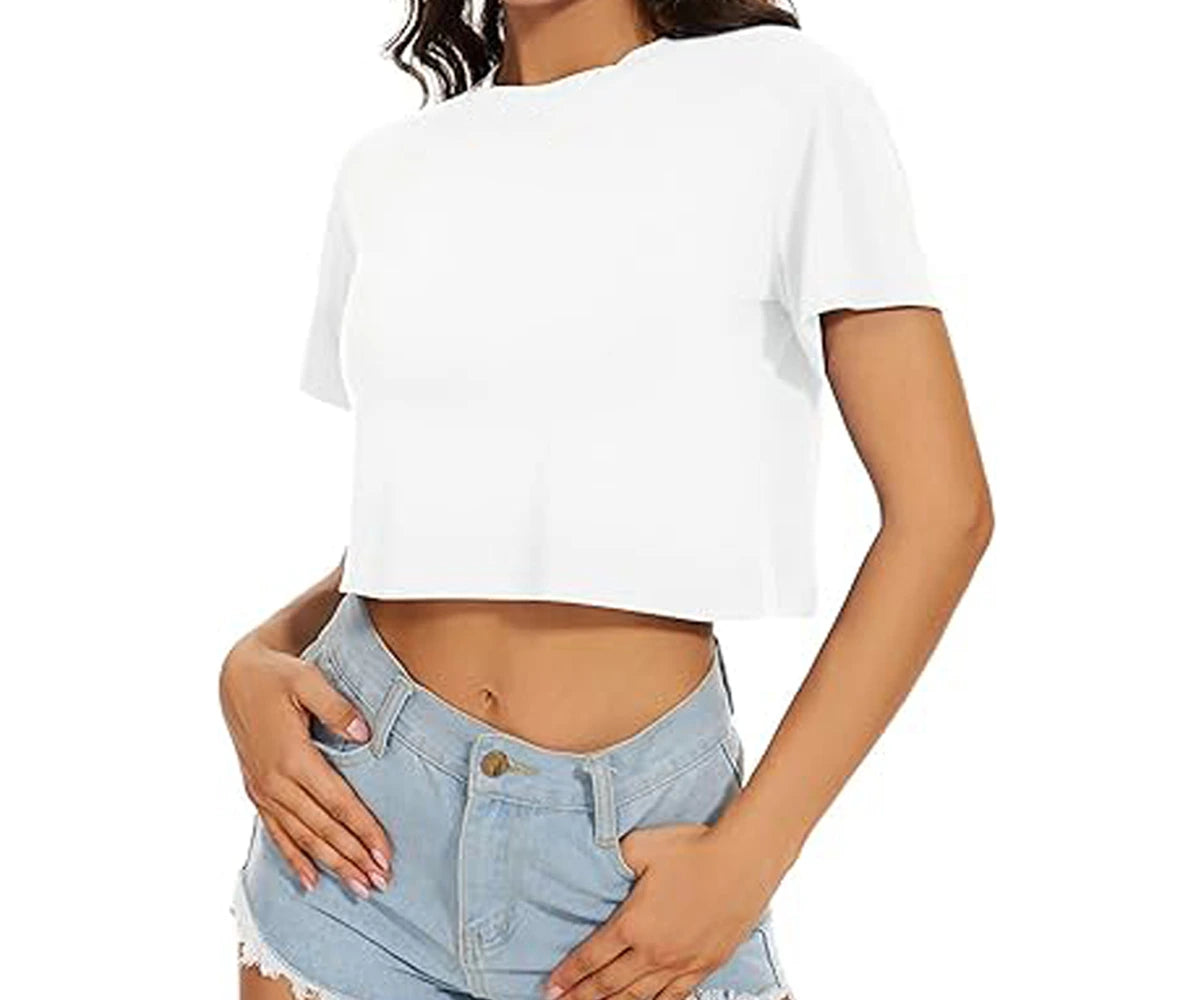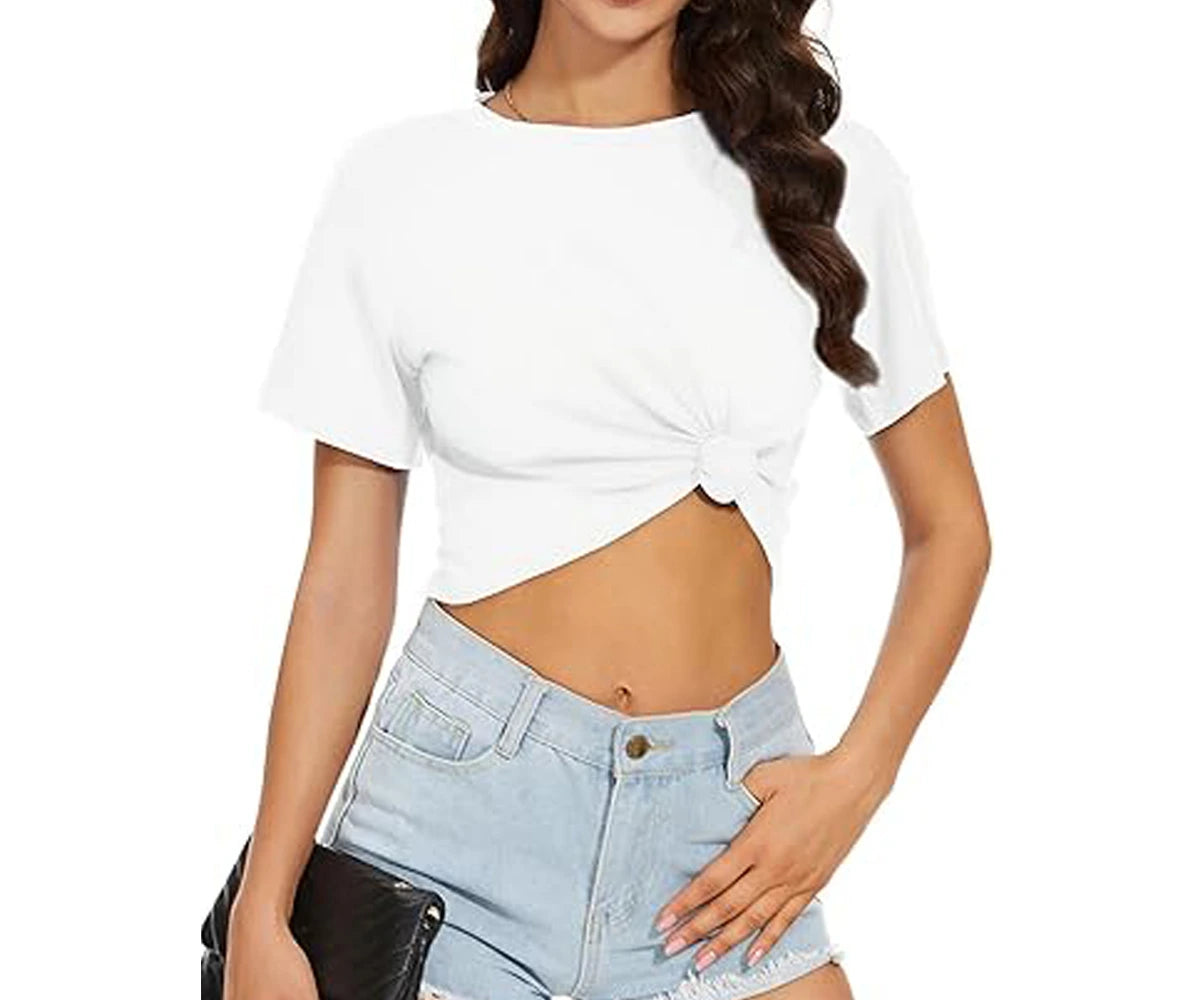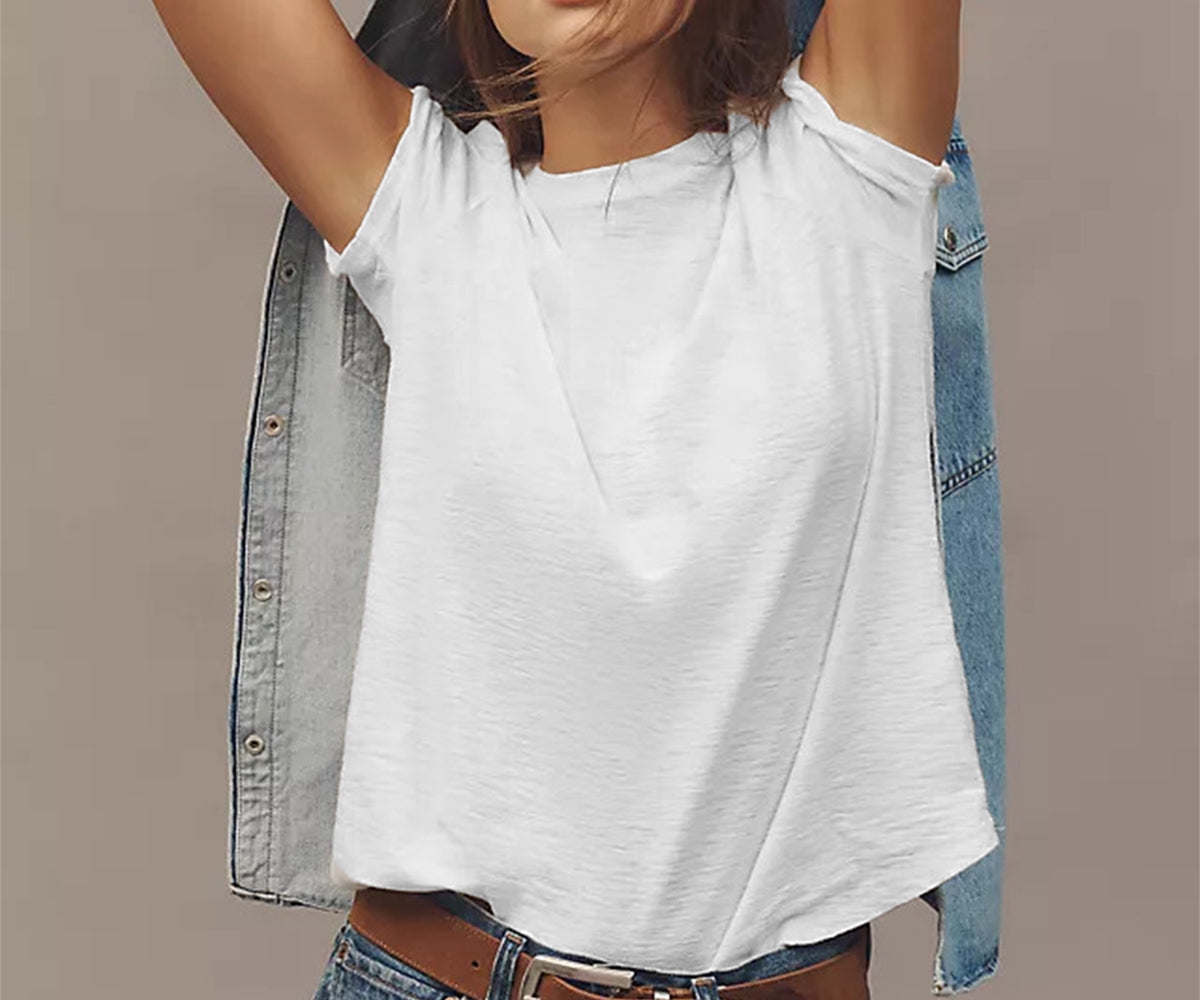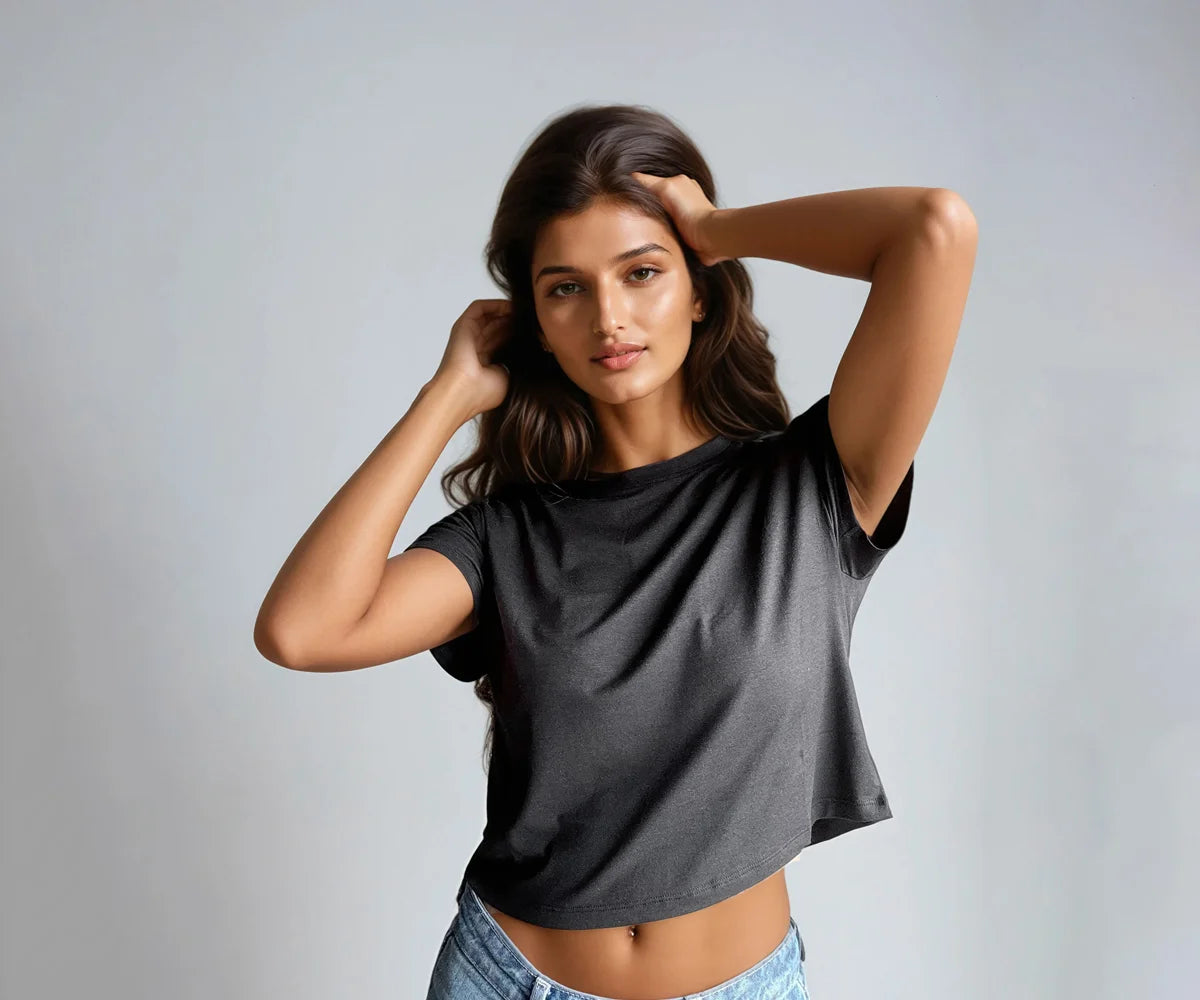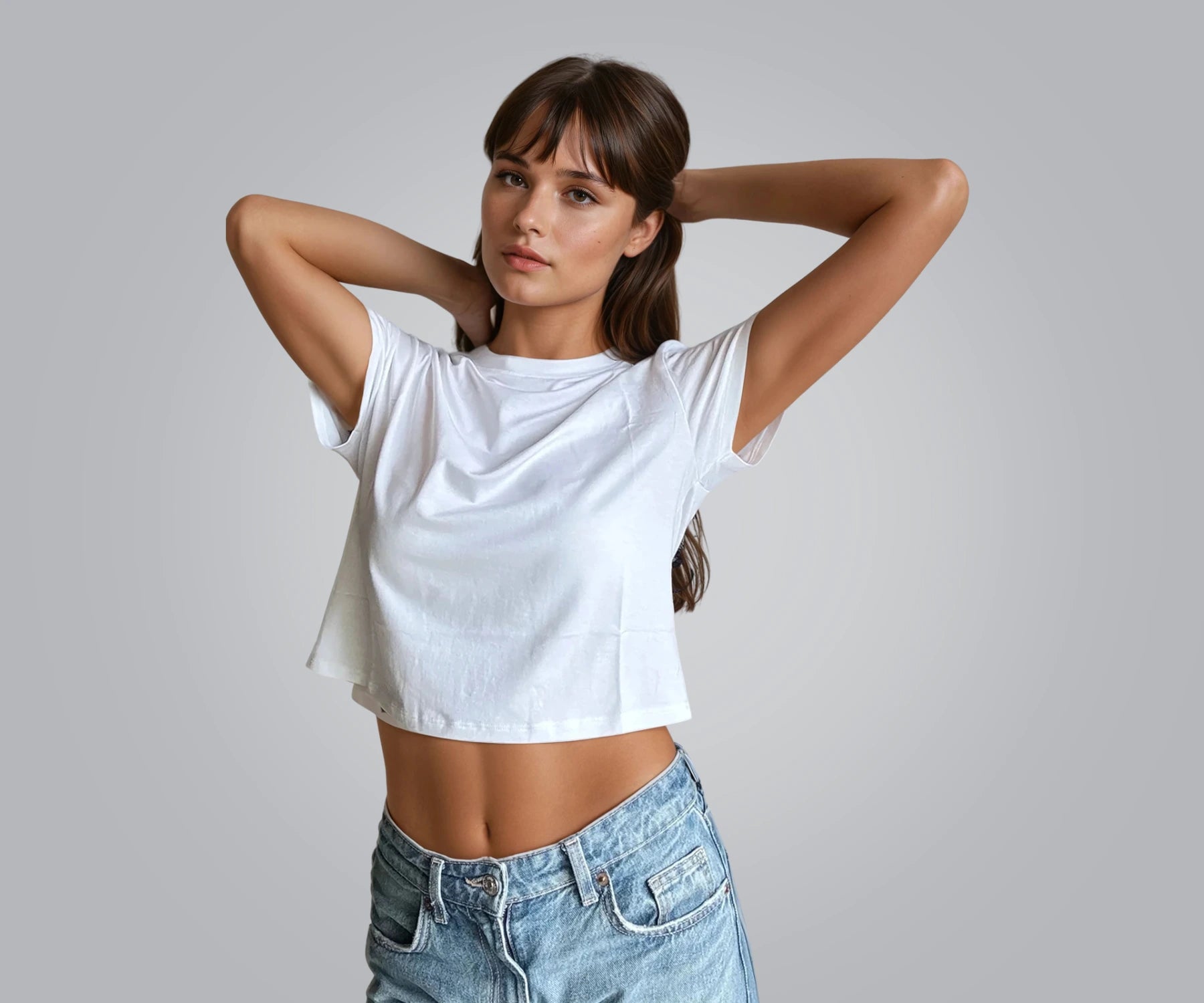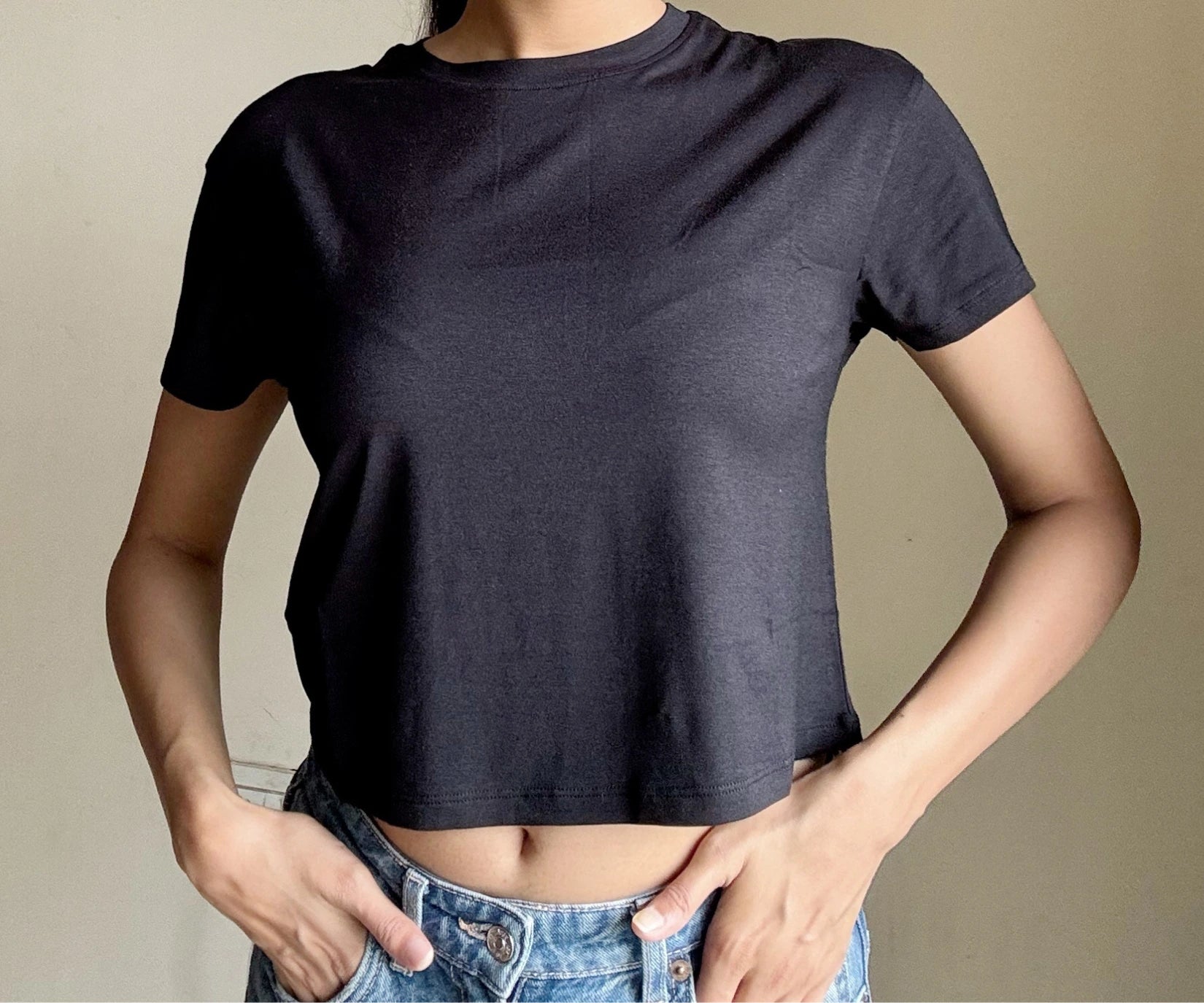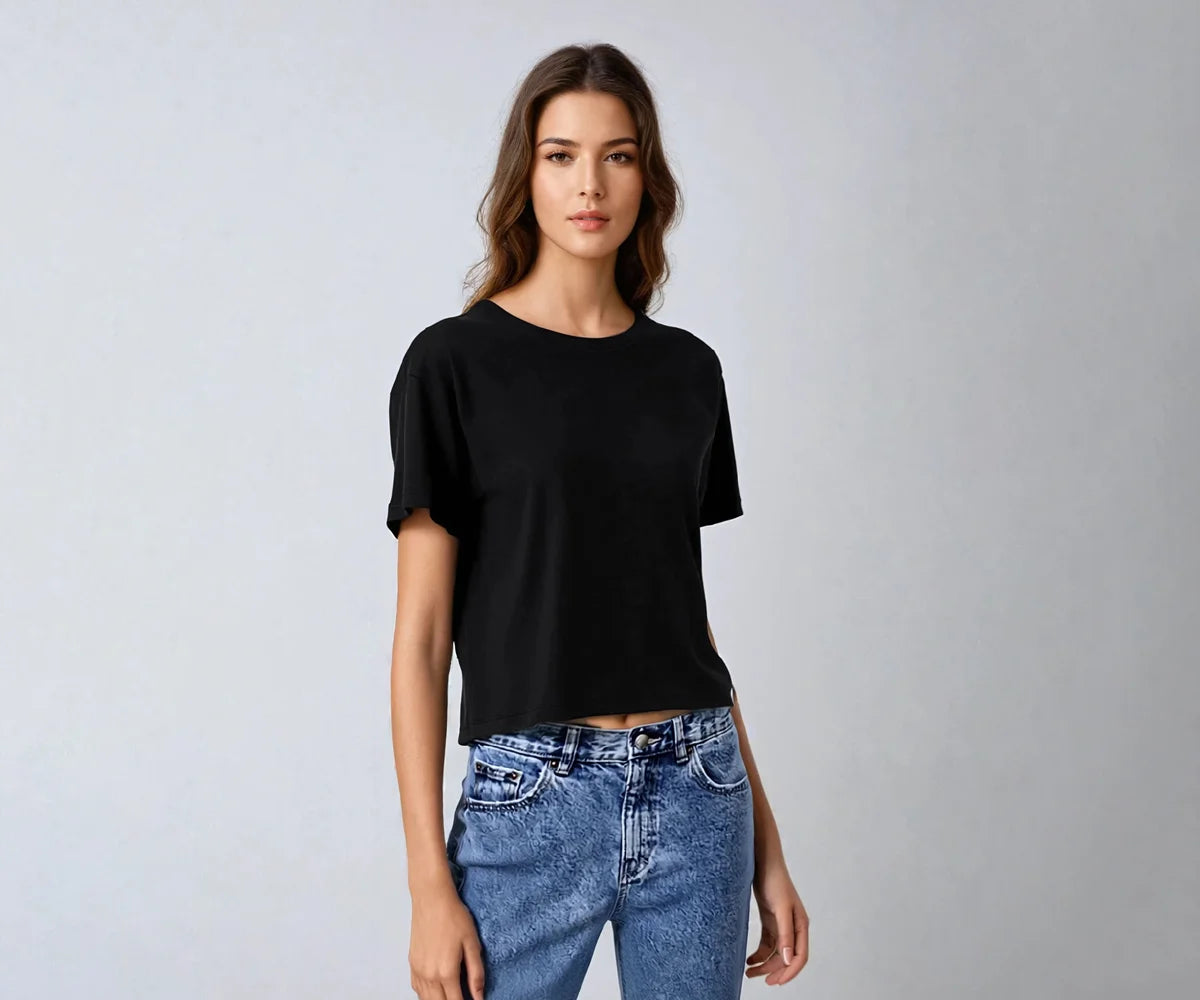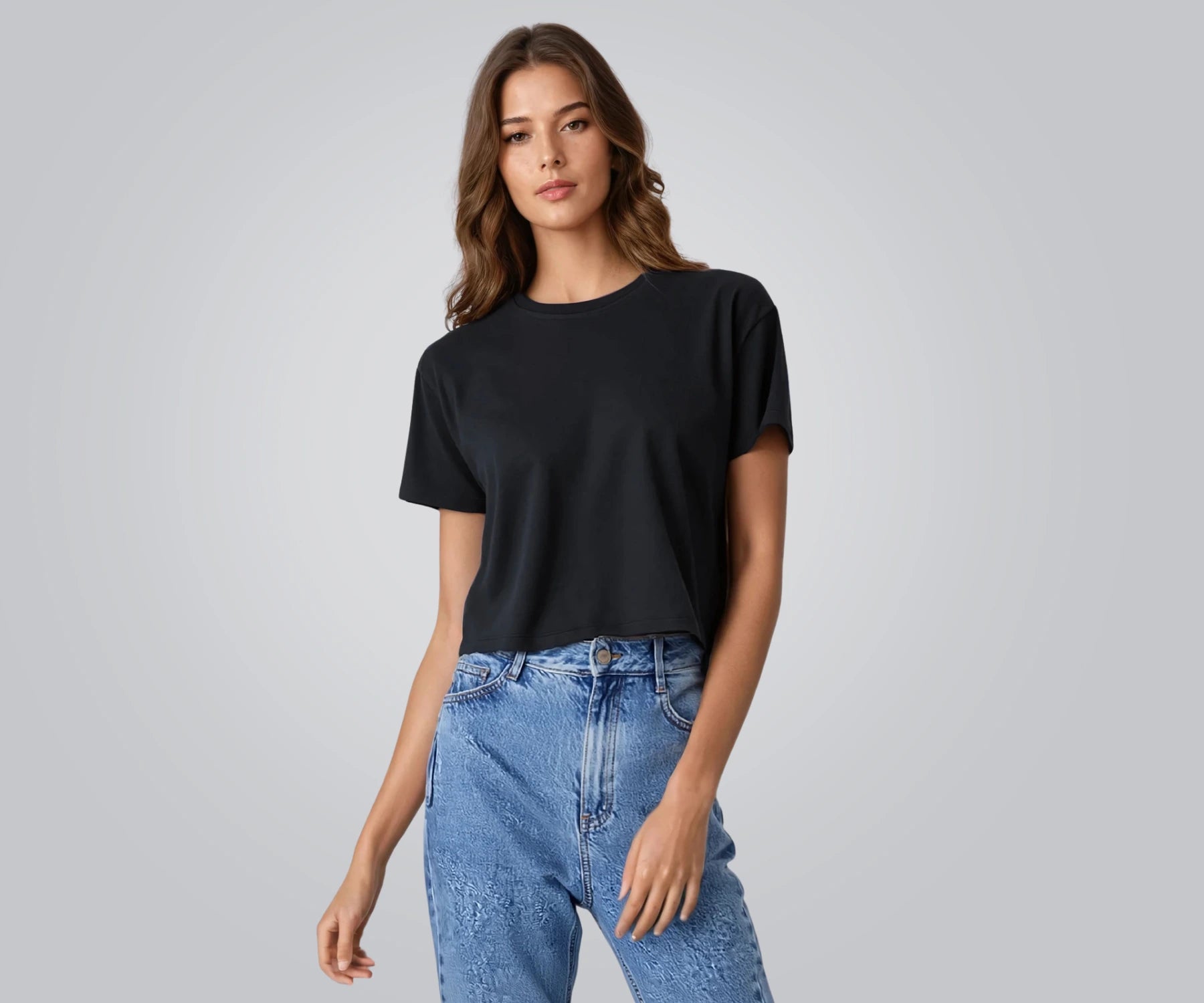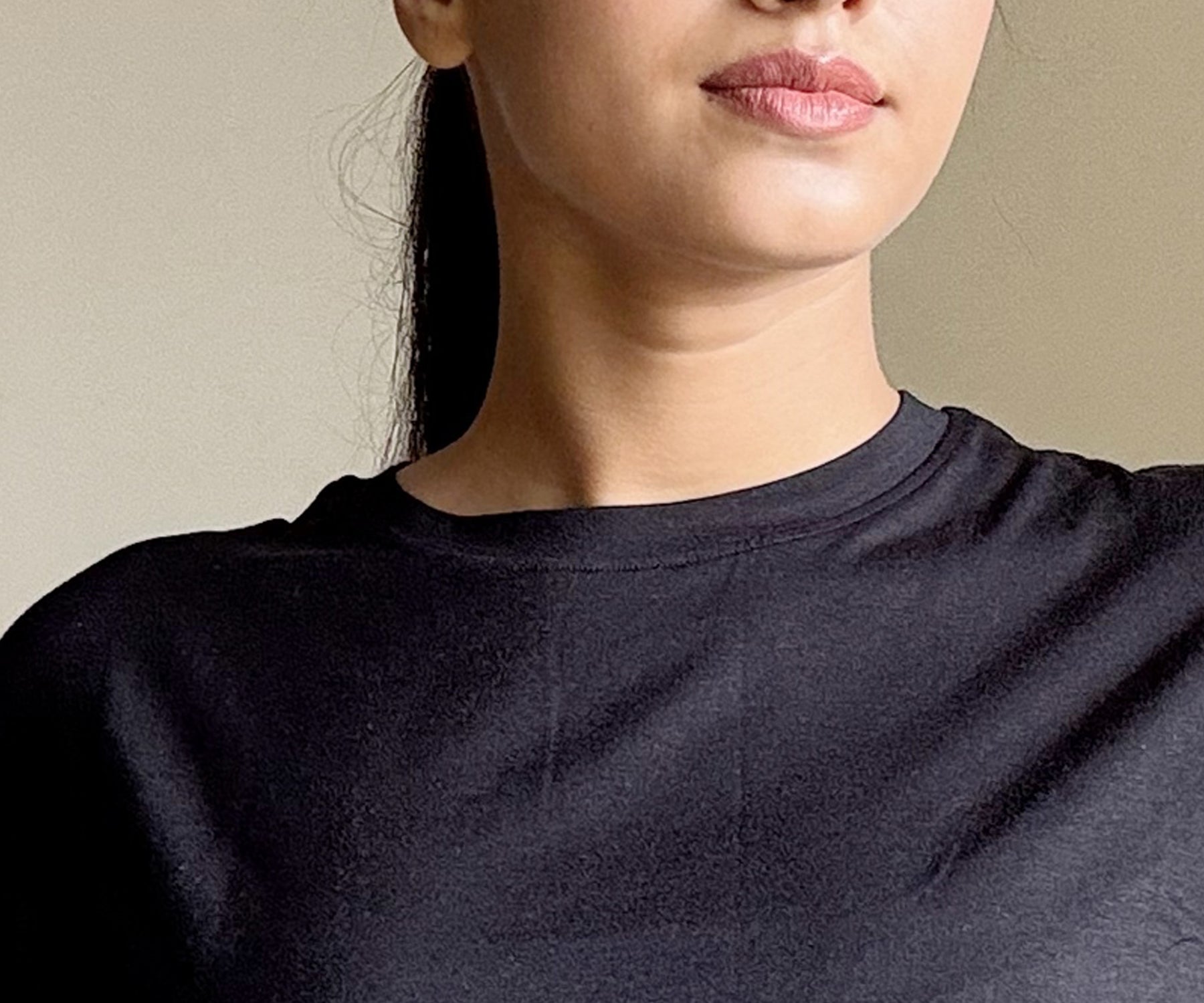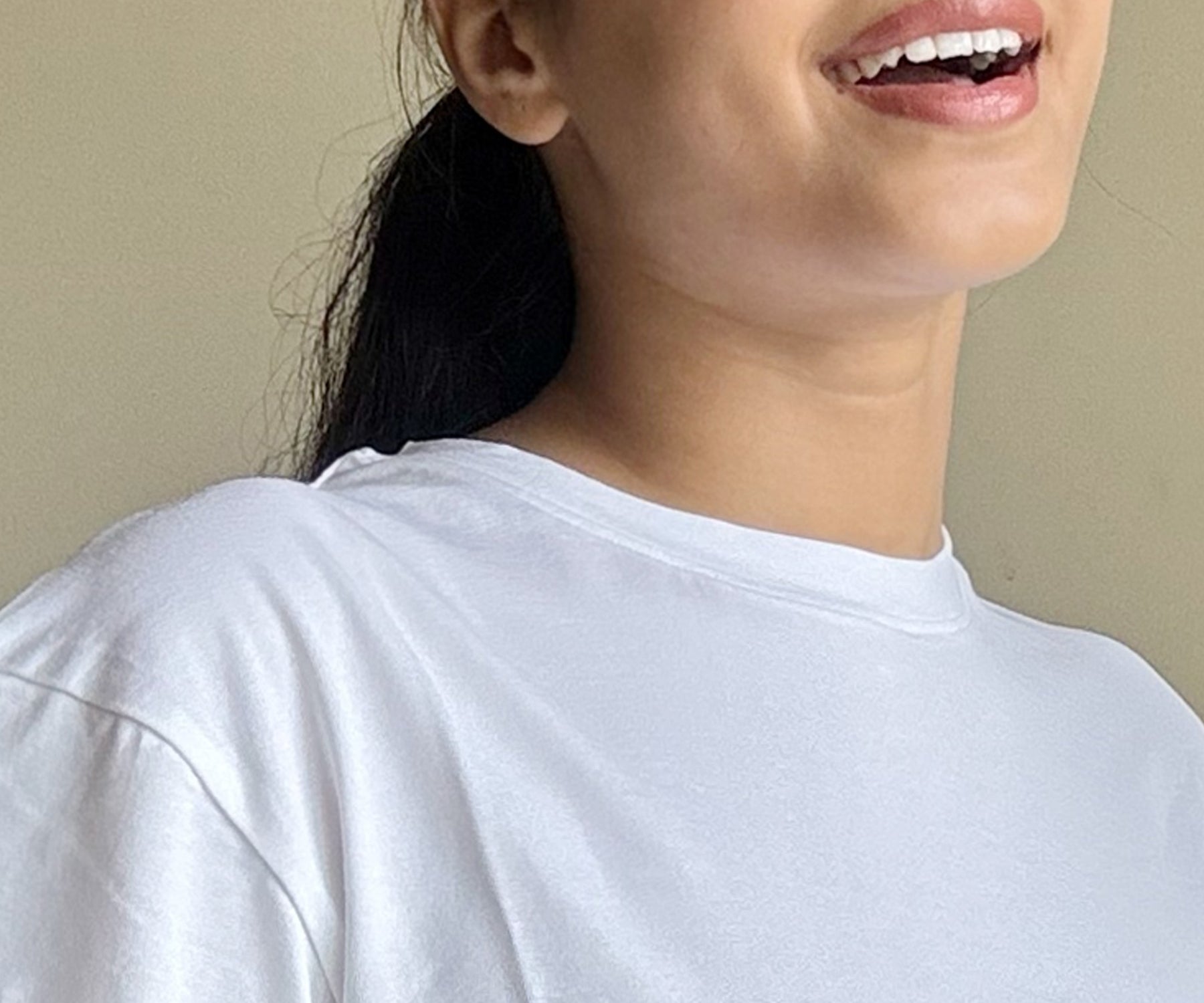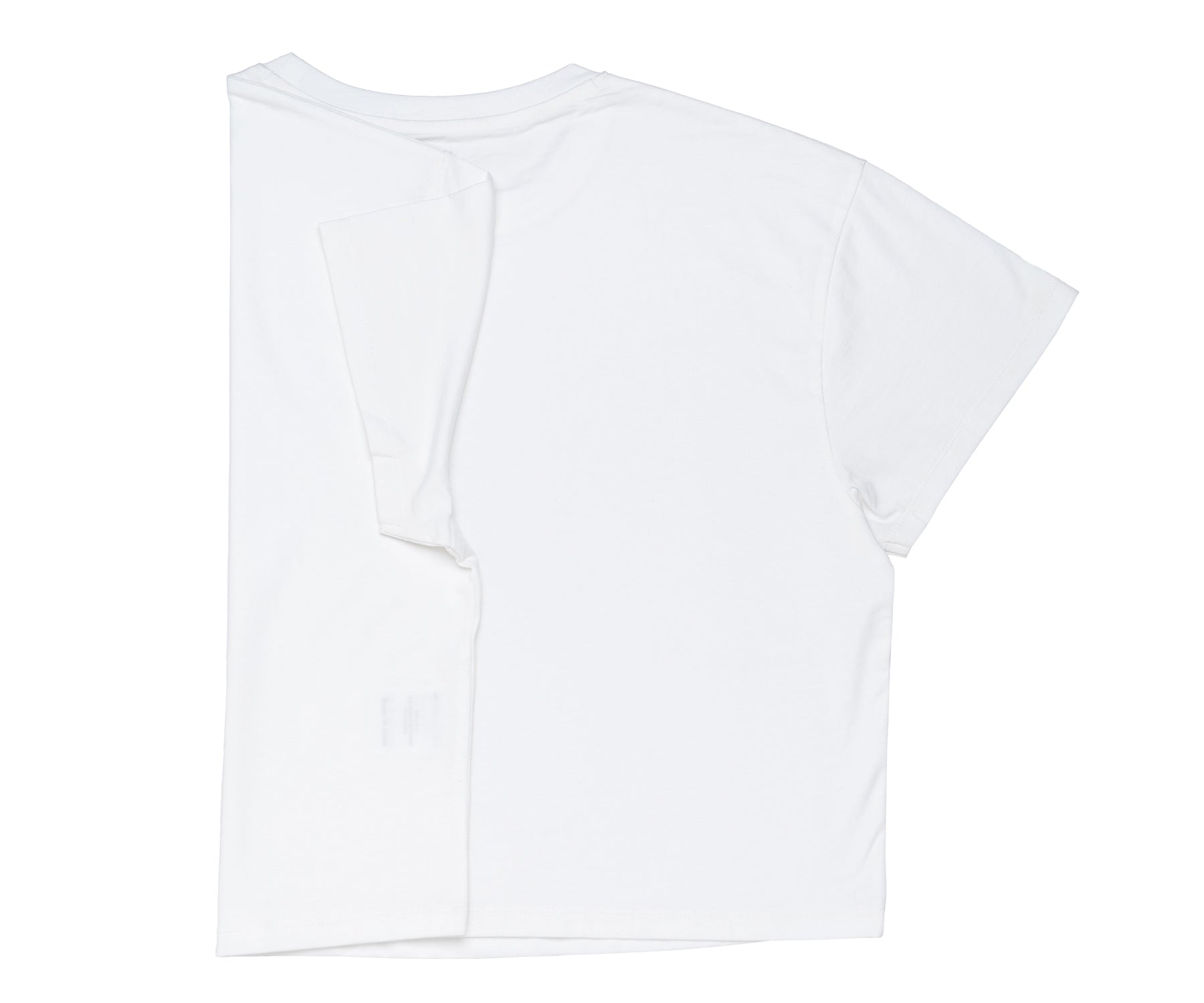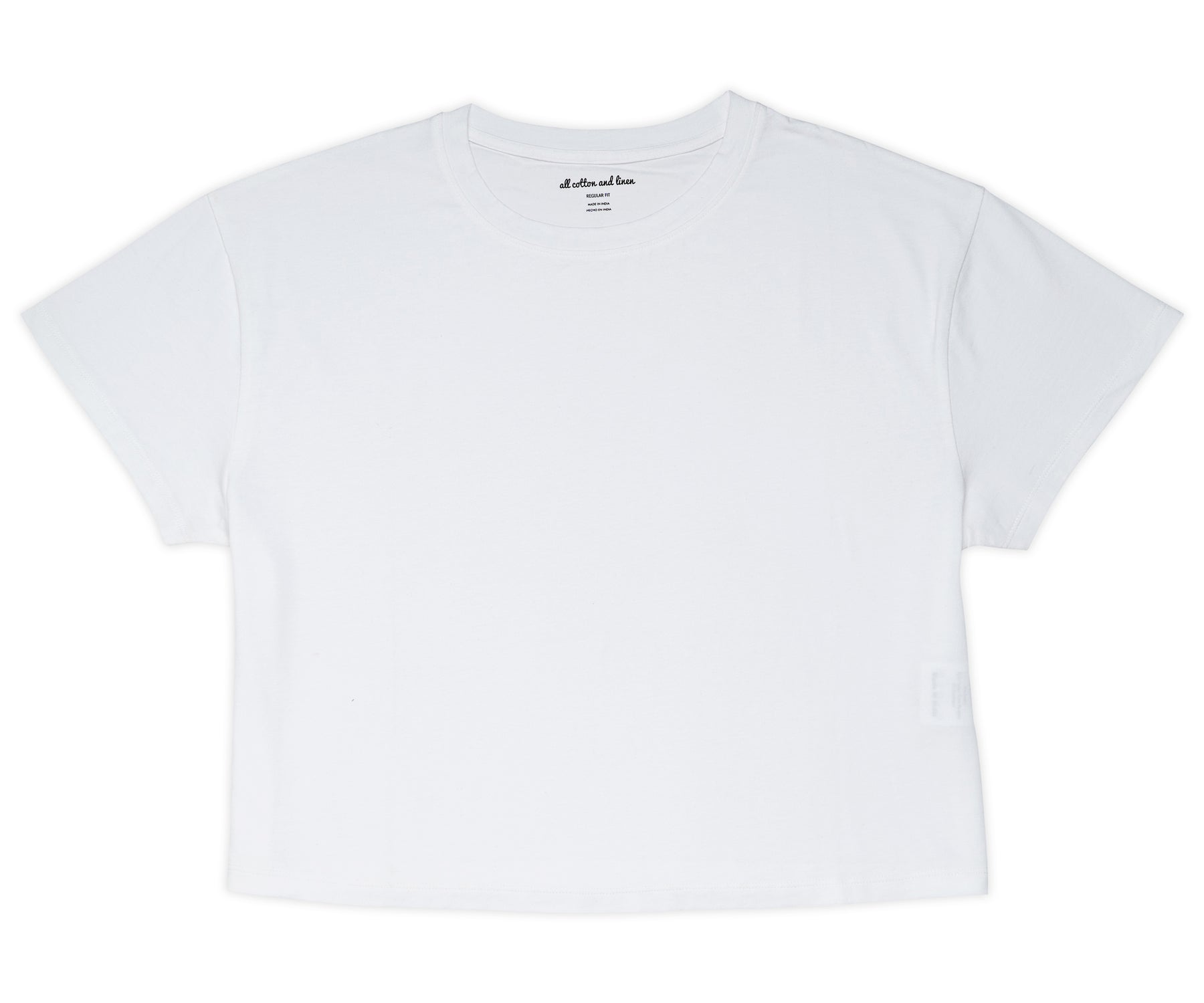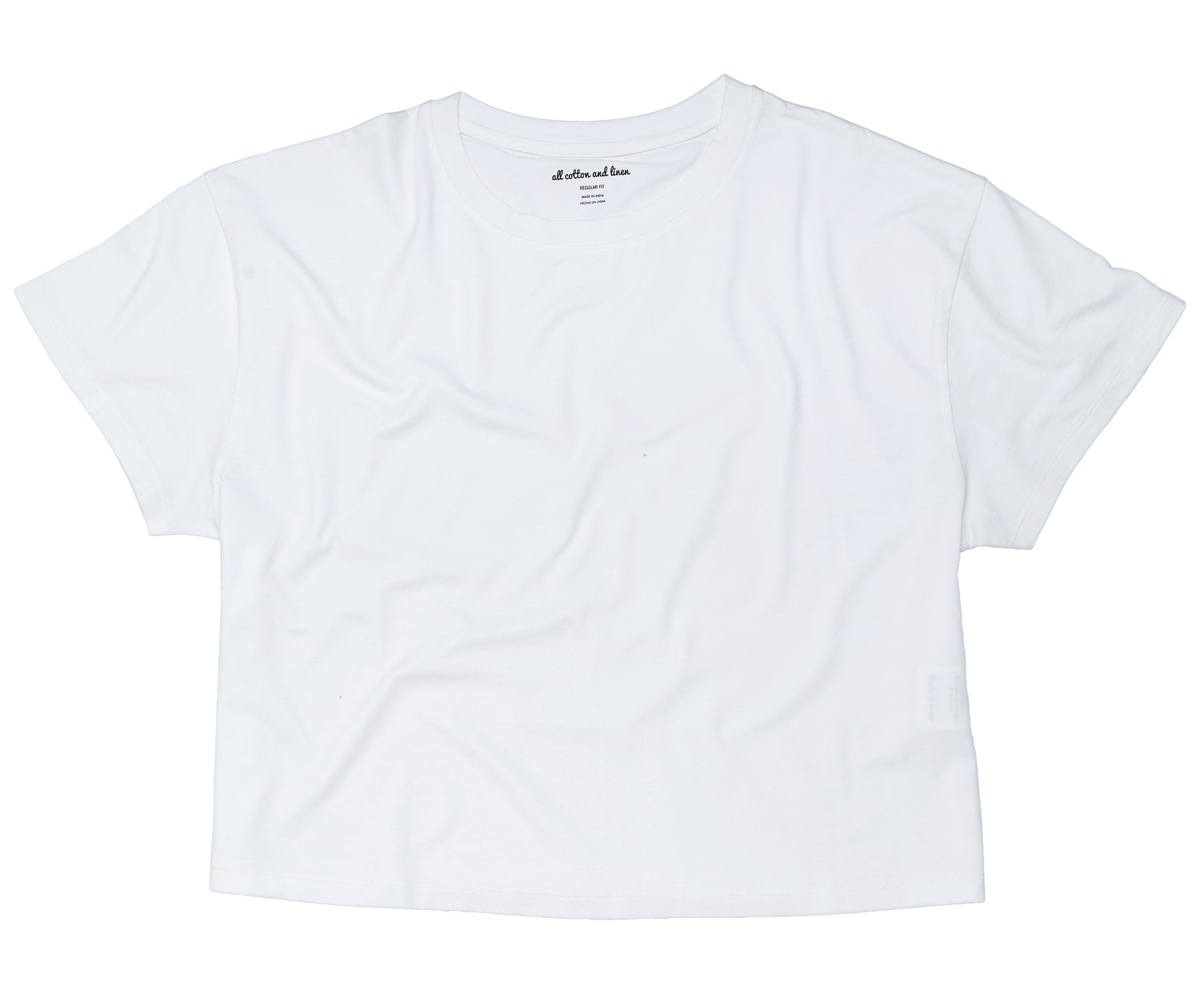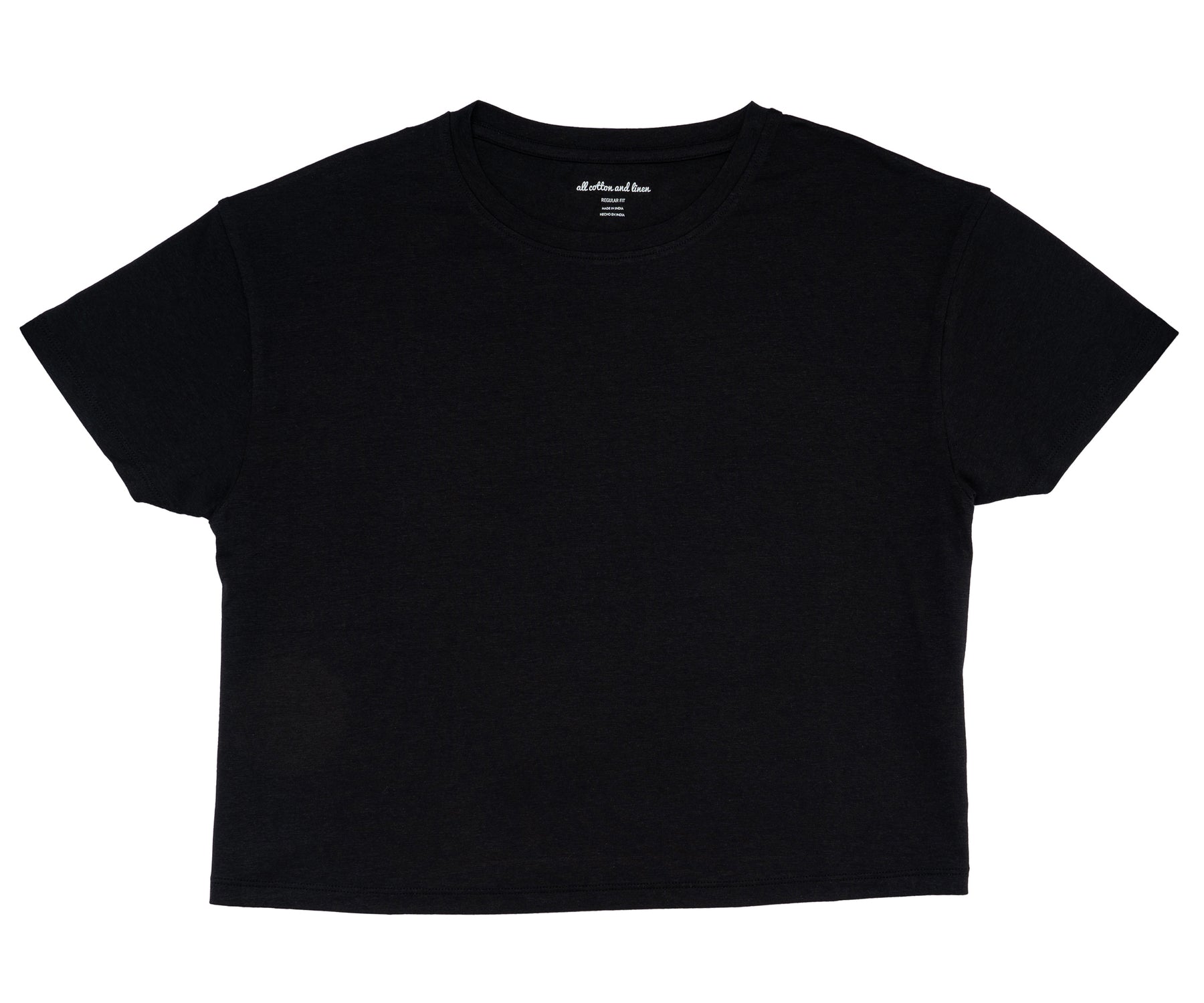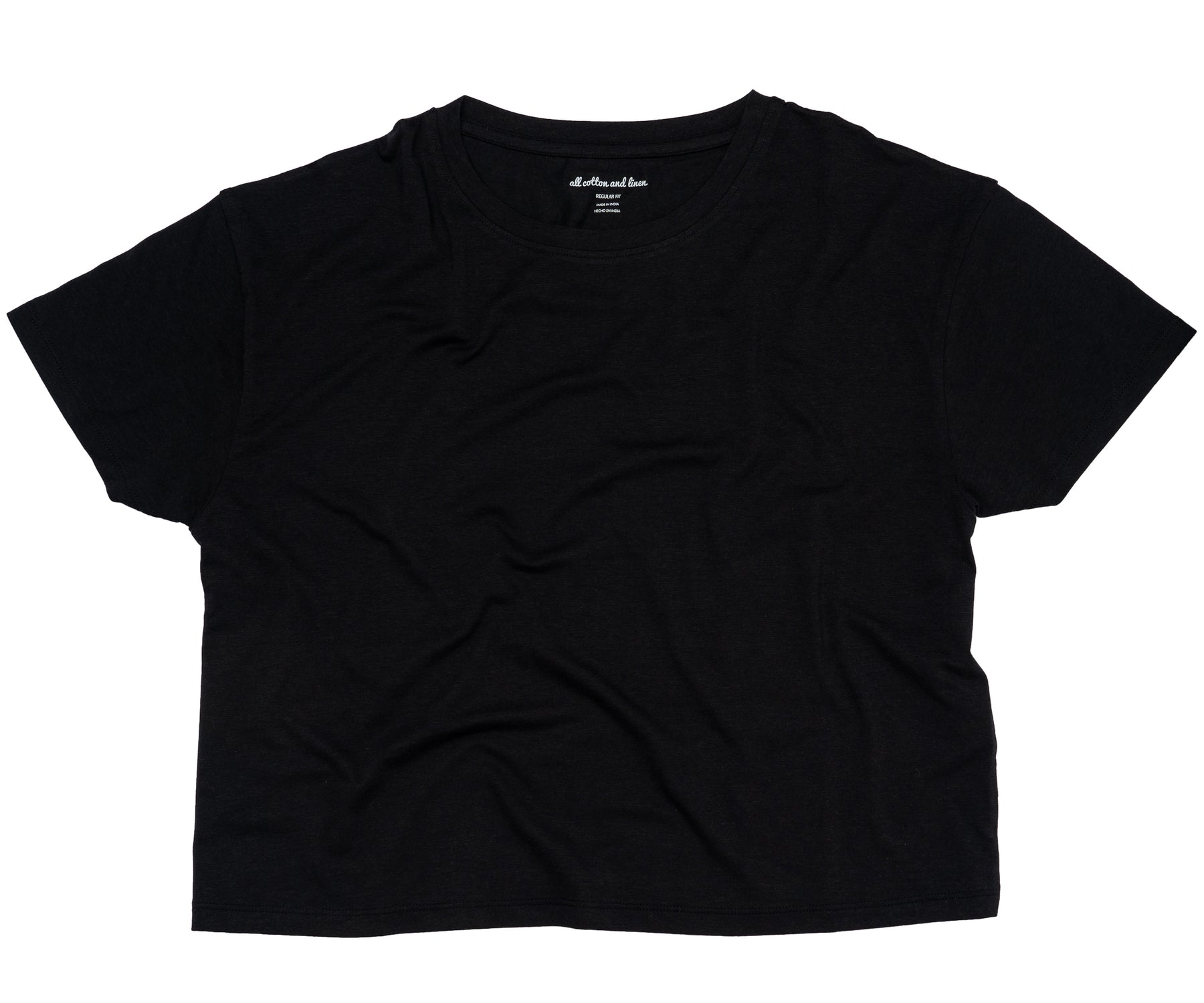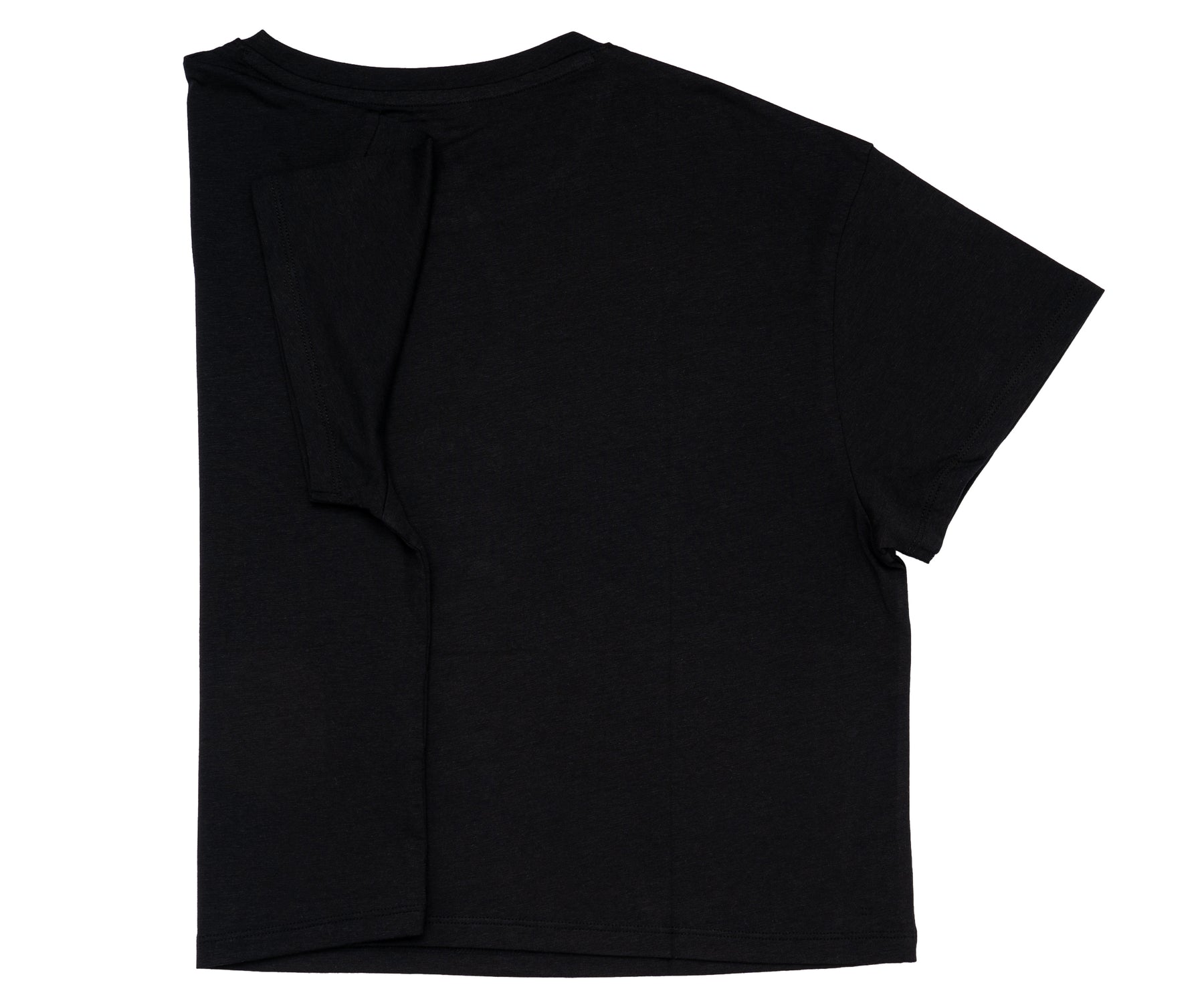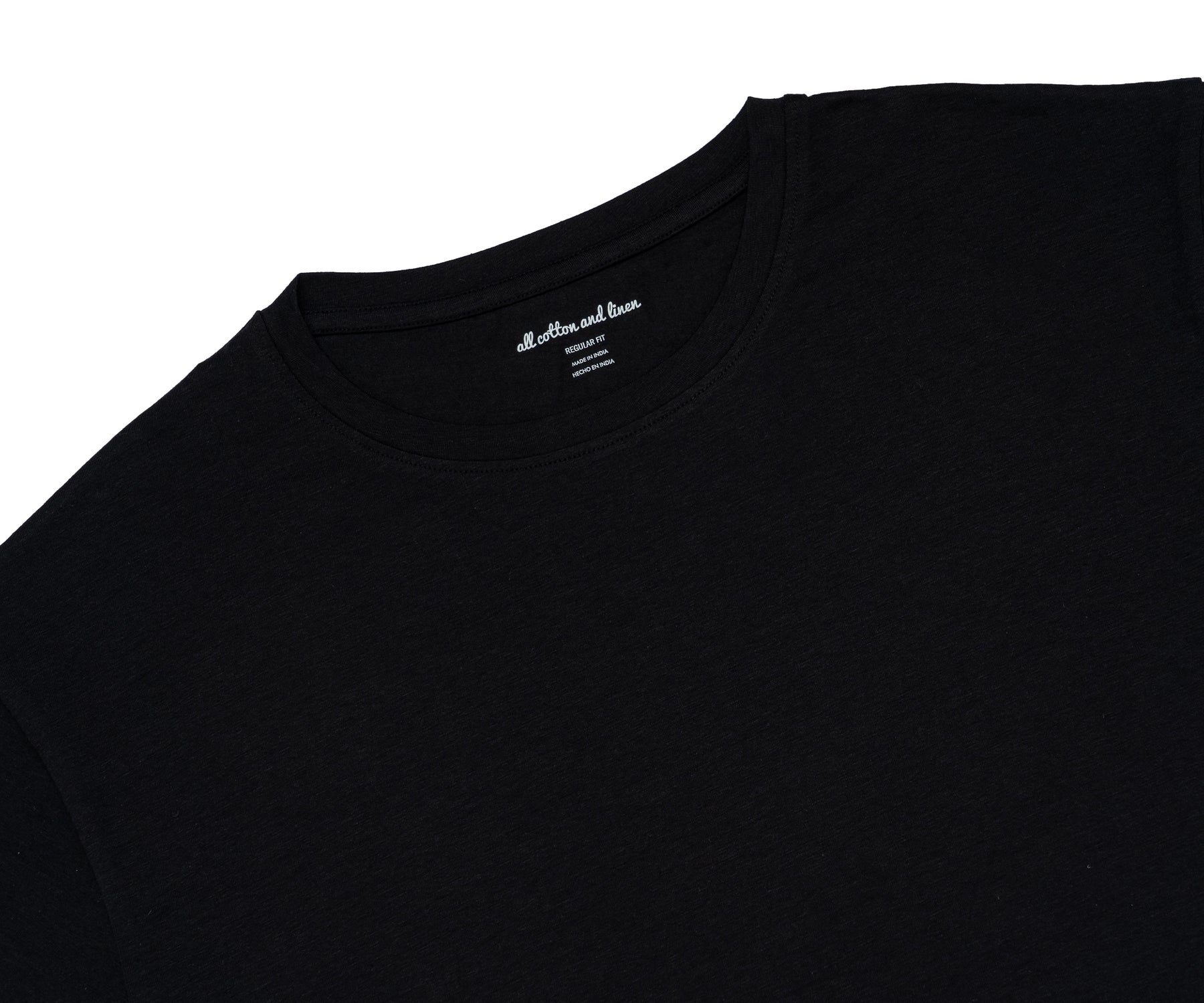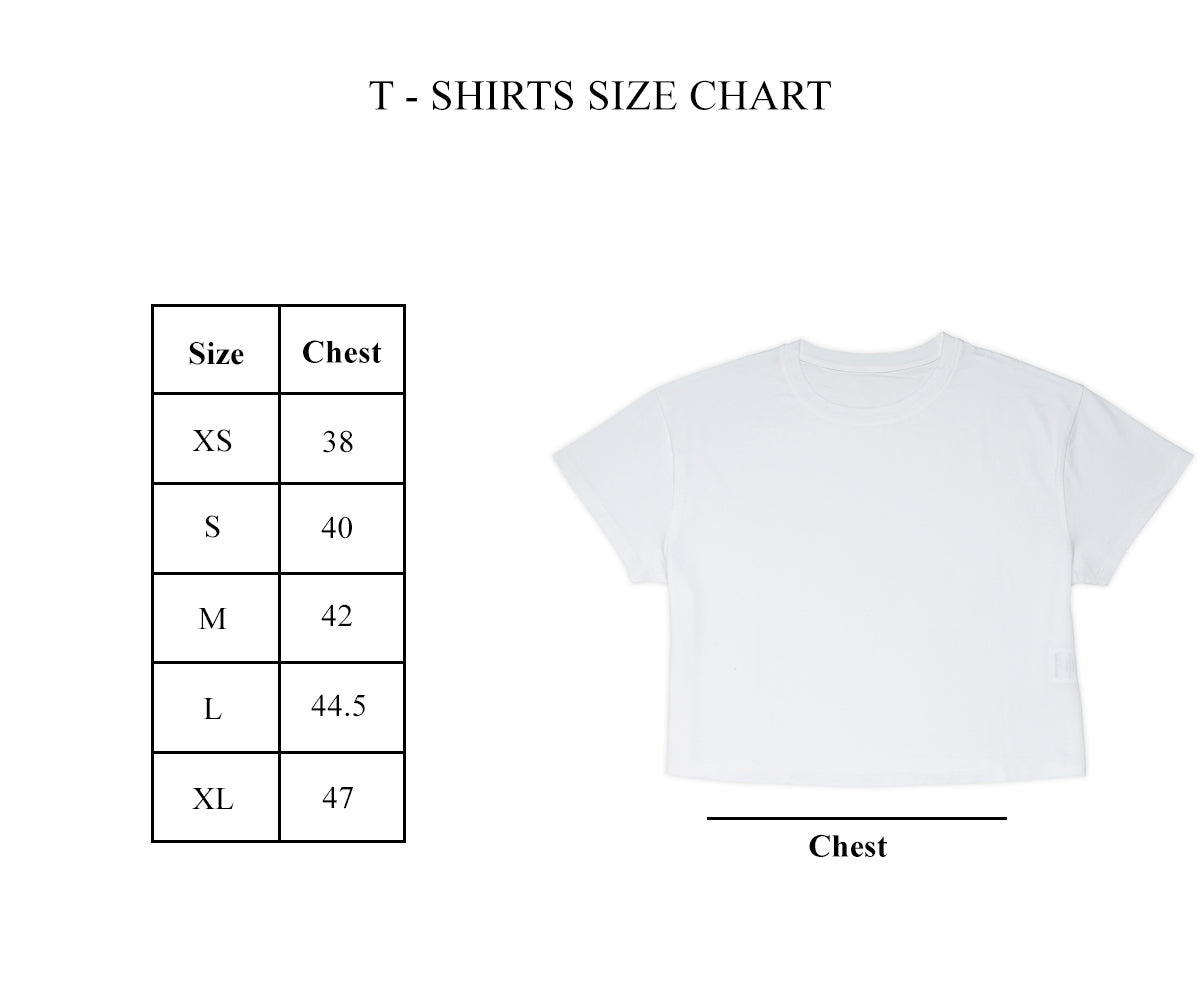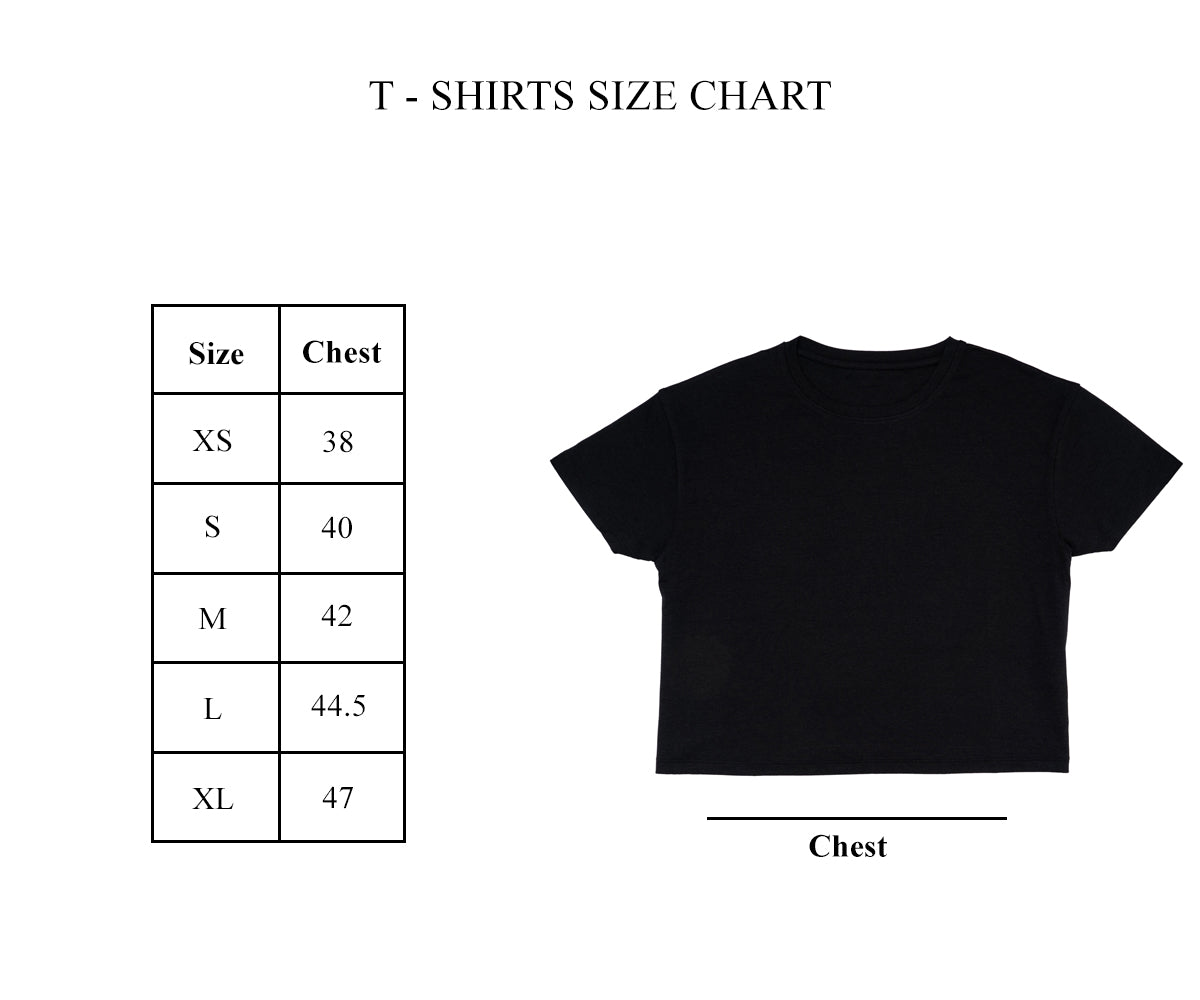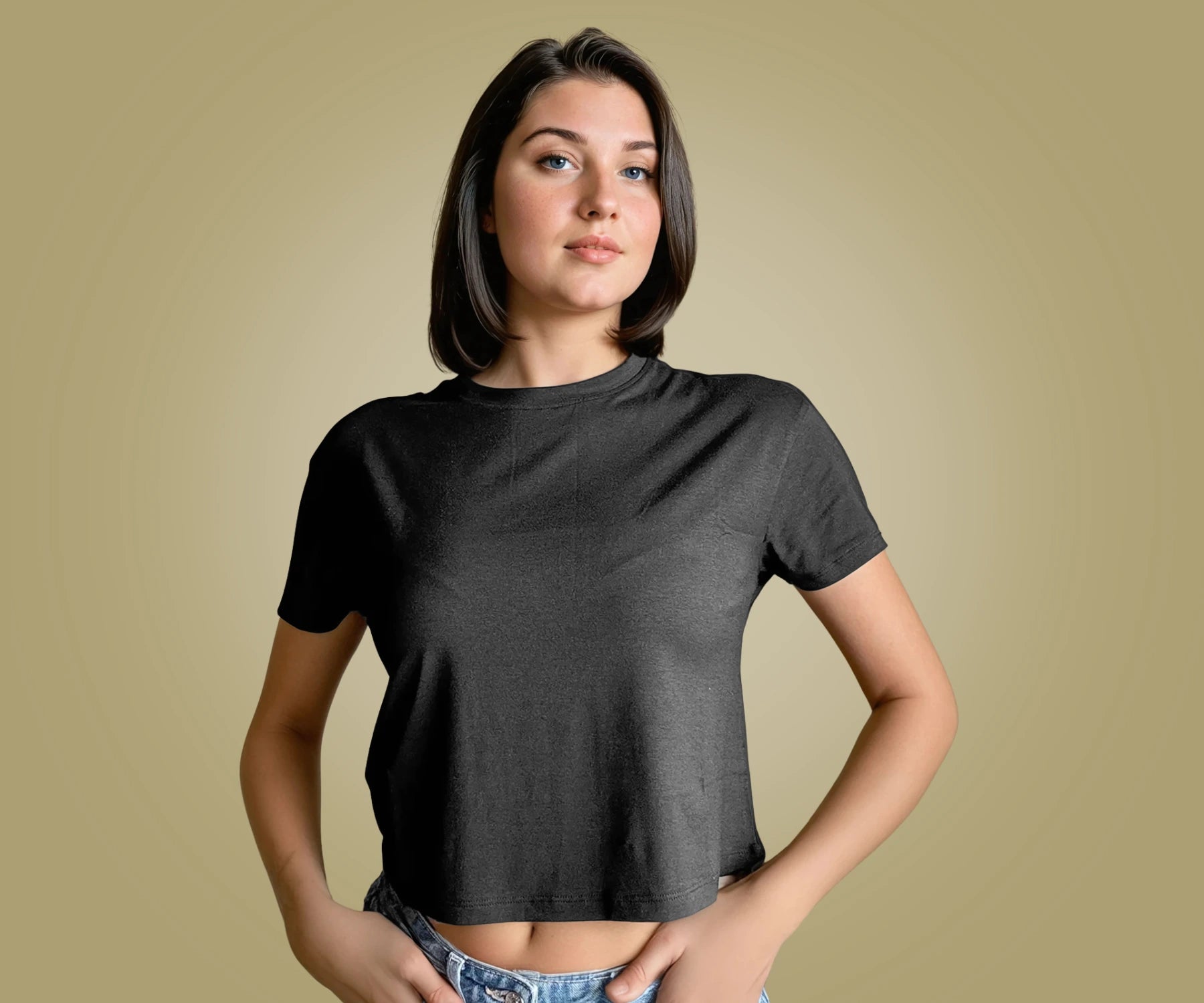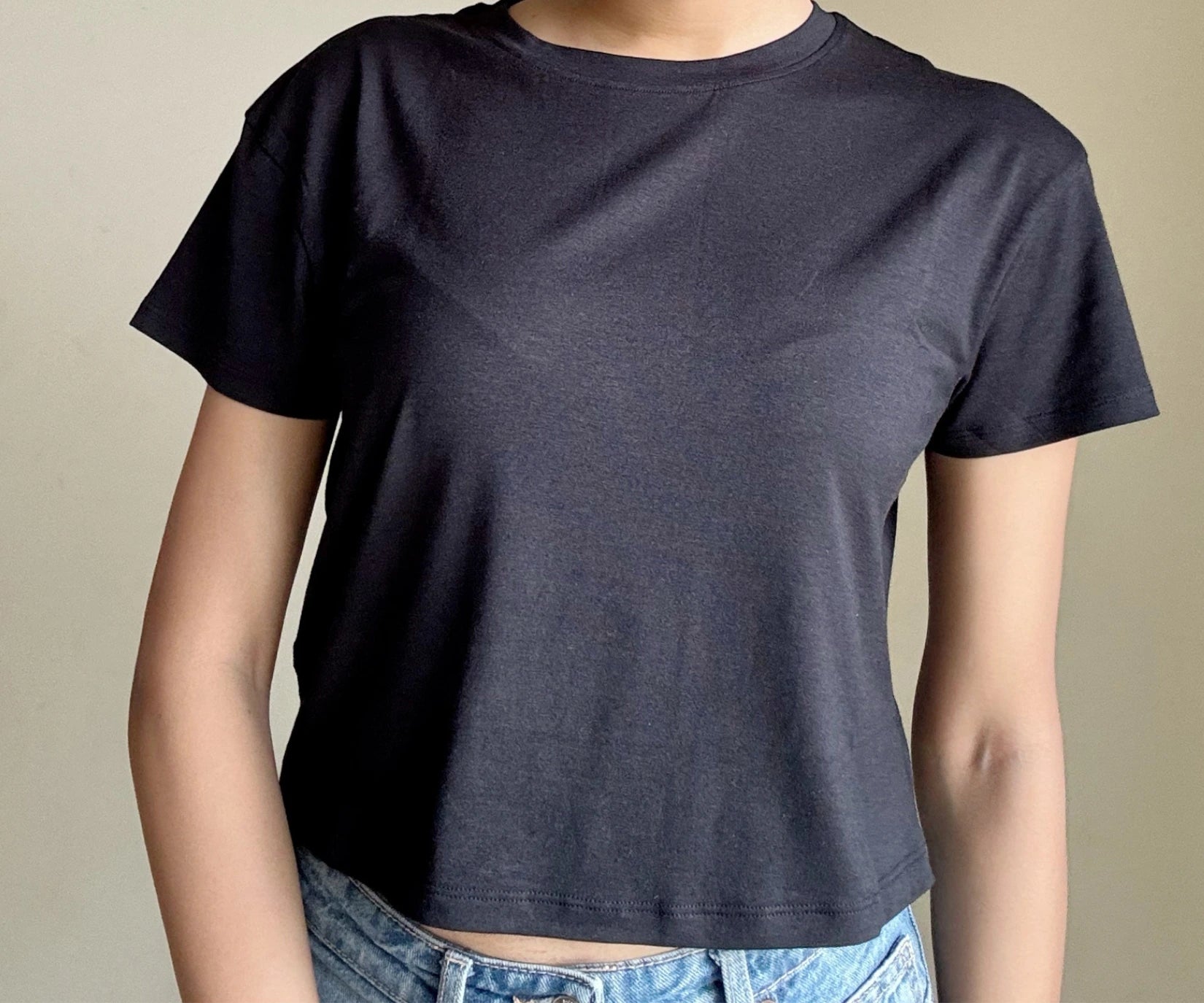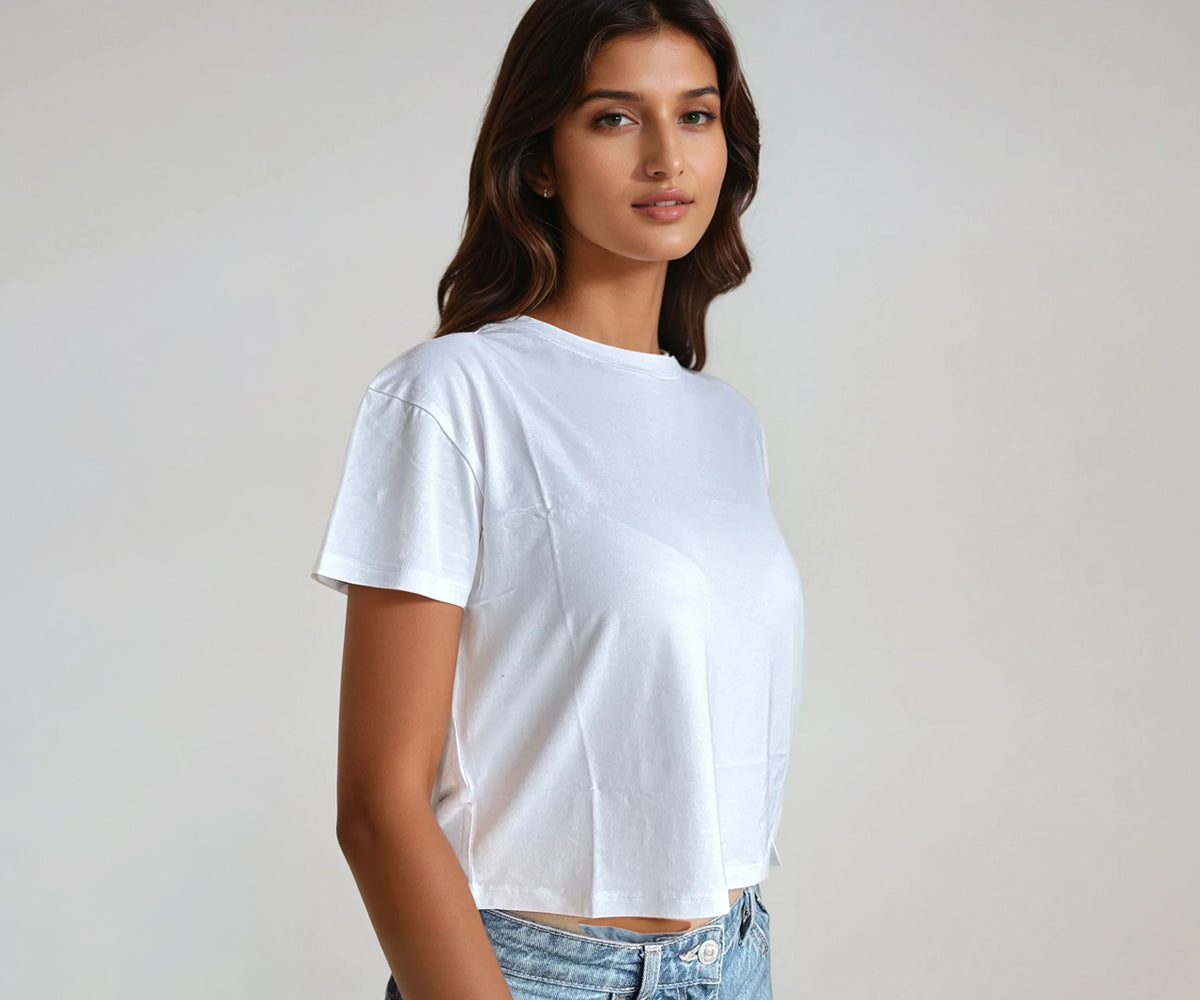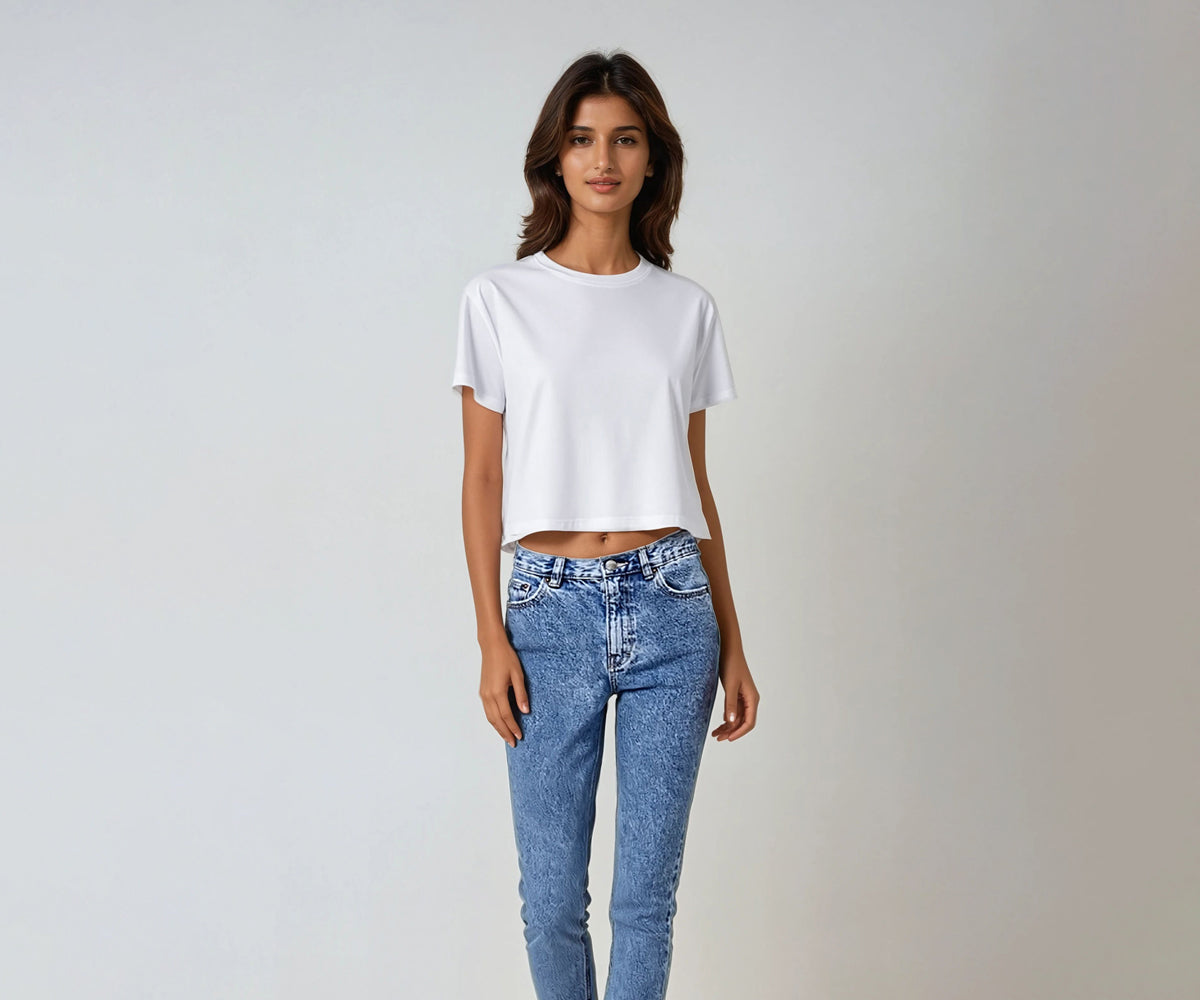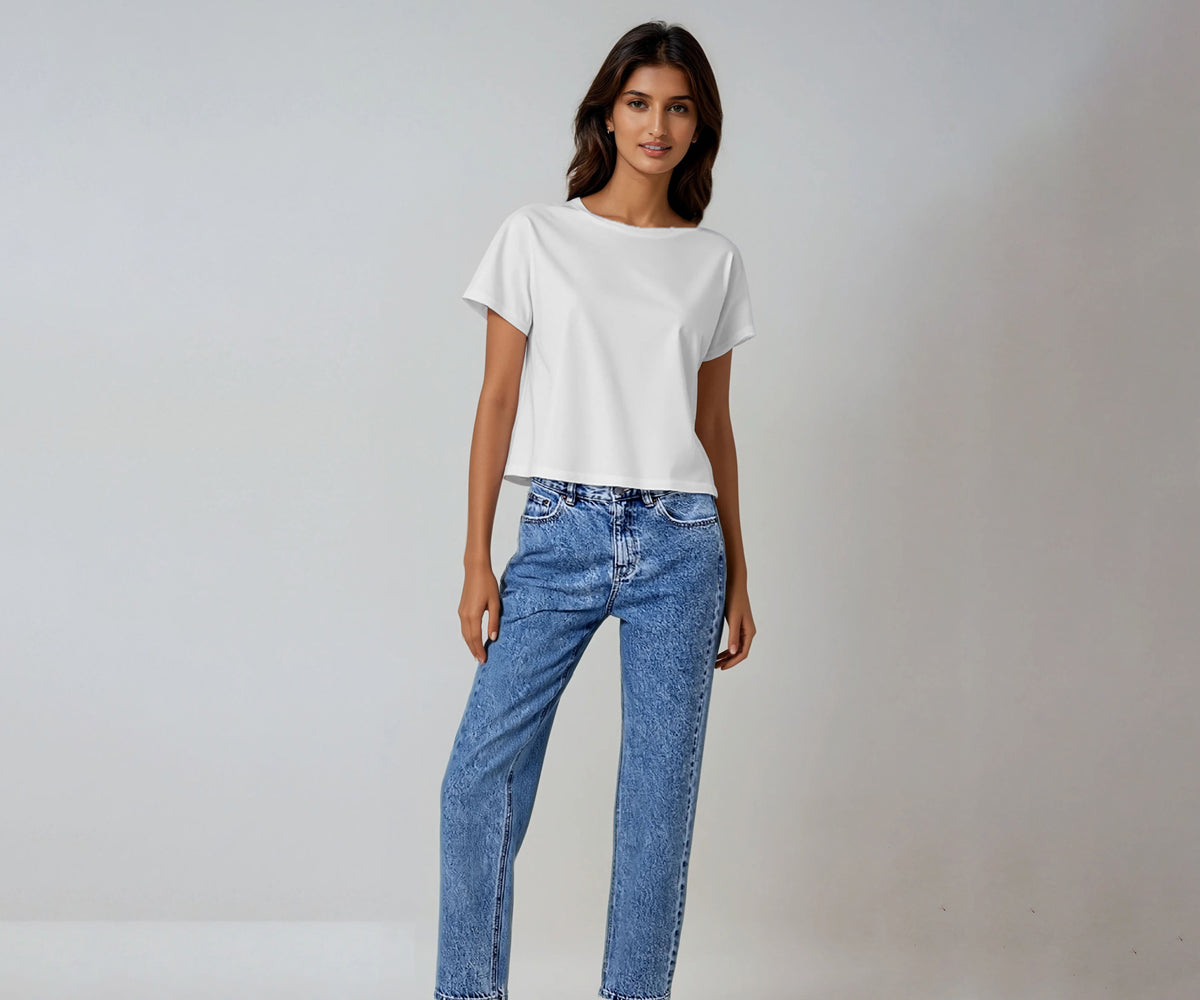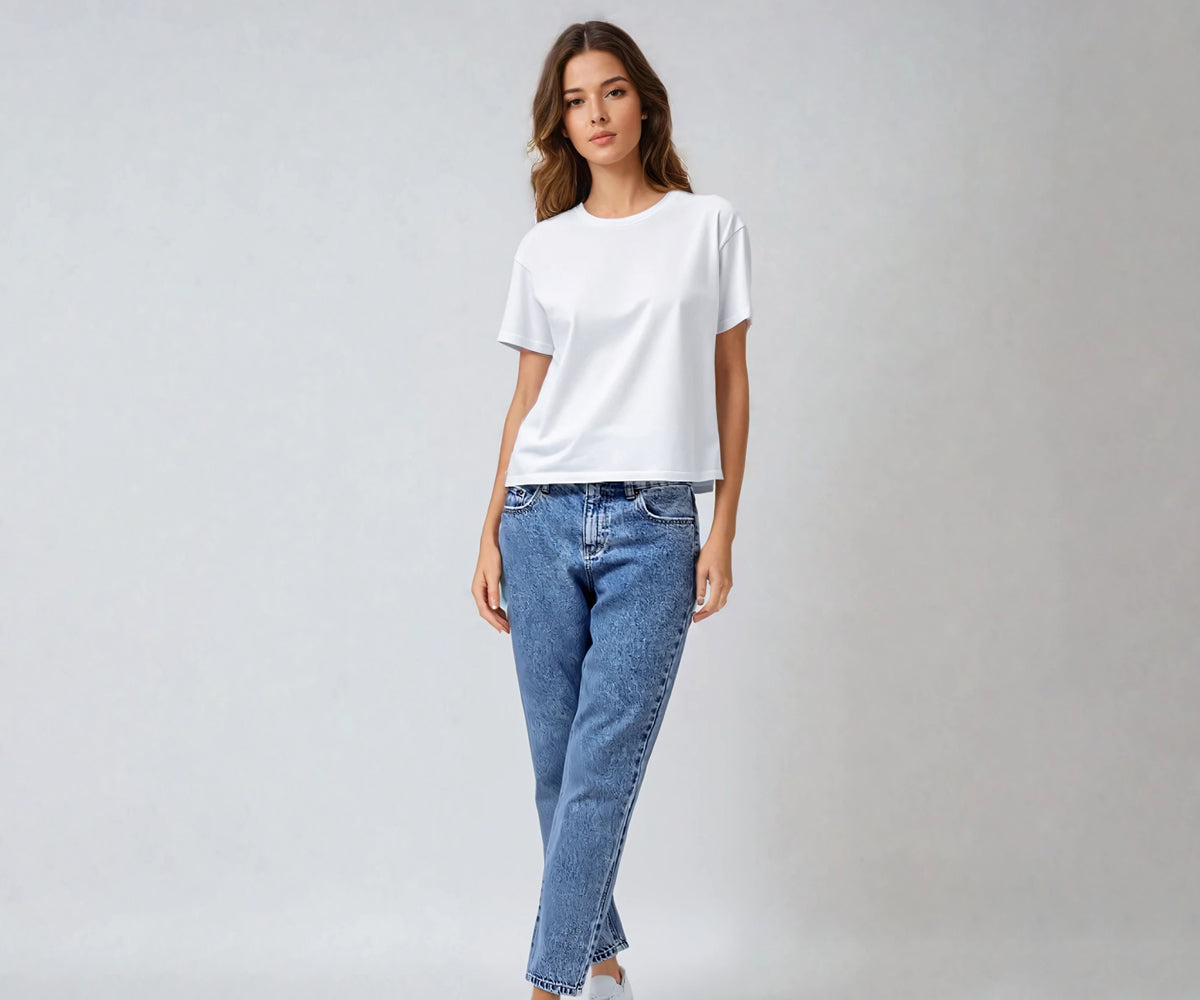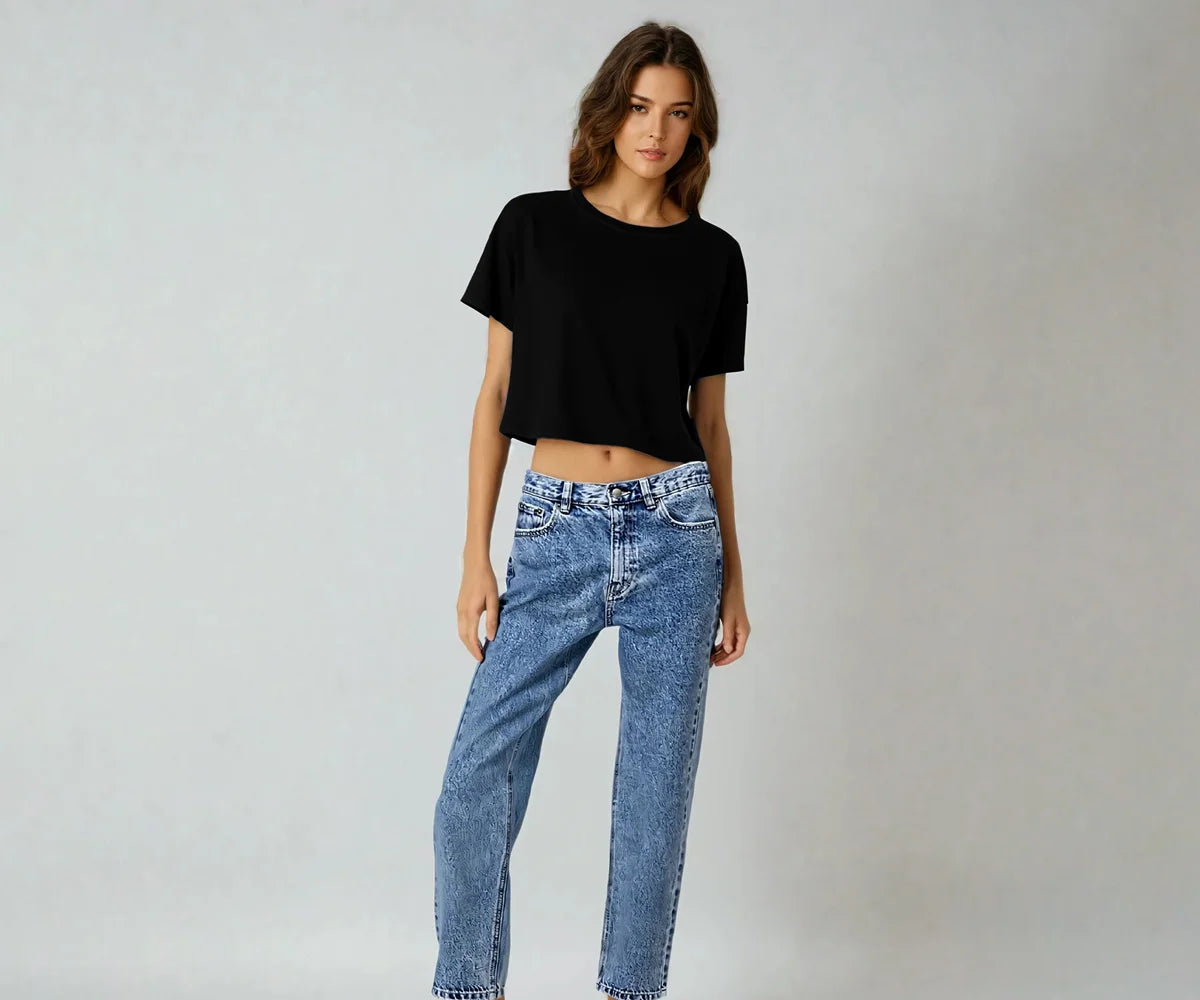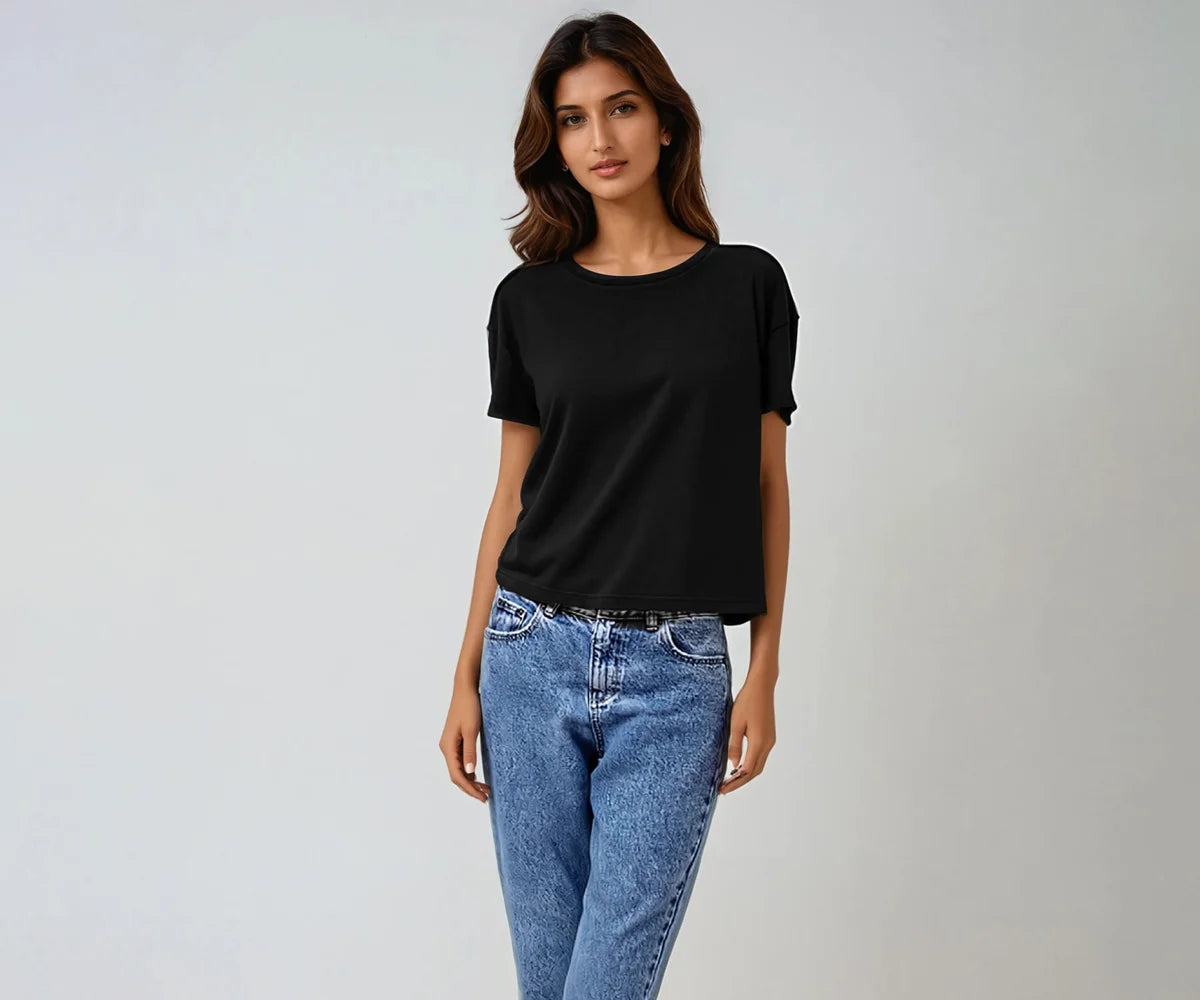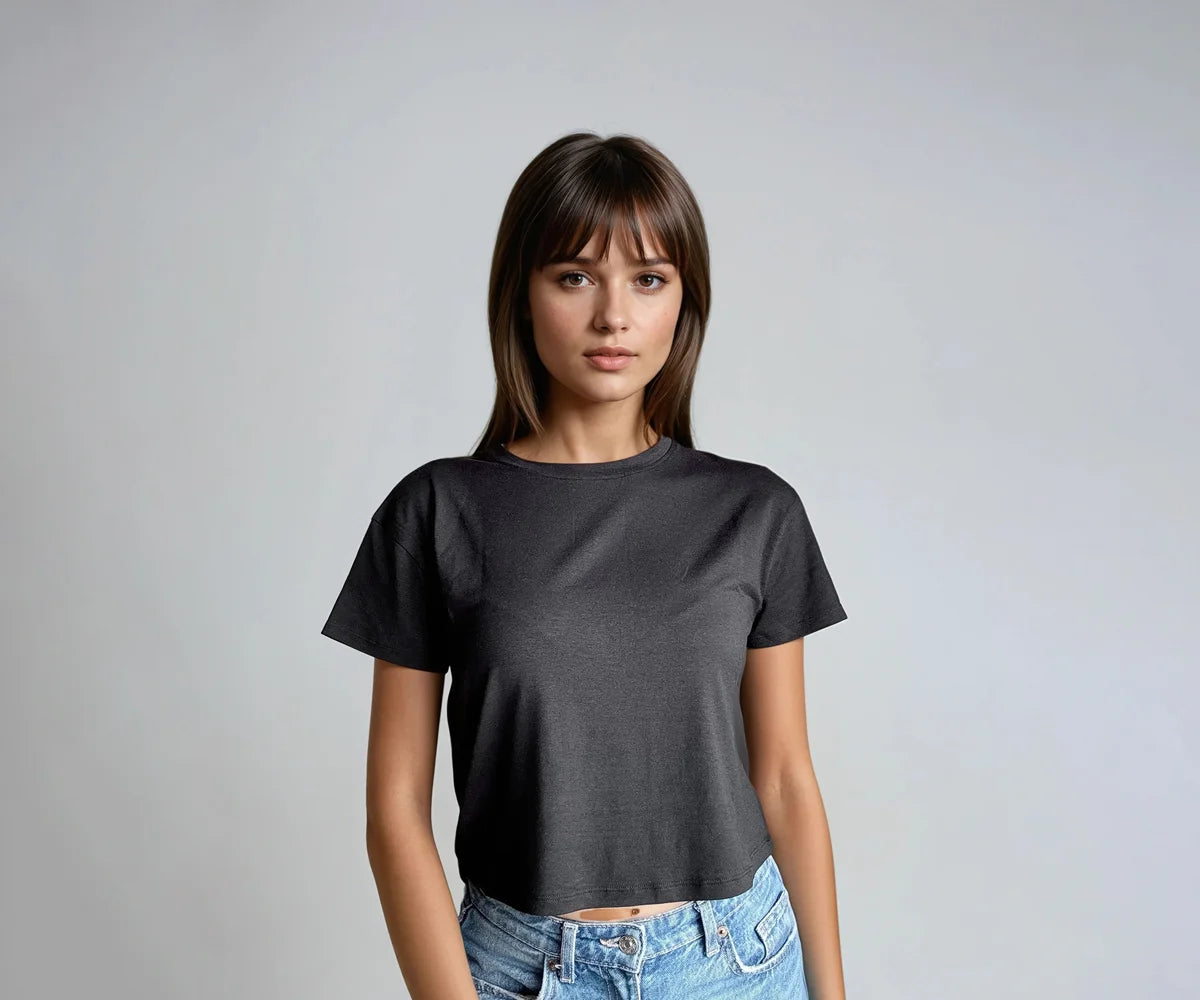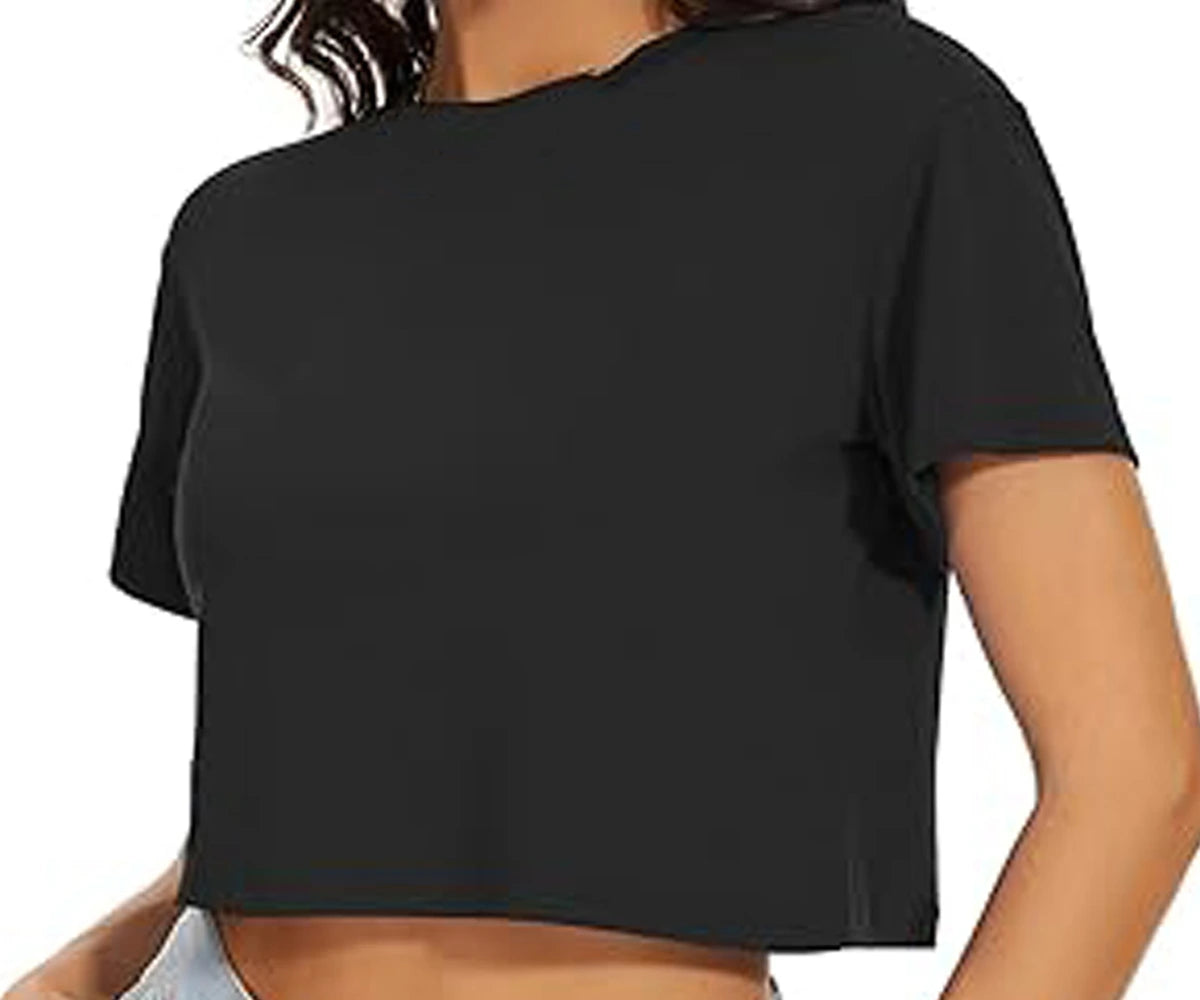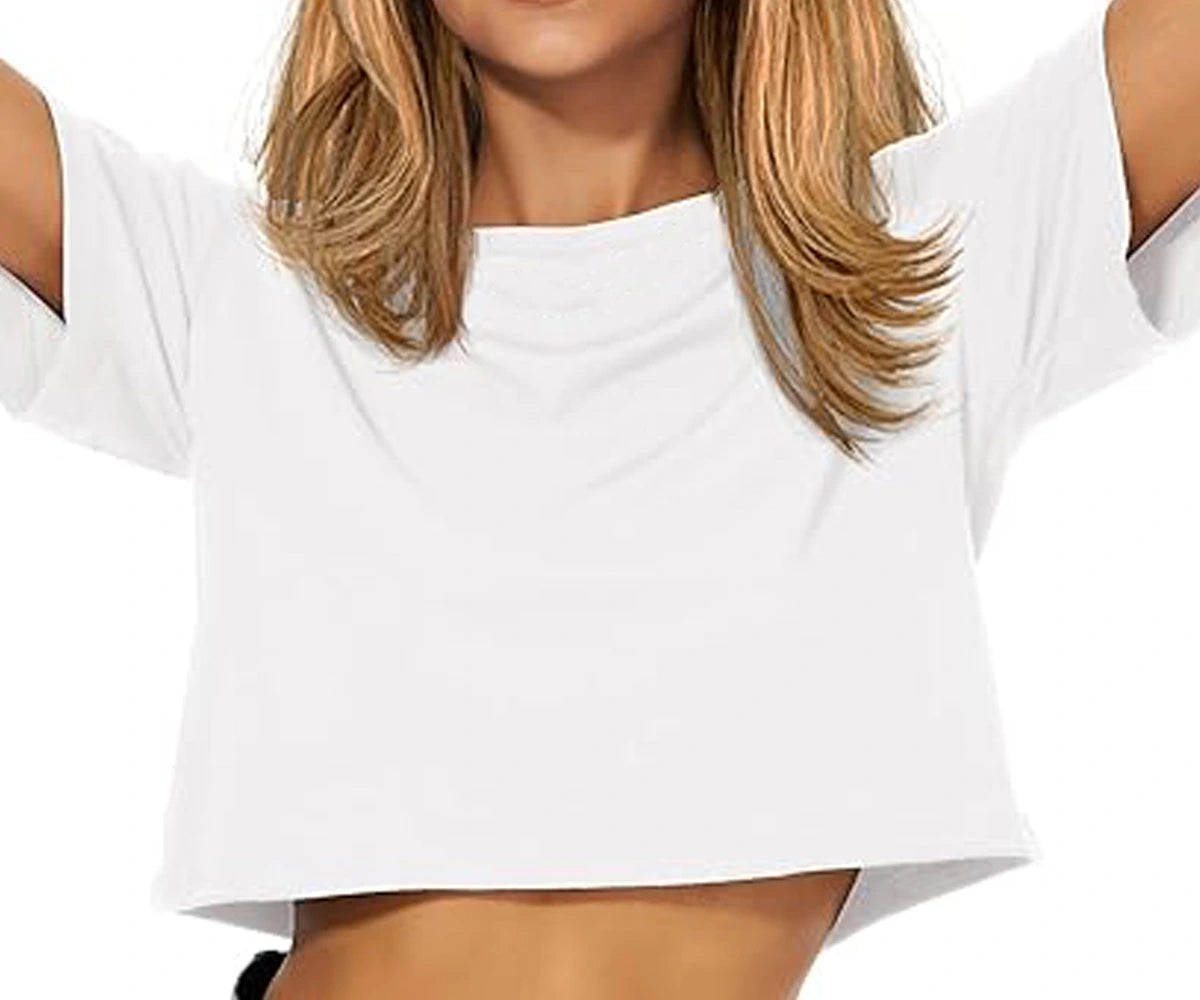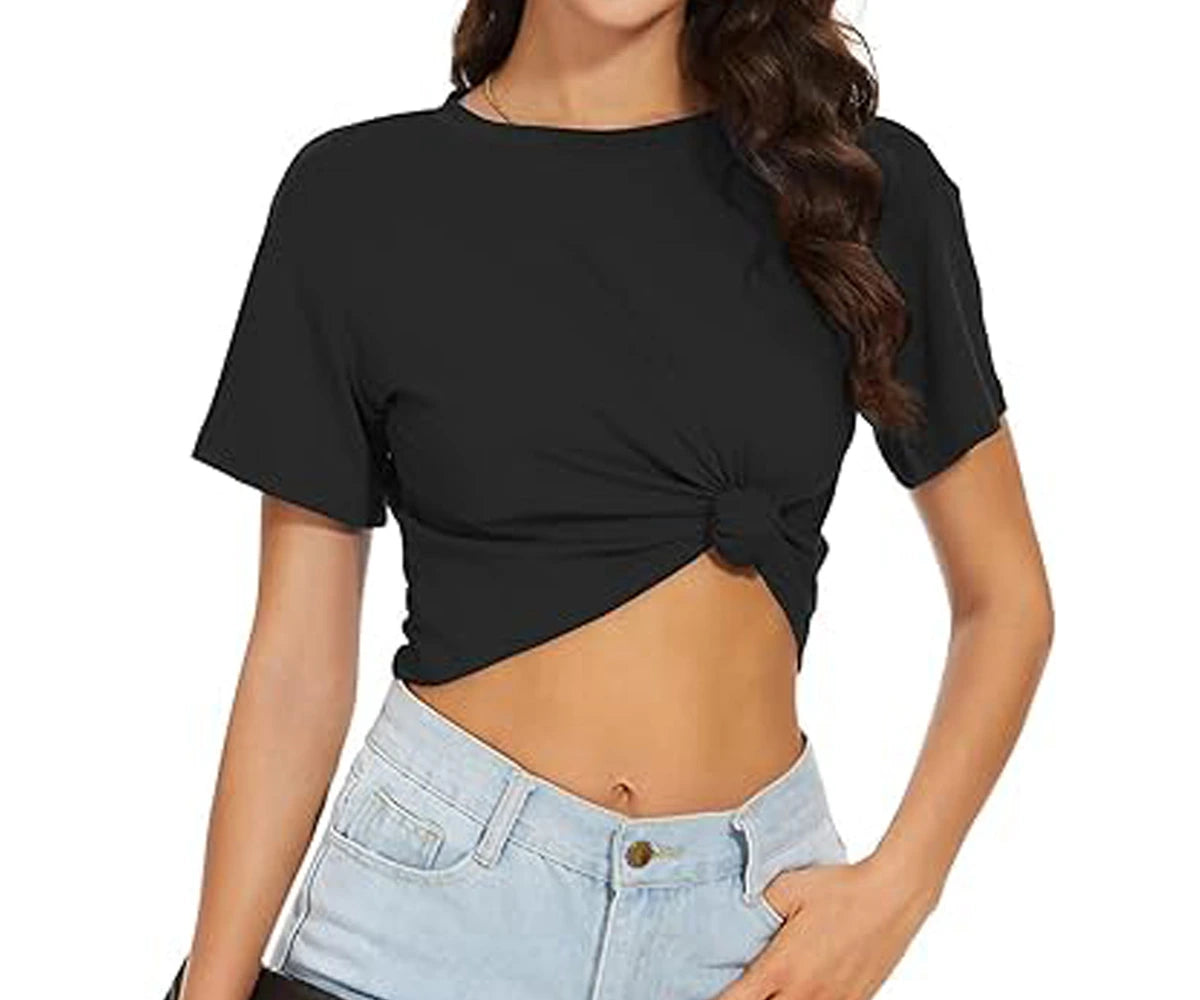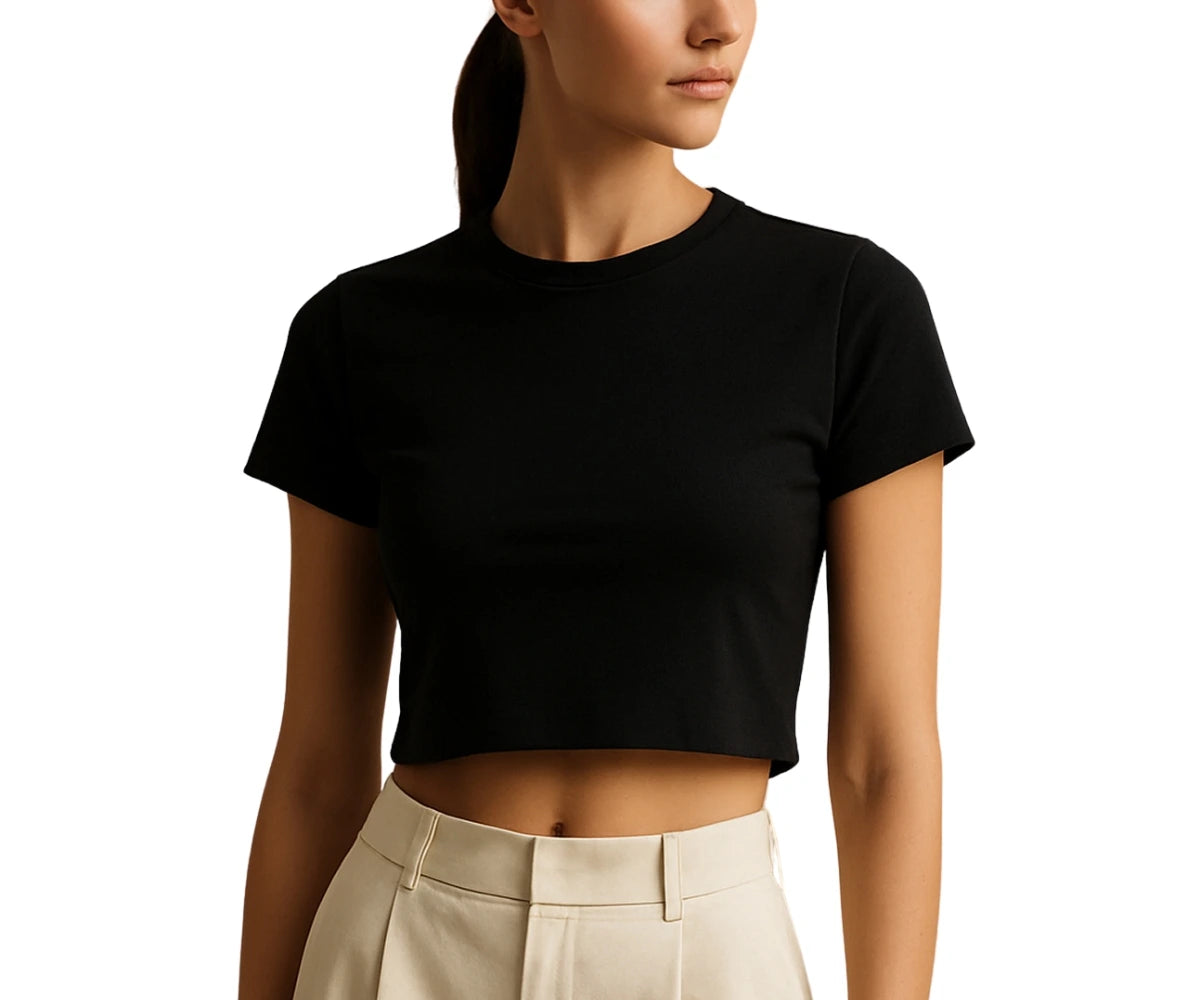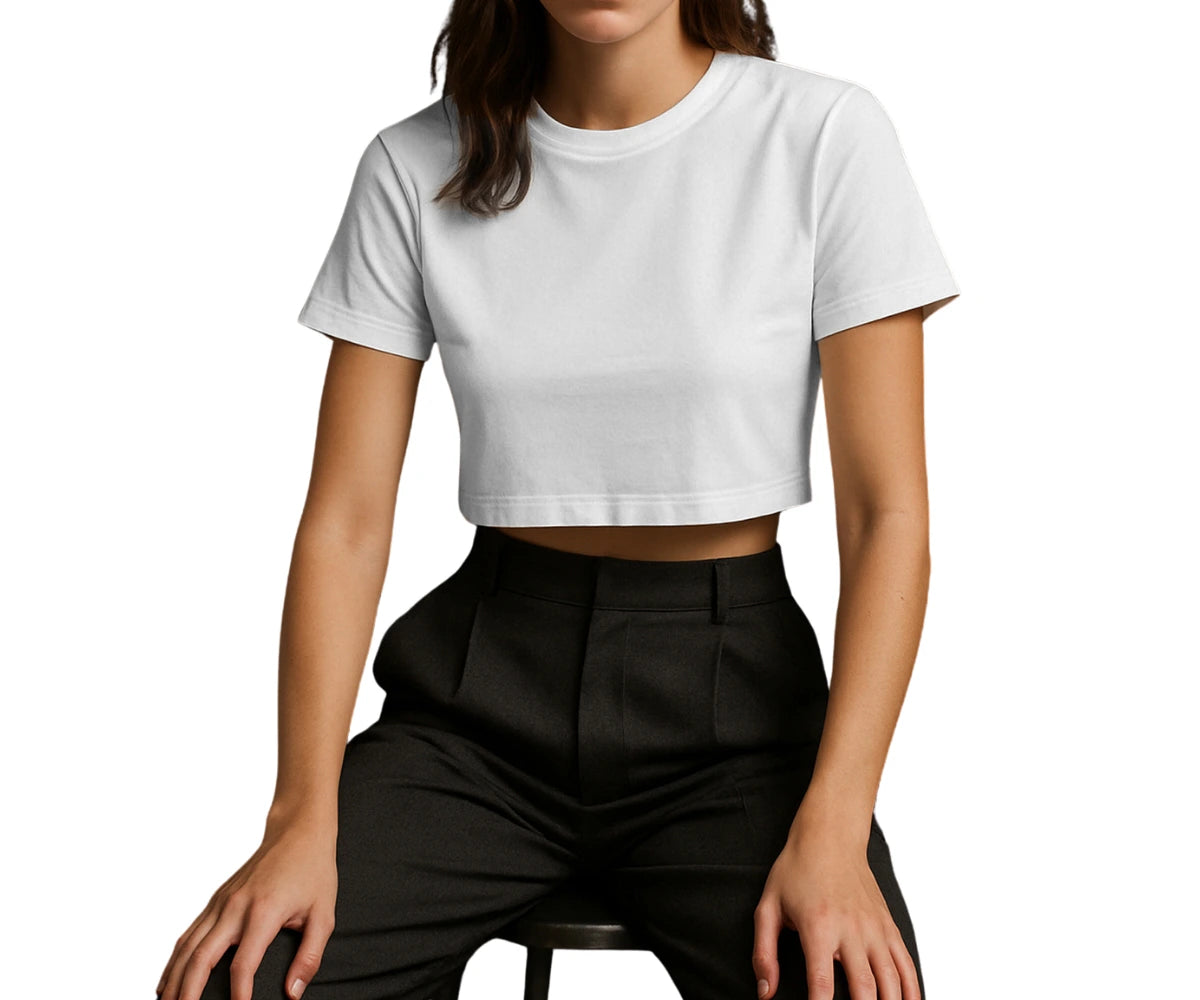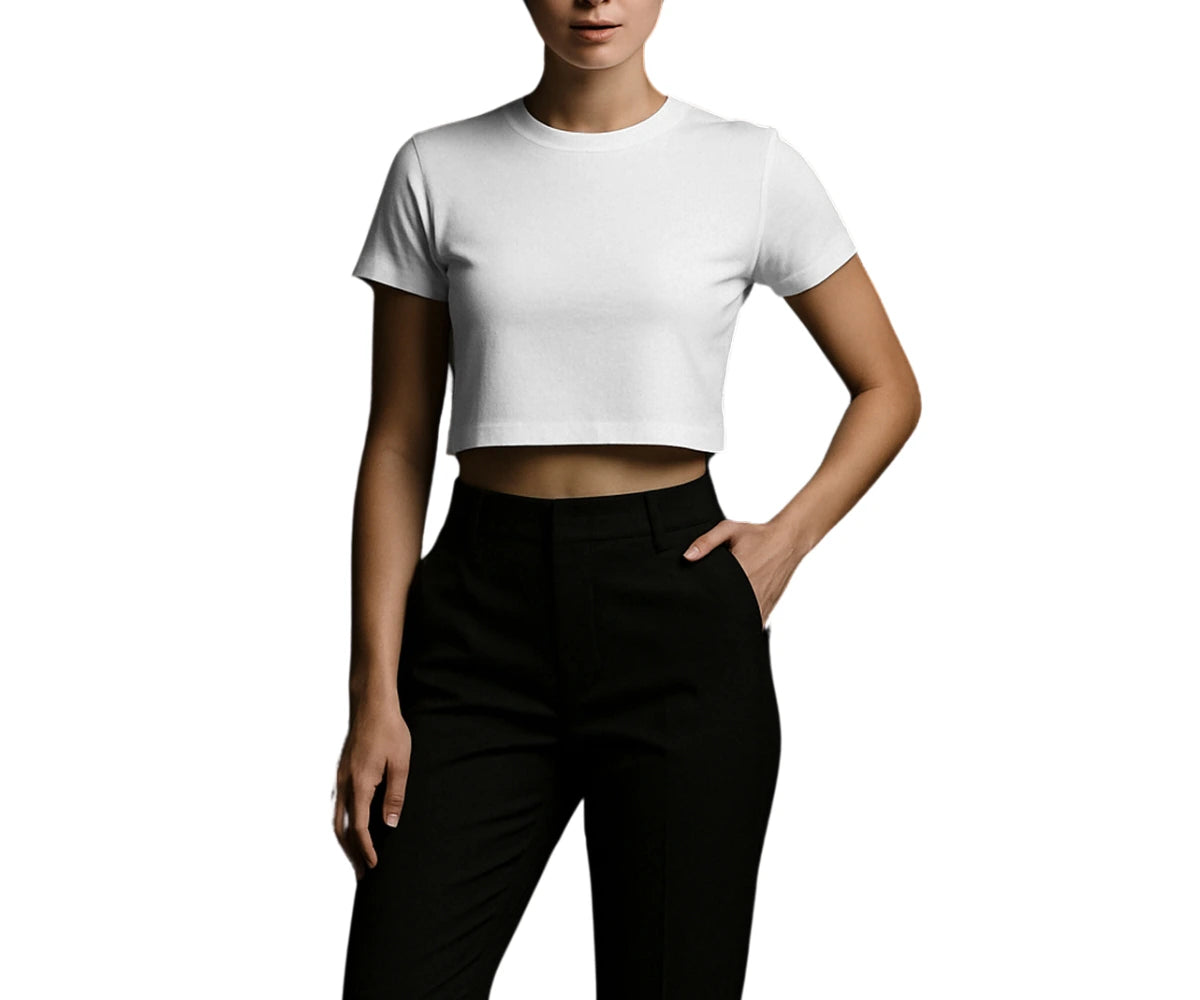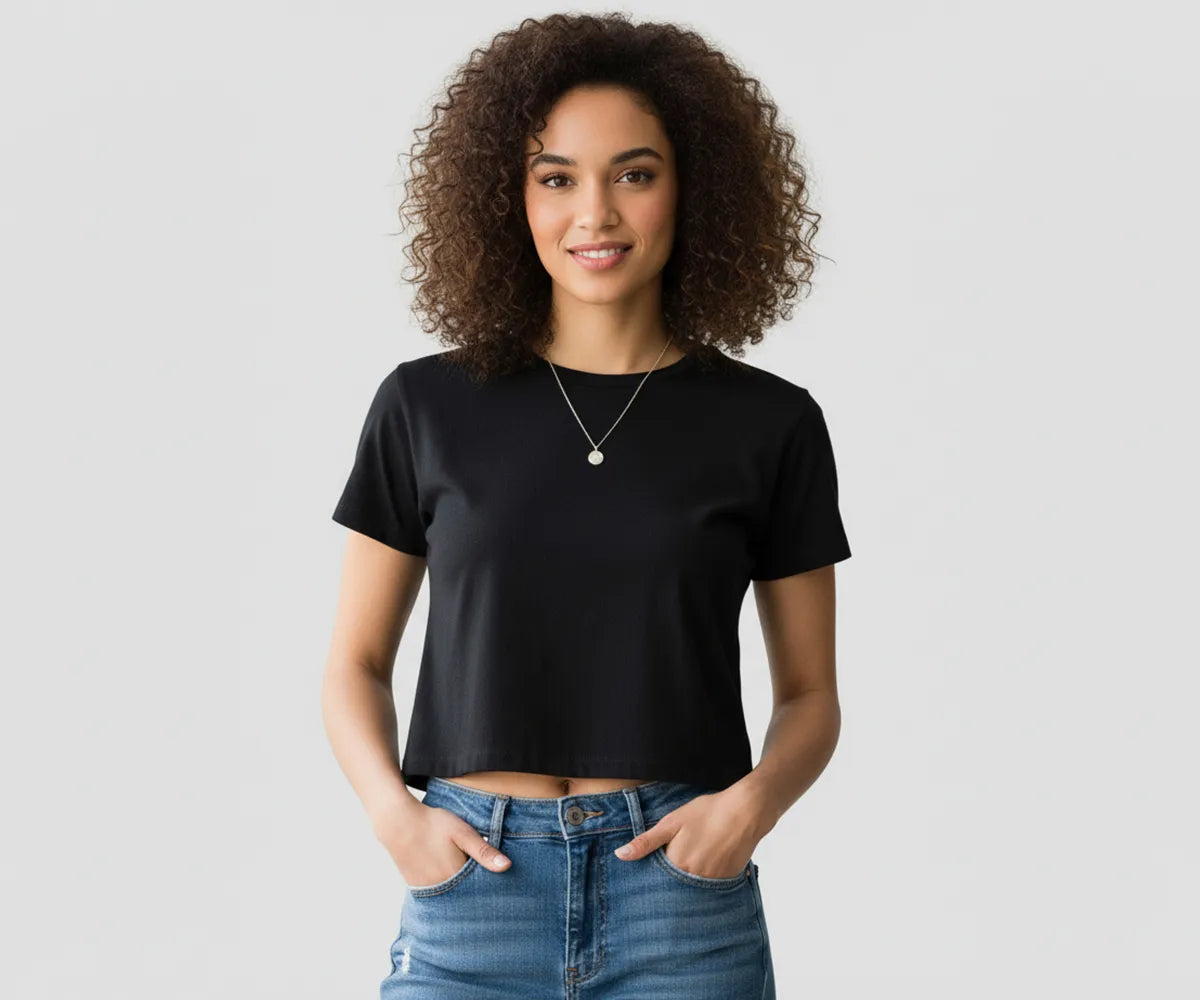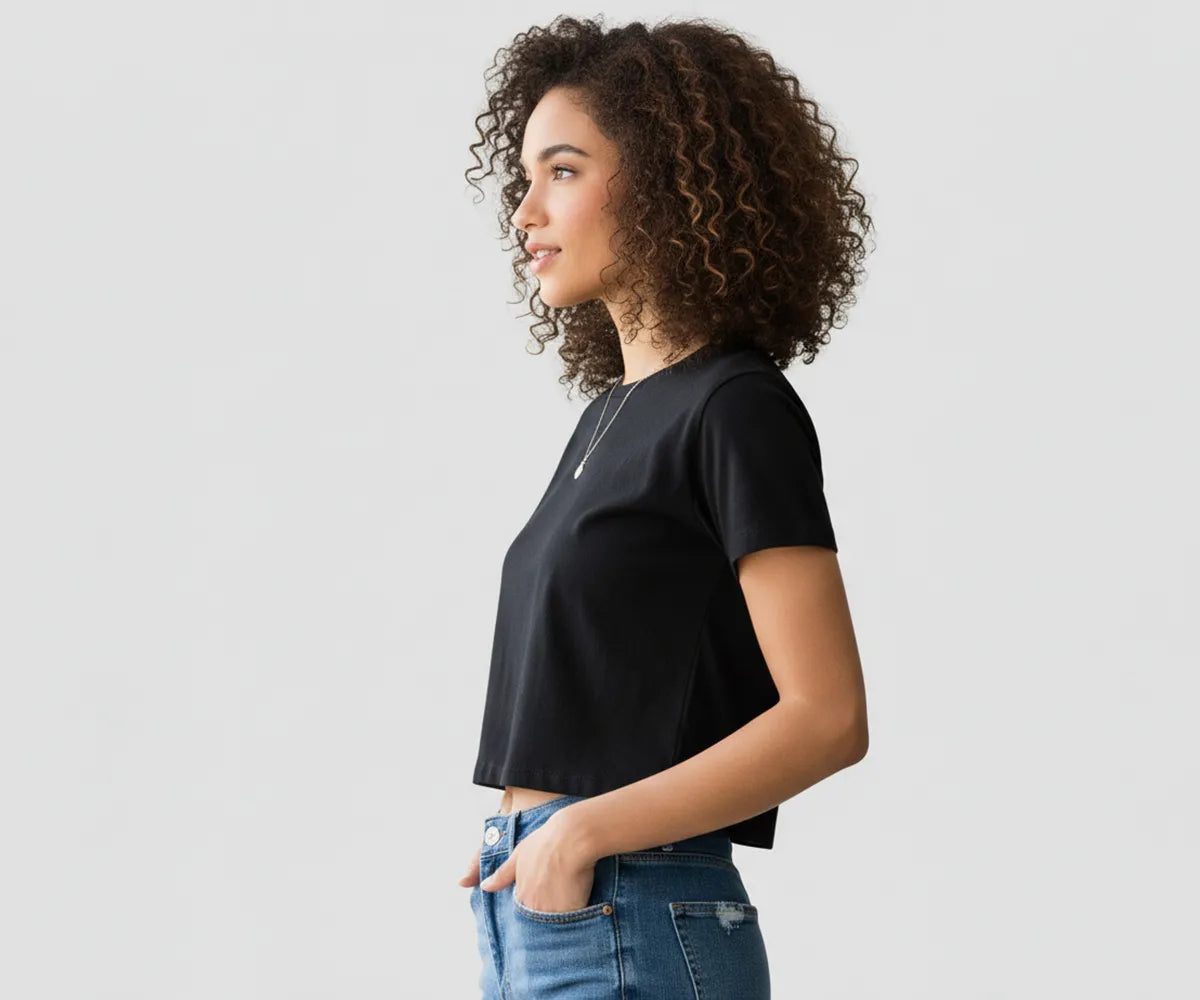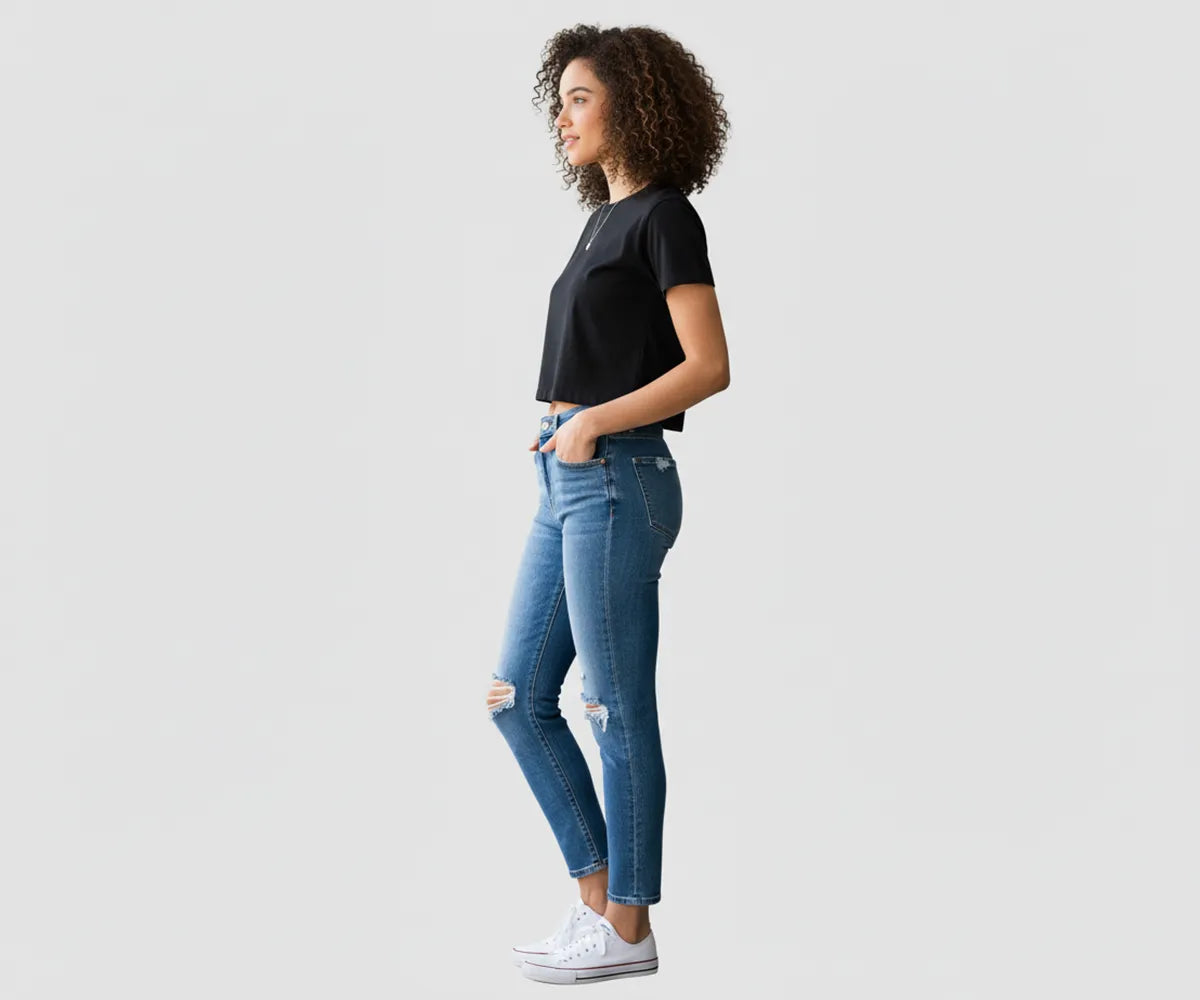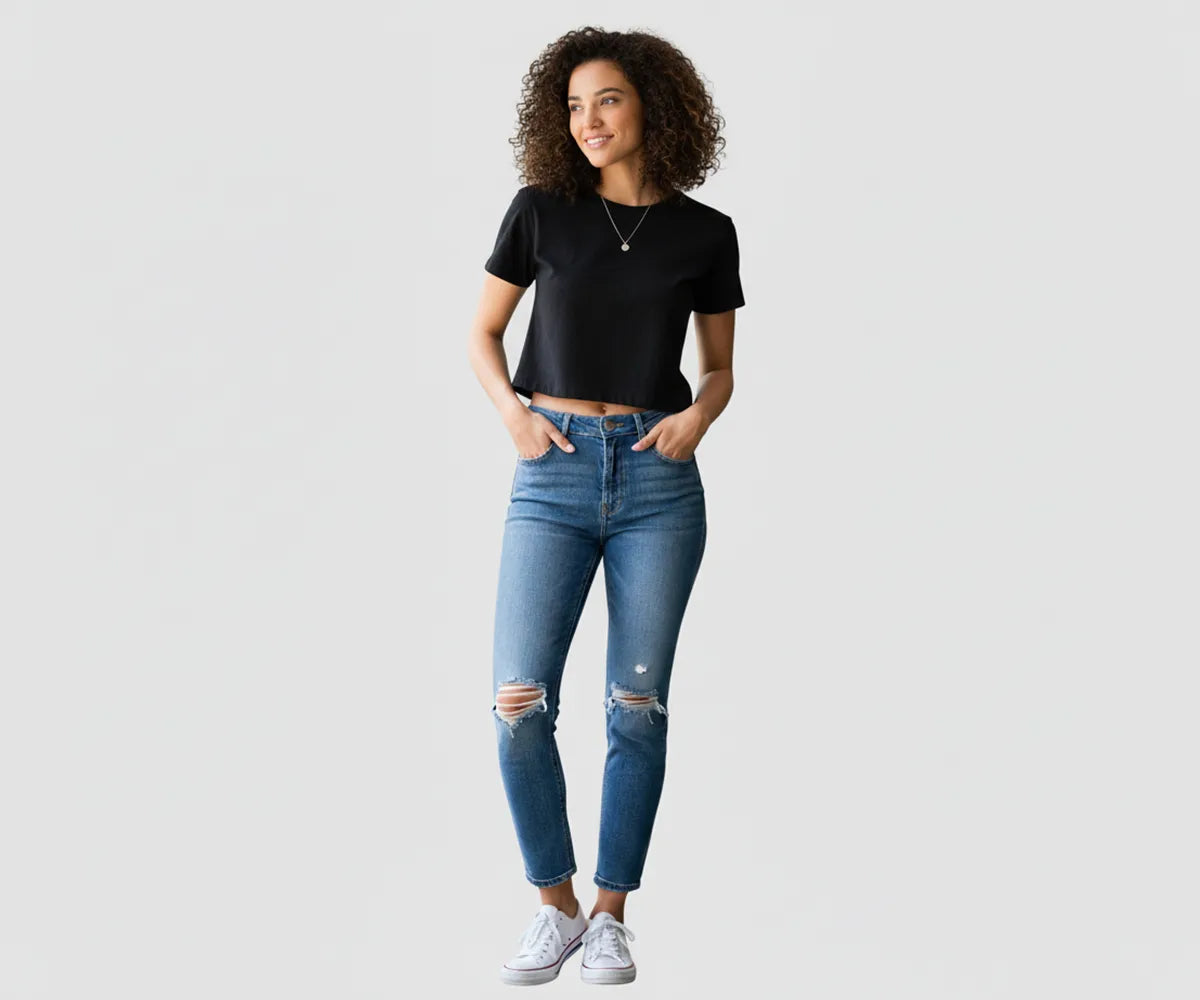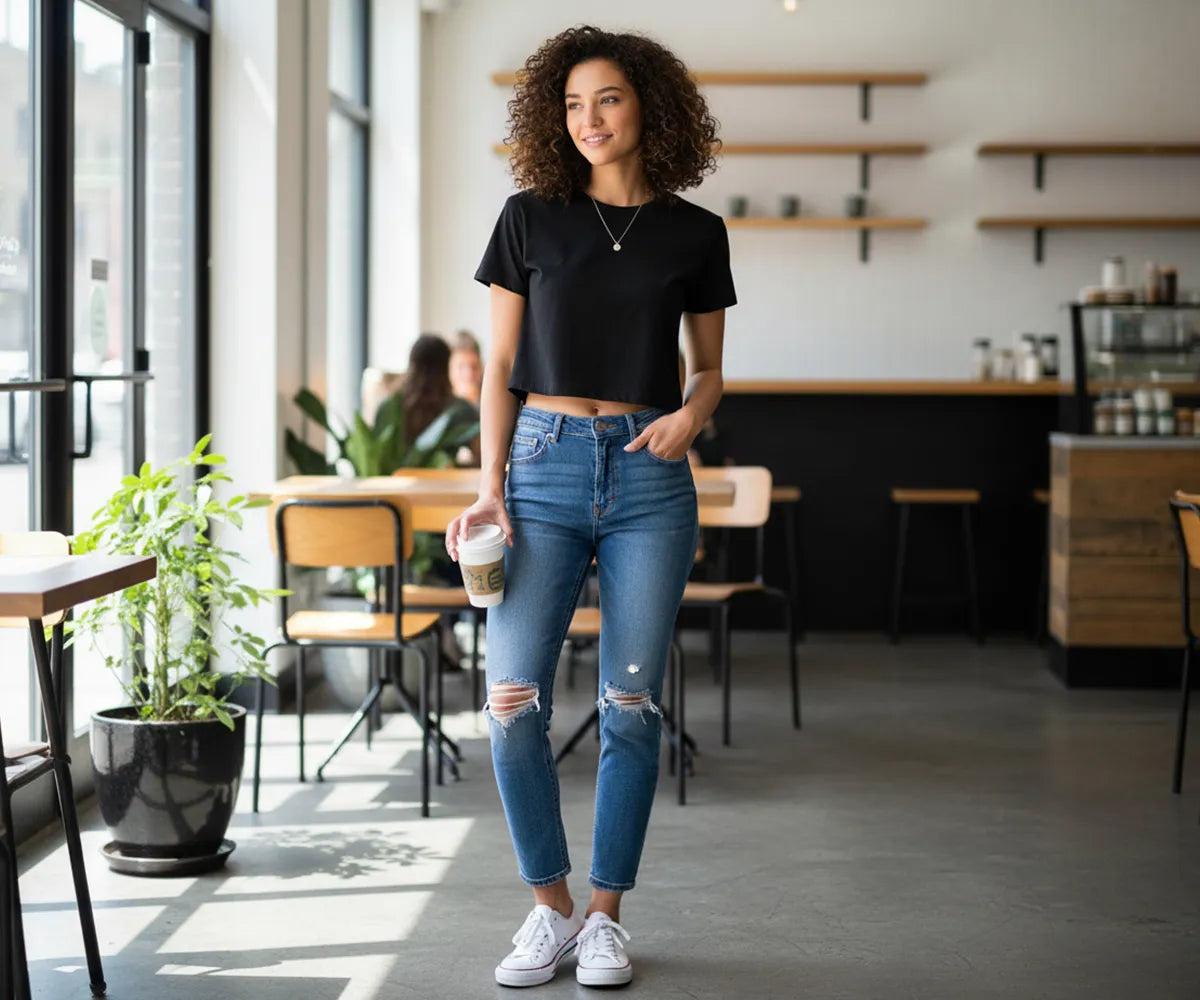

Whether you choose to wear a Short Sleeve Tee, a Crop Top, or a Tank Top from brands like All Cotton and Linen available in a range of sizes and classic colors like black and white, the choice should be personal. Clothing serves as an extension of self, and in an ideal world, everyone could dress freely without fear of judgment.
Why Crop Tops Get Sexualized
|
Factor |
What It Means |
|
Historical roots |
Linked to belly dancers, 1940s swimwear, and wartime fabric rationing |
|
Media influence |
Music videos and ads have long paired the style with romance or seduction |
|
Dress code framing |
Schools often call crop tops "distracting" rather than addressing the behavior directly |
|
Generational divide |
Older generations often read it as immodest, younger generations as self-expression |
|
Cultural variation |
Casual and normal in parts of Europe, more scrutinized in parts of the US |
|
Is it inherently sexual? |
Most experts say no. Context, styling, and setting shape the perception, not the cut |
|
Common counterpoint |
Similar coverage to a swimsuit top reads completely differently depending on where it's worn |
Why Are Crop Tops Sexualized?
It's rarely about the garment itself. Crop tops get tangled up with cultural ideas about modesty, gender, and who gets to show skin without comment. A few things tend to feed the perception:
-
History and pop culture. From belly dancers at the 1893 Chicago World's Fair to Britney Spears and the Spice Girls in the '90s, crop tops have often been paired with performance, confidence, and visibility, which some cultures translate into "provocative" rather than simply "stylish."
-
Media framing. Music videos and advertising have long linked midriff-baring fashion with romance or seduction, which shapes assumptions long after the trend moves on.
-
Dress codes and double standards. Rules that single out crop tops (especially in schools) often frame them as "distracting," which quietly puts the responsibility for other people's reactions onto the person wearing the top.
None of these reasons has much to do with the top itself; they're inherited associations, not fixed facts.
Are Crop Tops Inherently Sexual?
Not really, and most style experts and cultural historians agree. A crop top is a cut, not a statement. The same silhouette shows up in activewear, loungewear, festival looks, and office-appropriate outfits, depending on styling, fabric, and context.
Think of it this way: a swimsuit top and a crop top can show similar coverage, yet one is considered perfectly normal at the beach, and the other becomes a talking point at school. That gap says more about setting and social norms than about the clothing itself. Fashion only becomes "sexualized" when someone else assigns it that meaning; the top doesn't come with intent built in.
Who Invented the Crop Top?
Here's a fun one for the history buffs: no single person invented the crop top, and that's part of what makes it so interesting.
Midriff-baring styles have deeper roots than most people realize. Belly dancers introduced American audiences to midriff-baring costumes at the 1893 Chicago World's Fair. However, the look was considered risqué and didn't catch on in mainstream U.S. fashion until decades later. It was the 1940s when the crop top truly arrived stateside. Swimwear designers began experimenting with shorter silhouettes, and wartime fabric rationing pushed hemlines up and necklines down as a practical response to shortages.
From there, the crop top kept reinventing itself on American soil: the 1970s feminist movement embraced it as a symbol of freedom and self-expression, the 1980s aerobics boom (hello, Flashdance) turned it into workout wear, and the '90s cemented it as a pop-culture uniform thanks to Madonna, Britney Spears, and the Spice Girls. Today's crop top is really a product of nearly a century of American fashion history, proof that no single decade gets to claim it.
The Generational Divide on Crop Tops
The differing opinions around crop tops often reveal a sharp generational divide. For people in their 40s and 50s, crop tops might appear too revealing or even inappropriate, especially when worn in professional or educational settings.
According to Elena Carson, a retired school administrator in her 60s, “Back in my day, showing your midriff was seen as edgy and rebellious. These days, I see young girls wearing crop tops to school, and I can’t help but feel uncomfortable.” This viewpoint stems from a more conservative time, where modesty was highly valued and showing skin was often associated with sexuality.

Yet, for younger generations, crop tops are more about comfort and personal style. Many teens and young adults see them as a way to embrace body positivity and independence.
“I wear crop tops all the time because they make me feel confident,” says Maya Fernandez, a 19-year-old college student. “It’s just clothing, but for some reason, people always feel the need to comment on it, especially older folks.” The generational split often means that what one group sees as empowering, another may interpret as inappropriate.
You may also like to know why crop tops are inappropriate for school.
The Influence of Media and Pop Culture
Fashion, particularly styles like crop tops, doesn't evolve in isolation. Media and pop culture have played substantial roles in shaping how crop tops are viewed. The rise of icons like Britney Spears and the Spice Girls in the 90s, for instance, showcased crop tops as fun, flirty, and daring.
Music videos, movies, and advertisements frequently paired crop tops with themes of youth, freedom, and, unfortunately, sometimes overtly sexual imagery. This portrayal impacted how crop tops were perceived in mainstream culture, associating them with provocative dressing.

Yet, for Samantha Reed, a media studies professor, the real problem lies in how society conflates fashion with intentions. “There’s nothing inherently sexual about a crop top. It’s the media’s portrayal of female bodies that has sexualized them,” she explains.
“If we could detach our ideas of fashion from morality, we’d have a much healthier relationship with clothing.” Samantha argues that crop tops, like other clothing, can be a neutral form of expression, but societal biases add unnecessary layers of meaning.
Personal Agency vs. Social Expectations
For many women, crop tops are about reclaiming their agency over their bodies. Take Grace Liu, a 23-year-old retail associate, who notes, “I wear crop tops because I like how they look on me and how they make me feel.
It’s not my responsibility to change how I dress just because someone else might have an issue with it.” Grace’s perspective is shared by many who argue that women should not be expected to dress a certain way to avoid others’ judgments.

However, critics like Mike Anderson, a 45-year-old father of two, feel that social expectations around modesty still matter, especially in places like schools. “As a dad, I worry about the impact of hypersexualized clothing on my daughters and their friends.
While I don’t think crop tops are wrong, I do think we need to teach young people about the implications of certain clothing choices,” he says. Mike’s opinion underscores a common concern: the belief that clothing sends a message, intentional or not, and that parents have a role in guiding young people through societal norms.
Read More: What Tees Do Professional Women Golfers Use?
The School Dress Code Debate
One setting where crop tops consistently stir controversy is in schools. Dress codes that ban crop tops, tank tops, and other so-called “revealing” clothing often spark debate among students, parents, and educators. The argument is frequently that such clothes are “distracting” and may cause disruptions in the learning environment.

For Taylor Gibson, a high school junior, this reasoning feels like misplaced blame. “It’s frustrating when we’re told we can’t wear crop tops because it’s ‘distracting for the boys,’” she says. “Shouldn’t they be taught to focus rather than telling us how to dress?” Taylor’s perspective echoes a broader conversation about whether dress codes disproportionately target girls and suggest that they are responsible for others’ reactions to their bodies.
School officials, however, see it differently. Principal Karen Lopez, who oversees a public high school in Texas, explains, “Our dress code isn’t about shaming students. It’s about creating a professional environment that’s conducive to learning. Unfortunately, crop tops often fall outside of that standard.”
Despite this reasoning, students like Taylor argue that the policy indirectly perpetuates the idea that girls’ bodies are inherently sexual and must be covered to avoid “distractions.”
Read Related: What Tees Do Professional Women Golfers Use?
The Question of Personal Comfort and Body Positivity
One of the most overlooked reasons people wear crop tops is simple comfort and body positivity. Crop tops can be inexpensive, especially in the summer, when many prefer light, breezy clothing. Amber Williams, a 28-year-old fashion enthusiast, shares, “I wear crop tops because I love my body, and they make me feel good. Why should I hide my midriff just because someone else might misinterpret my intentions?”

Amber’s statement reflects a growing trend among young adults and teenagers who are challenging beauty norms and using clothing as a tool for self-acceptance. Social media platforms like Instagram and TikTok have amplified these voices, providing a space for people to express themselves without fear of judgment.
By sharing their crop-top outfits and self-styling tips, individuals are helping to reshape the narrative, moving away from sexualization and toward self-expression.
Where Culture and Fashion Intersect
The cultural differences in crop top acceptance are stark, even within the same generation. While in some parts of Europe, crop tops are worn casually in both social and professional settings, American culture often leans toward more conservative views on skin exposure.
“When I studied abroad in France, I noticed that crop tops were worn casually, even at work,” says;Lily Bennett, a 21-year-old college student. “There, it’s just fashion, but in the U.S., people still raise their eyebrows. It’s a clear example of cultural influence.”
Read More: How to Style a Women’s Crop Top for Any Body Type
Fashion as Empowerment or Conformity?
Whether for empowerment or comfort, crop tops remain a symbol of shifting attitudes toward body image, gender, and self-expression. For some, wearing a crop top is a statement, a way to assert their freedom to dress as they please. For others, the debate signals a broader cultural shift toward inclusivity, where women’s clothing choices aren’t scrutinized through a sexualized lens.
Key Takeaways
-
Crop tops aren't inherently sexual. The perception comes from cultural history, media framing, and dress codes, not the garment itself.
-
Media and pop culture, from 1990s icons to modern social platforms, have shaped how the style gets read over time.
-
Opinions split heavily by generation: older generations often associate it with immodesty, younger generations with comfort and self-expression.
-
School dress codes that single out crop tops often shift responsibility onto the wearer rather than addressing the actual concern.
-
Cultural context matters. The same silhouette is unremarkable in some countries and controversial in others.
-
The core debate isn't really about fabric length. It's about who gets to decide what a piece of clothing means.
Key Takeaways
-
Crop tops aren't inherently sexual. The perception comes from cultural history, media framing, and dress codes, not the garment itself.
-
Media and pop culture, from 1990s icons to modern social platforms, have shaped how the style gets read over time.
-
Opinions split heavily by generation: older generations often associate it with immodesty, younger generations with comfort and self-expression.
-
School dress codes that single out crop tops often shift responsibility onto the wearer rather than addressing the actual concern.
-
Cultural context matters. The same silhouette is unremarkable in some countries and controversial in others.
-
The core debate isn't really about fabric length. It's about who gets to decide what a piece of clothing means.
Finding Balance in Fashion
At the end of the day, crop tops are just pieces of fabric, yet they evoke intense emotions, cultural norms, and personal biases. The real question remains: should a top’s length determine its appropriateness? If crop tops symbolize empowerment for many and discomfort for some, perhaps the conversation should shift from policing clothing to fostering respect for personal choices.