

A Symbol of Wealth and Status: The Origins of White Napkins
The use of white napkins dates back to ancient civilizations, where they were a luxury item reserved for the wealthy. In ancient Greece and Rome, white linen was a status symbol, signifying purity, innocence, and cleanliness. The use of white napkins was a way to showcase one's wealth and social standing, a tradition that continued through the Middle Ages.
In medieval times, the use of white napkins remained a status symbol, with only the wealthy able to afford the luxury of white linen. The poor, on the other hand, used smaller, coarser napkins. This dichotomy highlights the enduring appeal of white napkins as a symbol of refinement and sophistication.
The Benefits of White Napkins: A Closer Look
So, why are napkins still white today? There are several benefits to using white napkins that contribute to their enduring popularity.
A Timeless Aesthetic
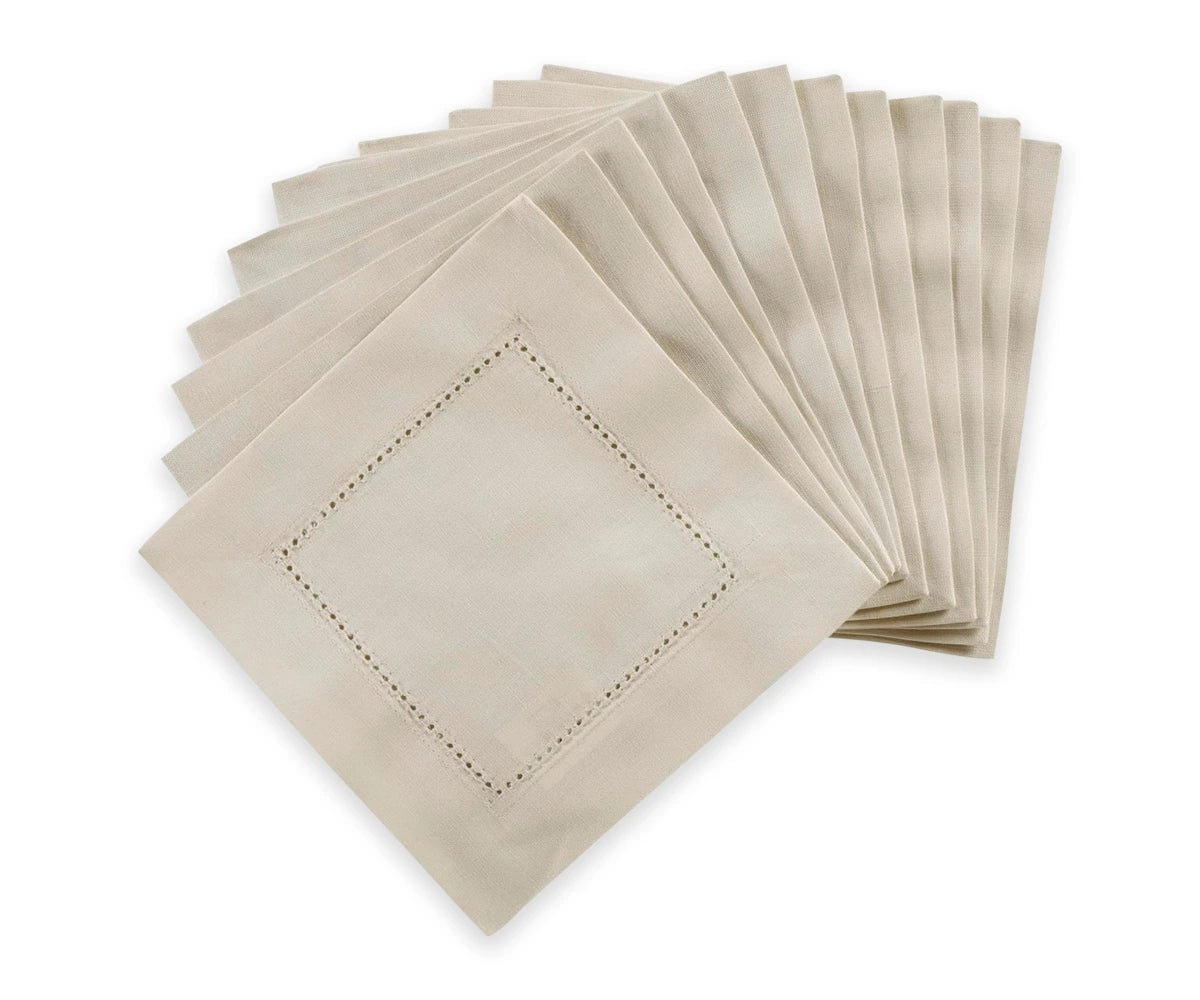
White napkins are a classic choice that complements any table setting. They add a touch of elegance and sophistication to any meal, and can be used to create a cohesive and inviting atmosphere.
Premium Quality and Absorbency
White napkins are highly absorbent, making them ideal for use in kitchens and dining areas. They can absorb spills and messes quickly and easily, leaving your table clean and tidy.
Durability and Longevity
White napkins are often made from high-quality linen, which is durable and long-lasting. They can withstand repeated washing and use, making them a practical choice for everyday use.
Versatility and Adaptability
White napkins are versatile and can be used in a variety of settings, from formal dinners to casual gatherings. They can be paired with a wide range of table settings and decor, making them a versatile choice.
Find Out: How to Set a Formal Dinner Table: Step-by-Step Guide for Elegant Dining
Use Cases for White Napkins: From Formal to Casual
White napkins are a staple in many households and restaurants and are used in a variety of settings. Here are some use cases for white napkins:
Formal Dinners and Special Occasions
White napkins are a classic choice for formal dinners and can be used to add a touch of elegance to any table setting. Whether you're hosting a wedding, anniversary, or holiday dinner, white napkins are a timeless choice.
Casual Gatherings and Outdoor Events
White napkins are also a practical choice for casual gatherings, such as picnics or barbecues. They can be used to add a touch of sophistication to any outdoor setting and are easy to clean and maintain.
Kitchen Use and Practicality
White napkins are highly absorbent and can be used to clean up spills and messes in the kitchen. They can also be used to wipe down surfaces and clean up crumbs and debris.
Wedding and Event Planning
White napkins are a popular choice for wedding and event planning, as they add a touch of elegance and sophistication to any table setting. They can be paired with a wide range of table settings and decor, making them a versatile choice.

Restaurant and Hospitality
White napkins are a staple in many restaurants and hospitality settings, as they add a touch of elegance and sophistication to any meal. They can be used to create a cohesive and inviting atmosphere and are easy to clean and maintain.
Practical Tips for Using White Napkins
Here are some practical tips for using white napkins:
Choose the Right Size
When choosing a white napkin, consider the size of your table and the number of guests you'll be hosting. A larger napkin is more versatile and can be used to wrap around the neck of a wine glass or to clean up spills.
Consider the Material.
When choosing a white napkin, consider the material it's made from. Linen is a durable and long-lasting material that can withstand repeated washing and use.
Use Them for Everyday Use
White napkins are not just for special occasions. They can be used for everyday use, such as wiping down surfaces or cleaning up crumbs and debris.
Fold and Arrange Napkins
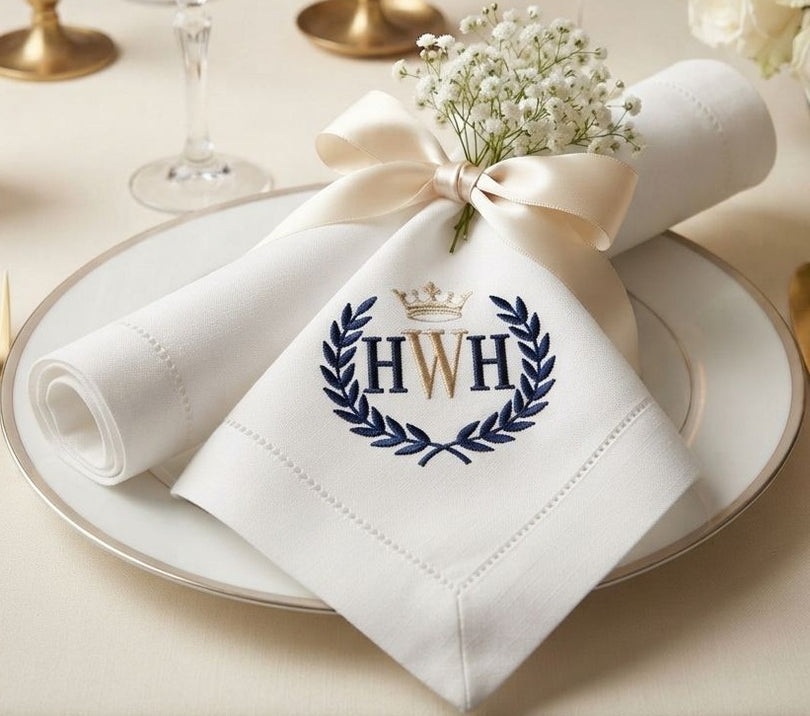
When using white napkins, consider folding and arranging them in a decorative way. This can add a touch of elegance and sophistication to any table setting.

Why White Napkins are a Must-Have for Any Table Setting
-
Aesthetics: White napkins add a touch of elegance and sophistication to any table setting.
-
Absorbency: White napkins are highly absorbent, making them ideal for use in kitchens and dining areas.
-
Durability: White napkins are often made from high-quality linen, which is durable and long-lasting.
-
Versatility: White napkins are versatile and can be used in a variety of settings, from formal dinners to casual gatherings.
Know About: How to Pick the Right Outfit for Any Event: A Complete Guide
Additional Tips for Using White Napkins
-
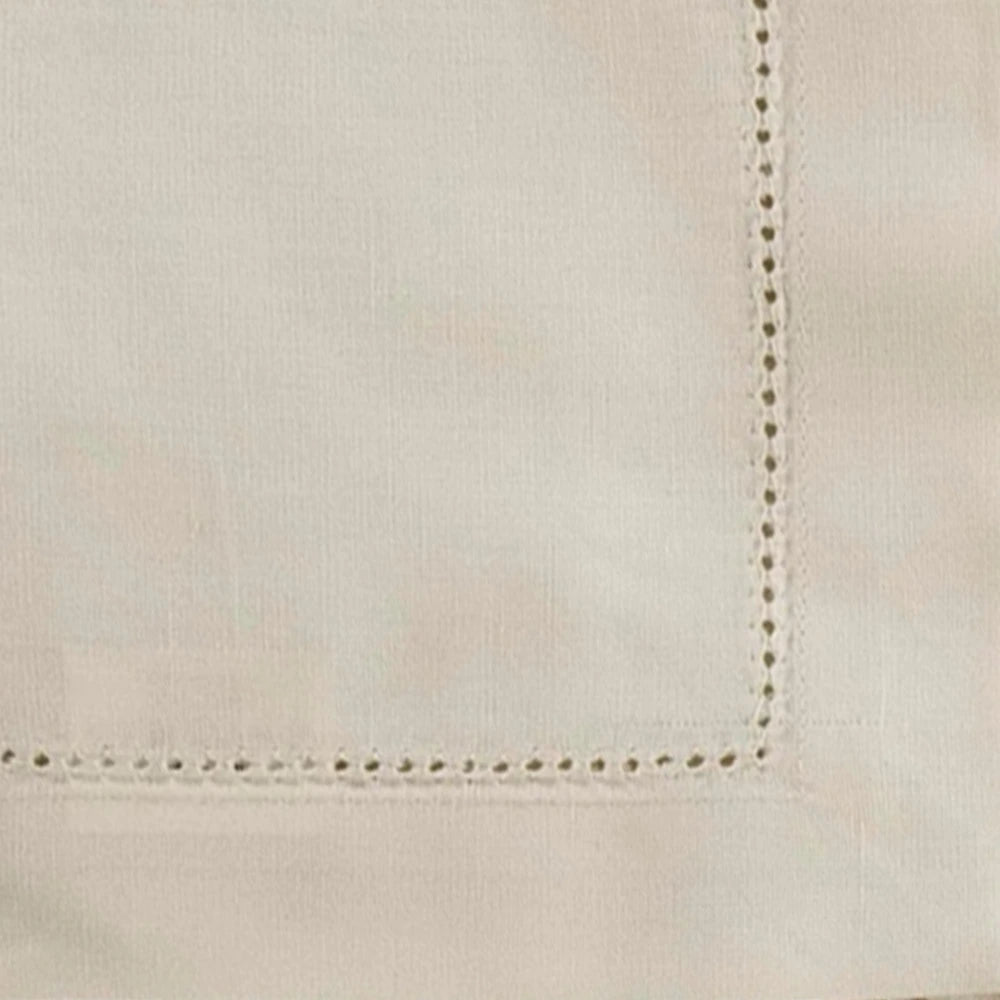
Consider using white napkins with a decorative edge or fold to add a touch of elegance to any table setting.
-
Use white napkins to create a cohesive and inviting atmosphere by pairing them with a wide range of table settings and decor.
-
Don't be afraid to get creative with your white napkins by using them in unique and creative ways, such as using them as a centerpiece or as a decorative element on a table.
By following these practical tips and ideas, you can make the most of your white napkins and add a touch of sophistication to any meal. Whether you're hosting a formal dinner or a casual gathering, white napkins are a timeless and versatile choice that can be used in a variety of settings.
The Enduring Appeal of White Napkins
In conclusion, white napkins are a staple in many households and restaurants and are used in a variety of settings. They offer a range of benefits, including aesthetics, absorbency, durability, and versatility. Whether you're hosting a formal dinner or a casual gathering, white napkins are a practical and elegant choice. By following these practical tips, you can make the most of your white napkins and add a touch of sophistication to any meal.