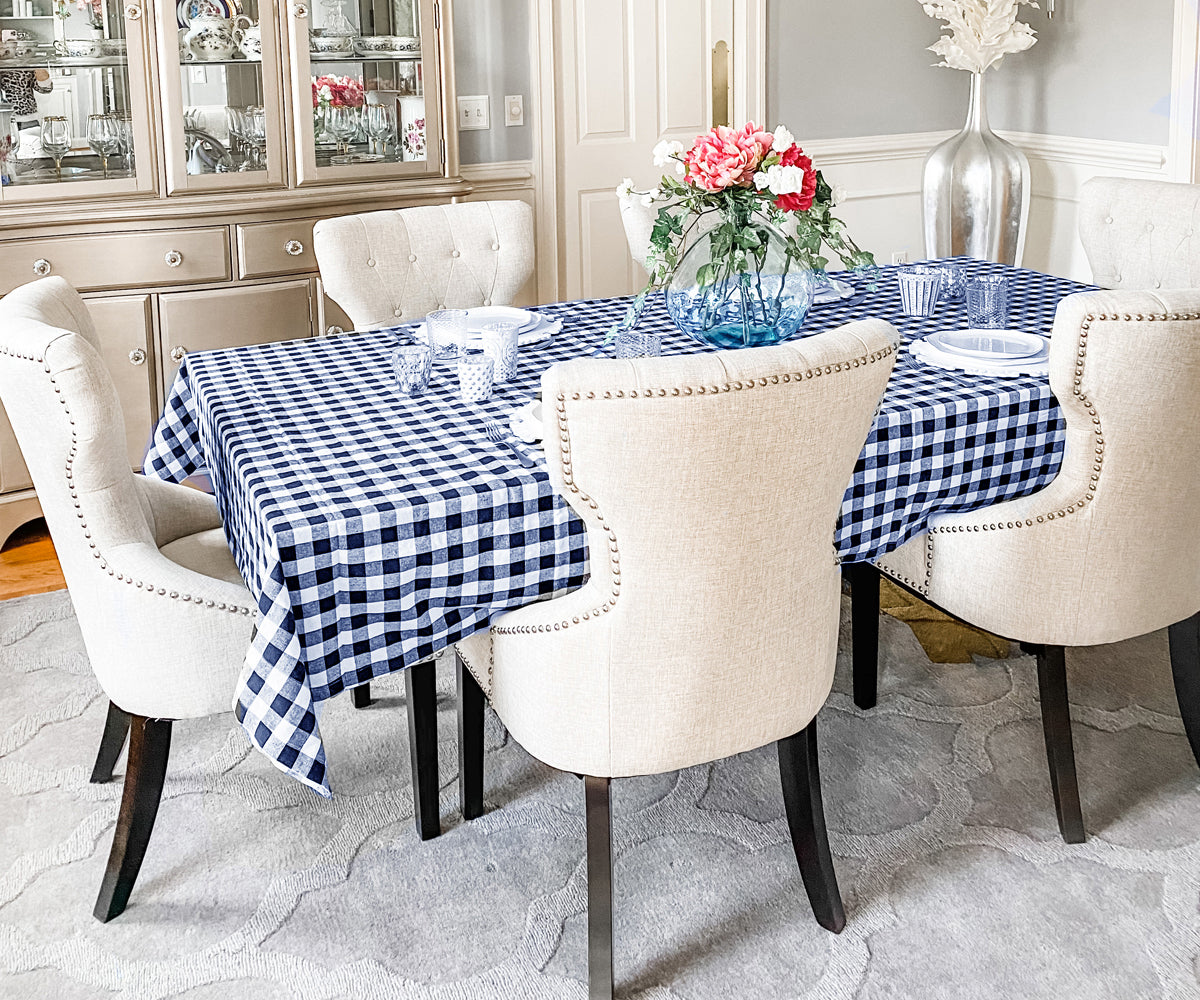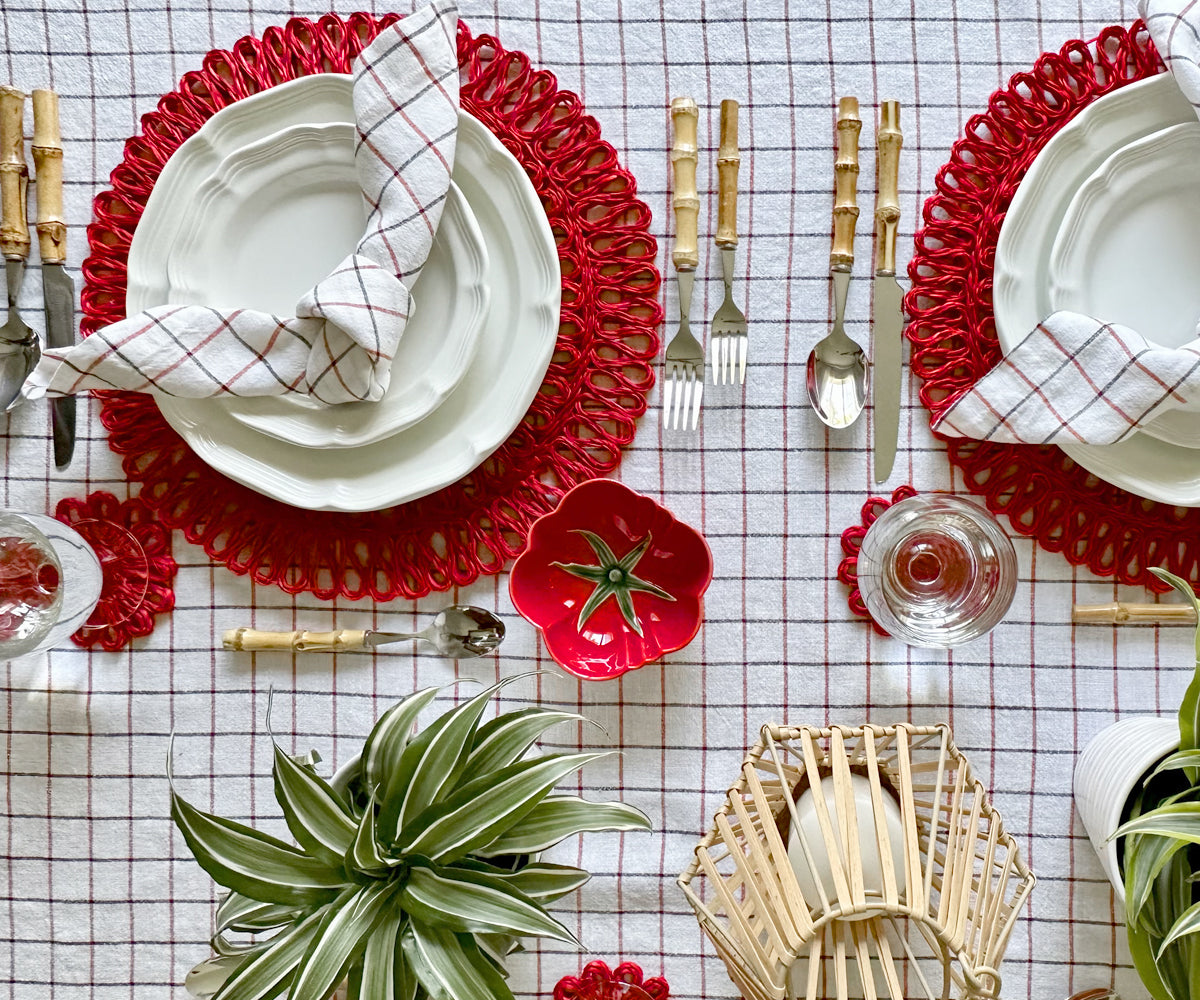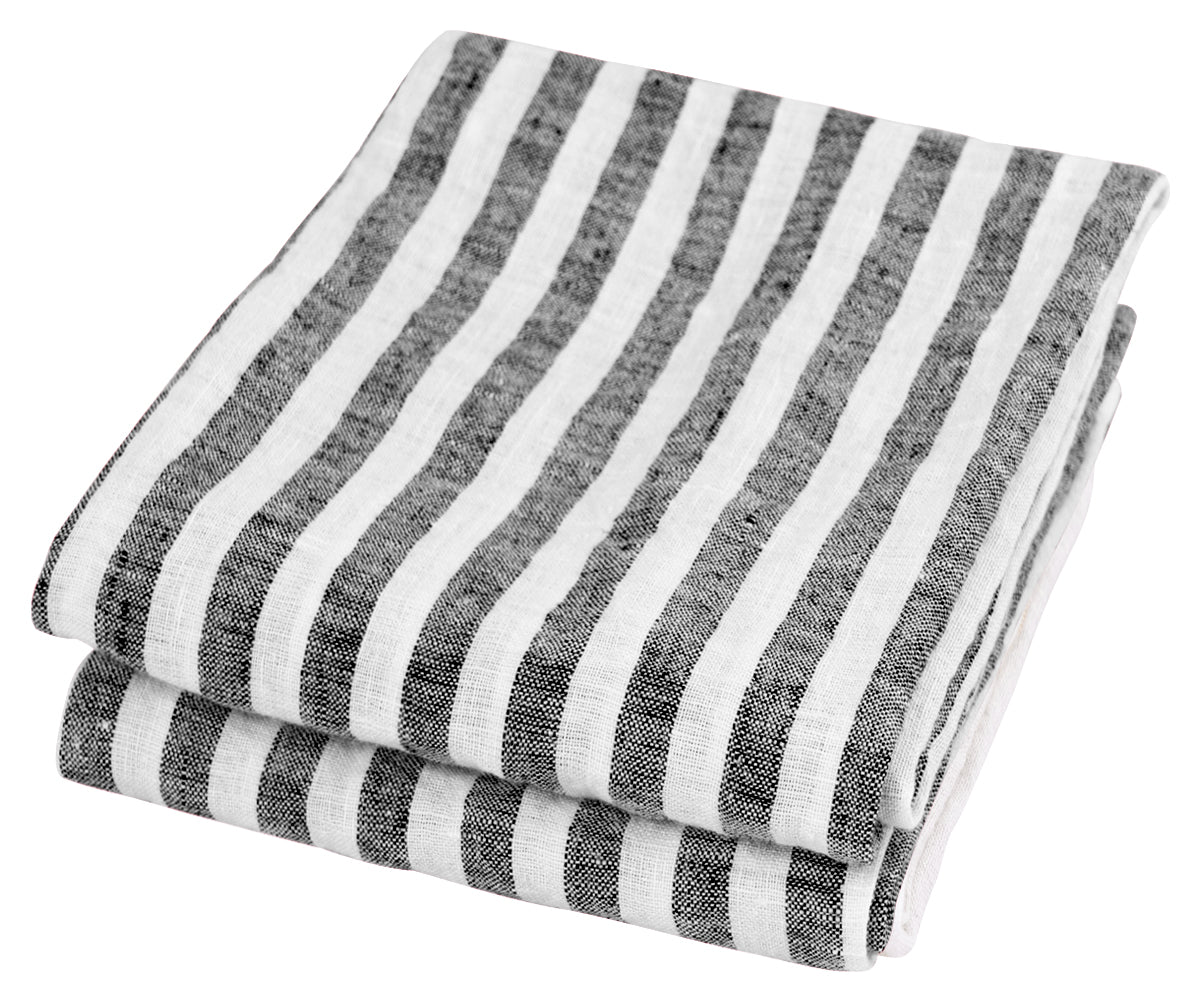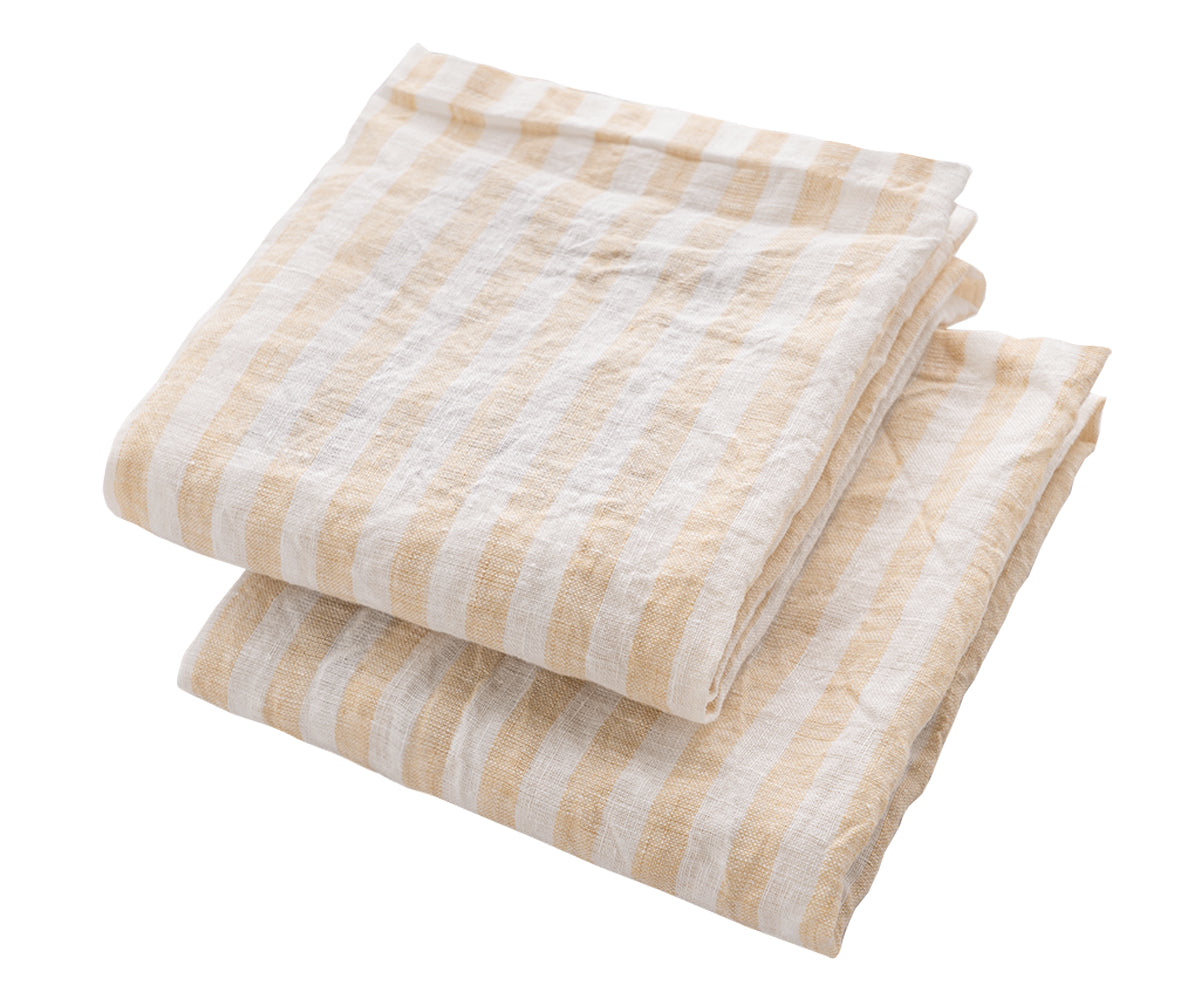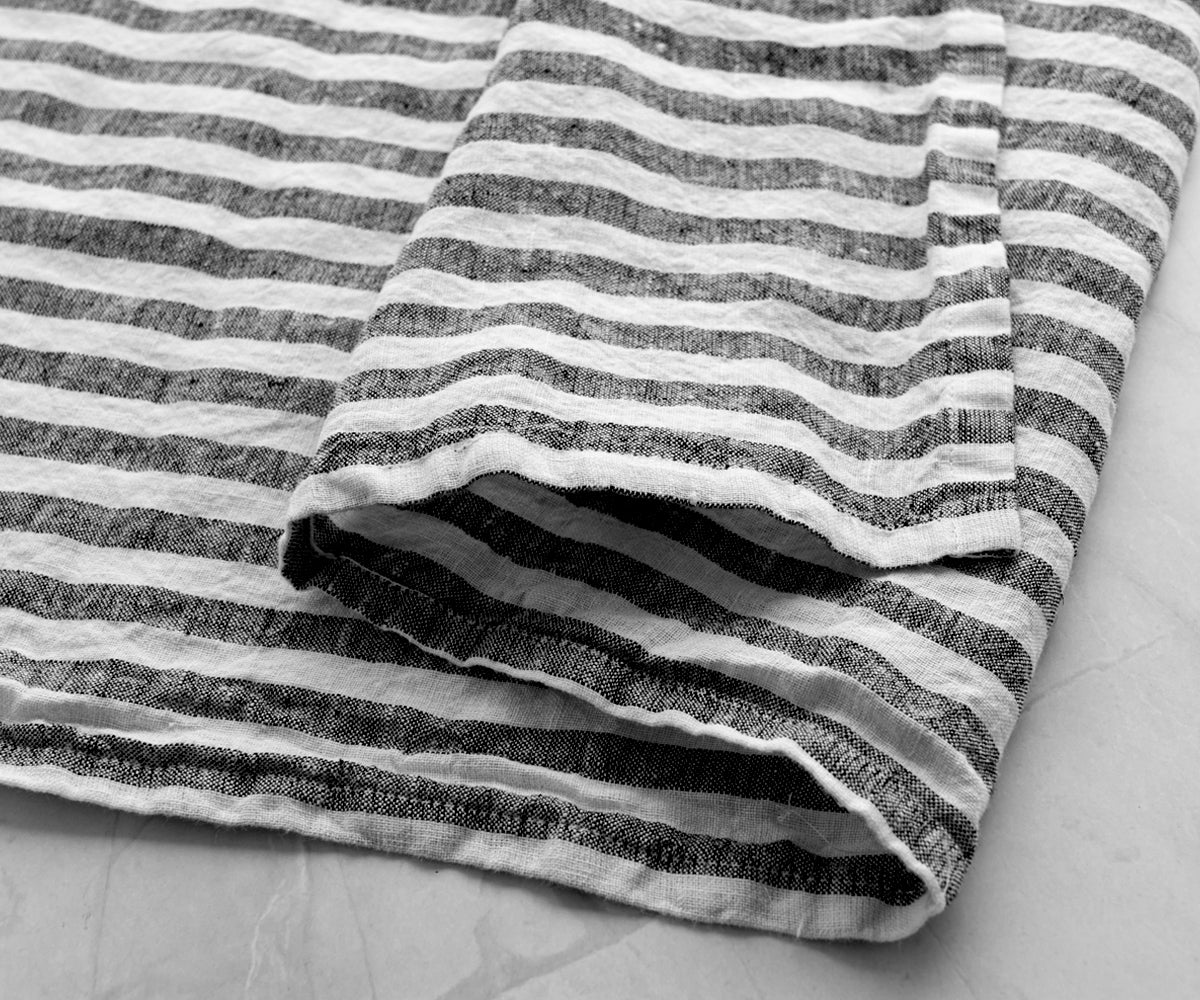


The pattern is called gingham; it has been in continuous use for outdoor dining since the 18th century, and cotton is the best material for it because it is soft, washable, and holds color through repeated outdoor use. This guide covers everything worth knowing about why red and white checked tablecloths remain the first choice for picnics, how the pattern got there, what size you actually need, and how to use one as a picnic blanket when the occasion calls for it.
What Is the Picnic Tablecloth Pattern Called
The pattern on a red and white picnic tablecloth is called gingham. It is a plain-weave cotton fabric produced by weaving two colors, always one color and white in an even, repeated grid pattern. The squares in a standard gingham tablecloth measure between 1 and 2 inches across, which is what creates the clear, bold checked look associated with outdoor dining.
The name gingham traces back to the Dutch word "gingang" and the Malay word "genggang," both of which referenced a striped or checked textile traded across Southeast Asia before the fabric reached European markets. By the early 1700s, Northern British textile mills were producing gingham at scale because it was inexpensive to weave, durable in daily use, and identical on both sides, a practical advantage that meant a soiled side could simply be flipped over.
The fabric moved through several identities over the following two centuries. It was used for children's clothing, household curtains, and kitchen aprons before settling into its modern association with outdoor dining, picnics, and casual table settings. The red and white version became the most widely recognized because red was one of the most colorfast dyes available
The Origin of Red Checked Tablecloths Used for Picnics
The connection between red and white checked tablecloths and picnics is not a modern marketing convention it developed over several generations of practical outdoor use.
By the time gingham became inexpensive enough for general household use in the late 1800s and early 1900s, it was the default fabric for informal table coverings because it cost very little, washed easily, and survived rough handling. Families packing food for outdoor meals reached for gingham tablecloths because losing or staining one was not a significant loss.

The cultural reinforcement came through the 20th century. Red and white checked tablecloths appeared in picnic scenes across advertising, film, and illustration throughout the 1940s, 1950s, and 1960s.
Italian American restaurants adopted the pattern for bistro table covers during the same period, and the association between checked tablecloths and casual, convivial dining became deeply embedded in popular culture. Today, the image of a picnic almost always includes a red and white checked cloth, even in countries with no historical connection to gingham production.
For a deeper look at how tablecloth trends have evolved more recently, the guide on tablecloth trends covers where checkered patterns sit alongside current fabric and color directions.
Why Red and White Checked Tablecloths Work So Well for Picnics
The practical reasons for using red and white checkered tablecloths for picnics are more specific than most people realize.

The check pattern hides mess. A solid white tablecloth shows every drop of mustard and juice splash within seconds. The bold grid of a checkered tablecloth breaks up staining visually, so light spills disappear into the pattern rather than sitting on top of it as a visible mark. This is one of the main reasons gingham persisted as a picnic fabric long after synthetic alternatives became available.
Red is a forgiving outdoor color. Deep, saturated colors show grass stains and food residue less than pale or medium tones. Red holds up well in direct sunlight without appearing washed out, and it reads clearly in outdoor settings where bright natural light can flatten softer colors.
Cotton is the right material for outdoor meals. Cotton tablecloths are breathable, which matters when food is placed on top for extended periods in warm weather. Cotton also absorbs light spills rather than causing them to pool and run, which vinyl and polyester cannot do. All Cotton and Linen's red and white checkered tablecloths are made from 100% natural cotton with reinforced stitching, machine-washable in normal-temperature water and tumble-dryer safe on a gentle cycle.
The bold pattern creates a clear visual boundary. At a park, beach, or garden setting without walls or defined space, a checked tablecloth gives the picnic setup a visible center. It signals where the gathering is, anchors the food and plates in a recognizable arrangement, and makes the outdoor space feel organized without requiring any additional setup.
|
Why Cotton Beats Vinyl for Picnics |
Cotton |
Vinyl |
|
Breathability |
Yes, keeps food cooler |
No, traps heat underneath |
|
Spill absorption |
Absorbs light spills |
Pools and runs |
|
Machine washable |
Yes |
Wipe-clean only |
|
Doubles as a blanket |
Yes, comfortable to sit on |
No, hard and slippery |
|
Packs flat |
Yes |
Tends to crack when folded |
|
Eco-friendly |
Yes, natural fiber |
No, synthetic plastic |
What Size Tablecloth for a Picnic Table
Standard park and campground picnic tables measure 72 inches long and 28 to 30 inches wide. A tablecloth for a picnic table should be large enough to cover the top surface and hang over the edges by 6 to 8 inches on each side. This is the standard overhang for outdoor use, where a very long drape would be impractical.

For a standard 72-inch picnic table, the right tablecloth size is 60 x 102 inches or 63 x 109 inches. This provides adequate top coverage and a practical overhang on all sides without excess fabric dragging on the ground or catching the wind.
|
Table Type |
Table Size |
Recommended Tablecloth Size |
|
Standard park picnic table |
72 x 30 inches |
60 x 102 inches or 63 x 109 inches |
|
Large outdoor dining table |
84 x 36 inches |
63 x 109 inches or 63 x 126 inches |
|
Round garden table (4 seat) |
48-inch diameter |
70-inch round tablecloth |
|
Folding card table |
48 x 48 inches |
60 x 60 inches or 63 x 88 inches |
|
Kids' picnic table |
48 x 24 inches |
52 x 70 inches |
All Cotton and Linen's checkered cotton tablecloths are available in 63 x 88 inches, 63 x 109 inches, and 63 x 126 inches. Each size uses 2-inch check squares and features reinforced hemming for outdoor durability. Browse the full red and white checkered tablecloth for sizing options and order details.
How Long Should a Tablecloth Be at a Picnic
The overhang rule for picnic tablecloths is practical rather than decorative. At a restaurant or formal dinner table, a 10 to 15-inch drop on each side is standard. At a picnic, a shorter drop of 6 to 8 inches on each side works better because it keeps the tablecloth clear of the ground, reduces wind catching, and makes it easier for people seated on the benches to reach the table comfortably.

For a 72-inch-long picnic table, a 102-inch tablecloth gives a 15-inch overhang on each end. A 109-inch tablecloth gives an 18-inch drop at each end, which is slightly longer but still manageable in calm outdoor conditions. Both work well. If the picnic is in a windy location, tucking the tablecloth underneath the table leg weights or using tablecloth clips keeps everything in place without shortening the cloth.
For travel-specific tablecloth management, the guide on how to keep your tablecloths impeccable during travel covers folding, packing, and securing tablecloths on the go.
Can You Use a Tablecloth as a Picnic Blanket
A cotton tablecloth works well as a picnic blanket when the ground is dry and the occasion is casual. Cotton is soft enough to sit on comfortably, breathable in warm weather, and large enough in standard sizes to seat four to six people on the ground. A 63 x 109-inch cotton tablecloth gives roughly the same spread as a dedicated picnic blanket and packs more compactly than most padded alternatives.

The practical considerations for using a tablecloth as a picnic blanket are straightforward:
On dry grass or hard surfaces, a flat cotton tablecloth is comfortable and practical. On wet ground, a cotton tablecloth will absorb moisture quickly, which makes it uncomfortable to sit on and harder to clean afterward. In this case, a vinyl-backed picnic blanket is the better option.
A red and white checkered cotton tablecloth does double duty, use it on the table during the meal and spread it flat on the grass for sitting afterward. The 100% cotton construction means it dries quickly and washes easily after both uses.
Red and White Checkered Tablecloths for Seasonal Outdoor Occasions
Red and white checked tablecloths for picnics work across the full summer and outdoor season, not just for informal park lunches.
Summer BBQ and backyard gatherings - The bold red check is the natural companion for a casual outdoor cookout. The pattern holds up under grilled food, sauces, and repeated use through a long summer season. Pair with red checked cotton napkins for a coordinated setup.
Fourth of July picnics - Red and white is one of the two core colors in the American flag palette, which makes a red and white checkered tablecloth a ready-made option for Independence Day outdoor celebrations without requiring any additional decorating.
Memorial Day and Labor Day cookouts - Both holidays sit at the edges of summer and are primarily outdoor, food-centered occasions. A red and white checked tablecloth requires no additional decorating to feel appropriate and festive for both.
Garden parties and patio dinners - The checked pattern works equally well on a formal garden table as it does at a casual picnic bench. Pair it with white ceramic plates, glass stemware, and a simple floral centerpiece for a garden-party variation that reads as intentional rather than informal.
Italian bistro-style outdoor dining - The red and white checked pattern has a long association with Italian American restaurant culture, which makes it a natural fit for an outdoor pasta dinner, a wine-and-cheese spread on the patio, or any meal where that warm, convivial bistro atmosphere is the goal.
For broader outdoor tablecloth style ideas, including gingham in other colorways and buffalo plaid options, the full buffalo plaid tablecloth and gingham collection covers the complete range of checkered patterns available at All Cotton and Linen.
Cotton vs Vinyl vs Polyester: Which Picnic Tablecloth Material Holds Up Best
The material choice for checkered tablecloths for picnics comes down to how the tablecloth will be used, how often it will be washed, and how long it needs to last.
|
Factor |
Cotton |
Polyester |
Vinyl |
|
Feel |
Soft and natural |
Smooth, slightly synthetic |
Stiff and plastic |
|
Spill handling |
Absorbs, wash after |
Resists spills, wipe clean |
Repels, wipe clean |
|
Machine washable |
Yes |
Yes |
No |
|
Outdoor durability |
Very good |
Very good |
Good but cracks over time |
|
Color retention |
Excellent with quality dyes |
Excellent |
Fades in UV over time |
|
Eco-friendly |
Yes, natural fiber |
No, synthetic |
No, synthetic plastic |
|
Doubles as a blanket |
Yes |
Somewhat |
No |
|
Cost |
Moderate |
Low to moderate |
Low |
Cotton is the best material for a picnic tablecloth that will be used regularly and washed between outings. All Cotton and Linen's 100% cotton checkered tablecloths are made from natural cotton with 2-inch check squares and reinforced hemming, designed to hold their color and structure through repeated machine washing. For anyone looking for a tablecloth that gets better with use rather than wearing out, cotton is the right material.
How to Clean a Red and White Checkered Picnic Tablecloth
Cotton picnic tablecloths are easy to clean because natural cotton accepts both machine washing and spot treatment.
|
Stain Type |
Cleaning Method |
|
Mustard or ketchup |
Scrape excess immediately, then cold water and mild dish soap |
|
Grass stains |
Baking soda paste, leave for 10 minutes, then machine wash cold |
|
Wine or juice |
Cold water immediately, then a white vinegar solution before washing |
|
Grease or oil |
Absorbent powder first (cornstarch or baking soda), then wash warm |
|
General food soiling |
Machine wash on normal cycle, cold to warm water |
For All Cotton and Linen's cotton tablecloths specifically: machine wash in normal-temperature water, tumble dry on a gentle cycle, and iron warm as needed. Do not leave in the dryer long after the cycle finishes, as removing promptly reduces wrinkles significantly and avoids color creasing in the checked pattern.
Shop Red and White Checkered Tablecloths at All Cotton and Linen
All Cotton and Linen's red and white checkered tablecloths are made from 100% natural cotton with classic 2-inch check squares and reinforced stitching. Available in three sizes 63 x 88 inches, 63 x 109 inches, and 63 x 126 inches, they are suitable for standard picnic tables, outdoor dining tables, and kitchen tables.
Each tablecloth is machine-washable, tumble-dryer safe on a gentle cycle, and designed to hold its color through regular outdoor use. Pair with red checked cotton napkins for a fully coordinated outdoor table setup.
Use code ACL15 at checkout on All Cotton and Linen for 15% off all tablecloths, napkins, and table linens.