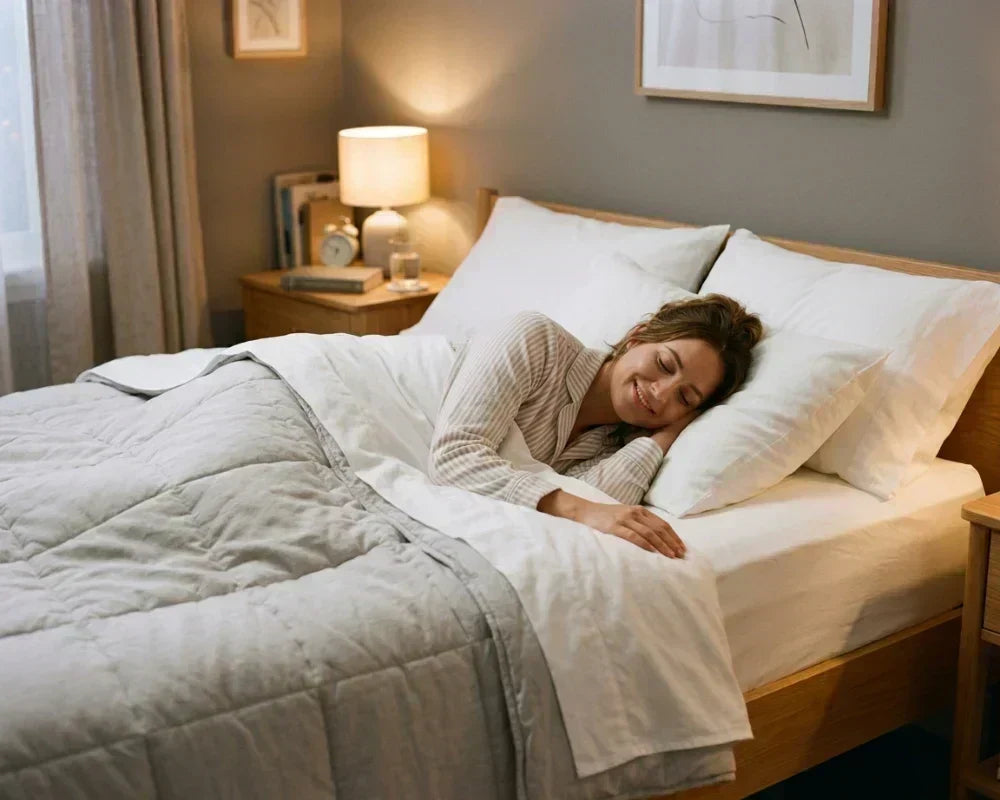



Even if the mattress still looks fine, its internal materials may already be losing support. When this happens, the mattress may no longer maintain proper spinal alignment, which can affect sleep quality. In this guide, we will explore the typical mattress lifespan, the factors that affect durability, and the key signs that indicate it may be time to replace your mattress.
How Long Does a Mattress Last?
The average mattress lifespan generally falls between 7 and 10 years. However, this range can vary depending on the type of mattress, the quality of materials, and how well we maintain it.

Different mattress types tend to last for different periods:
-
Latex mattress: 8–10 years
-
Hybrid mattress: 7–8 years
-
Memory foam mattress: 6–8 years
-
Innerspring mattress: 5–7 years
Even if the mattress surface appears normal, the internal structure may gradually weaken over time. As the support layers break down, the mattress may lose its ability to distribute body weight evenly.
This can reduce pressure relief and, over time, affect our sleeping posture.
Using accessories such as a mattress protector, mattress pad, or mattress topper can help extend the mattress’s lifespan. These additions protect the mattress from moisture, dust, and everyday wear while improving comfort.
Still, every mattress eventually reaches a point where replacement becomes the best option for maintaining healthy sleep.
5 Ways to Tell When to Replace Your Mattress
While the age of a mattress provides a general guideline, the real answer to how often you should replace your mattress depends on how it feels and performs.
Here are five common signs that tell us it may be time to replace our mattress.

1. Our Mattress Is Sagging
One of the most obvious signs of an aging bed is a sagging mattress. When a mattress is new, it returns to its original shape after we get up.
Over time, the internal layers begin to compress and lose resilience. This can create visible dips or indentations in the sleeping surface.
A sagging mattress may fail to support the body's natural curvature, which can interfere with proper spinal alignment. If we notice deep impressions or uneven areas, it may be time to consider replacing the mattress.
2. We Wake Up With Aches or Stiffness
Another sign of mattress wear is waking up with frequent aches or stiffness.
When a mattress loses its support, it may no longer cushion pressure points such as the shoulders, hips, or lower back. As a result, the body may remain in uncomfortable positions during sleep.
If we regularly wake up with discomfort that improves after moving around, the mattress could be affecting our sleep comfort.
3. Our Mattress Has Odors or Stains
Over the years, mattresses absorb sweat, body oils, dust, and other particles. While minor stains are common, persistent odors can indicate deeper issues, such as trapped moisture or bacterial growth.
A mattress protector can prevent many of these problems, but older mattresses may still develop unpleasant smells that cleaning cannot fully remove.
When hygiene becomes difficult to maintain, replacing the mattress is often the best solution.
4. Allergy Symptoms Are Becoming More Noticeable
Mattresses naturally collect dust mites, allergens, and microscopic debris over time.
For people with allergies, this buildup can lead to symptoms such as:
-
Sneezing or congestion
-
Eye irritation
-
Headaches
-
Difficulty breathing
Although regular cleaning and a mattress pad can reduce allergen exposure, older mattresses may still harbor dust mites, which can affect indoor air quality.
5. Our Sleep Needs Have Changed
Sometimes the mattress itself is not the only factor. Our lifestyle and sleep preferences can change over time.
Events such as weight changes, injuries, pregnancy, or sharing the bed with a partner may alter the type of support we need.
In some cases, adding a mattress topper can help adjust the firmness level and improve comfort. However, if the mattress is already past its typical lifespan, replacing it may provide better long-term results.
Read On: How Often Should I Wash My Sheets?
Why a Bad Mattress Can Make Your Back Hurt
A polished bed setup, coverlet included, can't compensate for what's happening underneath it. If your back consistently hurts in the morning, the mattress is almost always the first place to look.
Too-soft mattresses let the spine sag. When the hips and shoulders sink deeper than the rest of the body, the spine curves out of its natural alignment overnight, which is one of the most common causes of morning back pain.
Too-firm mattresses create pressure points. Without enough give at the shoulders and hips, a mattress that's too firm forces the spine to stay unnaturally straight, leading to stiffness and discomfort in other ways.
Sleeping position matters as much as firmness. Side sleepers generally need more cushioning at the hips and shoulders, while back and stomach sleepers often do better on a firmer surface that prevents the midsection from sinking.
Layering bedding won't fix a worn-out mattress. A coverlet, quilt, or extra blanket adds warmth and style, but none of it changes the support structure underneath; if back pain persists despite a comfortable bedding setup, the mattress itself likely needs replacing.
How Many Calories Can You Burn While Sleeping?
It's a smaller number than most people expect, but sleep isn't entirely calorie-free.
The average adult burns roughly 40–55 calories per hour while sleeping, depending on body weight, metabolism, and room temperature, adding up to somewhere around 300–450 calories across a full night's sleep.
Body weight changes the number directly. Heavier individuals burn somewhat more calories at rest than lighter individuals, since resting metabolic rate scales with body mass.
Room temperature has a measurable effect. Sleeping in a slightly cooler room can modestly increase calorie burn, since the body works a little harder to maintain its core temperature. One more reason breathable bedding layers (like a lightweight coverlet instead of a heavy comforter) can support better sleep quality without overheating.
REM sleep burns slightly more than deep sleep. Brain activity increases during REM cycles, which corresponds to a small uptick in energy expenditure compared to the deeper, more restorative stages of sleep.
The takeaway. Sleep isn't a weight-loss strategy on its own, but consistent, quality sleep supports the metabolic and hormonal balance that makes calorie burn (awake or asleep) more efficient overall.
Factors That Affect Mattress Lifespan
Several factors influence how long mattresses last. While most mattresses have an average lifespan of 7–10 years, the actual durability can vary depending on materials, daily usage, and how well we care for the mattress. Understanding these factors helps us maintain better sleep comfort and avoid replacing a mattress sooner than necessary.

Material Quality
The quality of the materials used in a mattress plays a major role in determining its lifespan. High-quality components such as durable foam layers, strong coil systems, or natural latex tend to maintain their shape and support for longer periods.
Lower-quality materials may break down more quickly, leading to early signs of wear like uneven surfaces or a sagging mattress. When the internal layers lose structure, the mattress may no longer support the body properly, affecting spinal alignment and sleep quality.
Choosing a mattress made with durable materials can significantly improve long-term comfort and support.
Usage
How frequently a mattress is used also affects how long it lasts. A mattress that supports someone every night will naturally experience more wear compared to one used occasionally in a guest bedroom.
Daily pressure from body weight gradually compresses the materials inside the mattress. Over time, this can reduce its ability to bounce back and maintain a supportive sleeping surface. Couples or households with children and pets may also notice faster wear because of the additional weight and movement.
Regular use does not mean the mattress will wear out quickly, but it does highlight the importance of proper care and maintenance.
Maintenance
Proper maintenance can make a noticeable difference in extending the mattress's lifespan. Simple habits such as rotating the mattress every few months and keeping it clean help distribute pressure evenly across the surface.
Using protective accessories such as a mattress protector or mattress pad can also help prevent spills, stains, and dust buildup. These small preventive steps protect the mattress materials and maintain a healthier sleep environment.
When we consistently care for our mattress, we can preserve both comfort and durability for longer.
Body Weight and Sleep Position
Body weight and sleeping position can also influence mattress wear over time. A heavier body weight places more pressure on the mattress surface, especially around areas like the hips and shoulders.
Certain sleep positions may concentrate pressure on specific parts of the mattress. For example, side sleepers often apply more pressure to the shoulder and hip area, while stomach sleepers may compress the center of the mattress.
These factors can gradually create uneven wear patterns. When this happens, the mattress may lose its ability to support the body and maintain proper comfort evenly during sleep.
How We Can Extend the Life of a Mattress
Although every mattress eventually needs replacement, there are several ways we can maintain comfort and extend its lifespan. Simple care routines and protective accessories can help preserve the mattress structure and prevent early wear.
Use a Mattress Protector
A mattress protector is one of the easiest and most effective ways to protect a mattress. It acts as a barrier against spills, sweat, dust mites, and allergens that can accumulate over time.
Without protection, moisture and particles can seep into the mattress layers, leading to odors or hygiene issues. A protector helps maintain cleanliness while preventing damage that could shorten the mattress’s lifespan.
Using a high-quality mattress protector also makes cleaning much easier and keeps the sleeping surface fresh.
Add a Mattress Topper
A mattress topper provides an additional layer of cushioning on top of the mattress. This extra layer absorbs part of the pressure from body weight, reducing direct stress on the mattress materials.
Toppers are also helpful for improving comfort. If the mattress feels slightly too firm or too soft, a topper can adjust the feel without replacing the entire mattress.
By minimizing pressure and wear on the mattress surface, a topper can help extend the overall lifespan.
Rotate the Mattress Regularly
Rotating the mattress every three to six months helps distribute body weight more evenly. When we sleep in the same position every night, certain areas of the mattress experience more pressure than others.
Over time, this can lead to uneven wear and visible indentations. Rotating the mattress prevents these pressure points from forming too quickly and helps maintain a balanced sleeping surface.
Regular rotation is a simple maintenance habit that can make a significant difference in long-term durability.
Keep the Mattress Clean
Keeping the mattress clean is another important step in maintaining a healthy sleep environment. Dust, skin particles, and moisture can gradually build up inside the mattress if it is not cleaned regularly.
Vacuuming the mattress occasionally and letting it air out helps reduce dust accumulation. Proper ventilation also prevents moisture from becoming trapped, which can lead to odors or mold growth.
When we combine regular cleaning with protective accessories like a mattress pad or protector, we can keep a mattress fresher and more hygienic for years.
What Happens When You Keep Using an Old Mattress Too Long?
Many people continue sleeping on the same mattress for years without realizing how much it affects their sleep quality. Even if the mattress still looks fine on the outside, the internal materials may already be breaking down. Over time, the support layers compress and lose their ability to evenly distribute body weight.
When this happens, the mattress may no longer maintain proper spinal alignment during sleep. Instead of supporting the body's natural curve, the mattress can create pressure points around the shoulders, hips, and lower back. This can lead to discomfort, stiffness, and restless nights.
Another common issue with older mattresses is reduced sleep comfort. As the cushioning materials wear down, the surface may feel uneven or too firm.
In many cases, people try to improve the situation by adding a mattress topper or extra padding. While this can temporarily improve comfort, it does not solve the underlying support problem.
Older mattresses may also collect allergens such as dust mites, skin particles, and moisture. Even with a mattress protector or mattress pad, years of buildup can affect hygiene and indoor air quality. This is especially noticeable for people who experience allergies or respiratory discomfort during sleep.
If we notice sagging areas, poor support, or changes in sleep quality, these are often signs that the mattress has reached the end of its lifespan. Replacing it at the right time helps restore comfort and supports healthier sleep.
The Best Sheets for Your New Mattress
Replacing your mattress is only half the equation. The sheets and bedding you place on top of it play an equally important role in how well you sleep every night.
After investing in a new mattress, the last thing you want is rough, uncomfortable bedding that irritates your skin or traps heat while you sleep. The fabric of your sheets directly affects breathability, softness, and how cool or warm you feel throughout the night.
Natural fabrics like cotton and linen are widely considered the best choices for bed sheets and for good reason. Both materials are breathable, moisture-wicking, and gentle against the skin. Unlike synthetic fabrics, they allow air to circulate freely, helping your body regulate temperature naturally during sleep.
Cotton sheets are soft from the very first wash and feel familiar and comfortable to most sleepers. They are easy to care for, durable, and work well in all seasons.
Linen sheets take breathability even further. Linen is one of the most temperature-regulating natural fabrics available it keeps you cool in summer and warm in winter. It also softens beautifully with every wash, developing a relaxed, lived-in texture that many people love.
At All Cotton and Linen, our bedding collection is crafted entirely from natural fibers because we believe what touches your skin while you sleep should be as natural and comfortable as possible. Whether you prefer the classic softness of cotton or the effortless elegance of linen, fresh bedding on a new mattress makes an immediate, noticeable difference to your sleep quality.
How Often Should You Replace Your Bedding?
Most people focus on when to replace their mattress, but forget that bedding also has a lifespan. Even the best sheets wear out over time, and sleeping on worn, thinning bedding can reduce the comfort your new mattress provides.
Here is a simple guide to how often each bedding item should be replaced:
| Bedding Item | Recommended Replacement |
|---|---|
| Bed sheets | Every 2–3 years |
| Pillowcases | Every 1–2 years |
| Pillow inserts | Every 1–2 years |
| Mattress protector | Every 2 years |
| Bed skirt | Every 3–5 years |
Signs that your bedding needs replacing include visible thinning or pilling of the fabric, persistent stains that washing cannot remove, a rough texture that was not there when new, and elastic that has lost its shape.
Replacing your mattress and refreshing your bedding at the same time is one of the most effective ways to completely transform your sleep environment. Fresh natural fiber sheets on a supportive new mattress create the ideal foundation for deep, restful sleep.
Explore our cotton pillowcases and linen bedding sets to complete your bedroom refresh with fabrics that feel as good as they look.
To Know: What Are The Best Colors To Paint A Bedroom?
Changing Mattress: How Often You Actually Need To
A coverlet and fresh bedding can make an aging mattress look great on the surface, but the mattress itself has its own replacement timeline.
The general rule: every 7–10 years. Most mattresses lose meaningful support and hygiene quality within this window, even if they don't look visibly worn.
Signs it's time sooner. Waking up with new or worsening back pain, visible sagging or indentations, increased allergy symptoms, or noticeably better sleep when away from home (in a hotel, for example) are all signs a mattress may need replacing before the 7–10 year mark.
Mattress type affects lifespan. Innerspring mattresses tend toward the shorter end of that range, while higher-density memory foam and latex mattresses can sometimes last closer to 10–12 years with proper care.
Bedding care extends the visible life of a mattress, not the support. Rotating the mattress, using a mattress protector, and keeping bedding (including a coverlet) clean all help hygiene and appearance, but none of it restores lost structural support once the materials break down.
Complete Your Bedroom Refresh
A new mattress and fresh bedding are the foundation, but a truly restful bedroom is about the complete environment. The fabrics, textures, and colors around you while you sleep all contribute to how calm and comfortable your space feels.
Here are a few simple upgrades that make a big difference:
Linen Curtains. The right curtains do more than block light; they set the tone for the entire room. Linen curtains bring a soft, natural texture that feels warm and relaxed. They allow gentle light to filter through during the day while maintaining privacy. Our linen curtains are available in a range of calming colors that complement any bedroom palette.
Cushion Covers. Fresh cushion covers are one of the quickest and most affordable ways to refresh the look of a bedroom. Swapping out old covers for natural cotton or linen ones instantly makes a bed look cleaner, more styled, and more inviting. Browse our cotton linen cushion covers for simple, elegant options.
Bed Skirts A bed skirt neatly conceals the base of the bed frame and gives the whole bedroom a more polished, finished look. It is a small detail that makes a surprisingly large visual difference, especially after replacing a mattress when the bed base may be more visible. Our bed skirts are crafted from quality natural fabrics and designed to fit neatly around any bed frame.
When you replace your mattress, think of it as the beginning of a complete bedroom refresh not just a single purchase. The right bedding, curtains, and accessories turn a functional room into a genuinely restful sanctuary.