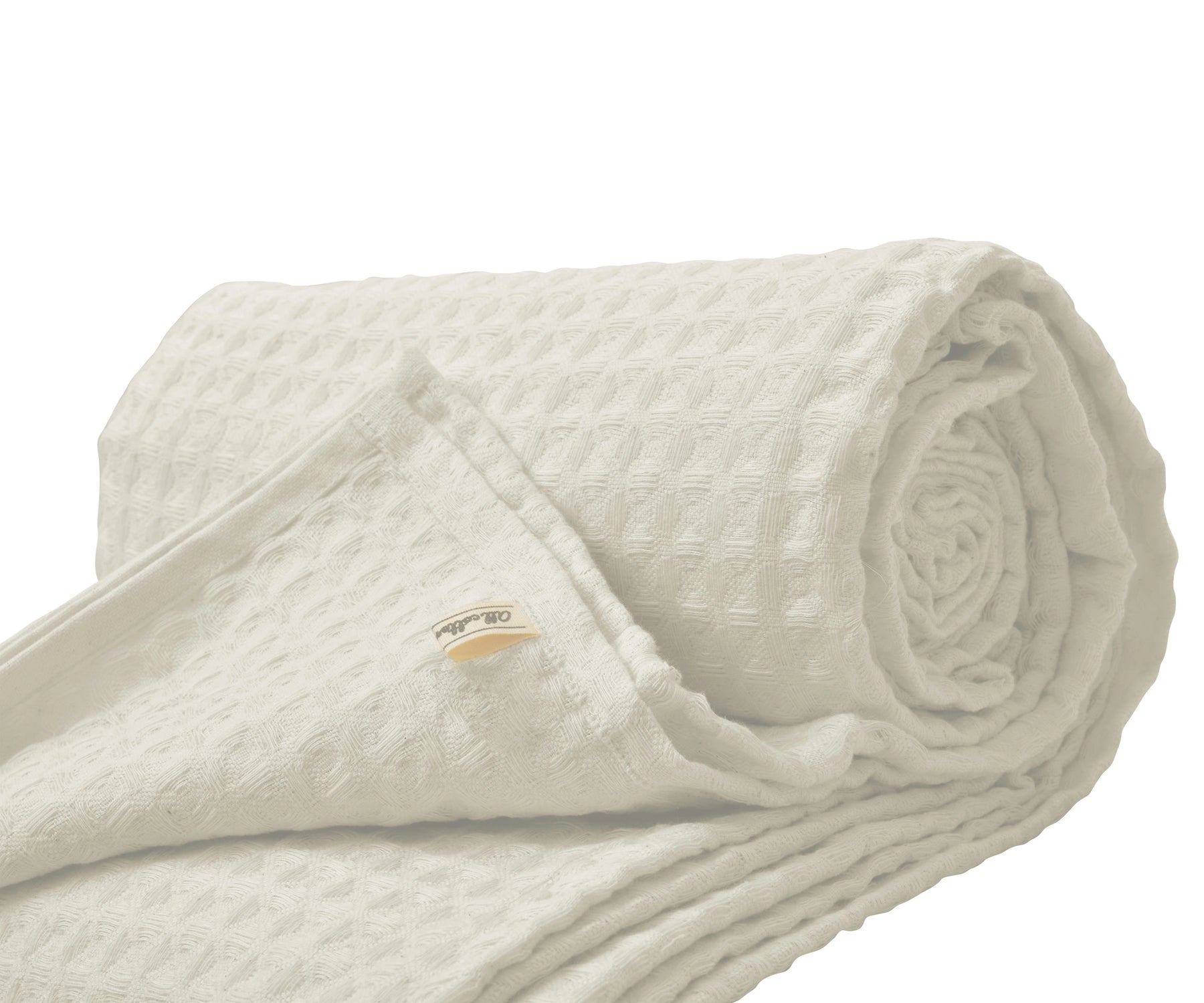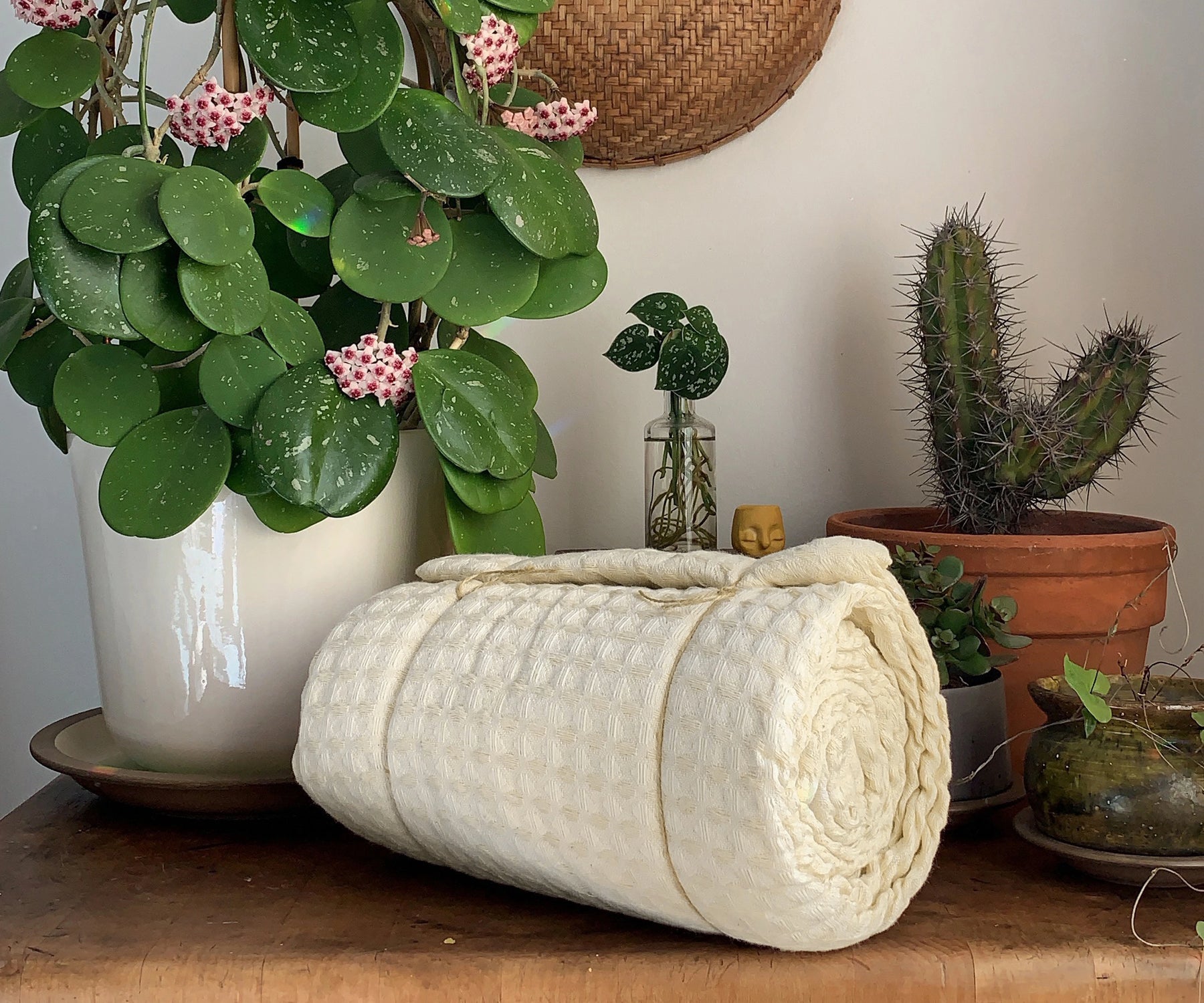

Choosing the right towel can be confusing with terms like "long staple cotton," "Turkish cotton," "Supima," "zero twist," and "GSM." A good towel should be absorbent, comfortable, durable, and suited to how quickly you need it to dry. Long staple cotton towels with a suitable GSM and dense terry loops are popular for softness and absorbency, while linen and cotton linen towels can be lighter and quicker to dry. Ultimately, the best towel depends on your preferences, bathroom space, and everyday needs.
What Is the Best Bath Towel? Material
Cotton is the fiber of choice for most bath towels, but simply stating that a towel is made from cotton does not give any information about its properties. Fiber length, level of absorbency, weight, and drying properties, as well as overall material quality, are important factors to consider: it is entirely possible to buy two different 100% cotton towels and for them to have nothing in common apart from the material.
Turkish Cotton Towels
Turkish cotton comes from Turkey and has longer staples (the length of the fiber) than many other types of cotton available. This allows the creation of first-rate towels with a soft, plush surface that is highly absorbent, yet lightweight. These towels emit less lint than many other cotton varieties and tend to get softer with every wash, offering exceptional value for the price. Turkish cotton towels are generally durable and gentle on the skin, offering a good balance of performance and comfort: a perfect option for those who want to feel pampered without spending an excessive amount on their towels.

Egyptian Cotton Towels
Another famous type of cotton is Egyptian, which is capable of producing the softest and most durable towels on the market. However, when purchasing Egyptian cotton towels, it is important to be aware that many products sold as Egyptian cotton can be made of inferior materials. Always make sure to check the percentage of Egyptian cotton in the blend if you want to receive the softness and density of a high-quality towel.
You May Also Like: How Often Should I Wash My Sheets?
Supima Cotton Towels
If you want to have another great option in Egyptian cotton, consider purchasing Supima cotton towels. This type of cotton is grown in the United States and has very long staples, allowing for high-quality, durable, fluffy towels. They are a great alternative to Turkish and Egyptian varieties, being more local than Egyptian cotton towels and offering the same level of softness and density.
Linen Bath Towels
Linen towels are a great choice for those who prefer quick-drying materials, as they are among the quickest to dry compared to cotton towels. Their level of absorbency is slightly lower than that of cotton towels, meaning that one will not soak up as much water. As a result, linen towels require less maintenance and can be a better choice in case of limited space and poor air circulation, typically in smaller bathrooms. Compared to cotton towels, linen towels are also less likely to retain odors and mildew, meaning that they are generally more hygienic and easier to keep clean.
Cotton-Linen Bath Towels
Cotton-linen towels combine the benefits provided by both materials, being less absorbent than cotton towels, yet offering a similar level of softness and density. They are typically lighter than cotton towels, which is an important consideration for those who want to store their towels in linen closets.
Bamboo and Bamboo-Cotton Blend Towels
Bamboo towels can be a good option if you prefer a smooth, silky feel against the skin. Bamboo-based fibers can absorb moisture, although they may not absorb as much as cotton in some towel constructions. They are also not automatically more durable than cotton, as longevity depends on the fiber blend, weave, and overall construction. If durability and frequent washing are your priorities, long staple cotton is a dependable choice for everyday use.
Microfiber Towels
Microfiber towels are thin, ultra-light, and quick-drying. These towels are perfect for those who value convenience and do not want to spend time washing and drying a bulky bath towel after each use. Microfiber is not as lofty as cotton towels, so it cannot provide the same level of softness and comfort. Meanwhile, it tends to trap odors, so it requires special care to prevent developing an unpleasant smell after a few uses.
Bath Towel Material Comparison
|
Material |
Softness |
Absorbency |
Drying Time |
Durability |
Best For |
|
Turkish Cotton |
High |
High |
Medium |
High |
Everyday luxury use |
|
Egyptian Cotton |
Very High |
Very High |
Slow |
Medium–High |
Plush, hotel-style feel |
|
Supima Cotton |
High |
High |
Medium |
High |
American-grown preference |
|
Linen/Cotton-Linen |
Medium |
Medium |
Fast |
High |
Humid climates, small bathrooms |
|
Bamboo |
High |
Medium |
Medium |
Medium |
Sensitive skin |
|
Microfiber |
Low–Medium |
Medium |
Very Fast |
Medium |
Travel, gym, quick-dry needs |
So, Which Bath Towel Material Is Best?
For daily use, long-staple cotton Turkish, Egyptian, or Supima remains one of the most reliable choices for softness, absorbency, and durability when it's well made. If drying speed and breathability matter more to you than maximum plushness, linen or a cotton-linen blend is worth considering instead.
Rather than picking a towel based only on the type of cotton listed, look at the full picture: fiber quality, towel weight, construction, absorbency, and how quickly it dries. A towel that feels wonderfully thick in the store isn't necessarily the right choice if it stays damp for hours after every shower.
Know About: What Are The Best Colors To Paint A Bedroom?
What Are the Softest Bath Towels?
If softness is your top priority, look past the word "plush" on the label. How the cotton fibers are prepared and how the towel is woven have a much bigger impact on the actual feel than marketing copy does.
Three terms are worth knowing when comparing soft bath towels:
Zero-twist towels use yarn spun with little or no twist in the cotton fibers. This creates a loose, airy construction that feels exceptionally soft and fluffy right out of the package. The tradeoff is that the looser structure can be less durable over time than a conventional terry weave.
Combed cotton towels are made by removing many of the shorter fibers before the cotton is spun into yarn. What's left is a smoother yarn of longer fibers, which gives the finished towel a cleaner, softer feel that holds up better to regular washing.
Terry towels have the familiar raised loops that make up most bath towels. Those loops increase the fabric's surface area, creating a soft, cushioned feel. Loop density and height vary by brand, so two terry towels with a similar weight can still feel noticeably different in hand.
What Does GSM Mean on a Bath Towel?
GSM stands for grams per square meter, and it tells you how much the towel weighs relative to its size. It's a useful way to compare thickness, but it shouldn't be treated as a direct stand-in for softness or overall quality.
|
GSM Range |
Feel |
Drying Time |
Best For |
|
300–400 |
Lightweight, thin |
Fast |
Travel, gym, warm climates |
|
400–600 |
Balanced, everyday |
Moderate |
Daily bathroom use |
|
600–900 |
Plush, substantial |
Slower |
Spa-style comfort, guest bathrooms |
Lower-GSM towels dry faster and pack down easily, which makes them a practical choice for travel, the gym, or warmer climates. Mid-weight towels in the 400–600 range tend to strike the best balance of softness, absorbency, and drying time for everyday bathroom use. Higher-GSM towels feel thicker and more substantial, closer to a spa or hotel experience, but they also take noticeably longer to dry, so they work best in bathrooms with good airflow.
For most households, a well-made towel in the 600–800 GSM range delivers a comfortable middle ground. If you want something heavier, that's fine; just make sure your bathroom has enough space and ventilation for it to actually dry between uses.

What Are the Most Absorbent Bath Towels?
A soft towel isn't automatically the most absorbent one. Absorbency comes down to several factors working together: fiber, yarn, weave, and overall construction.
Cotton is naturally good at pulling in moisture, which is a big reason it's remained the default fiber for bath towels. Long-staple cotton also produces strong, smooth yarns that perform well in a looped terry construction.
Weave matters just as much as fiber. Terry towels use raised loops that give water plenty of surface area to soak into. The height and density of those loops directly affect how quickly the towel absorbs moisture.
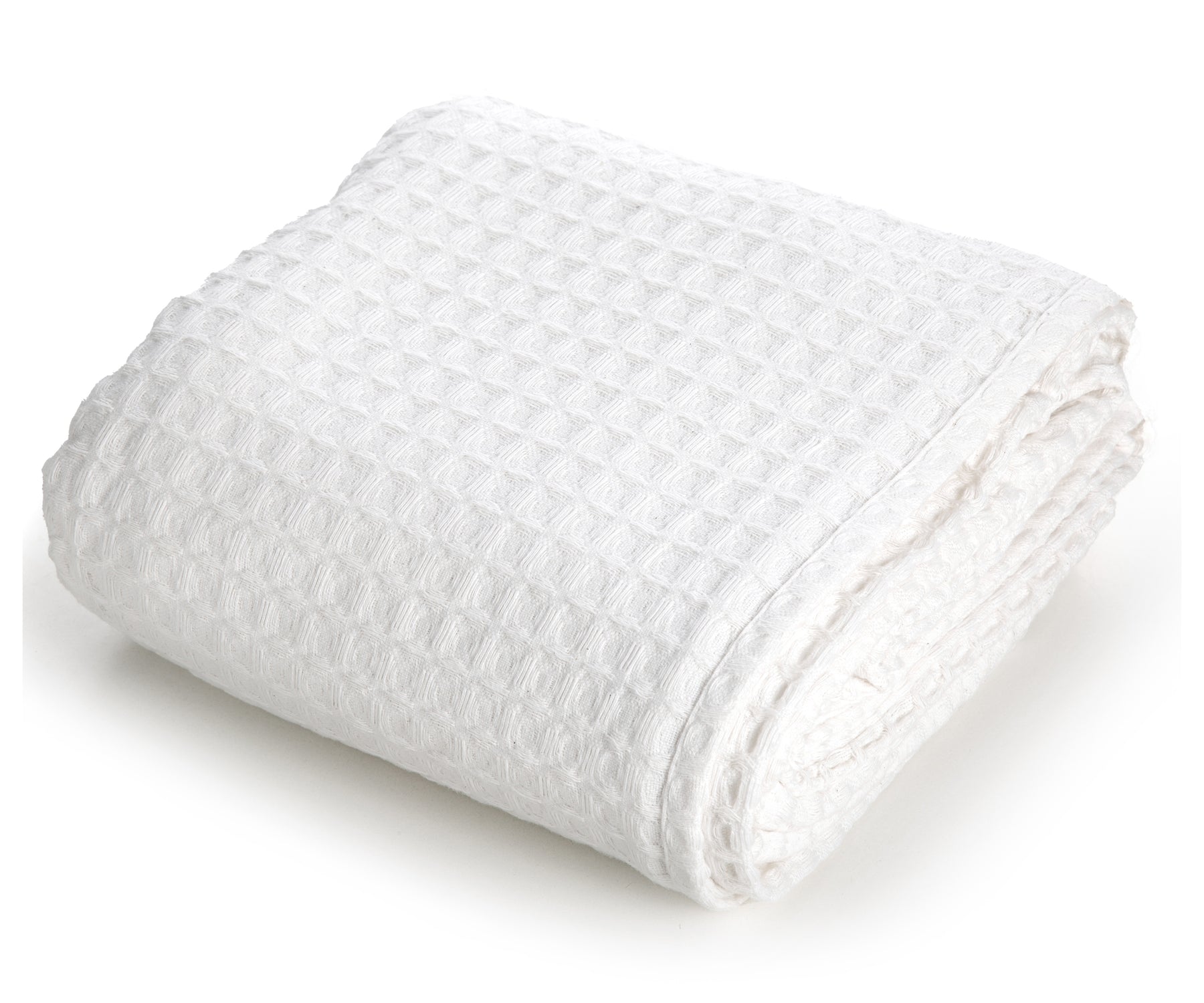
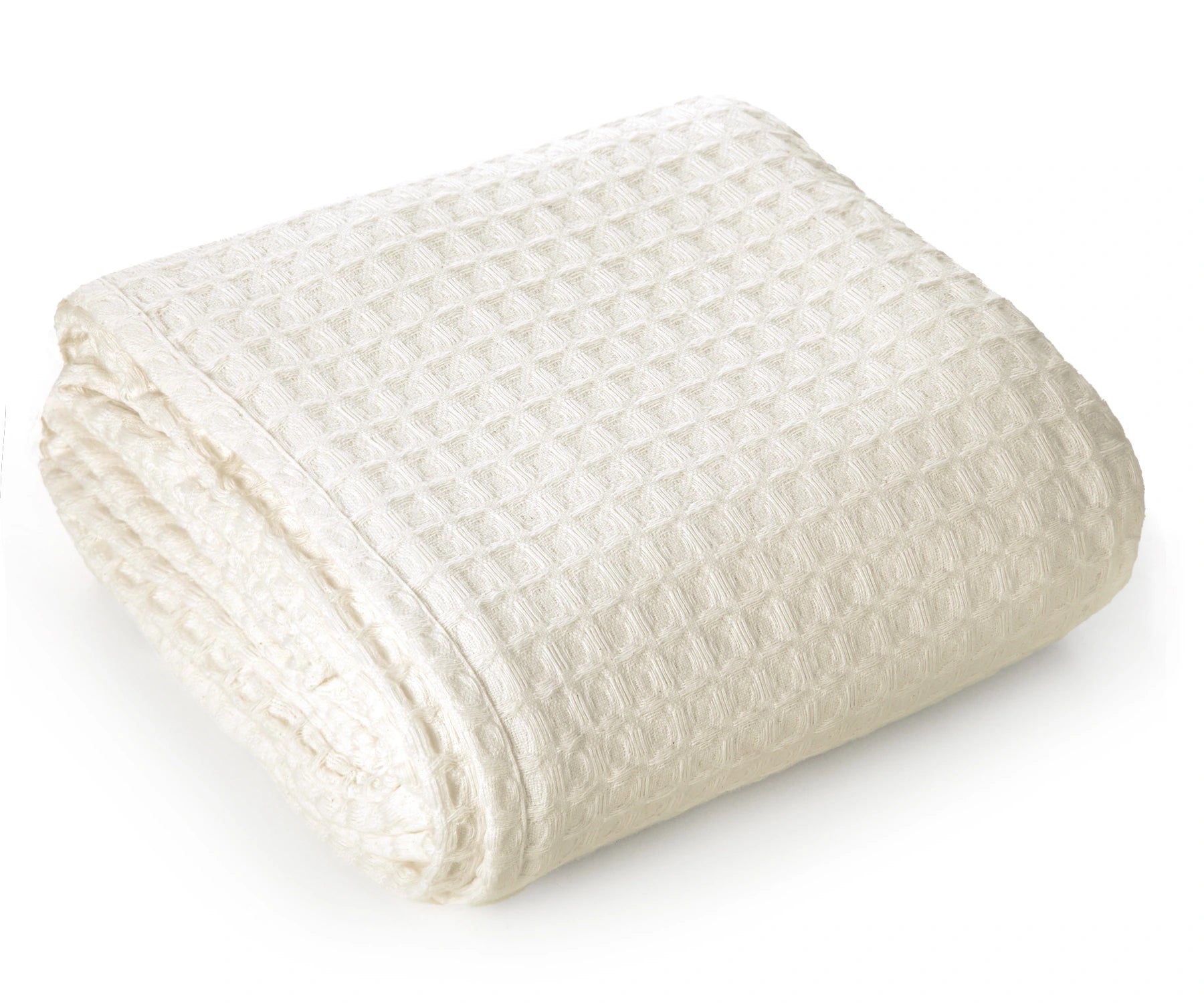
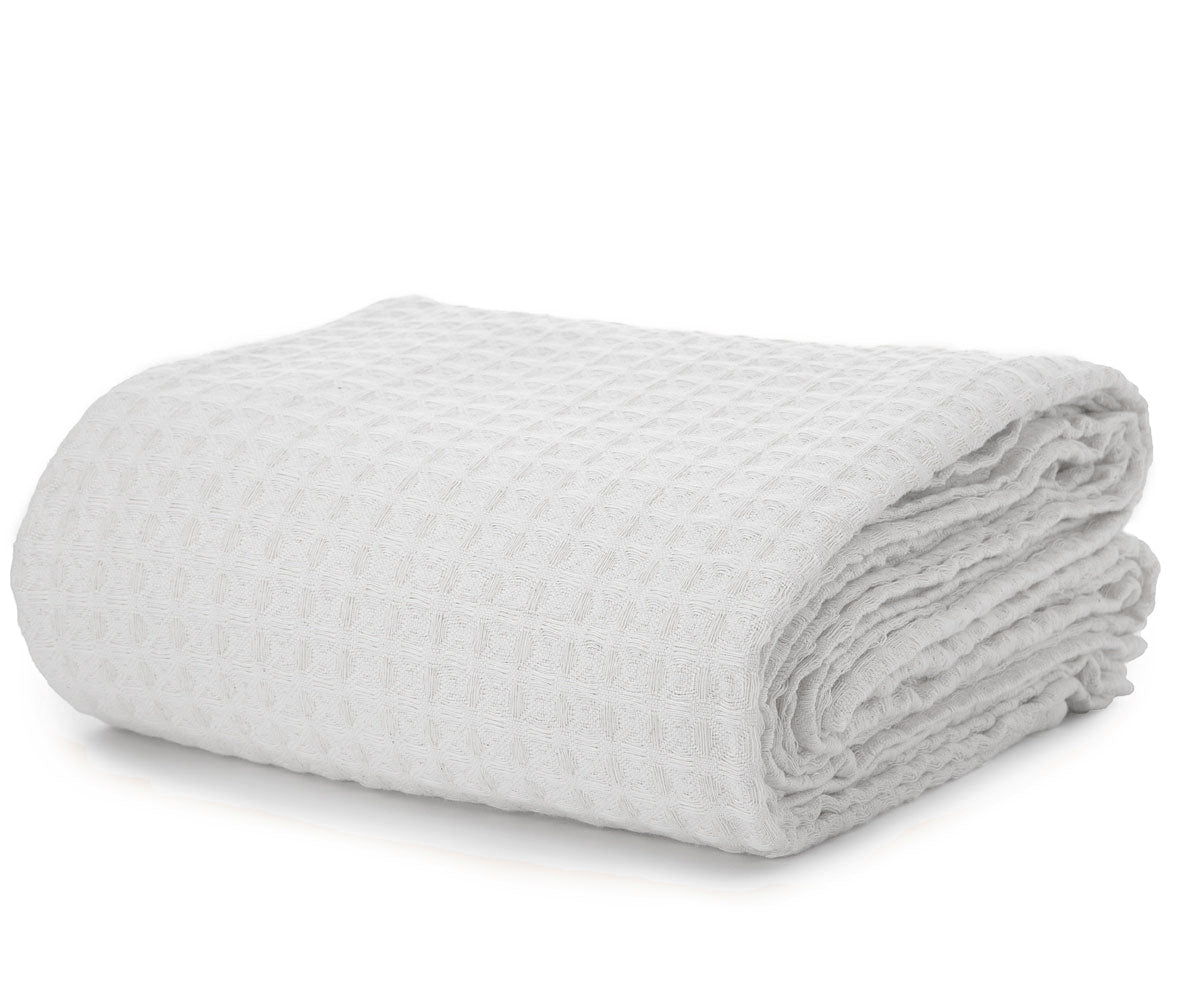
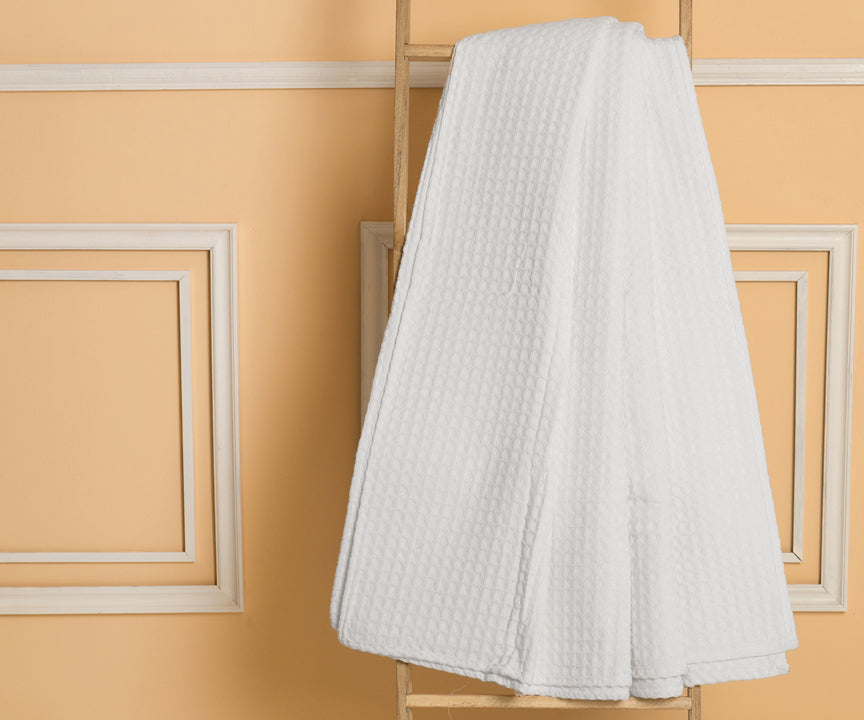
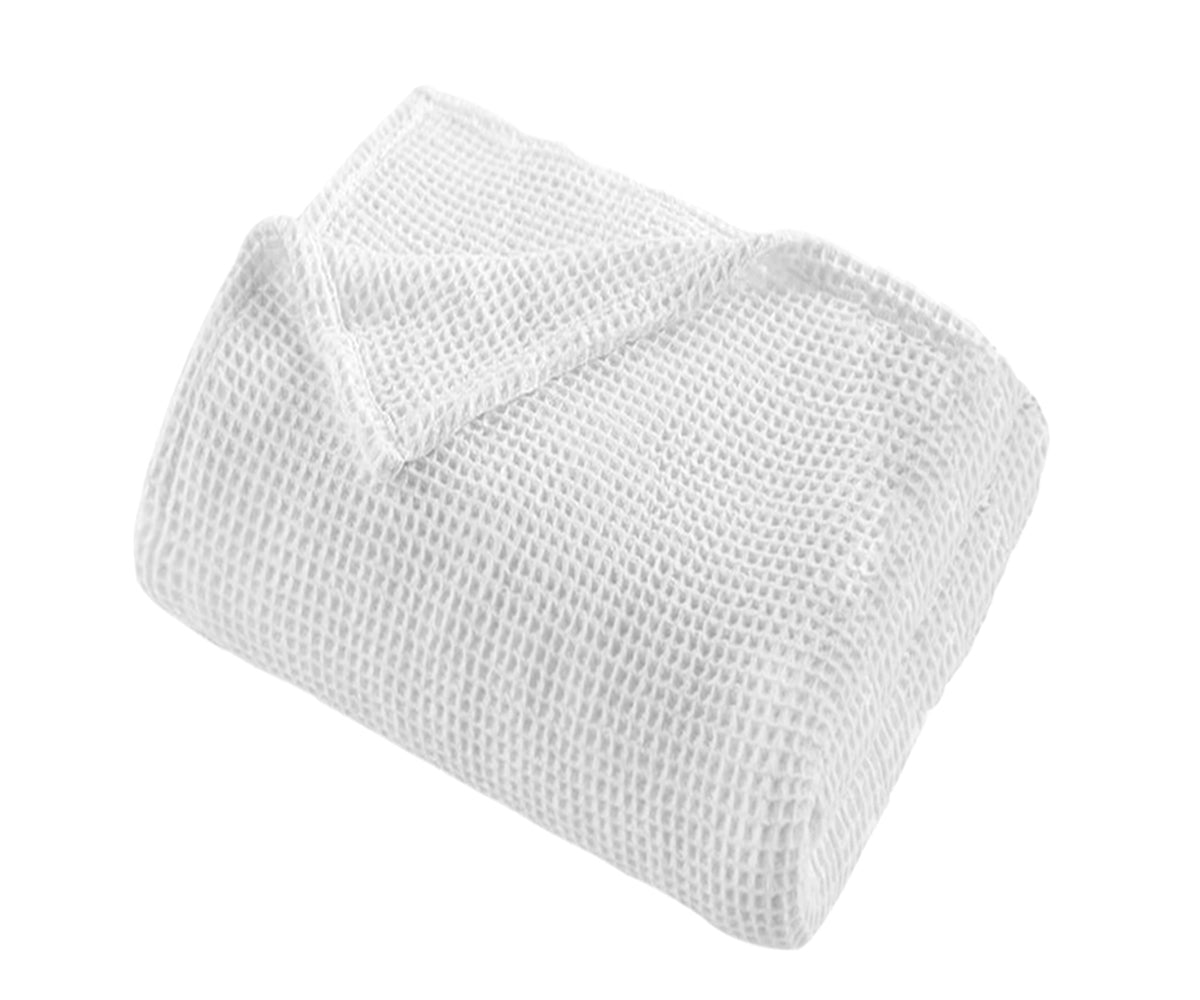
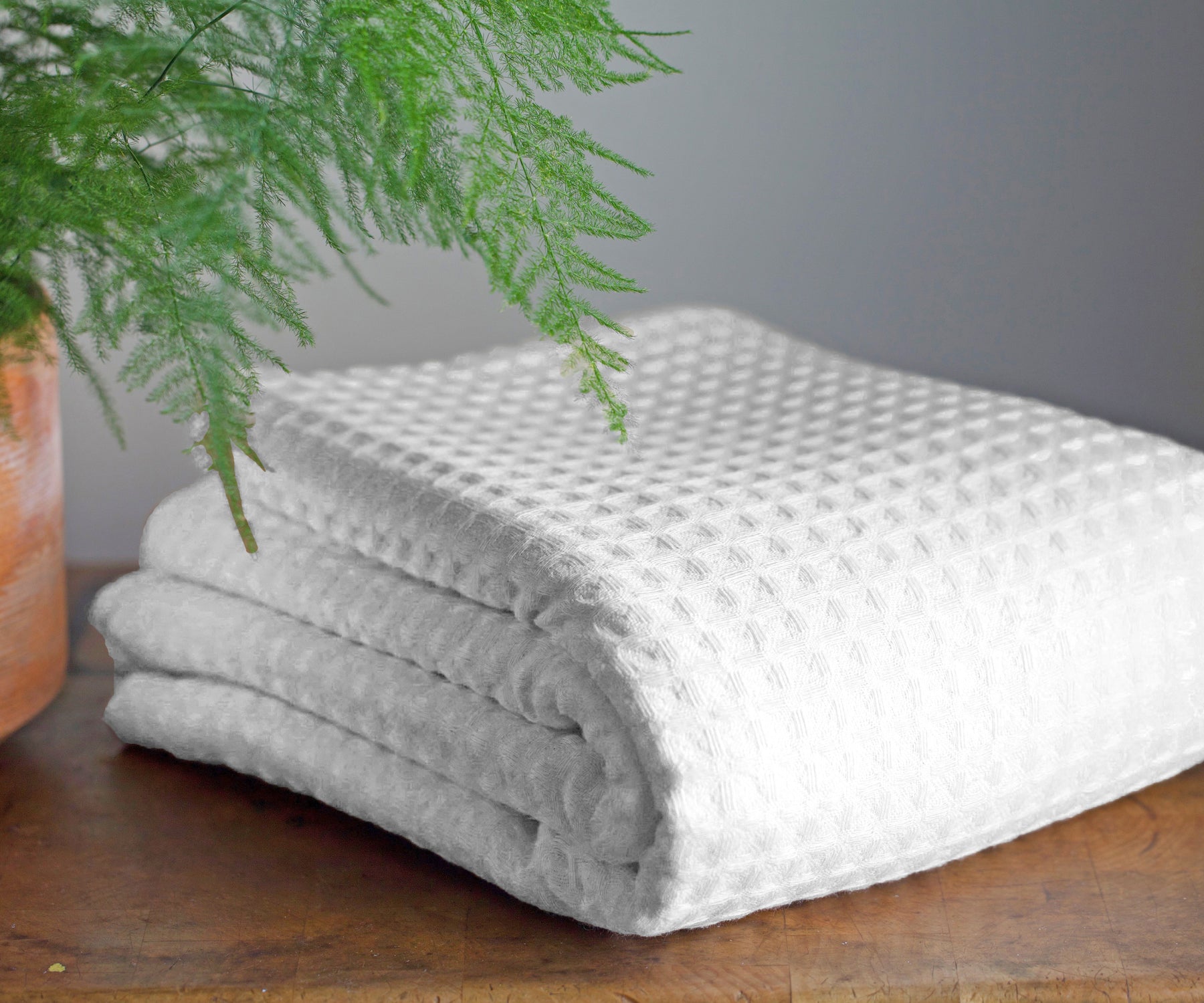
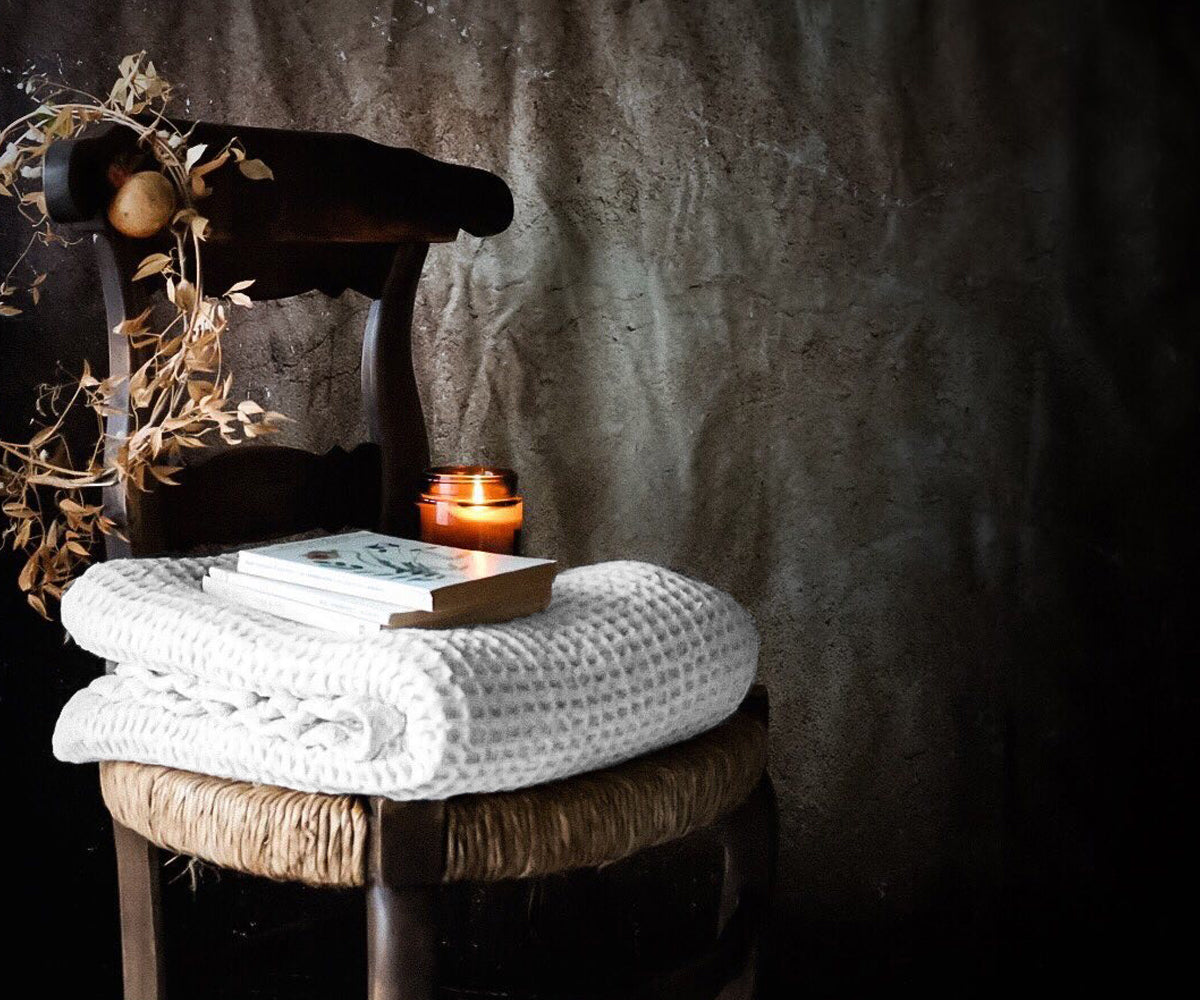
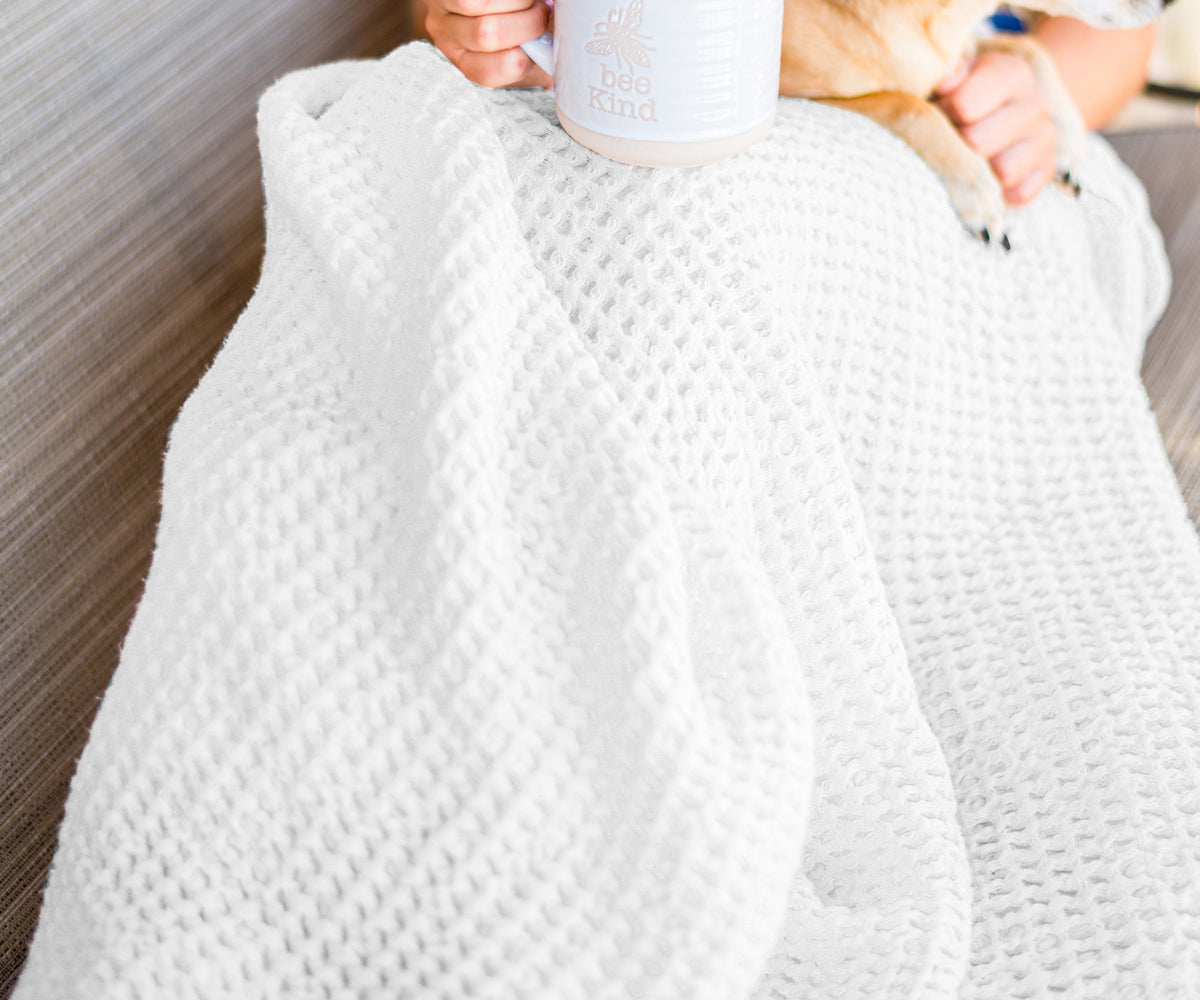
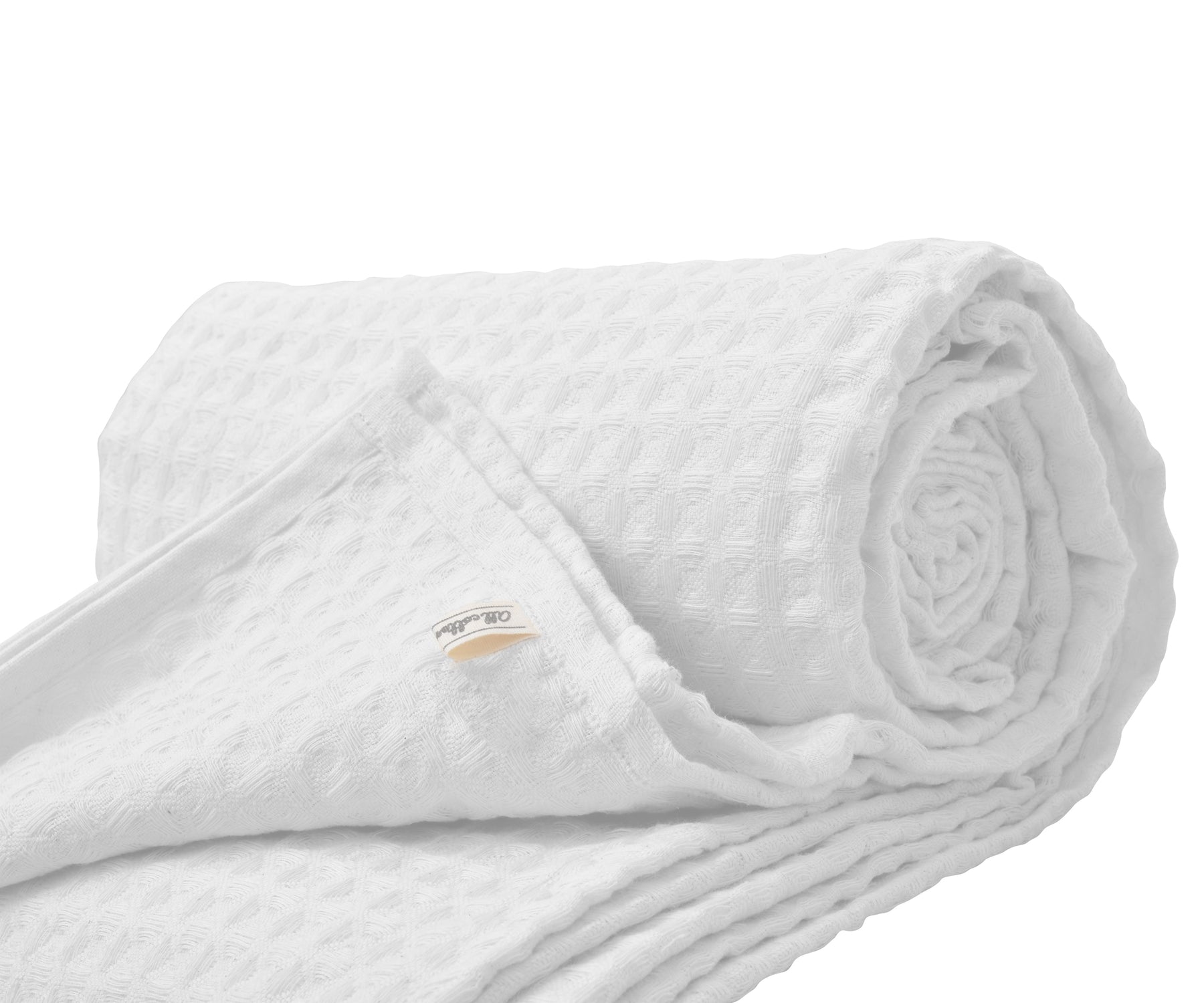
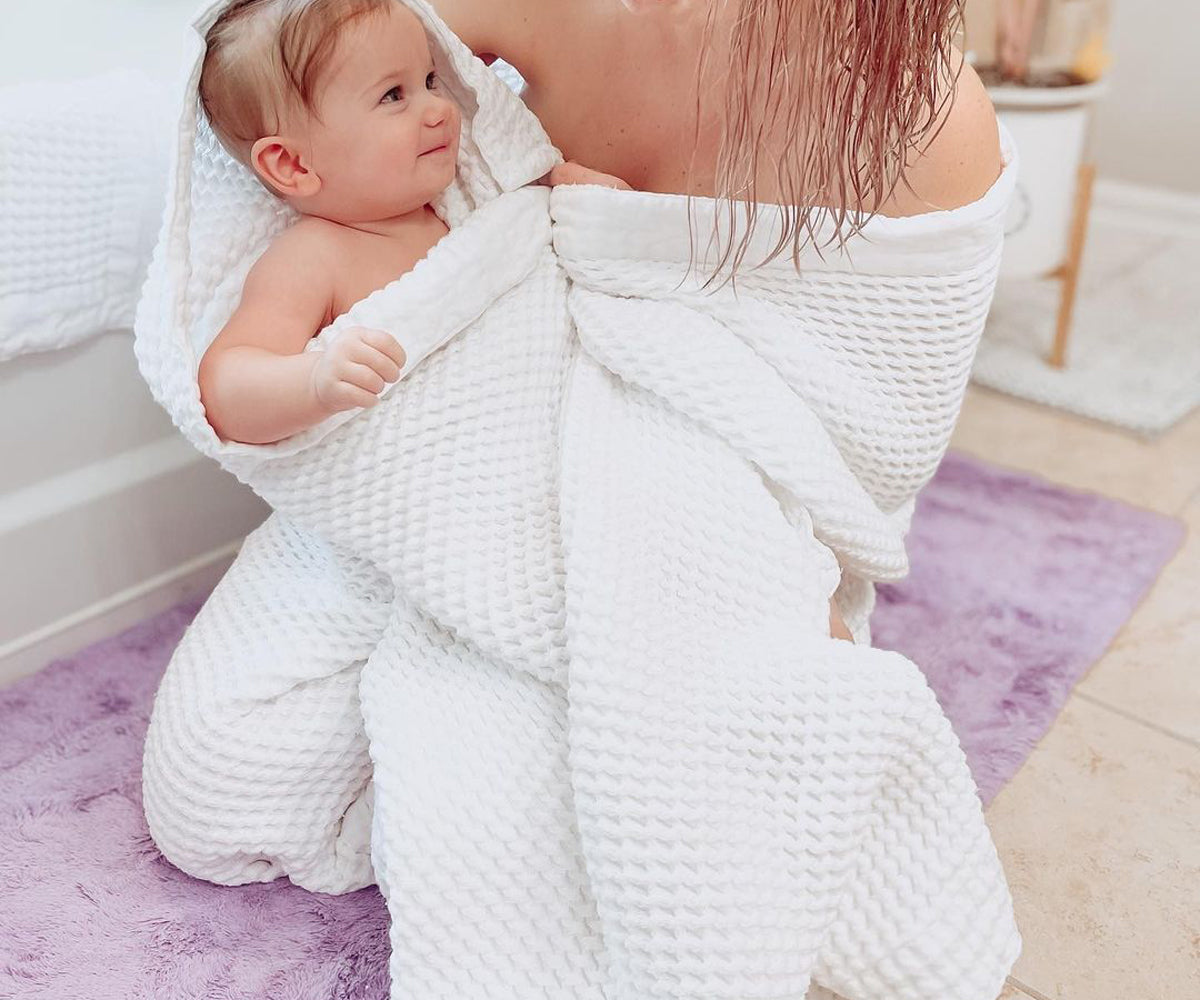
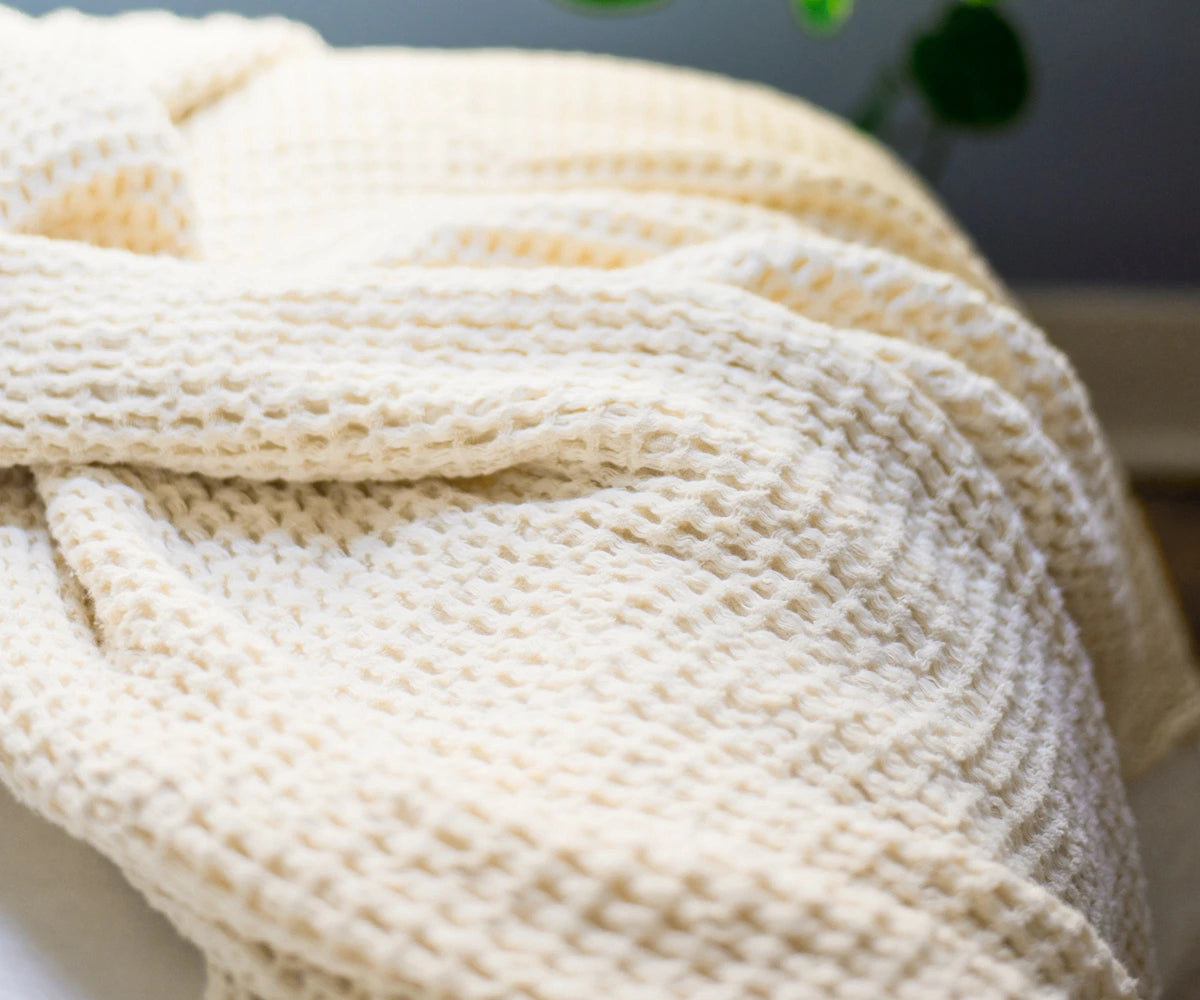
Waffle-weave towels have a textured, three-dimensional surface that increases surface area without adding much bulk. They're generally lighter and dry faster than thick terry towels, which makes them a solid option if you're tired of towels that stay damp for hours.
GSM gives you a useful sense of a towel's weight and density, but heavier doesn't automatically mean more absorbent. A very thick towel can hold a lot of water while also taking much longer to dry out, which, in a humid bathroom, works against you. For most households, a well-made 600–800 GSM cotton towel offers a sensible balance rather than simply grabbing the heaviest one on the shelf.
Bath Towel vs. Bath Sheet: What's the Difference?
The difference comes down to size. A standard bath towel typically measures around 27 x 52 inches, enough to dry off comfortably without taking up excess space on a towel bar or in a linen closet. A bath sheet runs larger, usually starting around 35 x 60 inches, giving you a full-body wrap similar to what you'd get at a spa or upscale hotel.
Bath sheets dry you off faster simply because there's more fabric doing the work, and many people find them more comfortable to wrap up in after a shower. The tradeoff is practical: bath sheets take up more storage space, dry more slowly themselves, and cost more per piece.
How many should you own?
A common guideline is two to three bath towels per person, which covers daily use plus laundry rotation. If you're switching to bath sheets, one to two per person is usually enough since each one covers more ground.
If you're unsure which to buy, start with one bath sheet to test the feel before replacing your whole rotation; plenty of people end up using a mix of both depending on the season or how much time they have to let towels dry.
Where Is the Best Place to Buy Bath Towels?
Where you shop often comes down to how much information you want before you commit to a purchase. Big-box retailers offer plenty of choice, but product descriptions can vary wildly, which makes it hard to compare fiber, construction, and GSM on equal footing.
Specialist home-textile brands tend to make comparisons easier because they publish more detail about fabric, weight, and construction up front. Buying directly from a dedicated bath and linen brand like All Cotton and Linen's bath towel collection also means clearer information about materials and care from the start, rather than digging through vague marketing copy to figure out what you're actually getting.
Wherever you shop, don't rely on words like "luxury," "ultra-soft," or "hotel quality" on their own. Check the fiber type, GSM, weave, and care instructions instead. Customer reviews can also tell you something a product description can't: whether the towel stays soft and absorbent after dozens of washes, not just on day one.
A towel that feels incredible the moment you touch it in the store isn't necessarily a good long-term purchase. What matters is how it performs after months of actual use.
How to Make Bath Towels Last Longer
Even a well-made bath towel loses softness and absorbency without proper care. A few small changes to your laundry routine make a real difference over time.
Wash new towels before first use.
This removes manufacturing residue and helps the fibers start absorbing water the way they're supposed to.
Skip the fabric softener.
It leaves a coating on the fibers that reduces their ability to soak up moisture. If your towels already feel stiff or coated, washing them according to the manufacturer's care instructions can help strip built-up residue.
Don't overload the washing machine.
Towels need room to move freely through a wash cycle. Overcrowding leaves them less thoroughly cleaned and can actually shorten their lifespan.
Wash at the right temperature and frequency.
Warm water (around 104–140°F) does a better job of cutting through body oils and residue than cold water, and washing towels every three to four uses keeps bacteria and odor from building up.
Dry towels completely before folding and storing.
A tumble dryer on an appropriate setting helps keep terry loops fluffy, while line drying is a good option when conditions allow it and also happens to be gentler on the fibers long-term. Giving towels a good shake before drying helps separate the loops and prevents them from matting flat.
What Makes a Bath Towel Worth Buying?
The best bath towel isn't necessarily the thickest, softest, or most expensive one on the shelf. It's the one that actually suits how you use it.
For everyday bathing, look for absorbent cotton, solid terry construction, and a GSM that balances softness, weight, and drying time, typically 600–800. If quick drying matters more to you, a lighter towel, a linen blend, or a waffle weave makes more sense. If you want that thick, cozy, wrap-yourself-up feel, a heavier cotton towel is worth the extra drying time.
Rather than judging a towel by one claim on the packaging, weigh fiber, construction, GSM, and care requirements together. That combination is a far better indicator of whether a bath towel is actually worth buying than any single word on the label.
Ready to upgrade your everyday routine? Shop All Cotton and Linen’s bath towel collection for soft, absorbent towels made for everyday comfort.