

What Are Bathrobes Made Of?
It's a question everyone should answer before buying, since it's all about fabric. There are a few common types that distinguish genuinely useful after-shower robes from the kind that only look cosy.
Cotton is the most common, and for good reason; it's a naturally absorbent, breathable fabric that's gentle on damp skin. The quality varies wildly, depending on the fiber and weave.
Terry cloth, a looped cotton weave, is the go-to for bathrobe fabric. The loops trap air and increase the surface area, so a terry robe will absorb any lingering moisture quickly and retain warmth well after drying. It's a heavy, thick fabric, which some people find too warm outside of winter.
Turkish cotton is a variation of the terry weave made from longer cotton fibers. The fabric comes from the Aegean region of Turkey and produces a noticeably plusher, more absorbent, and more durable material.

Fit and Length Matter More Than People Expect
Fabric choices tend to hog the conversation, but a badly fitting robe will ruin many hours spent trying. A robe that's too short will leave your leggings or shorts hanging out the bottom the minute you leave the warm bathroom. A robe that's too long will trail on wet floors or become a trip hazard.
A knee-length, or slightly shorter, length is the most practical for everyday use, giving you the coverage and warmth you need without extra fabric getting in the way. Full-length, ankle-grazing robes feel a bit more indulgent and are suited to colder mornings or simply lounging but are less practical for moving around immediately after a shower.
A properly adjustable waist tie is worth checking out, as a fixed tie or a poorly placed one will either gape open or be too short. Wide, turn-back cuffs and a substantial shawl collar give a much more premium feel and, practically speaking, trap more warmth around your neck.

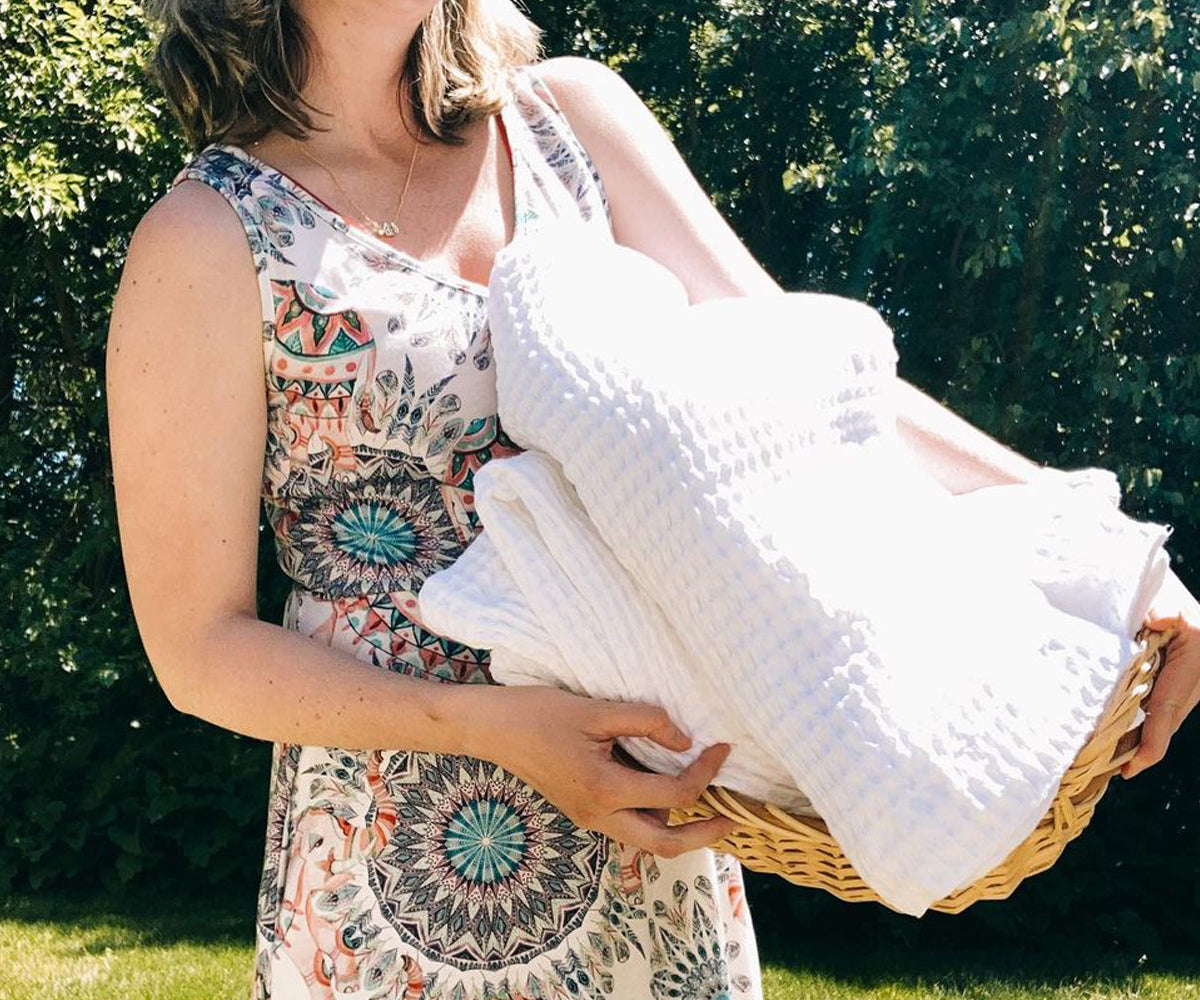
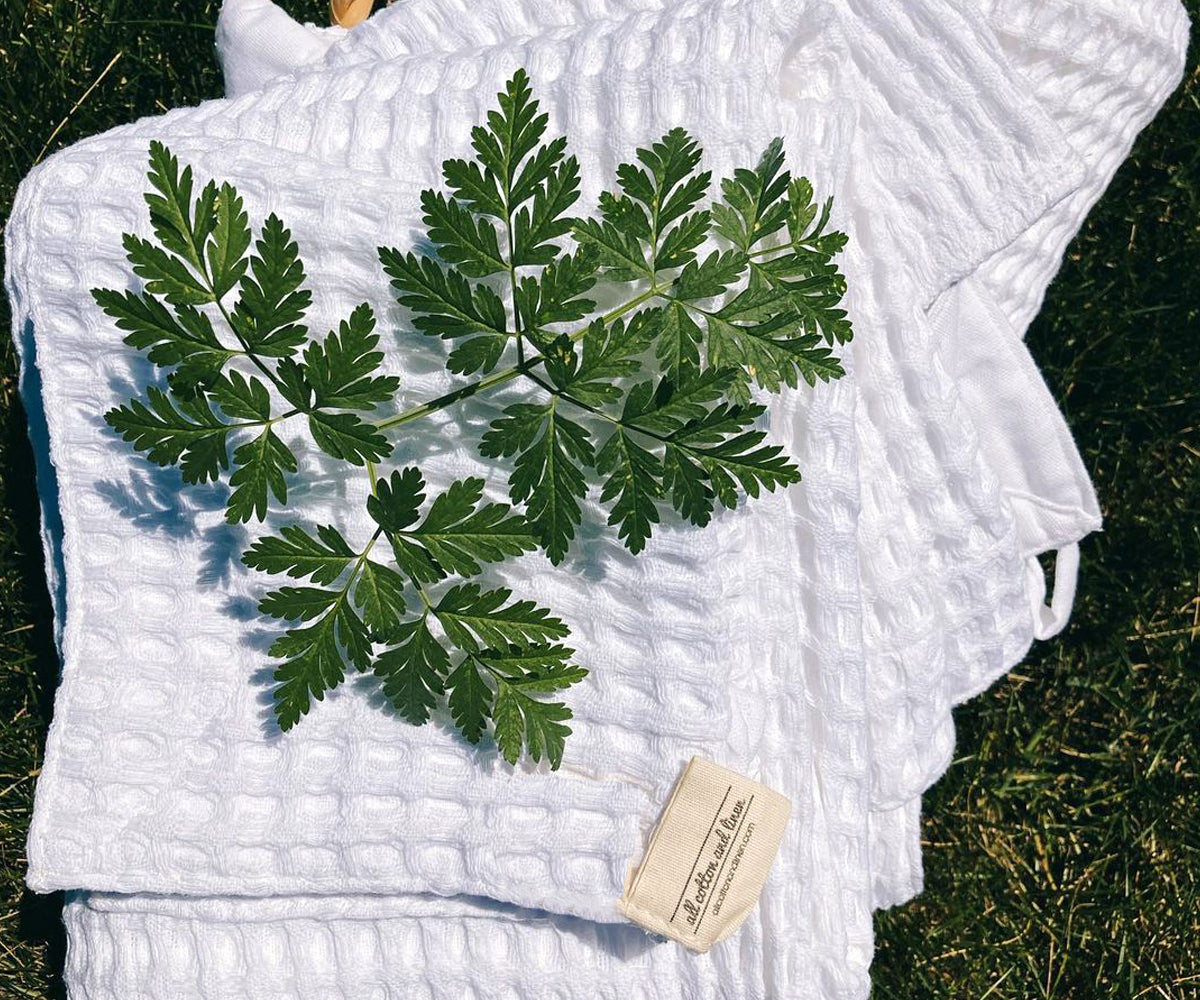
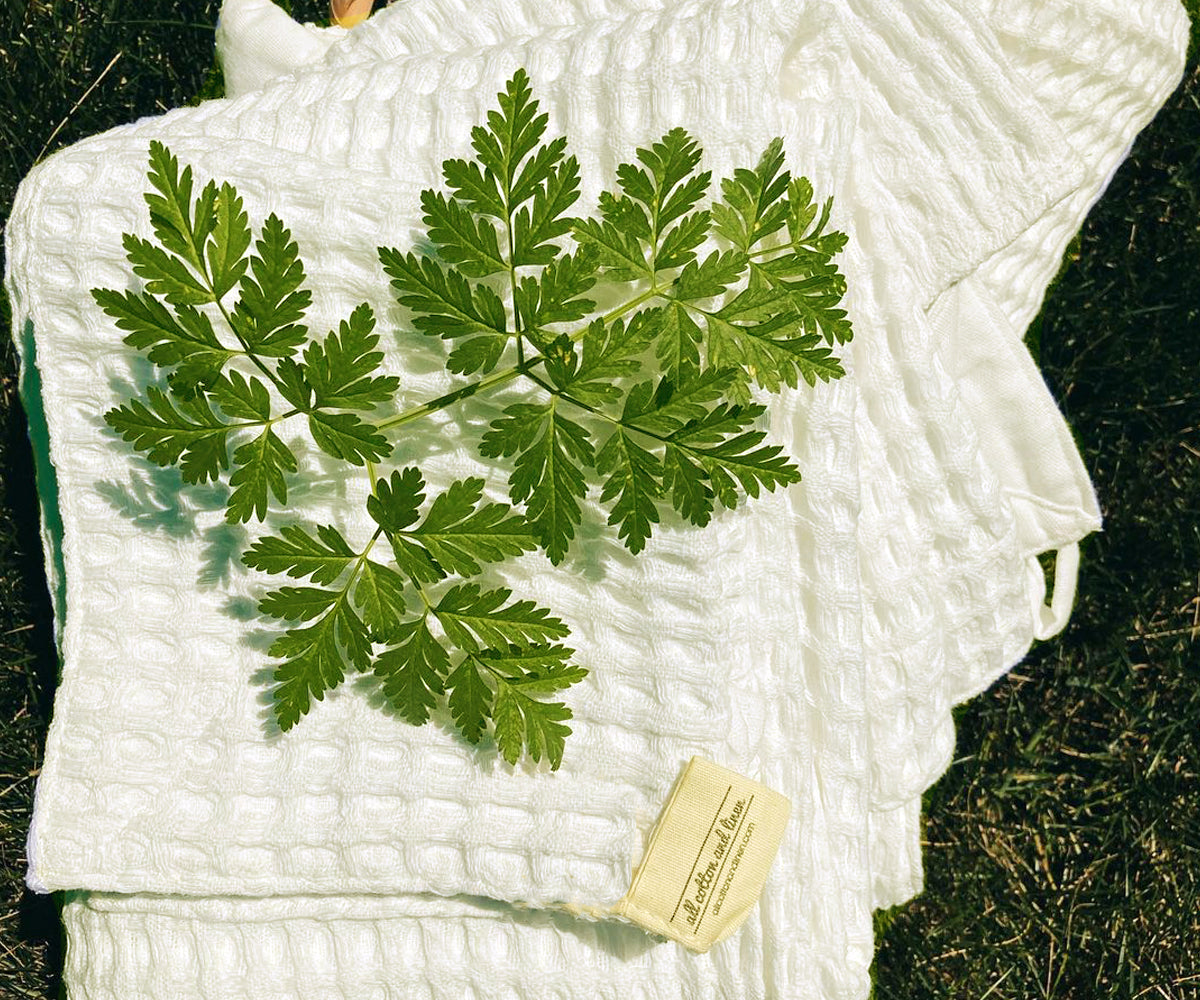
Waffle-weave fabric has a honeycomb-type surface, unlike the looped surface of terry. It's lighter than terry, but still absorbs a similar amount of moisture and dries out quicker.
Linen is another option for hot climates or in summer. It's lightweight and highly breathable. It doesn't trap heat as terry or fleece does but is less absorbent than cotton, so it is only suitable if you're already fairly dry.
Microfiber is a synthetic fabric that dries incredibly fast and packs down small for easy travel. It doesn't have the natural feel of cotton or linen and doesn't breathe as well, retaining odors more easily.
Bamboo fabric has a silky feel and reasonable moisture-wicking properties. It's gentler on the environment than some synthetic fabrics but less hard-wearing.
Fleece and silk are poor options in most cases. Fleece is a warm, padded fabric but is not very absorbent, so it is a poor choice right after the shower. Silk feels luxurious on the skin and makes a good lightweight robe for evenings but offers little in the way of absorption.
Explore More: How to Fold Bath Towels: Simple & Space-Saving Hacks
Matching the Fabric to How You'll Actually Use It
After choosing between the available materials, the next step is knowing how to use it. If you want one robe to dry you off, cotton terry or Turkish cotton is genuinely the better choice; nothing else on this list absorbs water as efficiently. If you run hot, live somewhere with hot summers, or find heavier fabric stifling, a lightweight waffle or linen robe will feel much more comfortable and won't dampen you for long.
For colder climates, or those who want a robe purely for lounging, a plush fleece or heavier terry is a good choice, preferably kept separate from a lighter robe used straight after washing.
Features Worth Actually Paying For
Deep pockets are one of the best features on a bathrobe, genuinely useful for keeping your phone while making coffee or your keys while nipping out for the post. A hood provides extra warmth for anyone who steps outside briefly or likes the extra cosiness.
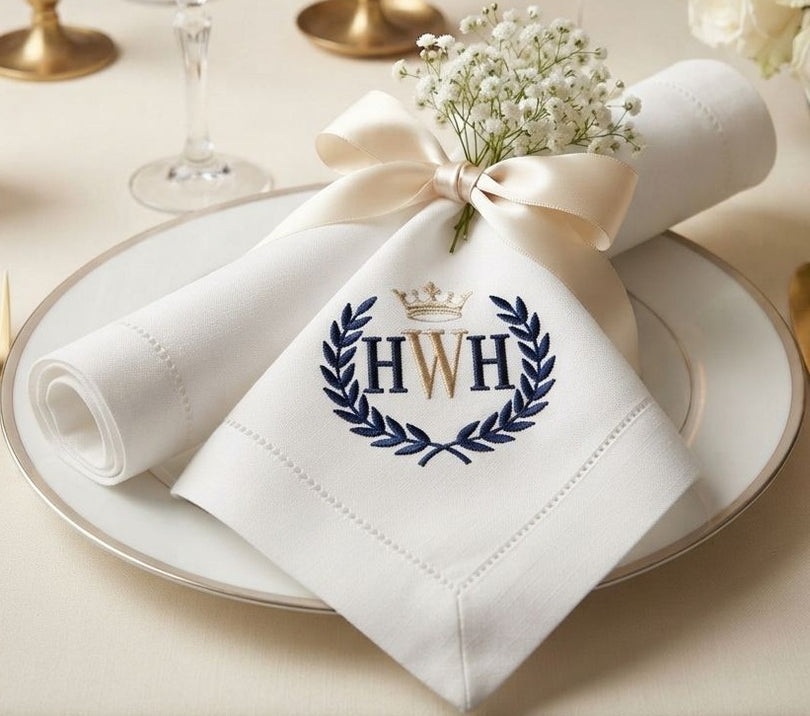
Some robes have hanging loops built into the inner collar, which lets the robe out of the way without dragging wet fabric over a floorboard or damp towel rail. For households with multiple people, color-coded or embroidered initials solve the problem of whose robe is whose, especially with plain white terry robes.

Caring for Your Bathrobe So It Actually Lasts
A robe's absorbency is negatively impacted if it's washed with fabric softener, as the coating that makes it feel silky-smooth also blocks the cotton fibers from soaking up water, defeating the point of an after-shower robe. Wash on warm, not hot, cycles to protect the fibers, and avoid tumble dryers' highest setting, which will shorten the lifetime of terry loops.
If a robe begins to feel flat or less absorbent after months of use, a wash with a splash of white vinegar (instead of detergent) occasionally strips build-up, restoring much of the robe's original softness. Hang robes to dry between uses, rather than bunching them up on a hook, since permanently damp fabric is where musty smells start.
Key Takeaways
The right bathrobe is not necessarily the thickest or most expensive one; it depends on what you intend to use it for and which fabric you feel most comfortable in.
If you need something highly absorbent to wear after the shower, go for cotton or terry. If you want to lounge around in your robe on warm days, opt for something less thick and more breathable, such as linen or a cotton blend.
Once you have picked the fabric, it is up to you to choose the style, color, collar, length, and monogram if you want. After all, the fabric is the most important part of any garment; everything else is optional.