

What TSA Actually Says About Jewelry
TSA does not require travelers to remove jewelry before passing through security. Their official position is that most jewelry, particularly fine jewelry and smaller pieces, does not need to come off at the checkpoint.
However, TSA has also noted that heavy jewelry worn before going through security can increase the likelihood of triggering a metal detector alarm, which then results in a pat-down screening. Their advice: if you're wearing particularly heavy or layered pieces, consider putting them on after you've cleared security to reduce the chance of an alert.
The bottom line: TSA permits jewelry at checkpoints, but the detector has the final word, and bulky or layered metal pieces are more likely to set it off.
TSA Guidelines for Wearing Jewelry Through Security
-
Most Jewelry is allowed: Rings, necklaces, bracelets, watches, and earrings can be worn through TSA security.
-
Keep Valuable Jewelry With You: TSA advises against placing valuable jewelry in checked luggage.
-
Private Screening is an Option: If you prefer discretion, you can request a private screening.
Jewelry That May Trigger the Metal Detector
Certain types of jewelry are more likely to set off the alarm:
Chunky or statement necklaces — Large metal pieces with significant metal content are more likely to trigger the detector. If you're wearing a substantial layered necklace, it's worth removing it before the scanner.
Stacked rings or multiple bracelets — Individual pieces may not trigger an alarm, but wearing multiple metal pieces together increases the cumulative metal signal. If you're stacking rings across multiple fingers or wearing several bangles, consider removing them.
Wide metal cuff bracelets — A single wide metal cuff carries significantly more metal than a thin chain and is more likely to cause an alarm.
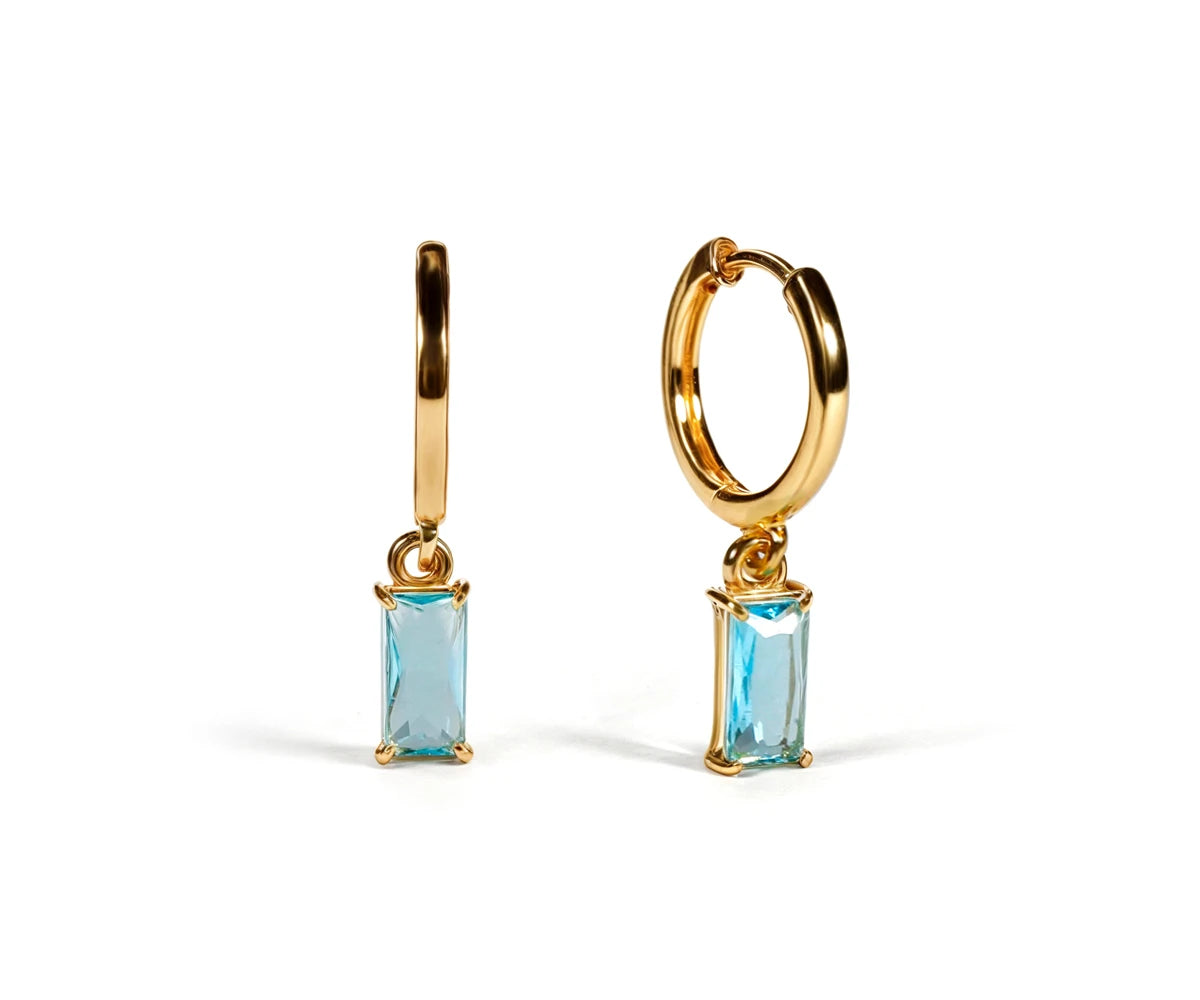
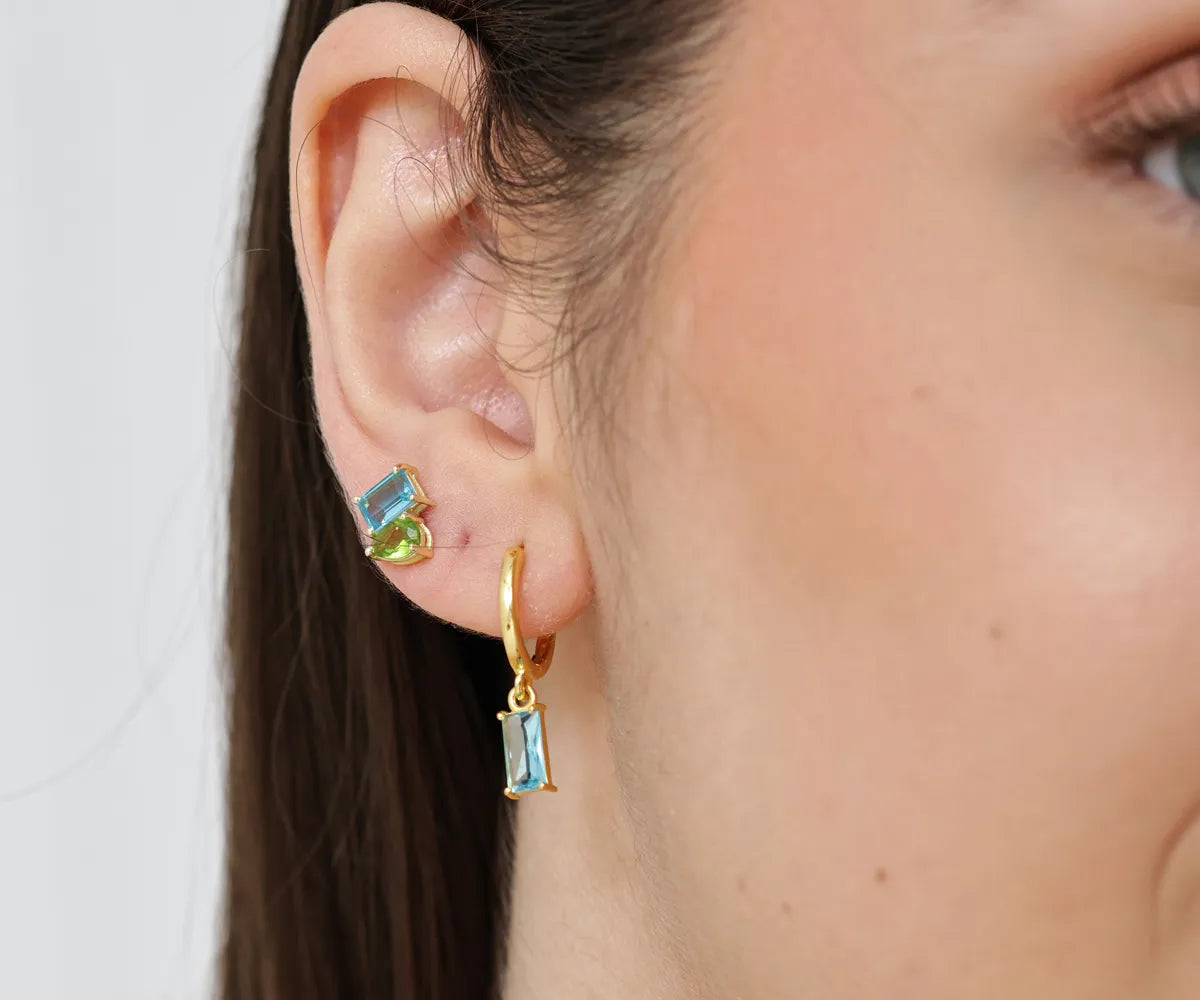
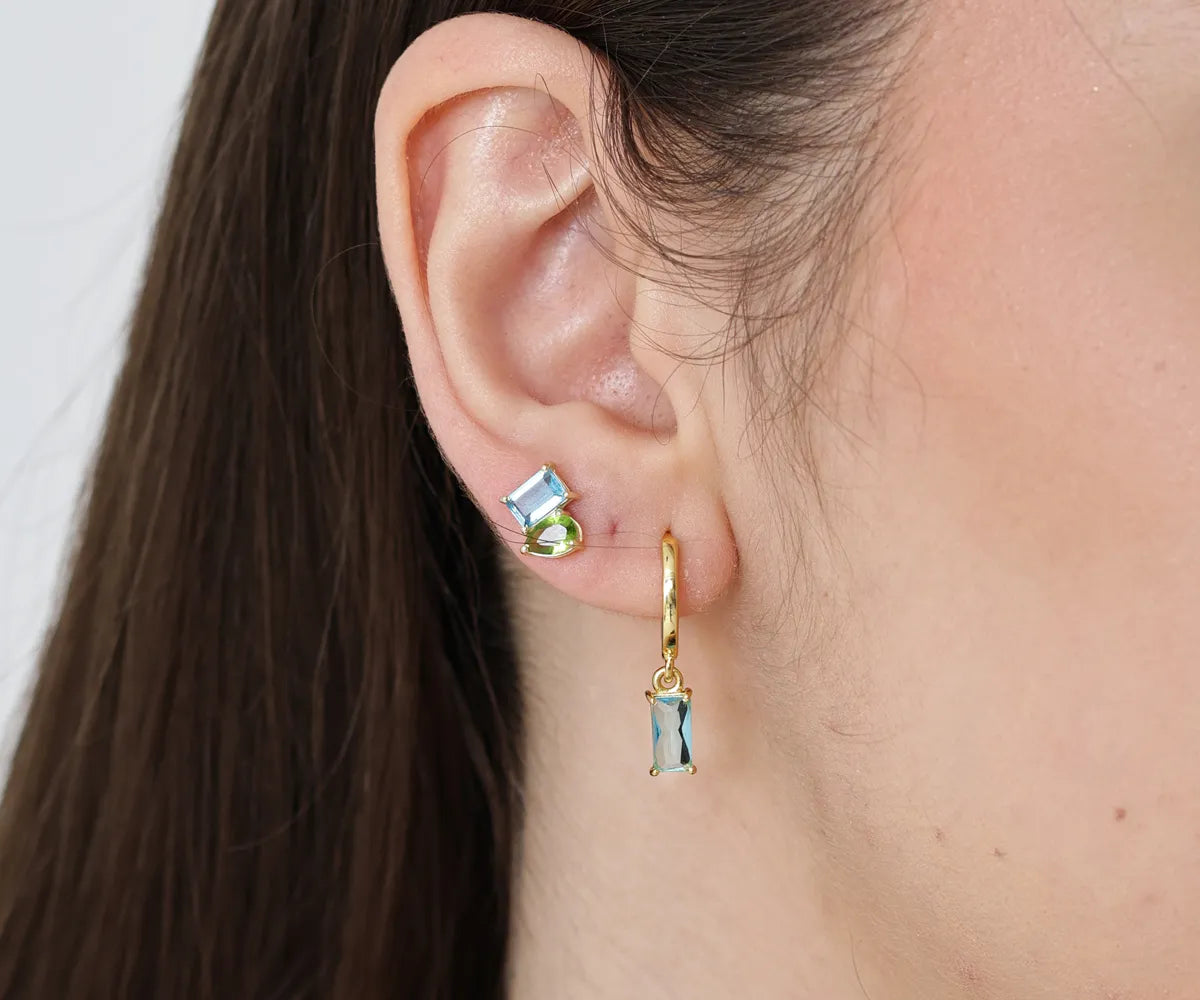
Large hoop earrings — Very large gold or silver hoops with significant metal content can occasionally trigger alerts, particularly at more sensitive checkpoints.
Body jewelry with large metal components — Certain body piercings with large gauge metal can trigger detectors. If you cannot remove body jewelry, inform the TSA officer before screening. A visual inspection or alternative screening method will be used.
Heavy charm bracelets — Multiple charms, particularly large ones, add up to a meaningful amount of metal and may flag the detector.
TSA PreCheck and Jewelry
TSA PreCheck members go through expedited security lanes with reduced requirements: shoes stay on, laptops stay in bags, and liquids don't need to come out. Jewelry rules remain the same, but the lower-intensity screening environment means metal detectors are less sensitive, and you're less likely to experience delays.
If you travel frequently and wear jewelry regularly, TSA PreCheck is worth considering, specifically for the reduced friction at security.
How to Get TSA PreCheck
If you’re wondering how to get TSA PreCheck, the process is simple. Apply online through the official TSA website, schedule an in-person appointment for background verification, and pay the enrollment fee. Once approved, you’ll receive a Known Traveler Number to use when booking flights.
Read More: How to Style Earrings for Every Face Shape | Earrings Style 2026
How to Store Jewelry When Flying: Carry-On vs. Checked Bag
Always carry valuable jewelry in your carry-on bag — never in checked luggage. Checked bags can be lost, delayed, or mishandled, and valuables placed in checked bags are not covered by airline liability in most cases. If a bag is lost or stolen, you have no recourse for valuables left in it.
Best ways to carry jewelry in your carry-on:
Use a jewelry travel pouch or organizer, a small zip pouch, or a dedicated jewelry roll with individual compartments. This keeps pieces separated, prevents tangling, and makes it easy to pull out and place in the security bin if needed.
Use a muslin bag or soft cloth pouch for delicate pieces. A soft pouch provides cushioning without adding bulk. These are also easy to hand to a TSA officer for inspection without laying pieces loose in a bin.
Keep jewelry in a single, easy-to-access location in your bag. If you need to remove a piece for screening, you don't want to be rooting through your carry-on at the checkpoint.
Do not place jewelry loose in the plastic security bin. Small items, earrings in particular, can fall to the sides of the bin, get missed as you reload your bag, or be picked up by the person behind you. Always use a pouch or small zip bag.
Do You Have to Remove Jewelry at TSA Checkpoints?

-
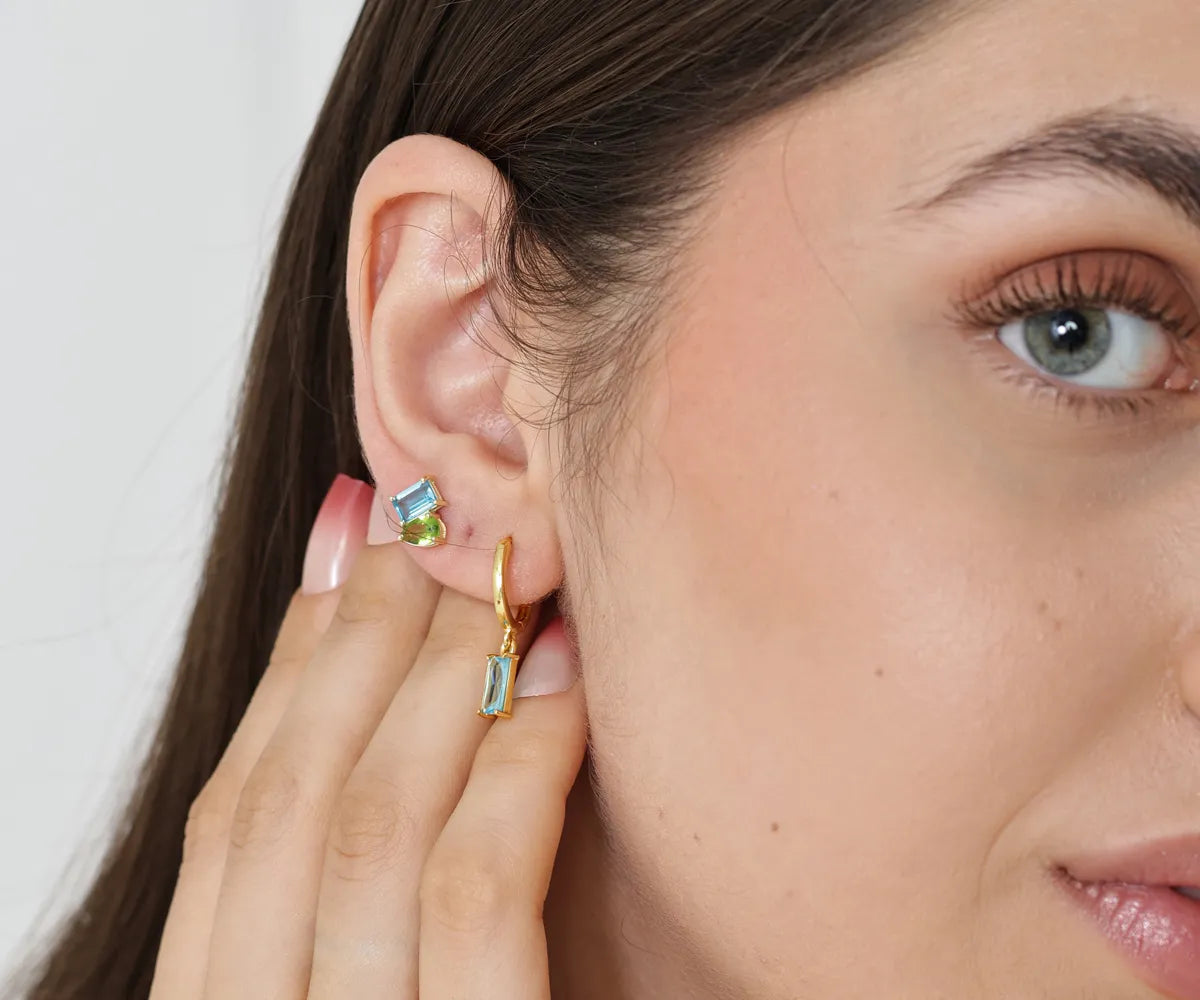
Small jewelry pieces: TSA generally does not require you to remove small rings, earrings, or thin bracelets.
-
Large or bulky jewelry: Metal-heavy jewelry may need to be removed and placed in a bin for X-ray screening.
-
Fine jewelry and permanent jewelry: Typically, TSA does not ask travelers to remove fine jewelry, including permanent jewelry like welded bracelets or anklets.
Tip: If you're wearing multiple metal jewelry pieces, consider taking them off beforehand to avoid delays.
Can You Wear Gold Jewelry Through TSA?
Yes, you can wear gold jewelry through TSA checkpoints without any problems. However, if your piece is thick or mixed with other metals, it might set off the security scanner. In that case, TSA officers may ask for a quick additional screening to ensure everything is clear.
How to Travel with Jewelry Without Hassle

-
Wear Minimal Jewelry: If possible, wear lightweight, non-metallic jewelry to avoid metal detector alerts.
-
Use a Jewelry Pouch: Store delicate or valuable pieces in a muslin bag or soft pouch inside your carry-on.
-
Separate Expensive Items: To prevent damage or loss, keep valuable jewelry, such as delicate bracelets and necklaces, in a secure travel case.
-
Place Jewelry in a Carry-On Bag: If you don’t want to wear jewelry through TSA, place it in your bag before security.
You May Also Like: Hottest Jewelry Trends of 2026: What’s In and What’s Out
What Jewelry Items Might Cause Issues at TSA?
-
Bulky Statement Necklaces: Large metal necklaces could trigger security alarms.
-
Sharp or Spiked Jewelry: Jewelry with pointed edges may be flagged as a security concern.
-
Magnetic Bracelets: Some magnetic jewelry can interfere with scanners.
-
Heavy Cuff Bracelets or Watches: Thick metal accessories might require additional screening.
Tip: If traveling with expensive jewelry, consider packing it in a secure, zippered bag instead of wearing it.
Permanent Jewelry and TSA: Will It Cause Issues?
Permanent jewelry like welded bracelets or anklets is TSA-approved and doesn’t need to be removed during screening. Because these pieces are clasp-free and lightweight, they typically don’t trigger metal detectors.
If you’re worried about setting off an alarm, simply inform the TSA officer beforehand. They can use a handheld scanner to inspect your jewelry without you having to take it off.
Step-by-Step: Moving Through TSA Security With Jewelry
Before you reach the checkpoint: Decide in advance which pieces you'll remove. Place any items you plan to take off in an easily accessible outer pocket of your carry-on — not deep in your bag.
At the bin station: Remove watches, large bracelets, and any chunky necklaces first. Place them in your jewelry pouch and put the pouch in the bin with your other items. Keep small rings and delicate jewelry on — they're unlikely to cause issues.
Through the scanner: Walk through calmly. If an alarm sounds, a TSA officer will direct you to secondary screening. This is routine and not a cause for concern. Stay calm, follow instructions, and the process typically takes two to three minutes.
Retrieving your belongings: Collect your jewelry pouch from the bin first, then put it back in your bag before moving away from the belt. This is where pieces get left behind — don't move to the seating area to put on shoes until your pouch is back in your bag.
After clearing security, Put jewelry back on at your leisure. If you removed a watch or bracelet, a seat near the gate is a better place to reassemble your look than at the security checkpoint, where you're blocking the belt.
Tips for Traveling With Valuable or Sentimental Jewelry
Photograph your jewelry before you travel.
A clear photo of each piece creates a visual record in case anything is lost or damaged. Store the photos in your phone's camera roll or email them to yourself.
Consider jewelry insurance for high-value travel.
A standalone jewelry insurance policy covers loss, theft, and accidental damage during travel. Standard travel insurance often excludes or significantly limits jewelry coverage.
Leave irreplaceable pieces at home.
This sounds obvious, but it's easily forgotten. A one-of-a-kind heirloom or a piece with high sentimental value is a significant risk to bring on a trip. Replicas or travel versions of meaningful pieces are worth considering for frequent travelers.
Keep a list of what you packed.
If you bring multiple pieces, a quick written note of what you brought, particularly for customs declarations on international trips, saves time and memory.
By following these simple tips, you can wear jewelry through TSA hassle-free while keeping your valuable pieces safe.
Most jewelry rings, small earrings, delicate necklaces, and fine jewelry can be worn through TSA checkpoints without removal. Bulky, heavy, or layered metal pieces are more likely to trigger the metal detector and lead to additional screening. The safest approach: keep fine jewelry on, remove chunky pieces before the scanner, and always carry valuables in a pouch in your carry-on, never in checked luggage.
Preparation matters more than the jewelry itself. Know what you're wearing, keep your pieces accessible, and moving through security with jewelry becomes entirely stress-free.
Wearing jewelry through TSA is usually hassle-free, but planning can save time and stress. TSA allows most jewelry through security, though large or metal-heavy pieces may require additional screening. If you're unsure, placing your jewelry in a carry-on is always a safe option. Permanent jewelry typically doesn’t need removal, making it a convenient choice for frequent travelers.
To ensure smooth security checks, wear minimal jewelry, use small storage bags, and check TSA guidelines before your trip. By following these tips, you can confidently wear jewelry through TSA and travel with ease! If you're looking for elegant and travel-friendly jewelry, Rarete Jewelry offers timeless pieces perfect for any journey.