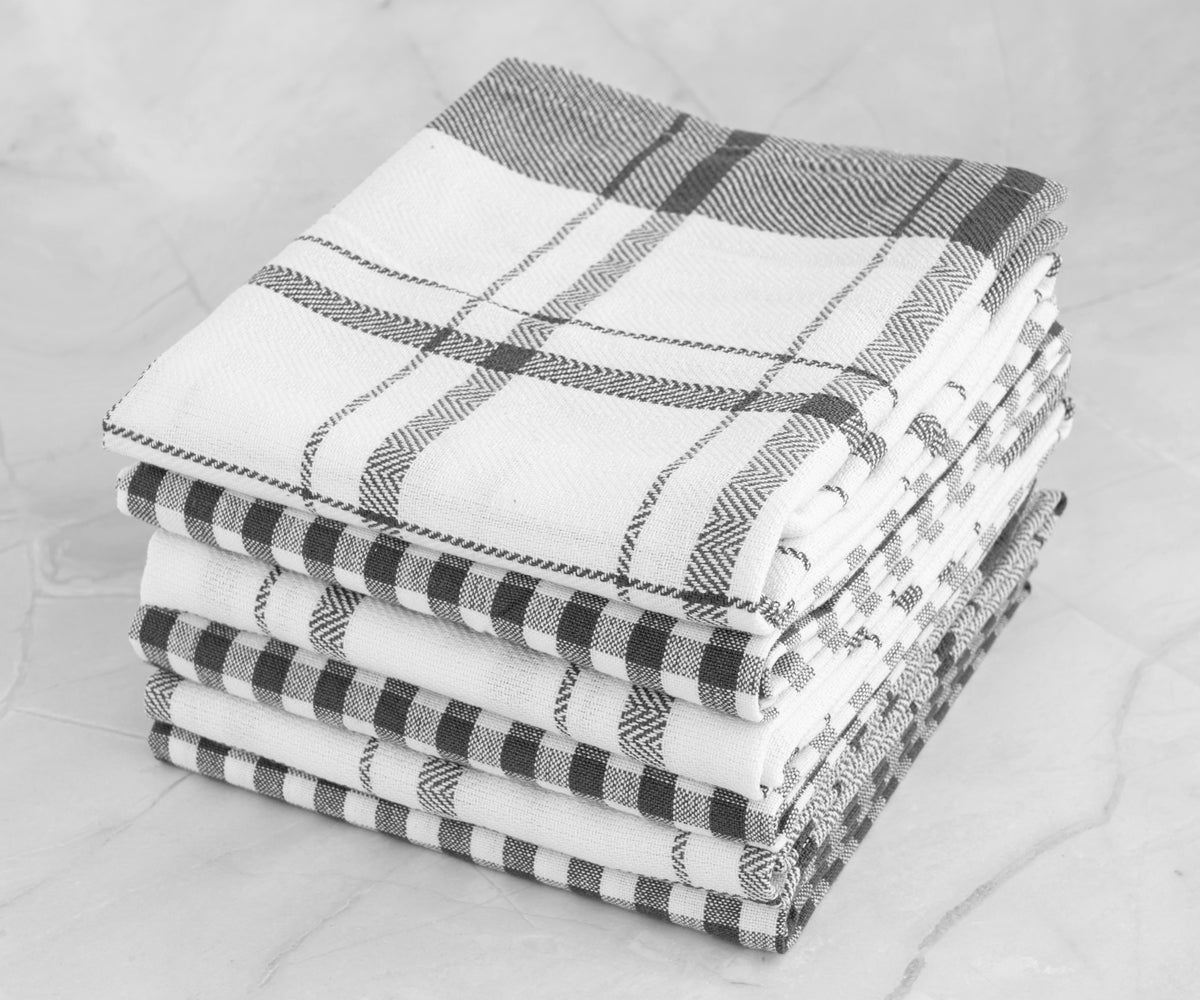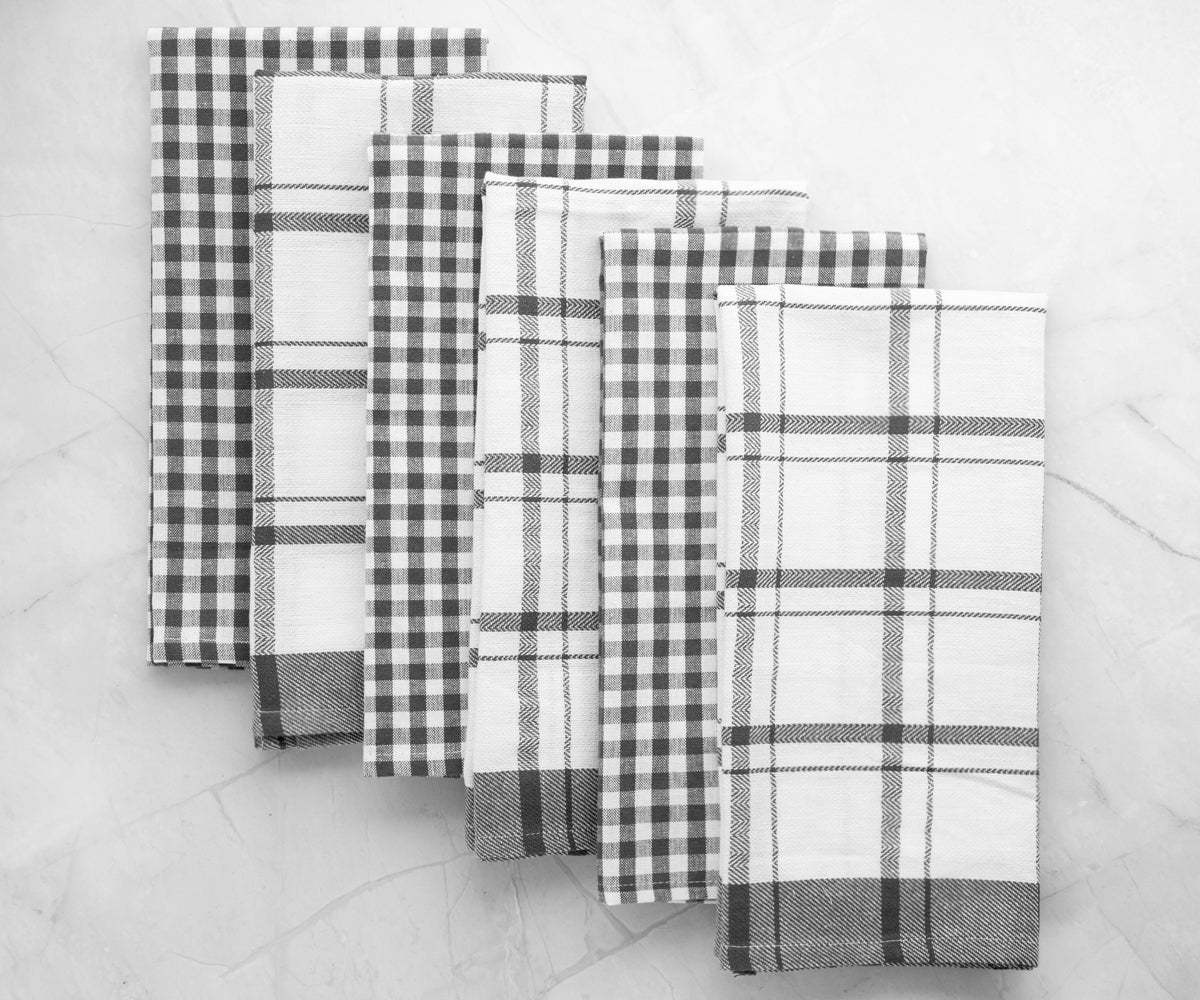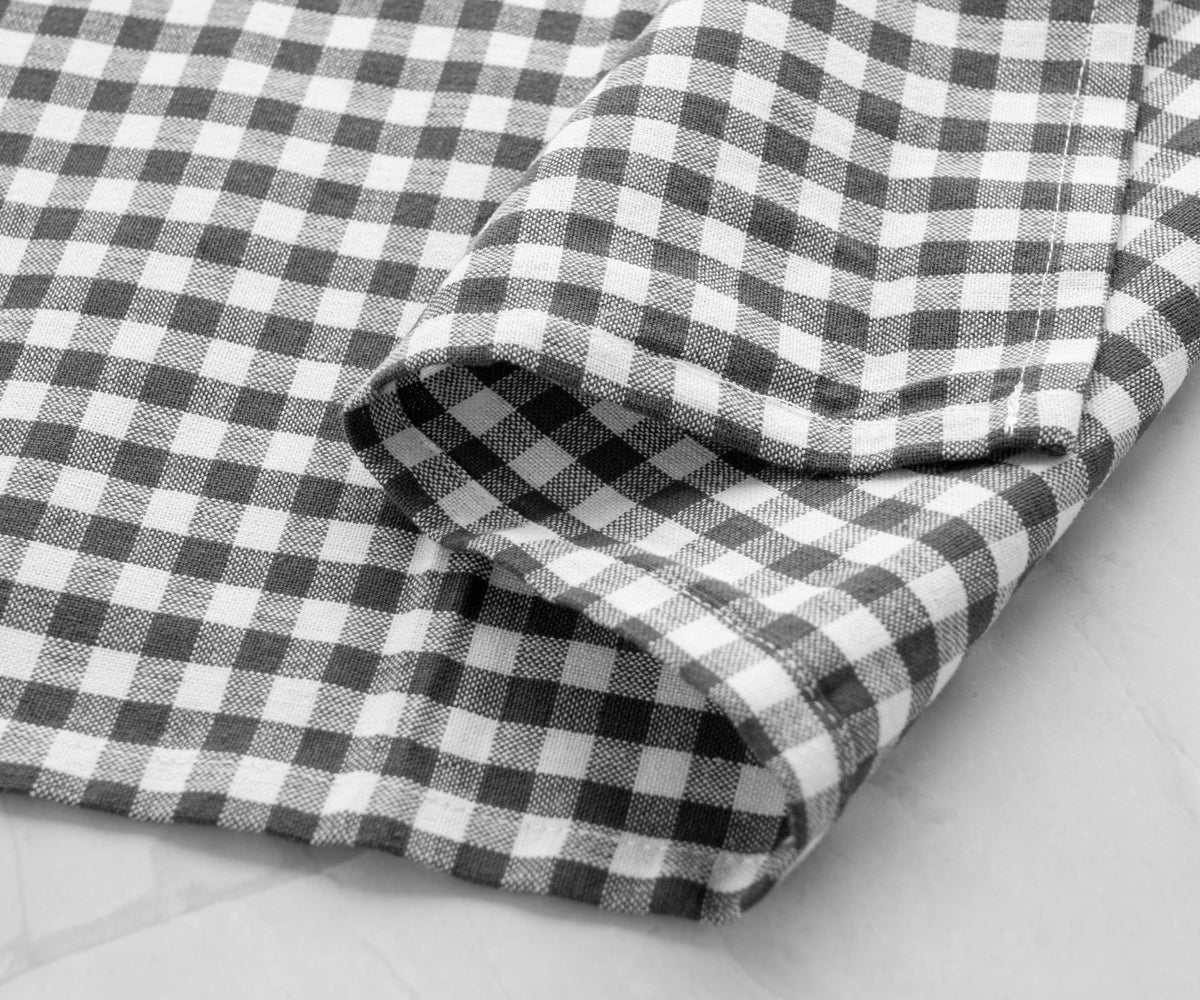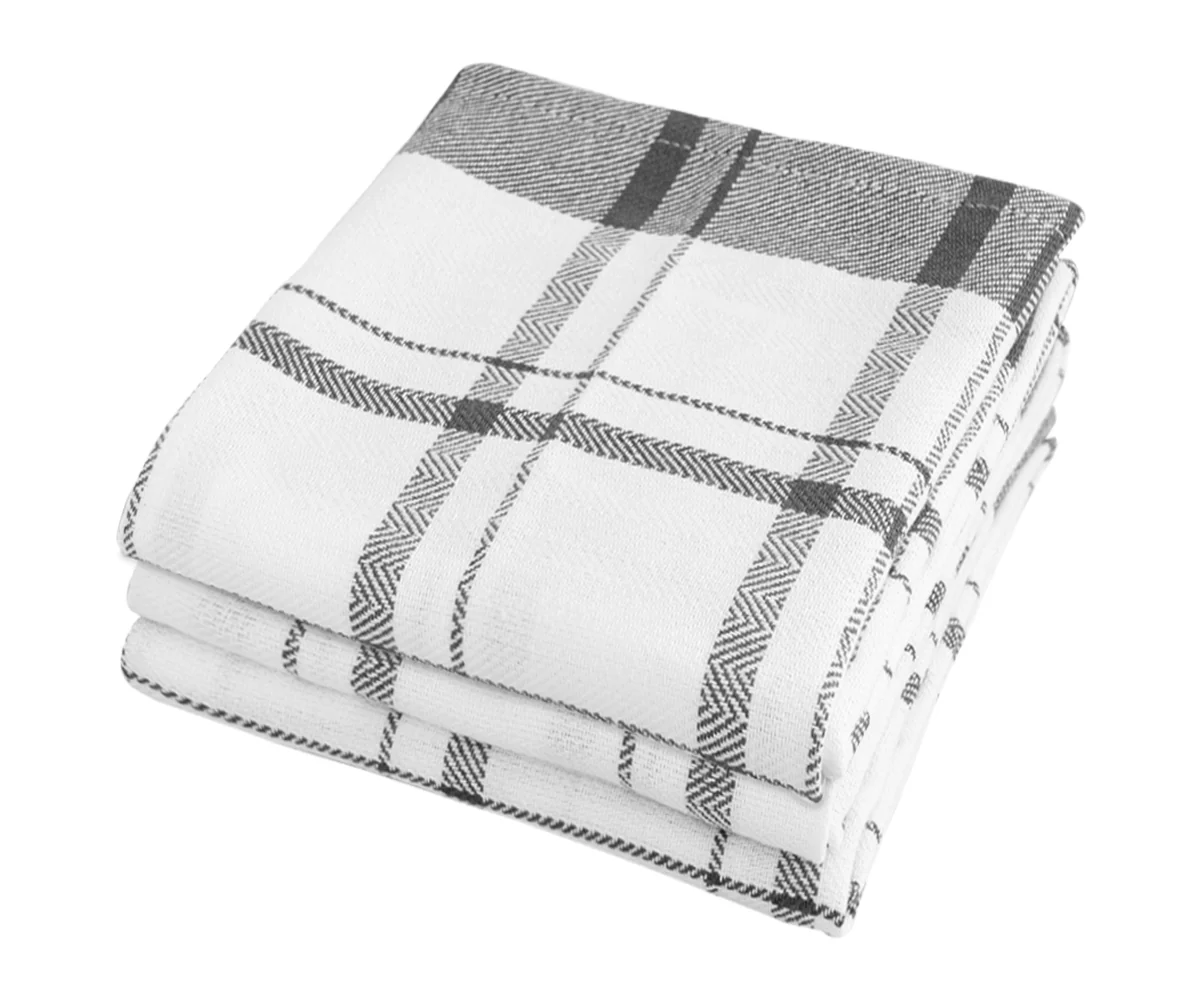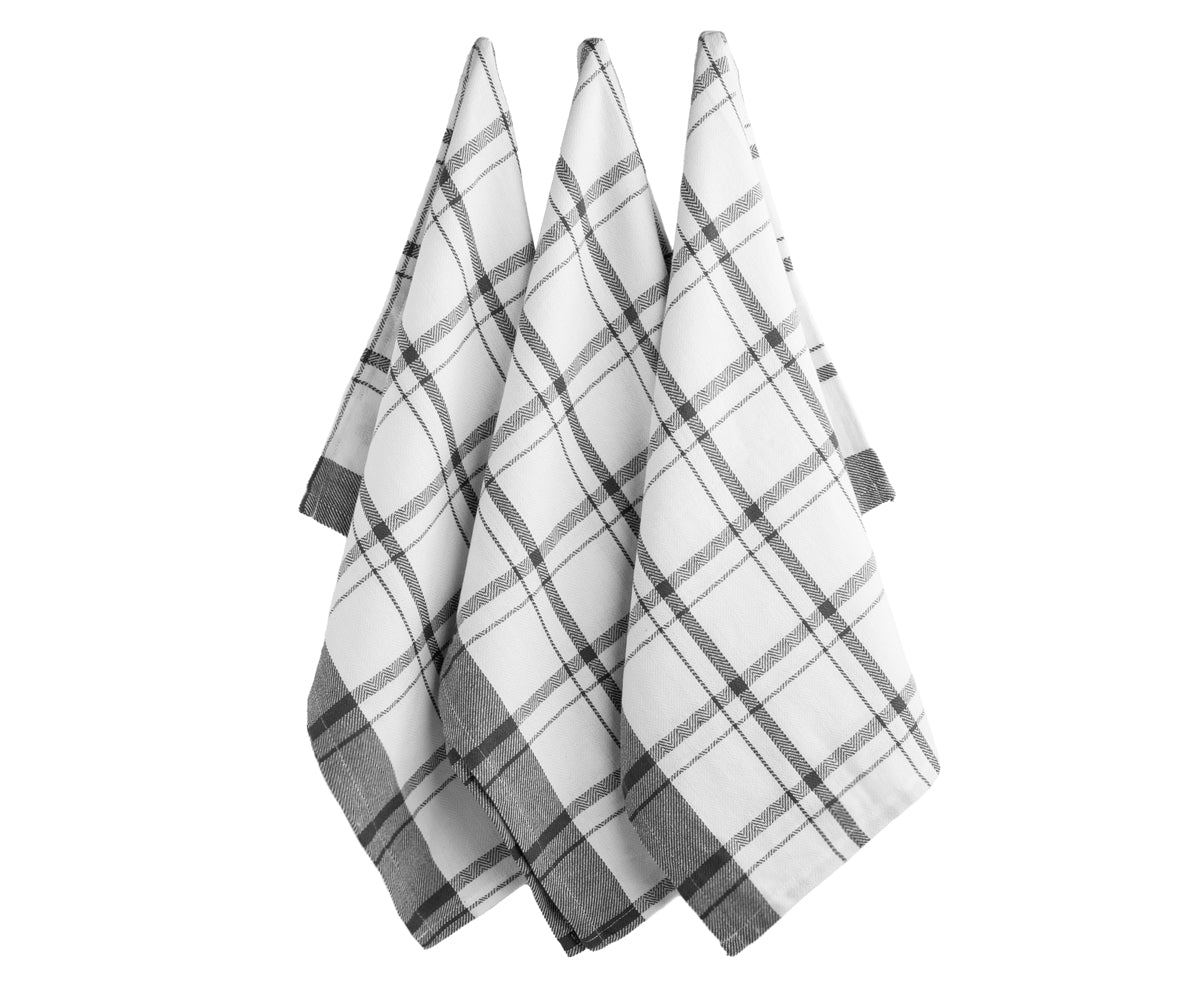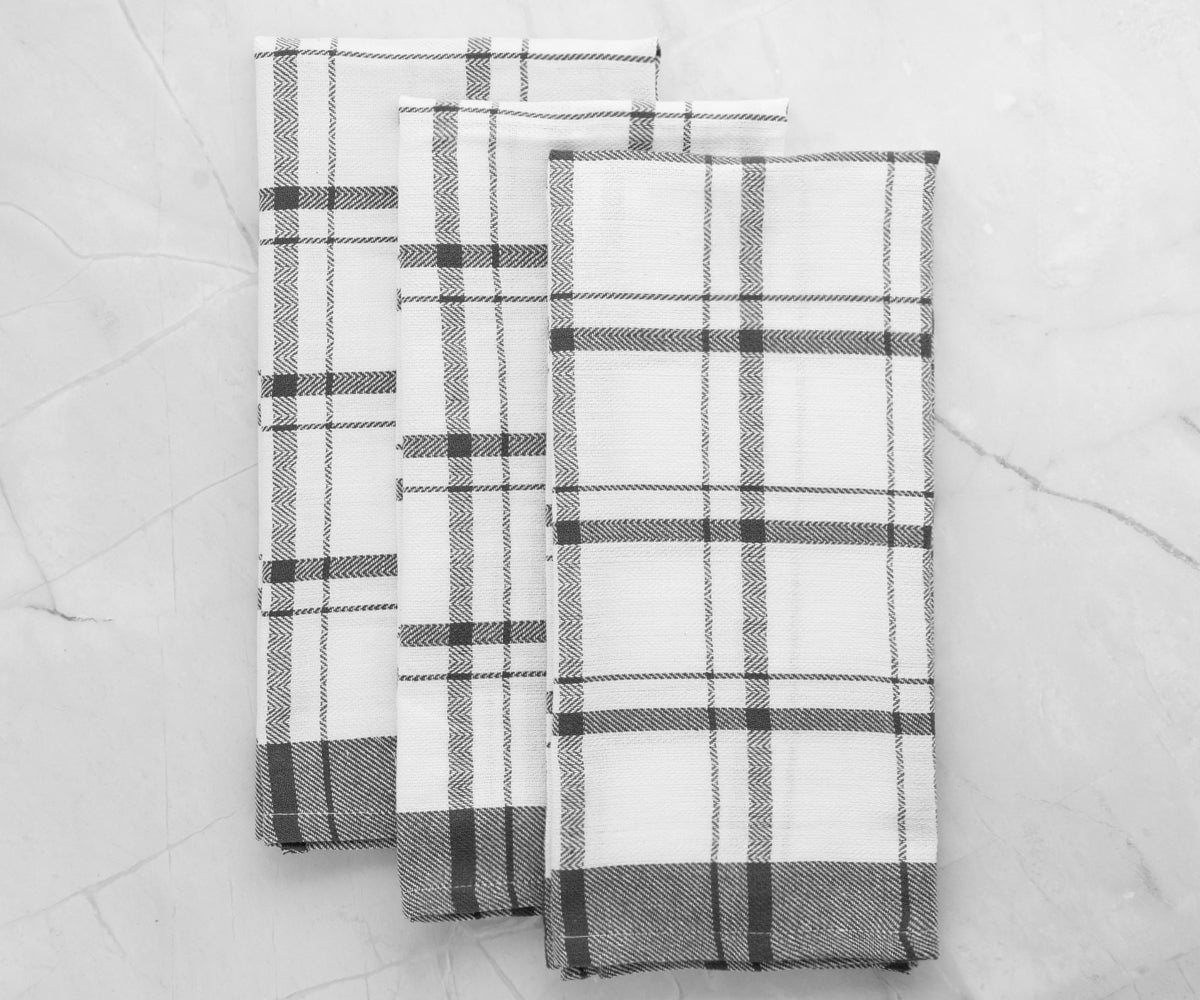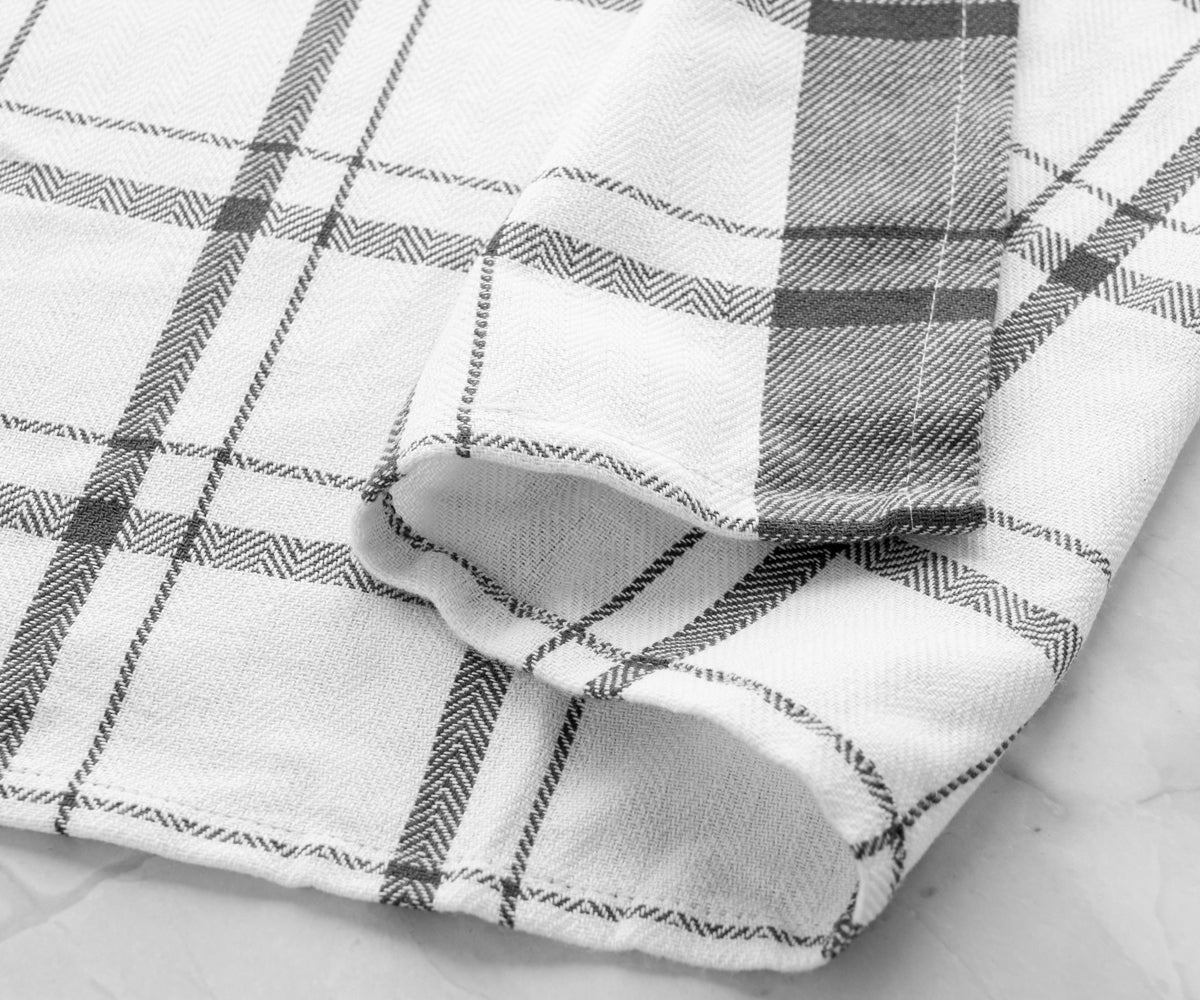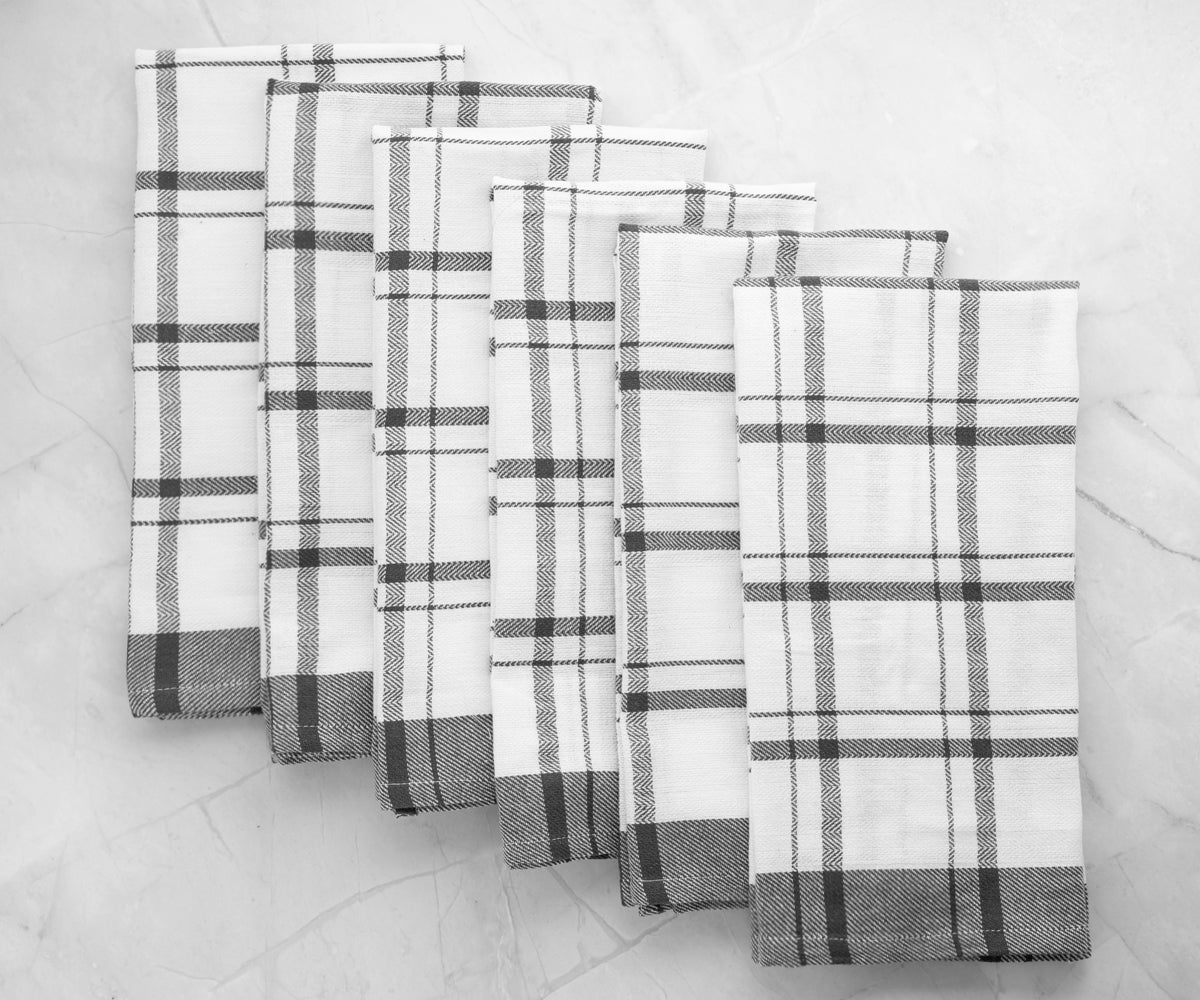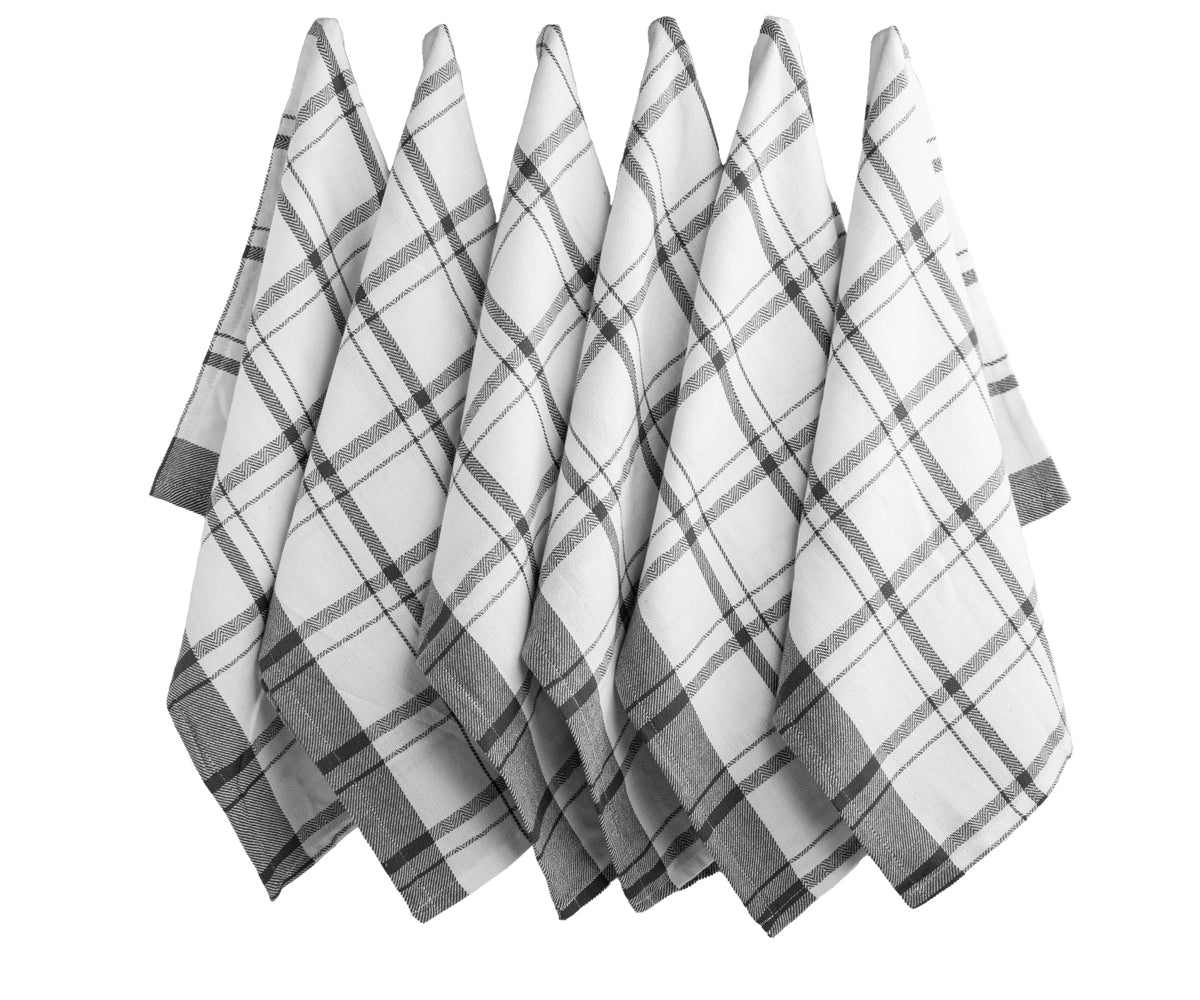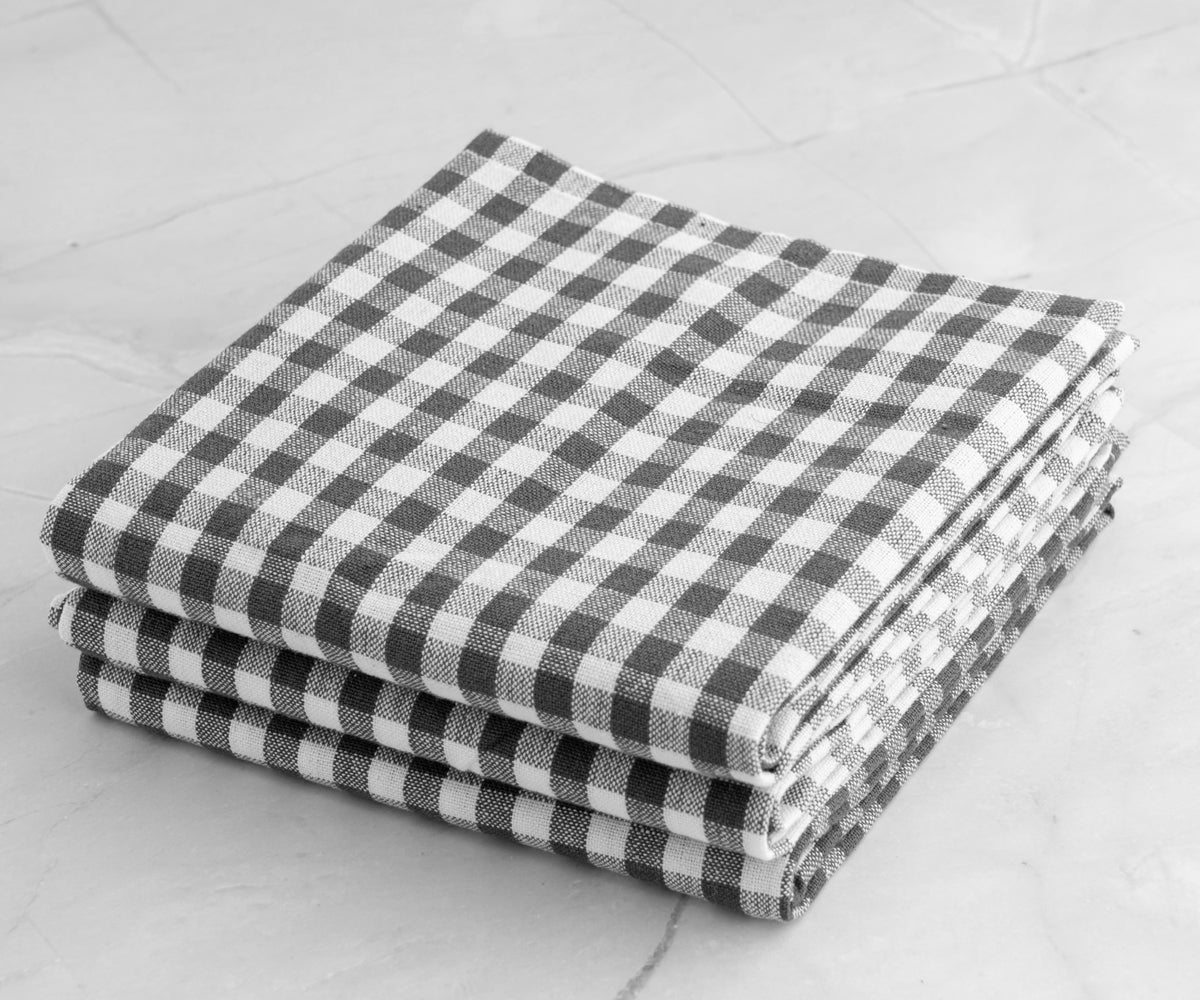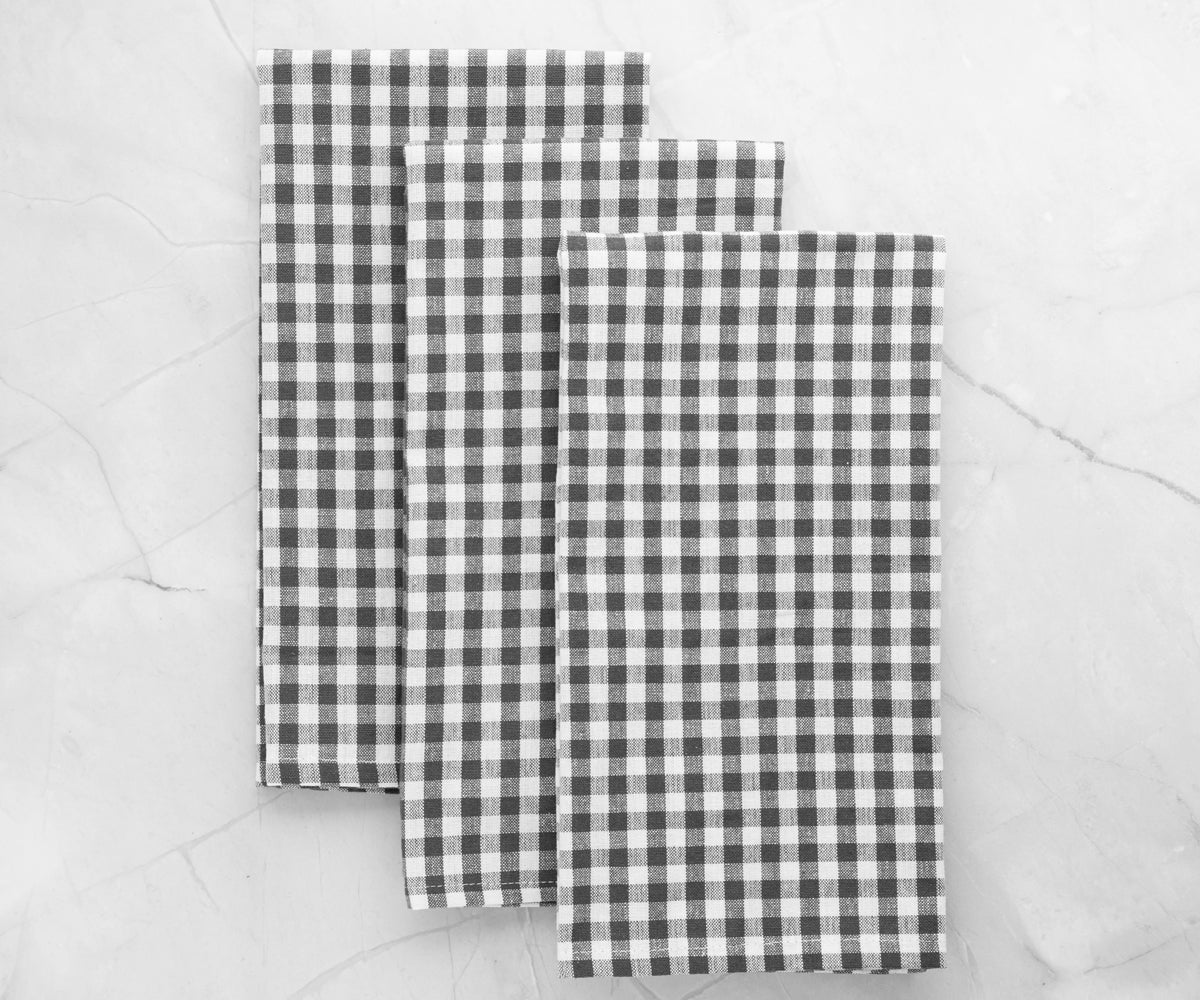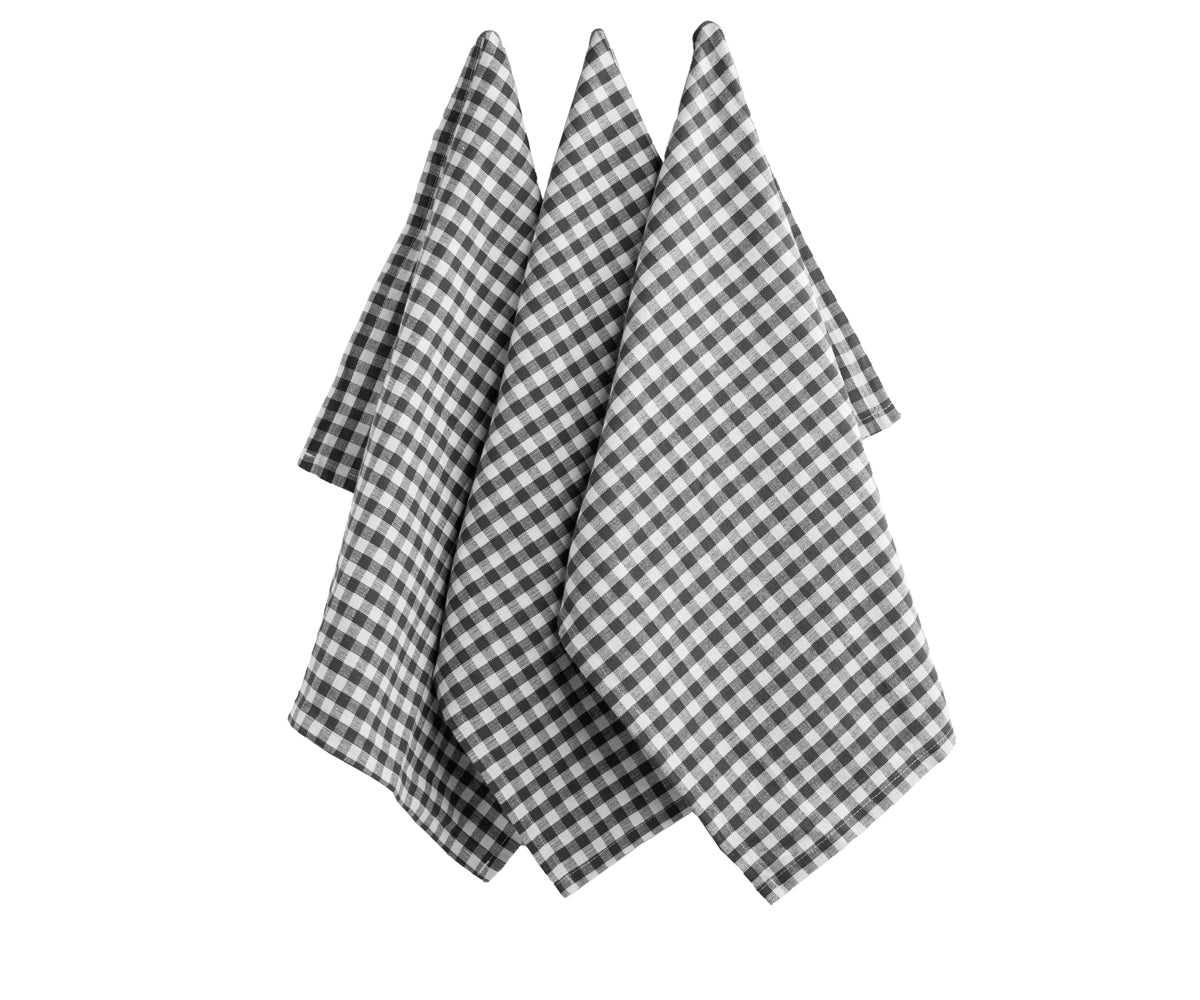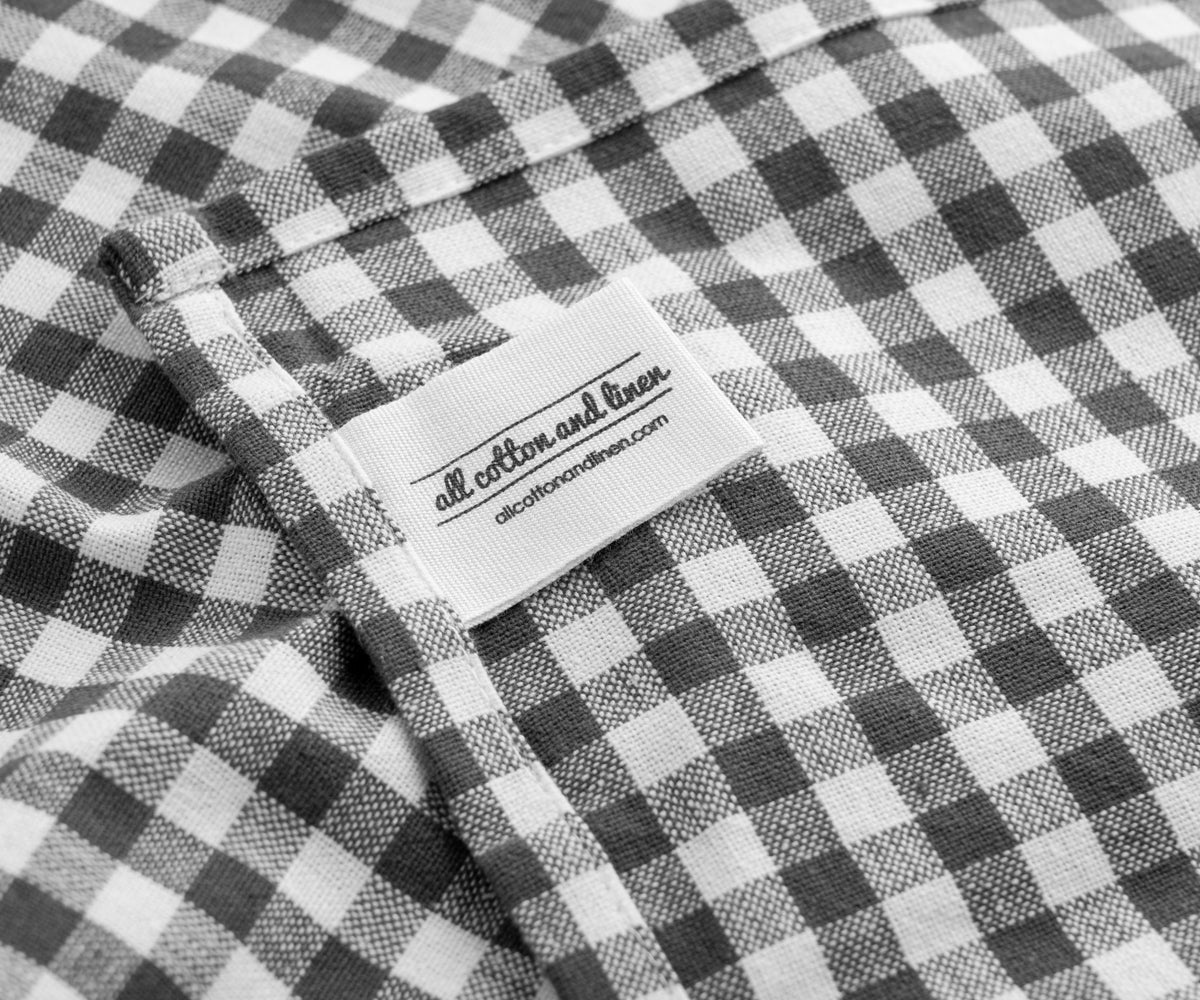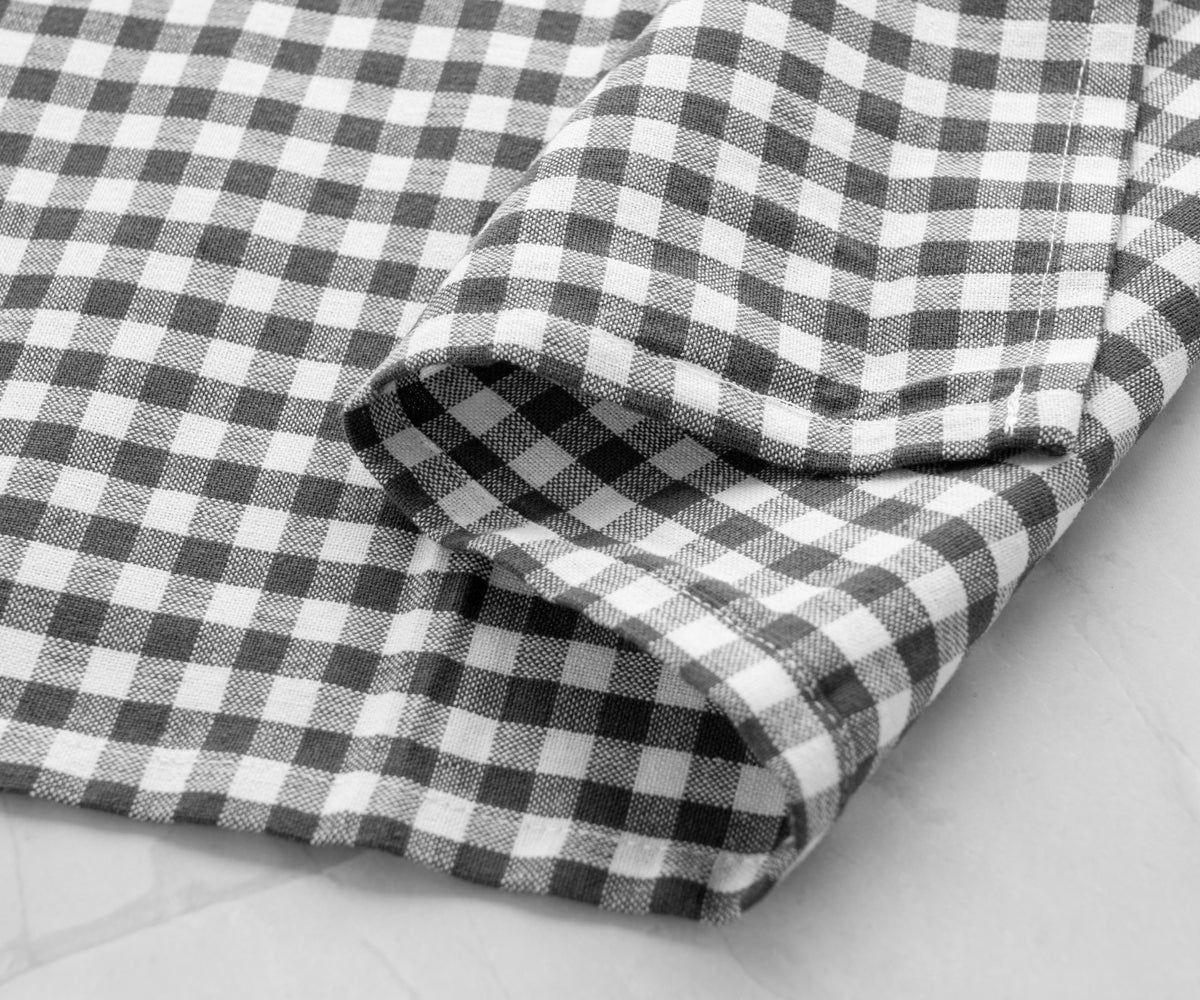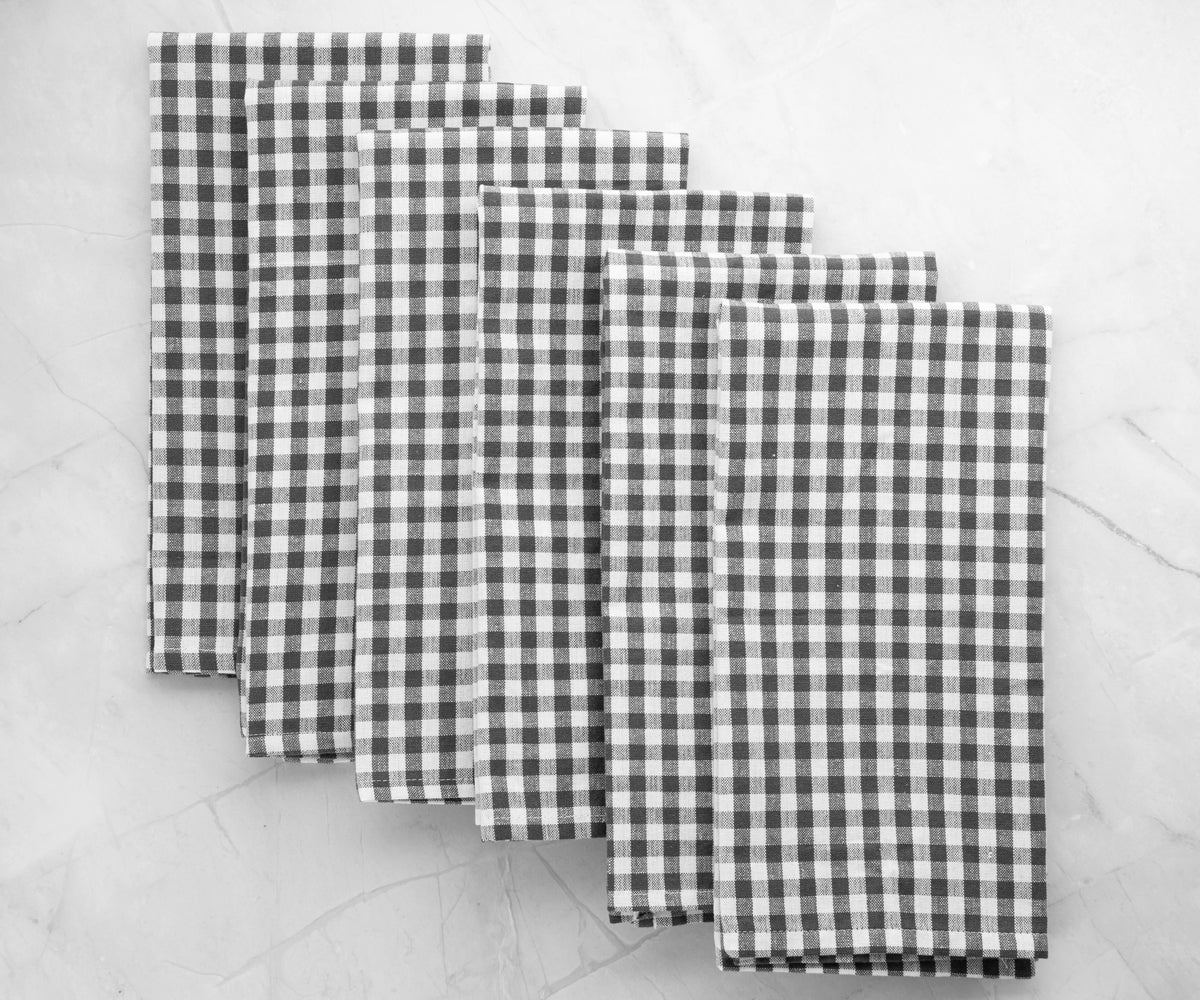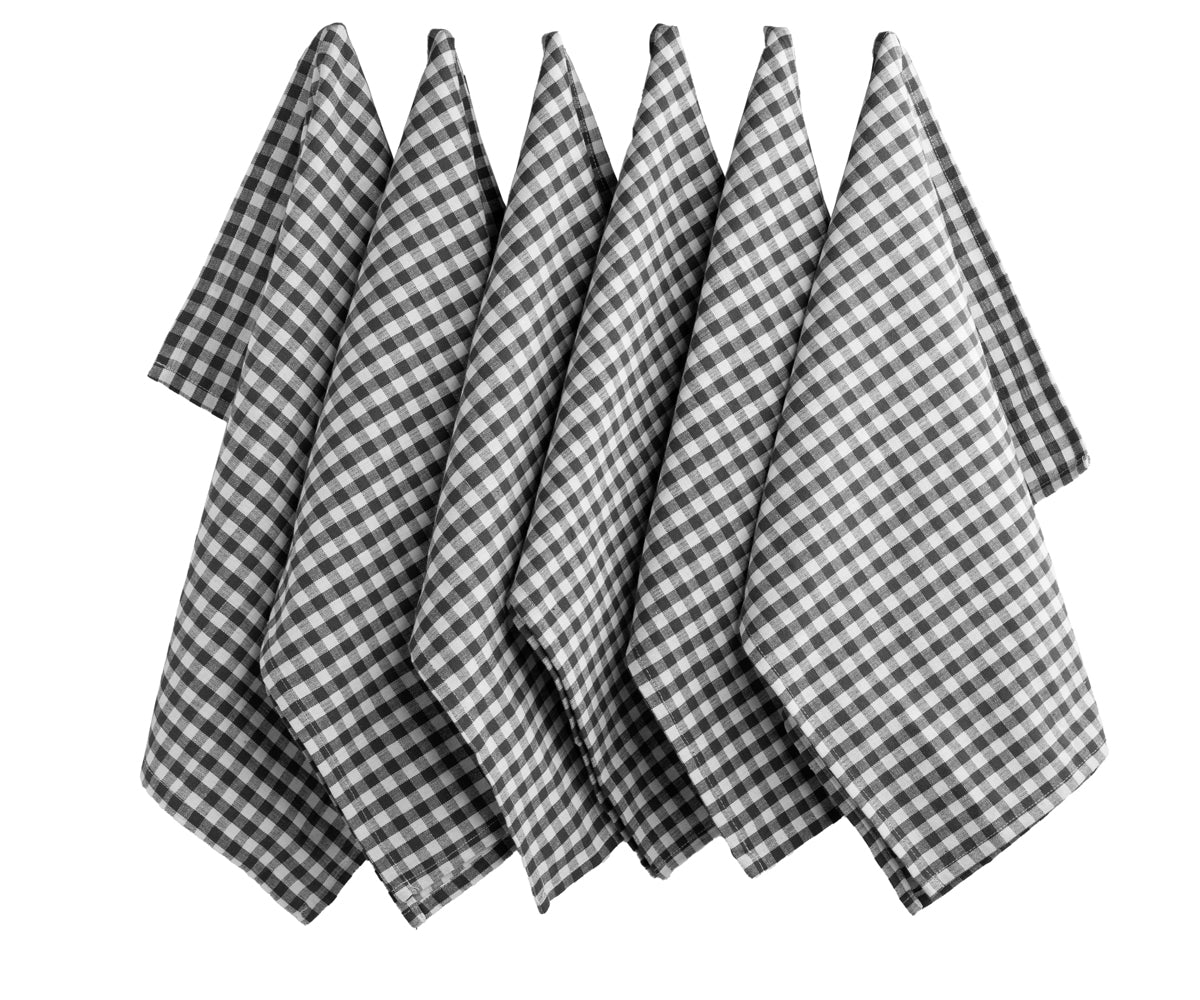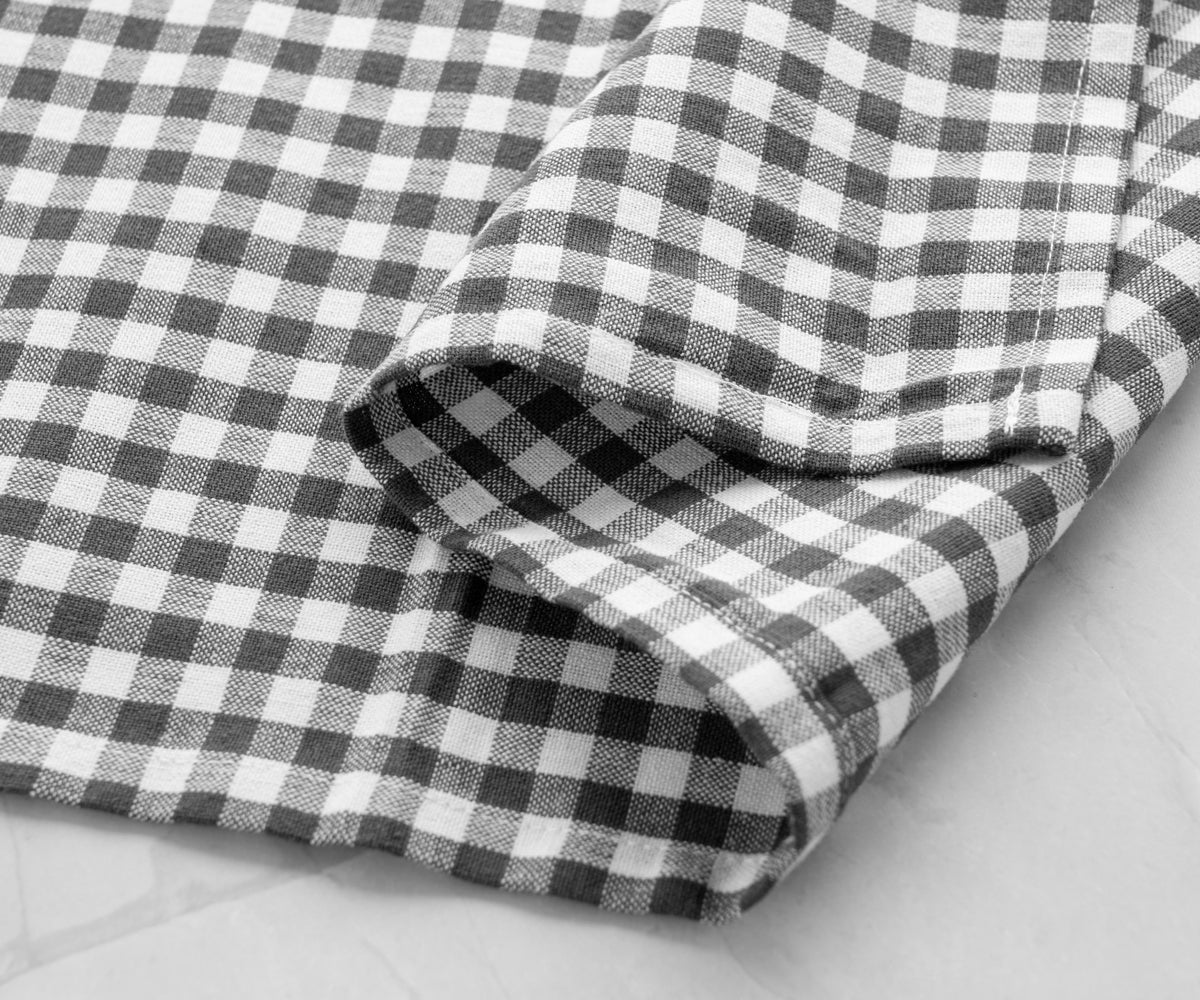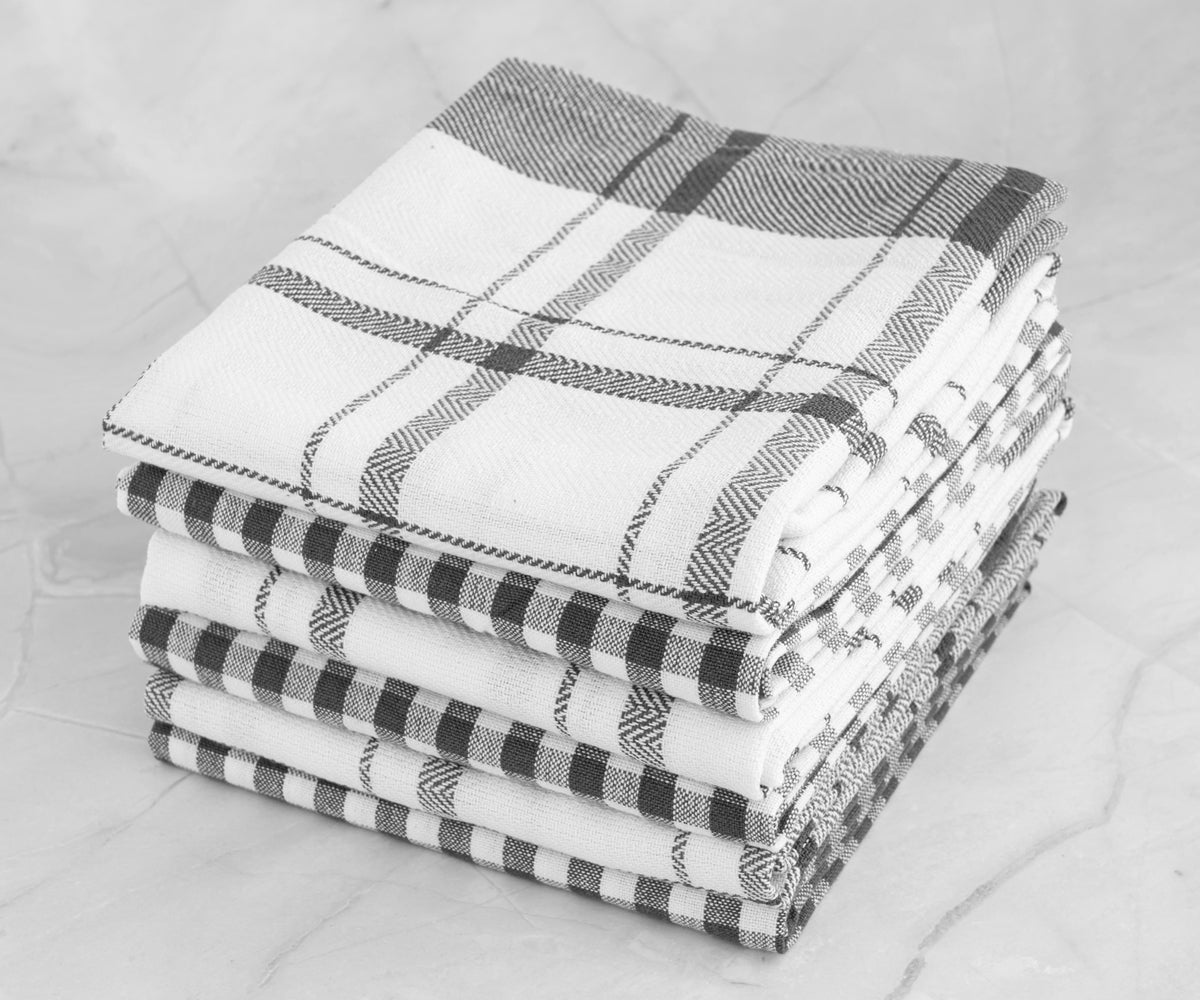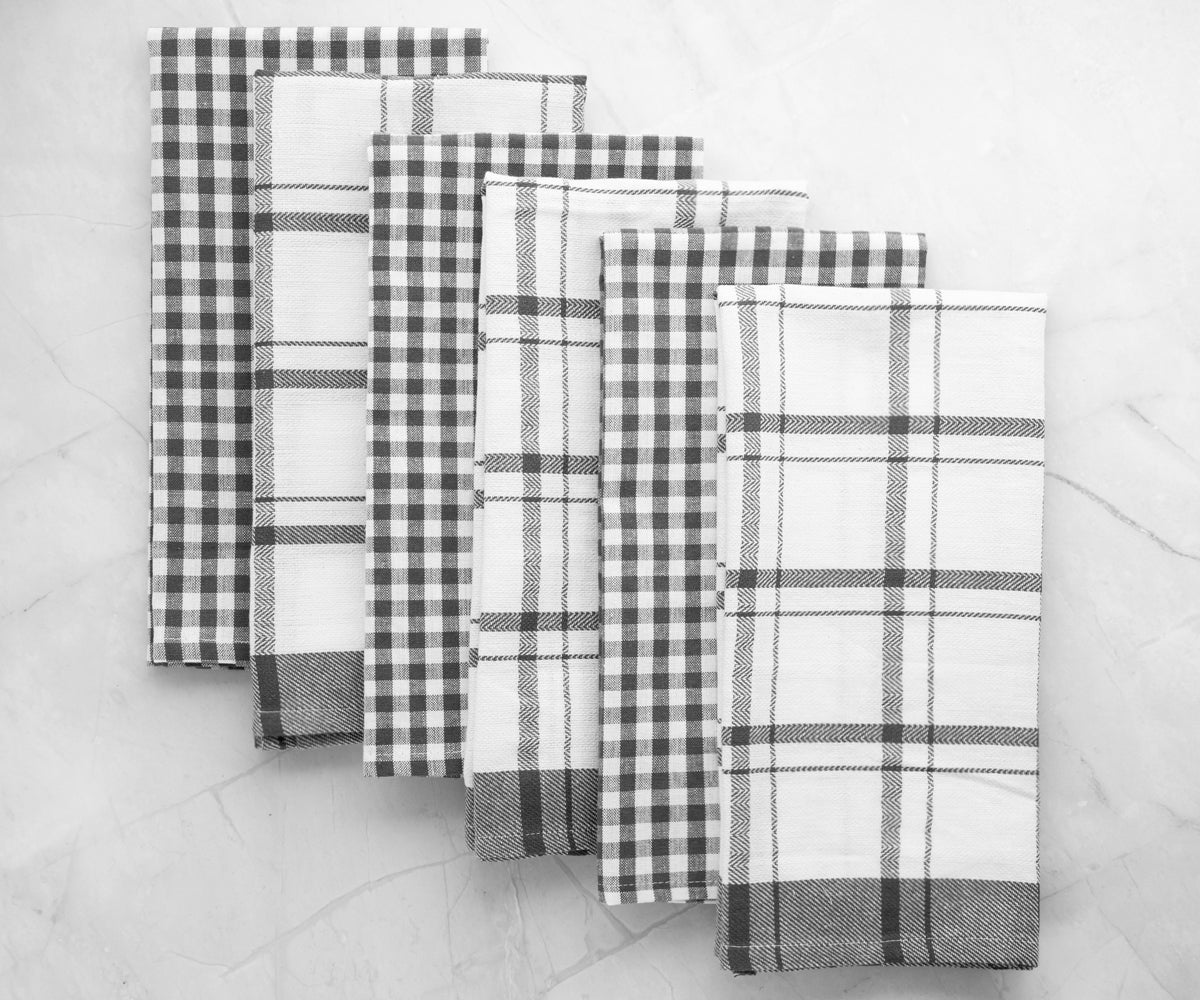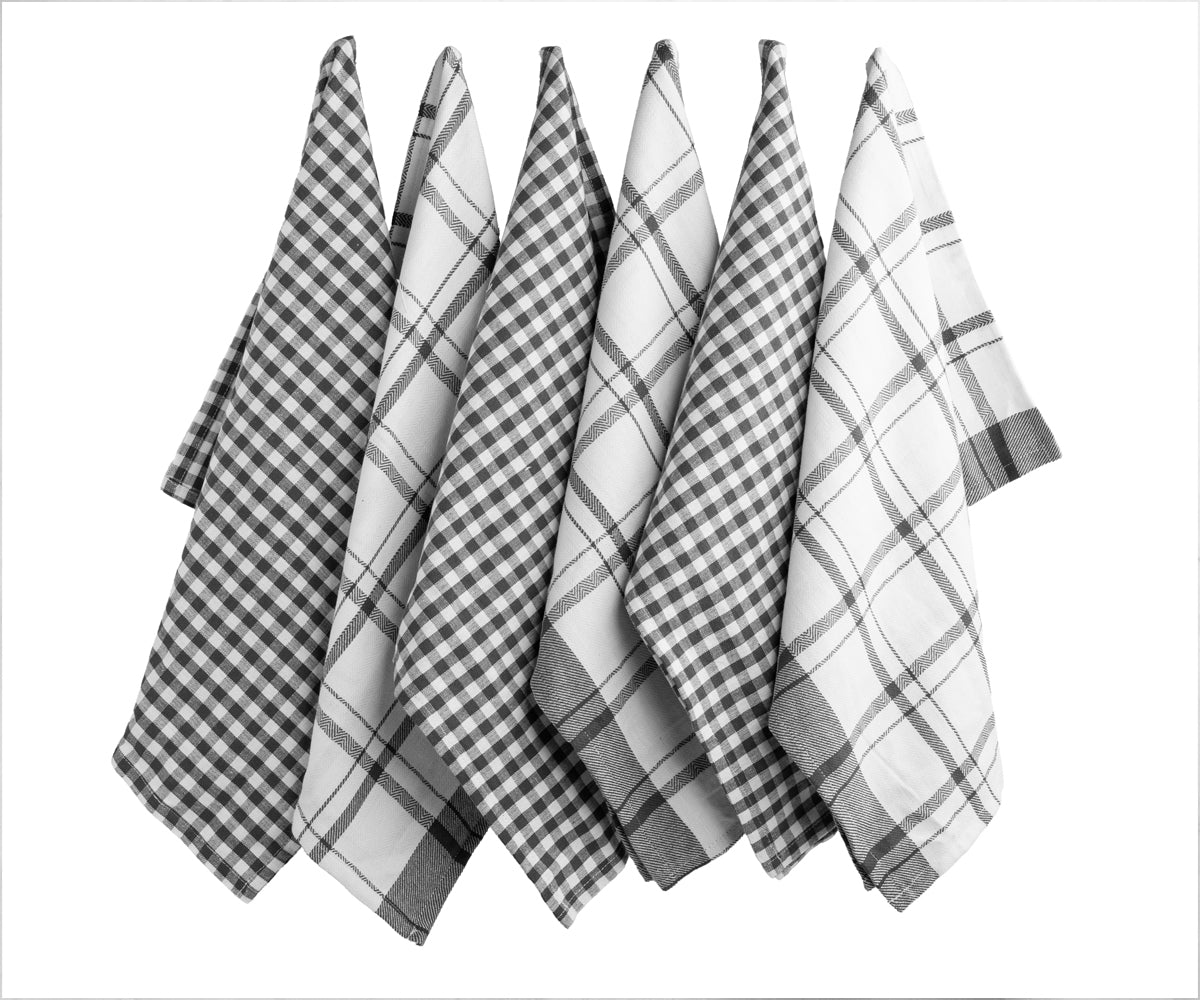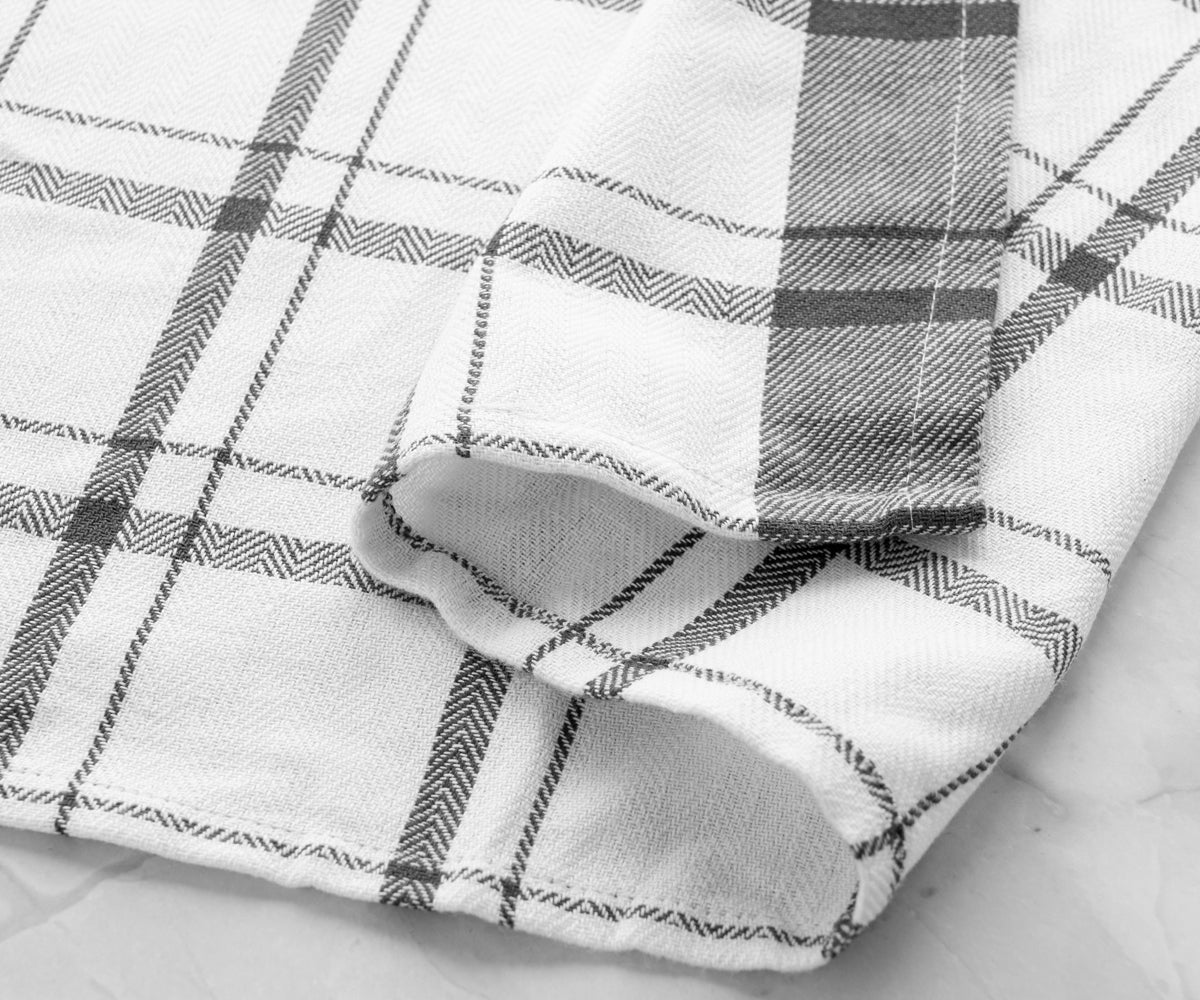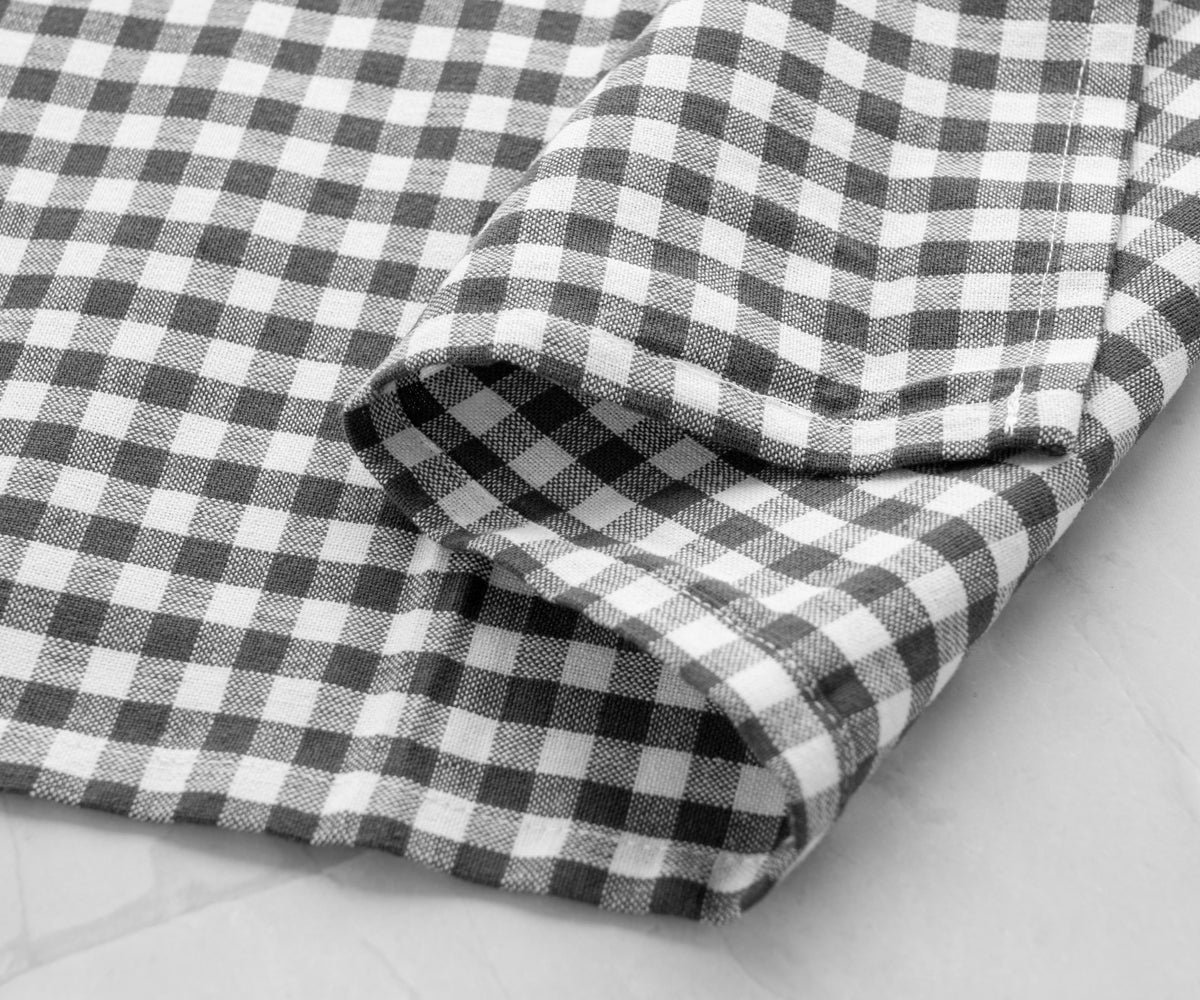


The right kitchen dish towel does none of that. It absorbs well, dries fast, holds up through dozens of washes, and still looks decent hanging on your oven door. This guide covers everything you need to pick the best dish towels for how you actually cook and clean, morning coffee prep, busy weeknight dinners, and everything in between.
What Is a Dish Towel?
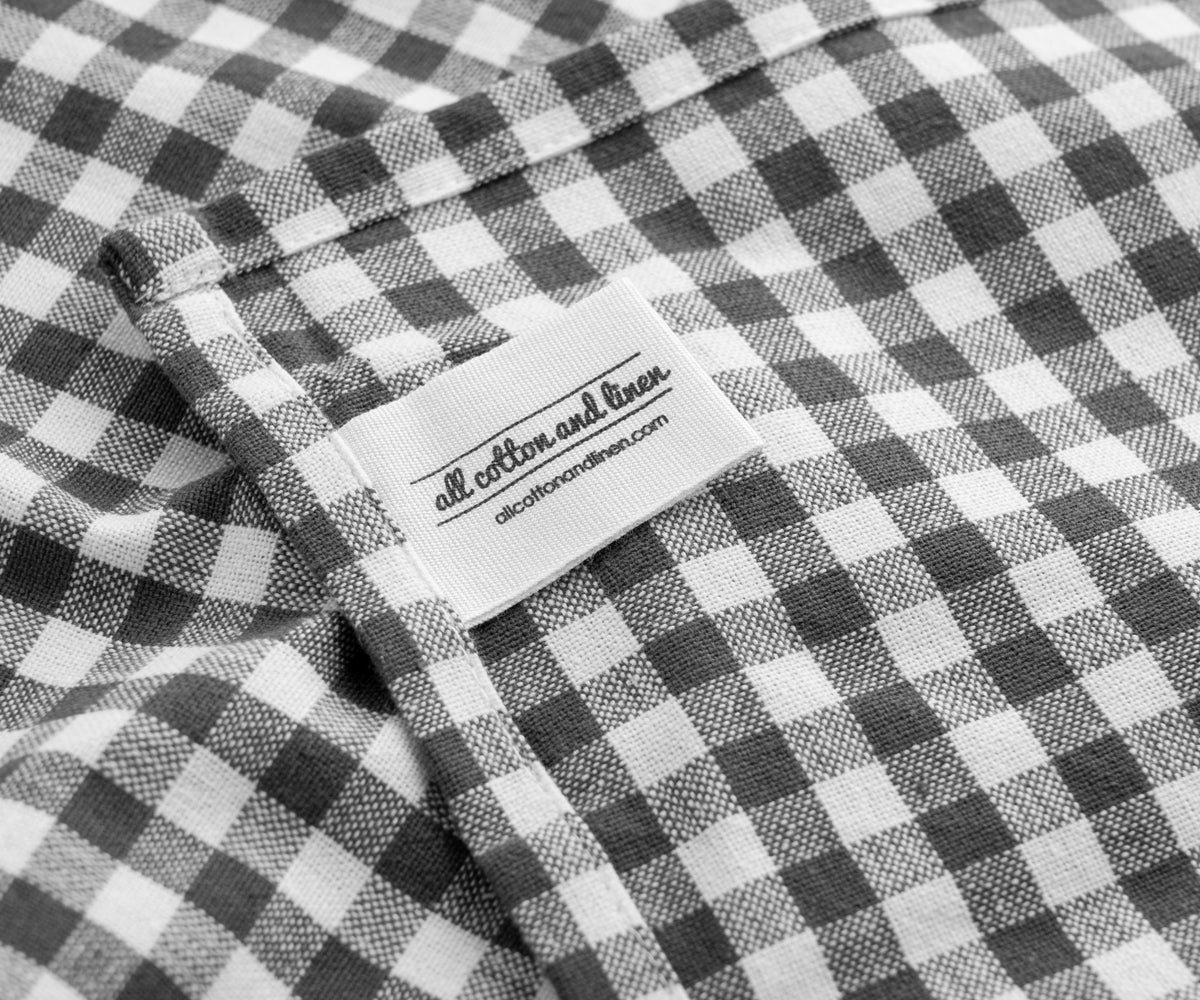
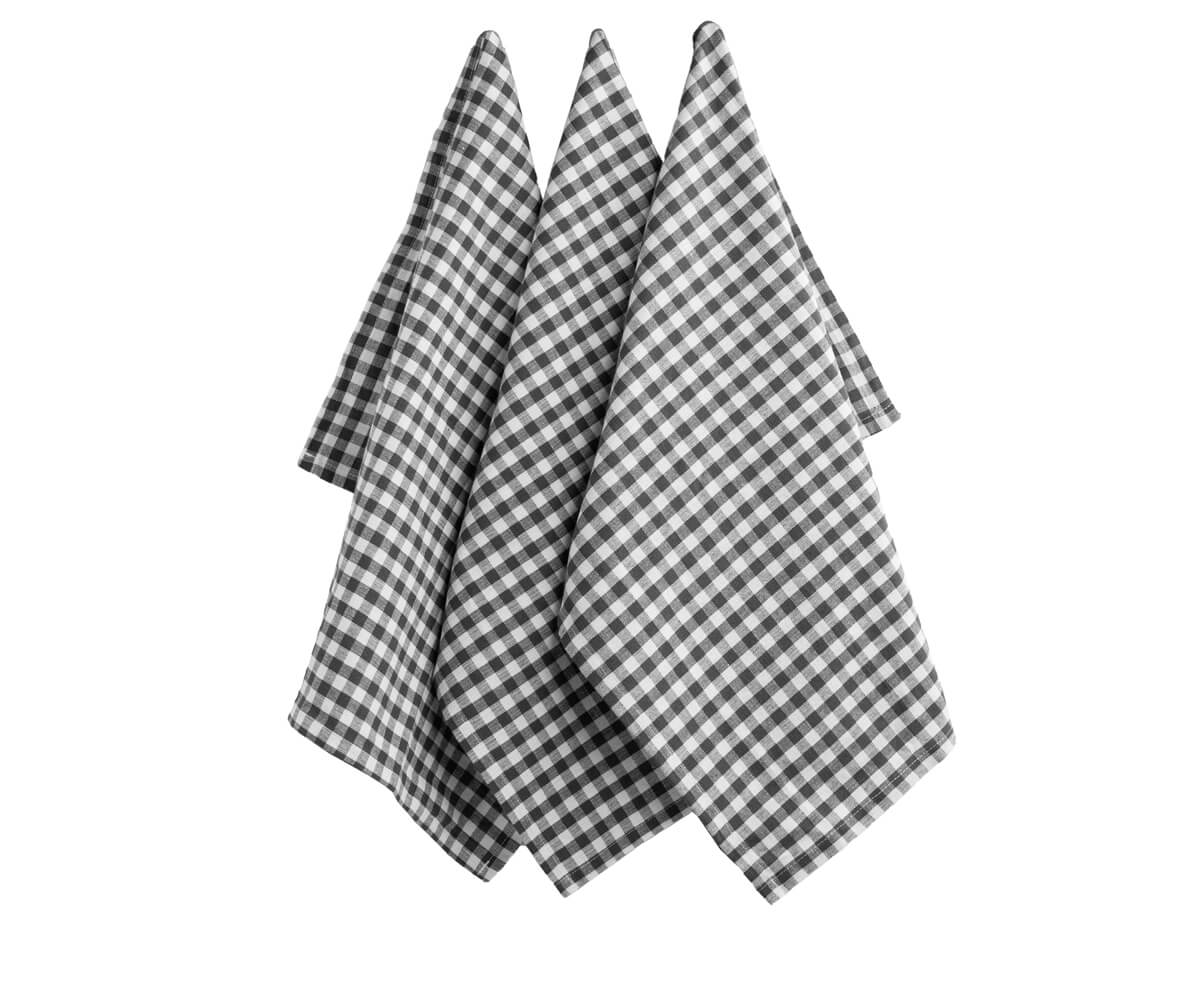
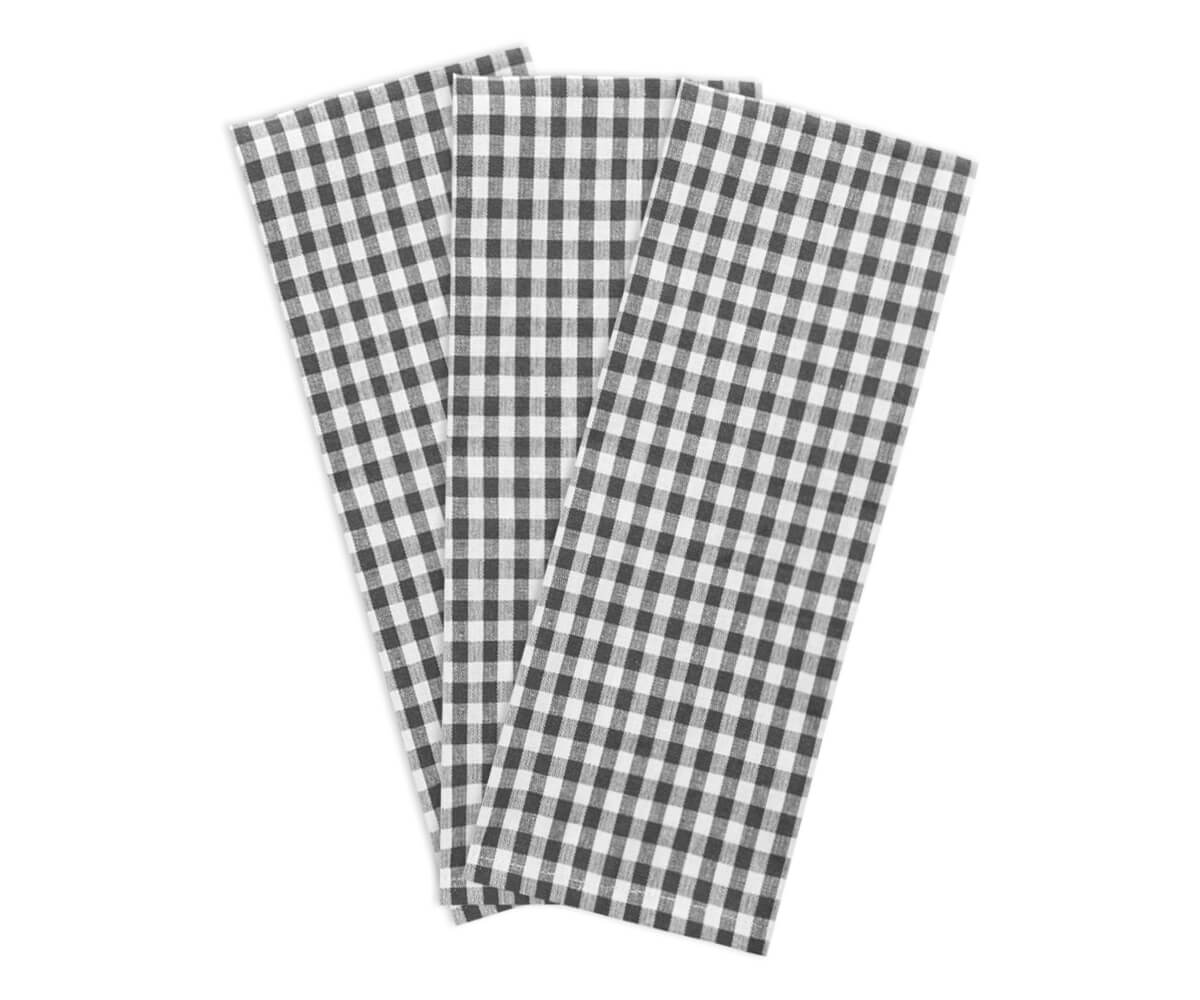
A linen dish towels is a cloth designed for kitchen tasks that need real absorbency, drying dishes, wiping counters, soaking up spills, and handling warm cookware. Most measure around 18 x 28 inches and are made from cotton, linen, or a cotton-linen blend. They are thicker and more absorbent than decorative tea towels, which are typically lighter and used for polishing glassware or covering food.

A good dish towel for drying dishes should absorb moisture quickly and release it again during drying so it's ready for the next use. That cycle of absorb, dry, reuse is what separates a useful from a frustrating one.
Find Out: Modern Kitchen Towel Gift Set – Perfect for Home Cooks
Why Your Choice of Dish Towel Actually Matters
Most households go through dish towels fast. According to a 2023 survey by the American Cleaning Institute, Dish Towels are among the top three most frequently laundered household items, with the average American washing them every two to three days. That frequency means material quality and weave type directly affect how long your towels stay absorbent, how well they resist odors, and how much they cost you over time.
Reusable cotton dish towels also reduce paper towel consumption significantly. A single set of four cotton dish towels can replace hundreds of paper towels over a year, a practical saving that adds up quickly.
Know About: What Does the Term "Linen Napkin" Refer to? Everything You Need to Know
The Best Materials for Kitchen Dish Towels
The material is the most important decision you'll make. It affects how well the towel absorbs, how quickly it dries, and how it feels after repeated washing.
|
Material |
Absorbency |
Drying Speed |
Best Use |
Durability |
|
100% Cotton |
High |
Moderate |
General drying, spills, hands |
Very good |
|
Linen |
Medium-High |
Fast |
Glassware, counters, quick tasks |
Excellent |
|
Cotton-Linen Blend |
High |
Fast |
Everyday all-purpose use |
Excellent |
|
Waffle Weave Cotton |
Very High |
Fast |
Heavy drying, soaking up spills |
Good |
|
Flour Sack Cotton |
Very High |
Moderate |
Baking, straining, produce drying |
Very good |
|
Terry Cloth |
Very High |
Slow |
Pots, spills, heavy moisture |
Good |
Cotton Dish Towels
Cotton is the most commonly used material in kitchen towels for good reason. It is naturally absorbent, soft against dishes and hands, and handles repeated machine washing without losing its shape quickly. 100% cotton dish towels work well for daily kitchen tasks, drying plates, wiping stovetops, patting down freshly washed produce before a meal.
The weave matters as much as the fiber. A flat weave cotton towel is smoother and dries faster but absorbs slightly less. A terry weave cotton towel has looped fibers on both sides, making it the most absorbent option, ideal for soaking up big spills or drying a full rack of dishes after dinner.

One thing to avoid with Best Dish Towels: fabric softener. It coats the cotton fibers and reduces absorbency over time. Wash in warm water with a plain detergent, and your cotton dish towels will keep their performance through 100-plus washes.
Linen Dish Towels
Linen kitchen towels have a different feel and performance profile. Linen is made from flax fibers, which are naturally stronger than cotton and dry significantly faster. A linen towel that was soaking wet an hour ago will be ready to use again before a cotton towel of the same weight.
Linen is also lint-free, which makes it the best material for drying glassware and anything that shows streak marks easily. It gets softer with every wash rather than stiffening over time. The drawback is that linen is less plush than cotton, so it feels slightly rougher, particularly when new. For cleaning tasks, polishing, and anything involving delicate dishes, linen is hard to beat.

Flour Sack Dish Towels
Flour sack dish towels are woven from a lightweight, tightly spun cotton that is surprisingly absorbent despite how thin the fabric feels. They were originally used in bakeries for wrapping dough and lining bread baskets, and those uses still make sense today.
Flour sack towels are excellent for drying produce, straining broths, covering rising dough, and polishing surfaces without leaving lint. They are also large enough to double as food wraps. If you bake regularly or cook meals that involve multiple prep steps, having a few flour sack towels in rotation will save you time throughout the week.
You May Also Like: Holiday Gift Ideas for Every Loved One
How to Choose a Dish Towel Based on How You Cook
Not everyone uses their kitchen the same way. The towels that work well for someone who batch cooks on Sundays are different from what someone who makes a quick morning smoothie needs nearby.
For Morning Routines
Mornings tend to involve fast, light tasks, wiping the counter after making coffee, drying a few items from the dish rack overnight, patting down fruit before breakfast. For this, a flat-weave dish towels set of 4 or a linen dish towel works best. Both are light, dry quickly between uses, and do not take up much space on a hook or handle.
Keep one dedicated morning towel near your prep area. Replace it every two days to keep things hygienic.
For Cooking and Meal Prep
Active cooking creates a different set of needs. You need a towel that can wipe your hands between tasks without spreading oils or residue, soak up a sauce spill quickly, and sit folded near the stove without getting soggy too fast.
Striped dish towels in a cotton or cotton-linen blend are a practical choice here. The stripes help hide light staining between washes, and the blended fabric balances absorbency with quick drying. Keep at least two nearby when cooking, one for your hands and one for the surface.
For Post-Meal Cleanup
After dinner is when you need the most absorbent option you have. A waffle weave Soft Kitchen Towels or a thick terry cloth towel will dry a full load of dishes more efficiently than a flat weave. The textured surface of waffle weave in particular traps and pulls moisture off dishes rather than just spreading it around.
Linen towels shine at this stage too, specifically for glassware. Run a wine glass or a glass tumbler through a damp linen towel and it comes out clear and streak-free. Cotton often leaves a faint film on glassware, especially with warm water.

Dish Towel Size Guide
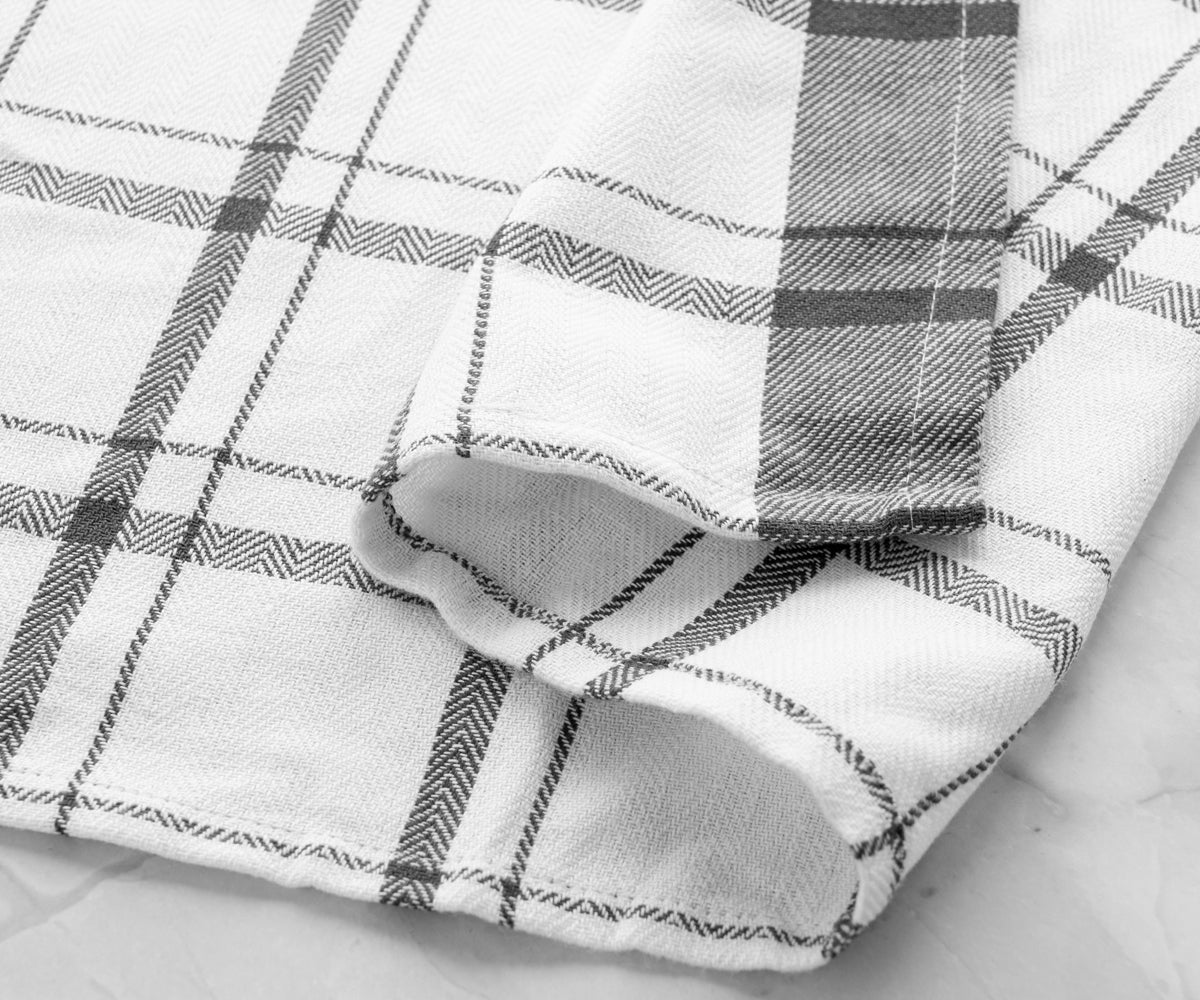
Standard kitchen dish towels are 18 x 28 inches. That is the size that works across most tasks, large enough to dry several plates in sequence, fold over an oven handle, or cover a bowl of rising dough.
Some specialty towels run larger (20 x 30 inches or more) for commercial kitchen use. Flour sack towels tend to run square or close to it (about 28 x 28 inches). If you use towels as serving accessories, such as lining a bread basket or wrapping food gifts, a larger flour sack size gives you more flexibility.
Seasonal Dish Towels: When Practical Meets Decorative
Kitchen towels get swapped out more than most people expect. The same way you might update your table linens for fall or put out festive napkins for Christmas dinner, dish towels follow seasonal rhythms in many households.
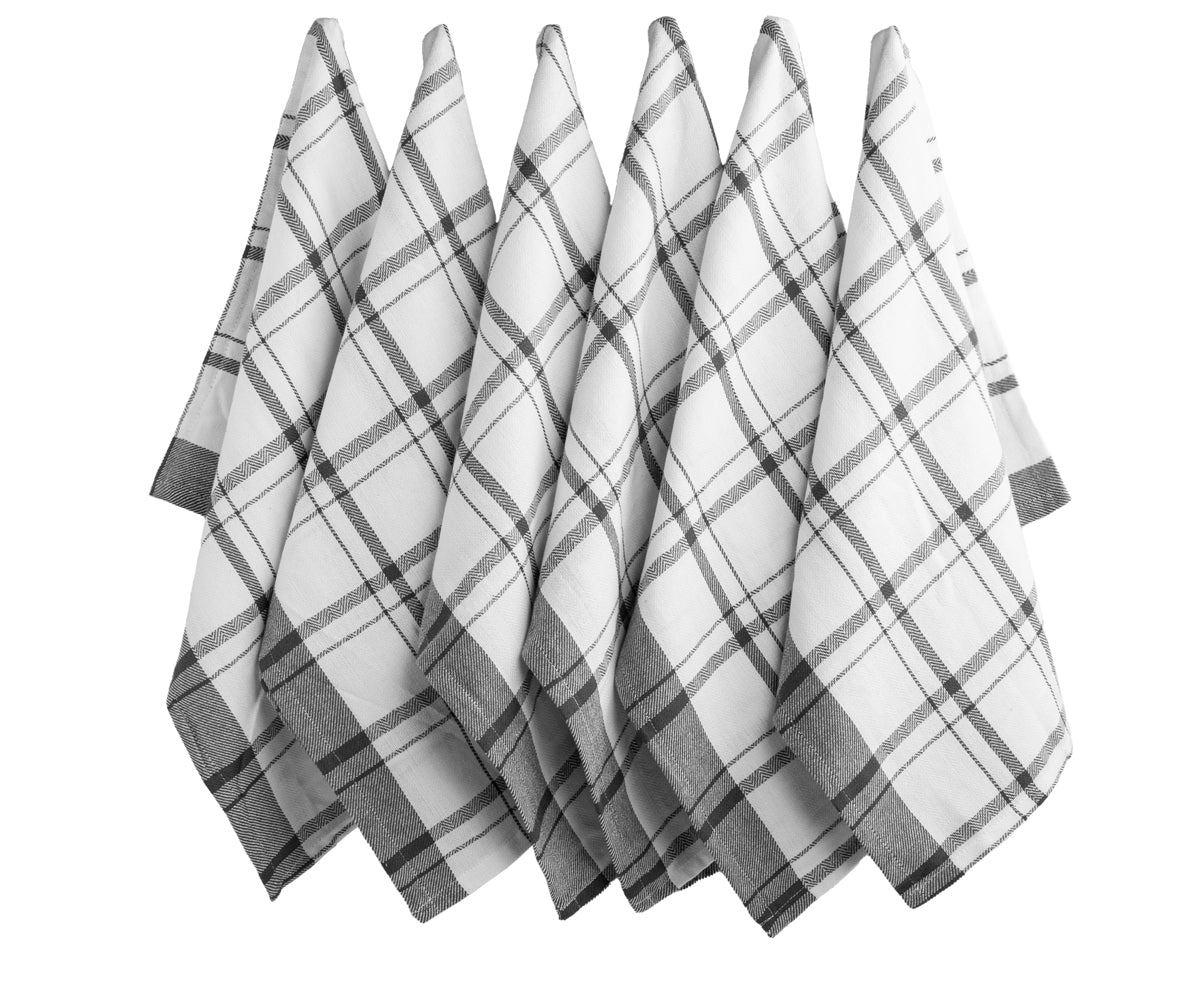
Autumn and winter are peak seasons for decorative kitchen towels in the USA. Thanksgiving, Christmas, and holiday gatherings bring a real interest in kitchen linens that feel appropriate to the time of year. A set of Christmas dish towels in cotton or a seasonal plaid pattern can sit on your oven door through the entire holiday season, functional every day, but dressed for the occasion.
Spring kitchens often shift toward lighter colors and simple patterns. Coral, beige, and white striped cotton towels work well as a seasonal refresh that still performs through daily cooking.
The key with seasonal towels is not to sacrifice function for looks. Any seasonal towel you buy should still be 100% cotton or a cotton-linen blend. Decorative doesn't have to mean ineffective.
How Many Dish Towels Do You Actually Need?
A common question, and one that has a practical answer. For a household that cooks daily, the recommendation is six to eight dish towels in rotation. That accounts for:
-
Two in active use (one for hands, one for dishes and surfaces)
-
Two in the laundry or drying
-
Two to four clean and folded in reserve
If you cook less frequently, four towels will usually cover you. If you run a household with children or cook three meals a day, eight or more is reasonable. The goal is never running out before laundry day, which leads to using damp towels, the fastest way to breed bacteria in your kitchen.

How to Care for Kitchen Dish Towels
Dish towels absorb oils, food residue, and bacteria throughout the day. Proper washing keeps them hygienic and preserves their absorbency.
Washing: Use warm water (not cold, which won't kill bacteria effectively) with a standard detergent. Avoid fabric softener on cotton towels, it reduces absorbency after two or three washes.
Drying: Air drying preserves fiber strength over time and is best for linen towels specifically. If you tumble dry, use a low heat setting. High heat can shrink cotton and weaken the weave of linen.
When to replace: Plain Kitchen towels need replacing when they develop a persistent odor that doesn't wash out, when the fabric thins noticeably, or when the edges start fraying. Most well-made cotton dish towels last one to two years with daily use.
Stain removal: For food stains, apply a small amount of dish soap directly to the stain before washing. For grease, a paste of baking soda and warm water works well as a pre-treatment. Avoid bleach on colored towels, it weakens the fabric and fades the dye.
Cotton vs. Linen Dish Towels: A Direct Comparison
|
Feature |
Cotton |
Linen |
|
Absorbency |
Very high |
High |
|
Drying speed |
Moderate |
Fast |
|
Softness (new) |
Very soft |
Slightly coarse |
|
Softness (after washing) |
Stays soft |
Gets softer with each wash |
|
Lint |
Some |
Almost none |
|
Best for glassware |
Acceptable |
Excellent |
|
Best for heavy spills |
Excellent |
Good |
|
Eco-friendly |
Yes |
Yes (flax uses less water) |
|
Typical lifespan |
1-2 years daily use |
2-3 years daily use |
For most kitchens, the practical answer is to keep both. Use cotton dish towels for general cooking tasks and spills, and keep one or two linen towels for glassware and polishing.