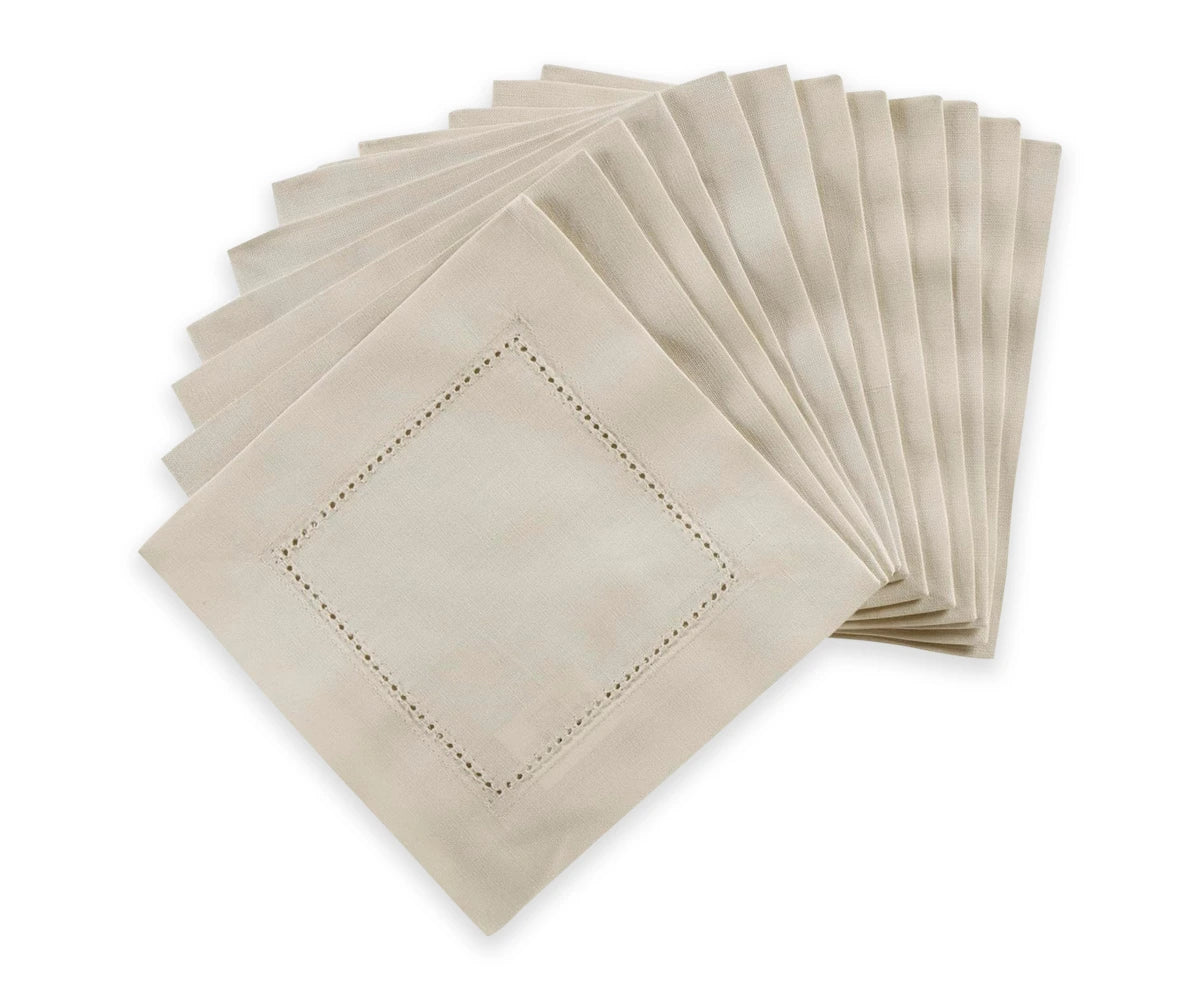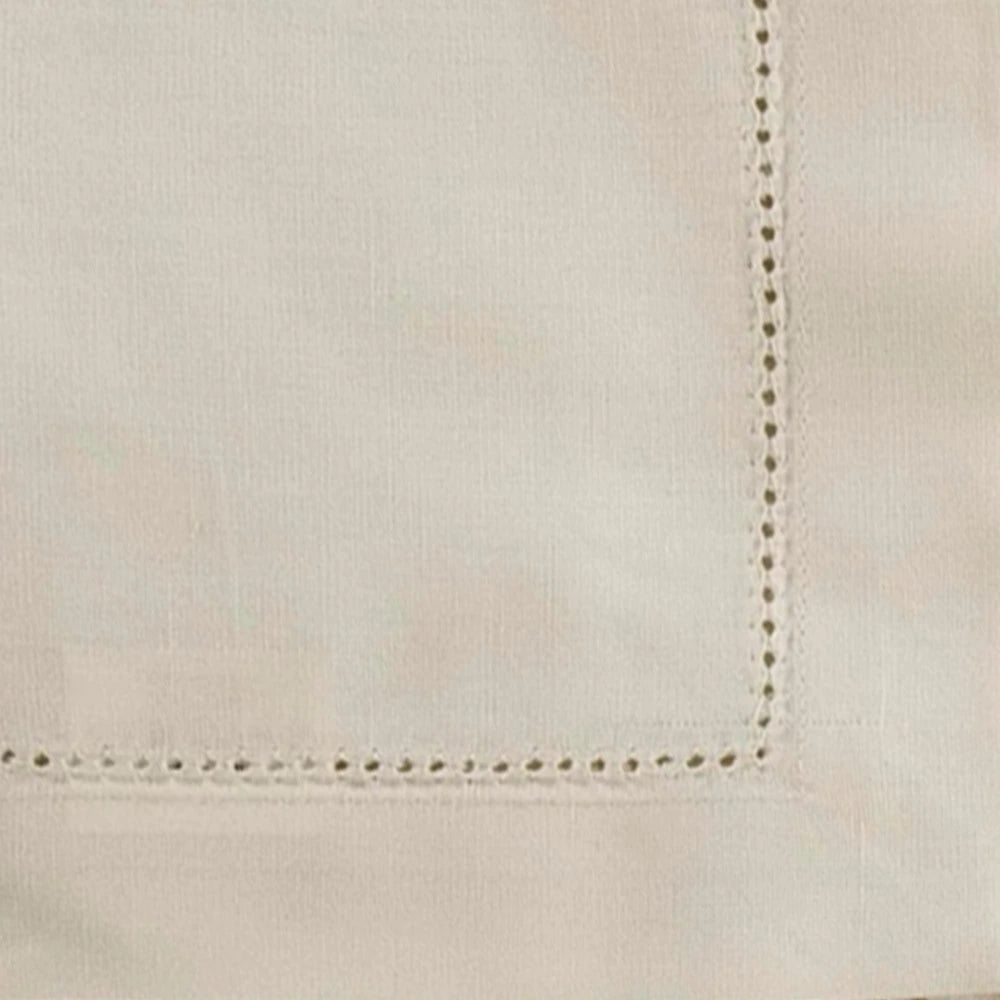


Anyone who has set a long table on the patio knows the moment a gust lifts the tablecloth and sends a stack of paper napkins across the lawn. For outdoor dining, a medium-weight linen or cotton-linen blend tablecloth is usually the best choice, paired with heavy cotton or linen napkins. These fabrics breathe in the heat, hang heavy enough to stay put in a light breeze, and go straight into the washing machine after a long evening of grilled food and spilled wine. Pure cotton works well for everyday family meals, while 100% linen earns its place at slower dinners where the table is meant to look relaxed and lived-in.
At a Glance: Table Linen Fabrics for Outdoor Dining
|
Fabric |
Weight on the table |
Breathability |
Stain release |
Wrinkling |
Best for |
|
100% Linen |
Medium to heavy |
Excellent |
Good |
High (part of the look) |
Dinner parties, relaxed long tables |
|
Cotton-Linen Blend |
Medium |
Very good |
Very good |
Moderate |
Frequent entertaining, everyday outdoor use |
|
100% Cotton |
Light to medium |
Good |
Good |
Moderate |
Family meals, picnics, printed patterns |
|
Polyester |
Light |
Poor |
Fair with oily stains |
Low |
Large events on a budget |
|
Coated Cotton (Oilcloth) |
Medium |
None |
Wipes clean |
None |
Kids' tables, damp climates |
Why Fabric Choice Matters More Outdoors Than Indoors
Indoors, a tablecloth only has to look good and survive the occasional spill. Outdoors, it deals with wind, sun, humidity and the evening dew that settles on everything after sunset. Weight decides whether the cloth stays on the table at all. Fiber decides how it handles the heat. Linen and cotton let air move, so the cloth never feels clammy against bare forearms on a humid evening, while polyester traps warmth and holds on to grease from grilled food.
Textiles also change how a patio sounds. Stone, decking and metal chairs bounce every clink of cutlery around the space. A thick runner and a set of cloth napkins absorb some of that clatter, which makes it easier for guests to talk across the table.
Fabric-by-Fabric Breakdown
Linen
Linen is spun from flax, and its long fibers make a fabric that is strong, cool to the touch and quick to dry. That last quality matters outside, where a cloth left on the table overnight will be damp by morning. Linen also gets softer with every wash. The trade-off is wrinkling. Hosts who want crisp, pressed lines may find it frustrating, but for a relaxed alfresco dinner, a slightly rumpled linen cloth looks exactly right.
Cotton
Cotton is the practical workhorse. It takes dye beautifully, which is why most checks, stripes and printed tablecloths are cotton, and it handles warm washes when barbecue sauce lands on the hem. A tightly woven, heavier cotton hangs better than a thin percale and stays in place on a breezy terrace. Lighter cotton can lift at the corners, so it suits sheltered spots or a table with clip-on tablecloth weights.
Cotton-Linen Blend
A blend combines the texture and breathability of linen with the softness of cotton, and it wrinkles noticeably less than pure linen. For people who host outside every weekend through the summer, this is often the sweet spot. It looks natural, irons quickly and stands up to frequent washing without losing its shape.
Polyester and Coated Fabrics
Polyester resists wrinkles and costs less, which is why event rental companies rely on it. Outdoors, it feels warm and slightly slick, and oil-based stains tend to cling to synthetic fibers. Coated cotton wipes clean in seconds and works for a kids' table, but it doesn't drape and can turn sticky in direct sun.
Sun, Shade and How Long Your Linens Last
The biggest threat to outdoor table linens is sunlight rather than red wine. UV exposure slowly weakens natural fibers and fades dyed fabric, and navy, red and deep green napkins usually show it first. A tablecloth left out through a few sunny afternoons can develop a pale band exactly where the light falls across the table edge.
Overhead cover makes a real difference here. Homeowners who build a permanent wood shade structure over the dining area keep the table in filtered light through the hottest part of the day, so colored runners and napkins hold their tone for several seasons instead of one. The timber beams also give you a place to hang a dimmable light directly above the table, which shows off the food and the linens far better than a loose string of fairy lights. Umbrellas help as well, though they need to be angled through the afternoon and still leave the ends of a long table in full sun.
If your table sits in the open, natural, oatmeal and white linens hide fading far better than saturated colors. Whatever the setup, bring everything inside at the end of the evening, because morning humidity and leftover crumbs invite mildew and wasps.
Tablecloth Size Guide for Outdoor Tables
Indoors, a casual tablecloth typically hangs 6 to 10 inches over each edge. Outdoors, a 6-inch drop works best. A shorter drop catches less wind, stays clear of guests' knees and doesn't snag on chair legs when people get up.
|
Table size |
Seats |
Tablecloth size (6-inch drop) |
|
60 x 36 in rectangle |
4 to 6 |
72 x 48 in |
|
72 x 40 in rectangle |
6 |
84 x 52 in |
|
96 x 40 in rectangle |
8 |
108 x 52 in |
|
48 in round |
4 |
60 in round |
|
60 in round |
6 to 8 |
72 in round |
Measure the tabletop, add twice the drop to each dimension and round up to the nearest standard size. Leave at least three feet of clear space around the table as well, so guests can walk behind seated chairs without brushing against them.
Step-by-Step: Dressing an Outdoor Table
-
Start with the table shape. Long rectangular tables suit a runner down the center with shared platters, while round tables look best with a full cloth and encourage conversation across the table.
-
Choose weight before pattern. Pick the heaviest cloth available in your preferred fabric, and add hem weights on exposed terraces.
-
Layer a runner. A heavy cotton or linen runner anchors the middle of the table, protects the cloth from hot dishes and adds a second color without buying a new tablecloth.
-
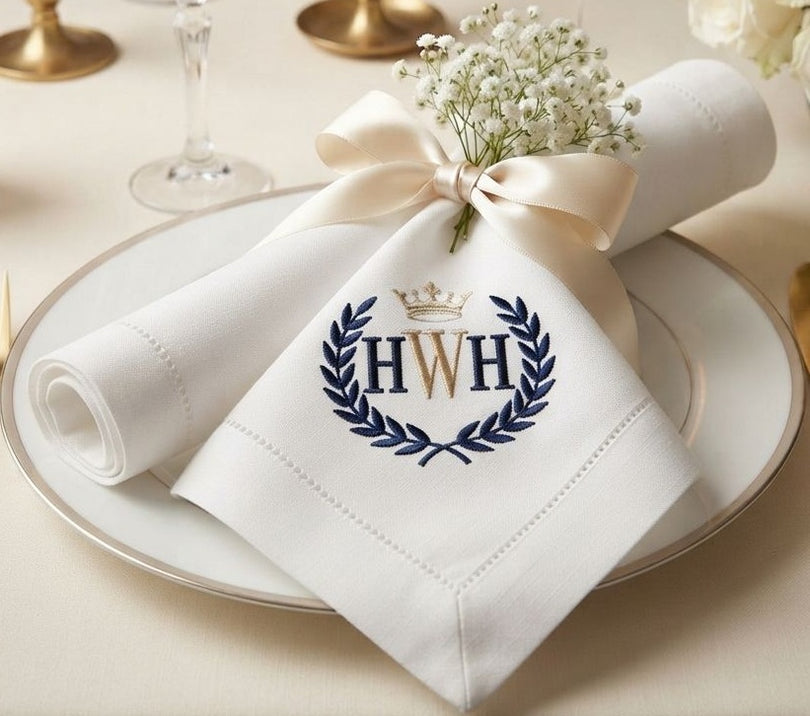
Set out real napkins. Cloth napkins stay on laps and plates when the wind picks up. Tuck them under the edge of a plate or roll them through a napkin ring.
-
Plan for the evening. Keep candles in glass hurricanes away from loose napkin corners, and set a basket of cotton throws nearby for when the temperature drops.
Washing and Care After Outdoor Use
Shake out crumbs outdoors before washing, and treat grease from grilled food with a drop of dish soap before it sets. Linen and cotton both machine wash well on a warm cycle. Skip bleach on colored pieces, since it speeds up the same fading the sun already causes. Line-dry linen or tumble it on low, then remove it while slightly damp to make ironing easy. Store everything completely dry in a breathable cotton bag instead of plastic, and your table linens will come out ready for the next season of long dinners outside.