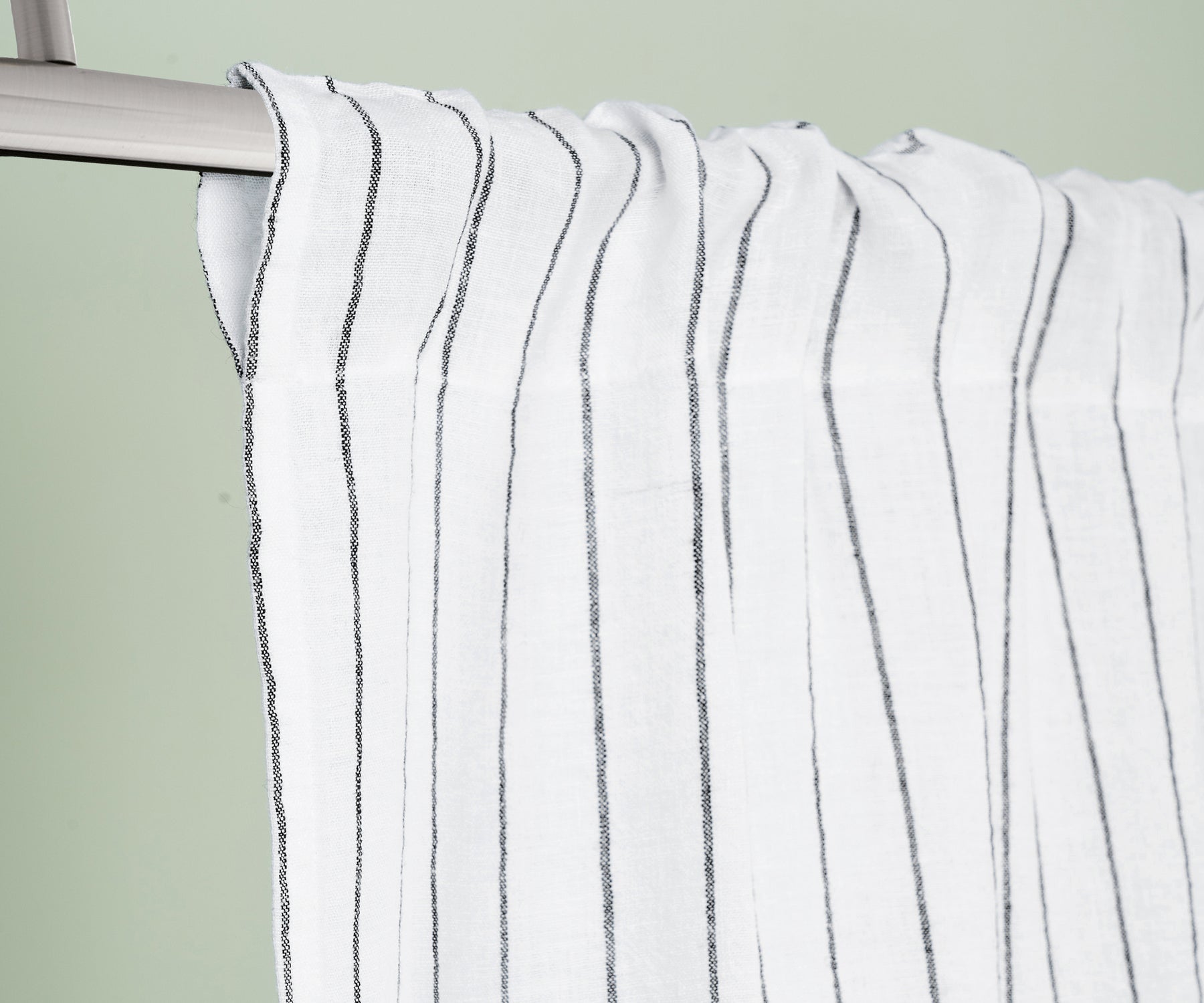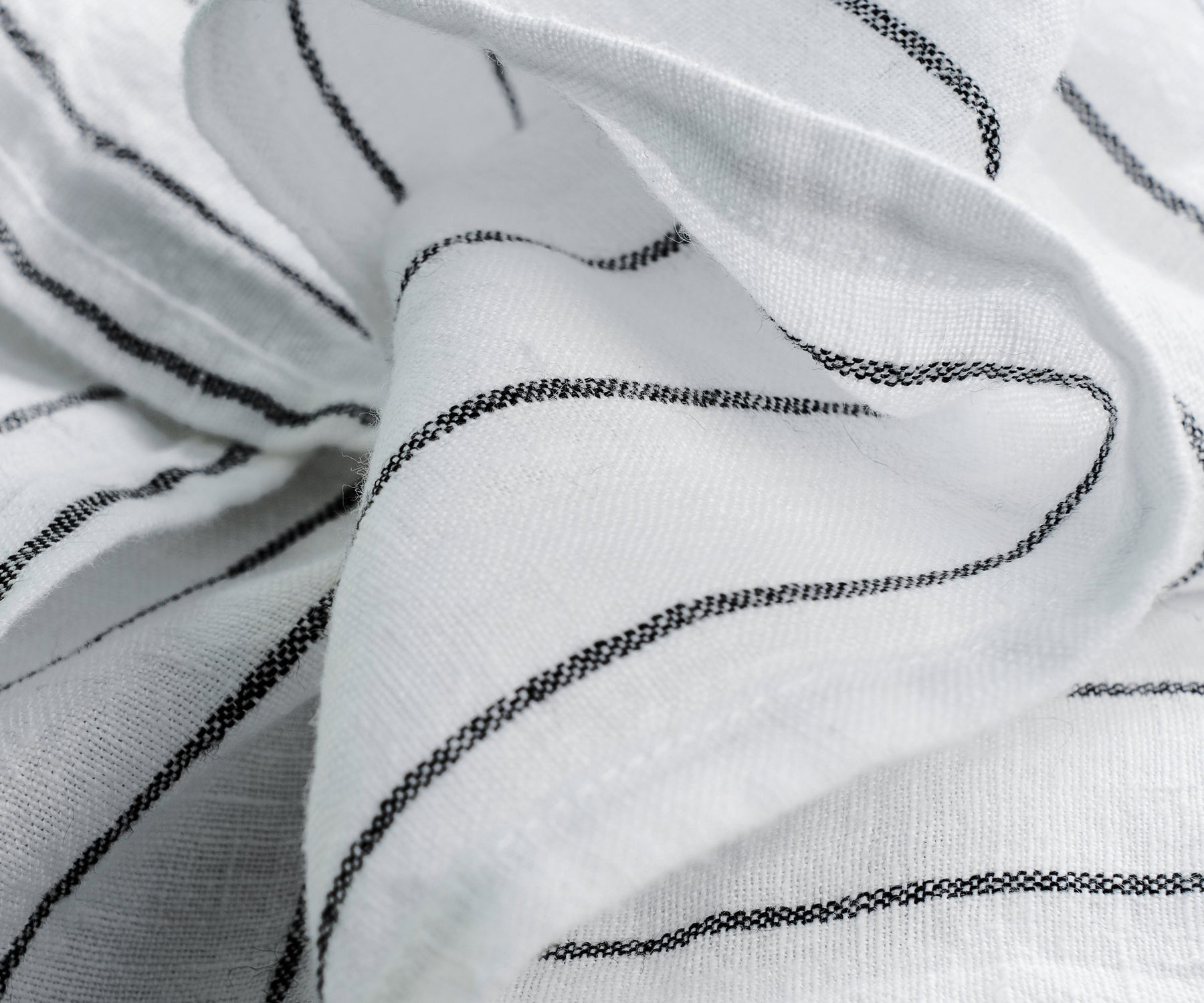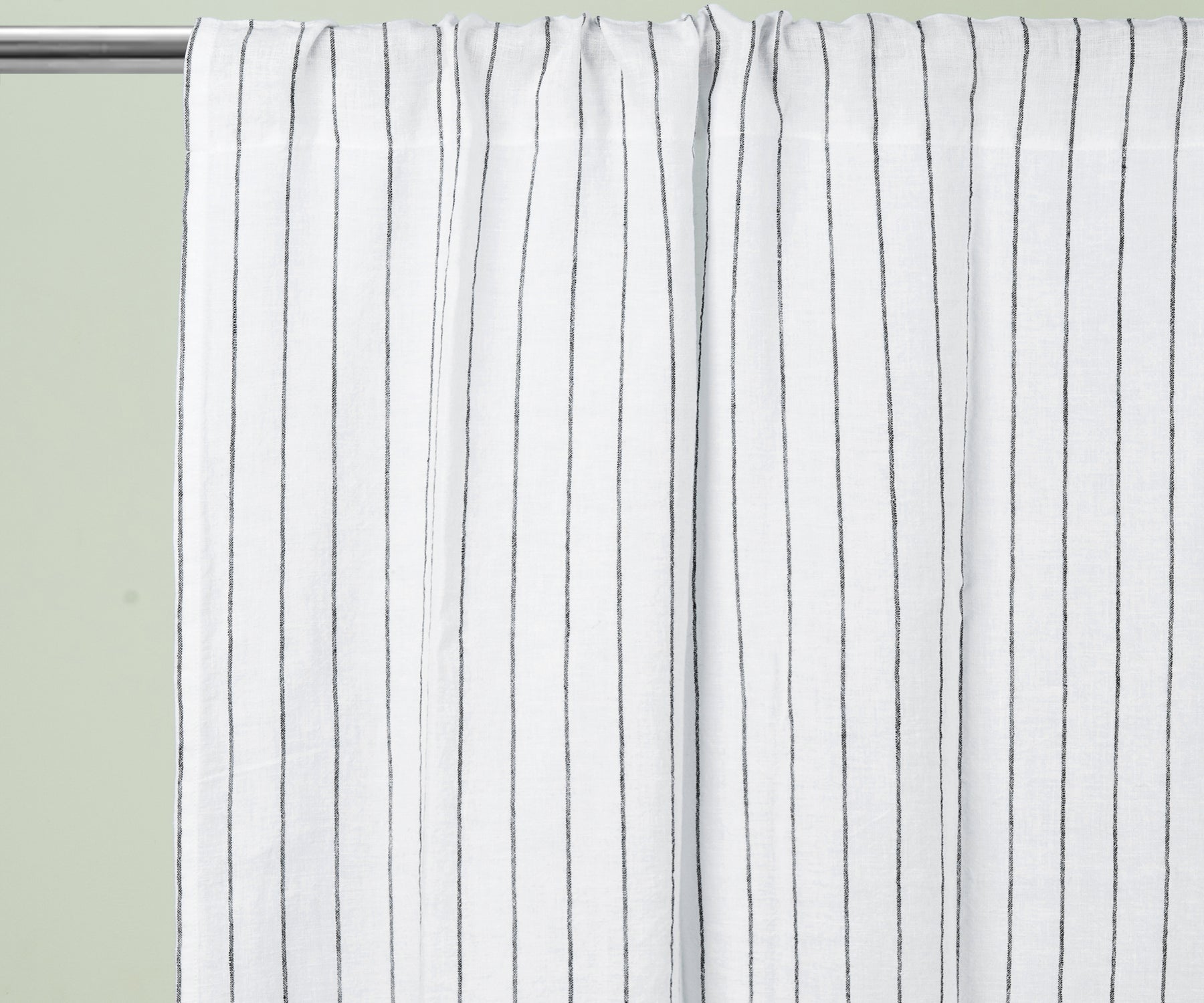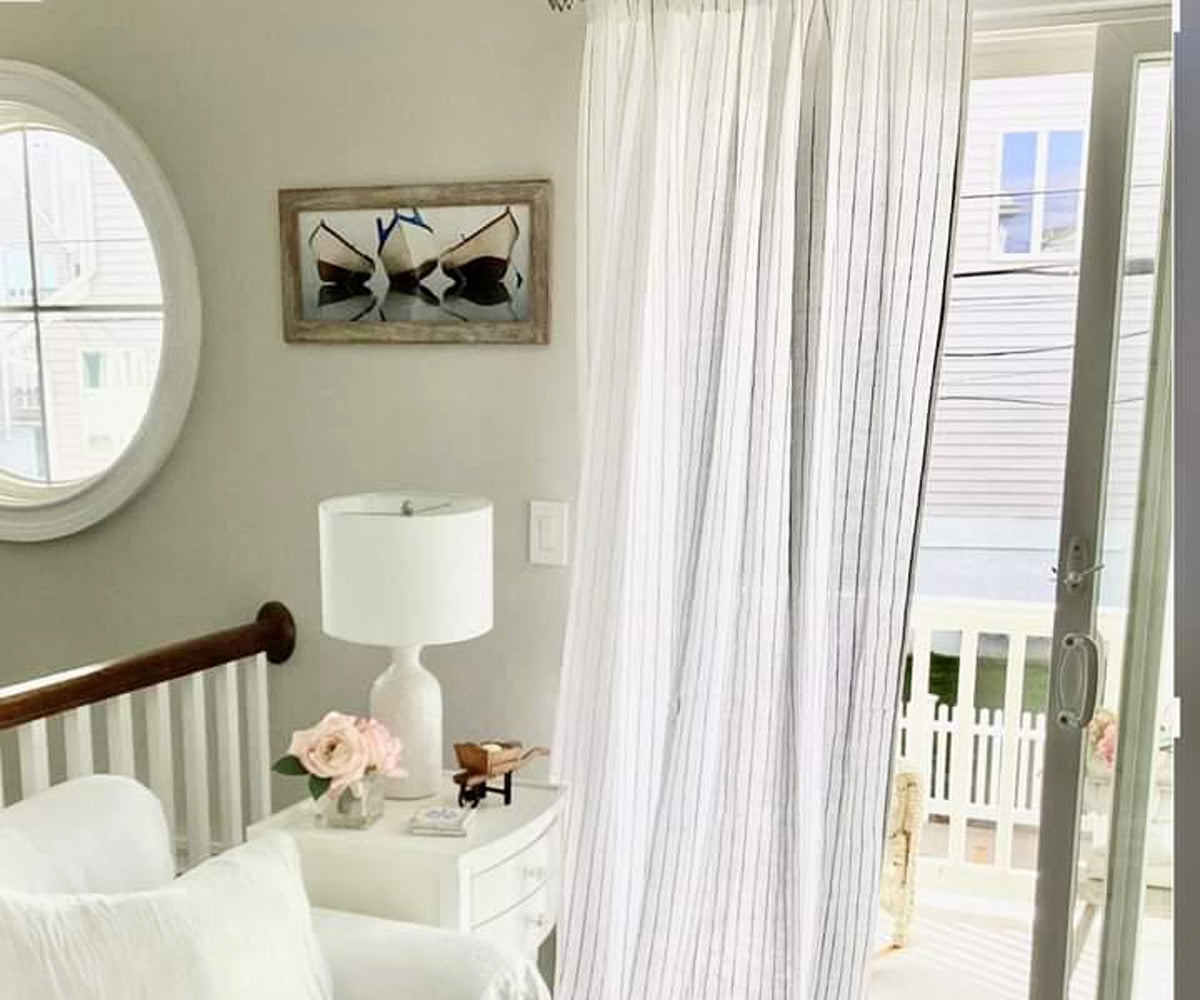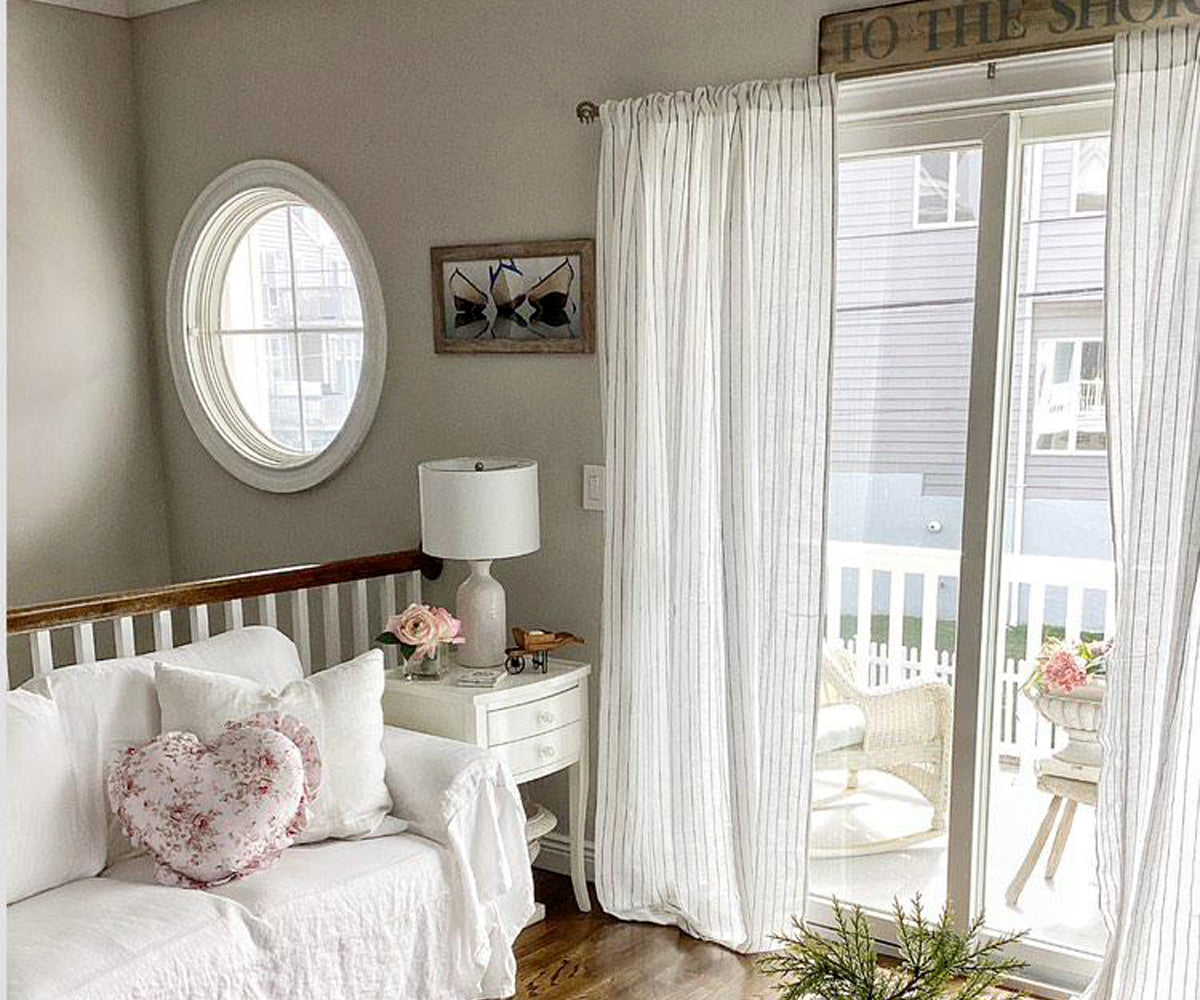

Curtains can transform windows from bare walls into beautiful works of art. They draw attention to your windows while adding color and texture to your space. In addition, curtains provide privacy and allow you to control the amount of sunlight that enters the room.
With its incredible variety of materials, lengths, colors, and styles, curtains can be challenging to select. Fortunately for you, there are several types of curtains to choose from, such as linen curtains and cotton curtains. Choosing the right material will depend on your needs and personal style.
Whether you want to spruce up your living room or bedroom, let us help you find the perfect style. We’ve rounded up the best of the best for our list of curtain styles, including everything you need to know about linen vs cotton curtains. We’ll also cover the advantages of using linen curtains. In addition, we will answer questions such as, are curtains out of style, are curtains considered linens, and give ideas about bedroom curtain styles, the living room, and your dining room windows.
What Are Curtain Styles?
Curtain style is generally about the overall appearance, construction, and the way it hangs in the room. More specifically, choosing the best style will determine the room’s appeal, coziness, luxury, and even square footage.
So what curtain style is right for you? Let’s begin by discussing the most common types.
Curtain styles can be generally divided into several categories:
-
The fabric type (cotton, linen, velvet, etc.)
-
Curtain length
-
Fullness
-
Construction (how the curtain is attached to the rod)
-
Sheerness and lining
-
The color, pattern, and texture of the fabric
Another thing to consider when shopping for curtains is that there is a big difference between curtain styles and curtain headings. The former refers to the overall look and functionality of the curtain, whereas the latter is basically a top treatment, i.e. how the curtain is finished at the top to allow it to hang from the rod.
Some of the most common curtain headings are pinch pleats, eyelets, rod pockets, and tab tops. On the other hand, the most popular materials are cotton and linen, which are both natural fabrics, and velvet, silk, polyester, and blends, which are highly diverse in terms of performance and maintenance.

Are Curtains in Style in 2026?
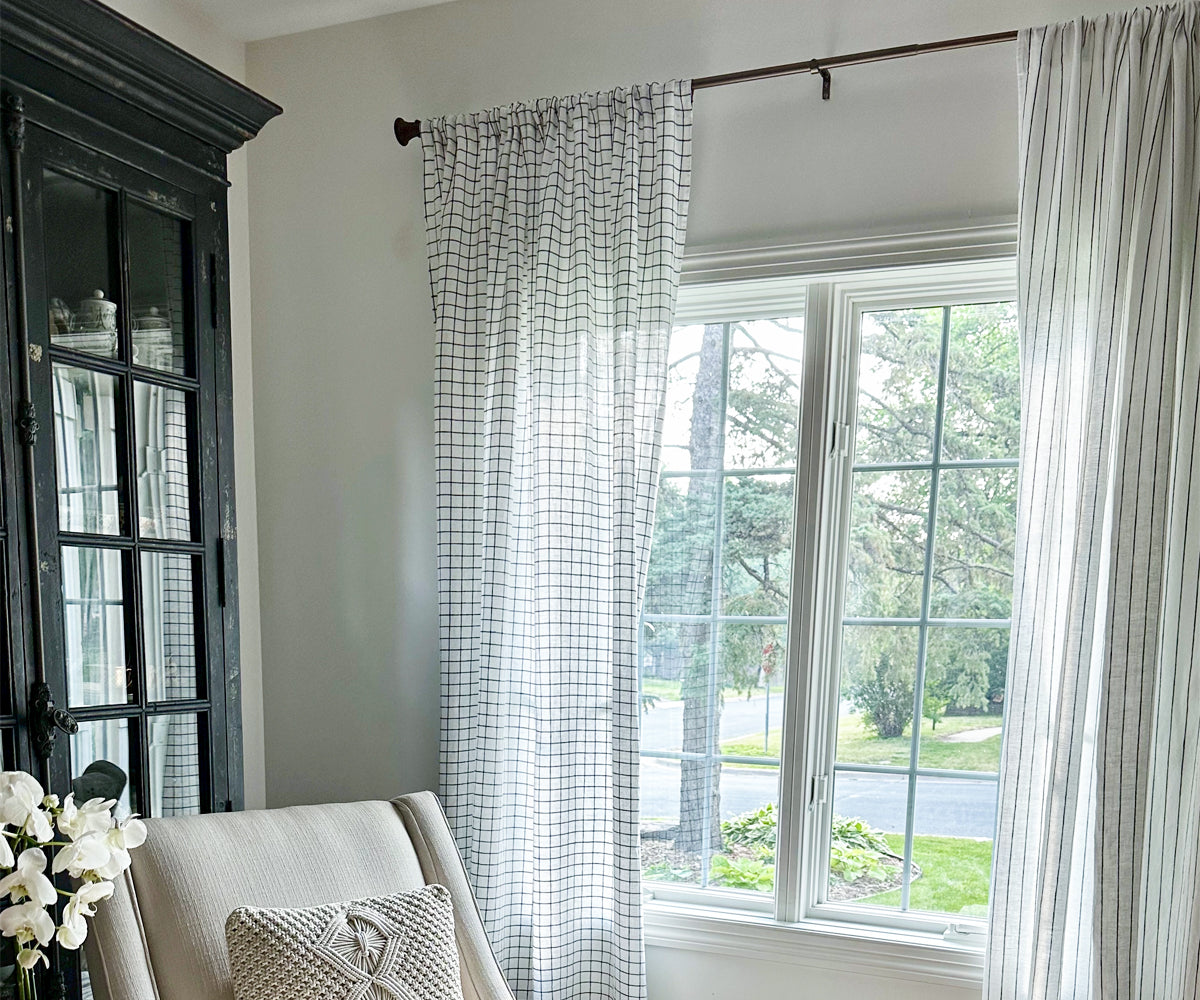
Yes, curtains are in style in 2026. If anything, curtains are a great way to add comfort, texture, and individuality to your interiors. Modern interiors are leaning towards using more breathable, natural materials and keeping the decor relatively simple and muted. This makes curtains in linen, cotton, neutral colors, delicate patterns, layered, and reaching the floor, especially desirable.
Rather than asking yourself are curtains out of style, pick the desired fabric and patterns that will make your room unique and inviting.
Some popular options include:
-
Linen curtains that will bring a bohemian vibe into the room;
-
Cotton curtains that are perfect for casual living;
-
Sheer curtains that will not obstruct the view outside;
-
Blackout curtains that will ensure privacy and insulation;
-
Layered curtains that add depth and dimension to windows;
-
Pleated curtains that create a formal and structured look.
So, are blackout curtains out of style? There is nothing old about them. Everything depends on the fabric, patterns, and colors.
Popular curtain styles to suit any interior
There are several popular curtain styles to choose from, depending on the decor in your home, the size of the windows, privacy needs, and the amount of natural lighting you need to allow in.
Here are some of the most popular styles.
Linen Curtains
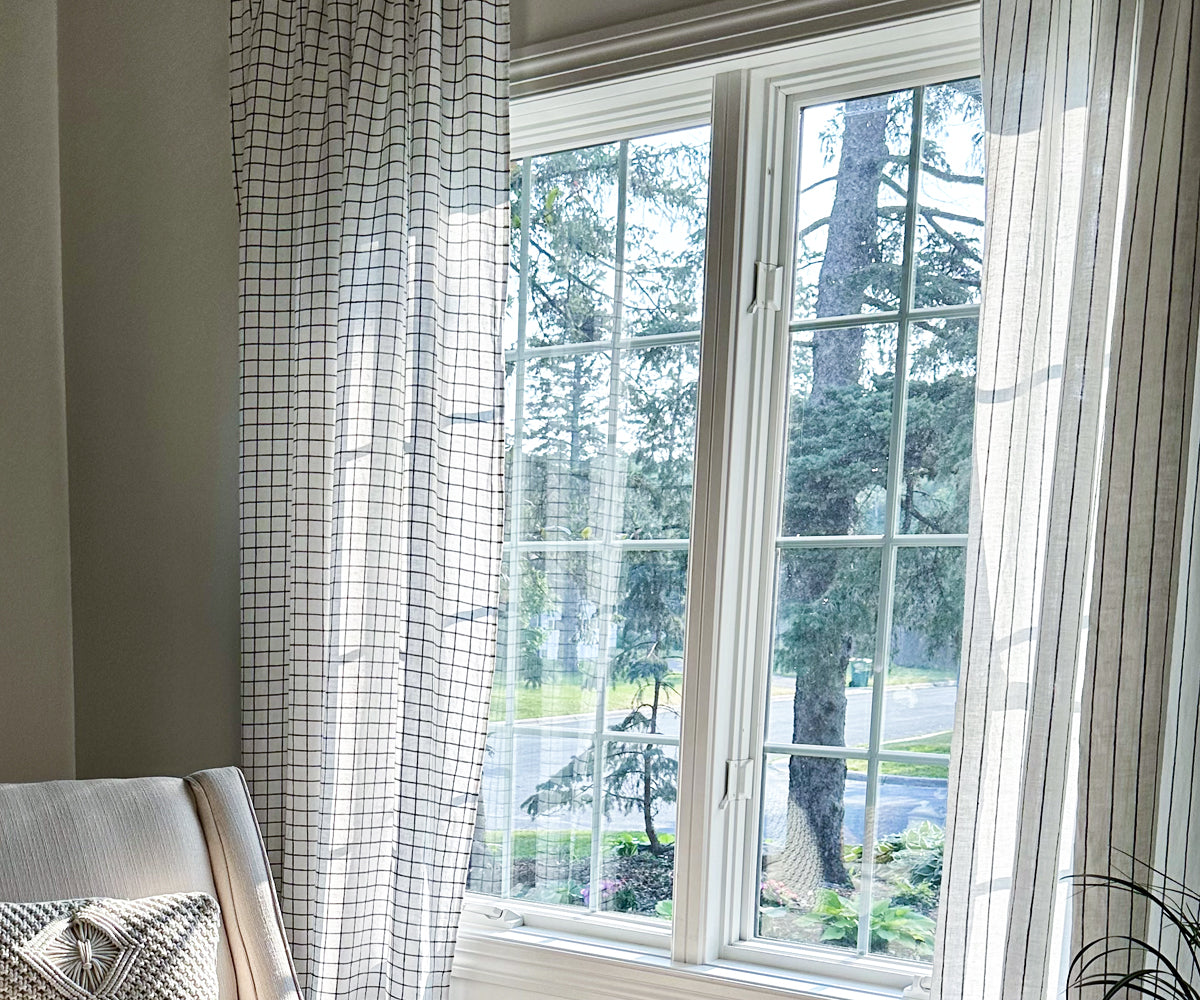
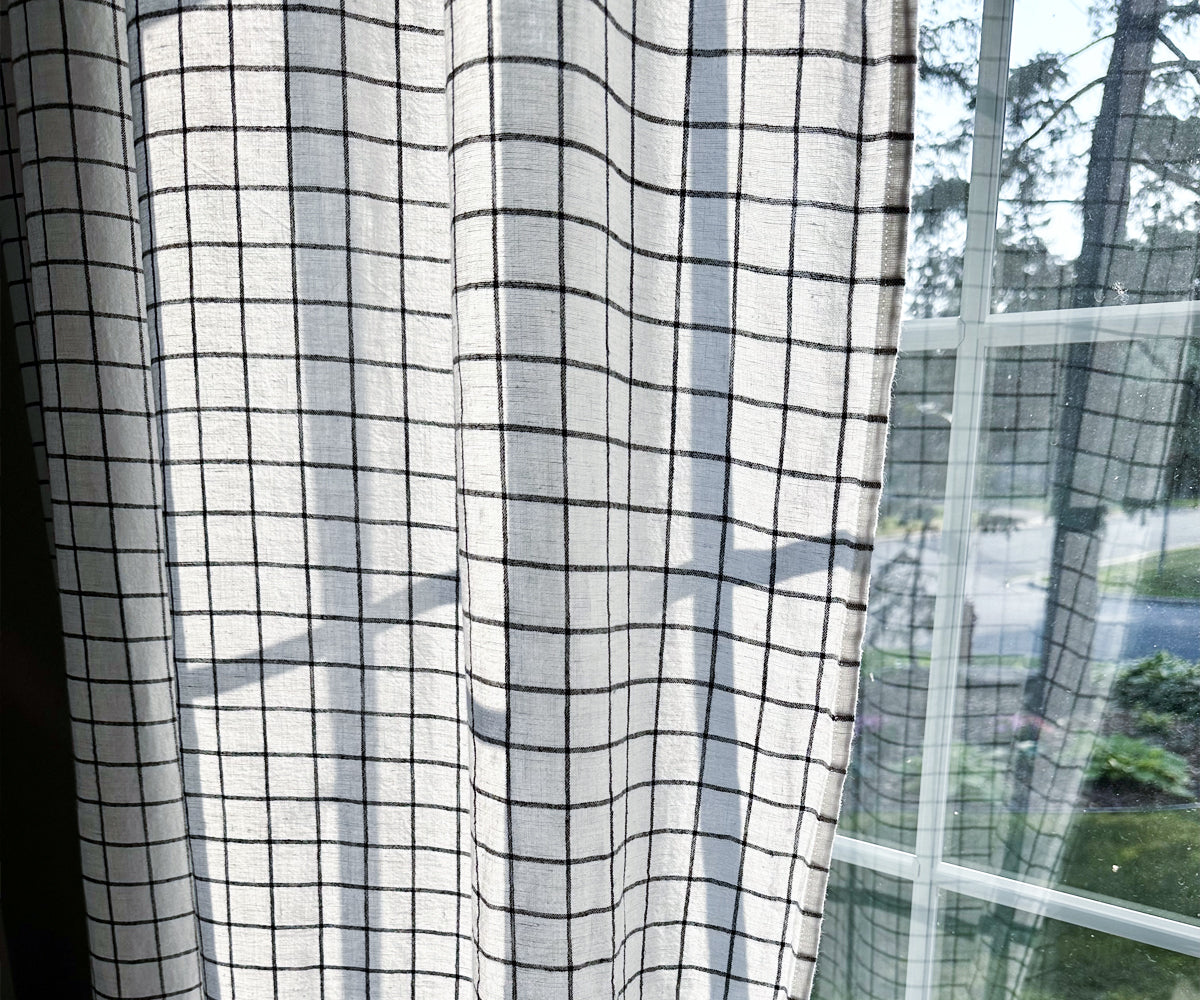
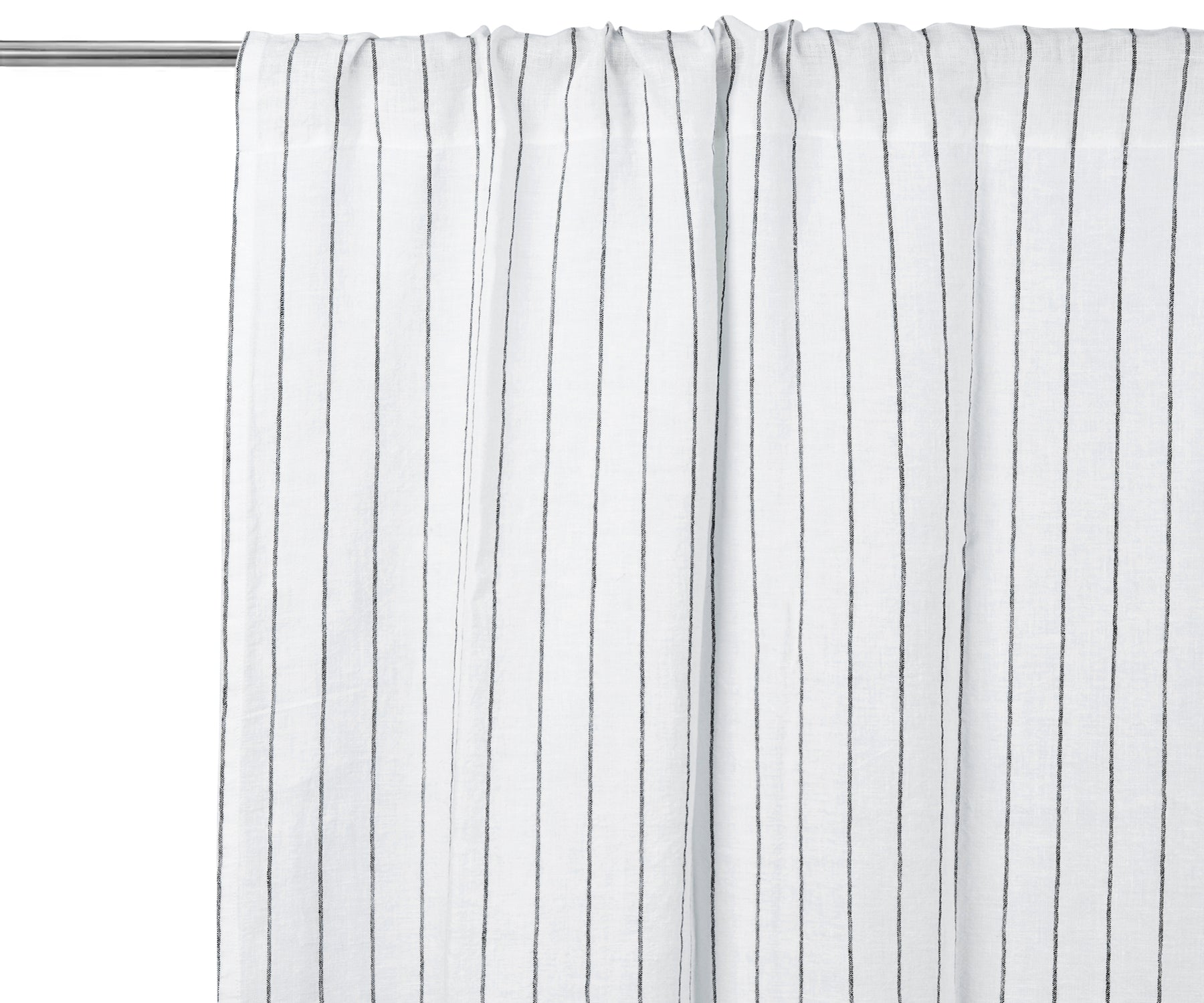
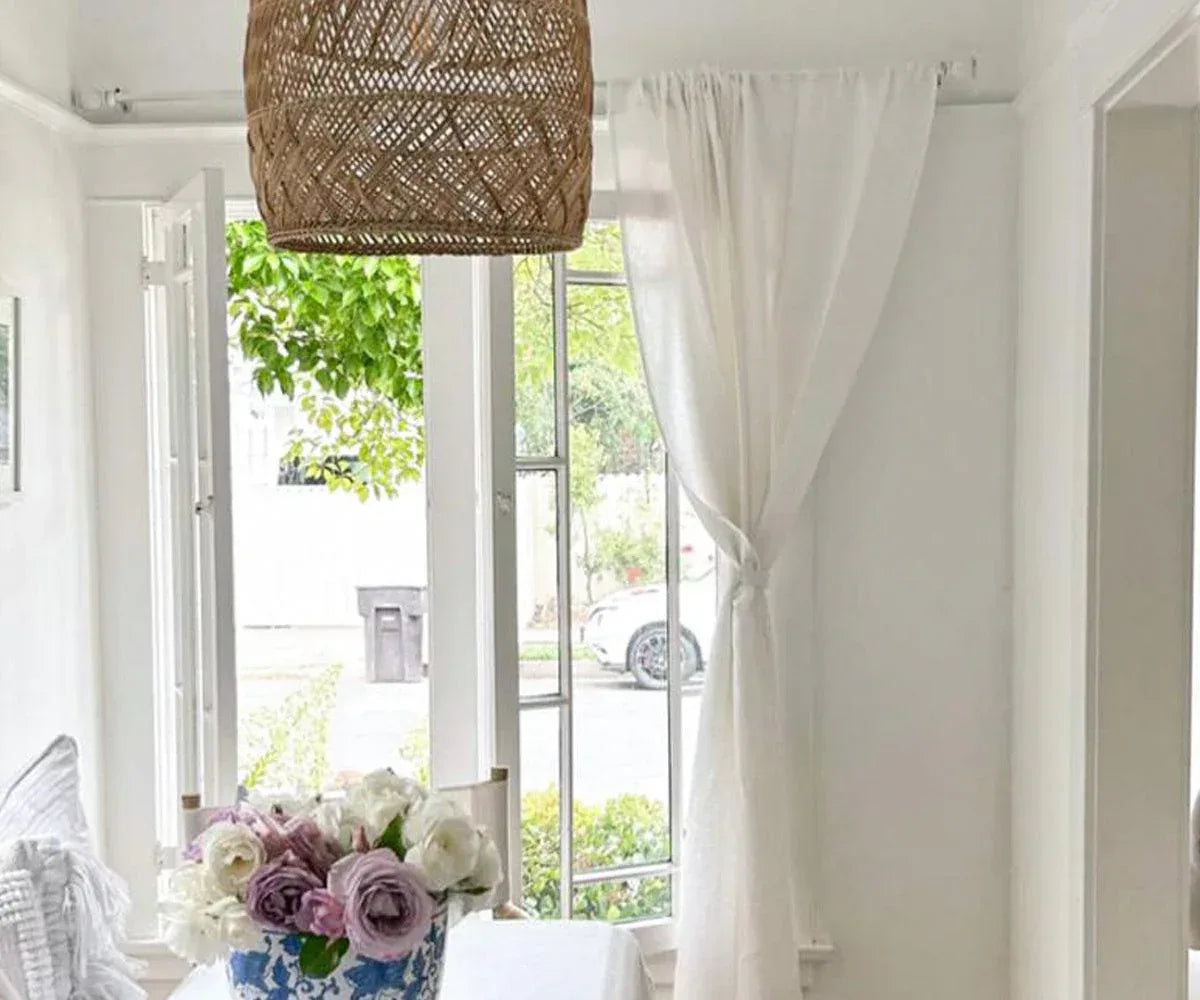
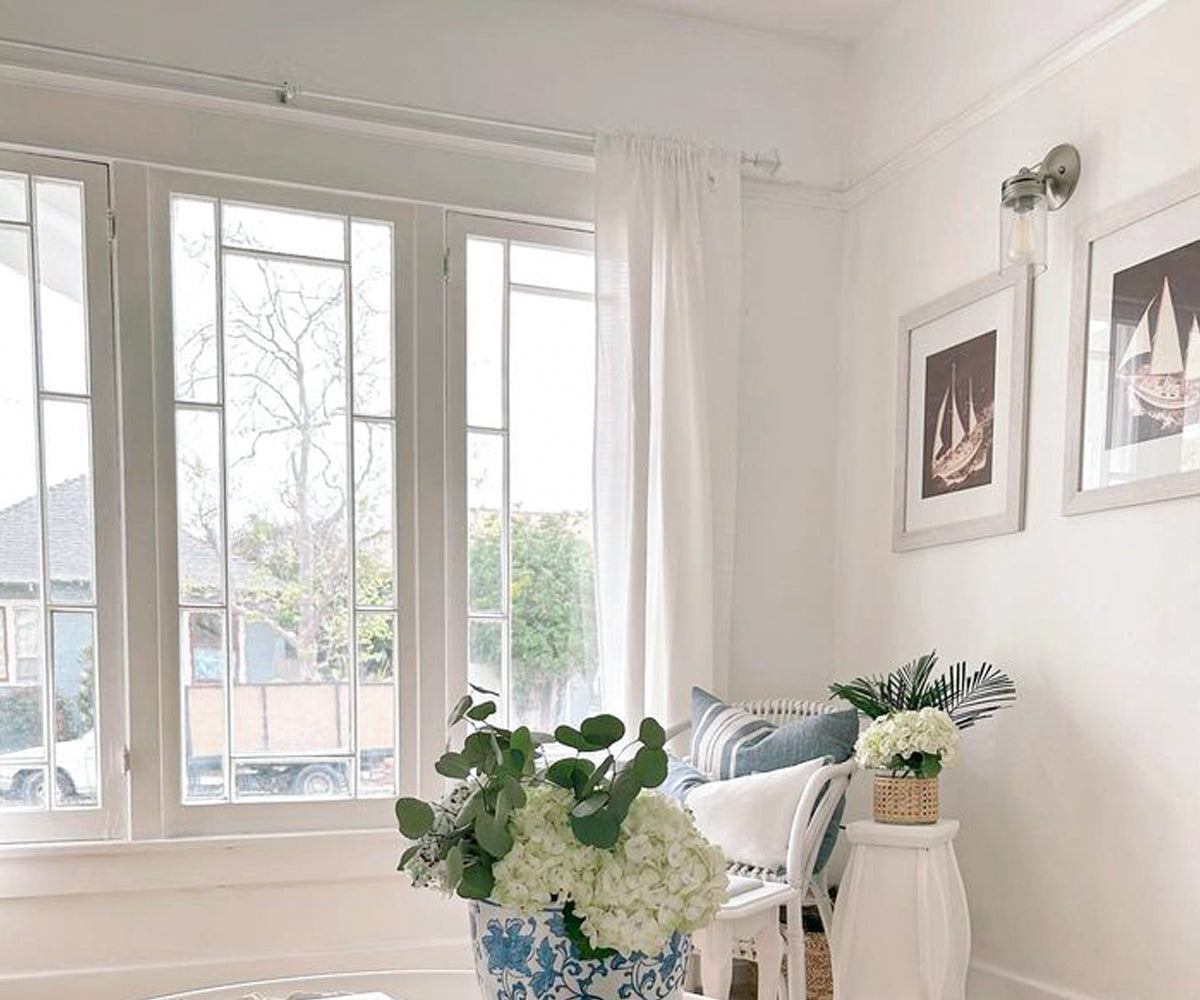
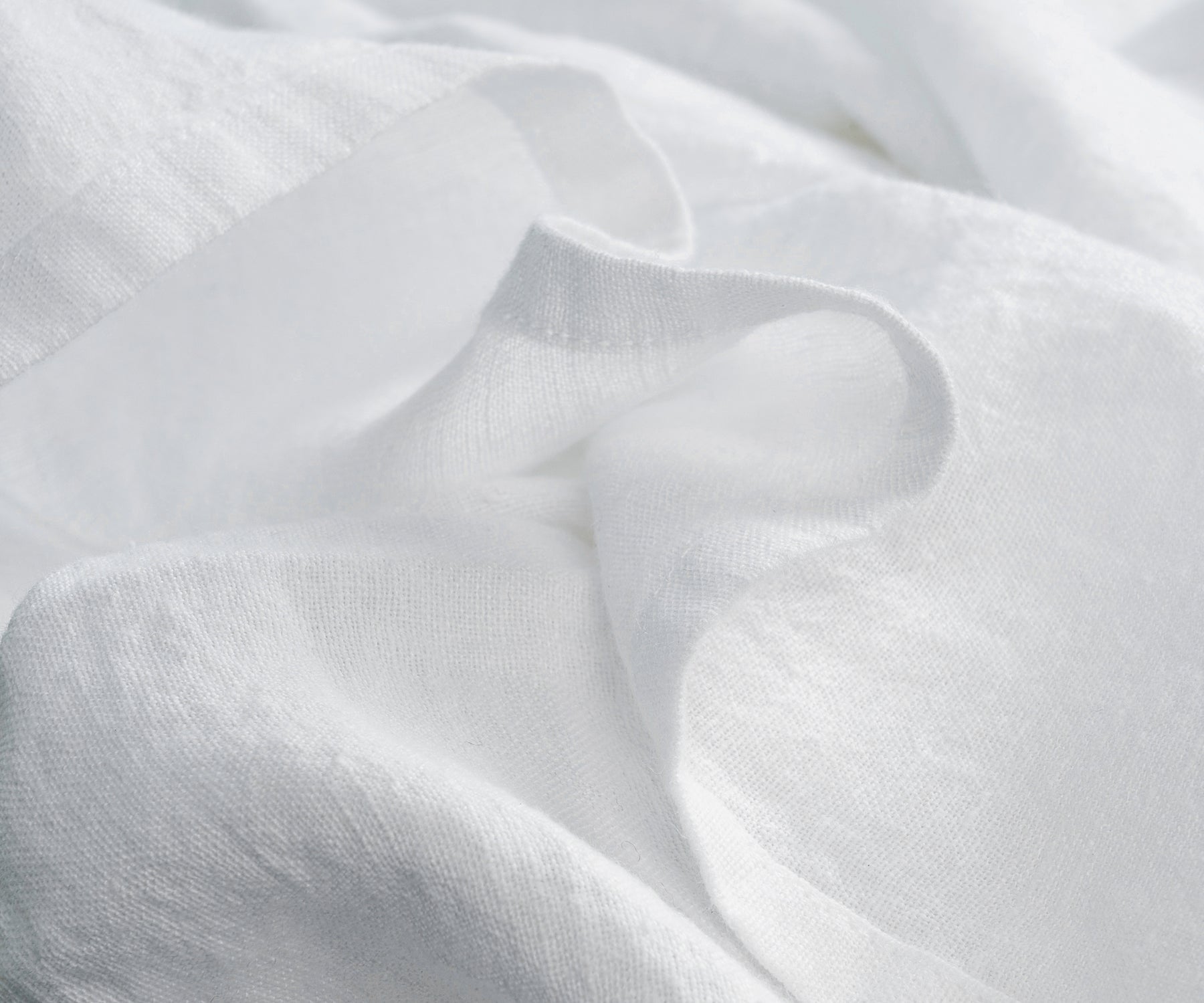
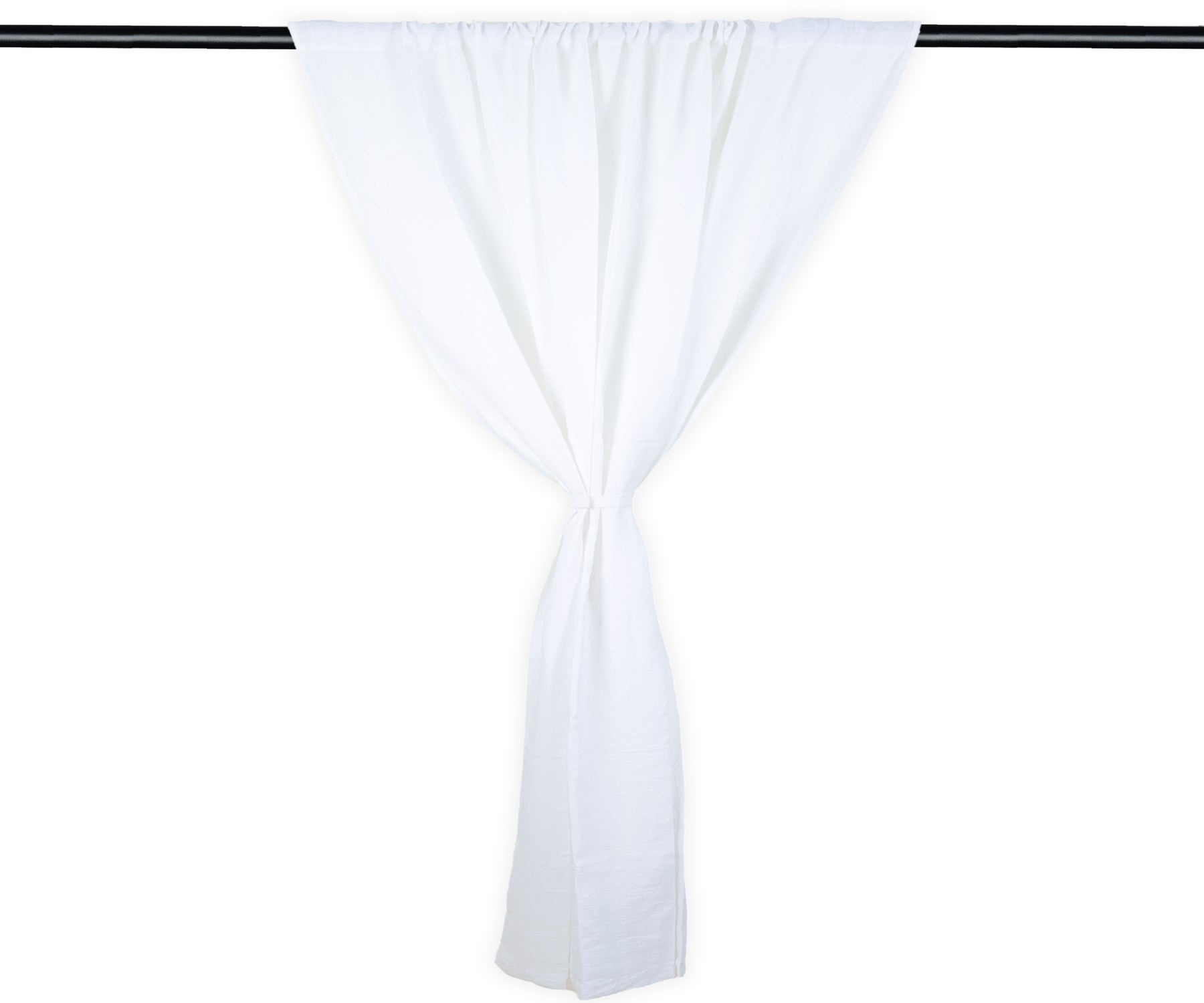
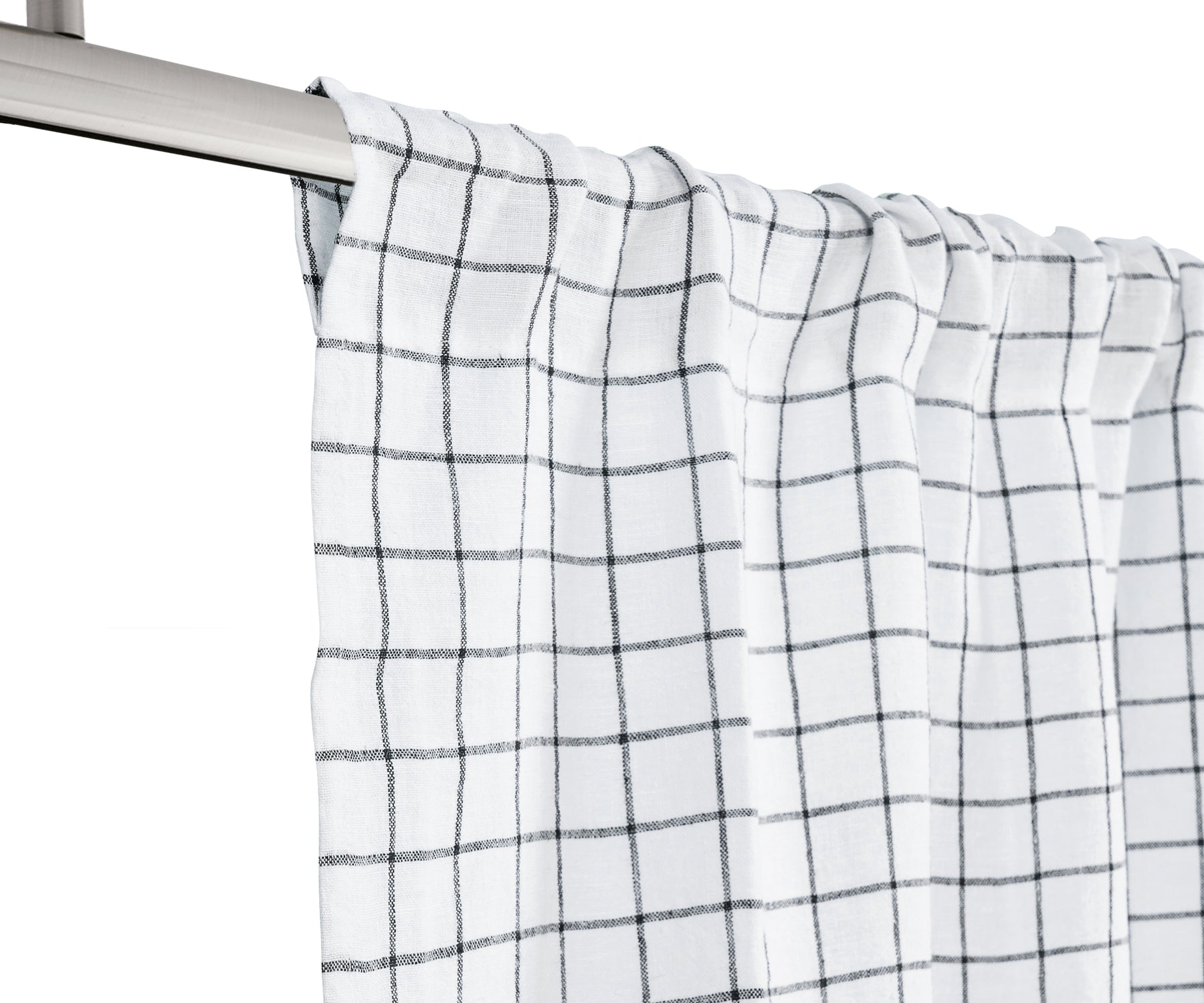
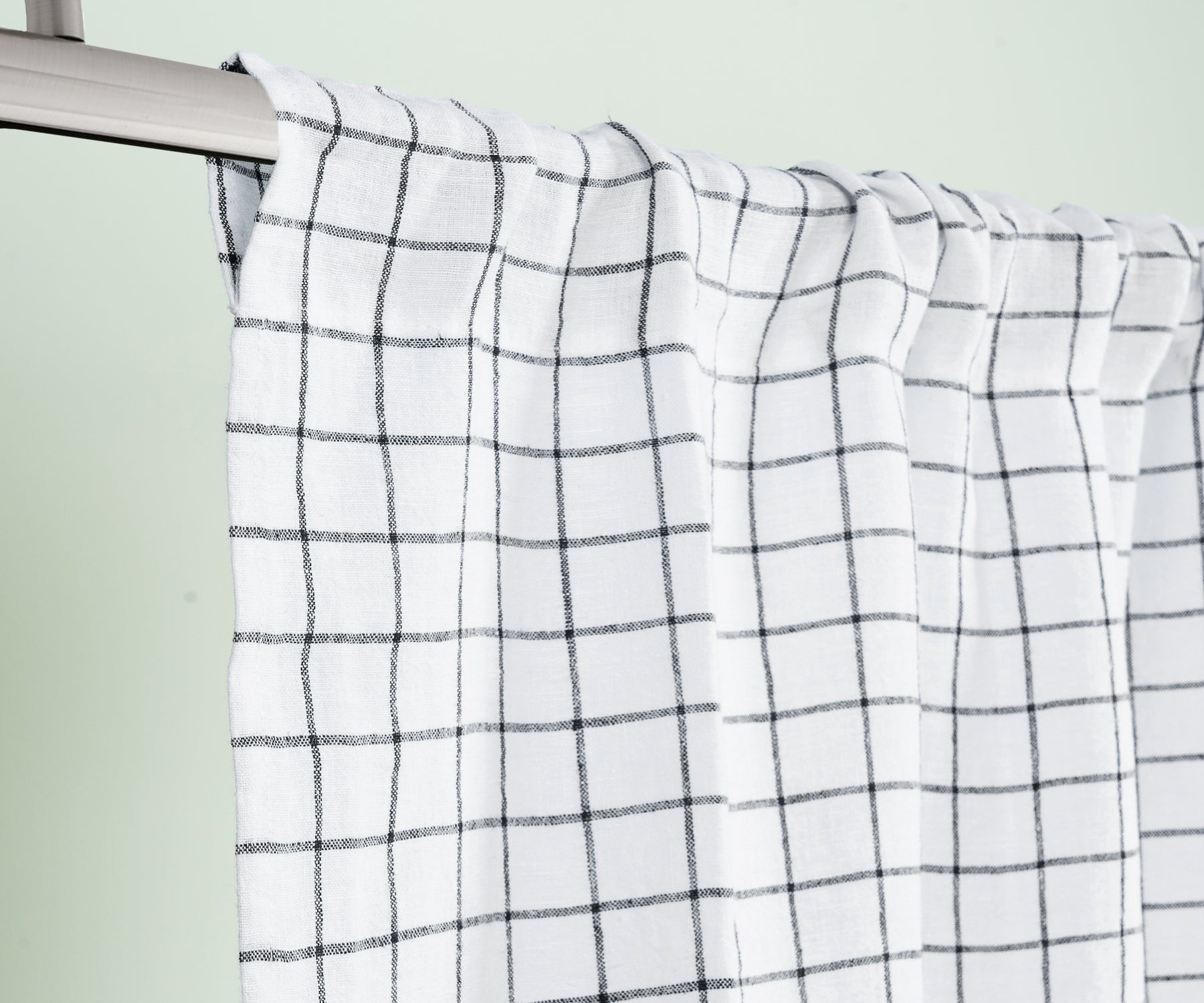
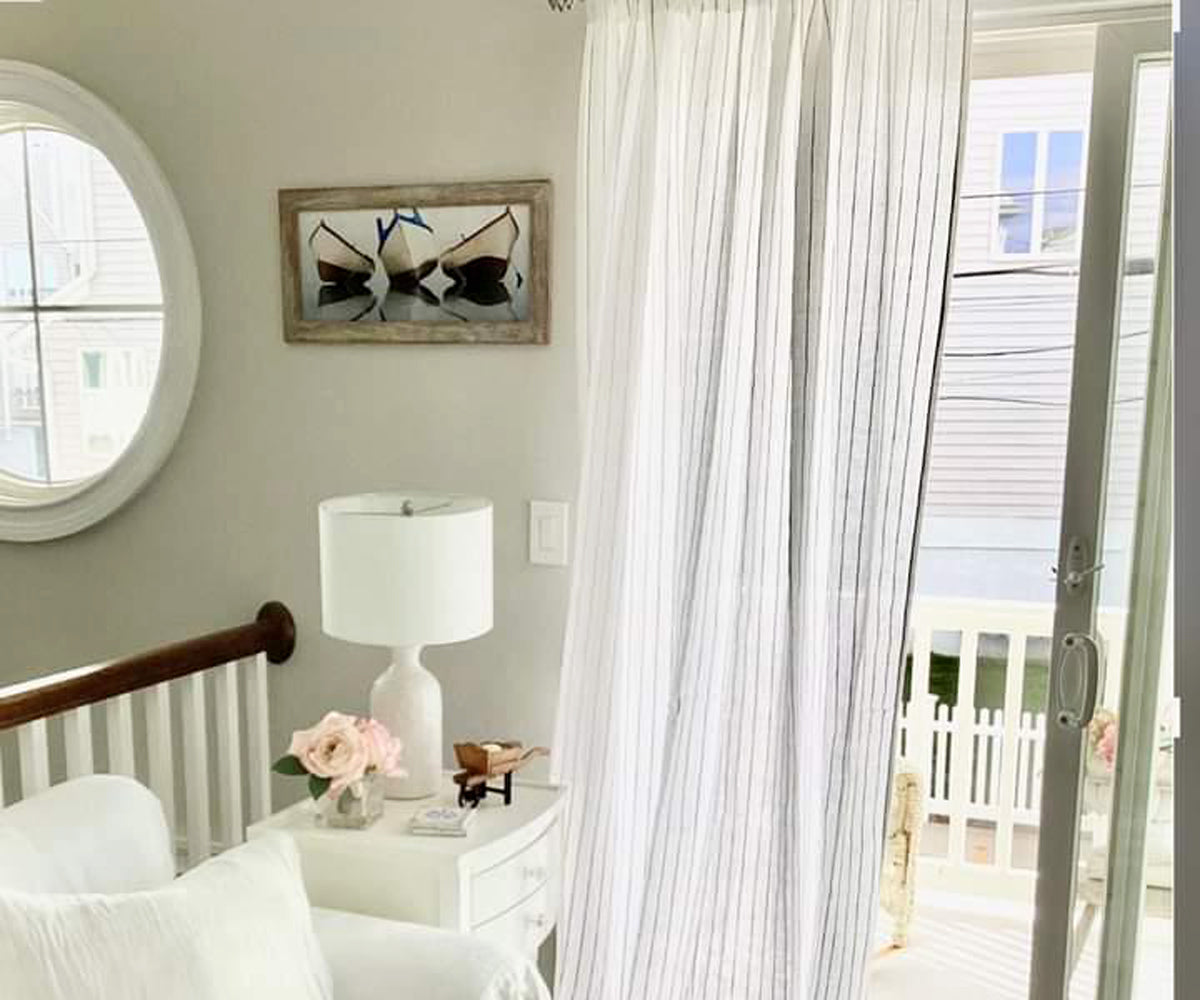
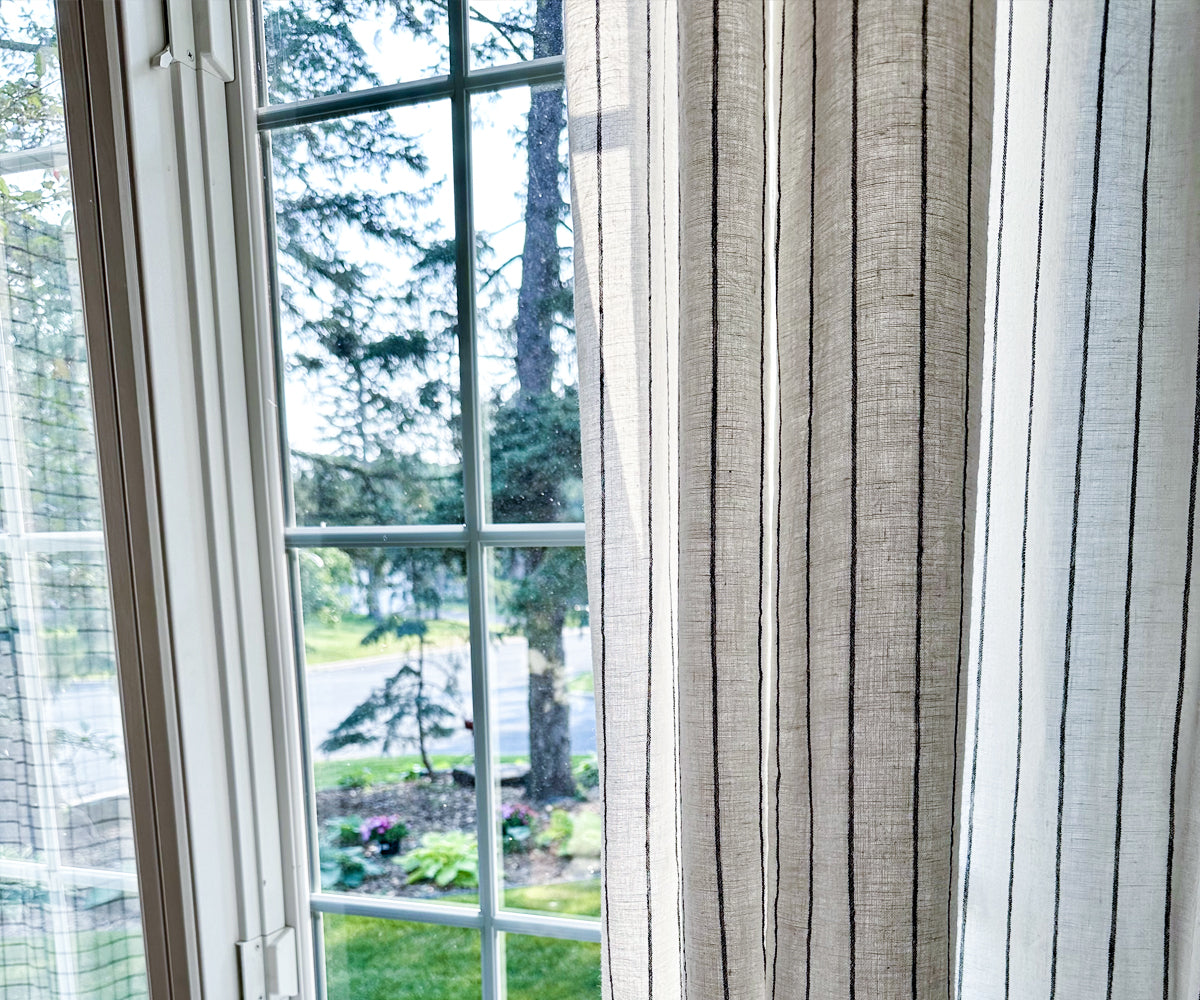
Linen curtains are made from a natural fabric that is soft to the touch and has a unique drape to it. They allow just enough light into the room while maintaining a sense of privacy.
These types of curtains are great in minimalist, Scandinavian, coastal, farmhouse, or modern decor.
Perfect for: living rooms, dining rooms, bedrooms, and minimalist style homes.

Cotton Curtains
Cotton curtains are a good value for money option that will suit any homeowner’s interior. They come in a wide variety of colors, patterns, and textures. Cotton is a fairly opaque fabric that provides a certain level of privacy while being relatively easy to maintain.
Ideal for: bedrooms, children’s rooms, kitchens, family room, and other informal areas.

Pinch Pleat Curtains
These are also called box pleat curtains because of their neat and evenly spaced pleats. Such curtains will give your windows a sophisticated and polished look. They are perfect for achieving a formal yet not overly rigid appearance.
Best for: living room, dining room, master bedroom, traditional or transitional interior.
Eyelet or Grommet Curtains
These types of curtains have metal links on their top edge. The rods that hold them are inserted directly into the rings, forming a set of wide folds. The curtain is easy to operate and especially popular in modern houses.
Ideal for: contemporary bedrooms, small apartments, living rooms, and long windows.
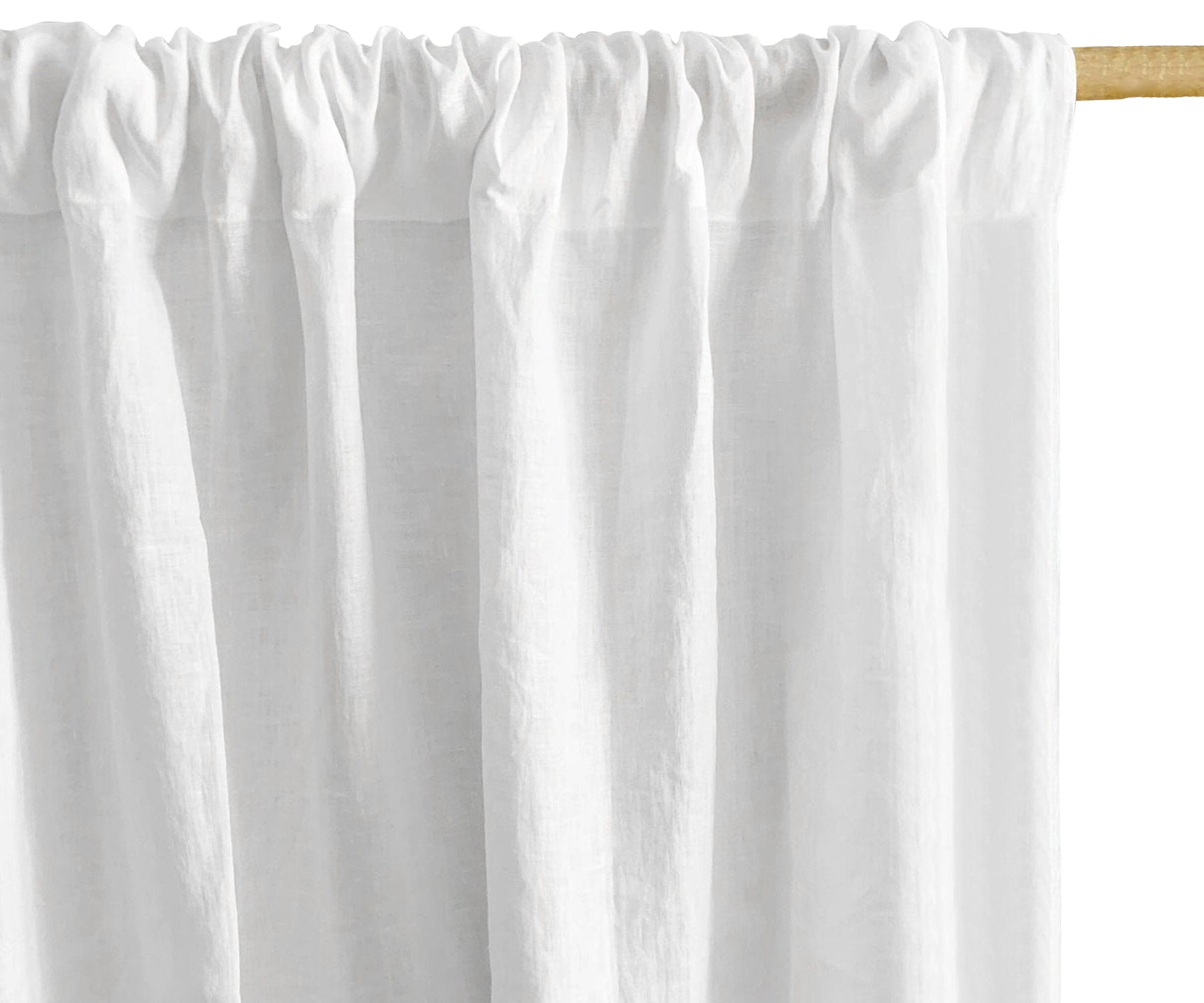
Rod Pocket Curtains
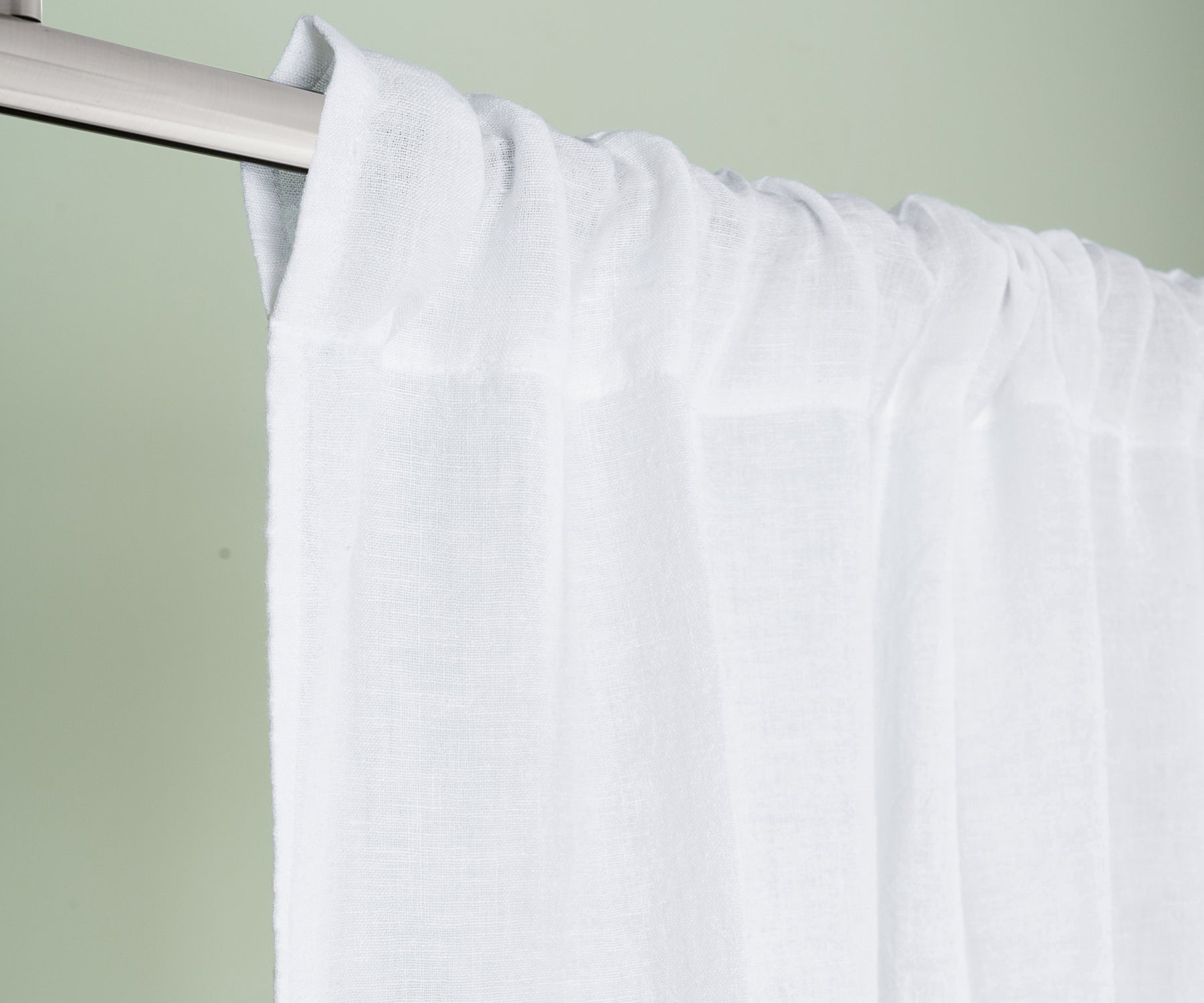
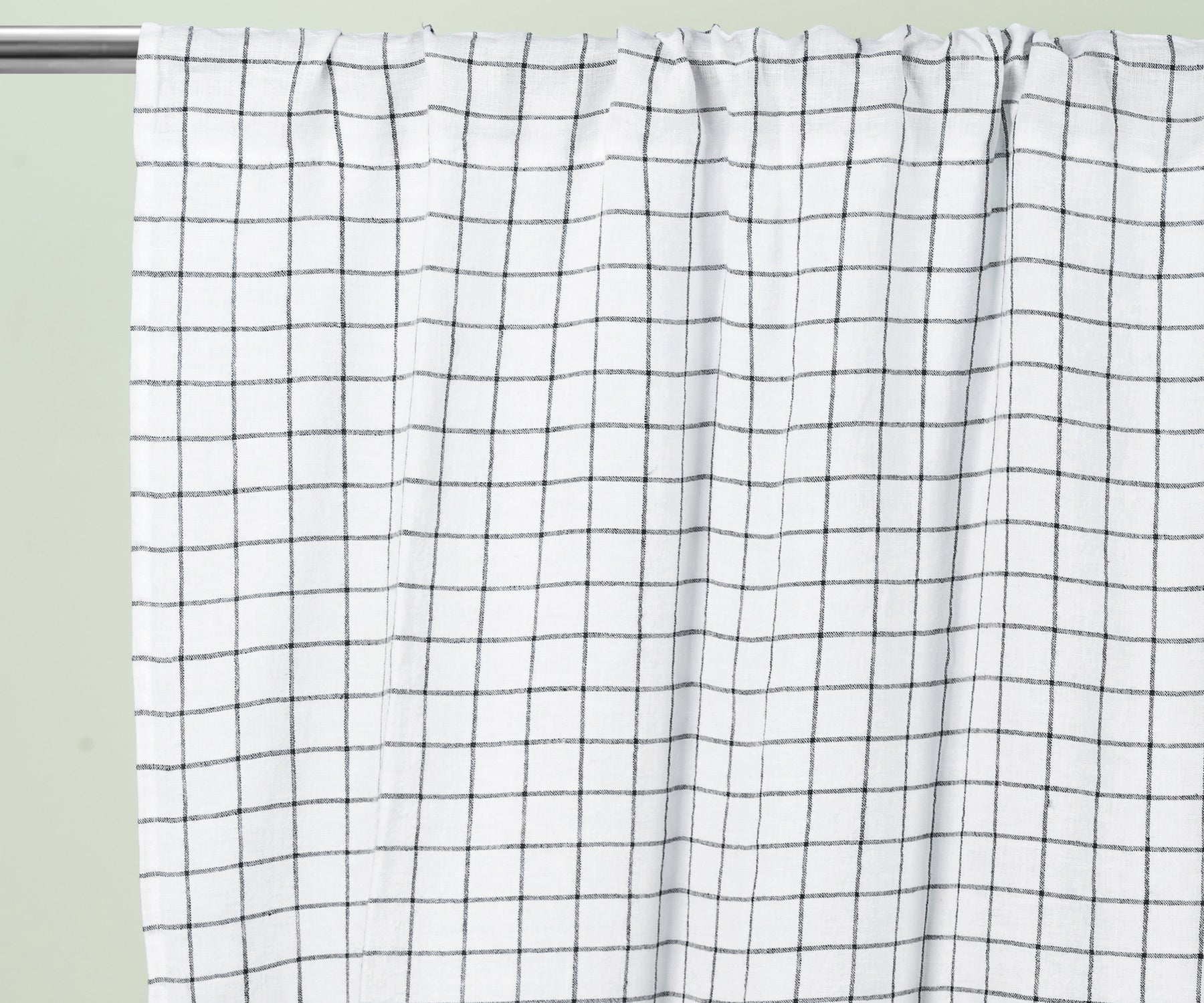
Rod pocket curtains have a sewn-in pocket at the top, through which the curtain rod is inserted. They gather softly and are generally associated with a relaxed and comfortable aesthetic. They are more suitable for decorative windows where it is not necessary to open and close the curtains often.
Perfect for: cottage-style interiors, guest bedrooms, and classic interior styles.
Tab Top Curtains
These have loops of fabric on the top which are placed over the curtain rod. Their careless look is perfect in a rustic, coastal, farmhouse or boho theme.
Can be used in: Casual bedroom, farmhouse house, coastal homes, decorative windows.
Sheer Curtains
These are light and breathable drapes that allow plenty of natural light in while providing a certain amount of privacy during the day. These types of window treatments can be used alone or with heavier drapes.
Best suitable for: Living rooms, dining rooms, sunrooms, and layered window treatments.
Blackout Curtains
Blackout curtains are made to block out a ton of light, so you can rest easy knowing they also add extra privacy and coziness to your bedroom.
Best for: Bedrooms, nurseries, kids' rooms, and, uh, home theaters.

Layered Curtains
The layered curtains are made of two types of materials, which allow you to control privacy and light. You can leave the sheer curtain closed during the day and only open the heavier set when you need to.
Ideal for: bedrooms, living rooms, big windows, and houses with plenty of sunlight.
Linen Vs Cotton Curtains: Which Is Better?
When it comes to choosing between linen vs cotton curtains, there is no right or wrong answer. Both have their own positive and negative characteristics, which means that one material may be preferable in one room and the other – in another.
|
Feature |
Linen Curtains |
Cotton Curtains |
|
Appearance |
Natural, textured, relaxed |
Smooth, versatile, casual |
|
Light filtering |
Usually allows soft light through |
Depends on weight and weave |
|
Drape |
Naturally relaxed and slightly structured |
Generally soft and flexible |
|
Breathability |
Highly breathable |
Breathable |
|
Style |
Coastal, Scandinavian, Modern, Farmhouse |
Traditional, Casual, Modern |
|
Maintenance |
May wrinkle more easily |
Generally easy to care for |
|
Best for |
Airy, natural interiors |
Everyday household spaces |
Linen Curtains Benefits
Here are some of the linen curtains benefits that will surely help you to choose them for your home.
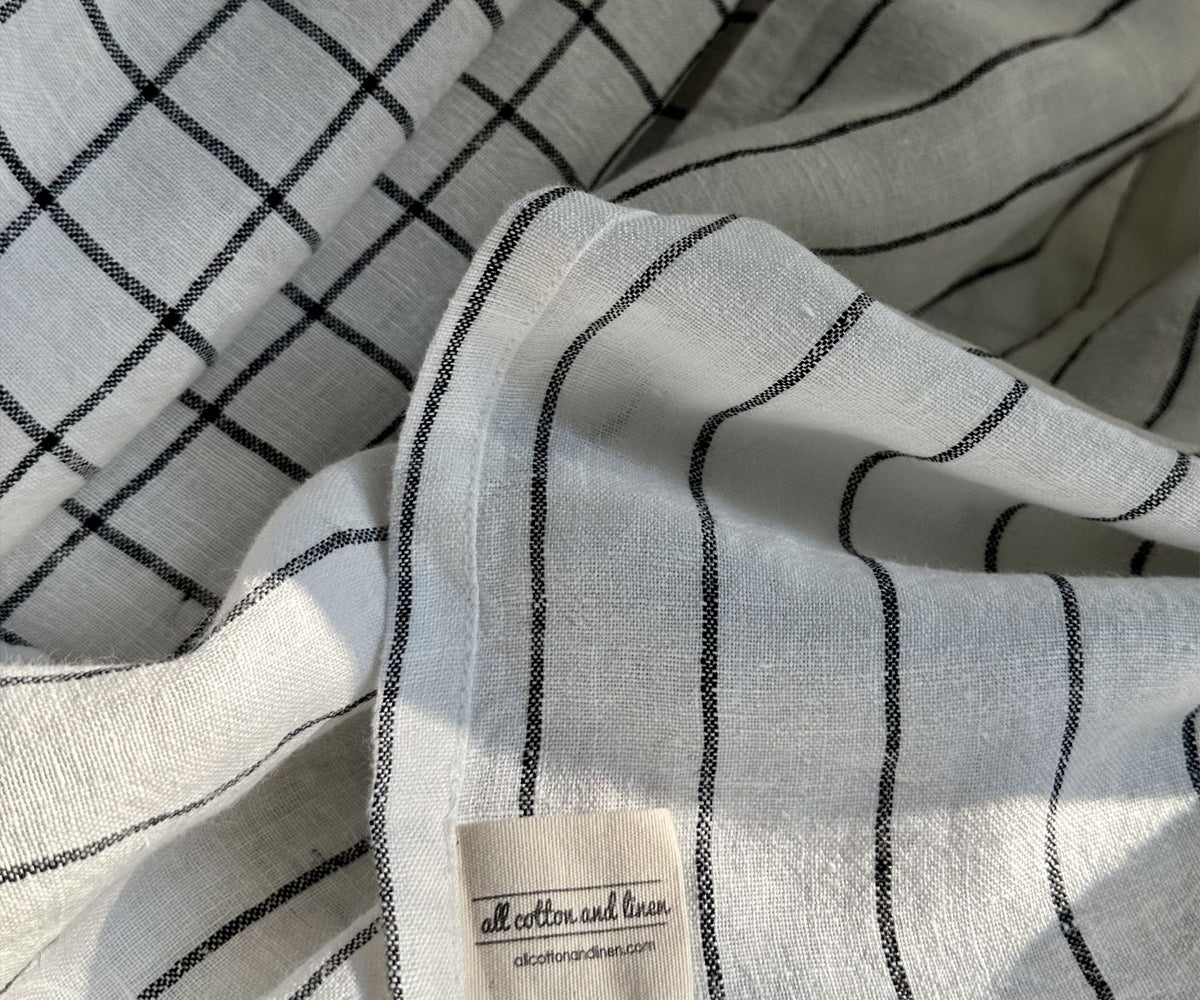
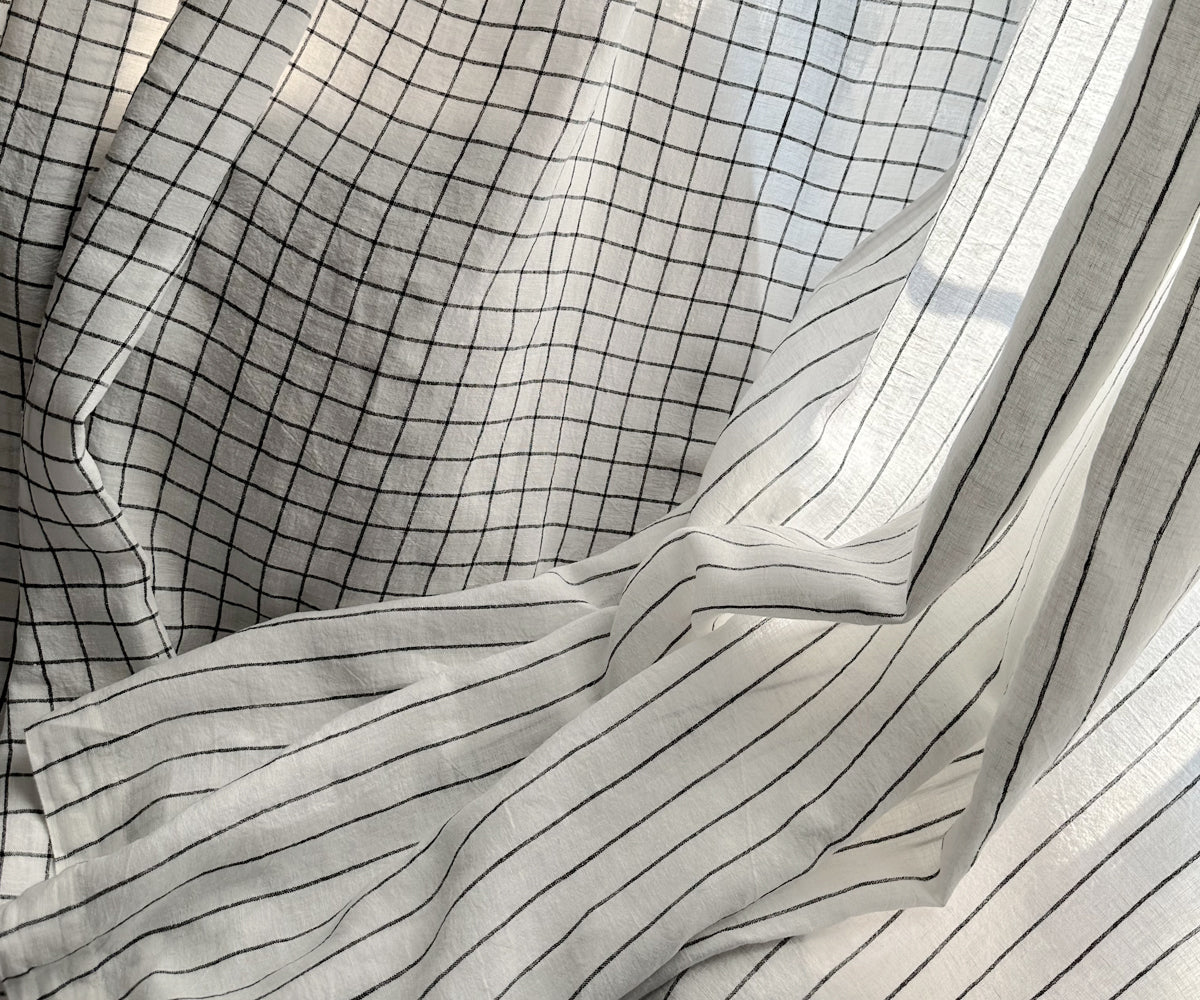
Natural texture
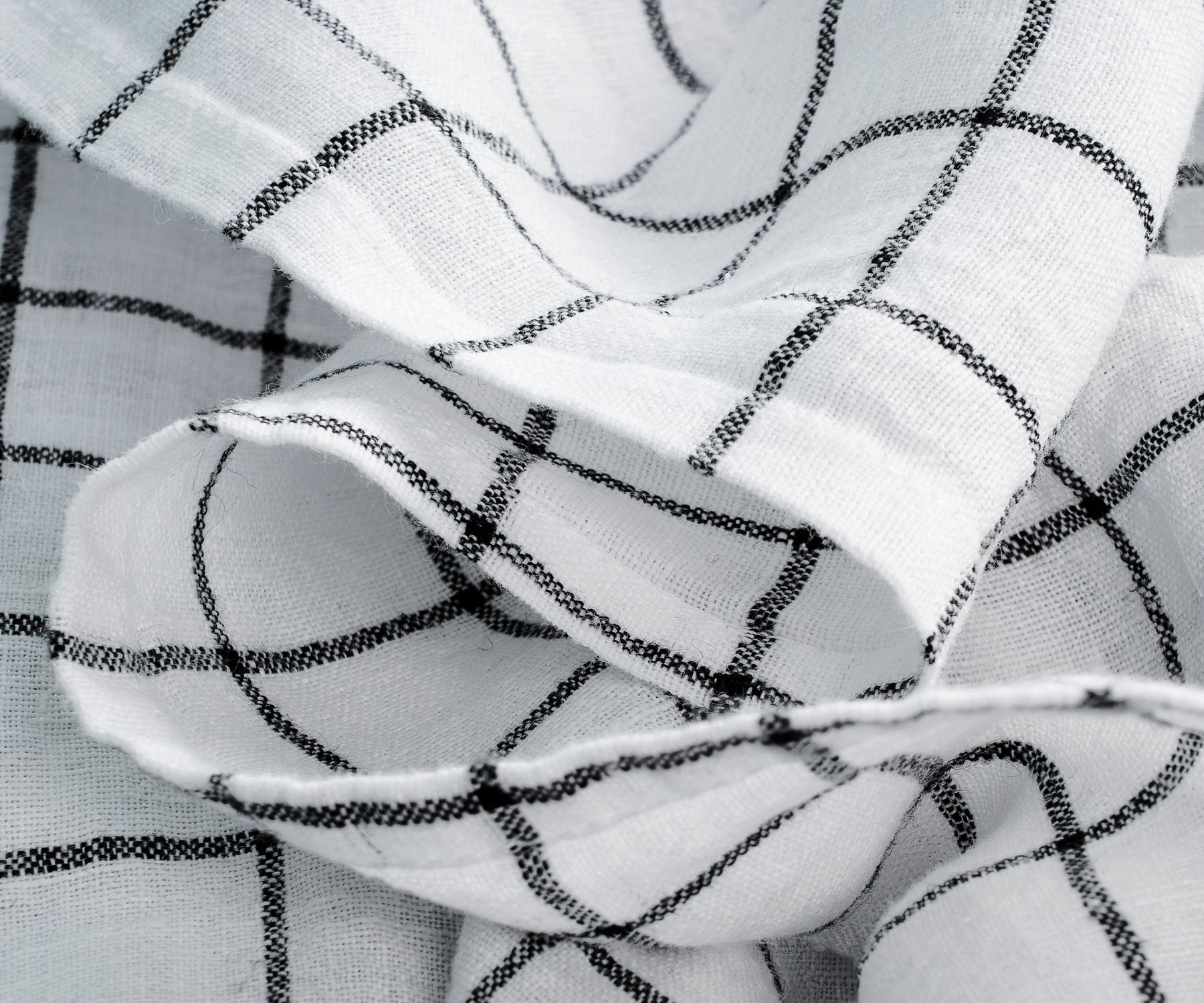
Linen is a unique fabric with an appearance that is hard to imitate. It looks great in any interior, adding character without overshadowing the room’s decoration.
Light filtering properties
Linen curtains made of a lightweight fabric will help to let in sunlight while preventing it from scorning the furniture.
Breathable fabric
The linen fabric is famous for being highly breathable. So if you wish to create a well-ventilated and airy environment in your home, this is the material for you.
Versatile pattern and color
Linen fabric is neutral and goes well with virtually any room design. From coastal and Scandinavian to farmhouse and modern – the possibilities are endless. Choose the pattern and color that best suit your home’s décor.
Lovely fall
Linen fabric does not wrinkle as badly as rough cotton. It drapes beautifully and is ideal for achieving a relaxed look in your home.

Are Curtains Considered Linens?
It depends on what you mean by linens. In general, curtains can be considered part of household linens/home textiles, because they are products made of fabric for use in the home.
Curtains are not necessarily made of linen, however. This is an important distinction, because while linen curtains are curtains made of linen, household linens are a category of products that includes many items made of different materials.
Curtains are home textiles, but not all home textiles are curtains. Similarly, while some curtains are made of linen, not all are. A curtain made of cotton is still a curtain, and may be considered a home textile, but it is not a linen curtain, simply because it is made of a different material.
Curtain Styles for the Bedroom
Your bedroom curtains should provide you with comfort while maintaining the necessary level of privacy and control over the lighting.
Some of the best curtain styles bedroom options are:
Linen Curtains for a Relaxed Bedroom
Linen curtains are an ideal choice for bedrooms that have neutral colors and furniture made of natural materials since they are a great addition to such an interior and create a comfortable atmosphere.
Blackout Curtains for Better Light Control
If you happen to have too much light coming into your bedroom in the mornings or just want a darker room to sleep in, blackout curtains are a perfect solution.
Layered Curtains
By layering sheer curtains with either blackouts or heavier curtains you have options for all times of day.
Floor-Length Panels
Floor-length panels can give the room a more spacious look. Hanging them so that they are just inches above the floor gives the room an updated appearance.

Living Room Curtain Styles
The living room is usually where the curtains make the most difference. As it is used for entertaining guests, relaxation and family time, it has to be both aesthetically pleasing and highly functional.
Linen Panels
Linen panels add a feeling of relaxation and understated elegance to any living room. They are a great choice for decorating in neutral tones using wooden furniture and accents.
Sheer Curtains
Consider sheer curtains, if you want to keep your living room bright and yet provide yourself with some additional privacy.
Layered Curtains
Layer sheer curtains with heavier curtain panels for maximum privacy and control of natural light
Pleated Curtains
Pleated curtains provide a more structured look and are great for traditional, transitional, and upscale décor.
Floor-Length Curtains
Floor-length curtains can make windows appear taller.

Dining Room Curtain Styles
Most often, dining rooms need curtains that add interest, but don't distract from the dining table and centerpieces.
Some styles that are good in dining rooms are:
-
Linen curtains for a natural look
-
Cotton curtains for a casual feel
-
Sheer curtains for letting in daylight
-
Pleated curtains for more formality
-
Patterned curtains for adding a pop of color
Dining rooms with neutral-colored furniture can use patterned curtains to add a splash of color or design. If the dining room has lots of sunlight that causes glare on the table, try lined curtains or even two sets of curtains for a darker, more shadowy feel.
How Long Should Curtains Be?
Curtain length may affect the look of your room
Sill Length
Sill-length curtains end on the windowsill. They are ideal for small windows and in places where you want to avoid having long curtains.
Ideal for: Kitchens, bathrooms and small windows.
Apron Length
Apron-length curtains are designed to hang just several inches below the windowsill.They are ideal for casual rooms and decorative windows.
Floor Length
Floor-length curtains are created to fall on the floor or barely miss it, being one of the most versatile options for any living room or bedroom.
Puddle Length
The puddle-length curtains allow you to see the curtain fabric that falls over the floor. This type of length is luxurious, old-fashioned, yet requires special maintenance.
Tip: In case you want to achieve a modern and neat appearance, let your curtains only touch the floor or rest several inches above the floor. Avoid a puddle length if you do not plan to adopt a short curtain.

How to Choose the Right Curtain Fabric?
The fabric chosen will determine the appearance of the curtains, as well as their functionality.
Cotton
It is suitable for most interior decoration styles and easy to care for.
Linen
A light and airy fabric that is perfect for creating a casual and elegant look in any room.
Velvet
Velvet is heavier, gives a sense of luxury, volume, and opulence. Moreover, velvet can provide better insulation and light control.
Silk
Silk has a nice drape and some shine, so it looks quite elegant and luxurious. On the other hand, silk needs more maintenance.
Polyester
Polyester and polyester blends are versatile, affordable, and offer a wide range of colors and patterns.
Sheer Fabrics
Sheer materials provide lots of natural light coming into the room and perfect for layering.
How to Measure Curtains Correctly?
Before buying new curtains, it is necessary to measure the composition correctly.
Step 1: Measure the Window Width
The first step is to measure the width of the window or the existing curtain rod. It is advisable to choose the total width of the curtains so that they are larger than the window width so that the curtains look nice when opened.
Step 2: Decide Where the Rod Will Go
Installing the curtain rod just slightly above the window frame, will make it appear as though the window is even taller.
Step 3: Measure the Desired Length
Measure from the top of the rod to where you want your curtains to end.
Decide what kind of length you would like, the sill-length, apron-length, puddle or floor-length.
Step 4: Measure Every Window
Make sure not to make the assumption that all windows in a given home or in a single room are the same size; measure each window opening separately.
Pro Tip: Measure twice before purchasing your curtains in order to avoid extra costs associated with return shipping or resizing.

Common Cabinet-Buying Mistakes to Avoid
Even the coziest of cozy-looking curtains can fail to deliver the intended effect if the size and style are wrong for the room.
These mistakes should be avoided:
-
Choosing curtains that are too short
-
Using a fabric that will not complement the room's lighting.
-
Hanging the rod too close to your window frame
-
A panel that is too narrow
-
Failing to account for the degree of privacy desired.
-
Choosing a heavy fabric for a well-lit room.
-
Using sheer curtains in a bedroom where more privacy is required.
-
Selecting a pattern that will clash with other pieces of furniture and decor.
Aiming to create a window dressage that draws attention to the window but does not overwhelm its surroundings
How to Style Curtains To Make Them Look Better?
Most styling suggestions are small changes that have a big impact. For example, hang the curtains higher. Try to make the rod close to the ceiling because it will create the illusion of height.
In addition, you should extend the rod on both sides so that the curtains can hang comfortably when you open them. It is also essential to choose the right amount of fabric, so your curtains look decent and not cheap. Another helpful tip is to ensure that the curtains match the room’s color scheme. It does not mean that you need to choose the same fabric as your sofa or curtains, but you should go for the colors that look good together. Besides, if you want to achieve privacy at night and have enough light during the day, opt for sheers and heavy curtains.
Overview
It can be surprisingly straightforward to select ideal curtains for your home. The prime conditions to focus on are light and privacy, and then build on the interior design, color scheme, window dimensions, and ambiance in the room. Linen is the perfect solution for those seeking a cozy and bohemian appearance, while cotton sheets are the most versatile option for everyday use. However, it is best to leave the bedroom furnishings to black-out or combination curtains and go with something more airy and elegant for the living room and dining hall. One may ask, are curtains out of style? The truth is that the most popular types of curtains today are the ones that fit the modern home’s needs and desires to be more practical, comfortable, and less extravagant than ever. Linen curtains or any other high-quality fabric will create a welcoming atmosphere if you choose the right design and color.
Related Readings:
How to Choose Curtains for the Living room: A complete guide