


A dining room is not just a space with tables and a few chairs. It’s a central hub of your house, a space where family members move about for a quick bite, gather around for a full-on dinner night, or welcome guests for an afternoon tea. Whether you’re setting the table for everyday meals or preparing for guests, details such as round tablecloths, table linens, and comfortable seating can help make the space both practical and inviting.
Either way, the dining room has a very specific purpose that changes multiple times during the day. Its dynamic nature makes dining rooms all the more difficult to plan. You need plenty of seating for those rare moments when everybody floods in, but also enough room to move around, serve food, welcome guests, and pull out chairs without thinking too much about it.
The good news is that, with a little practical advice, you can do it all by yourself. You can have a great everyday dining room and use it for guests, too.
1. Start With How You Use the Room
When planning a major room overhaul, we tend to overanalyze those ‘what if’ scenarios. But for living room purposes, it’s better to keep it real. Think about how many people sit at a table on an ordinary Tuesday, and then work your way from there.
Once you've accounted for the majority of use cases, try to recall your largest headcount for a holiday or weekend lunch. And pay attention to off-hour habits, too. The table often holds laptops, books, or coffee mugs throughout the day.
2. Measure the Room Before Buying Furniture
With so many people coming in and out the whole day, it’s very easy to crowd the dining room with an unruly piece of furniture that may have looked good in a catalog, but adds extra load to the space. It is therefore super important to measure the room and sketch a basic layout with wall lengths, window sills, door swings, and radiators… everything.
Only then should you start adding furniture to the setup. Also, it'd be wise to try Planner 5D or similar platfroms to test different items without breaking a sweat. Planner 5D lets you create your dining room floor plan using precise measurements, so you can drag and drop hundreds of furniture items to see which ones fit the best. All that from your phone, with a swipe of a finger.
3. Round or Rectangular? Look at the Trade-Offs
Planner 5D will also make your life easier when choosing the exact shape of your dining room furniture, the centerpiece of which is definitely the table. No one shape is better than others; they just alter the room’s flow, is all.
In a medium square layout, a 48-inch round option removes sharp corners and keeps four people close for clear conversation. Add two or three seats, however, and leg space goes.
An extendable rectangular option handles this very differently. Closed at 36 by 60 inches, it seats four to six while leaving surrounding floor space open. Add a leaf to reach 80 inches, and it accommodates eight. The compromise is that when it opens up, the ends sit closer to walls and narrow the walkways.
Oval designs sit in between. They match the capacity of a rectangle, while curved edges ease traffic around tight corners.
4. Make Room for Serving and Storage
A dining room is not a bedroom, but you still need space to put things away. Plates, glasses, serving dishes… they all need to be kept away from the table but still be close enough for when you need them.
Especially the items you really need, like everyday plates and napkins, which should occupy the main sideboard. Large serving platters and special-occasion tablecloths can go somewhere less accessible.
The sideboard also needs its own clearance. Don't push it so close to the table that you can't open a drawer once people are seated. The same applies to an extendable table, should you plan to get one.
5. Let the Dining Room Connect With the Rest of the House
No, the dining area shouldn't be a carbon copy of the kitchen or a living room, but it should make sense and tie in with the rest of your house. This is most noticeable in subtle details like finishes, texture, upholstery tone, and the like. To give you one example, if the adjoining rooms use warm, glossy wood, a dining table with a similar finish is highly preferable.
It’s similar with lighting. You don’t need an overhead lamp where a simple pendant above the table will do. Another nice little trick is to repeat one or two colors from the surrounding space in the dining chairs, artwork, or linens.
6. Don't Forget the Table Linens
Speaking of linens, they are one of the most overlooked parts of any dining room. Beyond just decoration and protection, they are the easiest way to change the look of the room without touching the furniture.
As for sizes, you’ll need variance. Everyday tablecloths should hang around 6 to 10 inches on all sides. For example, a 60-by-36-inch rectangular table would need a cloth around 72-by-48 inches for a 6-inch drop. You can go longer for a more formal dinner, but not much longer; you don't want the linen hanging in people's laps.
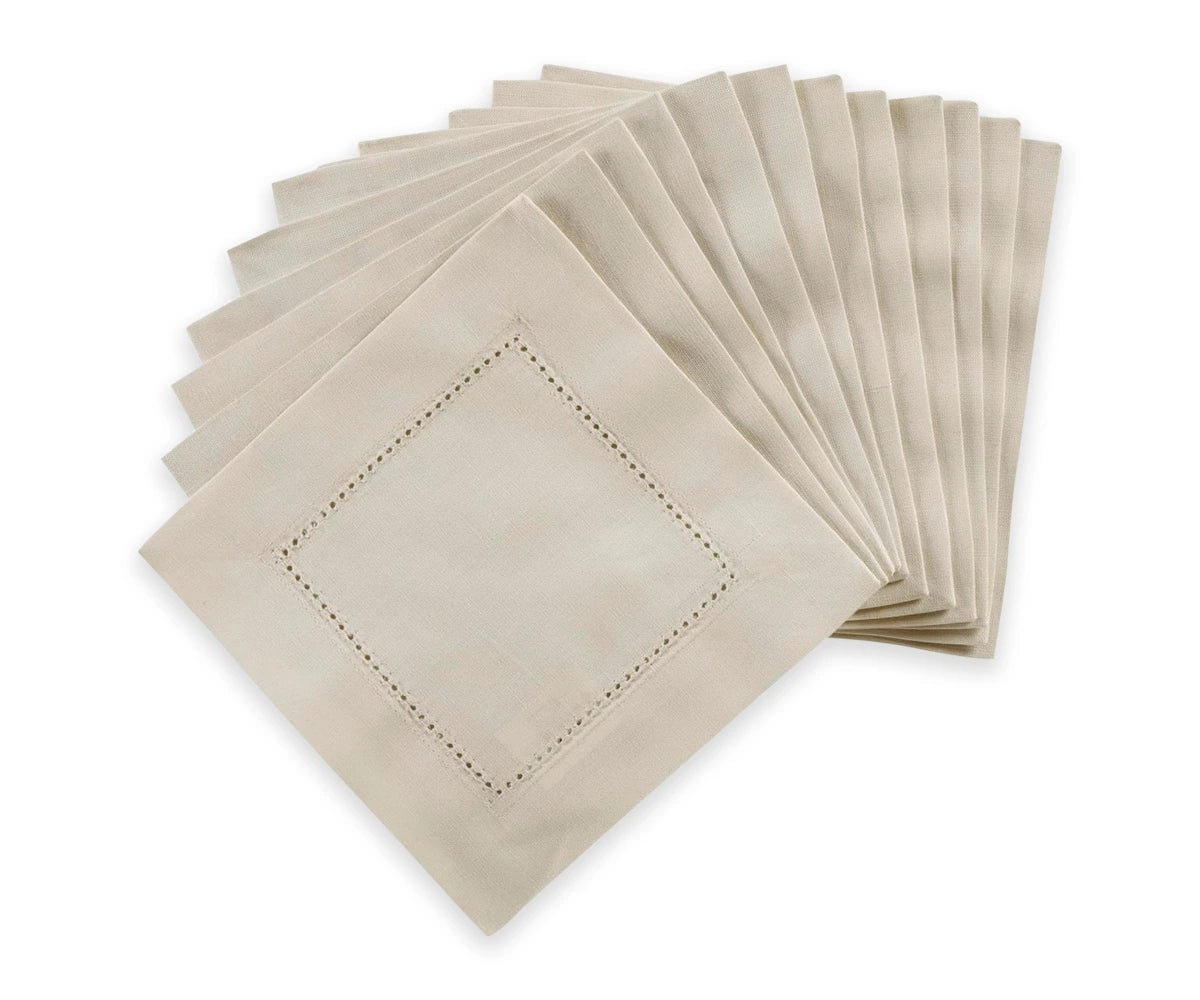
And then there are cloth napkins. Keep a few simple cotton or linen ones for everyday use and bring out something more decorative when guests arrive. Also, they don't have to match the tablecloth at all. It's enough that they pick up something from the room to make the whole table feel more put together.
7. Set Up the Room Twice
Before you finish, test the dining room as you’ll use it on a normal day and when guests come over.
Start with the everyday setup. Use the usual chairs, put out your regular placemats or napkins, and check the route to the kitchen. Then switch to hosting mode. Extend the table, add the extra chairs, bring out the serving dishes, and dress the table.
Before everybody arrives, go over a quick final check:
- Is everyone comfortable, including the extra guests?
- Can people pull out their chairs and still walk around the table?
- Can you reach plates, glasses, and linens once everyone is seated?
- Does the room still have enough space when the table is fully open?
- Is there enough tabletop left for plates, glasses, and serving dishes?
If the everyday setup works and the hosting setup doesn't require moving half the room, congrats,