

Walk into any restaurant, and the table tells you something before a single word is exchanged with a server. The number of forks. Whether there is a cloth napkin or a paper one. Whether the tablecloth is crisp linen or the table is bare wood. Whether the glasses are already filled with water or are sitting empty. All of it communicates the style of the restaurant, the formality of the occasion, and the standard of the experience you are about to have.
Table setting is not simply a matter of putting things in the right place. It is the physical expression of a restaurant's identity. It sets guest expectations, signals the level of service, communicates the menu structure, and creates the atmosphere that determines how a meal will feel before a single dish arrives.
For restaurant owners, managers, and front-of-house teams, understanding the five main types of restaurant table settings is foundational knowledge. Each setting type has its own rules, its own appropriate context, and its own set of linen, flatware, glassware, and centrepiece requirements. This guide covers all five in detail, in order, with step-by-step placement guidance and the linen recommendations that make each setting look genuinely considered.
The golden rules of restaurant table setting
Before covering the five types individually, three principles apply to every restaurant table setting regardless of formality, and understanding them makes every specific placement decision more intuitive.
Rule one — work from the outside in. Flatware is placed in the order it will be used, from the outermost piece inward toward the plate. The first fork a guest will use sits furthest from the plate on the left. The last fork sits closest to the plate. The same logic applies on the right side for knives and spoons. This means that as courses progress, guests simply move inward through the cutlery without needing to guess which piece to use.
Rule: two forks to the left, knives and spoons to the right. In Western table setting tradition, all forks are placed to the left of the plate. All knives blade always facing inward toward the plate, and all spoons are placed to the right. The only exception is the oyster fork in a very formal five-course setting, which is placed to the right of the outermost spoon. Dessert flatware, when placed in advance, goes horizontally above the plate.
Rule three: Everything one inch from the table edge. The base of every piece of flatware, every glass stem, and every plate edge should sit approximately one inch from the edge of the table. This creates visual consistency across every place setting and prevents items from being knocked off the edge during service.
Type one the basic table setting
The basic table setting is the simplest, most reduced version of a restaurant place setting, the starting point from which all other settings are built. It communicates informality, accessibility, and a focus on the food and the experience rather than the ceremony of the setting itself.
When it is used:
Casual diners, cafes, breakfast and brunch restaurants, fast-casual establishments, family restaurants, and any venue where the dining experience is intended to be relaxed and unfussy. In many casual restaurants, servers bring additional cutlery and glasses as they are needed rather than pre-setting them.

What goes on the table:
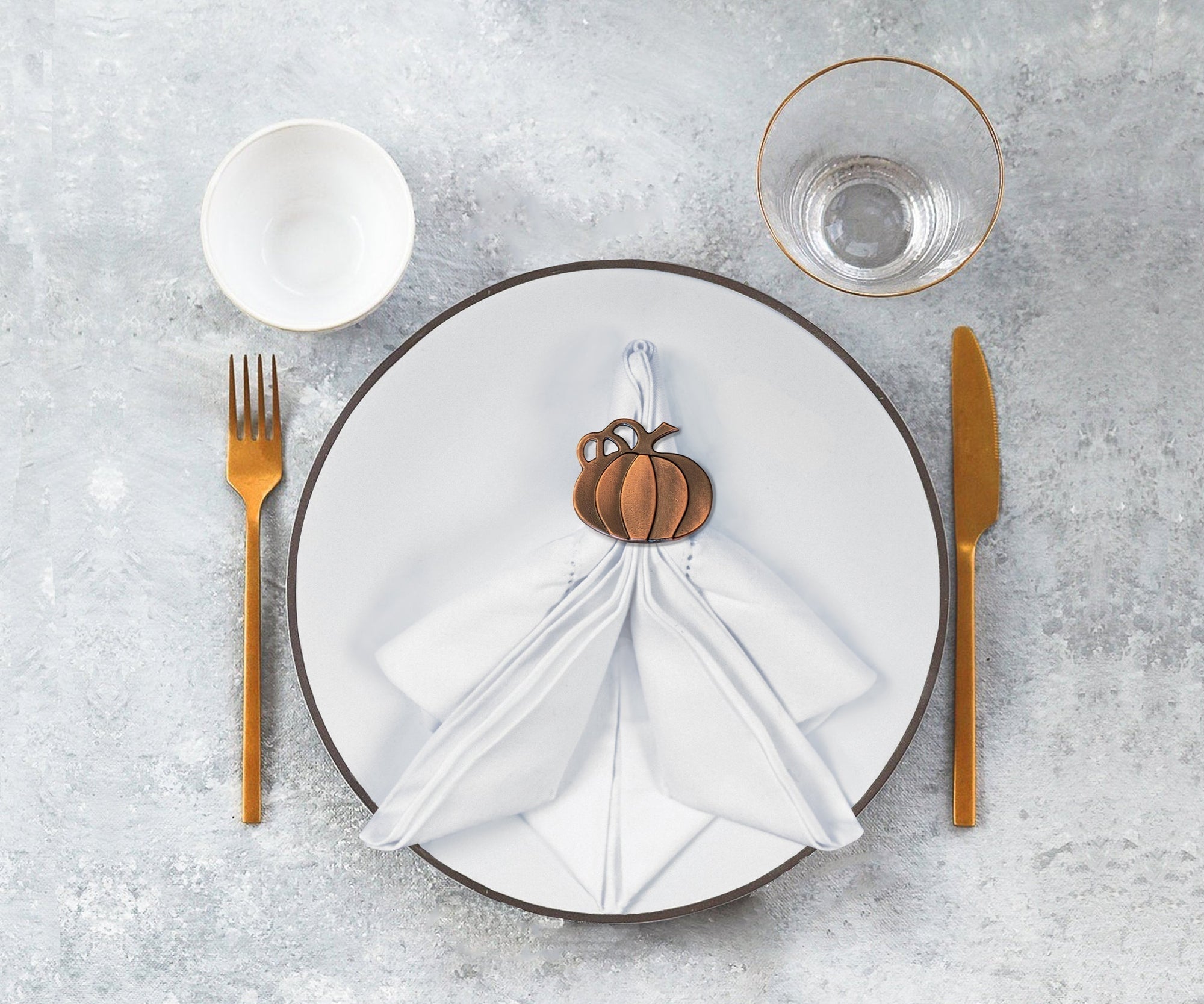
The dinner plate is placed in the center of the place setting, one inch from the table edge. A dinner fork is placed to the left of the plate. A dinner knife is placed to the right of the plate, blade facing inward. A water glass or tumbler sits above the knife at the top right of the place setting. A paper or cloth napkin is placed either to the left of the fork or on the plate.
The linen consideration:
The basic setting is the occasion where the choice between paper and cloth napkins is most frequently made and most frequently made incorrectly. A cloth napkin in even the most casual restaurant immediately elevates the perceived quality of the experience. Guests notice. Cotton napkins in a simple, solid color, folded into a clean rectangle and placed to the left of the fork, add warmth and intentionality to a basic setting without requiring any additional investment in the place setting itself. They communicate that the restaurant cares, a signal that paper napkins, regardless of their quality, simply cannot send.
Tablecloth or bare table:
A basic setting works on either a tablecloth or a bare table. For casual restaurants, bare wood, marble, or tile tables are entirely appropriate. For slightly more elevated casual dining, a clean cotton tablecloth in a neutral or seasonal color adds warmth without formality. A table runner on a bare or clothed table defines the center of the table and adds visual interest without requiring a full tablecloth.
Also Read: Exploring Different Types of Kitchen Towels: A Comprehensive Guide
Type two the informal table setting
The informal table setting, also widely described as the casual or semi-formal setting, is the most widely used setting in mid-range restaurants, dinner party venues, and any establishment serving two to three courses. It builds on the basic setting with additional flatware, a bread plate, and wine glassware, without the full complexity of a formal arrangement.
When it is used: Mid-range restaurants, dinner parties, casual weddings and private dining events, bistros, and contemporary restaurants serving a structured two or three-course menu. The informal setting is appropriate for the vast majority of restaurant dining occasions, covering everything between the truly casual and the genuinely formal.

What goes on the table:
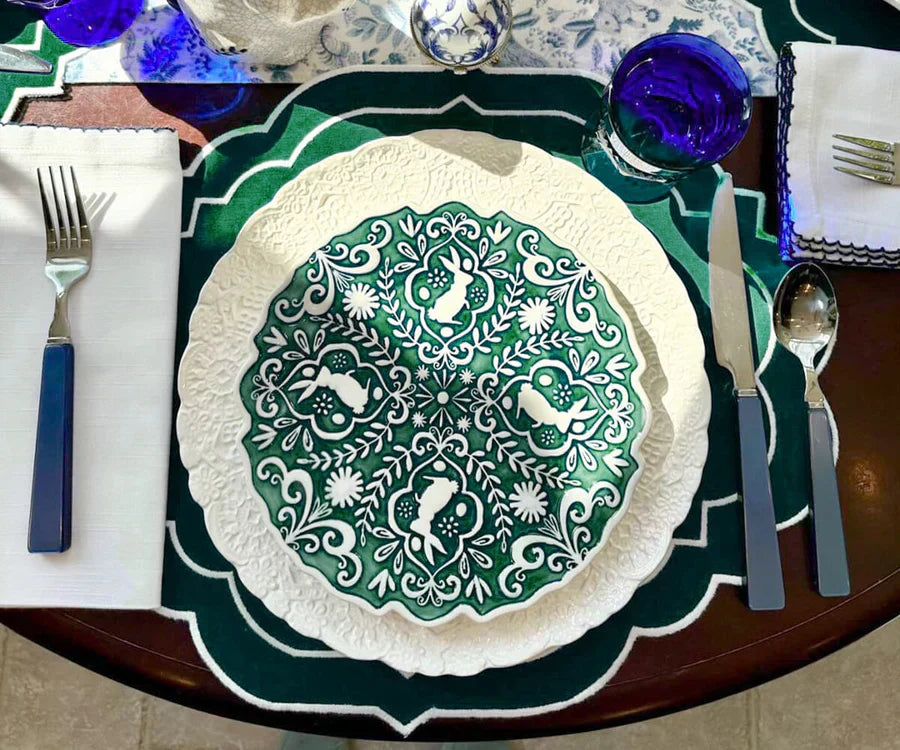
The dinner plate or a service plate, if courses are being pre-set, is placed in the center of the place setting. To the left of the plate, from outside in: the salad fork and then the dinner fork. To the right of the plate, from outside in: the soup spoon, the dinner knife (blade facing inward), and, if needed, the salad knife. A bread plate sits above and to the left of the forks, with a butter knife placed diagonally across its upper edge handle to the right, blade facing down.
For glassware, the water glass sits above the dinner knife. A wine glass (red or white, depending on the menu) is placed to the lower right of the water glass.
The napkin is folded and placed either on the service plate or to the left of the forks. In a restaurant setting, cloth napkins folded into a clean rectangle or simple fan and placed on the plate create the most polished informal presentation.
The linen consideration:
The informal setting is where cloth napkins become essential rather than aspirational. A well-folded cotton or linen napkin on the service plate is the first thing a guest sees when they sit down. It sets the tone before any food arrives, before the server approaches, before any other element of the experience registers. Cotton napkins in a coordinated color complementing the tablecloth or the restaurant's color palette signal that the table was set with thought. Hemstitched cotton napkins, in particular, add a refined detail that reads as considered without approaching formality.
A tablecloth at an informal setting should be clean, properly fitted with an even drop of 10–12 inches on each side, and pressed or steamed before service. Wrinkling in a tablecloth is one of the most immediately noticed quality signals in any restaurant; it suggests that the linen was stored incorrectly or that the pre-service preparation was rushed.
Type three the formal table setting
The formal table setting is used in fine dining restaurants, upscale private dining rooms, corporate events, formal weddings, and any occasion where the dining experience itself is a significant part of what guests are paying for. It is the most symmetrical, most structured, and most visually impressive of the five setting types, and it requires the highest standard of linen, flatware, and glassware to execute correctly.
When it is used: Fine dining establishments, upscale hotel restaurants, corporate and private dining events, formal wedding receptions, and any restaurant offering four or more courses with full table service.

What goes on the table:
A charger plate, a large, decorative base plate that is never used to serve food directly but holds the bread plate and napkin before service begins, is placed in the center of the place setting. It will be removed before the main course is served.
To the left of the charger, from outside in: the fish fork (if a fish course is included), the salad fork, and the dinner fork. To the right of the charger, from outside in: the soup spoon, the fish knife (if a fish course is included), the salad knife, and the dinner knife blade always facing inward.
Above the charger: the dessert fork and dessert spoon, placed horizontally. The dessert fork sits above, handle facing left. The dessert spoon sits below it, handle facing right. A bread plate with a butter knife sits to the upper left of the forks.
Glassware at a formal setting is arranged in a triangle or diagonal line above the knives. The water glass sits directly above the dinner knife. The white wine glass sits to the lower right of the water glass. The red wine glass sits above and slightly to the right, creating a diagonal arrangement from the water glass through the wine glasses.
The cloth napkin is typically folded into a rectangle, a bishop's hat, or a more elaborate decorative fold and placed on the charger. In the most traditional formal service, the napkin is presented on the charger with the menu card placed on top of or beside it.
The linen consideration: At a formal setting, the quality of the table linen is not a background detail; it is one of the defining elements of the experience. A high-quality linen tablecloth in white, ivory, or deep neutral, pressed flat and dropped evenly to 12–15 inches on each side, communicates the standard of the establishment before any food is ordered.
Linen napkins are the only appropriate choice at a formal table setting, and the quality of their construction is visible to every guest. Hemstitched linen napkins in white or ivory, with clean, even stitching and mitered corners, hold folds beautifully and feel genuinely luxurious in the hand. They also photograph well important for any restaurant that maintains a presence on social media or whose events are professionally documented.
The tablecloth must be free of wrinkles, stains, and any signs of wear. In a formal setting, a tablecloth in imperfect condition is more damaging to the dining experience than no tablecloth at all because the formal setting has created expectations that an imperfect tablecloth then visibly fails to meet.
Read Related: All About Placemats: A Guide to Elevate Your Dining Experience
Type four the five-course table setting
The five-course table setting is the most elaborate of all restaurant table setting configurations, the fullest expression of fine dining etiquette, used in the most formal restaurants, private clubs, state dinners, and high-end event venues. It is built on the foundation of the formal setting but includes specialist cutlery, additional glassware, and the precise sequencing of five distinct courses: soup, salad (or fish course), main course, cheese or intermezzo, and dessert.
When it is used: Destination fine dining restaurants, Michelin-starred establishments, private club dining rooms, formal gala events, and any occasion where the full theatre of multi-course fine dining is the primary purpose of the gathering.

What goes on the table:
The five-course setting builds directly from the formal setting, with the following additions. If a fish course is served between the salad and main course, a fish fork is placed between the salad fork and the dinner fork on the left, and a fish knife is placed between the dinner knife and salad knife on the right. A sherry glass is placed in front of the red wine glass for a pre-dinner sherry or amuse-bouche pairing. A Champagne flute is positioned behind the white wine glass, completing a glassware arrangement that may include four individual glasses above the knife line.
Name cards or menu cards identifying each course and its wine pairing are placed on the charger or folded into the napkin. In some formal establishments, place cards and the evening's menu are presented as printed keepsakes.
As courses are completed, servers remove the corresponding flatware from the table. By the main course, only the relevant knives, forks, and glasses for the courses ahead remain at the setting.
The linen consideration:
At the five-course setting, the table linen is a statement of institutional seriousness. Anything less than a perfectly pressed linen tablecloth, white or ivory, dropped to a full 15 inches with precisely mitered corners, is an inconsistency that experienced diners will notice immediately. The cloth napkin must be made from quality linen, folded with precision, and presented on the charger with the same care as any other element of the cover. It will be picked up, used throughout a long meal, replaced by the server between courses in many fine dining contexts, and will spend significant time in the guest's lap and hands. Its quality is tactile, not merely visual.
Type five: the buffet setting
The buffet setting is fundamentally different from the four settings above in one essential respect: the place setting at the table is reduced or eliminated in favour of a self-service station from which guests collect their own food and return to their seats. The energy of the setting shifts from the individual place setting to the presentation of the buffet station itself.
When it is used: Corporate events, wedding receptions where full table service is not feasible, hotel dining rooms, family-style restaurants, casual event catering, and any occasion where a large number of guests need to be served efficiently without the staffing levels required for full table service.

What goes on the table:
At the guest tables, the setting is typically minimal: a clean tablecloth or table runner, a napkin (either folded on the table or placed in a holder), and glassware for water and/or beverages. Cutlery may be pre-set at the table or included in a wrapped set that guests collect from the buffet station.
At the buffet table or station itself, the food and serving utensils are arranged in the logical sequence of a meal: starters first, mains in the center, sides alongside, and desserts at the far end or on a separate station. Napkins and cutlery, if not pre-set at the guest table, are arranged at the beginning of the buffet line so guests can collect them first.
The linen consideration:
The buffet setting creates a particular opportunity and a particular challenge for table linen. The guest tables at a buffet are often decorated with more thought than the individual place settings would suggest, because the tablecloth and centrepiece carry the visual weight of the entire guest table in the absence of a full individual setting. A clean, well-fitted tablecloth and a simple cloth napkin at each seat immediately elevates a buffet reception from functional to genuinely welcoming.
At the buffet station itself, the tablecloth covering the service tables should be floor-length; a 30-inch drop brings the fabric to the ground, concealing the table legs and any service equipment stored beneath and creating a clean, professional line that photographs well from every angle in the room.
The role of table linens across all five settings
Across every restaurant table setting type, from the simplest basic cover to the most elaborate five-course arrangement, table linens are the element most consistently connected to the guest's perception of quality and care.
The tablecloth sets the foundation. The napkin is the most personal piece guests pick up, touch, and hold throughout the meal. The table runner, when used, focuses the eye on the center of the table and creates a layered visual depth that a single cloth alone cannot achieve. The placemat, in settings where individual coverage is preferred over a full tablecloth, frames each place setting and protects the table surface.
Cotton napkins are appropriate for basic, informal, and buffet settings, soft, washable, available in every color, and capable of holding a clean fold through a full service period. Linen napkins belong in formal and five-course settings. Their natural texture, elegant drape, and genuinely luxurious feel against the skin match the standard of the dining experience they are part of. Hemstitched napkins, cotton or linen, are appropriate across all settings where a refined detail is wanted without the full formality of a fine dining presentation.

Color choice matters as much in a restaurant context as in any other. A cloth napkin that complements the tablecloth in a contrasting rather than matching shade creates visual definition at each place setting. A white or ivory napkin on a white tablecloth disappears a navy, sage, or terracotta napkin on a white cloth announces itself at exactly the right level of visual interest.
Five restaurant table setting types at a glance
|
Setting type |
Courses |
Napkin |
Tablecloth |
Flatware |
Best for |
|
Basic |
1–2 |
Cloth or paper |
Optional |
Dinner fork, knife |
Cafes, casual diners, breakfast |
|
Informal |
2–3 |
Cloth |
Recommended |
Dinner fork, salad fork, knife, soup spoon |
Mid-range restaurants, dinner parties |
|
Formal |
3–5 |
Cloth (linen) |
Essential |
Full place setting with charger |
Fine dining, formal events |
|
Five-course |
5+ |
Linen (hemstitch) |
Essential (linen) |
Full + specialist fish cutlery |
Top-tier fine dining, galas |
|
Buffet |
Variable |
Cloth |
Essential for tables |
Pre-set or collected |
Events, hotel dining, casual receptions |
Final thoughts
A table setting is a form of hospitality before hospitality has technically begun. By the time a guest sits down, the table has already made a statement about the restaurant's standards, its attention to detail, its understanding of what the dining experience should feel like.
Getting the setting right does not require elaborate investment or specialist knowledge. It requires understanding which of the five setting types suits the dining occasion, placing each element in its correct position, and choosing table linens that match the standard of the experience being offered.
A cloth napkin at a basic setting. A hemstitched cotton napkin at an informal table. A pressed linen napkin is folded on a charger at a formal cover. Each choice is proportional to the occasion. Each one communicates that the restaurant understands what its guests came for and that every element of the experience, down to the fabric in their hands, was considered before they arrived.
At All Cotton and Linen, our restaurant table linen collection includes cotton and linen napkins, tablecloths, and runners for every setting, from casual everyday cotton napkins to hemstitch linen pieces suited to formal and fine-dining occasions. Every piece is made from quality natural fibers that fold cleanly, wash reliably, and feel genuinely good in the hand.
Shop our restaurant table linen collection — napkins, tablecloths, and runners for every setting type →