

White cloth napkins make every table feel fresh, clean, and welcoming. Whether you use them for daily meals, holiday dinners, weddings, or special events, they bring a polished touch that paper napkins cannot match. But keeping white napkins bright and stain-free can feel difficult without the right care routine.
The good news is that caring for white cotton or linen napkins is much easier than most people think. With gentle washing, proper drying, and smart stain removal, your napkins can stay soft, bright, and beautiful for years.
In this complete guide, you will learn how to wash white cloth napkins, remove stubborn stains, prevent yellowing, and store them the right way.
Why White Cloth Napkins Need Special Care
White napkins look clean and classic, but they also show stains faster than darker fabrics. Food spills, wine marks, oils, and even detergent buildup can slowly make them look dull or yellow.

Natural fabrics like cotton and linen are durable, but they still need proper care to maintain
-
Bright whiteness
-
Soft texture
-
Strong fibers
-
Good absorbency
-
Smooth finish
Simple habits like separating whites, avoiding harsh bleach, and drying correctly make a big difference over time.
How to Wash White Cloth Napkins Properly
Separate White Napkins Before Washing
Always wash white cloth napkins separately from colored fabrics. Even light-colored towels or clothing can transfer dye during the wash cycle.
Sorting helps prevent the following:
-
Gray discoloration
-
Color bleeding
-
Dull fabric appearance
This is especially important for linen napkins because natural fibers absorb dye quickly.
Shake Off Crumbs and Food Particles
Before placing napkins in the washer, shake off loose crumbs, dried food, or dust. This prevents debris from spreading through the wash and helps the detergent clean more effectively.
For heavily used dinner napkins:
-
Rinse quickly under cool water
-
Blot oily areas gently
-
Avoid rubbing stains deeper into the fabric
Pre-Treat Stains Immediately
One of the biggest secrets to keeping white napkins spotless is treating stains quickly.

How to Treat Common Napkin Stains
Accidents happen during meals, but quick action can prevent stains from becoming permanent. Treating spills as soon as possible helps keep white cloth napkins looking clean and bright.
Red Wine Stains
Red wine can spread quickly through fabric, so it is important to act immediately. Gently blot the stain with a clean cloth to absorb excess liquid without rubbing it deeper into the fibers. Sprinkle baking soda or salt over the affected area, allow it to sit for a few minutes, then rinse thoroughly with cold water.
Oil or Butter Stains
Grease stains require a different approach because oil tends to cling to fabric fibers. Apply a small amount of mild dish soap directly to the stain and gently work it into the fabric. Let it sit for about 10 minutes before washing the napkin as usual.
Tomato Sauce Stains
Tomato-based stains can leave noticeable marks if not treated promptly. Rinse the stain from the reverse side of the fabric to push the residue out of the fibers. Apply a gentle detergent and avoid using hot water before washing, as heat can make the stain more difficult to remove.
Coffee or Tea Stains
Coffee and tea spills can discolor white napkins if left untreated. Soak the stained area in cool water and add a small amount of white vinegar to help lift the stain. Follow with a gentle wash cycle for the best results.
The sooner you treat a stain, the greater the chance of removing it completely.
Choose a Mild Detergent
The detergent you use can have a significant impact on the lifespan of your white cloth napkins. Mild detergents clean effectively while protecting the natural fibers found in cotton and linen. Regular use of gentle cleaning products helps maintain softness and keeps fabrics looking fresh after repeated washing.
Avoid These Products
Some cleaning products can damage natural fabrics and reduce the lifespan of your napkins. It is best to avoid:
- Chlorine bleach
- Strong chemical cleaners
- Heavy fragrance detergents
- Fabric softeners
Fabric softeners are especially problematic because they leave a wax-like coating on the fabric. This coating can reduce absorbency, trap odors, and make napkins less effective during everyday use.
Use Cold or Lukewarm Water
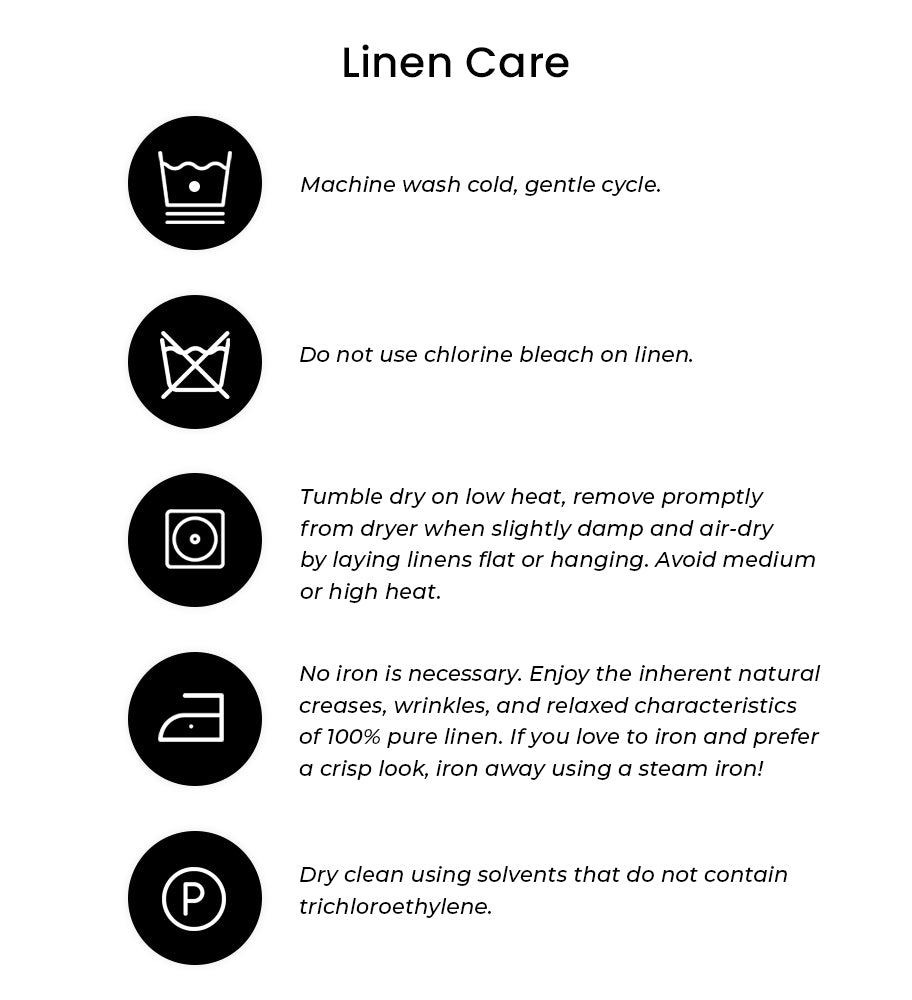
While hot water may seem like the best option for cleaning, it can be too harsh on natural fabrics. Cotton and linen napkins generally respond better to cold or lukewarm water, which helps preserve the integrity of the fibers while still providing effective cleaning.
Using excessively hot water may:
- Cause linen to shrink
- Set stains permanently
- Weaken fabric fibers
- Increase wrinkling
Cold or lukewarm water is typically the safest choice for maintaining the appearance and durability of white cloth napkins.
Wash on a Gentle Cycle
Natural fabrics benefit from gentle handling during washing. A gentle cycle reduces stress on the fibers, helping napkins maintain their shape, texture, and appearance over time. When combined with mild detergent and proper water temperature, gentle washing can keep cotton and linen napkins looking their best for years.
Best Washing Settings for White Napkins
|
Fabric Type |
Water Temperature |
Wash Cycle |
|
Cotton Napkins |
Cold or warm |
Gentle |
|
Linen Napkins |
Cold |
Delicate |
|
Embroidered Napkins |
Cold |
Hand wash or delicate |
Gentle washing helps preserve stitching, hems, and fabric texture.
Read Related: Best Cotton Napkins with Embroidered Designs
How to Keep White Cloth and Napkins Bright
Use Natural Brightening Ingredients
Instead of strong bleach, try natural whitening solutions that are safer for fabric.
White Vinegar

Add half a cup during the rinse cycle to the following:
-
Remove detergent buildup
-
Reduce odors
-
Brighten whites naturally
Baking Soda
Adding baking soda helps:
-
Lift stains
-
Neutralize odors
-
Refresh fabric fibers
Oxygen-Based Brighteners
These are gentler than chlorine bleach and safer for cotton and linen.
Avoid Too Much Detergent
Using extra detergent does not make napkins cleaner. It often leaves residue trapped in the fibers, making fabric look dull and stiff over time.
A small amount of mild detergent usually works best.
Do Not Use Fabric Softener
Fabric softeners may seem helpful, but they can
-
Reduce absorbency
-
Trap stains
-
Create a greasy buildup
-
Make white napkins look dingy
Cotton and linen naturally soften with regular washing.
The Best Way to Dry White Cloth Napkins
Air dry whenever possible.
Air drying is the safest method for cotton and linen napkins.
Benefits of air drying:
-
Prevents shrinkage
-
Protects fibers
-
Reduces wrinkles
-
Helps maintain shape
Hanging white napkins outdoors can also naturally brighten fabric in indirect sunlight.
Use Low Heat in the Dryer
If you use a dryer:
-
Choose low heat
-
Remove napkins while slightly damp
-
Avoid overdrying
High heat is one of the biggest causes of stiff, brittle linen.
How to Iron White Cloth Napkins
Freshly ironed napkins instantly improve table settings for dinners, weddings, and parties.
Iron While Slightly Damp
Slightly damp fabric smooths out wrinkles faster and prevents scorching.
Ironing Tips
-
Use medium heat for cotton
-
Use lower heat for linen
-
Iron on the reverse side if embroidered
-
Steam stubborn wrinkles gently
Steaming often works better than over-ironing linen because it preserves the fabric’s natural texture.
To Know: Best Summer Sales 2026 | Refresh Your Home
How to Store White Cloth Napkins Correctly
Proper storage helps prevent yellowing, odors, and fabric damage over time.

Best Storage Tips for White Cloth Napkins
-
Store in a cool, dry place
Moisture can lead to mildew, musty smells, and discoloration. -
Avoid plastic containers
Plastic can trap humidity and cause yellow spots on white fabric. -
Fold napkins neatly
Store them flat or loosely folded to reduce deep creases and wrinkles. -
Keep away from direct sunlight
Too much sun exposure may weaken fibers and cause uneven fading. -
Use acid-free tissue paper for long-term storage
Placing tissue paper between folds helps protect fabric and maintain brightness.
Common Mistakes That Ruin White Cloth Napkins
White cloth napkins can stay bright and beautiful for years with proper care, but a few common mistakes can shorten their lifespan and affect their appearance. Avoiding these issues helps preserve the fabric and maintain a fresh, clean look.
Using Too Much Bleach
Many people assume that more bleach means whiter napkins, but excessive use can actually damage the fabric. Chlorine bleach weakens fibers over time, causing them to wear out faster and develop a yellow or dull appearance. Use bleach sparingly and follow care instructions to protect the fabric.
Drying on High Heat
High dryer temperatures may seem convenient, but they can be harsh on cotton and linen napkins. Excessive heat often leads to shrinkage, stiff fabric, weakened fibers, and wrinkles that become difficult to remove. A low or medium heat setting is a safer choice for long-term care.
Leaving Stains Untreated
Even small stains that seem harmless can become permanent if left untreated. Food residue, oils, and beverages may oxidize during storage, leading to yellow or brown spots that are much harder to remove later. Treat stains as soon as possible for the best results.
Storing Napkins While Damp
Napkins should always be completely dry before folding and storing them. Trapped moisture can encourage mildew growth, unpleasant odors, and fabric discoloration. Allow napkins to air dry fully or remove them from the dryer only when they are completely dry before putting them away.
How Do Restaurants Keep Napkins White?
Restaurants keep white cloth napkins looking fresh by following a consistent cleaning routine. Instead of waiting for stains to set, they wash napkins soon after use with the right detergent and separate them from colored fabrics. This helps prevent discoloration and keeps the fabric bright after repeated washes.

Commercial laundries also use hot water when the care label allows, oxygen-based whiteners for regular maintenance, and occasional deep-cleaning treatments to remove food stains, oils, and beverage marks. Napkins are thoroughly rinsed to prevent detergent buildup, which can make white fabric appear dull over time.
For home care, you can use many of the same methods:
-
Treat stains as soon as possible before washing.
-
Wash white napkins separately from colored linens.
-
Use an oxygen bleach instead of chlorine bleach for routine whitening.
-
Avoid using too much detergent, as residue can attract dirt.
-
Dry napkins completely before folding and storing them.
-
Iron while slightly damp for a crisp, restaurant-style finish.
Following these simple habits helps your white cotton or linen napkins stay cleaner, brighter, and ready for everyday meals or special occasions.
Cotton vs. Linen Napkins: Which Is Easier to Maintain?
Cotton Napkins
Cotton napkins are:
-
Soft
-
Easy to wash
-
More wrinkle-resistant
-
Good for daily use
Linen Napkins
Linen napkins are:
-
More durable long-term
-
Naturally breathable
-
Stronger with repeated washing
-
More likely to wrinkle
Many people choose linen for formal dining because it ages beautifully over time.
Overview
White cloth napkins can stay fresh, bright, and soft for years with the right care routine. Gentle washing, quick stain treatment, proper drying, and careful storage all help protect the fabric and maintain that clean white finish.
Whether you use cotton or linen napkins for everyday dining or special gatherings, a little extra care goes a long way. Skip harsh chemicals, avoid high heat, and treat stains early to keep your napkins looking beautiful meal after meal.
Looking for soft and durable white cloth napkins for your dining table? Explore the collection at All Cotton and Linen and find timeless essentials for everyday dining and special occasions.